What are Rainwater Filters & Storage Units?
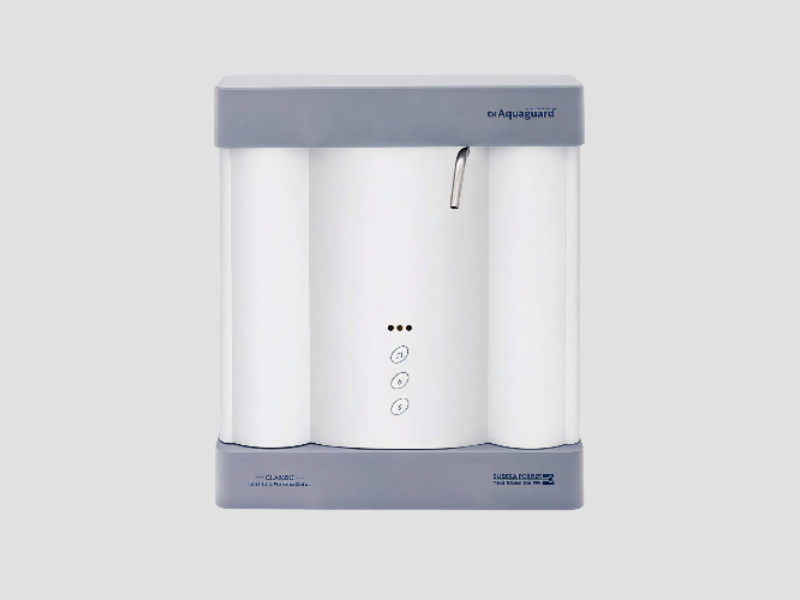
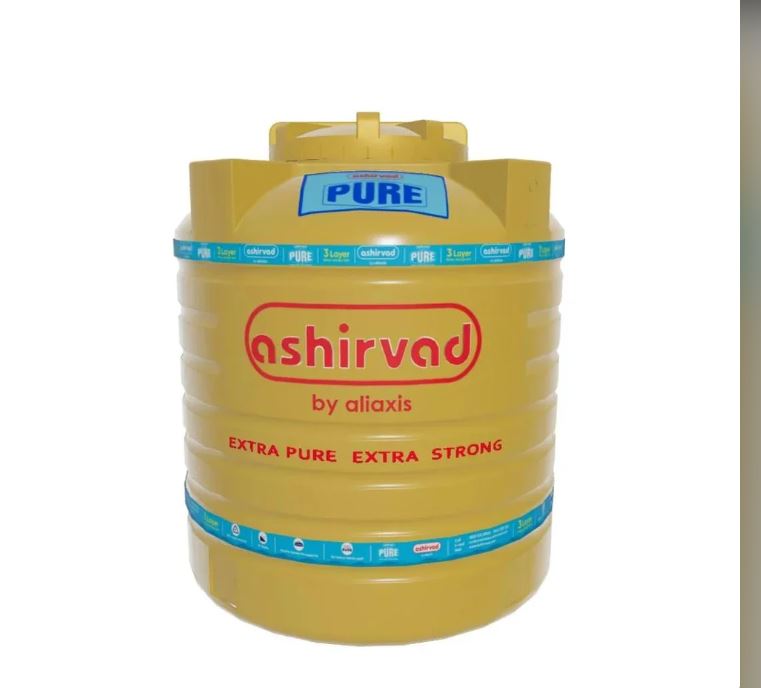
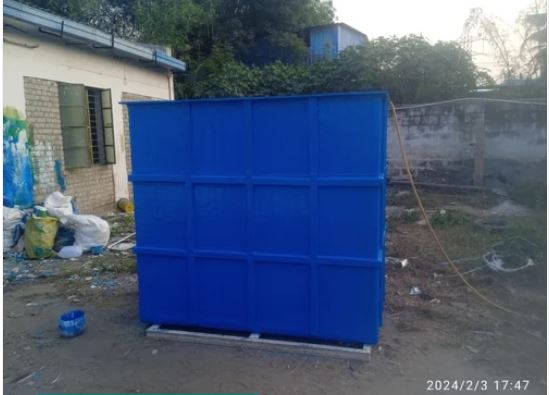
Rainwater filters and storage units are essential components designed to collect, filter, and store rainwater for various applications. These systems work by capturing rainwater runoff from surfaces like roofs and directing it through filtration units. The filters remove debris, contaminants, and other impurities, ensuring that the collected water is clean and suitable for various uses. Storage units then hold the filtered water until it is needed, providing a reliable source of water for different applications.
These products are widely used in industries such as agriculture, construction, and municipal services. In agriculture, rainwater harvesting can support irrigation systems, reducing dependence on groundwater. In construction, filtered rainwater can be used for non-potable purposes like dust suppression and landscape irrigation. Municipalities can implement rainwater collection systems to alleviate pressure on local water supplies and promote sustainable practices. The rising awareness of water conservation and sustainability is enhancing the market for rainwater filters and storage units.
Key Features and Specifications
Rainwater filters and storage units are designed with specific features that cater to various industrial needs. The following specifications are essential for understanding their functionality and effectiveness.
Key specifications include:
1. Filtration Efficiency
- Removes particulates and contaminants
- Efficiency ratings may exceed 95%
2. Storage Capacity
- Available in various sizes to meet different requirements
- Capacities can range from 500 liters to over 10,000 liters
3. Material Construction
- Commonly made from high-quality plastic or metal
- Resistant to corrosion and UV exposure
4. Installation Type
- Options for above-ground or underground installation
- Flexible design to fit different site conditions
5. Maintenance Requirements
- Low maintenance with easy access for cleaning
- Recommended filter changes typically every 6-12 months
6. Compliance Standards
- CE certification ensures adherence to safety and quality standards
- Local regulations may dictate specific compliance needs
7. Temperature Resistance
- Built to withstand various environmental conditions
- Data on specific temperature ranges not available
8. Humidity Control Features
- Designed to minimize condensation and water loss
- Data on specific humidity control features not available
In summary, understanding these specifications helps buyers select the right rainwater filters and storage units according to their specific needs.
Common Applications and Use Cases
Rainwater filters and storage units serve a variety of industries, each benefiting from their ability to collect and utilize rainwater efficiently.
1. Agriculture: Farmers can use rainwater for irrigation, reducing dependency on traditional water sources while promoting sustainable practices.
2. Construction: Builders often use collected rainwater for tasks like dust control and site cleaning, which helps minimize environmental impact.
3. Municipalities: Local governments can implement rainwater harvesting systems to augment water supplies and support sustainable urban development.
4. Residential: Homeowners increasingly install rainwater systems for garden irrigation and toilet flushing, contributing to water conservation.
5. Hospitality: Hotels and resorts can utilize rainwater for landscaping and laundry services, enhancing their sustainability initiatives.
6. Industrial: Factories may use filtered rainwater in production processes, reducing operational costs associated with water procurement.
7. Educational Institutions: Schools and universities can implement rainwater systems as part of educational programs on sustainability and conservation.
Product Variants and Subcategories
Rainwater filters and storage units come in various designs and configurations to meet diverse customer needs.
Gravity-fed Filters
These filters operate without pumps, relying on gravity to guide rainwater through the system. They are easy to maintain and ideal for smaller applications.
Pressure-driven Filters
These systems use pumps to facilitate water movement through the filtration process. They are suitable for larger installations needing higher flow rates.
Above-ground Storage Tanks
These tanks provide easy access for maintenance and monitoring. They are often used in residential and commercial applications where space permits.
Underground Storage Tanks
These systems save surface space and are ideal for urban environments. They offer large capacity and protect water from evaporation and contamination.
Benefits and Advantages
Rainwater filters and storage units offer numerous benefits that promote sustainability and cost efficiency.
1. Water Conservation: These systems help reduce reliance on municipal water supplies, promoting responsible water use.
2. Cost Savings: Utilizing rainwater can lower water bills significantly, especially for large-scale operations.
3. Environmental Impact: Collecting rainwater reduces stormwater runoff, minimizing flooding and soil erosion.
4. Versatile Applications: The filtered water can be used for irrigation, industrial processes, and non-potable needs, increasing its utility.
5. Improved Water Quality: Effective filtration ensures that the collected water is clean and suitable for various uses.
6. Enhanced Sustainability: By implementing rainwater harvesting systems, businesses can demonstrate their commitment to environmental stewardship.
Buying Guide for B2B Buyers
When sourcing rainwater filters and storage units, B2B buyers should consider several important factors.
1. Quality Assessment: Evaluate the materials and construction methods used in the filters and storage units. Look for certifications like CE to ensure compliance with quality standards.
2. Supplier Verification: Vet potential suppliers through references and reviews. Ensure they have a reliable track record in delivering quality products.
3. Pricing and MOQ: Compare pricing structures and minimum order quantities among suppliers to ensure you get the best value for your investment.
4. Delivery and Lead Times: Discuss logistics with suppliers to understand delivery schedules and lead times. Timely delivery is crucial for project planning.
5. Compliance Requirements: Stay informed about local regulations and compliance needs related to water harvesting systems to avoid legal issues.
Compliance and Certifications
Rainwater filters and storage units must adhere to relevant quality and safety standards to ensure reliability and effectiveness.
ISO 9001 is a standard that emphasizes quality management systems, ensuring that manufacturers consistently produce high-quality products.
HACCP (Hazard Analysis Critical Control Point) may be applicable in contexts where water quality is critical, particularly in food production and processing.
CE certification indicates that a product meets European safety and environmental requirements, giving buyers confidence in its compliance.
Safety and testing requirements vary by region, and manufacturers must ensure their products undergo necessary evaluations to meet local standards.
It is essential for buyers to understand regional compliance considerations to guarantee that the products they choose meet all local regulations and safety guidelines.
Why Source Rainwater Filters & Storage Units from Pepagora?
Pepagora provides a trusted platform for sourcing rainwater filters and storage units, offering several key advantages for B2B buyers.
Verified Supplier Network: Pepagora connects buyers with a network of verified suppliers, ensuring reliability and quality in sourcing products.
Streamlined RFQ Process: The platform simplifies the request for quotation process, allowing buyers to easily compare offers from multiple suppliers.
Trade Assurance and Support: Pepagora offers trade assurance to protect buyer transactions, providing peace of mind during the procurement process.
Regional Coverage: With a strong presence in India, the GCC, and Southeast Asia, Pepagora caters to a wide range of markets, ensuring accessibility and support.
By choosing Pepagora, buyers can confidently navigate the procurement of rainwater filters and storage units, ensuring they make informed and effective purchasing decisions.

 IN
IN