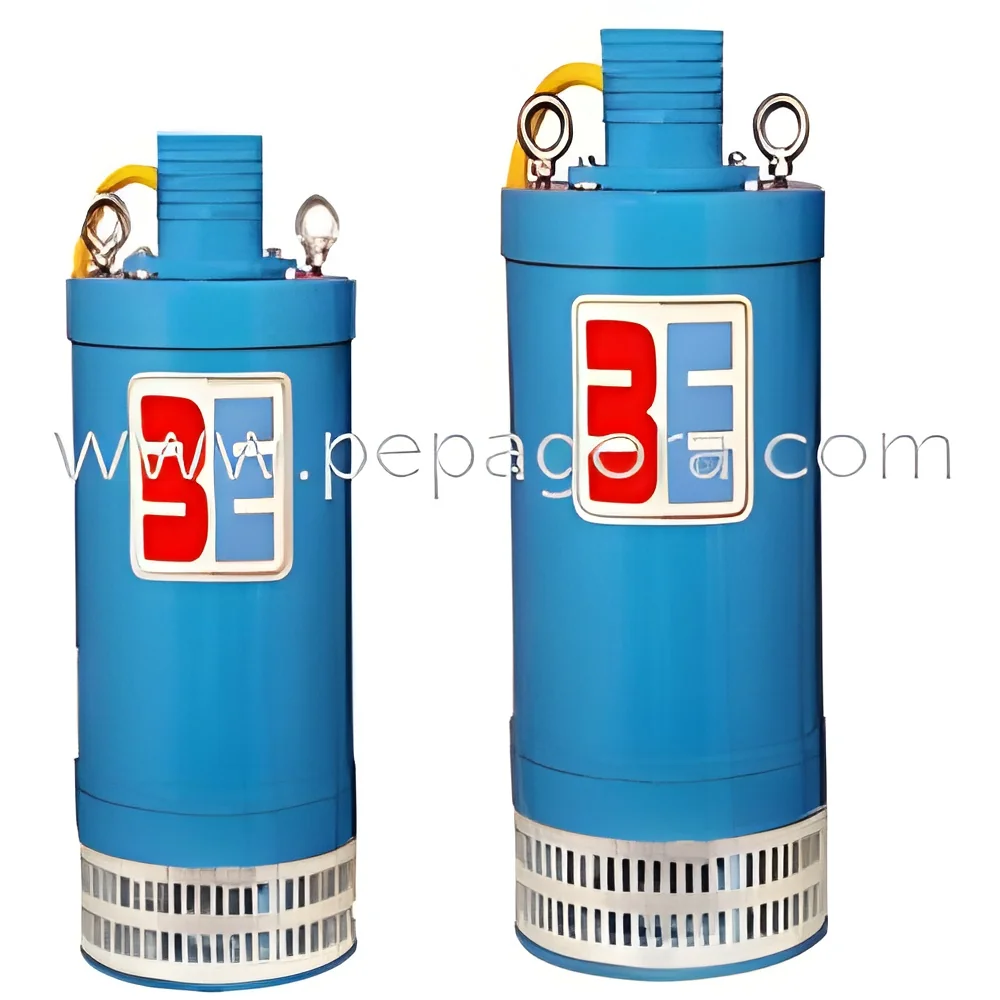
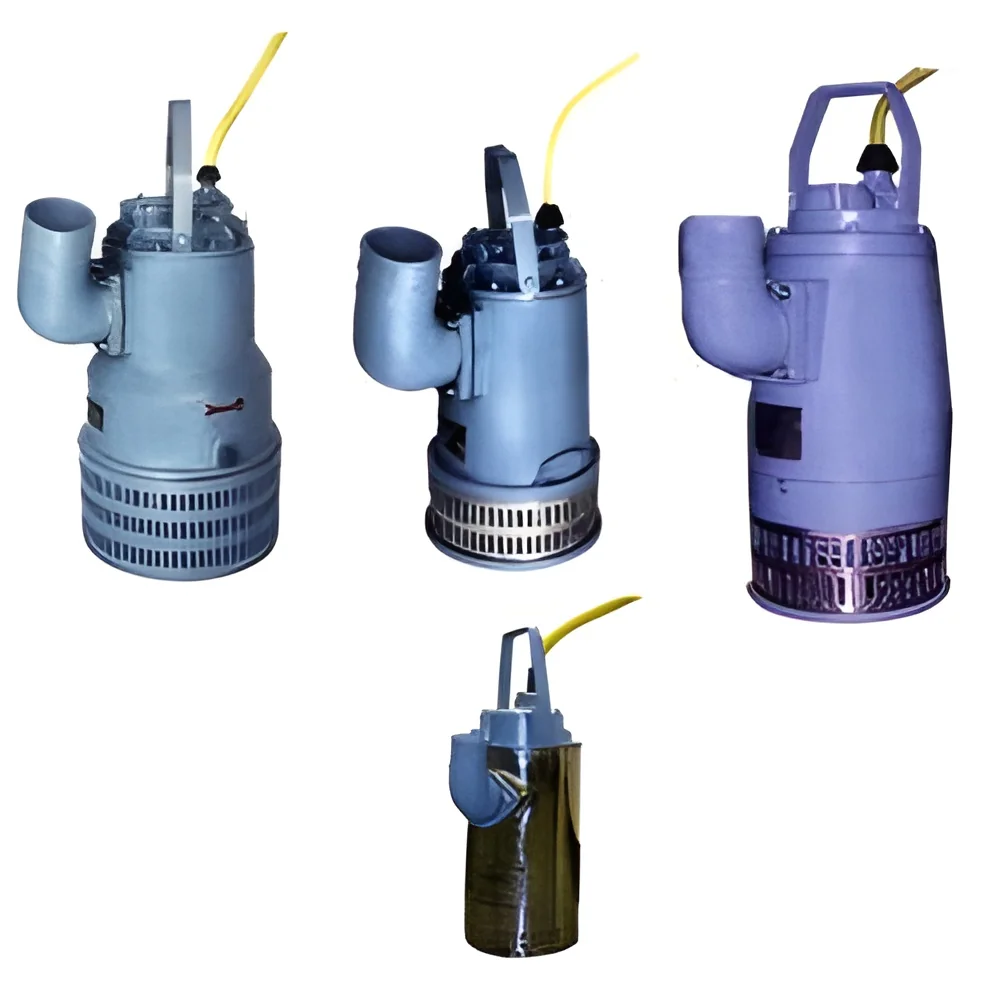
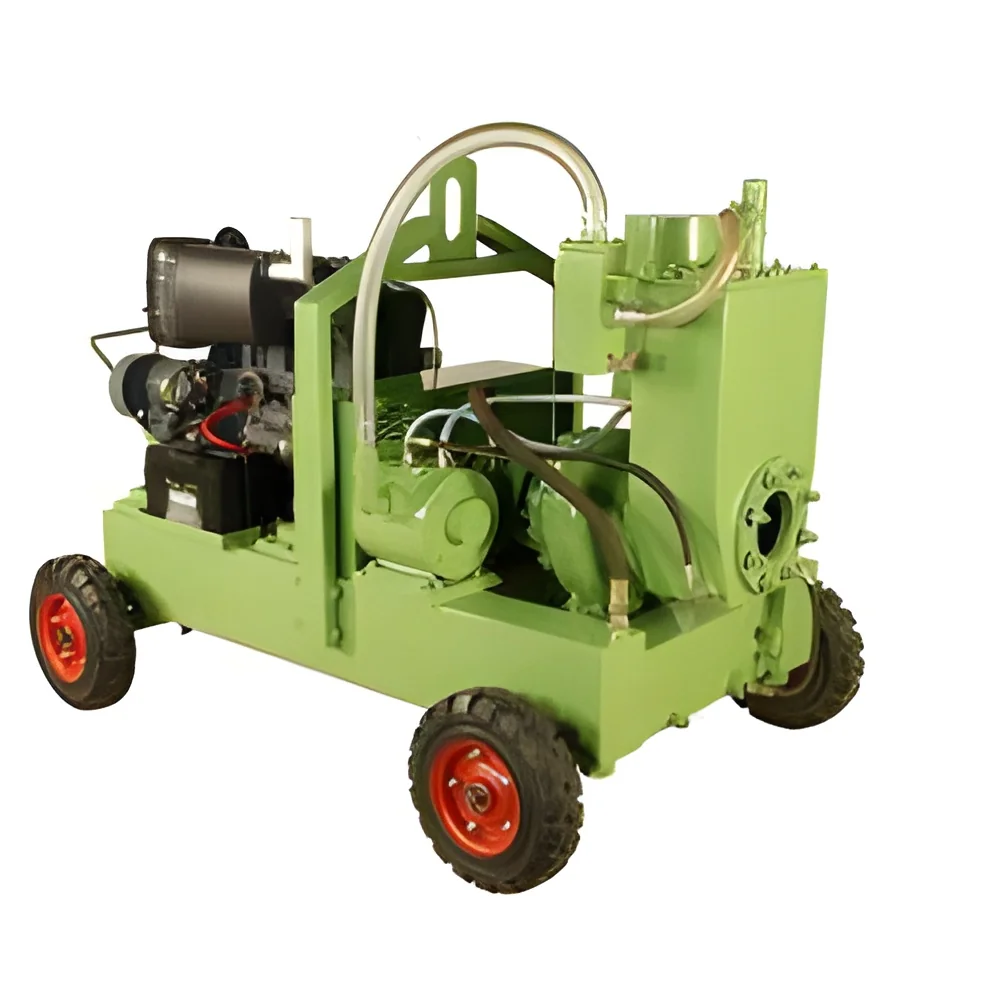
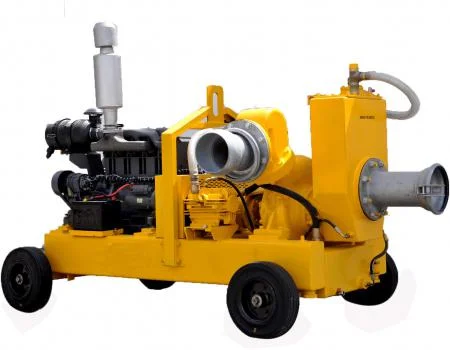
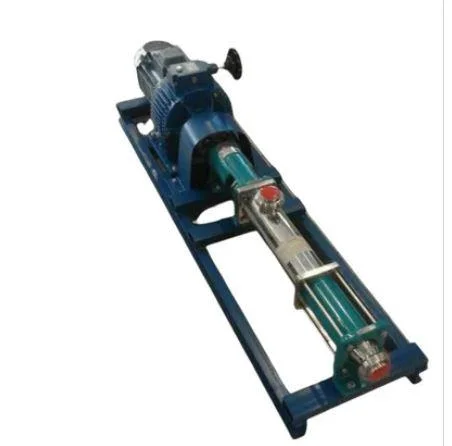
What are Sludge Dewatering Units?
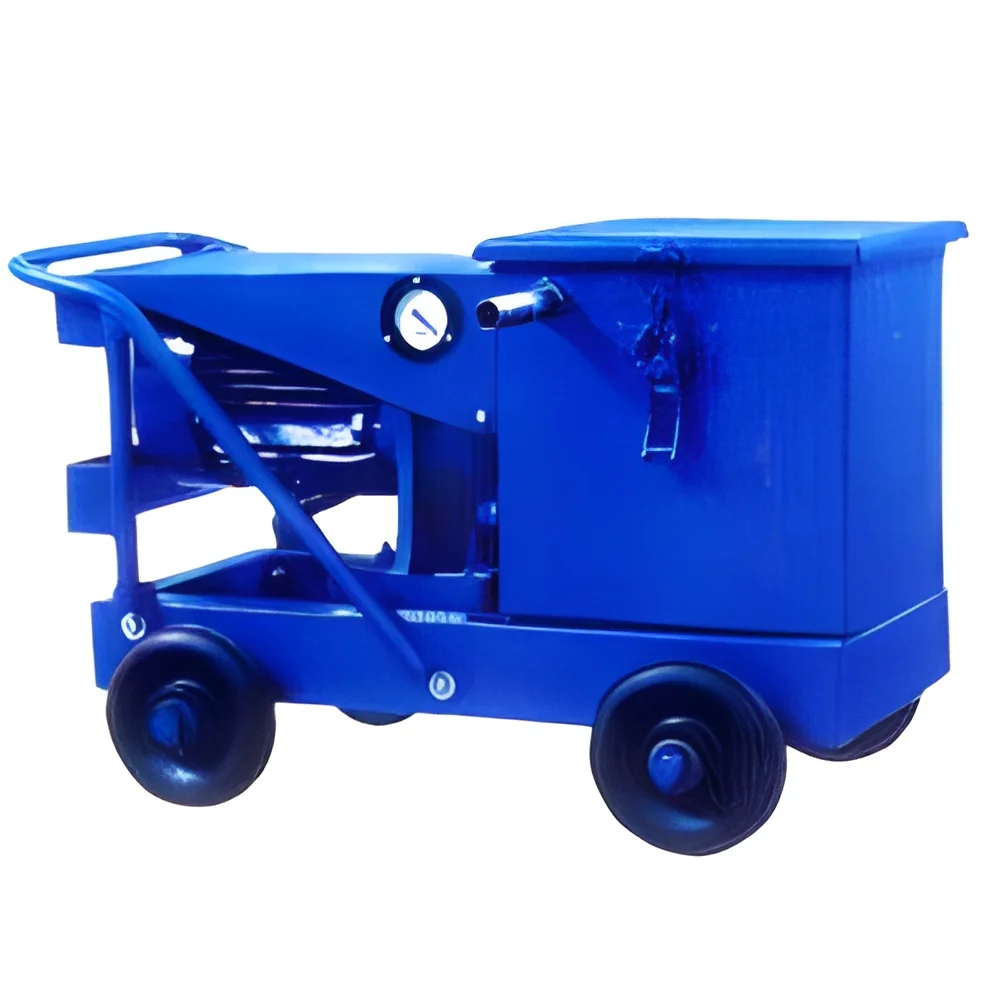
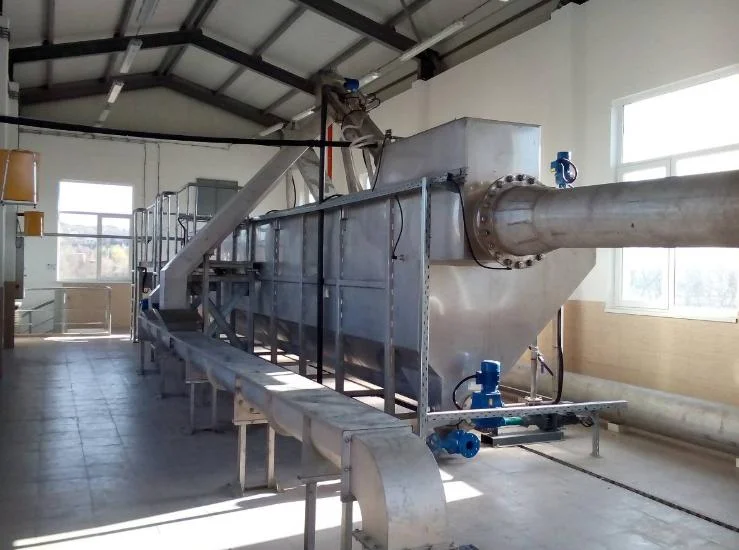
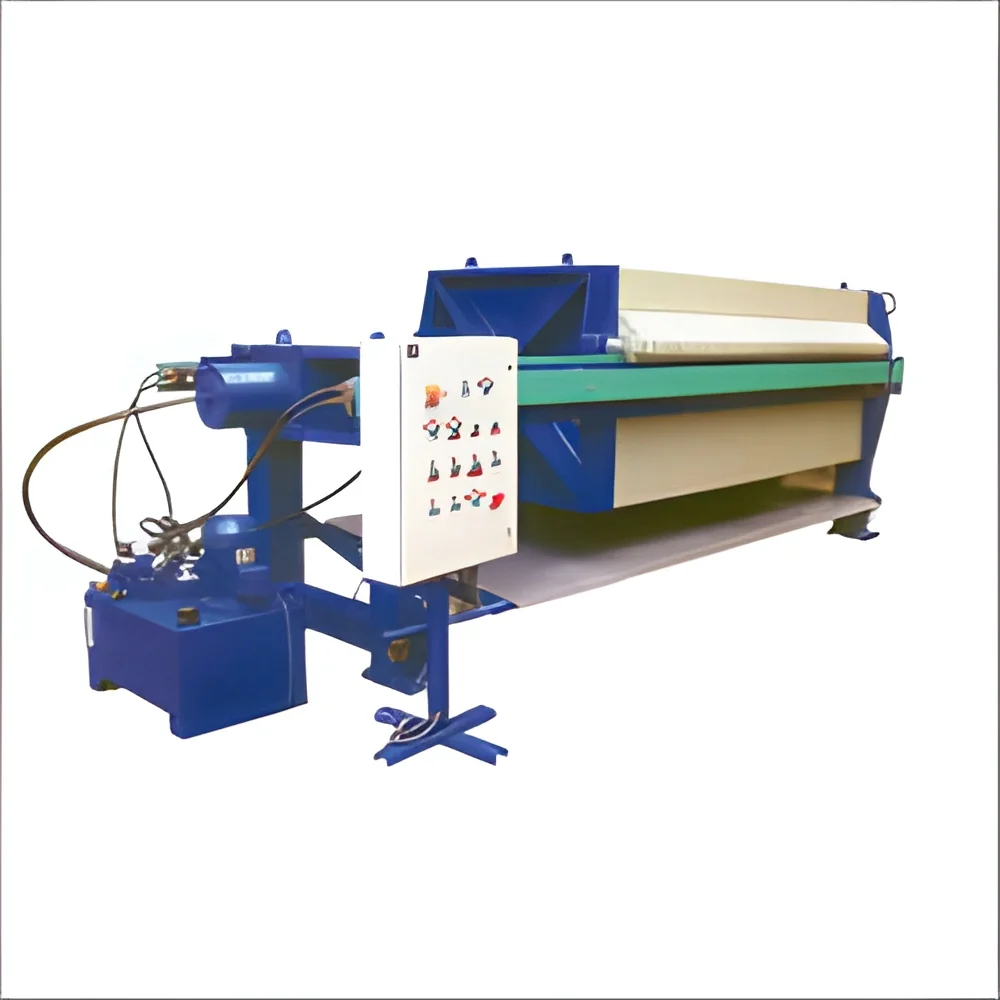
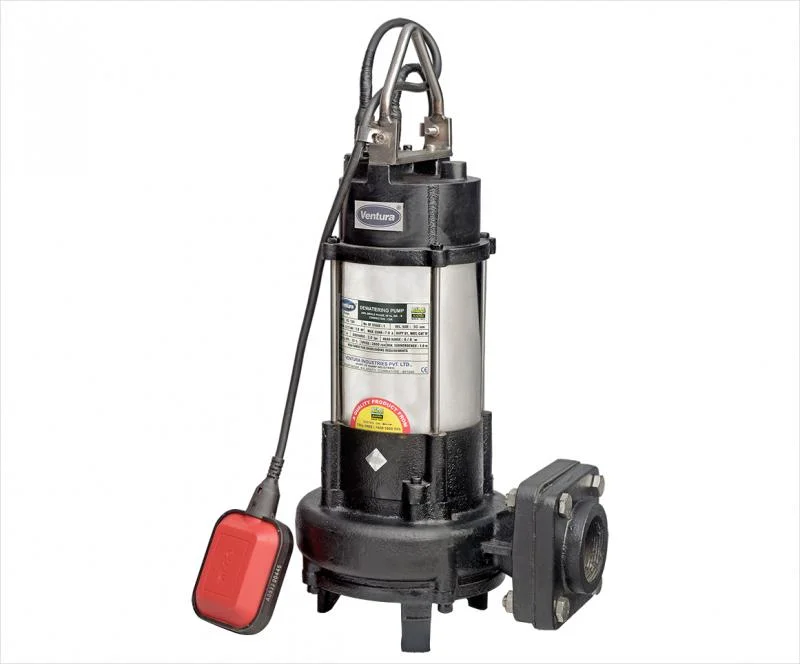
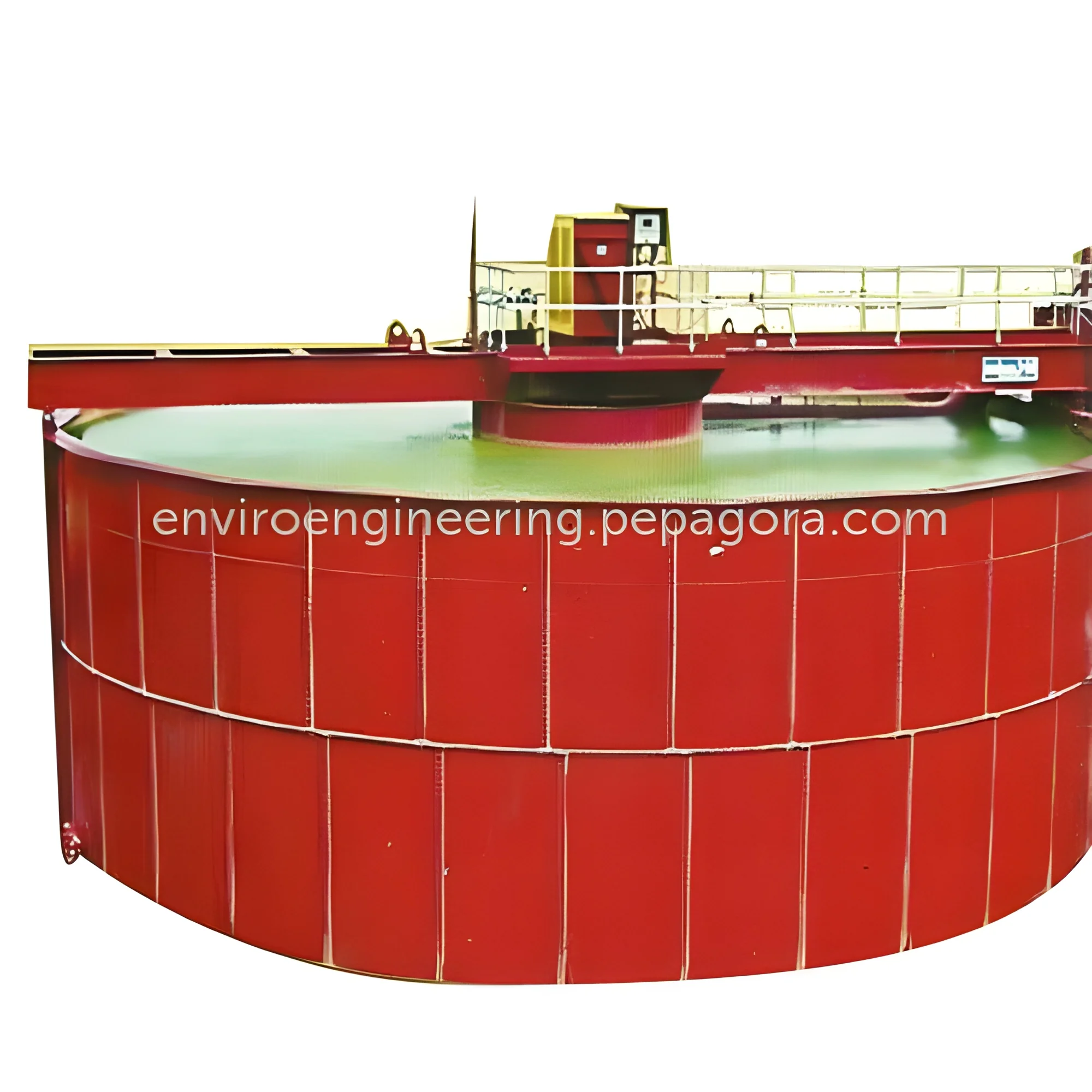
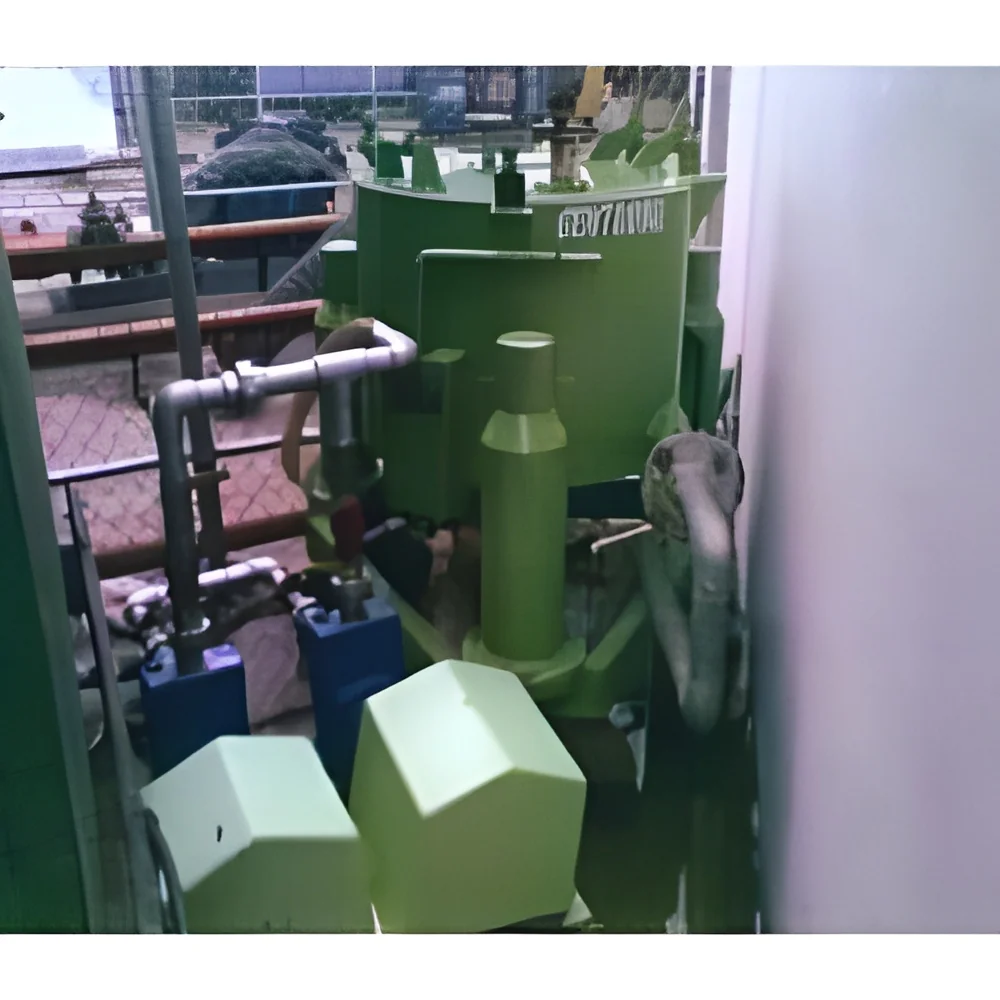
Sludge dewatering units are specialized systems designed to reduce the volume of sludge generated from various industrial processes. They achieve this by removing excess water, making the sludge more manageable for disposal or further processing. These units are essential in wastewater treatment facilities, industrial plants, and other sectors where liquid waste is produced. The primary objective is to concentrate the sludge while minimizing its weight and volume, leading to significant cost savings in transportation and disposal.
Businesses utilize sludge dewatering units for various applications, including municipal wastewater treatment, food processing, and chemical manufacturing. By effectively reducing sludge volume, these units not only streamline waste management but also promote environmental sustainability by enabling recycling and recovery processes. In today's market, the demand for efficient sludge management solutions is rising, driven by stricter environmental regulations and a growing emphasis on resource recovery in multiple industries.
Key Features and Specifications
Sludge dewatering units are equipped with various features and specifications that enhance their efficiency and effectiveness. Understanding these specifications can help businesses choose the right solution for their needs.
Key specifications include:
1. Dewatering Method
- Various methods such as centrifugation, belt press, or screw press
- Options designed for specific sludge types and volume requirements
2. Dewatering Rate
- The volume of sludge that can be processed per hour
- Typically ranges from several cubic meters to tens of cubic meters per hour
3. Solids Content
- Final solids content percentage after dewatering
- Can vary based on the method used, generally ranging from 15% to 30%
4. Energy Consumption
- Efficiency of the unit in terms of energy usage
- Measured in kilowatt-hours per cubic meter of dewatered sludge
5. Control Systems
- Advanced monitoring and control systems for optimal operation
- May include automated feed rates and sludge concentration adjustments
6. Footprint
- Physical dimensions of the unit
- Important for space considerations in existing facilities
7. Maintenance Requirements
- Frequency and type of maintenance needed for optimal performance
- Generally includes routine checks, cleaning, and parts replacement
8. Safety Features
- Built-in safety mechanisms to protect operators and equipment
- May include emergency stop buttons and safety guards
Understanding these specifications helps businesses select the most appropriate sludge dewatering unit for their operational needs.
Common Applications and Use Cases
Sludge dewatering units serve various industries, addressing their unique waste management challenges.
1. Municipal Wastewater Treatment: These units are critical for reducing the volume of sludge produced in wastewater treatment plants, enabling easier transportation and disposal.
2. Food Processing: In the food industry, sludge dewatering units help manage waste from production processes, reducing disposal costs and promoting recycling of organic materials.
3. Chemical Manufacturing: These systems are used to handle sludge generated from chemical processes, allowing for efficient waste management and compliance with environmental regulations.
4. Oil and Gas: Sludge dewatering units effectively manage drilling mud and waste, optimizing waste disposal and recovery processes.
5. Pulp and Paper: The paper industry utilizes these units to manage waste sludge, improving operational efficiency and reducing environmental impact.
6. Mining: In mining operations, sludge dewatering units help manage water and waste, enhancing resource recovery and minimizing ecological disturbances.
7. Pharmaceutical: These units are used to dewater sludge from pharmaceutical production, ensuring compliance with stringent waste disposal regulations.
Product Variants and Subcategories
Sludge dewatering units come in various configurations to meet different operational needs. While subcategories are not specified, the diversity in design allows for tailored solutions.
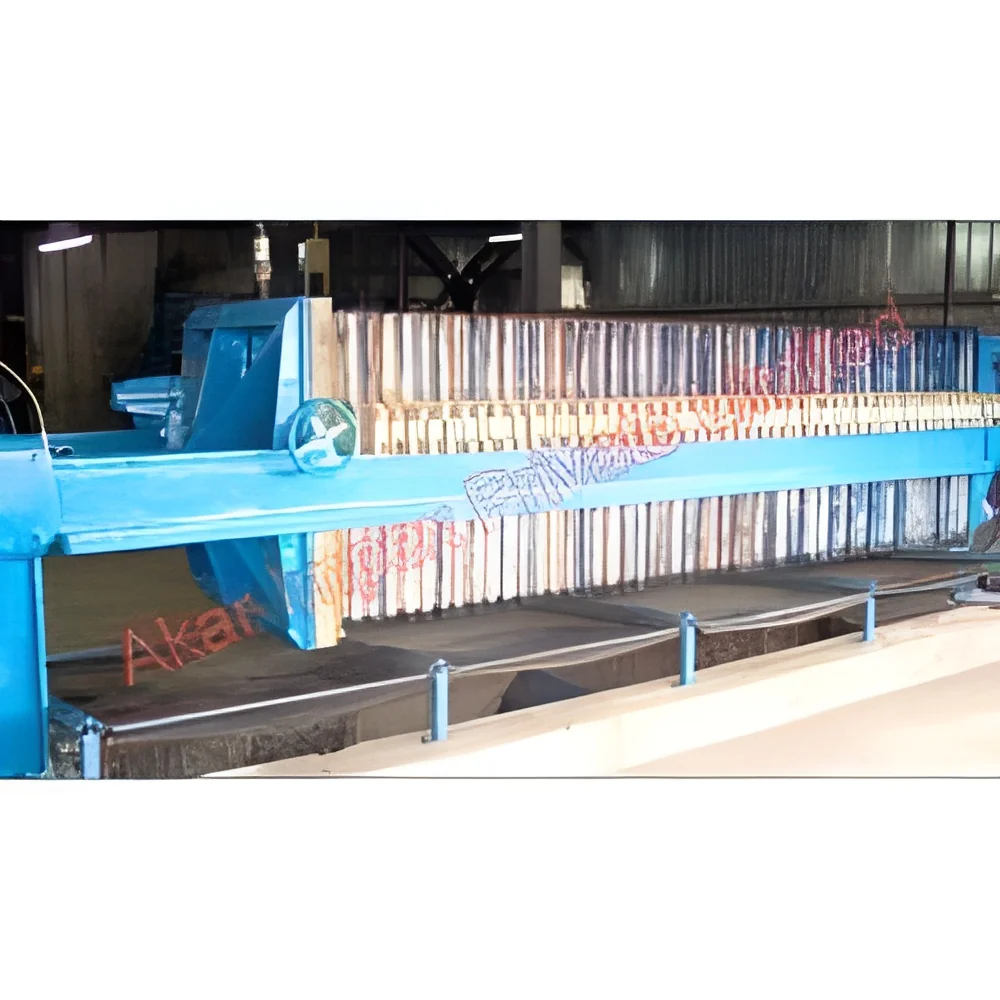
Centrifuge-Based Units: These units use centrifugal force to separate water from sludge, making them ideal for high-volume applications. They are known for their efficiency and ability to handle varying sludge characteristics.
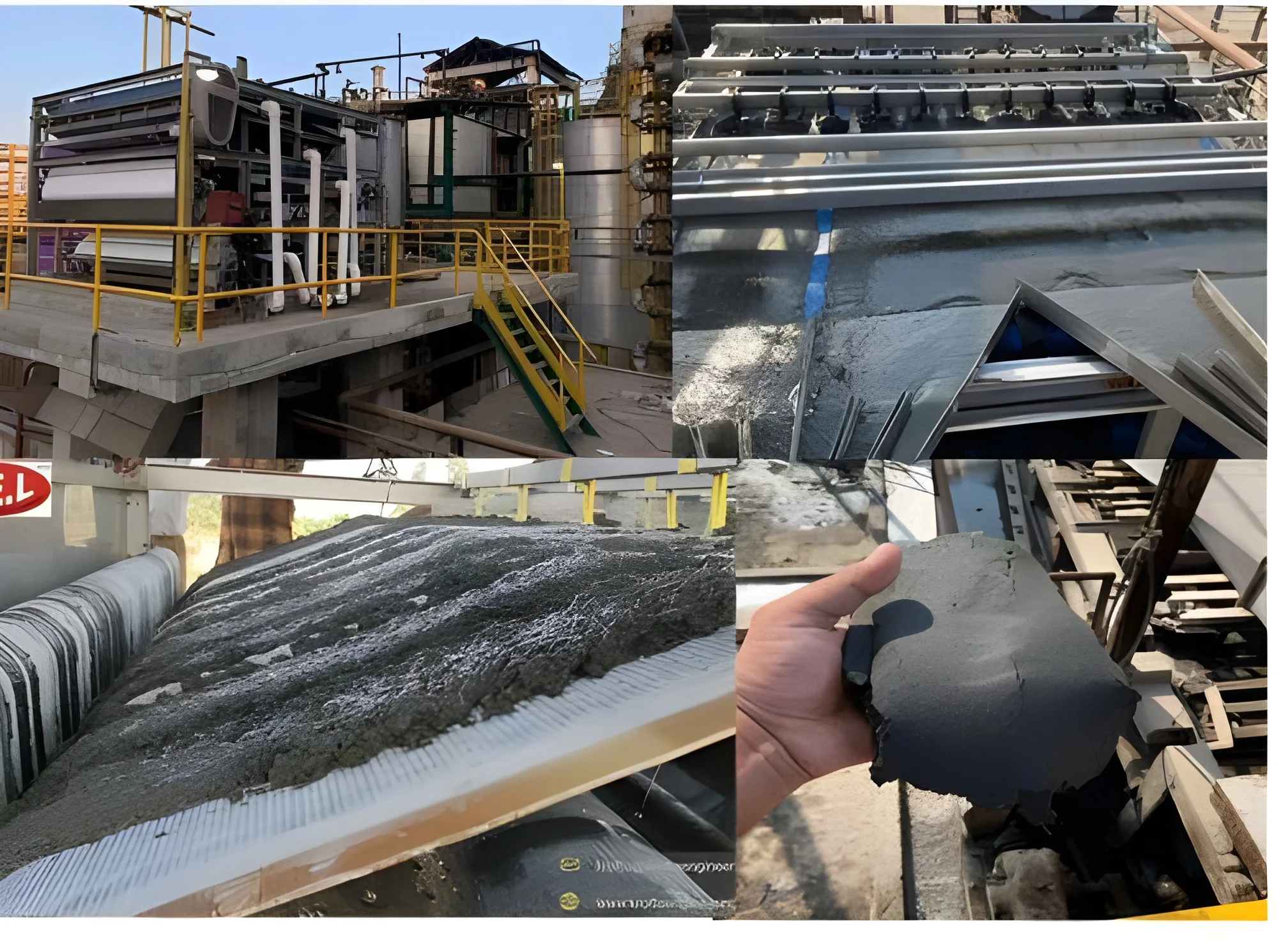
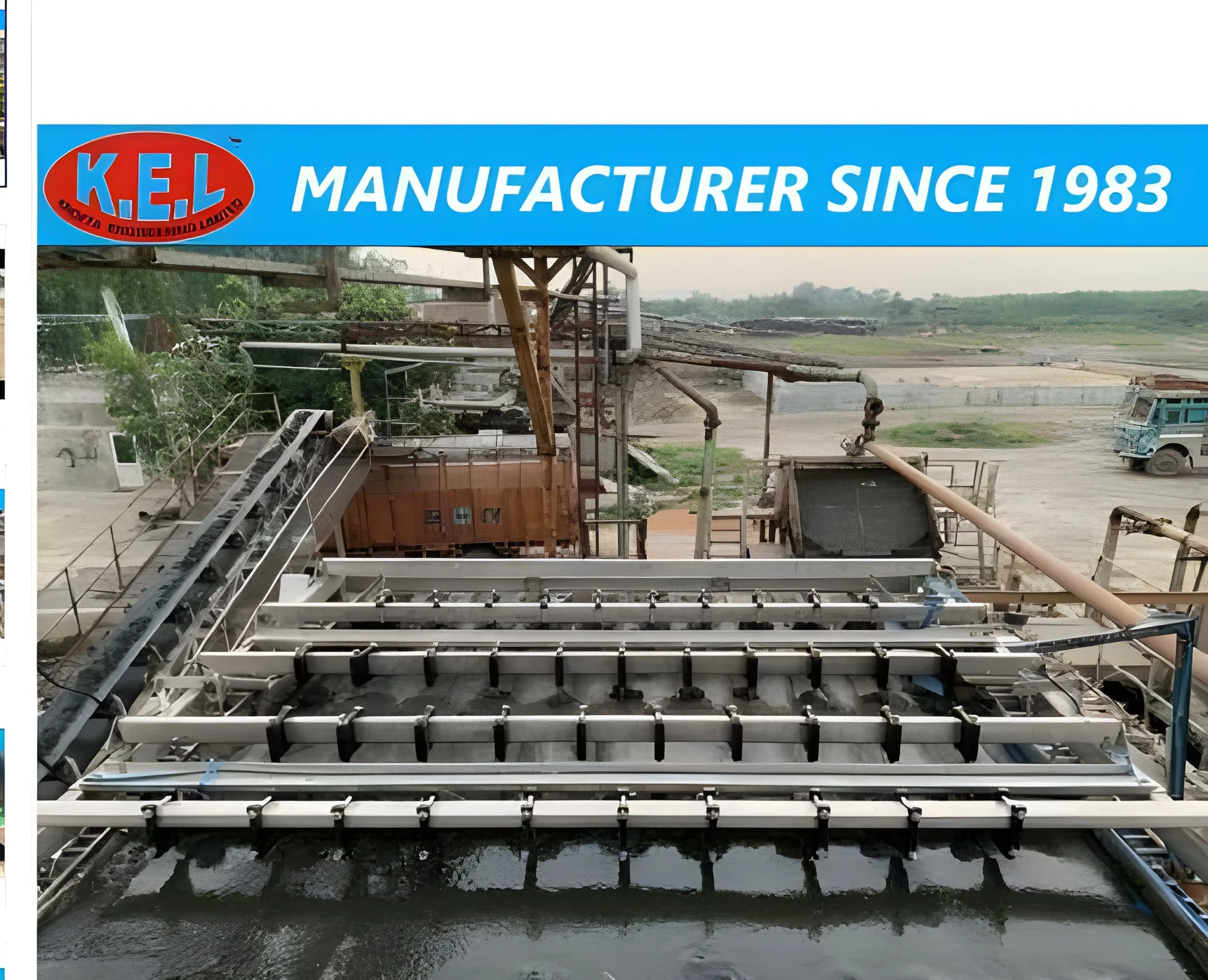
Belt Filter Press: This type of unit uses a continuous belt system to dewater sludge, making it suitable for applications requiring lower operational costs. They are widely used in municipal and industrial wastewater treatment plants.
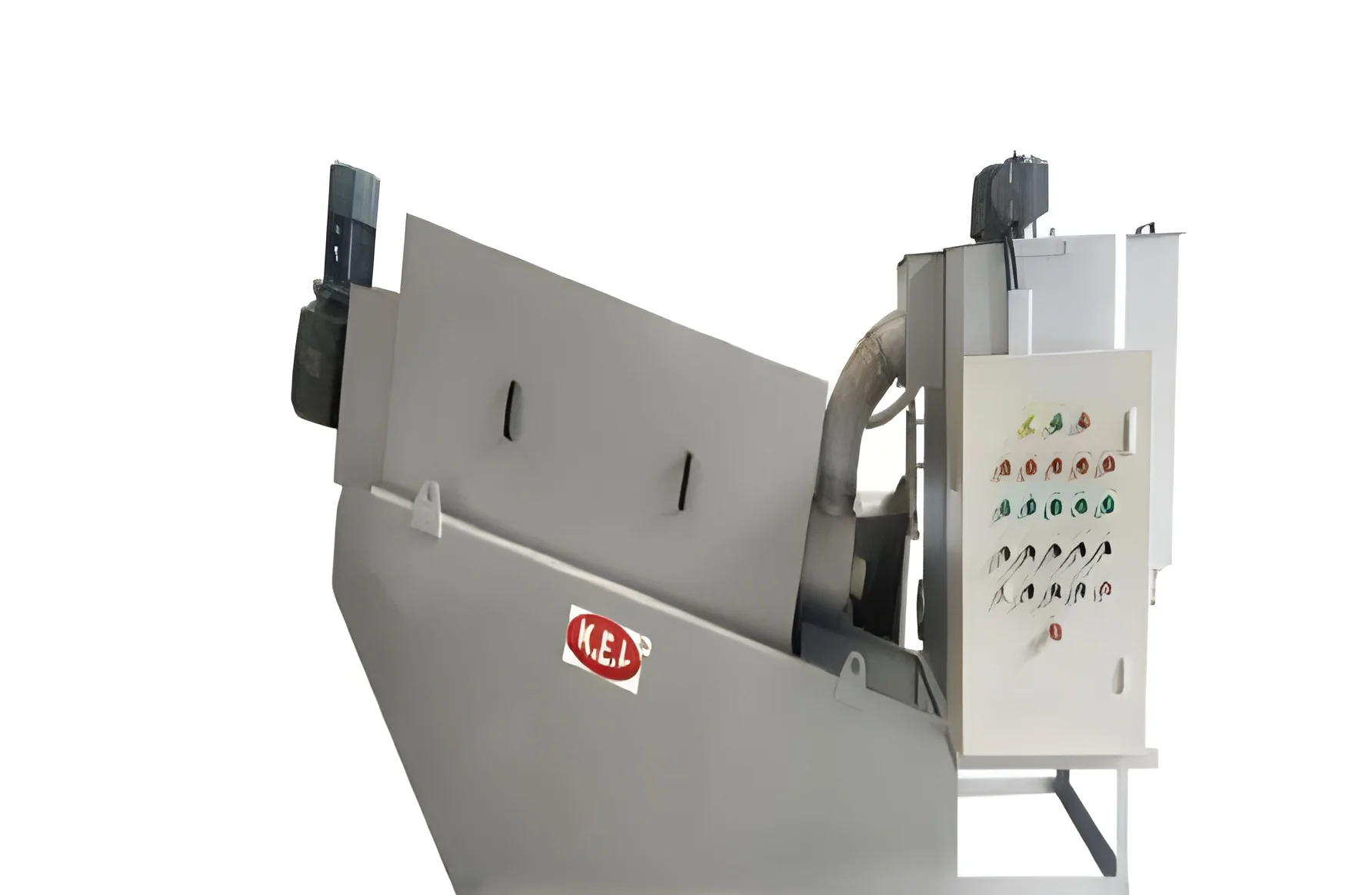
Screw Press: Screw presses operate on a principle of mechanical pressure to dewater sludge. They are particularly effective for fibrous materials and provide a compact design.
Benefits and Advantages
Investing in sludge dewatering units offers several benefits that can significantly enhance operational efficiency.
Key benefits include:
1. Cost Reduction: By minimizing sludge volume, these units lower transportation and disposal costs, providing substantial savings for businesses.
2. Environmental Compliance: Efficient sludge management ensures compliance with environmental regulations, reducing the risk of fines and penalties.
3. Resource Recovery: Sludge dewatering units facilitate the recovery of valuable resources, such as water and nutrients, promoting sustainability in waste management.
4. Improved Process Efficiency: By reducing the volume of sludge, these units streamline waste processing, allowing for more efficient overall operations.
5. Flexibility: With various models and configurations available, businesses can choose units that best fit their specific needs and operational requirements.
6. Enhanced Safety: Modern sludge dewatering units incorporate safety features that protect operators, ensuring a safer work environment.
Buying Guide for B2B Buyers
When sourcing sludge dewatering units, several factors should be considered to ensure an informed purchase.
1. Quality Assessment: Evaluate the quality of materials and construction standards to ensure durability and efficiency. Look for units that meet recognized industry standards.
2. Supplier Verification: Vet potential suppliers by checking their reputation, certifications, and customer reviews. A reliable supplier ensures quality and support.
3. Pricing and MOQ: Understand the pricing structure and minimum order quantities. Compare quotes from multiple suppliers to find the best value.
4. Delivery and Lead Times: Consider logistics, including delivery timelines and shipping costs, to ensure timely project completion.
5. Compliance Requirements: Be aware of any regulatory compliance needs specific to your industry, ensuring the units meet necessary standards for operation.
Compliance and Certifications
Compliance with industry standards and regulations is vital for sludge dewatering units. Relevant quality standards, such as ISO 9001, ensure that manufacturers maintain high levels of quality management in their production processes.
Additionally, certifications like CE indicate that a product meets European safety, health, and environmental protection standards. These certifications are crucial for buyers looking to ensure regulatory compliance and safety in their operations.
Safety and testing requirements are also essential considerations. Proper testing of the units helps ensure they operate safely and efficiently. Regional compliance considerations may vary, so buyers should confirm that the units meet local regulations before purchasing.
Why Source Sludge Dewatering Units from Pepagora?
Pepagora provides a trusted platform for sourcing sludge dewatering units, offering several key advantages that enhance the buying experience.
Verified Supplier Network: Pepagora connects buyers with a network of verified suppliers, ensuring that you source high-quality units from reputable manufacturers.
Streamlined RFQ Process: The platform offers a simplified request-for-quotation process, making it easy for buyers to obtain competitive quotes and compare options efficiently.
Trade Assurance and Support: Buyers benefit from trade assurance, ensuring protection during transactions and providing support throughout the purchasing process.
Regional Coverage: With a focus on markets in India, the Gulf Cooperation Council (GCC), and Southeast Asia, Pepagora ensures broad geographic reach, catering to diverse buyer needs while facilitating access to regional suppliers.

 IN
IN