IN
IN₹
Apparel & Fashion
Description
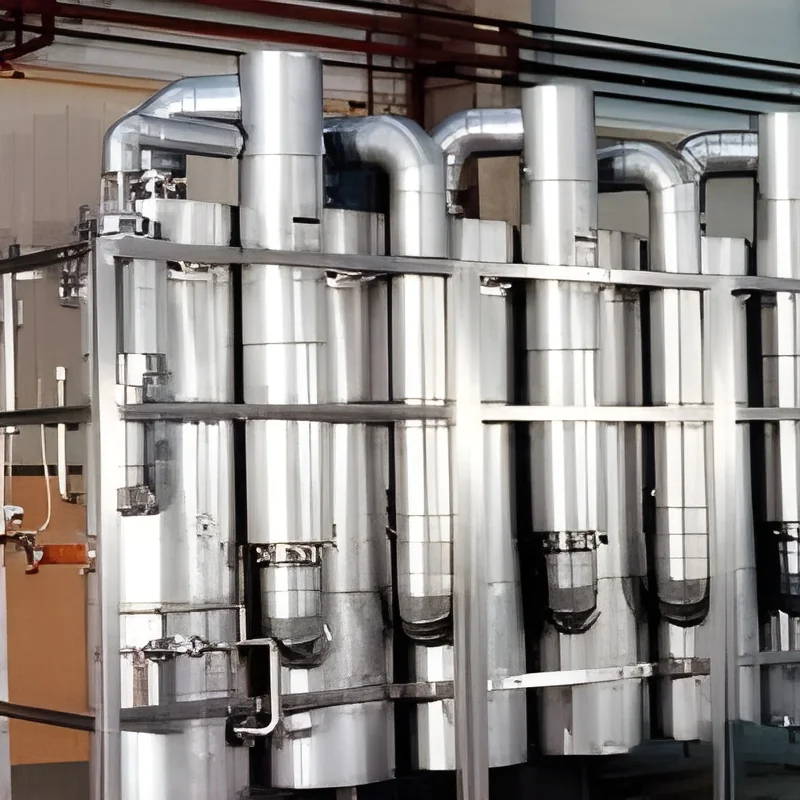
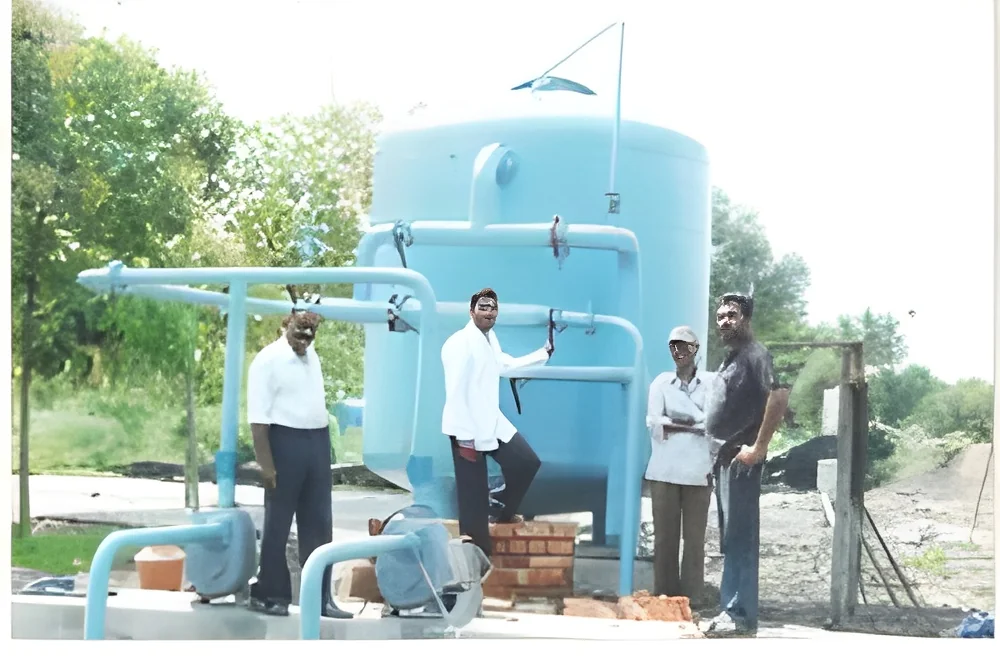
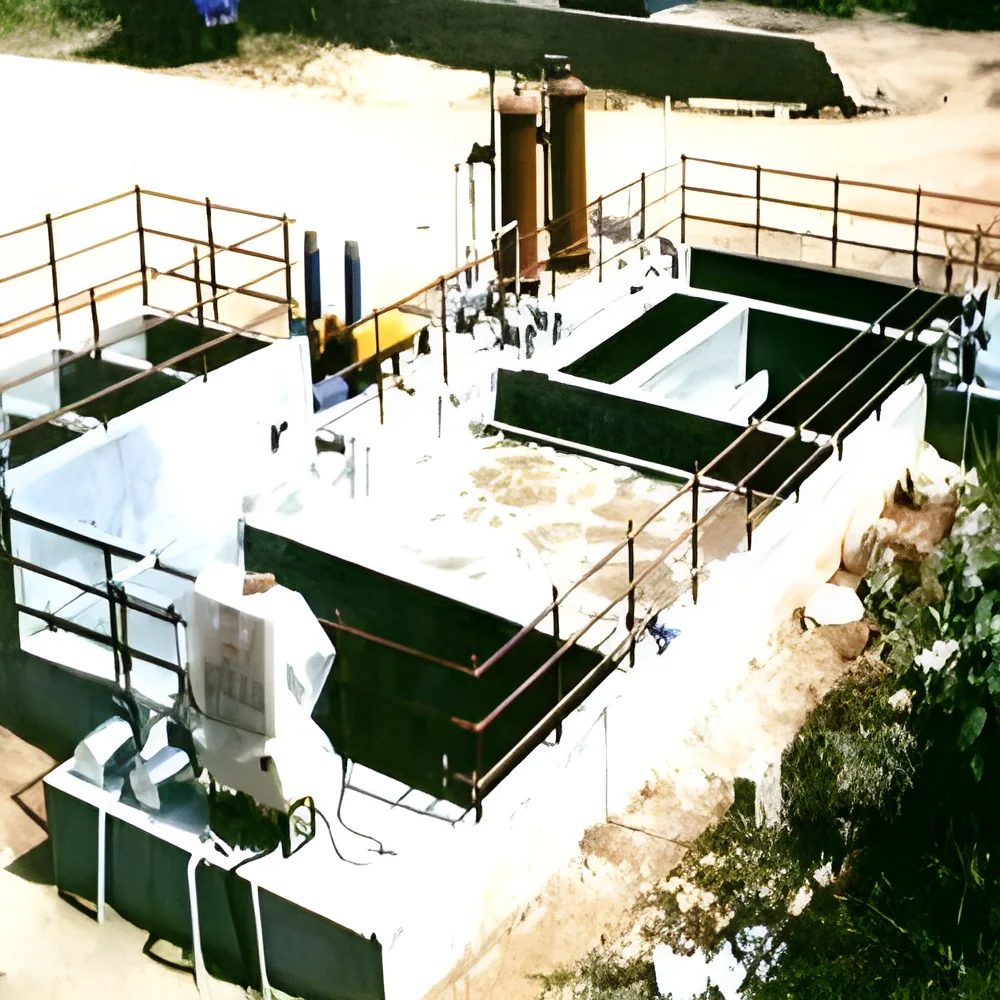
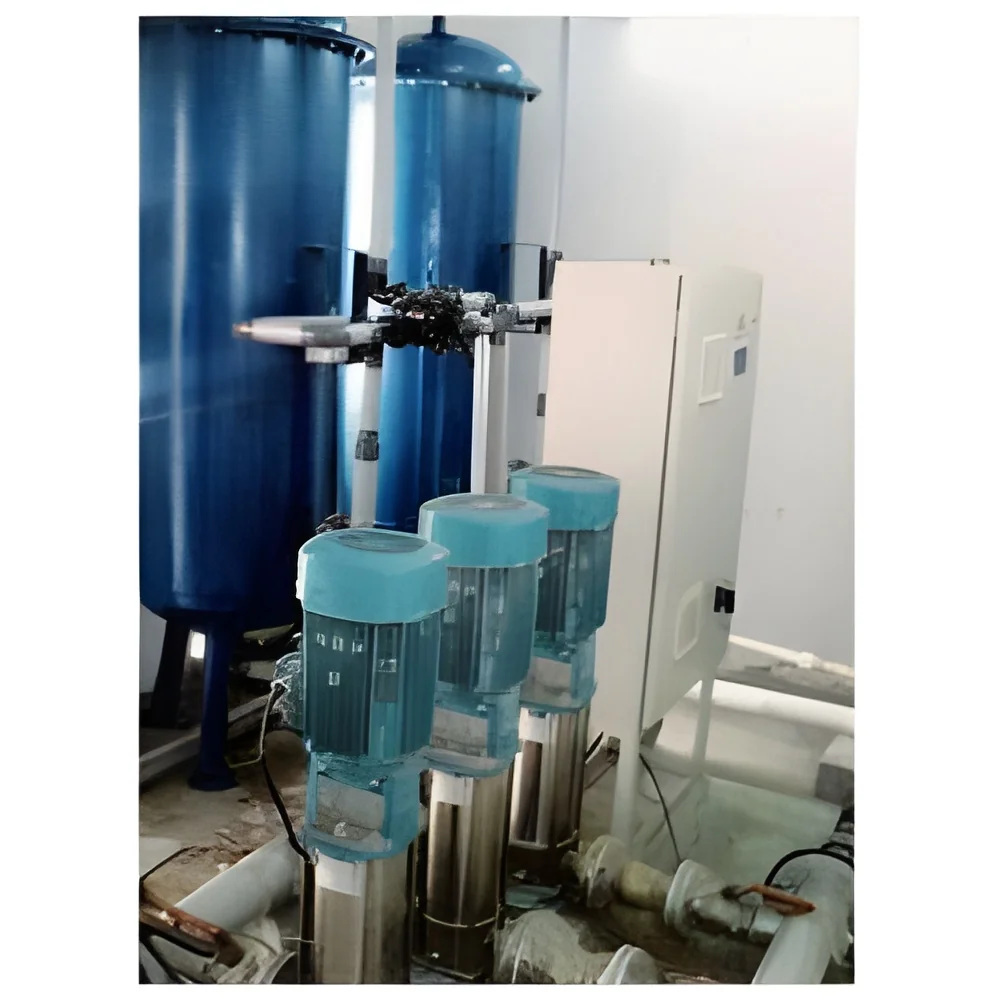
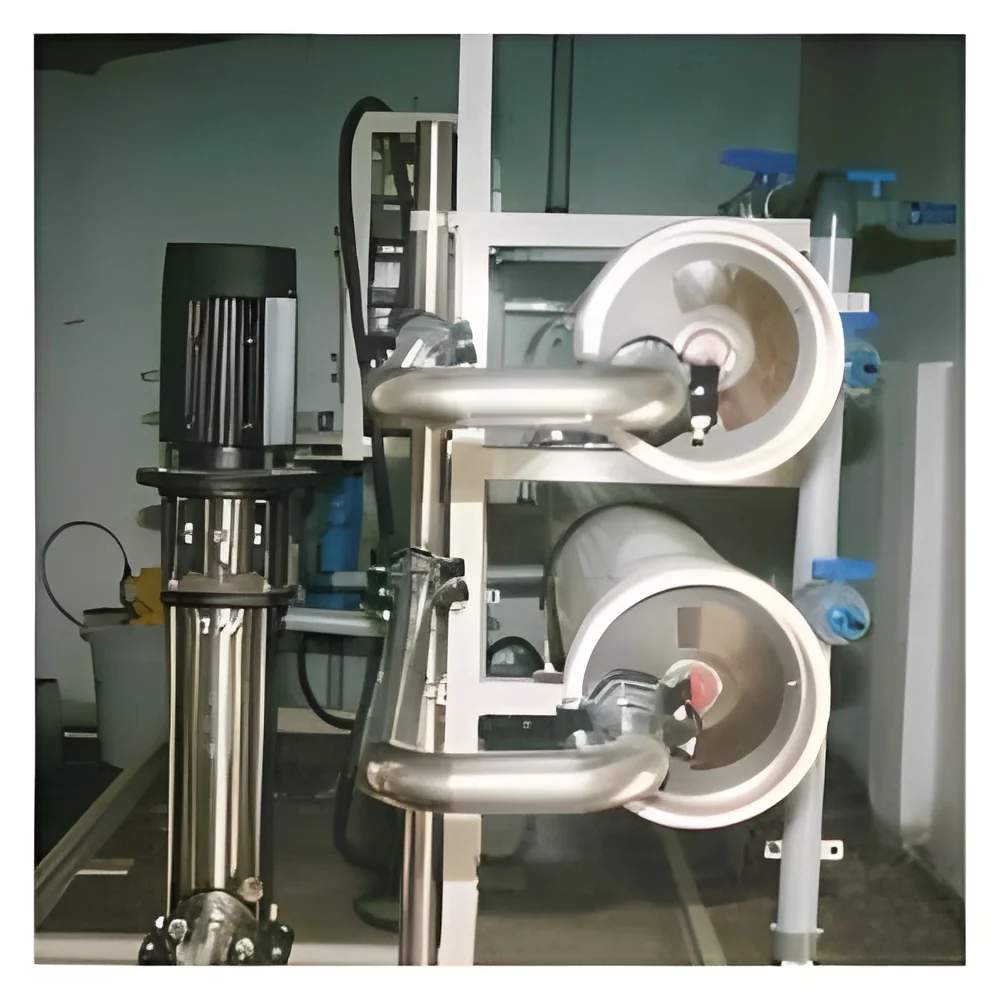
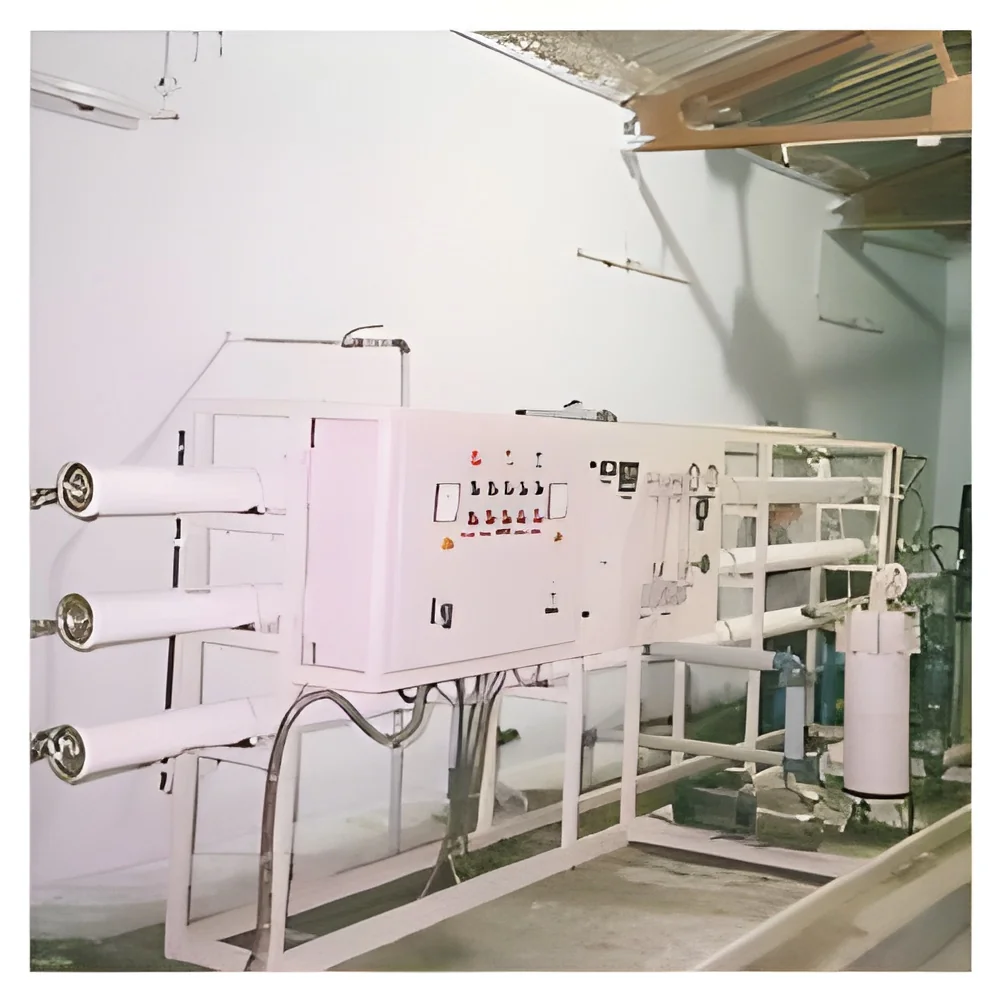
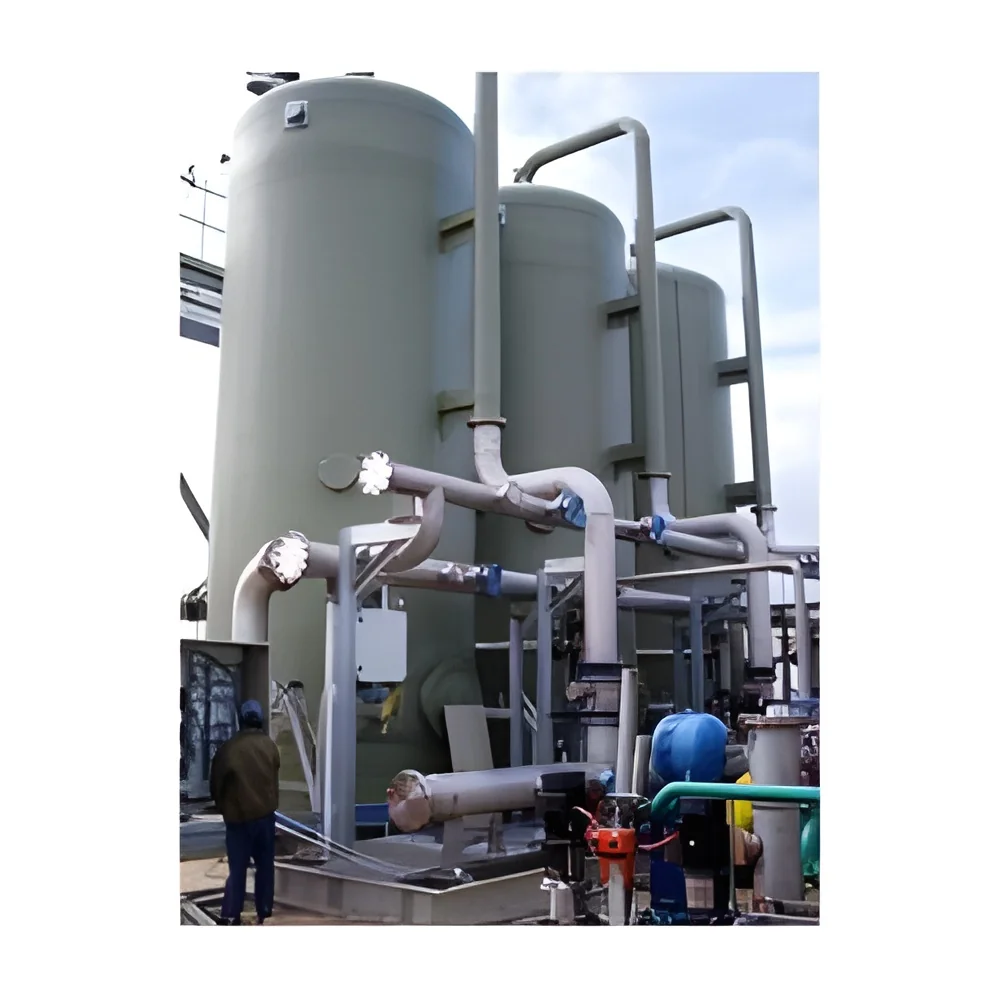
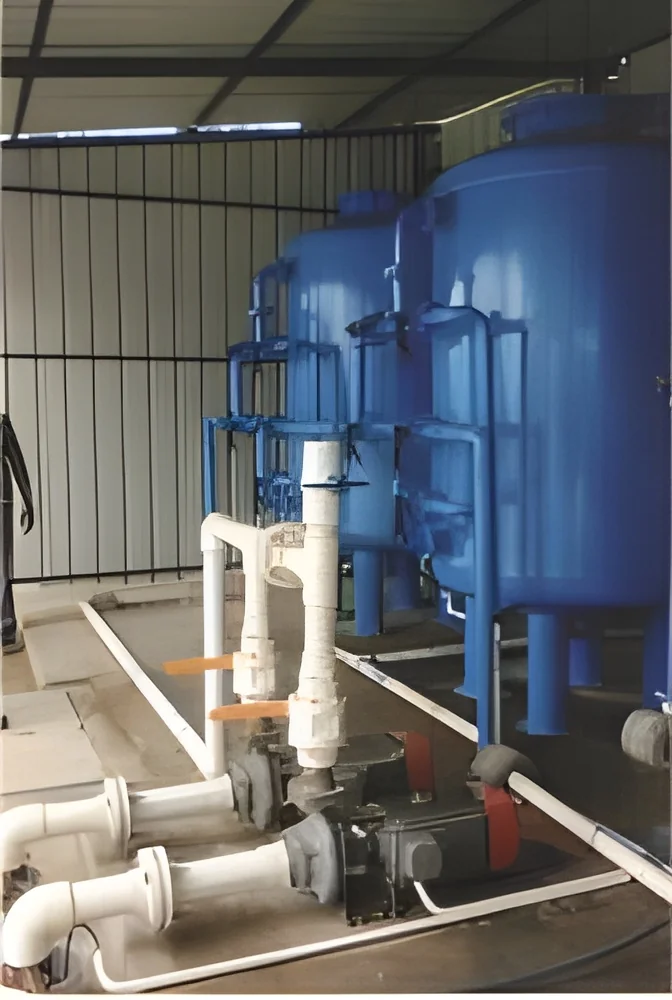
Industrial water filtration plants represent advanced water treatment technology engineered for high-capacity purification requirements. These comprehensive systems integrate multiple filtration stages to address diverse water quality challenges, from sediment removal to chemical contamination management. Constructed with durable materials and precision engineering, each plant is configured to handle specific flow rates and purification standards, ensuring consistent output quality regardless of varying input water conditions. The systems feature automated control mechanisms for seamless operation and are designed for straightforward maintenance, making them ideal for industrial settings where operational continuity is paramount and downtime must be minimized.

These filtration plants serve essential roles across multiple industries where water quality directly influences operational success and product integrity. Manufacturing facilities utilize them for process water purification, eq...
Industrial water filtration plants represent advanced water treatment technology engineered for high-capacity purification requirements. These comprehensive systems integrate multiple filtration stages to address diverse water quality challenges, from sediment removal to chemical contamination management. Constructed with durable materials and precision engineering, each plant is configured to handle specific flow rates and purification standards, ensuring consistent output quality regardless of varying input water conditions. The systems feature automated control mechanisms for seamless operation and are designed for straightforward maintenance, making them ideal for industrial settings where operational continuity is paramount and downtime must be minimized.

These filtration plants serve essential roles across multiple industries where water quality directly influences operational success and product integrity. Manufacturing facilities utilize them for process water purification, equipment protection, and wastewater treatment compliance. The food processing industry depends on these systems for ingredient water preparation and cleaning processes that meet rigorous hygiene standards. Pharmaceutical manufacturers require the ultra-pure water output for precise manufacturing and research applications. Hospitality sectors implement these plants for guest water safety and recreational water maintenance, while municipal applications include supplementing public water systems and emergency water purification requirements for community needs.

The operational value of these water filtration plants extends beyond basic water purification—they represent strategic investments in operational reliability and regulatory compliance. These systems significantly reduce maintenance costs for downstream equipment by preventing scale formation and corrosion damage, while ensuring consistent product quality in manufacturing processes. Their robust construction and redundant design elements minimize operational interruptions, protecting revenue streams that depend on continuous water availability. The engineering precision allows businesses to address specific water challenges without excessive capital expenditure, providing optimal return on investment while future-proofing operations against evolving water quality requirements and changing regulatory standards.

Key Features:
- Multi-stage filtration process handling sediments, chemicals, and biological contaminants
- High-capacity design suitable for medium to large-volume industrial requirements
- Automated control systems with continuous monitoring and adjustment capabilities
- Constructed with corrosion-resistant materials ensuring long-term operational durability
- Modular configuration allowing for system expansion and performance upgrades

Benefits:
- Ensures consistent water quality for critical industrial processes and applications
- Reduces maintenance costs for downstream equipment and processing systems
- Maintains operational continuity with reliable performance and minimal downtime
- Supports regulatory compliance with effective contaminant removal capabilities
- Provides scalable solutions that adapt to changing production requirements
Specifications
| Additional Information | |
|---|---|
| Country of Origin | India |
Application
Our industrial water filtration plants are engineered for demanding high-capacity purification across various sectors. These robust systems effectively remove sediments, contaminants, and impurities from multiple water sources, delivering consistently clean and safe water for critical operations. Designed for continuous performance with minimal maintenance requirements, they ensure reliable water quality that directly supports production outcomes and operational efficiency in industrial environments where water purity is non-negotiable.
These advanced filtration systems serve diverse industries including manufacturing, food processing, pharmaceuticals, and hospitality sectors. Municipal facilities and large commercial complexes also depend on these plants for substantial water treatment needs. The systems are engineered to handle specific water quality challenges and volume requirements, guaranteeing optimal performance regardless of application complexity or operational scale while maintaining consistent output quality under varying input conditions.
- Manufacturing plants using purified water for production processes and equipment cooling systems
- Food processing facilities requiring contaminant-free water for product formulation and sanitation protocols
- Pharmaceutical manufacturing needing ultra-pure water for medicine production and laboratory applications
- Hospitality establishments providing safe drinking water and maintaining recreational water quality standards
- Municipal water treatment facilities supplementing existing infrastructure for community water supply systems
Trade Details
| Available Stock | In Stock |
| Sample Availability | No |
Payment Terms
| Payment Terms |
|
Company Profile
Water & Chemical Technologies, Tamil Nadu
 Tamil Nadu, India
Tamil Nadu, IndiaManufacturer•Distributor / Wholesaler•Importer / Exporter
Factory Details
Factory SizeBelow 1000 sqm
Annual Production Capacity0
Main Markets
South Asia
Industrial Water Filtration Plants For High Capacity Purification
Industrial water filtration plants deliver high-capacity purification for manufacturing, hospitality, and municipal sectors requiring reliable, high-volume treated water solutions.
Min. Order Quantity: 1 unit
Shipping
Shipping fee and delivery date to be negotiated. Contact supplier now for more details.
Water & Chemical Technologies
 Tamil Nadu, India
Tamil Nadu, IndiaManufacturer