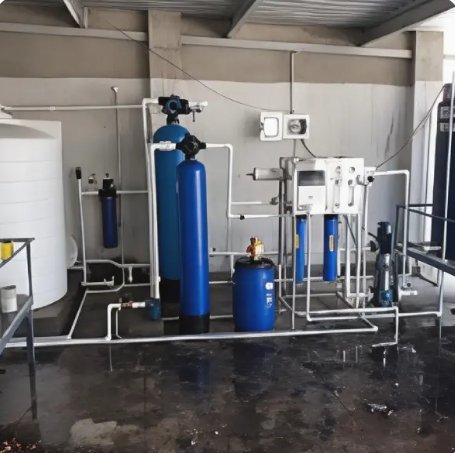
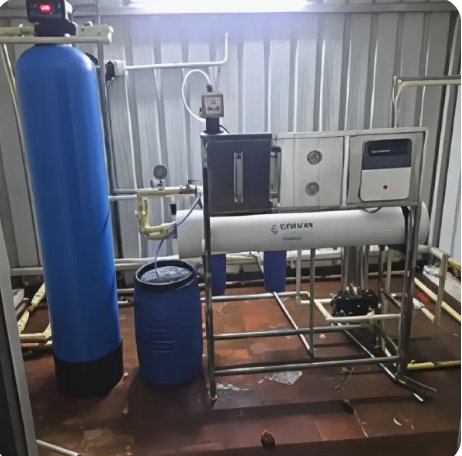
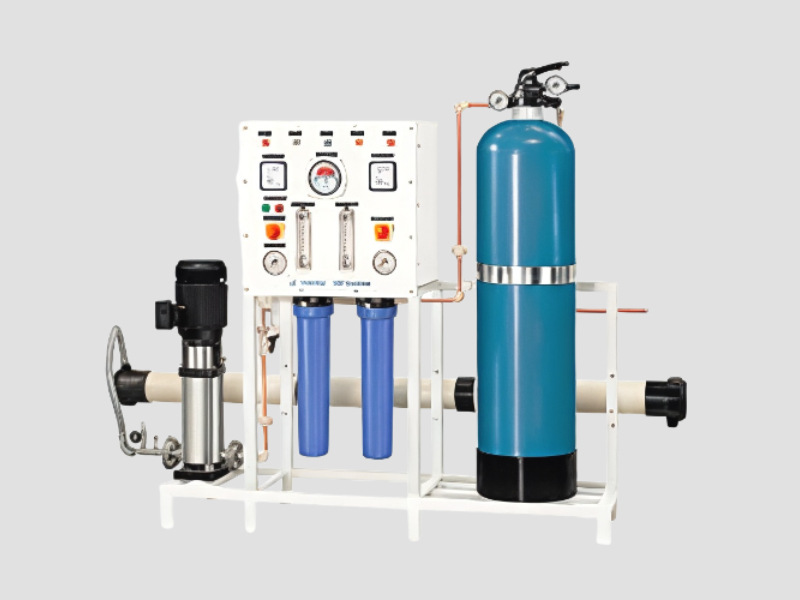
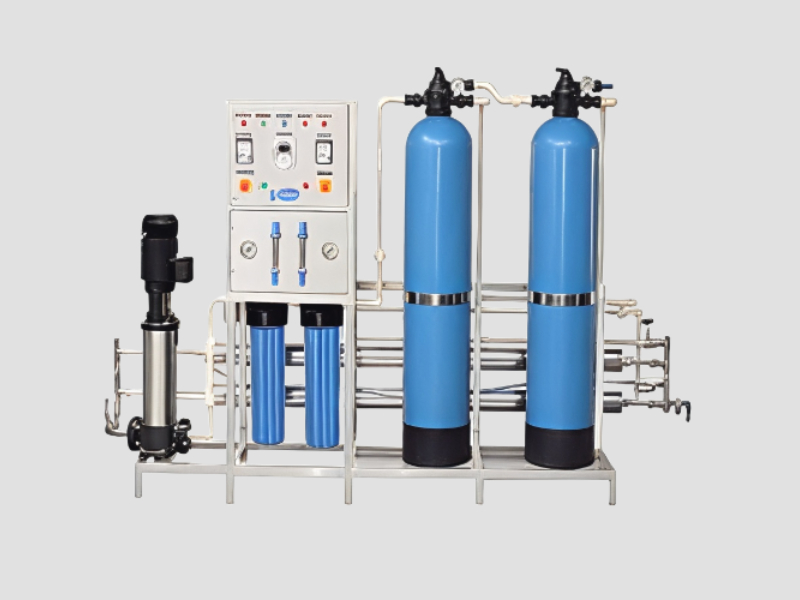
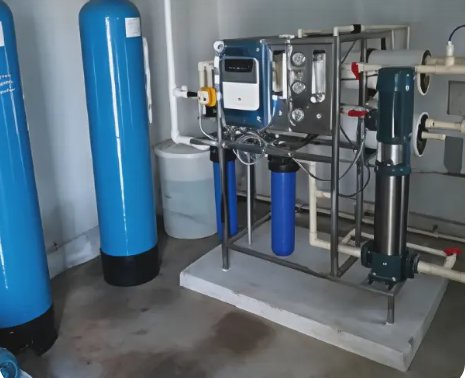
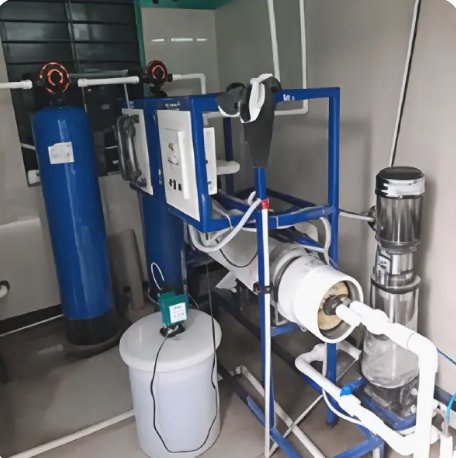
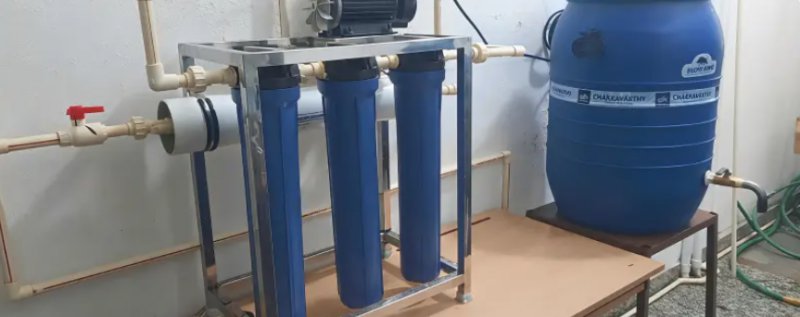
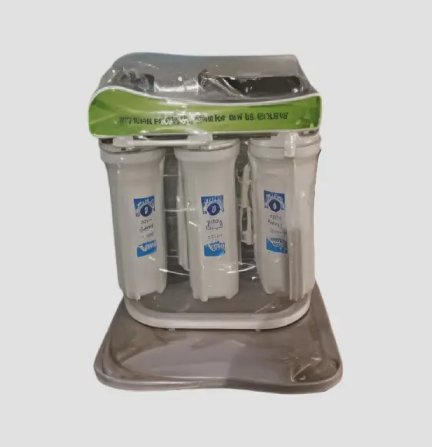
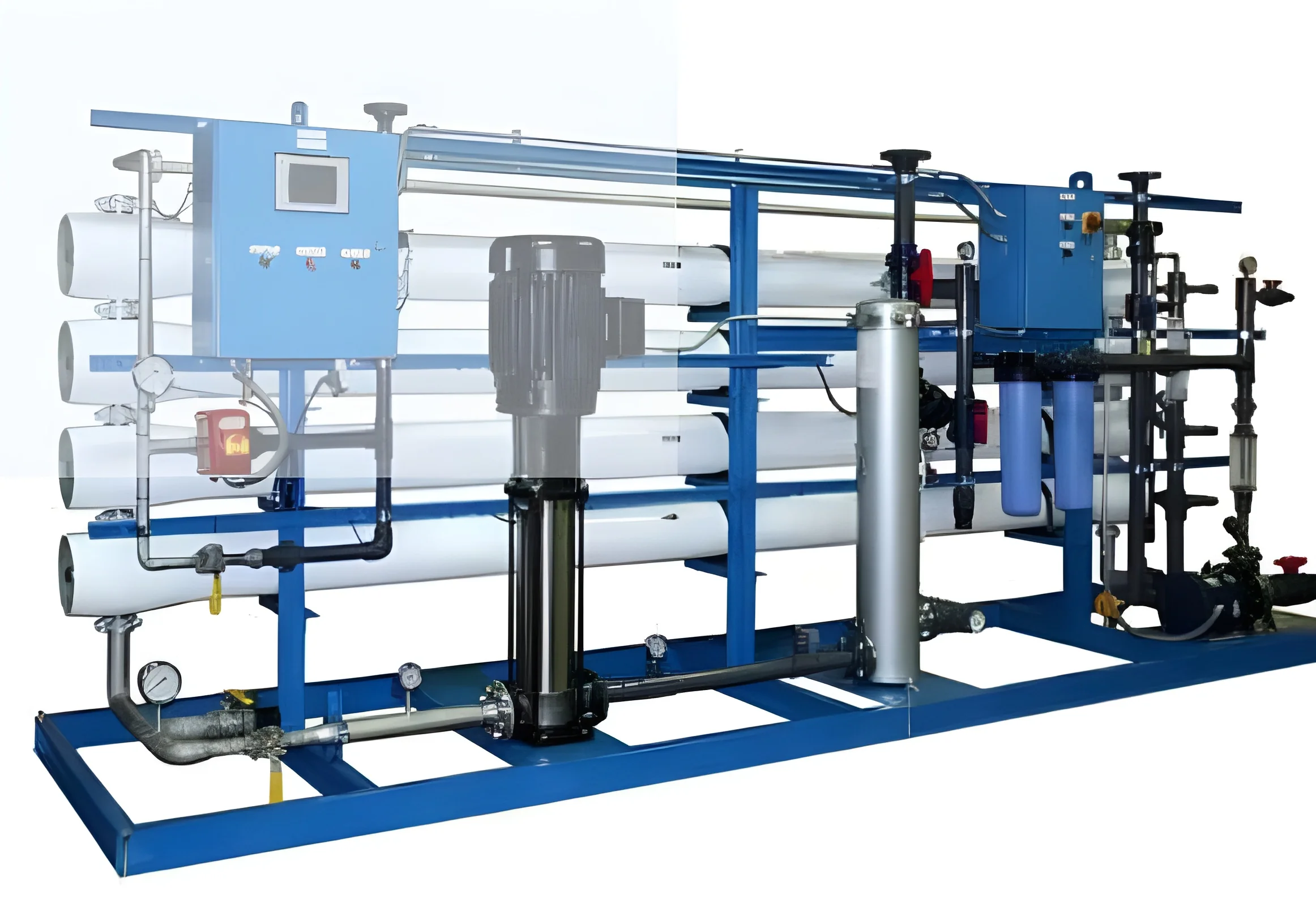
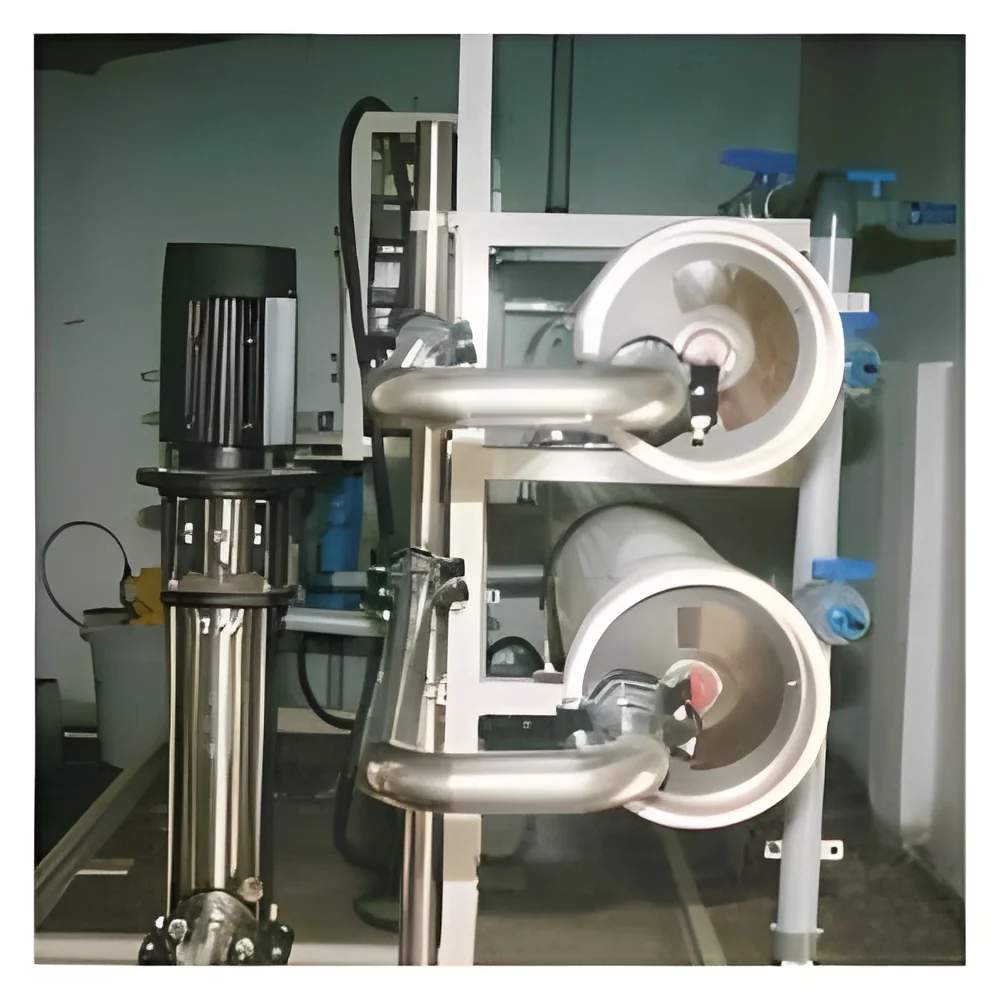
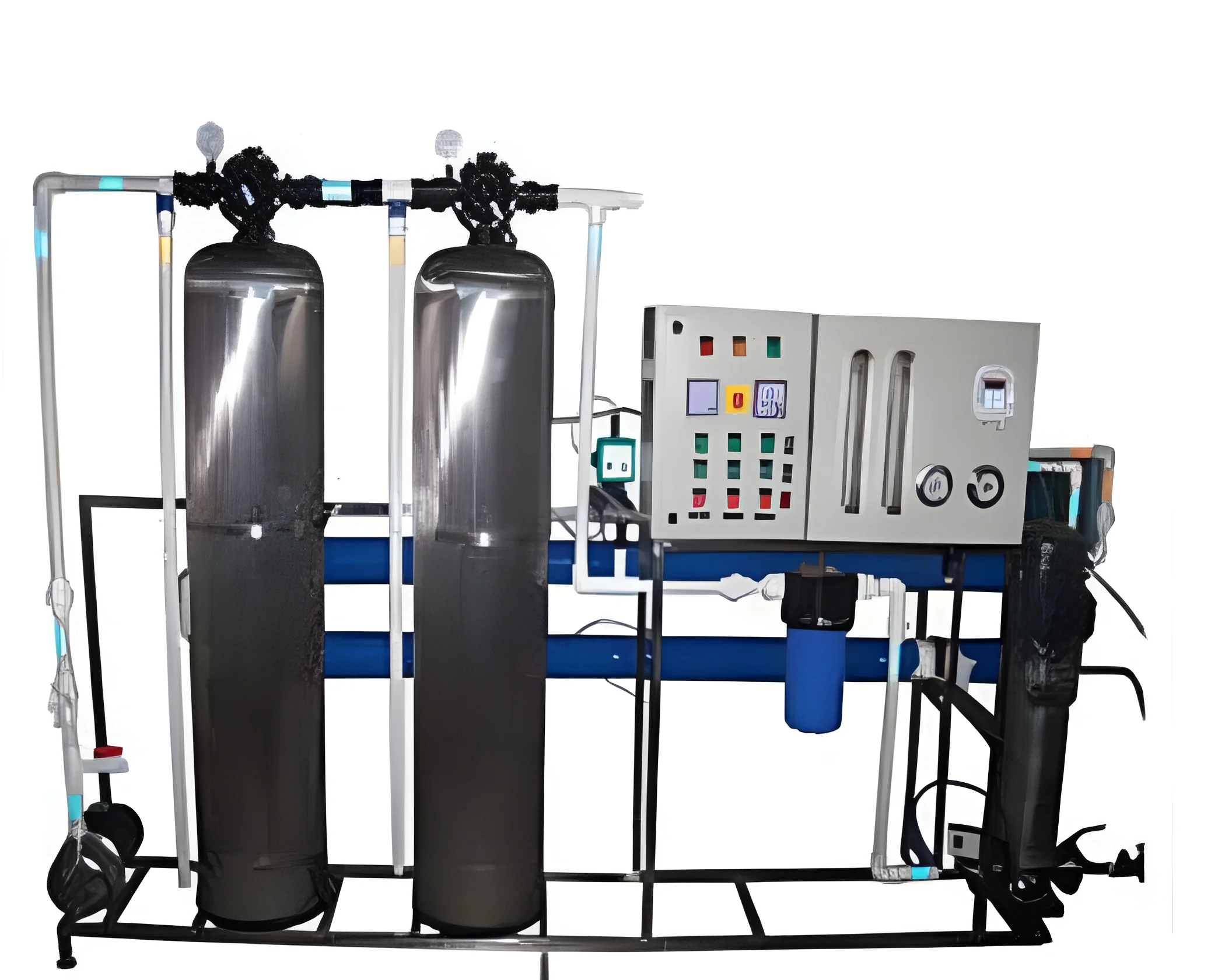
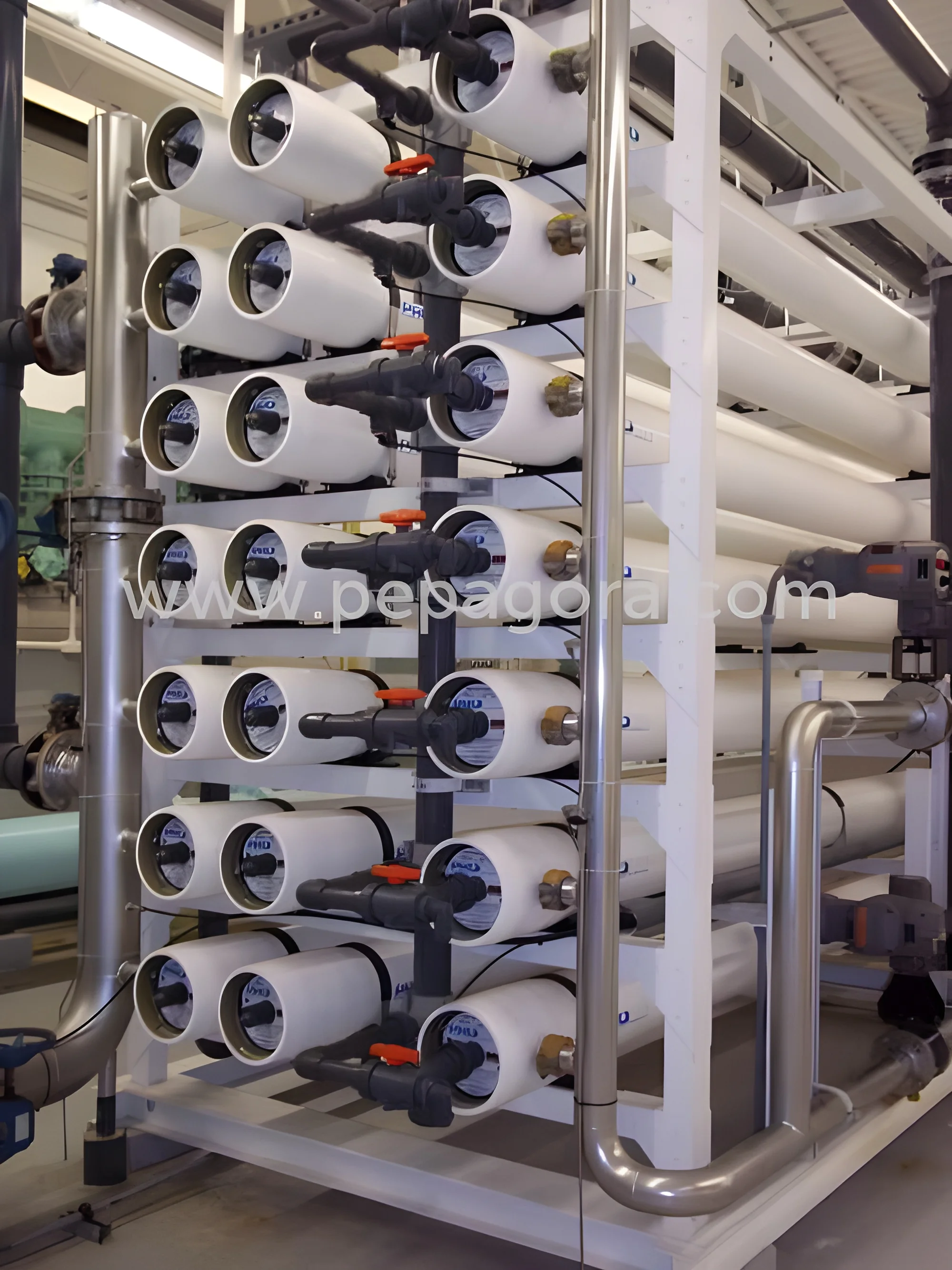
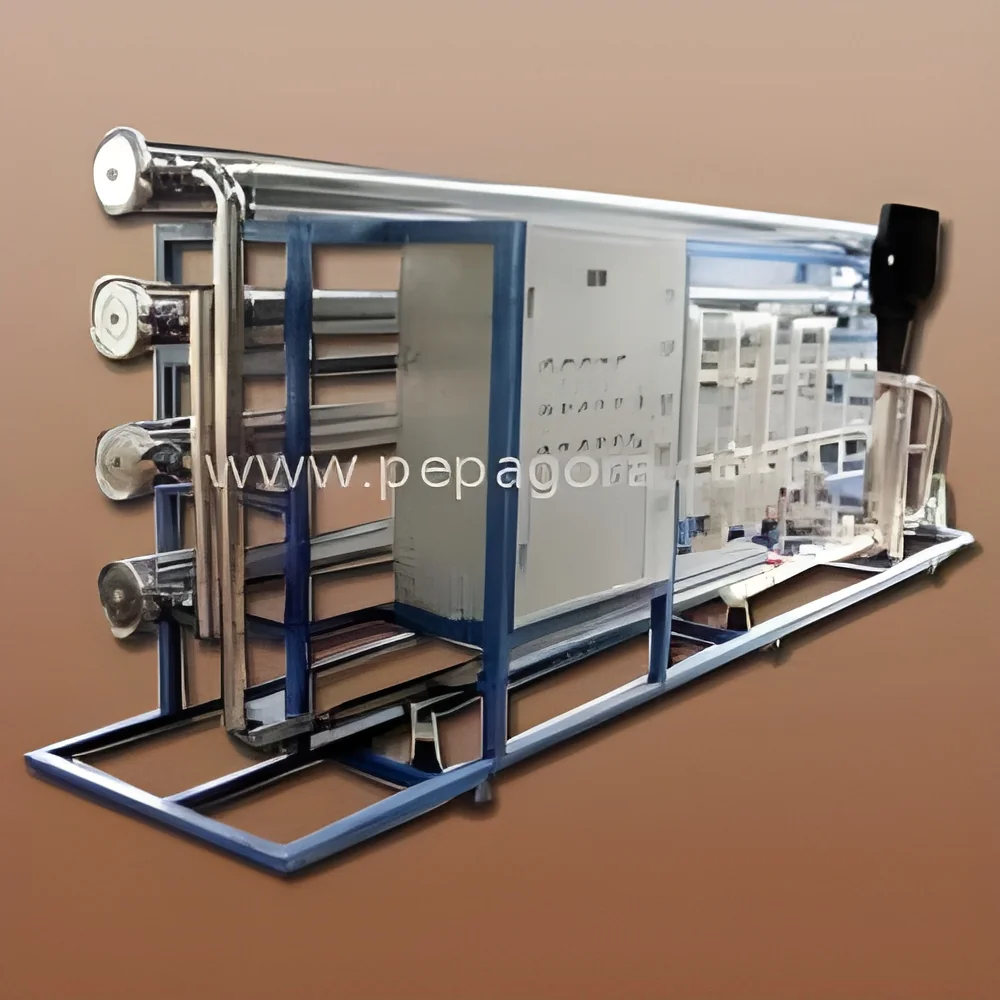
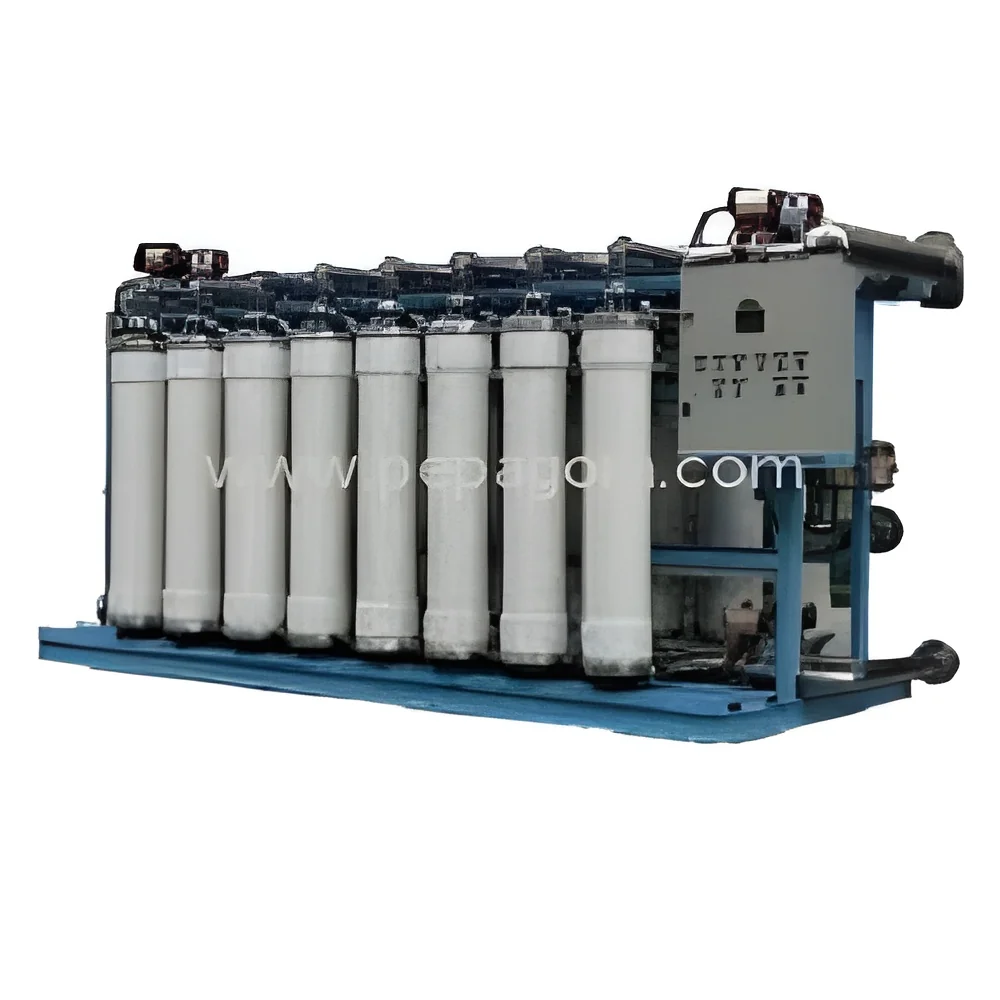
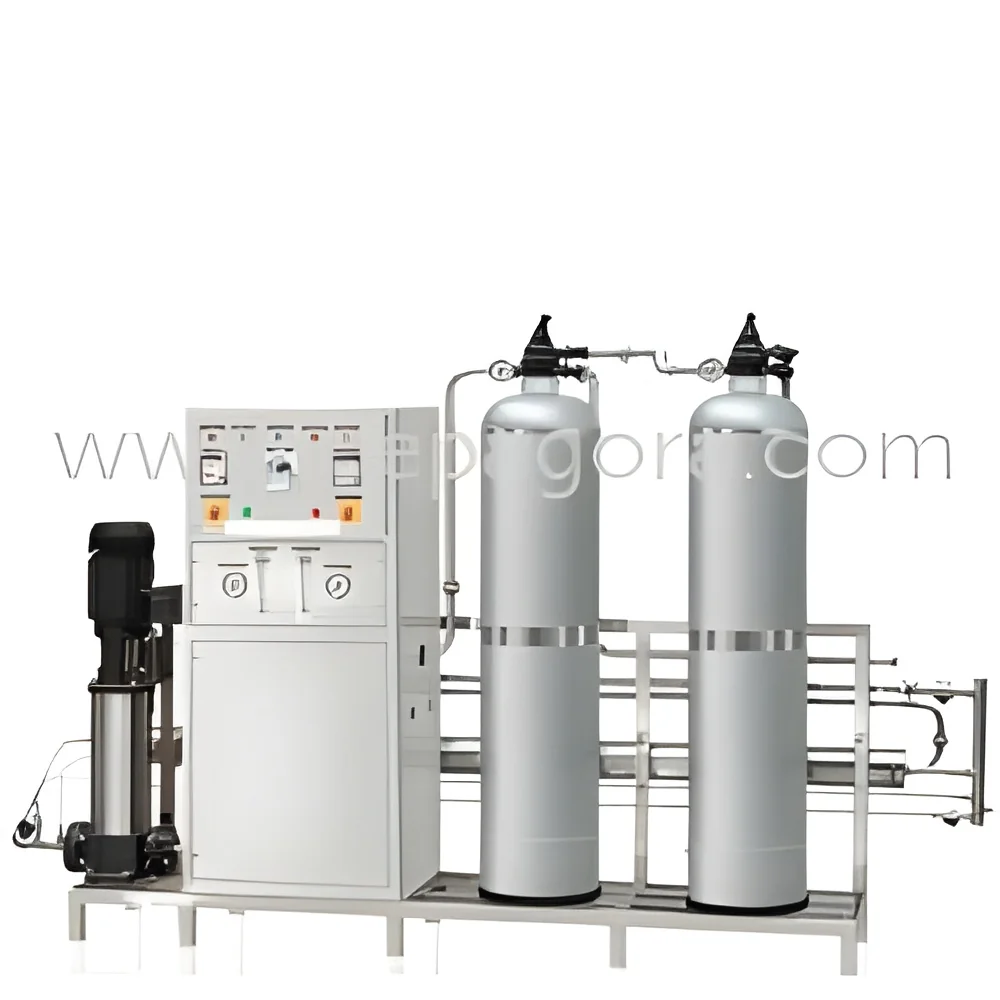
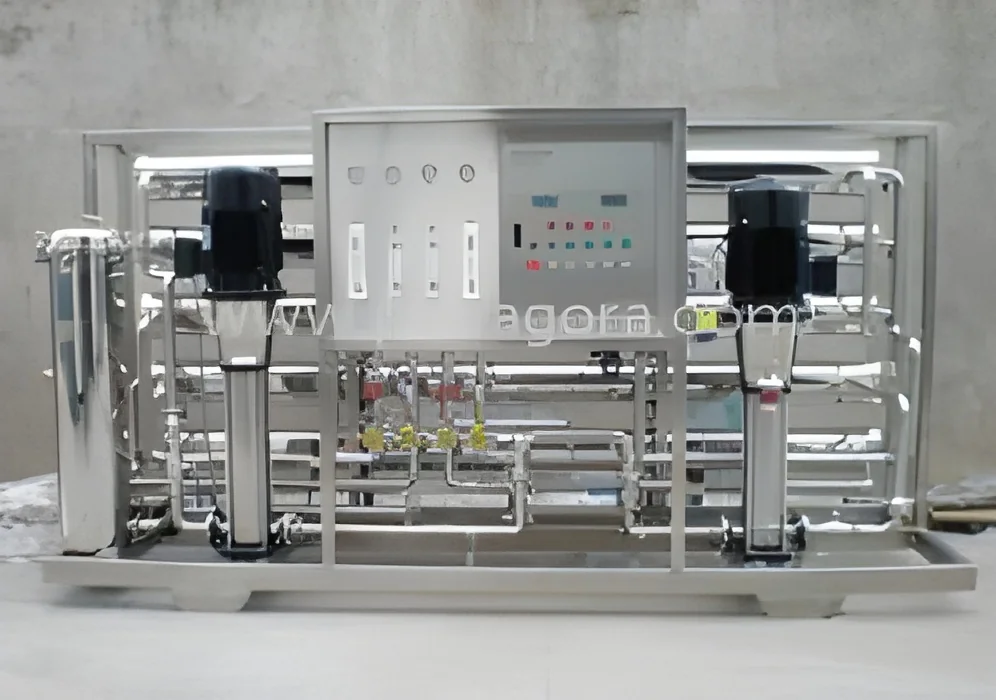
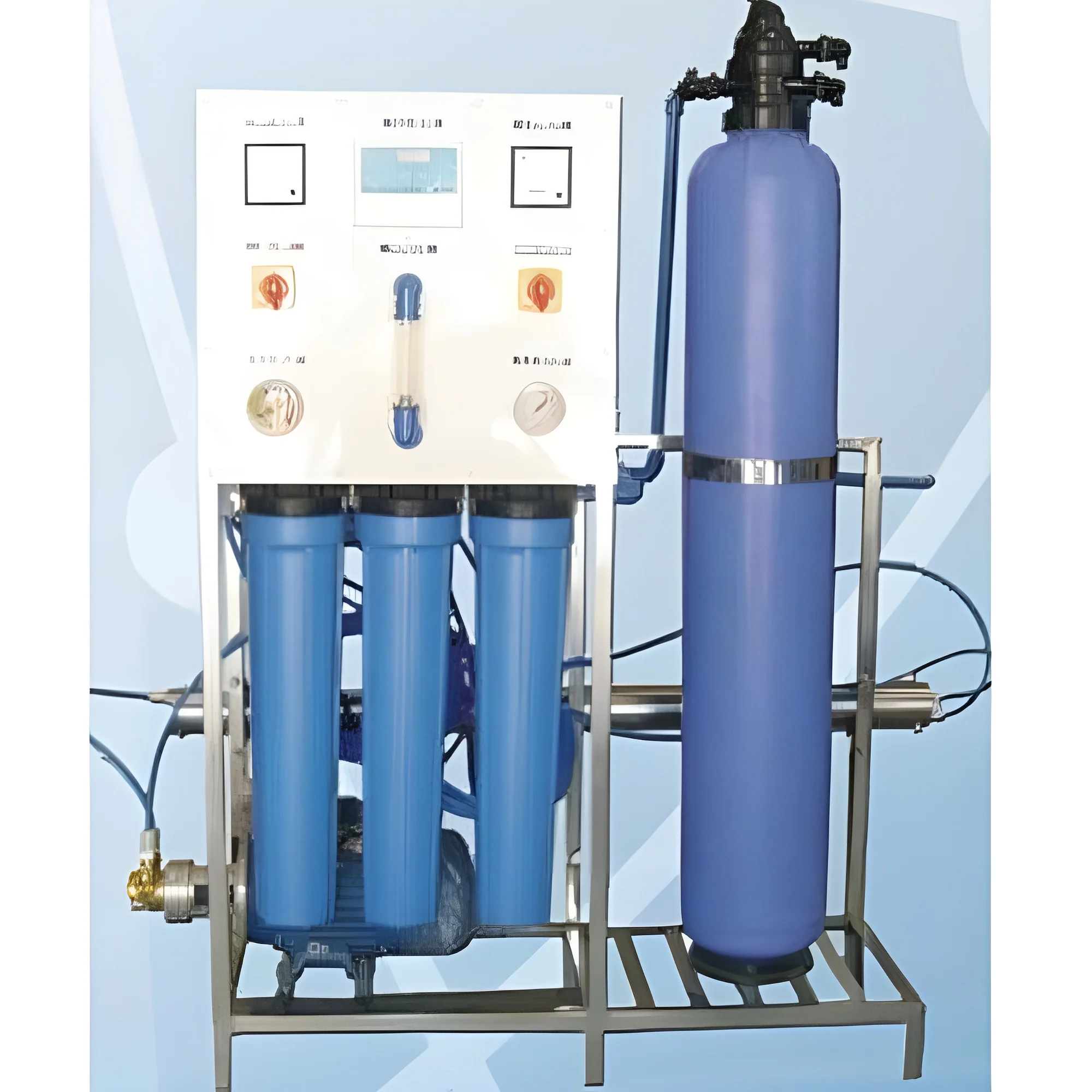
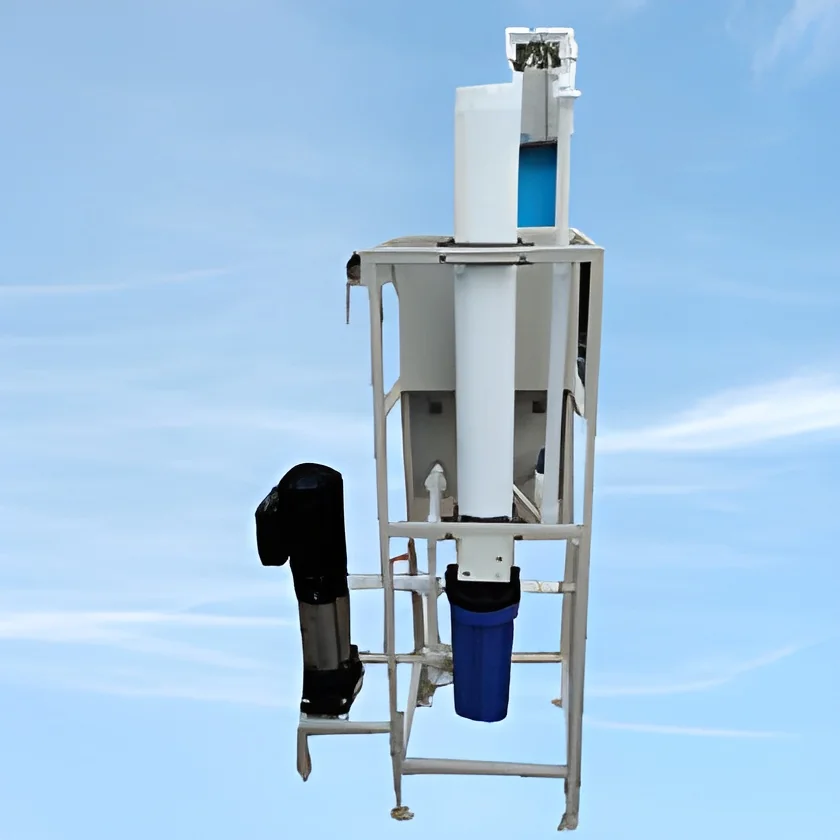
What are Industrial RO Plants?
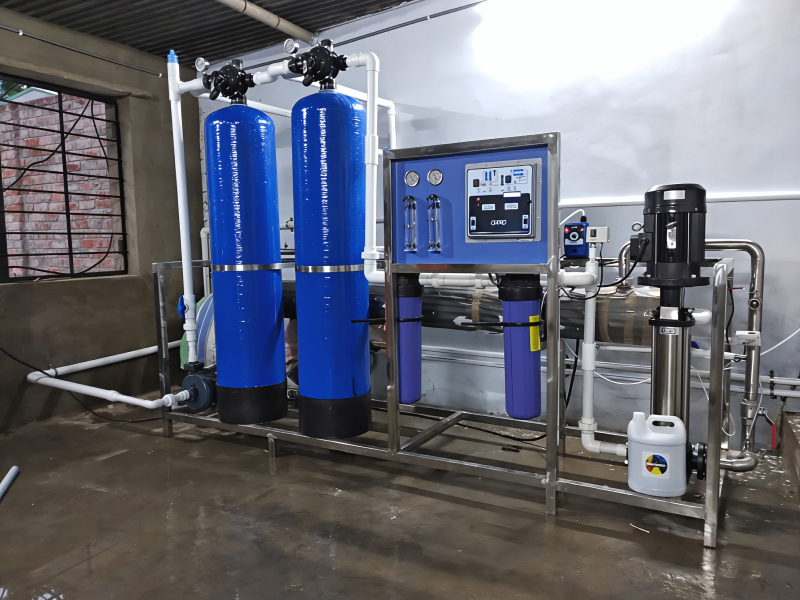
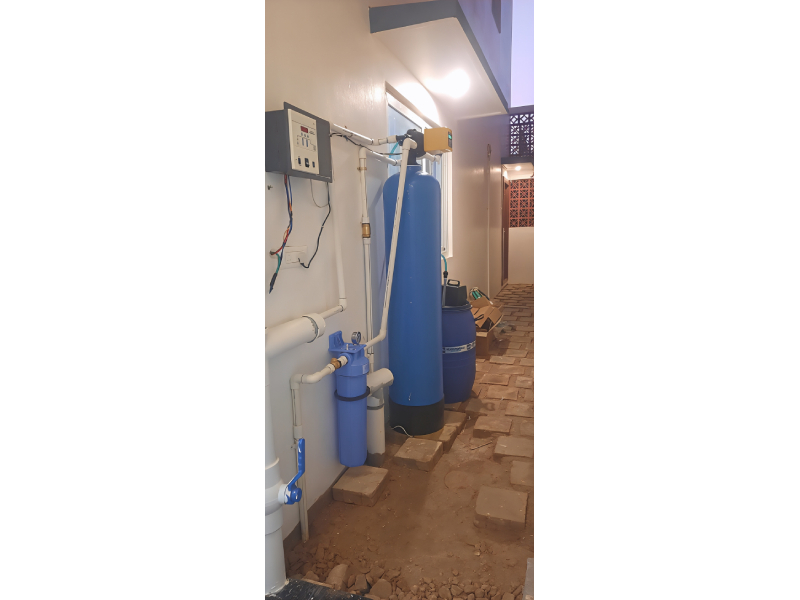
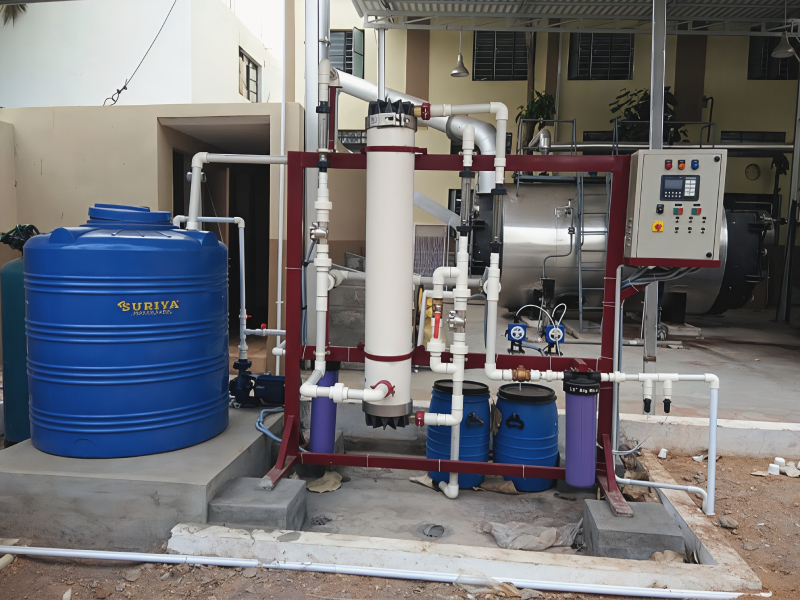
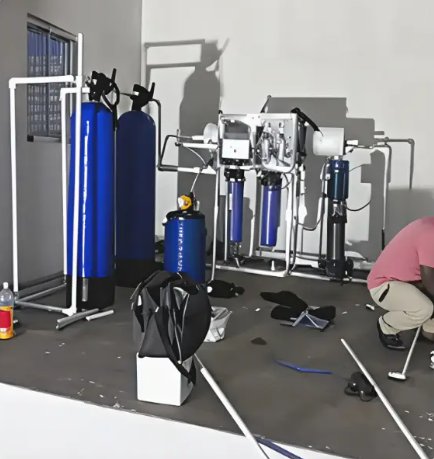
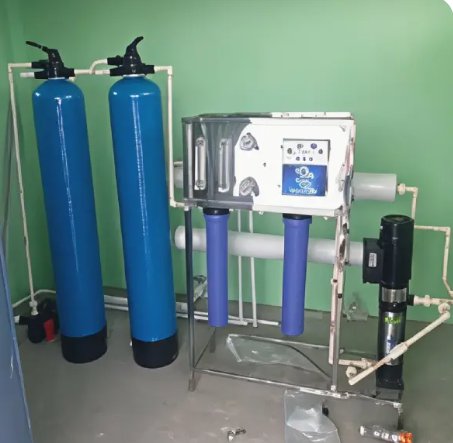
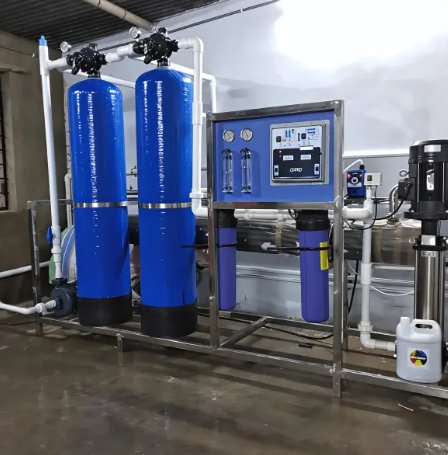
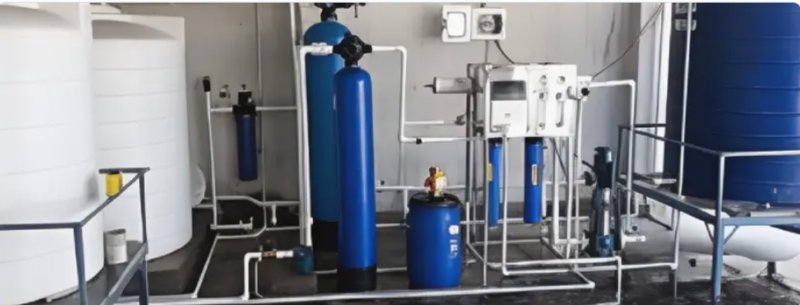
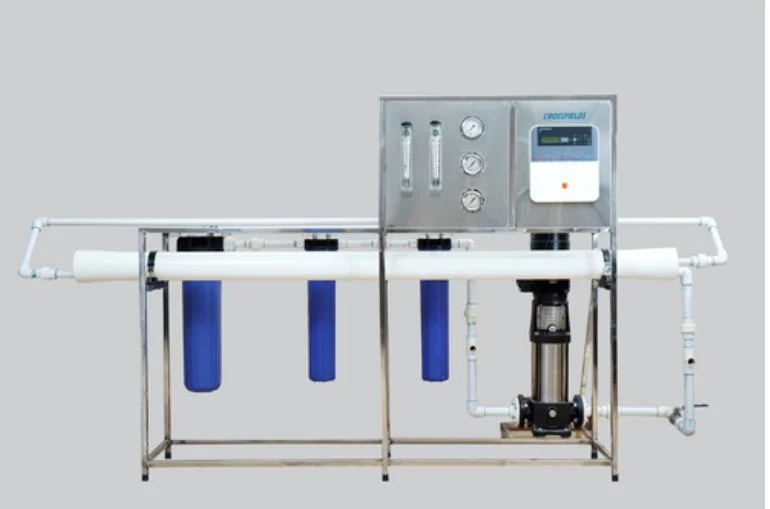
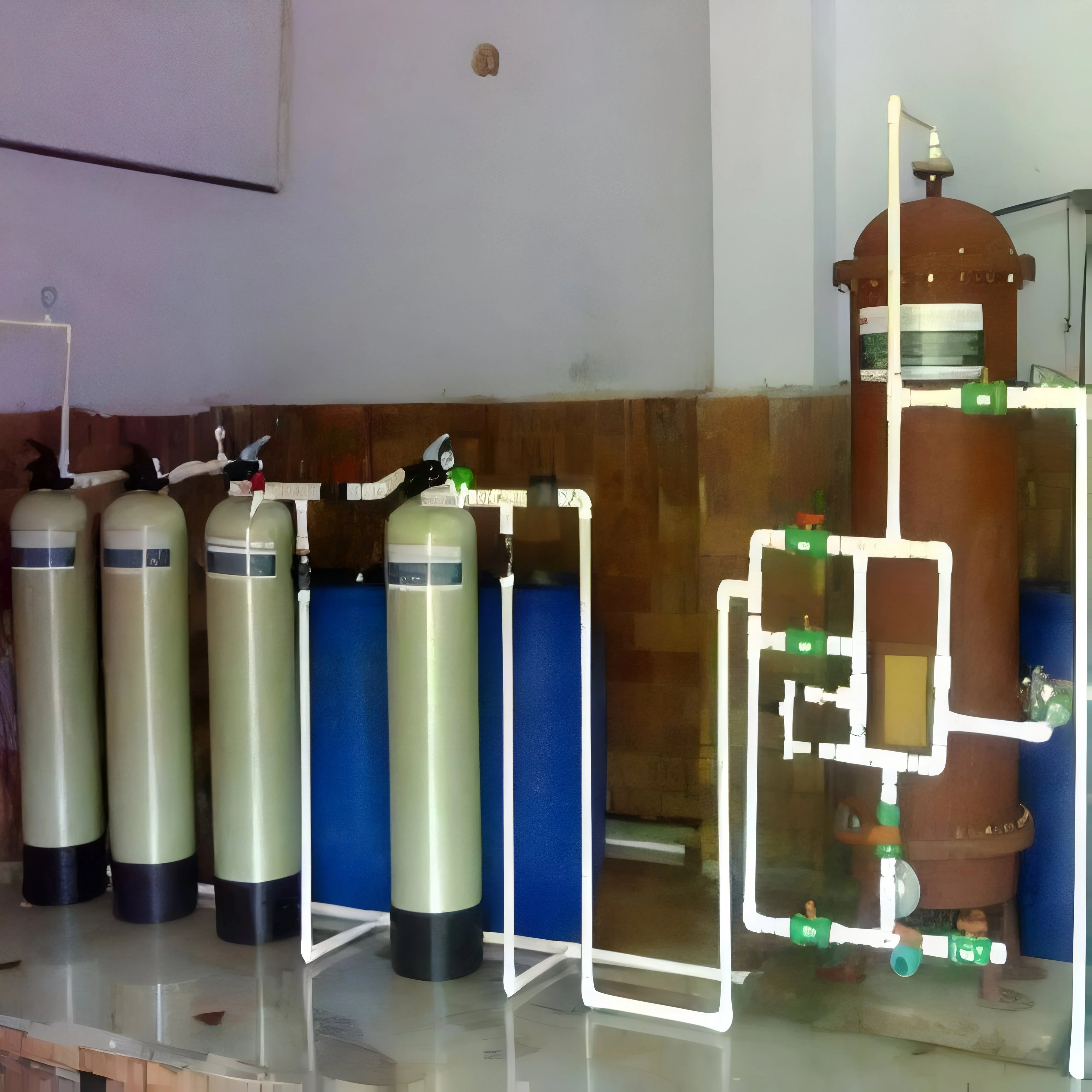
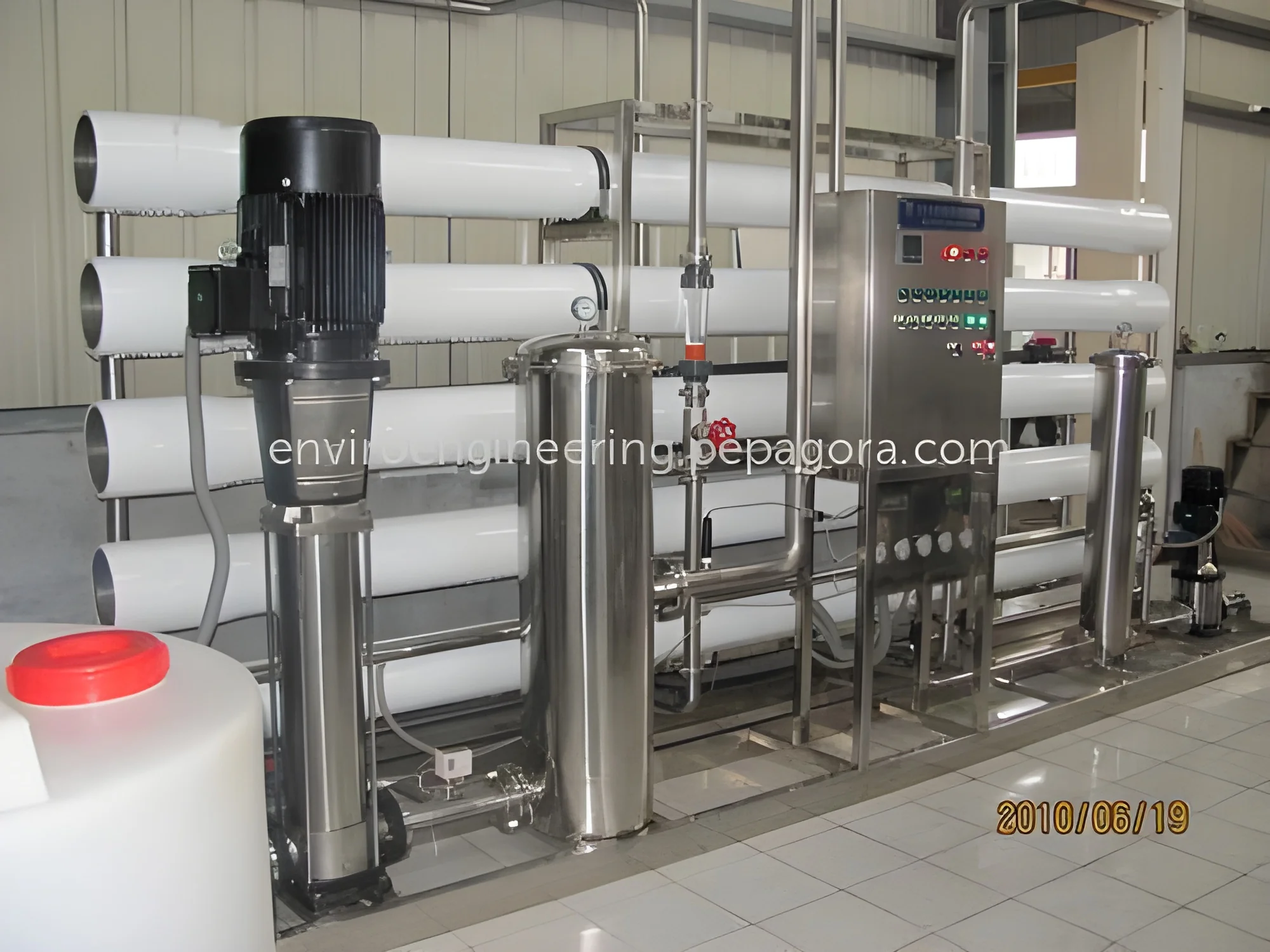
Industrial Reverse Osmosis (RO) Plants are advanced water treatment systems designed to remove impurities and contaminants from water through a semi-permeable membrane. This process effectively separates dissolved solids, bacteria, and other pollutants, resulting in purified water suitable for various industrial applications. The technology operates under pressure, allowing water molecules to pass through while leaving larger molecules and contaminants behind.
These plants are primarily utilized in industries that require high-quality water for processes such as manufacturing, food and beverage production, pharmaceuticals, and power generation. They play a crucial role in ensuring compliance with health and safety regulations by providing clean water essential for both production and employee welfare. As water scarcity becomes a growing concern globally, the demand for Industrial RO Plants continues to rise, making them a vital component within many industrial sectors.
Key Features and Specifications
Industrial RO Plants offer a range of features designed to enhance efficiency and effectiveness in water purification. These specifications are crucial for understanding the capabilities and applications of the systems.
Key specifications include:
1. Capacity
- The capacity of an Industrial RO Plant can range from several hundred liters to thousands of liters per hour, depending on the model and application.
2. Recovery Rate
- The recovery rate typically falls between 70% to 90%, indicating the percentage of feed water that becomes purified water.
3. Membrane Type
- Commonly used membranes include thin-film composite and cellulose acetate, each suited for specific applications and water conditions.
4. Operating Pressure
- Operating pressures usually range from 5 to 30 bar, which can vary based on the feed water quality and desired output.
5. Pre-Treatment Requirements
- Pre-treatment systems may be necessary to reduce fouling and scaling on membranes, which can include filtration and chemical dosing.
6. Control Systems
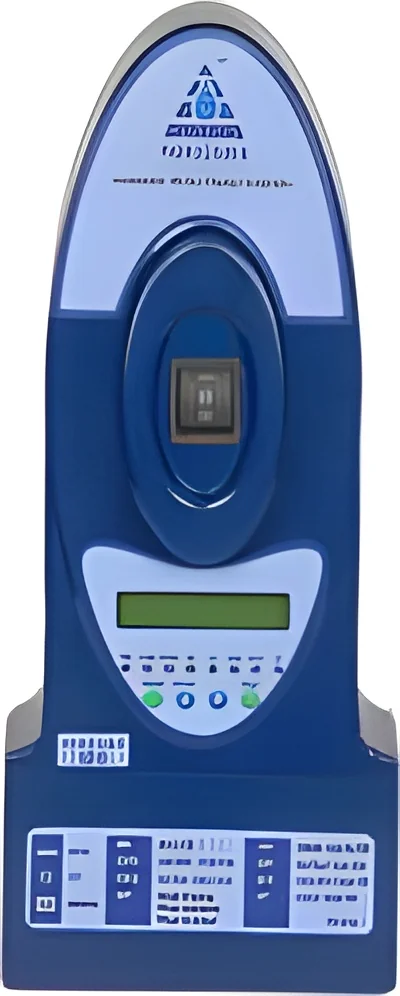
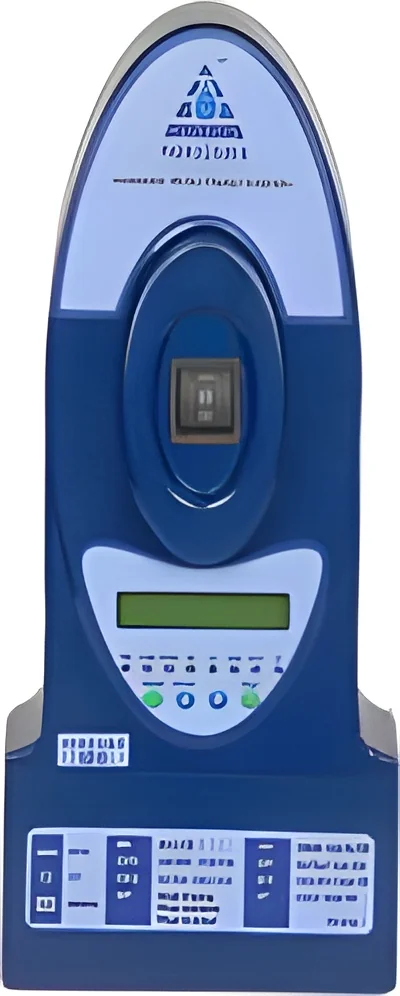
- Advanced control systems monitor flow rates, pressure, and water quality, ensuring optimal operation and maintenance alerts.
7. Automation Level
- Many systems offer varying levels of automation for ease of operation and monitoring.
8. Compliance Certifications
- Industrial RO Plants often meet certifications such as CE, ensuring they adhere to safety and quality standards.
In summary, understanding the key specifications of Industrial RO Plants is essential for evaluating their suitability for specific applications and ensuring they meet industry standards.
Common Applications and Use Cases
Industrial RO Plants are versatile and find applications across numerous industries, ensuring water quality and compliance with regulations.
1. Food and Beverage Industry: In this sector, RO Plants provide purified water for product formulation, cleaning, and sanitation processes, ensuring safety and quality in food production.
2. Pharmaceutical Industry: RO Plants supply high-purity water required for drug formulation, laboratory use, and equipment cleaning, maintaining stringent quality standards.
3. Power Generation: These plants are used for producing boiler feed water and cooling water, contributing to efficient energy production and equipment longevity.
4. Textile Industry: In textiles, RO Plants treat water used in dyeing and finishing processes, helping maintain color consistency and fabric quality.
5. Electronics Manufacturing: RO Plants deliver ultra-pure water necessary for semiconductor manufacturing, where even minor impurities can affect product quality.
6. Chemical Processing: This industry relies on RO Plants for water used in chemical reactions and product dilution, ensuring process efficiency and safety.
7. Agriculture: RO Plants are employed in agricultural applications for irrigation, especially in areas with saline or contaminated water sources.
Product Variants and Subcategories
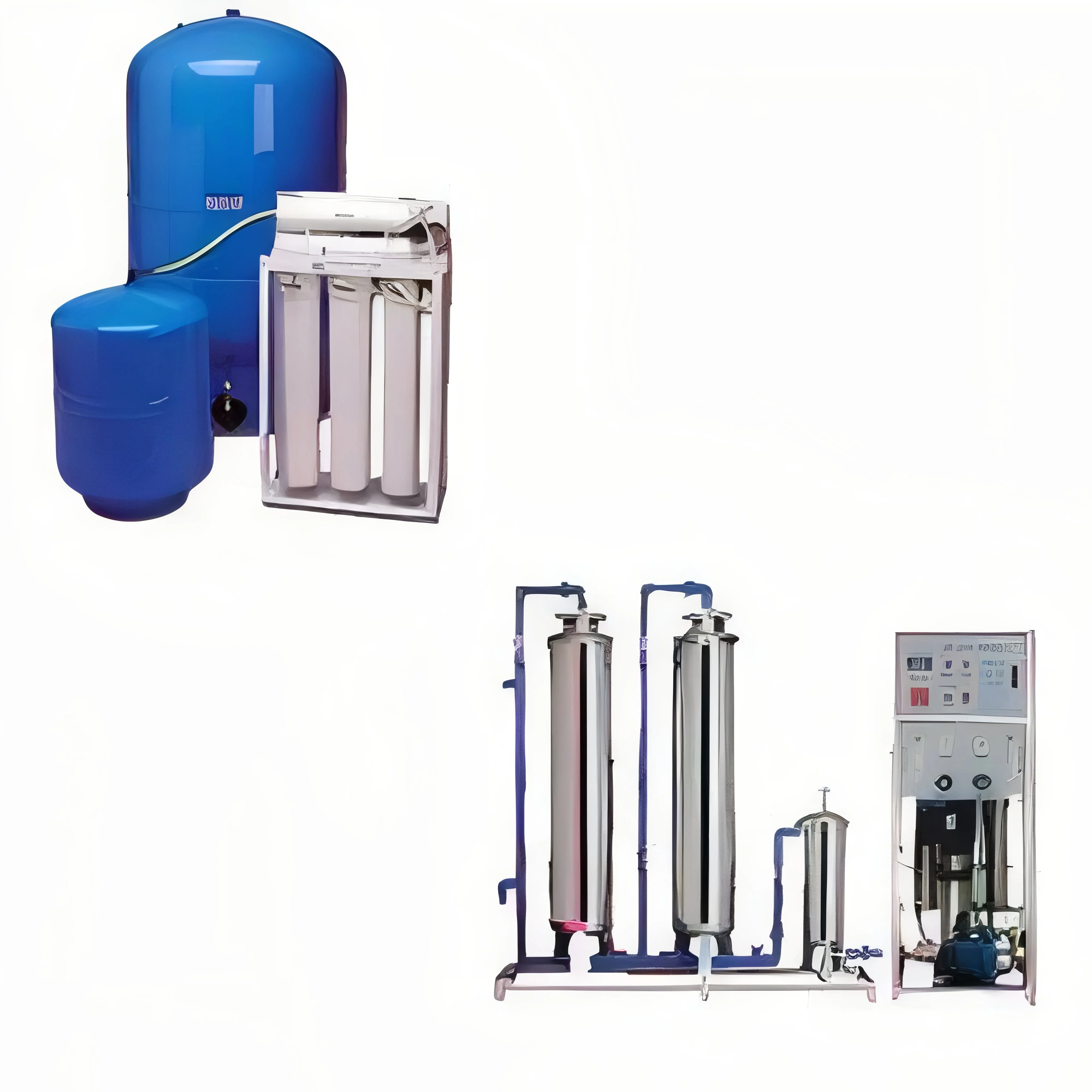
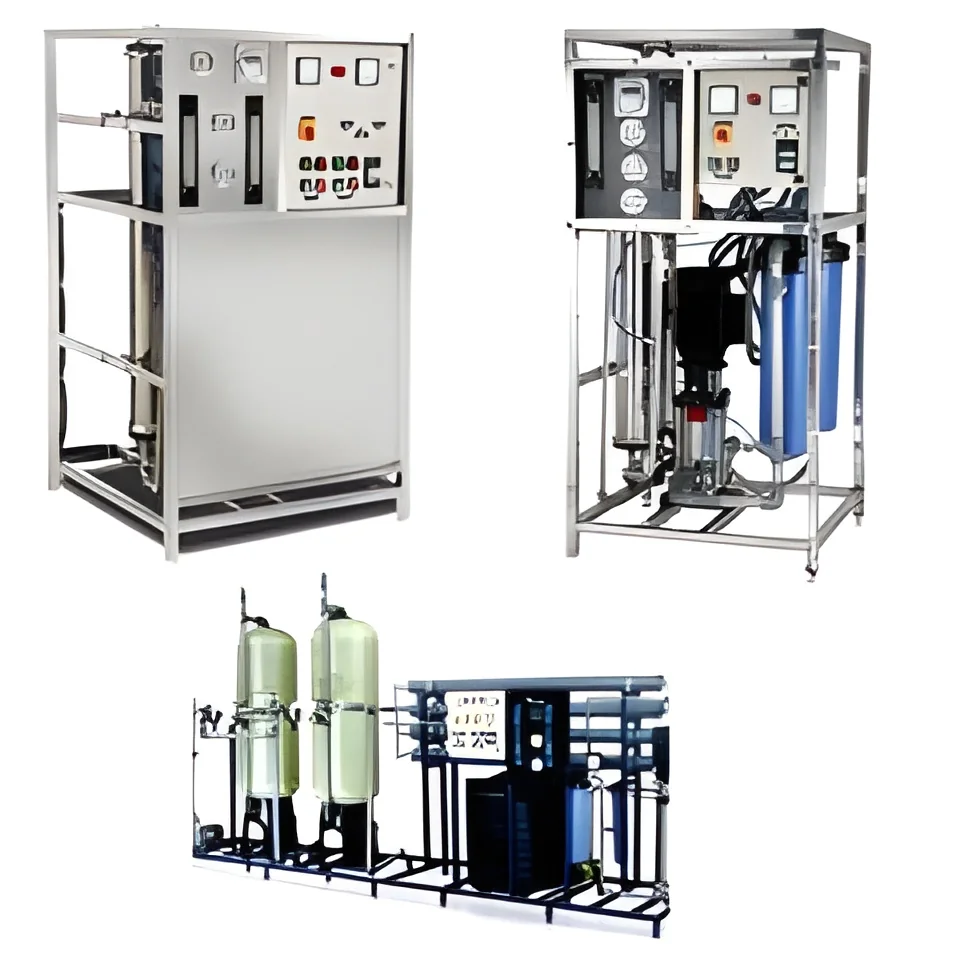
Industrial RO Plants come in various configurations and sizes to meet diverse requirements across industries.
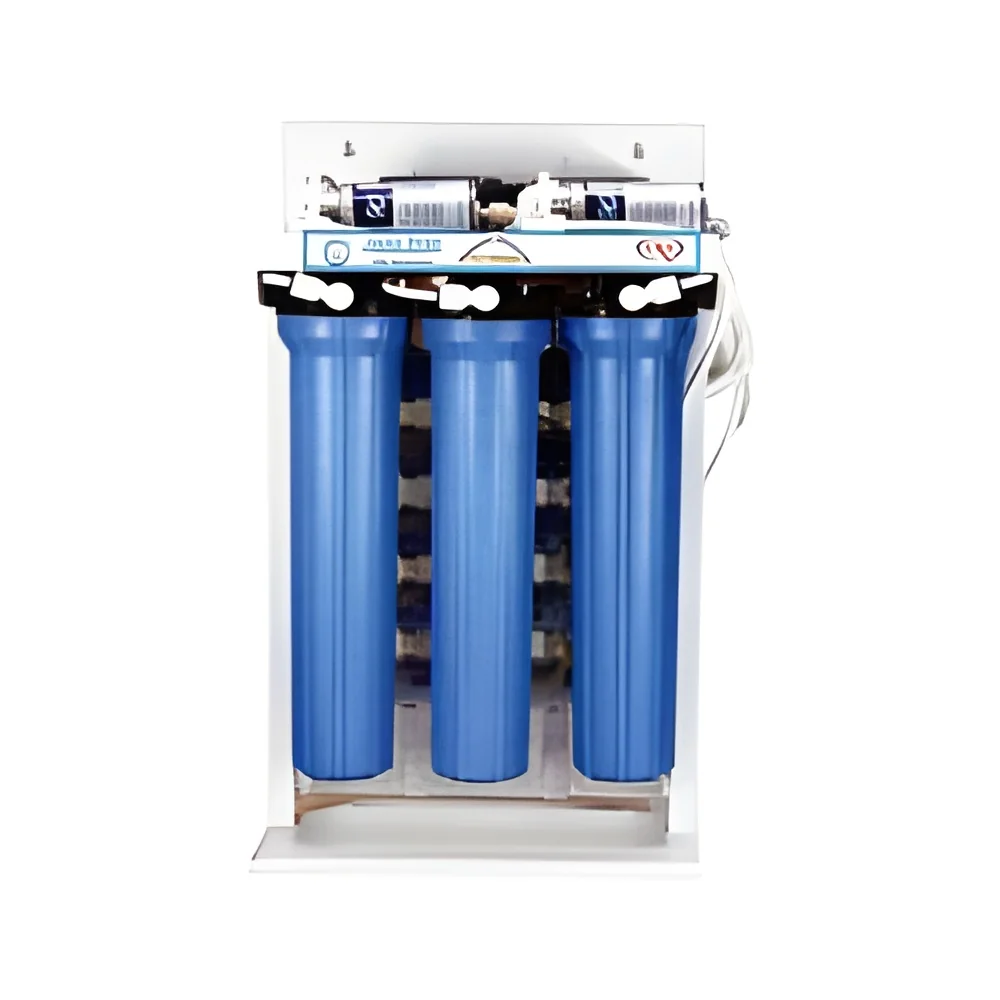
Compact RO Plants
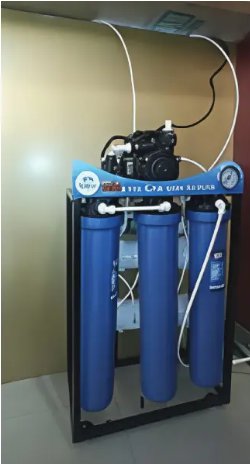
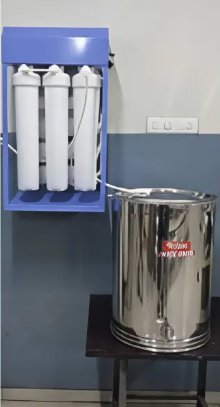
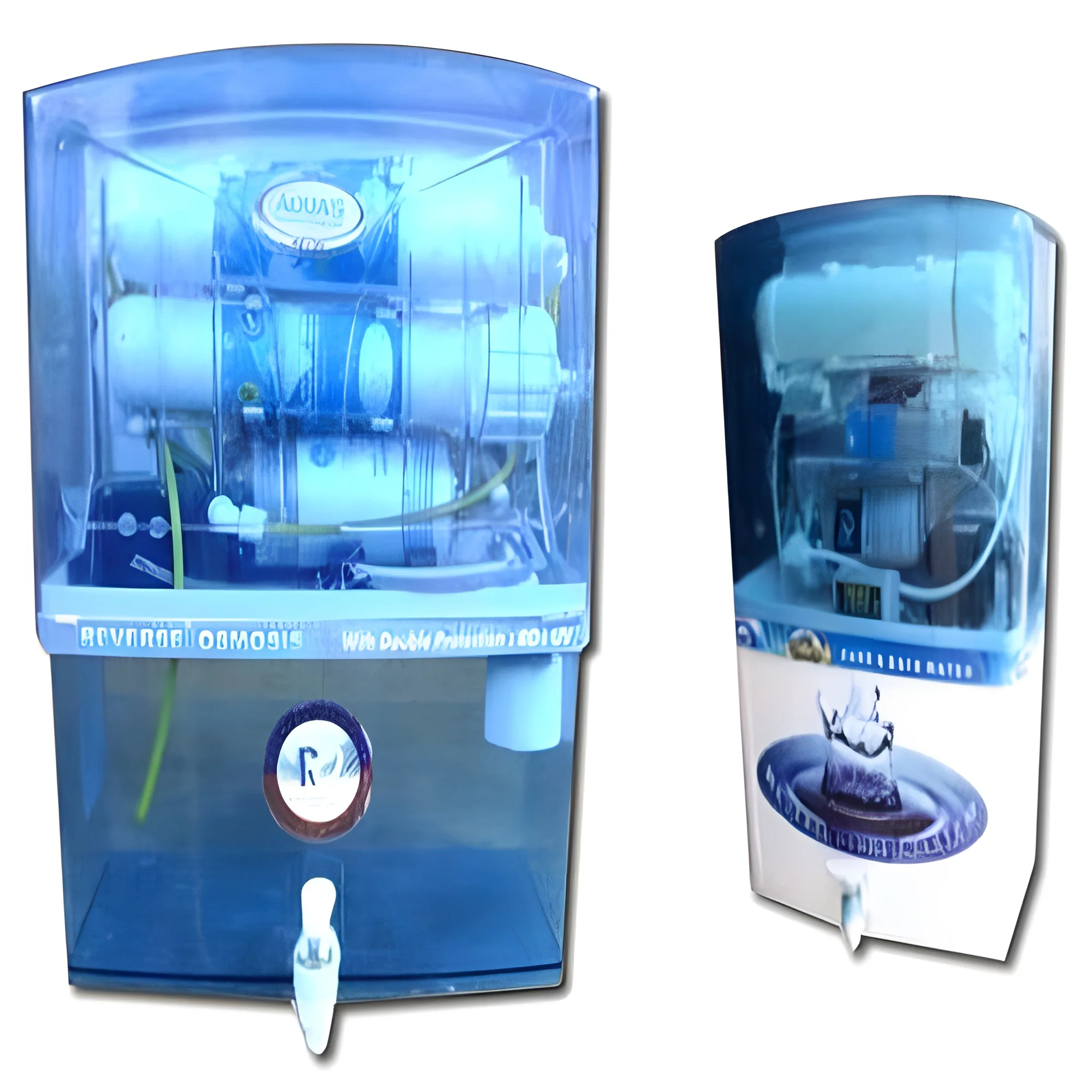
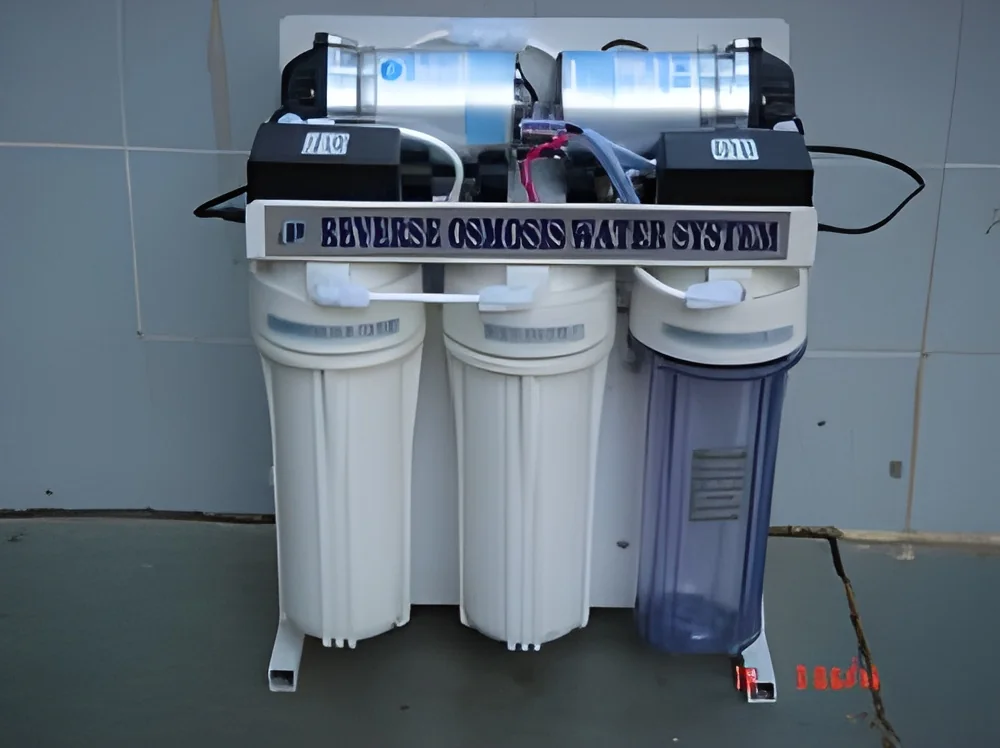
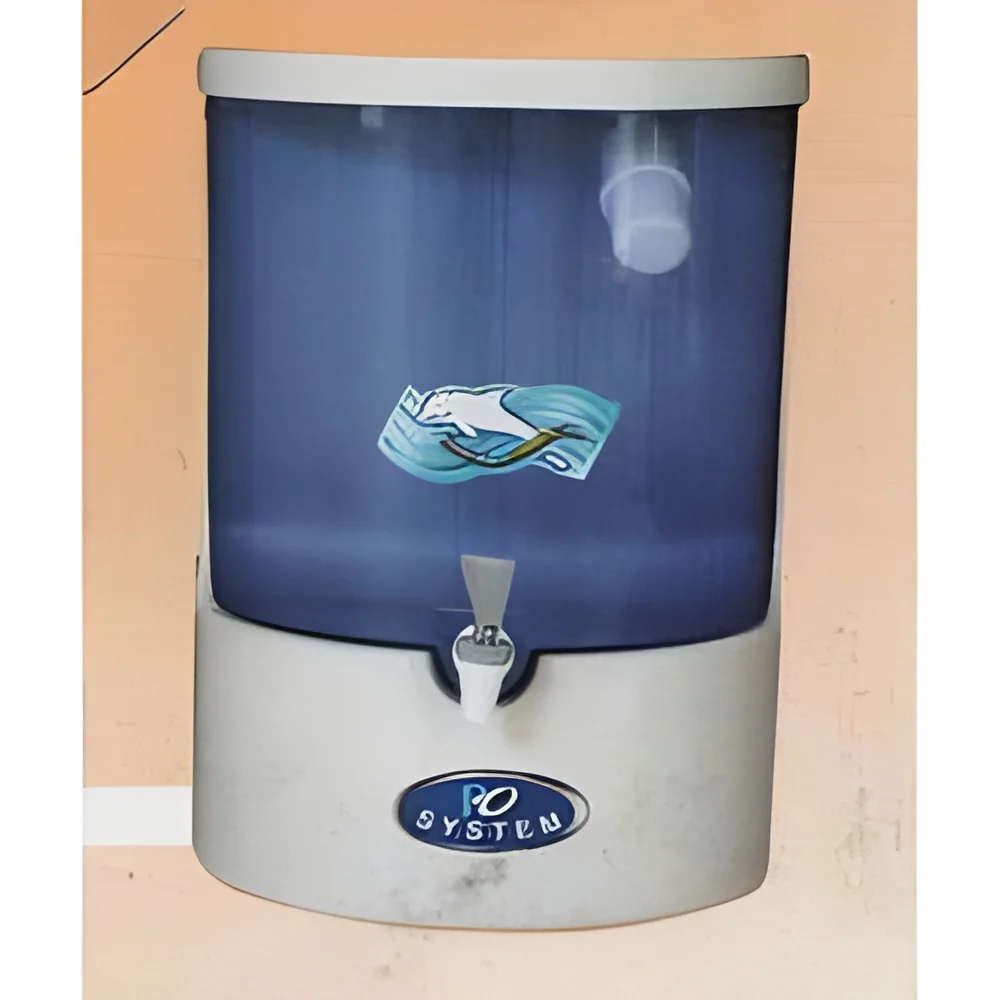
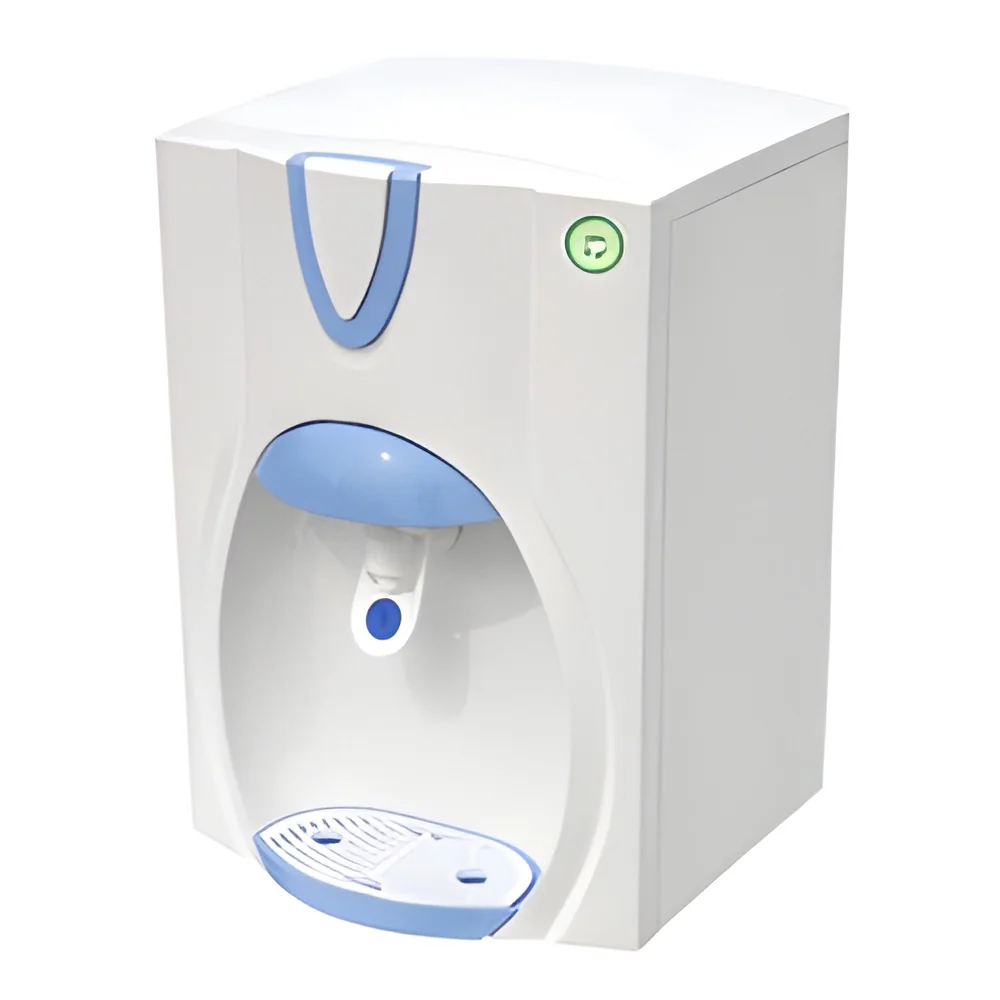
These units are designed for smaller operations or limited spaces, providing effective water purification without the need for extensive installation.
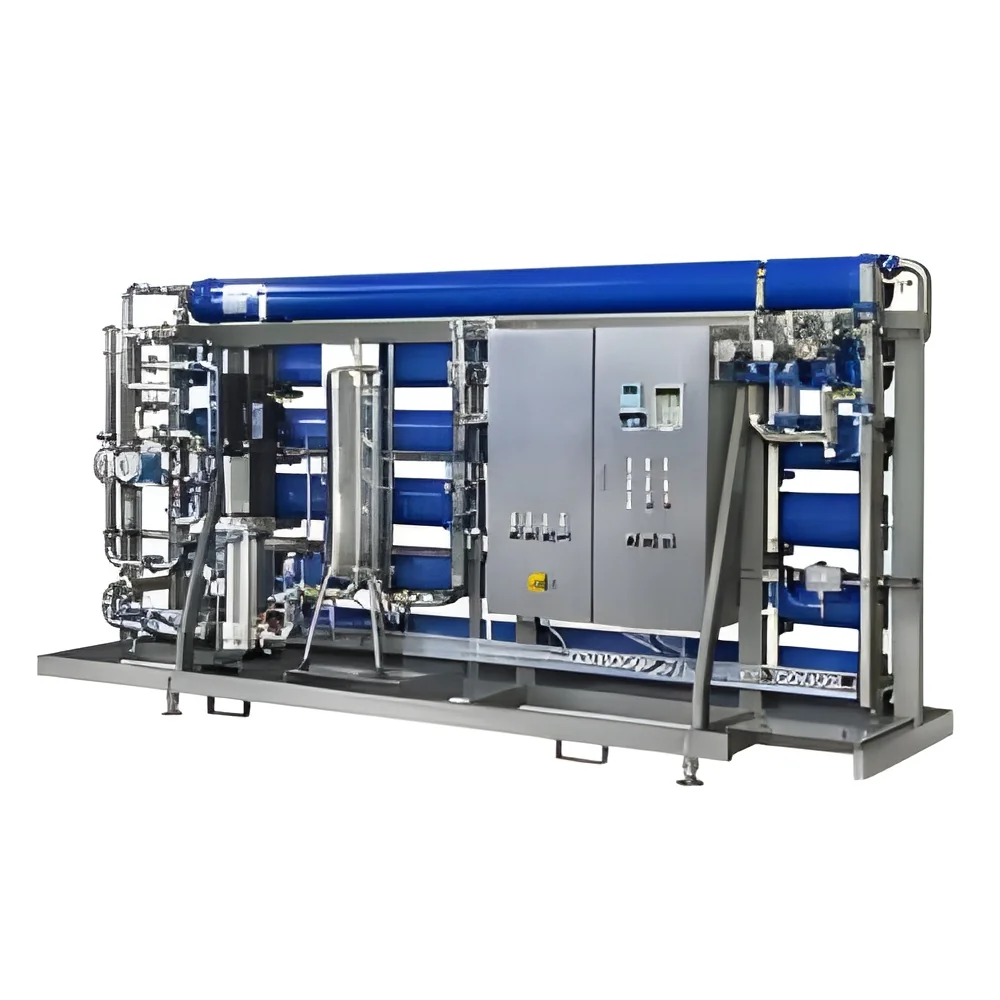
High-Capacity RO Plants
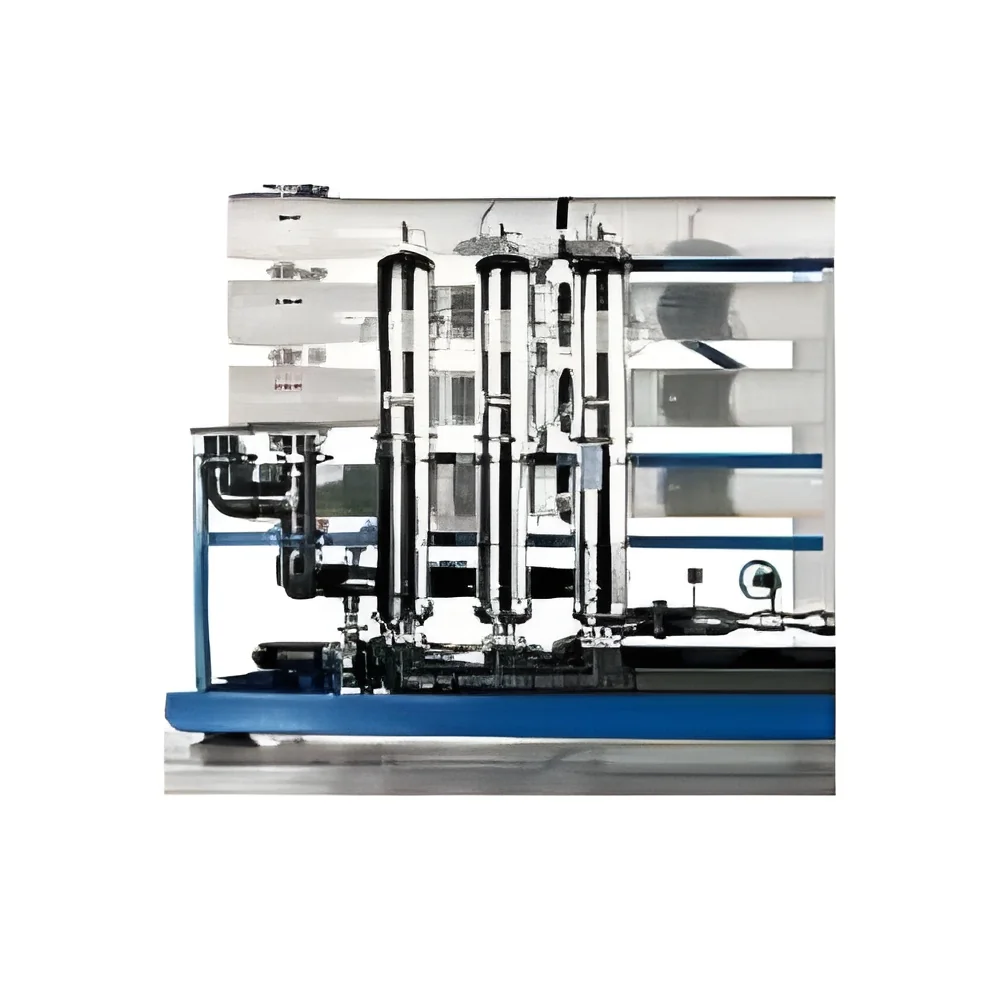
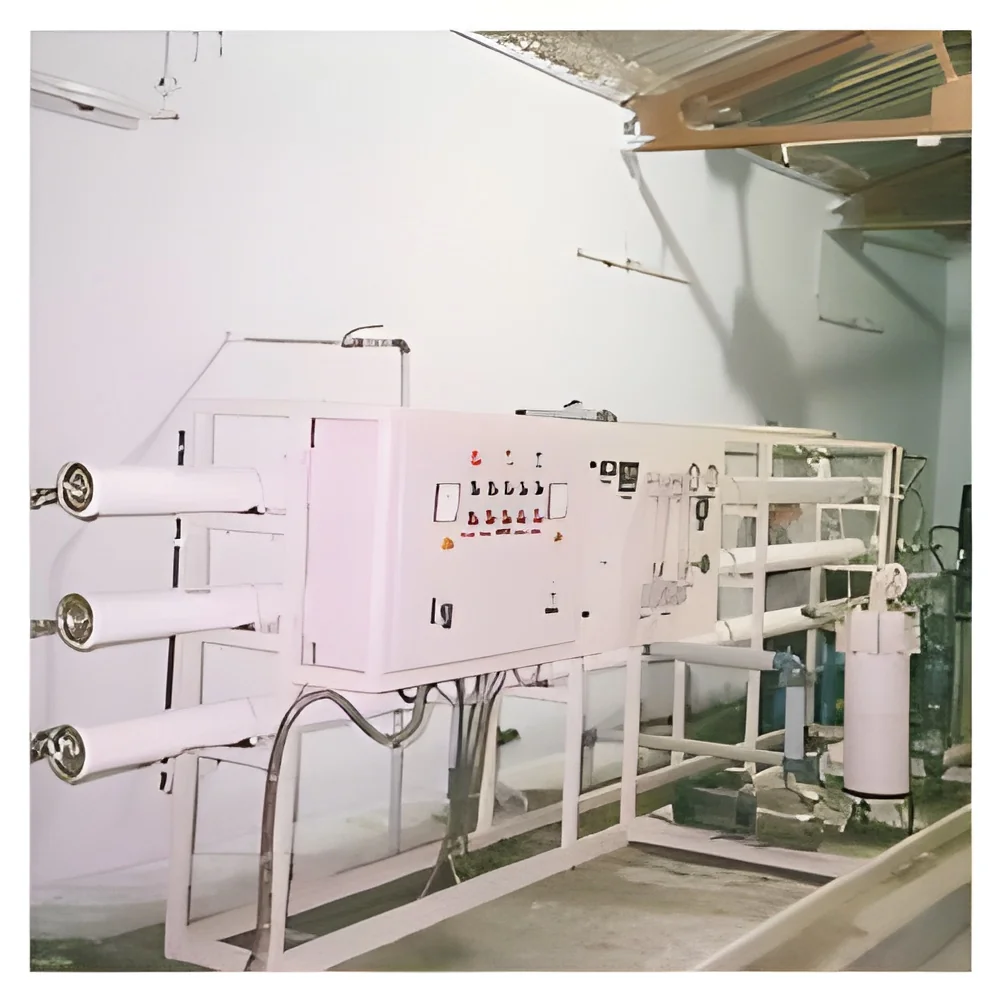
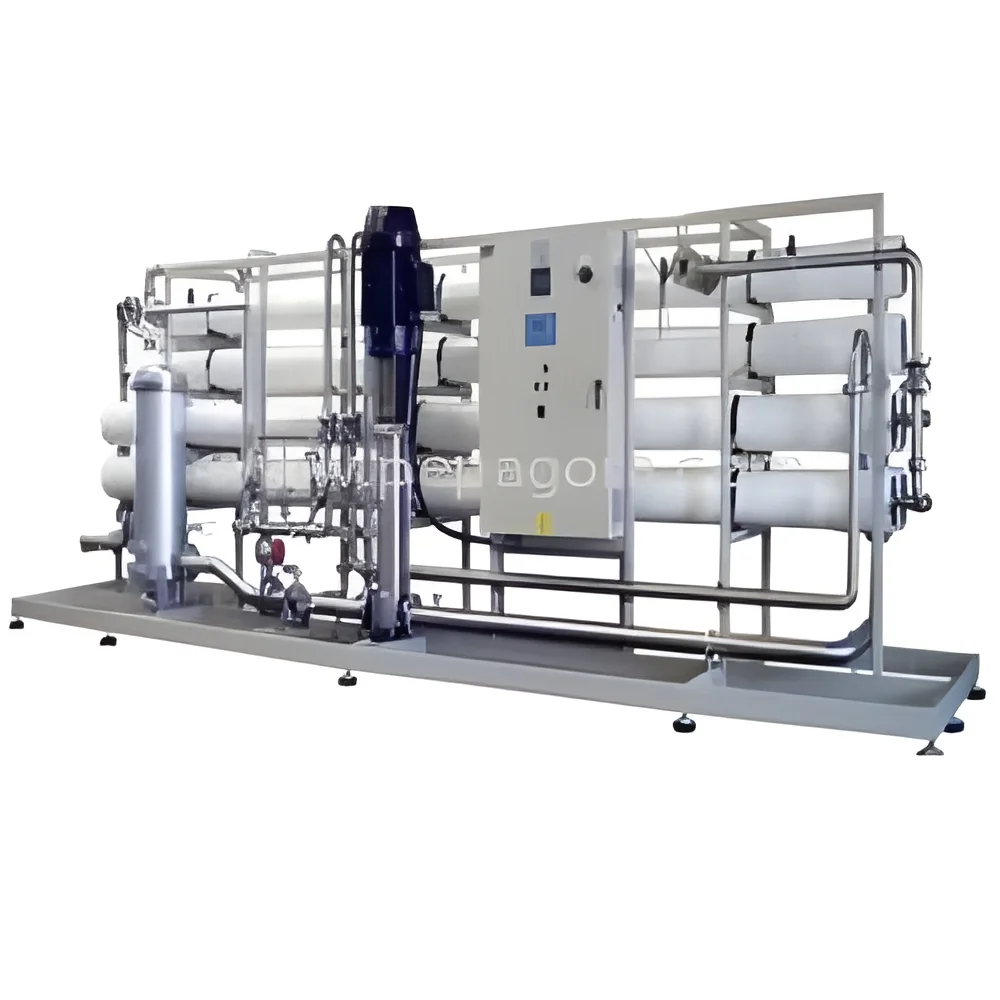
Ideal for large-scale operations, these plants can handle significant volumes of water, making them suitable for industries like power generation and large manufacturing facilities.
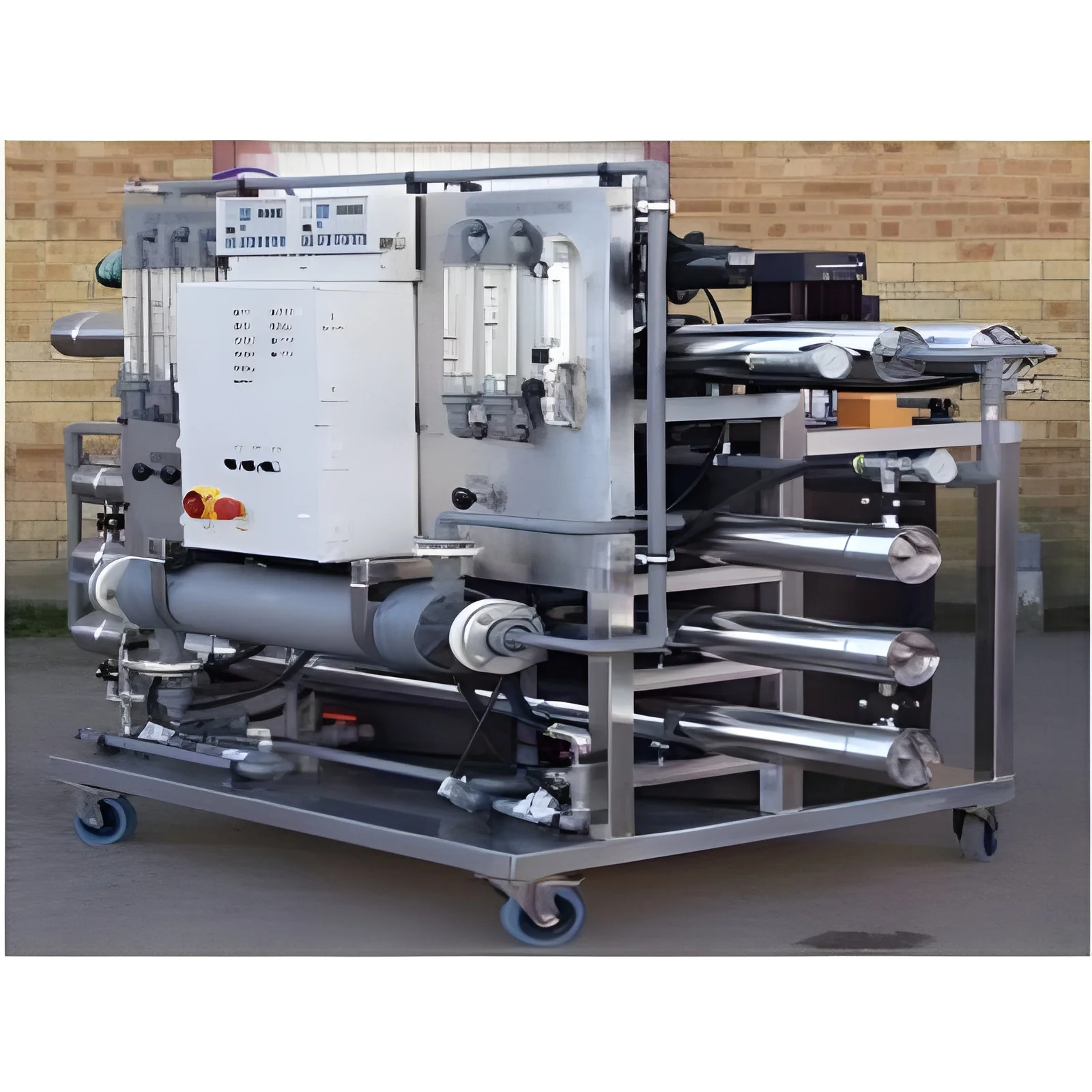
Mobile RO Units
These portable systems are useful for temporary applications or remote locations, ensuring access to clean water where permanent installations may not be feasible.
Benefits and Advantages
Investing in Industrial RO Plants offers several advantages that enhance operational efficiency and water quality.
1. Cost Efficiency: By reducing reliance on bottled water and lowering water treatment costs, businesses can achieve significant savings over time.
2. Environmental Sustainability: RO Plants help conserve water resources by reusing treated water, contributing to sustainable practices and reducing waste.
3. Improved Water Quality: The advanced filtration processes ensure high-quality water, which is crucial for compliance with industry standards and regulations.
4. Versatility: These systems can be tailored to meet the specific needs of various industries, making them adaptable and efficient.
5. Reduced Downtime: With effective monitoring and maintenance systems, Industrial RO Plants minimize operational interruptions, ensuring continuous water supply.
6. Safety Compliance: By providing clean water, these plants help companies comply with health and safety regulations, protecting both employees and consumers.
Buying Guide for B2B Buyers
When sourcing Industrial RO Plants, it is essential to consider several factors to ensure the best investment for your business needs.
1. Quality Assessment: Evaluate the quality of materials and technology used in the plants. Look for certifications that indicate adherence to industry standards.
2. Supplier Verification: Conduct thorough research on suppliers, checking their reputation and track record in delivering reliable and efficient systems.
3. Pricing and MOQ: Understand the pricing structures and minimum order quantities that suppliers offer, ensuring they align with your budget and needs.
4. Delivery and Lead Times: Discuss logistics with suppliers to establish realistic delivery timelines, ensuring your operations are not disrupted.
5. Compliance Requirements: Verify that the plants meet the necessary regulatory and safety standards specific to your industry and region.
Compliance and Certifications
Compliance with relevant standards and certifications is crucial for the operation of Industrial RO Plants.
ISO 9001 is a key quality management standard that ensures consistent quality in production and service delivery. Companies that adhere to this standard demonstrate their commitment to maintaining high-quality processes.
HACCP (Hazard Analysis Critical Control Point) is essential in food and beverage industries, as it outlines methods to ensure food safety by controlling biological, chemical, and physical hazards.
CE certification indicates that a product meets European safety, health, and environmental protection standards, ensuring reliability and safety in operation.
Safety and testing requirements are critical to ensure the reliability of equipment. Regular testing and maintenance are recommended to comply with industry regulations.
Regional compliance considerations vary widely, and it's essential for manufacturers and suppliers to understand local regulations and standards to ensure that their products are compliant in the markets they serve.
Why Source Industrial RO Plants from Pepagora?
Pepagora provides a trusted platform for sourcing Industrial RO Plants, offering several key advantages that cater to B2B buyers.
Verified Supplier Network: Pepagora has established a robust network of verified suppliers, ensuring that buyers can access reliable and quality products. This network helps mitigate risks associated with sourcing equipment.
Streamlined RFQ Process: The platform simplifies the request for quotation process, allowing buyers to compare multiple offers easily. This efficiency saves time and ensures competitive pricing.
Trade Assurance and Support: Buyers benefit from trade assurance programs that protect their investments. Pepagora offers support throughout the purchasing process, helping to resolve any issues that may arise.
Regional Coverage: With a strong presence in India, GCC, and Southeast Asia, Pepagora ensures that buyers have access to a wide range of suppliers and products, facilitating easier sourcing and distribution across these regions.

 IN
IN