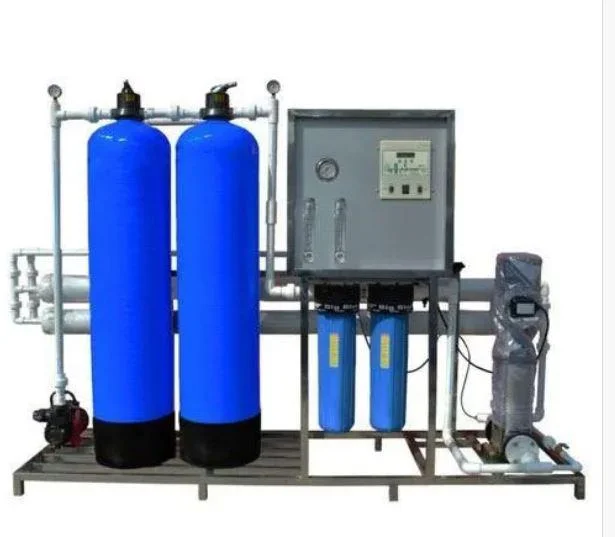
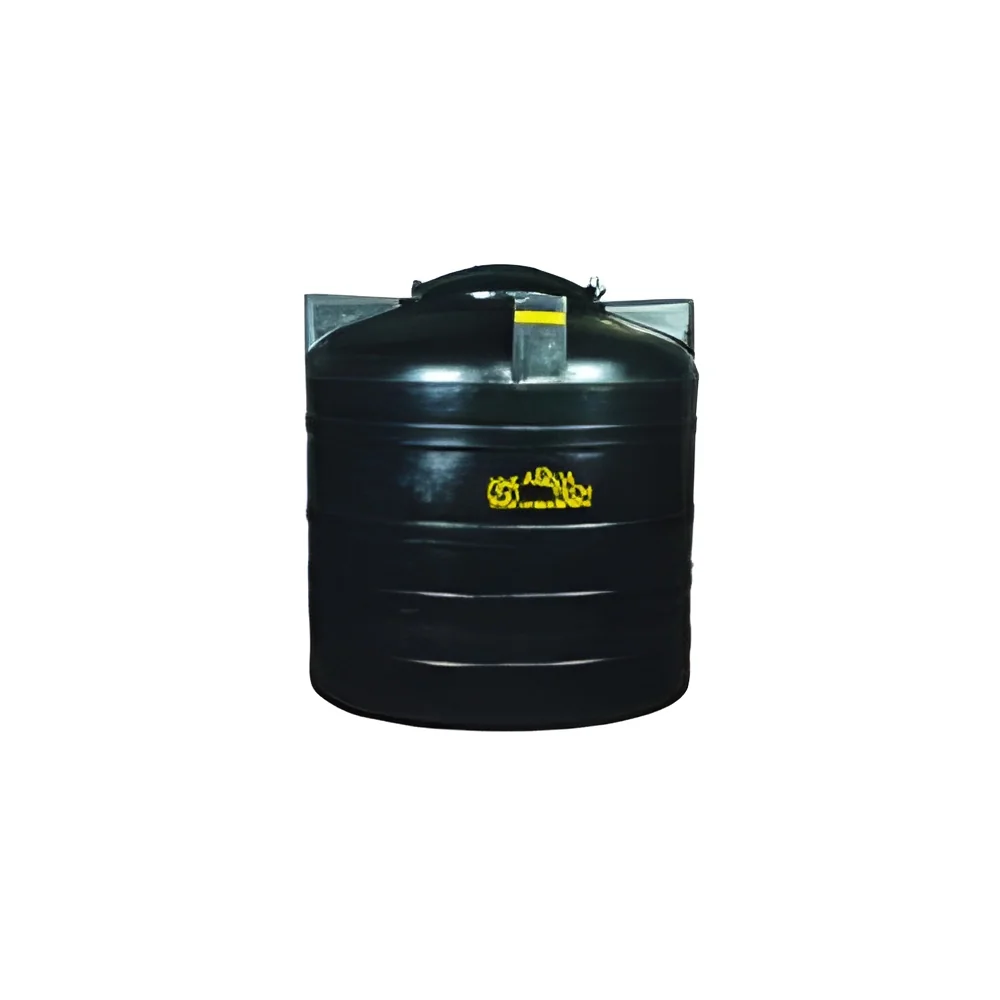
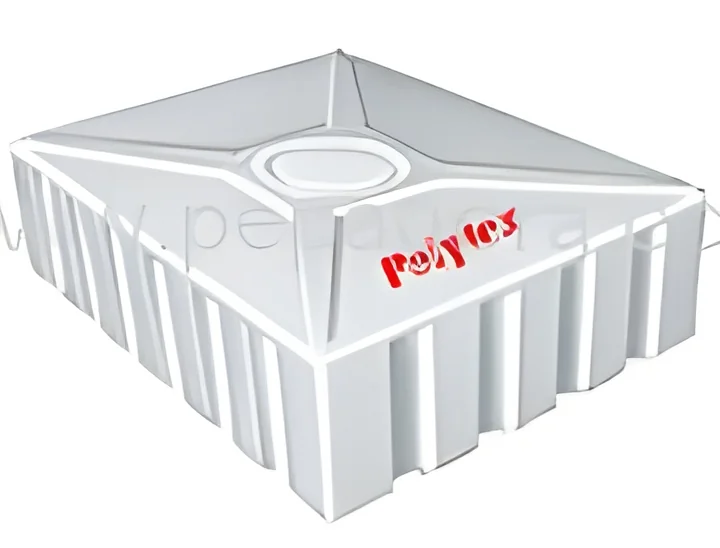
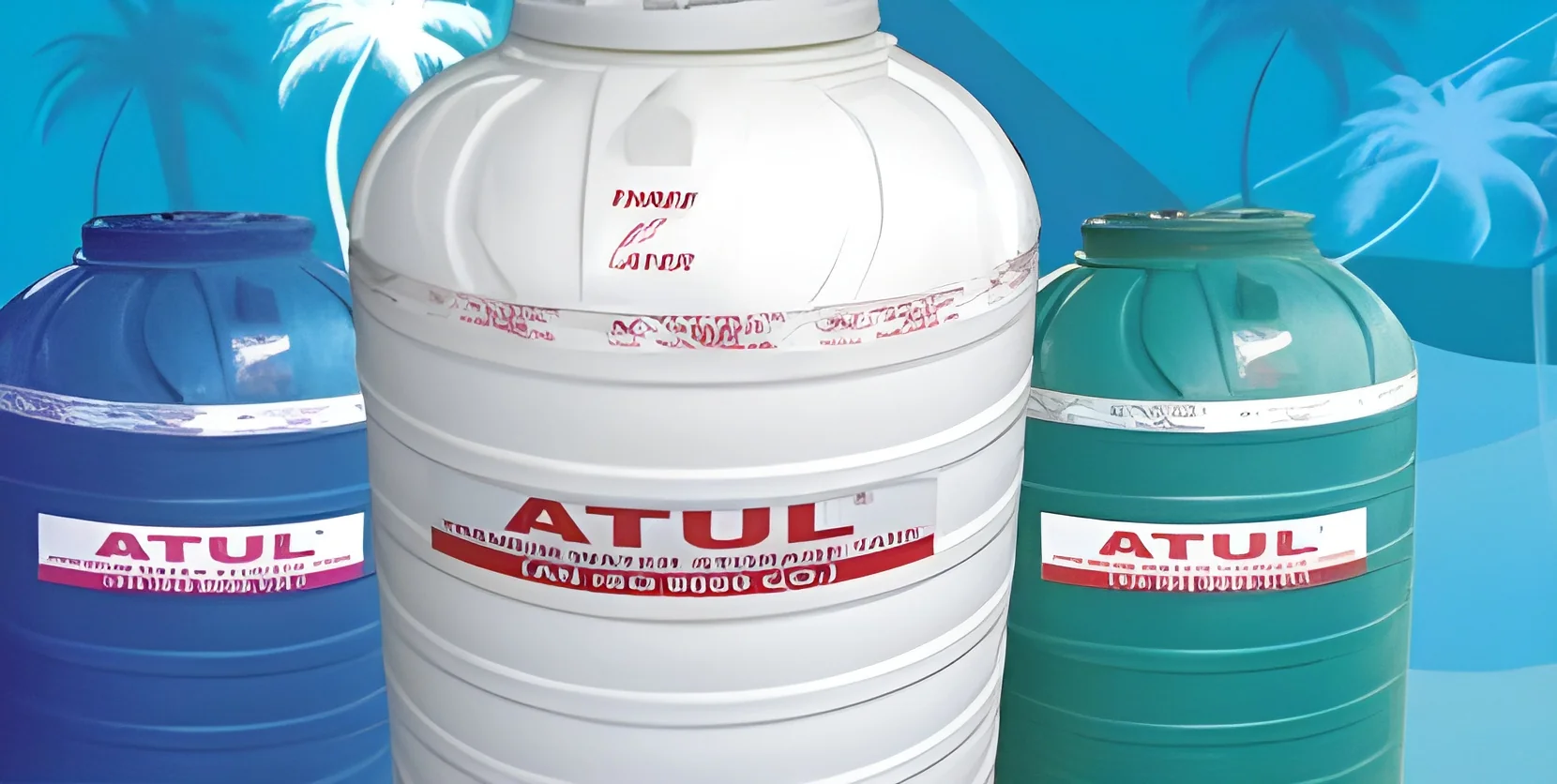
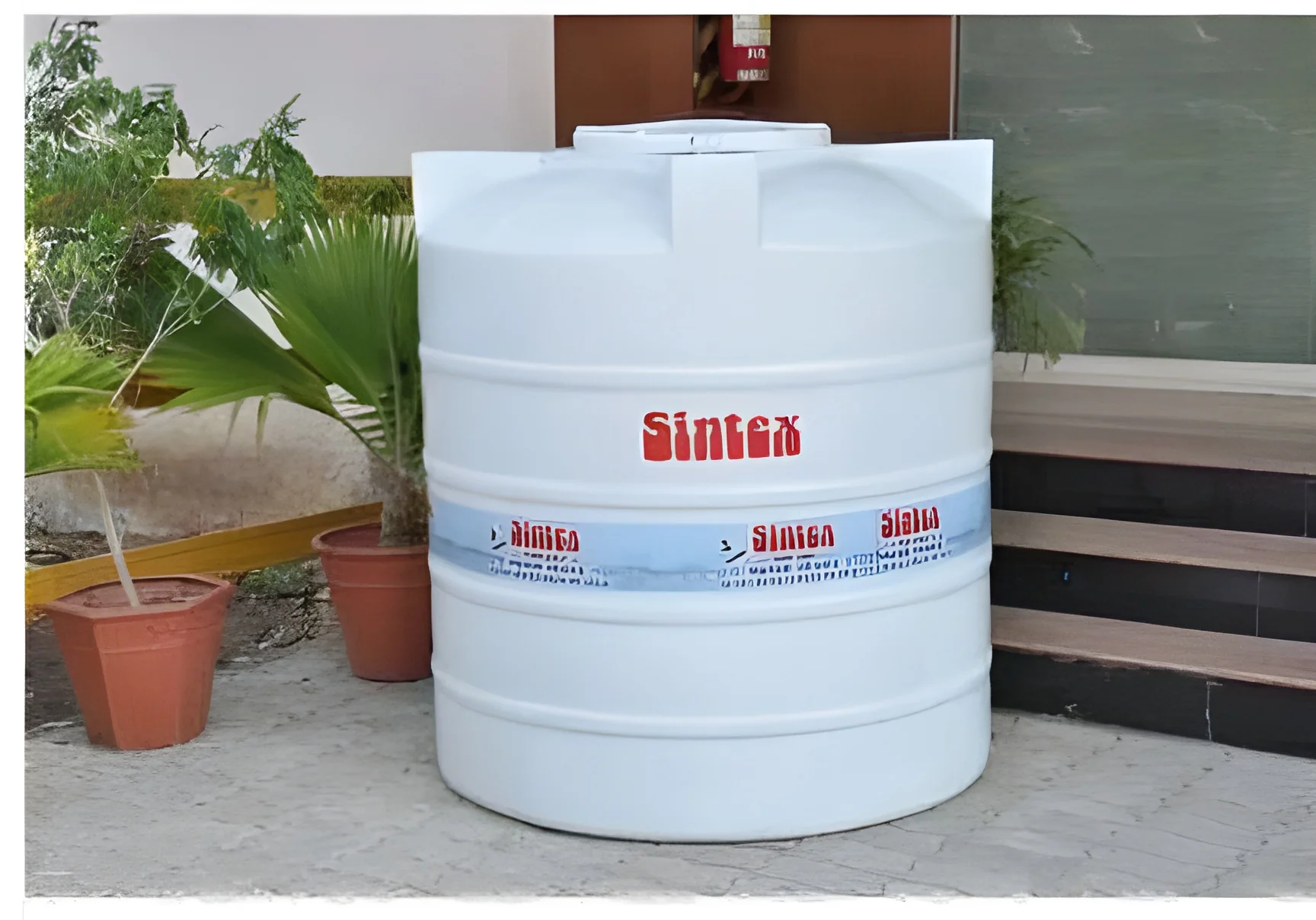
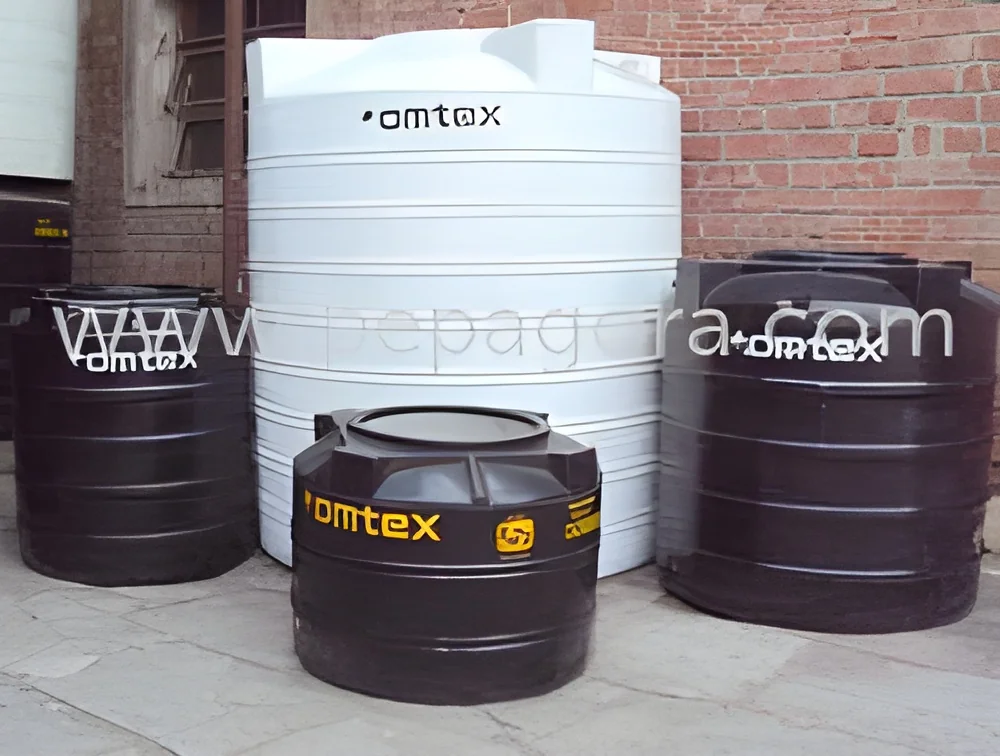
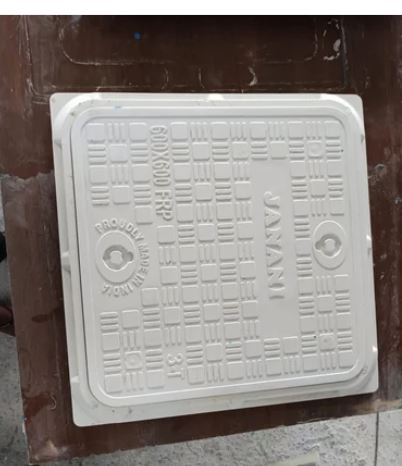
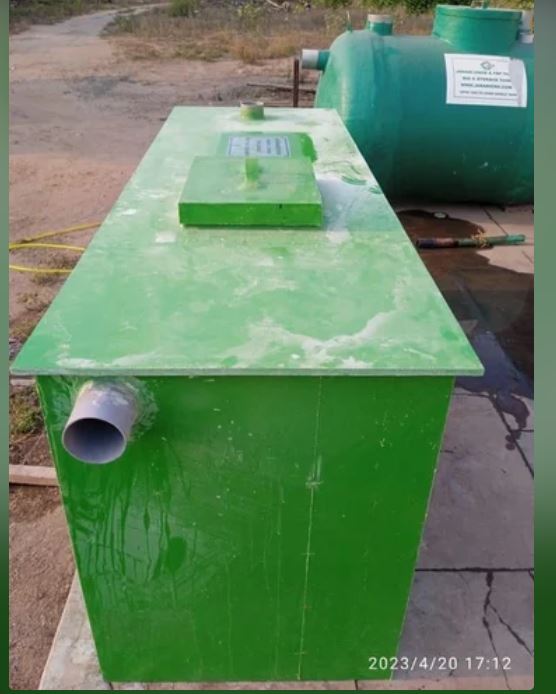
What are HDPE/PP/FRP Water Tanks?
HDPE (High-Density Polyethylene), PP (Polypropylene), and FRP (Fiberglass Reinforced Plastic) water tanks are advanced storage solutions designed for a variety of industrial and commercial applications. These tanks are known for their durability, corrosion resistance, and lightweight properties. HDPE and PP tanks are made from thermoplastic materials, which provide flexibility and strength, while FRP tanks are reinforced with fiberglass, offering additional structural integrity and longevity.
These water tanks are primarily used for storing potable water, chemicals, and wastewater in various sectors. Common applications include agriculture for irrigation, manufacturing for process water, and municipal facilities for drinking water storage. Their versatility makes them suitable for both indoor and outdoor installations, addressing the needs of businesses that require reliable and efficient water storage solutions.
In today's market, the demand for HDPE, PP, and FRP water tanks is growing due to increasing awareness of water conservation and the need for safe drinking water. Industries are increasingly opting for these tanks because they meet rigorous safety standards and provide a cost-effective solution for water management.
Key Features and Specifications
HDPE, PP, and FRP water tanks come equipped with several features that enhance their usability and effectiveness. These tanks are designed to withstand various environmental conditions while delivering reliable performance.
Key specifications include:
1. Material Composition
- HDPE tanks are lightweight and resistant to impact and UV radiation.
- PP tanks offer high chemical resistance and durability.
2. Capacity Range
- Available in capacities ranging from 500 liters to over 50,000 liters.
- Custom sizes can be manufactured based on client requirements.
3. Temperature Resistance
- HDPE tanks can operate effectively in temperatures up to 60°C.
- PP tanks have a higher temperature tolerance, reaching up to 100°C.
4. Corrosion Resistance
- Both HDPE and PP tanks resist corrosion from chemicals and environmental factors.
- FRP tanks provide added strength and durability against harsh conditions.
5. Design and Structure
- Tanks are designed with smooth inner surfaces to prevent algae growth.
- Reinforced designs in FRP tanks ensure structural integrity.
6. Installation Features
- Lightweight nature allows for easy installation.
- Tanks can be installed above ground or underground based on application needs.
7. Maintenance Requirements
- Minimal maintenance is required due to resistant materials.
- Easy to clean and sanitize, ensuring safe water storage.
8. Customization Options
- Tanks can be customized for color, size, and fittings to meet specific needs.
- Additional features such as monitoring systems can be integrated.
The versatility and resilience of these tanks make them an ideal choice for various applications across industries.
Common Applications and Use Cases
HDPE, PP, and FRP water tanks are utilized in multiple sectors, reflecting their adaptability and reliability.
1. Agriculture: These tanks are extensively used for irrigation purposes, storing water for crops and livestock, ensuring efficient water management.
2. Manufacturing: In industries such as food processing and chemical manufacturing, these tanks store process water and various chemicals, maintaining safety and quality standards.
3. Municipal Water Supply: Many municipalities use these tanks for potable water storage, ensuring a reliable supply for residents and businesses.
4. Construction: These tanks are often employed on construction sites for dust control and water supply, supporting site operations.
5. Mining: In mining operations, these tanks store water for processing and dust suppression, contributing to environmental management efforts.
6. Fire Protection: HDPE and FRP tanks serve as water reservoirs for fire suppression systems, providing critical access to water during emergencies.
7. Renewable Energy: In solar and wind energy projects, these tanks store water for cooling systems and other operational needs, enhancing efficiency.
Product Variants and Subcategories
The diversity of HDPE, PP, and FRP water tanks allows for various variants to meet specific requirements.
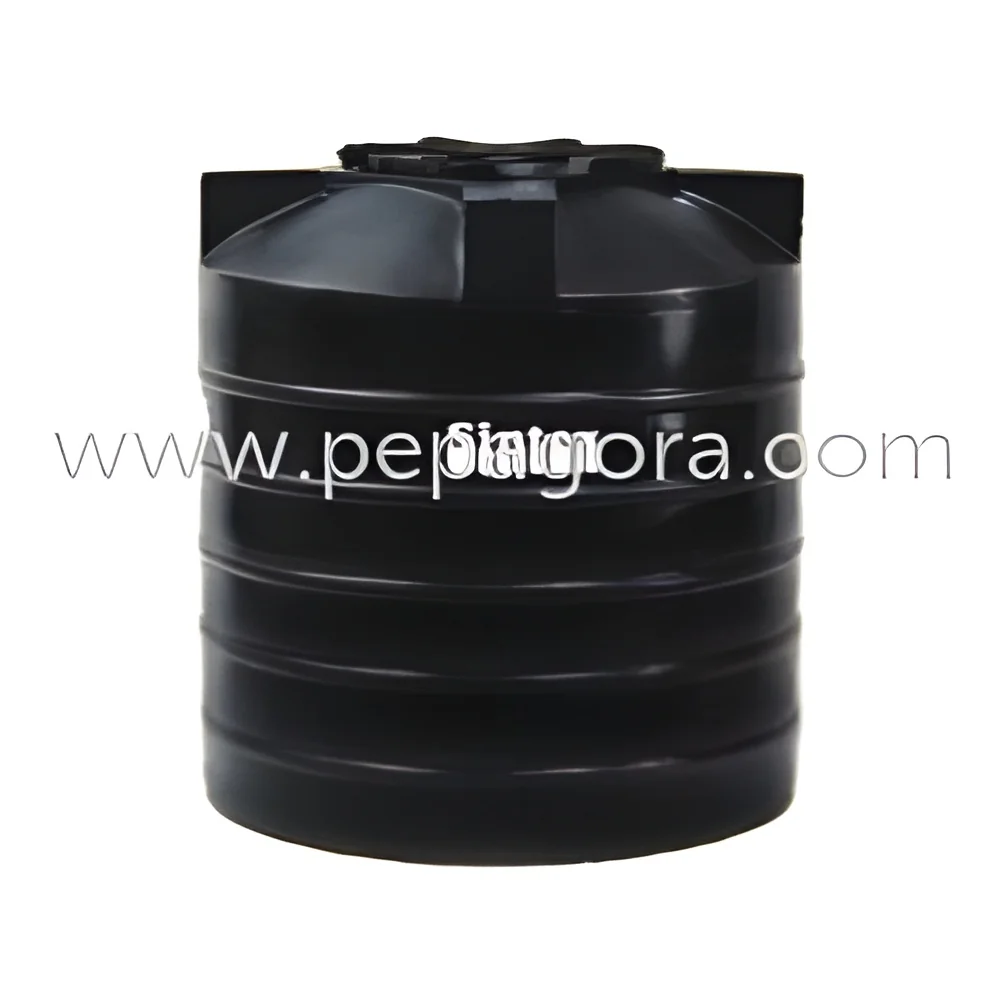
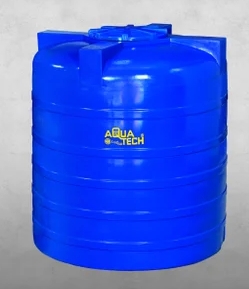
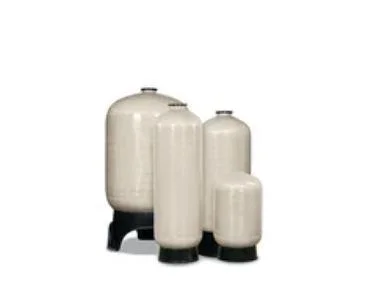
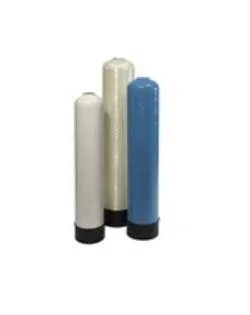
Vertical Water Tanks: These tanks are designed for space efficiency, allowing for high-capacity storage in limited areas. They are ideal for residential and commercial applications.
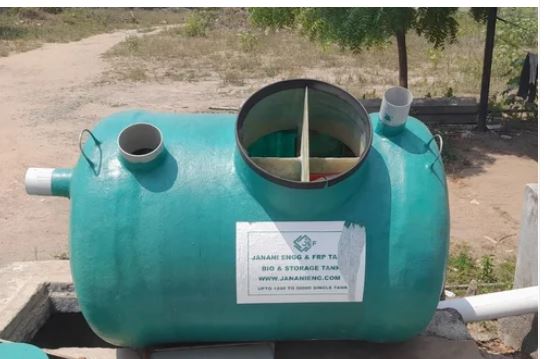
Horizontal Water Tanks: These tanks are suited for situations where height is restricted, providing a wider footprint. They are commonly used in agricultural settings.
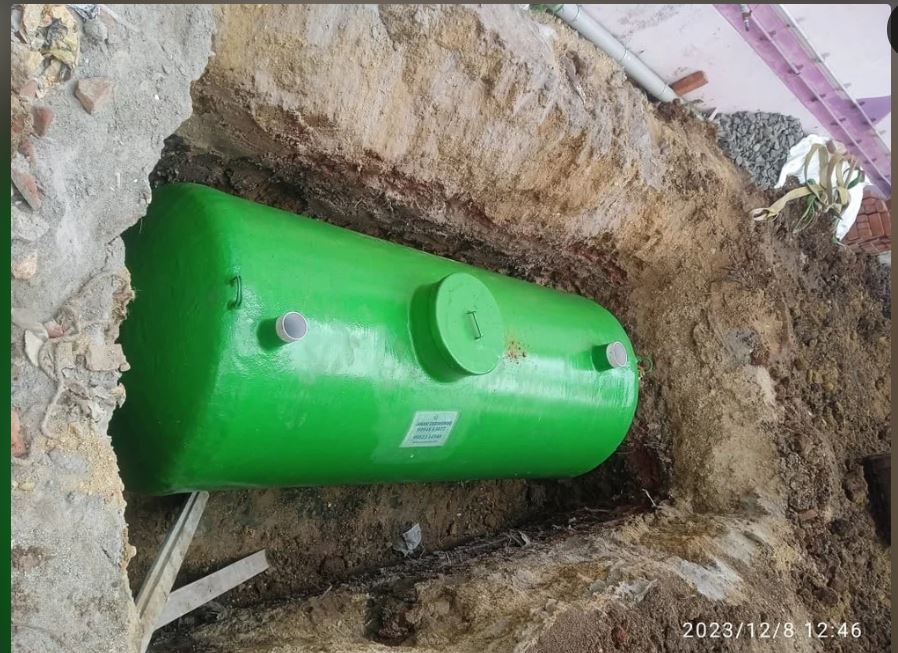
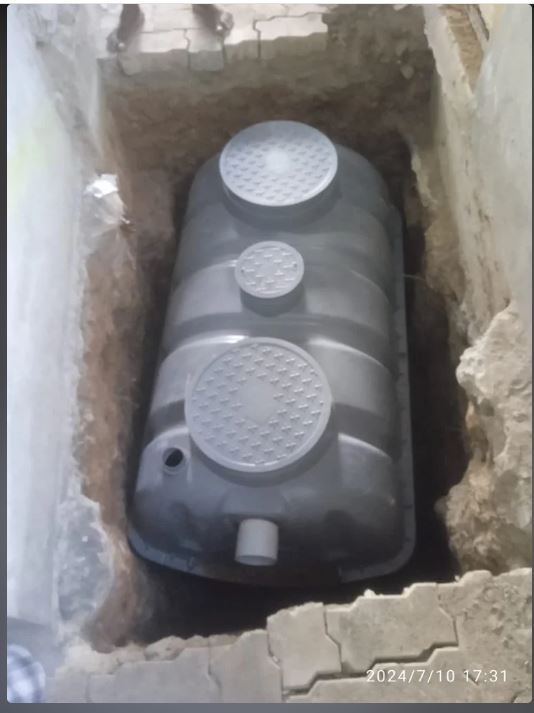
Underground Water Tanks: Designed for subsurface installation, these tanks are used where surface space is limited. They offer protection from environmental elements.
Marine Water Tanks: Specifically designed for marine applications, these tanks are constructed to withstand harsh ocean conditions while providing reliable water storage.
Benefits and Advantages
The use of HDPE, PP, and FRP water tanks offers several significant benefits for businesses.
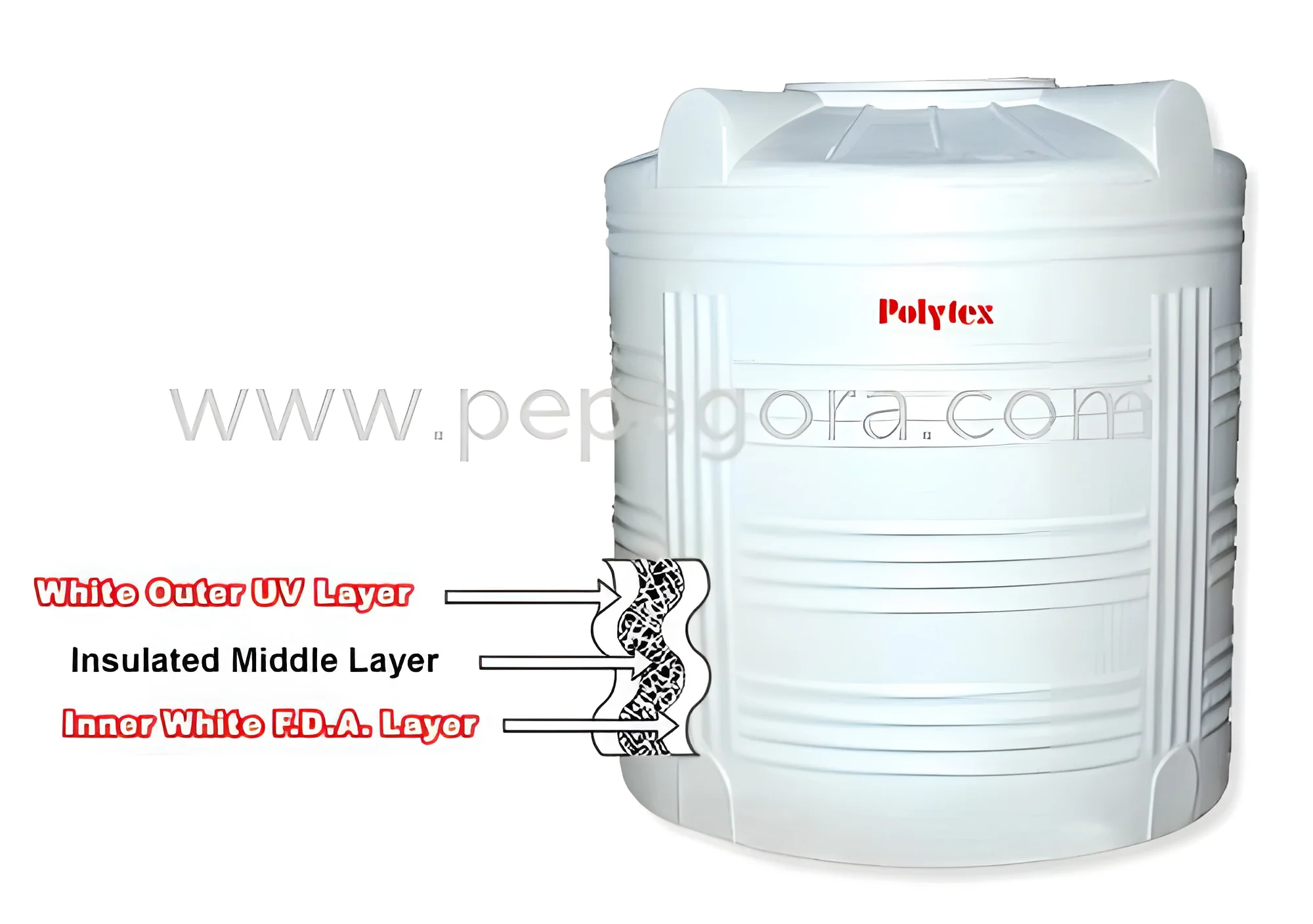
1. Durability: These tanks are resistant to cracking, corrosion, and UV radiation, ensuring long-term performance.
2. Lightweight Design: Their lightweight nature simplifies transportation and installation, reducing overall project costs.
3. Cost-Effectiveness: With low maintenance needs and long lifespan, these tanks provide a cost-efficient water storage solution.
4. Safety: Made from non-toxic materials, they ensure safe storage of potable water and chemicals, meeting health regulations.
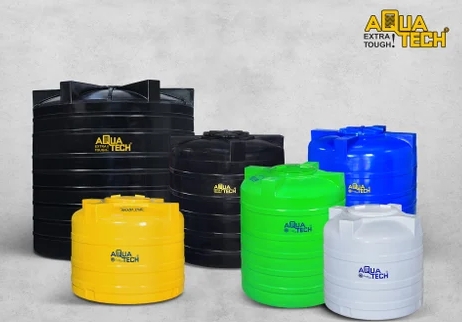
5. Versatility: Capable of being customized for various applications, these tanks can meet diverse industrial requirements.
6. Environmental Impact: The materials used are recyclable, contributing to sustainability efforts in water management.
Buying Guide for B2B Buyers
When sourcing HDPE, PP, and FRP water tanks, several critical factors should be considered to ensure the right choice for your business needs.
1. Quality Assessment: Evaluate the tank materials and manufacturing processes to ensure they meet industry standards and durability requirements.
2. Supplier Verification: Conduct thorough research to verify the credibility of suppliers. Check for certifications, customer reviews, and industry reputation.
3. Pricing and MOQ: Understand the pricing structure and minimum order quantities (MOQ) to align with your budget and project scope.
4. Delivery and Lead Times: Discuss logistics and lead times with suppliers to ensure timely delivery of tanks to meet project deadlines.
5. Compliance Requirements: Ensure that the tanks comply with relevant regulations and quality standards, such as CE certification, to avoid legal issues.
Compliance and Certifications
HDPE, PP, and FRP water tanks must adhere to various compliance and certification standards to ensure safety and quality in their applications. Key quality standards include ISO 9001 for quality management systems, HACCP for food safety, and GDP for good distribution practices.
Industry certifications play a crucial role in validating the reliability of these tanks. The CE mark indicates compliance with European safety, health, and environmental protection standards. Additionally, safety and testing requirements ensure that tanks meet specific performance criteria for pressure, temperature, and chemical resistance.
Regional compliance considerations may vary, so it is essential for manufacturers and suppliers to stay informed about local regulations governing water storage and safety standards. This ensures that products are not only safe for use but also legally compliant in the regions they serve.
Why Source HDPE/PP/FRP Water Tanks from Pepagora?
Pepagora offers a trusted platform for sourcing HDPE, PP, and FRP water tanks, providing several advantages to businesses looking for reliable water storage solutions.
Verified Supplier Network: Pepagora features a network of verified suppliers, ensuring that buyers can connect with reputable manufacturers who adhere to quality standards.
Streamlined RFQ Process: The platform simplifies the request for quotation (RFQ) process, allowing buyers to receive competitive pricing and terms from multiple suppliers efficiently.
Trade Assurance and Support: Pepagora provides trade assurance, offering protection for buyers against potential issues during transactions, ensuring a secure purchasing experience.
Regional Coverage: With a strong presence in India, the GCC, and Southeast Asia, Pepagora connects buyers with suppliers across various regions, facilitating access to high-quality water tanks tailored to specific needs.

 IN
IN