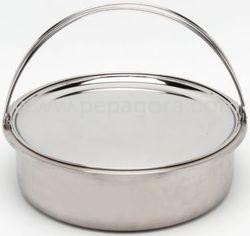
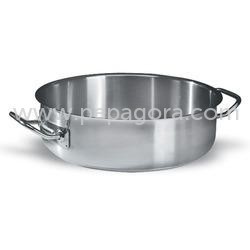
𝗪𝗵𝗮𝘁 𝗮𝗿𝗲 𝗦𝘁𝗲𝗮𝗺 𝗖𝗼𝗼𝗸𝗶𝗻𝗴 𝗩𝗲𝘀𝘀𝗲𝗹𝘀?
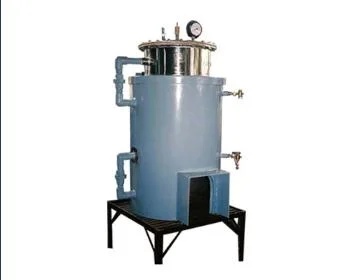
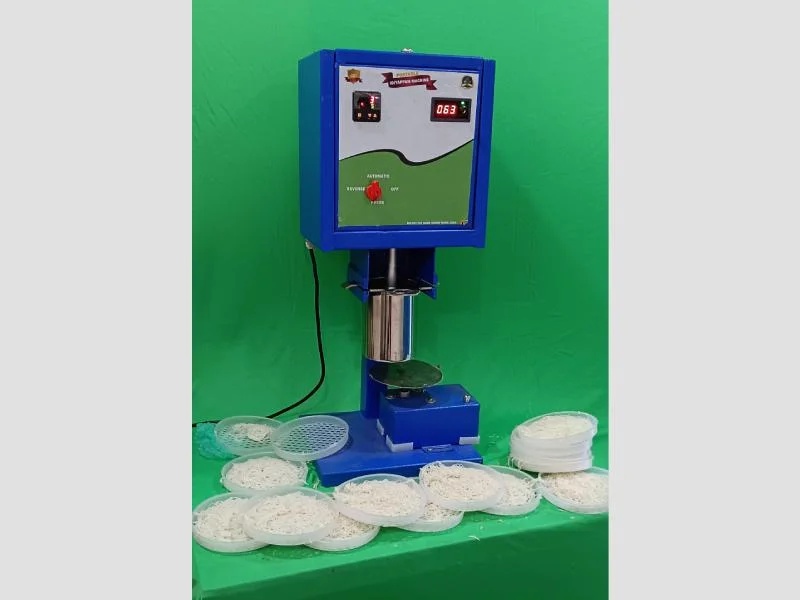
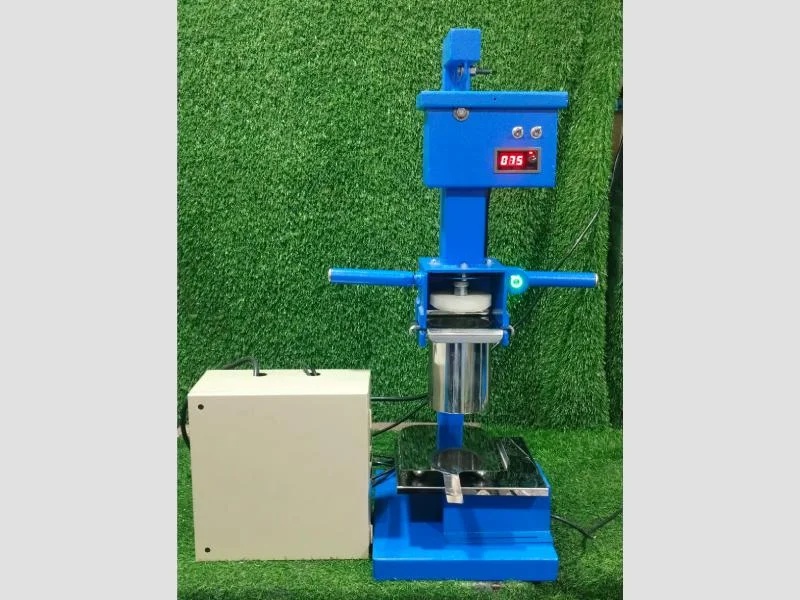
Steam cooking vessels are specialized equipment designed for cooking food using steam as the primary heat source. These vessels operate by generating steam through water heating, which then circulates within the cooking chamber to prepare food evenly and efficiently. This method of cooking is recognized for its ability to retain nutrients and flavors, making it a popular choice in commercial kitchens and food processing facilities.
Primarily, steam cooking vessels are used in various applications, including food service operations, catering businesses, and industrial food production. They are essential for preparing large quantities of food quickly while ensuring food safety and quality. Their efficiency allows businesses to streamline cooking processes, reduce energy consumption, and maintain consistent product quality. In the current market, steam cooking vessels are increasingly relevant due to the growing demand for healthier cooking methods and the rising focus on sustainability in food preparation.
𝗞𝗲𝘆 𝗙𝗲𝗮𝘁𝘂𝗿𝗲𝘀 𝗮𝗻𝗱 𝗦𝗽𝗲𝗰𝗶𝗳𝗶𝗰𝗮𝘁𝗶𝗼𝗻𝘀
Steam cooking vessels come equipped with several key features designed to enhance their usability and efficiency. Understanding these specifications is crucial for businesses looking to invest in this equipment.
Key specifications include:
1. Cooking Capacity
- Vessels vary in size, accommodating different production volumes.
- Typical capacities range from small units for restaurants to large industrial models.
2. Material Construction
- Most vessels are constructed from stainless steel for durability and hygiene.
- Corrosion-resistant finishes are common to ensure longevity.
3. Heating Efficiency
- Features include rapid steam generation systems for faster cooking times.
- Energy-efficient designs help reduce operational costs.
4. Temperature Control
- Precise temperature controls ensure consistent cooking results.
- Some vessels offer programmable settings for various food types.
5. Safety Features
- Includes automatic shut-off mechanisms and pressure relief valves.
- Designed to meet safety standards to protect users.
6. Cleaning and Maintenance
- Easy-to-clean surfaces and removable components for thorough maintenance.
- Some models include self-cleaning features.
7. Compliance Standards
- Many vessels adhere to industry standards such as CE certification.
- Compliance with food safety regulations is critical for operation.
In summary, steam cooking vessels provide a range of features that enhance cooking efficiency, safety, and ease of use. Understanding these specifications can help businesses make informed purchasing decisions.
𝗖𝗼𝗺𝗺𝗼𝗻 𝗔𝗽𝗽𝗹𝗶𝗰𝗮𝘁𝗶𝗼𝗻𝘀 𝗮𝗻𝗱 𝗨𝘀𝗲 𝗖𝗮𝘀𝗲𝘀
Steam cooking vessels find applications across various industries, catering to diverse cooking needs.
1. Food Service Industry: Steam cooking vessels are essential in restaurants and catering services for preparing large quantities of vegetables, seafood, and meats. They help maintain the nutritional integrity of the food while ensuring quick cooking times.
2. Institutional Catering: Schools, hospitals, and other institutions utilize steam cooking vessels to provide healthy meals for large groups. These vessels allow for batch cooking and maintain consistent quality across servings.
3. Food Processing: In the food manufacturing sector, steam cooking vessels are used for processing products like sauces, soups, and ready-to-eat meals. They ensure even cooking and flavor retention.
4. Bakery Industry: Steam cooking vessels help create moist environments needed for baking bread and pastries, enhancing texture and flavor.
5. Seafood Processing: Steam cooking is ideal for cooking seafood, as it preserves delicate flavors and textures while ensuring food safety.
6. Catering Businesses: Mobile caterers and event planners use steam cooking vessels for on-site cooking, providing fresh meals at various events.
7. Meal Prep Services: Companies focused on meal prep and delivery can use steam cooking vessels to prepare healthy meals efficiently for their clients.
𝗣𝗿𝗼𝗱𝘂𝗰𝘁 𝗩𝗮𝗿𝗶𝗮𝗻𝘁𝘀 𝗮𝗻𝗱 𝗦𝘂𝗯𝗰𝗮𝘁𝗲𝗴𝗼𝗿𝗶𝗲𝘀
Steam cooking vessels come in various forms to suit different cooking needs and operational scales.
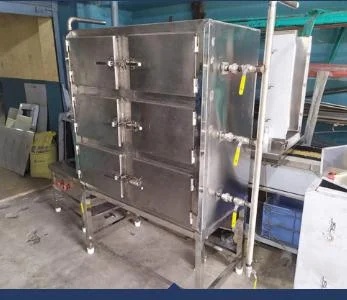
Commercial Steamers: These vessels are designed for high-volume cooking in restaurants and cafeterias. They typically feature multiple tiers for cooking different foods simultaneously and are built for durability.
Industrial Steamers: Built for large-scale food processing, these units are capable of handling significant volumes and often include advanced automation features for efficiency.
Countertop Steamers: Ideal for smaller kitchens, these compact models offer flexibility and convenience without sacrificing performance. They are suitable for small restaurants or catering services.
𝗕𝗲𝗻𝗲𝗳𝗶𝘁𝘀 𝗮𝗻𝗱 𝗔𝗱𝘃𝗮𝗻𝘁𝗮𝗴𝗲𝘀
Steam cooking vessels offer numerous benefits that make them a valuable addition to any commercial kitchen.
1. Nutrient Retention: Cooking with steam preserves more vitamins and minerals compared to other cooking methods, leading to healthier food options.
2. Energy Efficiency: Steam cooking is generally more energy-efficient than traditional cooking methods, reducing operational costs.
3. Versatility: These vessels can cook a wide range of foods, from vegetables to proteins, making them suitable for various culinary applications.
4. Consistency: Steam cooking provides uniform heat distribution, ensuring that food is cooked evenly without hot or cold spots.
5. Reduced Cooking Times: The efficiency of steam cooking allows for faster meal preparation, which is crucial in high-demand environments.
6. Enhanced Food Safety: Steam cooking kills harmful bacteria and pathogens, ensuring that food is safe for consumption.
𝗕𝘂𝘆𝗶𝗻𝗴 𝗚𝘂𝗶𝗱𝗲 𝗳𝗼𝗿 𝗕𝟮𝗕 𝗕𝘂𝘆𝗲𝗿𝘀
When sourcing steam cooking vessels, businesses should consider several key factors to ensure they make the right choice.
1. Quality Assessment: Evaluate the quality of materials and construction to ensure durability and safety. Look for vessels that meet industry standards.
2. Supplier Verification: Vet suppliers thoroughly to ensure they are reputable and provide reliable products. Check for certifications and customer reviews.
3. Pricing and MOQ: Understand the pricing structure and minimum order quantities. Compare prices across suppliers to find the best value.
4. Delivery and Lead Times: Assess logistics and delivery times to ensure that the vessels can be obtained when needed. Ensure the supplier can meet your timelines.
5. Compliance Requirements: Verify that the vessels comply with relevant food safety and industry regulations. This is crucial for operational legality and safety.
𝗖𝗼𝗺𝗽𝗹𝗶𝗮𝗻𝗰𝗲 𝗮𝗻𝗱 𝗖𝗲𝗿𝘁𝗶𝗳𝗶𝗰𝗮𝘁𝗶𝗼𝗻𝘀
Steam cooking vessels must adhere to various compliance and certification standards to ensure safety and quality.
Relevant quality standards include ISO 9001, which focuses on quality management systems, and HACCP, which ensures food safety through systematic risk management.
Industry certifications such as CE indicate that the products meet European safety standards, providing assurance to buyers about their reliability and safety.
Safety and testing requirements are essential to protect users and ensure operational effectiveness. Manufacturers often subject their vessels to rigorous testing to meet these standards.
Regional compliance considerations may vary, so it is important for buyers to be aware of local regulations regarding food safety and equipment standards.
𝗪𝗵𝘆 𝗦𝗼𝘂𝗿𝗰𝗲 𝗦𝘁𝗲𝗮𝗺 𝗖𝗼𝗼𝗸𝗶𝗻𝗴 𝗩𝗲𝘀𝘀𝗲𝗹𝘀 𝗳𝗿𝗼𝗺 𝗣𝗲𝗽𝗮𝗴𝗼𝗿𝗮?
Pepagora provides a trusted platform for sourcing steam cooking vessels with several key advantages.
Verified Supplier Network: Pepagora connects buyers with a network of verified suppliers who meet stringent quality and safety standards. This ensures that buyers receive reliable products.
Streamlined RFQ Process: The platform offers a user-friendly request for quotation (RFQ) process, making it easy for businesses to obtain competitive quotes from multiple suppliers.
Trade Assurance and Support: Pepagora provides trade assurance and support, protecting buyers throughout the purchasing process. This includes assistance with negotiations and logistics.
Regional Coverage: With a strong presence in India, the GCC, and Southeast Asia, Pepagora offers extensive geographic reach, making it easier for businesses to find suitable suppliers in their region.
By leveraging these advantages, businesses can efficiently source steam cooking vessels that meet their operational needs while ensuring quality and compliance.

 IN
IN India
India