IN
IN₹
Apparel & Fashion
Description
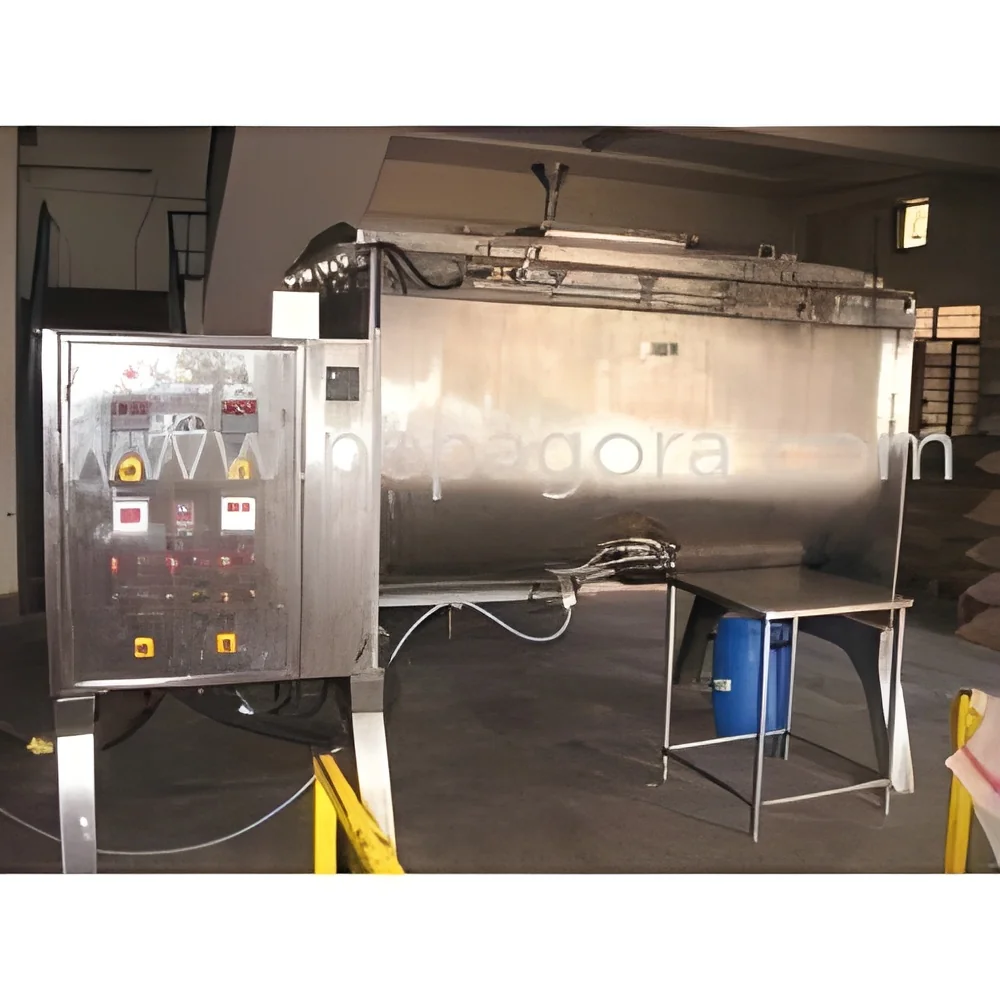
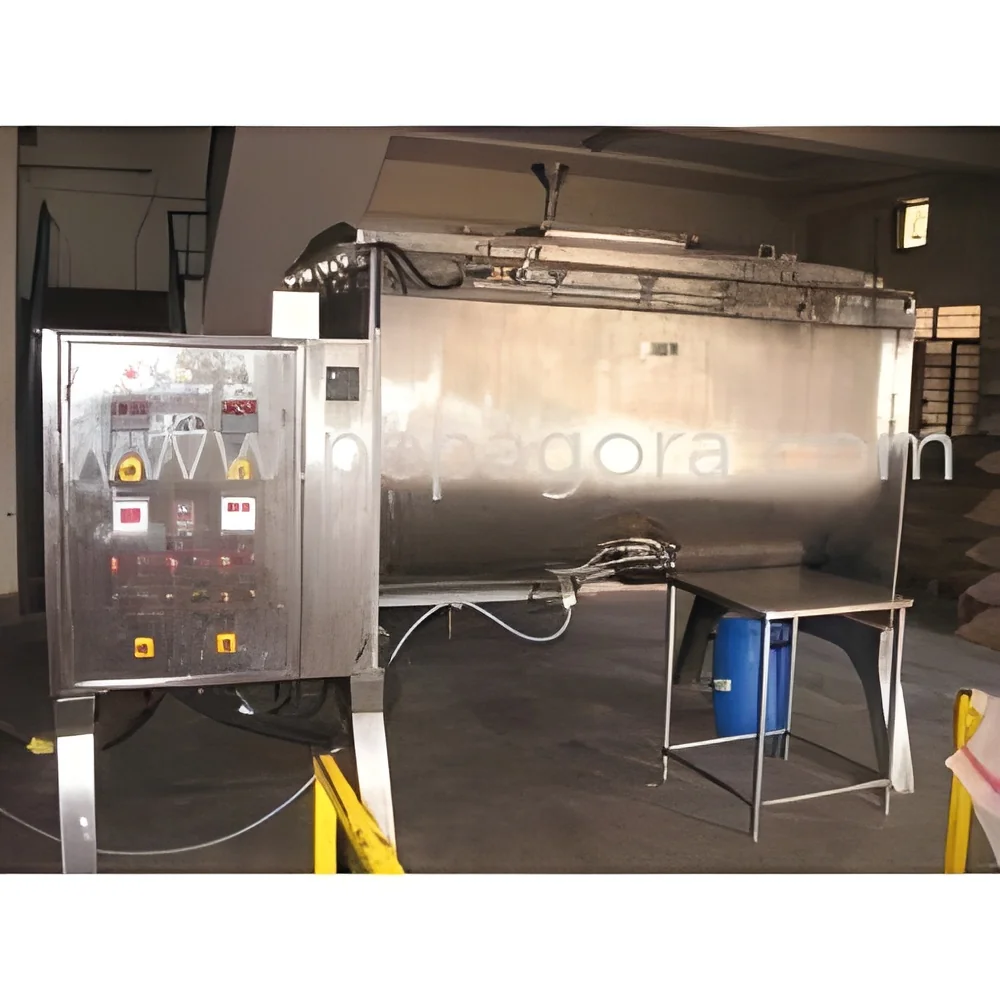
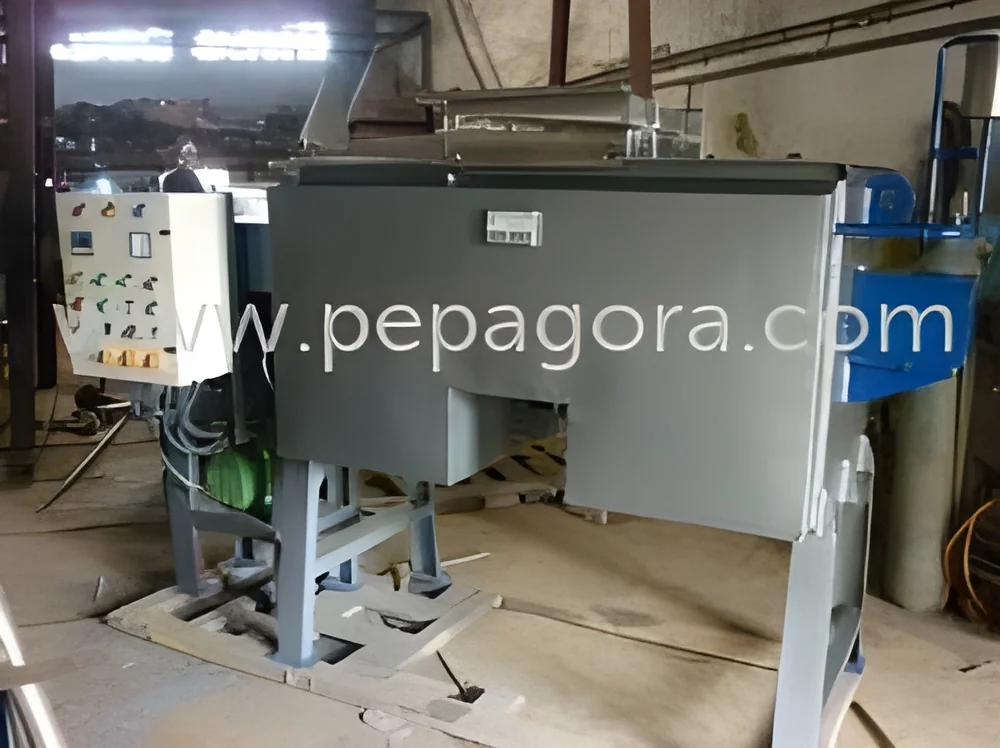
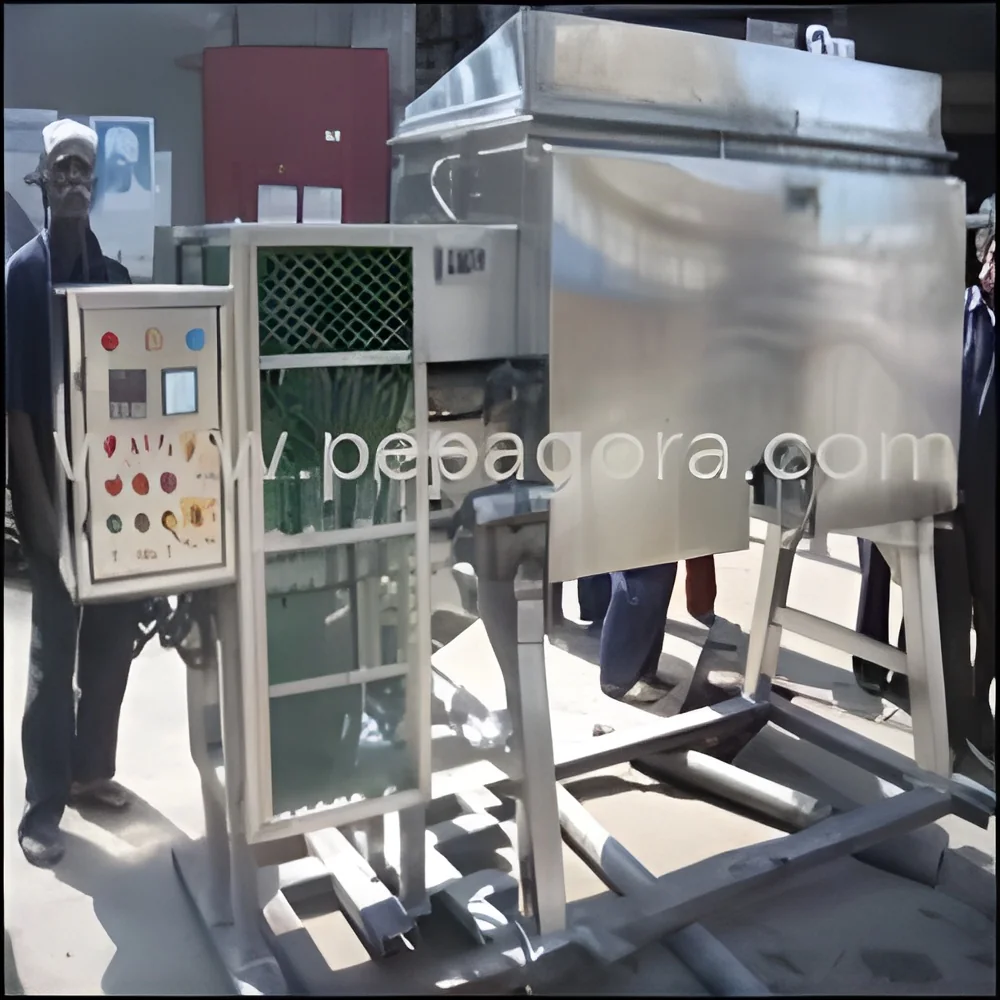
The industrial roaster machine is engineered for precision thermal processing of diverse food materials including powders, flours, seeds, granules, pulses, semi-paste, and gravy-type products. Built with food-grade materials and robust construction, this equipment ensures uniform heating and consistent results across various batch sizes. The machine's versatile design accommodates both small-scale operations and large industrial production requirements, with options for stainless steel construction that maintain operational reliability while meeting hygiene standards. This flexibility makes it suitable for various production environments and quality requirements.

This roaster serves critical functions across multiple industries including food processing, snack manufacturing, spice production, and starch processing. Food manufacturers utilize it for preparing premixes for popular items like upma, gulab jamun, dhokla, and idli. Snack producers rely on it for frying components such as dh...
The industrial roaster machine is engineered for precision thermal processing of diverse food materials including powders, flours, seeds, granules, pulses, semi-paste, and gravy-type products. Built with food-grade materials and robust construction, this equipment ensures uniform heating and consistent results across various batch sizes. The machine's versatile design accommodates both small-scale operations and large industrial production requirements, with options for stainless steel construction that maintain operational reliability while meeting hygiene standards. This flexibility makes it suitable for various production environments and quality requirements.

This roaster serves critical functions across multiple industries including food processing, snack manufacturing, spice production, and starch processing. Food manufacturers utilize it for preparing premixes for popular items like upma, gulab jamun, dhokla, and idli. Snack producers rely on it for frying components such as dhaniya, mustard, groundnuts, and mirchi for traditional chiwda. The starch industry employs it for processing modified starch and dextrin, while culinary operations use it for roasting coconut shreddings and cooking onion paste for masala preparations. The machine's adaptability across these sectors demonstrates its fundamental role in food production value chains.

Businesses investing in this roaster gain significant operational advantages through its dual-function capability as both a roasting machine and a blender/mixer when the heating system is disengaged. The thermic fluid heating option for larger capacities allows cost-effective operation using low-grade coal, paddy husk, firewood, bagasse, or agricultural bio-waste, reducing energy costs. The machine's reliability stems from robust construction, precise temperature control, and features that ensure optimal performance for specific product requirements. These attributes translate to improved product quality, operational efficiency, and return on investment for serious buyers.

Key Features:
- Full stainless steel construction available for compliance requirements
- Dual-function operation as roaster and ribbon blender/mixer
- Thermic fluid heating option for cost-effective fuel usage
- Customizable capacity options to suit production needs
- Precision temperature control for uniform roasting results

Benefits:
- Consistent product quality through uniform heating technology
- Operational flexibility with dual roasting and blending functions
- Reduced energy costs with thermic fluid heating options
- Scalable capacity to match production requirements
- Reliable performance with robust construction and controls
Specifications
| Additional Information | |
|---|---|
| Country of Origin | India |
Application
This versatile industrial roaster handles multiple food processing applications with precision heating and consistent results. It efficiently roasts semolina, besan flour, and other ingredients for premix preparation including upma, gulab jamun, dhokla, and idli mixes. The unit also performs oil heating and deep frying of components such as dhaniya, mustard, groundnuts, mirchi, and kadipatta for traditional snack foods.
Beyond roasting applications, this machine serves as a dual-function unit for blending and mixing when heating is disengaged. It processes coconut shreddings, cooks onion paste for masala preparation, and handles modified starch and dextrin in starch manufacturing. Higher capacity models support thermic fluid heating using low-grade coal, paddy husk, firewood, bagasse, or agricultural bio-waste for cost-effective operation across various production scales.
- Roasting semolina and besan for instant premix production like upma and dhokla
- Deep frying spices and nuts for traditional snack foods including chiwda
- Preparing onion masala paste and roasting coconut shreddings for culinary uses
- Processing modified starch and dextrin in industrial starch manufacturing
- Blending and mixing powders, granules, and pastes as a ribbon blender alternative
Trade Details
| Available Stock | In Stock |
| Sample Availability | No |
Payment Terms
| Payment Terms |
|
Company Profile
Fans Bro Erectors, Maharashtra
 Maharashtra, India
Maharashtra, IndiaManufacturer•Distributor / Wholesaler•Importer / Exporter
Factory Details
Factory SizeBelow 1000 sqm
Annual Production Capacity0
Industrial Roaster Machine For Uniform Roasting And Blending
Industrial roaster machine provides uniform roasting and blending for powders, flours, seeds, granules, pulses, semi-paste, and gravy products. Ideal for food processing, spice production, and snack manufacturing industries with reliable stainless steel construction.
Min. Order Quantity: 1 unit
Shipping
Shipping fee and delivery date to be negotiated. Contact supplier now for more details.
Fans Bro Erectors
 Maharashtra, India
Maharashtra, IndiaManufacturer