
 IN
Ready-to-Eat Food Processing Lines
1 products available
What are Ready-to-Eat Food Processing Lines?
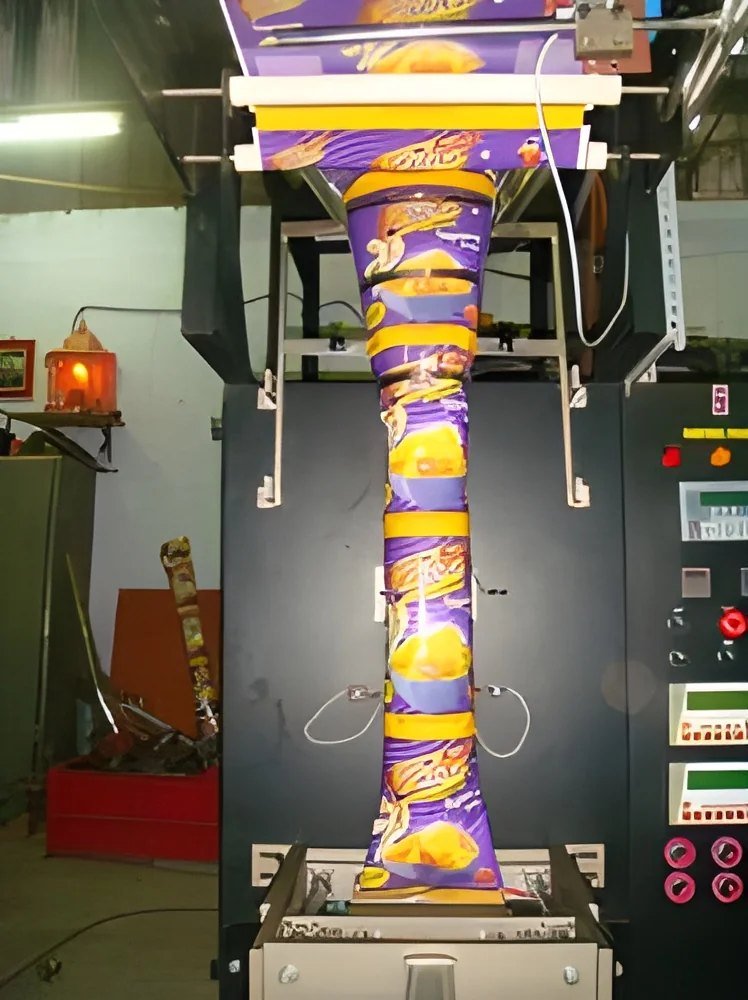
Ready-to-Eat Food Processing Lines are specialized production systems designed to prepare, cook, package, and deliver food products that are ready for immediate consumption. These lines streamline the manufacturing process, ensuring efficiency and consistency while adhering to food safety standards. They typically include equipment such as cookers, mixers, packaging machines, and conveyor systems, which work in tandem to produce high-quality ready-to-eat meals.
These processing lines are primarily used in food manufacturing facilities, catering companies, and restaurants, where there is a demand for quick and convenient meal solutions. By automating the cooking and packaging processes, businesses can significantly reduce labor costs and increase output. This is particularly relevant in today’s fast-paced market, where consumer demand for convenient meal options continues to rise.
With the growing trend towards ready-to-eat meals, the market for these processing lines is expanding. Companies are increasingly investing in advanced technology to enhance production capabilities and meet evolving consumer preferences. This trend signifies the importance of adopting efficient food processing solutions in the competitive food industry.
Key Features and Specifications
Ready-to-Eat Food Processing Lines come with a variety of features that enhance their functionality and efficiency. These specifications ensure that the lines can handle various types of food products while maintaining high quality and safety standards.
Key specifications include:
1. Cooking Systems
- Advanced cooking technology for consistent results
- Capable of handling different food types
2. Packaging Technology
- Automated packaging solutions to enhance speed
- Options for vacuum sealing and modified atmosphere packaging
3. Conveyor Systems
- Efficient movement of food products through processing stages
- Adjustable speed settings to optimize production flow
4. Temperature Control
- Precision temperature monitoring during cooking and cooling
- Compliance with food safety regulations
5. Humidity Control
- Systems designed to maintain optimal humidity levels
- Essential for preserving food quality
6. Monitoring Features
- Integrated sensors for real-time quality control
- Data logging for compliance and traceability
7. Ease of Cleaning
- Designed with hygienic materials for simple maintenance
- Quick disassembly for thorough cleaning
8. Customization Options
- Ability to tailor lines to specific production needs
- Flexibility to accommodate different food types
These features collectively ensure that Ready-to-Eat Food Processing Lines operate efficiently while adhering to industry standards.
Common Applications and Use Cases
Ready-to-Eat Food Processing Lines serve various industries beyond traditional food manufacturing. They are instrumental in streamlining operations across several sectors.
1. Catering Services: These lines enable catering companies to produce large quantities of ready-to-eat meals efficiently, ensuring quality and flavor in bulk servings.
2. Restaurants: Many restaurants utilize these processing lines to prepare meals in advance, allowing for quicker service during peak hours while maintaining food safety.
3. Meal Kit Providers: Companies producing meal kits rely on these lines to prepare and package fresh ingredients and fully cooked meals, catering to the growing demand for convenient cooking solutions.
4. Retail Food Products: Grocery stores often use these lines to create ready-to-eat options for consumers, improving their product offerings and sales.
5. Institutional Catering: Hospitals and schools benefit from these processing lines by providing nutritious and ready-to-eat meals efficiently, addressing diverse dietary needs.
6. Food Trucks: Mobile food vendors utilize processing lines to prepare meals on-site, enhancing their service capabilities and menu variety.
7. Frozen Food Manufacturers: These lines help in the production of frozen ready-to-eat meals, ensuring quality and longevity for distribution.
Product Variants and Subcategories
The Ready-to-Eat Food Processing Lines exhibit diversity tailored to meet different production needs.
Compact Processing Line
This variant is designed for smaller operations or food trucks. It combines cooking, packaging, and storage in one unit, maximizing space without sacrificing efficiency.
High-Volume Processing Line
Ideal for large-scale manufacturers, this variant can handle extensive production runs. It features advanced automation technology to optimize throughput and minimize labor costs.
Multi-Function Processing Line
This line offers versatility to process various food types, from entrees to snacks. It allows producers to switch between recipes easily, accommodating seasonal menus or changing consumer preferences.
Benefits and Advantages
Investing in Ready-to-Eat Food Processing Lines brings numerous advantages to businesses in the food industry.
Key benefits include:
1. Increased Efficiency: Automating the production process accelerates output, allowing for quicker turnaround times and reduced labor costs.
2. Consistent Quality: These lines ensure uniform cooking and packaging, maintaining high-quality standards across all products.
3. Enhanced Safety: Built-in monitoring systems help comply with food safety regulations, minimizing risks associated with foodborne illnesses.
4. Flexibility: The ability to customize processing lines allows businesses to adapt to changing market demands and introduce new product offerings swiftly.
5. Cost-Effectiveness: By reducing labor and material waste, companies can improve overall profitability while maintaining competitive pricing.
6. Better Traceability: Integrated data logging features enhance traceability, which is crucial for compliance and quality assurance.
Buying Guide for B2B Buyers
When sourcing Ready-to-Eat Food Processing Lines, businesses should consider several critical factors to ensure the best purchase decision.
1. Quality Assessment: Evaluate the quality of the materials and technology used in the processing line. Look for certifications that indicate compliance with industry standards.
2. Supplier Verification: Conduct thorough research on potential suppliers to verify their reputation and reliability. Customer reviews and testimonials can provide insights into their performance.
3. Pricing and MOQ: Consider the pricing structure and minimum order quantities (MOQ) required by suppliers. Analyze how these factors fit into your budget and operational needs.
4. Delivery and Lead Times: Understand the typical lead times for delivery and installation. Ensure that suppliers can meet your schedule to avoid production delays.
5. Compliance Requirements: Familiarize yourself with relevant regulations and standards in your region, such as HACCP and ISO certifications, to ensure that the processing lines meet necessary compliance.
Compliance and Certifications
Ready-to-Eat Food Processing Lines must adhere to stringent quality and safety standards to guarantee consumer safety and product integrity. Key standards include ISO 9001 certification, which ensures quality management systems are in place, and HACCP, which focuses on food safety through hazard analysis and critical control points.
In addition, these processing lines often require compliance with Good Distribution Practices (GDP) to ensure that food products are handled safely throughout the supply chain. Certification marks like CE indicate that the equipment meets European safety requirements.
Safety and testing requirements are also critical, as they ensure that the processing lines do not pose any risks to food safety. Businesses must also consider regional compliance regulations, which may vary from one market to another. This attention to compliance ensures that manufacturers can operate effectively within legal frameworks while maintaining high food safety standards.
Why Source Ready-to-Eat Food Processing Lines from Pepagora?
Pepagora provides a trusted platform for sourcing Ready-to-Eat Food Processing Lines, offering several key advantages to B2B buyers.
Verified Supplier Network: Pepagora boasts a robust network of verified suppliers, ensuring that buyers can connect with reputable manufacturers. This reduces the risk of sourcing inferior products and enhances buyer confidence.
Streamlined RFQ Process: The platform features an efficient request for quotation (RFQ) system, simplifying the procurement process. Buyers can easily compare multiple offers and make informed decisions based on their specific needs.
Trade Assurance and Support: Pepagora offers trade assurance to protect buyers throughout the sourcing process. This includes support in case of disputes and assistance in ensuring timely delivery.
Regional Coverage: With a strong presence in India, the GCC, and Southeast Asia, Pepagora facilitates access to a wide range of suppliers in key markets. This geographic reach enables buyers to find suitable processing lines that meet their operational needs while benefiting from local market insights.

Frequently Asked Questions
What are Ready-to-Eat Food Processing Lines?
Ready-to-Eat Food Processing Lines are specialized production systems designed to process, package, and store food products that are ready for immediate consumption. These lines typically include equipment for cooking, cooling, packaging, and quality control, ensuring that the food meets safety and quality standards.
What are the different types of Ready-to-Eat Food Processing Lines?
Different types of Ready-to-Eat Food Processing Lines include lines for snacks, frozen meals, canned foods, and meal kits. Each type is tailored to the specific processing requirements of the food product, including cooking methods, packaging formats, and shelf-life considerations.
How do I choose the right Ready-to-Eat Food Processing Lines?
Choosing the right Ready-to-Eat Food Processing Lines involves assessing your product type, production capacity, and budget. It is also important to consider the line's efficiency, flexibility, and compliance with food safety regulations to ensure it meets your operational needs.
What are the standard specifications for Ready-to-Eat Food Processing Lines?
Standard specifications for Ready-to-Eat Food Processing Lines may include production capacity (units per hour), energy consumption, automation level, and food safety certifications. Additional features may include adjustable settings for different food types and integration capabilities with other processing equipment.
What is the price range for Ready-to-Eat Food Processing Lines?
The price range for Ready-to-Eat Food Processing Lines varies significantly based on factors such as capacity, technology, and customization options. Generally, prices can start from a few lakhs and can go up to several crores depending on the complexity and features of the line.
What quality standards apply to Ready-to-Eat Food Processing Lines?
Quality standards for Ready-to-Eat Food Processing Lines typically include compliance with food safety regulations like FSSAI in India, as well as international standards such as ISO and HACCP. These standards ensure the safety, quality, and hygiene of the food products being processed.
Where can I find Ready-to-Eat Food Processing Lines suppliers in India?
You can find suppliers of Ready-to-Eat Food Processing Lines in India through B2B marketplaces, industry trade shows, and manufacturer directories. Websites like Pepagora.com provide a platform to connect with reliable manufacturers and suppliers in this sector.
Can Ready-to-Eat Food Processing Lines be customized?
Yes, Ready-to-Eat Food Processing Lines can often be customized to suit specific production requirements and food types. Customization may include adjustments in line configuration, equipment features, and software integration to enhance productivity and efficiency.
What is the typical minimum order quantity for Ready-to-Eat Food Processing Lines?
The typical minimum order quantity (MOQ) for Ready-to-Eat Food Processing Lines can vary by manufacturer but usually starts from one complete line. Some suppliers may offer smaller equipment or components for trial purposes before committing to larger orders.
What is the typical lead time for Ready-to-Eat Food Processing Lines?
The typical lead time for Ready-to-Eat Food Processing Lines can range from a few weeks to several months, depending on the complexity of the equipment and customization required. It's important to discuss timelines with suppliers to align with your production schedule.
Why Businesses Trust Pepagora
Thousands of companies trust Pepagora to source smarter and sell faster
Expand Your Sales Globally

Source Smarter,Grow Faster
