
 IN
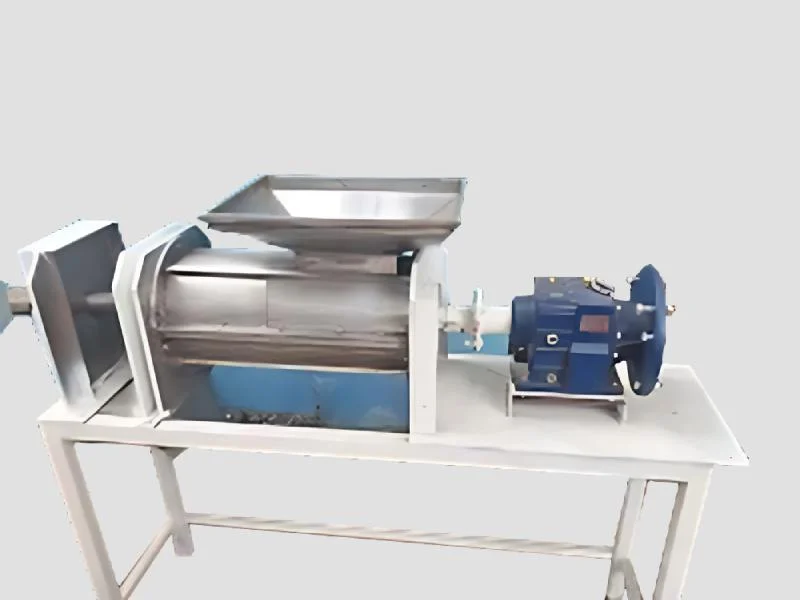
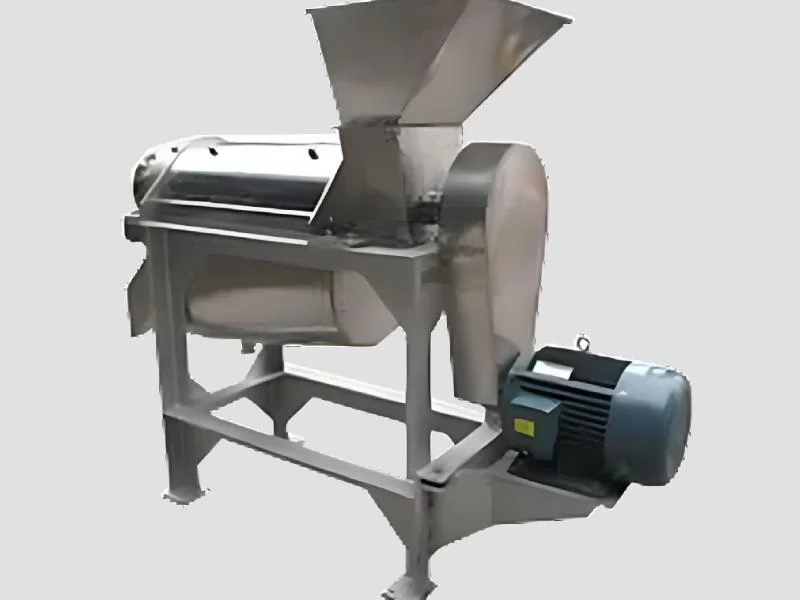
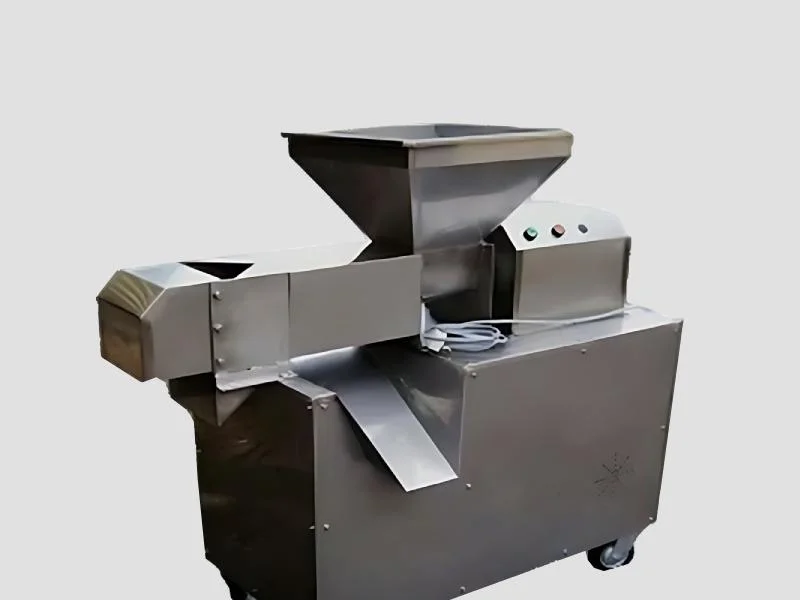
Pulping & Juice Extraction Machines
39 products available
What are Pulping & Juice Extraction Machines?
Pulping and juice extraction machines are specialized equipment designed to process fruits and vegetables into pulp or juice. These machines utilize various mechanisms, such as grinding, pressing, and filtering, to separate the liquid from the solid components of the produce. This process is essential for industries involved in food and beverage production, enabling them to create a variety of products ranging from juices and purees to sauces and concentrates.
The primary uses of pulping and juice extraction machines are found in the agricultural and food processing sectors. They are commonly employed in juice bars, beverage manufacturers, and food processing facilities to streamline the production of liquid products. Businesses leverage these machines not only for efficiency but also for maintaining the quality and nutritional value of the raw materials. With the growing demand for natural and health-oriented products, the relevance of these machines continues to rise in the market.
As consumer preferences shift towards fresh, minimally processed foods, the pulping and juice extraction machine industry is experiencing significant growth. This equipment plays a vital role in enhancing production capabilities and meeting market trends, making it an essential investment for businesses in the food and beverage sector.
Key Features and Specifications
Pulping and juice extraction machines come equipped with several key features and specifications that enhance their performance and efficiency. These specifications are crucial for businesses seeking to maximize production while ensuring quality.
Key specifications include:
1. Extraction Efficiency
- Refers to the ability of the machine to extract liquid from produce.
- Often ranges from 80% to 95% depending on the type of machine and produce.
2. Processing Capacity
- Indicates the volume of produce the machine can handle within a specific timeframe.
- Typically ranges from 100 kg/hour to over 1000 kg/hour.
3. Power Consumption
- Represents the energy required for operation.
- Generally varies from 1 kW to 10 kW based on machine size and capacity.
4. Material Construction
- Often made from stainless steel for durability and hygiene.
- Corrosion-resistant materials are preferred for longevity.
5. Automation Level
- Can range from manual to fully automated systems.
- Automation features may include programmable settings for different produce types.
6. Cleaning Mechanism
- Designed for easy disassembly and cleaning.
- Some machines feature automatic cleaning systems to reduce downtime.
7. Safety Features
- Includes emergency stops and protective shields.
- Safety certifications like UL and CE ensure compliance with industry standards.
In summary, understanding these specifications is essential for businesses to select the right machine that meets their operational needs while ensuring efficiency and safety.
Common Applications and Use Cases
Pulping and juice extraction machines serve a wide array of industries, catering to various applications.
1. Beverage Industry: These machines are fundamental in juice production, allowing manufacturers to create fresh juices, smoothies, and other liquid products. They facilitate large-scale processing while maintaining flavor and nutrition.
2. Food Processing: In this sector, pulping machines are used to produce sauces, purees, and concentrated flavors. Their capability to handle diverse produce makes them versatile for various food products.
3. Catering Services: Juice extraction machines are utilized in restaurants and catering businesses to prepare fresh juices on demand. They enhance customer experience with freshly squeezed beverages.
4. Pharmaceutical Industry: Some machines are used for extracting medicinal juices from herbs and plants, supporting the production of natural health products.
5. Nutraceuticals: The machines can also be used to extract juices that are rich in nutrients, catering to the growing demand for health supplements.
6. Organic Farming: They play a role in the processing of organic fruits and vegetables, aligning with the trend towards health-conscious consumption.
7. Dairy Industry: Certain machines are adapted for extracting juices from fruits used in yogurt and other dairy products, enhancing flavor profiles.
Product Variants and Subcategories
Pulping and juice extraction machines come in various types to cater to specific processing needs. These variants offer unique features and functionalities tailored for different applications.
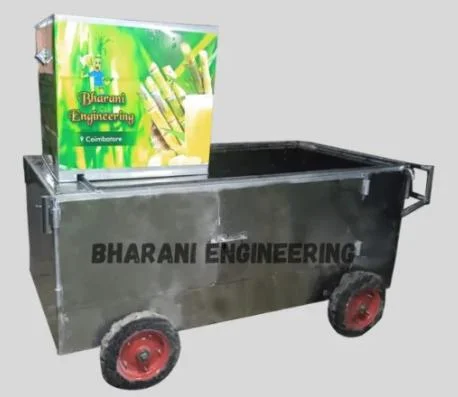
Commercial Cold Press Juicer: This variant utilizes a low-speed extraction process to preserve nutrients and enzymes. It is ideal for creating high-quality juice with minimal oxidation, making it popular among health-conscious brands.
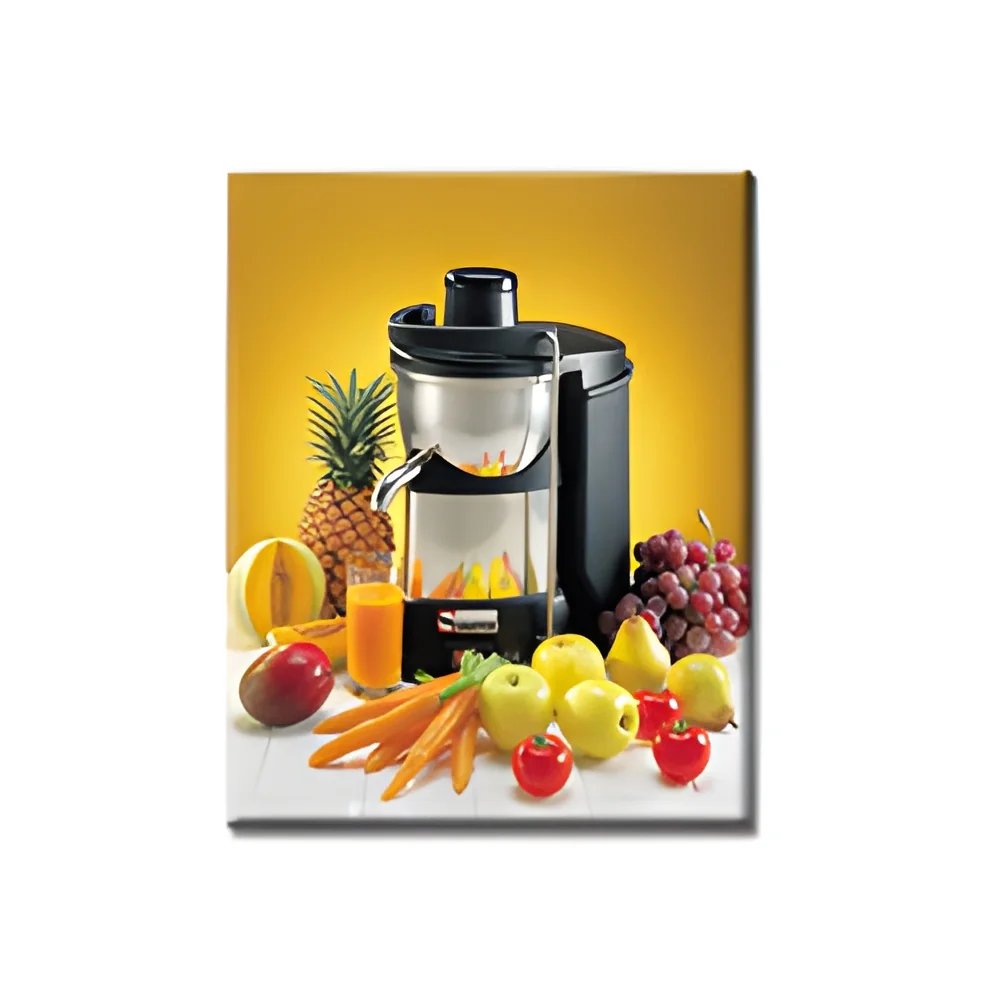
Centrifugal Juicer: Designed for speed and efficiency, this juicer uses centrifugal force to extract juice quickly. It is suitable for high-volume production where time is a critical factor.
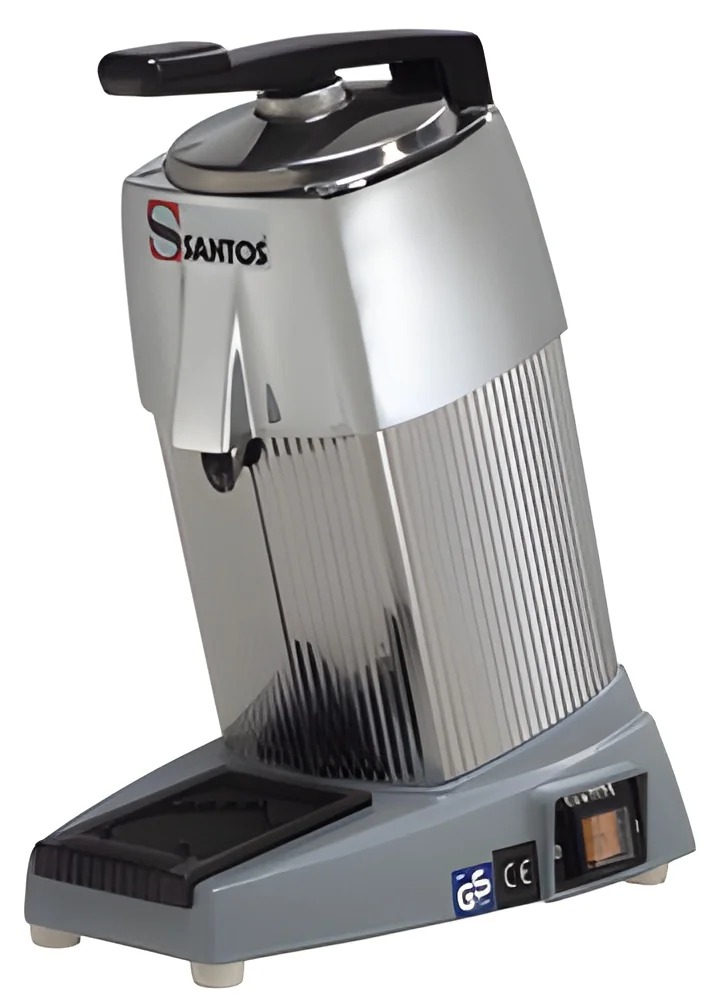
Hydraulic Press Juicer: This machine employs hydraulic pressure for juice extraction, ensuring maximum yield from fruits and vegetables. It is favored in settings where quality is prioritized over speed.
Continuous Juice Processing Machine: This variant is designed for large-scale operations, allowing for uninterrupted juice extraction. Its automation features reduce labor costs and enhance production efficiency.
Benefits and Advantages
Investing in pulping and juice extraction machines offers numerous benefits for businesses in the food and beverage industry.
Key benefits include:
1. Increased Efficiency: These machines streamline the juice extraction process, significantly reducing production time compared to manual methods.
2. High Yield: Advanced extraction technologies ensure maximum juice yield from raw materials, optimizing the use of produce.
3. Quality Preservation: Many machines are designed to maintain the nutritional value and flavor of the juice, appealing to health-conscious consumers.
4. Versatility: Pulping machines can handle various fruits and vegetables, allowing businesses to diversify their product offerings.
5. Reduced Labor Costs: Automated machines minimize the need for manual labor, lowering operational costs and improving profit margins.
6. Compliance with Hygiene Standards: The use of food-grade materials and easy cleaning processes ensures compliance with food safety regulations, enhancing brand reputation.
Buying Guide for B2B Buyers
When sourcing pulping and juice extraction machines, several factors should be considered to make an informed purchase.
1. Quality Assessment: Evaluating the quality of machines is crucial. Look for reputable brands and check for certifications that indicate compliance with industry standards.
2. Supplier Verification: Vetting suppliers is essential to ensure reliability. Research their background, customer reviews, and service history to establish trust.
3. Pricing and MOQ: Understand the pricing structure and minimum order quantities (MOQ). Compare costs across different suppliers to ensure competitive pricing.
4. Delivery and Lead Times: Consider logistics and delivery times. Ensure the supplier can meet your production schedules to avoid delays.
5. Compliance Requirements: Verify that the machines meet relevant regulatory standards for your region. This includes safety certifications and food safety compliance.
Compliance and Certifications
Pulping and juice extraction machines are subject to various quality standards and certifications that ensure safety and performance.
ISO 9001: This standard focuses on quality management systems, ensuring that manufacturers maintain high-quality production practices.
HACCP: The Hazard Analysis and Critical Control Point system is critical in food safety, emphasizing the importance of identifying and managing food safety hazards.
UL and CE Certifications: These certifications indicate that the machines meet safety and performance standards. UL certification is recognized in North America, while CE certification is essential for the European market.
Safety and testing requirements are vital in the manufacturing process. Machines should undergo rigorous testing to ensure they operate safely and efficiently.
Regional compliance considerations may vary, so businesses should be aware of local regulations regarding food processing equipment.
Why Source Pulping & Juice Extraction Machines from Pepagora?
Pepagora provides a trusted platform for sourcing pulping and juice extraction machines, offering several key advantages for B2B buyers.
Verified Supplier Network: Pepagora has established a network of verified suppliers, ensuring that buyers can source high-quality machines from reputable manufacturers.
Streamlined RFQ Process: The request for quotation system simplifies the procurement process, allowing buyers to receive multiple quotes and compare options easily.
Trade Assurance and Support: Buyers benefit from trade assurance measures that protect their investments. Pepagora offers support throughout the purchasing process, ensuring buyer confidence.
Regional Coverage: With a geographic reach extending across India, the GCC, and Southeast Asia, Pepagora connects buyers with suppliers suited to their specific market needs.
By choosing Pepagora, businesses can navigate the complexities of sourcing pulping and juice extraction machines efficiently, ensuring they make well-informed decisions that align with their operational goals.

 India
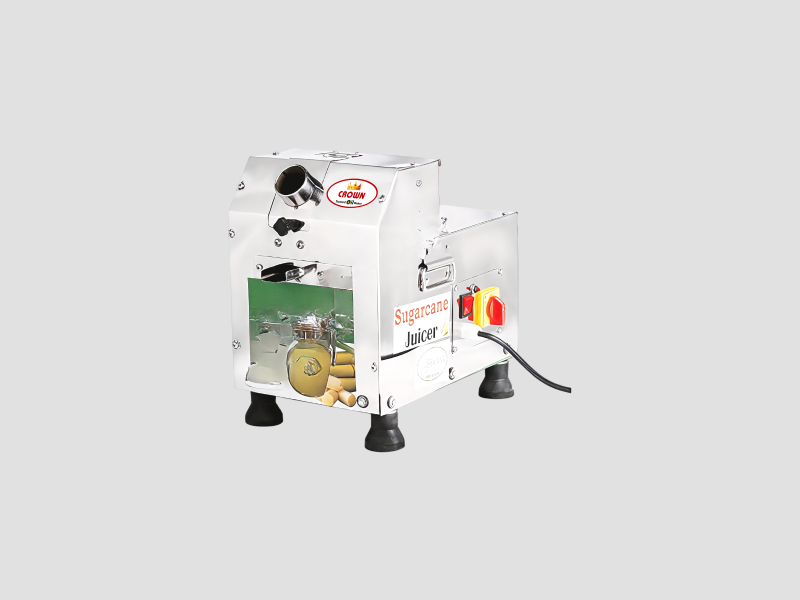
 India
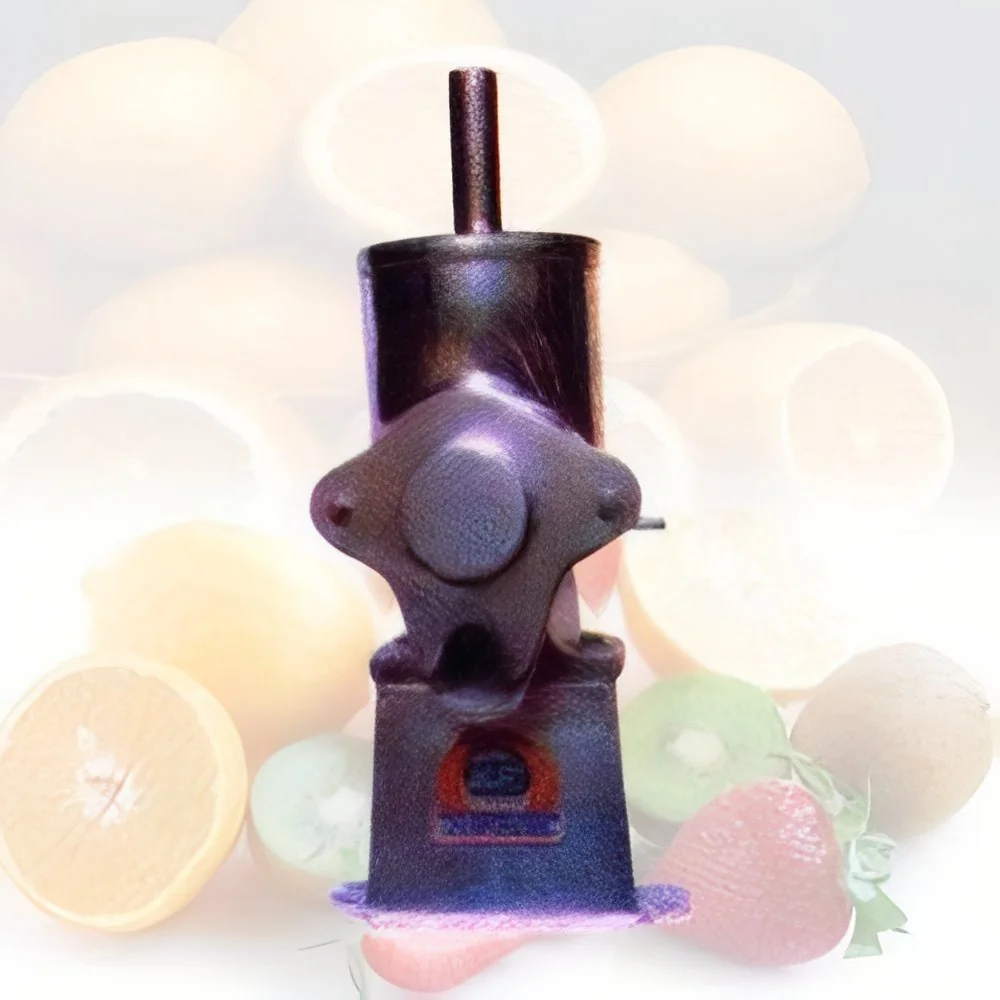

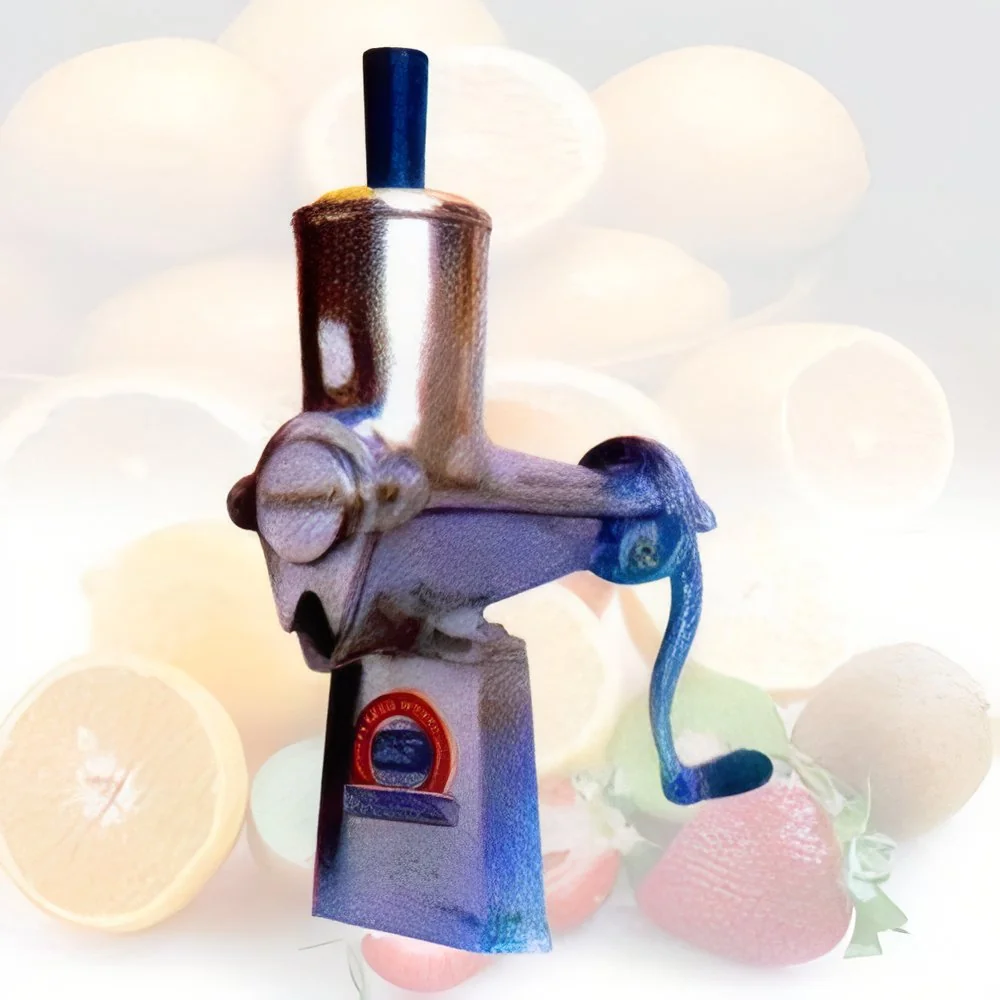
 India
 India
 IndiaIndia
 India

 India
 India
 India
 India
 India
Frequently Asked Questions
What are Pulping & Juice Extraction Machines?
Pulping & Juice Extraction Machines are specialized equipment designed to extract juice from fruits and vegetables. They utilize various methods such as crushing, pressing, and filtering to separate the liquid from the solid pulp.
What are the different types of Pulping & Juice Extraction Machines?
There are several types of Pulping & Juice Extraction Machines, including hydraulic presses, centrifugal juicers, and auger juicers. Each type is suited for different applications and types of produce, allowing for optimal juice extraction.
How do I choose the right Pulping & Juice Extraction Machines?
Selecting the right Pulping & Juice Extraction Machine depends on factors such as the type of fruits or vegetables being processed, the desired juice yield, and the production capacity. It is also important to consider the machine's ease of use and maintenance requirements.
What are the standard specifications for Pulping & Juice Extraction Machines?
Standard specifications for Pulping & Juice Extraction Machines typically include motor power, processing capacity, dimensions, and weight. Additional features may include adjustable speed settings and ease of cleaning.
What is the price range for Pulping & Juice Extraction Machines?
The price range for Pulping & Juice Extraction Machines varies widely based on their size, capacity, and features. Generally, prices can range from a few thousand to several lakhs of Indian Rupees.
What quality standards apply to Pulping & Juice Extraction Machines?
Pulping & Juice Extraction Machines should comply with relevant safety and quality standards, such as ISO certifications and food safety regulations. Ensuring that the machines meet these standards is crucial for maintaining product quality and safety.
Where can I find Pulping & Juice Extraction Machines suppliers in India?
You can find suppliers of Pulping & Juice Extraction Machines in India through various online B2B marketplaces, trade shows, and industry directories. Websites like Pepagora can help connect buyers with reputable manufacturers and suppliers.
Can Pulping & Juice Extraction Machines be customized?
Yes, many manufacturers offer customization options for Pulping & Juice Extraction Machines to meet specific production needs. Customizations may include size, capacity, and additional features tailored to the user's requirements.
What is the typical minimum order quantity for Pulping & Juice Extraction Machines?
The minimum order quantity (MOQ) for Pulping & Juice Extraction Machines can vary by supplier and product type. Generally, MOQs may range from one machine for smaller suppliers to larger quantities for bulk orders.
What is the typical lead time for Pulping & Juice Extraction Machines?
The typical lead time for Pulping & Juice Extraction Machines depends on the supplier and the complexity of the order. On average, lead times can range from a few weeks to several months, particularly for customized machines.
Why Businesses Trust Pepagora
Thousands of companies trust Pepagora to source smarter and sell faster
Expand Your Sales Globally

Source Smarter,Grow Faster
