
 IN
Pistons & Piston Rings
32 products available
What are Pistons & Piston Rings?
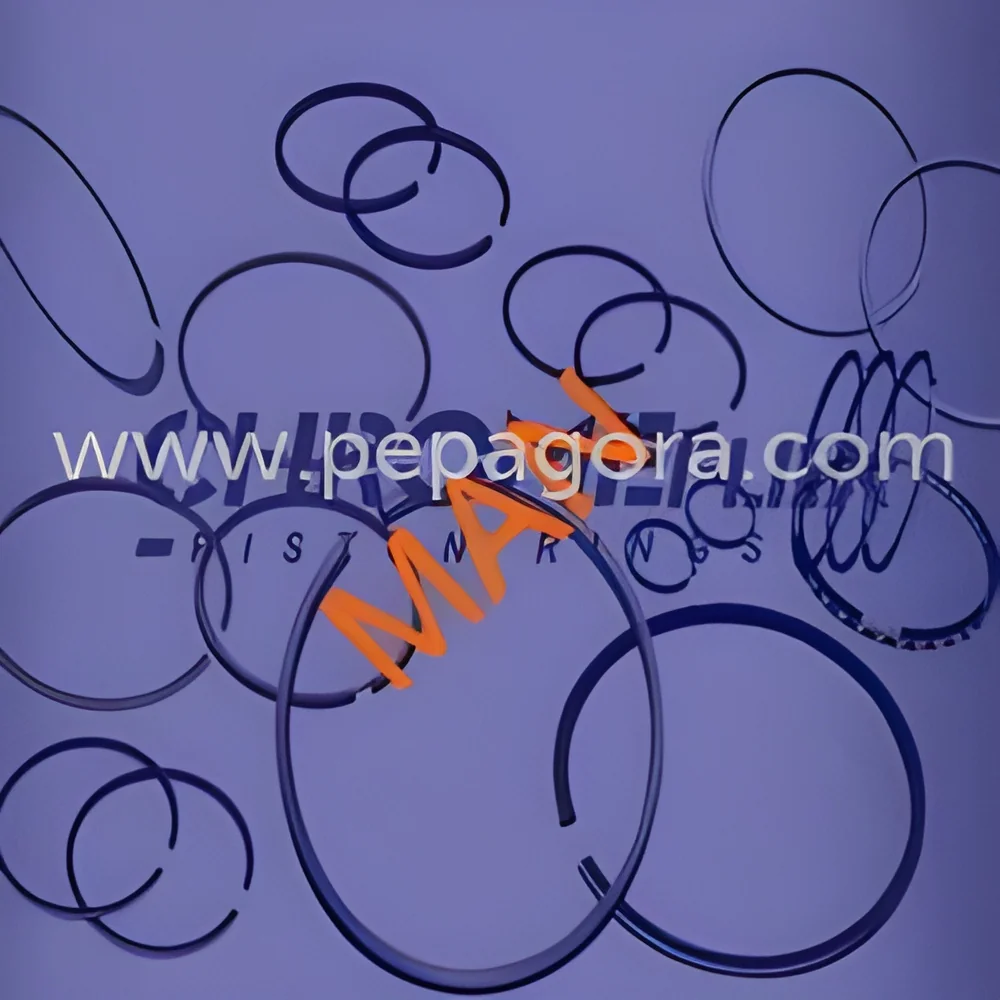
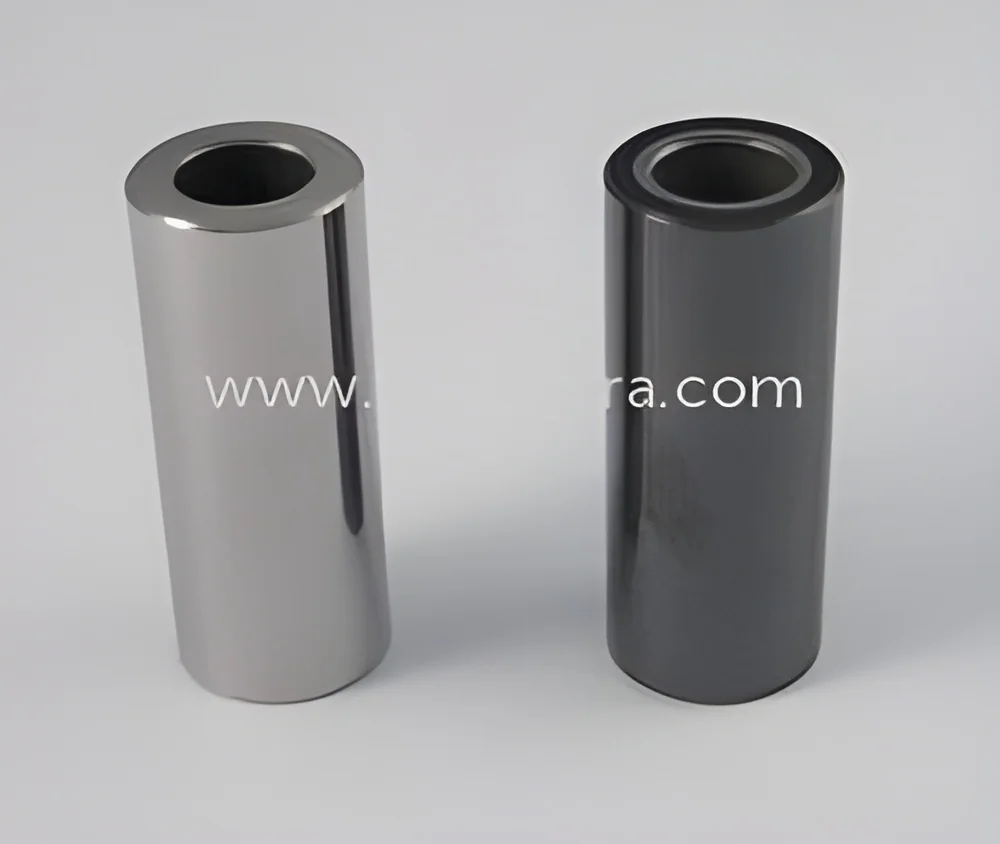
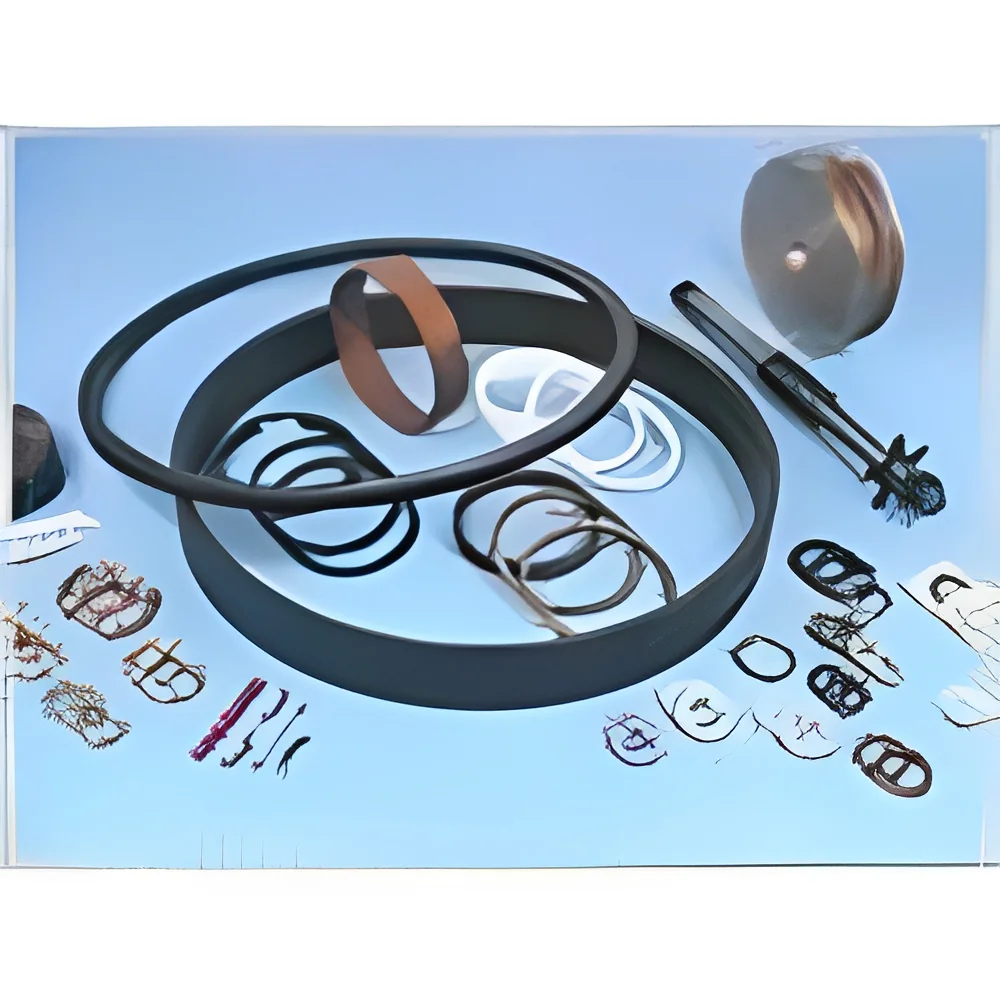
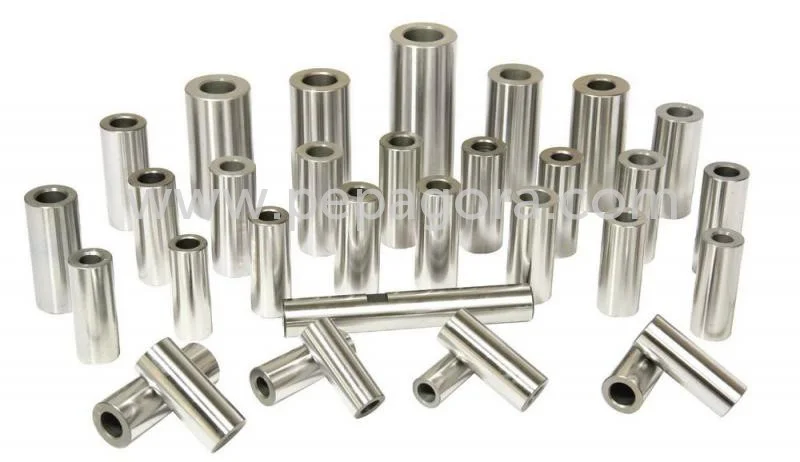
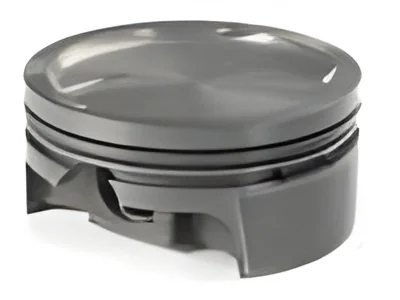
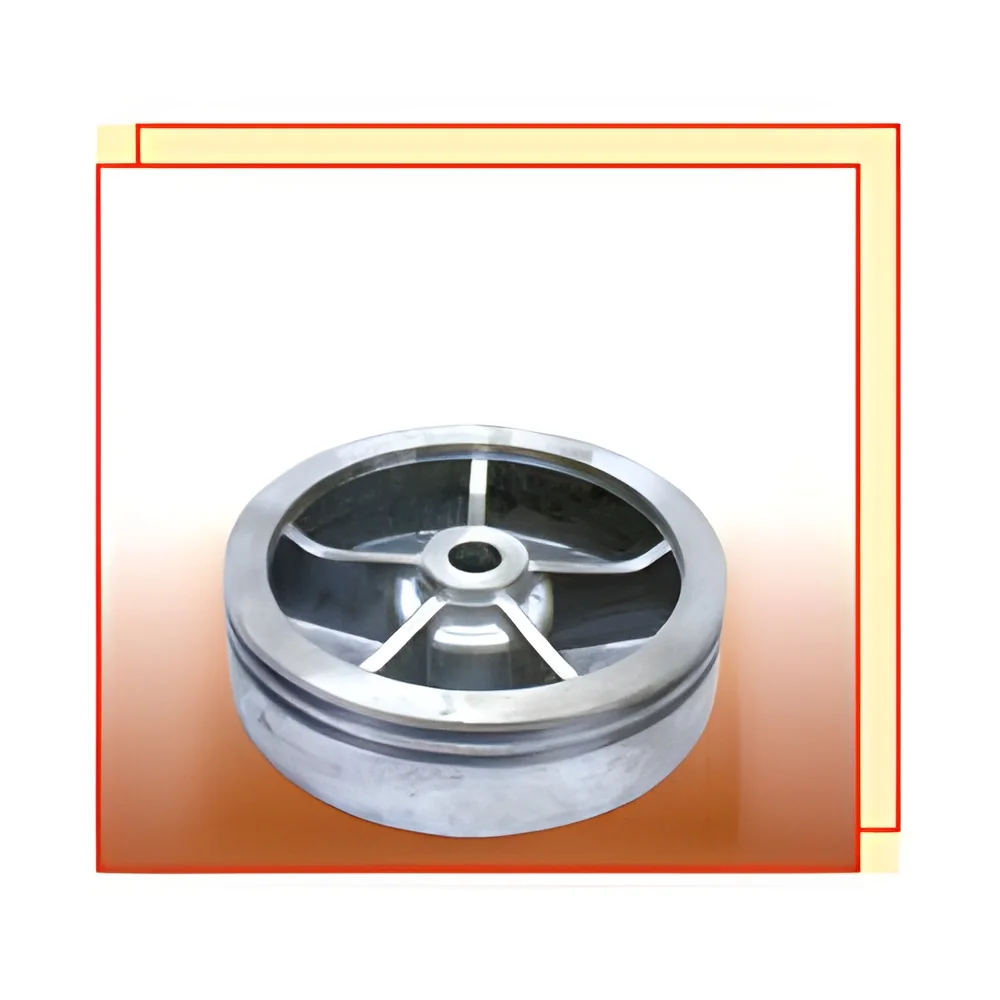
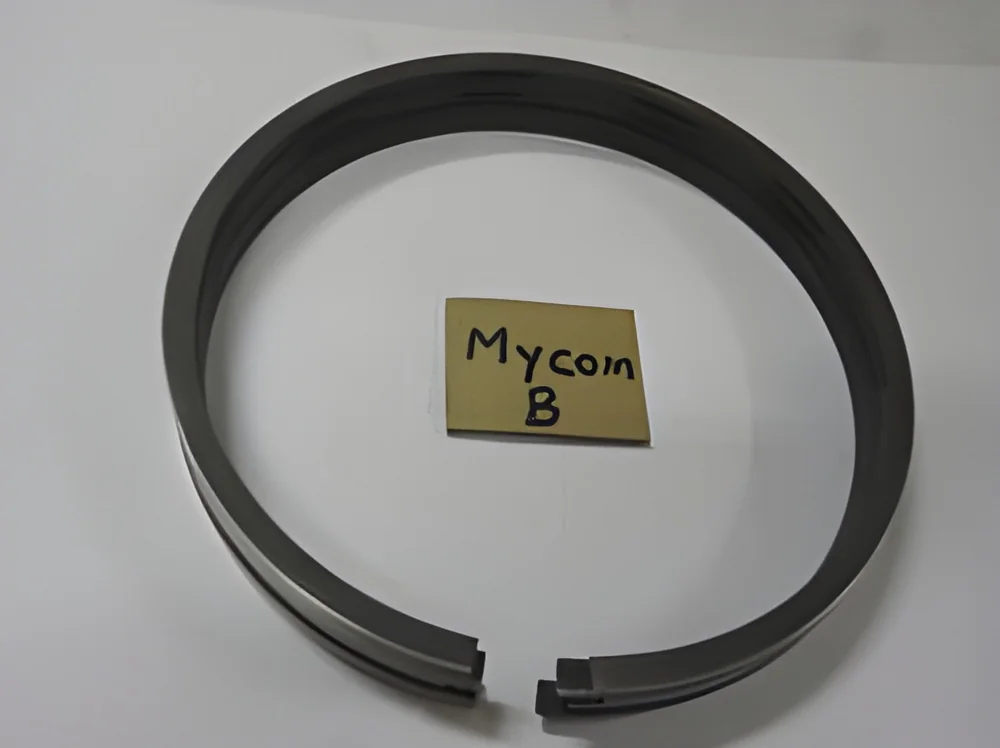
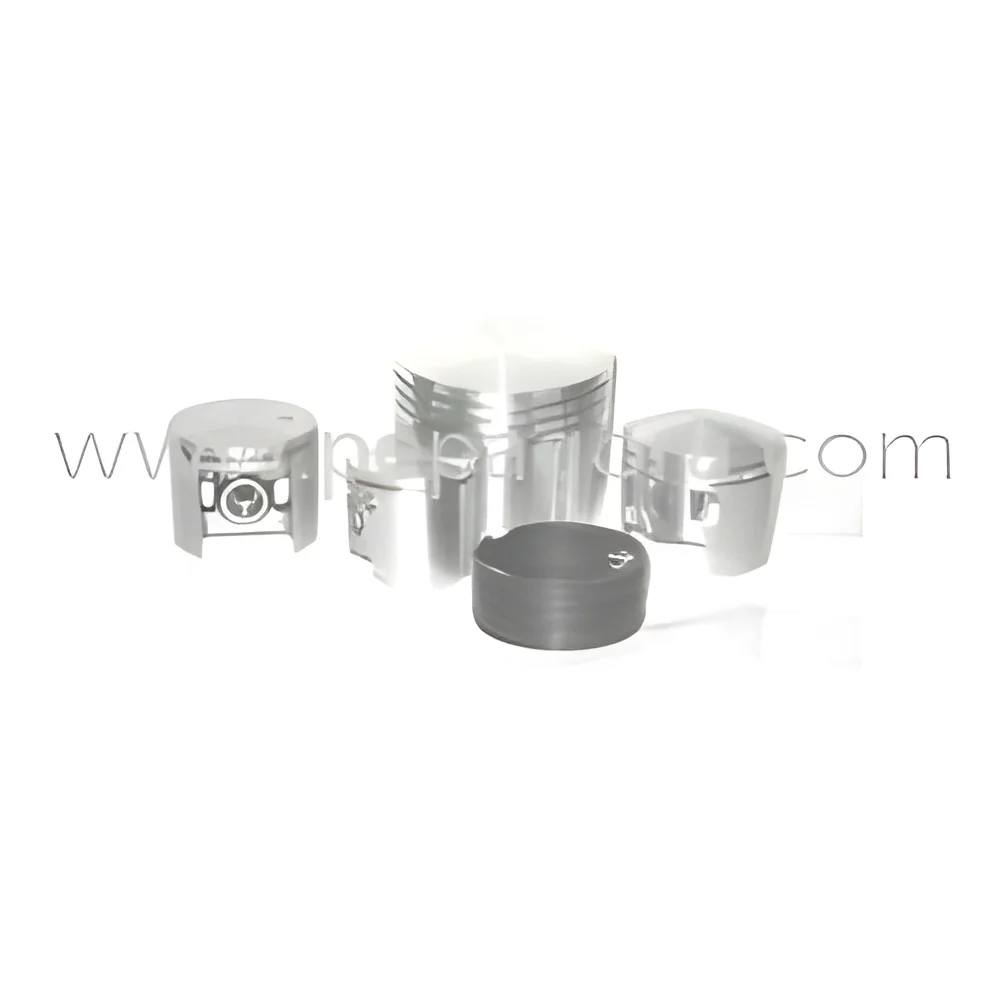
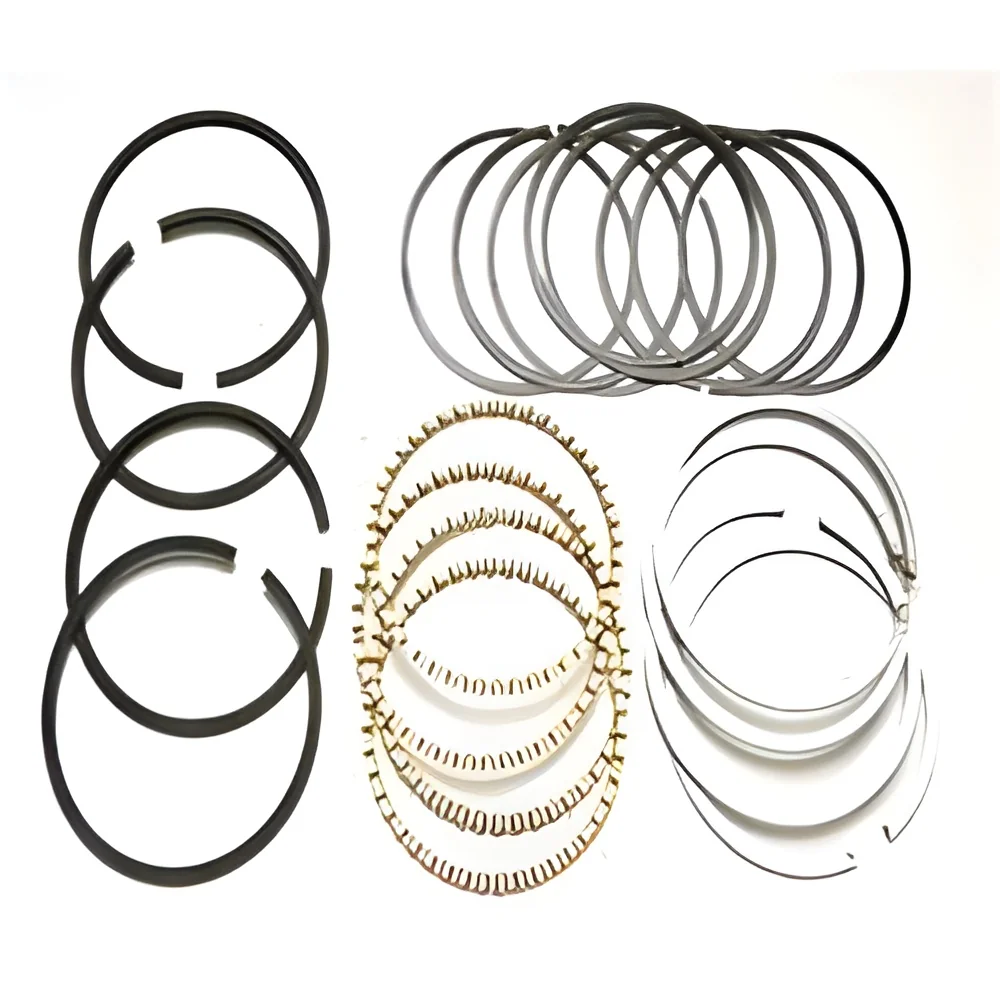
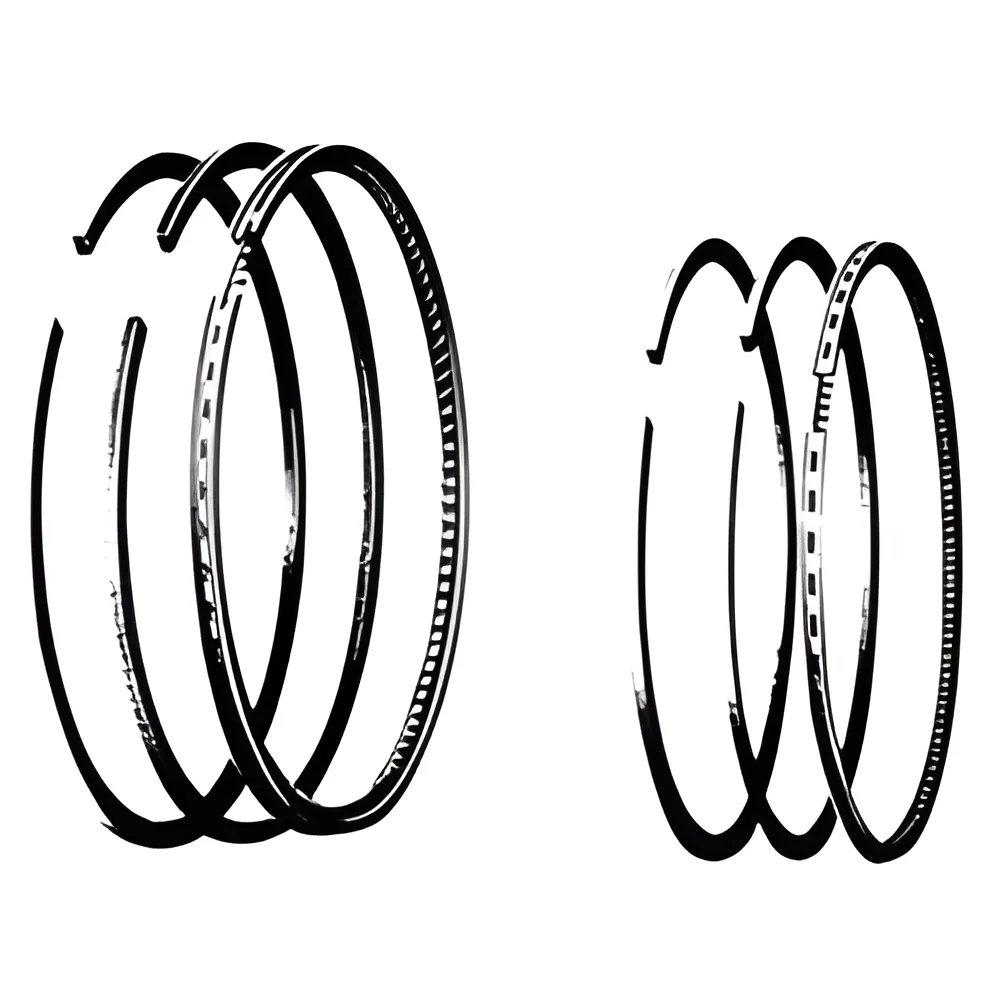
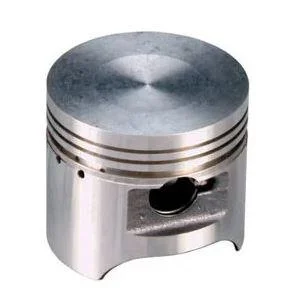
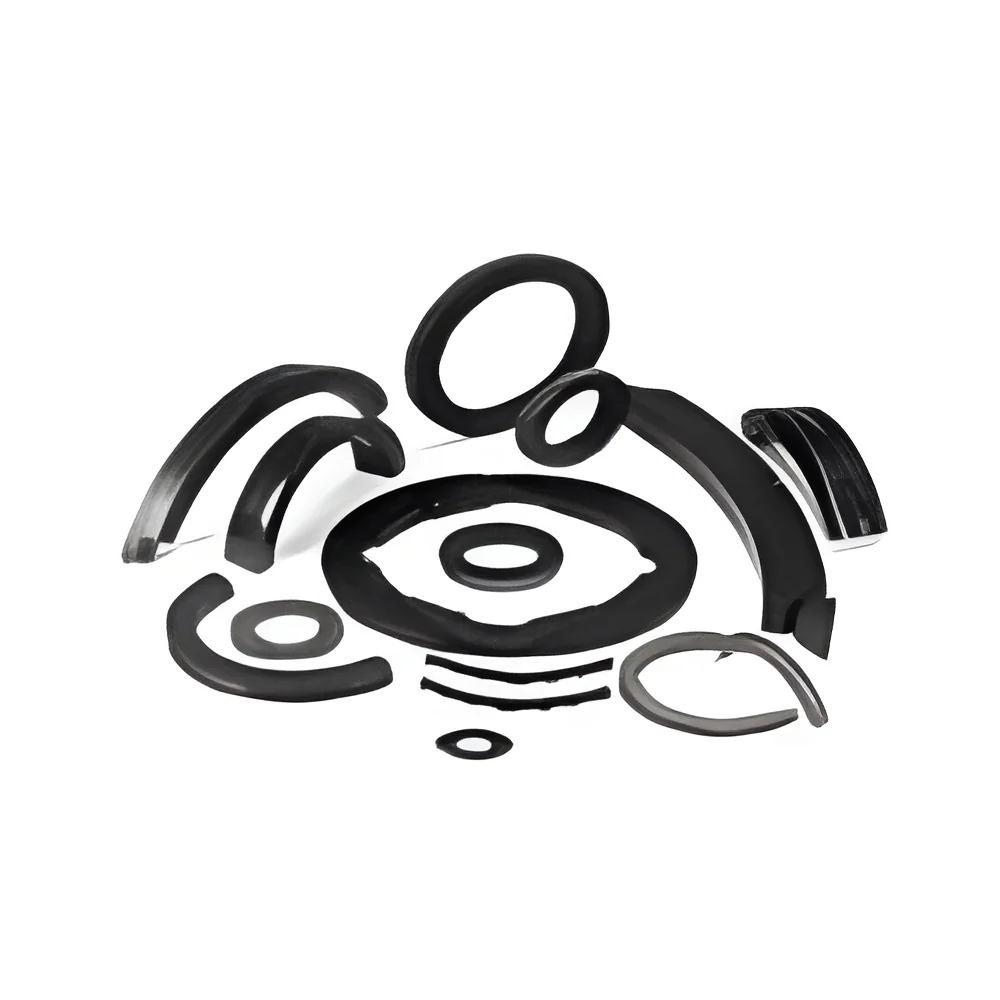
Pistons and piston rings are critical components in internal combustion engines and various industrial machinery. A piston is a cylindrical component that moves up and down within a cylinder, converting fuel energy into mechanical work. The piston rings are circular metal bands that fit into grooves around the piston, serving multiple functions, including sealing the combustion chamber, regulating oil consumption, and facilitating heat transfer from the piston to the cylinder wall.
These components are primarily used in automotive, marine, and industrial applications where engines or compressors operate. In automotive engines, pistons and piston rings play a vital role in engine efficiency and performance. In industrial settings, they are essential for equipment that relies on reciprocating motion to perform tasks. The relevance of pistons and piston rings extends across various sectors, making them indispensable in machinery that requires reliable and efficient power generation.
Key Features and Specifications
Pistons and piston rings are designed to meet specific performance standards and operational requirements. Understanding their key features and specifications is crucial for selecting the right components for various applications.
Key specifications include:
1. Material Composition
- Typically made from aluminum alloys, cast iron, or forged steel
- Provides durability and resistance to wear
2. Diameter and Stroke Length
- Diameter ranges from small (e.g., 40 mm) to large (e.g., 300 mm)
- Stroke lengths vary depending on engine design
3. Ring Thickness
- Common thickness ranges from 1.2 mm to 5.0 mm
- Affects sealing performance and oil control
4. Coating Options
- Various coatings available, including chrome and phosphate
- Enhances wear resistance and reduces friction
5. Operating Temperature Range
- Designed to withstand high temperatures, typically up to 250°C
- Essential for maintaining performance in extreme conditions
6. Ring Configuration
- Available in multiple configurations, such as tapered or rectangular
- Impacts sealing efficiency and oil consumption
7. Tolerance Levels
- Precision tolerances are maintained for effective operation
- Ensures proper fit within the cylinder
8. Certification Standards
- Comply with industry standards such as CE
- Ensures reliability and safety in applications
In summary, understanding the key features and specifications of pistons and piston rings is essential for ensuring optimal performance and longevity in various applications.
Common Applications and Use Cases
Pistons and piston rings have a wide range of applications across different industries.
1. Automotive Industry: Used in internal combustion engines for cars and trucks, these components are vital for engine performance and fuel efficiency.
2. Marine Industry: Found in marine engines, they ensure reliable operation of vessels and boats under varying conditions.
3. Industrial Machinery: Used in compressors and hydraulic equipment, they are essential for converting energy into mechanical power.
4. Power Generation: Integral to generators and turbines, they help maintain efficient energy production.
5. Aerospace: Used in aircraft engines, they are designed for high-performance requirements and reliability.
6. Agricultural Equipment: Found in tractors and harvesters, they support the demanding operational needs of farming machinery.
7. Construction Equipment: Utilized in heavy machinery, they provide the necessary power for excavators and loaders.
Product Variants and Subcategories
Pistons and piston rings come in various designs and specifications to meet the diverse needs of different applications.
Standard Piston Design
This variant is commonly used in automotive and industrial applications. It features a robust construction that allows for high-pressure performance and durability.
Racing Piston Design
Engineered for high-performance vehicles, racing pistons are lighter and have enhanced thermal properties. They are designed to withstand extreme conditions and provide maximum power output.
Reinforced Piston Rings
These piston rings are built with advanced materials to enhance durability and reduce wear. They are particularly useful in heavy-duty applications such as construction and mining equipment.
Low-Friction Piston Rings
Designed to minimize friction, these piston rings improve fuel efficiency and engine performance. They are often used in high-efficiency engines.
Benefits and Advantages
Pistons and piston rings offer several key benefits that enhance the performance of engines and machinery.
1. Enhanced Efficiency: Properly designed pistons and rings improve combustion efficiency, leading to better fuel economy.
2. Durability: High-quality materials and coatings increase the lifespan of these components, reducing the need for frequent replacements.
3. Reduced Emissions: Effective sealing provided by piston rings helps minimize oil consumption and exhaust emissions, contributing to environmental sustainability.
4. Improved Power Output: Performance-oriented designs enable engines to generate more power while maintaining reliability.
5. Versatility: Available in various sizes and specifications, they can be tailored to meet specific application requirements.
6. Cost-Effectiveness: Investing in quality pistons and rings can lead to long-term savings by reducing operational downtime and maintenance costs.
Buying Guide for B2B Buyers
When sourcing pistons and piston rings, it is essential to consider various factors to ensure the selection of the right components for your application.
1. Quality Assessment: Evaluate the quality standards of the products. Look for manufacturers that adhere to recognized certifications, such as CE, to guarantee reliability.
2. Supplier Verification: Vet potential suppliers carefully. Check their industry reputation, customer reviews, and delivery capabilities to ensure you partner with a trustworthy provider.
3. Pricing and MOQ: Understand the pricing structure and minimum order quantity (MOQ) requirements. This will help you plan your budget effectively.
4. Delivery and Lead Times: Discuss delivery schedules with suppliers. Ensure they can meet your timeline for production to avoid delays in your projects.
5. Compliance Requirements: Be aware of any regulatory requirements related to the use of pistons and piston rings in your industry. Ensure that the products meet these standards for safety and performance.
Compliance and Certifications
Compliance with relevant quality standards and certifications is crucial for the performance and safety of pistons and piston rings.
Manufacturers often adhere to ISO 9001 standards, which ensure a focus on quality management systems. This certification demonstrates a commitment to maintaining high-quality production processes.
Additionally, CE certification is vital for products sold in European markets, indicating compliance with health, safety, and environmental protection standards.
Safety and testing requirements are also essential, as they ensure that the components can withstand the operational stresses they will encounter. Regular testing for durability and performance metrics is necessary to maintain compliance.
Regional compliance considerations may vary, so it is essential to understand local regulations, especially in regions like India, GCC, and Southeast Asia. Ensuring compliance with these standards is crucial for successful market entry and operational reliability.
Why Source Pistons & Piston Rings from Pepagora?
Pepagora provides a trusted platform for sourcing pistons and piston rings, offering several key advantages.
The verified supplier network ensures that buyers have access to reputable manufacturers who meet quality standards. This network helps mitigate risks associated with sourcing from unverified sources.
The streamlined RFQ process simplifies the procurement experience. Buyers can quickly request quotes from multiple suppliers, allowing for easy comparison and selection of the best offers.
Trade assurance and support provide additional peace of mind for buyers. Pepagora offers protection measures to safeguard transactions, ensuring that buyers receive the products they ordered.
Finally, Pepagora's regional coverage across India, the GCC, and Southeast Asia enhances accessibility. This geographic reach allows buyers to connect with suppliers that best meet their specific needs and operational requirements.





 India
 India
 India
 India
 India
 India
 India
 India
 India
 India
 India
 India
 India
 India


 India
Frequently Asked Questions
What are Pistons & Piston Rings?
Pistons are cylindrical components found within an engine that move up and down within the cylinder. Piston rings are fitted around the piston to provide a seal between the piston and the cylinder wall, preventing gas leakage and controlling oil consumption.
What are the different types of Pistons & Piston Rings?
There are several types of pistons, including cast iron pistons, aluminum pistons, and forged pistons, each suited for different applications. Piston rings also vary, including compression rings, oil control rings, and scraper rings, which serve specific functions in maintaining engine efficiency.
How do I choose the right Pistons & Piston Rings?
Choosing the right pistons and piston rings involves considering the engine type, desired performance, and material compatibility. It is essential to consult manufacturer specifications and seek advice from qualified suppliers or manufacturers to ensure proper fit and functionality.
What are the standard specifications for Pistons & Piston Rings?
Standard specifications for pistons and piston rings include diameter, height, weight, and material composition. Additionally, tolerances for clearance and surface finish are crucial for ensuring optimal engine performance and longevity.
What is the price range for Pistons & Piston Rings?
The price range for pistons and piston rings can vary widely based on material, type, and manufacturer, typically ranging from a few hundred to several thousand Indian Rupees. It's advisable to compare prices from different suppliers to find the best value.
What quality standards apply to Pistons & Piston Rings?
Quality standards for pistons and piston rings include ISO certifications and adherence to automotive industry standards such as SAE and ASTM. Ensuring compliance with these standards is essential for maintaining performance and reliability.
Where can I find Pistons & Piston Rings suppliers in India?
Pistons and piston rings suppliers can be found on B2B marketplaces like Pepagora.com, industry trade shows, and through automotive parts distributors. It's beneficial to research and contact multiple suppliers to compare offerings and verify their credentials.
Can Pistons & Piston Rings be customized?
Yes, pistons and piston rings can often be customized to meet specific engine requirements or performance enhancements. Many manufacturers offer customization options, including size, material, and design modifications based on customer needs.
What is the typical minimum order quantity for Pistons & Piston Rings?
The typical minimum order quantity (MOQ) for pistons and piston rings varies by supplier but generally ranges from 10 to 100 units. It's advisable to confirm MOQs with specific manufacturers or suppliers before placing an order.
What is the typical lead time for Pistons & Piston Rings?
The typical lead time for pistons and piston rings can range from a few days to several weeks, depending on the supplier, customization requests, and current inventory levels. It's best to inquire about lead times when placing an order to manage expectations.
Why Businesses Trust Pepagora
Thousands of companies trust Pepagora to source smarter and sell faster
Expand Your Sales Globally

Source Smarter,Grow Faster
