𝗪𝗵𝗮𝘁 𝗮𝗿𝗲 𝗣𝗶𝗰𝗸𝗹𝗲 & 𝗦𝗮𝘂𝗰𝗲 𝗠𝗮𝗻𝘂𝗳𝗮𝗰𝘁𝘂𝗿𝗶𝗻𝗴 𝗘𝗾𝘂𝗶𝗽𝗺𝗲𝗻𝘁?
Pickle and sauce manufacturing equipment refers to the specialized machinery and tools used in the production of various pickled products and sauces. This equipment includes a wide range of machines designed for mixing, cooking, filling, and packaging products. Key components often include blanchers, fillers, pasteurizers, and labeling machines, each playing a critical role in the manufacturing process.
The primary uses of this equipment are found in food processing facilities that produce items such as pickles, chutneys, sauces, and dressings. These machines help streamline production processes, ensuring consistent product quality and adherence to safety standards. Businesses in food manufacturing, catering, and retail environments utilize this equipment to efficiently create and package their products, meeting consumer demand and regulatory requirements.
In today's competitive market, the relevance of pickle and sauce manufacturing equipment is paramount. With the growing popularity of artisanal and specialty food products, manufacturers must invest in reliable and efficient equipment to maintain quality while scaling production. The industry continues to evolve, with advancements in technology driving innovation and efficiency.
𝗞𝗲𝘆 𝗙𝗲𝗮𝘁𝘂𝗿𝗲𝘀 𝗮𝗻𝗱 𝗦𝗽𝗲𝗰𝗶𝗳𝗶𝗰𝗮𝘁𝗶𝗼𝗻𝘀
Pickle and sauce manufacturing equipment offers a variety of features designed to optimize production. Understanding these specifications can help businesses make informed purchasing decisions.
Key specifications include:
1. Mixing Capacity
- Determines the volume of ingredients that can be mixed at one time.
- Typical ranges vary from small batch mixers of 100 liters to large industrial mixers of 5000 liters.
2. Heating Technology
- Equipment may use steam, electric, or gas heating methods.
- Temperature controls allow for precise cooking to achieve desired flavor profiles.
3. Filling Speed
- Refers to the rate at which products can be filled into containers.
- Speeds can range from 200 to 1,200 containers per hour.
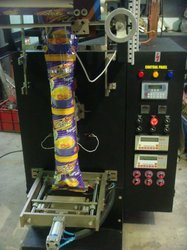
4. Packaging Options
- Equipment can accommodate various packaging types, including jars, pouches, and bottles.
- Flexibility to switch between different formats can enhance operational efficiency.
5. Control Systems
- Advanced control systems provide automation and monitoring.
- Options may include PLC systems for real-time data tracking and adjustments.
6. Material Construction
- Typically made from stainless steel to ensure durability and compliance with food safety regulations.
- Corrosion-resistant materials are preferred for longevity.
7. Compliance Features
- Many machines are designed to meet specific industry standards such as HACCP and CE certification.
- Built-in safety features to protect operators and maintain product integrity.
8. Cleaning and Maintenance
- Equipment designed with easy disassembly for effective cleaning.
- Maintenance schedules and parts availability ensure long-term operation.
In summary, when selecting pickle and sauce manufacturing equipment, it is essential to consider these specifications to ensure optimal performance and compliance with industry standards.
𝗖𝗼𝗺𝗺𝗼𝗻 𝗔𝗽𝗽𝗹𝗶𝗰𝗮𝘁𝗶𝗼𝗻𝘀 𝗮𝗻𝗱 𝗨𝘀𝗲 𝗖𝗮𝘀𝗲𝘀
Pickle and sauce manufacturing equipment serves a diverse range of industries.
1. Food Processing: This industry uses the equipment to produce a variety of pickled products, such as gherkins and fermented vegetables, ensuring consistent flavor and preservation.
2. Catering Services: Catering companies often utilize this equipment to create sauces and dressings in bulk, allowing for quick service and high-quality food offerings.
3. Retail Food Production: Grocery stores and specialty shops use this machinery to create private label sauces and pickles, meeting consumer demand for unique flavors.
4. Restaurants: Many restaurants employ this equipment for house-made condiments, enhancing their menu with fresh, in-house products.
5. Organic and Health Food Producers: With a focus on natural ingredients, these producers depend on reliable equipment to maintain quality while adhering to strict health standards.
6. Exporters: Manufacturers looking to export their products require compliant equipment that meets international food safety standards.
7. Small Batch Producers: Artisanal manufacturers use specialized equipment for small-scale production, emphasizing quality and craft.
𝗣𝗿𝗼𝗱𝘂𝗰𝘁 𝗩𝗮𝗿𝗶𝗮𝗻𝘁𝘀 𝗮𝗻𝗱 𝗦𝘂𝗯𝗰𝗮𝘁𝗲𝗴𝗼𝗿𝗶𝗲𝘀
The diversity of pickle and sauce manufacturing equipment allows for tailored solutions to meet specific production needs.
Batch Mixers
These mixers are designed for small to medium-sized production runs, ideal for artisan producers. They offer flexibility in mixing different ingredient combinations and are easy to clean.
Continuous Mixers
Suitable for high-volume production, continuous mixers maintain a steady flow of ingredients. They are efficient for large-scale operations that require consistency in mixing.
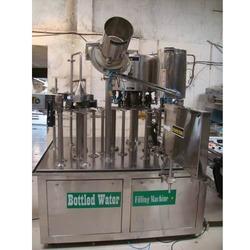
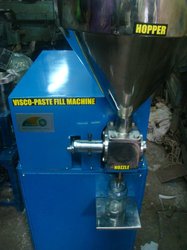
Filling Machines
Filling machines come in various configurations to handle different container types. These machines ensure accurate filling volumes and speeds, catering to both high and low production capacities.
Labeling Machines
Labeling machines apply labels to containers, ensuring compliance and branding for products. They can be integrated with filling lines for streamlined operations.
𝗕𝗲𝗻𝗲𝗳𝗶𝘁𝘀 𝗮𝗻𝗱 𝗔𝗱𝘃𝗮𝗻𝘁𝗮𝗴𝗲𝘀
Investing in pickle and sauce manufacturing equipment brings several key advantages.
1. Increased Efficiency: Automation and streamlined processes enhance production speed, reducing labor costs and time.
2. Consistent Quality: Advanced technology ensures uniformity in product quality, meeting consumer expectations consistently.
3. Enhanced Safety: Equipment designed to comply with industry standards minimizes risks associated with food processing.
4. Flexibility: Many machines can adapt to various product types and sizes, allowing manufacturers to diversify their offerings.
5. Improved Shelf Life: Proper processing techniques extend the shelf life of products, benefiting both manufacturers and consumers.
6. Cost Savings: Efficient operation reduces waste and energy consumption, leading to lower overall production costs.
𝗕𝘂𝘆𝗶𝗻𝗴 𝗚𝘂𝗶𝗱𝗲 𝗳𝗼𝗿 𝗕𝟮𝗕 𝗕𝘂𝘆𝗲𝗿𝘀
When sourcing pickle and sauce manufacturing equipment, buyers should consider several important factors.
1. Quality Assessment: Evaluate the durability and performance of the equipment. Look for machines made from high-quality materials that meet industry standards.
2. Supplier Verification: Conduct thorough research on potential suppliers. Check their background, reputation, and customer reviews to ensure reliability.
3. Pricing and MOQ: Understand the pricing structure and minimum order quantities. Compare costs among different suppliers to find the best value.
4. Delivery and Lead Times: Inquire about delivery schedules and lead times. Timely delivery is crucial for maintaining production schedules.
5. Compliance Requirements: Ensure that the equipment meets all necessary regulatory and compliance standards. This is critical for food safety and market entry.
𝗖𝗼𝗺𝗽𝗹𝗶𝗮𝗻𝗰𝗲 𝗮𝗻𝗱 𝗖𝗲𝗿𝘁𝗶𝗳𝗶𝗰𝗮𝘁𝗶𝗼𝗻𝘀
Compliance and certifications are crucial for pickle and sauce manufacturing equipment. Important quality standards include ISO 9001, which ensures a quality management system, and HACCP, focusing on food safety through hazard analysis.
CE certification indicates that the equipment meets EU safety, health, and environmental protection standards. Manufacturers should also consider safety and testing requirements specific to their region and product type.
Regional compliance varies, and businesses must stay updated on local regulations regarding food processing. This can include health inspections, safety audits, and labeling requirements. Ensuring compliance not only protects consumers but also builds trust in the brand.
𝗪𝗵𝘆 𝗦𝗼𝘂𝗿𝗰𝗲 𝗣𝗶𝗰𝗸𝗹𝗲 & 𝗦𝗮𝘂𝗰𝗲 𝗠𝗮𝗻𝘂𝗳𝗮𝗰𝘁𝘂𝗿𝗶𝗻𝗴 𝗘𝗾𝘂𝗶𝗽𝗺𝗲𝗻𝘁 𝗳𝗿𝗼𝗺 𝗣𝗲𝗽𝗮𝗴𝗼𝗿𝗮?
Pepagora provides a trusted platform for sourcing pickle and sauce manufacturing equipment with several key advantages.
Verified Supplier Network: Pepagora connects buyers with verified suppliers, ensuring that the products meet quality and safety standards. This network helps buyers find reliable partners for their manufacturing needs.
Streamlined RFQ Process: The request for quotation process is designed to be efficient, allowing buyers to receive competitive quotes quickly. This saves time and simplifies procurement.
Trade Assurance and Support: Buyers benefit from trade assurance programs that protect their investments. Pepagora offers support throughout the purchasing process, ensuring a smooth transaction.
Regional Coverage: With a focus on markets in India, the GCC, and Southeast Asia, Pepagora provides broad geographic reach, making it easier for businesses to find the right equipment for their specific location.
In summary, sourcing from Pepagora can enhance the purchasing experience, providing access to high-quality equipment and trustworthy suppliers.

 IN
IN