
 IN
Pasta & Noodle Making Machines
4 products available
What are Pasta & Noodle Making Machines?
Pasta and noodle making machines are specialized equipment designed for the production of various types of pasta and noodles. These machines automate the processes of mixing, kneading, rolling, and cutting dough, significantly increasing efficiency and consistency in production. They can vary in size and complexity, from small-scale units suitable for artisan producers to large industrial machines for mass production.
These machines are primarily used in the food processing industry, including commercial kitchens, restaurants, and pasta manufacturing plants. They enable businesses to create a diverse range of products, including spaghetti, fettuccine, lasagna, and various specialty noodles. With the growing demand for fresh and high-quality pasta, these machines play a critical role in meeting market needs and consumer preferences.
In today's competitive market, the relevance of pasta and noodle making machines cannot be overstated. As consumer trends shift towards convenience foods and artisanal products, businesses that invest in advanced machinery can enhance their product offerings and improve operational efficiency. The integration of technology in these machines also allows for better quality control and product consistency, making them indispensable in the food manufacturing sector.
Key Features and Specifications
Pasta and noodle making machines come with a range of features and specifications that cater to different production needs. These machines are designed to optimize the production process while ensuring high-quality output.
Key specifications include:
1. Production Capacity
- Machines vary in capacity from small units producing 20-50 kg per hour to larger industrial machines capable of over 500 kg per hour.
2. Power Requirements
- Power consumption can range from 1.5 kW for smaller machines to 15 kW for industrial units, depending on the size and functionality.
3. Material Construction
- Most machines are constructed from stainless steel to ensure durability and hygiene, with food-grade components that meet industry standards.
4. Operation Mode
- Machines can be fully automated or semi-automated, providing flexibility for different production environments.
5. Dough Thickness Adjustment
- Many models offer adjustable settings for dough thickness, allowing for customization based on product requirements.
6. Cutting Mechanism
- Machines may feature different cutting options, including manual and automatic, to accommodate various noodle shapes and sizes.
7. Safety Features
- Built-in safety mechanisms, such as emergency stop buttons and protective covers, ensure user safety during operation.
8. Control Interface
- User-friendly digital displays and control panels facilitate easy operation and monitoring of the production process.
These features ensure that businesses can select the right equipment for their specific needs, enhancing productivity and product quality.
Common Applications and Use Cases
Pasta and noodle making machines are utilized across several industries, each with unique applications.
1. Food Manufacturing: These machines are essential in large pasta manufacturing facilities, enabling high-volume production of various pasta shapes for retail distribution.
2. Restaurants and Cafés: Many establishments use these machines to create fresh pasta on-site, providing customers with high-quality, made-to-order dishes.
3. Catering Services: Catering companies often utilize pasta and noodle making machines to prepare large quantities of pasta dishes for events and functions.
4. Specialty Food Producers: Artisan producers leverage these machines to create gourmet or organic pasta options, catering to niche markets.
5. Frozen Food Industry: These machines aid in the production of frozen pasta products, which are convenient for consumers seeking quick meal solutions.
6. Gluten-Free Product Makers: Specialized machines accommodate gluten-free recipes, allowing businesses to tap into the growing demand for gluten-free foods.
7. Exporters: Companies exporting pasta benefit from these machines by producing high-quality products that meet international standards.
Product Variants and Subcategories
Pasta and noodle making machines offer a variety of product options to meet diverse market needs.
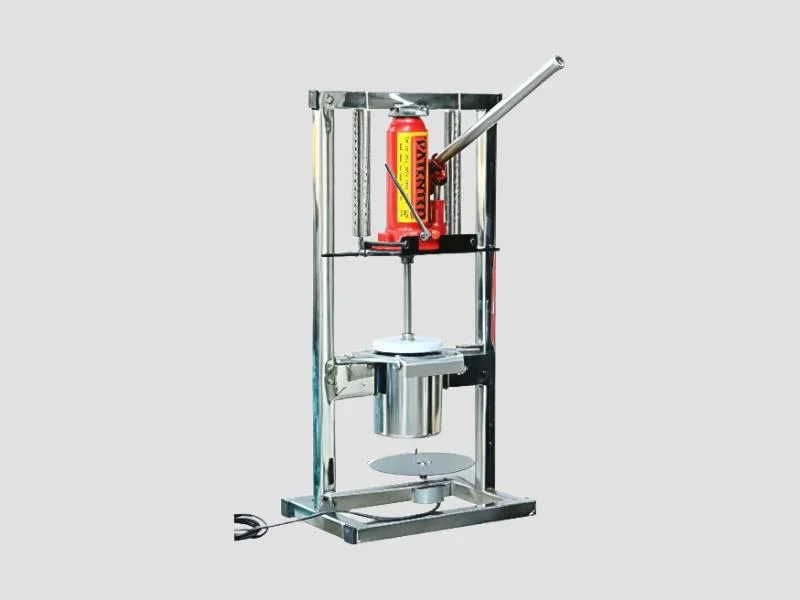
Manual Pasta Maker
This variant is ideal for small-scale operations and home users. It allows for hands-on dough preparation and is often more affordable, making it popular among artisan producers.
Automatic Pasta Machine
Designed for larger operations, this machine automates the entire pasta-making process, enhancing efficiency and reducing labor costs. It is suitable for commercial kitchens and pasta manufacturers.
Industrial Noodle Making Line
This extensive setup is capable of high-volume production, integrating multiple stages of noodle production, including drying and packaging. It is designed for large manufacturers.
Benefits and Advantages
Investing in pasta and noodle making machines offers several key benefits for businesses.
1. Increased Efficiency: Automation reduces manual labor and speeds up production, allowing businesses to meet high demand more effectively.
2. Consistent Quality: These machines ensure uniformity in product size and texture, enhancing overall quality and customer satisfaction.
3. Versatility: Many machines can produce various pasta shapes and types, providing flexibility to adapt to market trends.
4. Cost Savings: By streamlining production processes, businesses can lower labor costs and reduce waste, improving overall profitability.
5. Enhanced Innovation: Advanced machines allow for experimentation with new recipes and flavors, enabling businesses to stay competitive.
6. Improved Hygiene: Stainless steel construction and automated processes minimize contamination risks, adhering to food safety standards.
Buying Guide for B2B Buyers
When considering the purchase of pasta and noodle making machines, several factors should be evaluated to ensure a suitable investment.
1. Quality Assessment: Look for machines that meet industry standards and have positive reviews regarding durability and performance. Request samples if possible to evaluate product output.
2. Supplier Verification: Vet suppliers thoroughly by checking their credentials, certifications, and customer references to ensure reliability and quality.
3. Pricing and MOQ: Understand the pricing structure and minimum order quantities, as these factors can significantly impact your budget and production capacity.
4. Delivery and Lead Times: Discuss logistics with suppliers to ensure timely delivery, especially if you have tight production schedules.
5. Compliance Requirements: Ensure that the machines meet relevant regulatory standards for your region, including safety and quality certifications.
Compliance and Certifications
Pasta and noodle making machines must meet various compliance and certification requirements to ensure product quality and safety.
ISO 9001: This quality management standard ensures that manufacturers maintain consistent quality in their processes and products.
HACCP: Hazard Analysis Critical Control Point certification is critical for food safety, ensuring that processes are in place to identify and control potential hazards in food production.
CE Marking: This certification indicates that the product meets European health, safety, and environmental protection standards.
Safety and testing requirements dictate that machines undergo rigorous quality checks before being brought to market. Manufacturers must also consider regional compliance, as specific regulations may apply in different countries.
Why Source Pasta & Noodle Making Machines from Pepagora?
Pepagora provides a trusted platform for sourcing pasta and noodle making machines, offering several key advantages for B2B buyers.
Verified Supplier Network: Pepagora connects buyers with a network of verified suppliers, ensuring that you receive high-quality products from reputable manufacturers.
Streamlined RFQ Process: The platform simplifies the request for quotation process, allowing buyers to compare offers easily and select the best option for their needs.
Trade Assurance and Support: Pepagora offers buyer protection through trade assurance, ensuring that your investment is secure throughout the purchase process.
Regional Coverage: With a strong presence in India, the GCC, and Southeast Asia, Pepagora facilitates access to a wide range of suppliers and products, making it easier for businesses to find the right machinery for their production needs.


 India
 India
Frequently Asked Questions
What are Pasta & Noodle Making Machines?
Pasta & Noodle Making Machines are specialized equipment designed for the production of various types of pasta and noodles. These machines automate the process of mixing, kneading, shaping, and drying dough, ensuring a consistent texture and quality in the final product.
What are the different types of Pasta & Noodle Making Machines?
There are several types of Pasta & Noodle Making Machines, including manual, semi-automatic, and fully automatic machines. Additionally, they can vary based on their specific functions, such as extruders, cutters, and steamers, which cater to different production needs.
How do I choose the right Pasta & Noodle Making Machines?
Choosing the right Pasta & Noodle Making Machines depends on factors like production capacity, the type of pasta or noodles you intend to produce, and available space. It's important to consider the machine's features, ease of use, maintenance requirements, and energy efficiency before making a decision.
What are the standard specifications for Pasta & Noodle Making Machines?
Standard specifications for Pasta & Noodle Making Machines typically include production capacity (measured in kg/hour), power consumption, dimensions, and weight. Additionally, features such as adjustable thickness settings, material quality, and safety standards are also important specifications to consider.
What is the price range for Pasta & Noodle Making Machines?
The price range for Pasta & Noodle Making Machines can vary widely depending on the type, brand, and specifications. Generally, prices can start from around INR 30,000 for basic models and can go up to several lakhs for advanced, fully automatic machines.
What quality standards apply to Pasta & Noodle Making Machines?
Quality standards for Pasta & Noodle Making Machines often include compliance with ISO certifications, food safety regulations, and specific industry standards. Manufacturers should ensure that their machines meet these standards to guarantee safety and quality in food production.
Where can I find Pasta & Noodle Making Machines suppliers in India?
You can find Pasta & Noodle Making Machines suppliers in India through B2B marketplaces like Pepagora, trade shows, and industrial directories. Additionally, networking with industry professionals and visiting manufacturing hubs can also help you locate reliable suppliers.
Can Pasta & Noodle Making Machines be customized?
Yes, many manufacturers offer customization options for Pasta & Noodle Making Machines to meet specific production requirements. This can include modifications to machine size, capacity, and features to align with your business needs.
What is the typical minimum order quantity for Pasta & Noodle Making Machines?
The typical minimum order quantity (MOQ) for Pasta & Noodle Making Machines can vary by supplier but is generally set at one unit for most manufacturers. However, for custom machines or bulk orders, the MOQ may be higher.
What is the typical lead time for Pasta & Noodle Making Machines?
The typical lead time for Pasta & Noodle Making Machines can range from a few weeks to several months, depending on the complexity of the order and the manufacturer's production schedule. It's advisable to confirm the lead time with the supplier before placing an order.
Why Businesses Trust Pepagora
Thousands of companies trust Pepagora to source smarter and sell faster
Expand Your Sales Globally

Source Smarter,Grow Faster
