
 IN
Oven Systems (Rotary, Deck)
7 products available
Key Features and Specifications
Oven systems, such as rotary and deck ovens, come equipped with a range of features designed to enhance performance and efficiency. Understanding these specifications is crucial for making informed purchasing decisions.
Key specifications include:
1. Temperature Control
- Allows precise baking temperatures for various products.
- Typically ranges between 200°F to 500°F.
2. Cooking Capacity
- Indicates the volume of products that can be baked simultaneously.
- Varies based on oven size, generally accommodating anywhere from 20 to 100 trays.
3. Energy Efficiency
- Features designed to minimize energy consumption.
- Energy savings can reach up to 30% compared to traditional ovens.
4. Humidity Control
- Maintains optimal moisture levels during baking.
- Important for products like bread that require steam during the cooking process.
5. Construction Material
- Typically made from stainless steel for durability and ease of cleaning.
- Ensures long service life and resistance to corrosion.
6. Control System
- Digital control panels for easy temperature and timer adjustments.
- Some models include programmable settings for different recipes.
7. Safety Features
- Includes features like automatic shut-off and cool-touch exteriors.
- Enhances user safety during operation.
8. Warranty and Support
- Varies by manufacturer, typically ranging from 1 to 3 years.
- Ensures peace of mind and support for maintenance issues.
These specifications collectively contribute to the overall efficiency and effectiveness of oven systems, making them a critical component in commercial kitchens.
Common Applications and Use Cases
Oven systems are integral to many sectors and applications. Their versatility makes them suitable across various industries.
1. Bakery: Rotary and deck ovens are widely used in bakeries for producing bread, pastries, and cakes. Their ability to maintain consistent temperatures ensures that baked goods rise properly and achieve the desired texture.
2. Pizzerias: Deck ovens are particularly favored for baking pizzas due to their high-temperature capabilities. They provide a crispy crust while keeping the toppings perfectly cooked.
3. Food Processing: In food manufacturing, these ovens are used for drying and roasting products, enhancing flavors and extending shelf life.
4. Catering Services: Mobile catering operations often utilize compact rotary ovens to serve freshly baked goods on-site, ensuring quality and taste.
5. Restaurants: Many restaurants incorporate these ovens into their kitchens to prepare a variety of dishes, including roasted meats and vegetables, alongside baked items.
6. Confectionery: In the production of confections, precise temperature control is essential for tempering chocolate and baking delicate items.
7. Snack Food Production: Snack manufacturers use these ovens to bake chips, crackers, and other products, relying on their efficiency and consistency.
Product Variants and Subcategories
Oven systems offer a range of variants, each designed to meet specific baking needs. The diversity in design and functionality caters to different market segments.
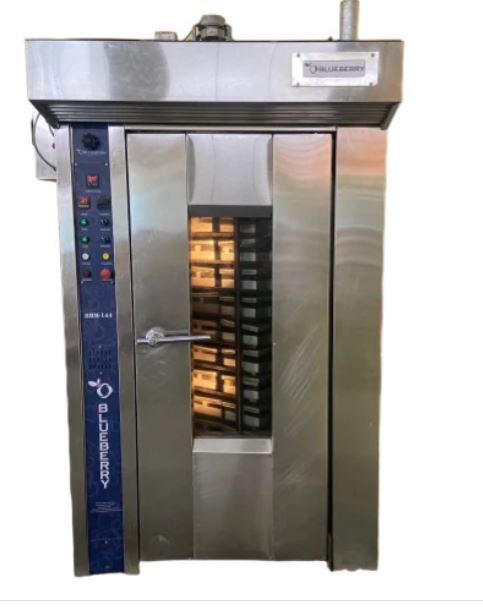
Rotary Oven
This variant is designed for high-volume baking. It features a rotating rack that ensures even heat distribution, making it suitable for products such as bread and pastries. Its efficiency and consistent results make it a favorite in large bakeries.
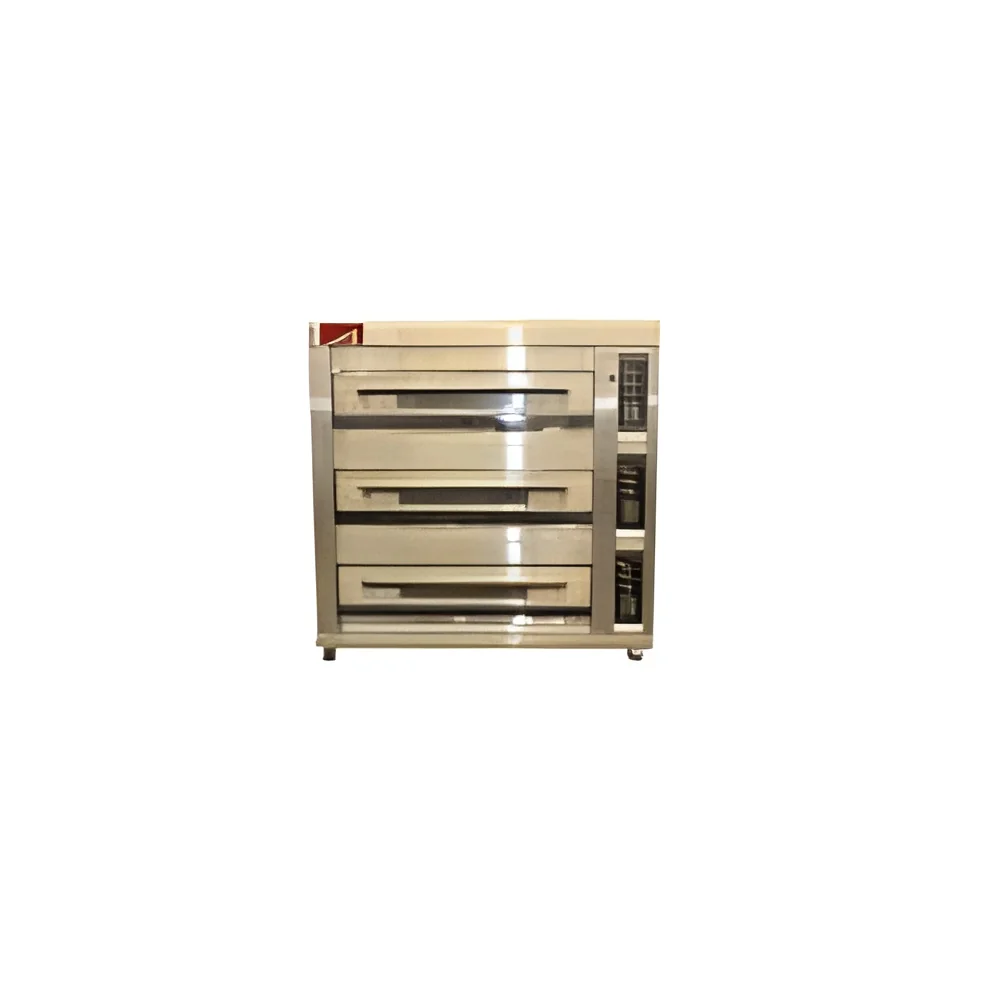
Deck Oven
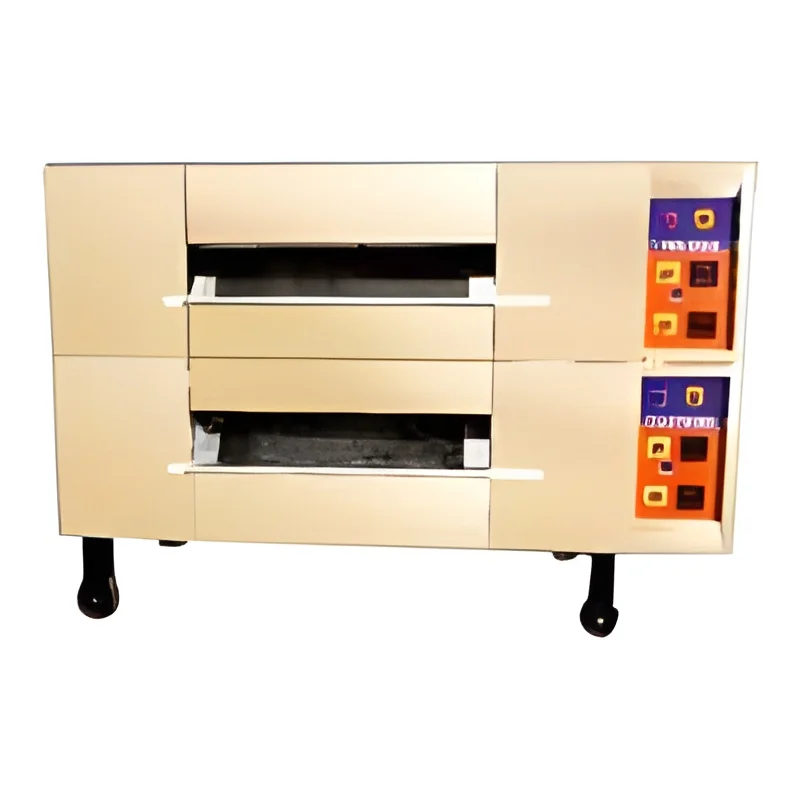
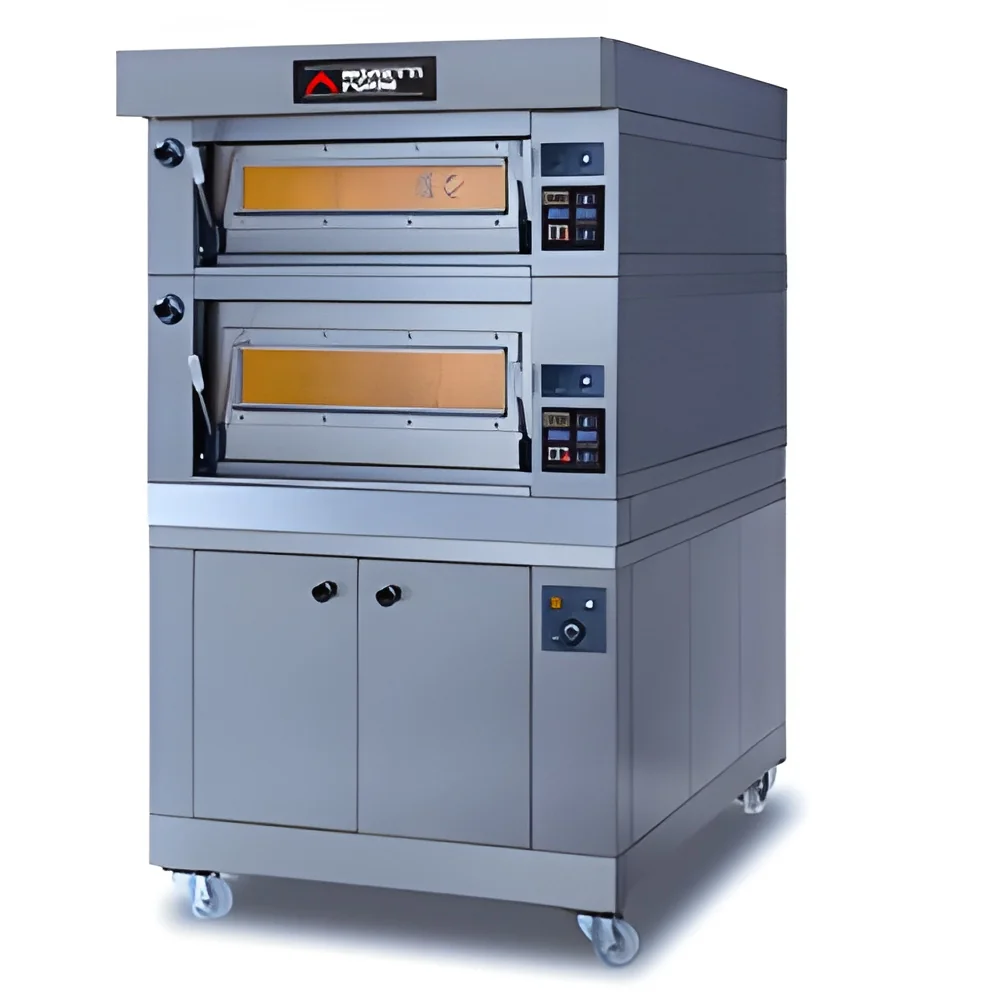
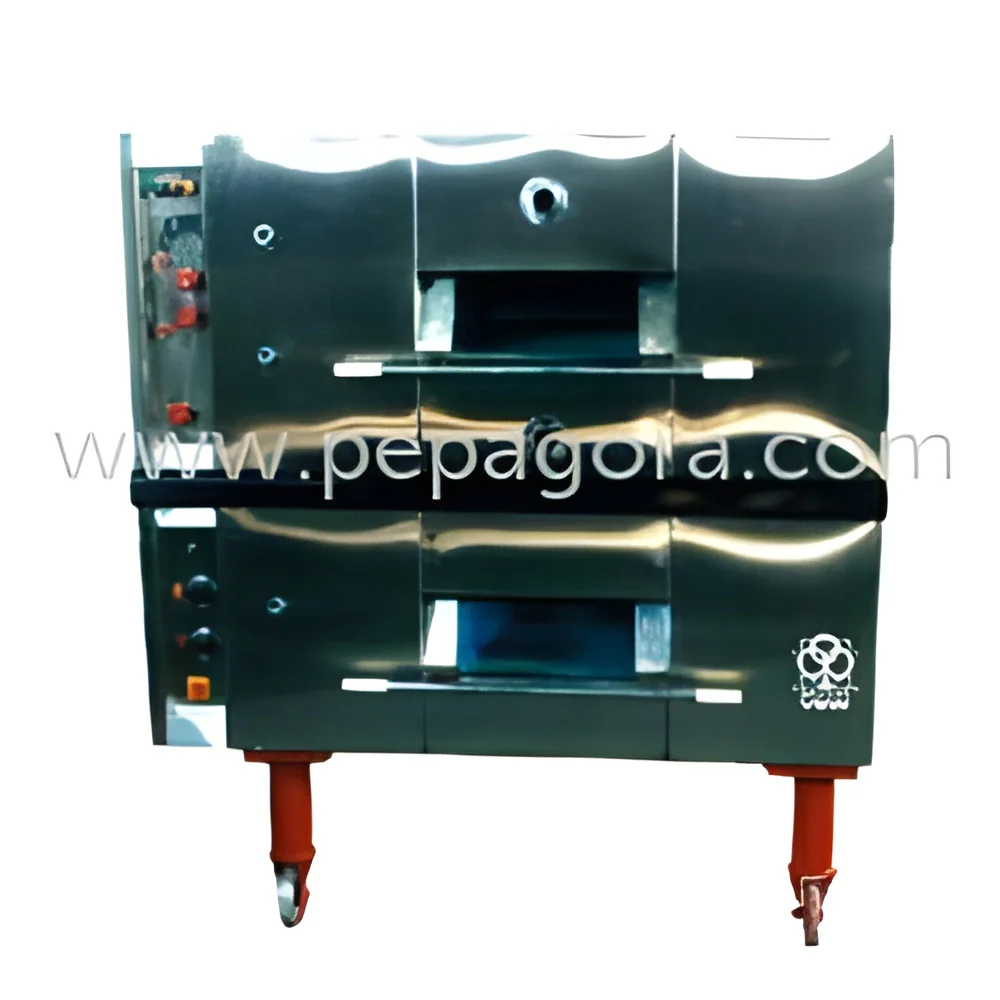
Deck ovens consist of multiple baking chambers, allowing for simultaneous baking. They are ideal for pizzerias and bakeries that require high-temperature baking. Their design provides excellent crust development, which is crucial for artisan bread and pizzas.
Benefits and Advantages
Investing in oven systems provides numerous advantages to businesses in the food industry.
1. Enhanced Baking Quality: These ovens ensure even cooking and consistent results, critical for maintaining product quality.
2. Increased Production Efficiency: High-capacity baking enables businesses to meet demand without sacrificing quality.
3. Energy Savings: Many models are designed to be energy-efficient, reducing operational costs over time.
4. Versatility: The ability to bake a wide range of products makes these ovens suitable for various applications.
5. User-Friendly Controls: Digital controls simplify the baking process, allowing for easy adjustments and programming.
6. Durability: Constructed from high-quality materials, these ovens are built to withstand the rigors of commercial use.
Buying Guide for B2B Buyers
When sourcing oven systems, businesses should consider several critical factors to ensure they make the right investment.
1. Quality Assessment: Evaluate the build quality and materials used in the ovens. Look for certifications and customer reviews to assess reliability.
2. Supplier Verification: Vet potential suppliers to ensure they have a track record of providing quality equipment and good customer service.
3. Pricing and MOQ: Understand the pricing structure and minimum order quantities. This will help budget effectively and avoid unnecessary expenses.
4. Delivery and Lead Times: Inquire about delivery schedules and lead times to ensure timely installation and operation.
5. Compliance Requirements: Ensure that the ovens meet relevant industry standards and regulations, such as safety and environmental compliance.
Compliance and Certifications
Compliance with industry standards is essential for oven systems to ensure quality and safety. Relevant quality standards include ISO 9001, which focuses on quality management systems, ensuring consistent product quality.
HACCP (Hazard Analysis and Critical Control Points) is another crucial standard, particularly in food production, as it helps identify and manage potential hazards in the baking process.
Oven systems typically carry certifications such as CE, which signifies that they meet European safety standards. This certification is critical for manufacturers looking to sell in the European market.
Safety and testing requirements are also paramount, ensuring that ovens operate safely under commercial conditions. Regular testing and adherence to safety protocols help mitigate risks in the workplace.
Additionally, regional compliance considerations may vary, so it is important for buyers to be aware of local regulations governing food equipment safety and environmental impact.
Why Source Oven Systems (Rotary, Deck) from Pepagora?
Pepagora offers a reliable platform for sourcing oven systems, including rotary and deck ovens, with several advantages that cater to B2B buyers.
Verified Supplier Network: Pepagora connects buyers with a network of verified suppliers, ensuring that businesses can find quality manufacturers who meet their specific needs.
Streamlined RFQ Process: The request for quotation process at Pepagora is designed to be user-friendly, allowing buyers to easily compare options and make informed decisions.
Trade Assurance and Support: Pepagora provides trade assurance, offering buyers protection and support throughout the purchasing process, ensuring peace of mind with every transaction.
Regional Coverage: With a strong presence in India, the GCC, and Southeast Asia, Pepagora facilitates access to local and international suppliers, broadening options for businesses looking to invest in oven systems.


 India
 India
 India
 India

Frequently Asked Questions
What are Oven Systems (Rotary, Deck)?
Oven Systems (Rotary, Deck) are industrial baking systems designed for efficient and consistent cooking of baked goods. Rotary ovens use a rotating tray to ensure even heat distribution, while deck ovens have multiple baking chambers, allowing for different temperature settings.
What are the different types of Oven Systems (Rotary, Deck)?
The main types of Oven Systems include Rotary Ovens and Deck Ovens. Rotary Ovens are ideal for high-volume production and provide uniform baking, while Deck Ovens are suited for artisan baking, offering more control over the baking environment.
How do I choose the right Oven Systems (Rotary, Deck)?
Choosing the right Oven System involves assessing your production needs, space availability, and the types of products you intend to bake. Consider factors such as capacity, energy efficiency, and ease of use when making your decision.
What are the standard specifications for Oven Systems (Rotary, Deck)?
Standard specifications for Oven Systems vary based on model, but typically include temperature range, power consumption, and baking capacity. Additionally, features like humidity control and programmable settings may also be considered.
What is the price range for Oven Systems (Rotary, Deck)?
The price range for Oven Systems (Rotary, Deck) can vary widely based on specifications and brand, typically ranging from INR 50,000 to several lakhs. High-end models with advanced features generally command a higher price.
What quality standards apply to Oven Systems (Rotary, Deck)?
Quality standards for Oven Systems include compliance with ISO certifications and safety regulations pertinent to food processing equipment. Manufacturers often adhere to standards ensuring reliability and performance in commercial baking.
Where can I find Oven Systems (Rotary, Deck) suppliers in India?
Oven Systems suppliers can be found through various online B2B marketplaces, trade directories, and industry exhibitions in India. Pepagora.com is a reliable platform to connect with reputable manufacturers and suppliers of Oven Systems.
Can Oven Systems (Rotary, Deck) be customized?
Yes, many manufacturers offer customization options for Oven Systems to meet specific baking requirements. Custom features may include size, capacity, and special functionalities tailored to your production needs.
What is the typical minimum order quantity for Oven Systems (Rotary, Deck)?
The typical minimum order quantity (MOQ) for Oven Systems varies by manufacturer but often starts at one unit for custom orders. Bulk purchases may have different MOQs depending on the supplier's policies.
What is the typical lead time for Oven Systems (Rotary, Deck)?
The typical lead time for Oven Systems (Rotary, Deck) can range from a few weeks to several months. Factors influencing lead time include manufacturing capacity, customization requests, and shipping logistics.
Why Businesses Trust Pepagora
Thousands of companies trust Pepagora to source smarter and sell faster
Expand Your Sales Globally

Source Smarter,Grow Faster
