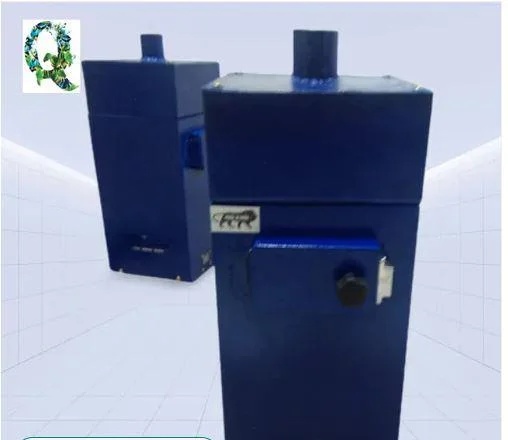
𝗪𝗵𝗮𝘁 𝗮𝗿𝗲 𝗢𝘁𝗵𝗲𝗿 𝗙𝗼𝗼𝗱 𝗣𝗿𝗼𝗰𝗲𝘀𝘀𝗶𝗻𝗴 𝗠𝗮𝗰𝗵𝗶𝗻𝗲𝗿𝘆?
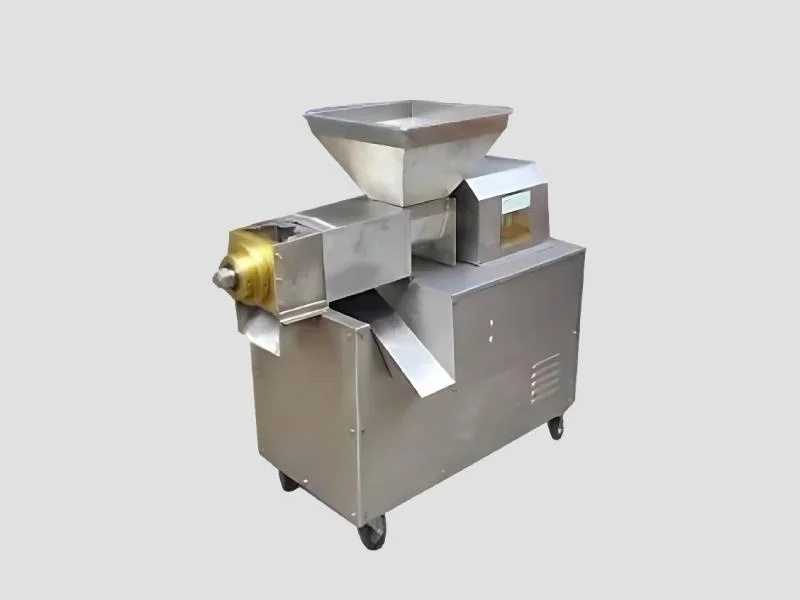
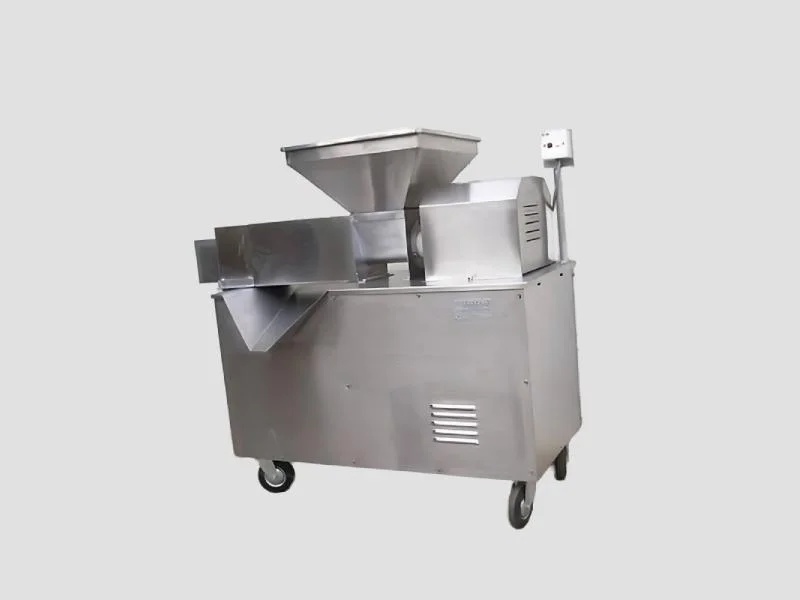
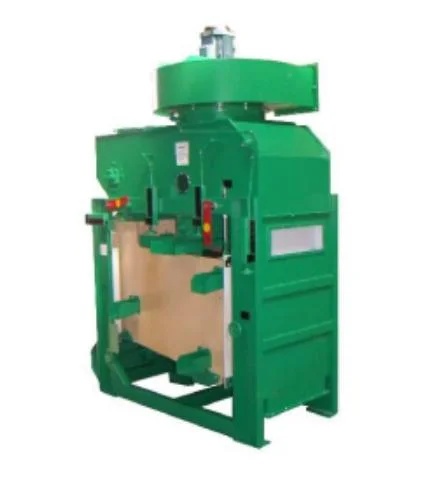
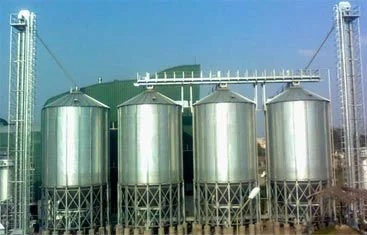
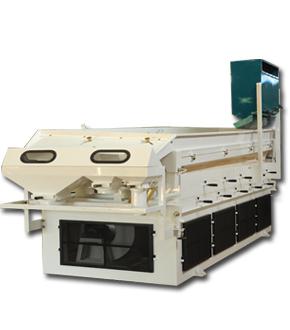
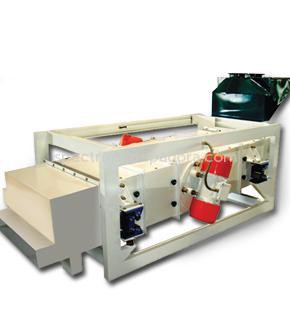
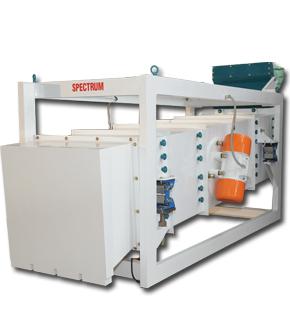
Other Food Processing Machinery refers to a diverse range of equipment used in the food industry to process and prepare food products. This category encompasses various machines that do not fit into conventional processing categories such as baking, frying, or freezing. Instead, they are designed to carry out specific functions that enhance the efficiency and quality of food production. The machinery may include equipment for mixing, blending, cutting, or packaging, among other processes.
These machines play a crucial role in the overall food production chain. They are utilized in various sectors, including meat processing, bakery production, dairy processing, and snack manufacturing. Businesses use these machines to streamline operations, improve product consistency, and ensure food safety. The relevance of Other Food Processing Machinery in the market is significant, given the ongoing demand for processed food products and the continuous evolution of food technology.
𝗞𝗲𝘆 𝗙𝗲𝗮𝘁𝘂𝗿𝗲𝘀 𝗮𝗻𝗱 𝗦𝗽𝗲𝗰𝗶𝗳𝗶𝗰𝗮𝘁𝗶𝗼𝗻𝘀
When evaluating Other Food Processing Machinery, several features and specifications are critical. These specifications help buyers understand the machinery's capabilities and suitability for their unique operational needs.
Key specifications include:
1. Operational Capacity
- This refers to the volume of production the machinery can handle within a specified time frame.
- Technical parameters often range from small-scale production units to large industrial systems.
2. Power Consumption
- This specification indicates the energy requirements for the machinery to operate efficiently.
- Typically measured in kilowatts (kW), this can vary widely based on the machine's size and functions.
3. Material Construction
- The materials used in the machinery can affect durability and hygiene.
- Stainless steel is common due to its resistance to corrosion and ease of cleaning.
4. Automation Level
- This describes the extent to which the machinery operates automatically versus manually.
- Options range from fully automated systems to semi-automatic units.
5. Safety Features
- Safety mechanisms such as emergency shut-off switches and protective covers are crucial for operator safety.
- Compliance with safety regulations is often a requirement.
6. Ease of Maintenance
- Machinery designed for easy access to components can enhance maintenance efficiency.
- Regular maintenance schedules are essential for longevity.
7. Size and Footprint
- The physical dimensions of the machinery determine the space required for installation.
- Compact designs may be preferred for limited floor space.
8. Customization Options
- Some manufacturers offer modifications or custom builds to meet specific processing needs.
- This flexibility can be advantageous for niche food processing applications.
In summary, understanding these specifications enables businesses to choose machinery that aligns with their production goals and operational requirements.
𝗖𝗼𝗺𝗺𝗼𝗻 𝗔𝗽𝗽𝗹𝗶𝗰𝗮𝘁𝗶𝗼𝗻𝘀 𝗮𝗻𝗱 𝗨𝘀𝗲 𝗖𝗮𝘀𝗲𝘀
Other Food Processing Machinery has a range of applications across various industries.
1. Meat Processing: These machines are used for cutting, grinding, and packaging meat products, ensuring efficiency and hygiene in processing.
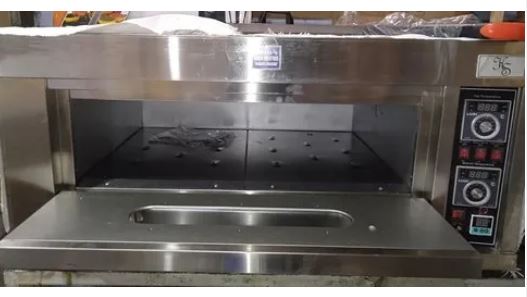
2. Bakery Production: Equipment in this sector is essential for mixing, kneading, and shaping dough, as well as baking and packaging baked goods.
3. Dairy Processing: Machinery plays a vital role in pasteurizing, homogenizing, and packaging dairy products, maintaining quality and safety.
4. Snack Manufacturing: This segment utilizes machines for frying, baking, and packaging snack foods, enhancing production speed and product consistency.
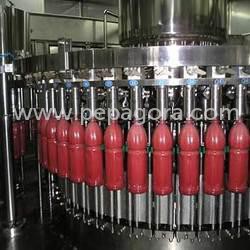
5. Beverage Production: Equipment is used for mixing ingredients, bottling, and packaging various beverages, ensuring proper flavor and safety.
6. Frozen Food Processing: Machinery is essential for freezing, packaging, and preserving foods while maintaining their taste and texture.
7. Confectionery Production: This involves machinery designed for mixing, molding, and packaging sweets and chocolates, catering to specific industry standards.
𝗣𝗿𝗼𝗱𝘂𝗰𝘁 𝗩𝗮𝗿𝗶𝗮𝗻𝘁𝘀 𝗮𝗻𝗱 𝗦𝘂𝗯𝗰𝗮𝘁𝗲𝗴𝗼𝗿𝗶𝗲𝘀
The Other Food Processing Machinery category is diverse, featuring various machines tailored for specific tasks.
Mixers and Blenders: These machines are designed to combine ingredients thoroughly, ensuring uniformity in product quality. They are often used in bakery and snack industries.
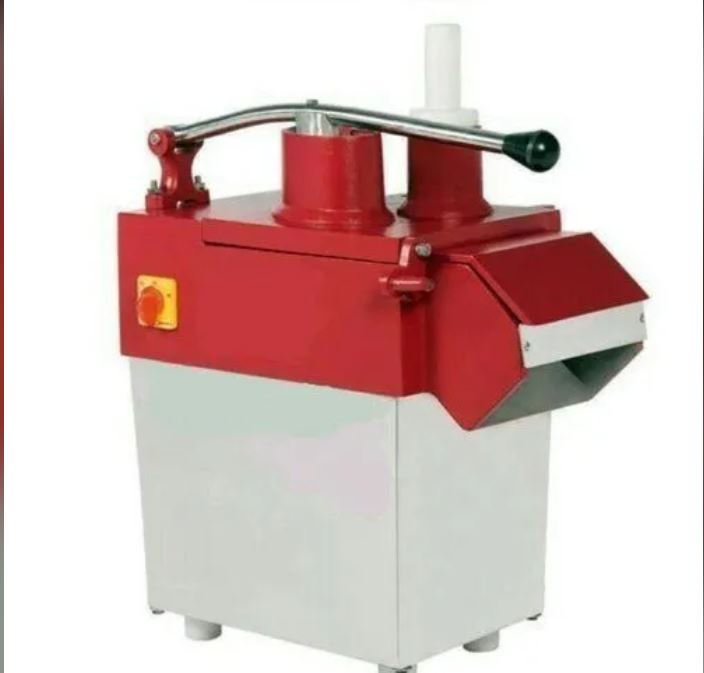
Cutting and Slicing Machines: These variants specialize in cutting various food items, from vegetables to meats, providing precise and uniform slices for further processing.
Packaging Machines: Designed for efficient packaging, these machines ensure food products are sealed and preserved properly, essential for maintaining shelf life.
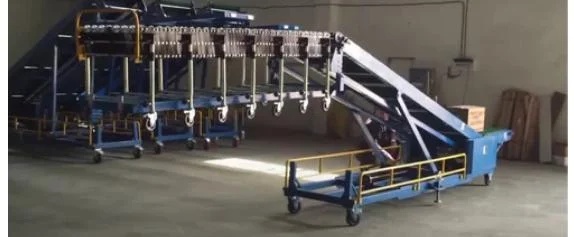
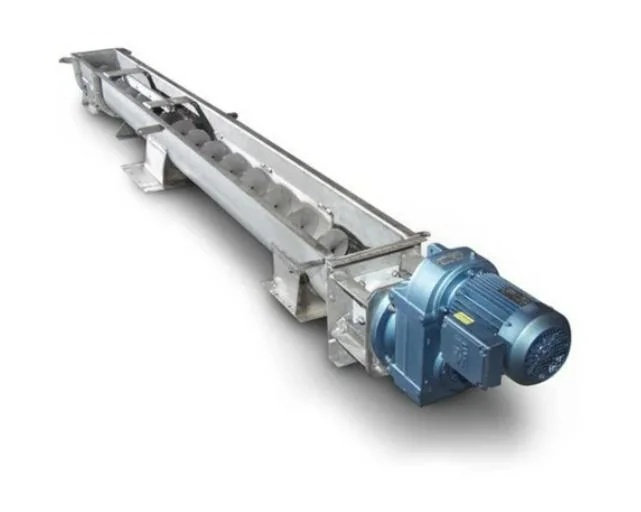
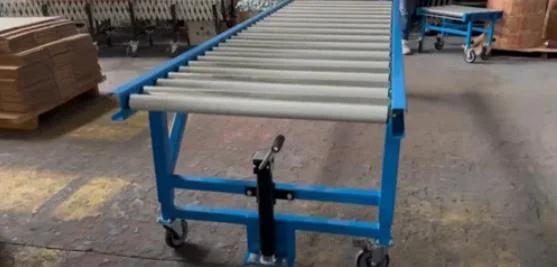
Conveyor Systems: These systems facilitate the movement of food products within processing plants, optimizing workflow and efficiency.
𝗕𝗲𝗻𝗲𝗳𝗶𝘁𝘀 𝗮𝗻𝗱 𝗔𝗱𝘃𝗮𝗻𝘁𝗮𝗴𝗲𝘀
Investing in Other Food Processing Machinery offers numerous benefits to businesses.
1. Increased Efficiency: These machines streamline production processes, reducing manual labor and increasing output.
2. Enhanced Product Quality: Precision in processing leads to better quality food products, meeting consumer expectations.
3. Cost Savings: Automating processes can reduce labor costs and waste, resulting in overall savings for the business.
4. Improved Safety: Modern machinery often includes safety features that protect operators and ensure compliance with industry regulations.
5. Flexibility: These machines can often be customized to suit specific processing needs, allowing for adaptability in production lines.
6. Consistency: Automated processes lead to uniform product quality, essential for brand reputation and customer satisfaction.
𝗕𝘂𝘆𝗶𝗻𝗴 𝗚𝘂𝗶𝗱𝗲 𝗳𝗼𝗿 𝗕𝟮𝗕 𝗕𝘂𝘆𝗲𝗿𝘀
When sourcing Other Food Processing Machinery, it is important for buyers to consider various factors to ensure a successful purchase.
1. Quality Assessment: Evaluate the machinery's build quality and reliability. Look for reputable manufacturers with a history of producing durable equipment.
2. Supplier Verification: Research potential suppliers to ensure they have a strong track record and positive customer feedback. This can help prevent issues down the line.
3. Pricing and MOQ: Understand the pricing structure and minimum order quantities (MOQ) required by suppliers. This ensures that you can budget accordingly and meet production needs.
4. Delivery and Lead Times: Consider the logistics involved in the delivery of machinery. Understand the lead times for production and shipping to avoid delays in your operations.
5. Compliance Requirements: Verify that the machinery meets relevant industry standards and regulations, such as CE certification, to ensure safety and quality.
𝗖𝗼𝗺𝗽𝗹𝗶𝗮𝗻𝗰𝗲 𝗮𝗻𝗱 𝗖𝗲𝗿𝘁𝗶𝗳𝗶𝗰𝗮𝘁𝗶𝗼𝗻𝘀
Compliance and certifications are crucial elements for Other Food Processing Machinery, ensuring that products meet industry standards and regulations.
Relevant quality standards such as ISO 9001 focus on quality management systems, ensuring that manufacturers maintain high production standards. Adhering to these standards can enhance the trustworthiness of the machinery.
HACCP (Hazard Analysis and Critical Control Points) is a critical framework in the food industry that emphasizes food safety. Equipment designed with HACCP compliance in mind helps prevent contamination during food processing.
CE certification indicates that the machinery meets European safety, health, and environmental protection standards. This certification is important for businesses operating within or exporting to the European market.
In addition to these standards, manufacturers must adhere to safety and testing requirements specific to food processing. This includes ensuring that materials are safe for food contact and that machinery operates without posing risks to operators.
Regional compliance considerations may vary, so businesses should be aware of local regulations impacting food processing machinery.
𝗪𝗵𝘆 𝗦𝗼𝘂𝗿𝗰𝗲 𝗢𝘁𝗵𝗲𝗿 𝗙𝗼𝗼𝗱 𝗣𝗿𝗼𝗰𝗲𝘀𝘀𝗶𝗻𝗴 𝗠𝗮𝗰𝗵𝗶𝗻𝗲𝗿𝘆 𝗳𝗿𝗼𝗺 𝗣𝗲𝗽𝗮𝗴𝗼𝗿𝗮?
Pepagora serves as a trusted platform for sourcing Other Food Processing Machinery, offering several key advantages for B2B buyers.
Verified Supplier Network: Pepagora connects buyers with a network of verified suppliers. This verification process ensures that suppliers meet quality and reliability standards, reducing the risk of purchasing subpar machinery.
Streamlined RFQ Process: The platform simplifies the request for quotation (RFQ) process, allowing buyers to efficiently compare prices and specifications from multiple suppliers. This transparency empowers buyers to make informed decisions.
Trade Assurance and Support: Pepagora provides trade assurance, protecting buyers throughout the purchasing process. This support includes assistance with order tracking and dispute resolutions.
Regional Coverage: With a strong presence in India, the GCC, and Southeast Asia, Pepagora offers extensive geographic reach. This ensures that buyers can access a diverse range of machinery and suppliers tailored to their specific regional needs.

 IN
IN
 India
India