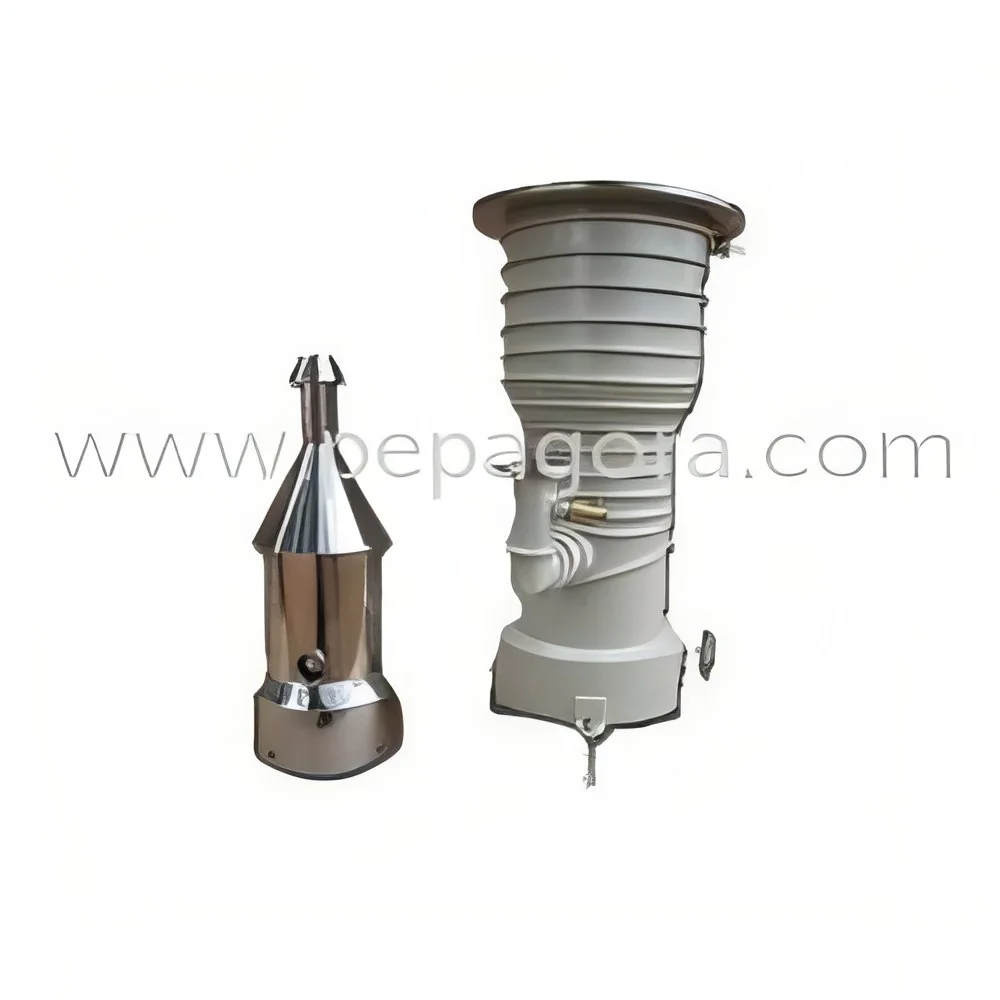
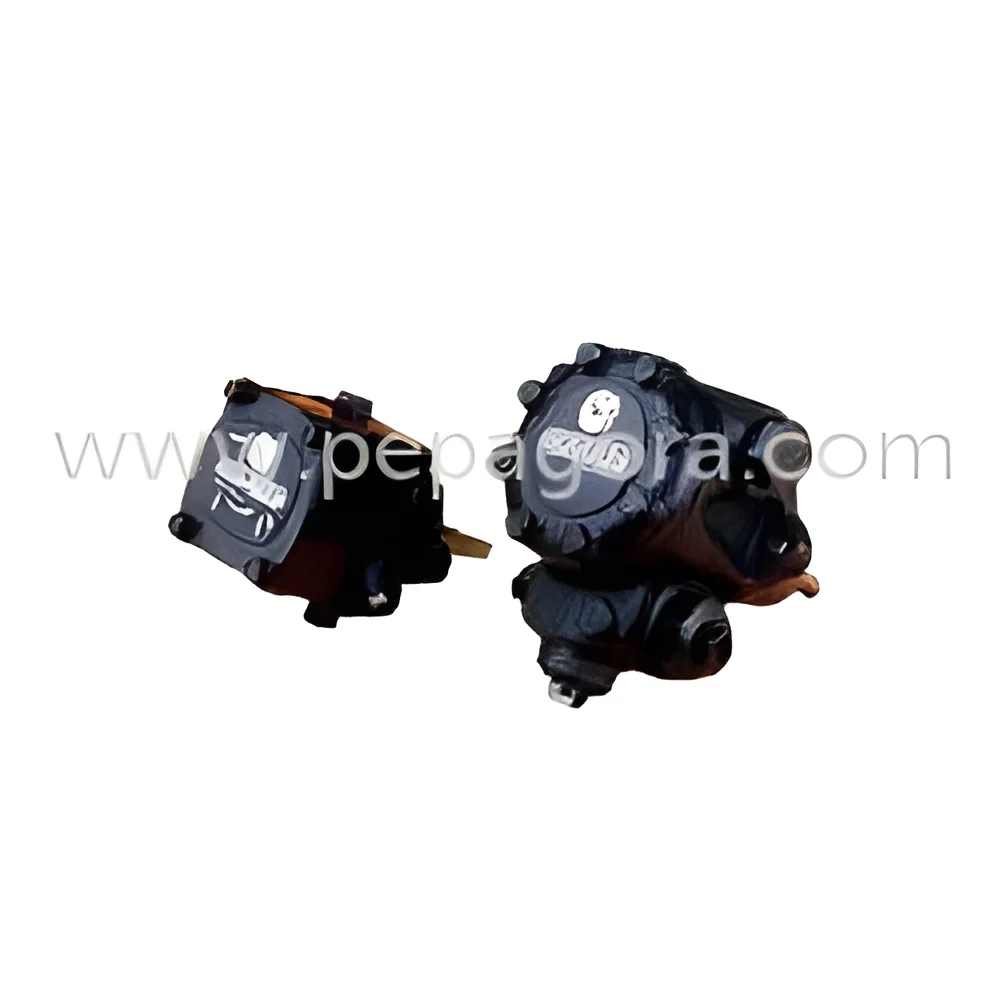
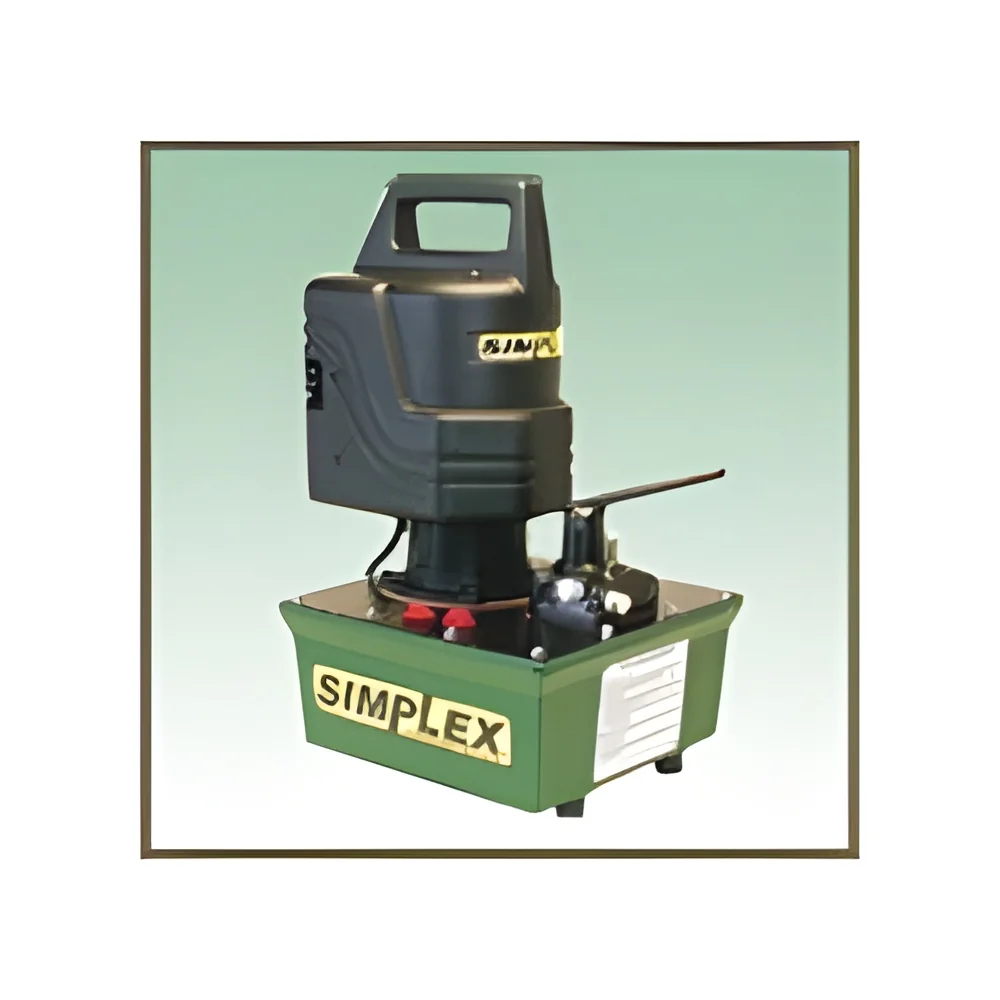
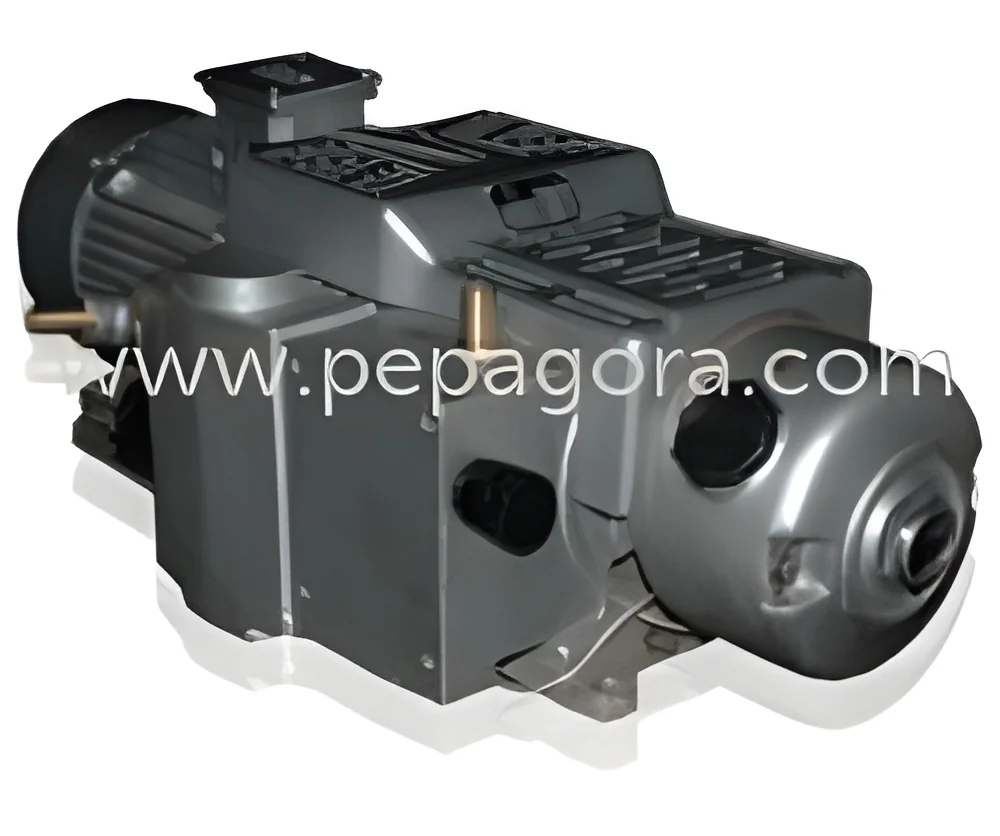
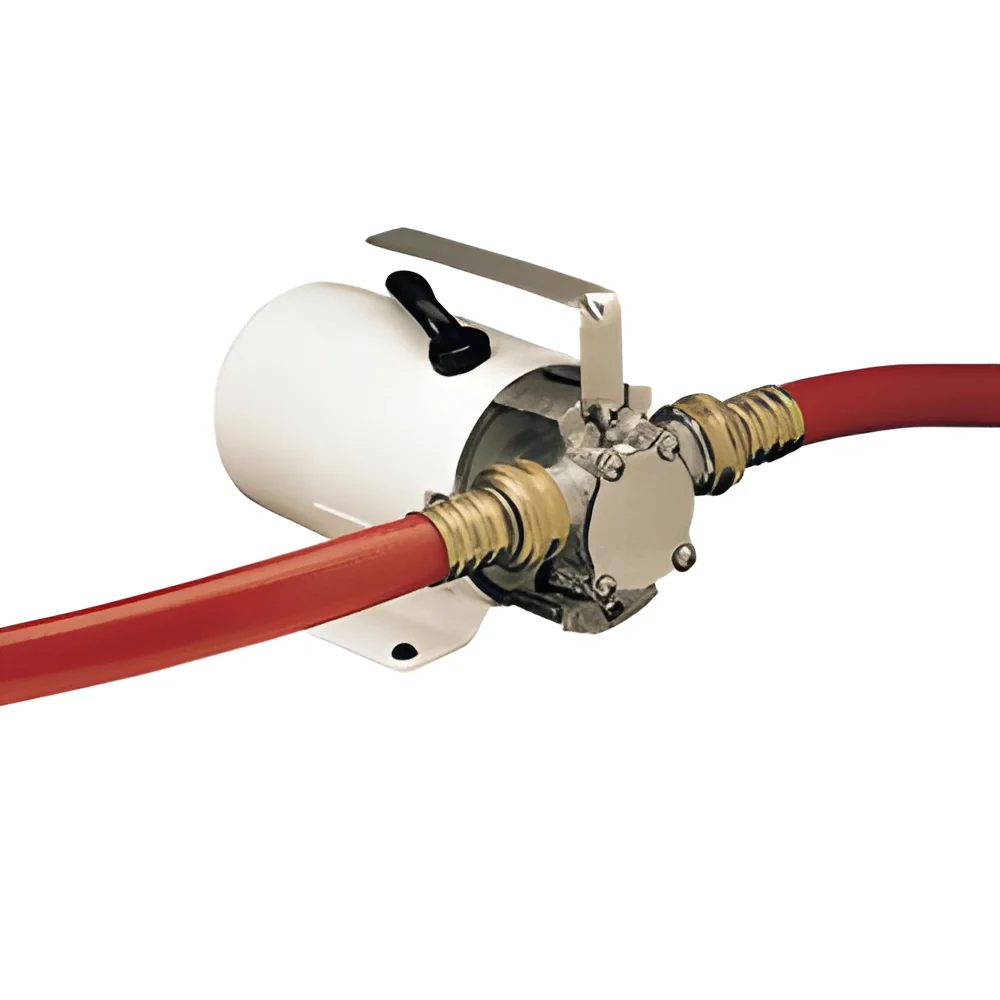
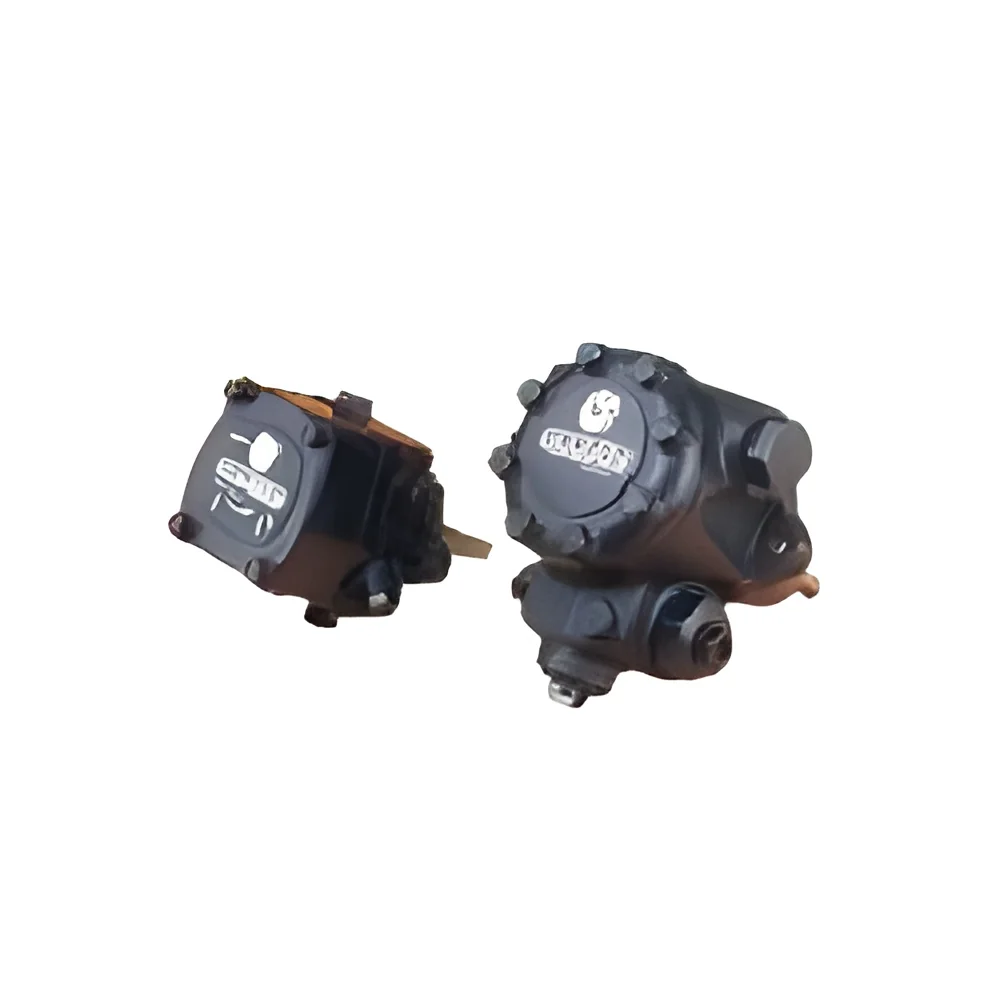
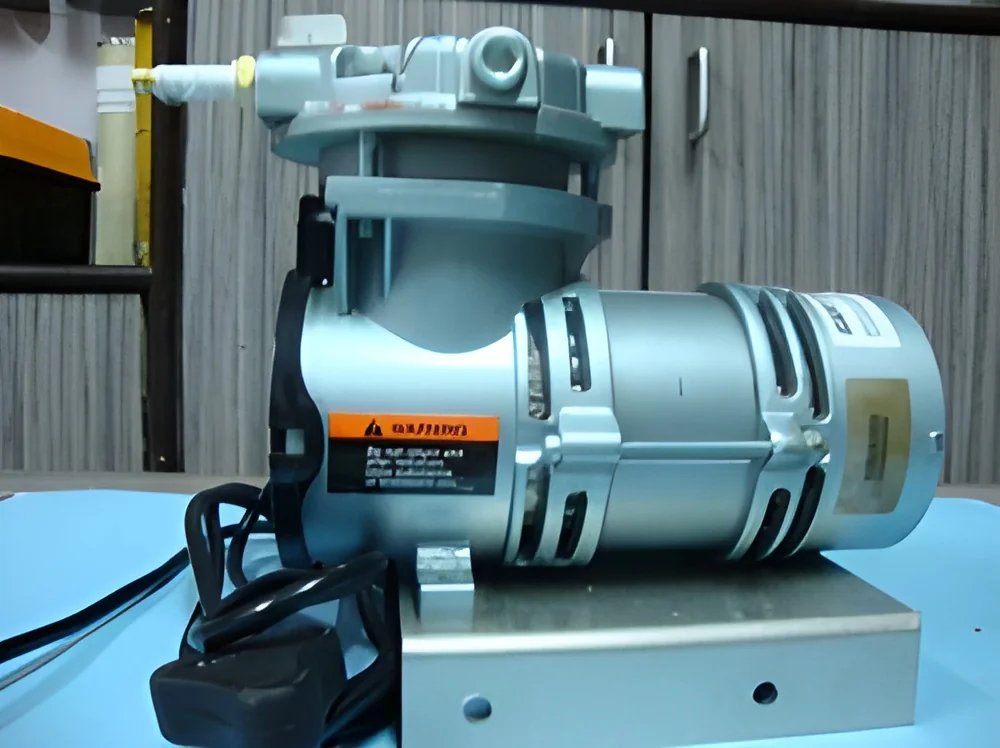
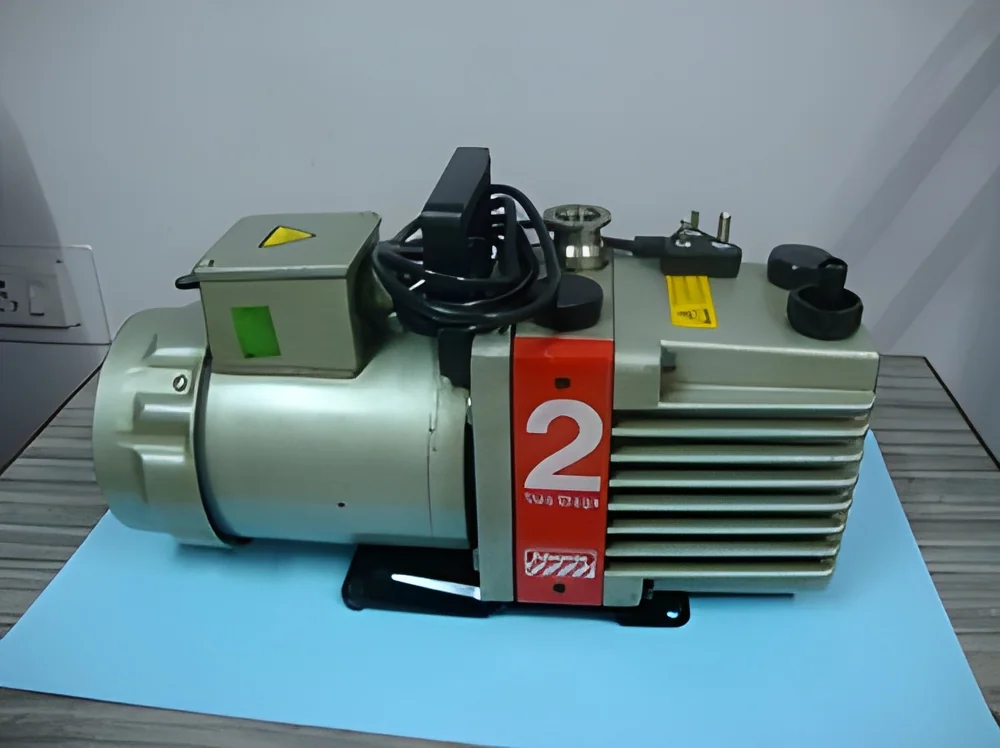
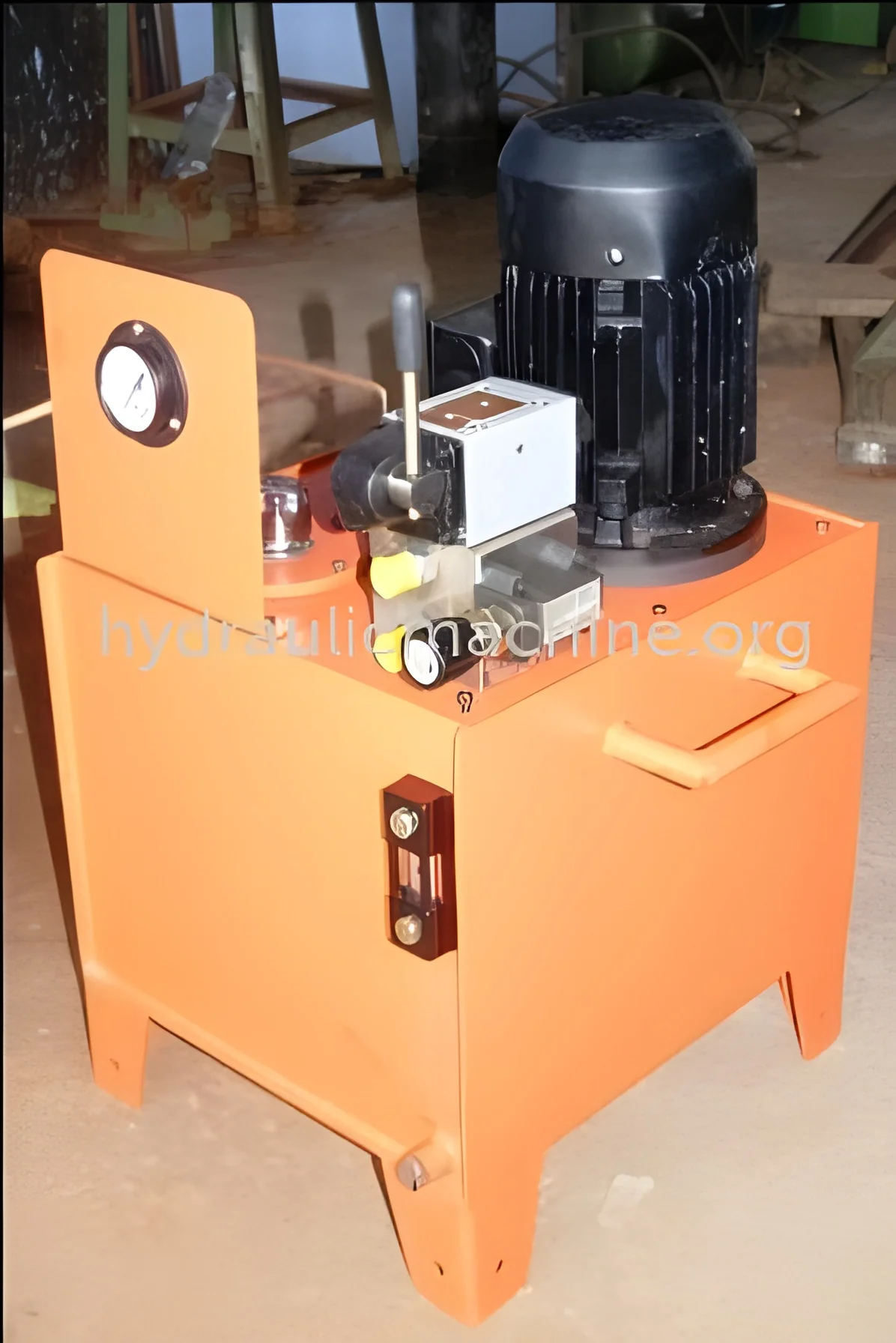
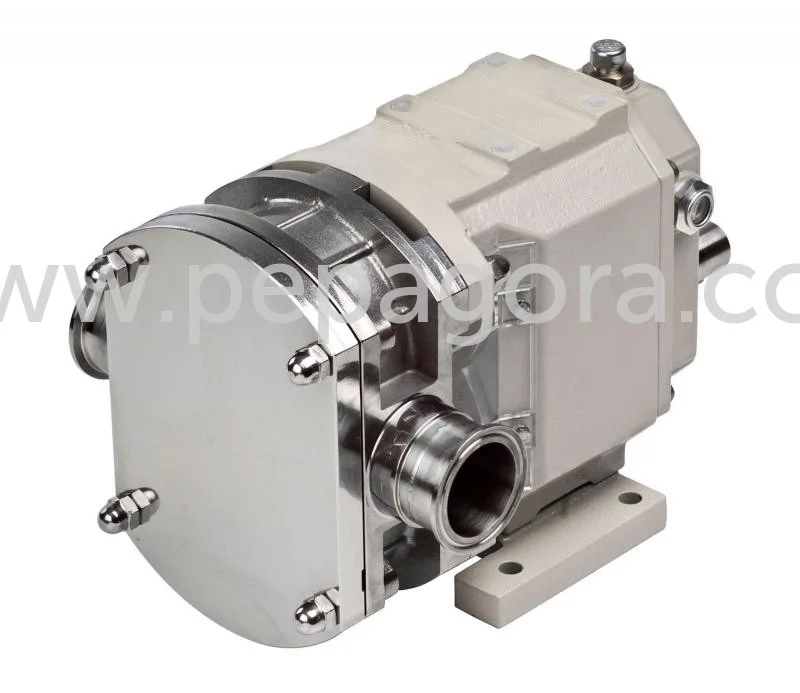
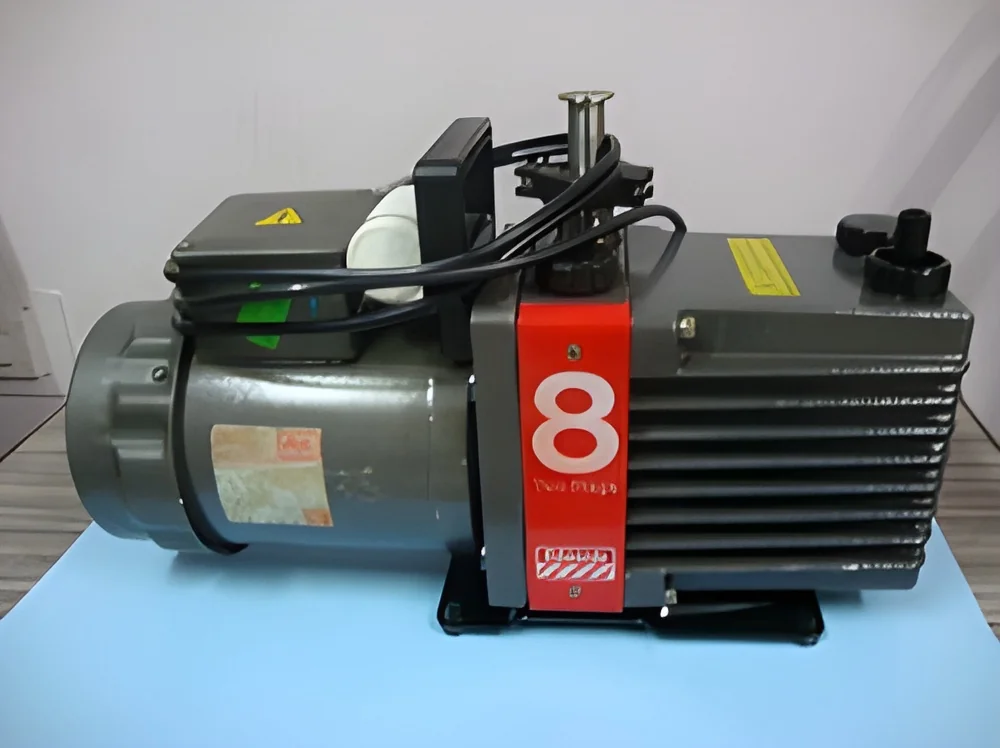
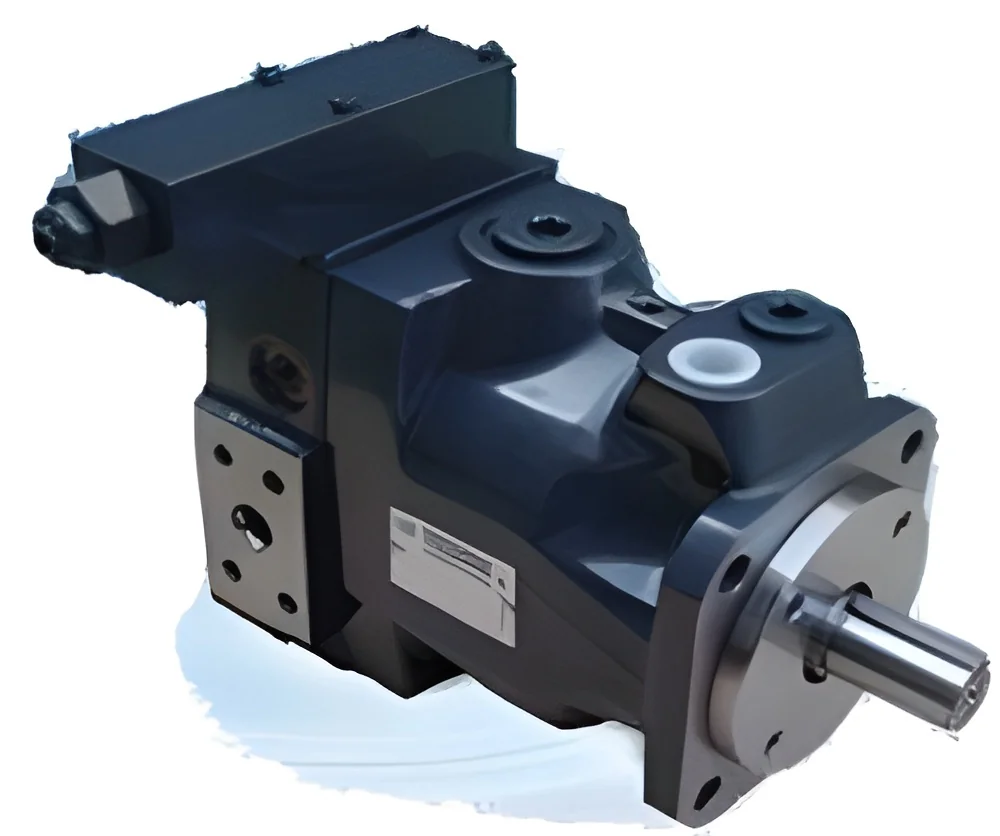
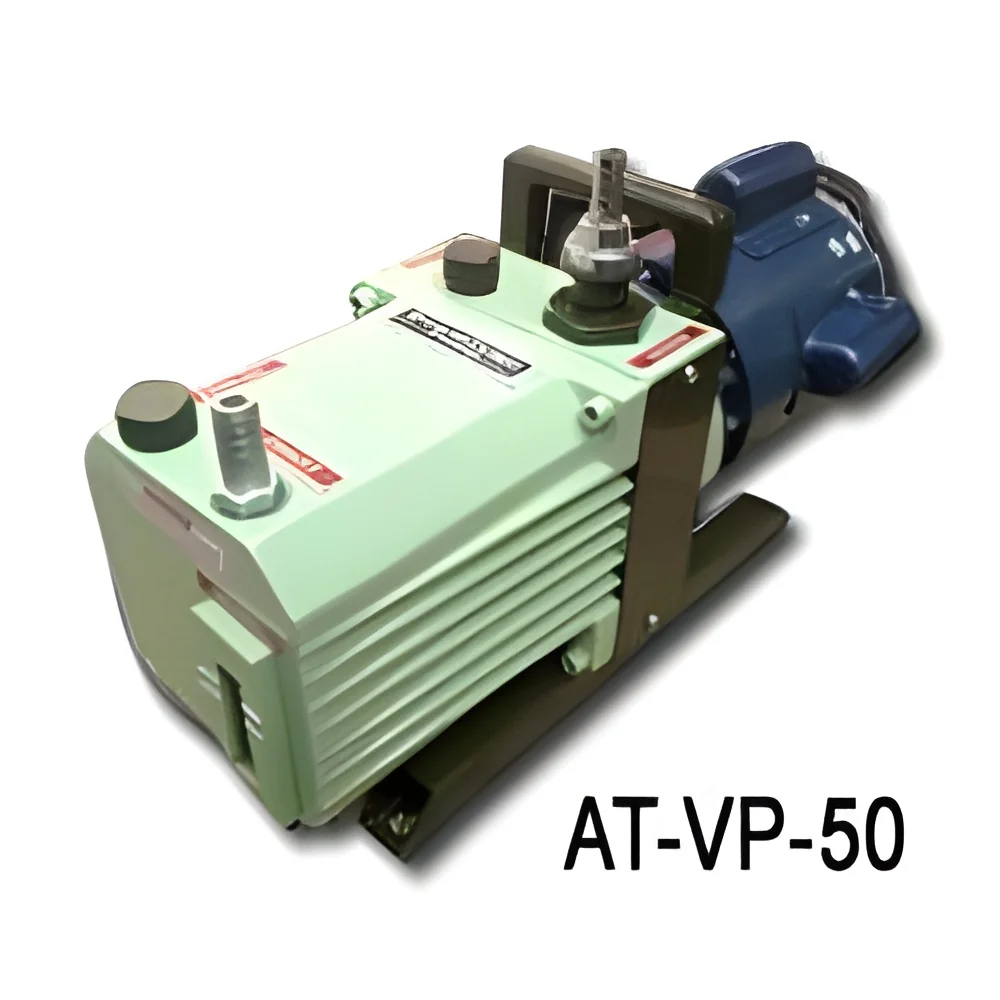
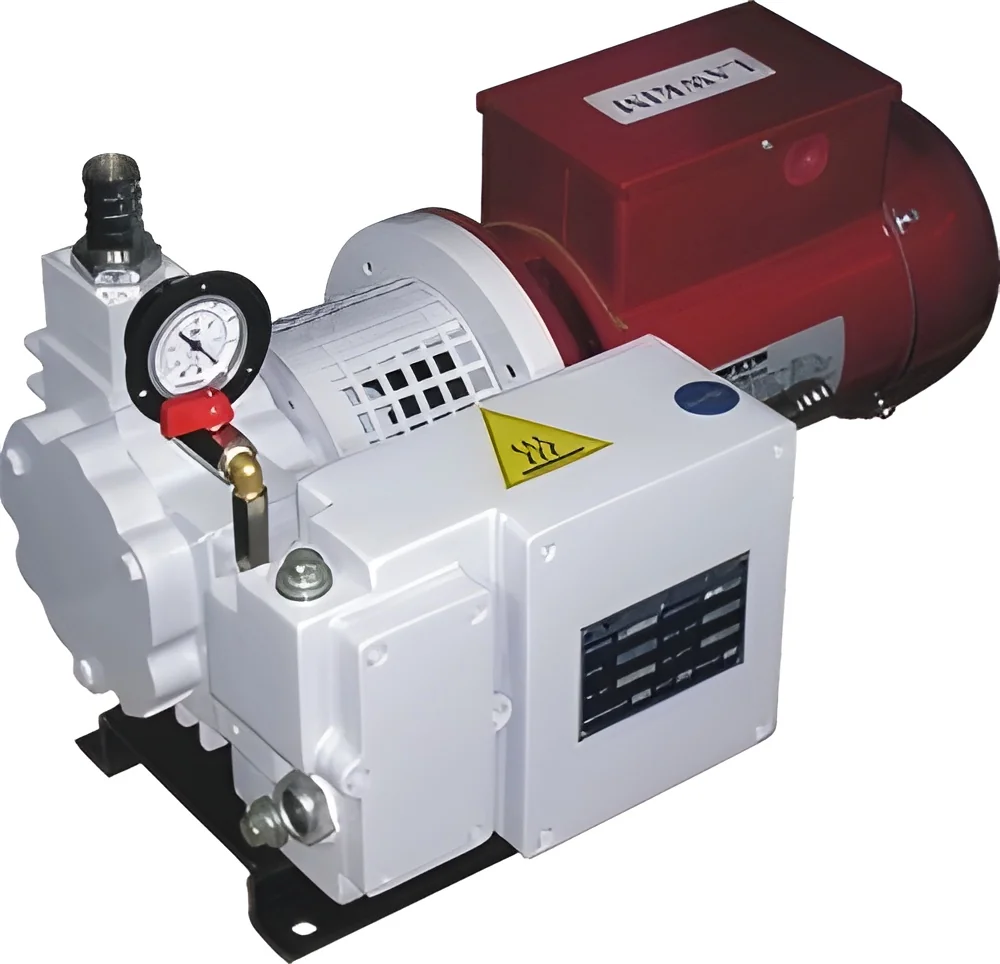
What are Oil Transfer Pumps?
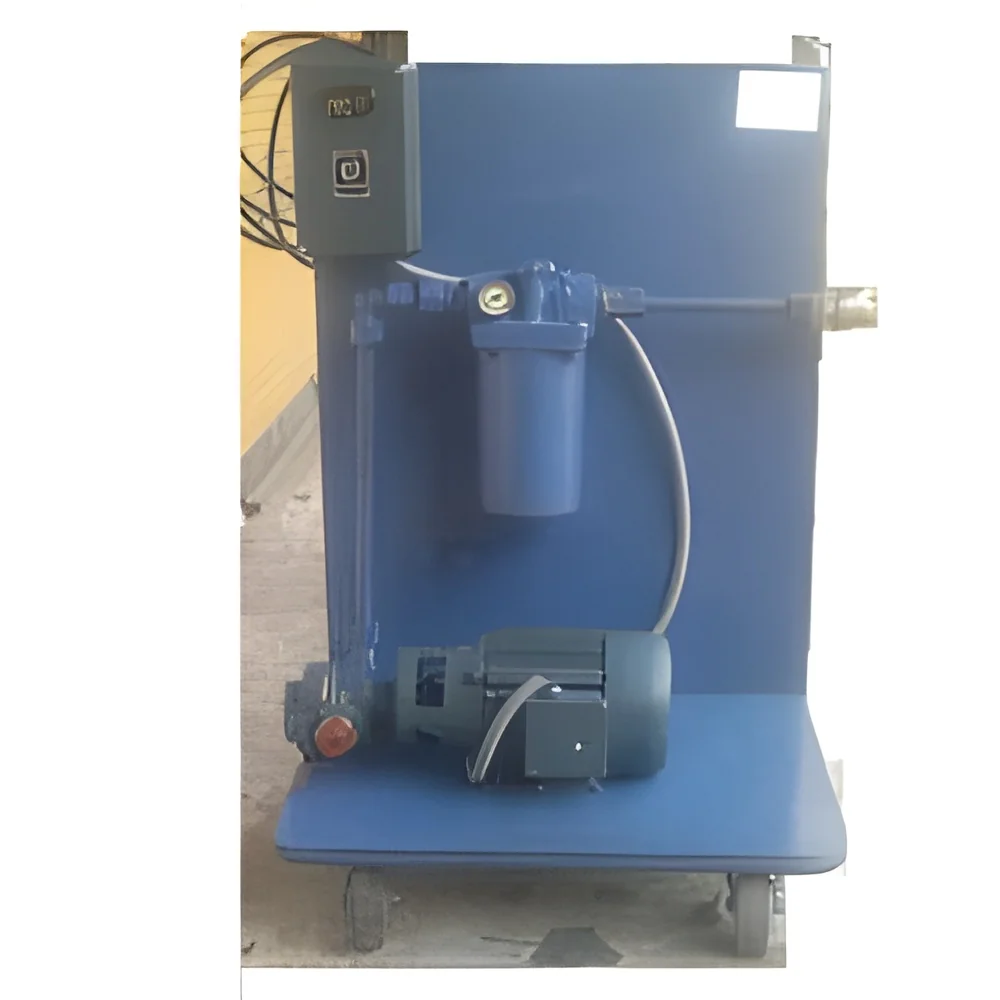
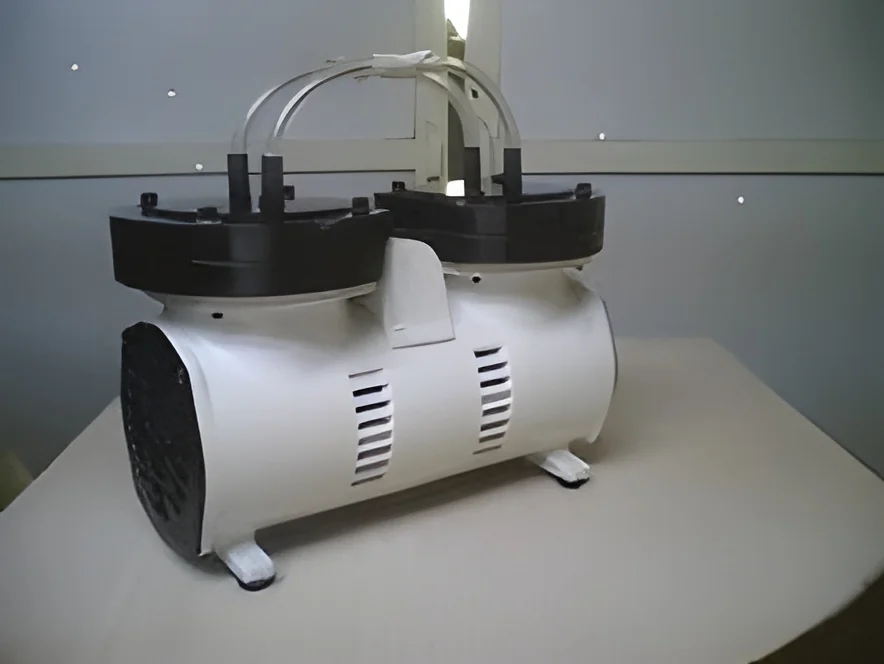
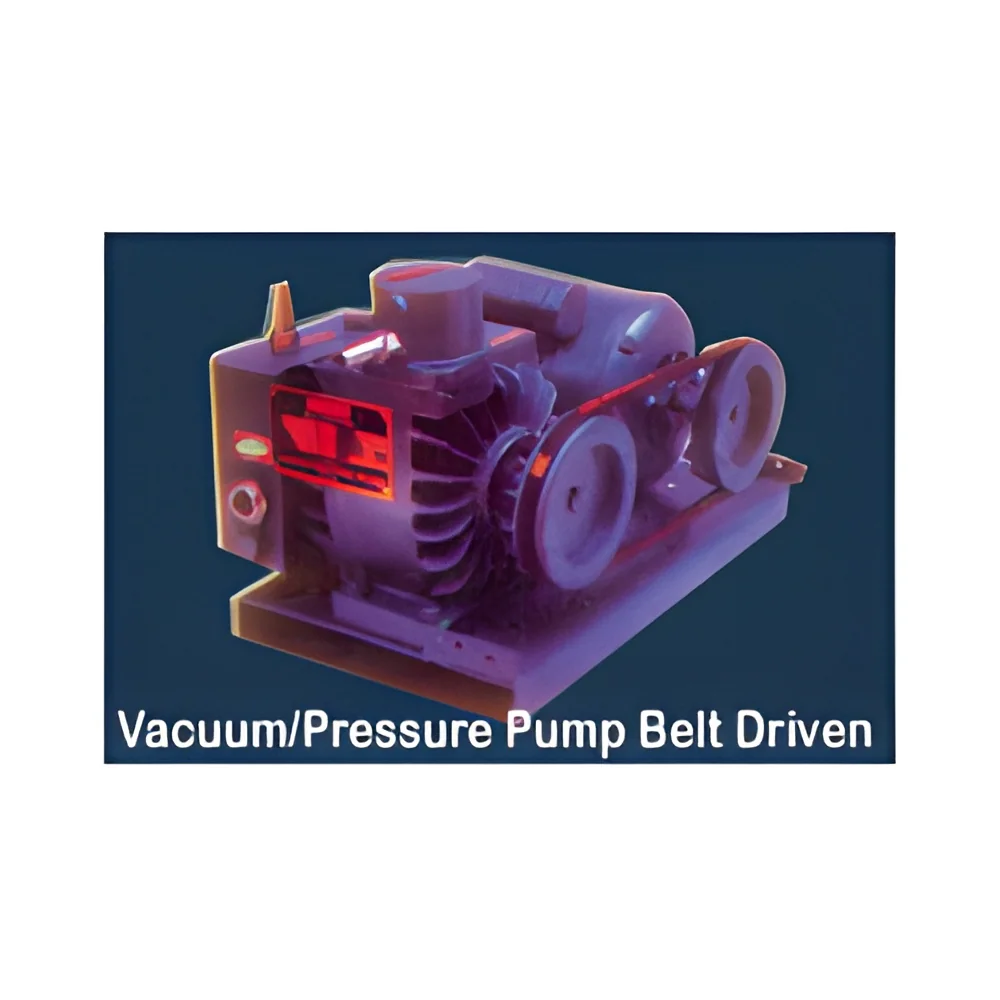
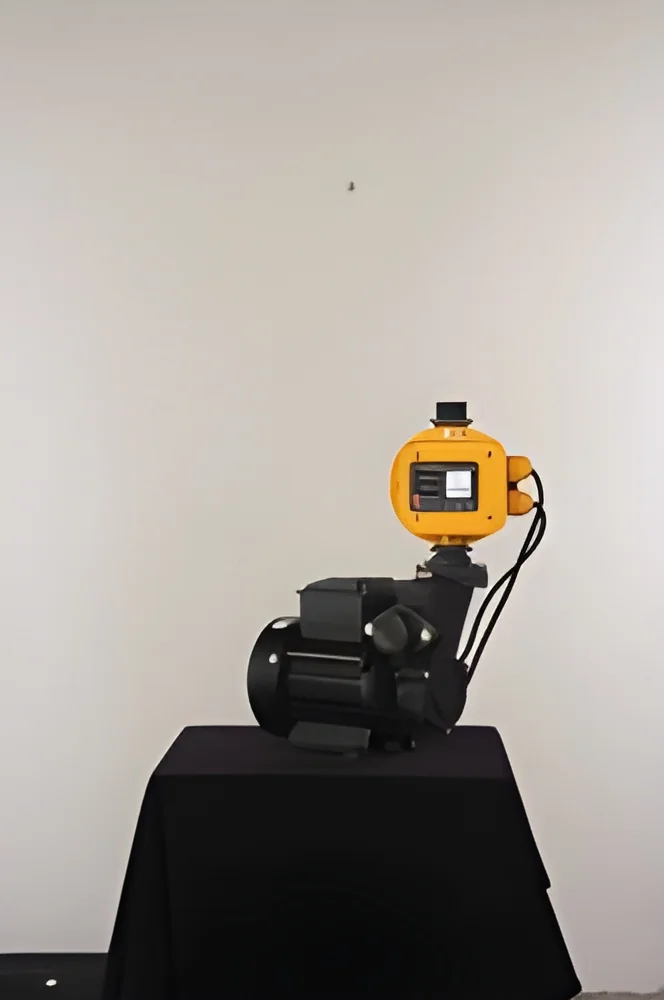
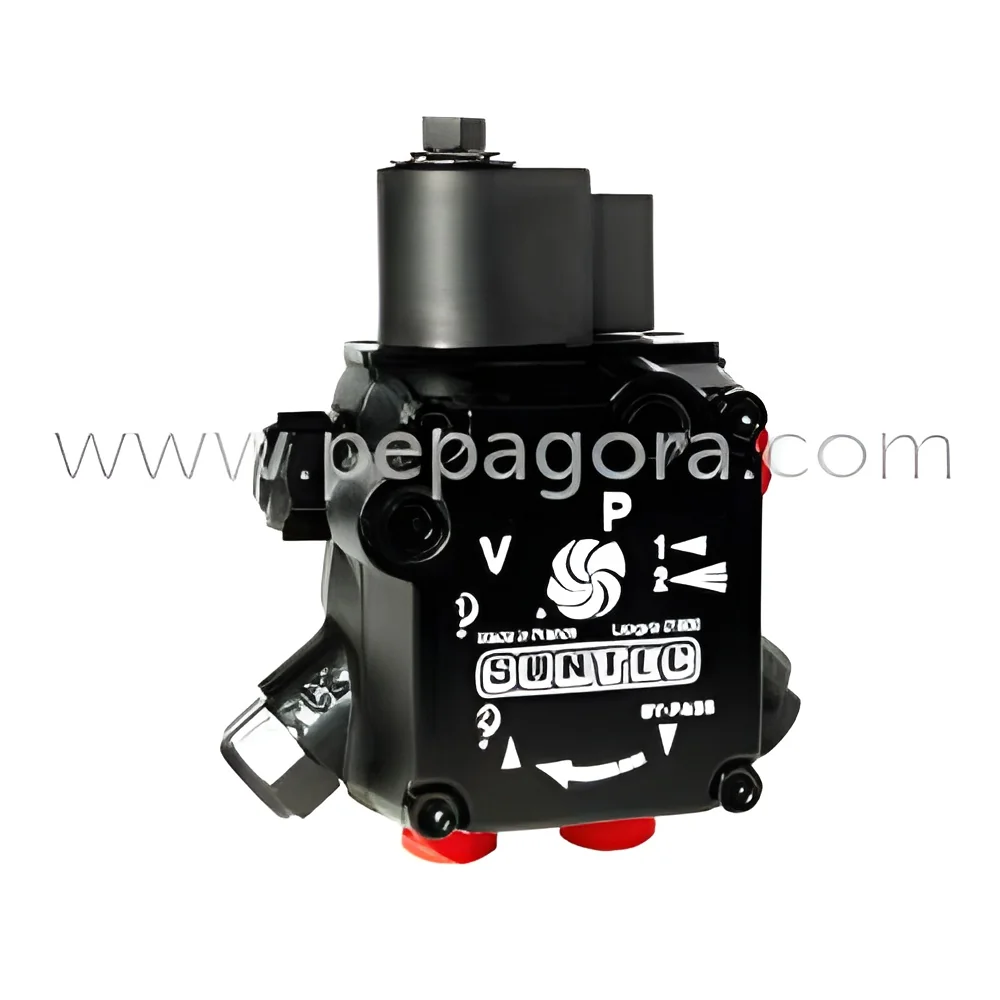
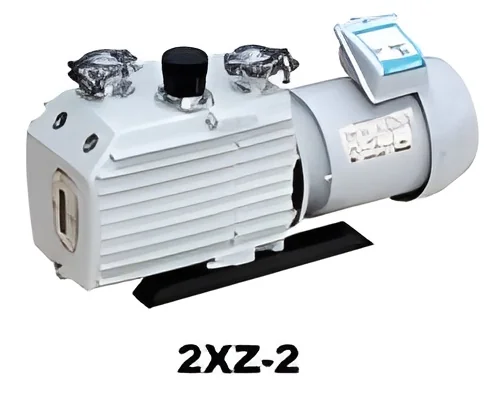
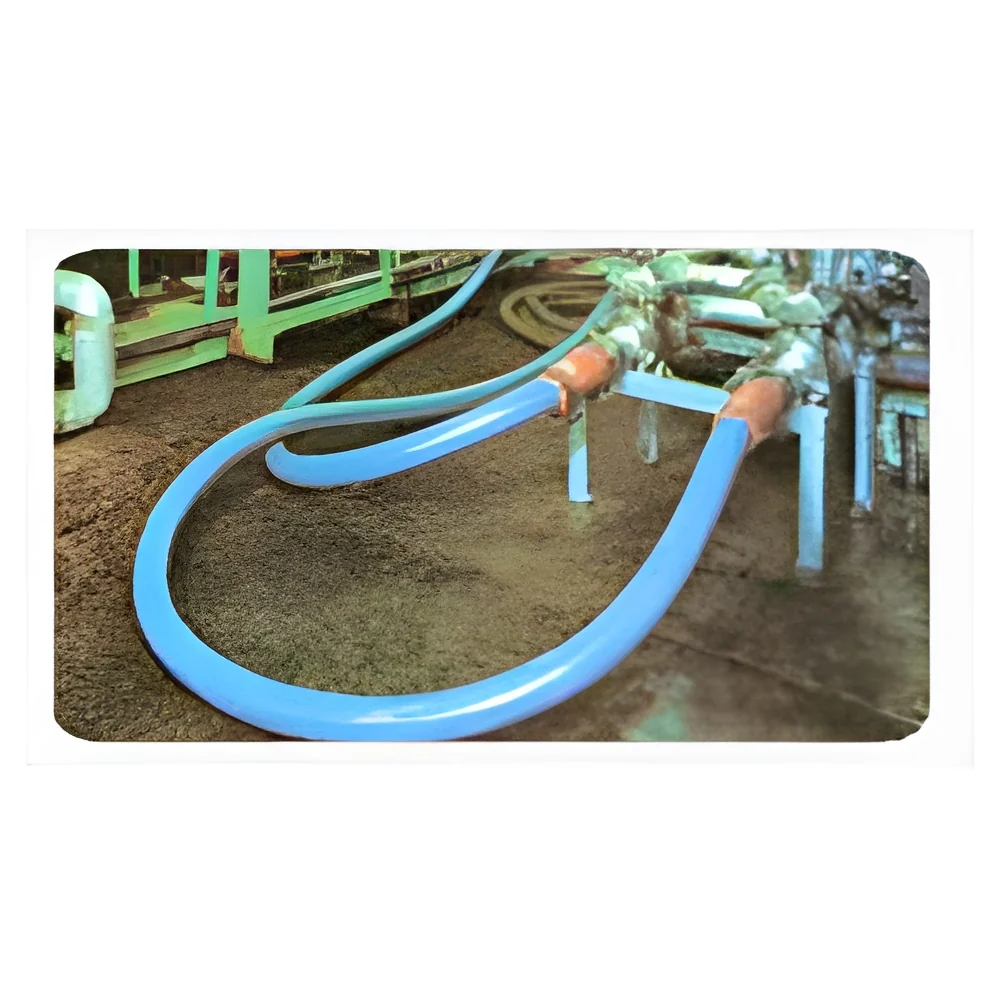
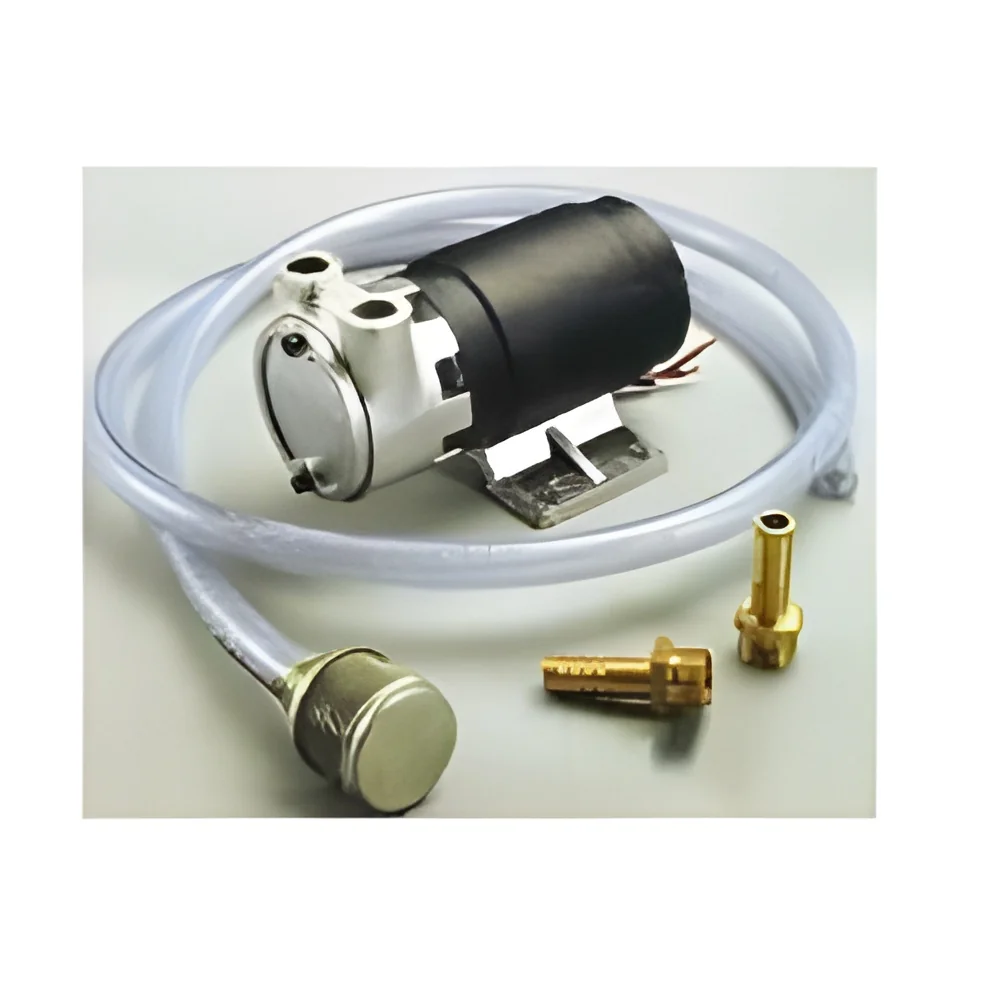
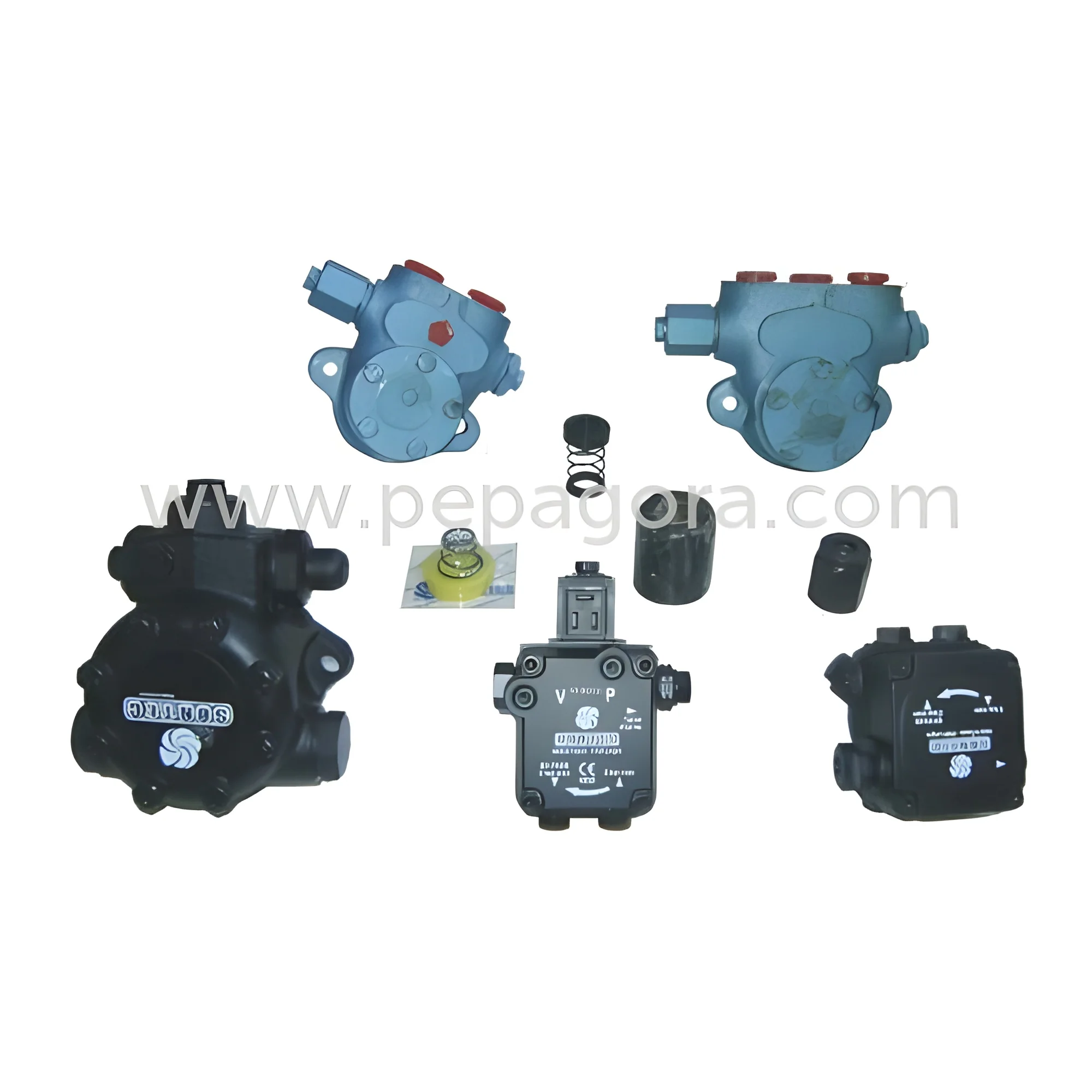
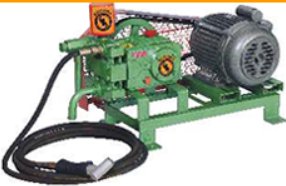
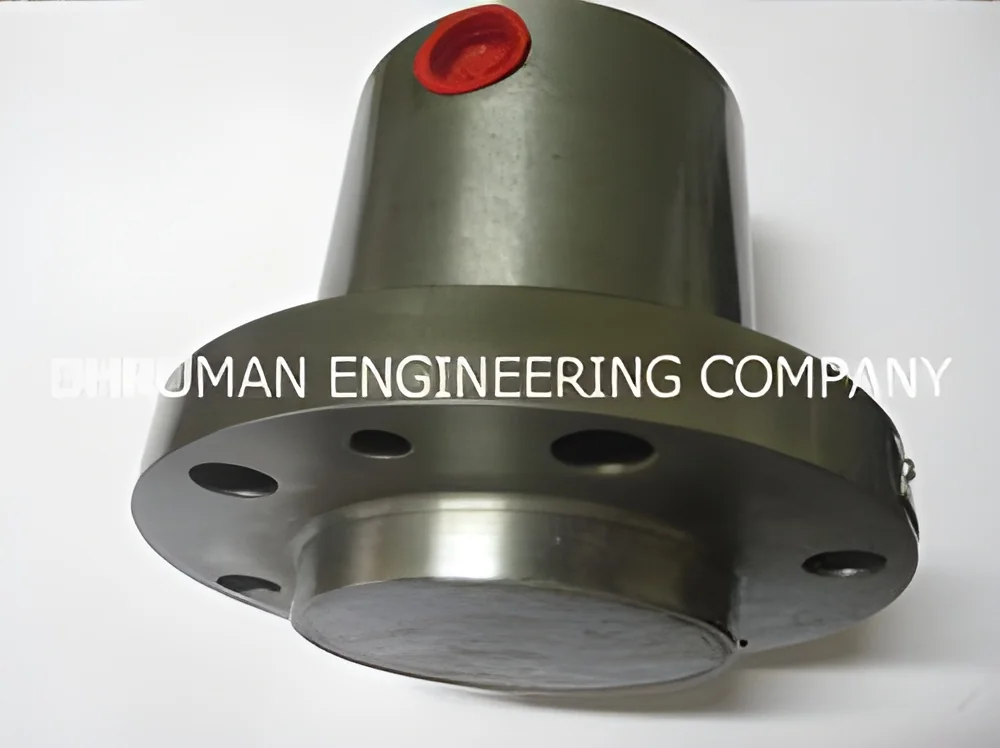
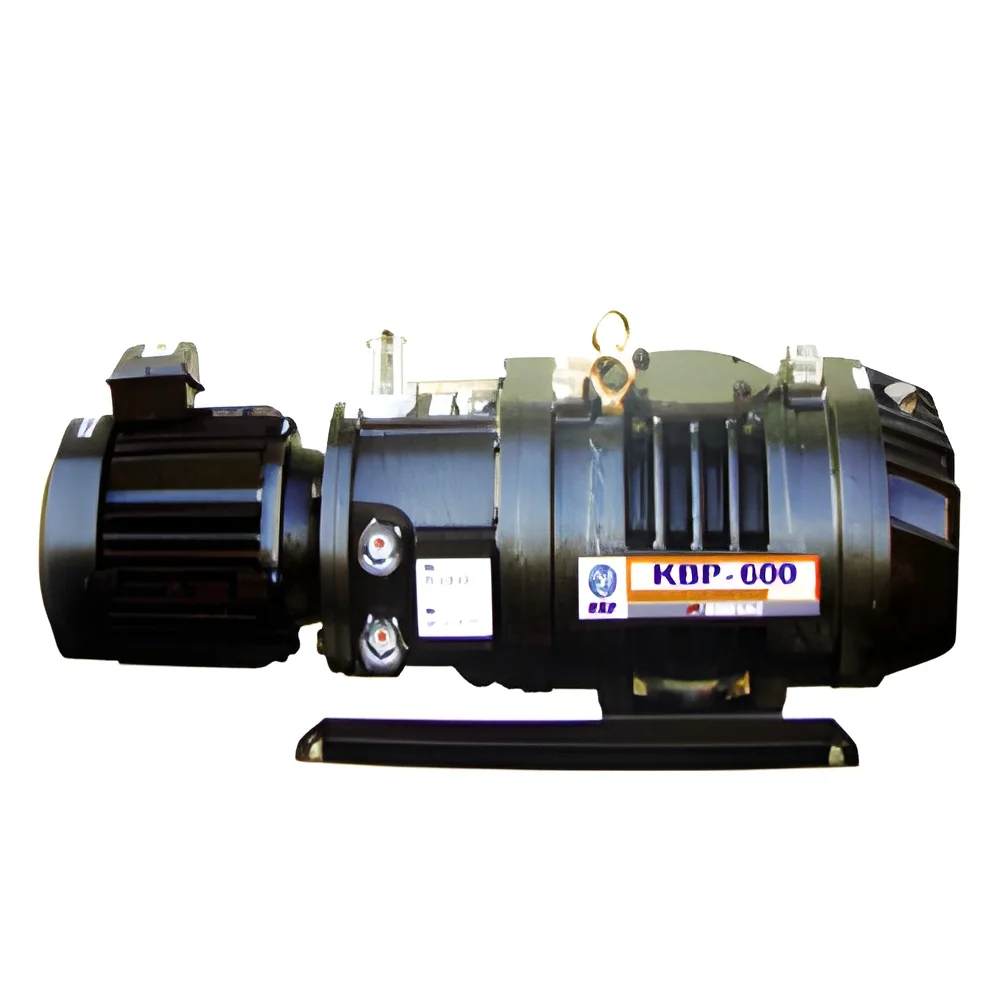
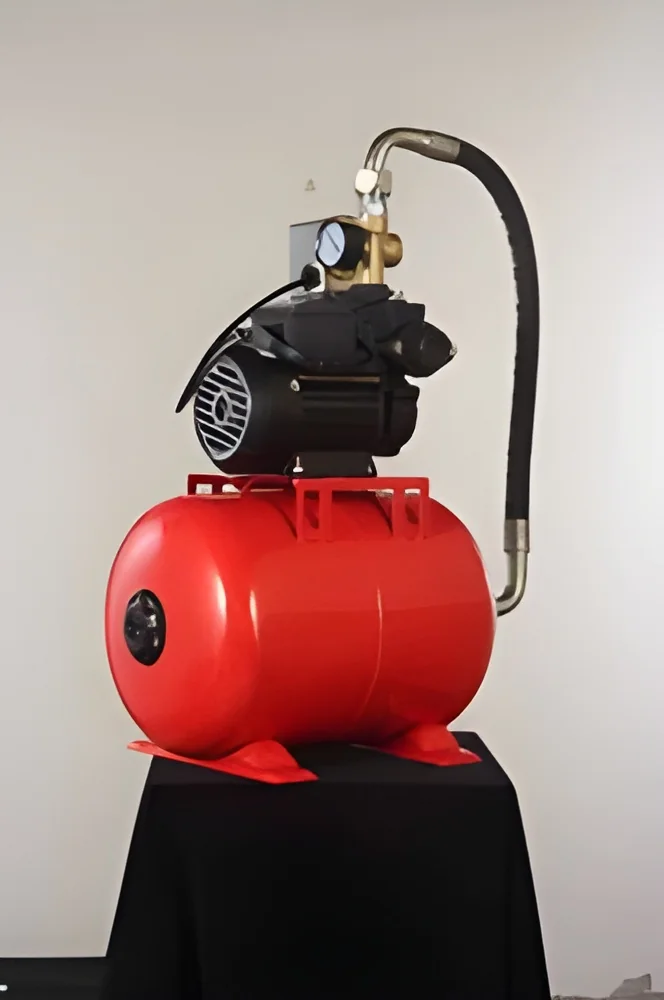
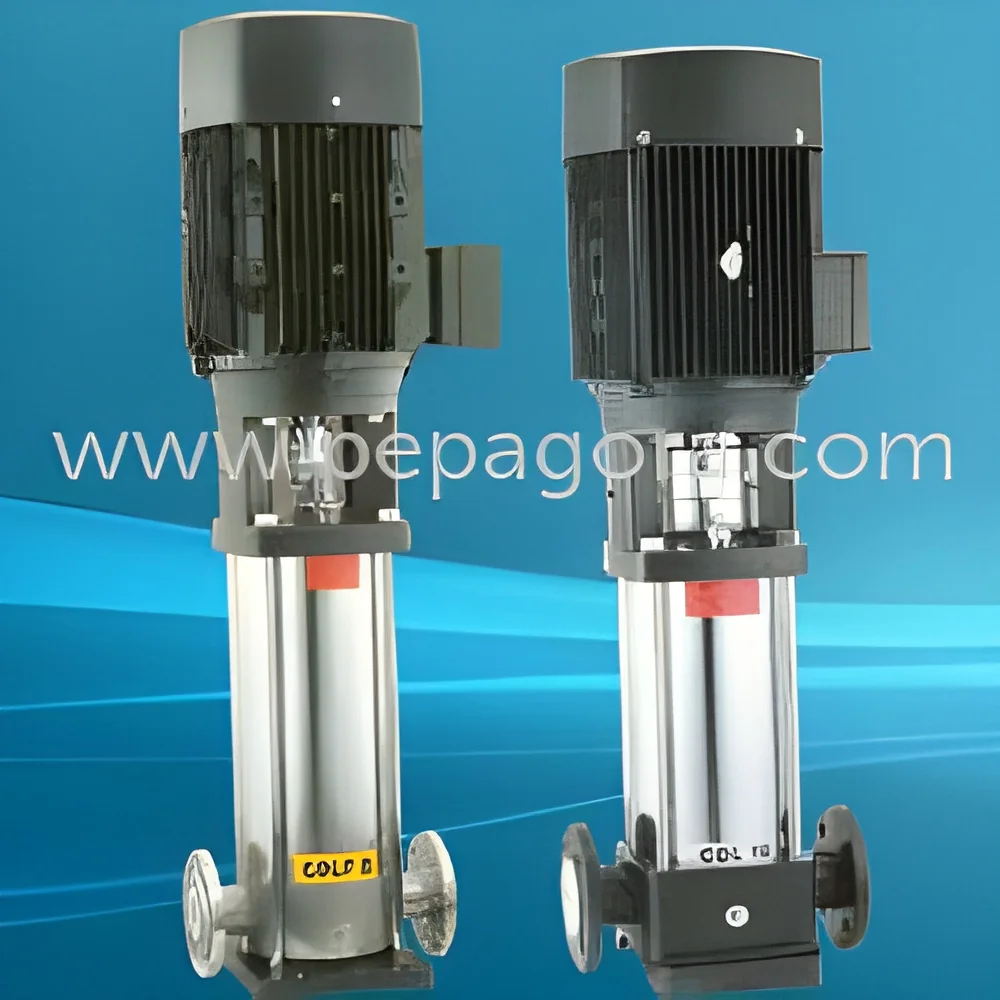
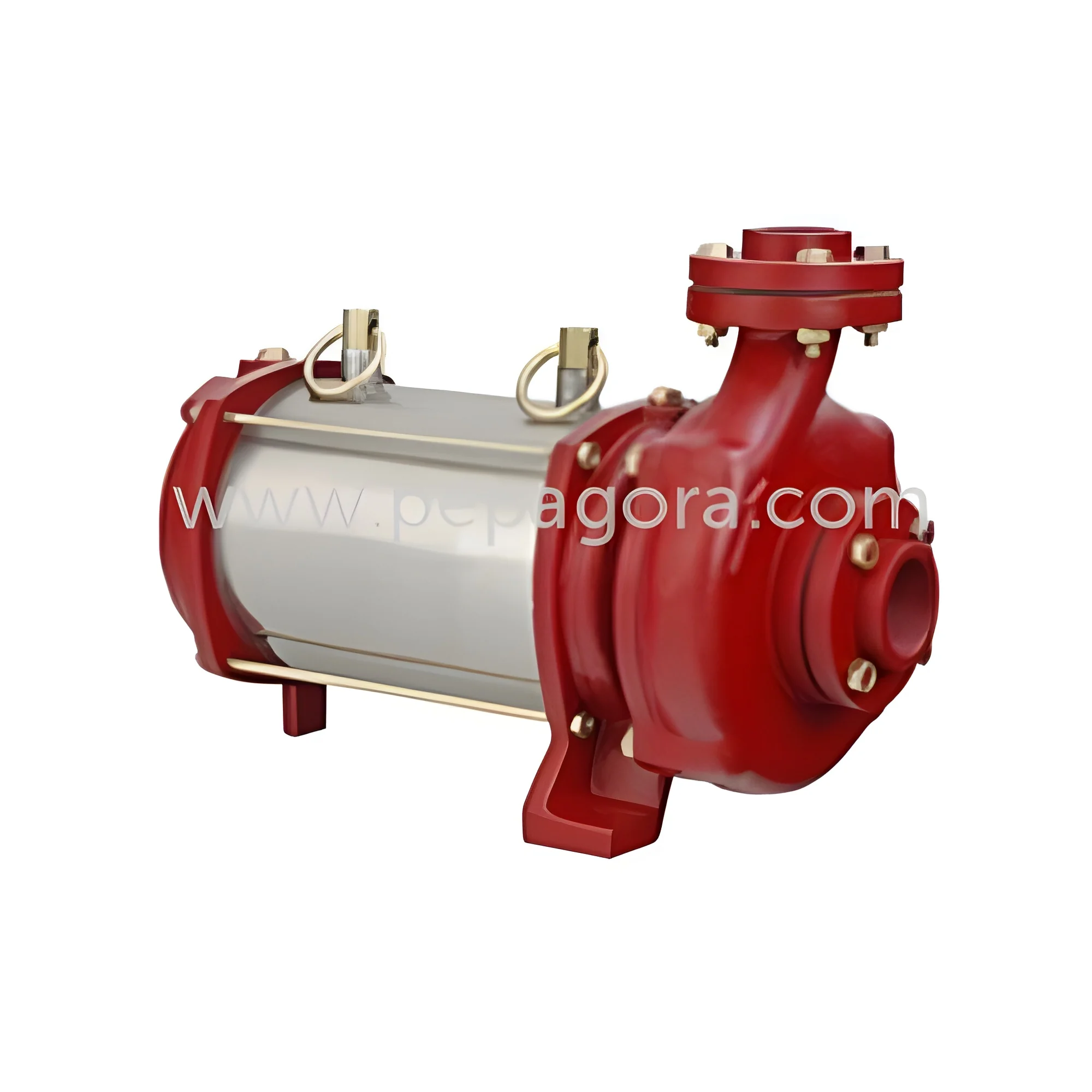
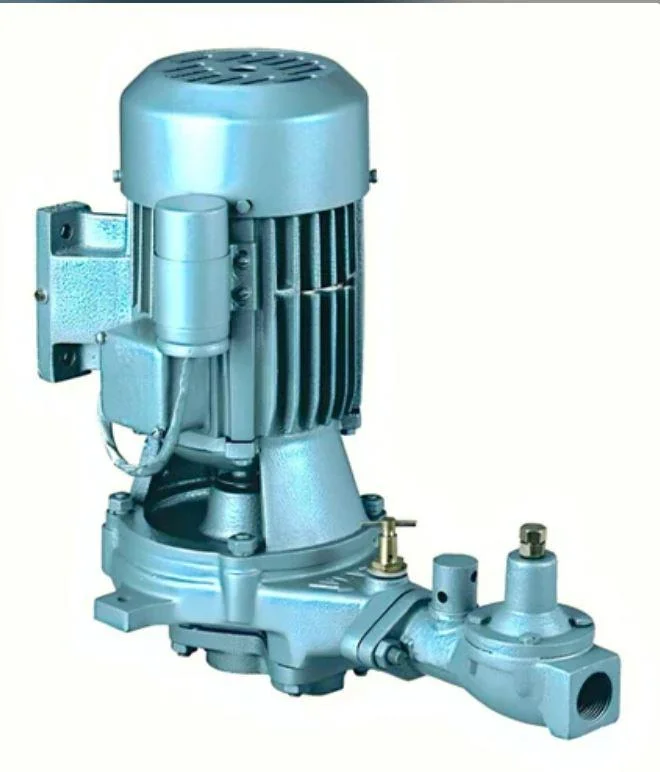
Oil transfer pumps are specialized devices designed for the efficient transfer of oil from one location to another. These pumps are essential in various industrial applications where oil needs to be moved, stored, or processed. They are engineered to handle different types of oil, including lubricants, crude oil, and fuel oils. The operation of these pumps can be manual or automated, depending on the specific requirements of the application.
The primary uses of oil transfer pumps include fueling machinery, oil refineries, and storage facilities. They play a critical role in ensuring a continuous supply of oil for both operational and maintenance purposes. Businesses in the automotive, manufacturing, and energy sectors rely heavily on these pumps to maintain their operations. The demand for oil transfer pumps has grown steadily due to the increasing need for efficient and safe oil handling in various industries.
Oil transfer pumps are relevant in today's market as they contribute to operational efficiency and safety. With rising energy demands and stringent safety regulations, the importance of reliable oil transfer solutions cannot be overstated. Industries are looking for pumps that not only meet their operational needs but also comply with safety and environmental standards.
Key Features and Specifications
Oil transfer pumps provide a range of features that enhance their efficiency and reliability. These features are critical for ensuring optimal performance in various applications. When selecting an oil transfer pump, it is essential to consider key specifications that align with your operational needs.
Key specifications include:
1. Flow Rate
- The flow rate indicates how much oil the pump can transfer within a specific timeframe.
- Typical flow rates range from 5 to 1000 liters per minute, depending on the pump type.
2. Pressure Rating
- The pressure rating defines the maximum pressure the pump can handle during operation.
- Pressure ratings can vary significantly, often falling between 1 to 10 bar.
3. Motor Type
- Oil transfer pumps can be equipped with electric or diesel engines.
- The choice of motor impacts the pump's portability and efficiency.
4. Material Construction
- Common materials include stainless steel, cast iron, and thermoplastics.
- Material choice affects durability and compatibility with different oil types.
5. Port Size
- Port sizes determine the compatibility of the pump with various hoses and connections.
- Standard port sizes typically range from 1/2 inch to 3 inches.
6. Power Supply
- Pumps can operate on various power sources, including AC, DC, or compressed air.
- Consideration of power supply is essential for operational flexibility.
7. Weight
- The weight of the pump can affect portability, especially for mobile applications.
- Weights can range from lightweight models at 5 kg to heavier industrial models over 100 kg.
8. Safety Features
- Many pumps include features such as overload protection and automatic shut-off.
- These enhance user safety and pump longevity.
In summary, selecting the right oil transfer pump involves understanding these specifications and how they align with operational needs, ensuring efficiency and safety in oil handling.
Common Applications and Use Cases
Oil transfer pumps find utility across a variety of industries, each with unique operational requirements. Understanding the applications helps in selecting the right pump for specific needs.
1. Automotive Industry: In automotive service centers, oil transfer pumps are used to transfer engine oil and lubricants efficiently. This ensures that vehicles are serviced quickly and effectively.
2. Manufacturing Industry: In manufacturing settings, oil transfer pumps are employed to supply lubricants for machinery. This helps maintain equipment functionality and prolongs machinery lifespan.
3. Energy Sector: Oil transfer pumps are essential in the energy sector for transporting crude oil and fuel oils. They play a vital role in supply chain logistics and operational efficiency.
4. Marine Industry: In marine applications, these pumps are used for bunkering operations, transferring fuel oil to ships and vessels. This process is critical for ensuring timely departures and operational efficiency.
5. Construction: Oil transfer pumps are used on construction sites to fuel heavy machinery. This ensures that equipment remains operational and projects stay on schedule.
6. Aviation: In the aviation sector, these pumps are critical for refueling aircraft. Efficient oil transfer minimizes downtime and enhances safety.
7. Agriculture: Oil transfer pumps are utilized for fueling farming equipment and machinery. This supports agricultural operations and productivity.
Product Variants and Subcategories
Oil transfer pumps come in various configurations to suit different operational needs. Understanding the available variants helps businesses choose the most suitable option.
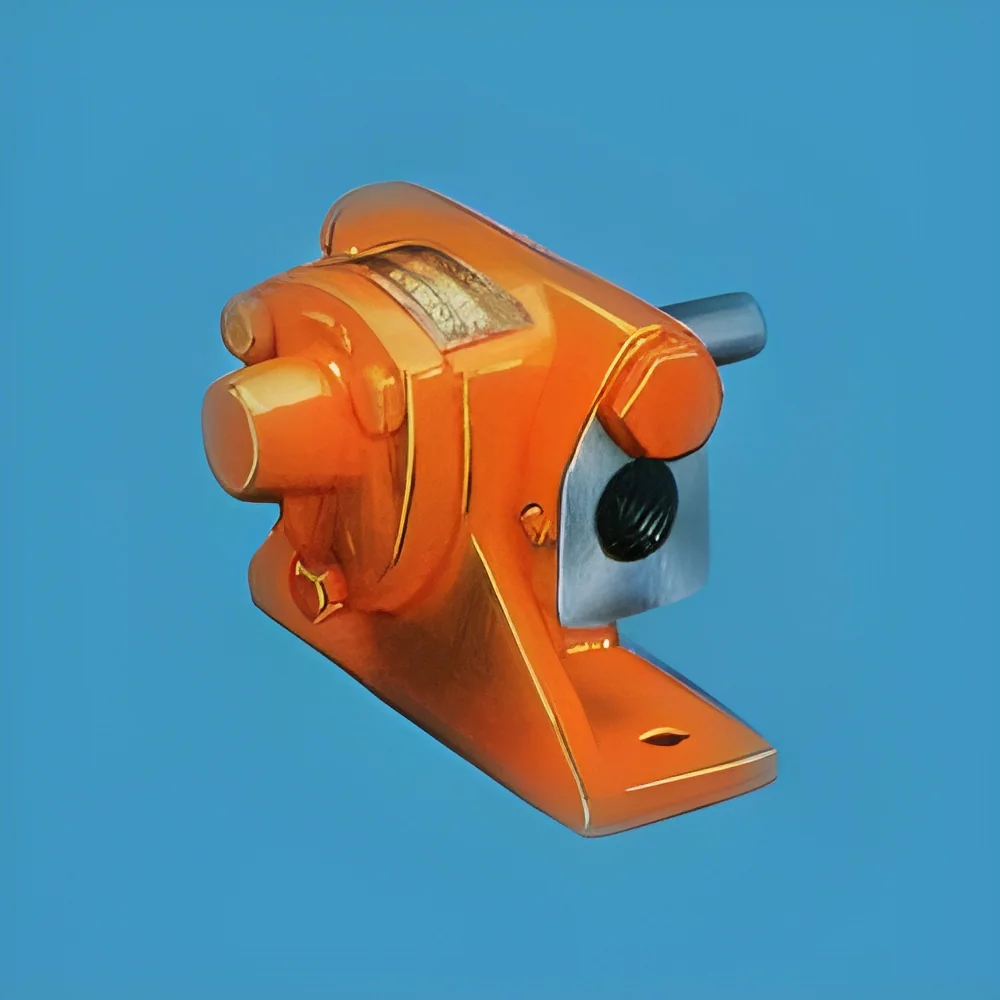
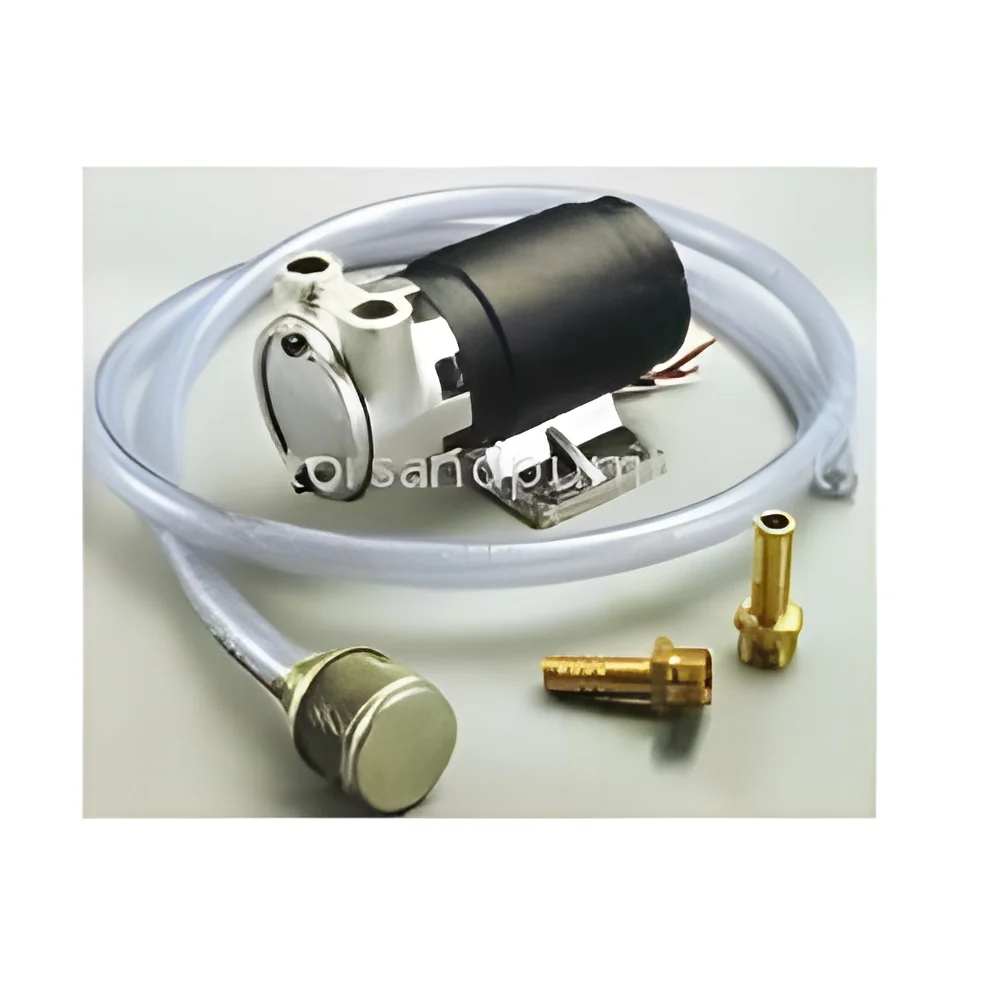
Portable Oil Transfer Pumps: These pumps are designed for mobility and ease of use. They are ideal for applications that require frequent relocation, such as construction sites or service stations.
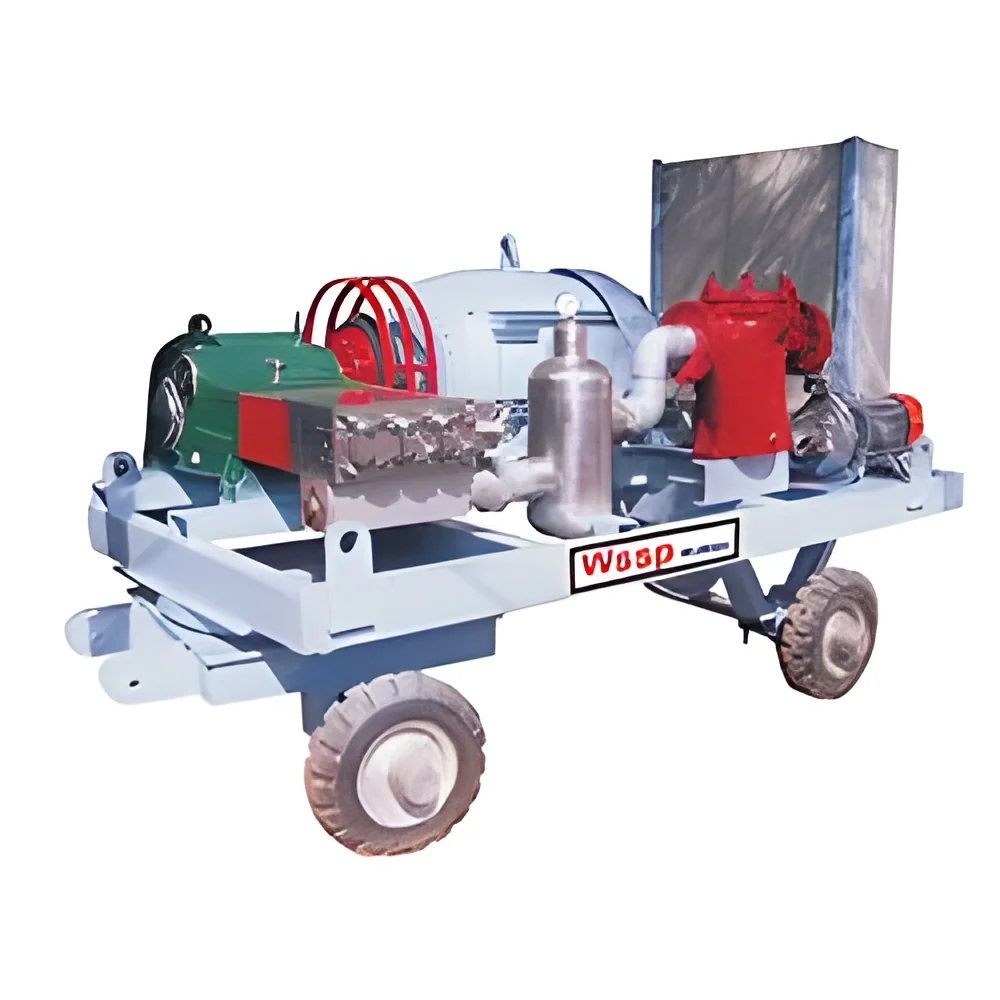
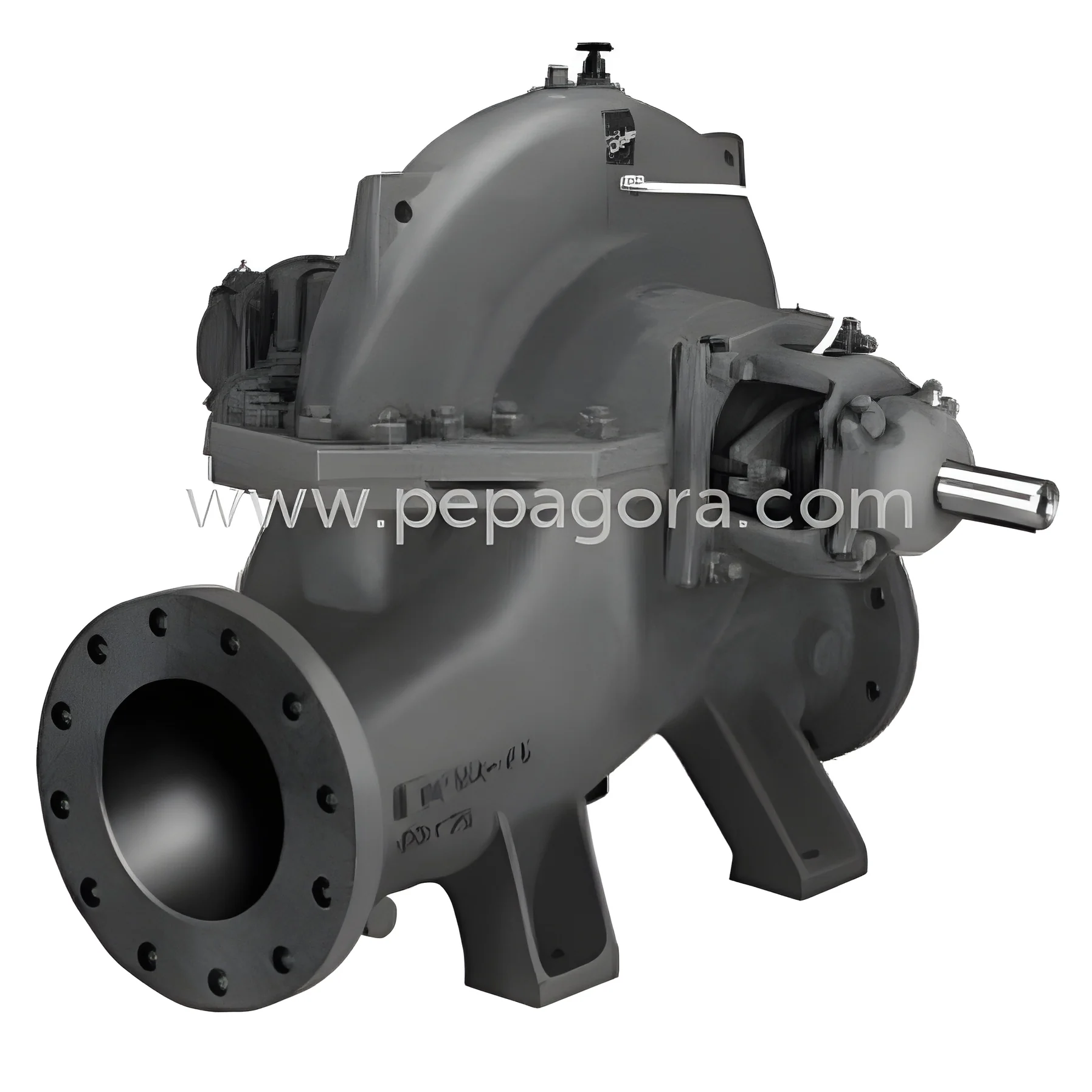
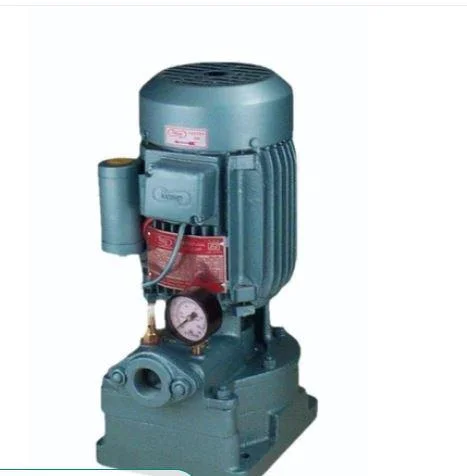
Industrial Oil Transfer Pumps: Built for high-volume transfer in fixed locations, these pumps offer robust performance and durability. They are suitable for refineries and large manufacturing facilities.
Electric Oil Transfer Pumps: These pumps operate on electric power, making them efficient and easy to use in diverse environments. They are often used in automotive and light industrial applications.
Manual Oil Transfer Pumps: Designed for simple operation without electrical components, these pumps are typically used in smaller-scale applications or where power sources are limited.
Benefits and Advantages
Choosing the right oil transfer pump offers numerous benefits to businesses across industries. These advantages can significantly impact operational efficiency and safety.
1. Improved Efficiency: Oil transfer pumps enhance the speed of oil movement, reducing downtime and increasing productivity.
2. Enhanced Safety: Many pumps come with safety features that minimize the risk of spills and accidents, ensuring a safer working environment.
3. Versatility: Oil transfer pumps can handle various oil types, making them suitable for multiple applications across different industries.
4. Cost Savings: By improving oil transfer processes, businesses can save on labor costs and reduce waste, leading to overall cost savings.
5. Ease of Use: Many oil transfer pumps are designed for user-friendly operation, allowing for quick training and efficient use.
6. Reliability: High-quality oil transfer pumps are built to last, ensuring consistent performance and minimizing maintenance needs.
Buying Guide for B2B Buyers
When sourcing oil transfer pumps, a systematic approach is essential to ensure optimal selection and purchase. Consider the following factors to make informed decisions.
1. Quality Assessment: Evaluate the pump's quality by reviewing manufacturer specifications and customer feedback. Look for pumps that comply with industry standards for durability and performance.
2. Supplier Verification: Vet suppliers by checking their industry reputation, certifications, and past performance. A reliable supplier ensures you receive quality products and support.
3. Pricing and MOQ: Understand the pricing structure and minimum order quantities. This helps in budgeting and ensures you meet your operational needs without overspending.
4. Delivery and Lead Times: Confirm delivery times and logistics options with suppliers. Timely delivery is crucial for maintaining operational schedules.
5. Compliance Requirements: Ensure that the pumps meet relevant regulatory standards and certifications, such as CE marking, to avoid compliance issues.
Compliance and Certifications
Compliance with industry standards and regulations is crucial for oil transfer pumps. These standards ensure safety, reliability, and efficiency in their operation.
Relevant quality standards include ISO 9001, which defines the requirements for a quality management system. Compliance with this standard assures buyers of consistent quality and operational excellence.
Industry certifications, such as CE marking, indicate that the products meet European safety, health, and environmental protection standards. This certification is essential for manufacturers aiming to access European markets.
Safety and testing requirements are also paramount, as they ensure that the pumps operate safely under various conditions. Regular testing and maintenance are necessary to uphold these standards.
Regional compliance considerations may vary, so it is essential for buyers to be aware of local regulations regarding oil handling and equipment safety.
Why Source Oil Transfer Pumps from Pepagora?
Pepagora provides a trusted platform for sourcing oil transfer pumps, offering several key advantages that facilitate the purchasing process for B2B buyers.
Verified Supplier Network: Pepagora features a network of verified suppliers who meet stringent quality and compliance standards. This helps ensure that buyers have access to reliable products.
Streamlined RFQ Process: The request for quotation (RFQ) process on Pepagora is designed for efficiency, allowing buyers to receive multiple quotes quickly and compare options seamlessly.
Trade Assurance and Support: Pepagora offers trade assurance to protect buyers throughout the transaction process. This support ensures that buyers can engage in transactions with confidence.
Regional Coverage: With a strong presence in India, the GCC, and Southeast Asia, Pepagora connects buyers to suppliers across these regions, facilitating access to quality oil transfer pumps tailored to local needs.
By choosing Pepagora, businesses can simplify their sourcing process while ensuring they receive high-quality oil transfer pumps that meet their operational requirements.

 IN
IN