
 IN
Pressure Reducing Valves
13 products available
What are Pressure Reducing Valves?
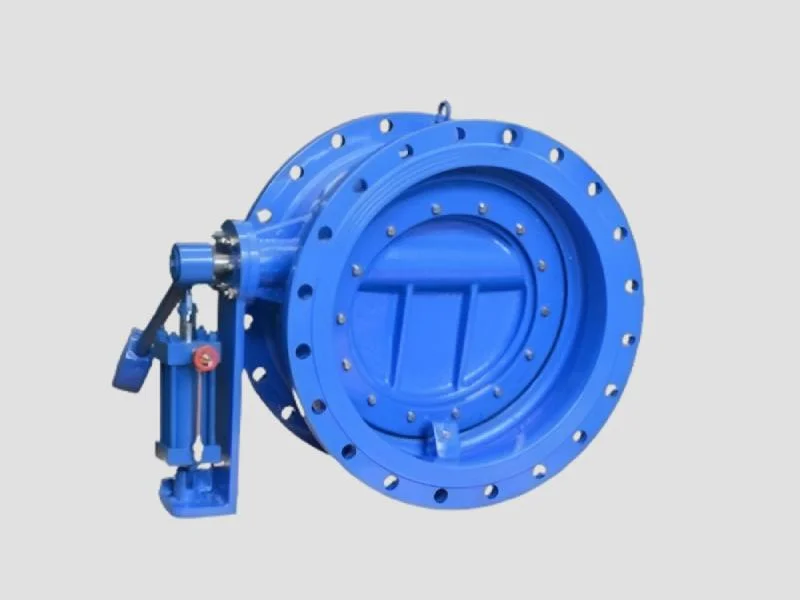
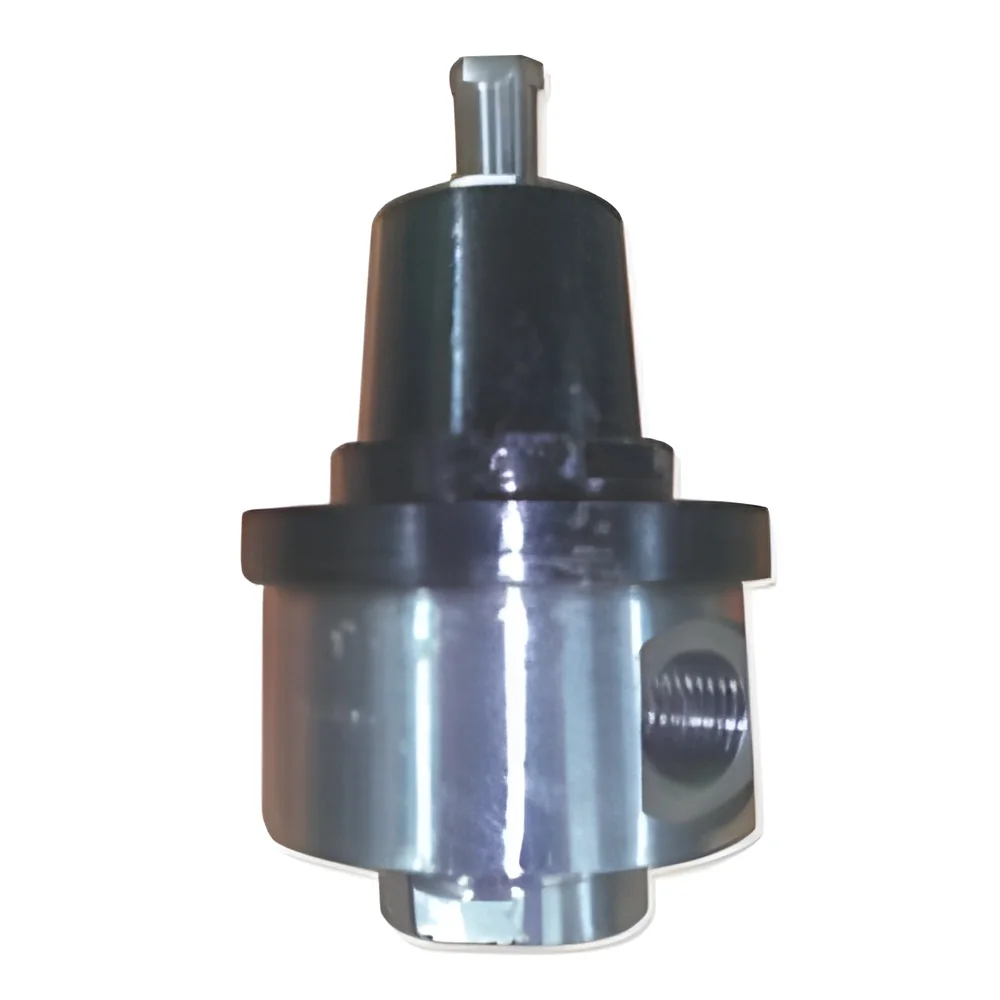
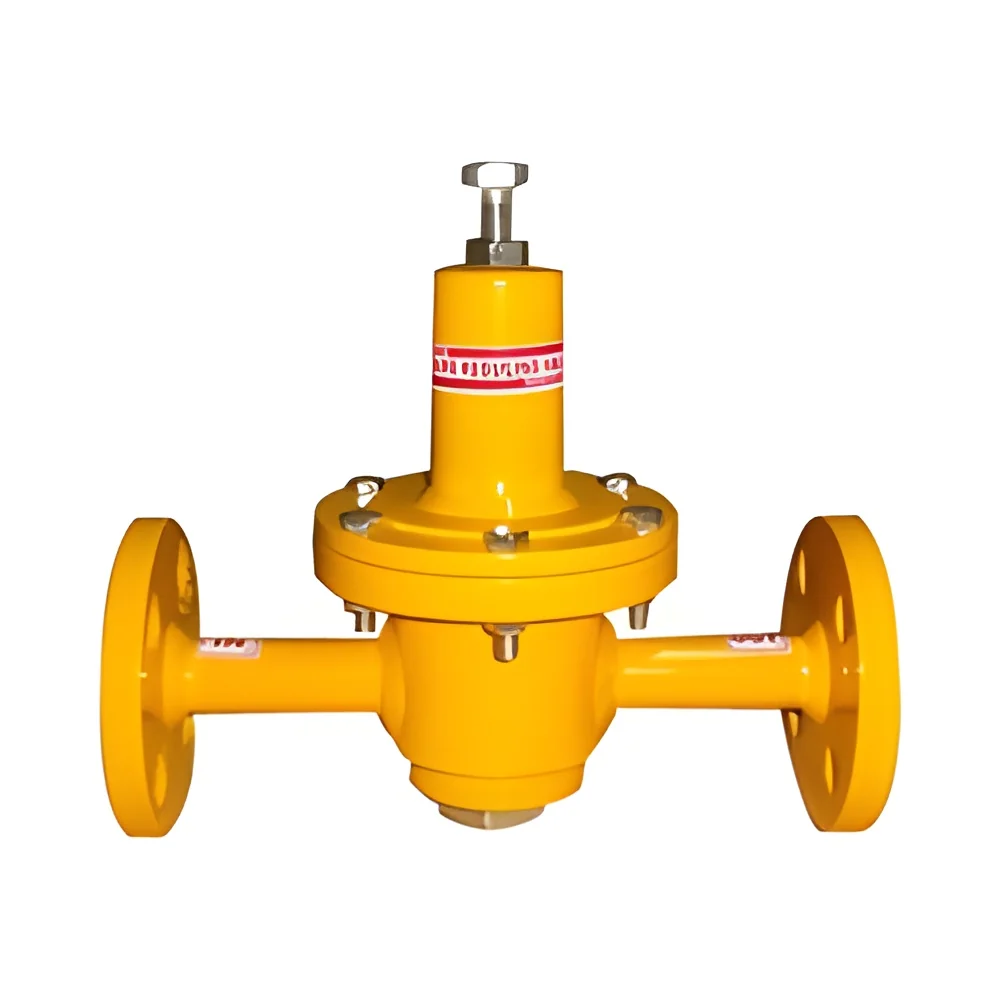
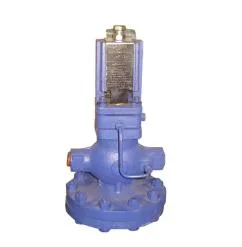
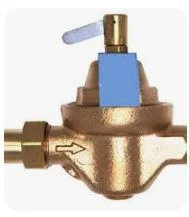
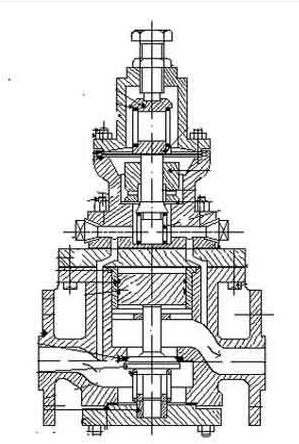
Pressure reducing valves (PRVs) are essential components in fluid control systems, designed to decrease the pressure of a fluid to a desired level. By regulating the pressure, these valves ensure that downstream equipment and piping are protected from excessive pressure, which can lead to failures or inefficiencies. PRVs work by automatically adjusting the flow of fluid based on the pressure detected in the system, maintaining consistent pressure levels.
These valves are widely used across various industries, including water supply, oil and gas, and HVAC systems. In applications where pressure fluctuations can cause damage or affect operational efficiency, PRVs play a critical role in maintaining safety and performance. As markets continue to evolve and industrial processes become more complex, the demand for reliable and efficient pressure reducing valves is increasing, making them a key component in modern fluid management systems.
Key Features and Specifications
Pressure reducing valves come with a range of features and specifications that cater to different industrial needs. Understanding these features helps in selecting the right valve for specific applications.
Key specifications include:
1. Pressure Range
- Typically available in a range from 10 psi to 150 psi
- Custom pressure settings can be provided based on application requirements
2. Flow Rate
- Flow rates can vary widely, often from 0.5 GPM to 100 GPM
- Selection based on the specific needs of the system
3. Body Material
- Common materials include brass, stainless steel, and PVC
- Material choice impacts durability and compatibility with various fluids
4. Temperature Ratings
- Designed to operate in temperature ranges from -20°F to 250°F
- Critical for applications involving hot or cold fluids
5. Connection Type
- Available in threaded, flanged, or socket connections
- Ensures compatibility with existing piping systems
6. Adjustment Mechanism
- Options for manual or automatic adjustments
- Allows for easy pressure setting changes as needed
7. Certifications
- Compliance with CE certification standards
- Ensures quality and safety for industrial applications
8. Maintenance Requirements
- Typically low maintenance, with periodic checks recommended
- Design features may allow for easy servicing
In summary, the diverse features and specifications of pressure reducing valves make them suitable for various industrial applications, enhancing efficiency and safety in fluid control systems.
Common Applications and Use Cases
Pressure reducing valves find applications across multiple industries, ensuring optimal pressure control in various settings.
1. Water Supply: Used in municipal water systems to regulate supply pressure, ensuring consistent delivery to consumers while protecting infrastructure.
2. Oil and Gas: Essential for controlling pressure in pipelines and refining processes, preventing equipment damage and ensuring safety in operations.
3. HVAC Systems: Employed to maintain appropriate pressure levels in heating and cooling systems, improving energy efficiency and comfort.
4. Food and Beverage: Used in processes requiring precise pressure control to guarantee safety and quality in production.
5. Chemical Processing: Critical for maintaining pressure consistency in chemical reactions and preventing hazardous situations.
6. Pharmaceuticals: Ensures proper fluid dynamics in drug manufacturing processes, adhering to strict industry regulations.
7. Industrial Manufacturing: Helps manage pressure in pneumatic systems, enhancing productivity and minimizing downtime.
Product Variants and Subcategories
Pressure reducing valves are versatile and come in various forms to meet specific application needs.
Standard Pressure Reducing Valves
These valves are designed for general use in a variety of applications, providing reliable pressure regulation while accommodating a wide range of flow rates and pressures.
High-Pressure Reducing Valves
Specially engineered for high-pressure systems, these valves maintain precise control under extreme conditions, ensuring safety and efficiency in demanding environments.
Low-Pressure Reducing Valves
Ideal for applications with lower fluid pressures, these valves are designed for sensitive operations, protecting delicate equipment from pressure spikes.
Electric Pressure Reducing Valves
These valves integrate electronic control systems, allowing for remote monitoring and adjustments, enhancing automation in modern industrial processes.
Benefits and Advantages
Pressure reducing valves offer several advantages that make them indispensable in various industries.
1. Enhanced Safety: By regulating pressure, these valves prevent system failures that could lead to accidents or damage.
2. Improved Efficiency: Maintaining optimal pressure levels ensures that systems operate efficiently, reducing energy consumption and operational costs.
3. Prolonged Equipment Life: By protecting downstream components from pressure surges, PRVs extend the lifespan of equipment and reduce maintenance needs.
4. Versatility: Available in a range of sizes and specifications, PRVs can be tailored for diverse applications across multiple industries.
5. Compliance Assurance: Many models meet industry standards and certifications, ensuring adherence to safety and quality regulations.
6. Easy Installation and Maintenance: Most pressure reducing valves are designed for straightforward installation, and their low maintenance requirements make them user-friendly.
Buying Guide for B2B Buyers
When sourcing pressure reducing valves, it is crucial for B2B buyers to consider several key factors to ensure they make informed decisions.
1. Quality Assessment: Evaluate the quality of valves by examining certifications, materials, and performance data. High-quality valves reduce long-term costs and improve reliability.
2. Supplier Verification: Verify suppliers by checking their reputation, customer reviews, and compliance with industry standards. Reliable suppliers ensure consistent product quality.
3. Pricing and MOQ: Assess pricing structures and minimum order quantities to align with purchasing budgets and requirements. Competitive pricing can lead to significant savings.
4. Delivery and Lead Times: Inquire about logistics capabilities and typical lead times to ensure timely delivery that aligns with project schedules.
5. Compliance Requirements: Understand the regulatory landscape affecting your industry and ensure that the selected valves meet all necessary compliance standards.
Compliance and Certifications
Pressure reducing valves must adhere to various quality standards and certifications to ensure safety and reliability in industrial applications. Key standards include ISO 9001, which focuses on quality management systems, and CE certification, which indicates compliance with European safety regulations.
Safety and testing requirements are critical, particularly in industries such as oil and gas, pharmaceuticals, and food processing. These sectors often have stringent safety protocols to prevent hazards associated with fluid systems.
Additionally, regional compliance considerations may vary based on local regulations. Buyers should familiarize themselves with these requirements to ensure that the valves they source meet all necessary safety and operational standards.
Why Source Pressure Reducing Valves from Pepagora?
Pepagora provides a trusted platform for sourcing pressure reducing valves, offering several key advantages that set it apart in the marketplace.
Verified Supplier Network: Pepagora ensures that all suppliers are thoroughly vetted, providing buyers with high-quality options and reducing the risk of subpar products.
Streamlined RFQ Process: The request for quotation (RFQ) system simplifies the procurement process, allowing buyers to quickly and efficiently receive quotes from multiple suppliers.
Trade Assurance and Support: With a focus on buyer protection, Pepagora offers support throughout the purchasing process, ensuring that buyers feel secure in their transactions.
Regional Coverage: Pepagora has a strong geographic presence, serving markets in India, the GCC, and Southeast Asia, making it a convenient choice for businesses looking to source pressure reducing valves across these regions.


Frequently Asked Questions
What are Pressure Reducing Valves?
Pressure Reducing Valves (PRVs) are devices designed to control and reduce the pressure of a fluid within a system, ensuring that it remains at a safe and stable level. They automatically adjust the pressure downstream, helping to protect equipment and maintain optimal operation.
What are the different types of Pressure Reducing Valves?
There are several types of Pressure Reducing Valves, including direct-acting, pilot-operated, and balanced bellows valves. Each type functions differently and is suited for various applications depending on the required pressure control and flow characteristics.
How do I choose the right Pressure Reducing Valves?
Selecting the right Pressure Reducing Valve involves considering factors such as the fluid type, pressure range, flow rate, and the specific application requirements. It is also essential to consult with suppliers or manufacturers to ensure the valve meets industry standards and specifications.
What are the standard specifications for Pressure Reducing Valves?
Standard specifications for Pressure Reducing Valves typically include parameters like inlet and outlet pressure ratings, flow capacity, materials of construction, and temperature ratings. These specifications ensure the valve operates effectively and safely within its intended environment.
What is the price range for Pressure Reducing Valves?
The price range for Pressure Reducing Valves can vary widely based on factors such as type, size, and material. Generally, prices can start from a few hundred rupees to several thousand rupees for more advanced models.
What quality standards apply to Pressure Reducing Valves?
Pressure Reducing Valves must adhere to various quality standards, including ISO, ASTM, and ASME, depending on the application and industry. Compliance with these standards ensures reliability, safety, and performance in operational conditions.
Where can I find Pressure Reducing Valves suppliers in India?
You can find Pressure Reducing Valves suppliers in India through B2B marketplaces like Pepagora, industrial trade shows, and manufacturer directories. These platforms offer a comprehensive list of suppliers and manufacturers for easy sourcing.
Can Pressure Reducing Valves be customized?
Yes, Pressure Reducing Valves can often be customized to meet specific requirements such as unique pressure settings, sizes, and materials. It is advisable to discuss customization options with manufacturers to ensure proper design and functionality.
What is the typical minimum order quantity for Pressure Reducing Valves?
The typical minimum order quantity (MOQ) for Pressure Reducing Valves varies by supplier and the specific product. Some manufacturers may set an MOQ of 10 units, while others might allow smaller orders depending on the valve type and customization.
What is the typical lead time for Pressure Reducing Valves?
The typical lead time for Pressure Reducing Valves can range from a few days to several weeks, depending on factors such as stock availability, customization requests, and supplier capabilities. It is recommended to confirm lead times when placing an order.
Why Businesses Trust Pepagora
Thousands of companies trust Pepagora to source smarter and sell faster
Expand Your Sales Globally

Source Smarter,Grow Faster
