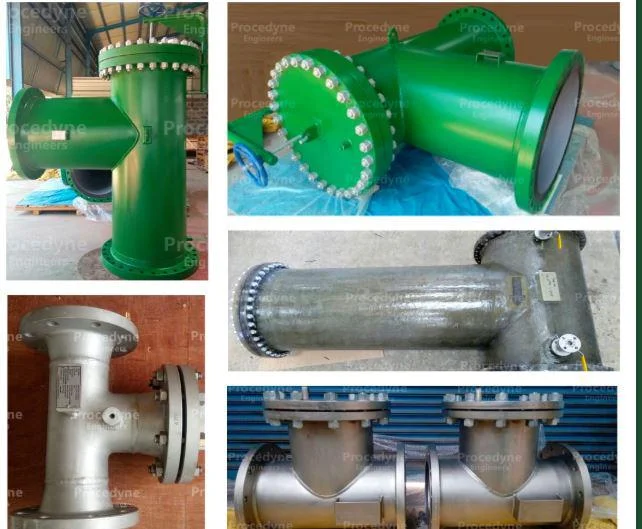
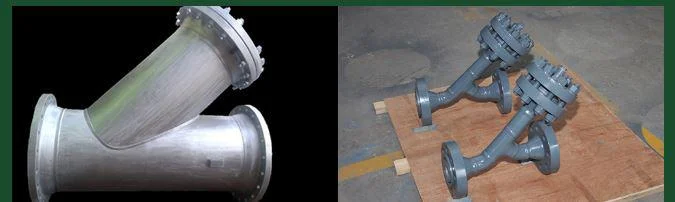
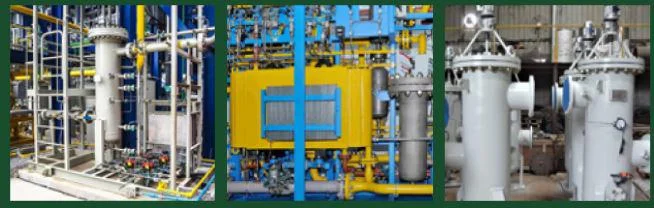
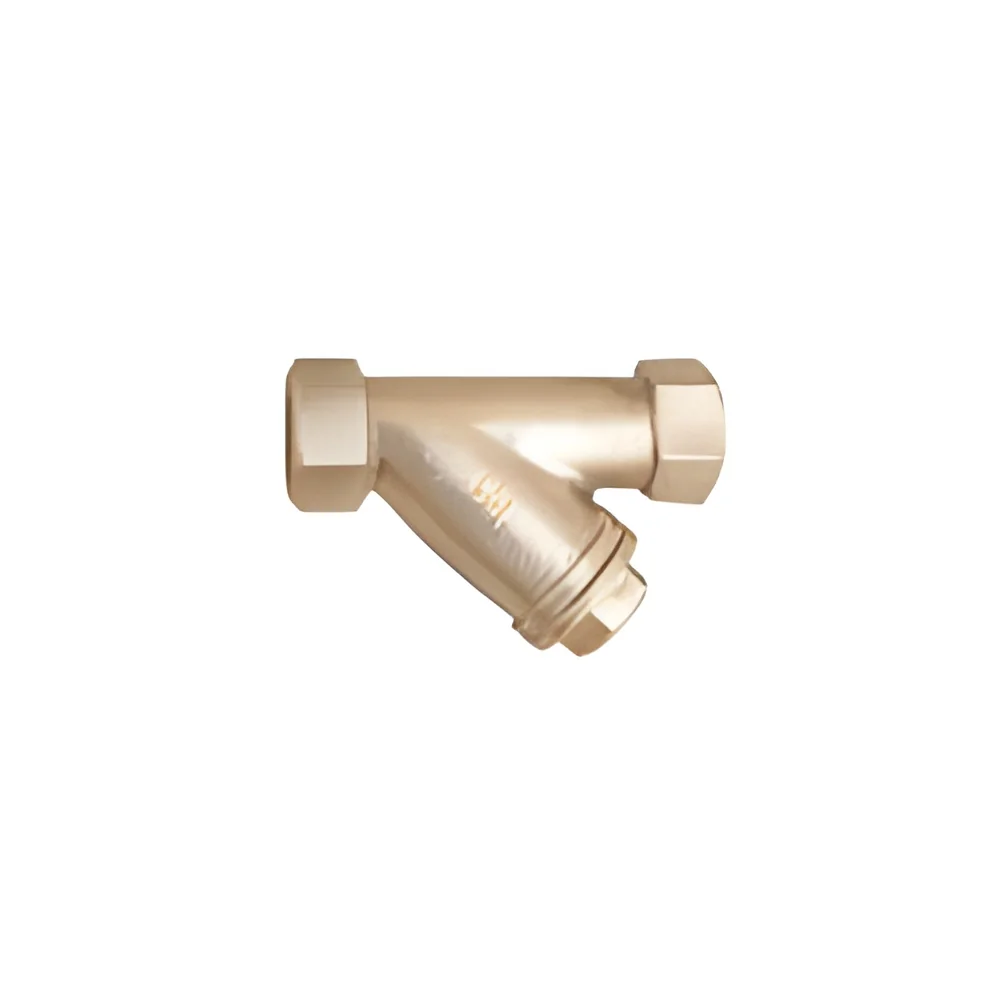
What are Strainers & Y-Strainers?
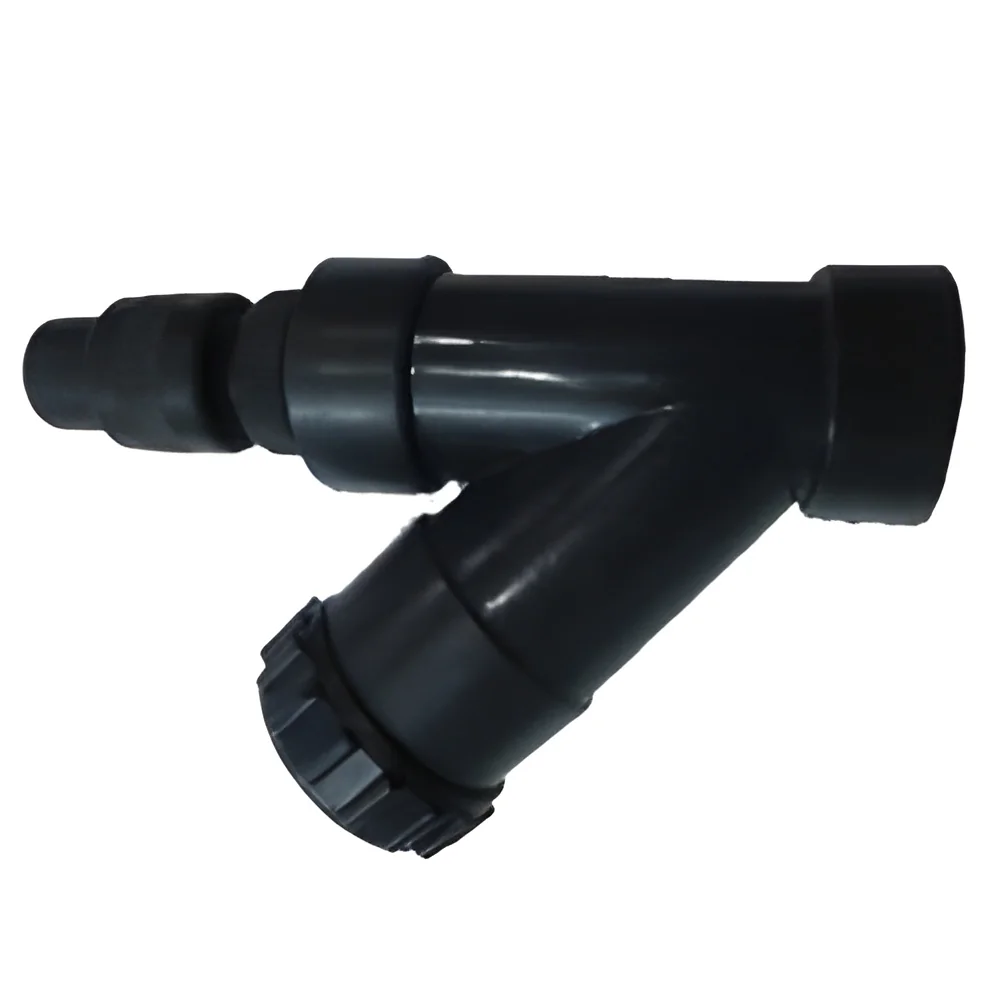
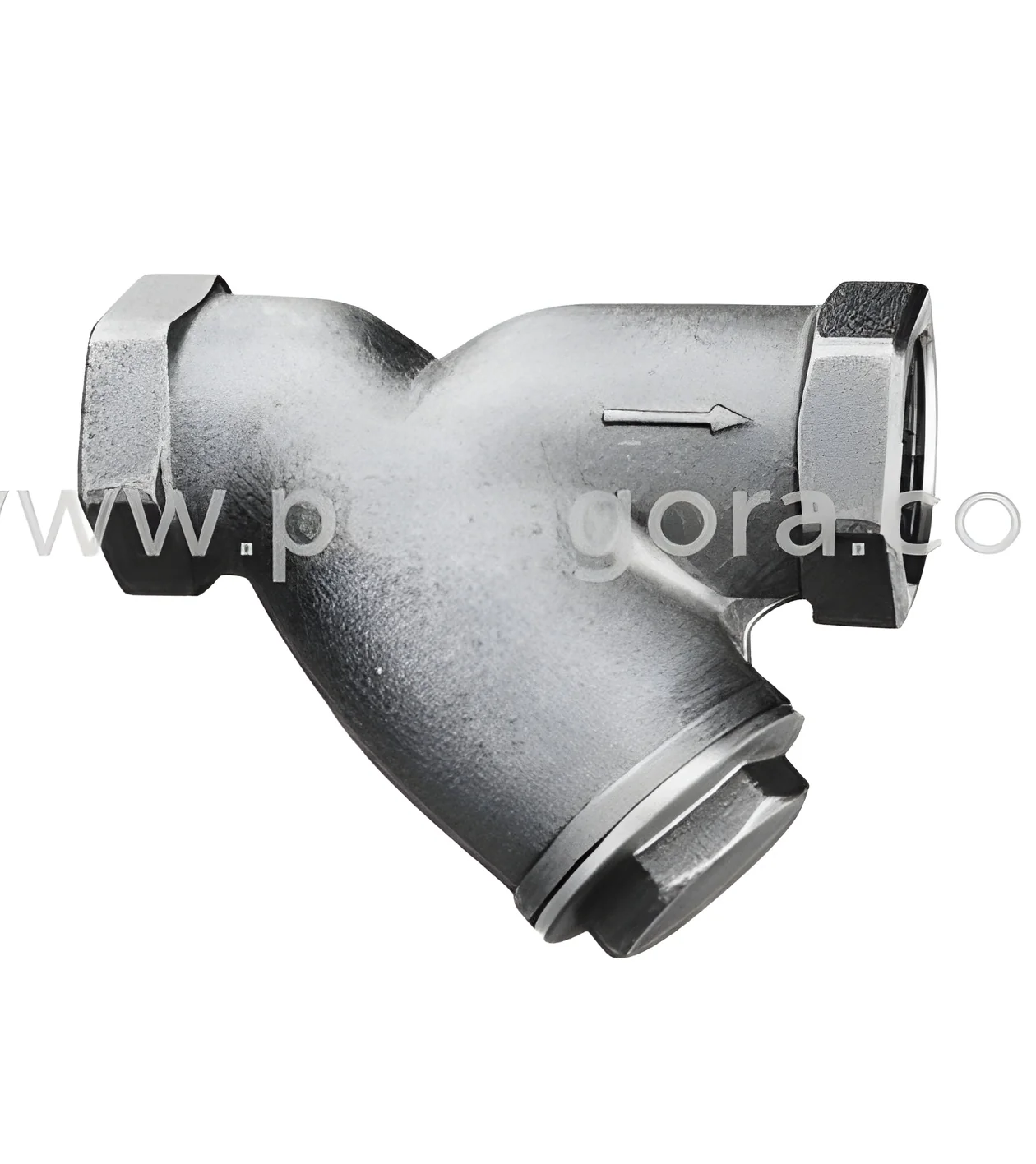
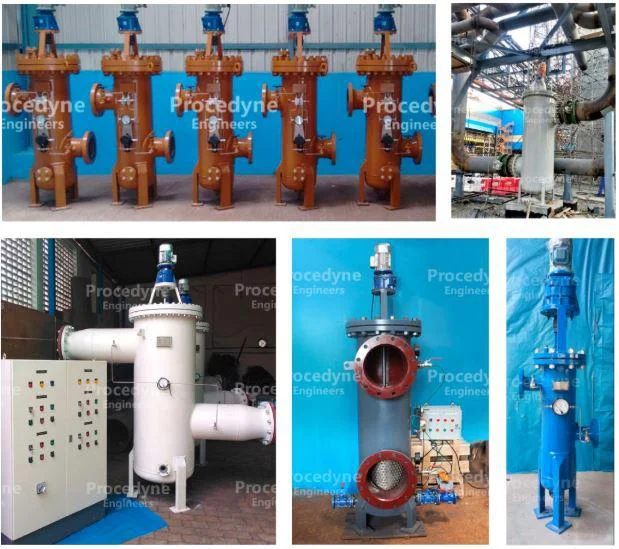
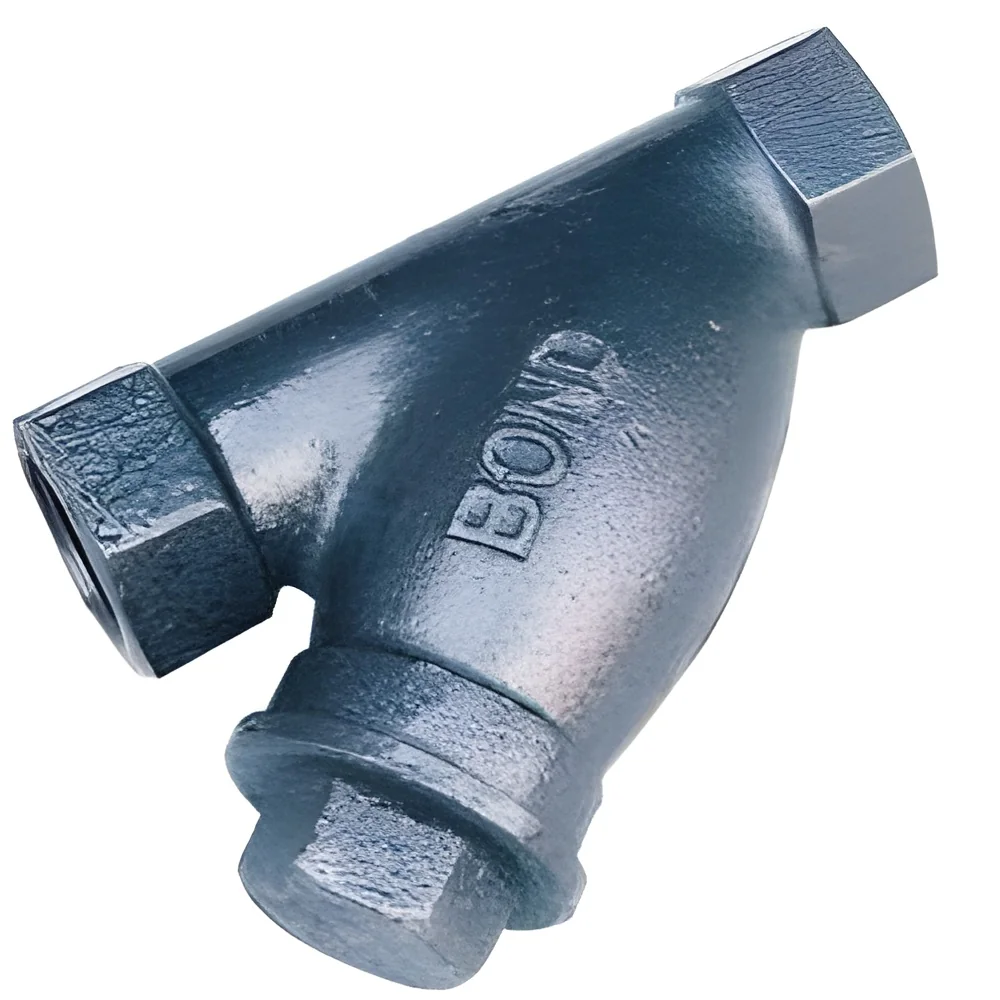
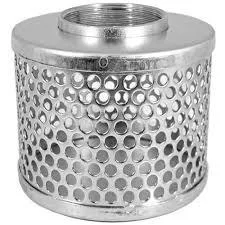
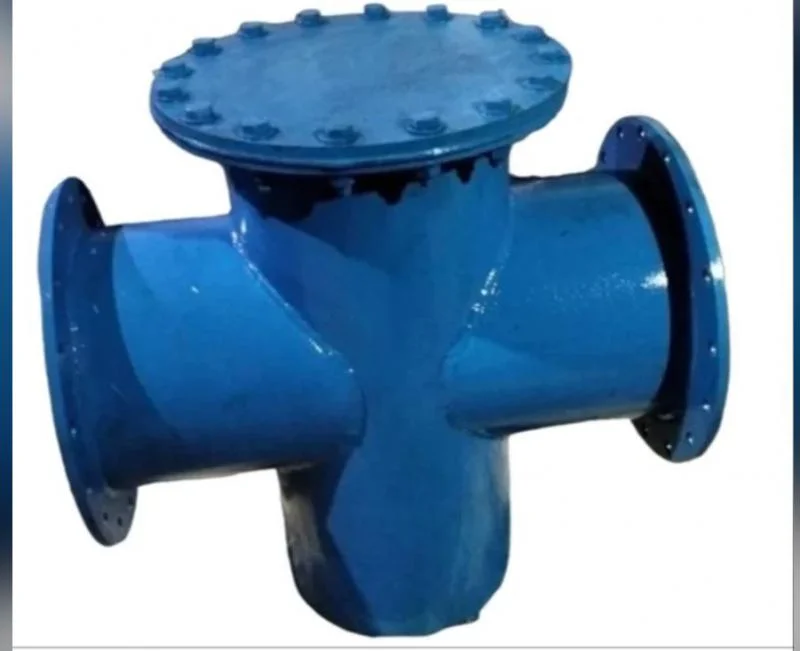
Strainers and Y-Strainers are essential components used in various industrial applications to remove unwanted particles from fluids. They function by filtering out debris, dirt, and other contaminants, ensuring that the flow of liquid remains unobstructed and that the equipment downstream operates efficiently. Strainers can come in various shapes and designs, with Y-Strainers being a popular type characterized by their Y-shaped body that allows for easy maintenance and cleaning.
These devices find extensive use in industries such as water treatment, oil and gas, chemical processing, and food and beverage manufacturing. They are crucial for protecting pumps, valves, and other equipment from damage caused by particulates. In addition to their functionality, Strainers and Y-Strainers also play a vital role in maintaining product quality and ensuring system reliability across various applications within the industrial sector.
The market for Strainers and Y-Strainers continues to grow as industries emphasize efficiency and sustainability. With increasing regulatory requirements and a focus on minimizing downtime, these products serve as a critical solution for businesses aiming to enhance operational performance and safety.
Key Features and Specifications
Strainers and Y-Strainers are designed with specific features that enhance their performance and adaptability in various industrial settings. These features include durable construction, efficient filtration capabilities, and easy maintenance options. Understanding the specifications of these products is essential for selecting the right model for specific applications.
Key specifications include:
1. Construction Material
- Typically made from stainless steel, carbon steel, or plastic.
- Offers durability and resistance to corrosion.
2. Filtration Rating
- Common filtration ratings range from 10 to 500 microns.
- Determines the size of particles that can be filtered out from the fluid.
3. Connection Type
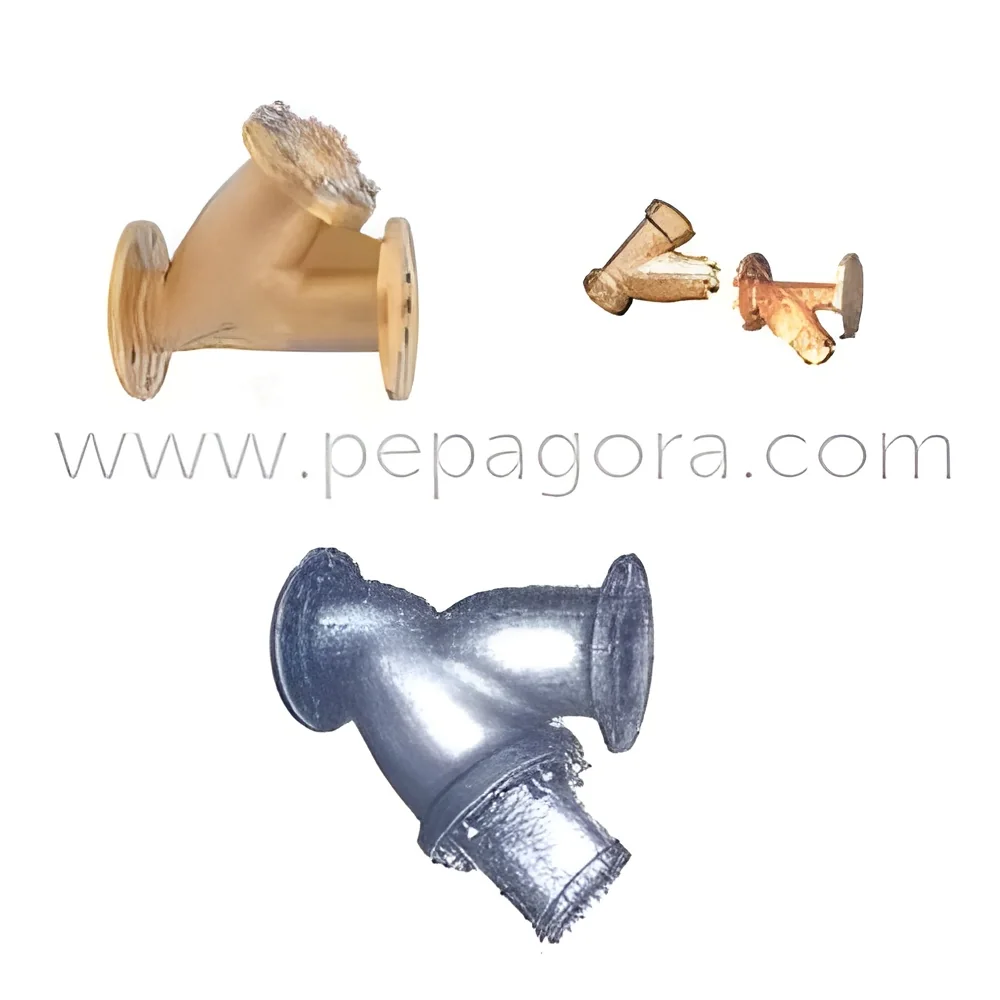
- Available in threaded, flanged, or welded connections.
- Ensures compatibility with existing piping systems.
4. Operating Pressure
- Can handle pressures from 150 PSI up to 3000 PSI.
- Suitable for high-pressure applications in various industries.
5. Temperature Range
- Designed to operate effectively in temperatures typically between -20°C to 200°C.
- Ensures functionality in diverse working environments.
6. Maintenance Features
- Many models come with clean-out ports for easy access and maintenance.
- Reduces downtime and facilitates routine cleaning.
7. Size Options
- Available in various sizes, from small to large, to accommodate different flow rates.
- Allows for flexibility in installation depending on the application.
In summary, understanding the key features and specifications of Strainers and Y-Strainers helps businesses choose the right product for their operational needs, ensuring optimal performance and reliability.
Common Applications and Use Cases
Strainers and Y-Strainers are utilized across a wide range of industries, each with specific applications that highlight their importance in maintaining system efficiency and equipment protection.
1. Water Treatment: In water treatment facilities, these devices filter out sediment and debris to ensure clean water supply and protect downstream equipment.
2. Oil and Gas: Strainers are used in oil and gas operations to prevent contaminants from entering pipelines, which can cause blockages and damage.
3. Chemical Processing: In the chemical industry, Y-Strainers help maintain the purity of chemicals by filtering out particles that could interfere with processes.
4. Food and Beverage: These devices are crucial in food processing plants to ensure that food products are free from contaminants, complying with safety standards.
5. HVAC Systems: Strainers are used in heating, ventilation, and air conditioning systems to protect pumps and valves from debris that could cause malfunctions.
6. Pharmaceuticals: In pharmaceutical manufacturing, these products ensure the integrity of the final product by filtering out unwanted particles during production.
7. Marine Applications: Strainers are used in marine engines and cooling systems to prevent debris from causing overheating or damage to machinery.
Product Variants and Subcategories
Strainers and Y-Strainers come in various designs to meet specific industrial needs. Each variant offers unique features tailored for different applications.
Y-Strainer
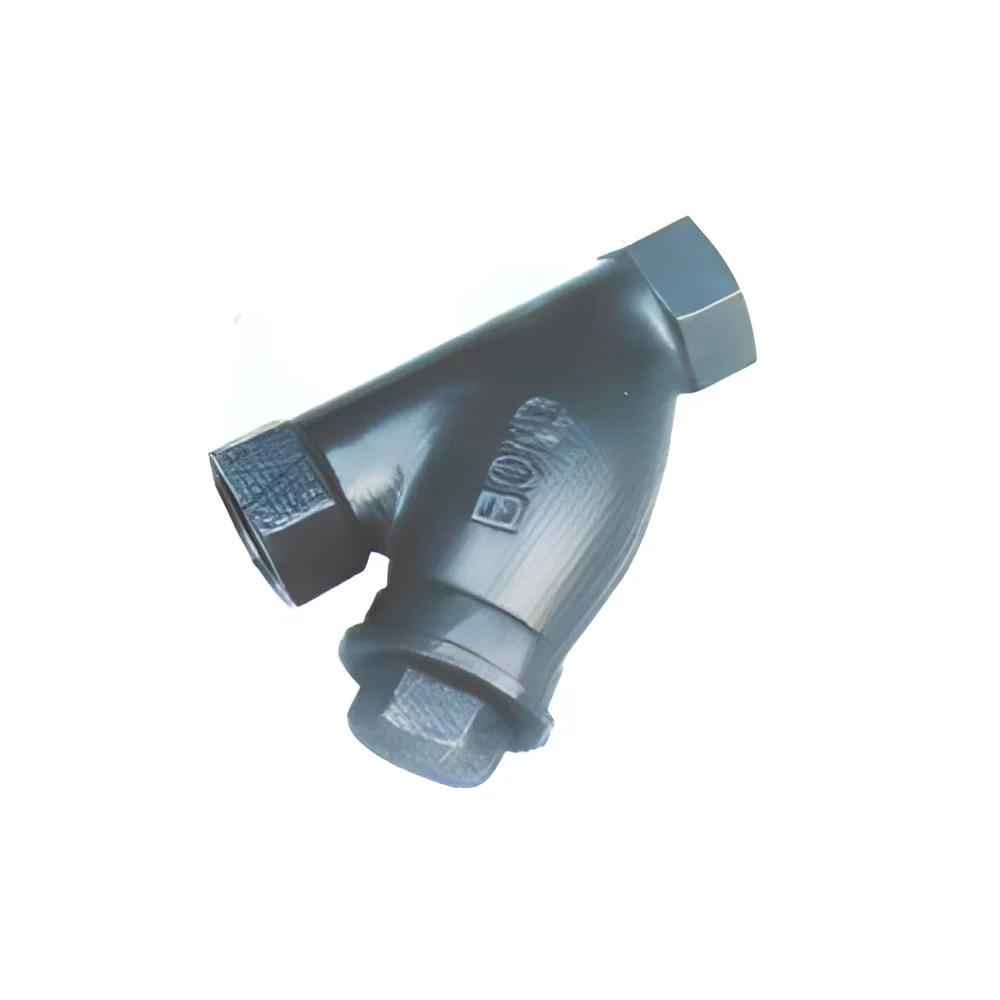
Y-Strainers are designed with a Y-shaped body, allowing for a compact and efficient filtration solution. Their design facilitates easy cleaning and maintenance, making them ideal for applications where regular servicing is necessary.
Basket Strainer
Basket strainers feature a basket-shaped filter element that provides a larger surface area for capturing particles. They are suitable for applications with high flow rates and can be easily cleaned or replaced.
Inline Strainer
Inline strainers are installed directly into a pipeline, providing a space-saving solution for filtration. They are versatile and can be used in various industrial settings, including water and chemical processing.
Benefits and Advantages
Strainers and Y-Strainers provide numerous benefits to businesses operating in industrial environments. Their effective filtration capabilities contribute to overall system efficiency and longevity.
1. Enhanced Equipment Protection: By filtering out harmful particles, these devices protect pumps, valves, and other critical components from damage.
2. Improved Operational Efficiency: Clean systems operate more efficiently, reducing energy consumption and maintenance costs over time.
3. Reduced Downtime: Easy maintenance features ensure that cleaning and servicing can be performed quickly, minimizing downtime.
4. Compliance with Standards: Strainers help meet regulatory requirements for fluid purity in industries such as food and pharmaceuticals.
5. Versatile Applications: Their adaptability across various industries makes them a valuable addition to many operational setups.
6. Cost-Effectiveness: Investing in quality strainers can lead to significant savings by preventing costly equipment failures and repairs.
Buying Guide for B2B Buyers
When sourcing Strainers and Y-Strainers, it is crucial for B2B buyers to consider several factors to ensure they select the right products for their needs.
1. Quality Assessment: Look for strainers that meet industry standards and specifications. Ensure that the materials used provide durability and resistance to corrosion.
2. Supplier Verification: Vet suppliers thoroughly to ensure they have a reliable track record. Check for certifications and customer reviews to confirm their credibility.
3. Pricing and MOQ: Be aware of the pricing structure and minimum order quantities. Compare prices from different suppliers to find the best value without compromising quality.
4. Delivery and Lead Times: Understand the logistics involved in delivery. Confirm lead times to ensure that products arrive when needed to avoid delays in operations.
5. Compliance Requirements: Verify that the products comply with relevant industry regulations and standards to ensure safety and quality.
Compliance and Certifications
Strainers and Y-Strainers must adhere to various quality standards and certifications to ensure their reliability and safety in industrial applications.
ISO 9001 is a widely recognized standard that outlines the criteria for a quality management system. Products that comply with this standard demonstrate a commitment to quality and continuous improvement.
CE certification indicates that a product meets European safety, health, and environmental protection standards. This certification is essential for products sold in European markets, assuring buyers of their compliance with safety regulations.
Manufacturers must also consider safety and testing requirements specific to their industry. This may include performance testing, material certifications, and compliance with national and international standards.
Regional compliance considerations vary, so it is important to understand the specific regulations applicable in the target market. This ensures that products meet local safety and quality requirements.
Why Source Strainers & Y-Strainers from Pepagora?
Pepagora provides a trusted platform for sourcing Strainers and Y-Strainers, offering several key advantages for B2B buyers.
Verified Supplier Network: Pepagora has a comprehensive network of verified suppliers. This ensures that buyers can access high-quality products from reputable manufacturers, minimizing risks associated with sourcing.
Streamlined RFQ Process: The platform offers a streamlined request for quotation (RFQ) process, allowing buyers to efficiently compare offers and make informed purchasing decisions.
Trade Assurance and Support: Buyers can benefit from trade assurance measures that protect their investments. Pepagora provides support throughout the purchasing process to ensure satisfaction and resolution of any issues.
Regional Coverage: With a focus on regions such as India, the GCC, and Southeast Asia, Pepagora ensures that buyers have access to local suppliers while benefiting from a global network. This extensive reach allows for competitive pricing and timely delivery of products.
In summary, choosing Pepagora for sourcing Strainers and Y-Strainers simplifies the procurement process while ensuring quality and compliance, ultimately supporting businesses in achieving their operational goals.

 IN
IN