What are Magnetic Drive Pumps?
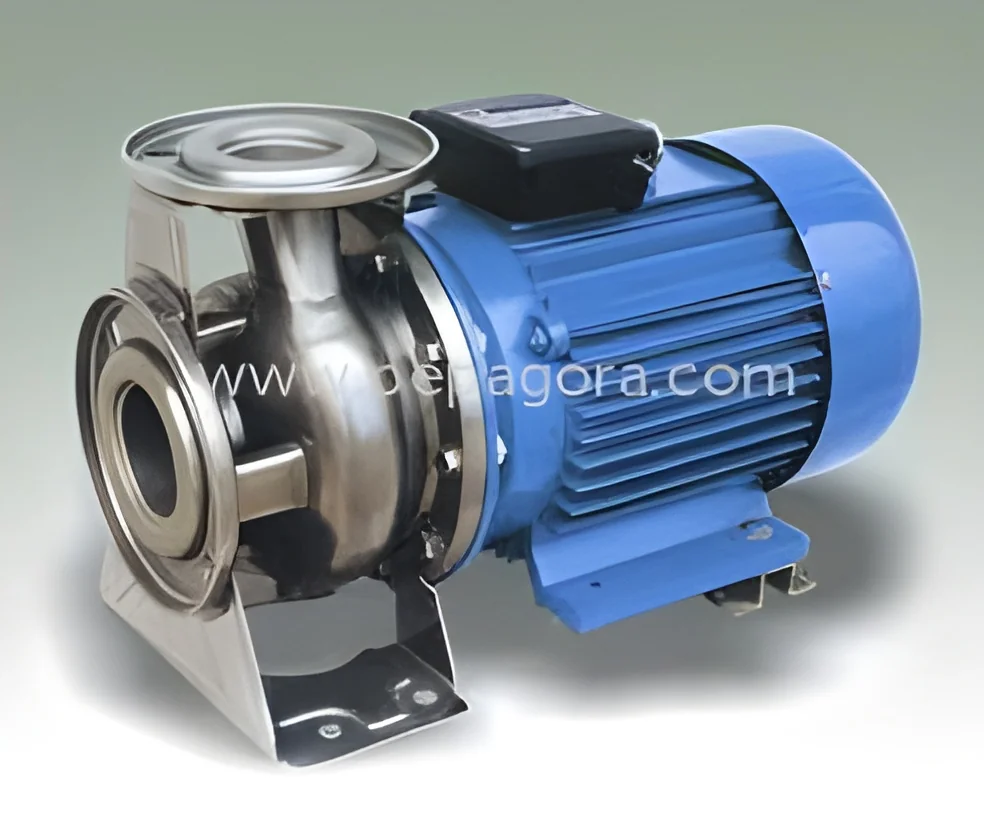
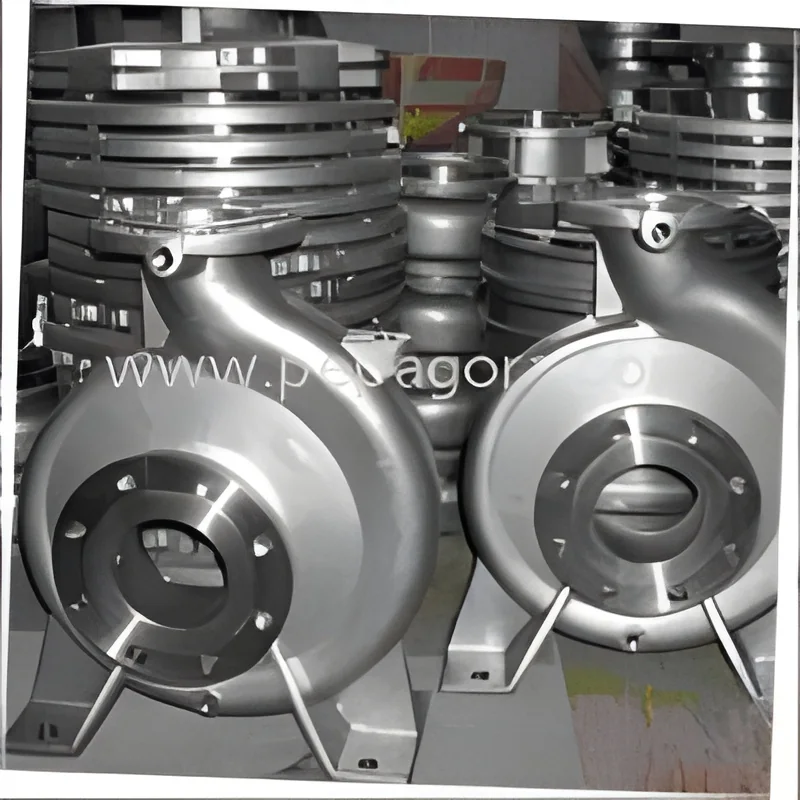
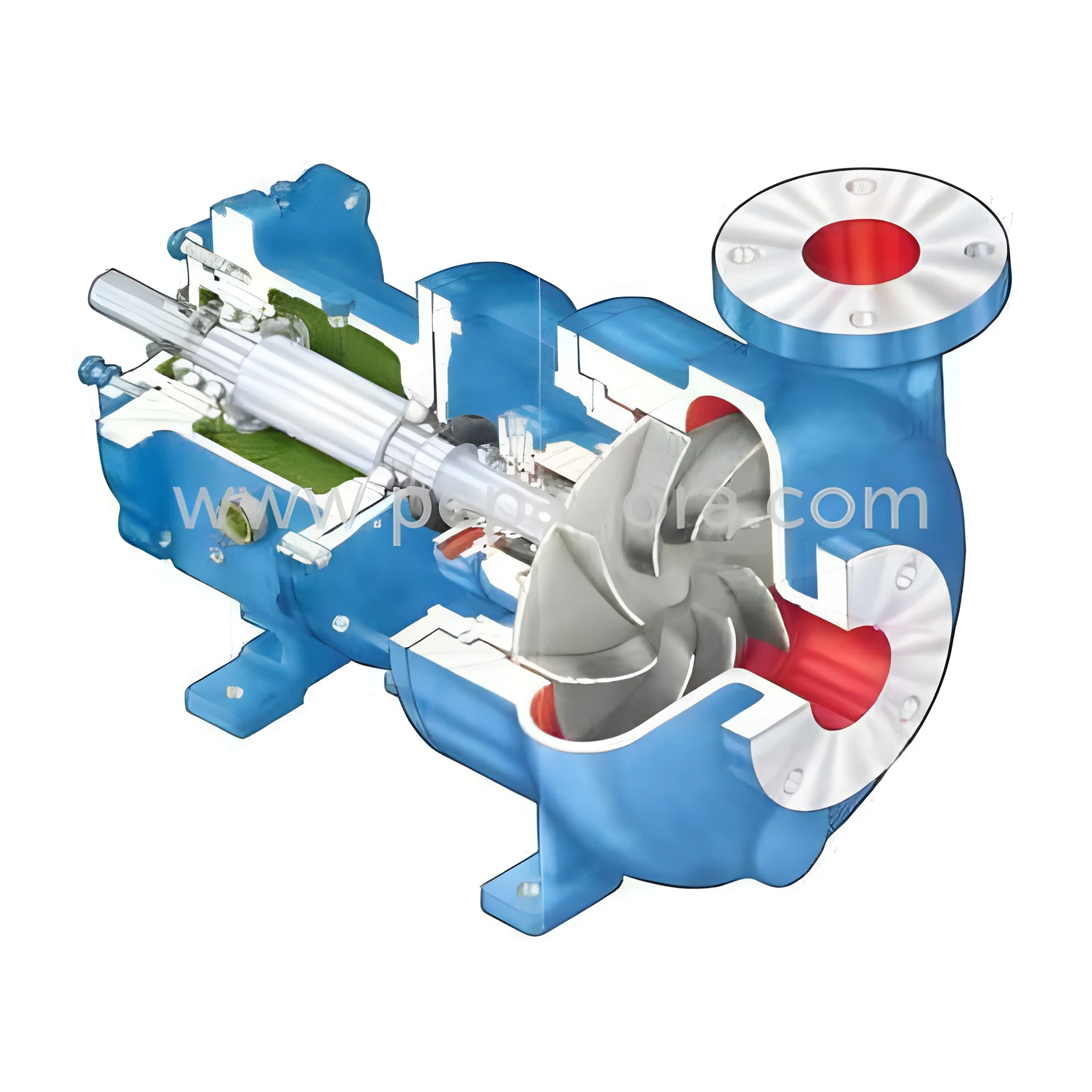
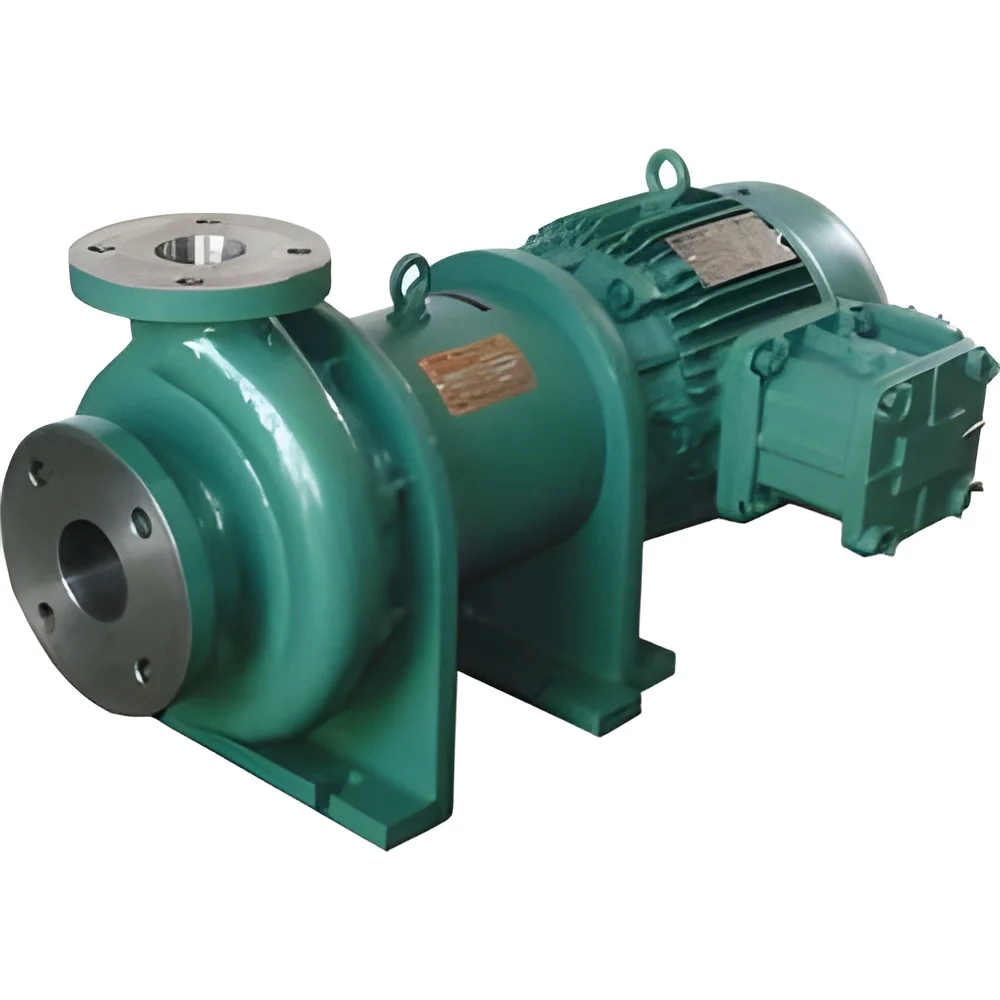
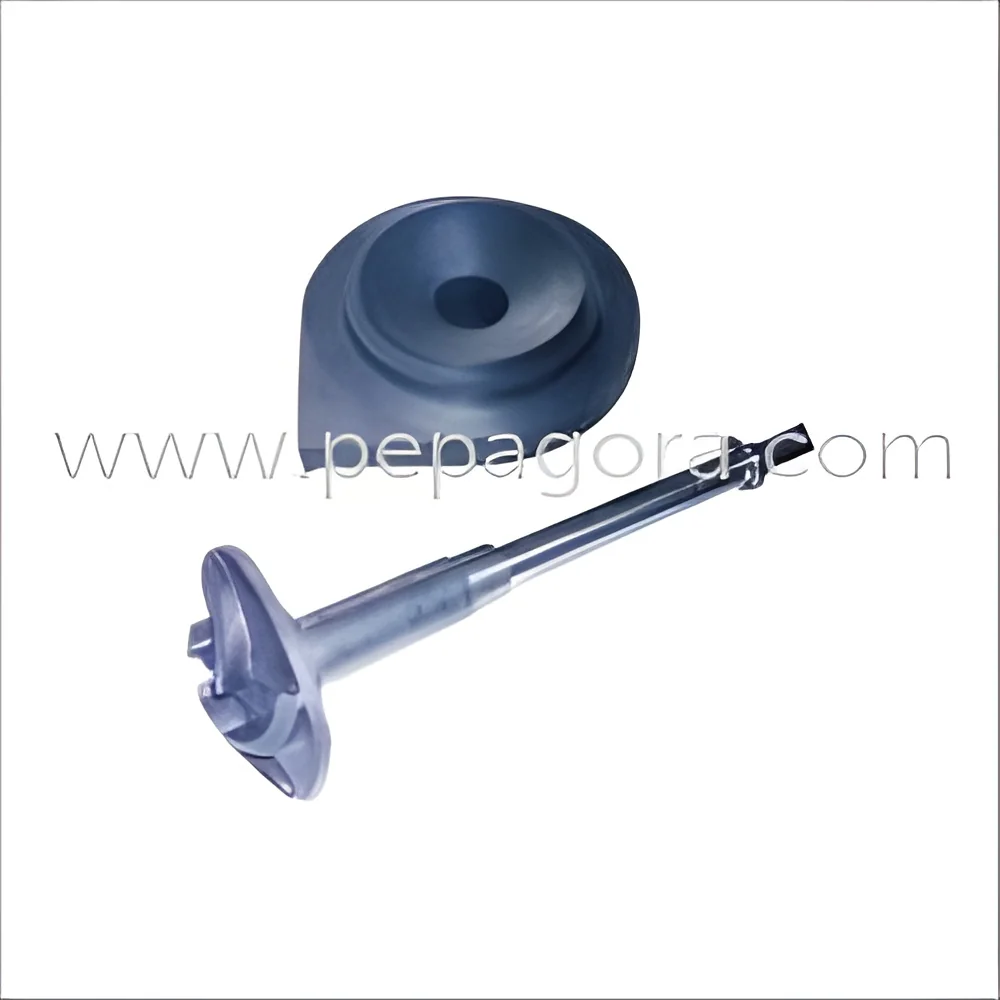
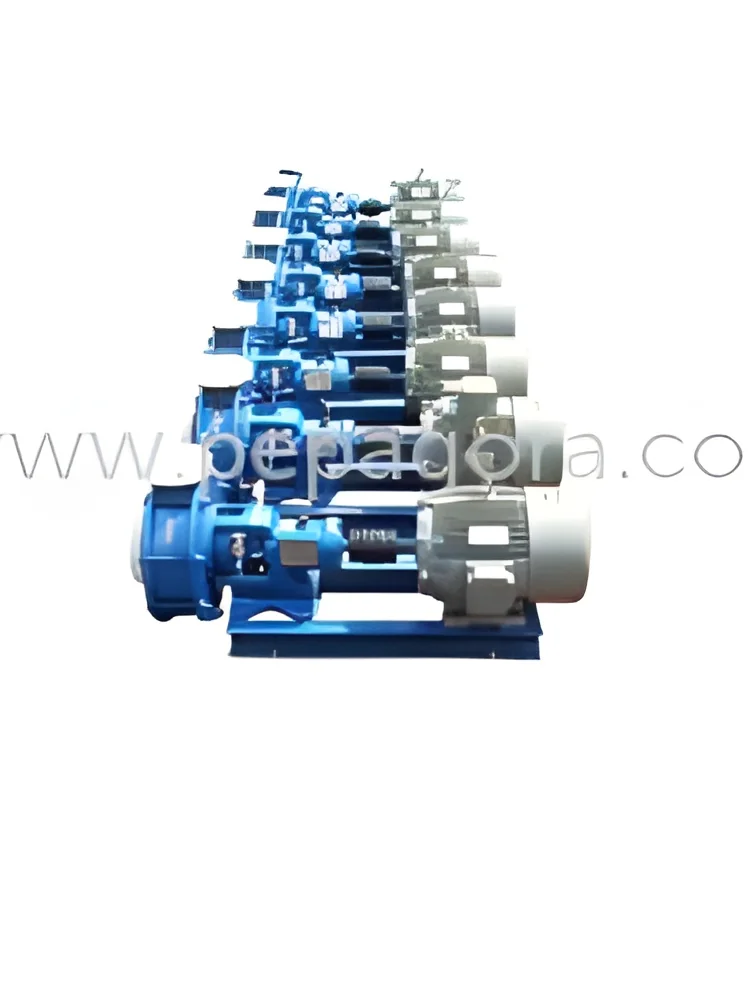
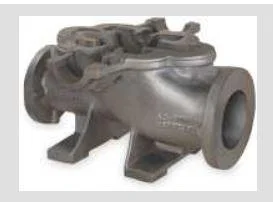
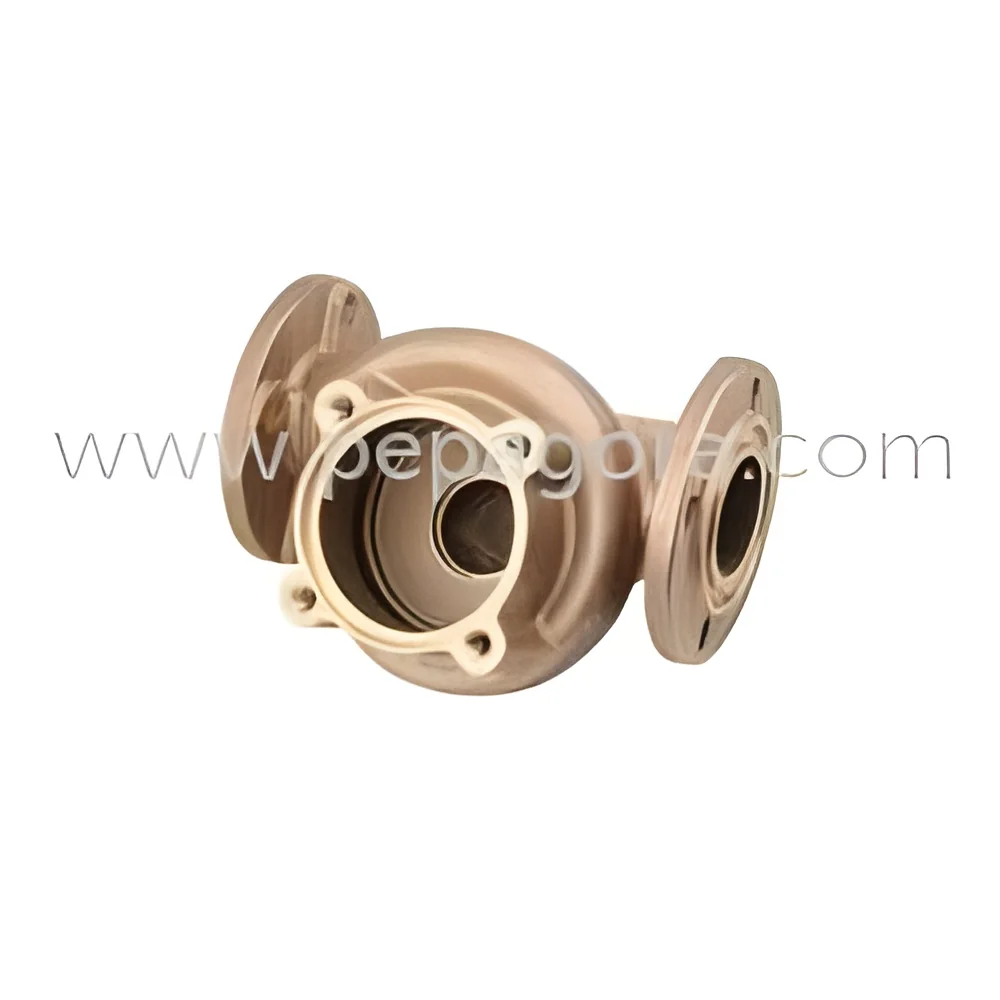
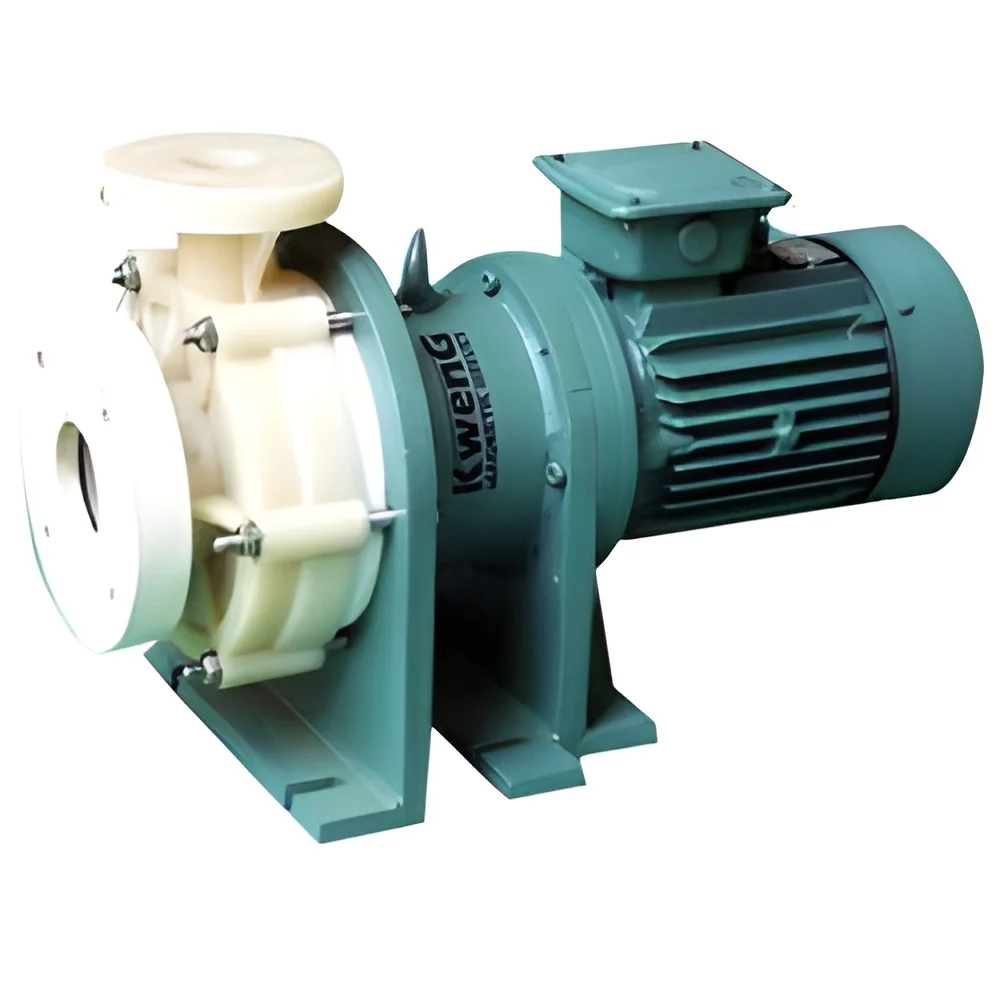
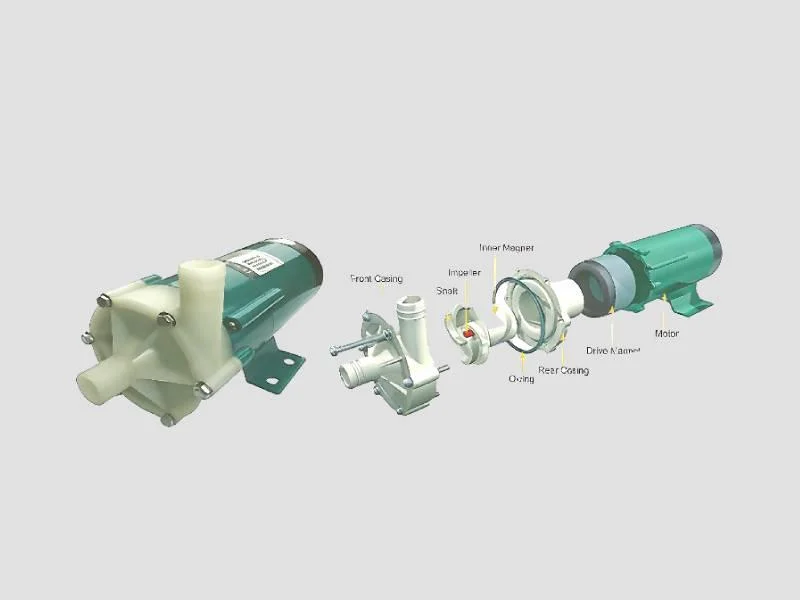
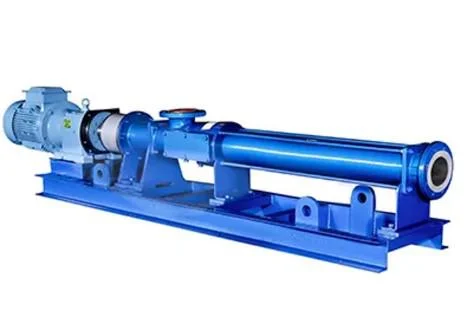
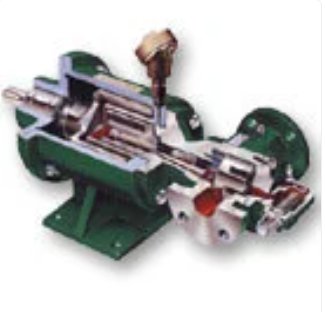
Magnetic drive pumps are a type of pump that utilizes magnetic coupling to transfer energy from the motor to the impeller without direct contact. This design eliminates the need for a mechanical seal, significantly reducing the risk of leakage. The fluid being pumped is contained within a hermetically sealed casing, which enhances safety and reliability. These pumps are particularly beneficial for handling corrosive, volatile, or hazardous fluids.
Primarily, magnetic drive pumps are used in various industrial applications, including chemical processing, pharmaceuticals, and water treatment. Their ability to maintain a leak-free operation makes them ideal for environments where fluid loss could lead to safety hazards or environmental issues. Businesses prefer these pumps for their efficiency and reduced maintenance needs, contributing to overall operational cost savings.
The market for magnetic drive pumps is growing, driven by increasing industrial automation and stringent safety regulations. As industries look for reliable solutions to manage fluids without compromising safety, magnetic drive pumps have become a preferred choice across multiple sectors.
Key Features and Specifications
Magnetic drive pumps come with several key features that enhance their functionality and reliability. Understanding these specifications helps businesses choose the right pump for their needs.
Key specifications include:
1. Flow Rate
- The maximum volume of fluid that can be pumped per unit of time.
- Typically ranges from low flow rates for small applications to high flow rates for larger industrial settings.
2. Pressure Rating
- The maximum pressure the pump can safely handle.
- Ranges from standard pressure levels to high pressure for demanding applications.
3. Temperature Tolerance
- The operational temperature range of the pump.
- Important for applications involving heated or chilled fluids.
4. Material Construction
- The type of materials used for the pump casing and components.
- Options include stainless steel, plastic, and other corrosion-resistant materials.
5. Efficiency Rating
- A measure of how effectively the pump converts energy into fluid movement.
- Higher efficiency can lead to lower operational costs.
6. Noise Level
- The sound produced during operation.
- Important for noise-sensitive environments.
7. Size and Weight
- Dimensions and weight of the pump, which can affect installation and portability.
8. Compatibility
- The types of fluids the pump can handle, including corrosive and abrasive liquids.
In summary, these specifications are critical in assessing the suitability of magnetic drive pumps for specific applications.
Common Applications and Use Cases
Magnetic drive pumps are versatile devices used across a range of industries. Their leak-free operation and ability to handle various fluids make them highly valuable.
1. Chemical Processing: Used for transferring corrosive chemicals safely, minimizing the risk of spills and contamination.
2. Pharmaceuticals: Ideal for moving sensitive compounds and ensuring compliance with strict regulations regarding fluid handling.
3. Water Treatment: Effective in transporting wastewater and chemicals used in treatment processes without leakage.
4. Food and Beverage: Utilized for pumping viscous liquids and maintaining hygiene standards during production.
5. Oil and Gas: Employed in transferring crude oil and other fluids in a safe and efficient manner.
6. HVAC Systems: Used in circulating refrigerants and other fluids in heating and cooling systems.
7. Electronics Manufacturing: Essential for handling various chemicals used in the production of electronic components.
Product Variants and Subcategories
Magnetic drive pumps come in various forms to cater to specific industrial needs. Understanding these variants can help businesses select the right product.
Standard Magnetic Drive Pump: This variant is designed for general applications, offering reliable performance for a range of fluids. It is known for its robust construction and efficiency.
High-Pressure Magnetic Drive Pump: Specifically engineered to handle high-pressure applications, this variant is suitable for industries where pressure management is critical.
Chemical-Resistant Magnetic Drive Pump: Made from materials that resist corrosion, this pump variant is perfect for handling aggressive chemicals in chemical processing and manufacturing.
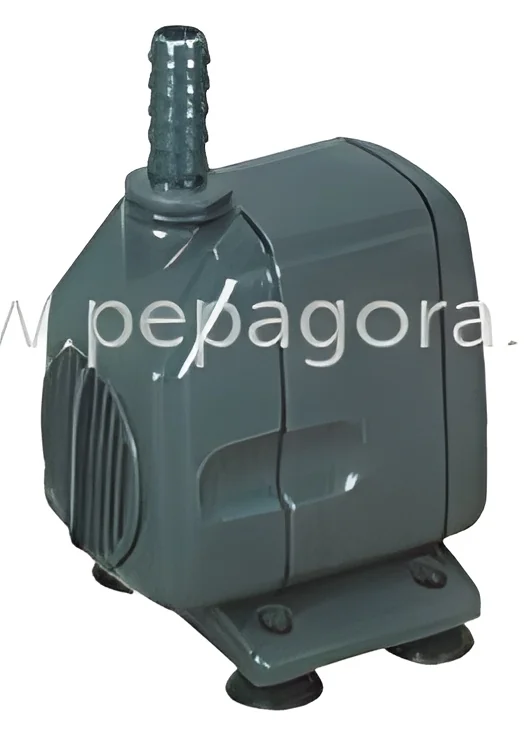
Compact Magnetic Drive Pump: This smaller variant is designed for tight spaces and portable applications, providing flexibility without compromising on performance.
Benefits and Advantages
Choosing magnetic drive pumps offers several advantages for businesses looking to enhance their operations.
1. Leak-Free Operation: The design eliminates mechanical seals, reducing the risk of leaks and enhancing safety.
2. Reduced Maintenance: With fewer moving parts and no seals, these pumps require less frequent maintenance, lowering operational costs.
3. Versatility: Magnetic drive pumps can handle a wide variety of fluids, making them suitable for diverse applications across industries.
4. Energy Efficiency: Many models are designed to operate efficiently, saving energy and reducing overall costs.
5. Safety Compliance: The hermetic sealing meets safety regulations, protecting workers and the environment.
6. Long Lifespan: Durable construction materials extend the life of the pump, contributing to a better return on investment.
Buying Guide for B2B Buyers
When sourcing magnetic drive pumps, businesses should consider several key factors to ensure they make informed decisions.
1. Quality Assessment: Look for pumps that meet industry standards and have a proven track record of reliability. Evaluate the materials used in construction for durability.
2. Supplier Verification: Verify suppliers to ensure they have a reputation for quality and reliability. Check for certifications and customer reviews.
3. Pricing and MOQ: Understand the price range for the pumps and consider minimum order quantities. This will help in budgeting and planning.
4. Delivery and Lead Times: Discuss delivery options and lead times with suppliers to ensure timely availability for projects.
5. Compliance Requirements: Ensure that the pumps comply with necessary industry regulations and standards, such as CE certification, to avoid legal issues.
Compliance and Certifications
Magnetic drive pumps must adhere to various compliance and certification standards to ensure their safety and efficiency.
ISO 9001 is a relevant quality standard that emphasizes quality management systems, ensuring that manufacturers maintain high-quality production processes. This certification helps guarantee that pumps meet customer and regulatory requirements consistently.
CE certification is essential for magnetic drive pumps sold in the European market, indicating compliance with health, safety, and environmental protection standards. It assures buyers that the product meets the necessary safety requirements.
Safety and testing requirements are critical in ensuring the pumps function effectively without causing hazards. Manufacturers conduct rigorous testing to verify that the pumps can handle specified conditions without failure.
Regional compliance considerations may vary based on local regulations. It is essential for businesses to understand the specific compliance requirements relevant to their geographic locations.
Why Source Magnetic Drive Pumps from Pepagora?
Pepagora offers a trusted platform for sourcing magnetic drive pumps, providing numerous advantages for businesses.
Verified Supplier Network: Pepagora ensures that all suppliers are verified, giving buyers confidence in the quality and reliability of products offered.
Streamlined RFQ Process: The platform features an efficient request-for-quotation (RFQ) system, allowing buyers to quickly obtain competitive pricing and product information.
Trade Assurance and Support: Buyers benefit from trade assurance measures that protect their transactions, providing peace of mind in their purchasing decisions.
Regional Coverage: Pepagora has a wide geographic reach, serving markets in India, the Gulf Cooperation Council (GCC), and Southeast Asia, catering to diverse business needs.

 IN
IN