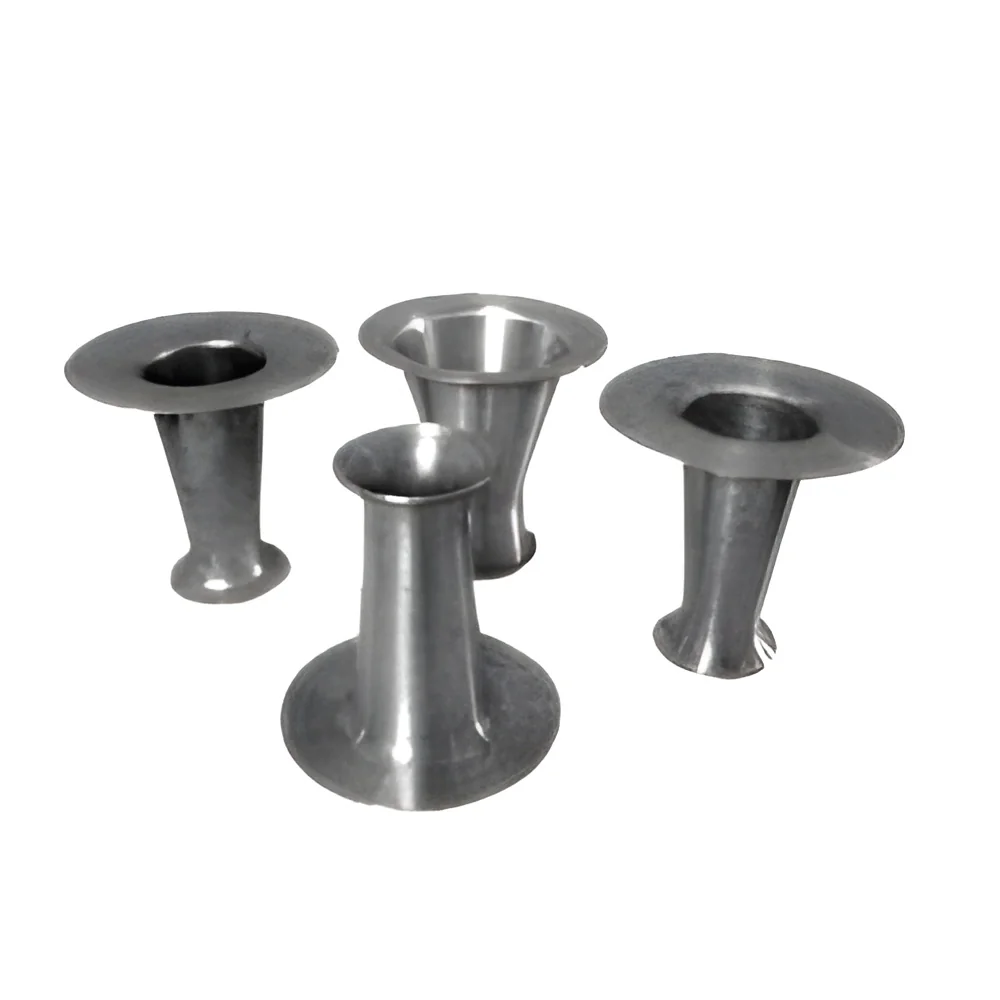
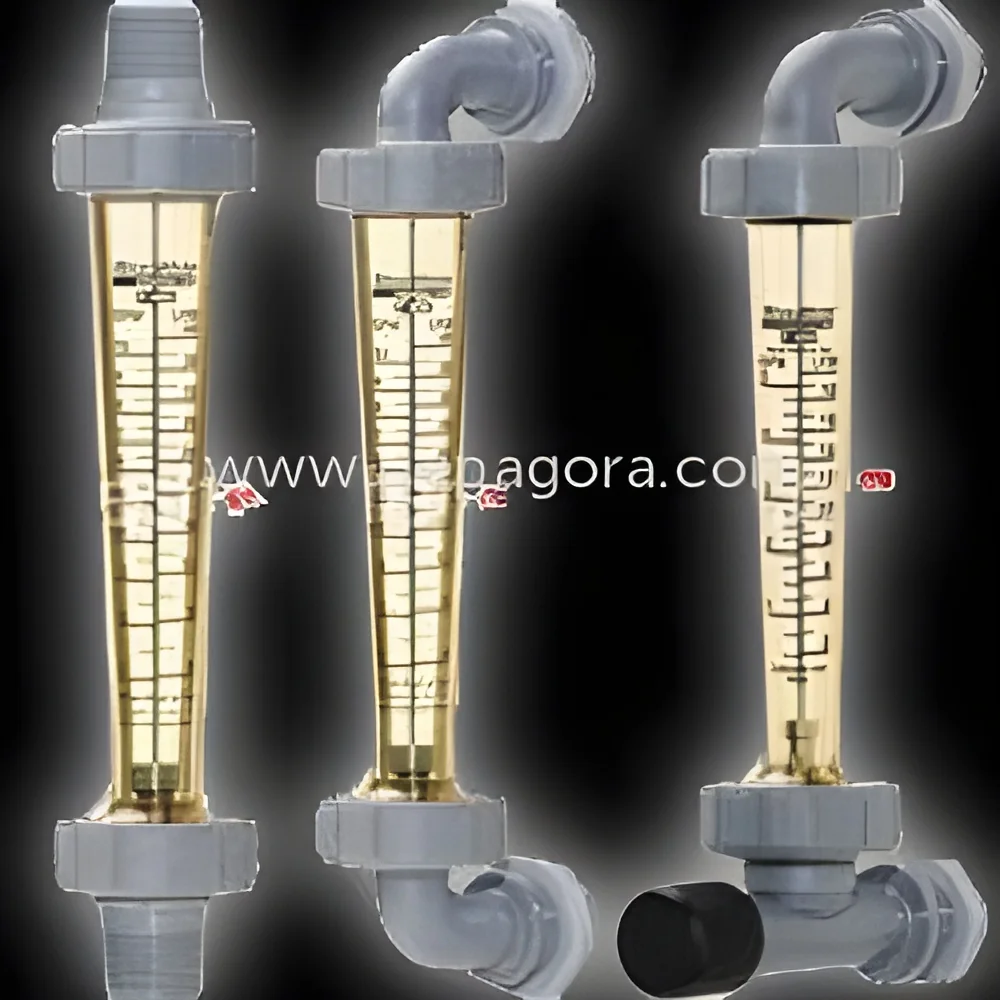
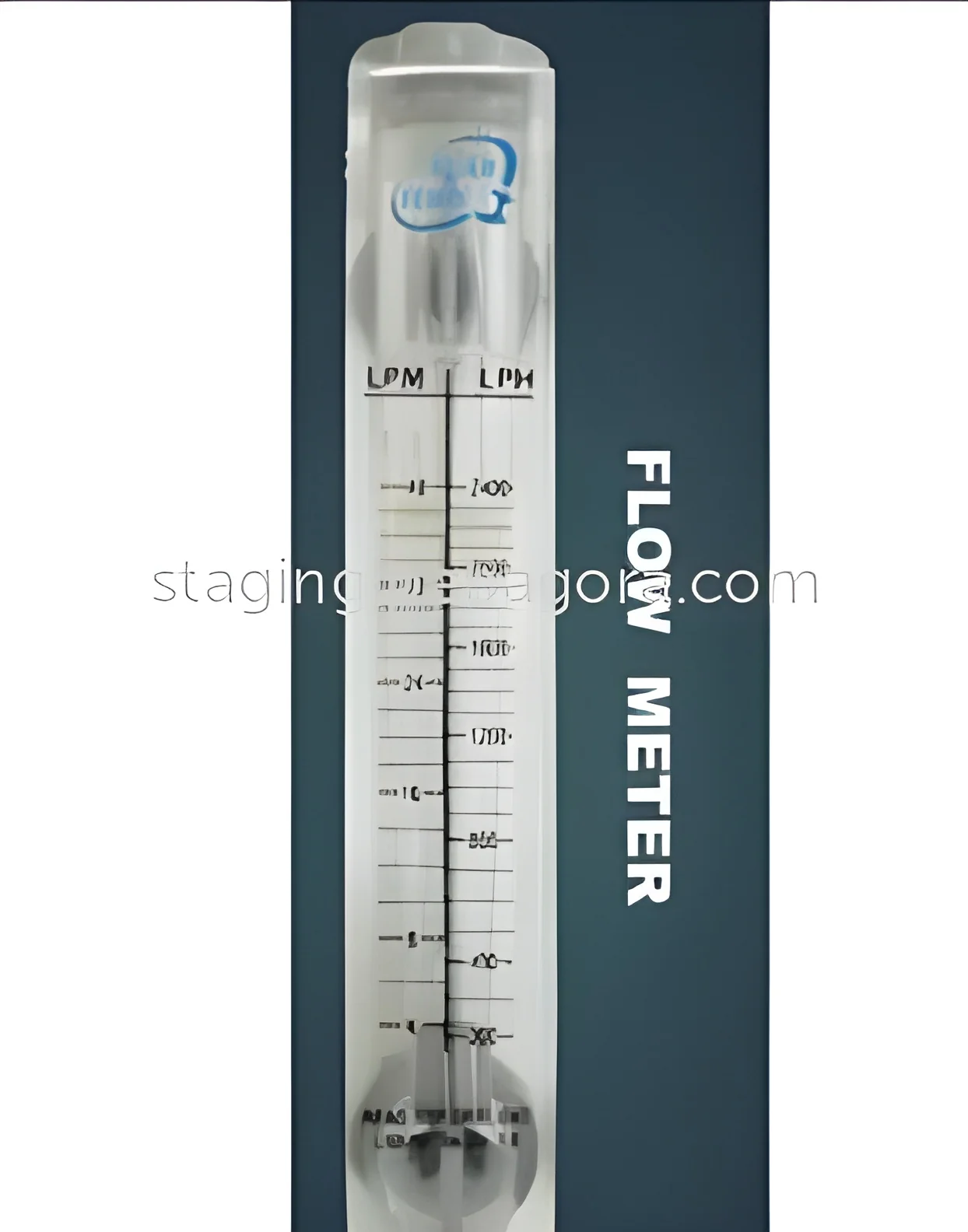
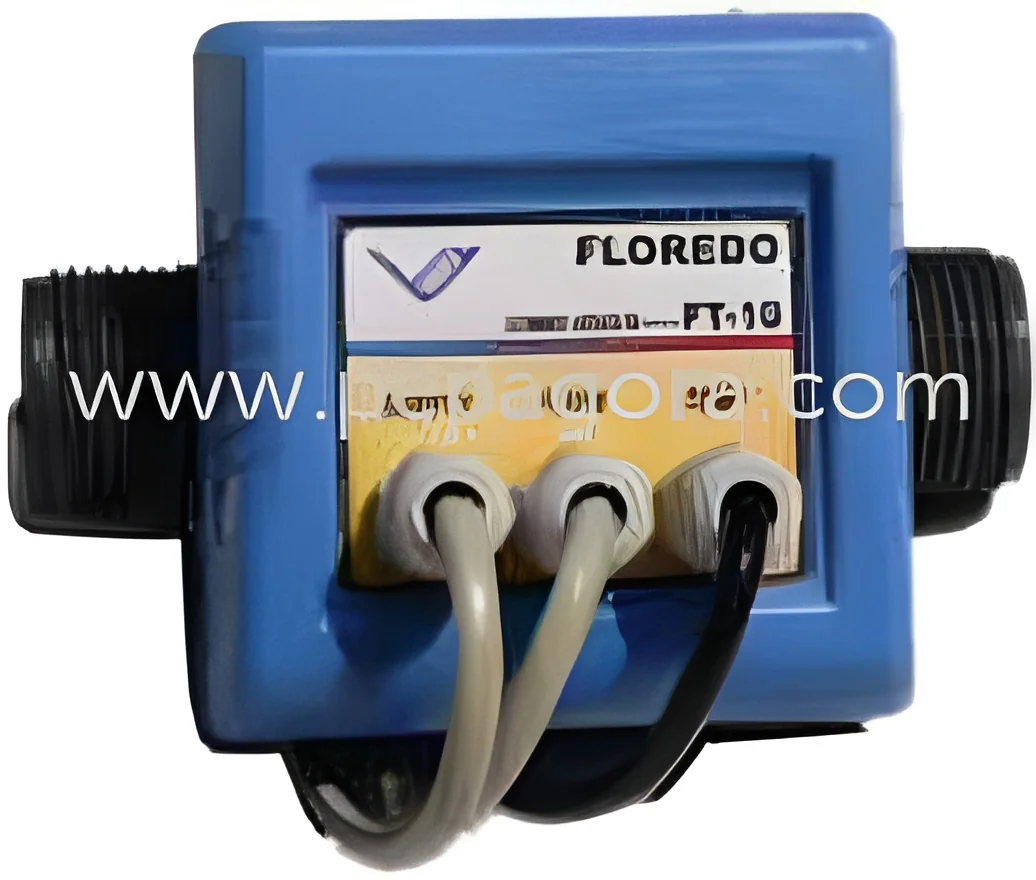
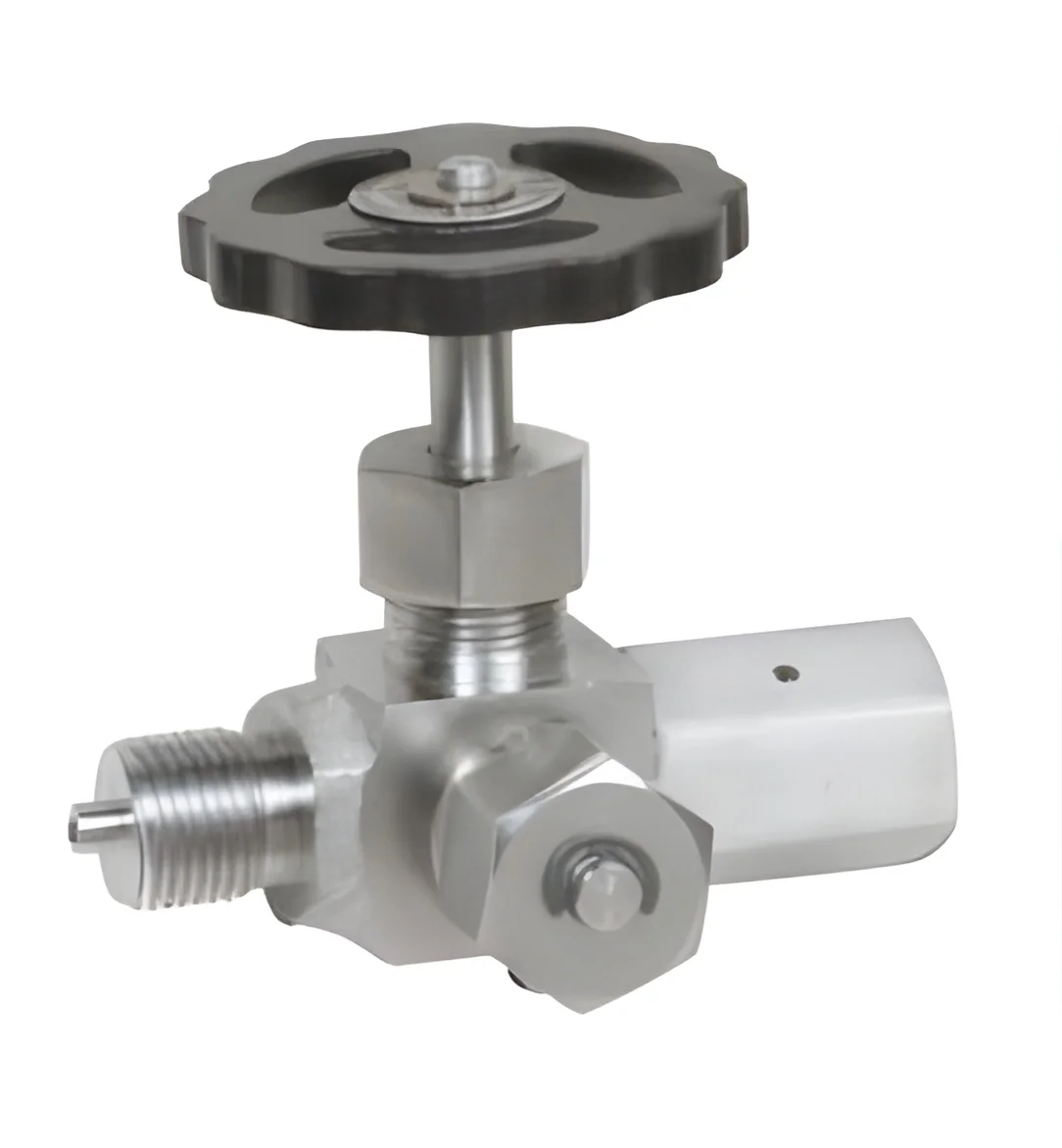
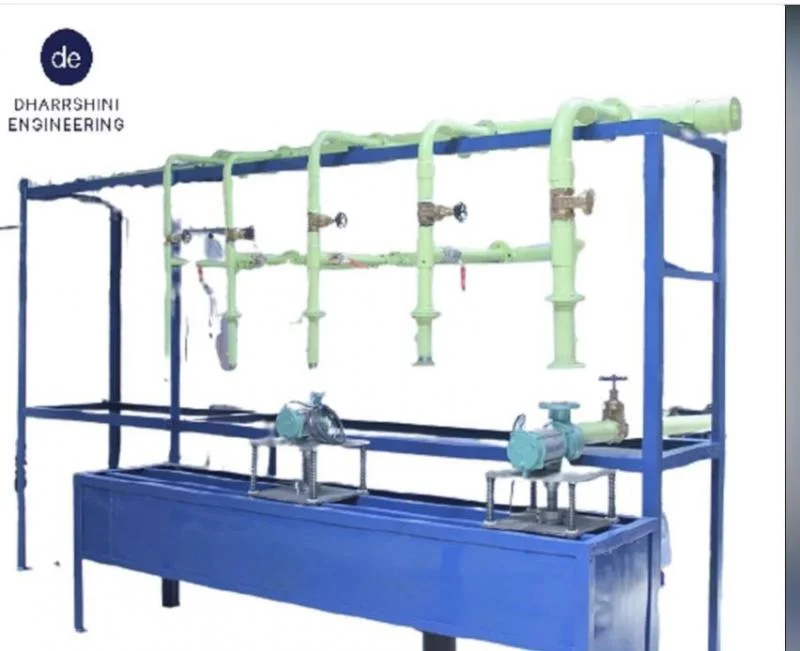
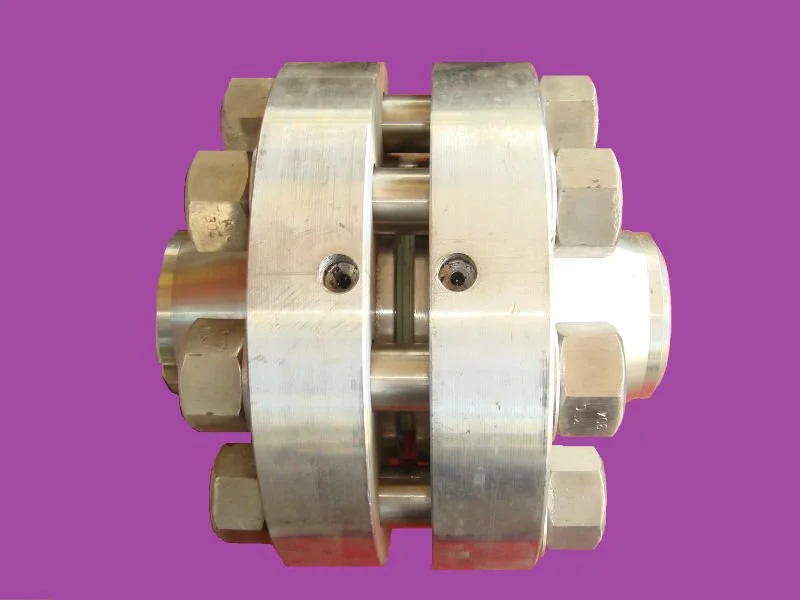
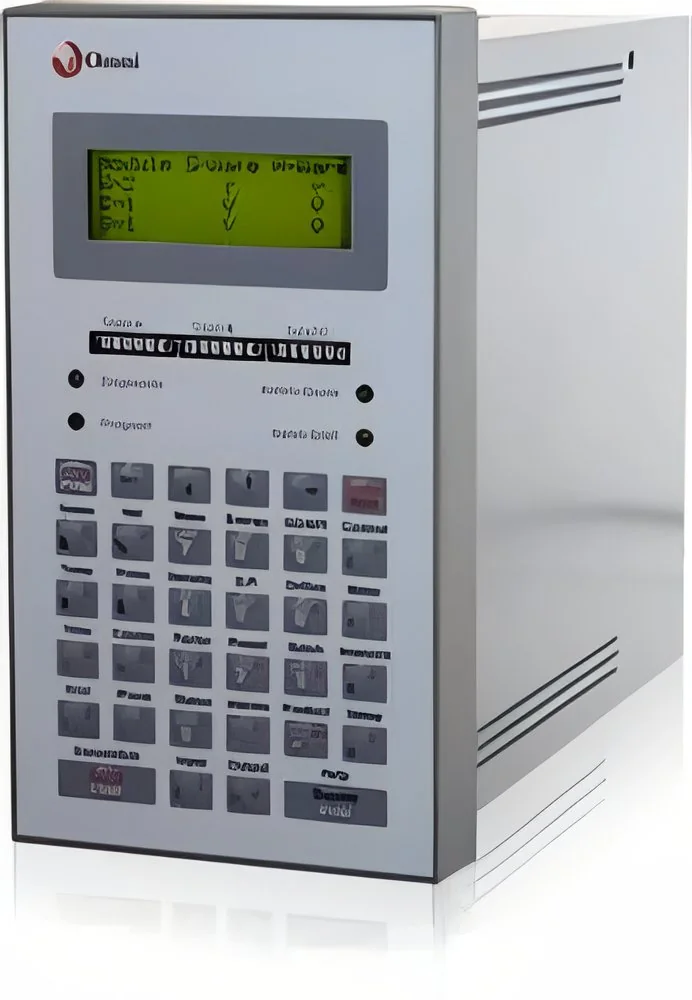
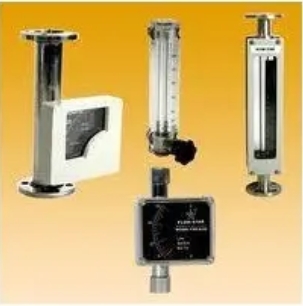
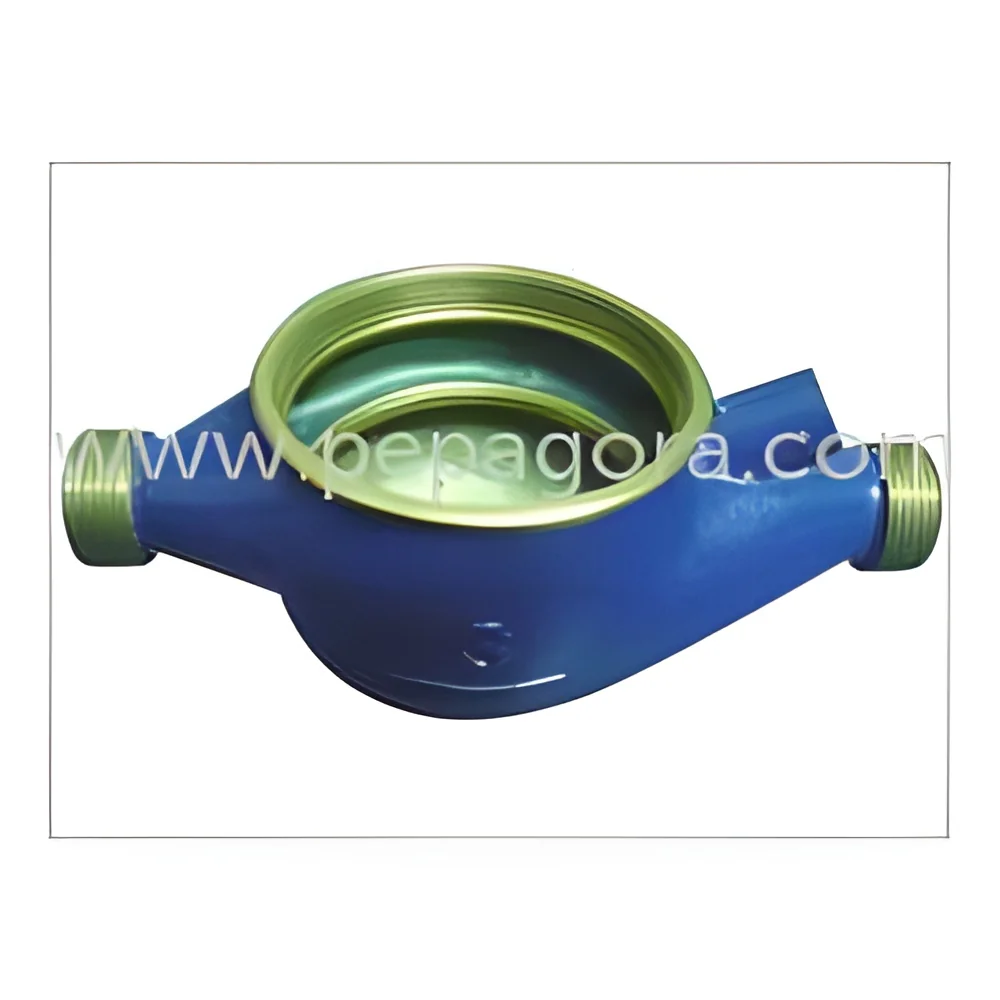
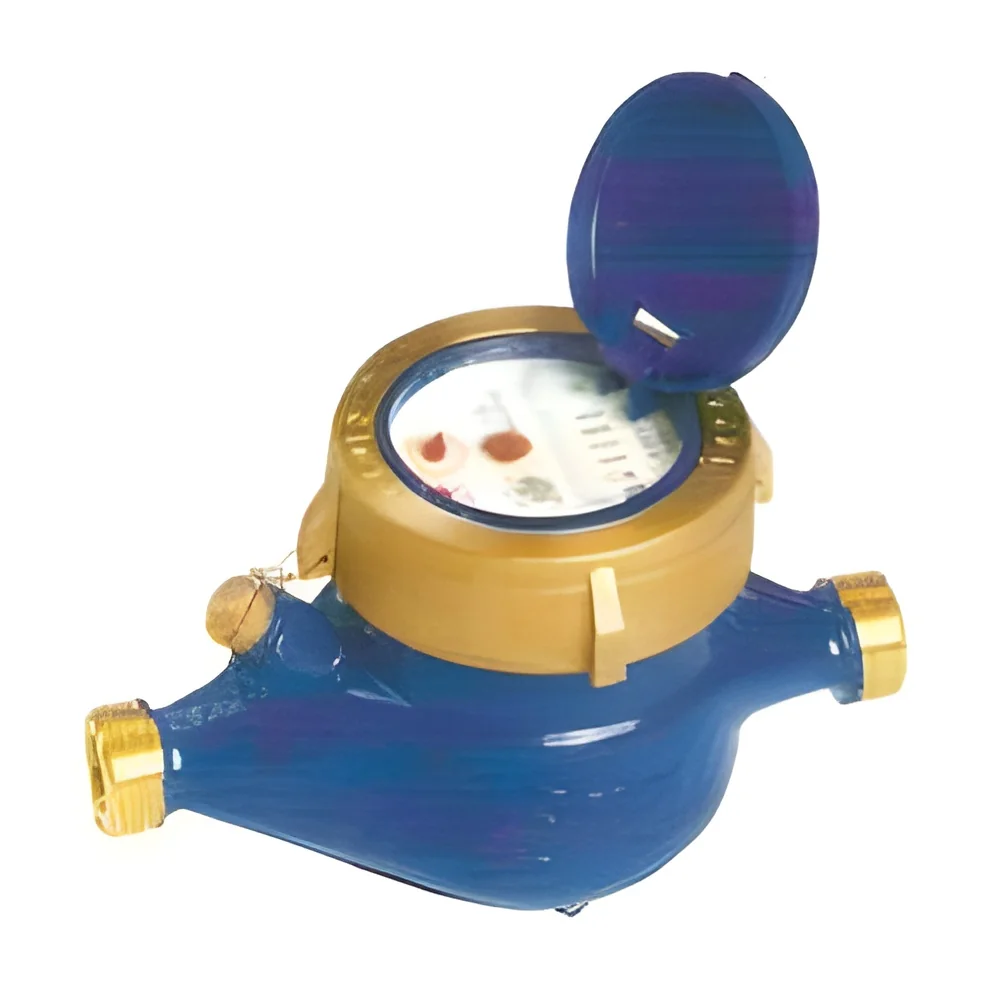
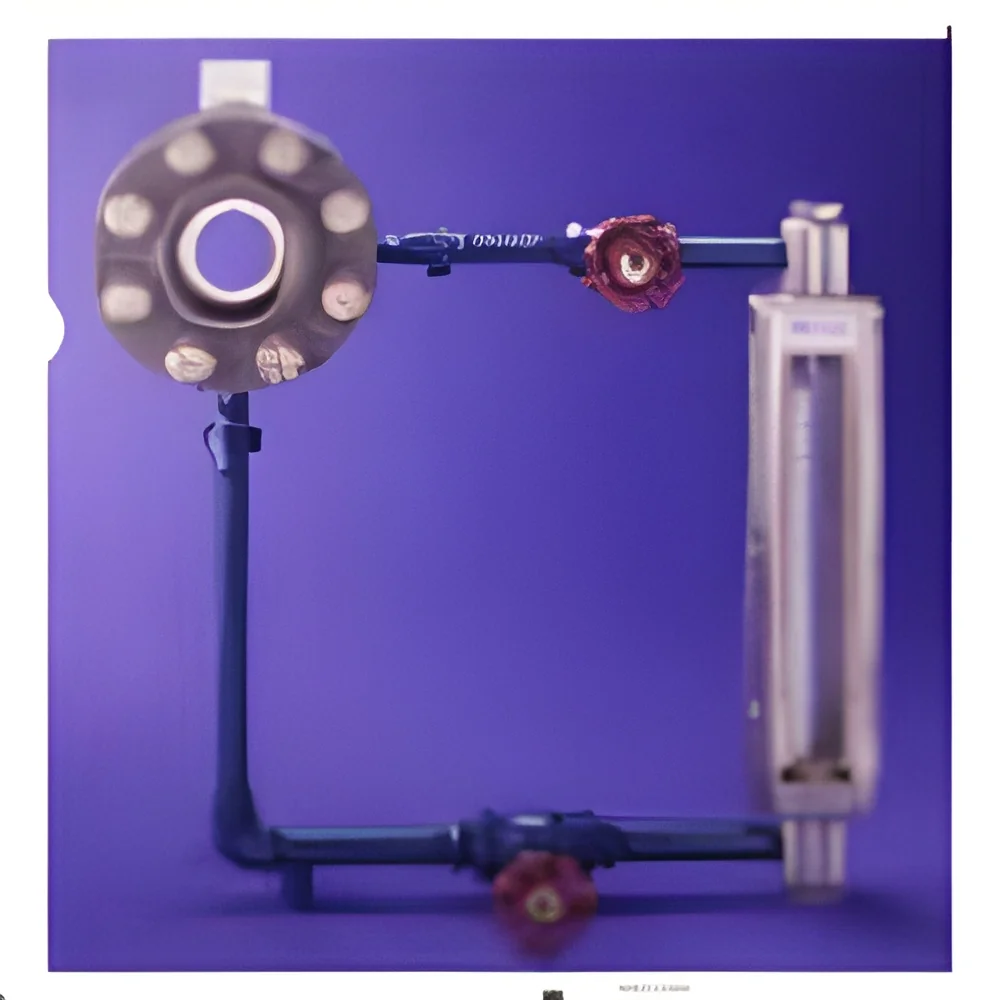
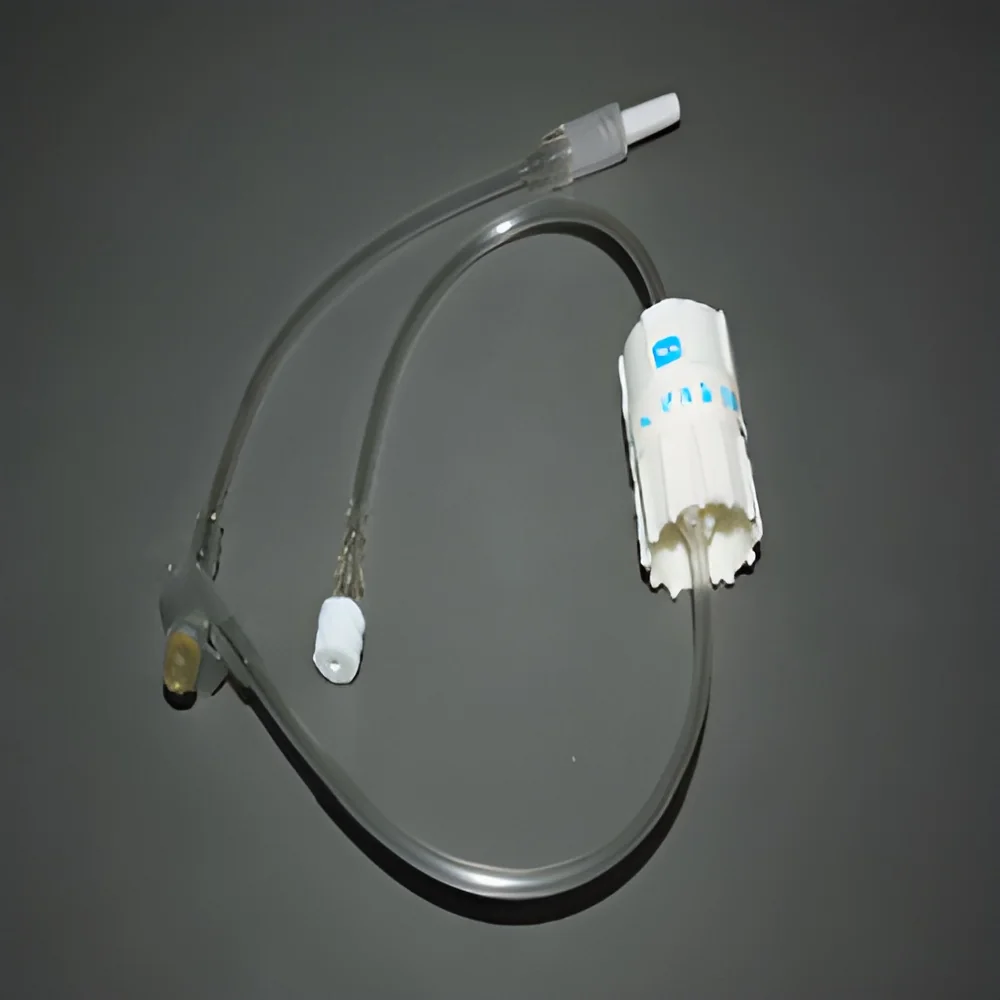
What are Flowmeters?
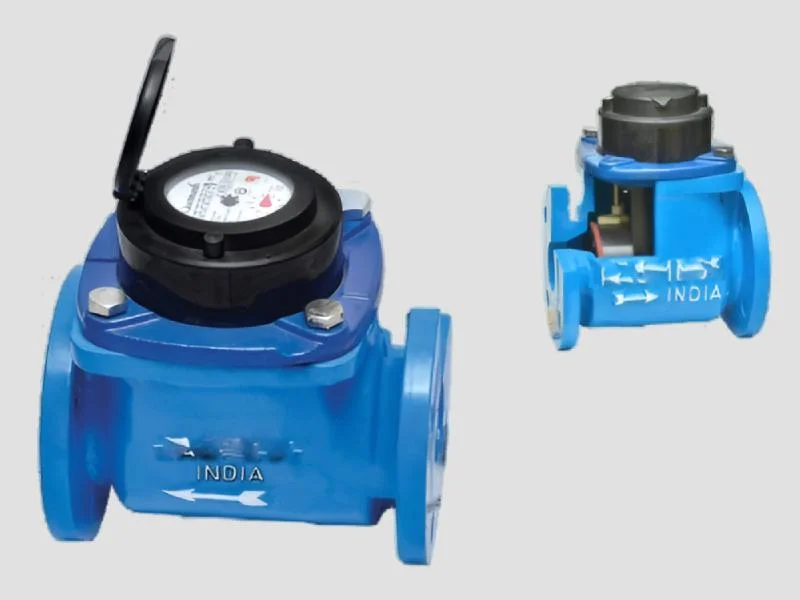
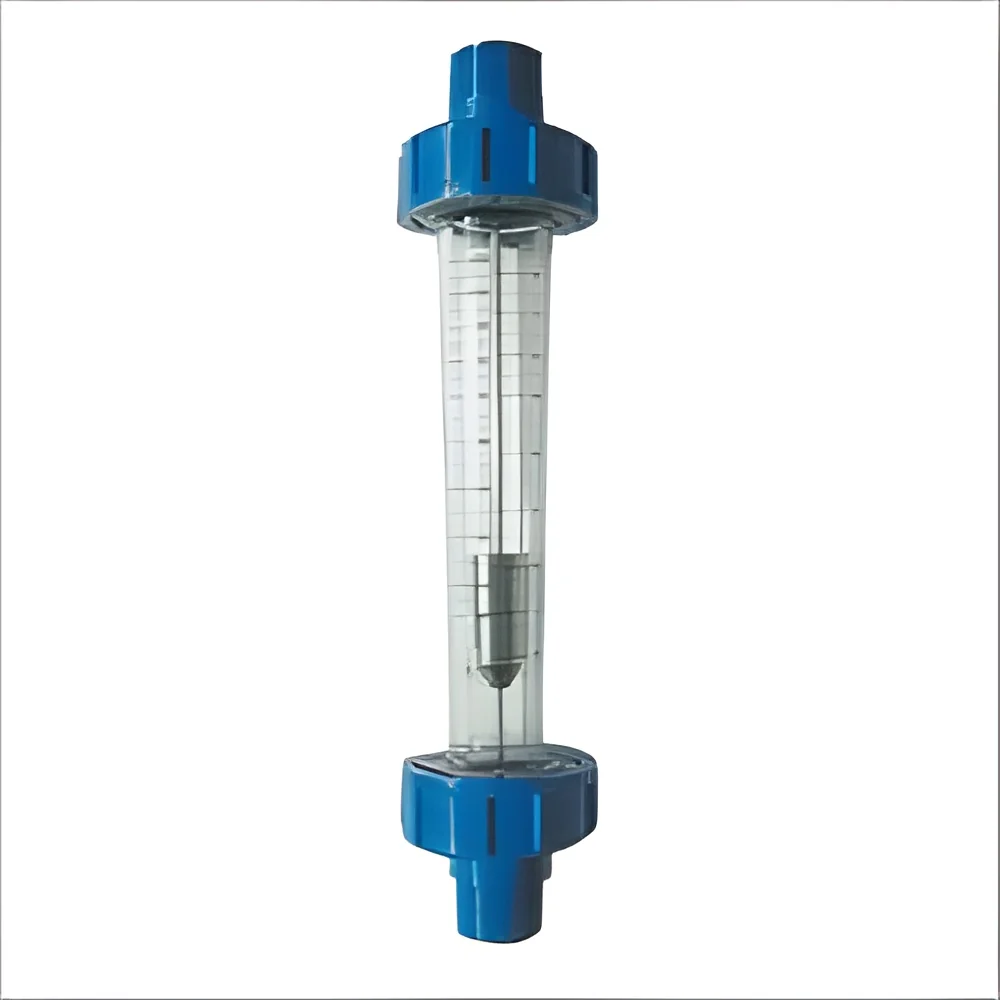
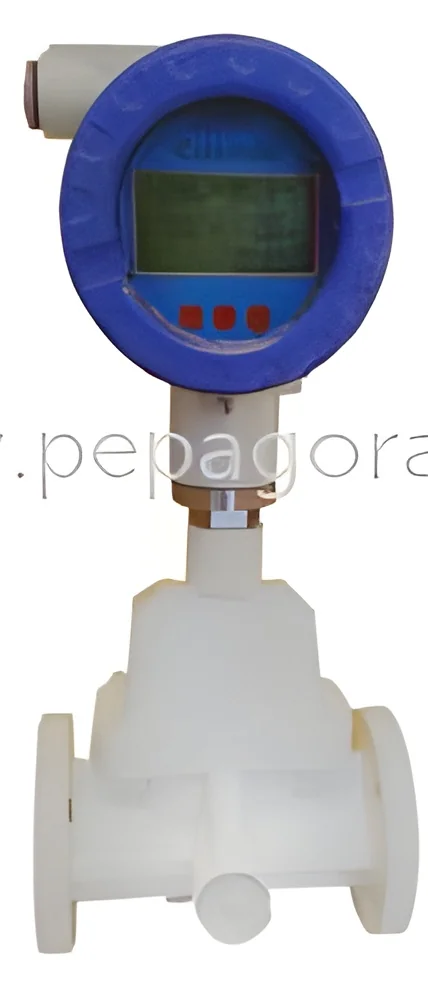
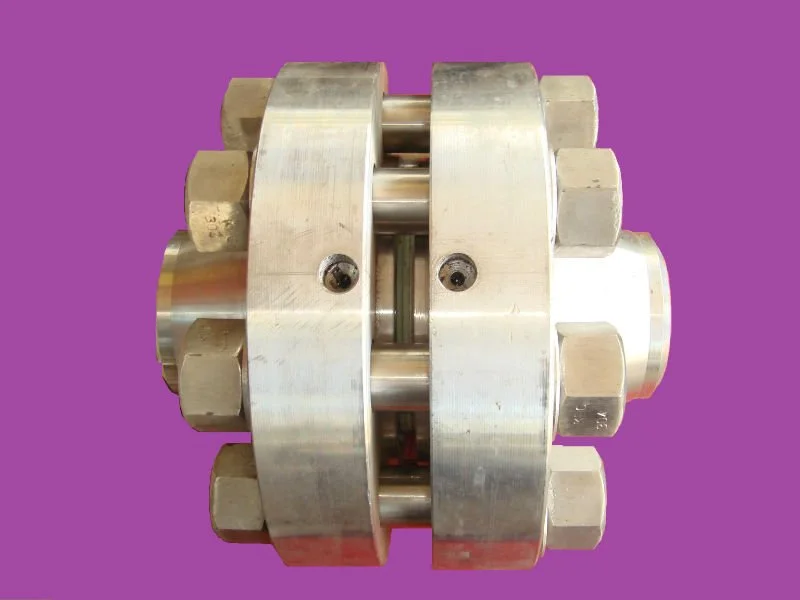
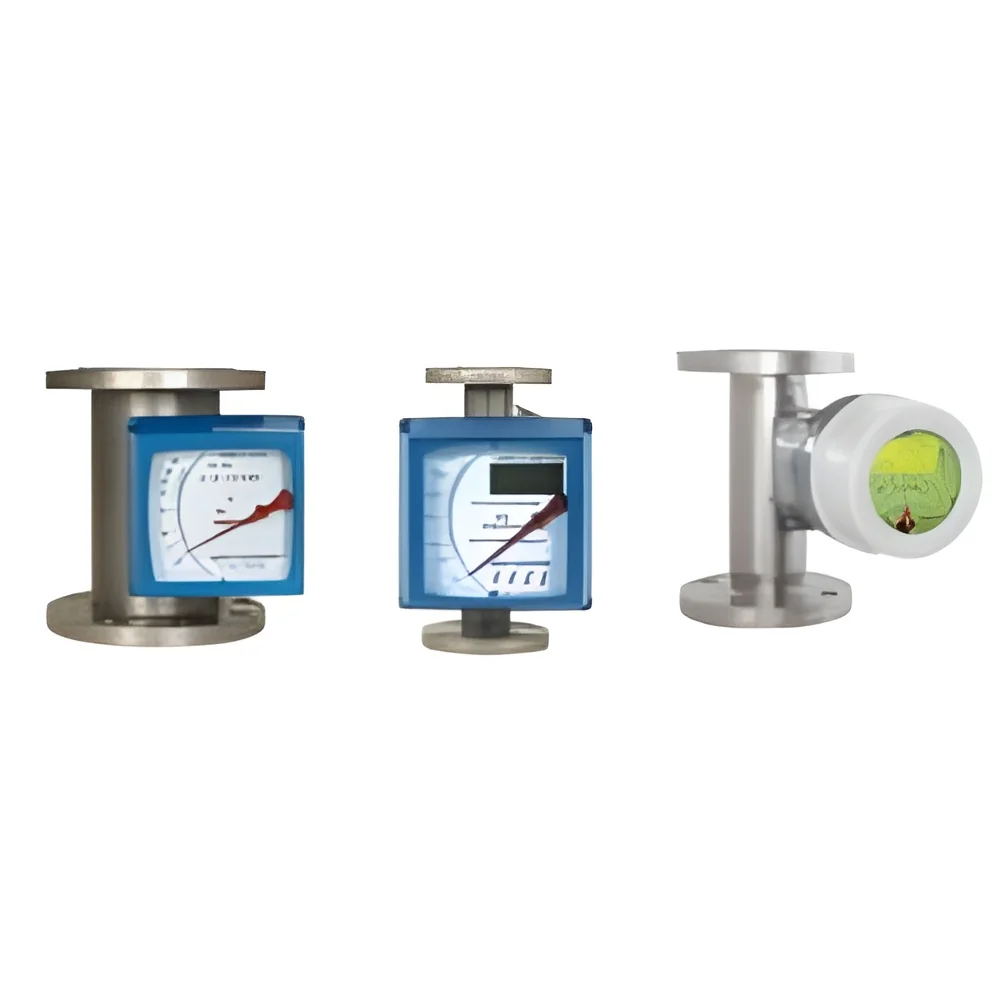
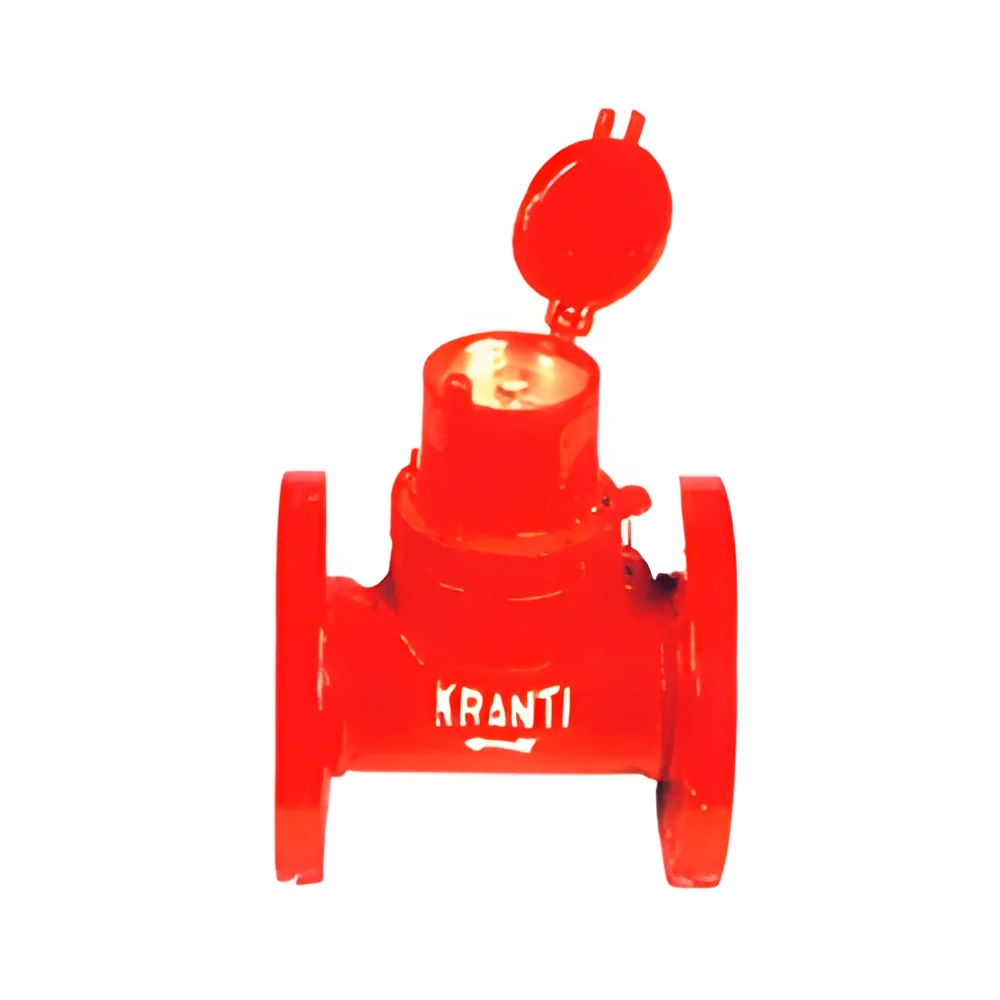
Flowmeters are instruments used to measure the flow rate of liquids and gases in various applications. They provide crucial data that helps industries monitor and control the movement of fluids through pipelines. Flowmeters operate on different principles, such as differential pressure, electromagnetic, ultrasonic, and positive displacement, catering to diverse operational needs and fluid characteristics.
These devices are essential in numerous sectors, including water and wastewater treatment, chemical processing, oil and gas, and food and beverage manufacturing. They facilitate accurate measurement for process optimization, regulatory compliance, and resource management. In a market where efficiency and precision are paramount, flowmeters play a vital role in ensuring smooth operations and quality assurance across industries.
Key Features and Specifications
Flowmeters come equipped with a range of features designed to enhance their performance and reliability. Understanding the specifications of flowmeters is essential for selecting the right device for specific applications.
Key specifications include:
1. Measurement Principle
- Types include electromagnetic, ultrasonic, turbine, and positive displacement.
- Each principle offers different advantages depending on the application.
2. Flow Range
- The range of flow rates the meter can measure, typically specified in liters per minute (L/min) or gallons per minute (GPM).
- Flow ranges can vary significantly between models based on design and application.
3. Accuracy
- The degree to which the flowmeter's measurements reflect the actual flow rate.
- Common accuracy levels range from ±0.5% to ±2%.
4. Operating Temperature
- The temperature range within which the flowmeter can function effectively.
- This specification is crucial for processes involving hot or cold fluids.
5. Pressure Rating
- The maximum pressure the flowmeter can withstand, often measured in bar or psi.
- This factor impacts installation in high-pressure systems.
6. Connection Type
- The types of fittings or connections compatible with the flowmeter, such as threaded, flanged, or sanitary connections.
- This ensures compatibility with existing piping systems.
7. Material Construction
- The materials used in the flowmeter, which could include stainless steel, plastic, or ceramic, depending on the application and fluid type.
8. Output Signal
- The type of output provided, such as analog or digital, which is vital for integration into control systems.
In summary, selecting the right flowmeter requires a thorough understanding of these specifications to ensure optimal performance for specific operational needs.
Common Applications and Use Cases
Flowmeters are utilized across various industries, each with unique requirements and applications.
1. Water and Wastewater Treatment: Flowmeters are essential for monitoring water flow in treatment plants, ensuring compliance with environmental regulations, and optimizing chemical dosing.
2. Chemical Processing: In chemical manufacturing, flowmeters help manage the precise flow of reactants and products, maintaining efficiency and safety in production.
3. Oil and Gas: Flowmeters are critical in the oil and gas industry for measuring crude oil and gas flow rates, ensuring accurate billing, and monitoring pipeline integrity.
4. Food and Beverage: Flowmeters are used to control and monitor the flow of liquids in processing plants, ensuring quality and consistency in production.
5. HVAC Systems: Flowmeters are implemented in heating, ventilation, and air conditioning systems to measure water and air flow, enhancing energy efficiency and system performance.
6. Pharmaceutical: In pharmaceutical production, flowmeters ensure accurate ingredient dosing, which is crucial for compliance with health regulations.
7. Agriculture: Flowmeters help manage irrigation systems by measuring water flow rates, promoting efficient water usage in farming operations.
Product Variants and Subcategories
Flowmeters are available in various types to meet specific industry needs. Each variant has unique features tailored for different applications.
Electromagnetic Flowmeters: These meters utilize electromagnetic principles to measure the flow of conductive liquids. They are ideal for applications involving slurries and wastewater due to their non-invasive design.
Ultrasonic Flowmeters: Using ultrasonic waves, these flowmeters measure the flow rate of liquids and gases without contacting the fluid. They are highly accurate and suitable for a wide range of applications, including water supply and energy management.
Turbine Flowmeters: These devices measure flow based on the rotation of a turbine within the fluid stream. They are commonly used in applications with clean, low-viscosity fluids such as water and hydrocarbons.
Positive Displacement Flowmeters: These flowmeters measure flow by capturing a fixed volume of fluid and then counting the number of times this volume passes through the meter. They are well-suited for high-viscosity fluids and provide high accuracy.
Benefits and Advantages
Choosing the right flowmeter brings several advantages that enhance operational efficiency and productivity.
1. Improved Accuracy: Flowmeters provide precise measurements, which are essential for effective process control and quality assurance.
2. Enhanced Efficiency: Accurate flow measurement helps reduce waste and optimize resource use, leading to cost savings in operations.
3. Regulatory Compliance: Flowmeters assist businesses in meeting industry regulations by providing reliable data for reporting and audits.
4. Versatility: With various types available, flowmeters can be used in multiple applications, making them suitable for diverse industries.
5. Reduced Maintenance: Many modern flowmeters are designed for durability and low maintenance, minimizing downtime and service costs.
6. Real-Time Monitoring: Flowmeters allow for continuous monitoring of flow rates, enabling prompt responses to any anomalies or changes in process conditions.
Buying Guide for B2B Buyers
When sourcing flowmeters, several key factors should be considered to ensure the best fit for your business needs.
1. Quality Assessment: Examine the quality of the flowmeters by looking for certifications such as CE. It's crucial to ensure that the products meet industry standards and regulations.
2. Supplier Verification: Choose suppliers with a proven track record in the industry. Conduct background checks and request references to ensure reliability.
3. Pricing and MOQ: Understand the pricing structure and minimum order quantities (MOQ). This information helps in budgeting and planning your procurement process.
4. Delivery and Lead Times: Inquire about delivery schedules and lead times. Timely delivery is essential for maintaining operational efficiency.
5. Compliance Requirements: Be aware of any regulatory requirements specific to your industry. Ensure that the flowmeters comply with necessary standards to avoid legal issues.
Compliance and Certifications
Flowmeters must adhere to various quality standards and certifications to ensure their reliability and effectiveness in different applications. Key standards include ISO 9001, which sets criteria for quality management systems, and HACCP, which is critical in food safety. Compliance with these standards ensures that flowmeters are manufactured with consistent quality and safety.
Additionally, flowmeters may carry certifications such as CE, indicating conformity with European health, safety, and environmental protection standards. This certification is particularly important for companies operating in regions requiring compliance with strict regulatory frameworks.
Safety and testing requirements are also vital, as flowmeters must undergo rigorous testing to ensure they can handle the pressures and conditions of their intended applications. Manufacturers must consider regional compliance needs, as different areas may have specific regulations that affect the design and use of flowmeters.
Why Source Flowmeters from Pepagora?
Pepagora offers a reliable platform for sourcing flowmeters, providing several key advantages to B2B buyers.
Verified Supplier Network: Pepagora connects buyers with a network of verified suppliers, ensuring that you source high-quality flowmeters from reputable manufacturers. This network enhances trust and reduces the risk associated with procurement.
Streamlined RFQ Process: The platform features a streamlined Request for Quotation (RFQ) process, allowing buyers to easily compare prices and specifications from multiple suppliers. This efficiency helps in making informed purchasing decisions.
Trade Assurance and Support: Pepagora offers trade assurance and support services to protect buyers against potential risks in transactions. This feature enhances buyer confidence in their purchases.
Regional Coverage: With a strong presence in India, the GCC, and Southeast Asia, Pepagora provides extensive regional coverage, making it easier for businesses to source flowmeters relevant to their local markets. This geographic reach ensures that buyers have access to the latest products and innovations in the industry.

 IN
IN