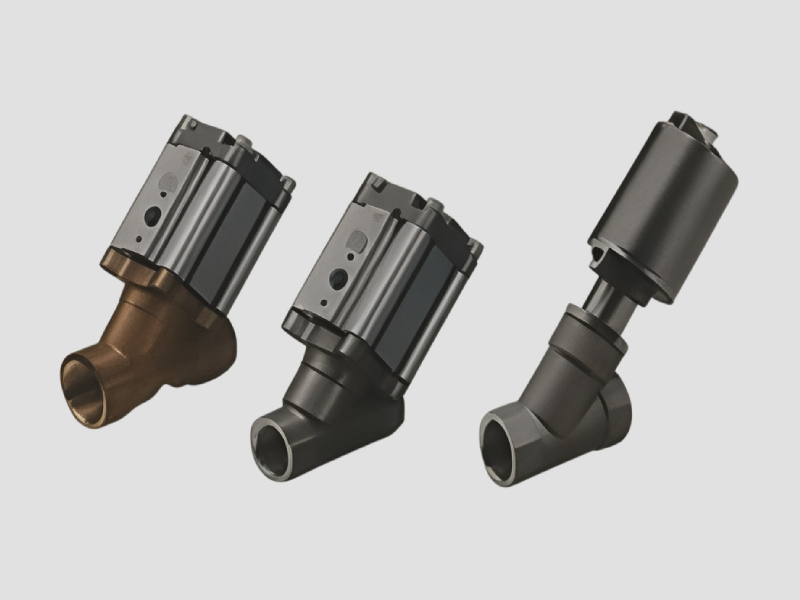
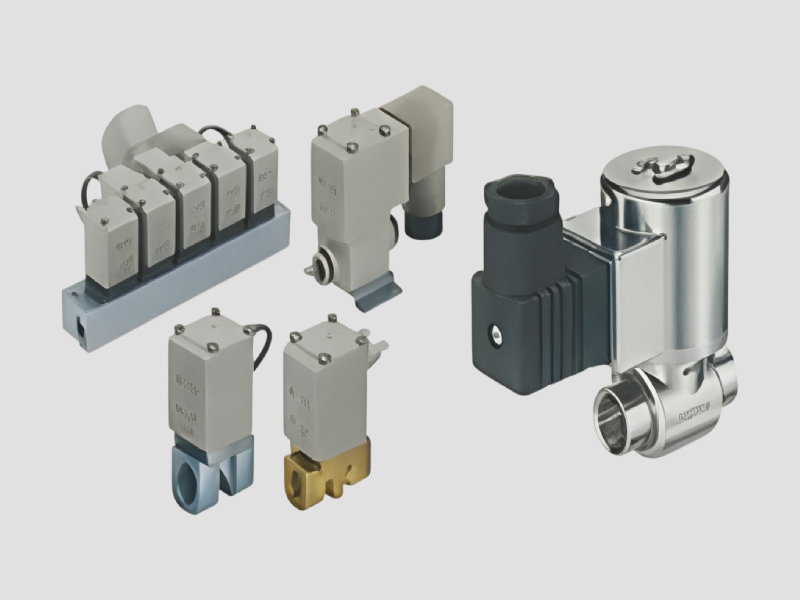
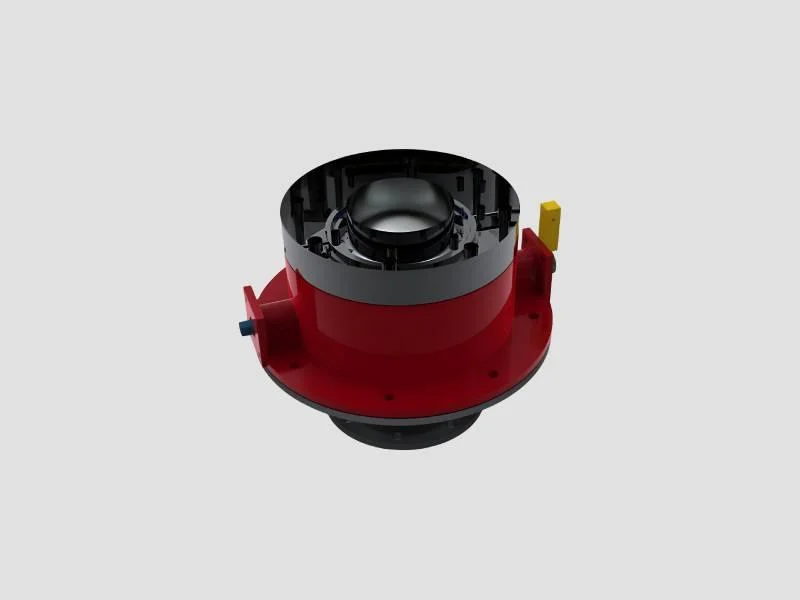
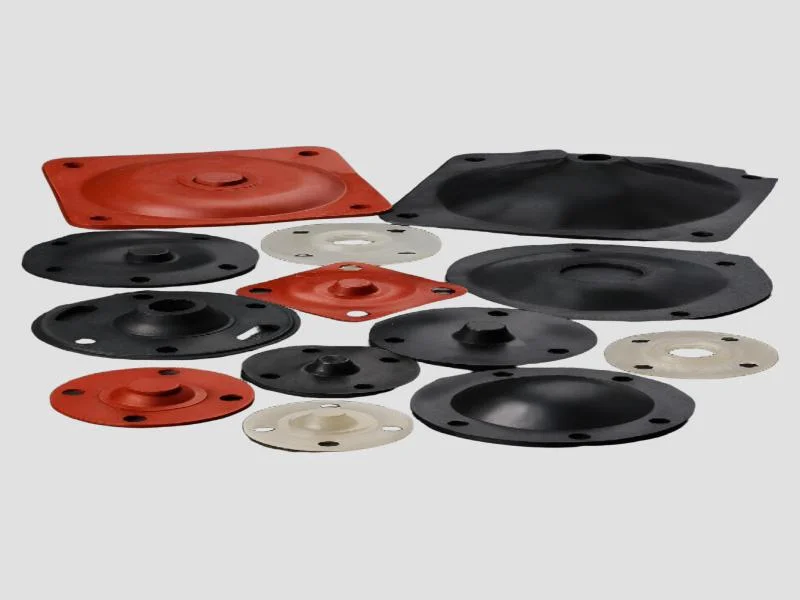
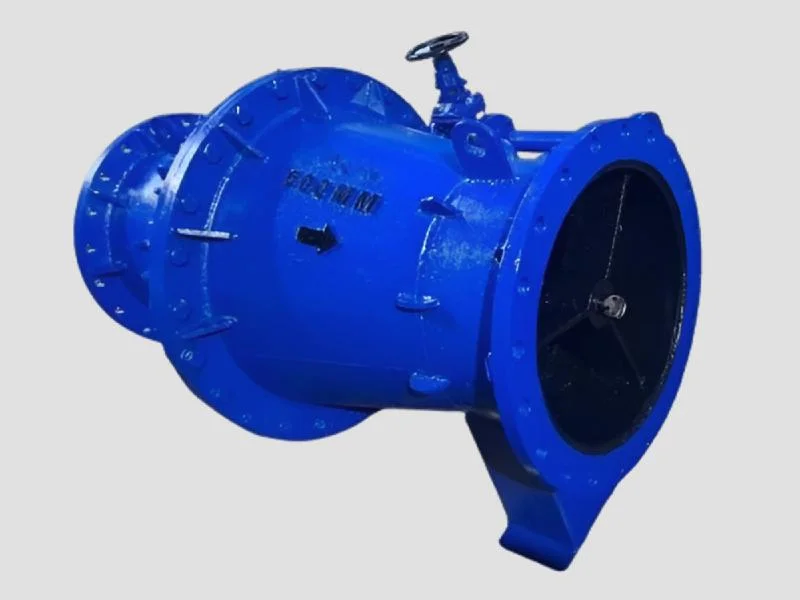
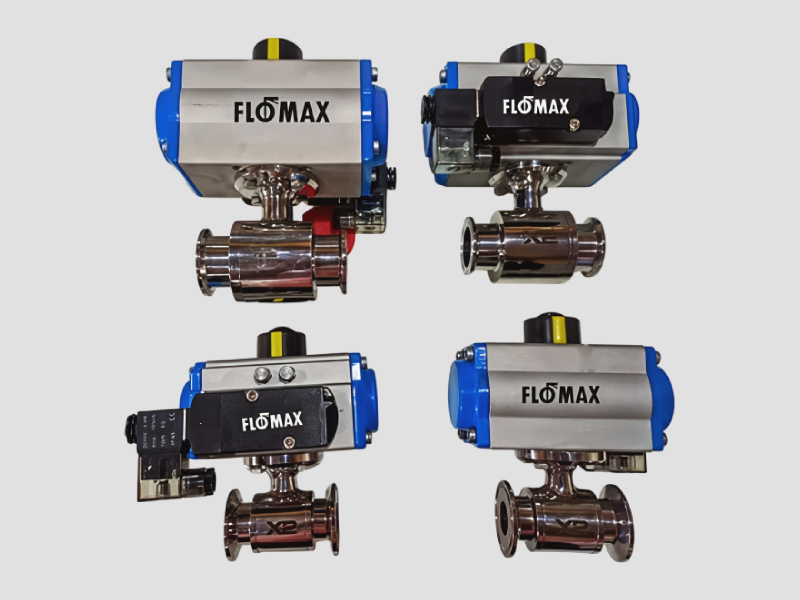
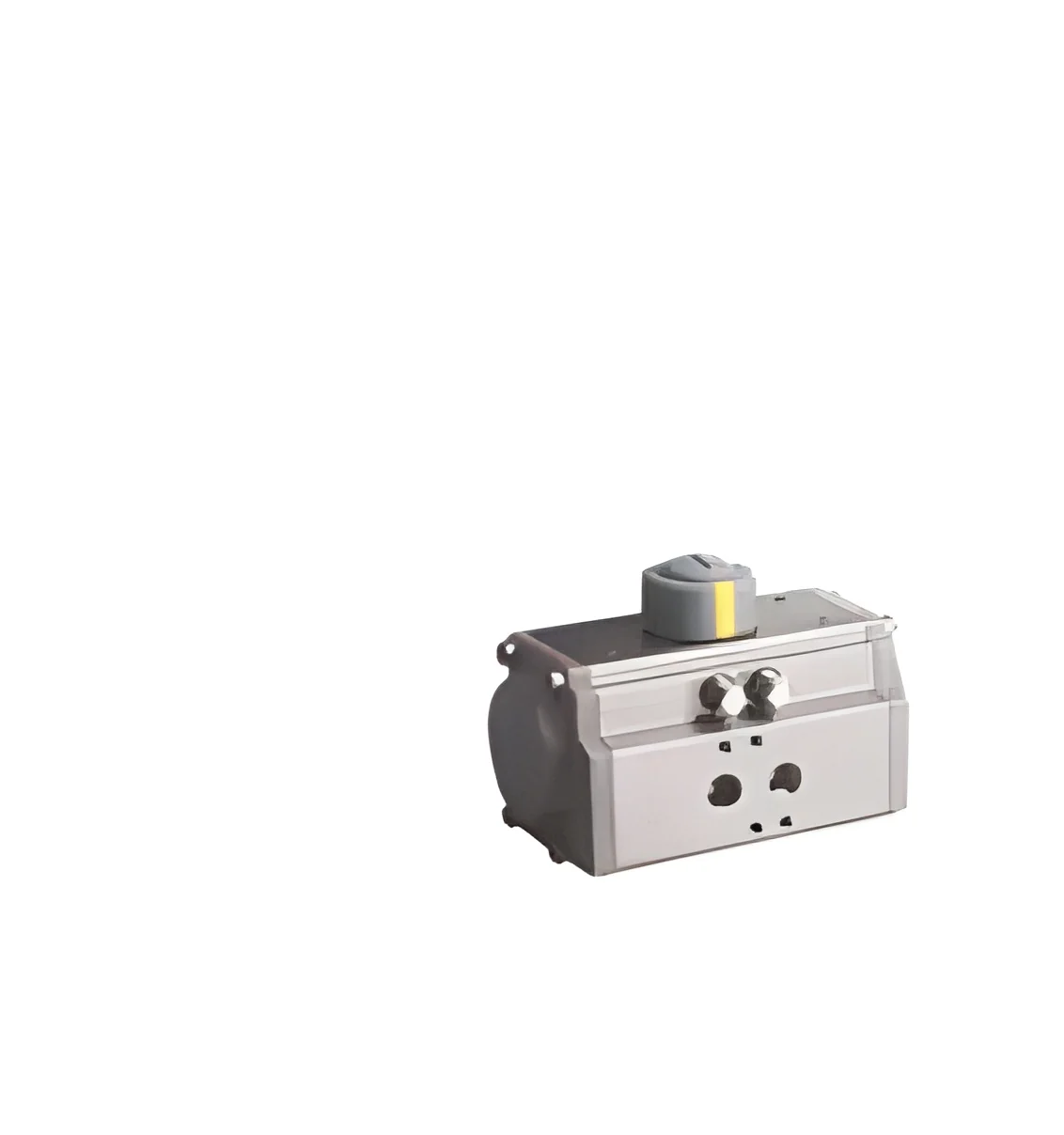
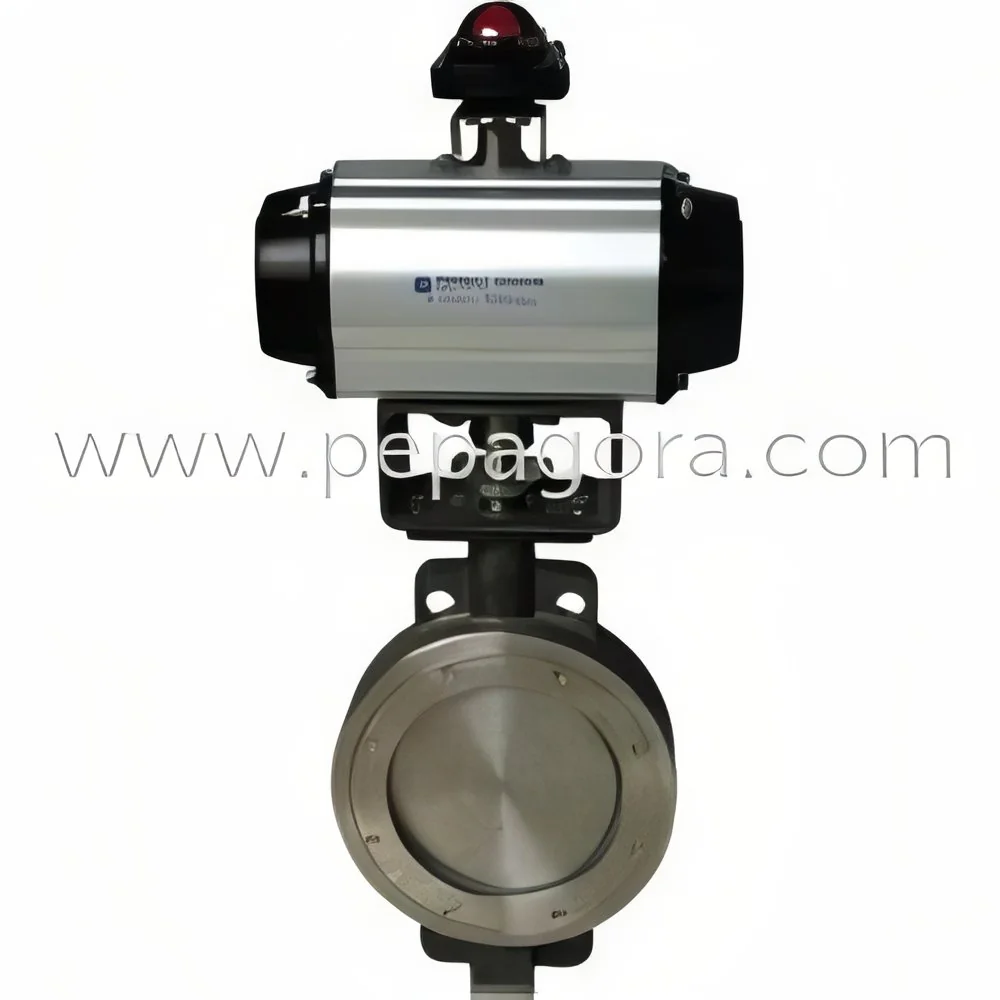
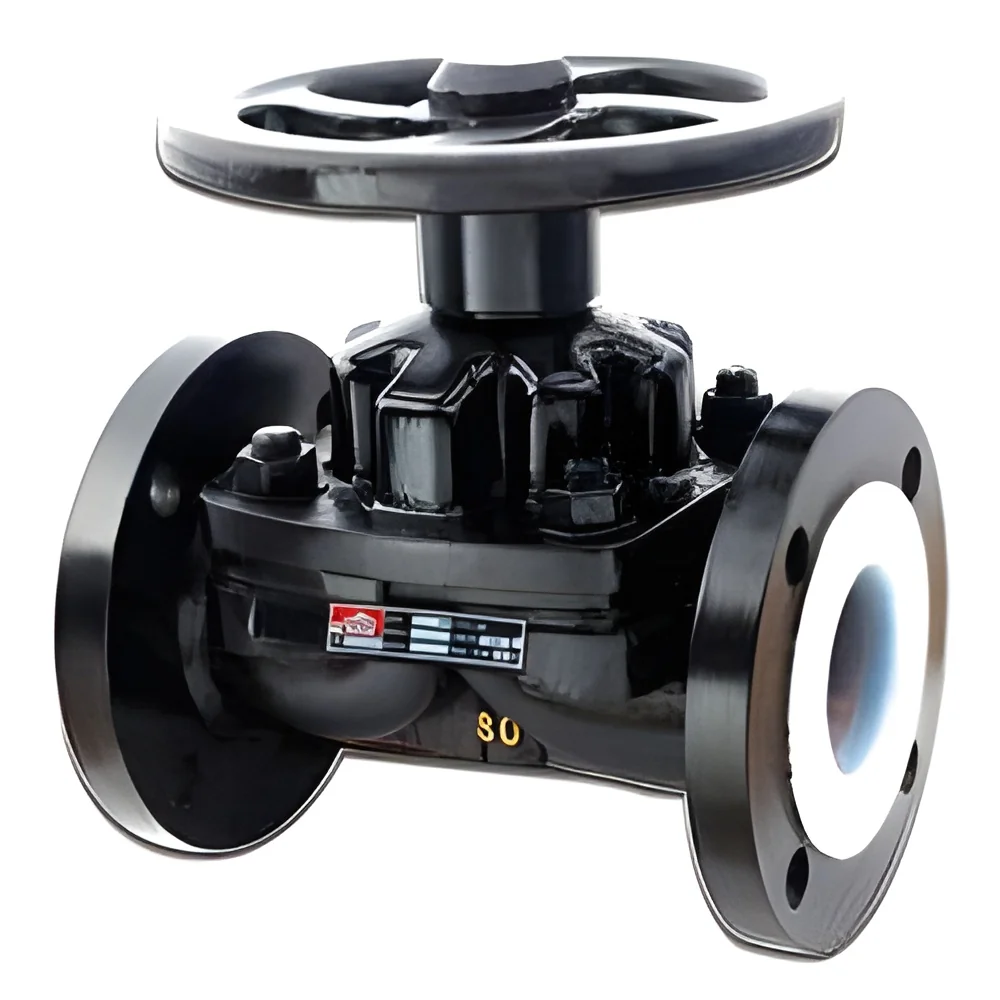
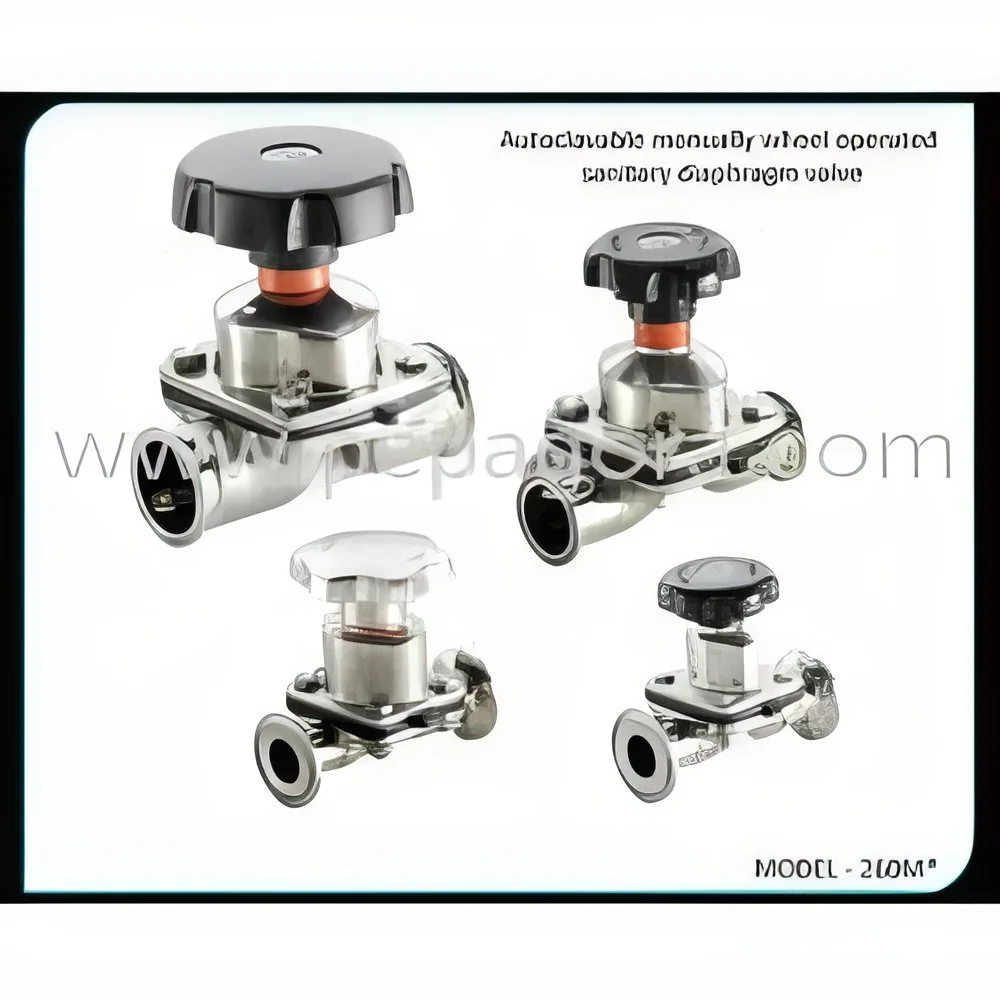
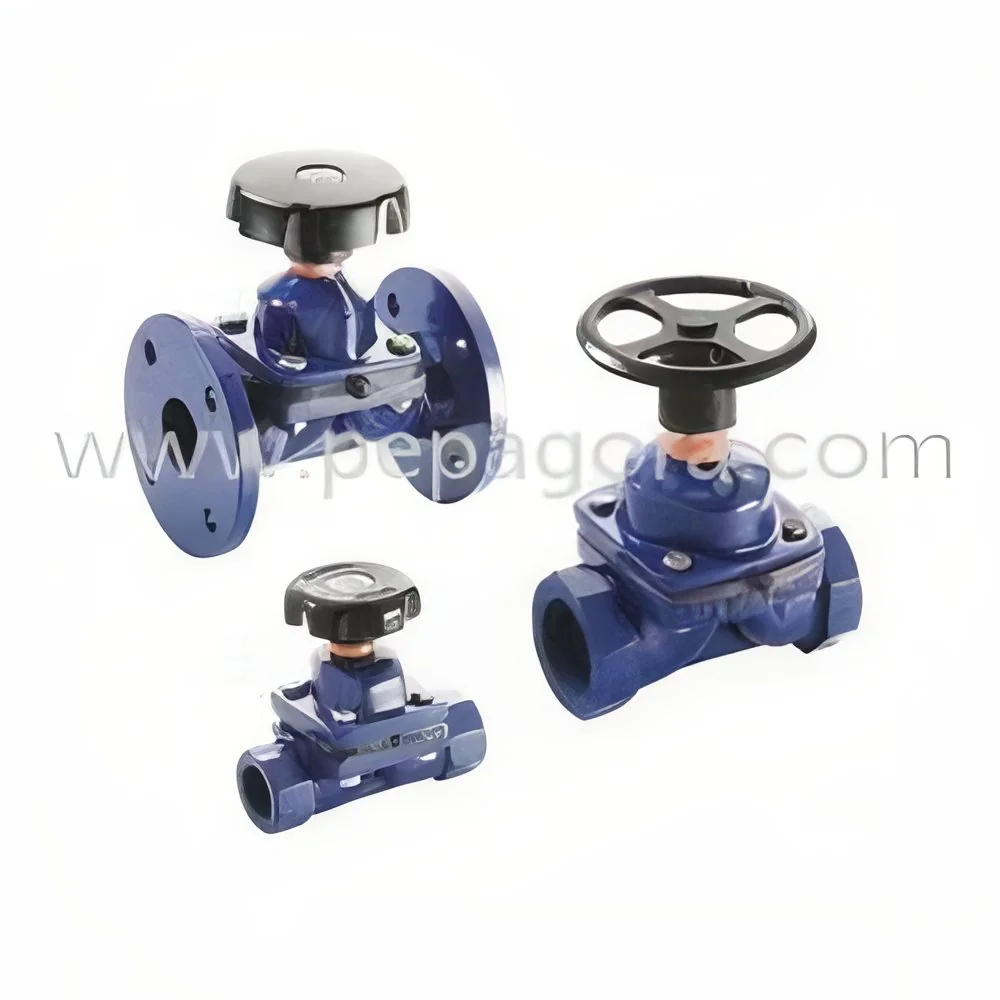
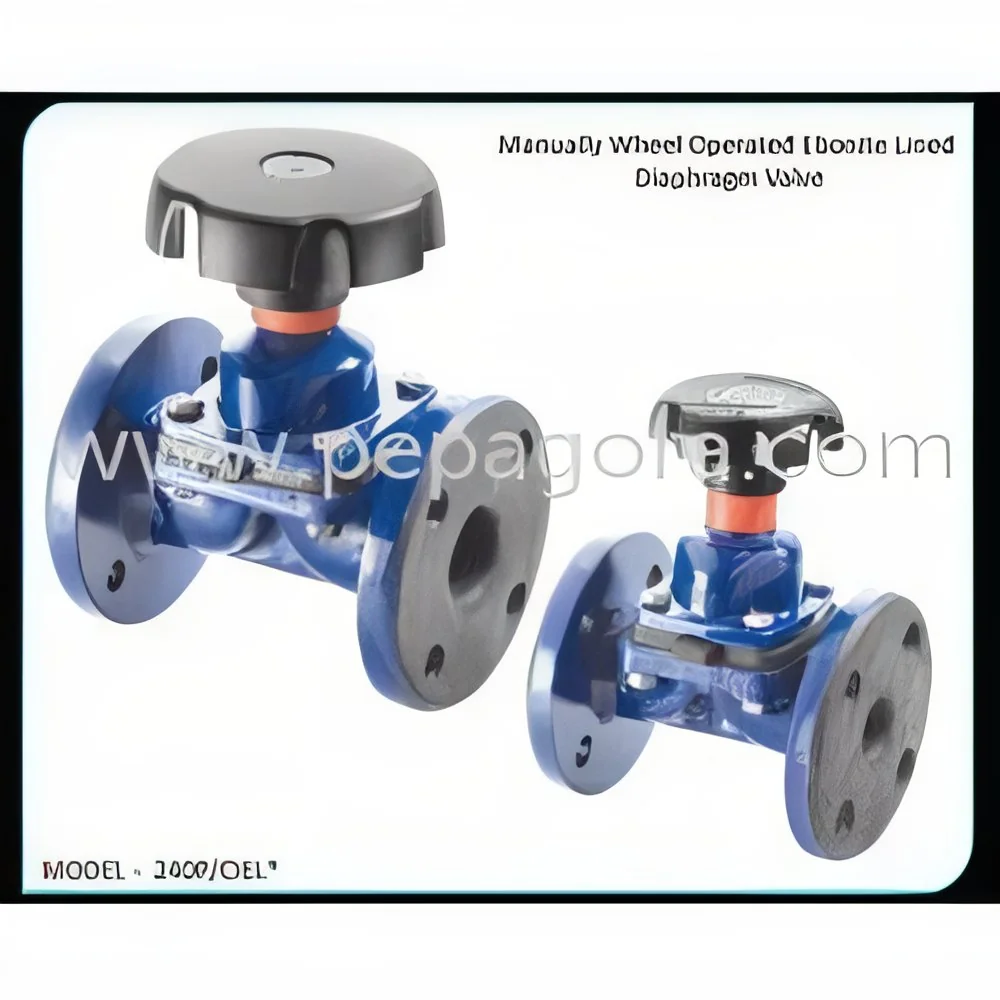
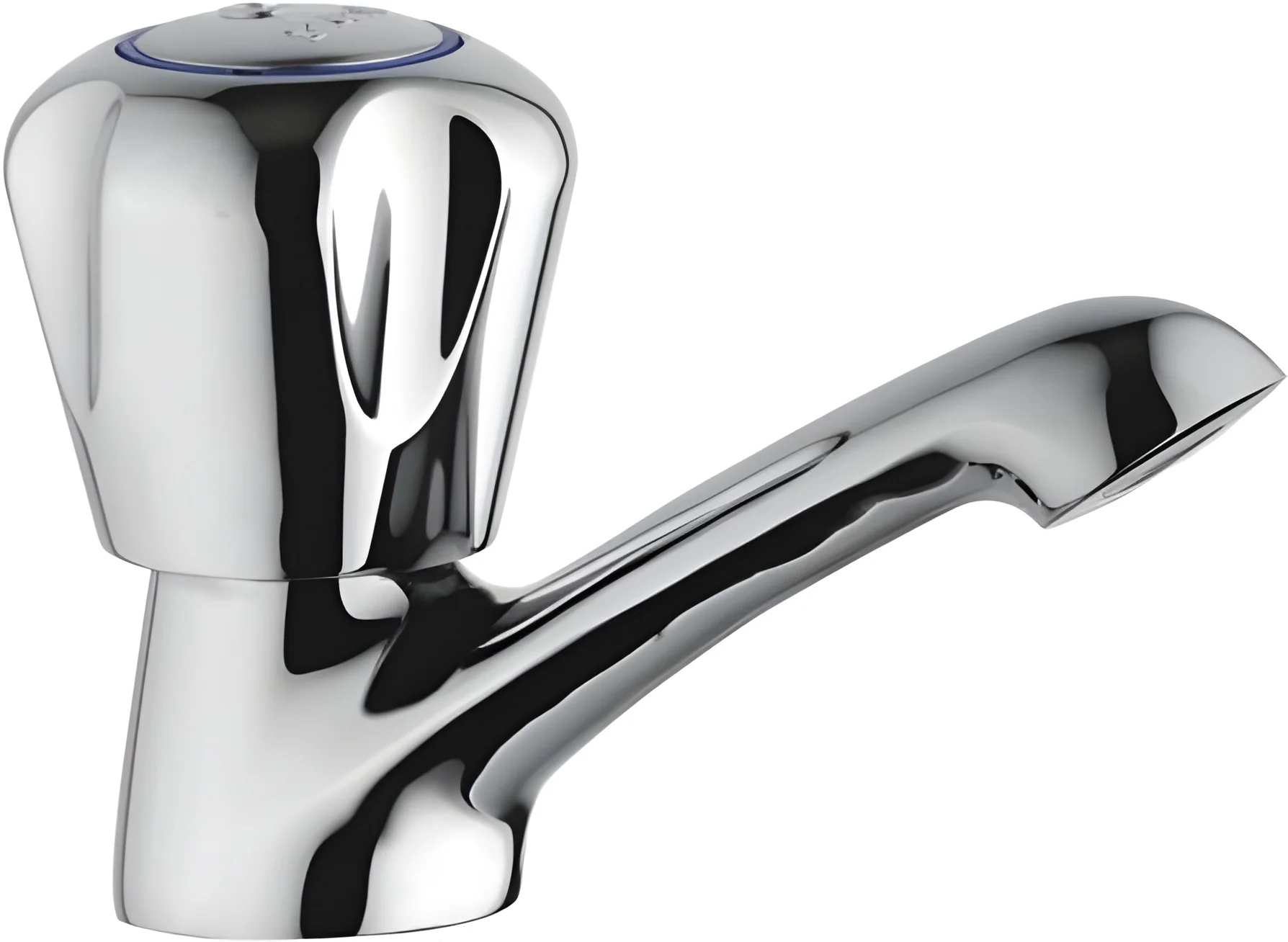
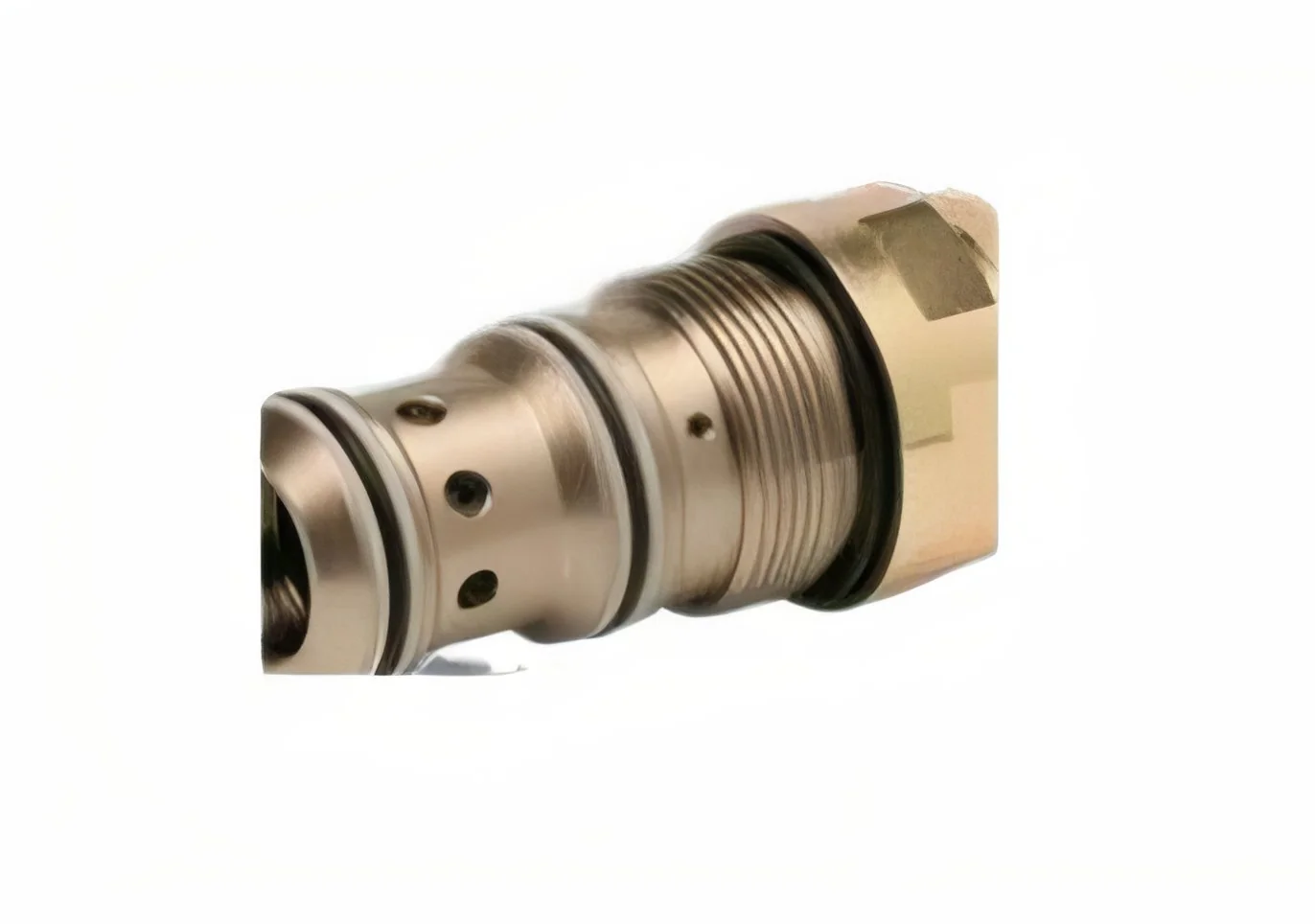
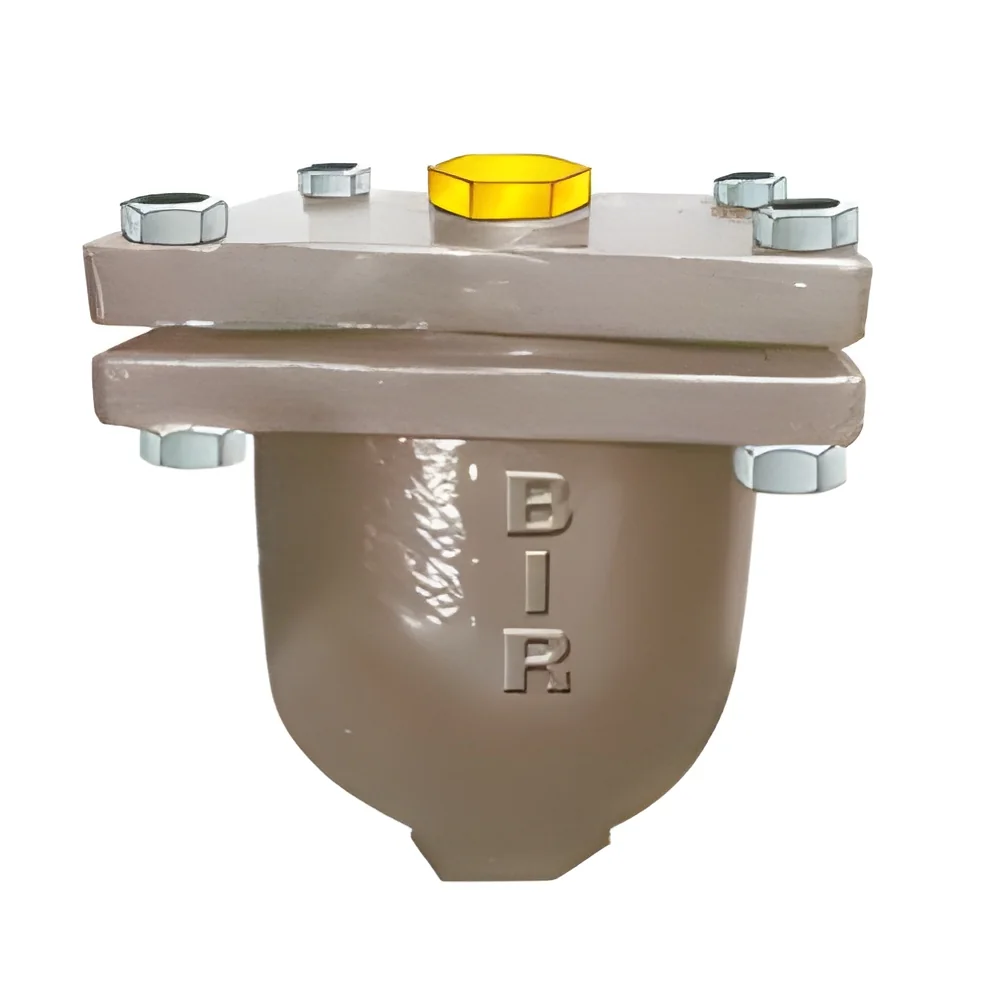
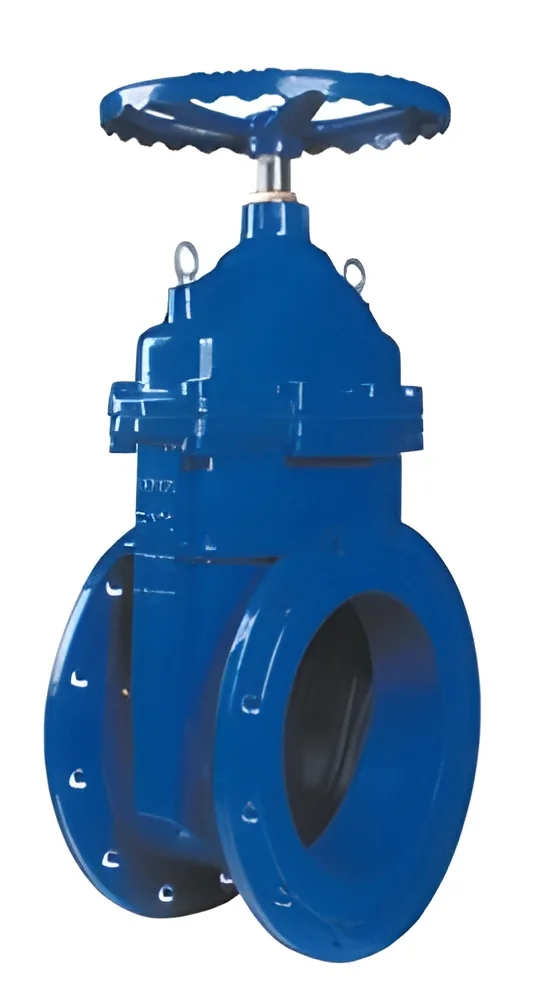
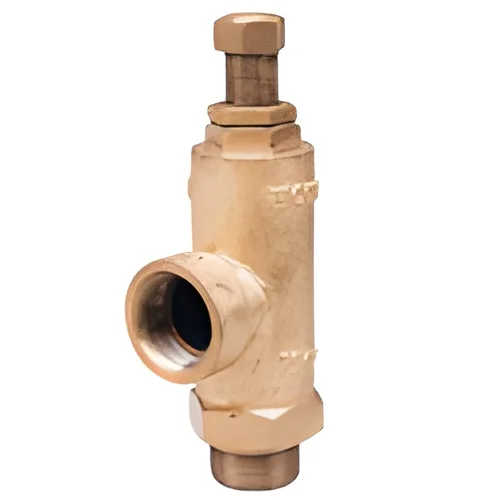
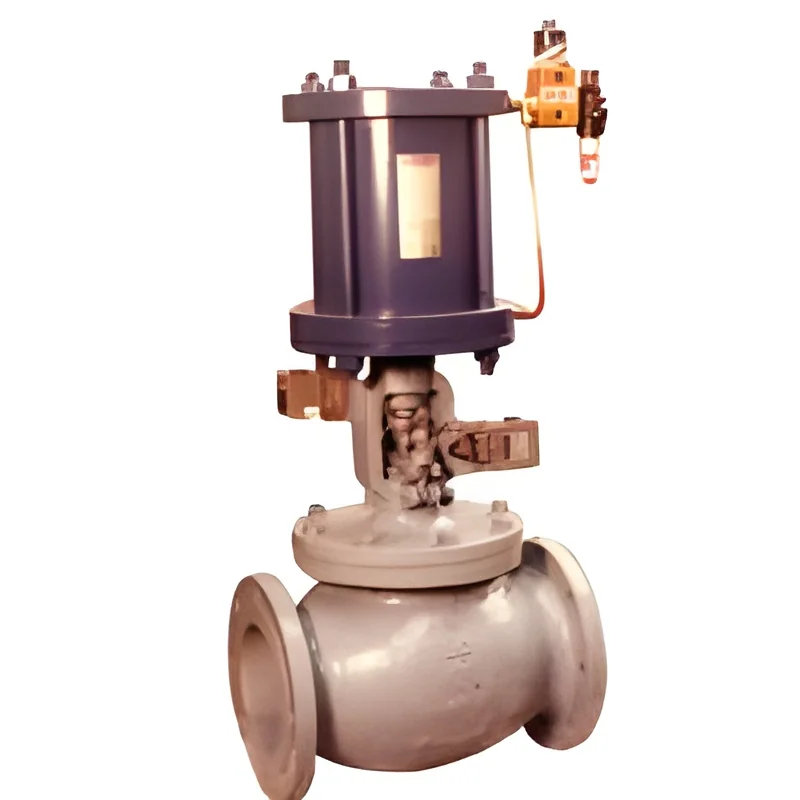
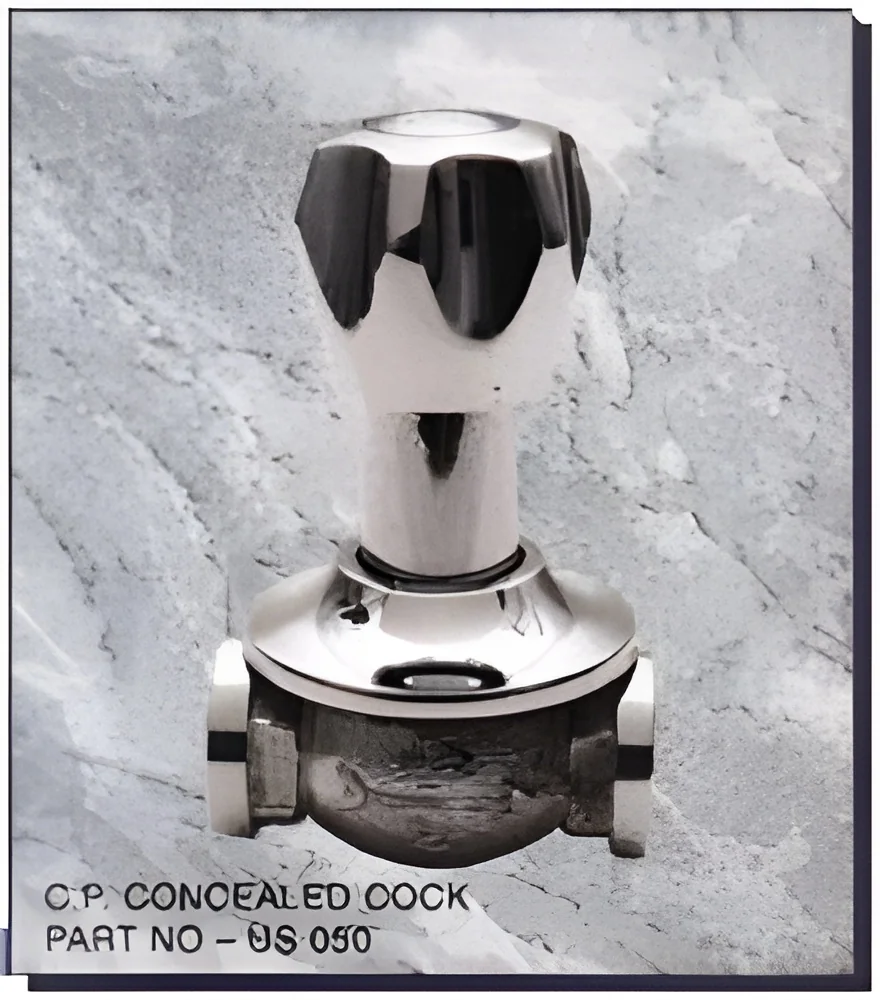
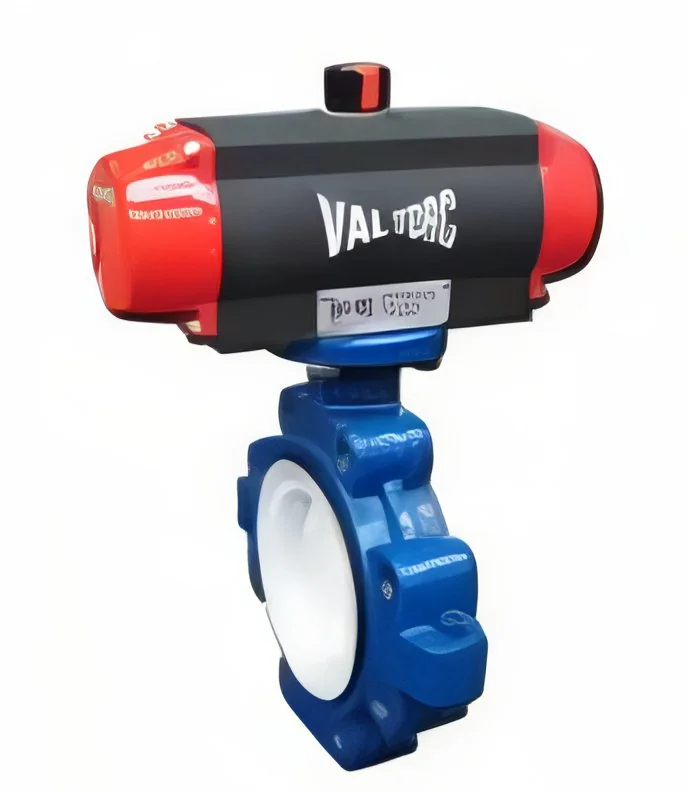
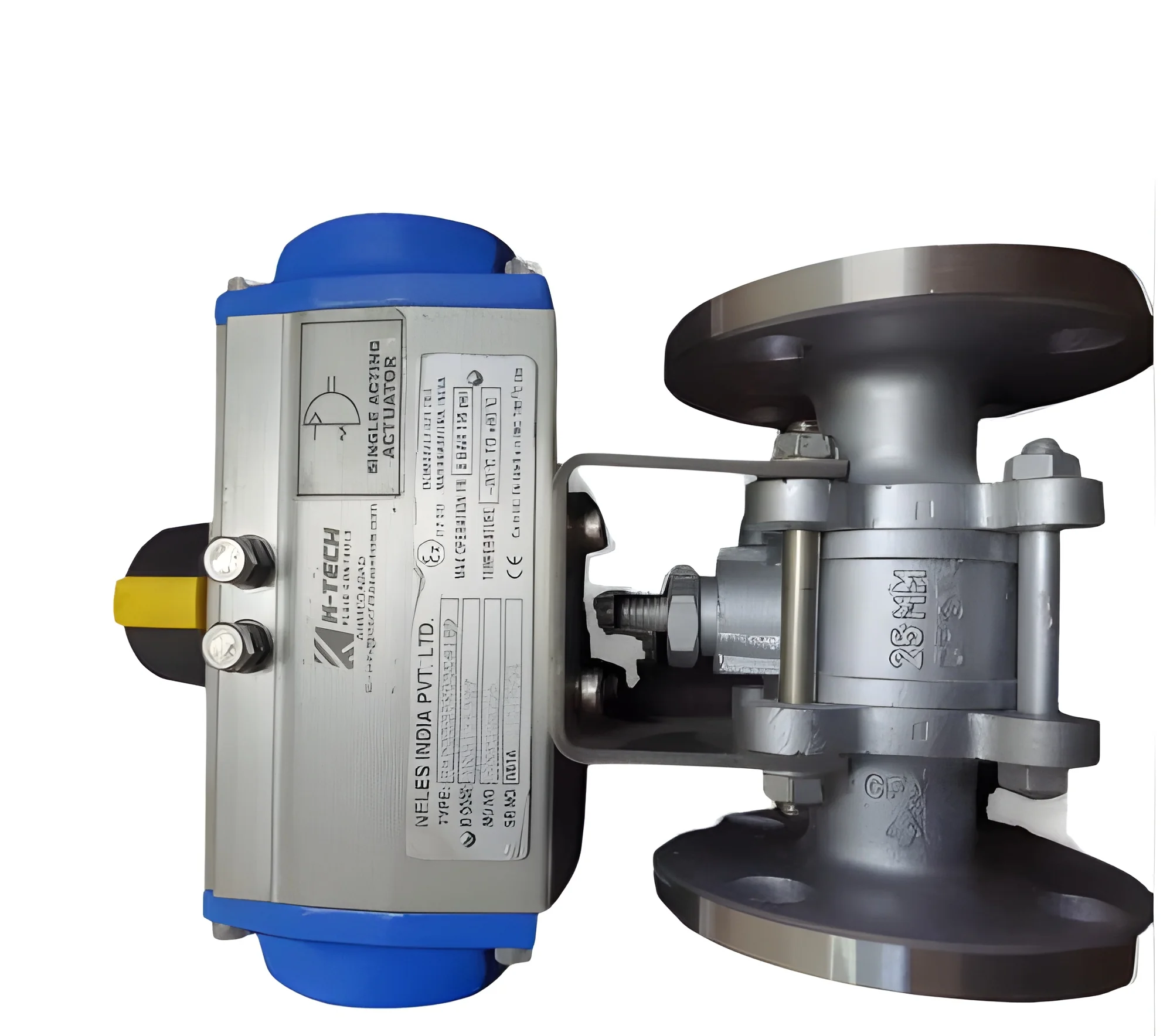
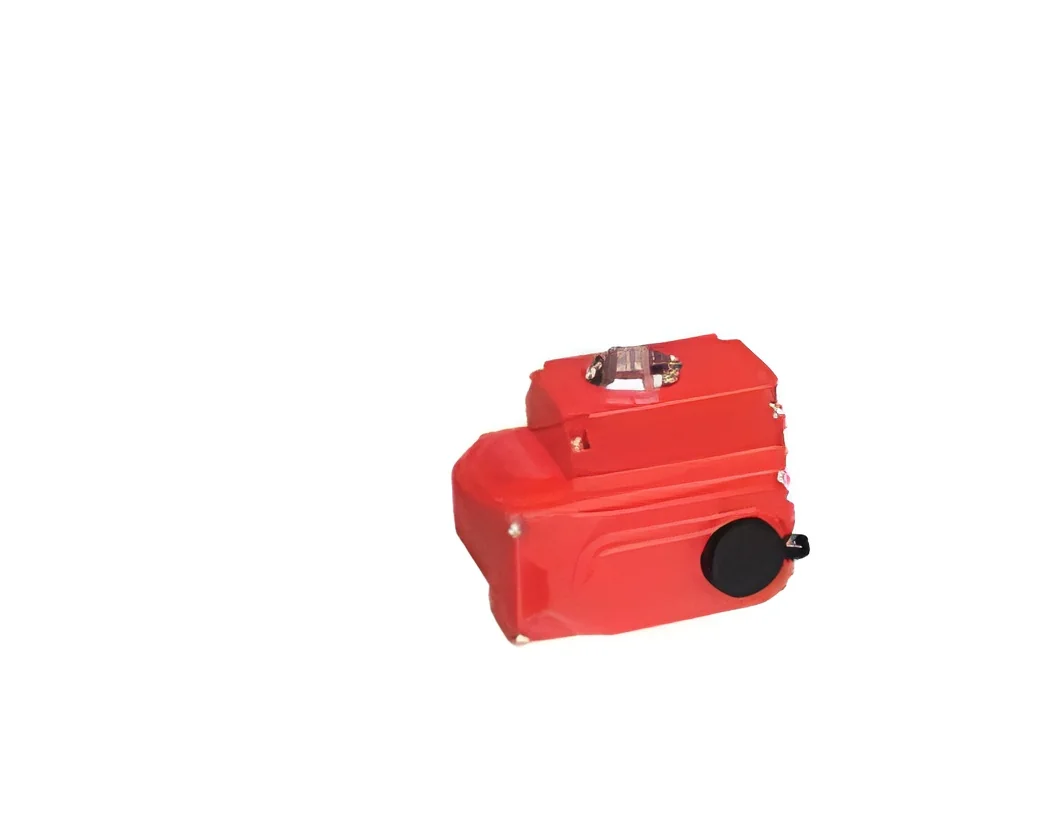
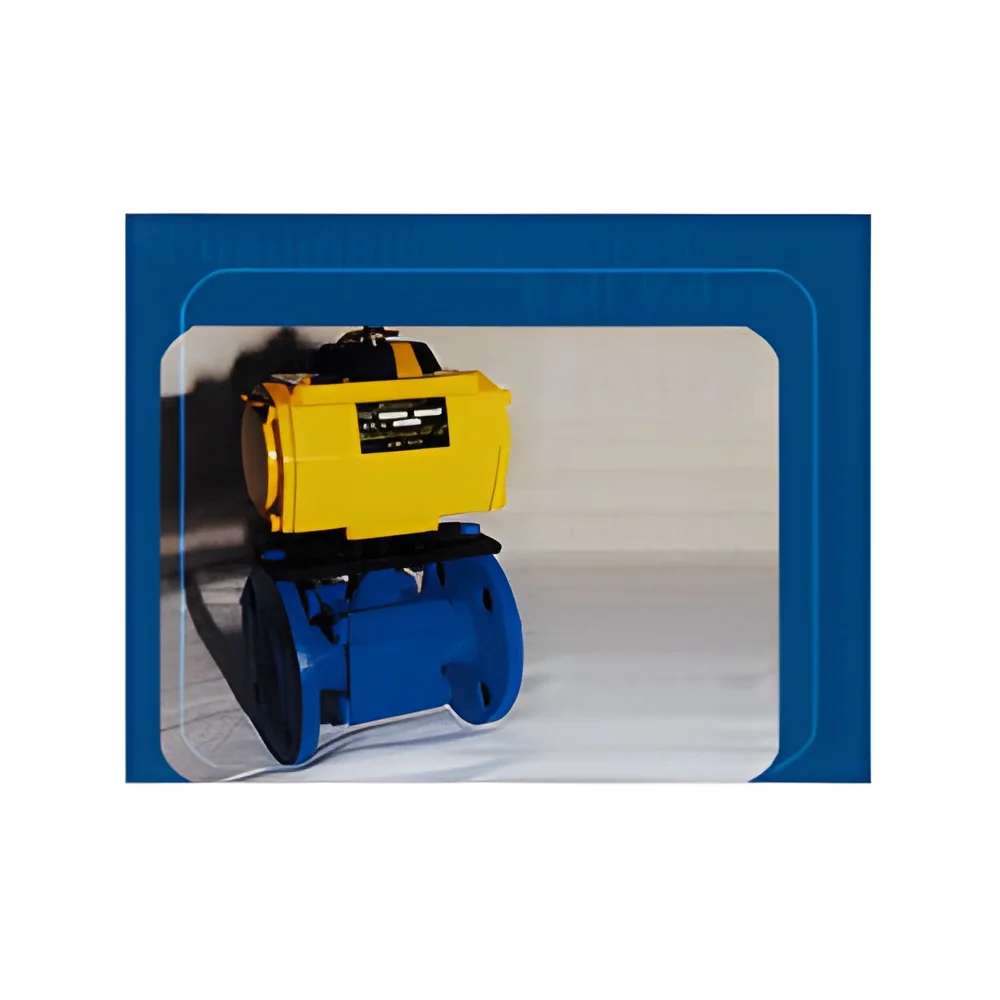
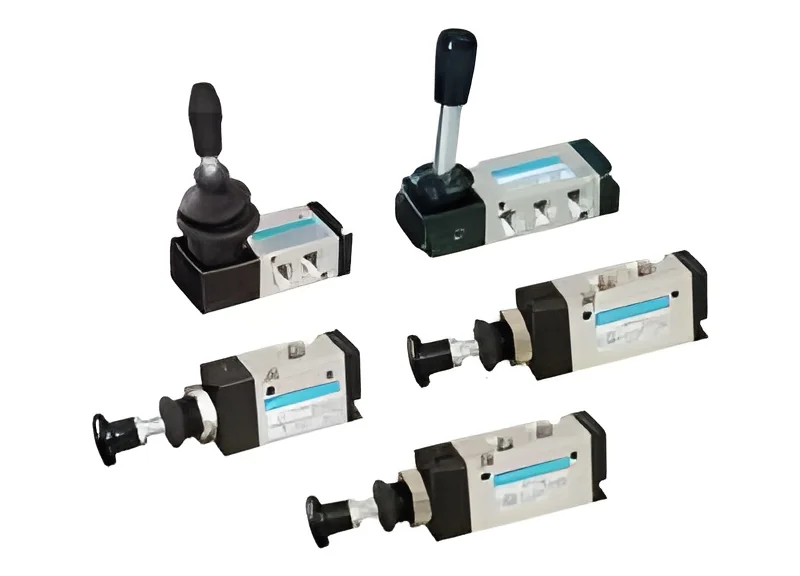
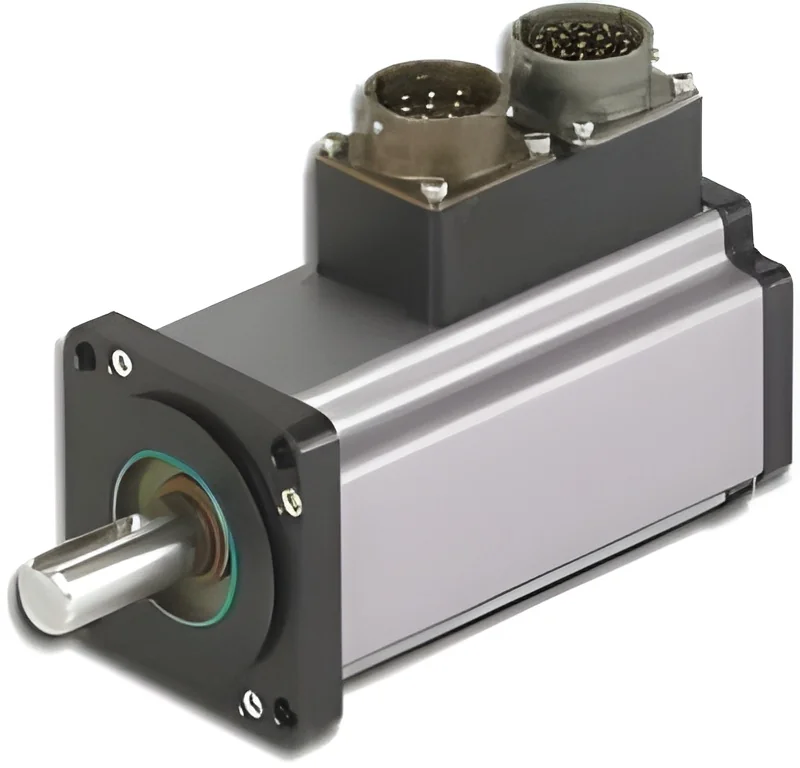
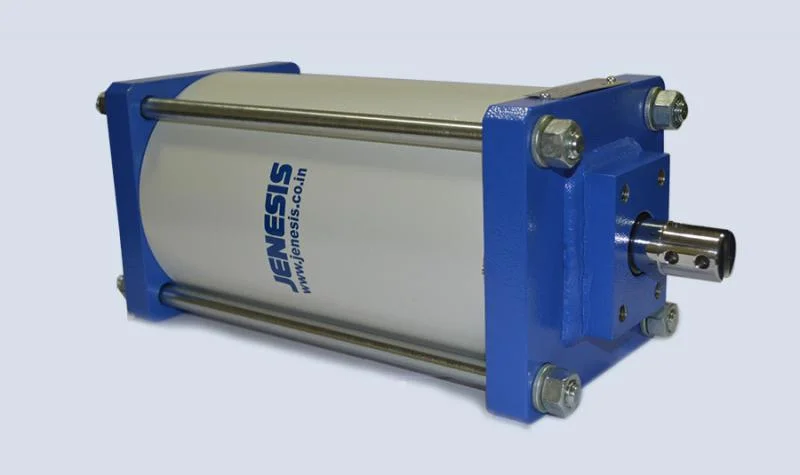
What are Actuated Valves (Pneumatic, Electric)?
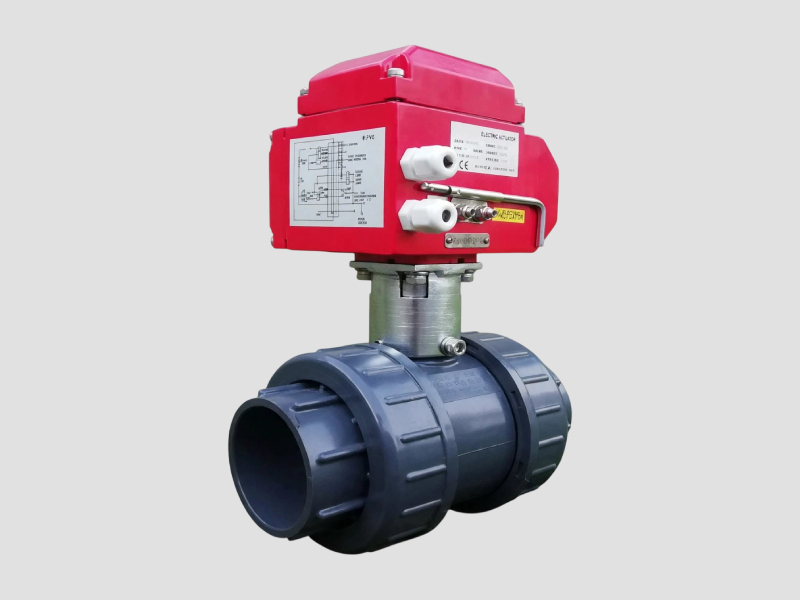
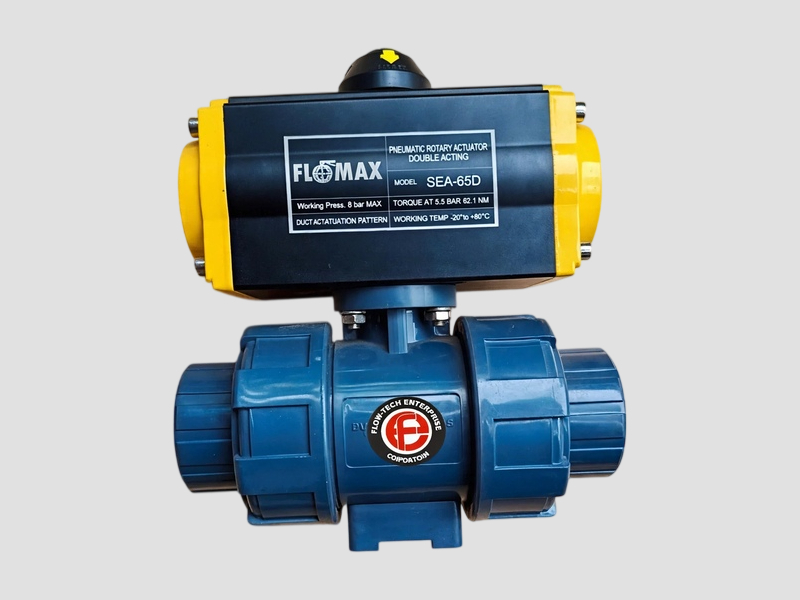
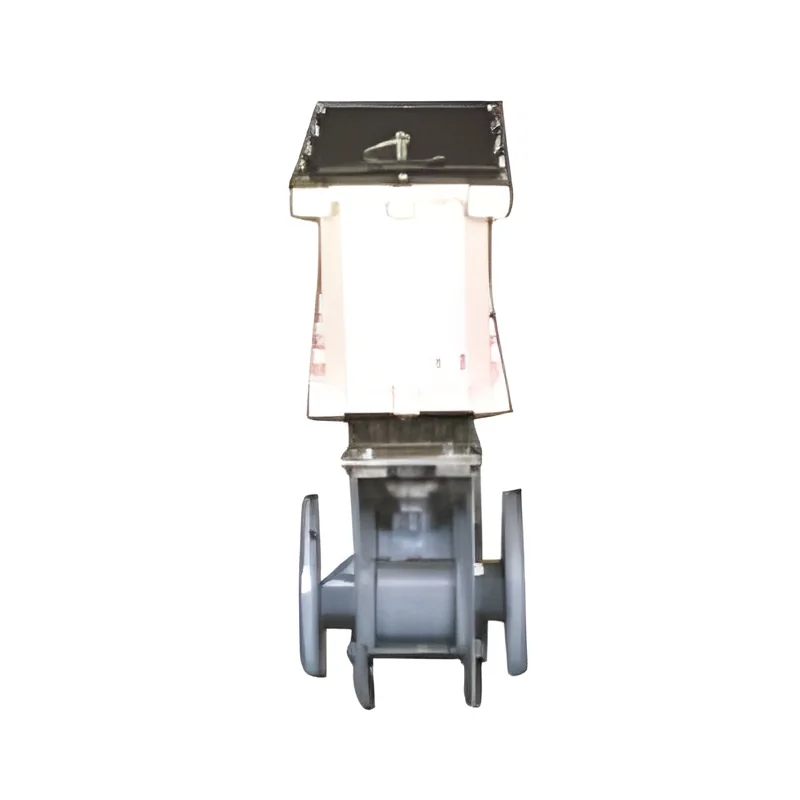
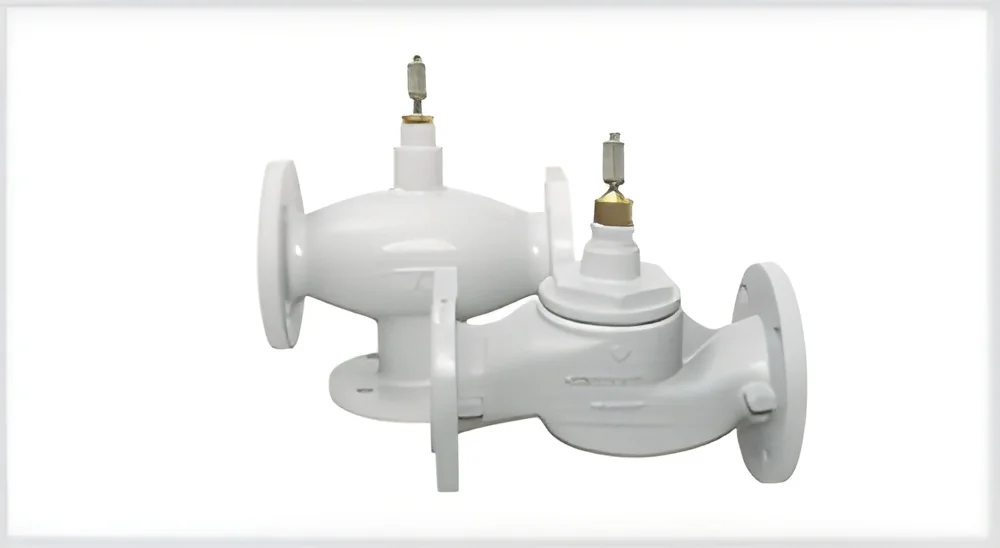
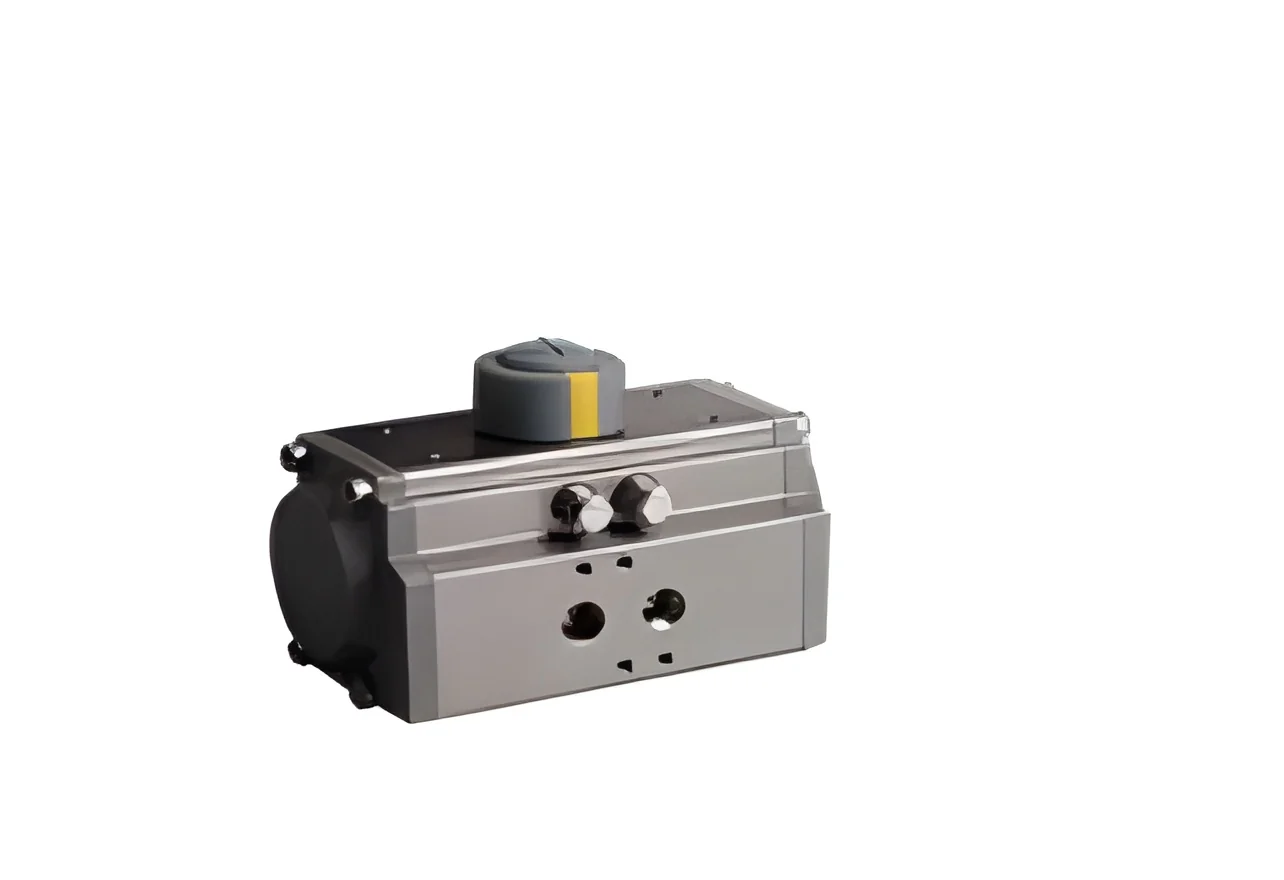
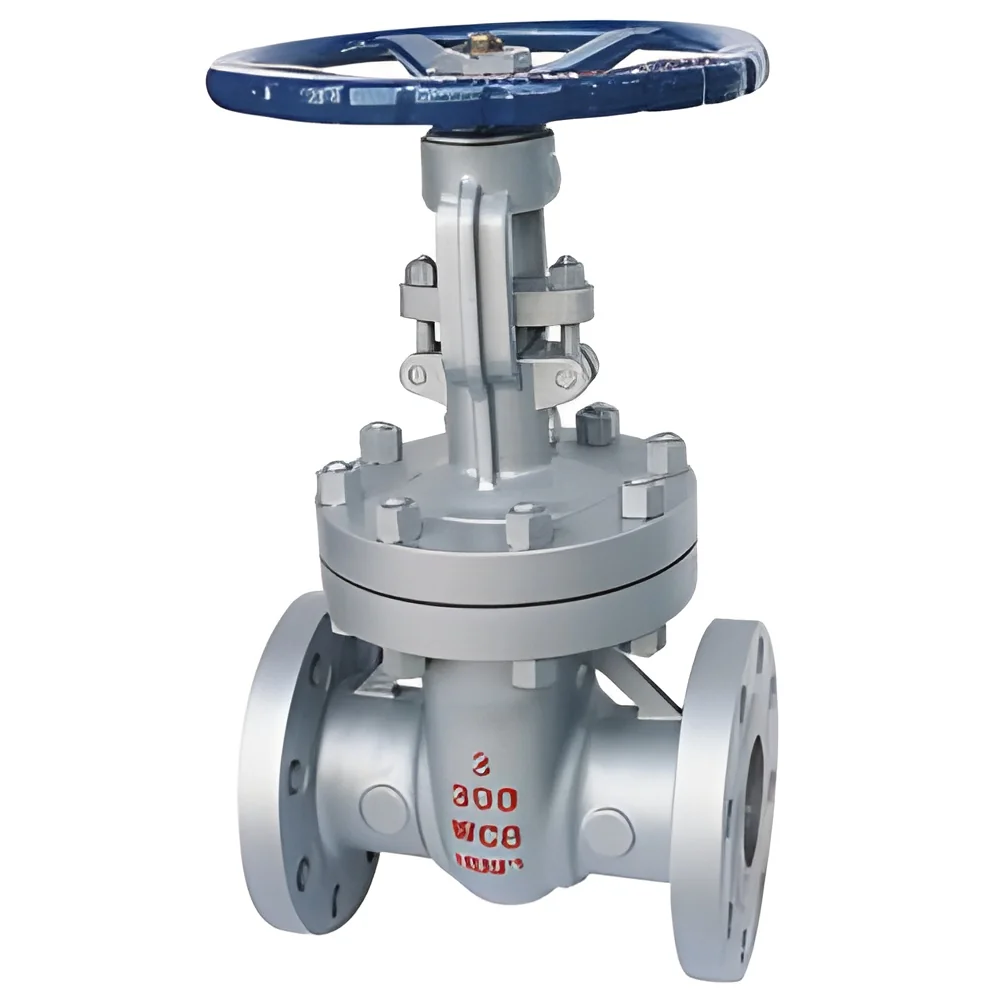
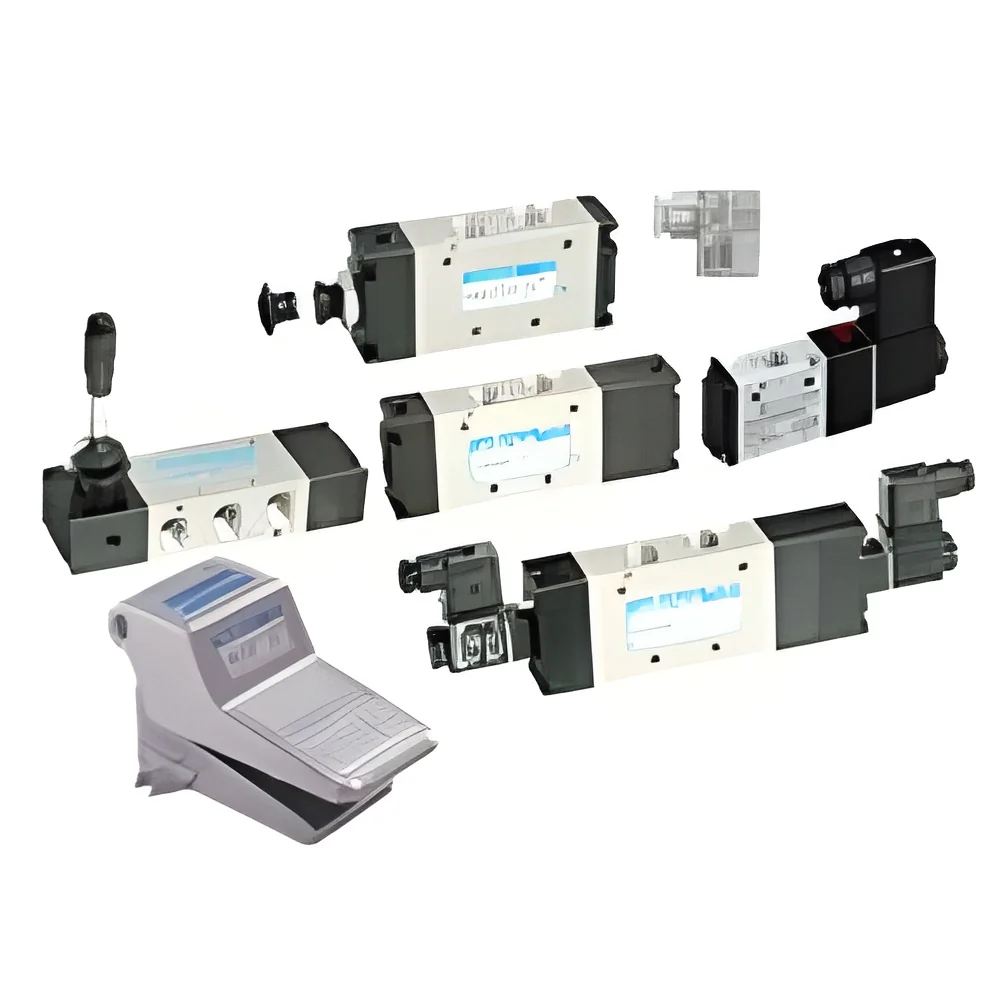
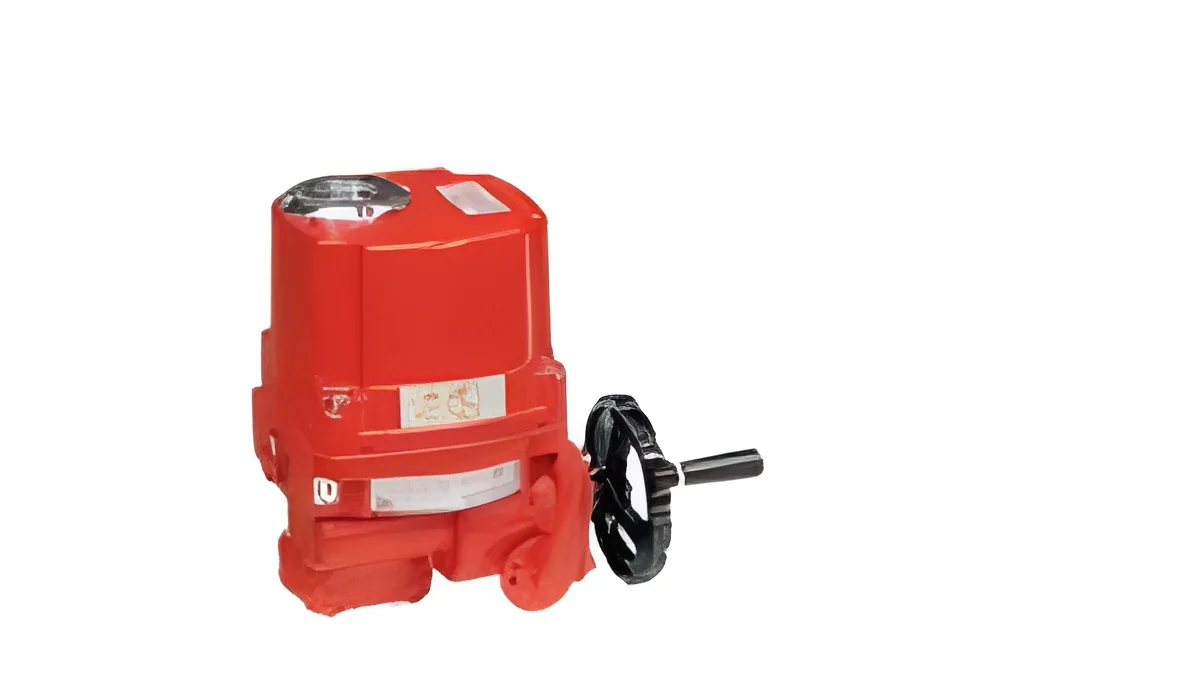
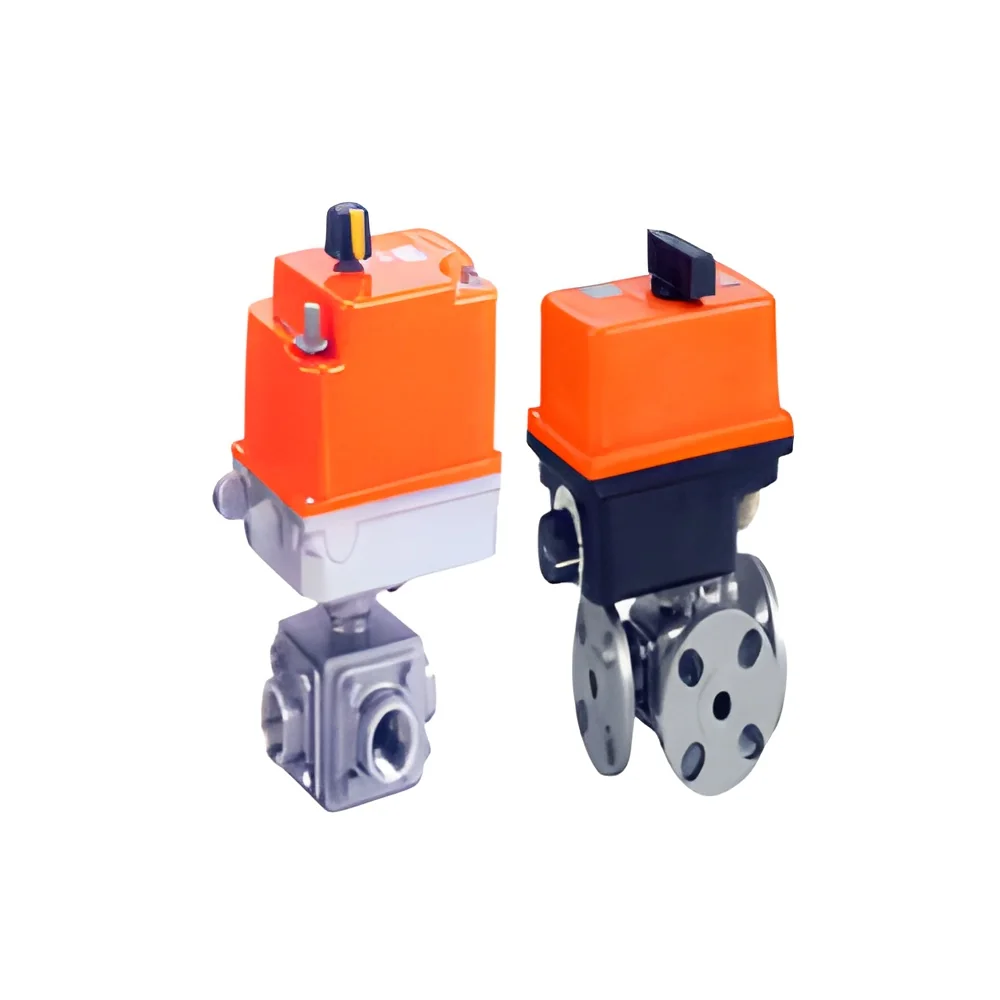
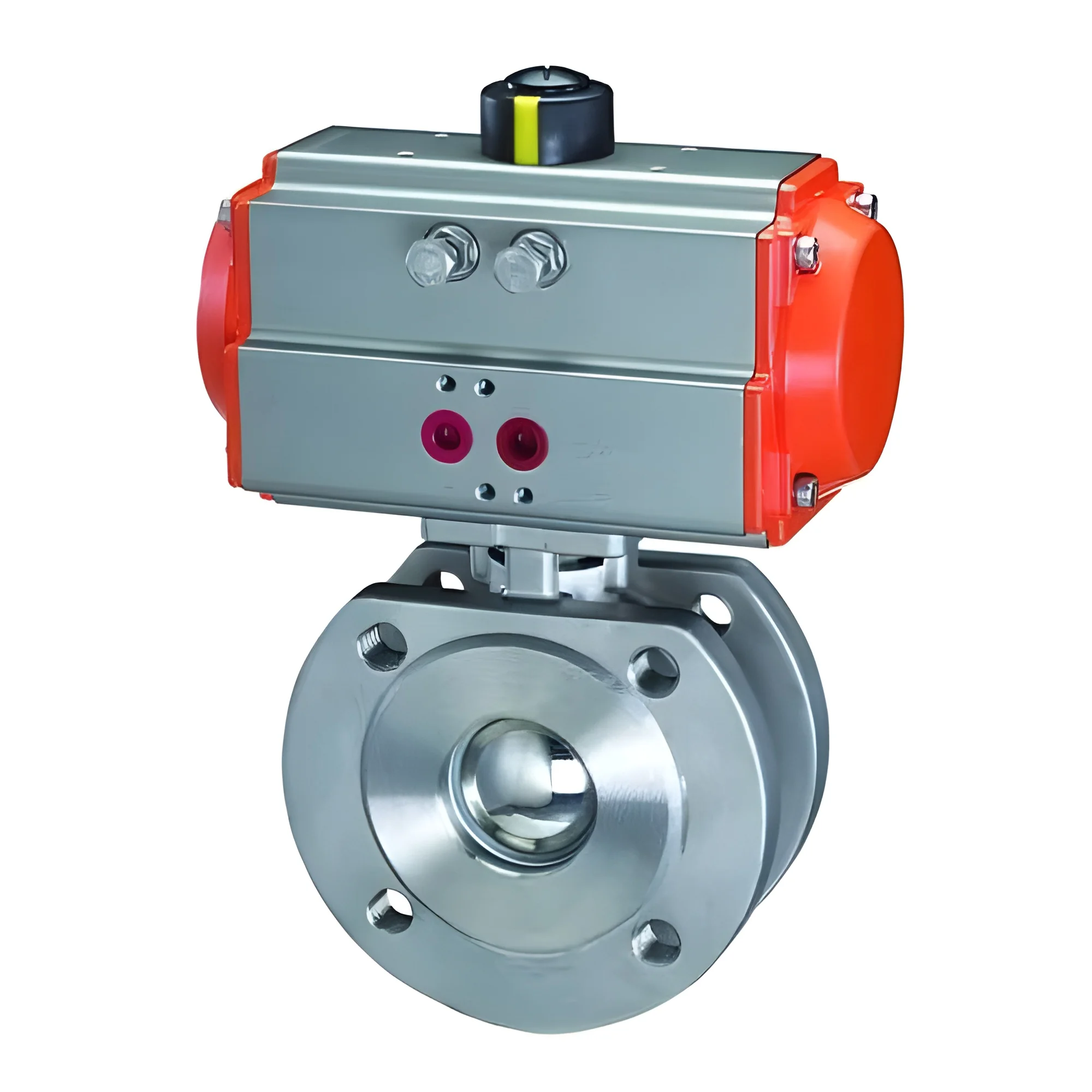
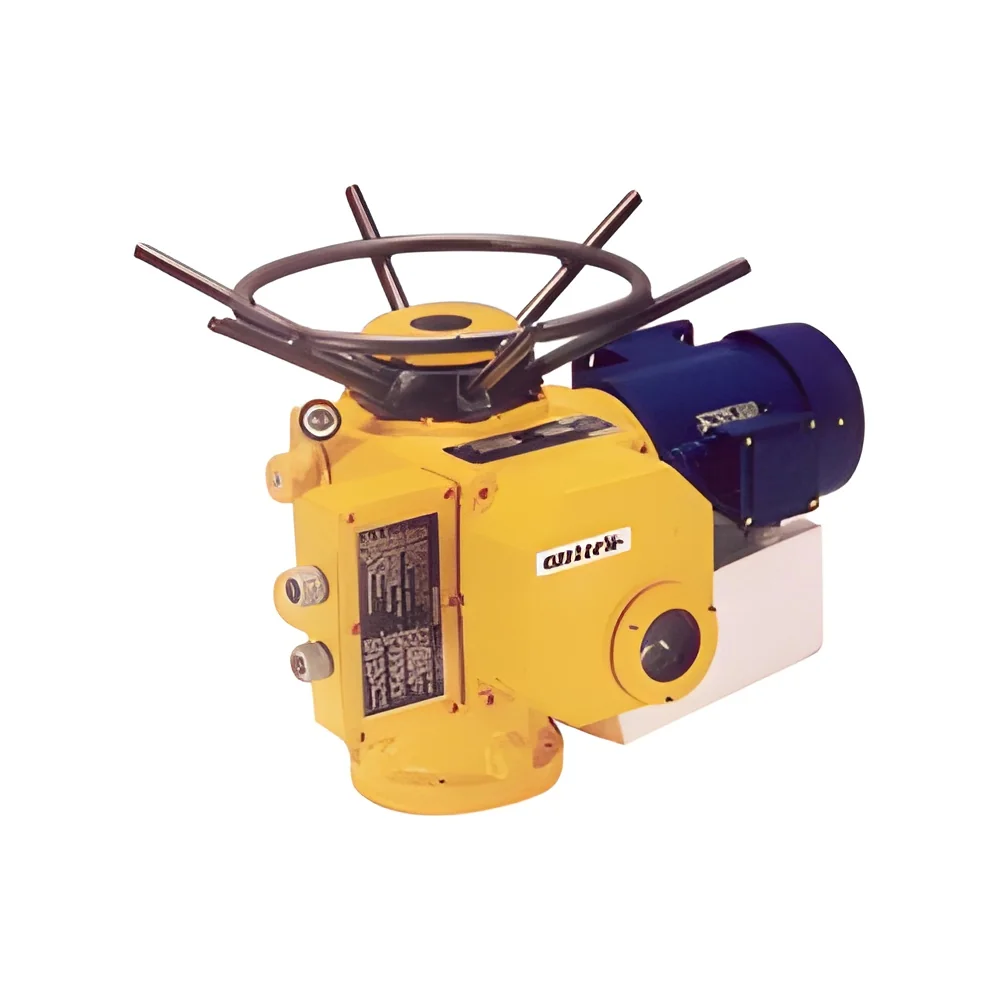
Actuated valves are mechanical devices that use an actuator to control the flow of liquids or gases through a valve. These actuators can be powered by pneumatic or electric means. Pneumatic actuators utilize compressed air to operate the valve, while electric actuators rely on electrical energy. The choice between these two types often depends on the specific requirements of the application, including factors such as speed, control precision, and power availability.
These valves are widely used in various industries for applications that require automation and remote control. Common uses include process control in manufacturing, water treatment facilities, and HVAC systems. By automating valve operations, businesses can enhance efficiency, reduce the risk of human error, and improve overall safety. The market for actuated valves is significant, driven by the ongoing demand for automation and control solutions across sectors.
𝗞𝗲𝘆 𝗙𝗲𝗮𝘁𝘂𝗿𝗲𝘀 𝗮𝗻𝗱 𝗦𝗽𝗲𝗰𝗶𝗳𝗶𝗰𝗮𝘁𝗶𝗼𝗻𝘀
Actuated valves come equipped with various features and specifications that cater to diverse industrial needs. Understanding these characteristics helps in selecting the right valve for specific applications.
Key specifications include:
1. Actuator Type
- Pneumatic or electric options available
- Each type offers different operational benefits and limitations
2. Control Signal
- Typically operates with 4-20 mA or on/off signals
- Compatibility with various control systems
3. Valve Size
- Range from small (1 inch) to large (up to 24 inches or more)
- Size selection based on flow requirements
4. Pressure Rating
- Standard ratings include 150 psi, 300 psi, and higher
- Ensures suitability for specific application pressures
5. Material Construction
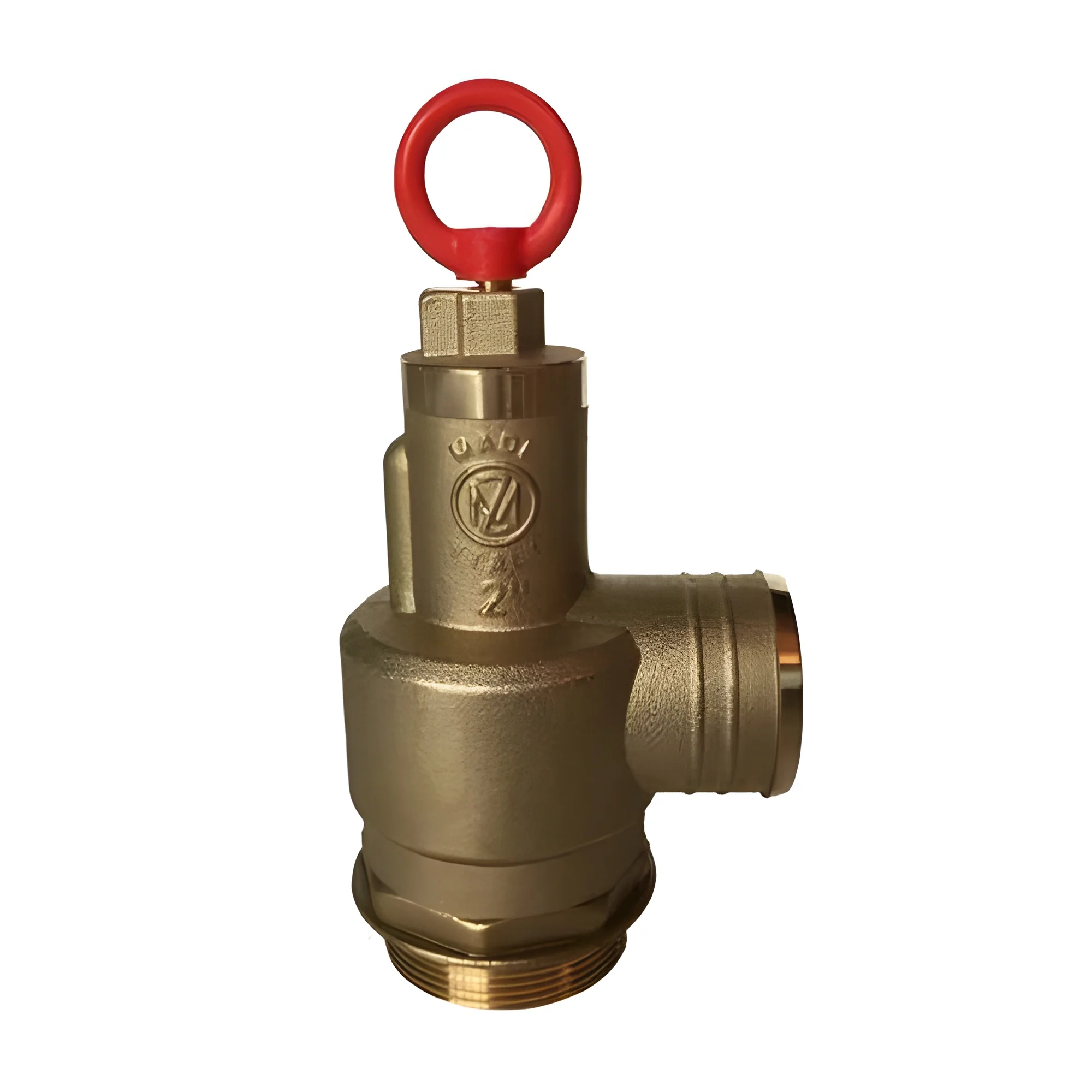
- Common materials include stainless steel, brass, and plastic
- Material choice affects durability and compatibility with media
6. Temperature Range
- Suitable temperature ranges vary by model
- Important for applications involving extreme conditions
7. Safety Features
- Options for fail-safe modes and emergency shut-off
- Enhances operational safety and reliability
8. Certifications
- Compliance with industry standards such as CE
- Important for regulatory and safety assurance
In summary, selecting the right actuated valve involves understanding its specifications and features to ensure optimal performance for intended applications.
𝗖𝗼𝗺𝗺𝗼𝗻 𝗔𝗽𝗽𝗹𝗶𝗰𝗮𝘁𝗶𝗼𝗻𝘀 𝗮𝗻𝗱 𝗨𝘀𝗲 𝗖𝗮𝘀𝗲𝘀
Actuated valves find applications across a multitude of industries, highlighting their versatility and importance.
1. Water Treatment: Used for controlling water flow and chemical dosing in treatment plants, ensuring safe and efficient processing of drinking water.
2. Oil and Gas: Essential for managing fluid flow in pipelines, refineries, and storage facilities, contributing to operational safety and efficiency.
3. Food and Beverage: Automated control of ingredients and processing in production lines, maintaining hygiene and quality standards.
4. Pharmaceutical: Used in processes requiring precise control of liquids and gases, meeting strict regulatory requirements.
5. Chemical Processing: Important for managing hazardous materials, ensuring safety and compliance with industry standards.
6. HVAC Systems: Regulate airflow and temperature in buildings, enhancing energy efficiency and comfort.
7. Power Generation: Control steam and fluid flow in power plants, supporting efficient energy production.
𝗣𝗿𝗼𝗱𝘂𝗰𝘁 𝗩𝗮𝗿𝗶𝗮𝗻𝘁𝘀 𝗮𝗻𝗱 𝗦𝘂𝗯𝗰𝗮𝘁𝗲𝗴𝗼𝗿𝗶𝗲𝘀
Actuated valves are available in various configurations to meet specific operational needs.
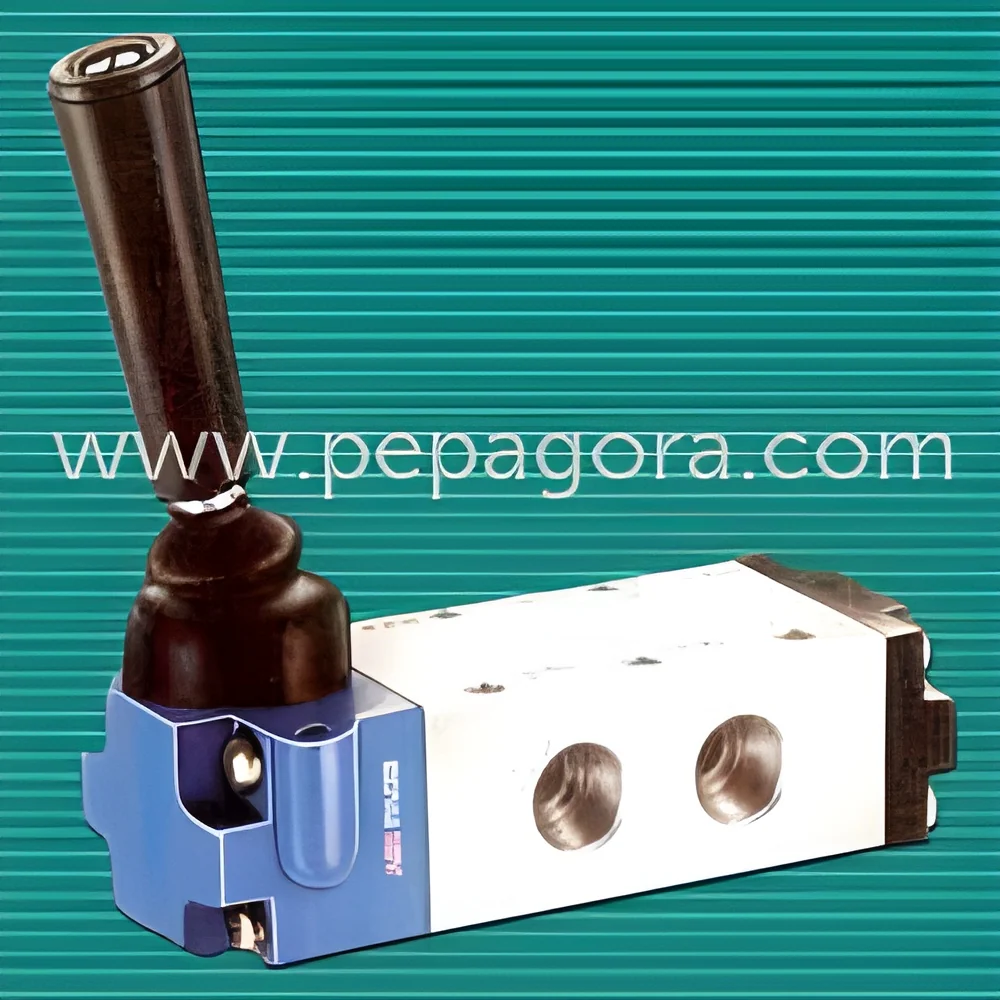
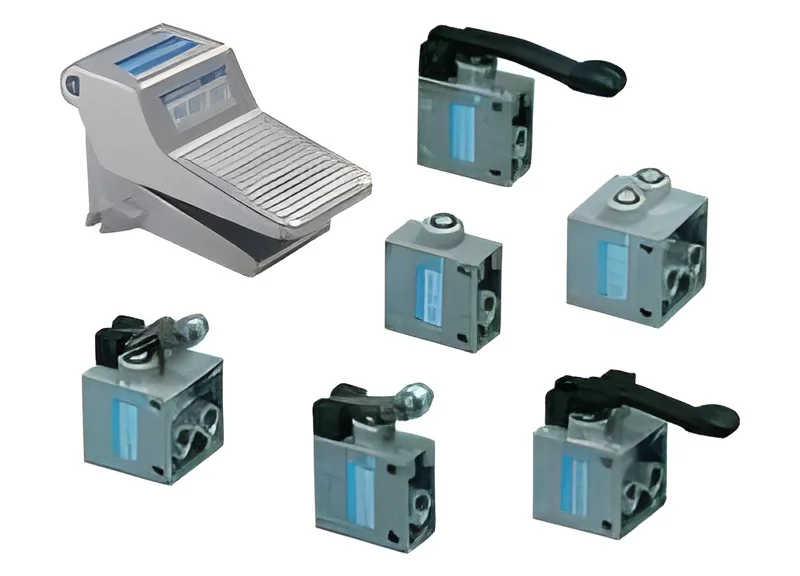
Pneumatic Actuated Valves
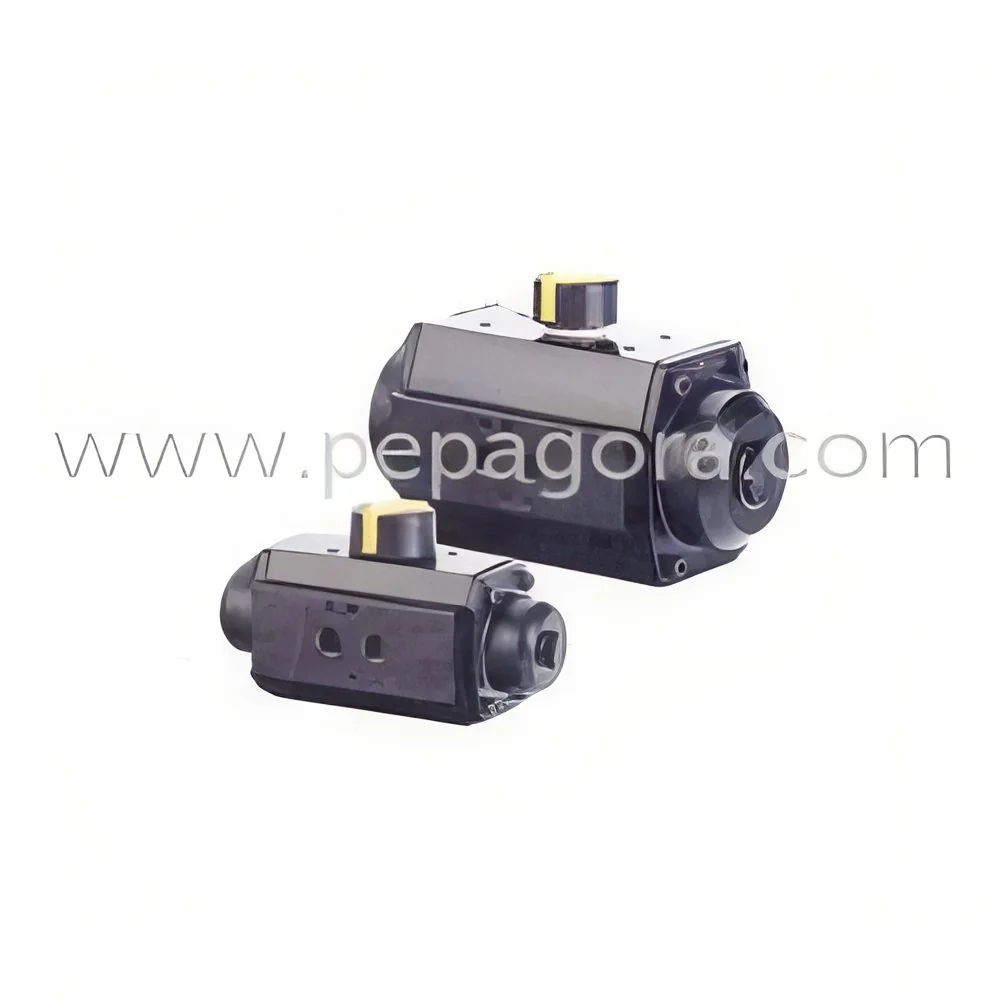
These valves utilize compressed air for operation. They are known for their quick response times and high torque capabilities, making them suitable for applications requiring rapid actuation.
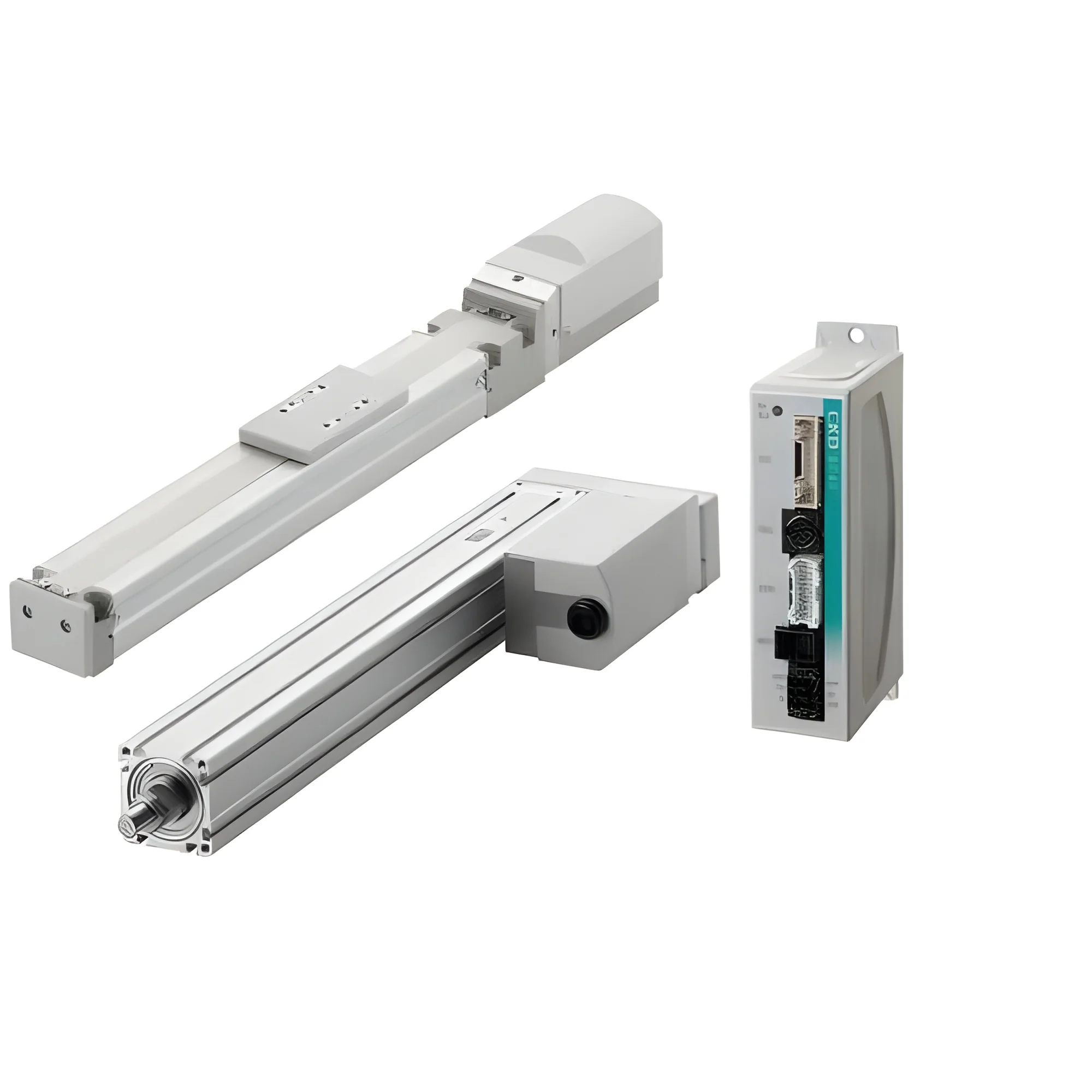
Electric Actuated Valves
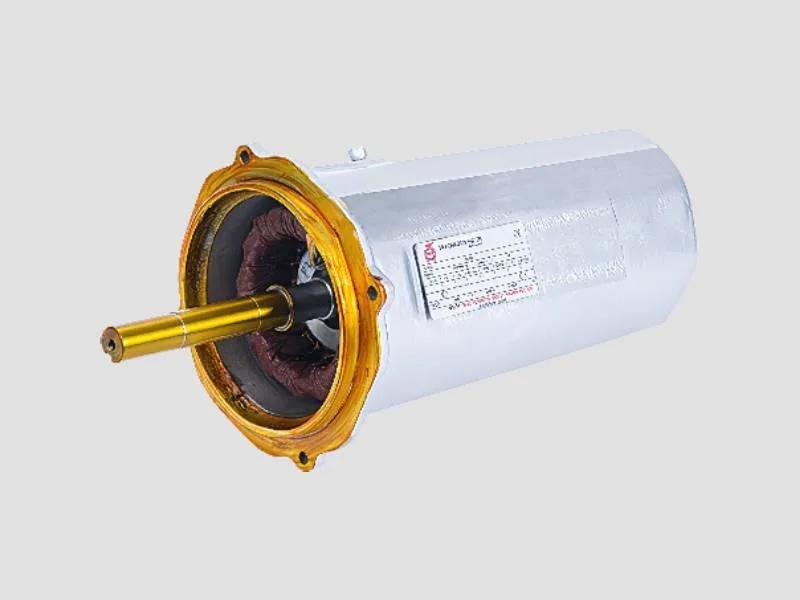
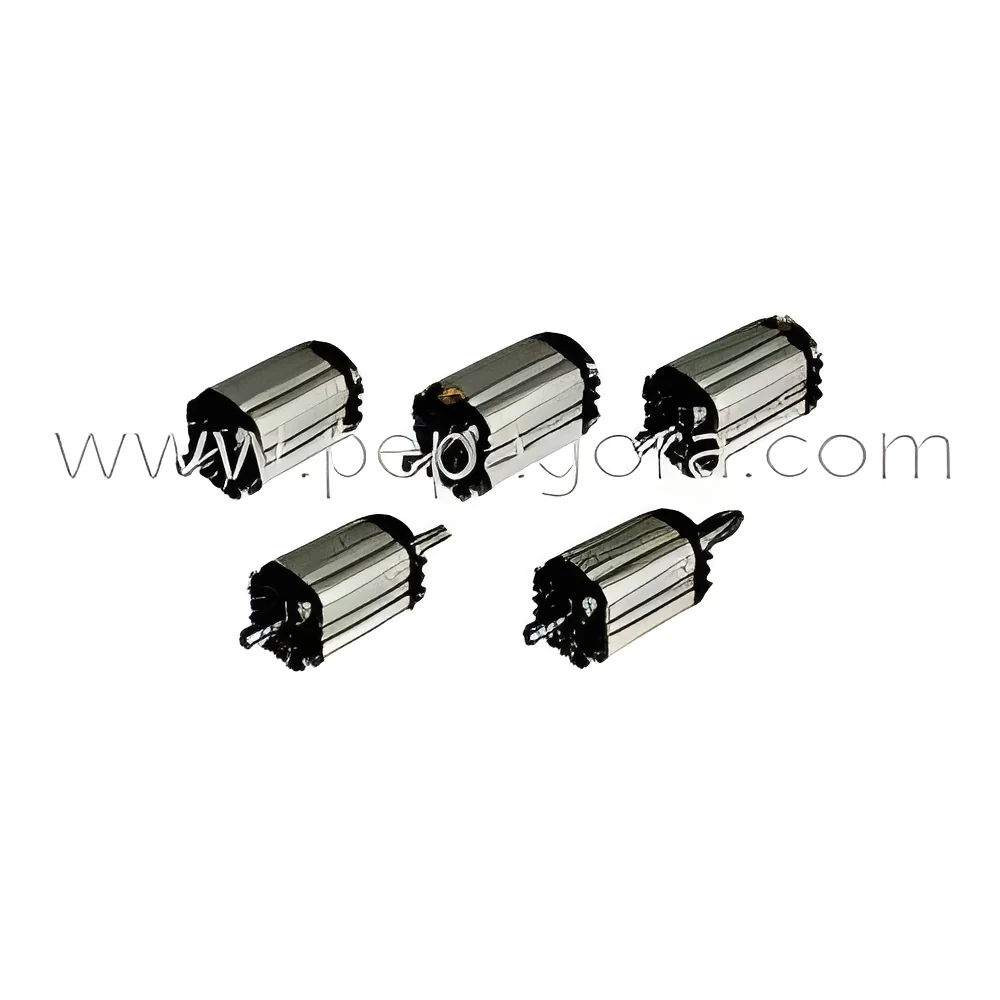
These valves are powered by electric motors, providing precise control and adaptability. They are ideal for applications where electricity is readily available, and detailed monitoring is required.
𝗕𝗲𝗻𝗲𝗳𝗶𝘁𝘀 𝗮𝗻𝗱 𝗔𝗱𝘃𝗮𝗻𝘁𝗮𝗴𝗲𝘀
Actuated valves offer numerous advantages that enhance operational efficiency and reliability.
1. Automation: Facilitate remote control and automation of processes, reducing manual intervention.
2. Precision: Allow for accurate control of flow rates, enhancing process outcomes.
3. Safety: Equipped with fail-safe mechanisms to prevent accidents and ensure operational safety.
4. Efficiency: Improve energy efficiency by optimizing flow control, leading to reduced operational costs.
5. Versatility: Suitable for a wide range of applications across different industries.
6. Reliability: Built to withstand harsh conditions, ensuring long-term durability and performance.
𝗕𝘂𝘆𝗶𝗻𝗴 𝗚𝘂𝗶𝗱𝗲 𝗳𝗼𝗿 𝗕𝟮𝗕 𝗕𝘂𝘆𝗲𝗿𝘀
When sourcing actuated valves, it is essential for B2B buyers to consider several key factors.
1. Quality Assessment: Evaluate the construction quality and materials to ensure durability and performance. Look for valves that meet industry standards.
2. Supplier Verification: Vet suppliers by checking their certifications, customer reviews, and history of reliability. A trusted supplier can significantly impact the quality of the product.
3. Pricing and MOQ: Consider pricing structures and minimum order quantities. Understanding these factors can help manage budgets effectively.
4. Delivery and Lead Times: Discuss logistics with suppliers to determine expected delivery times and ensure alignment with project timelines.
5. Compliance Requirements: Familiarize yourself with relevant regulatory standards for your industry to ensure that the valves meet required compliance.
𝗖𝗼𝗺𝗽𝗹𝗶𝗮𝗻𝗰𝗲 𝗮𝗻𝗱 𝗖𝗲𝗿𝘁𝗶𝗳𝗶𝗰𝗮𝘁𝗶𝗼𝗻𝘀
Compliance and certification are crucial for ensuring the safety and reliability of actuated valves.
Relevant quality standards include ISO 9001, which focuses on quality management systems, ensuring that products are consistently produced to meet customer and regulatory requirements. Additionally, HACCP is relevant in industries such as food and pharmaceuticals, emphasizing safety and risk management.
Industry certifications, such as CE marking, demonstrate compliance with European health, safety, and environmental protection standards. This certification is essential for products sold within the European market.
Safety and testing requirements ensure that valves operate correctly under various conditions. Manufacturers often conduct rigorous testing to verify performance and safety before products reach the market.
Regional compliance considerations may vary based on local regulations. Buyers should ensure that the products sourced meet all applicable local laws and standards.
Why Source Actuated Valves (Pneumatic, Electric) from Pepagora?
Pepagora offers a reliable platform for sourcing actuated valves, providing several key advantages to buyers.
Verified Supplier Network: Pepagora maintains a network of trusted suppliers, ensuring that buyers can source high-quality products with confidence. Each supplier undergoes a thorough verification process to guarantee reliability.
Streamlined RFQ Process: The platform simplifies the request for quotation process, allowing buyers to efficiently compare pricing and specifications from multiple suppliers. This transparency helps in making informed purchasing decisions.
Trade Assurance and Support: Pepagora offers buyer protection through trade assurance programs. This support instills confidence in transactions, ensuring that quality standards are met.
Regional Coverage: With a strong presence in India, the GCC, and Southeast Asia, Pepagora provides access to a wide range of suppliers and products, catering to diverse market needs. This regional focus enhances the sourcing experience for B2B buyers.