
 IN
Food Grade Valves
16 products available
What are Food Grade Valves?
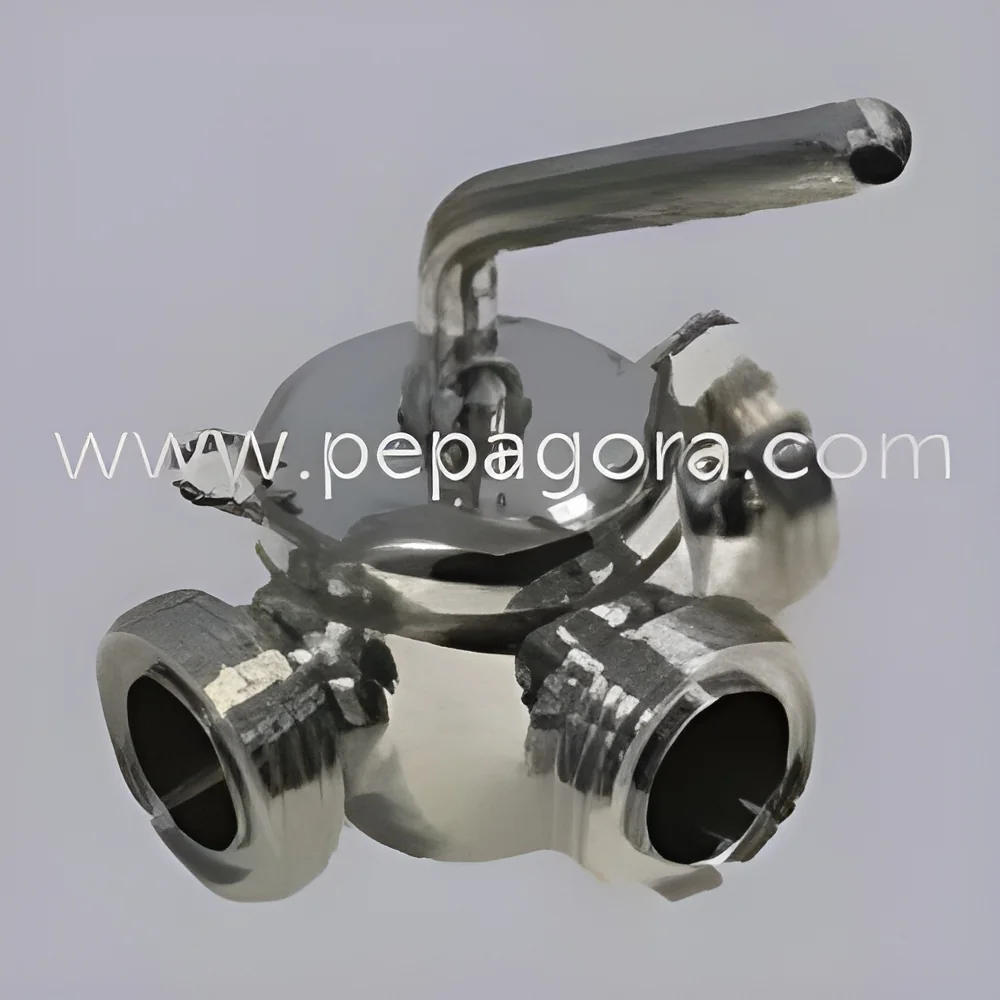
Food grade valves are specialized components used in the food and beverage industry to control the flow of liquids and gases in a hygienic manner. These valves are designed to meet strict industry standards to ensure safety and compliance with food regulations. They are constructed from materials that are safe for food contact, helping to prevent contamination.
The primary applications of food grade valves include use in processing plants, breweries, dairy facilities, and packaging operations. They play a critical role in maintaining product integrity and safety throughout the production process. As food safety regulations tighten globally, the demand for reliable food grade valves has increased, making them essential for manufacturers aiming to comply with industry standards.
In the current market, food grade valves are recognized as vital components that ensure both operational efficiency and safety in food processing. The growing awareness of food safety and quality assurance has led to a surge in the adoption of these valves across various segments of the food industry.
Key Features and Specifications
Food grade valves are designed with specific features to cater to the unique requirements of the food and beverage sector. Their specifications are essential for ensuring compliance and performance in various applications.
Key specifications include:
1. Material Composition
- Made from stainless steel or other non-corrosive materials
- Must comply with FDA and EU regulations for food contact
2. Pressure Rating
- Typically rated for high pressure applications
- Common ranges from 150 psi to 600 psi
3. Temperature Range
- Designed to withstand high and low temperatures
- Usual operational ranges from -20°C to 150°C
4. Connection Types
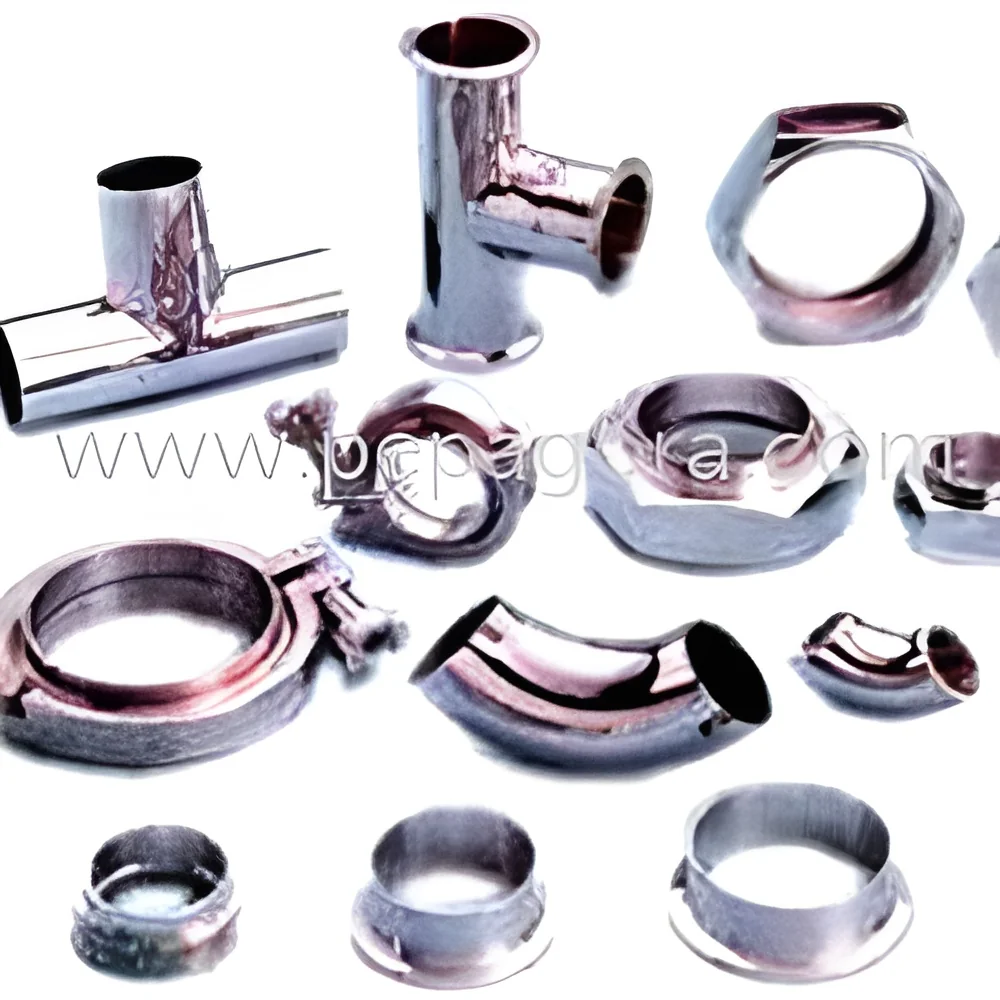
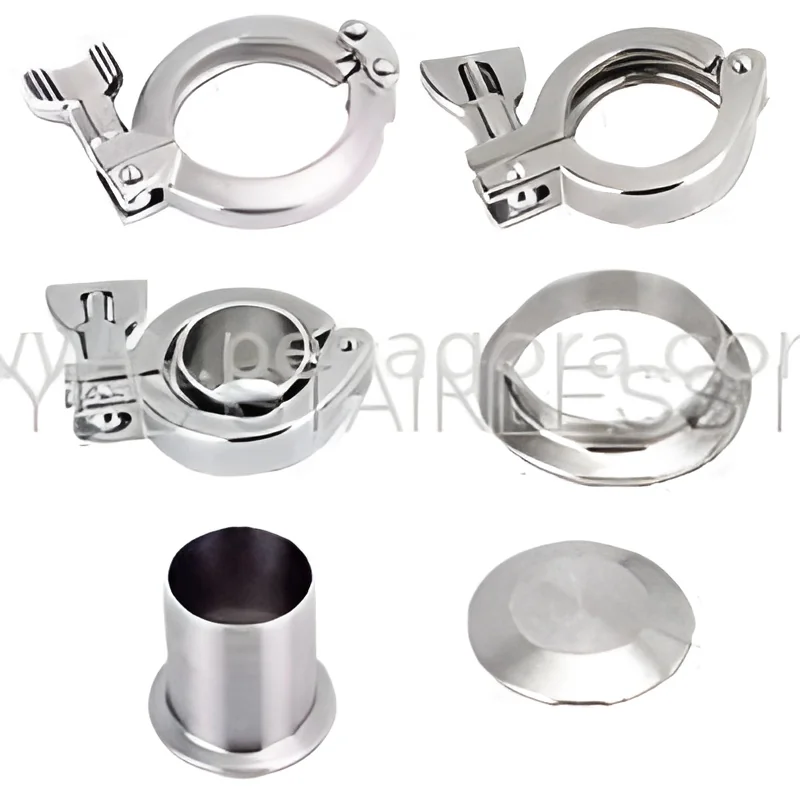
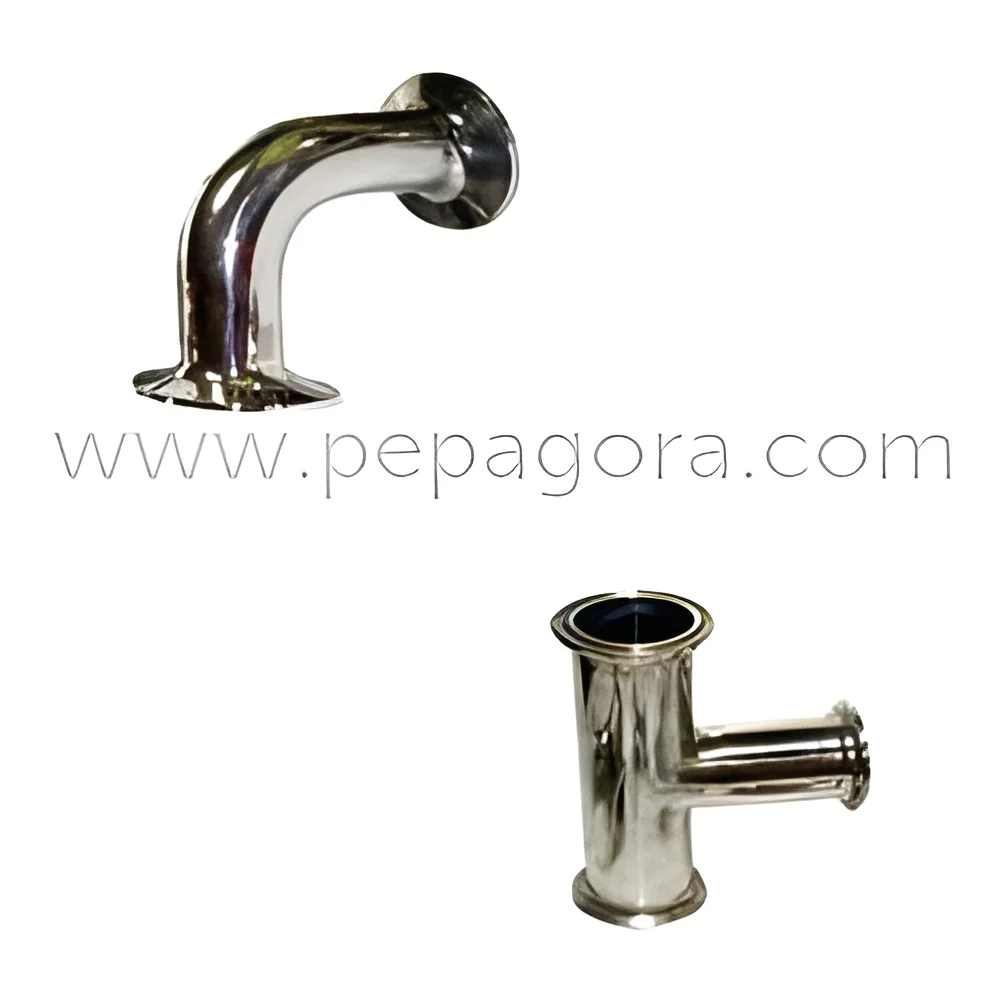
- Available with various connection options such as tri-clamp, threaded, or welded ends
- Compatibility with standard piping systems is essential
5. Actuation Methods
- Manual, pneumatic, or electric actuation options available
- Selection based on operational requirements and automation level
6. Valve Types
- Includes ball, butterfly, and check valves
- Each type serves specific flow control needs
7. Cleanability
- Features designed for easy cleaning and maintenance
- Smooth surfaces and no dead zones to prevent contamination
8. Certifications
- Compliance with CE and other relevant industry standards
- Assurance of quality and safety in food applications
In summary, food grade valves are characterized by their robust construction and adherence to strict industry standards. Their specifications ensure they meet the demands of food processing environments.
Common Applications and Use Cases
Food grade valves are utilized across various industries that require stringent hygiene and safety standards.
1. Food Processing: These valves are essential in processing plants for managing liquid ingredients, ensuring efficient and safe flow throughout production lines.
2. Beverage Industry: In breweries and soft drink manufacturing, food grade valves control the flow of critical ingredients and maintain carbonation levels.
3. Dairy Production: Valves in dairy applications help in the processing of milk and other dairy products, ensuring cleanliness and safety in handling.
4. Pharmaceutical: Food grade valves can also be adapted for pharmaceutical applications, where hygiene and safety are paramount.
5. Chemical Processing: These valves are used to manage the flow of food-grade chemicals, ensuring compliance with safety standards.
6. Packaging: In food packaging lines, valves play a crucial role in controlling the flow of liquids and gases, ensuring product integrity during sealing.
7. Agriculture: Food grade valves are utilized in the transport of liquid fertilizers and pesticides, where safety and compliance are necessary.
Product Variants and Subcategories
Food grade valves come in various forms to cater to specific applications and needs within the industry.
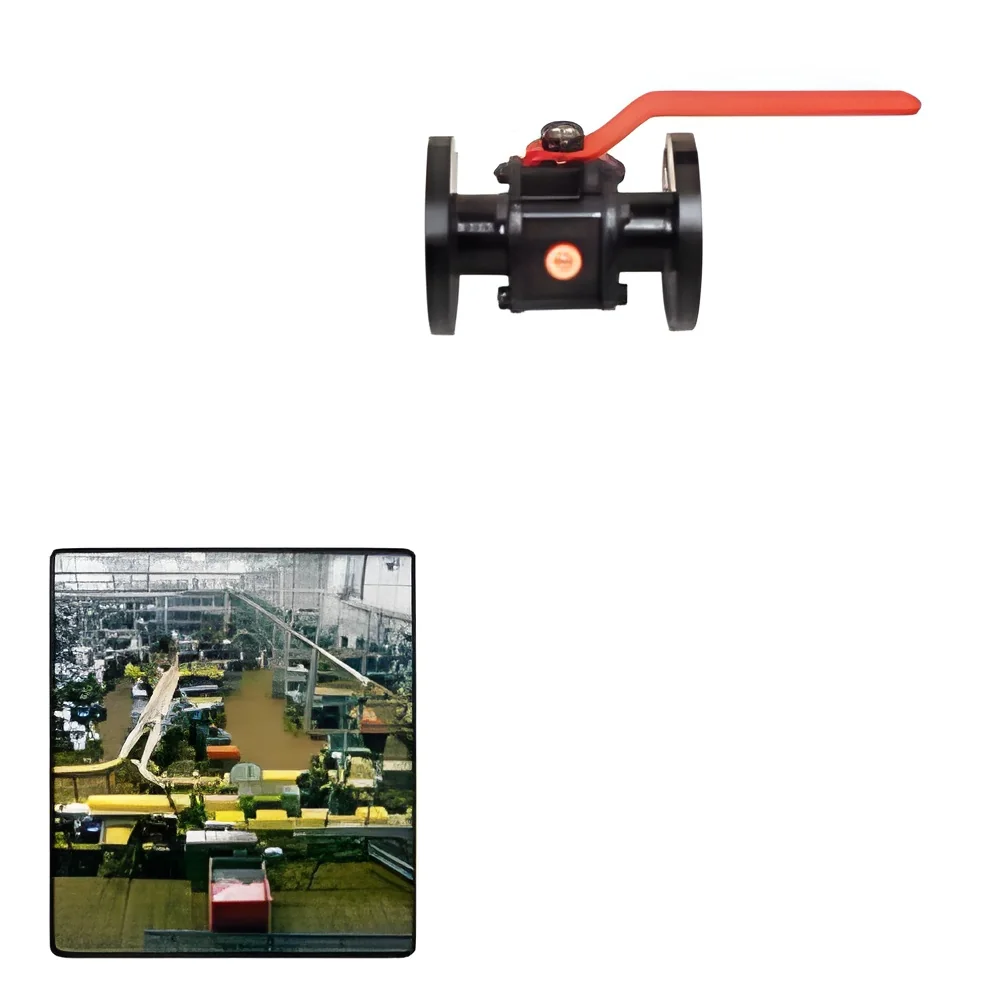
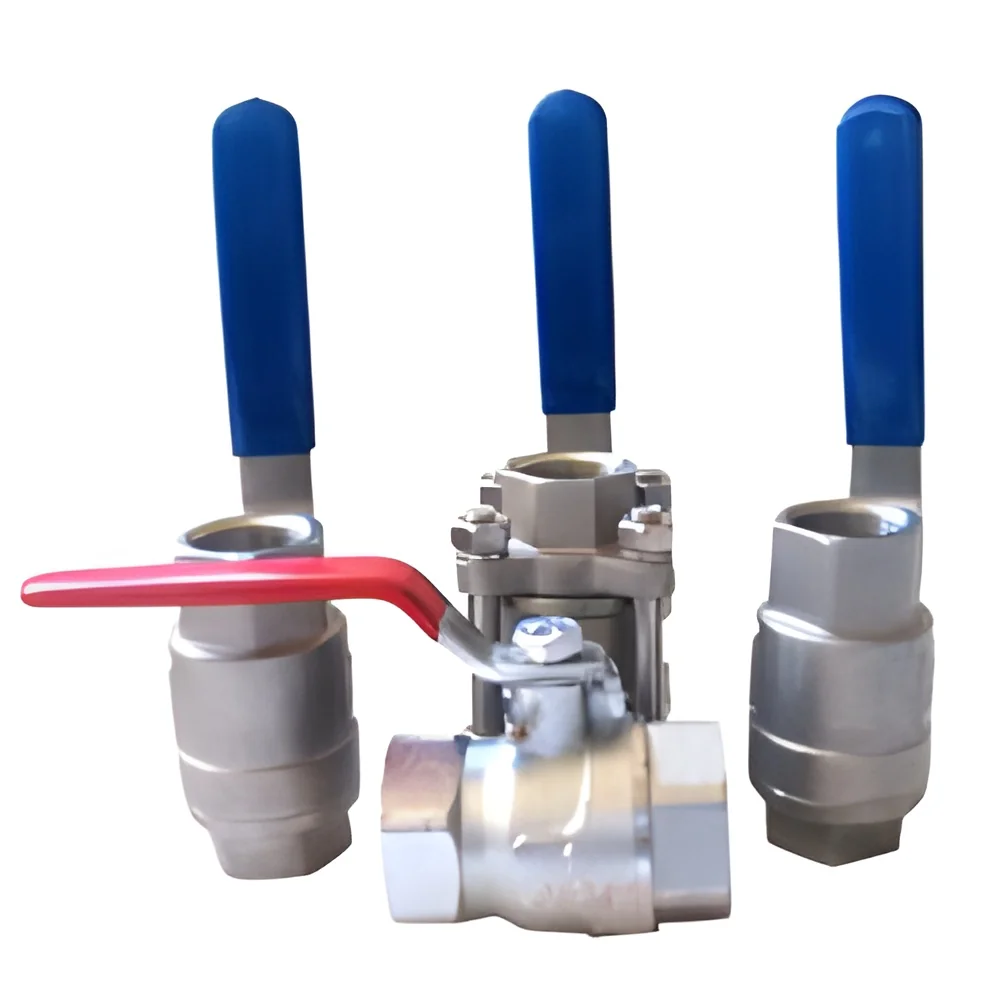
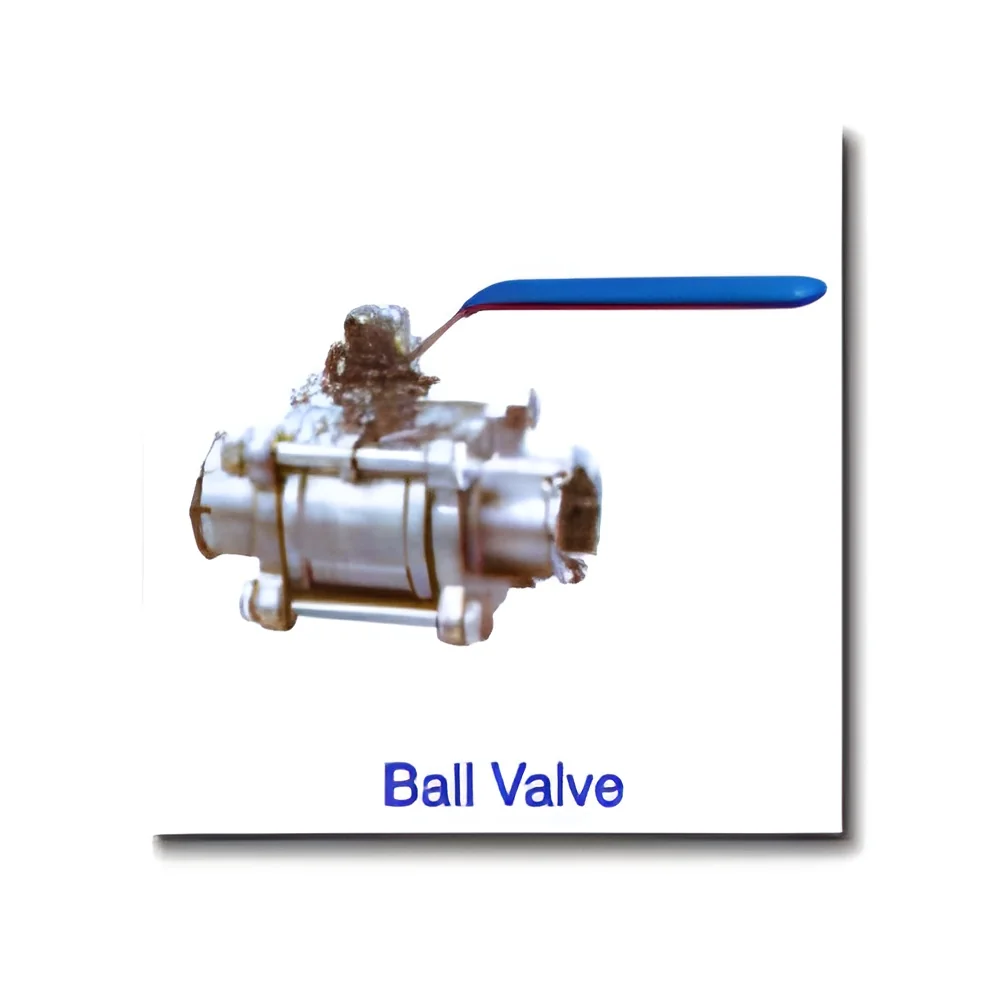
Ball Valves
Ball valves provide excellent sealing capabilities and are ideal for on-off control in food processing. They are known for their durability and ease of operation.
Butterfly Valves
Butterfly valves are often used in applications requiring quick shut-off. Their lightweight design allows for efficient operation in various food and beverage settings.
Check Valves
Check valves prevent backflow in piping systems, ensuring that fluids flow in one direction. They are crucial in maintaining the integrity of food products during processing.
Diaphragm Valves
Diaphragm valves offer precise flow control and are particularly suitable for applications requiring frequent cleaning or sterilization.
Pinch Valves
Pinch valves are ideal for handling slurries and viscous materials. They provide a simple and effective means of flow control while minimizing contamination risks.
Benefits and Advantages
Food grade valves offer several key advantages that make them essential for food and beverage applications.
1. Safety Assurance: These valves are constructed from food-safe materials, ensuring no harmful substances leach into products.
2. Compliance with Regulations: Food grade valves are designed to meet stringent industry standards, helping businesses comply with food safety regulations.
3. Durability: Built to withstand harsh processing conditions, food grade valves offer longevity and reduce the need for frequent replacements.
4. Easy Maintenance: Their design often allows for straightforward cleaning and maintenance, promoting consistent hygiene.
5. Versatility: Food grade valves can be used across various applications, from processing to packaging, making them a versatile choice for manufacturers.
6. Efficiency: By ensuring optimal flow control, these valves help improve overall operational efficiency in production processes.
Buying Guide for B2B Buyers
When sourcing food grade valves, it is important for B2B buyers to consider several critical factors.
1. Quality Assessment: Evaluate the quality of materials and construction. Look for certifications that ensure compliance with food safety standards.
2. Supplier Verification: Vet suppliers thoroughly to ensure they have a good reputation and proven track record in providing quality food grade products.
3. Pricing and MOQ: Understand the price range and minimum order quantities. This will help in budgeting and ensuring you meet operational needs.
4. Delivery and Lead Times: Discuss logistics upfront. Knowing lead times can affect production schedules and inventory management.
5. Compliance Requirements: Be aware of specific regulatory needs for your region. Ensure that the valves meet local compliance standards to avoid potential issues.
Compliance and Certifications
Food grade valves must adhere to various quality standards to ensure safety and reliability. Key standards include ISO 9001, which focuses on quality management systems, and HACCP, which emphasizes food safety throughout the production process. Additionally, compliance with Good Distribution Practices (GDP) is crucial for maintaining product quality during transportation.
Industry certifications such as CE are vital for demonstrating compliance with European safety and health requirements. This certification ensures that products meet EU regulations related to food safety, which is essential for manufacturers operating in or exporting to European markets.
Safety and testing requirements are stringent, often involving thorough inspections and assessments of valve materials and performance. Regional compliance considerations also play a significant role, as different countries may have unique regulations governing food grade materials and equipment.
Why Source Food Grade Valves from Pepagora?
Pepagora provides a trusted platform for sourcing food grade valves, offering several key advantages that cater to B2B buyers in the food and beverage sector.
Verified Supplier Network: Our network of suppliers is thoroughly vetted to ensure they meet high standards for quality and compliance. This helps buyers feel confident in their sourcing decisions.
Streamlined RFQ Process: Pepagora offers a user-friendly request for quotation system that simplifies the procurement process. Buyers can quickly obtain quotes from multiple suppliers, making it easier to compare options.
Trade Assurance and Support: With our trade assurance program, buyers receive protection throughout the purchasing process. This includes support in case of disputes or issues with product quality.
Regional Coverage: Pepagora's platform extends across India, the GCC, and Southeast Asia, ensuring that buyers have access to a wide range of suppliers and products that meet their specific needs in the food industry.



Frequently Asked Questions
What are Food Grade Valves?
Food Grade Valves are specialized valves designed for use in the food and beverage industry. They are constructed from materials that comply with food safety regulations, ensuring that they do not contaminate the products they handle.
What are the different types of Food Grade Valves?
There are several types of Food Grade Valves, including ball valves, butterfly valves, check valves, and diaphragm valves. Each type serves a specific function and is suitable for different applications within food processing and manufacturing.
How do I choose the right Food Grade Valves?
Choosing the right Food Grade Valves involves considering factors such as the type of food product, the pressure and temperature conditions, and the specific application requirements. Consulting with manufacturers or suppliers can also provide insights into the best options available.
What are the standard specifications for Food Grade Valves?
Standard specifications for Food Grade Valves typically include compliance with FDA and NSF standards, materials such as stainless steel or plastic, and specific pressure and temperature ratings. It is essential to verify that the valves meet the relevant industry standards for food safety.
What is the price range for Food Grade Valves?
The price range for Food Grade Valves can vary significantly based on the type, material, and specifications. Generally, you can expect prices to range from a few hundred to several thousand Indian Rupees, depending on the complexity and customization.
What quality standards apply to Food Grade Valves?
Food Grade Valves must comply with various quality standards, including those set by the FDA, NSF, and ISO. These standards ensure that the valves are safe for use in food processing and do not leach harmful substances into food products.
Where can I find Food Grade Valves suppliers in India?
You can find Food Grade Valves suppliers in India through B2B marketplaces like Pepagora.com, industry trade shows, and directories. Additionally, manufacturers often have online catalogs that can help you identify potential suppliers.
Can Food Grade Valves be customized?
Yes, many manufacturers offer customization options for Food Grade Valves to meet specific requirements. Customizations may include size, material, and design modifications to suit particular applications in the food industry.
What is the typical minimum order quantity for Food Grade Valves?
The typical minimum order quantity (MOQ) for Food Grade Valves can vary by supplier but often ranges from 10 to 100 units. It's best to confirm with individual manufacturers or suppliers to understand their specific MOQ policies.
What is the typical lead time for Food Grade Valves?
The typical lead time for Food Grade Valves can range from a few days to several weeks, depending on the supplier, order size, and whether the valves are standard or customized. It is advisable to check with the supplier for specific delivery timelines.
Why Businesses Trust Pepagora
Thousands of companies trust Pepagora to source smarter and sell faster
Expand Your Sales Globally

Source Smarter,Grow Faster
