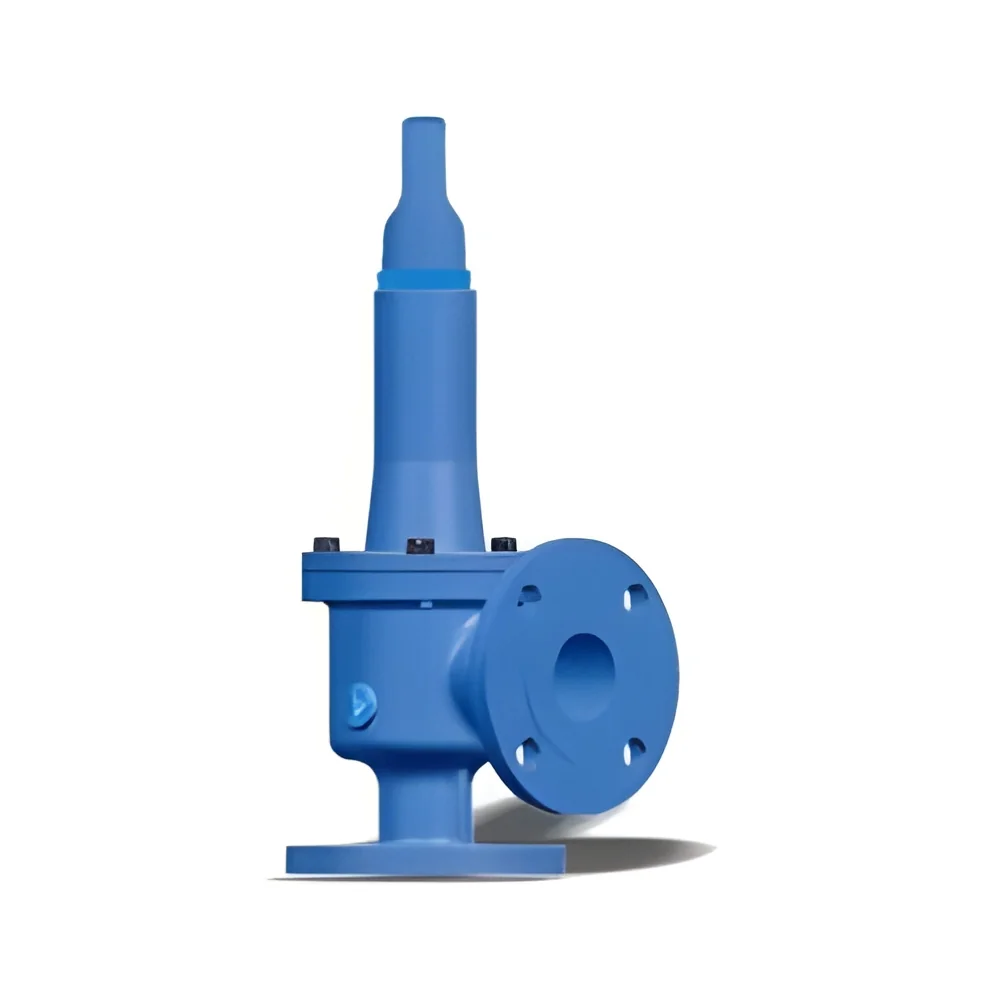
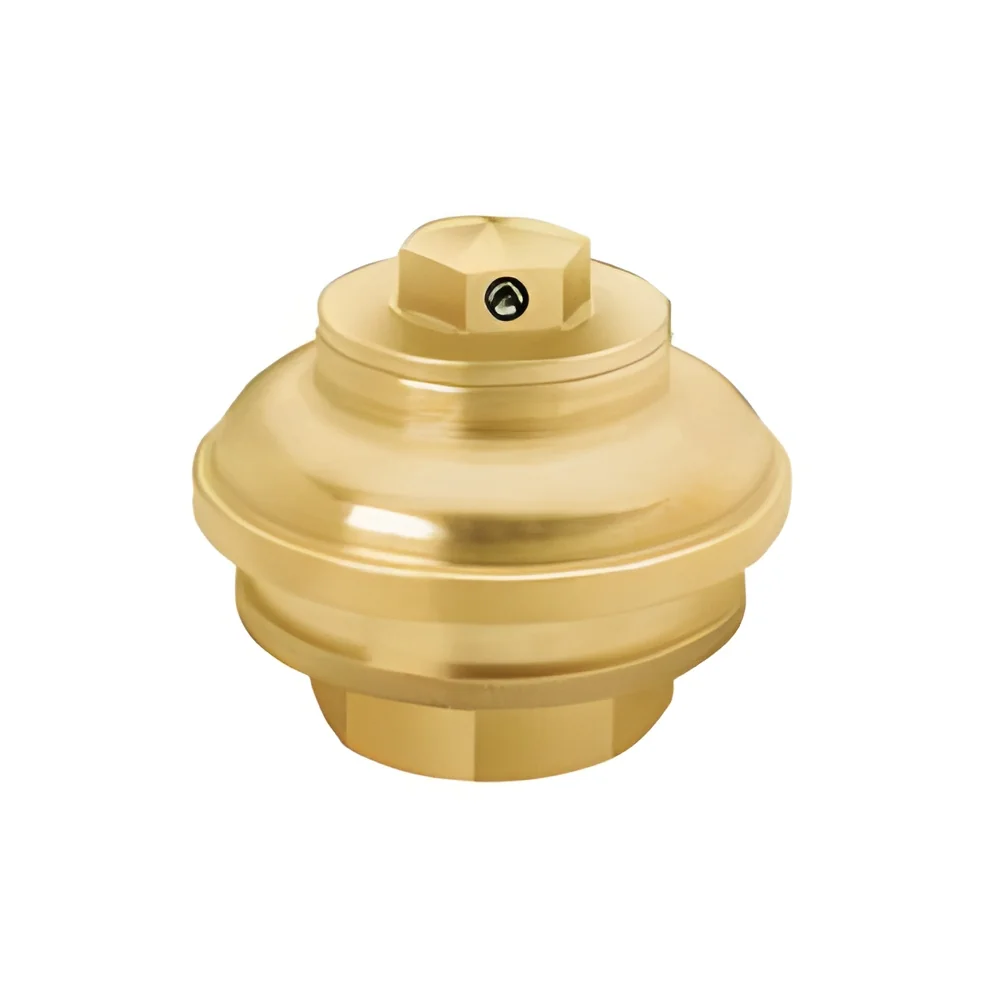
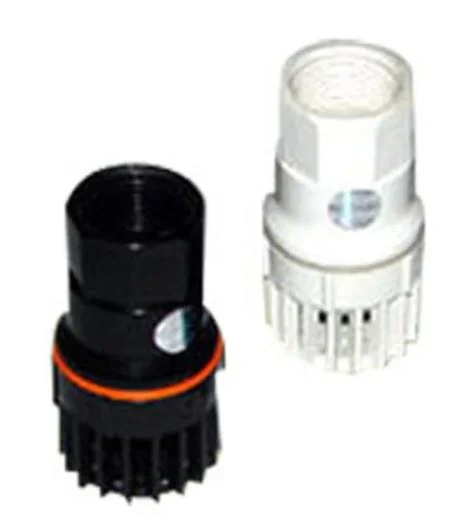
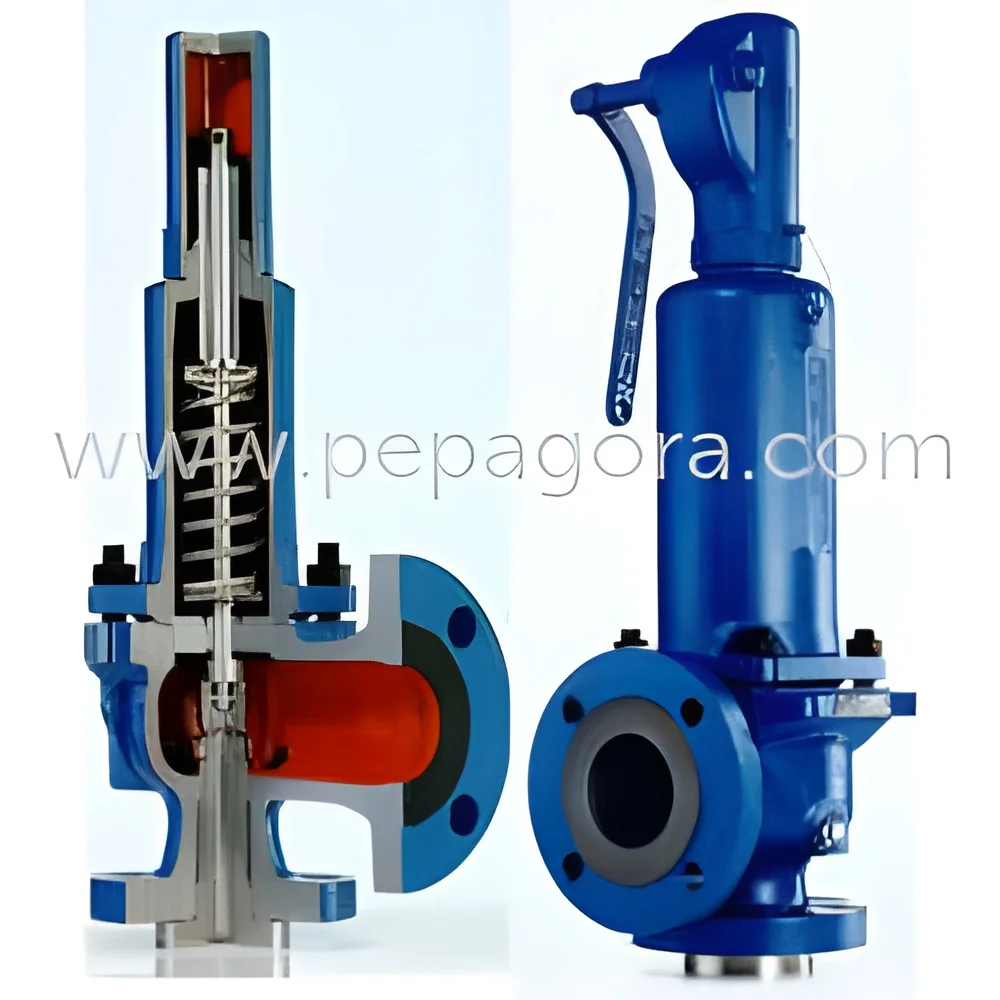
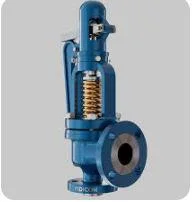
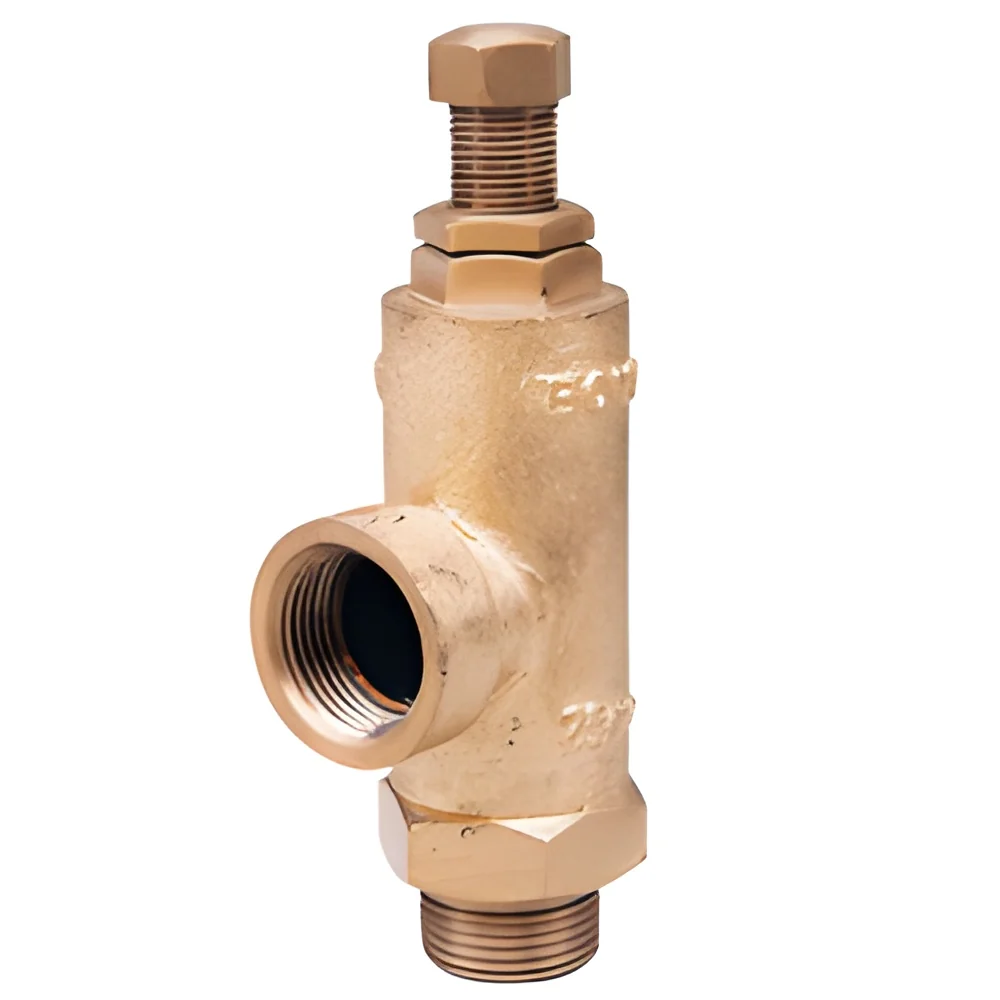
What are Pressure Relief Valves?
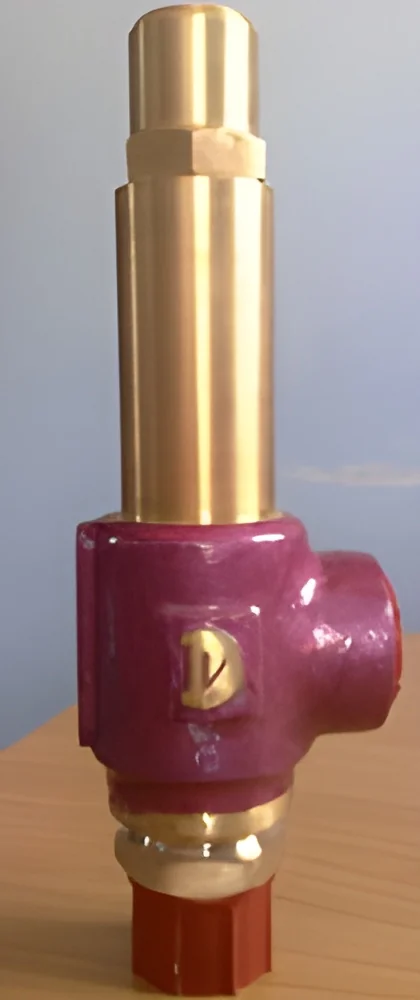
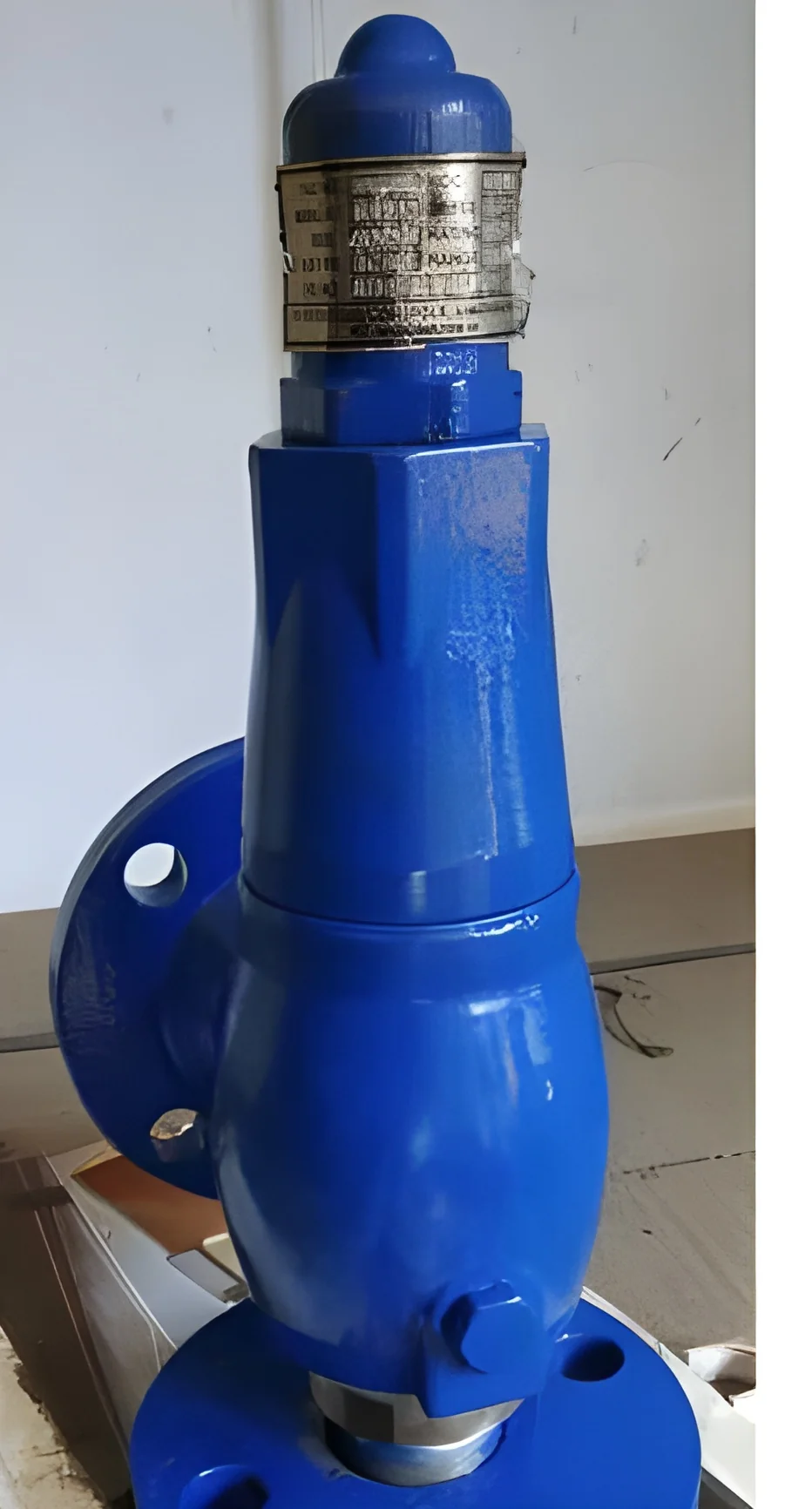
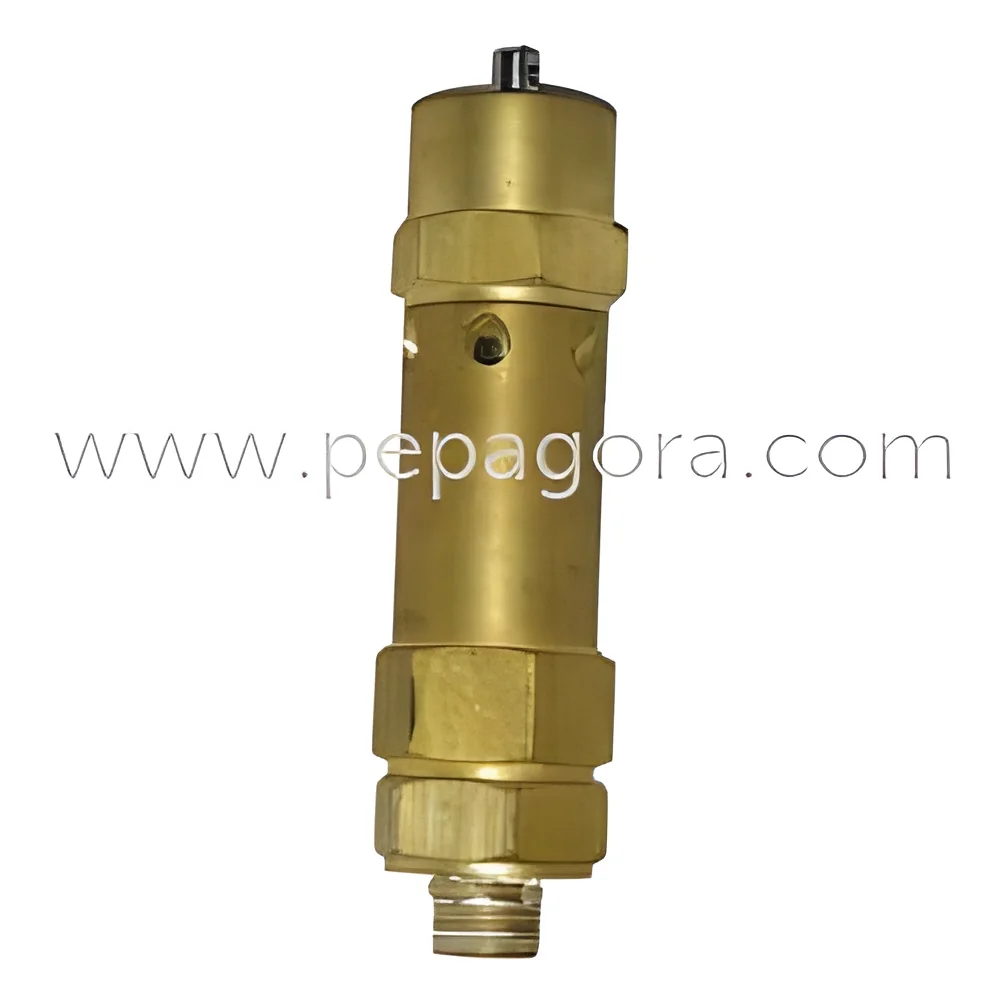
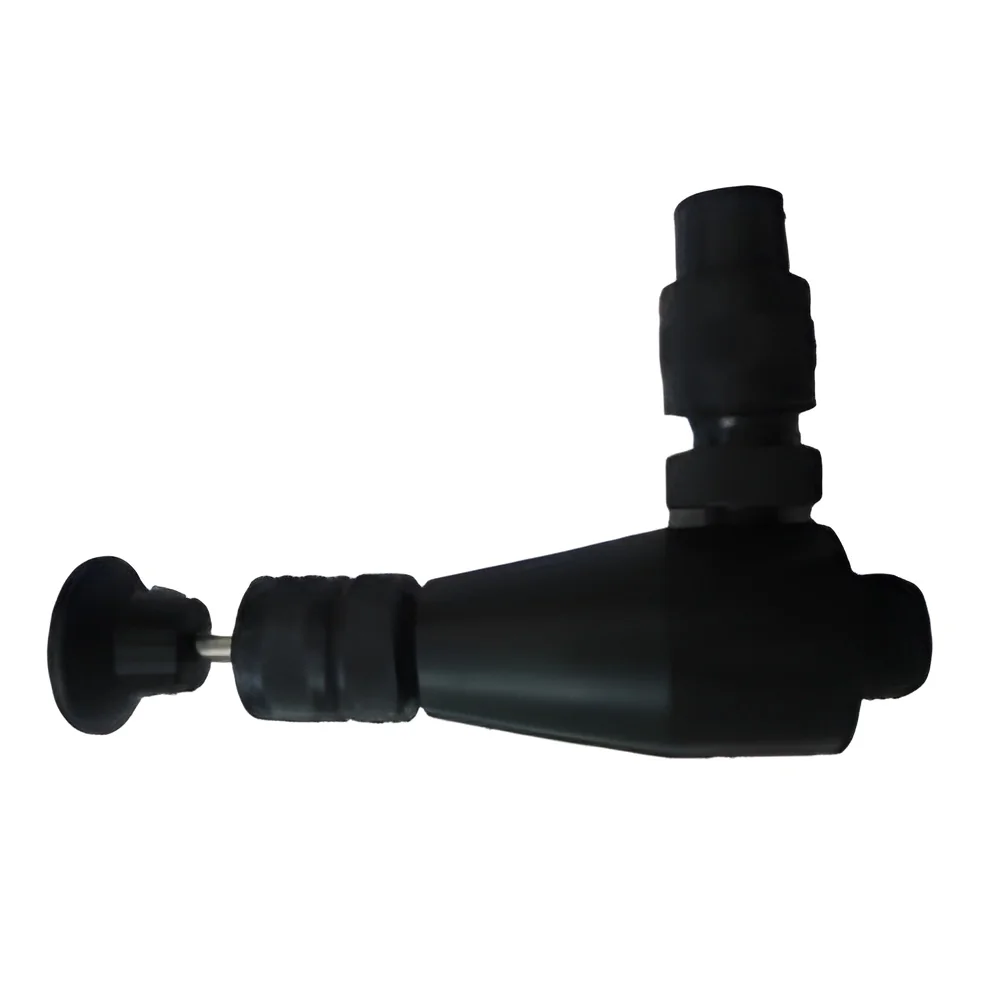
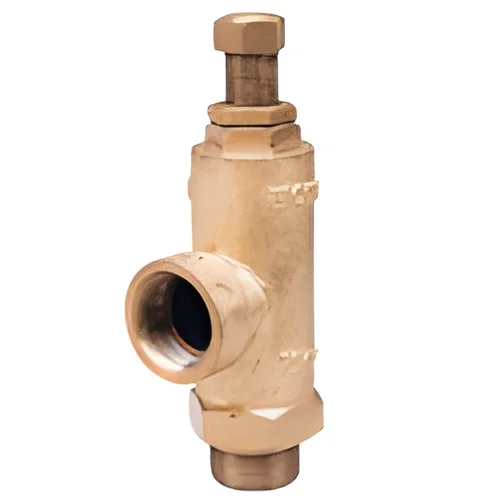
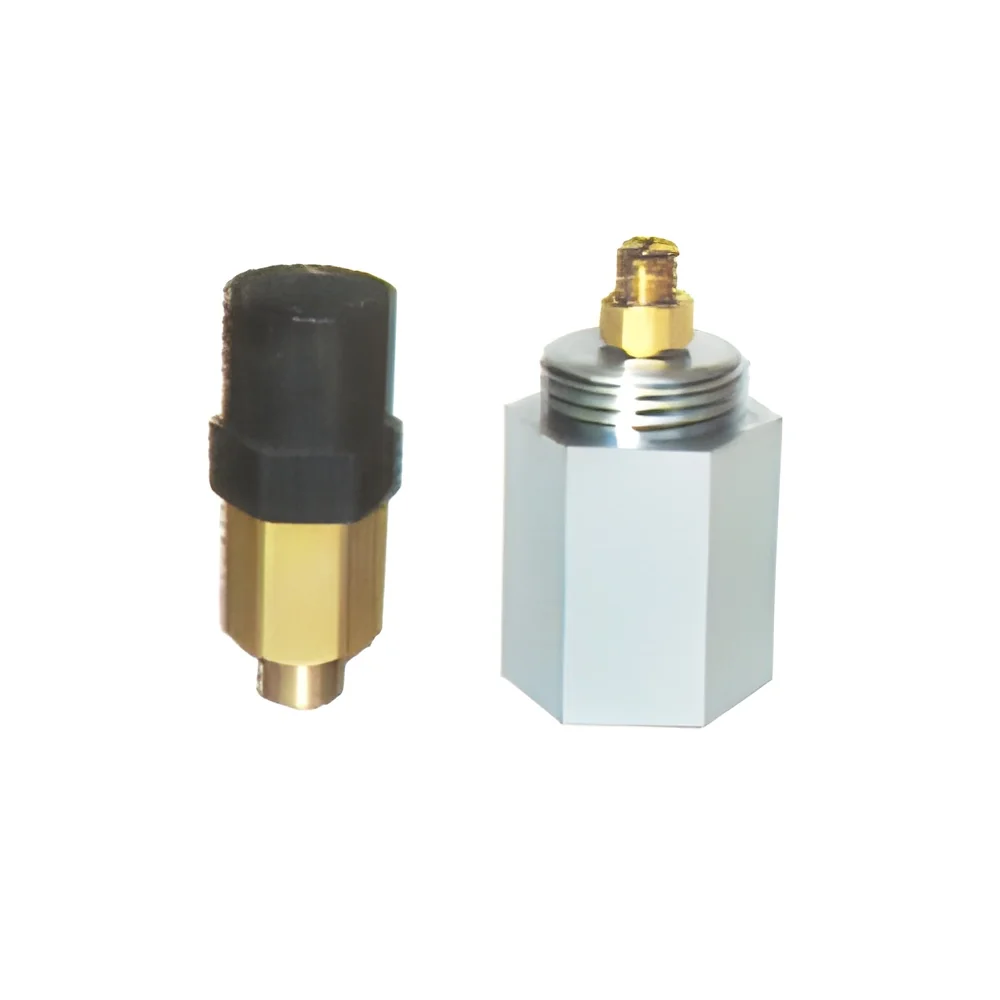
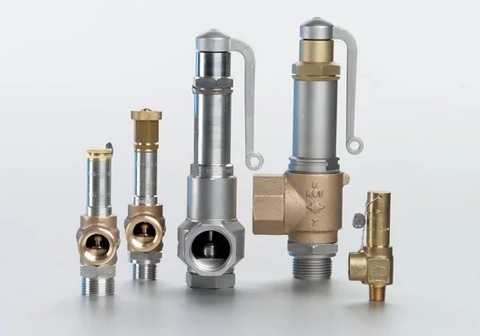
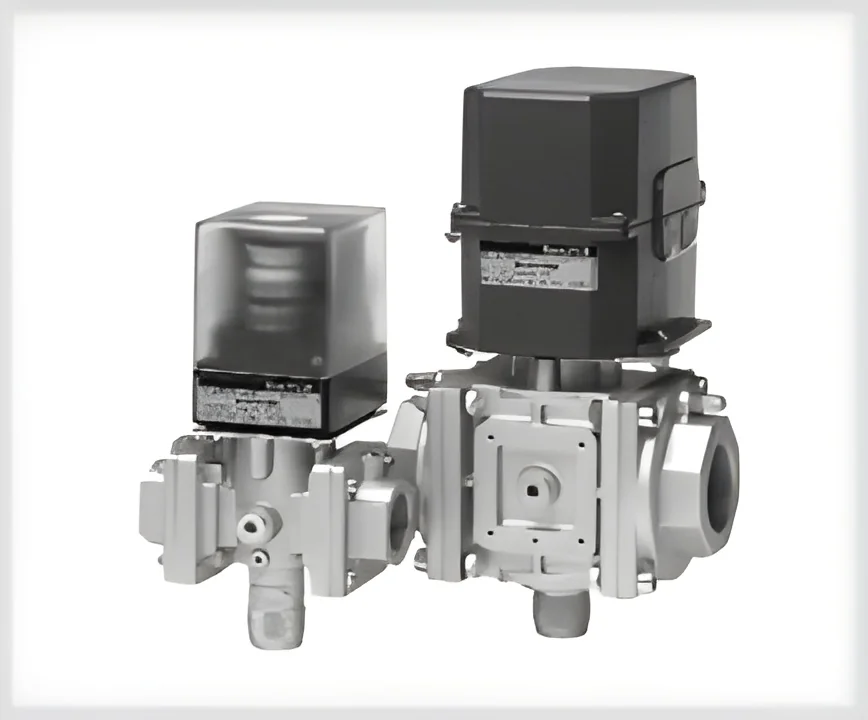
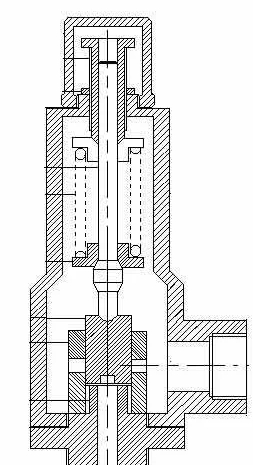
Pressure relief valves are essential safety devices designed to automatically release excess pressure from a system to prevent over-pressurization and ensure safe operation. These valves act as a fail-safe mechanism in various industrial applications, allowing for controlled ventilation of pressure when it exceeds predetermined limits. By doing so, they help protect equipment, personnel, and the environment from potential hazards associated with high pressure.
The primary uses of pressure relief valves span across many industries, including oil and gas, chemical manufacturing, and water treatment. In these applications, they are crucial for maintaining operational safety and efficiency. For instance, in the oil and gas industry, pressure relief valves are employed in pipelines and storage tanks to manage pressure fluctuations. Their importance in ensuring compliance with safety regulations and industry standards further underscores their relevance in today’s market.
As industries continue to evolve and expand, the demand for reliable pressure relief valves is expected to grow significantly. Companies are increasingly prioritizing safety and reliability in their operations, making these valves a critical component of industrial systems. The market for pressure relief valves is supported by advancements in technology, which enhance their performance and reliability, ensuring they meet the stringent requirements of various sectors.
Key Features and Specifications
Pressure relief valves come with several important features that enhance their functionality and performance. Understanding these specifications is vital for selecting the right valve for specific applications.
Key specifications include:
1. Valve Type
- Various types are available, including spring-loaded, pilot-operated, and balanced bellows.
- Each type has unique advantages based on application needs.
2. Set Pressure Range
- This specification indicates the pressure at which the valve will open to relieve excess pressure.
- Common ranges vary based on the design but typically include low, medium, and high pressure.
3. Size and Connection Type
- Available in various sizes to accommodate different piping systems.
- Connection types include threaded, flanged, and welded options, depending on installation requirements.
4. Material of Construction
- Valves can be made from materials like stainless steel, brass, or plastic.
- Material choice impacts durability and suitability for corrosive environments.
5. Temperature Ratings
- Pressure relief valves are rated for specific temperature ranges, ensuring they operate effectively under varying conditions.
- This is crucial for applications exposed to extreme heat or cold.
6. Compliance Certifications
- Many valves meet industry standards and certifications, such as CE marking.
- Compliance ensures safety and reliability in industrial applications.
7. Flow Capacity
- This specification indicates how much fluid the valve can discharge when opened.
- It is essential for ensuring that the valve can handle the expected flow rates in a system.
8. Testing and Safety Standards
- Valves are often subjected to rigorous testing to meet safety standards.
- This includes operational tests and inspections to ensure reliability under pressure.
Choosing the right pressure relief valve involves considering these specifications to meet the operational needs of specific applications.
Common Applications and Use Cases
Pressure relief valves find applications across a wide range of industries, reflecting their versatility and importance in safe operations.
1. Oil and Gas: In this sector, pressure relief valves are critical in pipelines and storage tanks, helping manage fluctuations in pressure and preventing hazardous situations.
2. Chemical Manufacturing: These valves are used to protect reactors and storage vessels from overpressure, ensuring the safety of chemical processes and workers.
3. Water Treatment: Pressure relief valves are employed in water treatment facilities to prevent damage to pumps and other equipment from excessive pressure.
4. HVAC Systems: In heating, ventilation, and air conditioning systems, these valves help regulate pressure to ensure efficient operation and prevent failures.
5. Pharmaceuticals: In pharmaceutical manufacturing, pressure relief valves are vital for maintaining safe pressure levels in production equipment, ensuring product quality and safety.
6. Food and Beverage: In this industry, they help manage pressure in processing equipment, safeguarding against contamination and ensuring compliance with health standards.
7. Power Generation: Pressure relief valves are essential in power plants, protecting boilers and turbines from pressure surges that could lead to catastrophic failures.
Product Variants and Subcategories
Pressure relief valves are available in several variants to cater to different industrial requirements. Each variant is designed with specific features tailored to its applications.
Spring-Loaded Pressure Relief Valves
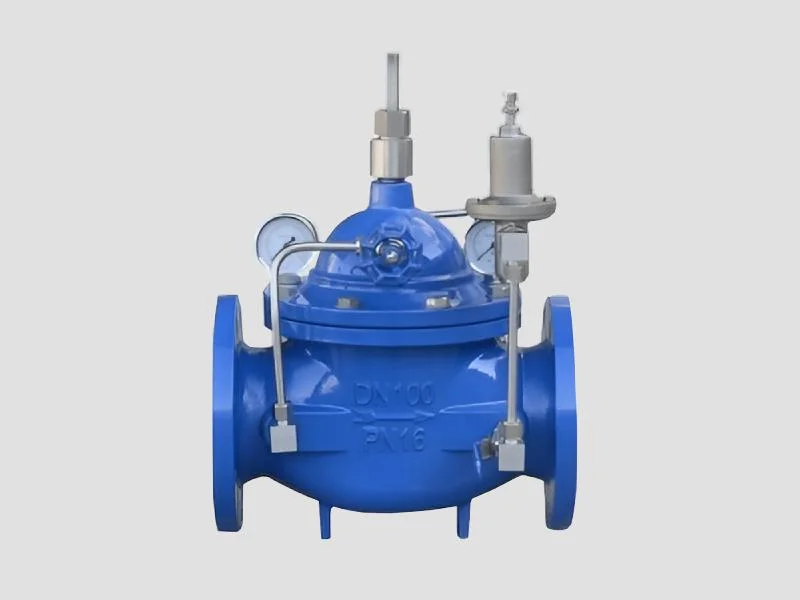
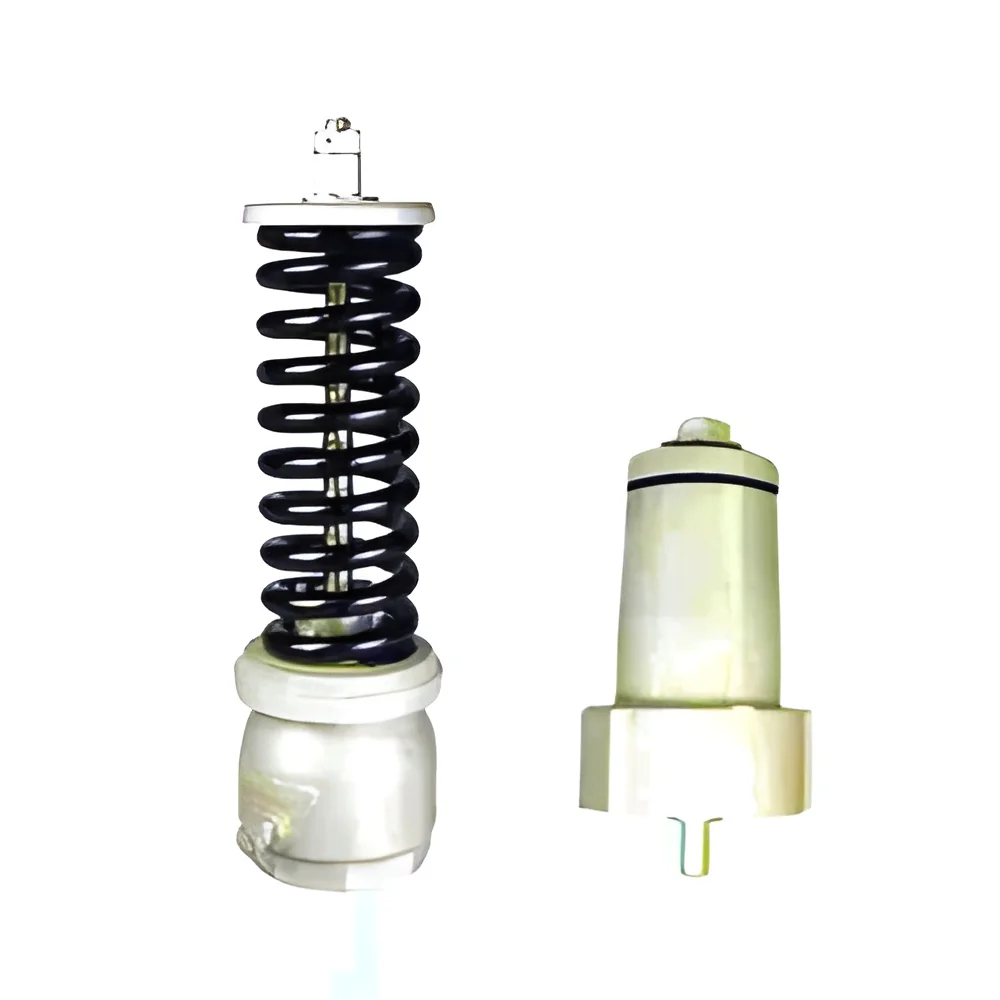
These valves operate based on a spring mechanism that holds the valve closed until the set pressure is exceeded. They are commonly used for their simplicity and reliability in various applications.
Pilot-Operated Pressure Relief Valves
This type utilizes a pilot system to control a larger valve. They offer superior flow capacity and are ideal for applications where precise pressure control is crucial.
Balanced Bellows Pressure Relief Valves
Balanced bellows valves minimize the effects of back pressure on the valve's operation, making them suitable for systems where back pressure may vary significantly.
Benefits and Advantages
Choosing pressure relief valves offers numerous advantages that contribute to operational safety and efficiency.
Key benefits include:
1. Enhanced Safety: Pressure relief valves prevent over-pressurization, reducing the risk of equipment failure and ensuring the safety of personnel.
2. Improved System Reliability: By maintaining optimal pressure levels, these valves enhance the reliability of industrial systems, minimizing downtime.
3. Compliance with Regulations: Many industries require pressure relief valves to meet safety standards, helping businesses stay compliant with regulations.
4. Cost-Effective Solutions: Investing in quality pressure relief valves reduces the likelihood of costly accidents and equipment repairs.
5. Versatile Applications: These valves are suitable for a wide range of industries, making them a versatile choice for various manufacturing processes.
6. Easy Maintenance: Pressure relief valves are often designed for straightforward maintenance, allowing for quick inspections and servicing.
Buying Guide for B2B Buyers
When sourcing pressure relief valves, several key factors should be considered to ensure a reliable selection.
1. Quality Assessment: Evaluate the quality of the valves by looking for established certifications and testing standards that meet industry requirements. This ensures reliability and safety.
2. Supplier Verification: Vet potential suppliers by checking their history, reputation, and customer reviews. A verified supplier is crucial for obtaining high-quality products.
3. Pricing and MOQ: Understand the pricing structures and any minimum order quantities. This helps in budgeting and ensures that you obtain the necessary quantity without overcommitting.
4. Delivery and Lead Times: Consider the logistics involved in shipping and the expected lead times for delivery. Timely delivery is essential for maintaining production schedules.
5. Compliance Requirements: Be aware of the regulatory requirements specific to your industry. Ensure the valves meet all necessary compliance standards for safety and performance.
Compliance and Certifications
Pressure relief valves are subject to various compliance standards and certifications that ensure their safety and effectiveness in industrial applications.
ISO 9001 is a quality management standard that many manufacturers adhere to, ensuring that their products consistently meet customer and regulatory requirements. This certification reflects a commitment to quality and continuous improvement in manufacturing processes.
Additionally, certifications like CE marking indicate that the valves comply with European safety, health, and environmental protection standards. This is particularly important for international trade, as it assures buyers of the product's quality and safety.
Safety testing requirements often include rigorous assessments to verify the reliability of valves under extreme conditions. Manufacturers may conduct burst tests, fatigue tests, and operational tests to ensure that products perform reliably within specified parameters.
Regional compliance considerations vary, with different countries and regions imposing their own standards. It is essential for buyers to understand these regulations to ensure that the pressure relief valves sourced comply with local laws and industry practices.
Why Source Pressure Relief Valves from Pepagora?
Pepagora offers a comprehensive platform for sourcing pressure relief valves, providing several key advantages for B2B buyers.
Verified Supplier Network: Pepagora connects buyers with a network of verified suppliers, ensuring that sourced products meet high-quality standards. This reduces the risk associated with purchasing from unknown sources.
Streamlined RFQ Process: The request for quotation (RFQ) process is user-friendly, allowing buyers to quickly obtain quotes from multiple suppliers. This efficiency helps in comparing options and making informed purchasing decisions.
Trade Assurance and Support: Pepagora provides trade assurance, protecting buyers from potential disputes. This added layer of support enhances confidence in transactions and fosters a secure trading environment.
Regional Coverage: With a strong presence in India, the GCC, and Southeast Asia, Pepagora ensures that buyers have access to a wide range of suppliers and products tailored to their regional needs. This geographic reach facilitates timely and efficient sourcing for various industrial applications.

 IN
IN