What are Butterfly Valves?
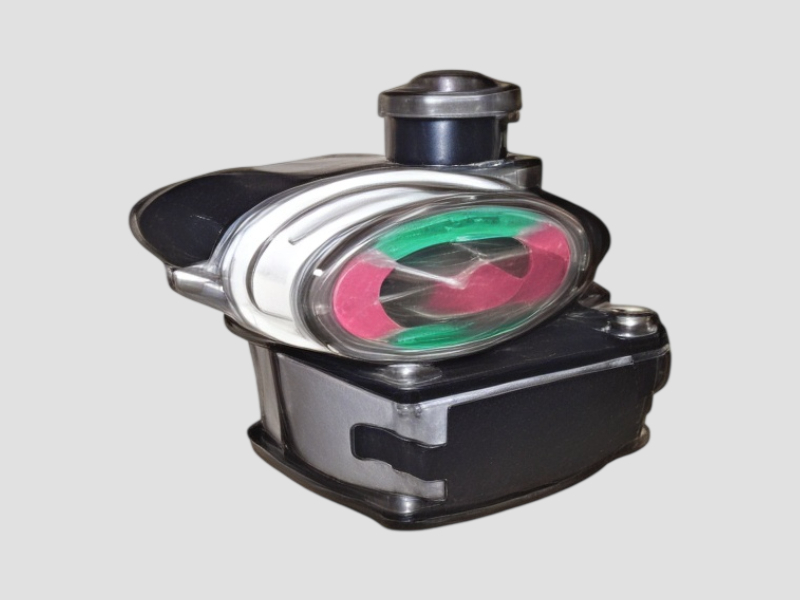
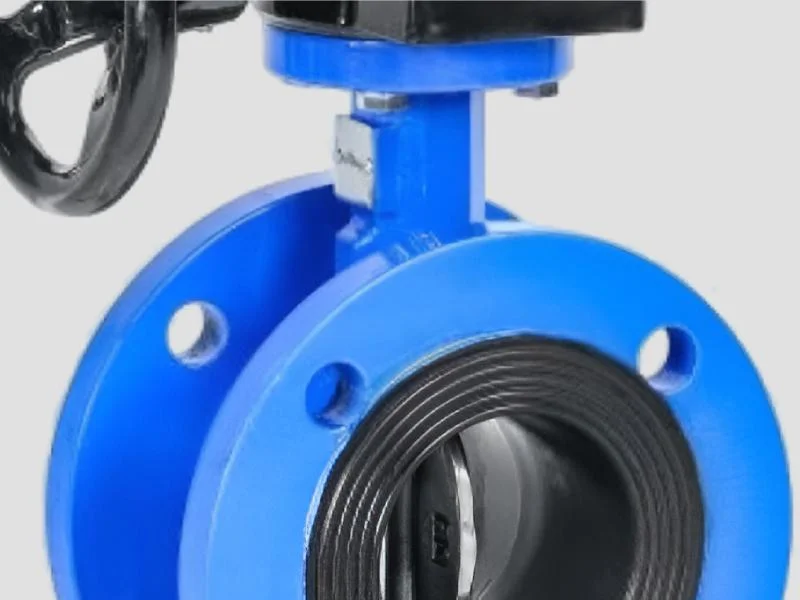
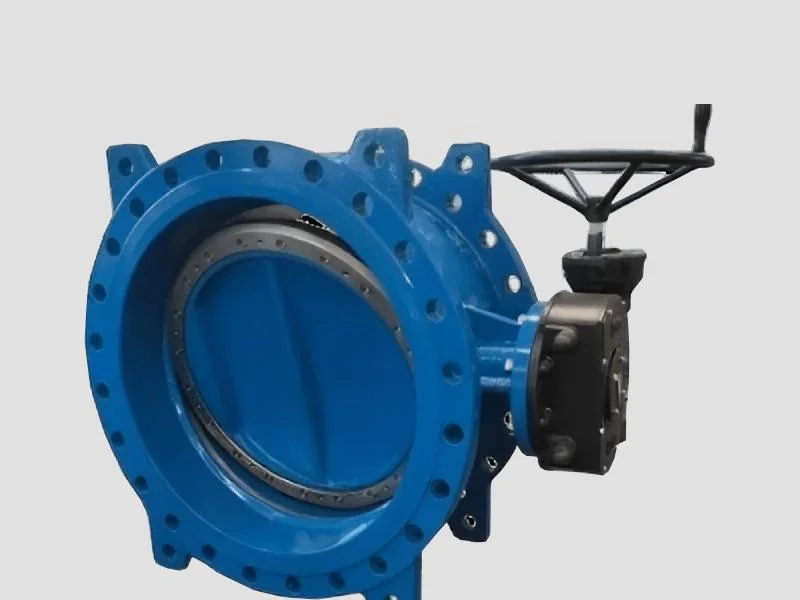
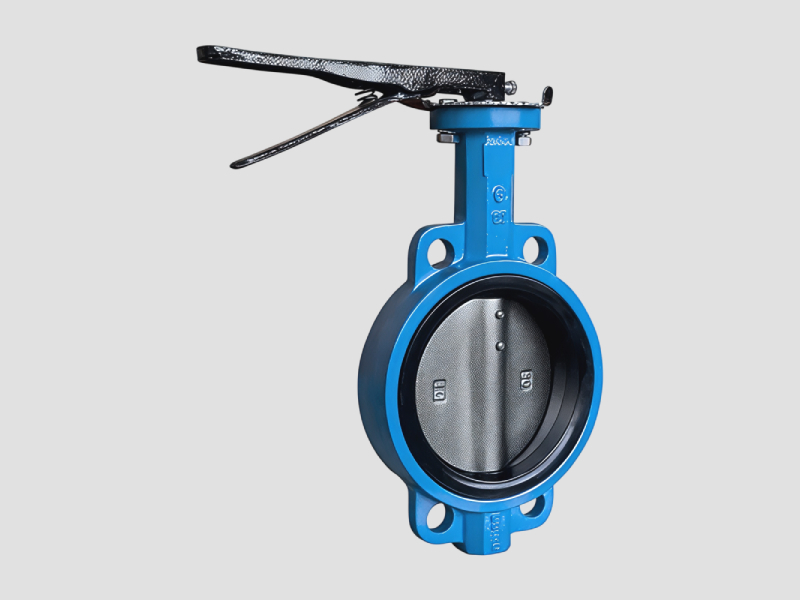
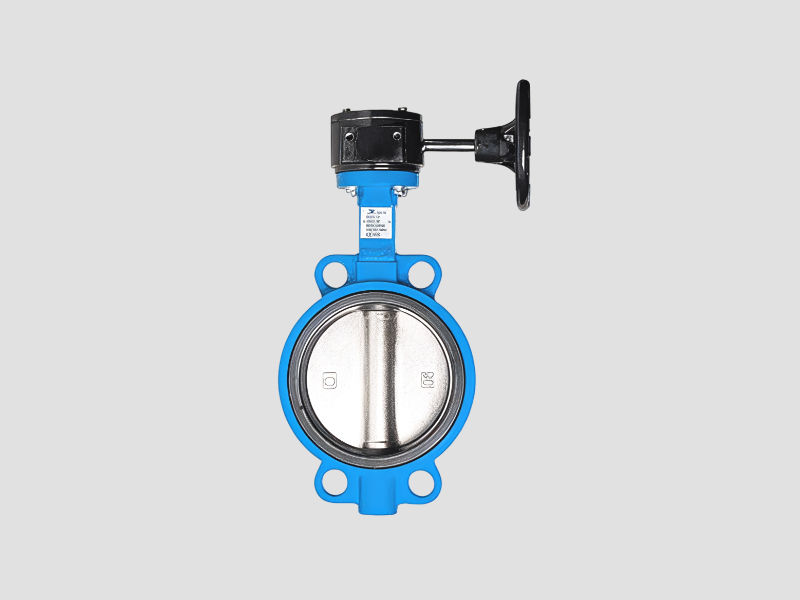
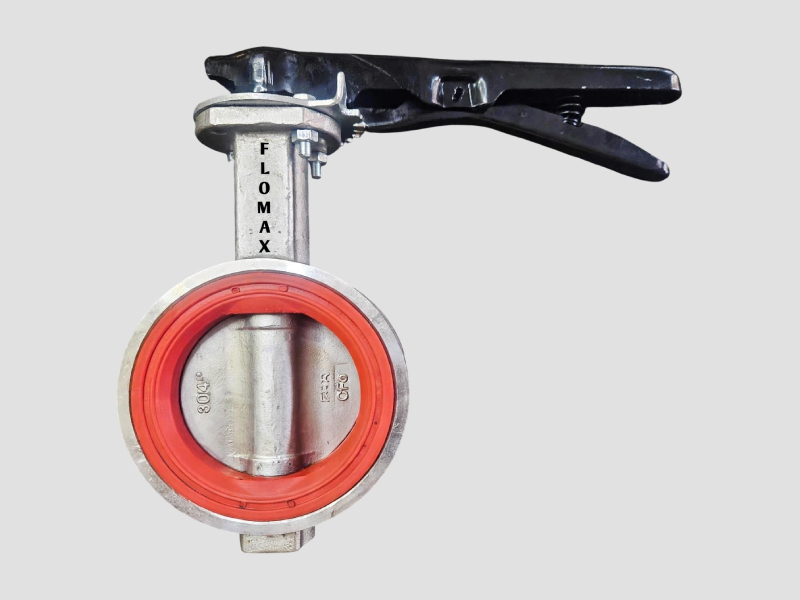
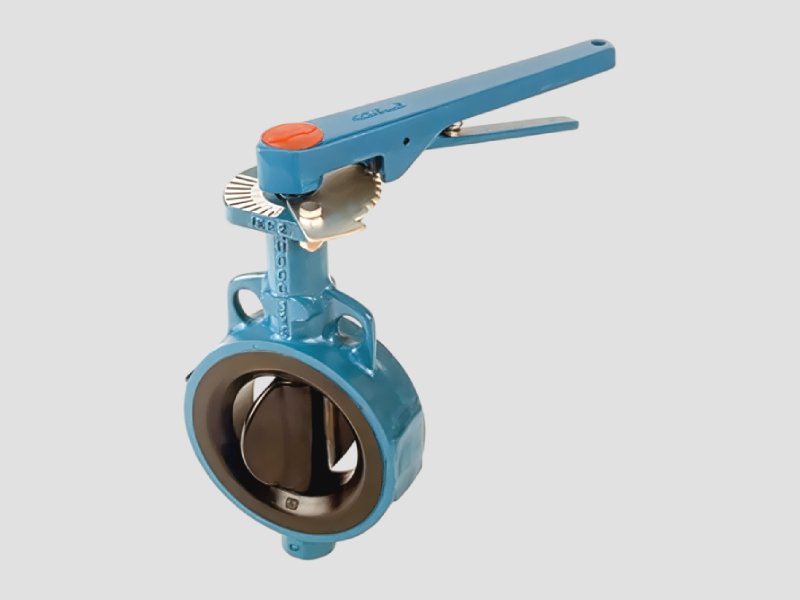
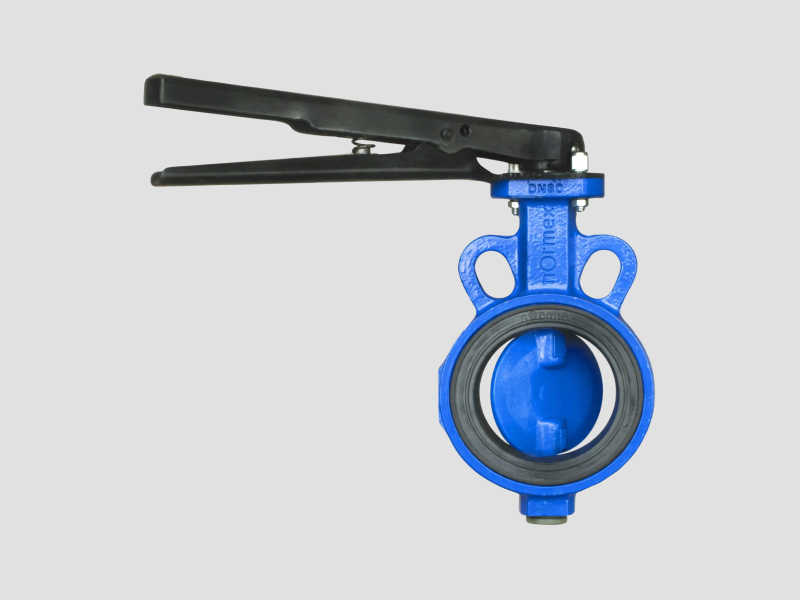
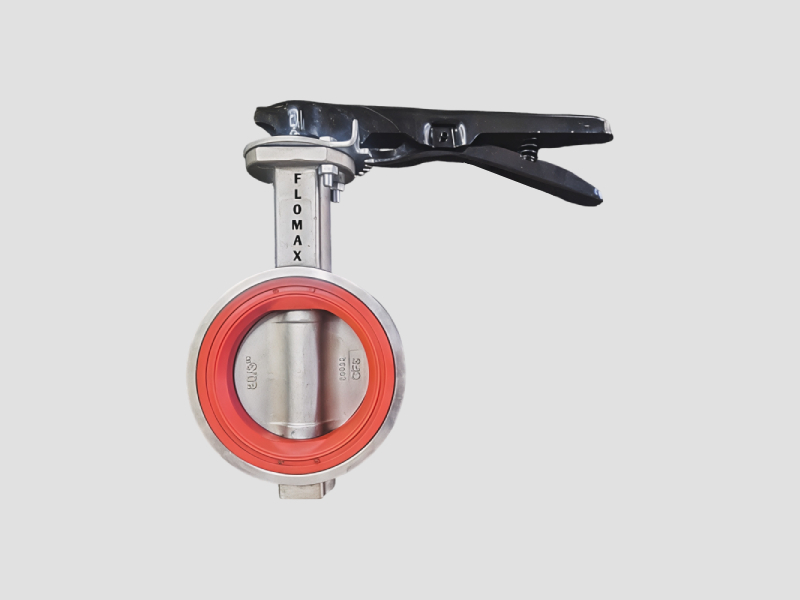
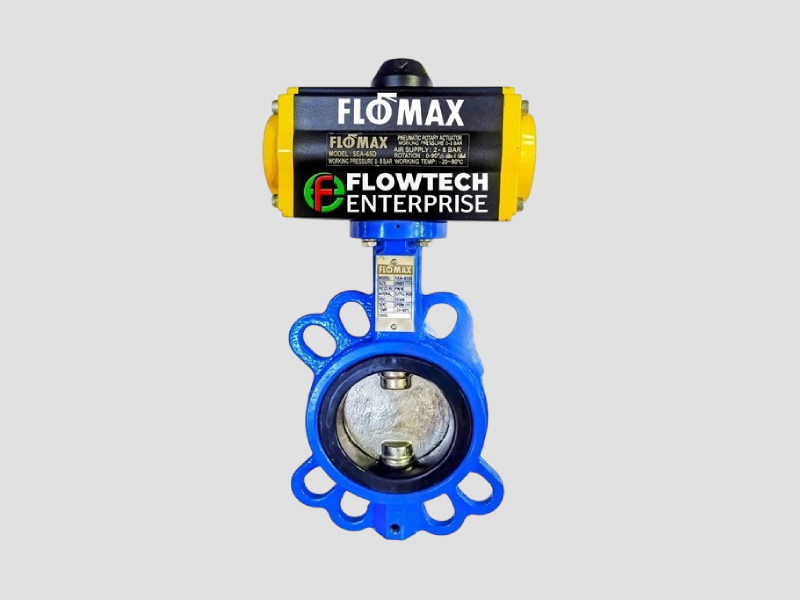
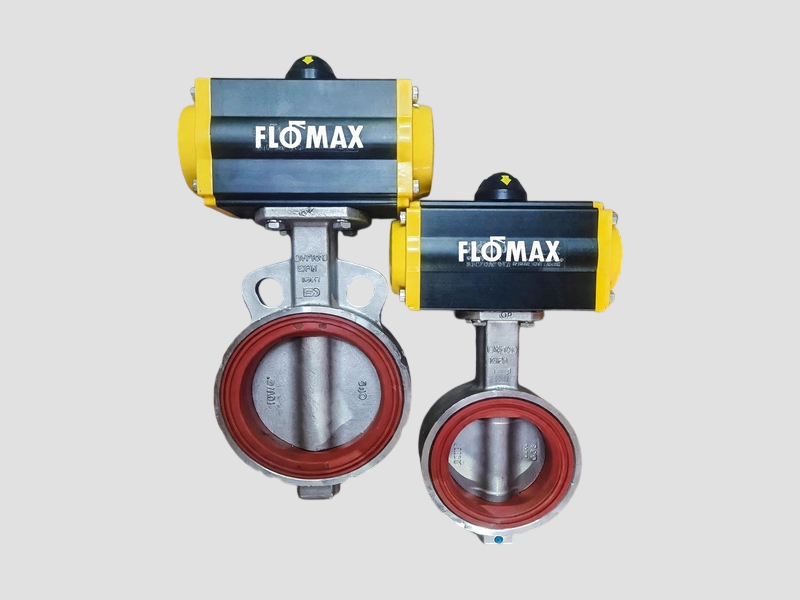
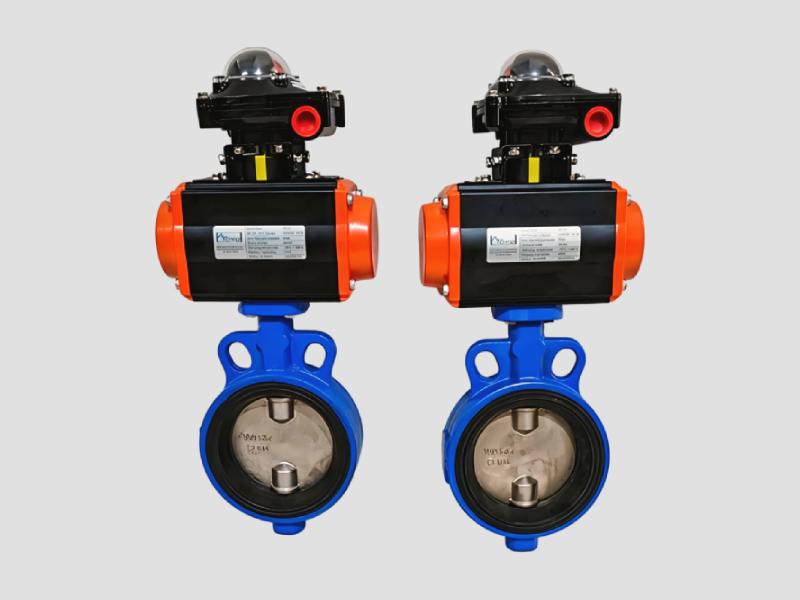
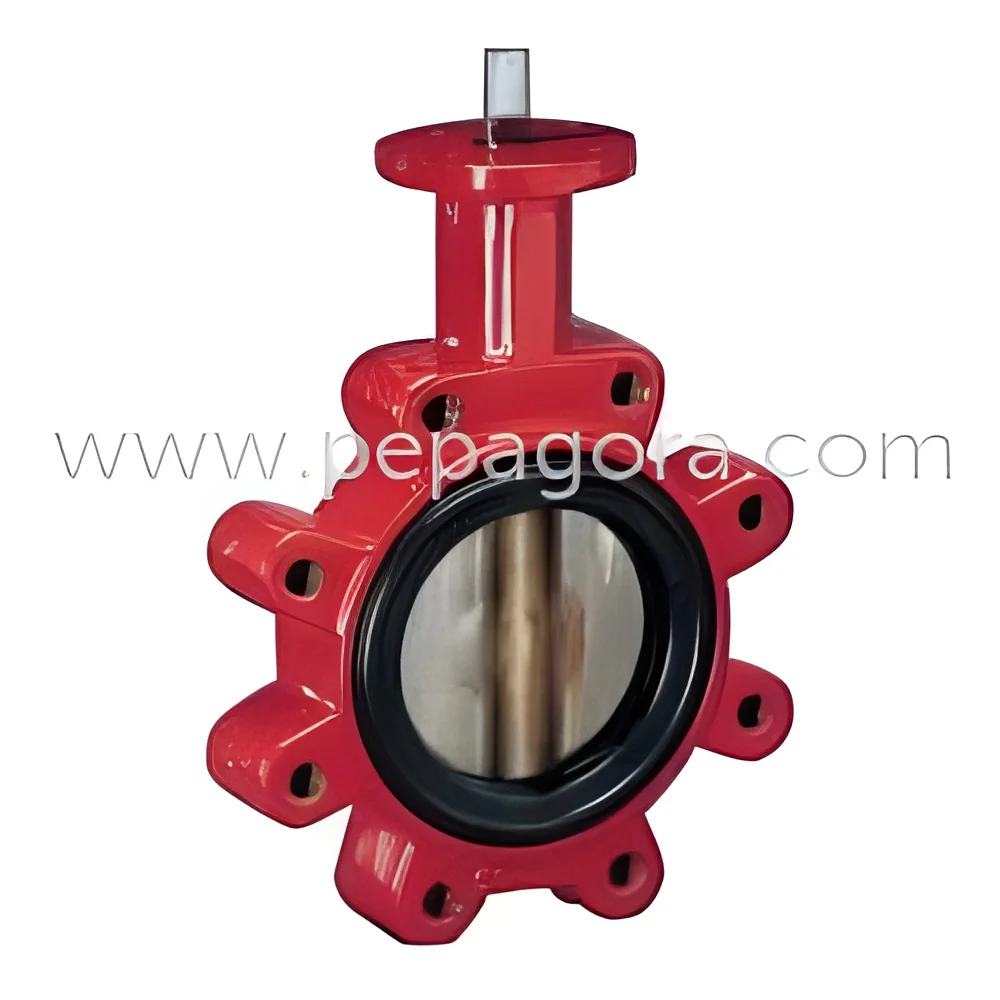
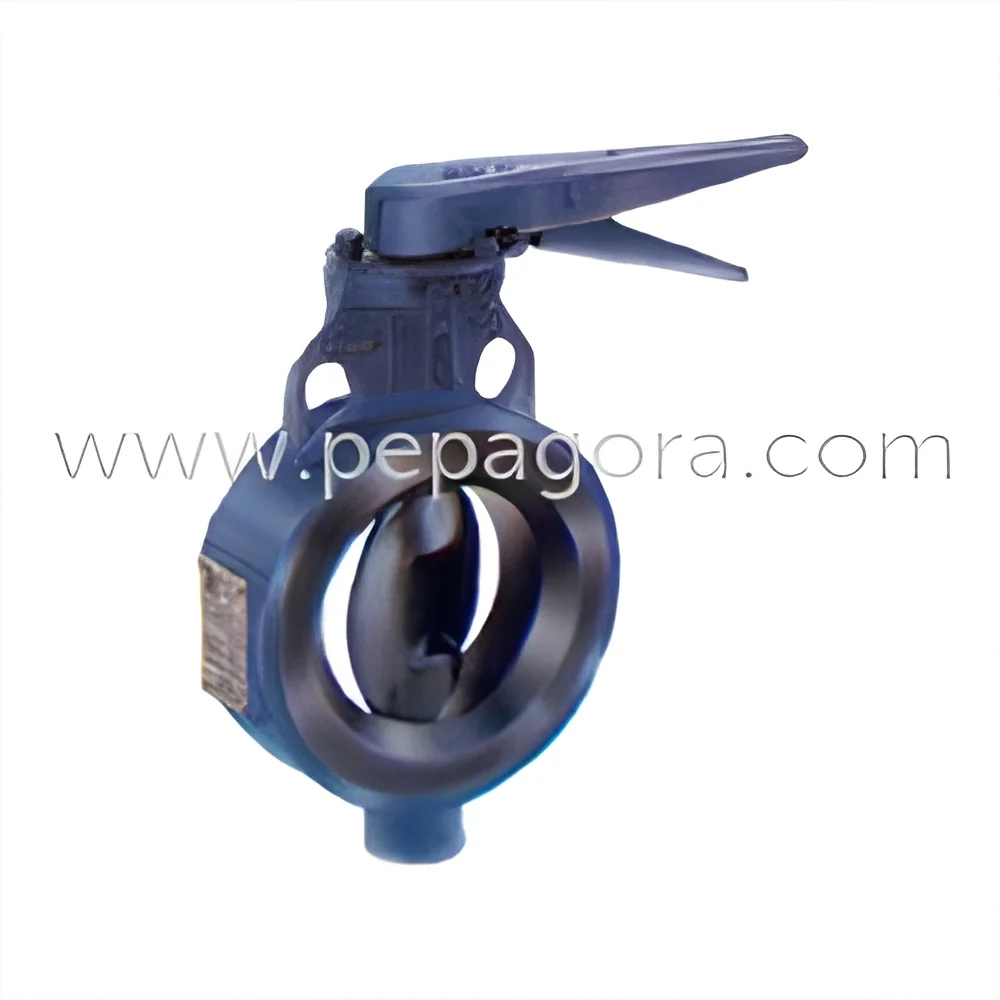
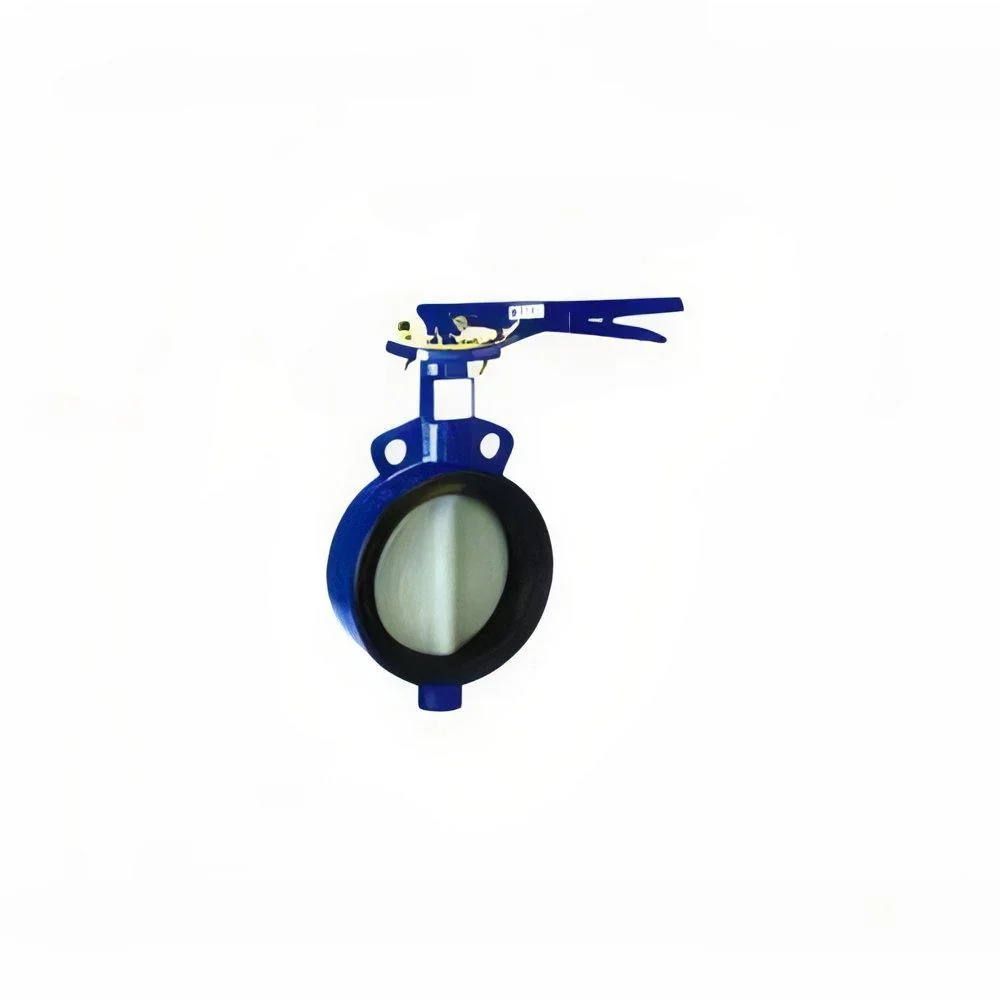
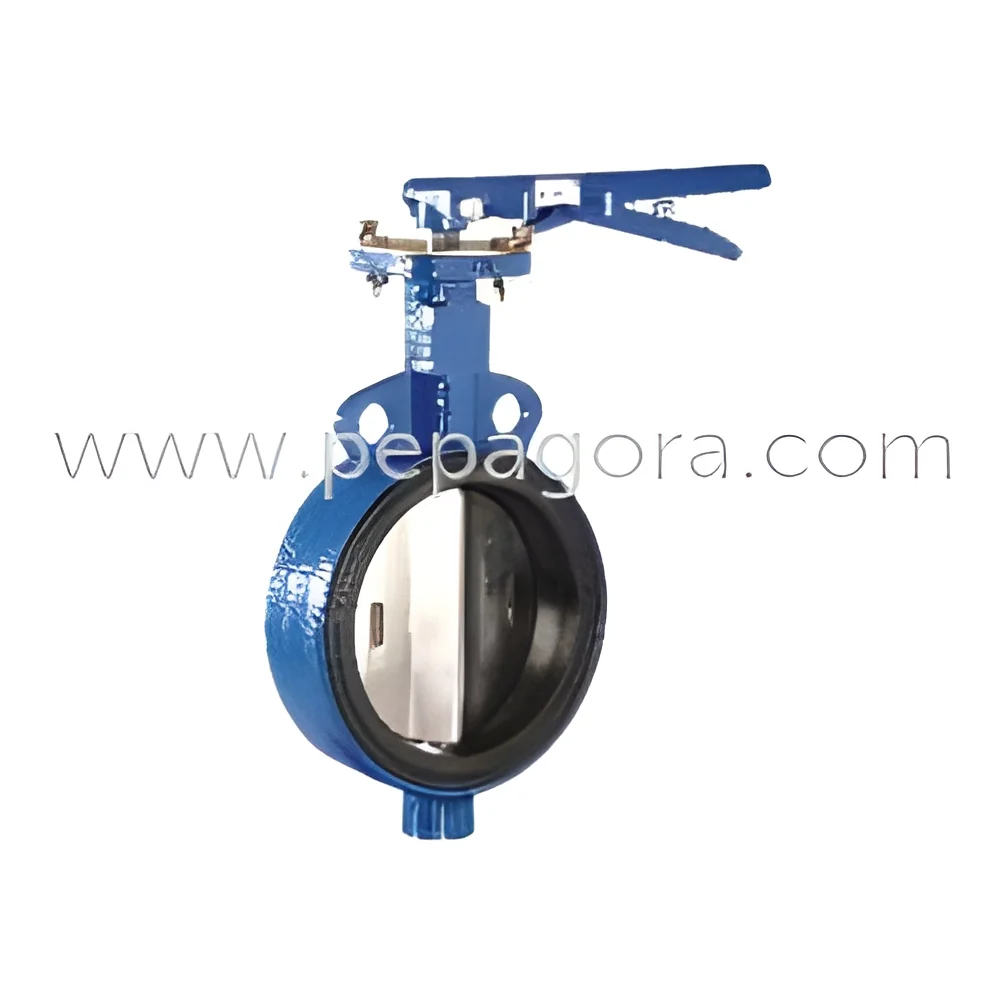
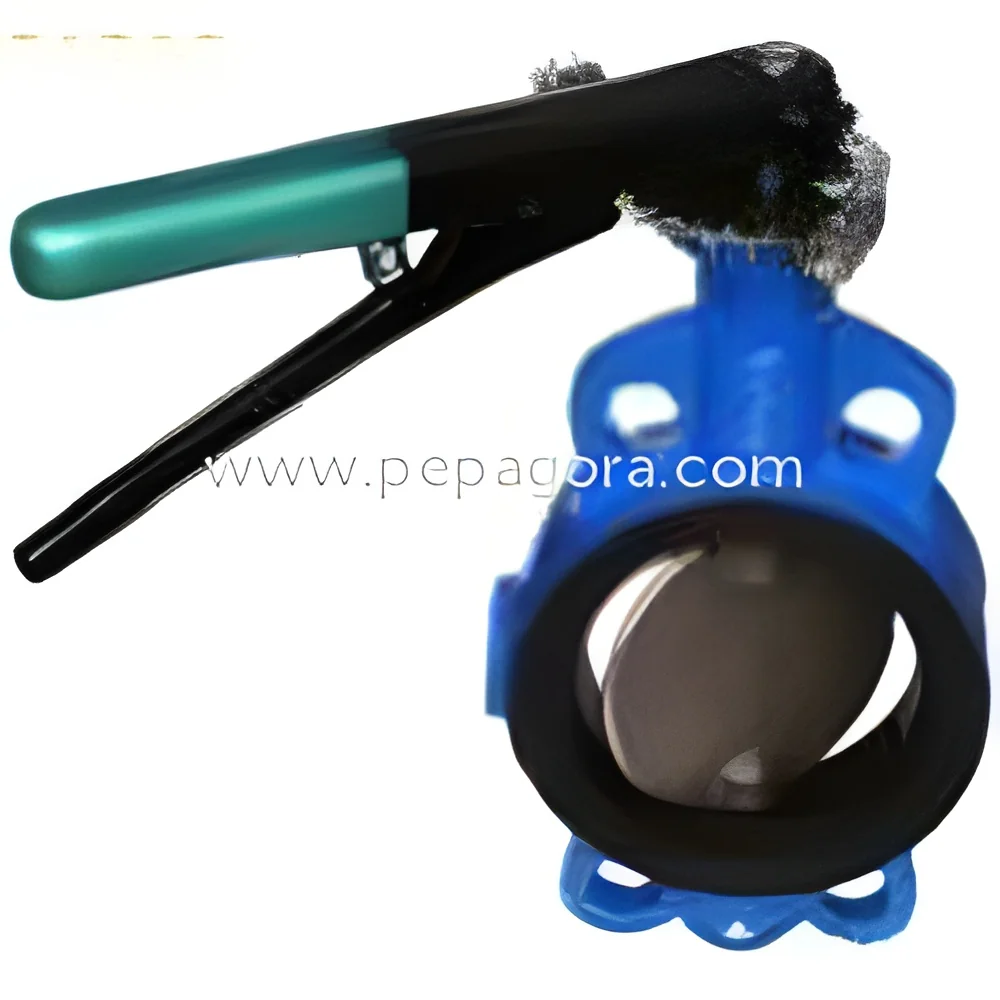
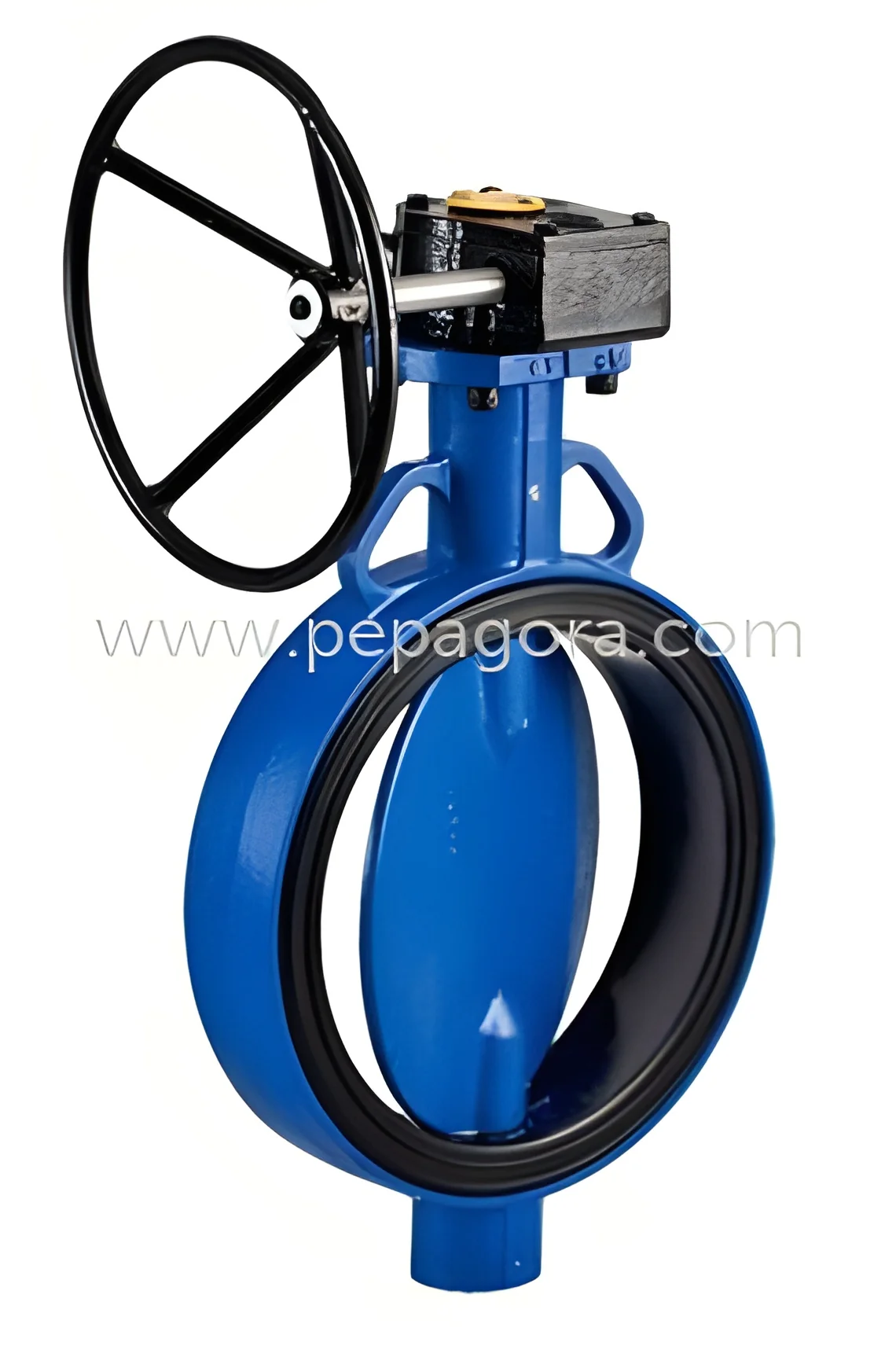
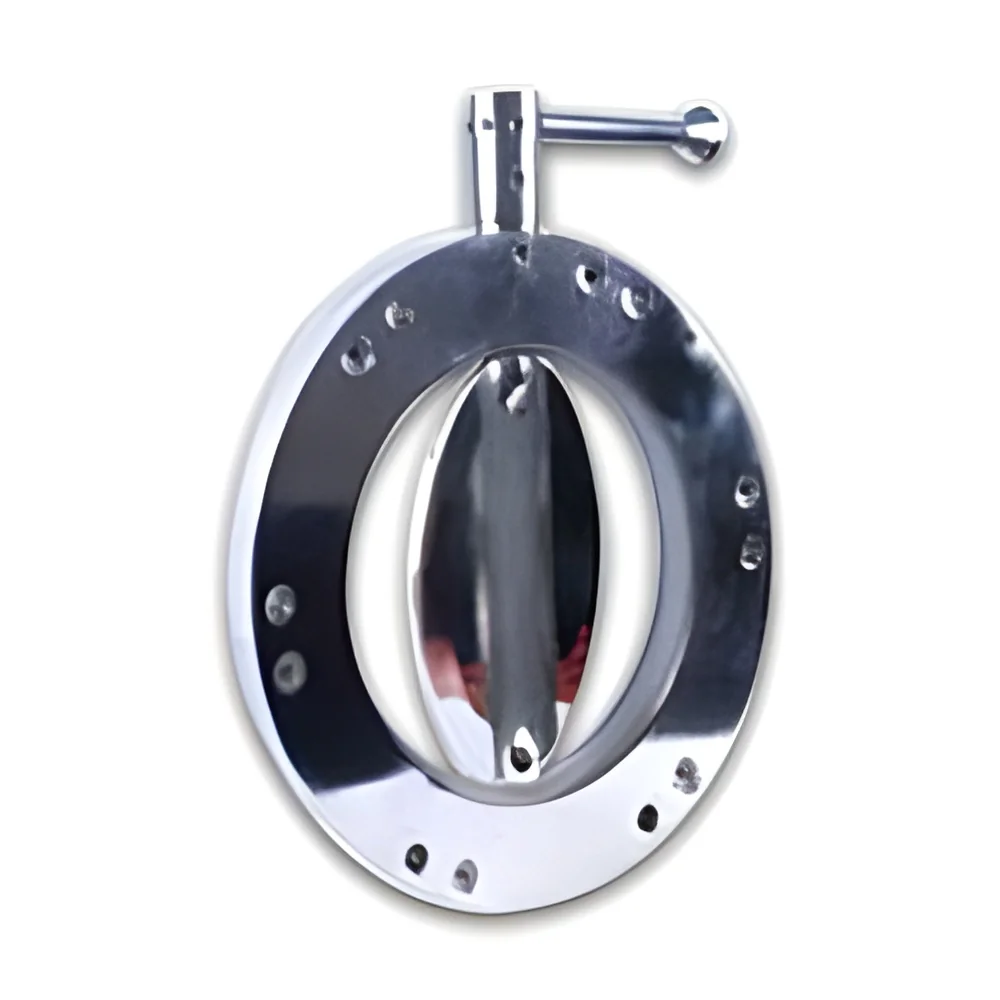
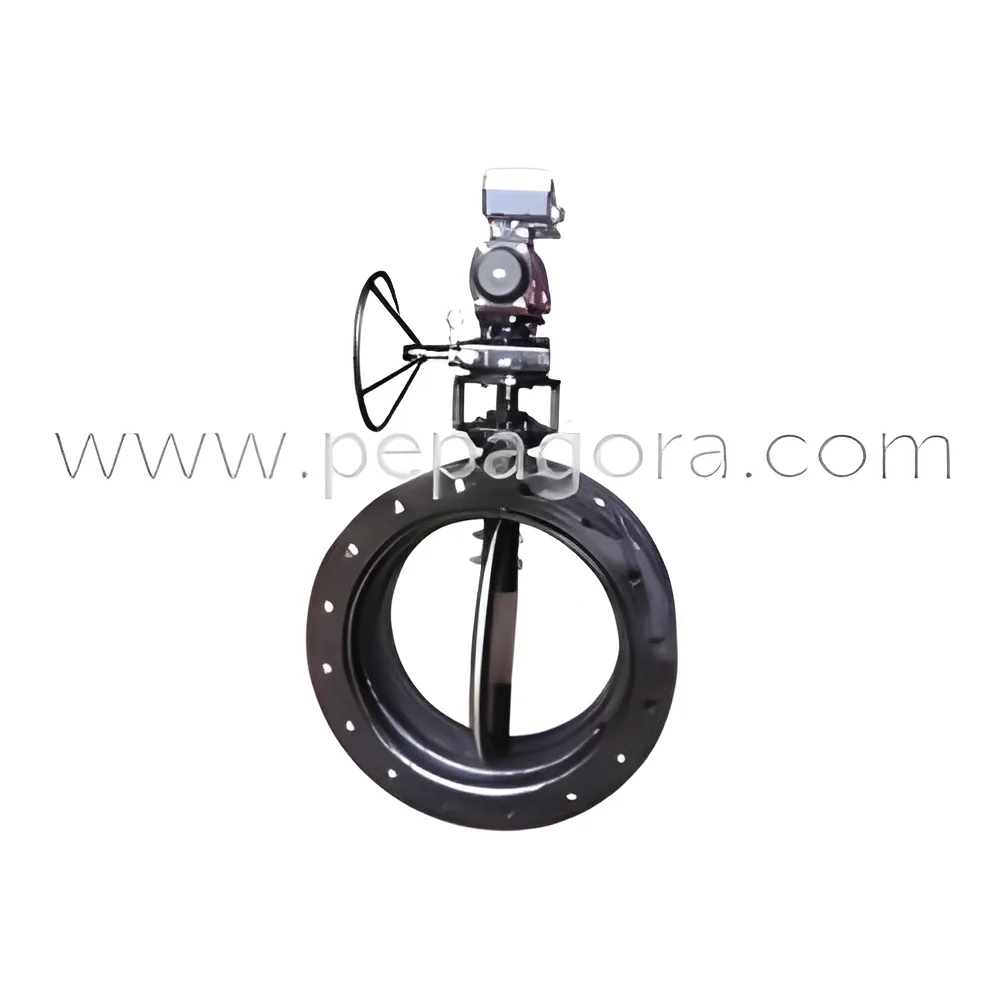
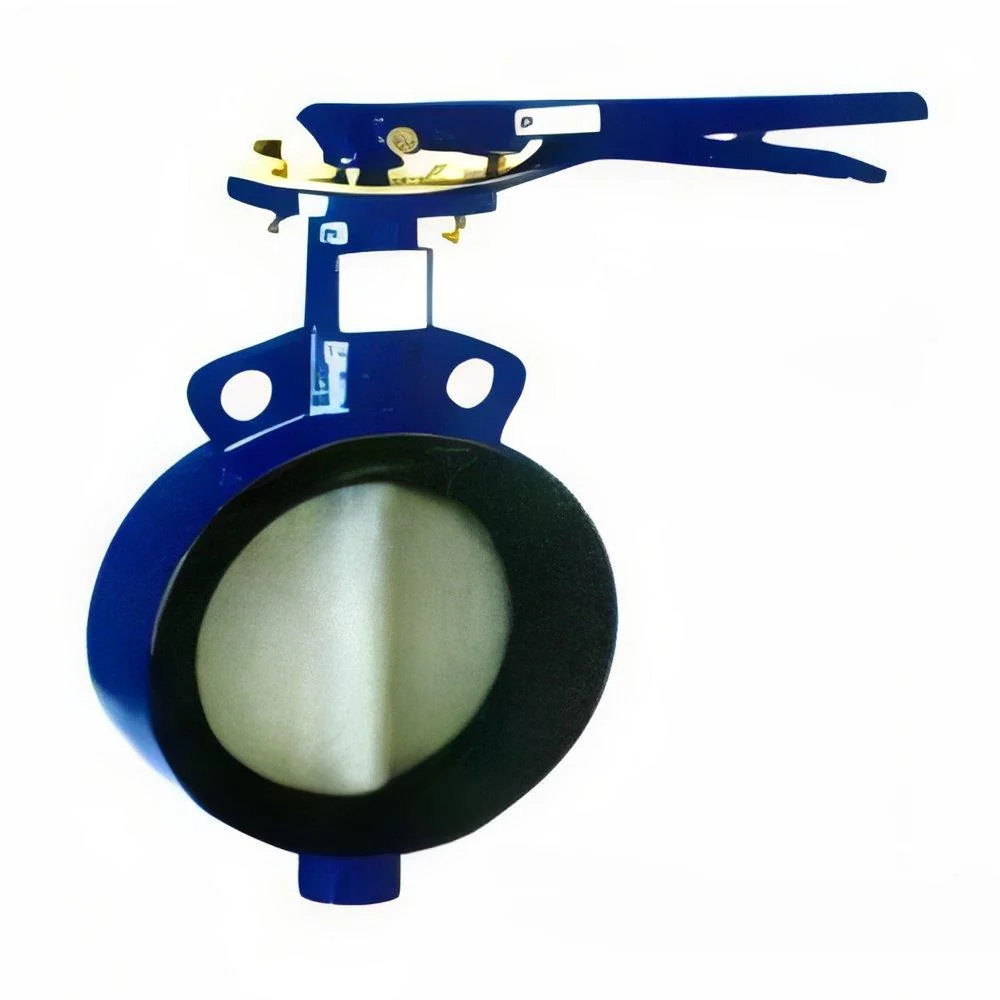
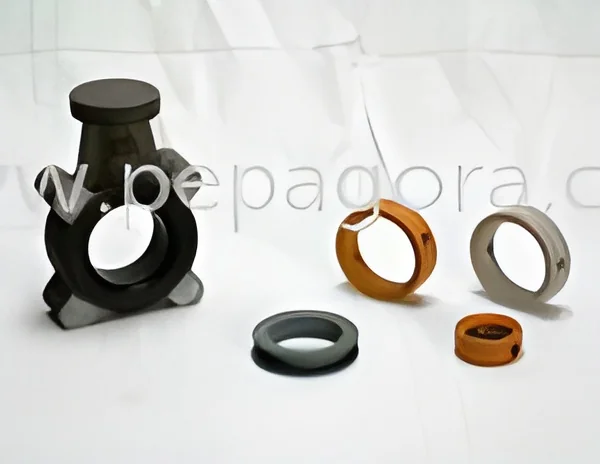
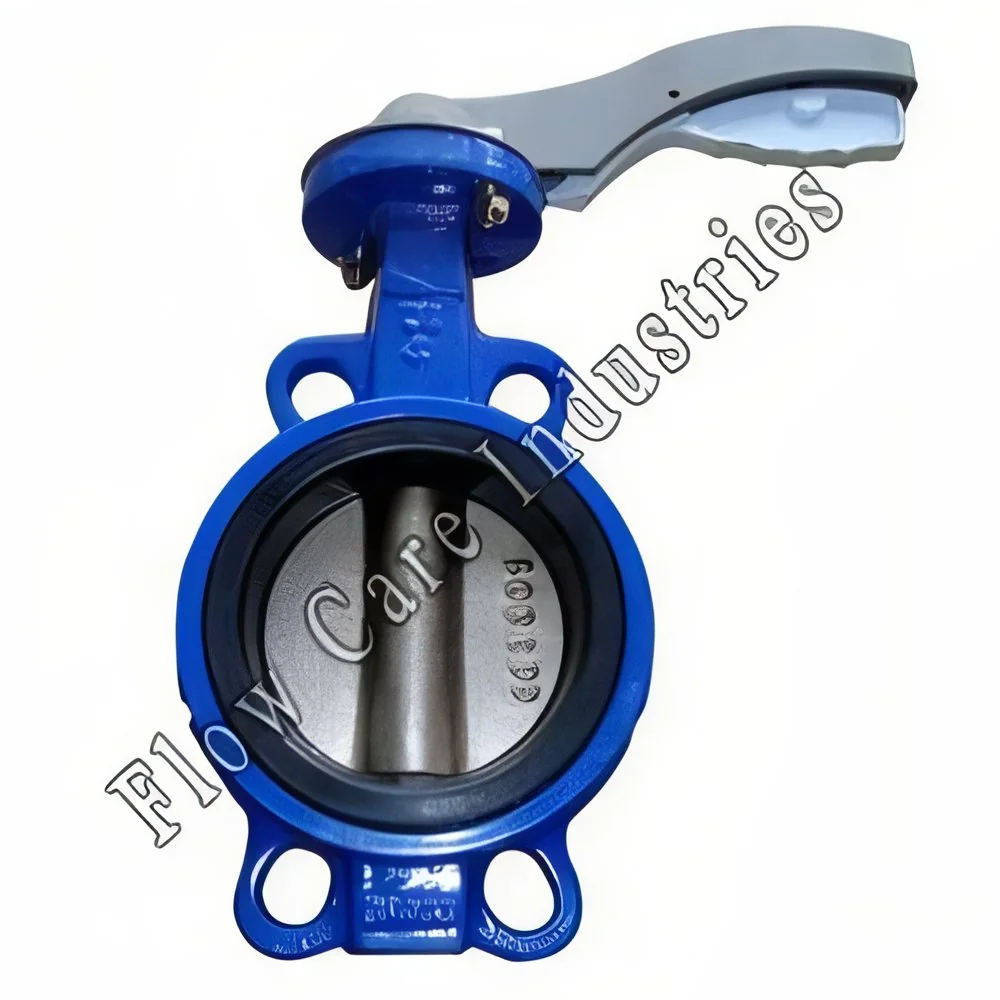
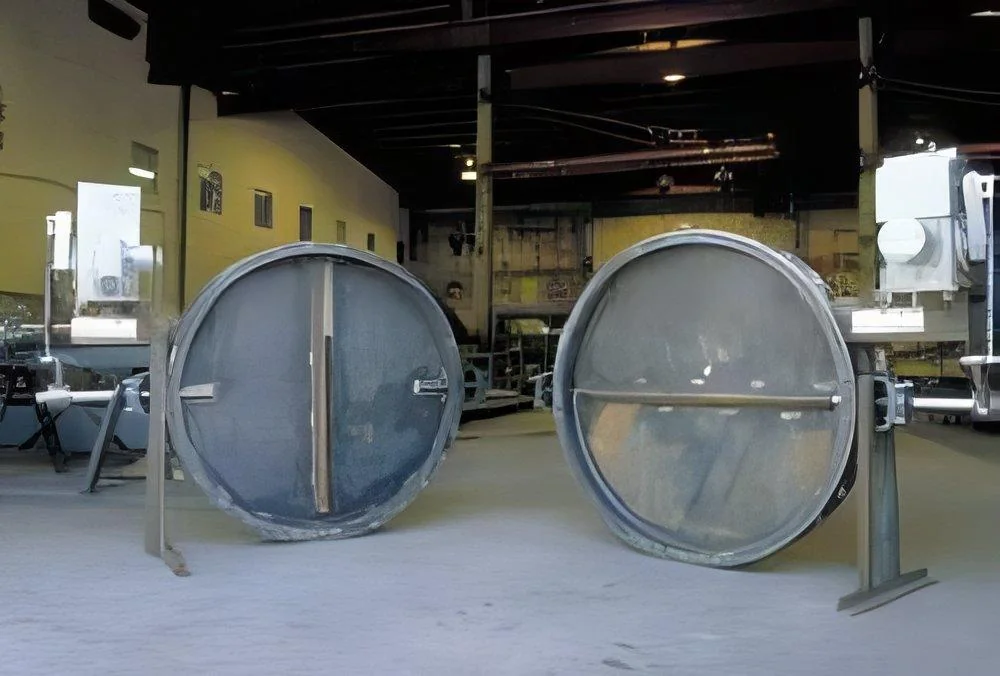
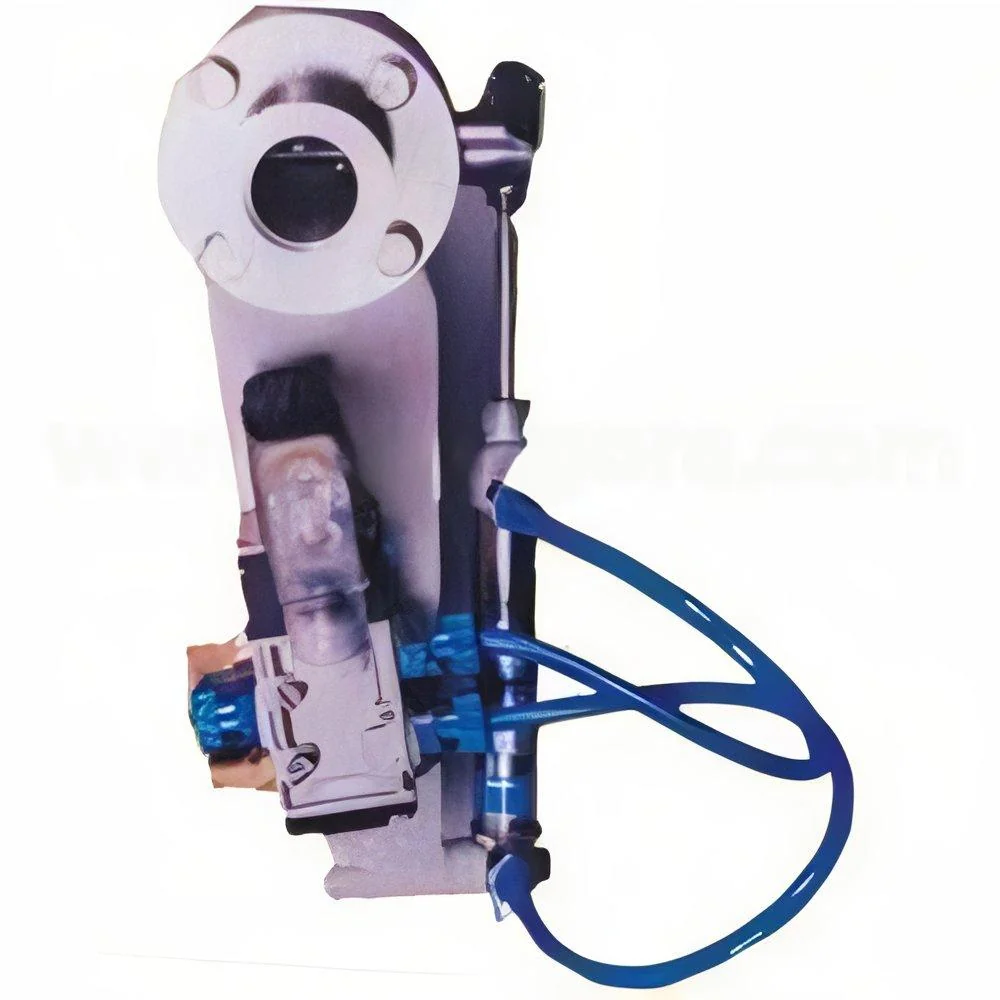
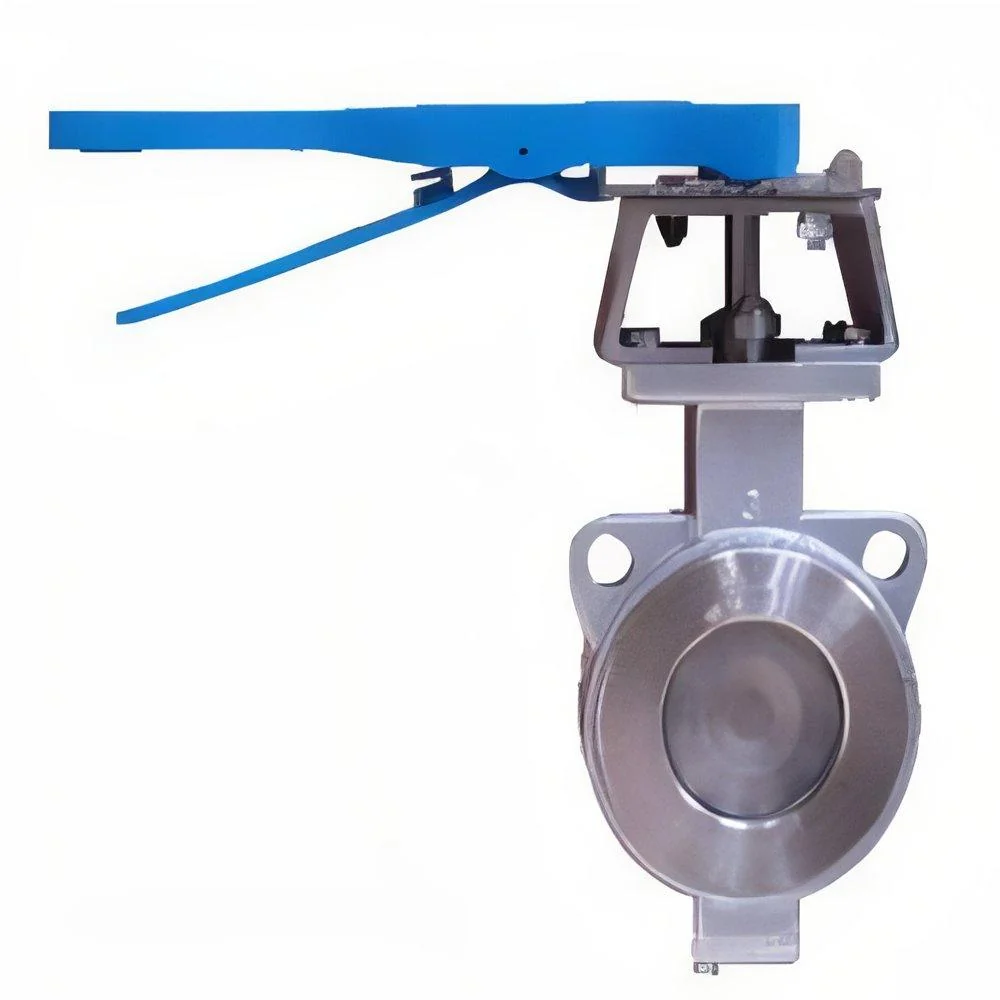
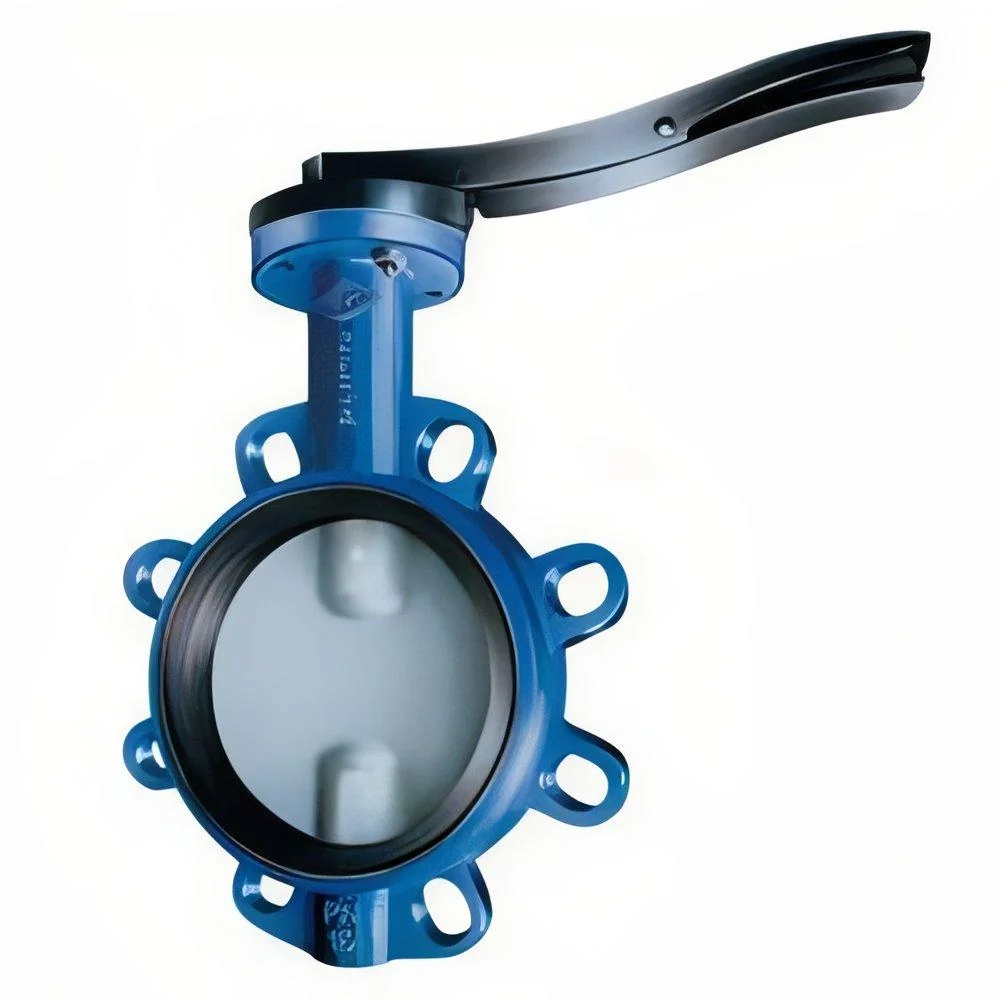
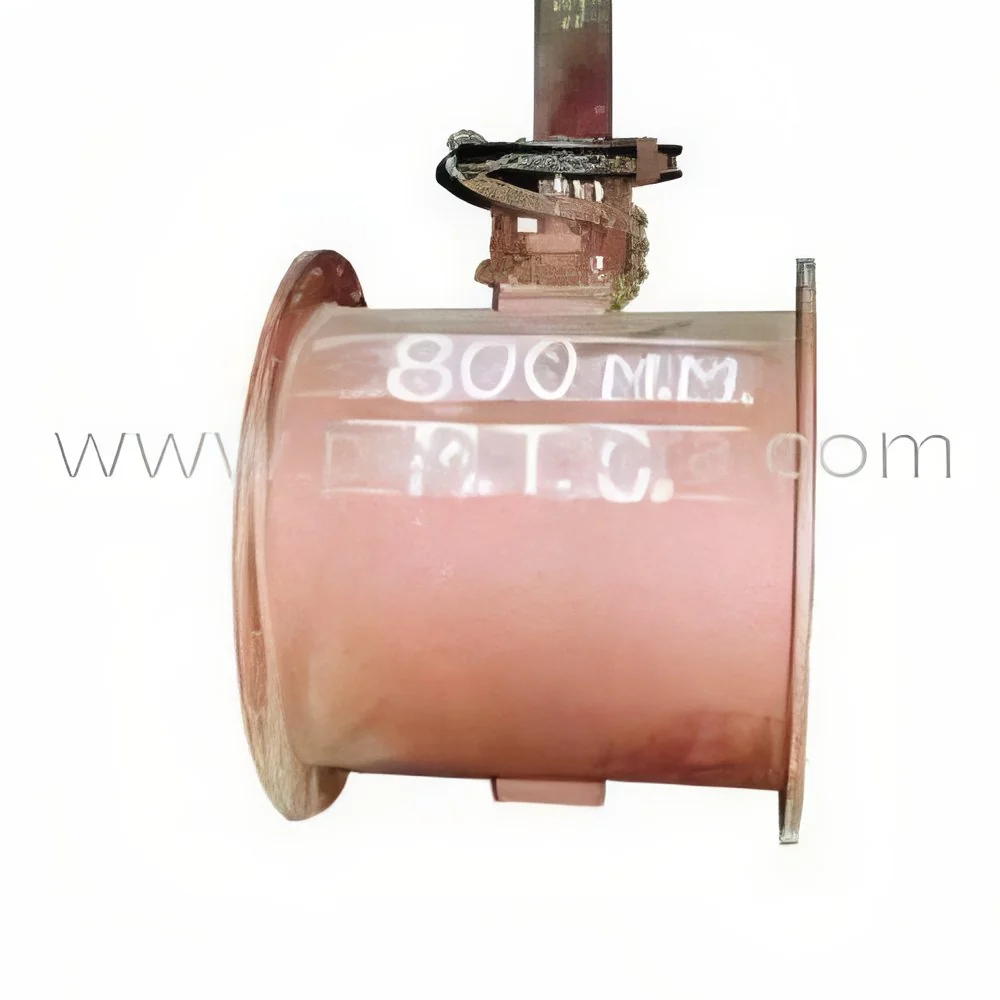
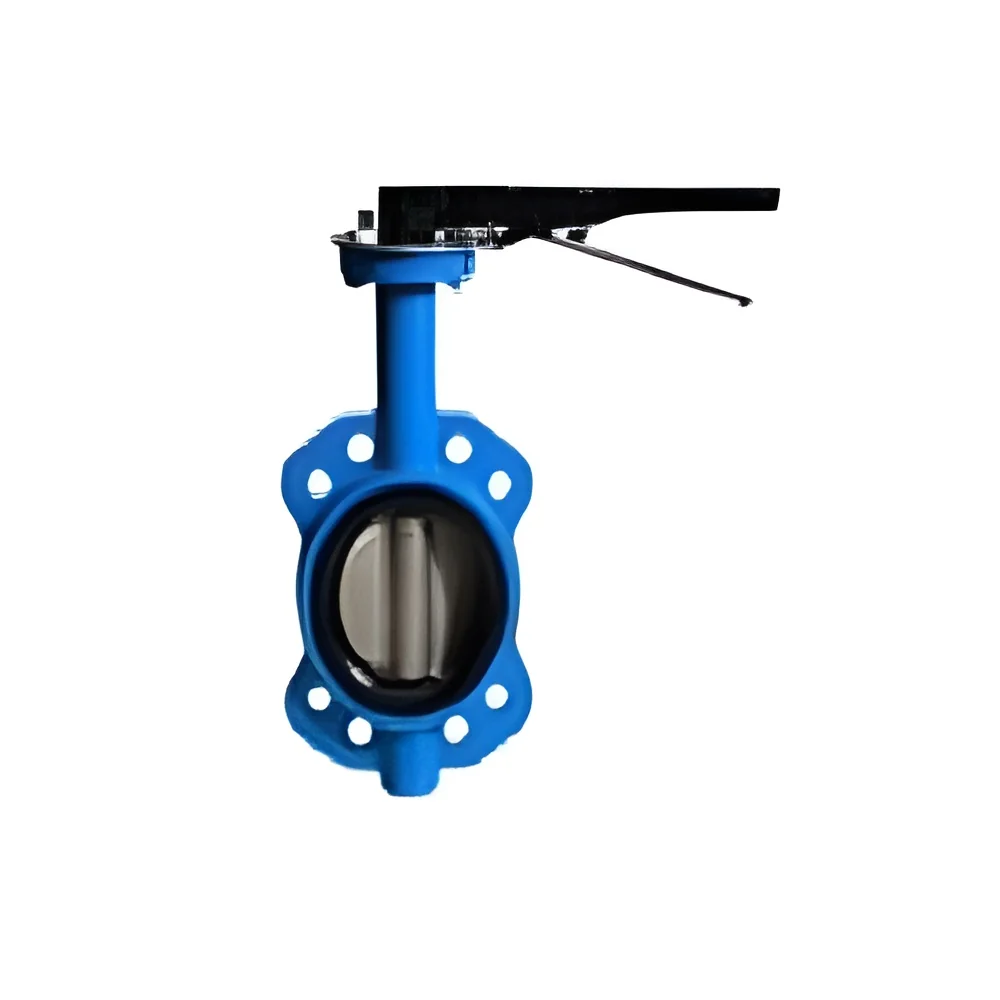
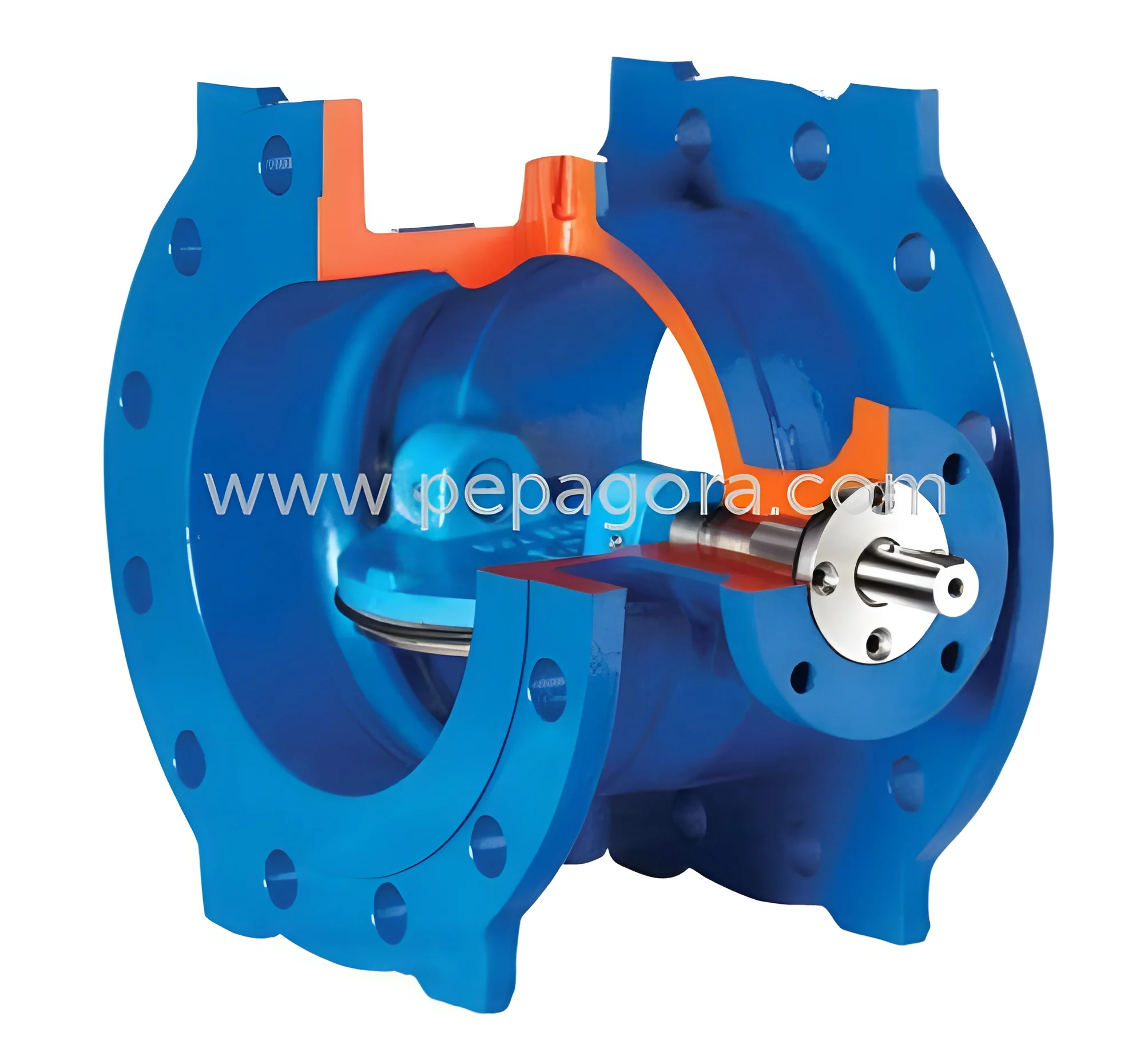
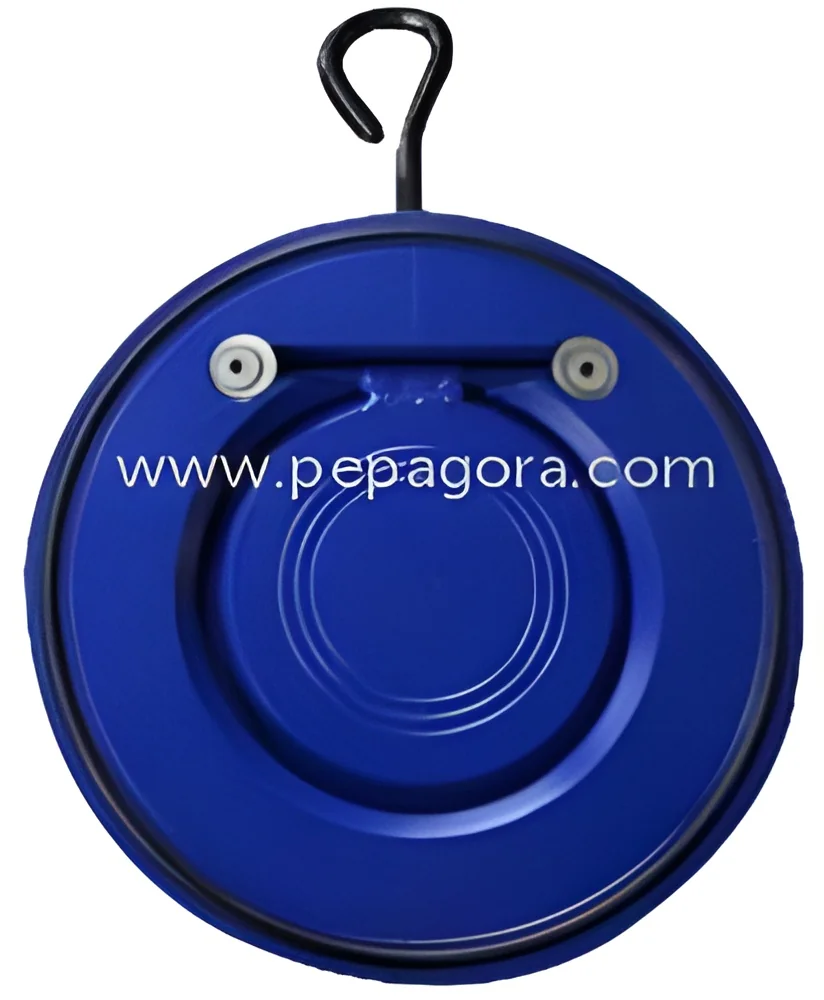
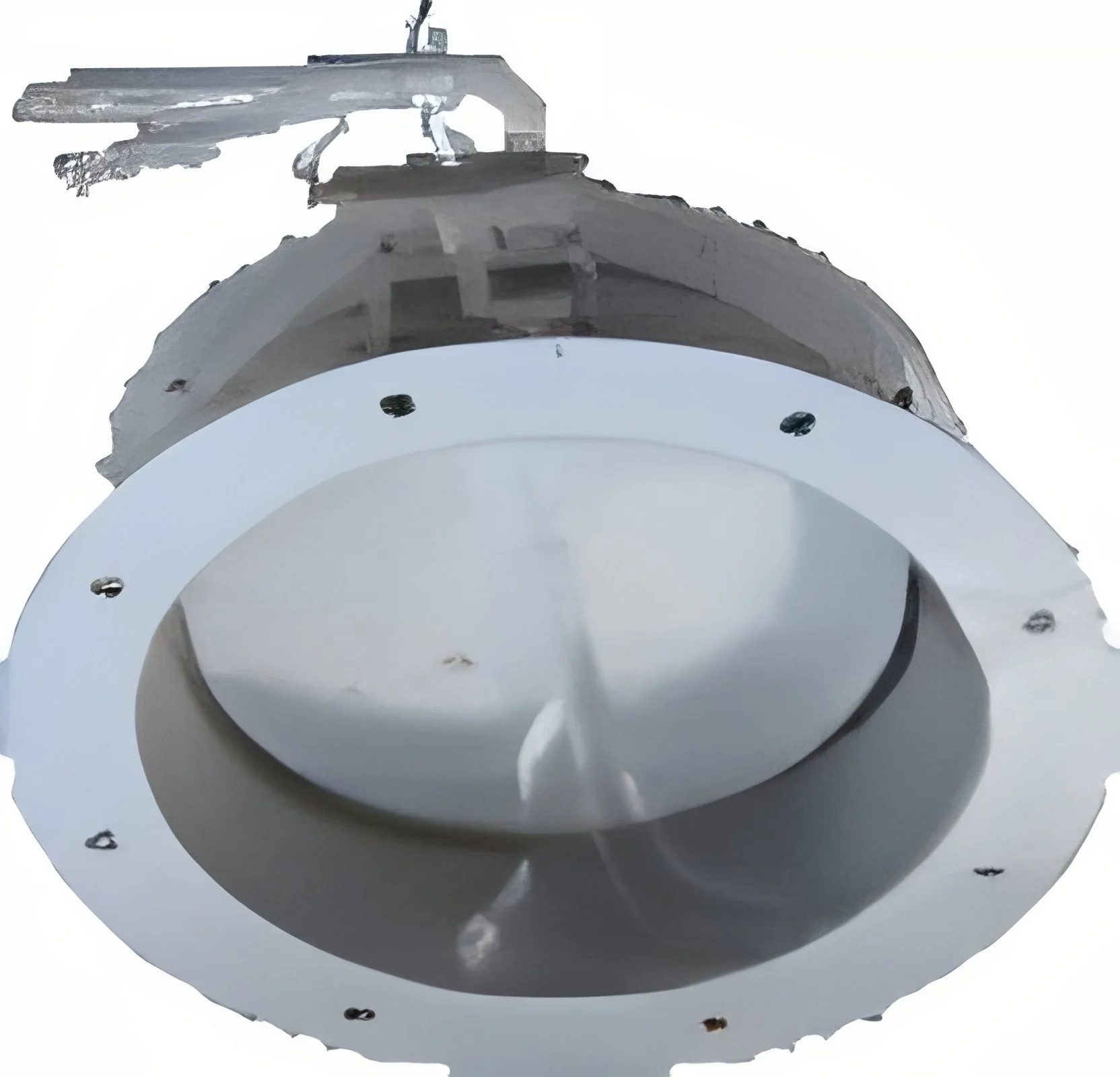
Butterfly valves are rotational valves that utilize a circular disc to control the flow of fluid through a pipe. The disc is mounted on a shaft and rotates within the valve body, allowing for quick opening and closing of the flow. This simple yet effective design enables butterfly valves to function efficiently in various applications. They are known for their lightweight construction, compact design, and cost-effectiveness compared to other types of valves.
These valves are widely used in industries such as water treatment, oil and gas, chemical processing, and HVAC systems. Their primary function is to regulate the flow of liquids and gases, making them essential in systems requiring precise control. The versatility of butterfly valves allows them to be employed in both on-off and throttling applications, providing flexibility to meet diverse operational needs. As industries increasingly focus on efficiency and reliability, butterfly valves continue to gain relevance in the market.
Key Features and Specifications
Butterfly valves are characterized by several key features and specifications that enhance their functionality and applicability in various settings. Understanding these specifications helps buyers make informed decisions when selecting the right valve for their needs.
Key specifications include:
1. Valve Size
- Available in various diameters ranging from small (2 inches) to large (up to 48 inches or more)
- Size selection is crucial for ensuring compatibility with existing systems
2. Pressure Rating
- Typically rated for low to moderate pressure applications, with common ratings of 150 psi to 300 psi
- Higher ratings may be available for specialized applications
3. Body Material
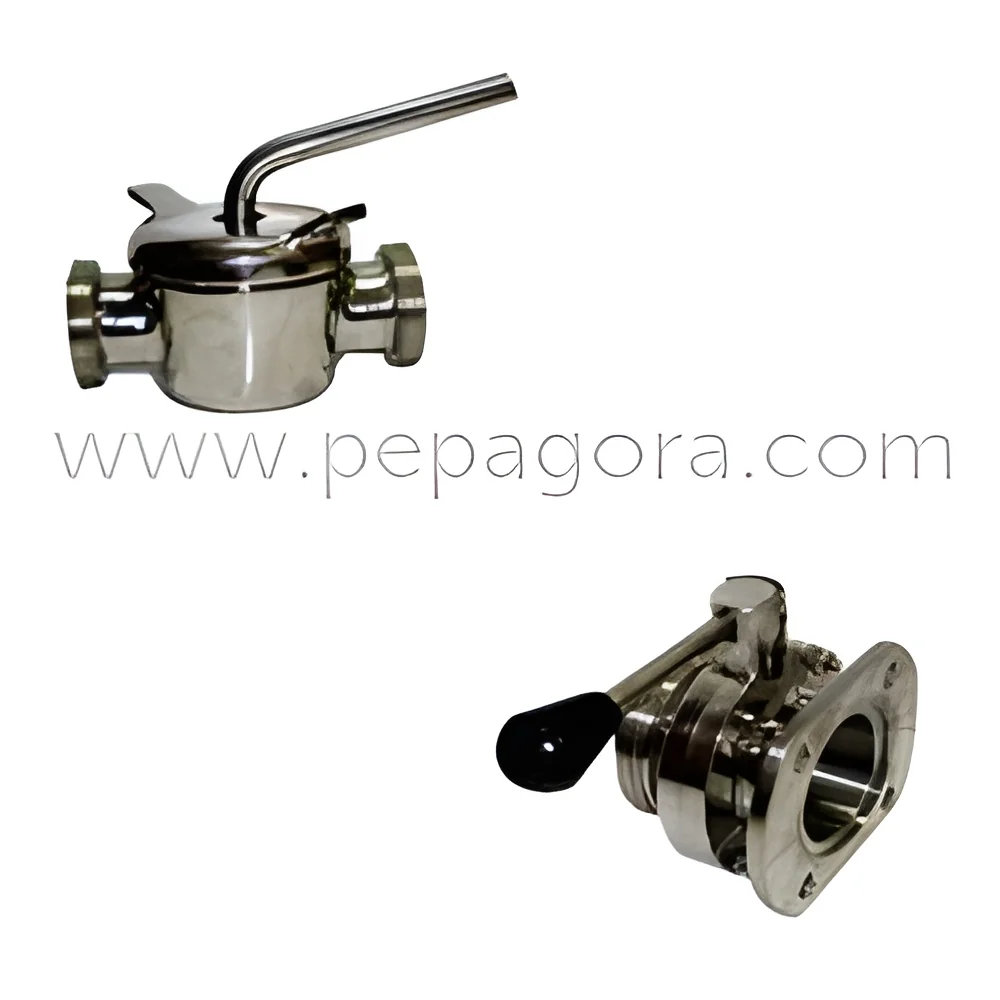
- Common materials include cast iron, stainless steel, and PVC
- Material choice affects durability, corrosion resistance, and overall performance
4. Disc Type
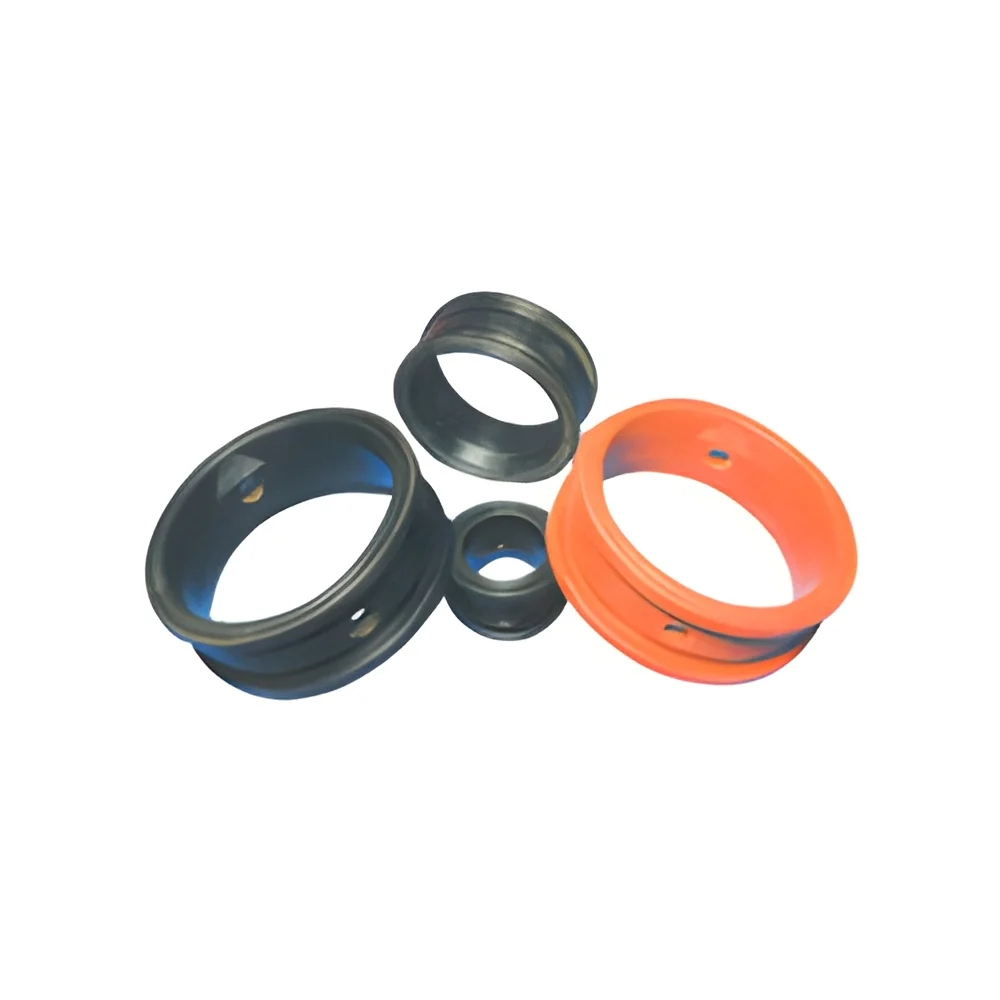
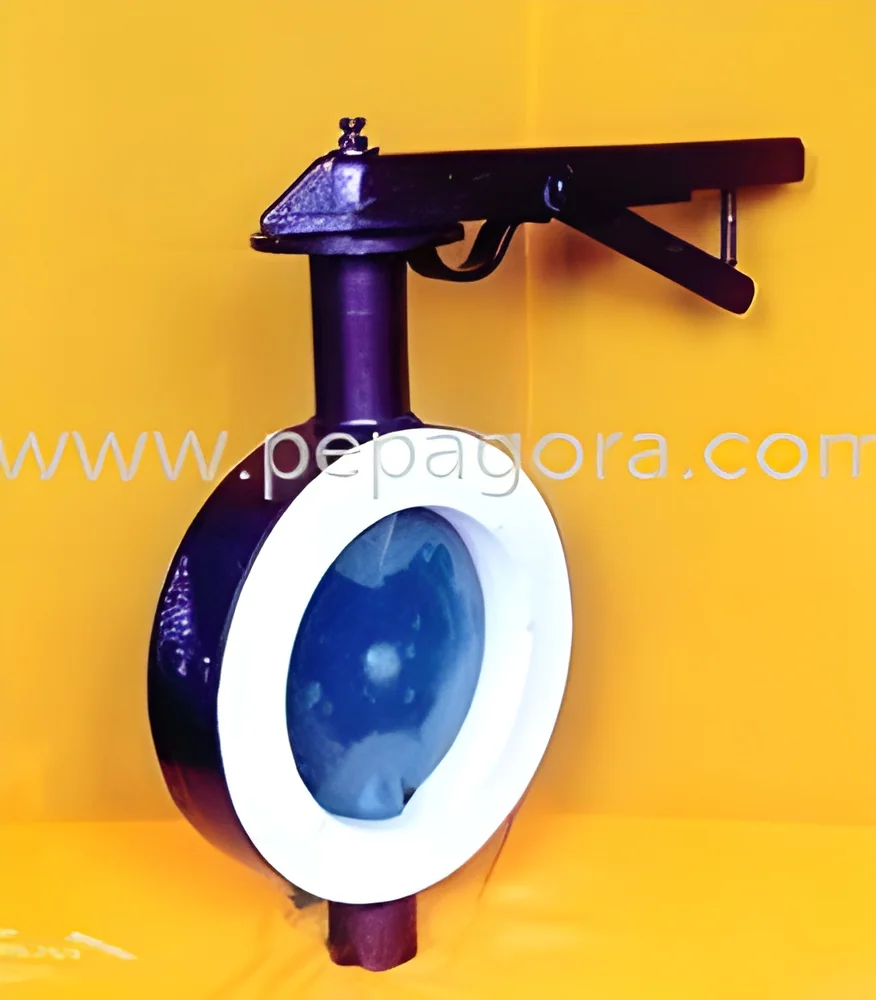
- Options include resilient seated, metal seated, or lined designs
- Each type offers different sealing capabilities and operational efficiencies
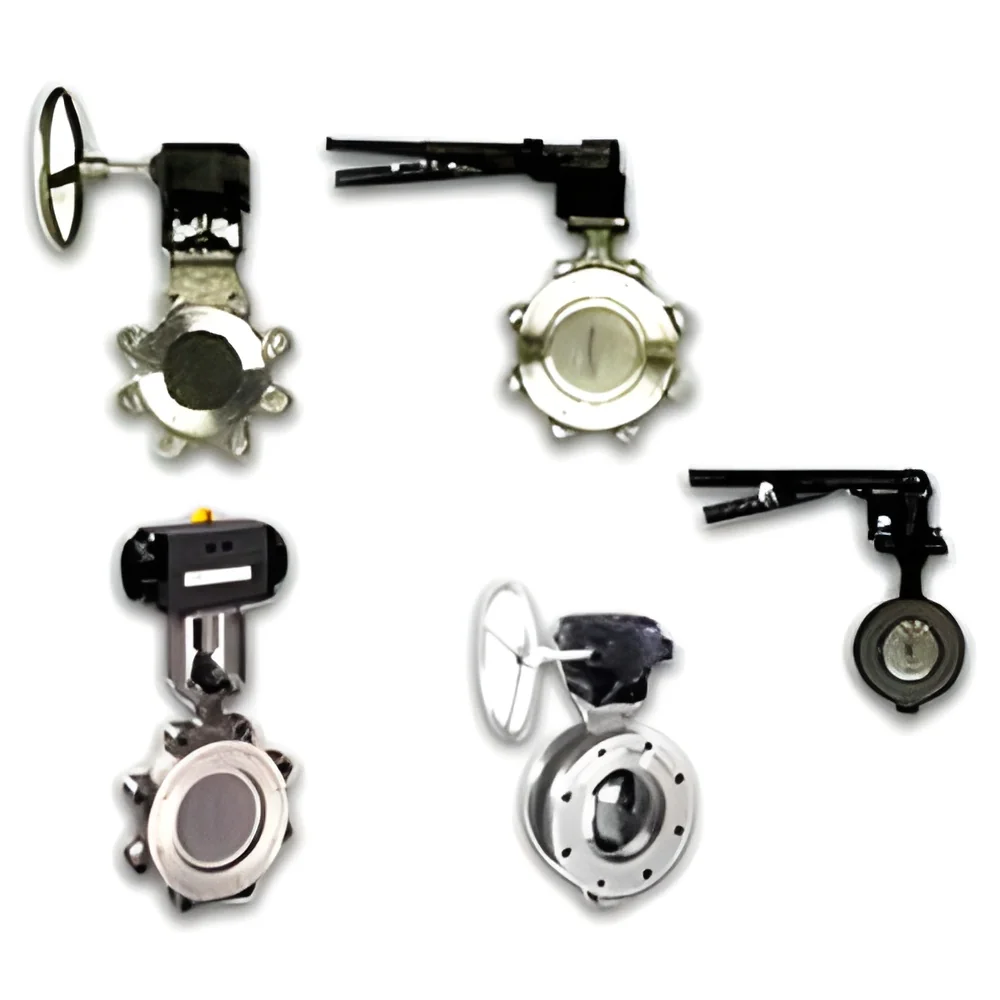
5. Actuation Type
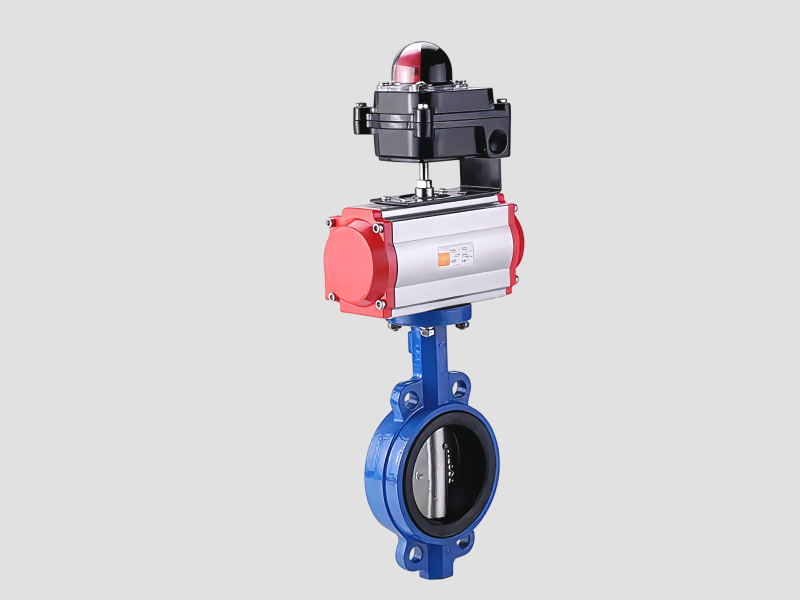
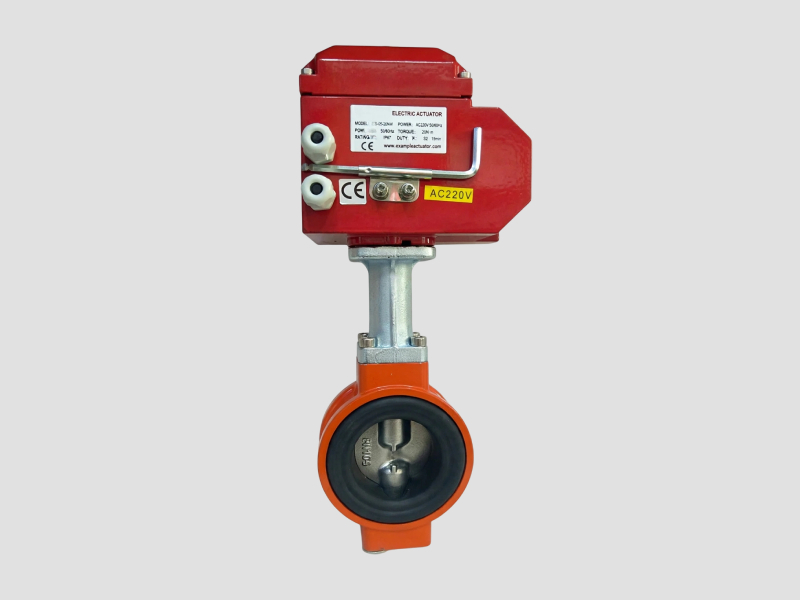
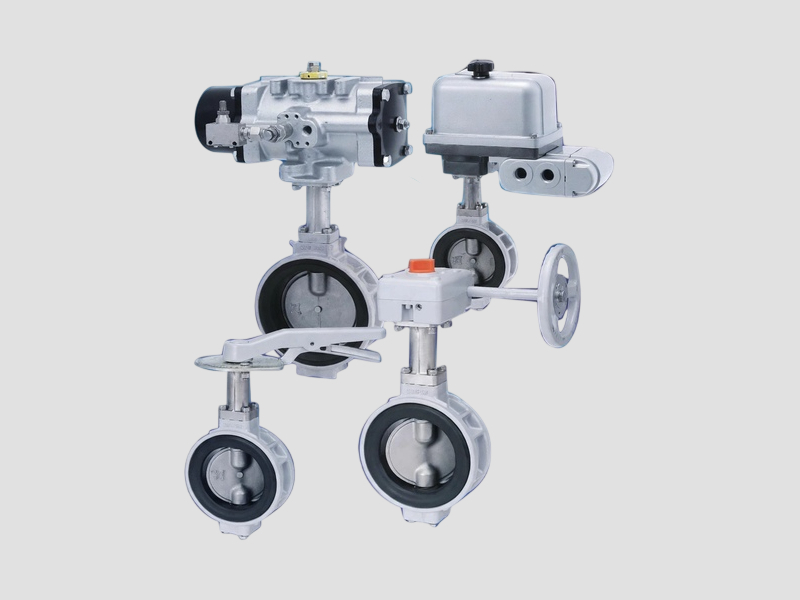
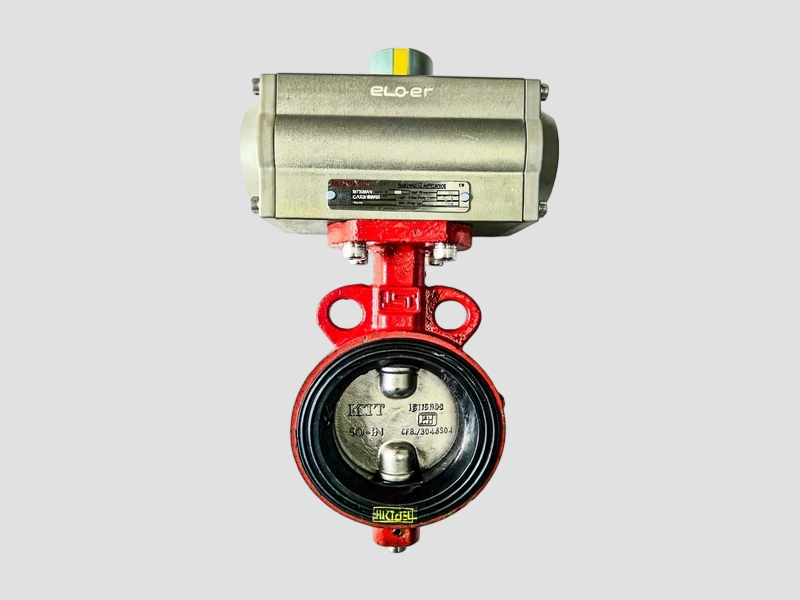
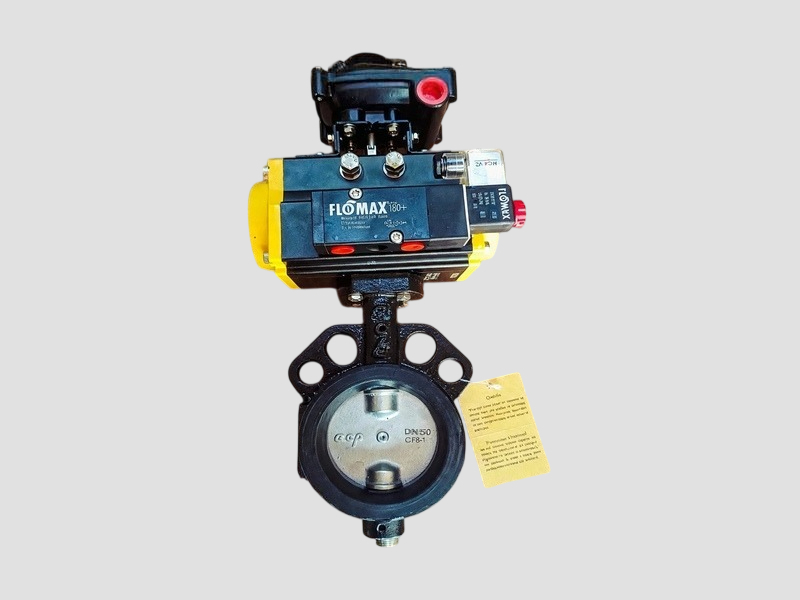
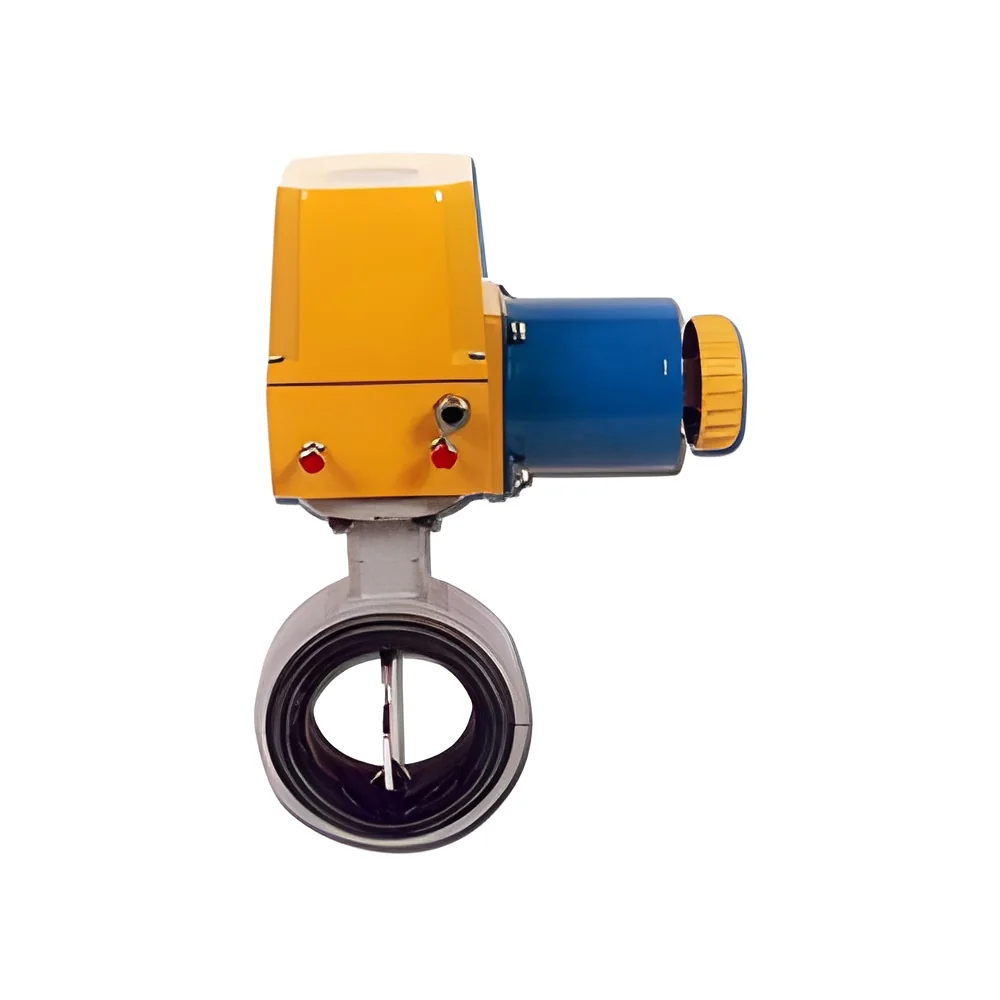
- Available in manual, pneumatic, or electric actuation systems
- Actuation choice influences ease of operation and control precision
6. Temperature Range
- Generally suitable for a wide range of temperatures, but specific ranges can vary based on materials used
- Typical range may be from -20°F to 200°F, depending on the application
7. Compliance Standards
- Must meet industry standards such as CE certification for safety and reliability
- Compliance ensures suitability for various applications and regulatory environments
8. Installation Type
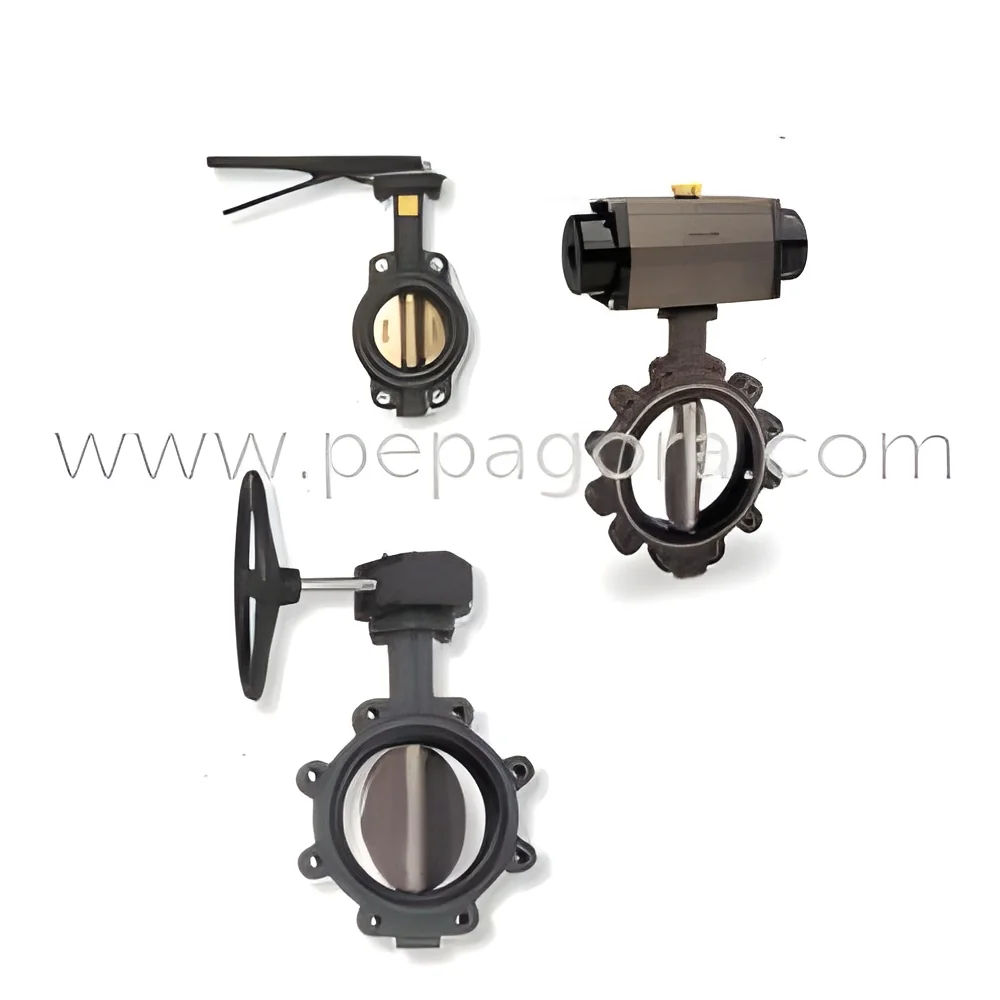
- Can be designed for wafer, lug, or flanged installations
- Installation type affects ease of integration into existing systems
In summary, understanding the key features and specifications of butterfly valves is essential for selecting the appropriate valve for specific applications. The right valve can ensure optimal performance, efficiency, and reliability.
Common Applications and Use Cases
Butterfly valves serve various industries, each with specific applications that leverage their unique advantages.
1. Water Treatment: In municipal water and wastewater treatment plants, butterfly valves are used to control the flow of water and chemicals, ensuring efficient treatment processes.
2. Oil and Gas: Butterfly valves play a critical role in the oil and gas industry for flow control in pipelines, refineries, and storage facilities, allowing for safe and efficient operations.
3. Chemical Processing: These valves are frequently used in chemical plants to manage the flow of corrosive and hazardous materials, providing reliable sealing and ease of maintenance.
4. HVAC Systems: In heating, ventilation, and air conditioning systems, butterfly valves regulate airflow and temperature, contributing to energy efficiency and comfort.
5. Food and Beverage: Butterfly valves are employed in food processing applications to ensure sanitary flow control while meeting industry regulations for safety.
6. Pulp and Paper: In the pulp and paper industry, butterfly valves control the flow of water and chemicals in the production process, enabling efficient operation and quality control.
7. Marine Applications: These valves are used in shipbuilding and marine engineering to manage the flow of water and other fluids onboard, ensuring safety and functionality.
Product Variants and Subcategories
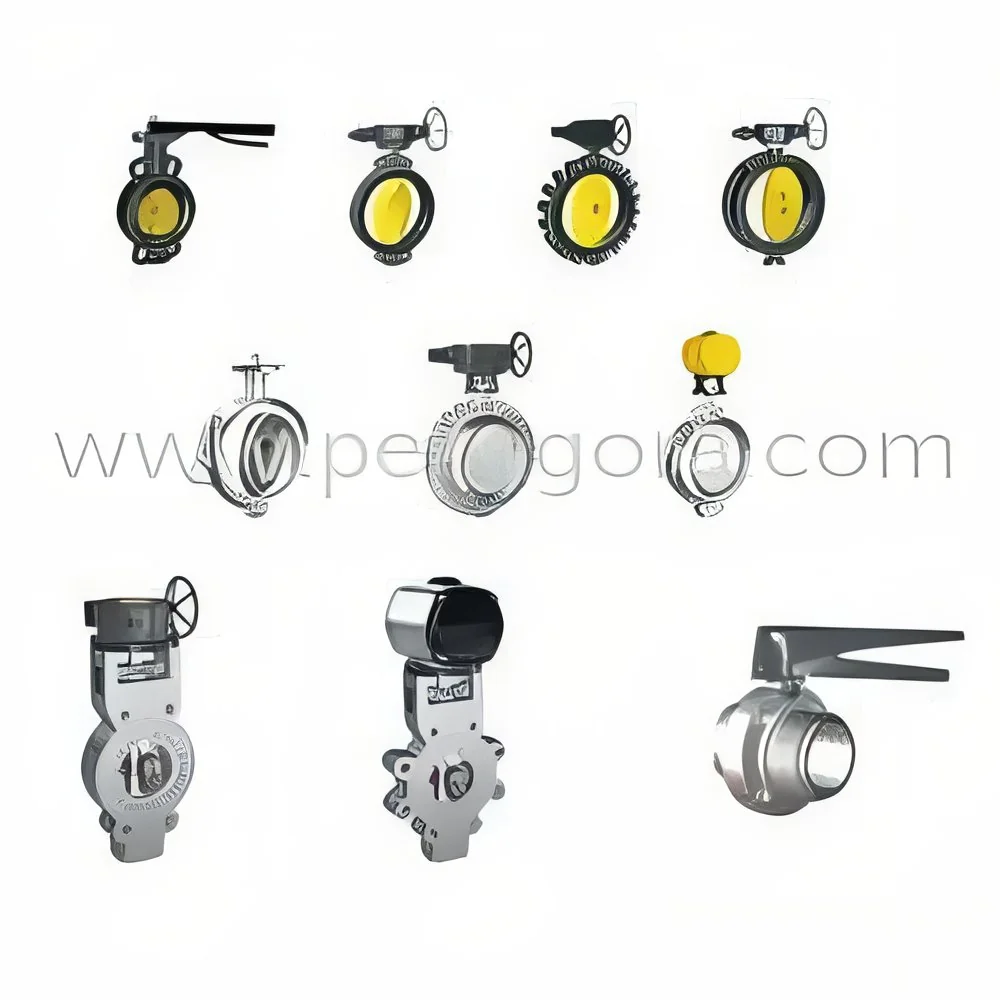
Butterfly valves come in a variety of configurations to meet specific operational requirements. Each variant is designed to address unique challenges and applications.
Standard Butterfly Valve
This is the most common type, featuring a simple design suitable for various applications. It offers reliable flow control and is easy to install and maintain.
Lug Butterfly Valve
Designed for dead-end service, lug butterfly valves have threaded lugs for bolting to the pipe flanges. They offer flexibility in installation and are ideal for systems requiring frequent maintenance.
Wafer Butterfly Valve
This variant is designed to fit between two flanges and is typically thinner than lug valves, making it a cost-effective option. Wafer butterfly valves are lightweight and easy to handle.
Benefits and Advantages
Butterfly valves offer numerous benefits that make them a preferred choice in many industrial applications.
1. Space Efficiency: Their compact design requires less space compared to other valve types, making them ideal for installations where space is limited.
2. Quick Operation: Butterfly valves can be opened or closed with just a quarter turn, allowing for rapid flow control in critical applications.
3. Cost-Effectiveness: Generally more affordable than other valve types, butterfly valves provide excellent performance at a lower cost, making them budget-friendly.
4. Versatile Applications: Suitable for liquids, gases, and slurries, butterfly valves can be used in a wide range of industries, enhancing their versatility.
5. Low Maintenance: The simple design and fewer moving parts lead to reduced maintenance needs, saving time and costs for operators.
6. Reliable Sealing: With proper selection of materials and designs, butterfly valves can provide effective sealing, ensuring minimal leakage and optimal performance.
Buying Guide for B2B Buyers
When sourcing butterfly valves, B2B buyers should consider several critical factors to ensure they choose the right products for their applications.
1. Quality Assessment: Evaluate the quality of materials and manufacturing processes. Look for certifications such as CE to ensure compliance with industry standards.
2. Supplier Verification: Conduct thorough research on potential suppliers. Check their reputation, customer reviews, and ability to deliver products on time.
3. Pricing and MOQ: Understand the pricing structure and minimum order quantities. Compare costs among different suppliers to ensure competitive pricing while maintaining quality.
4. Delivery and Lead Times: Confirm the expected lead times for delivery. Timely receipt of products is crucial for maintaining operational efficiency.
5. Compliance Requirements: Be aware of any regional compliance requirements that may affect the choice of valves, including safety and environmental regulations.
Compliance and Certifications
Compliance with relevant regulations and industry standards is vital when sourcing butterfly valves. Key quality standards include ISO 9001, which focuses on quality management systems, ensuring consistent product quality and reliability.
Certifications such as CE indicate that the valve meets European safety and performance standards. These certifications assure buyers of the product's quality and safety.
Safety and testing requirements are paramount, especially in industries dealing with hazardous materials. Compliance with safety standards helps minimize risks associated with valve failures.
Buyers should also consider regional compliance, as different areas may have specific regulations that must be adhered to when using butterfly valves in various applications.
Why Source Butterfly Valves from Pepagora?
Pepagora provides a trusted platform for sourcing butterfly valves with several key advantages that benefit businesses.
Verified Supplier Network: Pepagora features a network of vetted suppliers who meet strict quality and reliability standards. This ensures that buyers can source products from reputable manufacturers.
Streamlined RFQ Process: The platform offers a straightforward Request for Quotation (RFQ) process, allowing buyers to easily request pricing and product information from multiple suppliers at once.
Trade Assurance and Support: Pepagora provides buyer protection through trade assurance policies. This means that buyers can have confidence in their transactions and receive support if issues arise.
Regional Coverage: With a strong presence in India, the GCC, and Southeast Asia, Pepagora offers extensive geographic reach, making it easier for buyers to access butterfly valves tailored to their needs.

 IN
IN