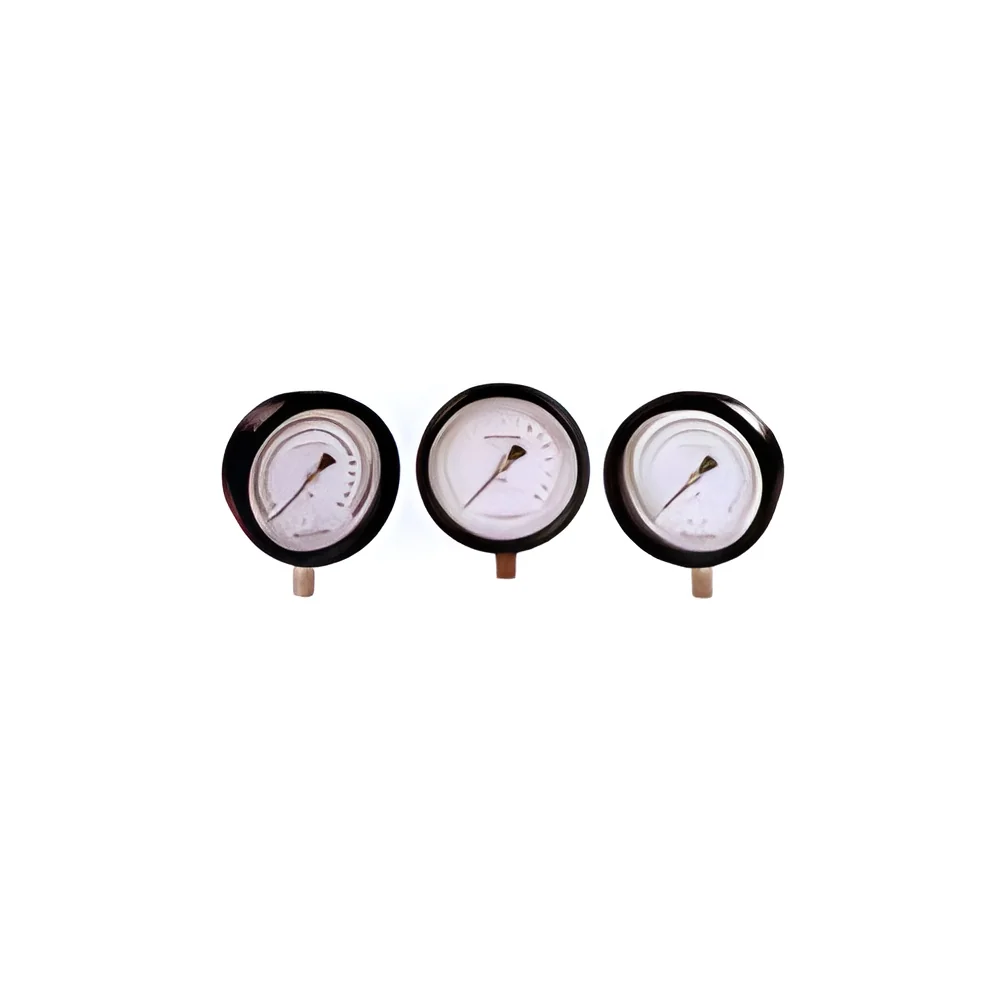
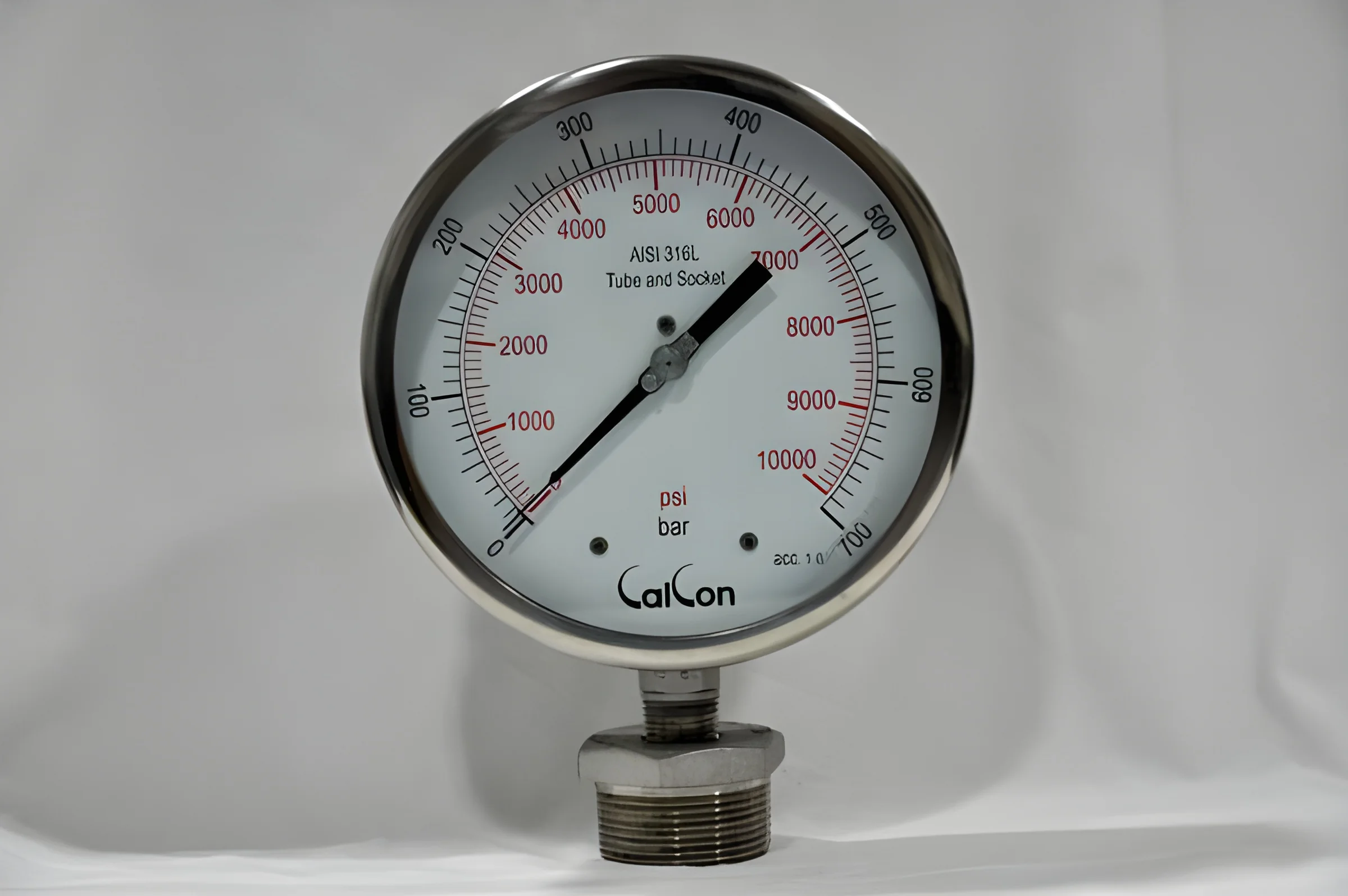
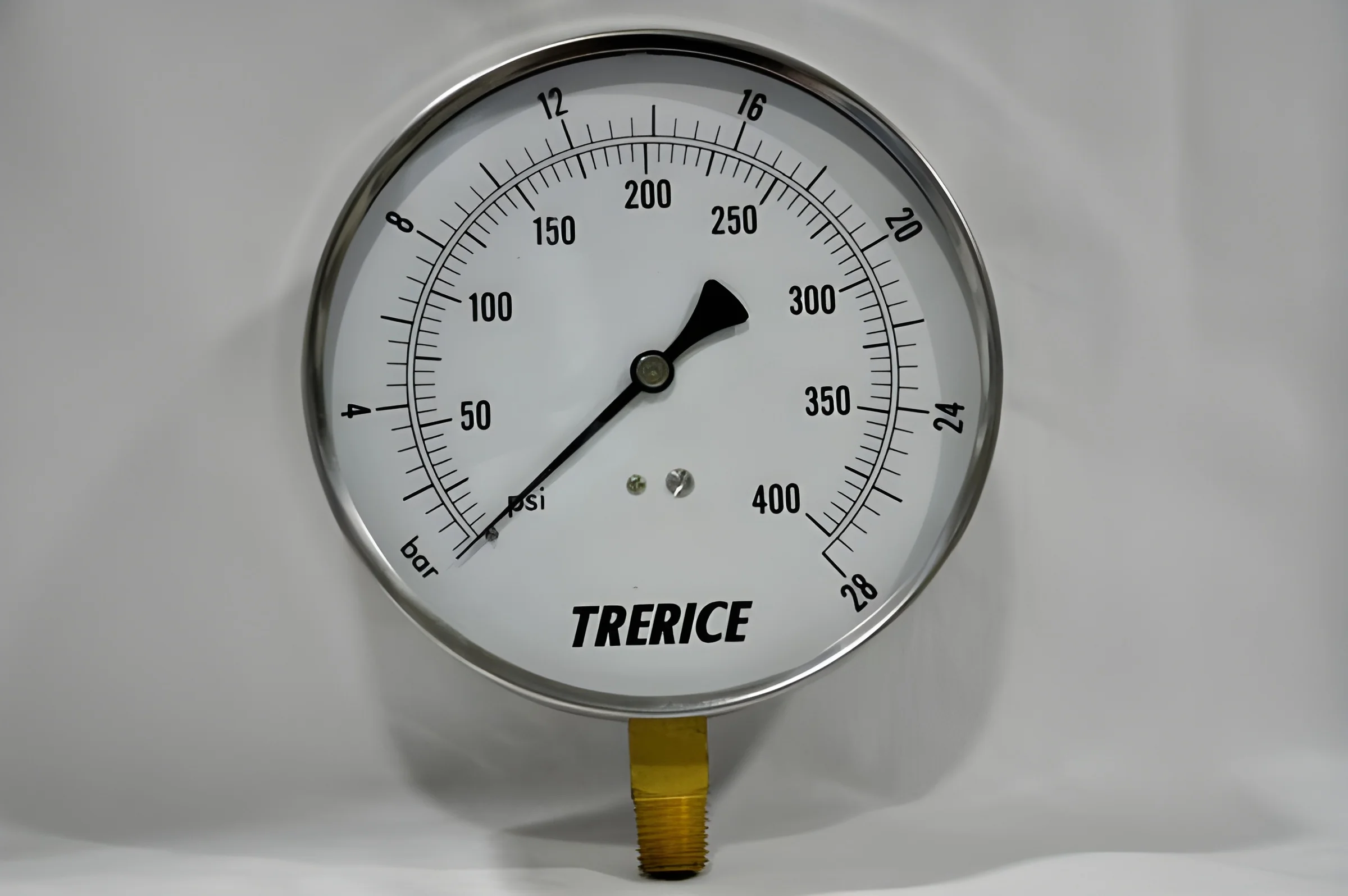
What are Pressure Gauges?
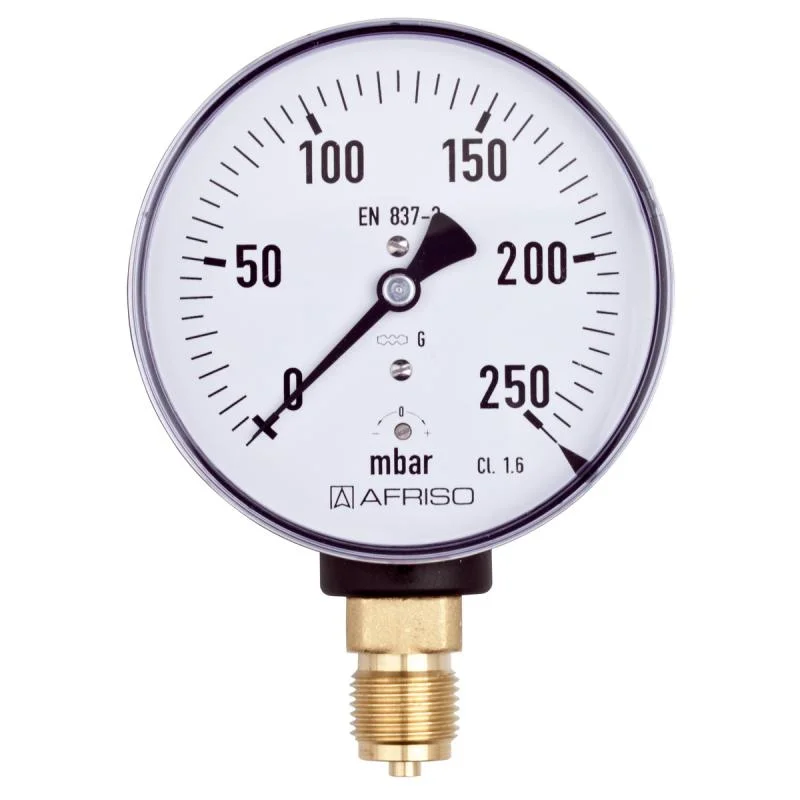
Pressure gauges are instruments used to measure the pressure of gases or liquids in various industrial settings. They provide critical information about the pressure levels in systems, helping to ensure safe and efficient operation. Pressure gauges can display readings in various units, such as psi, bar, or kPa, and are essential tools for monitoring and controlling processes.
These instruments are widely used across multiple industries, including manufacturing, oil and gas, pharmaceuticals, and water treatment. Businesses utilize pressure gauges to maintain optimal pressure levels in equipment and processes, thereby preventing potential failures or safety hazards. Their relevance in the market is underscored by the increasing demand for precision measurement solutions in industrial applications.
Key Features and Specifications
Pressure gauges come with a range of features and specifications that cater to diverse industry needs. Understanding these specifications is crucial for selecting the right gauge for specific applications.
Key specifications include:
1. Measurement Range
- Defines the minimum and maximum pressure the gauge can measure.
- Ranges typically vary from vacuum pressures to several thousand psi.
2. Gauge Type
- Includes analog or digital options, each with distinct advantages.
- Analog gauges provide continuous readings, while digital gauges offer enhanced accuracy and data logging capabilities.
3. Connection Size
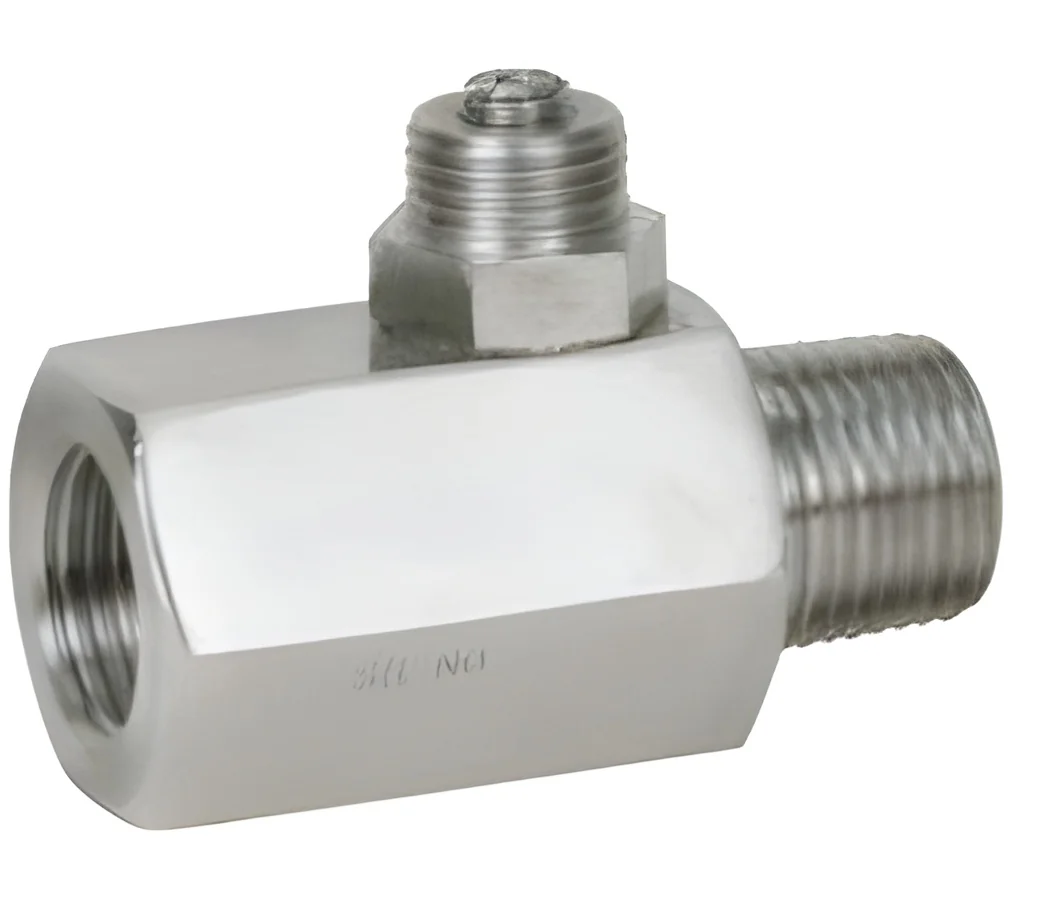
- Refers to the size of the fitting that connects the gauge to the system.
- Common sizes include 1/4 inch, 1/2 inch, and more, depending on application requirements.
4. Accuracy
- Indicates how close the gauge reading is to the actual pressure.
- Accuracy ratings are often expressed as a percentage, such as ±1% of full scale.
5. Material Construction
- Common materials include stainless steel, brass, or plastic.
- The choice of material affects durability and resistance to corrosive environments.
6. Temperature Rating
- Specifies the operating temperature range for the gauge.
- Ensures proper functioning under varying environmental conditions.
7. Dial Size
- Refers to the physical diameter of the gauge face.
- Larger dials provide better visibility, especially from a distance.
8. Certification
- Many gauges come with certifications like CE, indicating compliance with safety and quality standards.
In summary, understanding these key features and specifications allows businesses to make informed decisions when selecting pressure gauges for their operations.
Common Applications and Use Cases
Pressure gauges find applications in numerous industries due to their critical role in monitoring pressure levels.
1. Oil and Gas: Used to monitor pipeline pressure and ensure safe extraction and transportation of oil and gas.
2. Manufacturing: Essential in hydraulic systems to maintain proper pressure for machinery and equipment operations.
3. Pharmaceuticals: Employed in processes that require precise pressure control to ensure product quality and safety.
4. Water Treatment: Utilized to monitor pressure in filtration and distribution systems, ensuring efficient water supply management.
5. HVAC: Integrated into heating, ventilation, and air conditioning systems to maintain optimal pressure for system efficiency.
6. Food and Beverage: Used in processing equipment to ensure safety and compliance with industry standards.
7. Automotive: Essential for monitoring tire pressure and various fluid systems to ensure vehicle safety and performance.
Product Variants and Subcategories
Pressure gauges come in various types, each designed to meet specific industry needs.
Mechanical Pressure Gauges
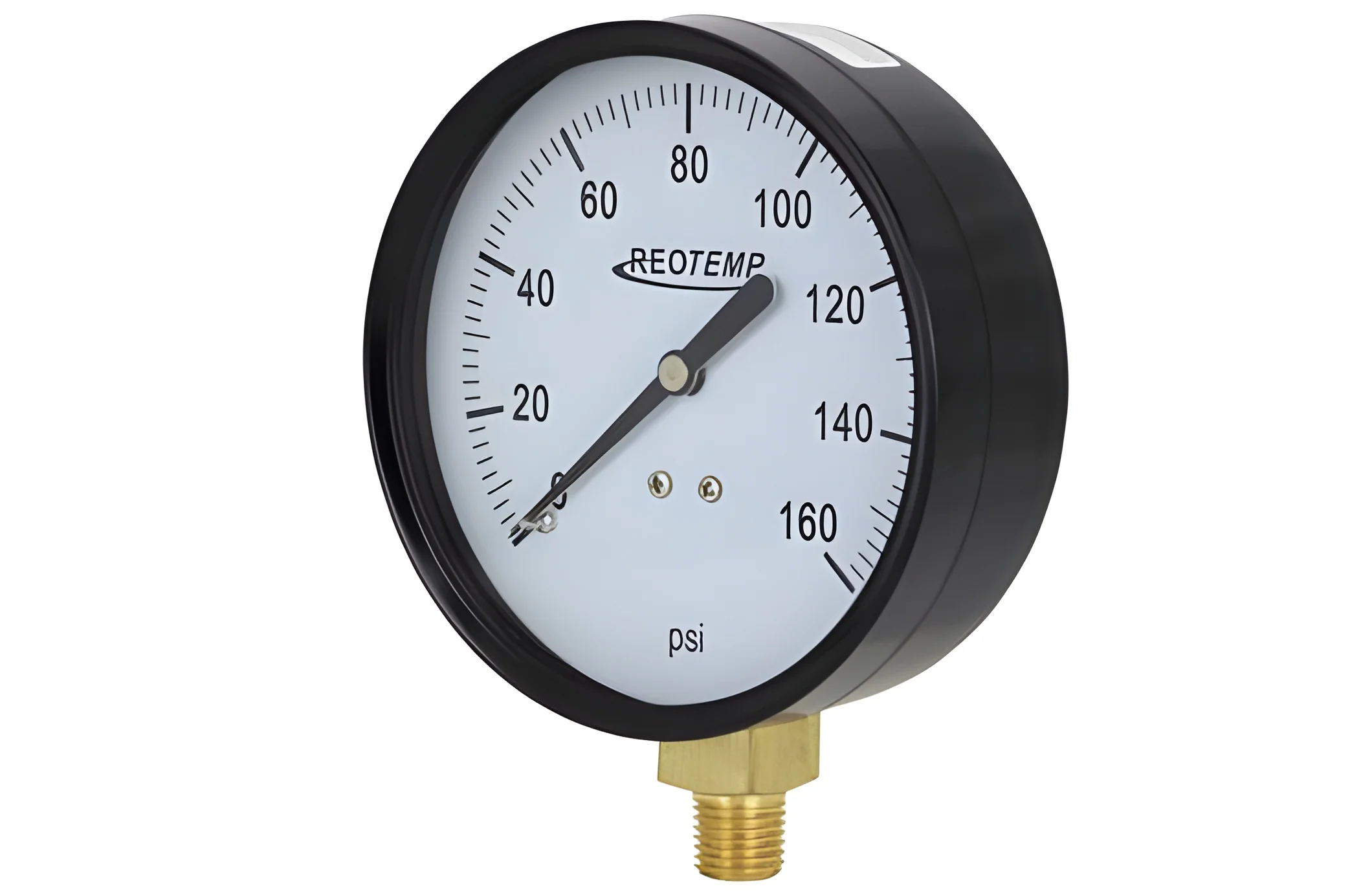
These analog gauges use a dial and a pointer to indicate pressure levels. They are straightforward to read and are commonly used in many industrial applications.
Digital Pressure Gauges
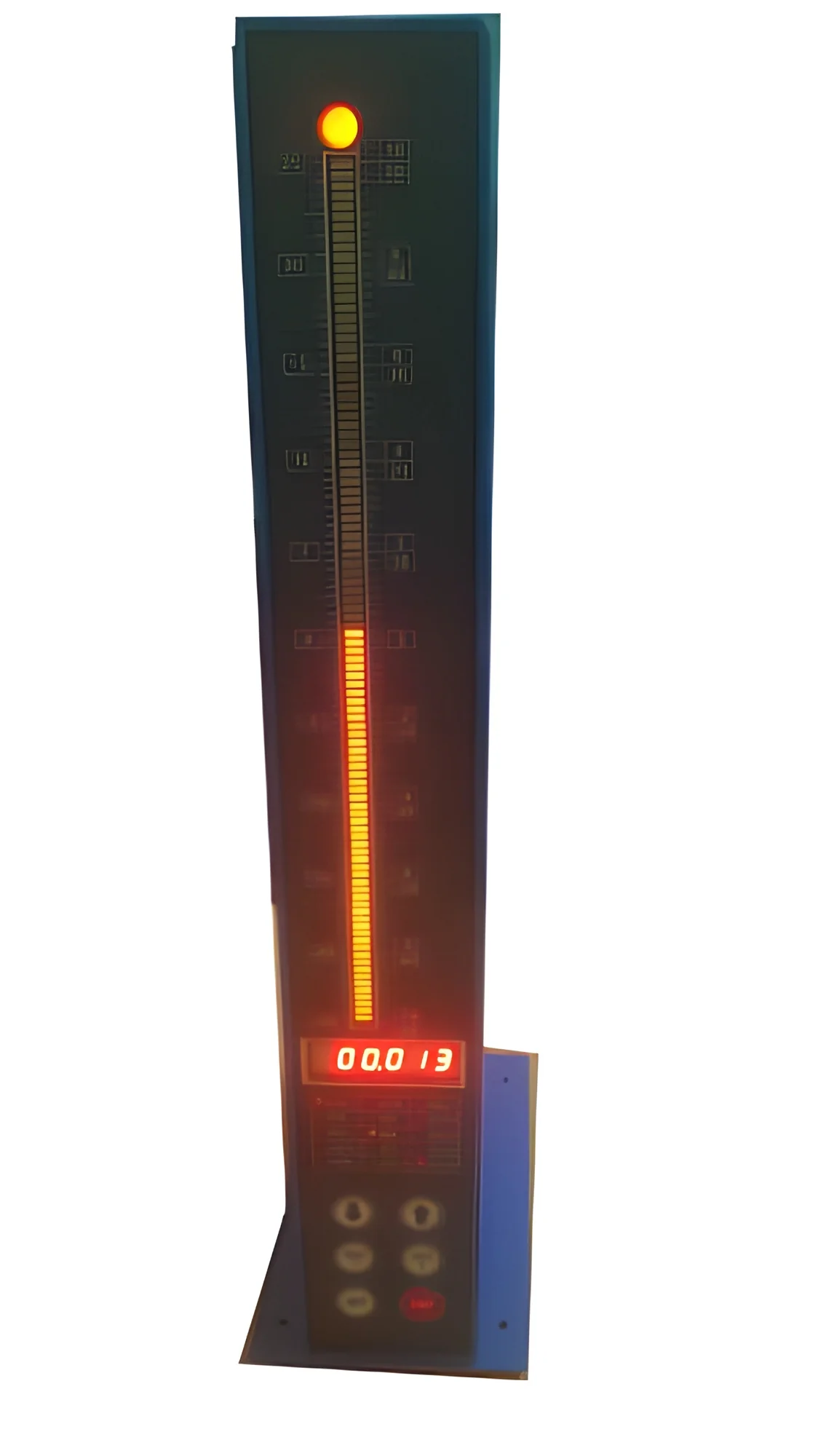
Featuring electronic displays, these gauges provide precise readings and often include additional features like data logging and remote monitoring capabilities.
Differential Pressure Gauges
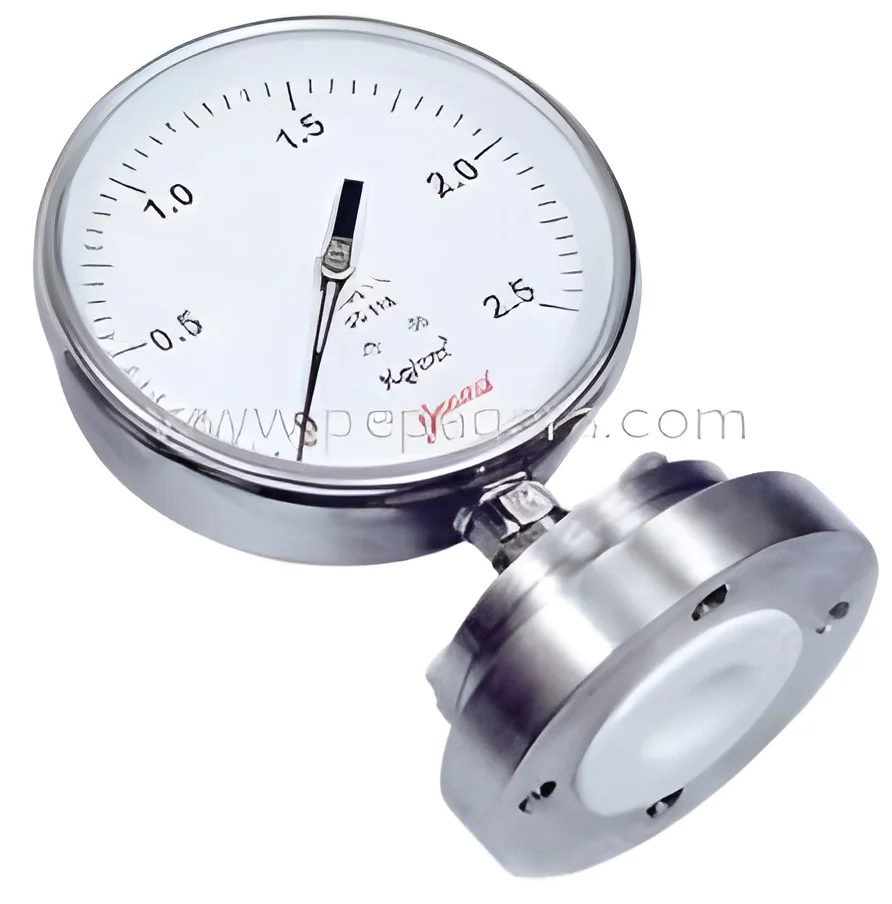
These gauges measure the difference in pressure between two points. They are crucial in applications such as filter monitoring and airflow measurement.
Gauge Pressure Gauges
These measure pressure relative to atmospheric pressure. They are widely used in many industrial processes.
Vacuum Pressure Gauges
Specifically designed to measure negative pressure, these gauges are essential in processes that operate under vacuum conditions.
Benefits and Advantages
Pressure gauges offer several benefits that enhance operational efficiency and safety.
1. Enhanced Safety: Accurate pressure readings help prevent equipment failures and reduce the risk of accidents.
2. Improved Efficiency: Monitoring pressure levels allows for optimized operations, leading to reduced energy consumption and costs.
3. Quality Assurance: Ensuring correct pressure levels contributes to maintaining product quality, especially in sensitive industries like pharmaceuticals.
4. Easy Maintenance: Regular monitoring can indicate when maintenance is needed, preventing unexpected downtimes.
5. Versatility: Pressure gauges can be used across various applications and industries, making them a flexible solution for many businesses.
6. Compliance: Many pressure gauges meet industry standards and certifications, ensuring they are suitable for regulated environments.
Buying Guide for B2B Buyers
When sourcing pressure gauges, several factors should be considered to ensure the right choice for your business needs.
1. Quality Assessment: Look for gauges that meet industry quality standards such as CE certification. High-quality materials and construction ensure durability and reliability.
2. Supplier Verification: Vet potential suppliers by checking their reputation, customer reviews, and quality assurance processes. A reliable supplier ensures product consistency.
3. Pricing and MOQ: Understand the price range and minimum order quantities. Comparing multiple suppliers can help secure the best deals.
4. Delivery and Lead Times: Confirm logistics and lead times to ensure that products can be delivered when needed. Timely delivery is crucial for maintaining operations.
5. Compliance Requirements: Ensure that the chosen gauges meet any relevant regulatory compliance for your industry. This may include safety and quality certifications.
Compliance and Certifications
Pressure gauges must adhere to various quality standards and certifications to ensure safety and reliability in industrial applications.
ISO 9001 is a quality management standard that emphasizes consistent quality in manufacturing processes. Compliance with ISO 9001 indicates that a manufacturer follows rigorous quality assurance practices.
CE certification is essential for many products sold in Europe. It signifies that the pressure gauge meets necessary health, safety, and environmental protection standards.
Safety and testing requirements vary by industry and application. It is crucial for manufacturers to conduct thorough testing to ensure that their gauges perform accurately and safely under specified conditions.
Regional compliance considerations may also arise, particularly for businesses operating across different jurisdictions. Understanding local regulations is vital for ensuring that pressure gauges are compliant with applicable laws.
Why Source Pressure Gauges from Pepagora?
Pepagora provides a trusted platform for sourcing pressure gauges, offering several key advantages to buyers.
Verified Supplier Network: Pepagora connects businesses with a network of verified suppliers. Each supplier is vetted for quality and reliability, ensuring that buyers receive high-quality products.
Streamlined RFQ Process: The platform simplifies the request for quotation (RFQ) process, allowing buyers to quickly obtain quotes from multiple suppliers. This efficiency helps businesses make informed purchasing decisions.
Trade Assurance and Support: Pepagora offers buyer protection through trade assurance programs. This ensures that transactions are secure and that buyers receive the products they ordered.
Regional Coverage: With a strong presence in India, the GCC, and Southeast Asia, Pepagora provides extensive geographic reach. This allows businesses to source pressure gauges from trusted suppliers within their regions.

 IN
IN