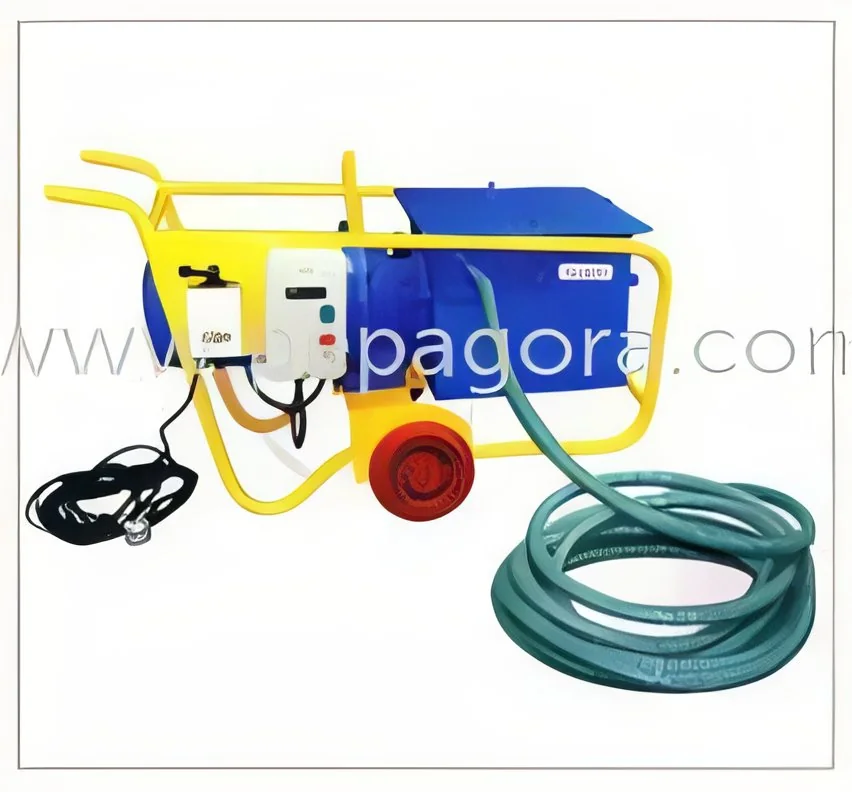
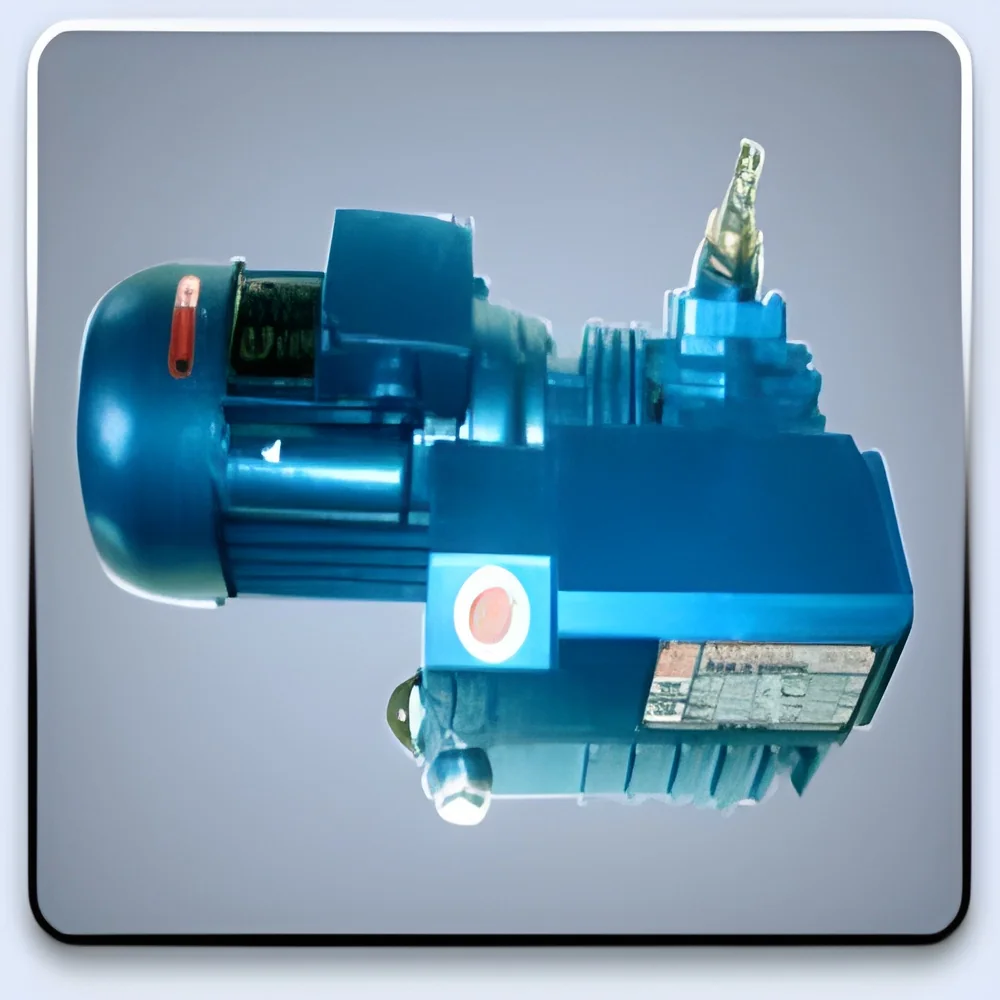
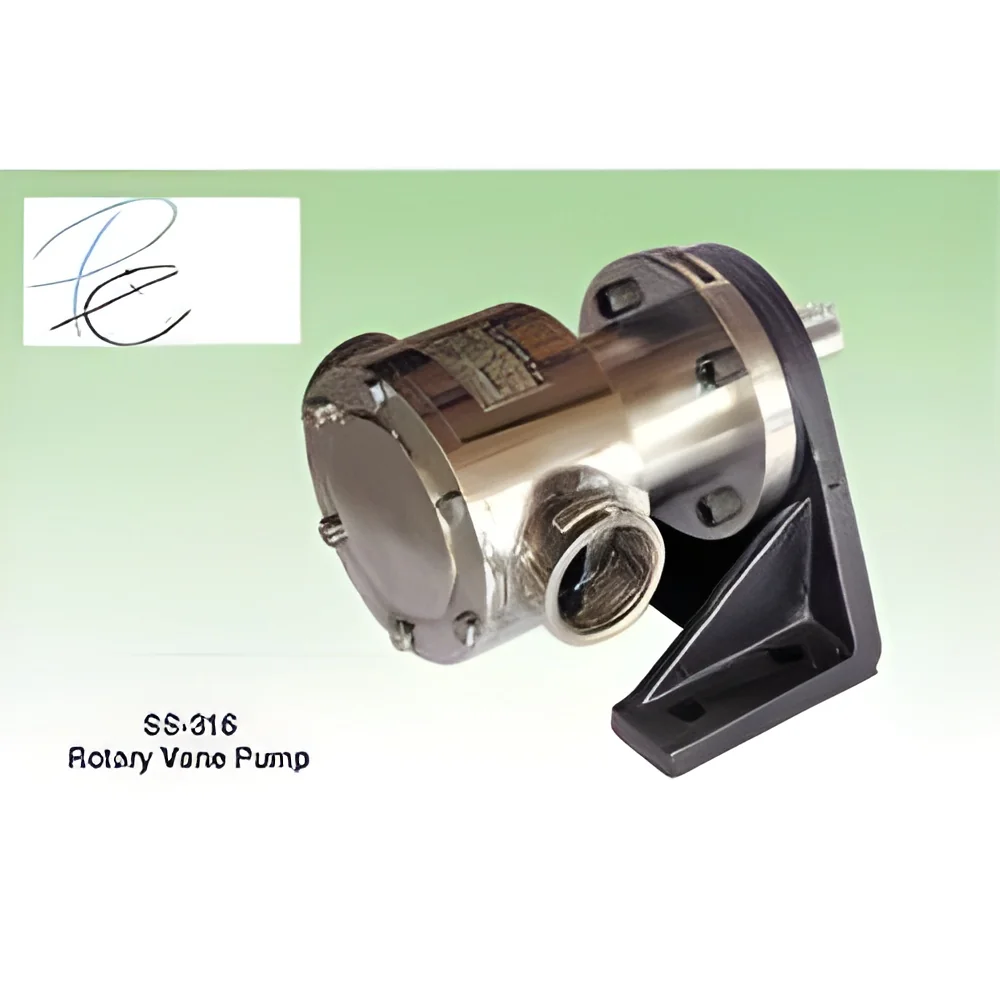
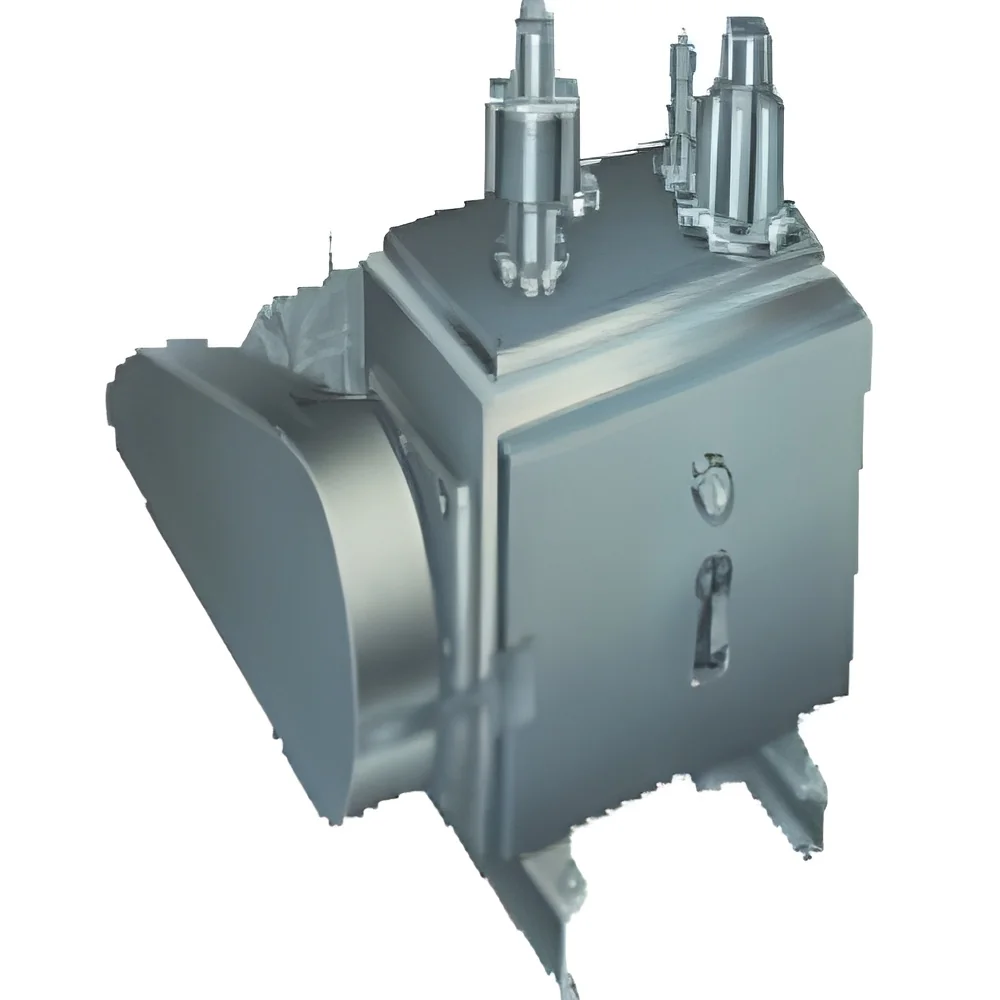
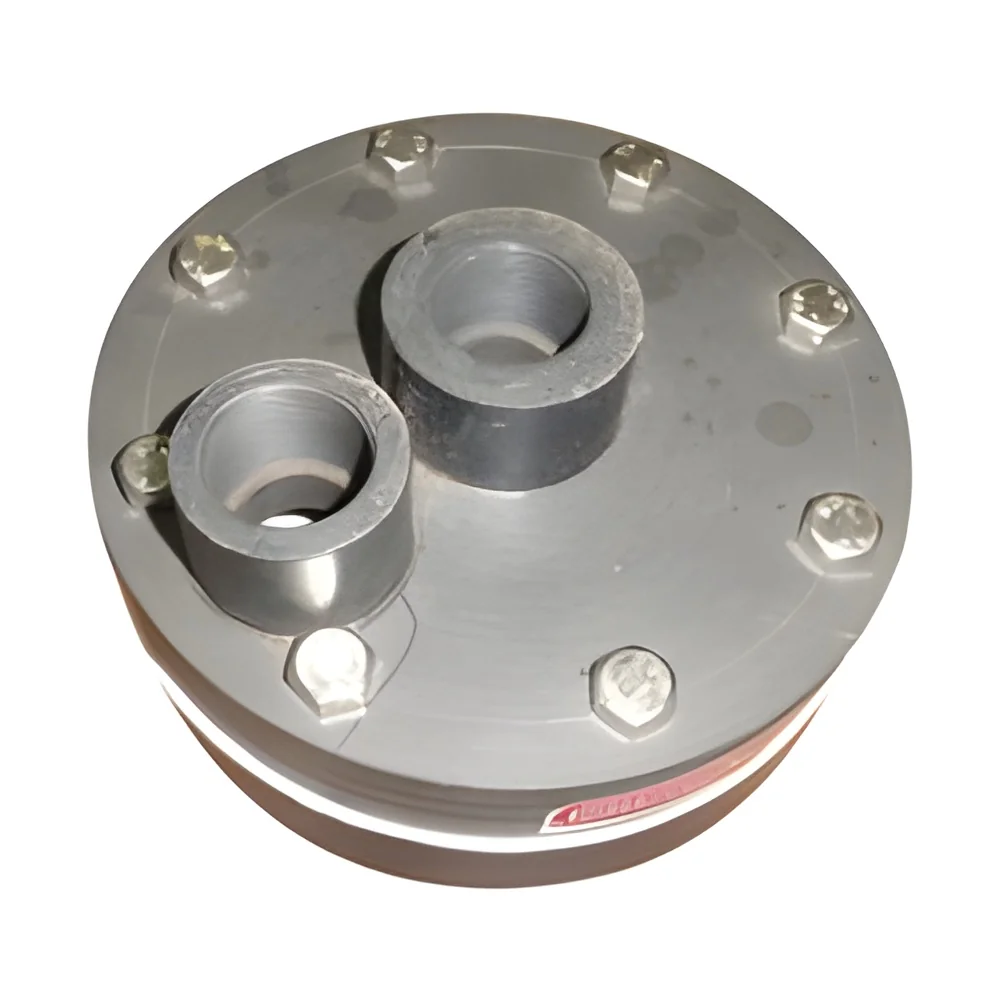
What are Vane Pumps?
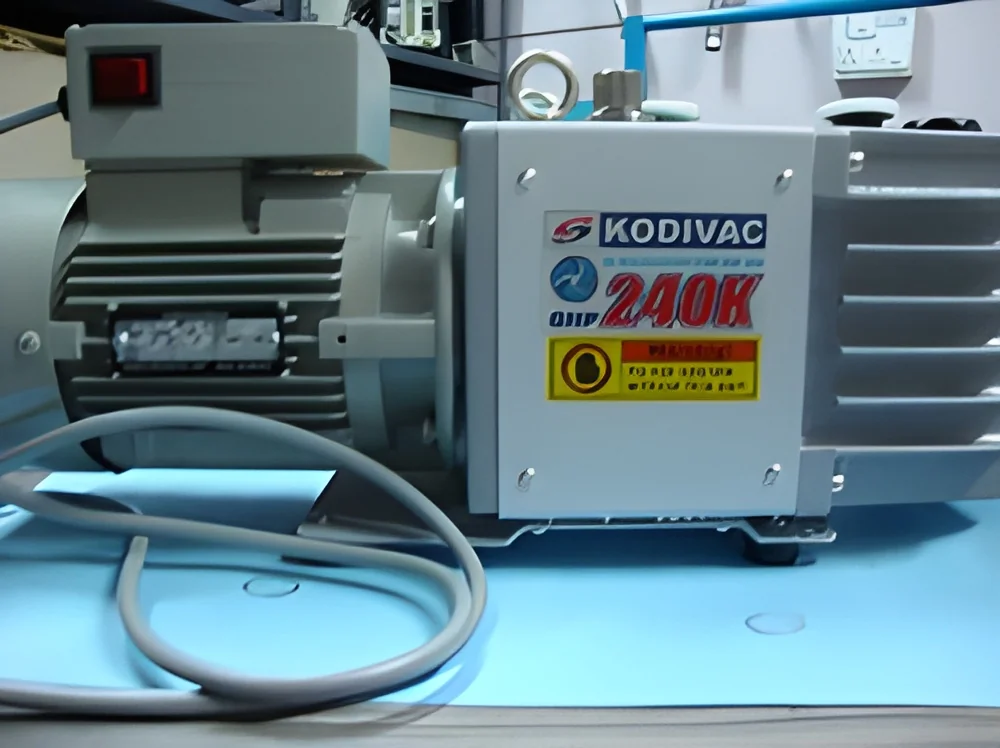
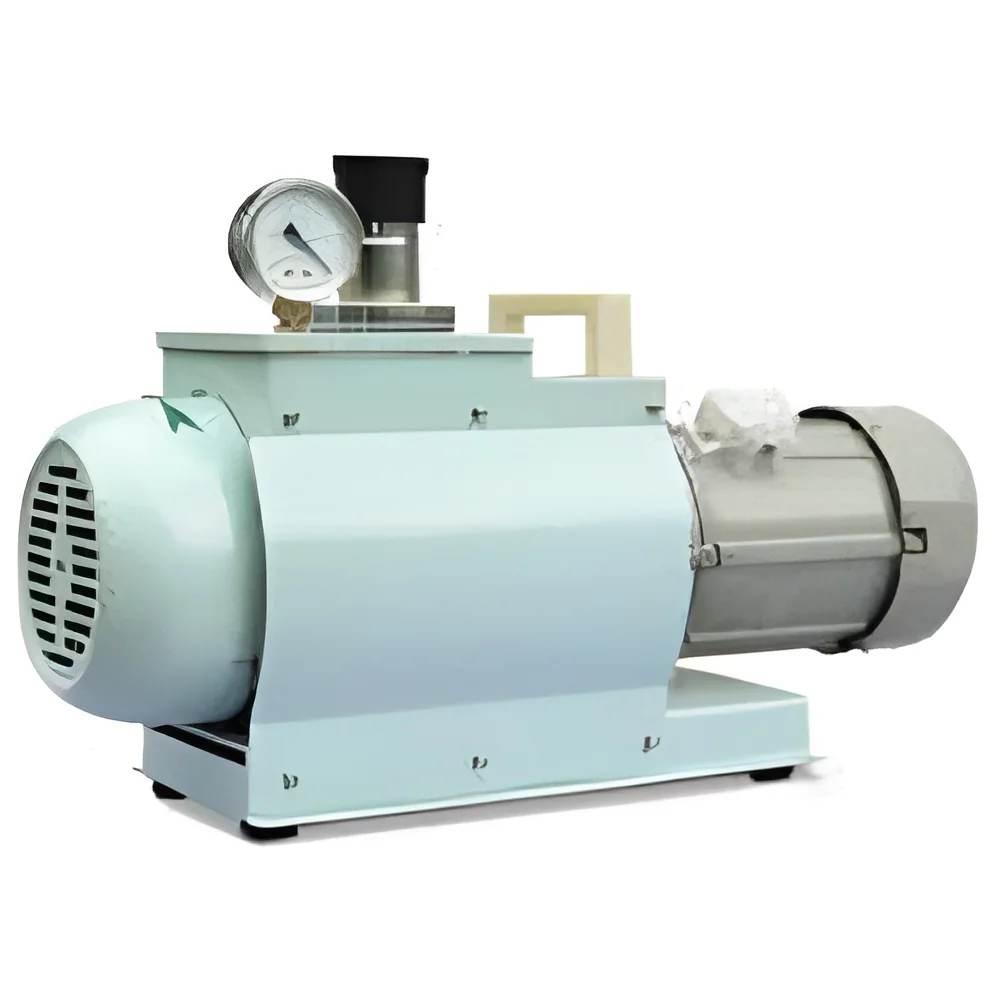
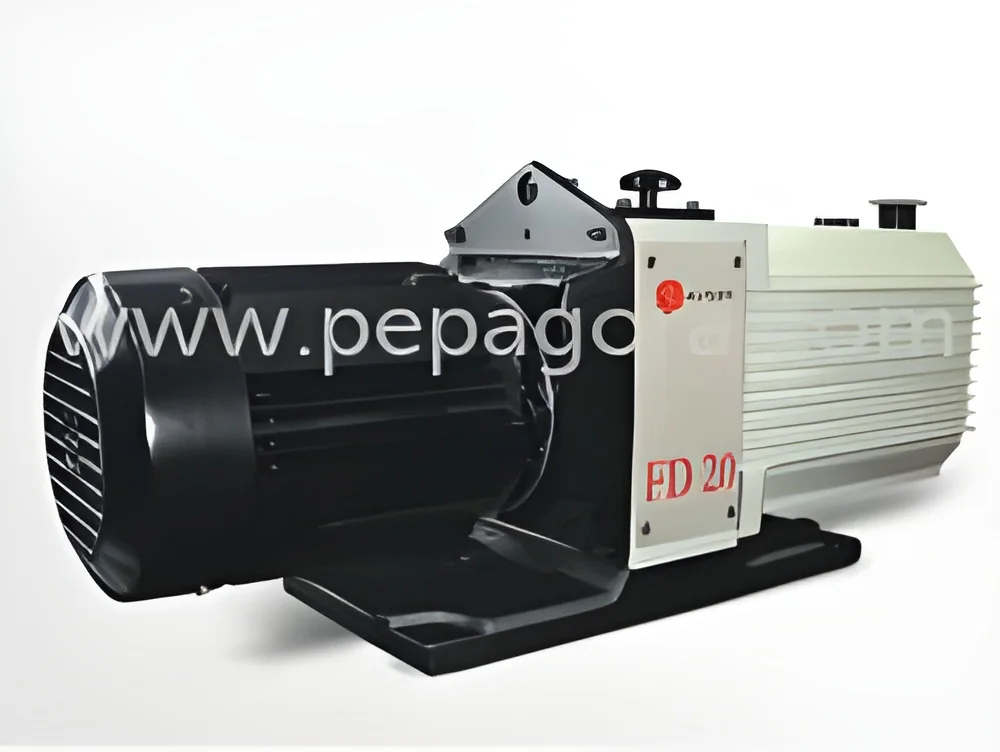
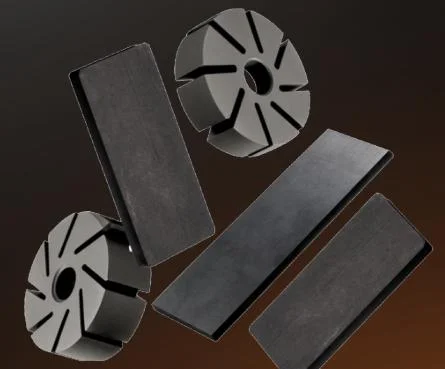
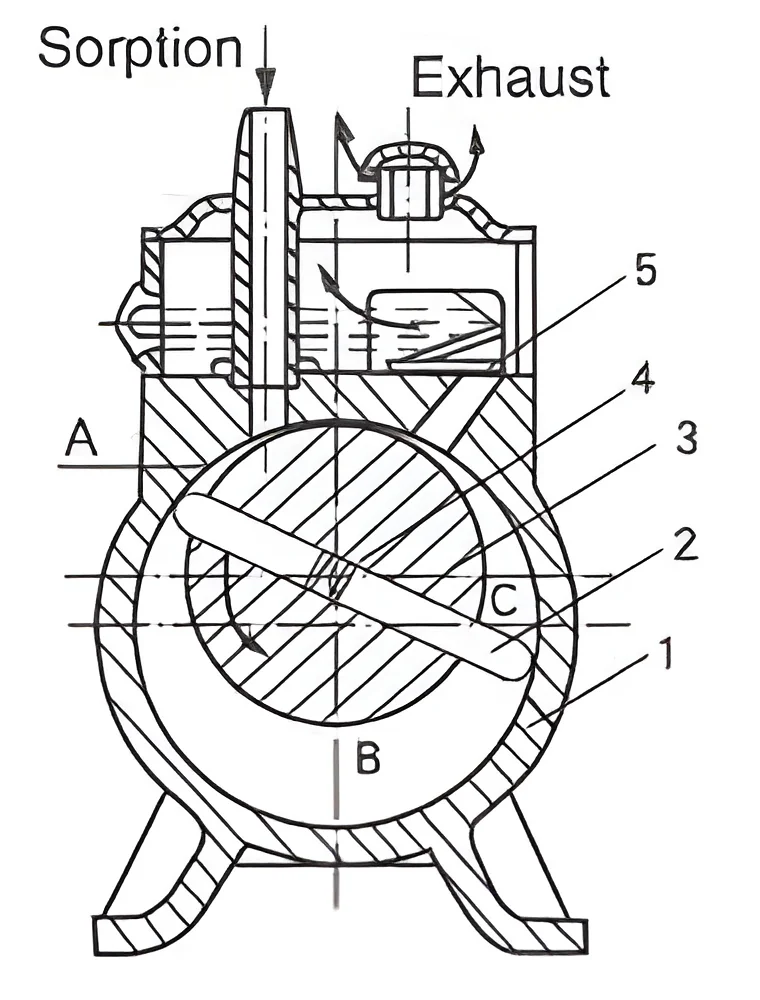
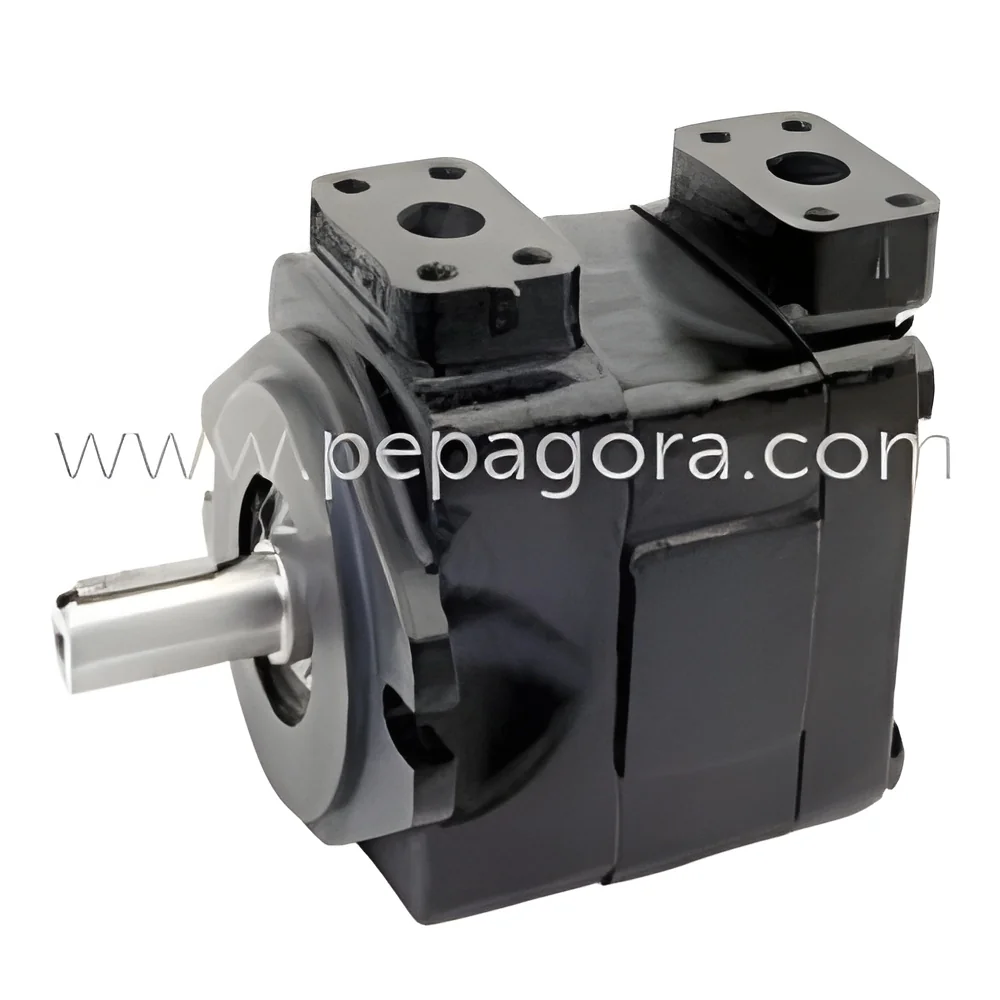
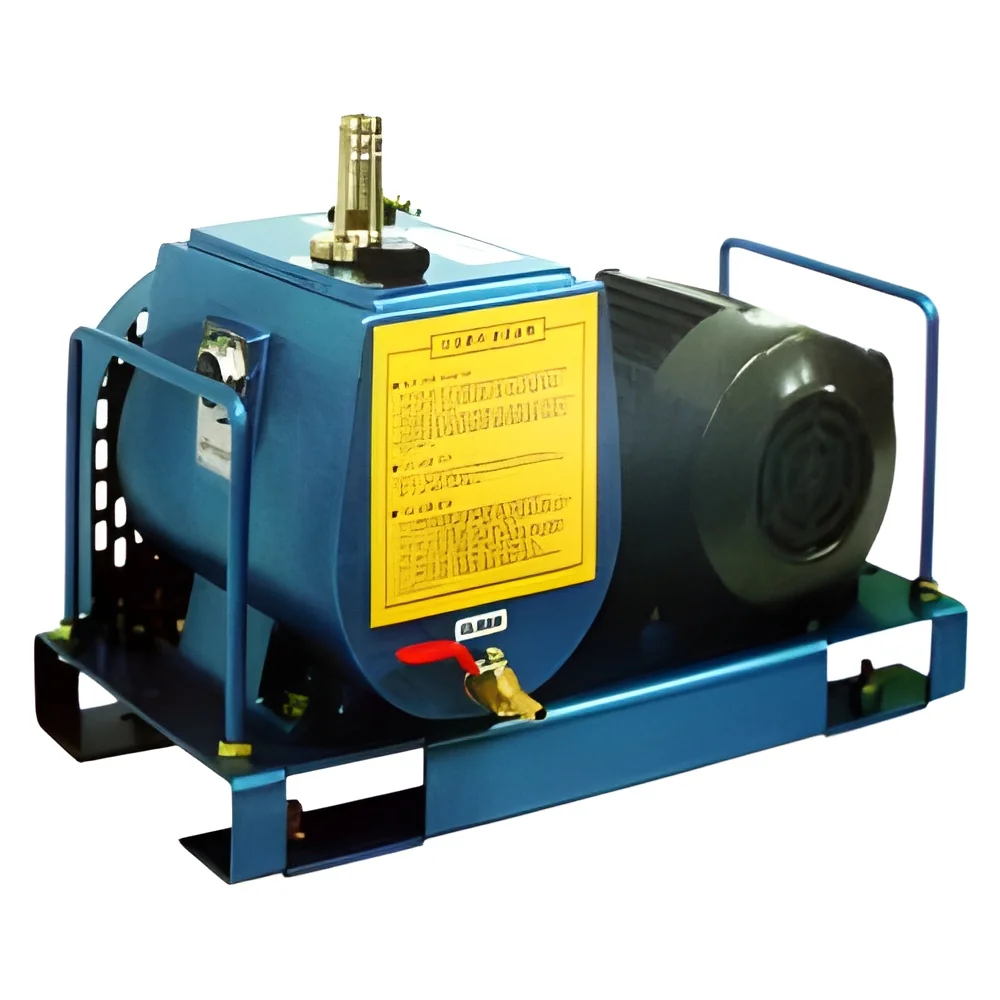
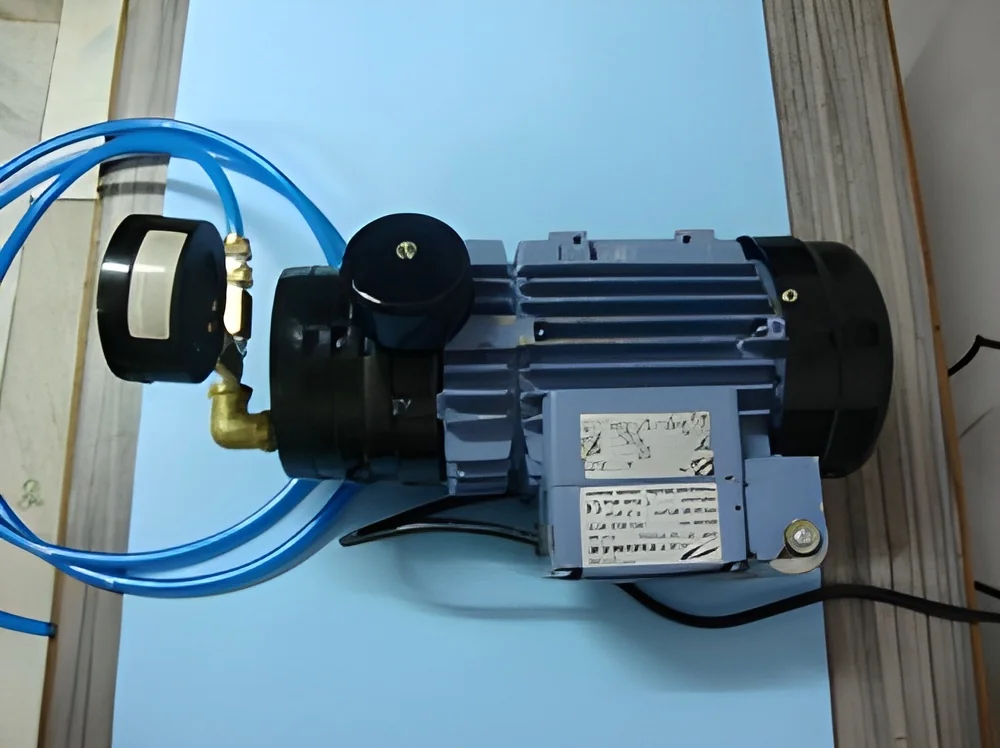
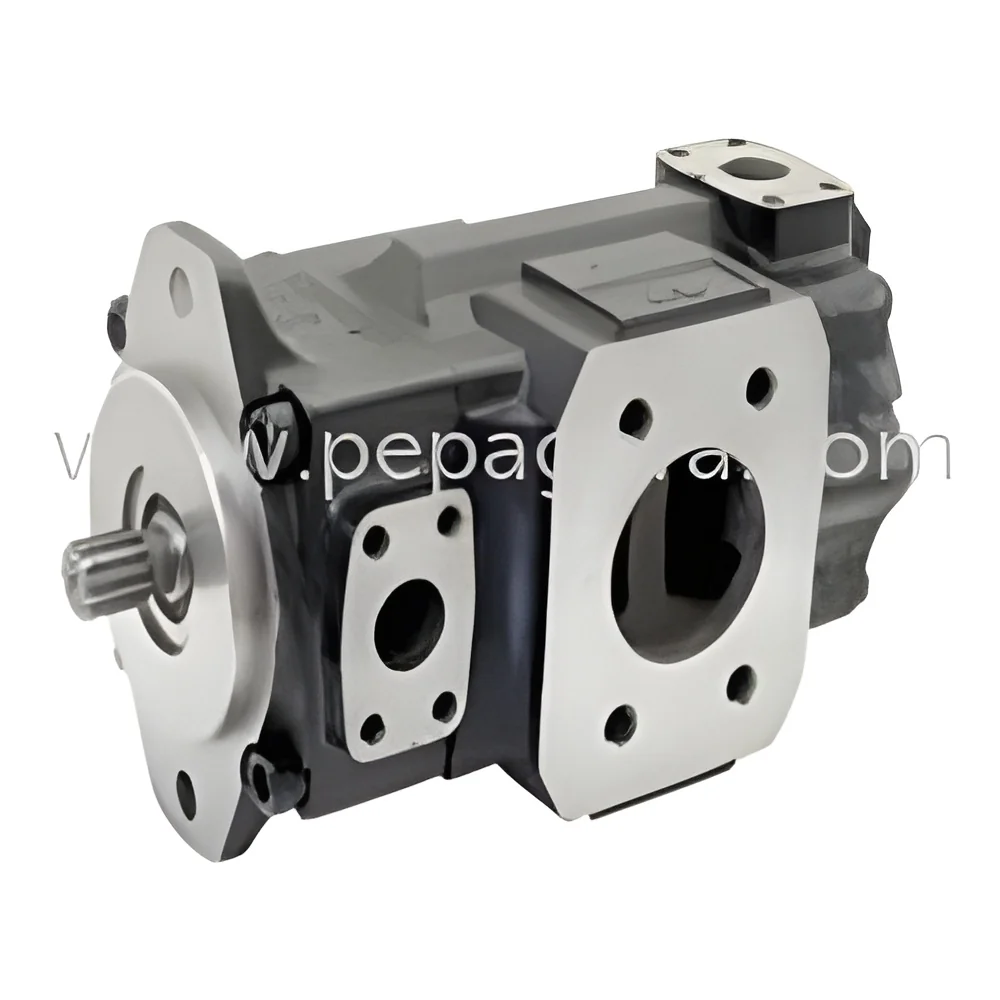
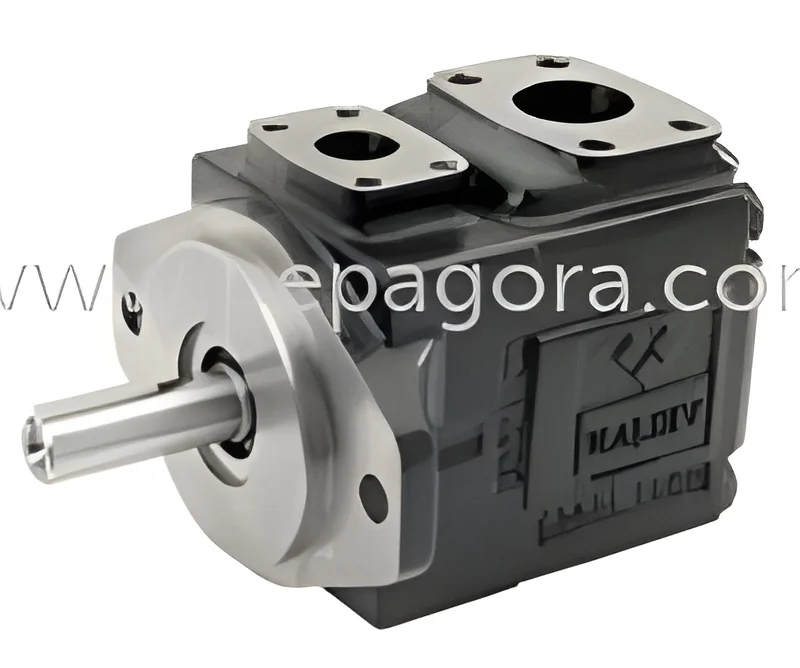
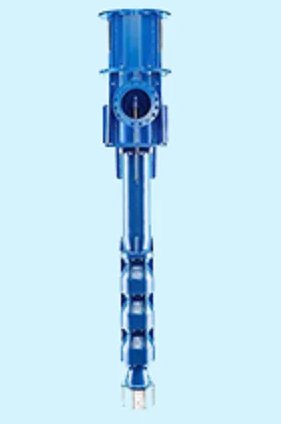
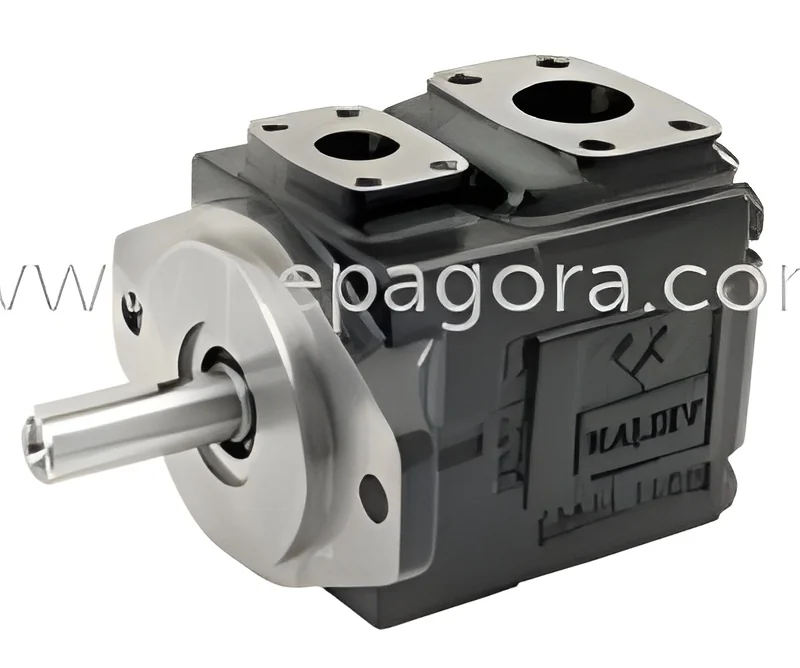
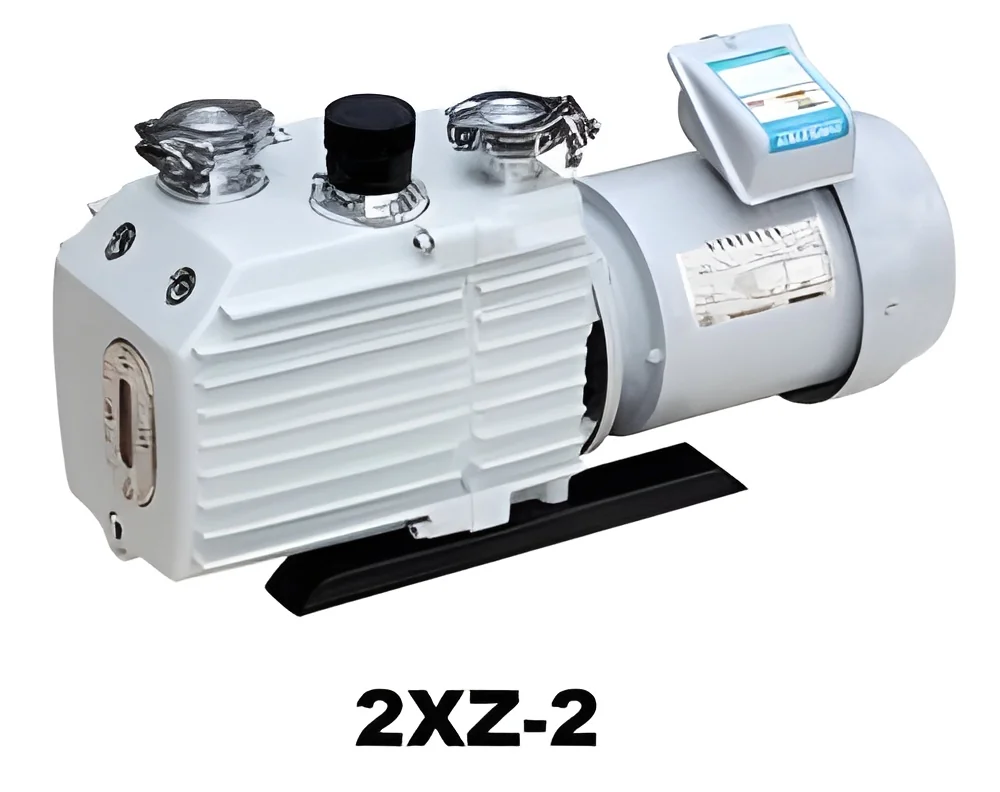
Vane pumps are a type of positive displacement pump that use a rotating assembly of vanes to create a suction effect and move fluids. They operate by trapping a fixed volume of fluid between the vanes and the pump casing, which is then pushed to the discharge side as the vanes rotate. This design allows for a smooth and continuous flow of liquid, making vane pumps suitable for various applications.
These pumps are widely used in industries such as automotive, manufacturing, and food processing. They are effective in transferring low to medium viscosity fluids, including oils, fuels, and other liquids. Their ability to handle a wide range of fluids under varying pressure conditions makes them essential in many production processes. The relevance of vane pumps in the market is significant, as they provide reliable performance, efficiency, and durability, which are crucial for maintaining productivity in industrial settings.
Key Features and Specifications
Vane pumps come with several key features and specifications that enhance their performance and adaptability to different applications. Understanding these specifications is vital for selecting the right pump for specific industrial needs.
Key specifications include:
1. Flow Rate
- The volume of fluid that can be pumped per minute.
- Typically ranges from a few liters to several hundred liters per minute.
2. Pressure Rating
- The maximum pressure the pump can handle without failure.
- Usually between 5 to 15 bar for most industrial applications.
3. Temperature Range
- The operational temperature that the pump can withstand.
- Data not available for specific temperature ranges.
4. Construction Material
- Common materials include cast iron, aluminum, and stainless steel.
- The choice of material affects durability and compatibility with various fluids.
5. Drive Type
- Can be electrical, hydraulic, or pneumatic.
- The drive type influences installation and operational flexibility.
6. Efficiency
- Indicates the pump's ability to convert input energy into hydraulic energy.
- Generally ranges from 70% to 90% depending on the design.
7. Noise Level
- The sound produced during operation.
- Typically ranges from 60 to 80 decibels.
8. Maintenance Requirements
- Frequency and type of maintenance required to ensure optimal performance.
- Regular inspection and lubrication are essential for longevity.
In summary, understanding the key features and specifications of vane pumps is crucial for making informed purchasing decisions and ensuring the right fit for specific applications.
Common Applications and Use Cases
Vane pumps serve various industries with distinct applications that leverage their unique capabilities.
1. Automotive: Vane pumps are commonly used in fuel systems, providing reliable fuel delivery to engines and ensuring optimal performance.
2. Manufacturing: In manufacturing processes, they are employed to transfer lubricants and coolants, which are essential for machinery operation and maintenance.
3. Food Processing: These pumps are crucial in the food and beverage industry for transferring oils, syrups, and other liquids, where hygiene and safety are paramount.
4. Chemical Processing: Vane pumps are utilized for handling various chemicals, providing efficient and safe transfer without contamination.
5. HVAC Systems: In heating, ventilation, and air conditioning systems, vane pumps help circulate liquid refrigerants, contributing to system efficiency.
6. Water Treatment: They are used in water treatment facilities for moving chemicals and additives, essential for maintaining water quality.
7. Oil and Gas: In the oil and gas sector, vane pumps facilitate the movement of crude oil and other petroleum products, playing a key role in extraction and refining processes.
Product Variants and Subcategories
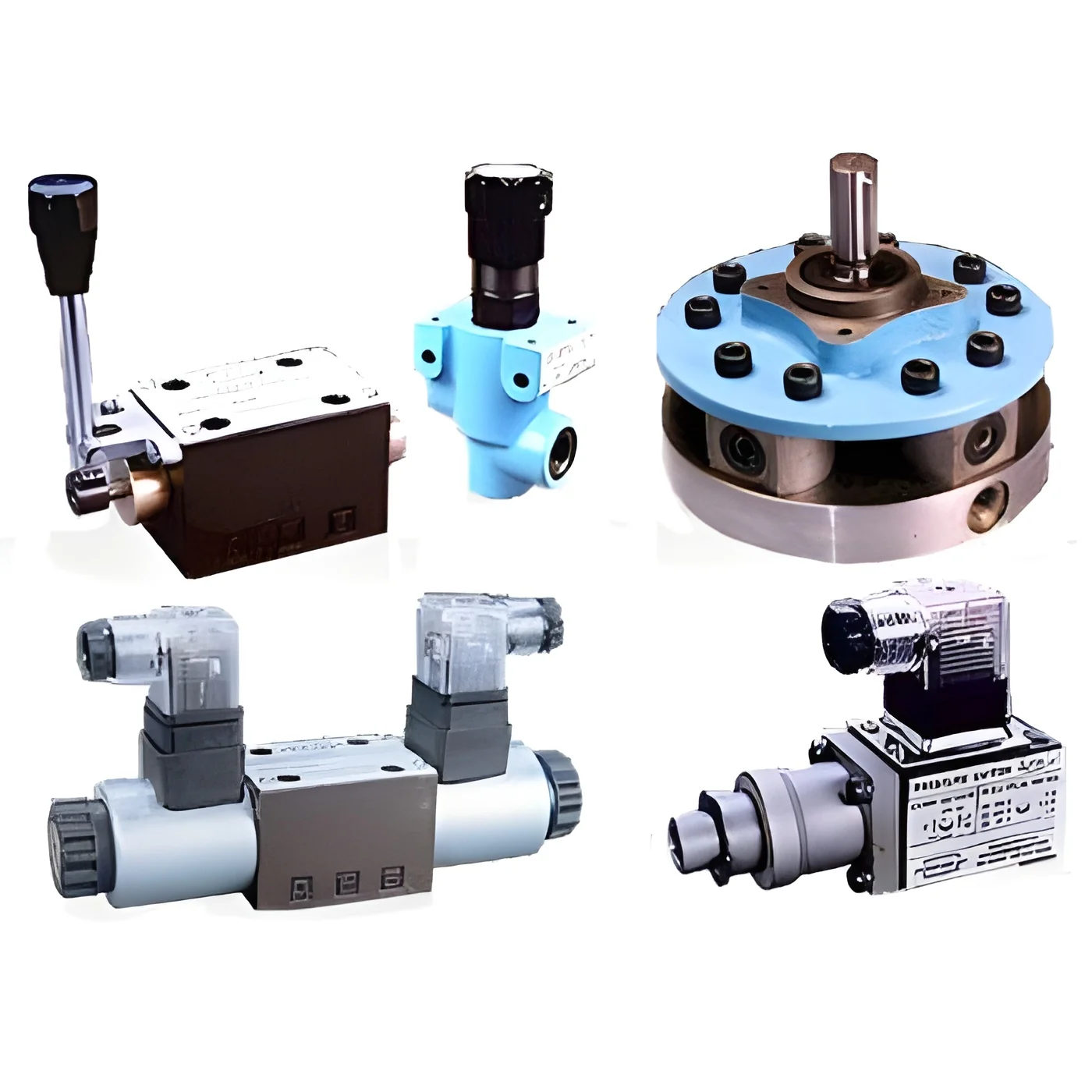
Vane pumps come in various designs to cater to specific needs within different industries. The diversity of these pumps allows for tailored solutions based on application requirements.
Standard Vane Pump
This variant is designed for general-purpose applications, featuring a robust construction that allows it to handle a wide range of fluids. It provides reliable performance in both low and medium viscosity applications.
High-Pressure Vane Pump
Engineered to operate under high-pressure conditions, this variant is ideal for demanding applications where consistent pressure is crucial. Its design minimizes the risk of failure under stress, ensuring durability.
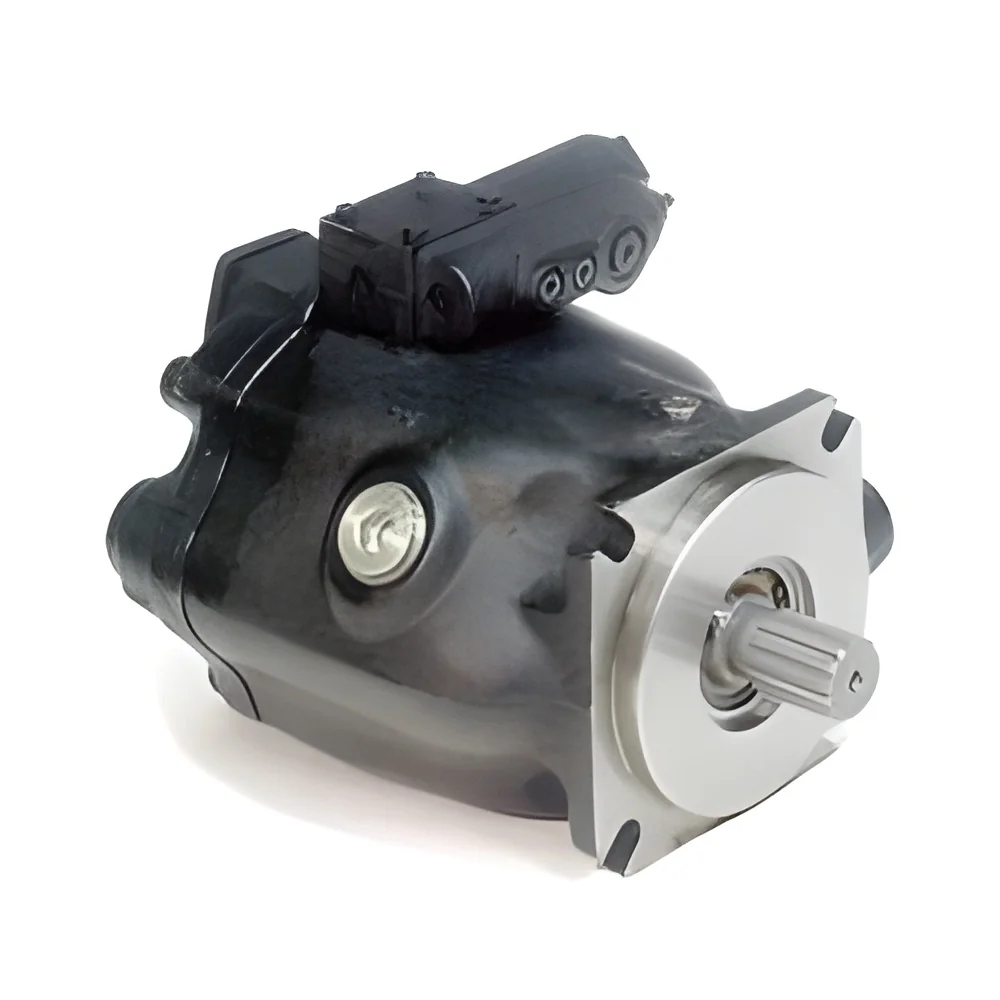
Variable Displacement Vane Pump
This variant offers adjustable flow rates, making it suitable for applications requiring flexibility in fluid delivery. It is commonly used in hydraulic systems where varying pressure is needed.
Benefits and Advantages
Vane pumps provide a range of benefits that make them a preferred choice for many businesses.
1. Reliable Performance: Vane pumps deliver consistent flow rates, ensuring steady operation in various applications.
2. Efficiency: Their design minimizes energy consumption while maximizing fluid transfer, resulting in lower operational costs.
3. Versatility: They can handle a wide range of fluids, making them suitable for multiple industries and applications.
4. Low Maintenance: The design of vane pumps often results in lower maintenance needs, reducing downtime and costs.
5. Compact Design: Many vane pumps have a compact footprint, allowing for easier installation in space-constrained environments.
6. Smooth Operation: The continuous flow generated by vane pumps contributes to quieter operation compared to other pump types.
Buying Guide for B2B Buyers
When sourcing vane pumps, it is essential to consider several factors to ensure you choose the right product for your needs.
1. Quality Assessment: Evaluate the quality of the pumps by checking for industry standards and certifications. Look for pumps that meet recognized quality benchmarks to ensure reliability.
2. Supplier Verification: Vet potential suppliers by checking their reputation, customer reviews, and industry experience. A trusted supplier will provide better support and product assurance.
3. Pricing and MOQ: Consider the pricing structure and minimum order quantities. Ensure that the costs align with your budget while also meeting your operational requirements.
4. Delivery and Lead Times: Factor in logistics and lead times when placing an order. Ensure the supplier can meet your delivery schedule to avoid disruptions.
5. Compliance Requirements: Verify that the pumps comply with relevant regulations and industry standards. Understanding compliance needs is crucial to avoid legal issues.
Compliance and Certifications
Vane pumps must adhere to various compliance standards to ensure safety and quality in their operation.
Relevant quality standards, such as ISO 9001, ensure that manufacturers maintain high-quality processes through continual improvement. This certification is essential for ensuring product reliability and customer satisfaction.
Industry certifications like CE signify that the products meet European safety, health, and environmental protection requirements. This is important for buyers looking to ensure their equipment is safe and compliant.
Safety and testing requirements are critical in many applications. Manufacturers often conduct rigorous testing to ensure pumps can operate under specified conditions without failure.
Additionally, regional compliance considerations may vary, requiring buyers to understand local regulations that affect the import and use of vane pumps in their respective markets.
Why Source Vane Pumps from Pepagora?
Pepagora provides a trusted platform for sourcing vane pumps with several key advantages that benefit businesses looking for reliable industrial solutions.
Verified Supplier Network: Pepagora has a comprehensive network of verified suppliers, ensuring that buyers can access quality products from reputable manufacturers. This minimizes the risk of substandard purchases.
Streamlined RFQ Process: The request for quotation (RFQ) process is designed to be efficient, allowing buyers to quickly obtain competitive pricing and detailed information on products. This saves time and simplifies the sourcing process.
Trade Assurance and Support: Pepagora offers trade assurance, providing buyers with protection and support throughout the purchasing process. This adds an extra layer of confidence in transactions.
Regional Coverage: With a strong presence in India, the GCC, and Southeast Asia, Pepagora caters to a wide geographical area, ensuring that businesses in these regions can easily find and source the vane pumps they need.

 IN
IN