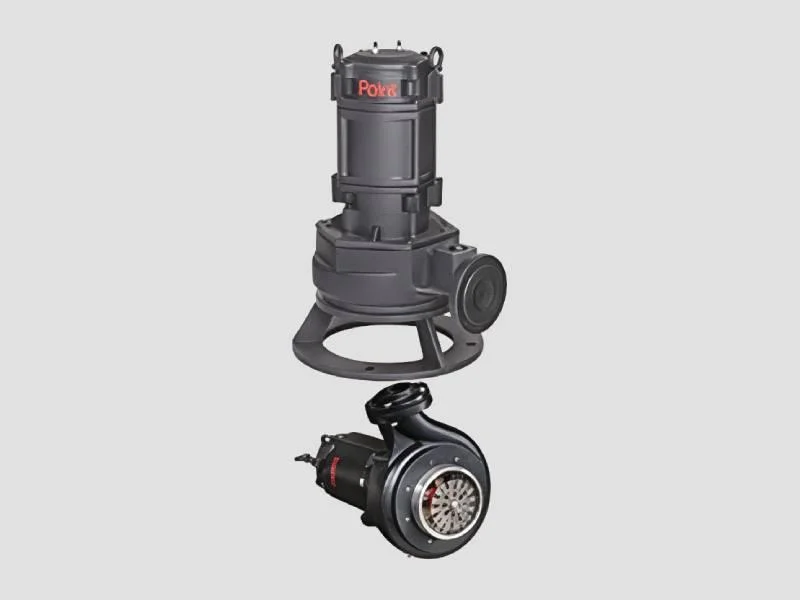
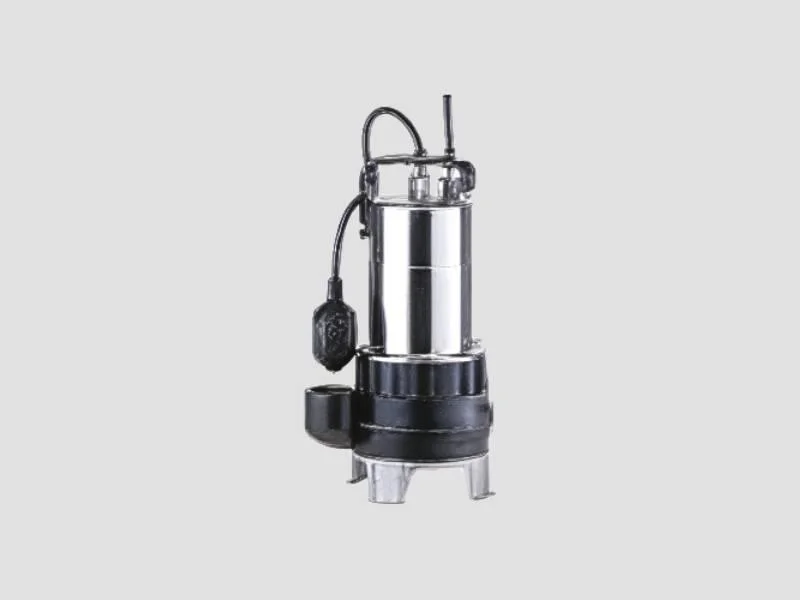
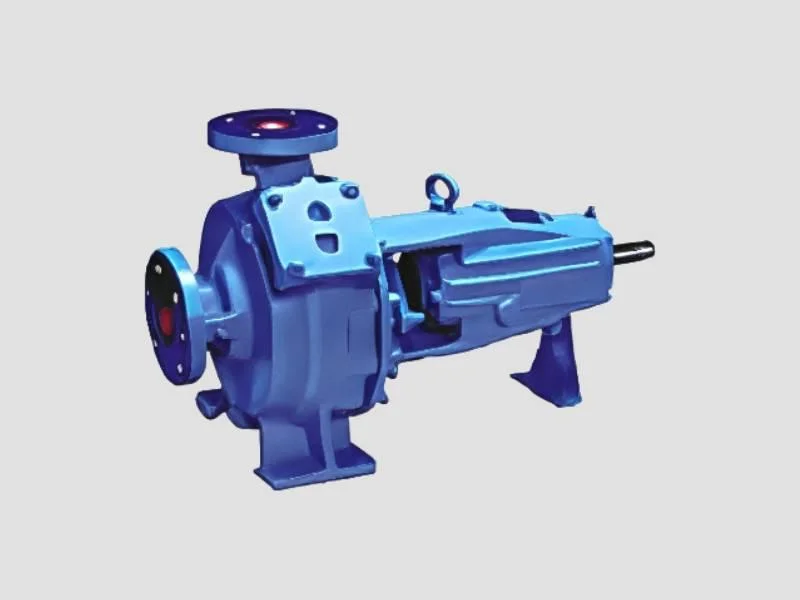
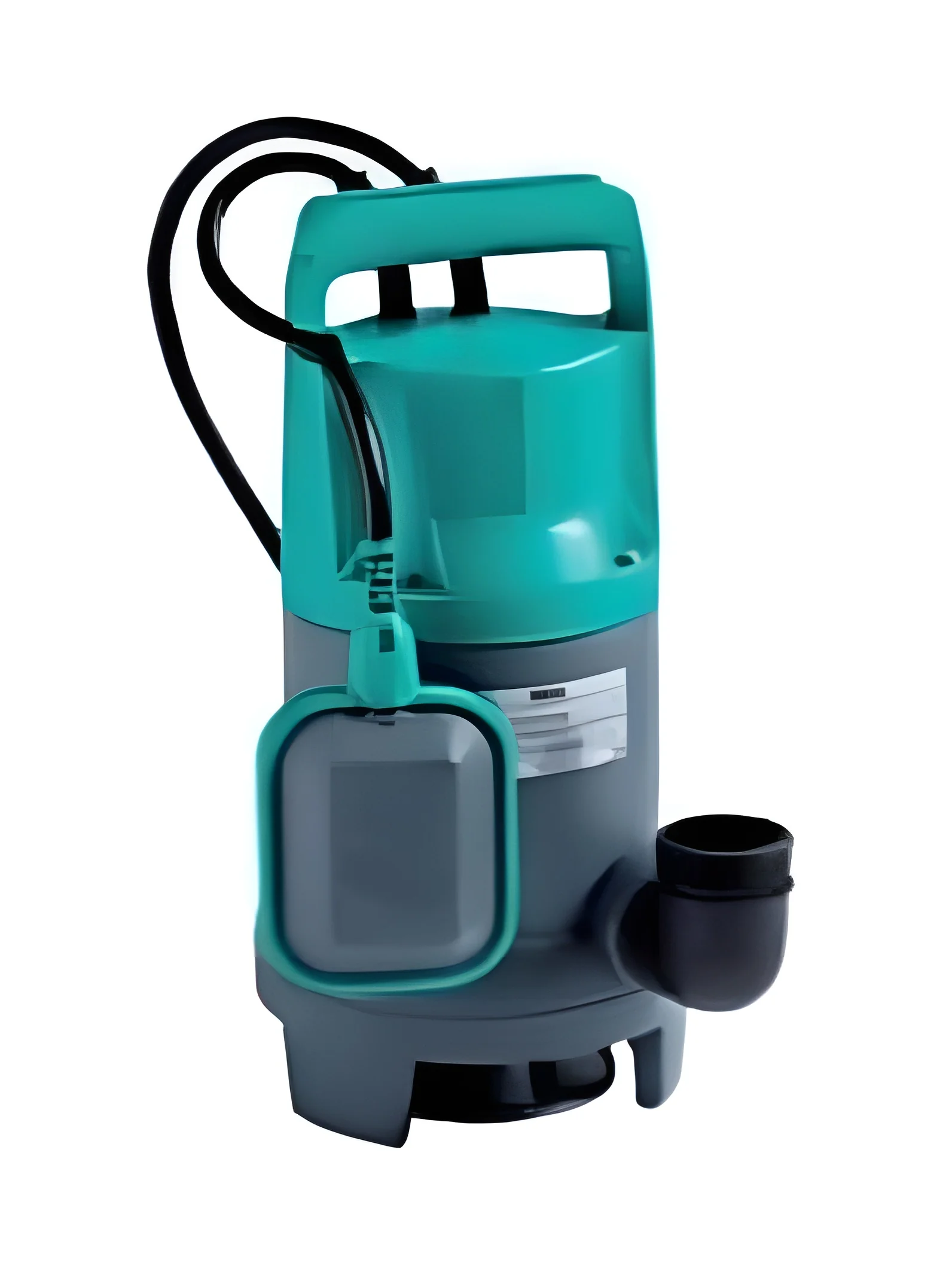
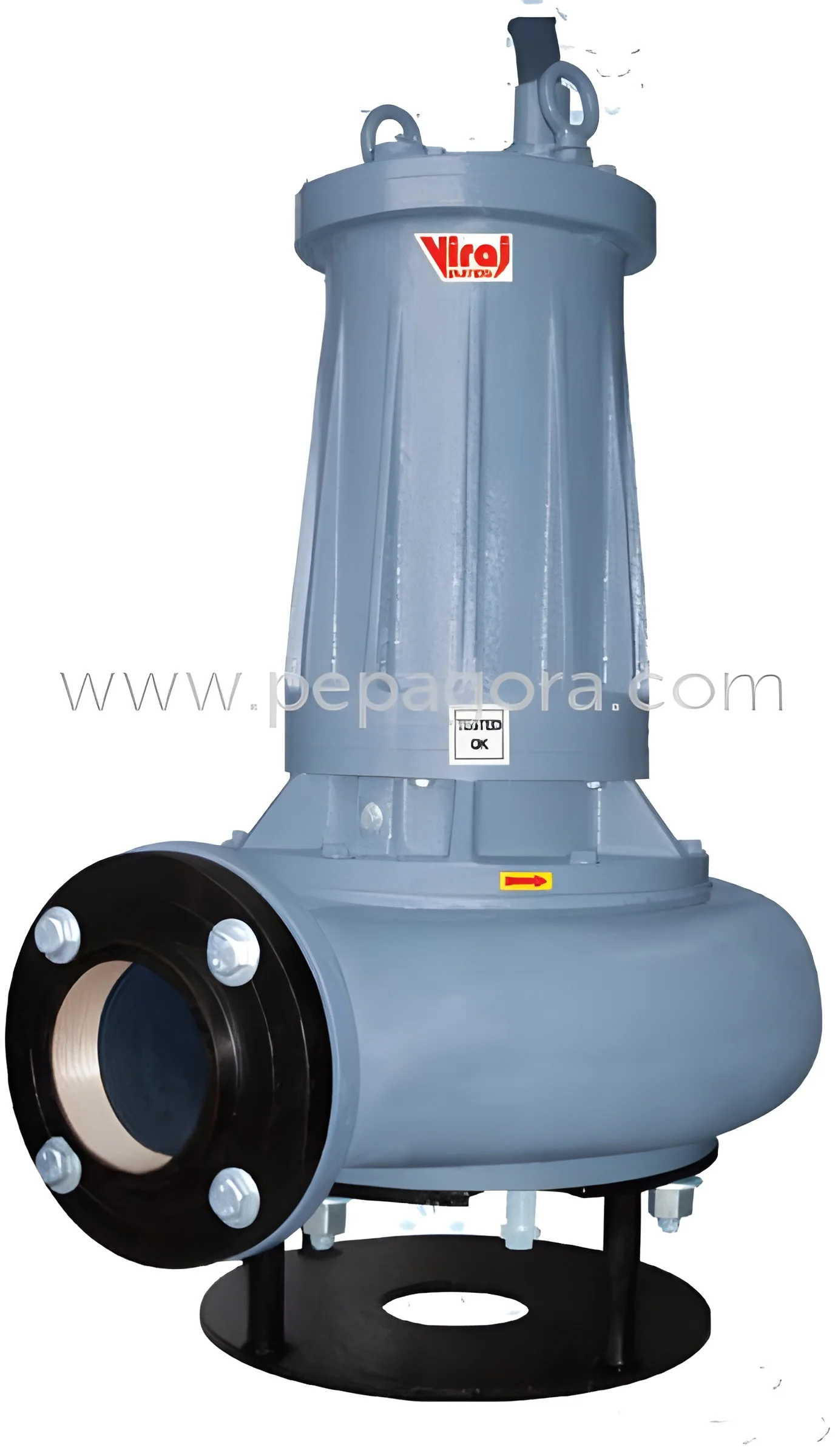
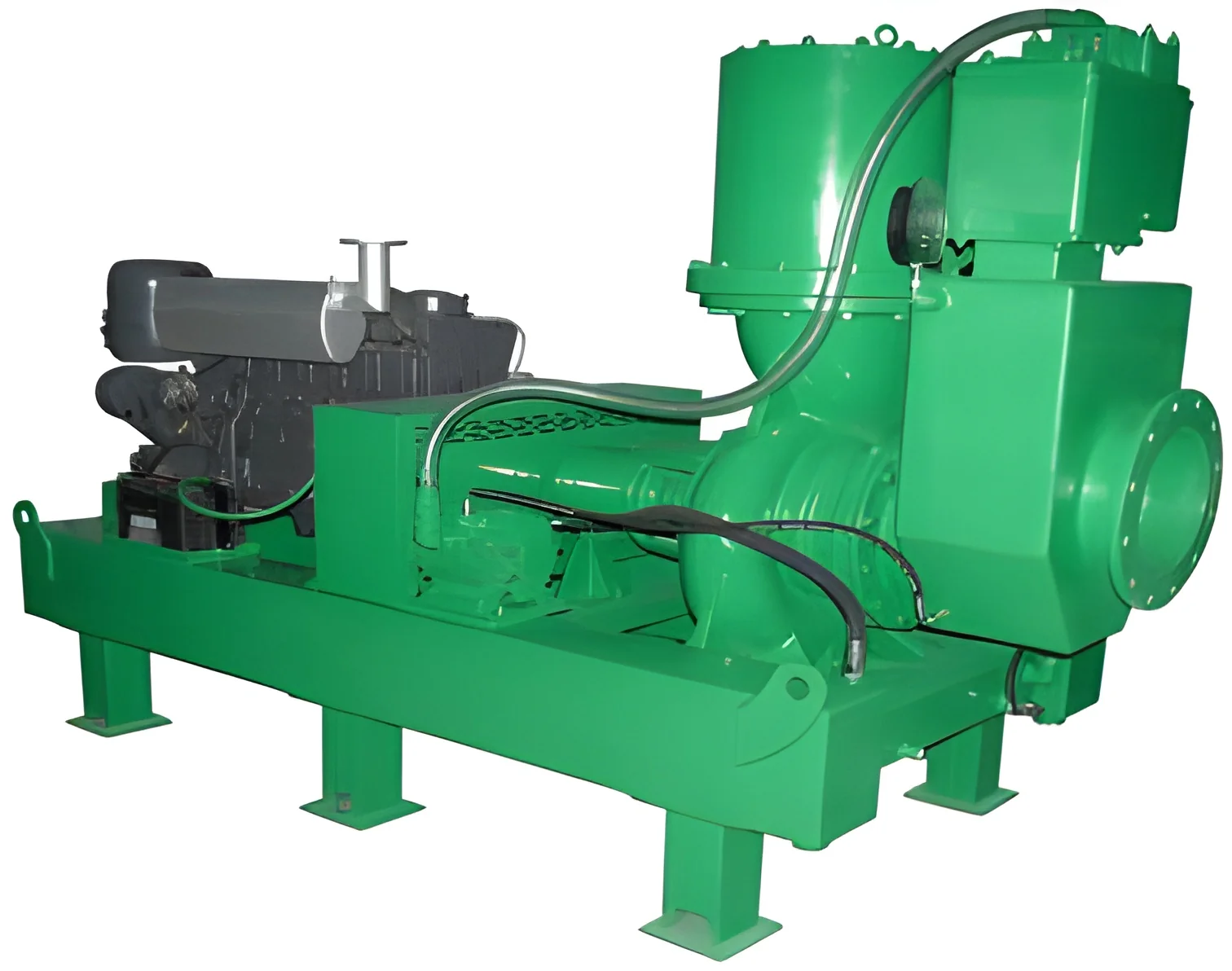
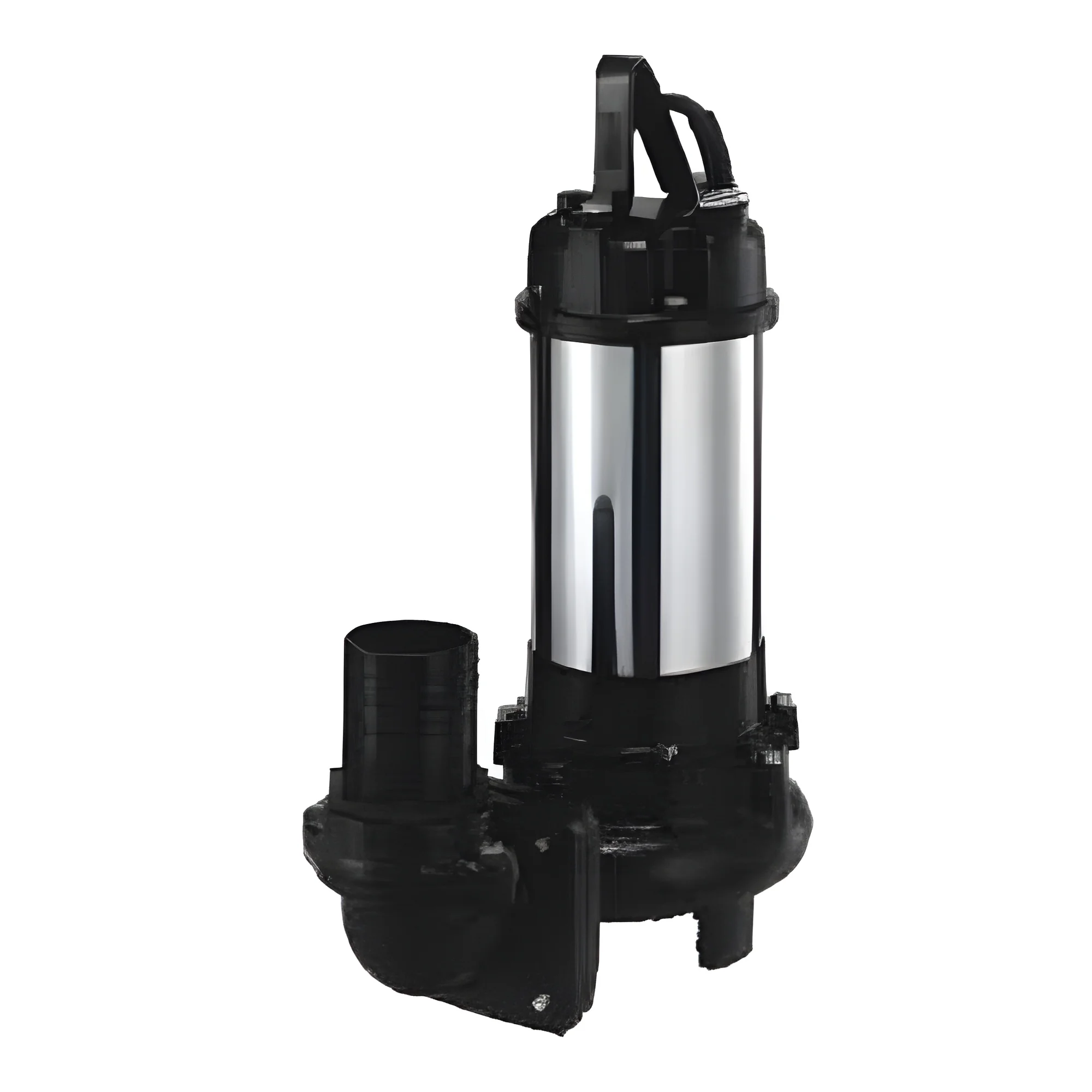
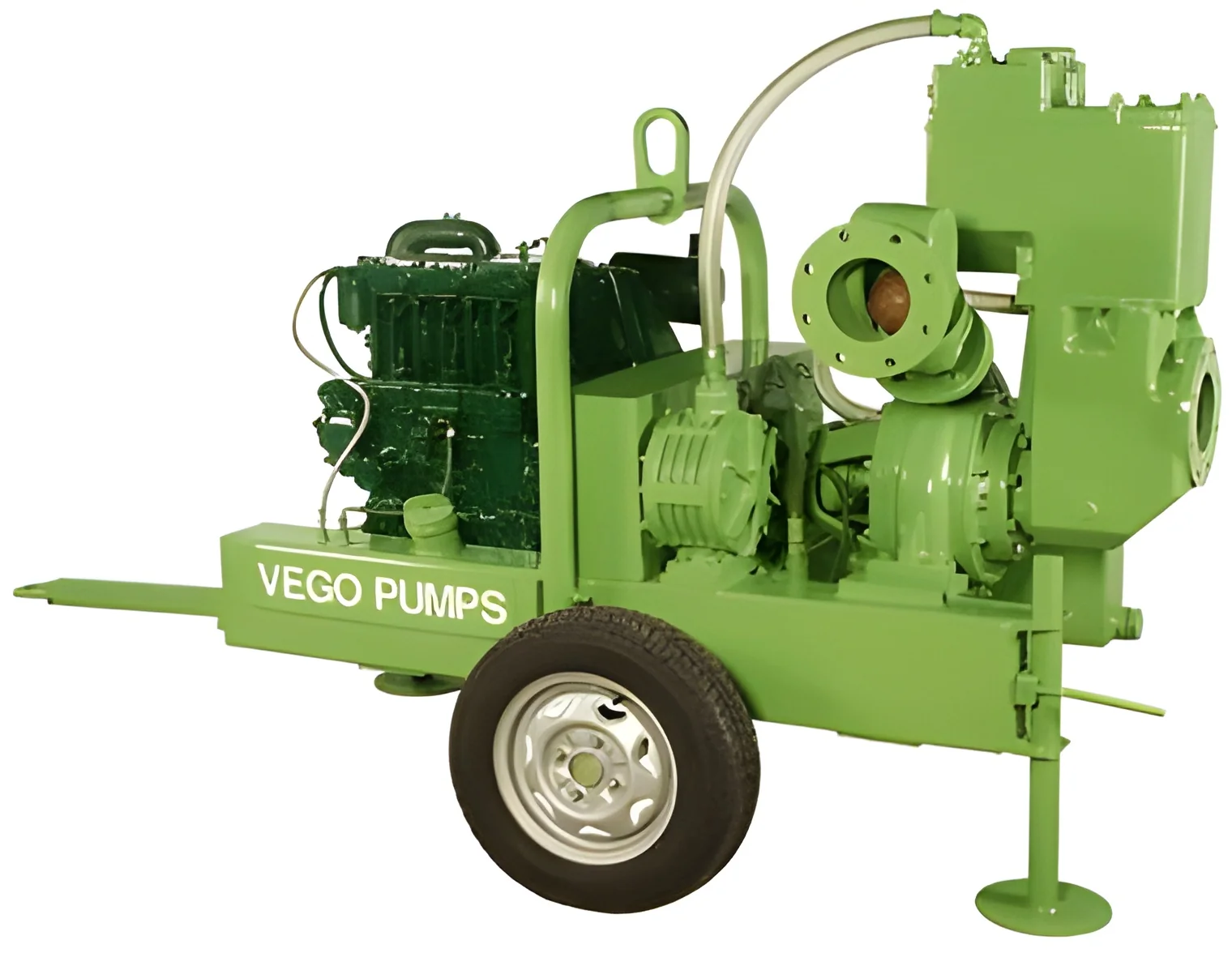
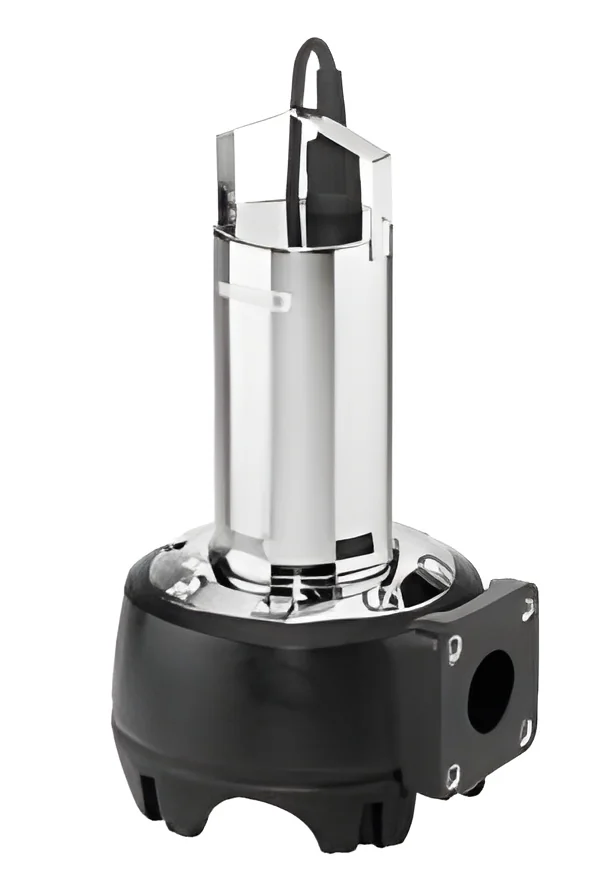
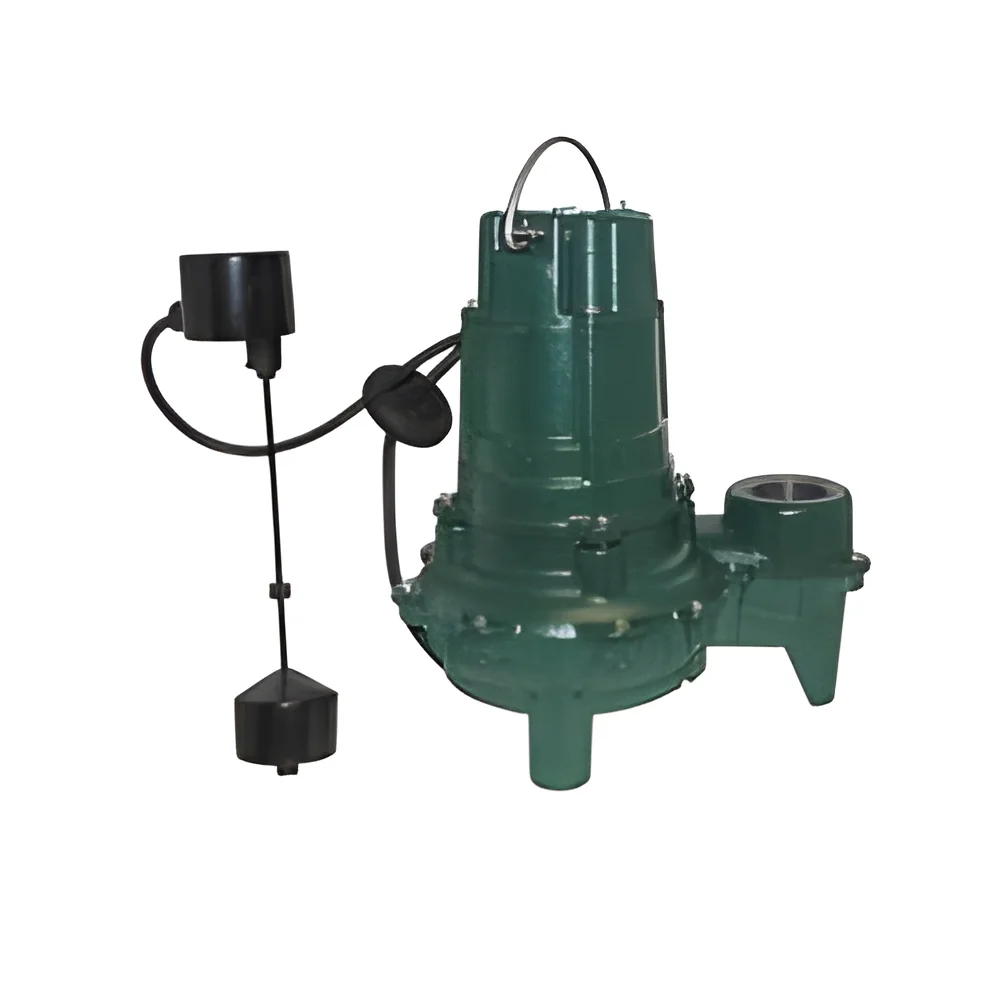
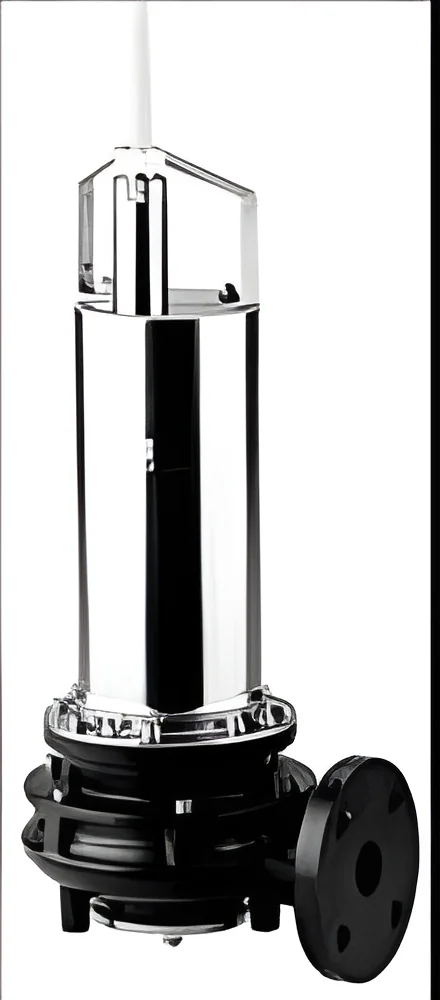
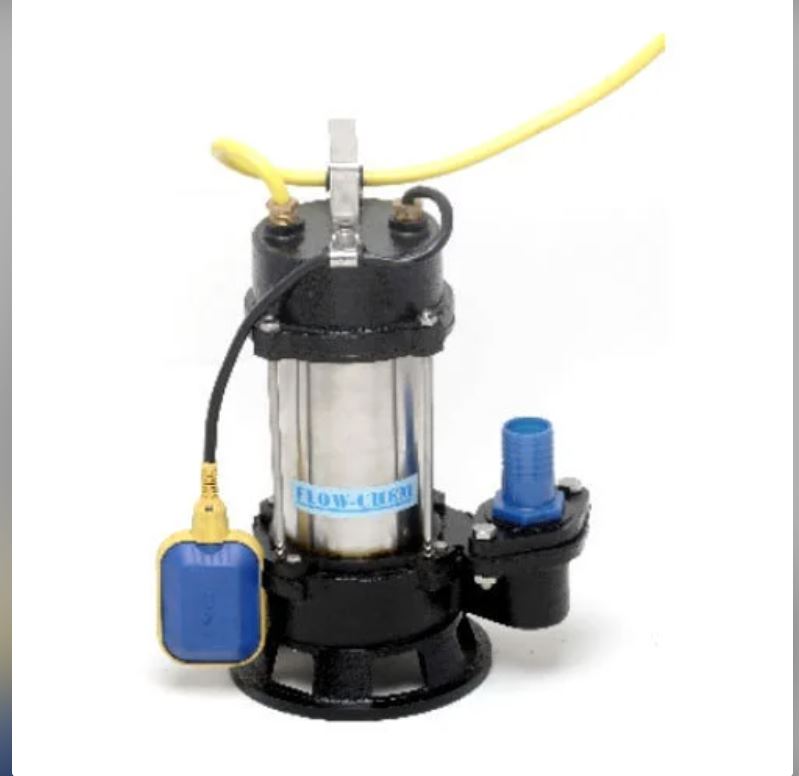
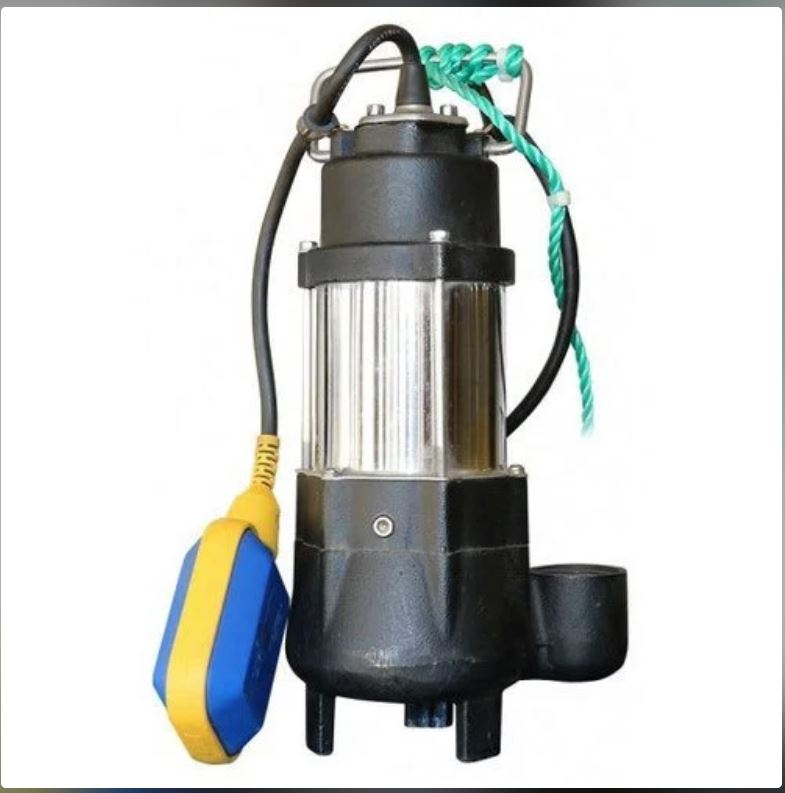
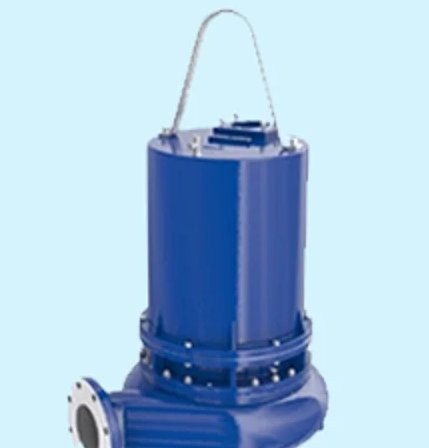
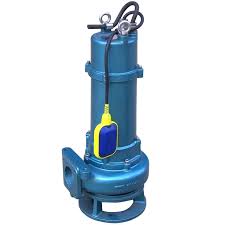
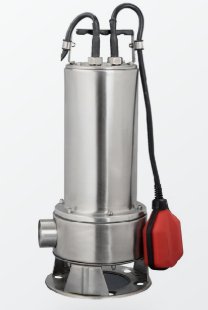
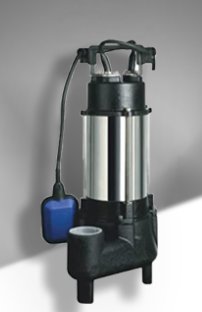
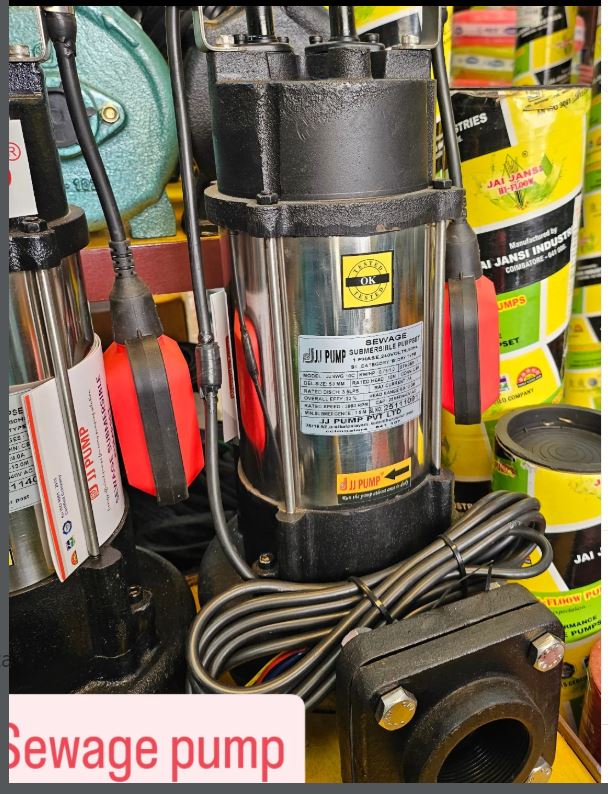
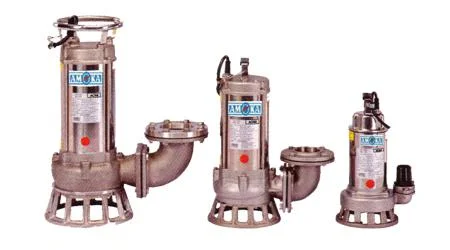
What are Sewage Submersible Pumps?
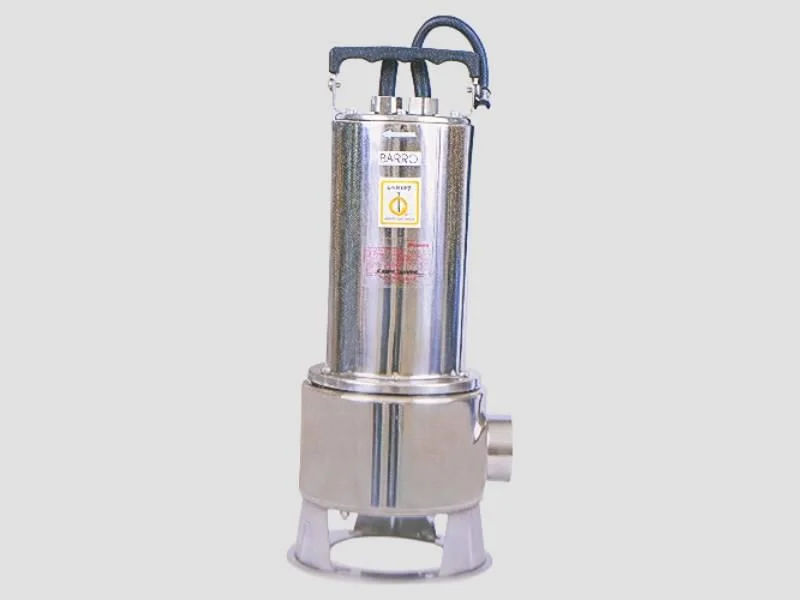
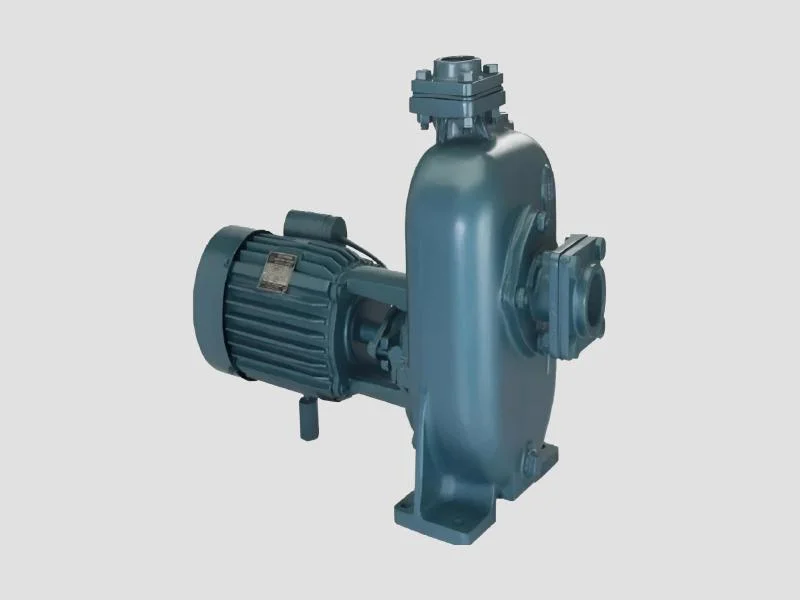
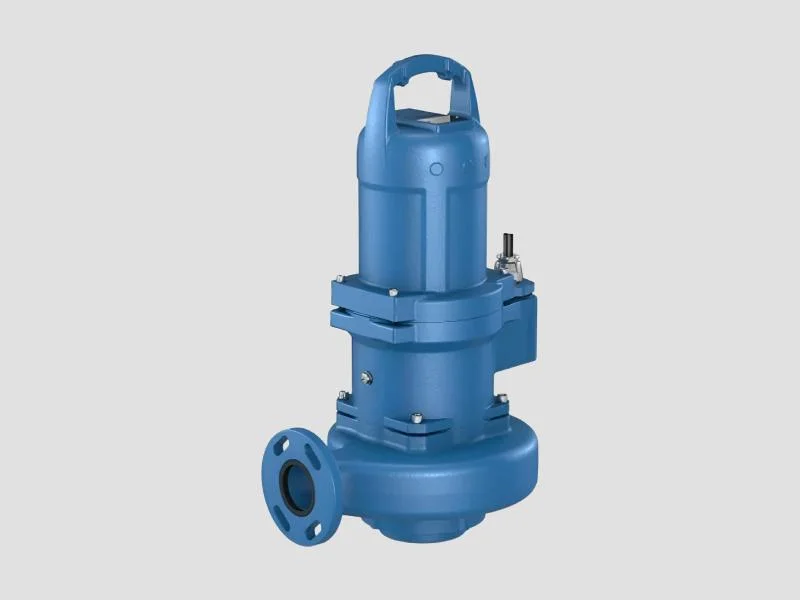
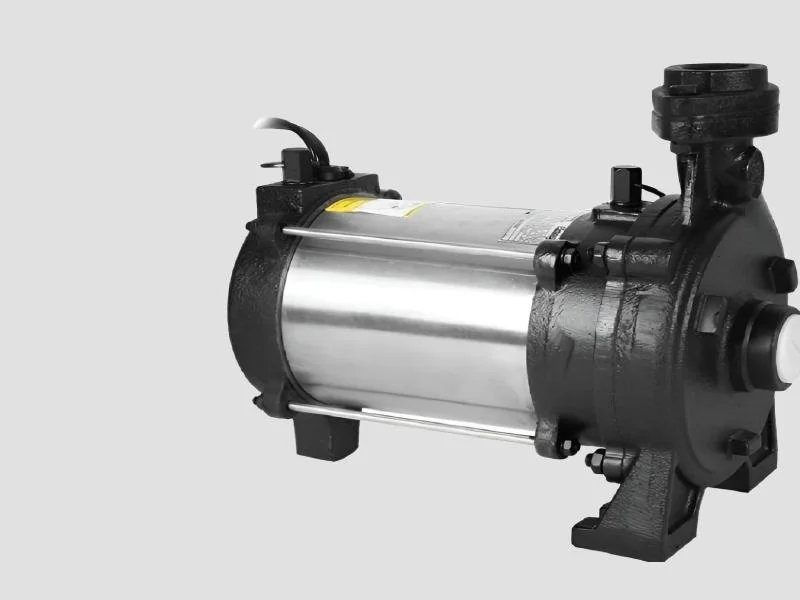
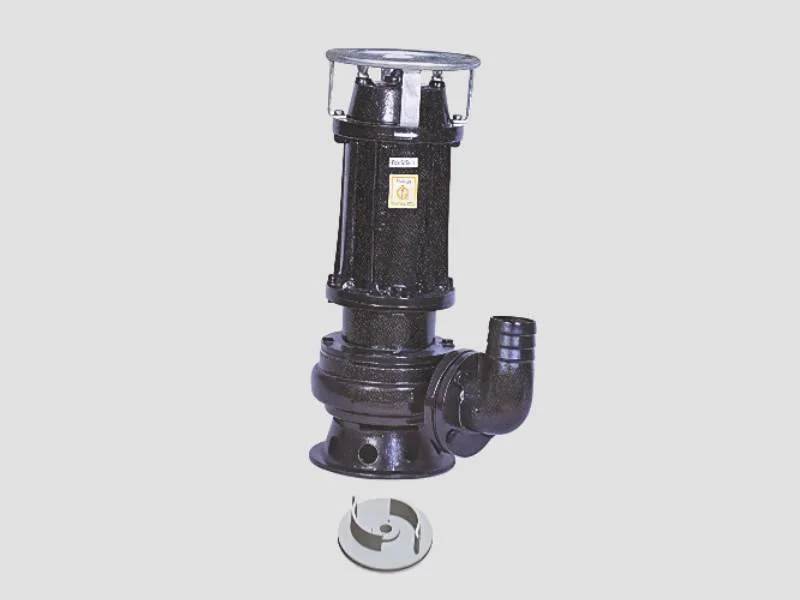
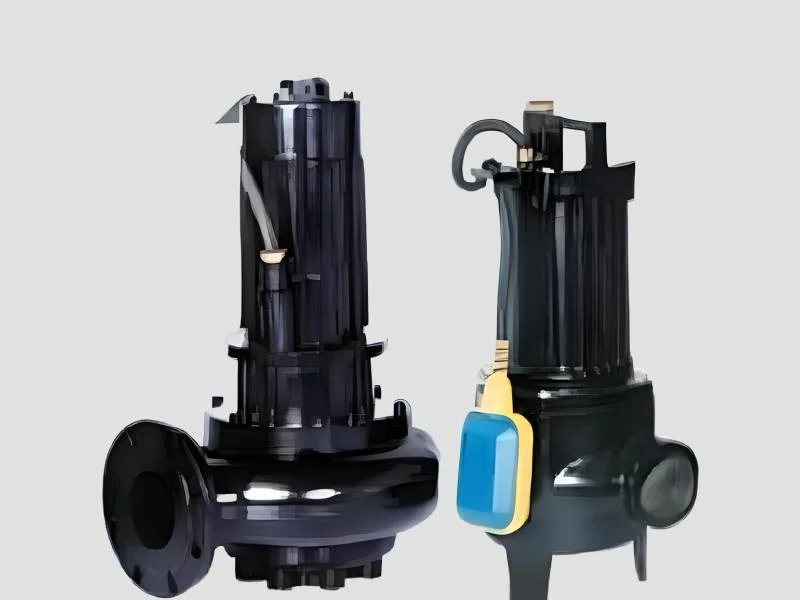
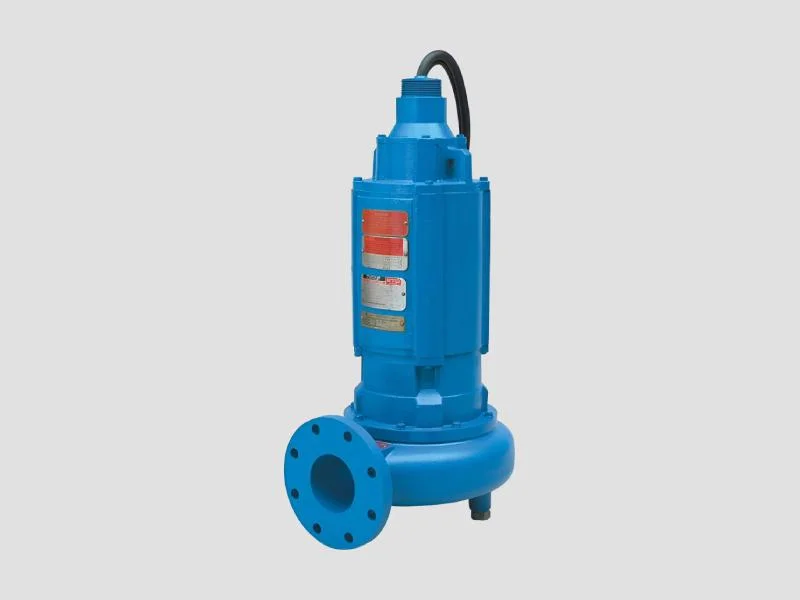
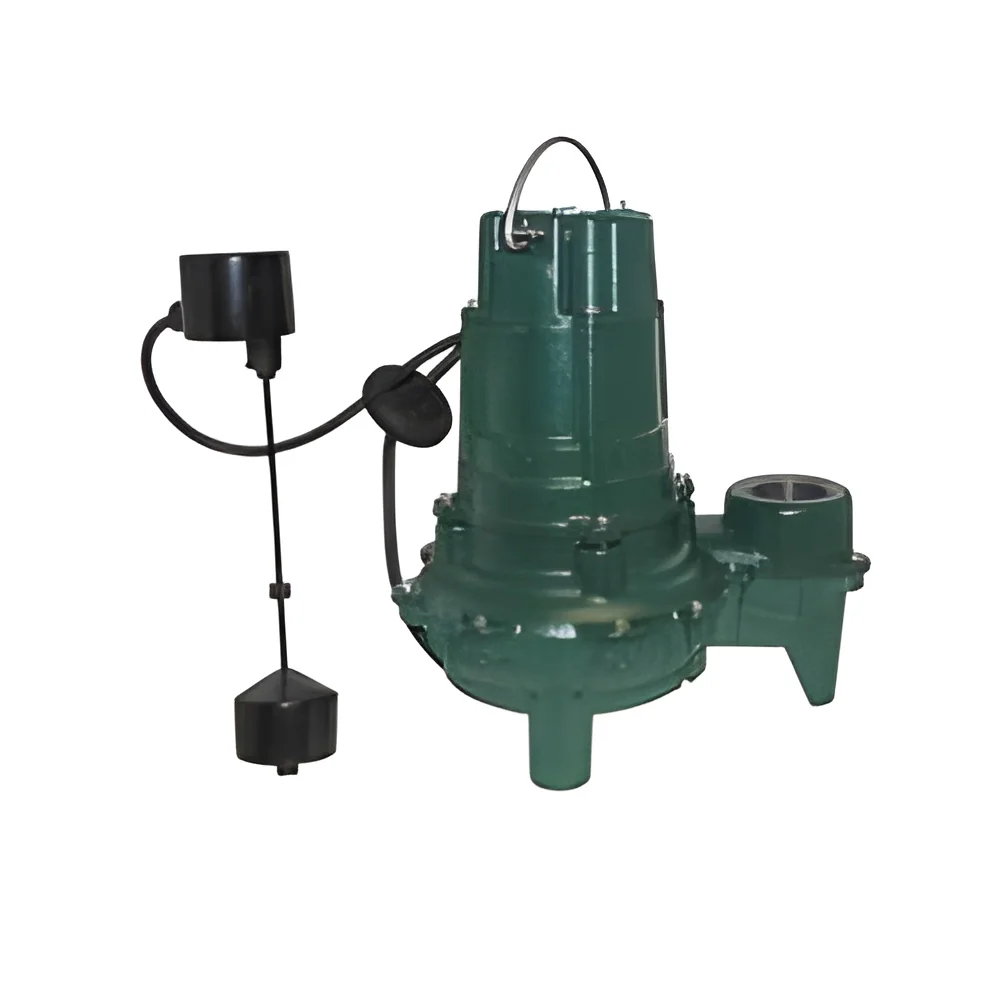
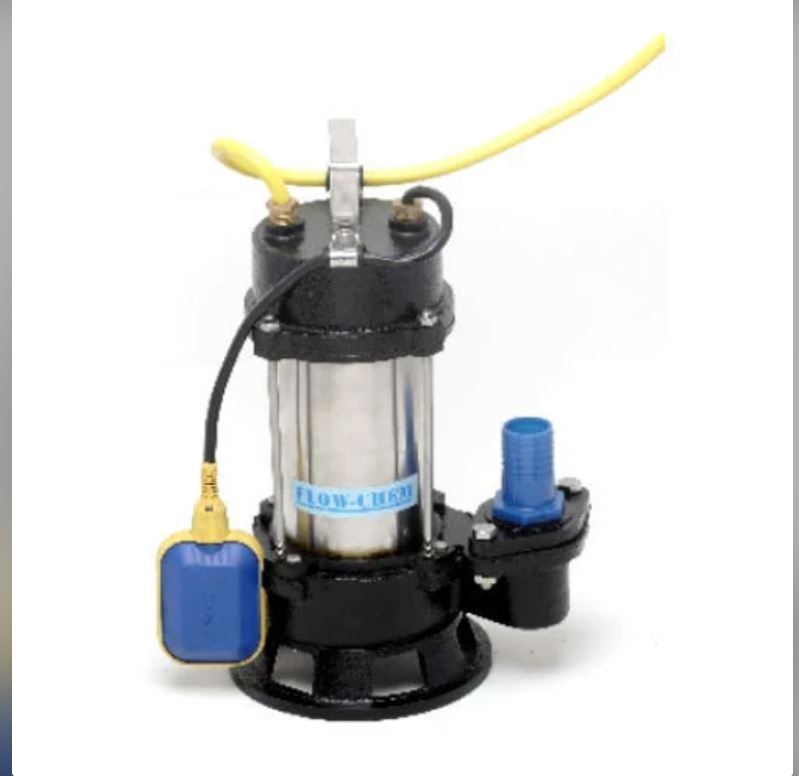
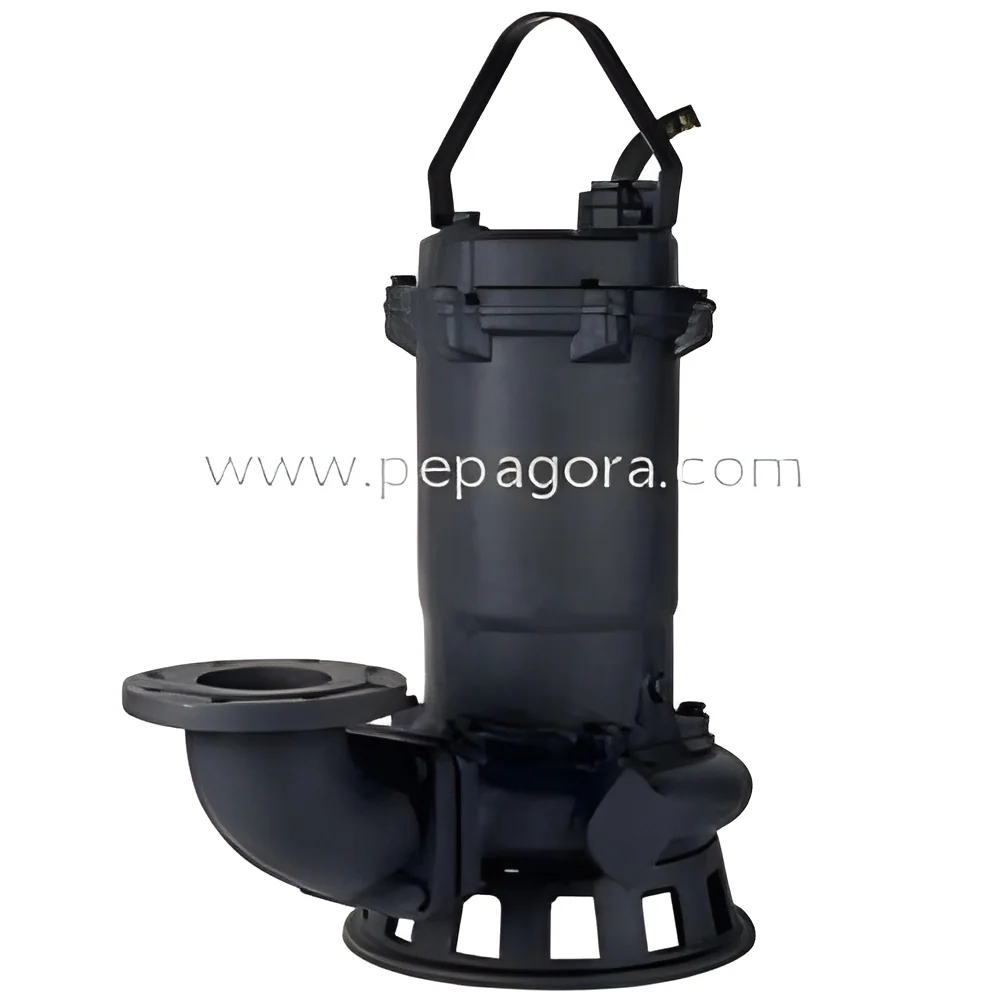
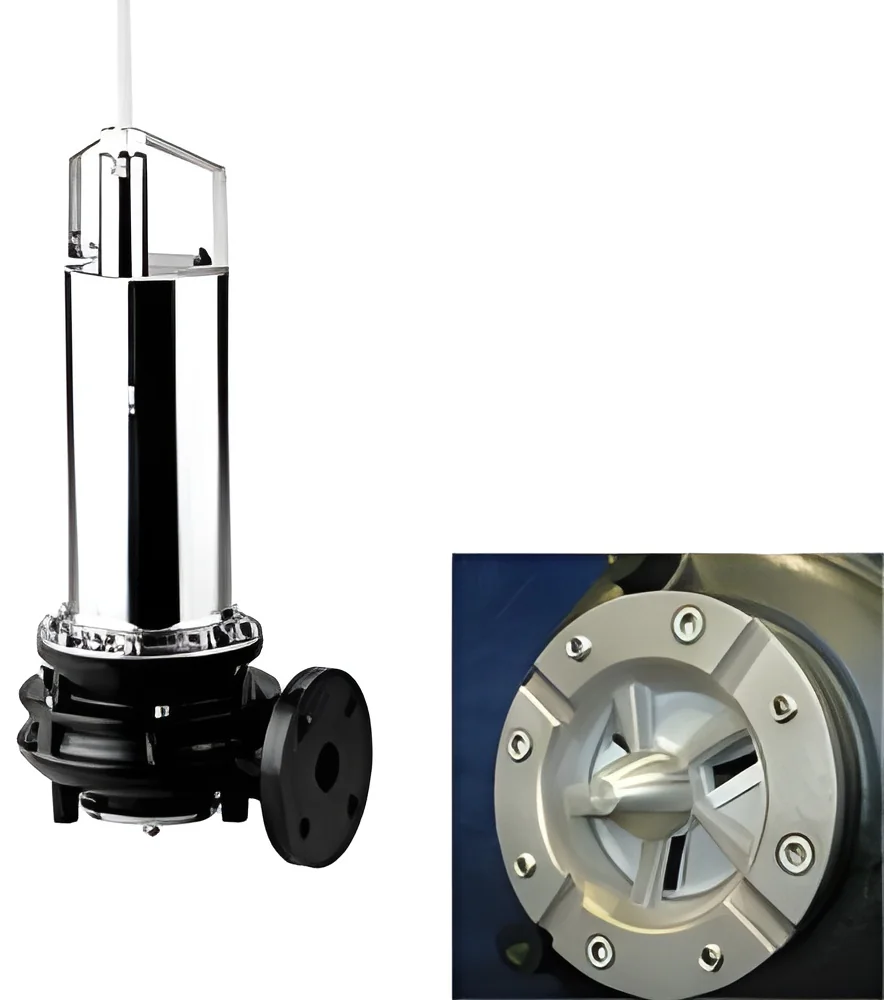
Sewage submersible pumps are specialized devices designed to pump wastewater and sewage from lower to higher elevations. These pumps are submerged in the fluid they transport, making them highly efficient for moving large volumes of liquid. Their construction typically includes a sealed motor that prevents water ingress, allowing the pump to operate underwater without risk of damage.
These pumps find their primary use in municipal wastewater treatment facilities, construction sites, and residential sewage systems. They are particularly effective in environments where gravity alone cannot handle the flow of sewage or wastewater. The ability to handle solids and debris makes them indispensable in various business applications, from managing sewage in homes to facilitating wastewater management in industrial settings.
In the context of the industry, sewage submersible pumps are crucial for maintaining sanitation and environmental safety. As urbanization continues to rise, the demand for effective wastewater management solutions has also increased. This has led to a growing market for sewage pumps, as businesses seek reliable equipment for their operational needs.
Key Features and Specifications
Sewage submersible pumps boast several key features that enhance their performance and reliability. These pumps are engineered to handle challenging conditions, including the presence of solid waste and varying flow rates.
Key specifications include:
1. Flow Rate
- The volume of liquid the pump can move, typically measured in gallons per minute (GPM) or liters per second (L/s).
- Flow rates can vary widely, accommodating different applications ranging from small residential units to large industrial systems.
2. Maximum Head
- This refers to the maximum height the pump can lift the sewage, measured in feet or meters.
- Different models can achieve varying head heights, allowing for flexibility in installation.
3. Power Rating
- The power of the pump’s motor, usually measured in horsepower (HP) or kilowatts (kW).
- Higher power ratings enable the pump to handle heavier loads and more demanding applications.
4. Solids Handling Capability
- The maximum size of solids the pump can effectively transport, often measured in inches or millimeters.
- This specification is crucial for ensuring the pump can handle the specific type of sewage encountered.
5. Material Composition
- The materials used in the pump construction, which may include corrosion-resistant metals and durable plastics.
- High-quality materials ensure longevity and reliability in harsh environments.
6. Operating Temperature Range
- The temperature range within which the pump can function safely and effectively.
- This specification is important for applications involving extreme conditions.
7. Certification
- Compliance with industry standards such as CE certification.
- Certifications indicate that the pump meets specific safety and performance standards.
8. Warranty Period
- The duration of the warranty offered by the manufacturer, typically ranging from one to five years.
- A robust warranty reflects the manufacturer's confidence in their product's durability.
In summary, understanding the key features and specifications of sewage submersible pumps helps businesses select the right equipment for their needs, ensuring efficiency and reliability in wastewater management.
Common Applications and Use Cases
Sewage submersible pumps are versatile and used across various industries to manage wastewater effectively.
1. Municipal Wastewater Treatment: These pumps are vital for transporting sewage from residential areas to treatment plants, ensuring efficient processing and sanitation.
2. Construction Sites: In construction, these pumps help manage groundwater and sewage, allowing for safe excavation and building operations.
3. Industrial Facilities: Factories often use sewage pumps to handle wastewater generated during manufacturing processes, preventing contamination.
4. Residential Homes: Many homeowners rely on these pumps for basement drainage and septic system management, especially in areas prone to flooding.
5. Agriculture: Sewage submersible pumps are used in agricultural settings to manage runoff and waste from livestock operations.
6. Mining Operations: In mining, these pumps help remove excess water from pits and tunnels, maintaining safe working conditions.
7. Marine Applications: Sewage pumps are utilized in boats and ships for managing onboard wastewater systems, ensuring compliance with environmental regulations.
Product Variants and Subcategories
Sewage submersible pumps are available in various designs to meet specific application needs.
High-Head Sewage Submersible Pumps: These pumps are designed for applications that require lifting sewage over long distances or high elevations. They feature powerful motors and are suited for industrial and municipal use.
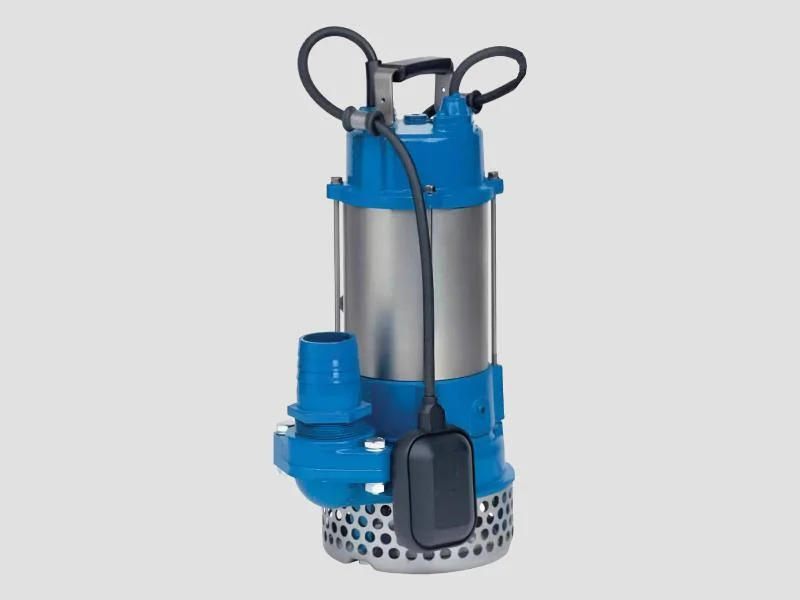
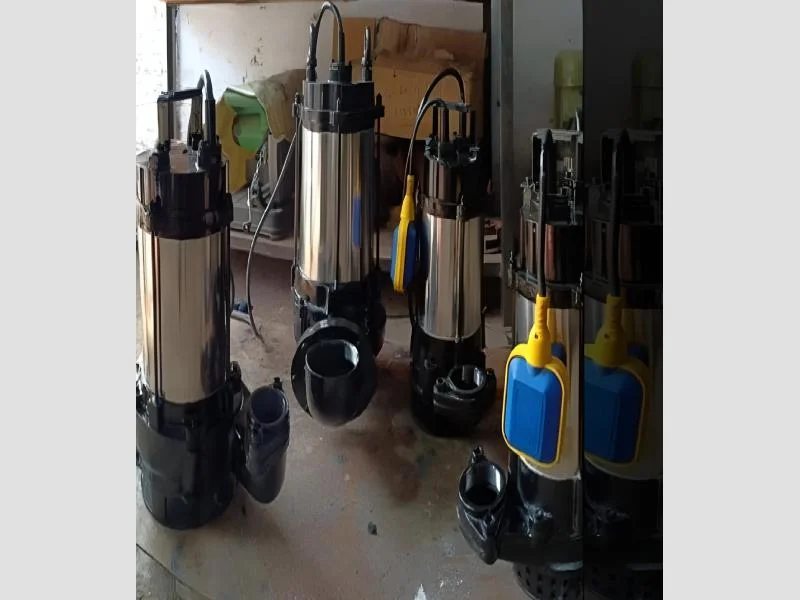
Portable Sewage Submersible Pumps: Ideal for temporary installations, these compact pumps can be easily transported to different job sites. They are commonly used in construction and emergency situations.
Heavy-Duty Sewage Submersible Pumps: Built to handle harsh conditions, these pumps are suitable for industrial applications where there may be a high presence of solid waste. They are designed for durability and longevity.
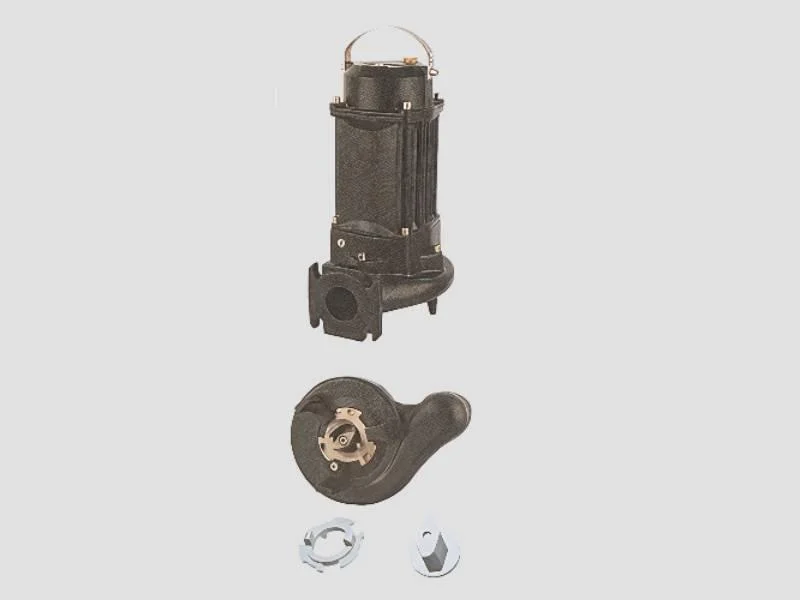
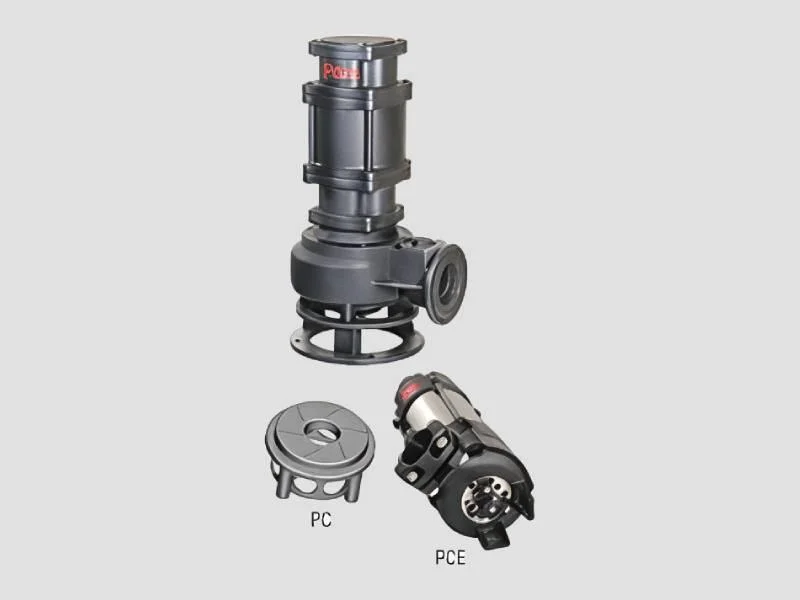
Submersible Grinder Pumps: These specialized pumps feature built-in grinders to reduce solid waste into smaller particles, allowing for easier transport through pipelines. They are often used in residential and commercial settings.
Benefits and Advantages
Sewage submersible pumps offer several advantages that make them a preferred choice for wastewater management.
1. Efficiency: These pumps operate submerged, which reduces energy consumption and enhances performance in moving sewage.
2. Space-Saving Design: Being compact and submersible, they save valuable surface space, making them ideal for installations where space is limited.
3. Versatility: Their ability to handle solids and varying flow rates makes them suitable for a wide range of applications across different industries.
4. Low Maintenance: Sewage submersible pumps are designed for durability and require less frequent maintenance compared to other types of pumps.
5. Reliability: With robust construction and advanced features, these pumps provide dependable operation, even in challenging conditions.
6. Cost-Effective: Investing in quality sewage pumps can lead to long-term savings by reducing downtime and maintenance costs in wastewater management.
Buying Guide for B2B Buyers
When sourcing sewage submersible pumps, B2B buyers should consider several critical factors to ensure they make informed decisions.
1. Quality Assessment: Ensure the pumps meet industry standards and have undergone rigorous testing for performance and safety. Look for certifications like CE to verify quality.
2. Supplier Verification: Vet suppliers thoroughly to confirm their reliability and reputation in the market. Check references and read reviews from other businesses.
3. Pricing and MOQ: Compare prices from different suppliers, and inquire about minimum order quantities (MOQ) to ensure the best deal for your business.
4. Delivery and Lead Times: Understand the delivery timelines and logistics involved in acquiring the pumps to avoid disruptions in operations.
5. Compliance Requirements: Be aware of any regulatory requirements specific to your industry or region that the pumps must meet, ensuring compliance to avoid legal issues.
Compliance and Certifications
Compliance with industry standards and certifications is essential for sewage submersible pumps.
Quality standards such as ISO 9001 ensure that manufacturers adhere to strict quality management systems. This assures buyers of the reliability and durability of the pumps they purchase.
Additionally, industry certifications like CE signify that the pumps comply with European safety and health regulations. Such certifications are crucial for international trade and reassure customers about product safety.
Safety and testing requirements must also be met to guarantee that the pumps operate effectively under various conditions. Regular testing and adherence to safety protocols help prevent accidents and ensure long-term functionality.
Regional compliance considerations may vary, so businesses need to be aware of local regulations regarding wastewater management and pump operations. Ensuring compliance not only protects the environment but also enhances the company's reputation.
Why Source Sewage Submersible Pumps from Pepagora?
Pepagora provides a trusted platform for sourcing sewage submersible pumps, offering several key advantages for businesses.
Verified Supplier Network: Pepagora connects buyers with a network of verified suppliers. This ensures that purchasers engage with reputable manufacturers who meet quality and reliability standards, reducing the risk of subpar products.
Streamlined RFQ Process: The Request for Quotation (RFQ) process on Pepagora is designed to be user-friendly. Buyers can quickly submit their requirements and receive competitive quotes, saving time and effort in sourcing.
Trade Assurance and Support: Pepagora offers trade assurance, providing buyers with protection against potential issues with their orders. This support fosters confidence in transactions and ensures a smooth purchasing experience.
Regional Coverage: With a strong presence in India, the GCC, and Southeast Asia, Pepagora facilitates easy access to sewage submersible pumps across these regions. This geographic reach allows businesses to source pumps that meet their specific needs efficiently.

 IN
IN