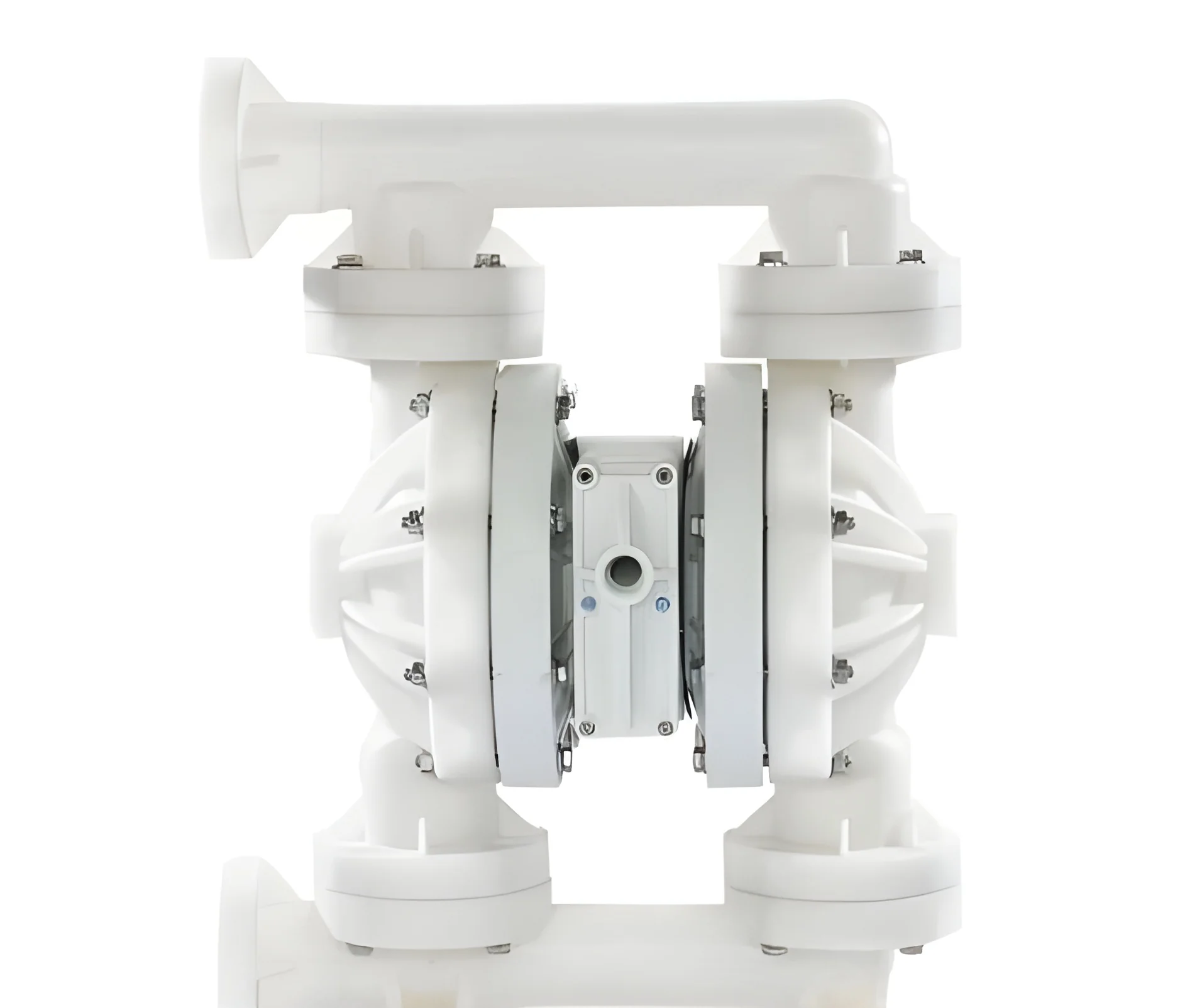
What are Diaphragm Pumps?
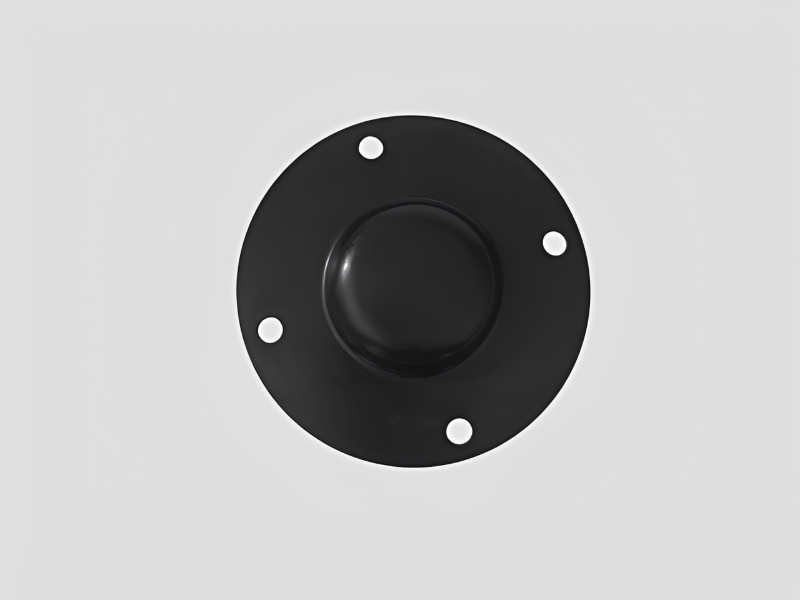
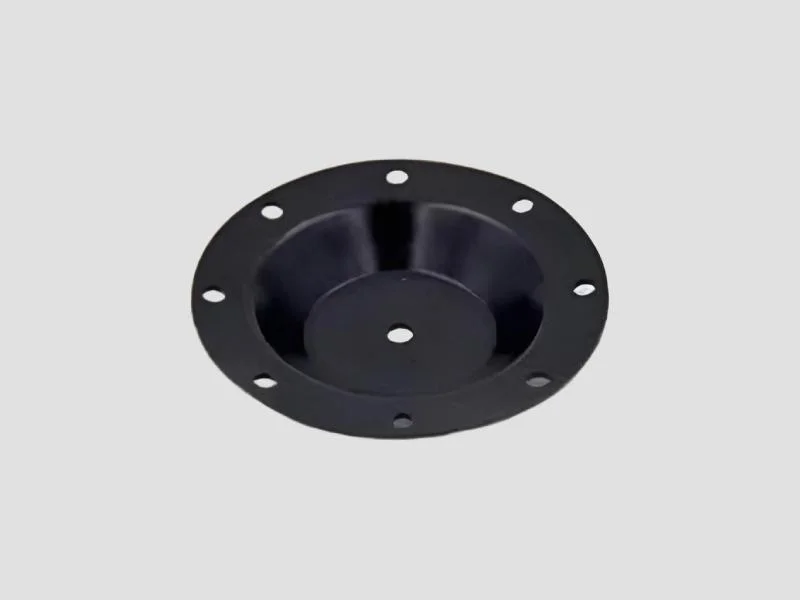
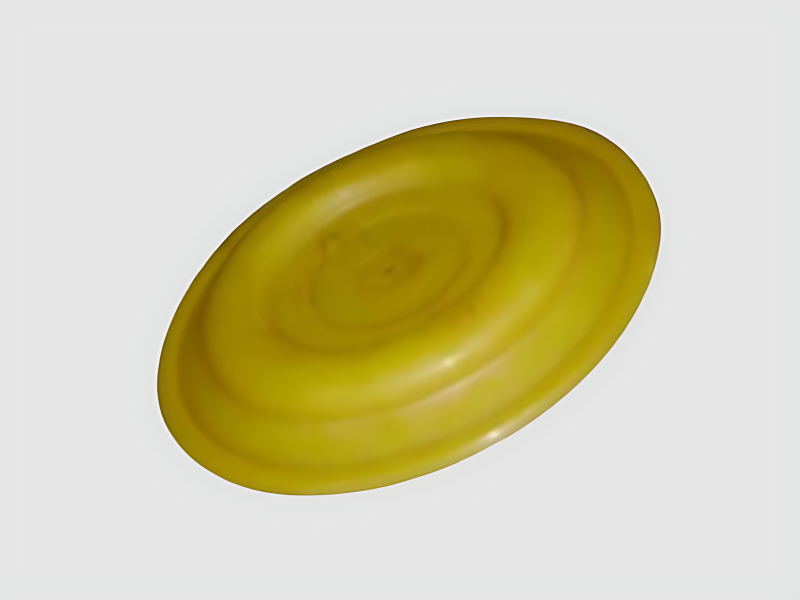
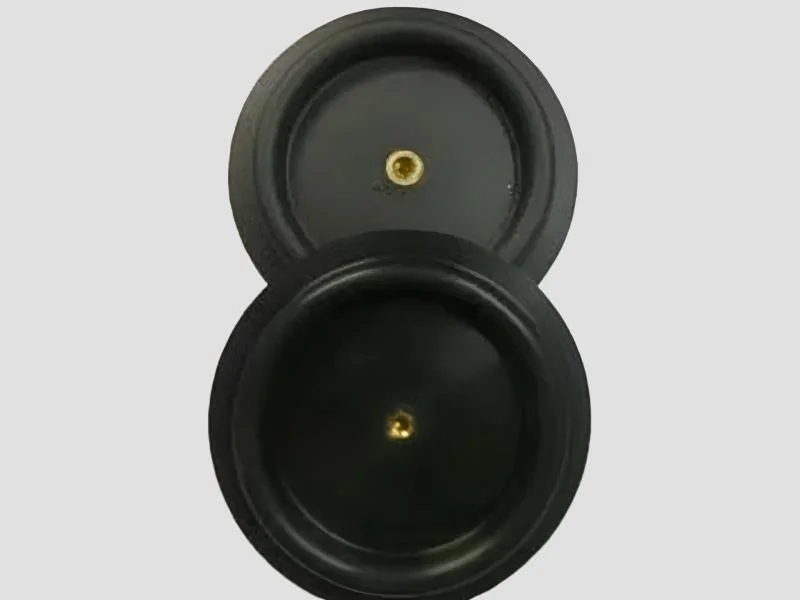
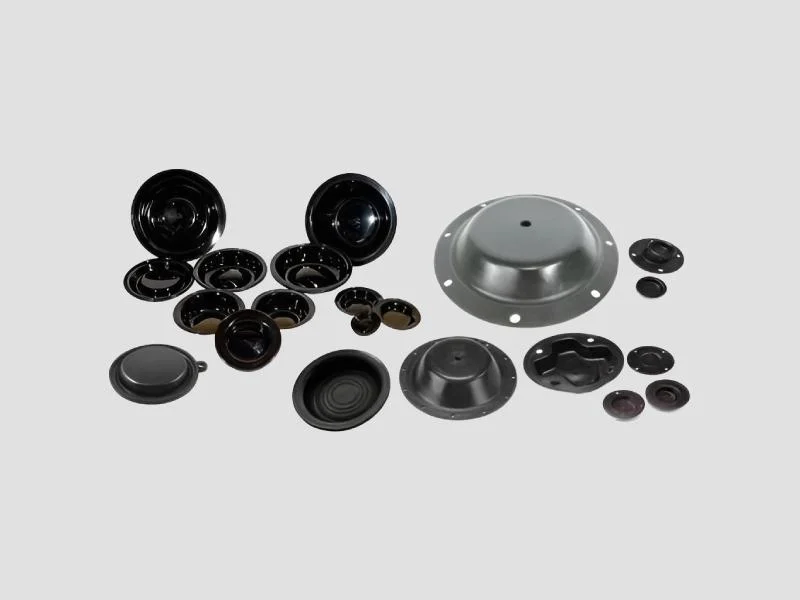
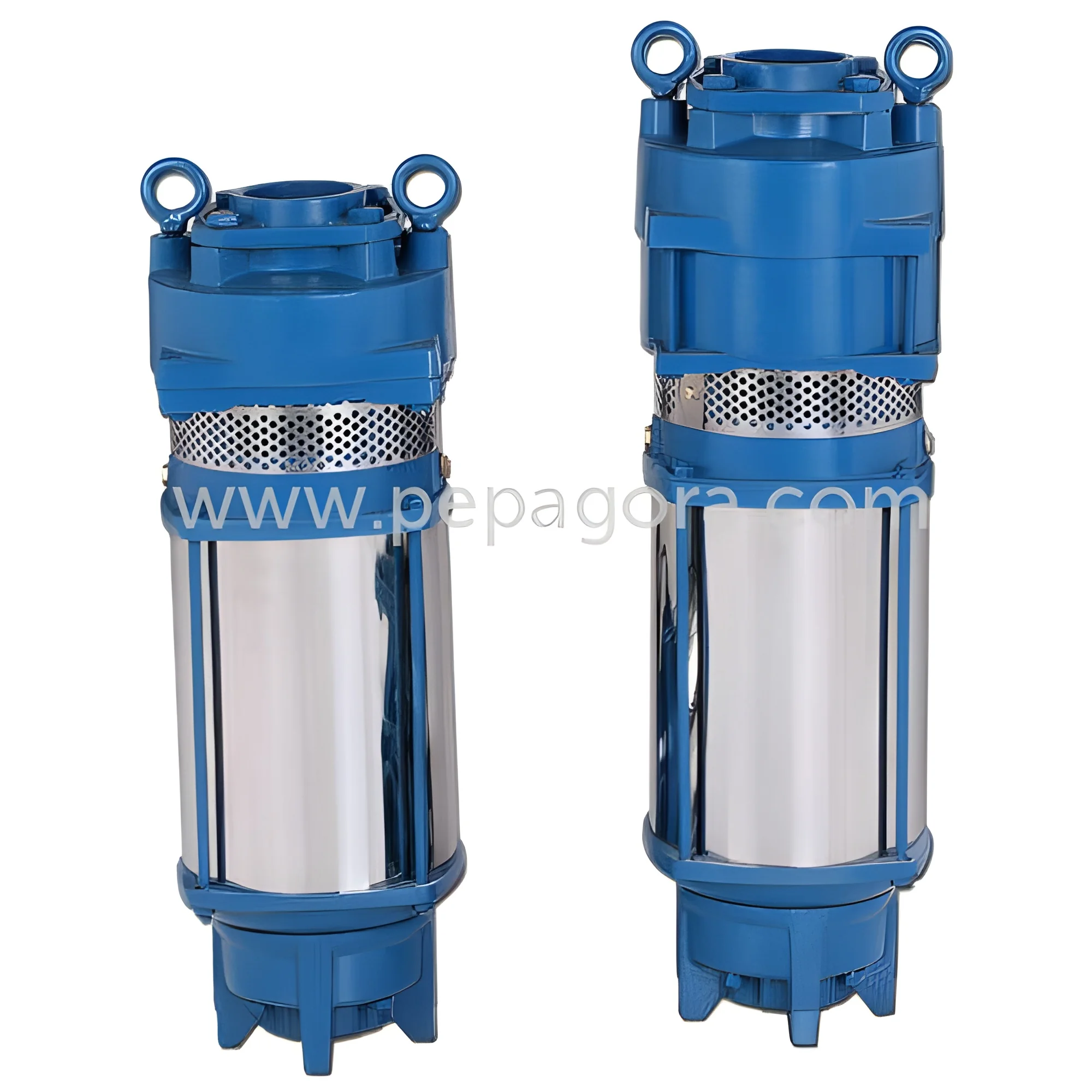
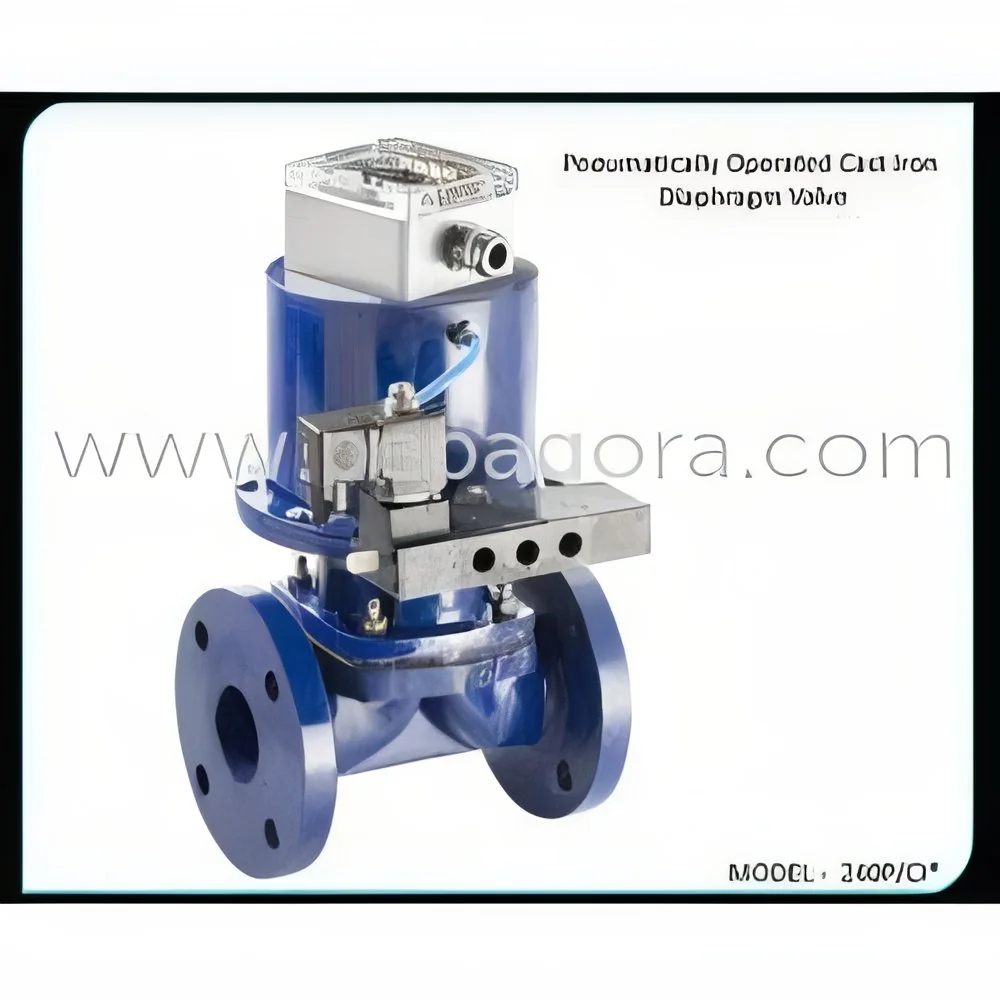
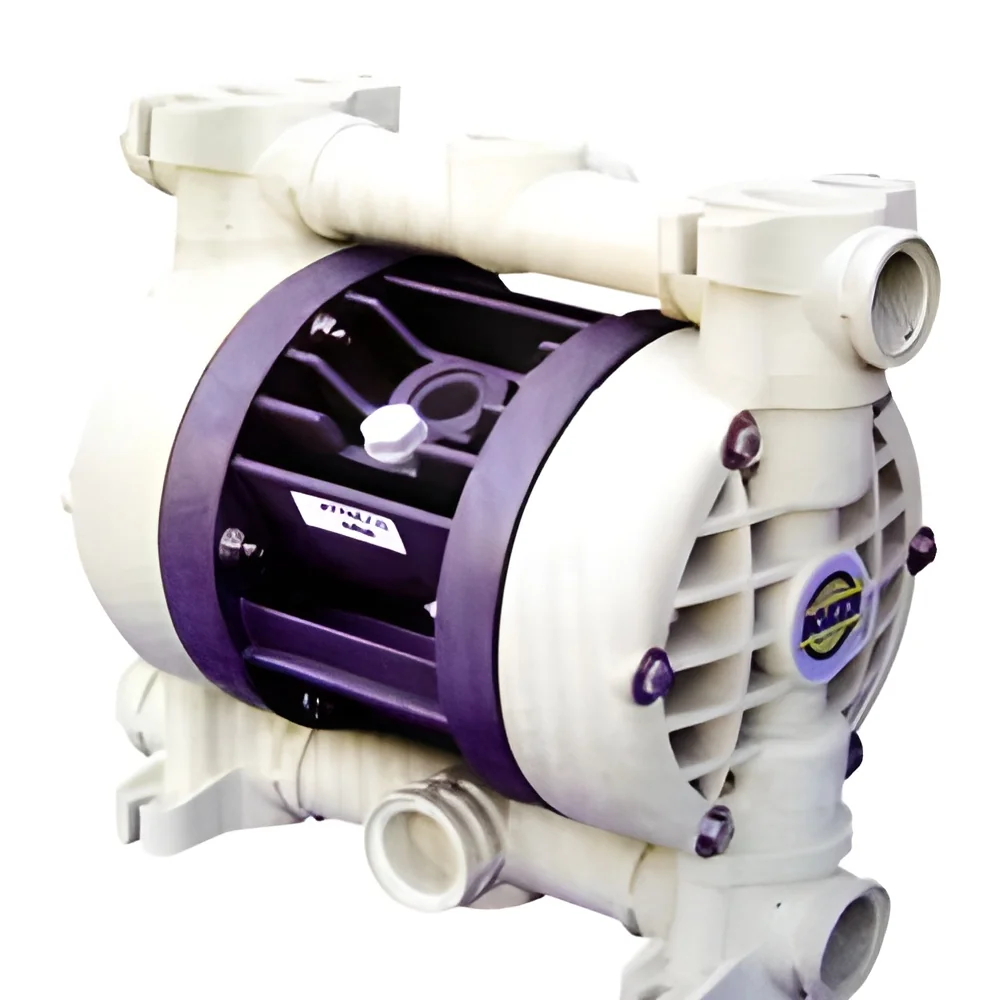
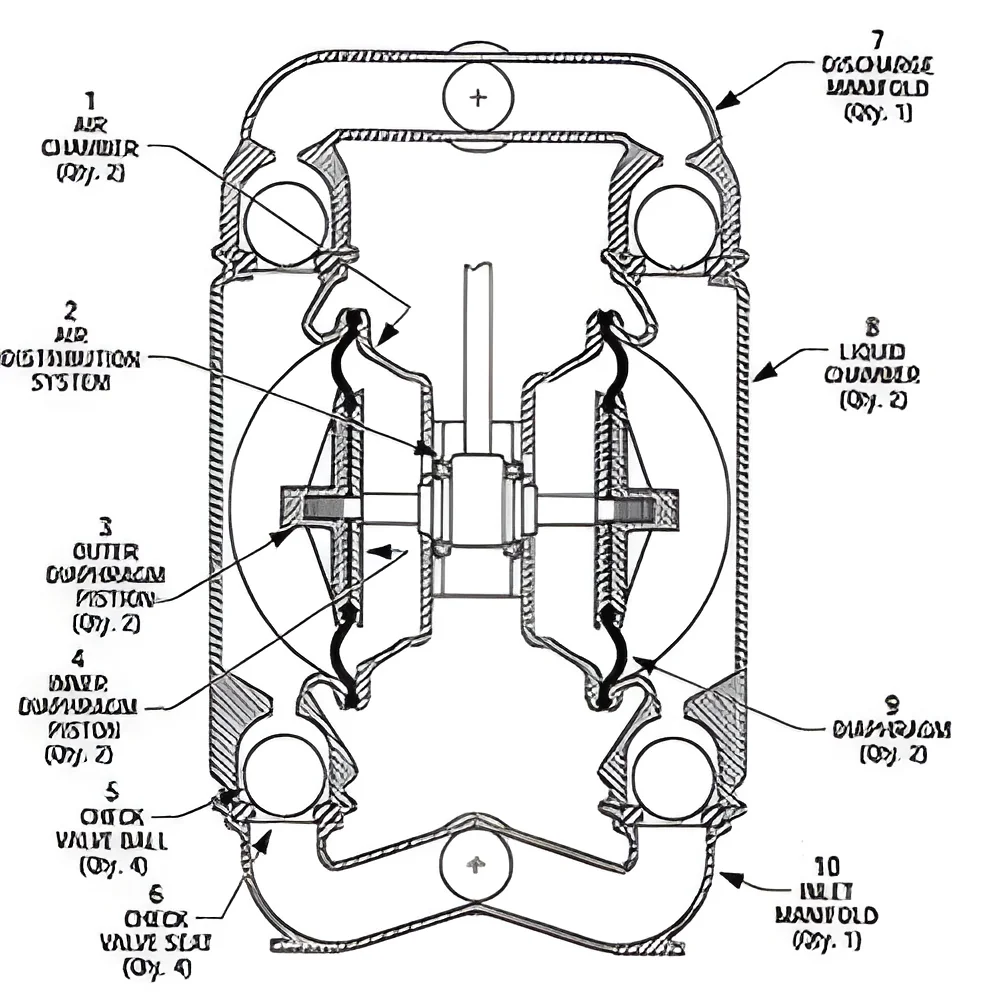
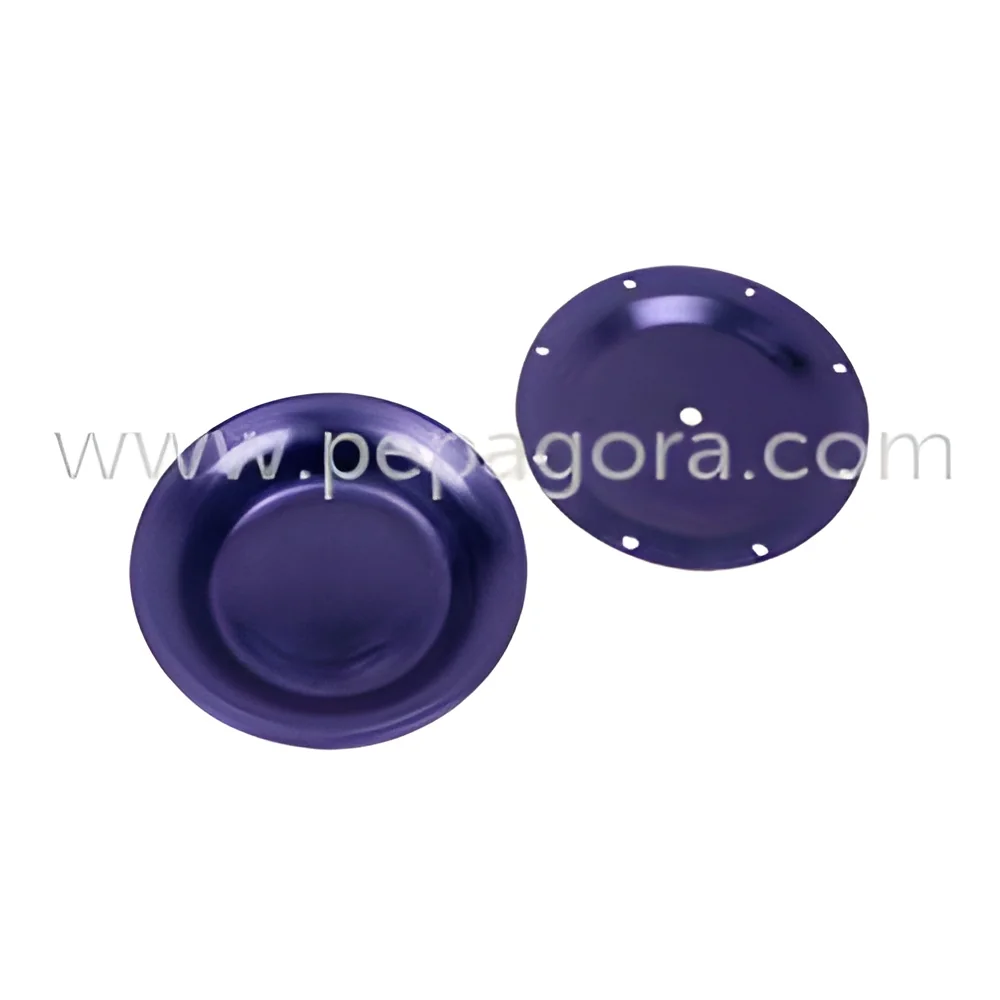
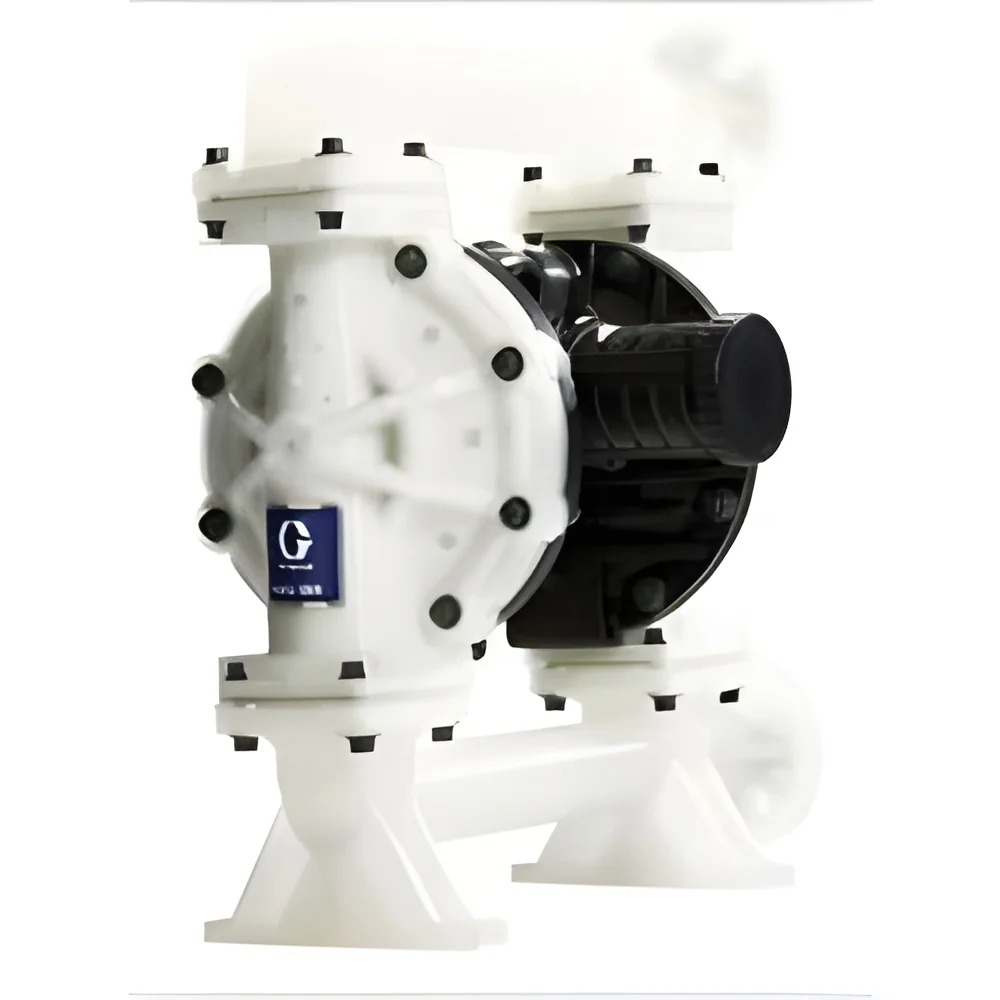
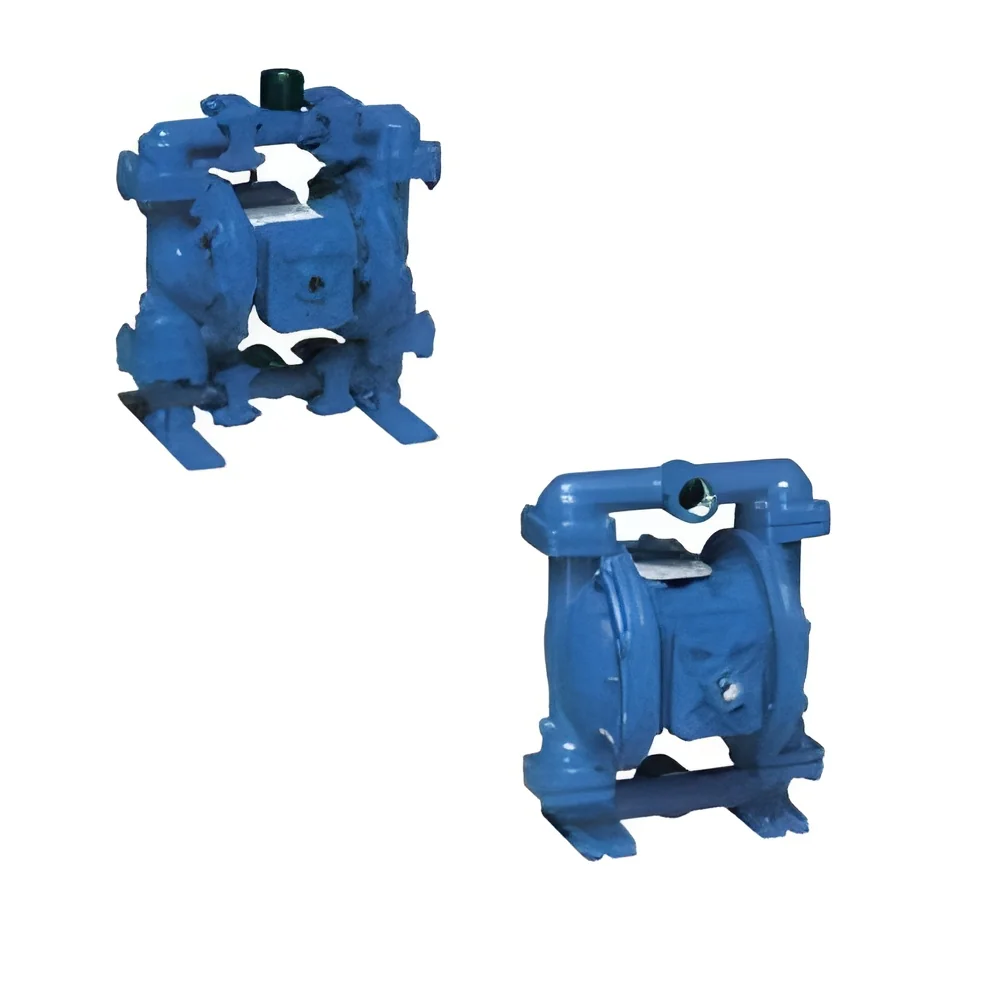
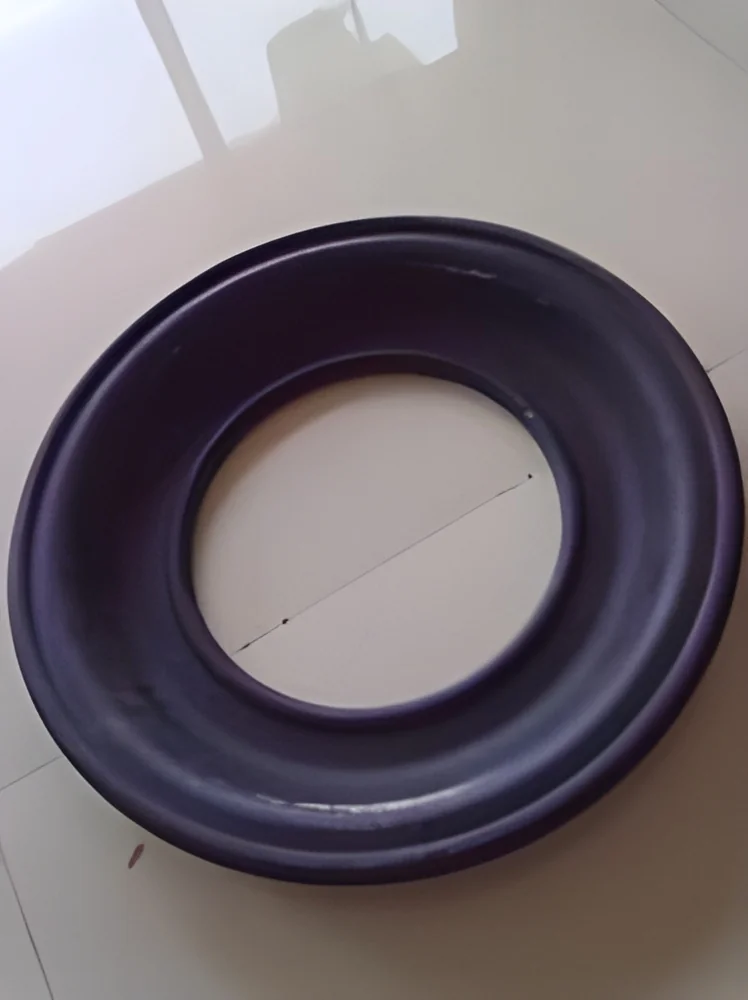
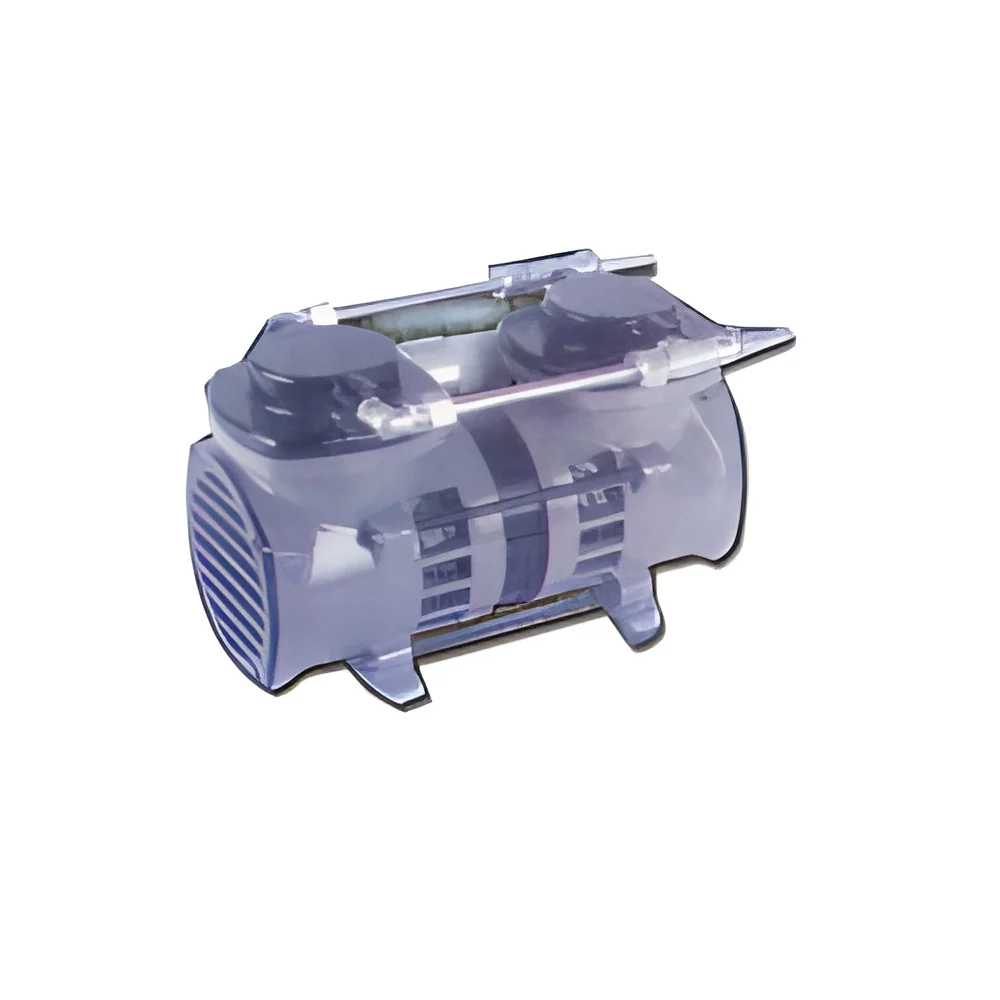
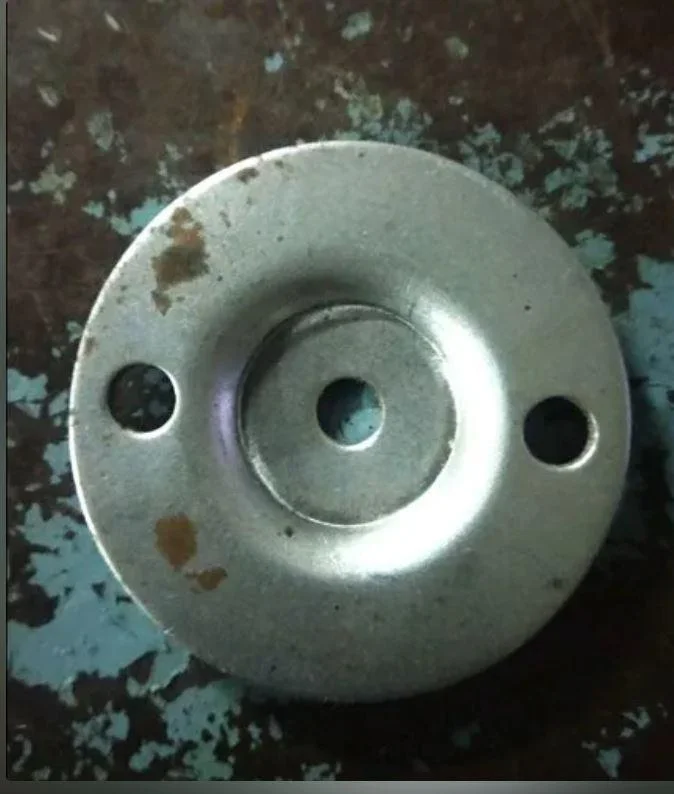
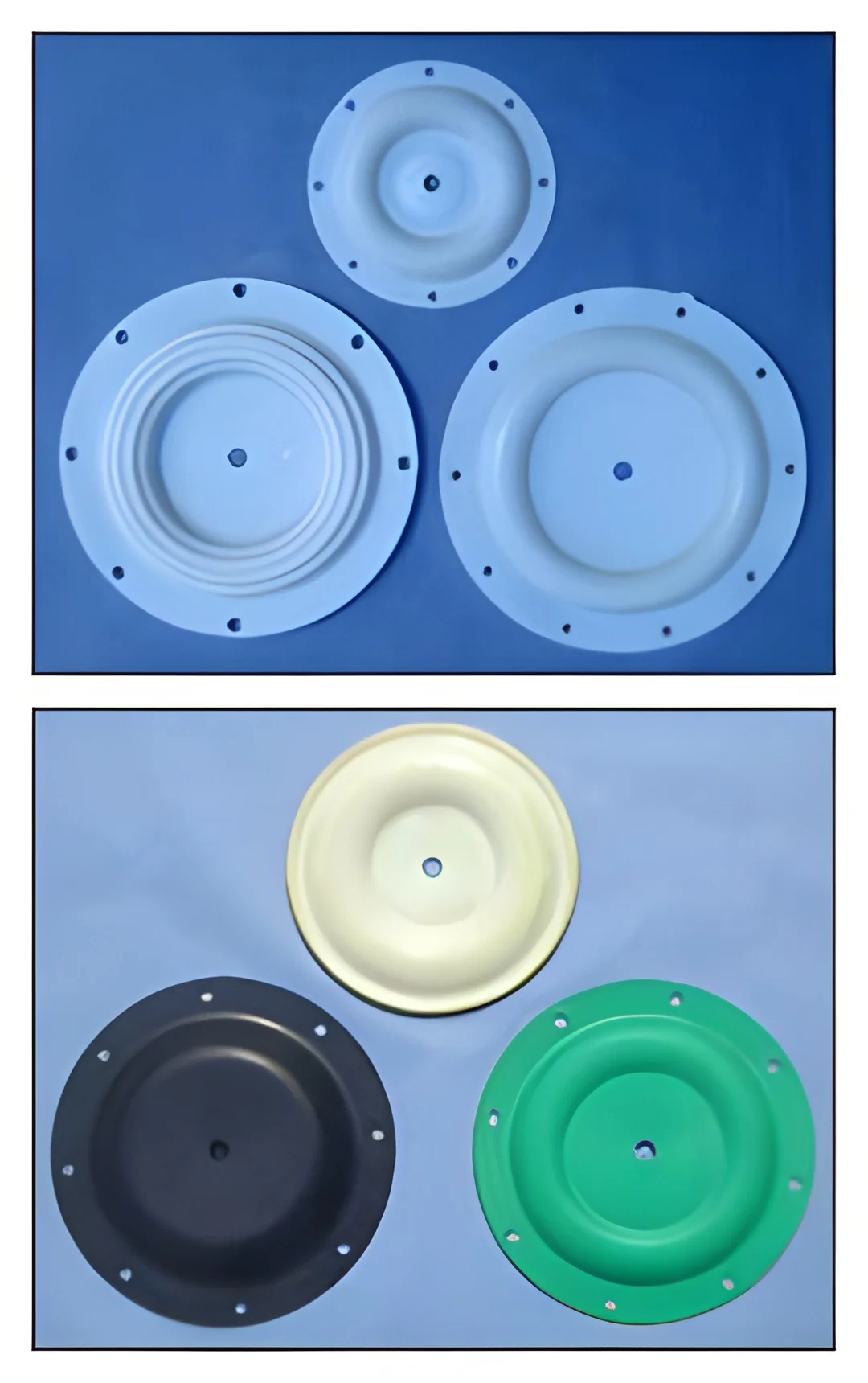
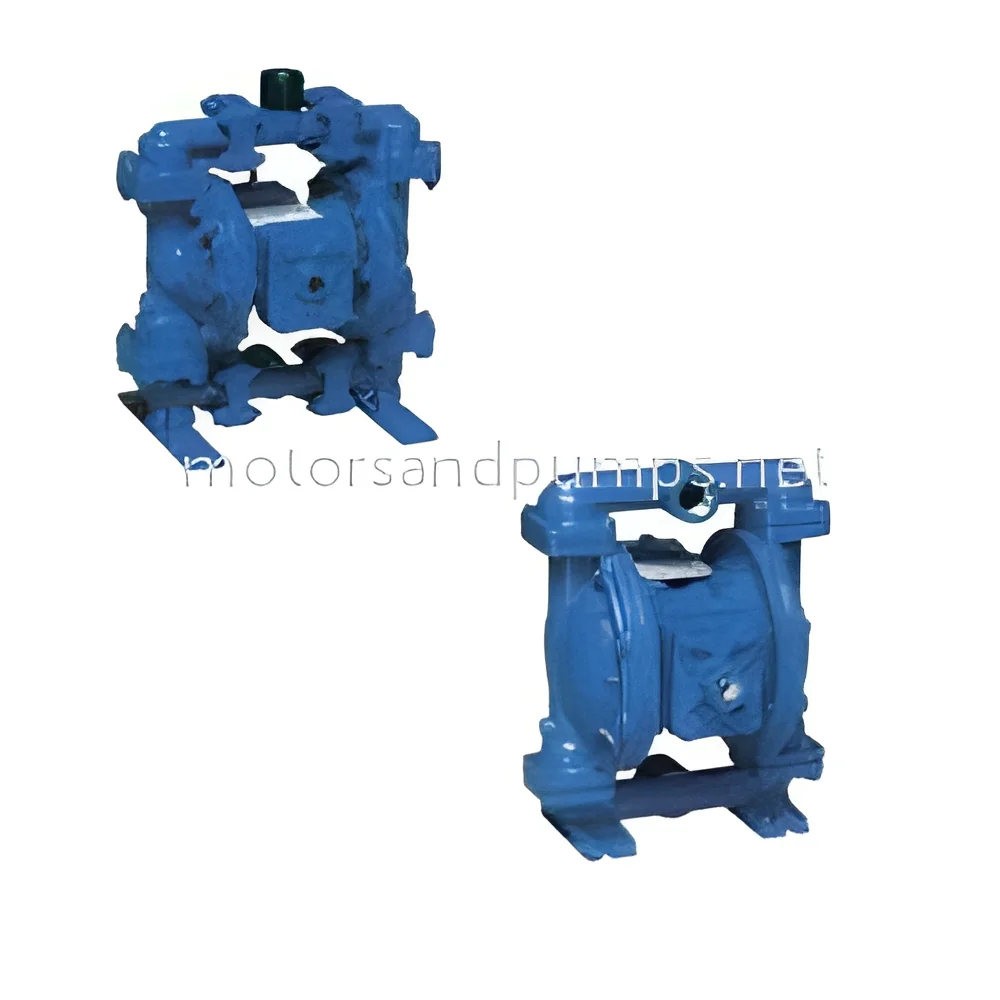
Diaphragm pumps are positive displacement pumps that utilize a diaphragm to move fluids. The diaphragm is a flexible membrane that separates the pump chamber from the fluid being pumped. As the diaphragm flexes, it creates a vacuum that draws fluid into the chamber and then pushes it out when the diaphragm returns to its original position. This mechanism allows diaphragm pumps to handle a wide range of fluids, including corrosive, viscous, and shear-sensitive materials.
These pumps are commonly used in industries such as chemical processing, water treatment, food and beverage, and pharmaceuticals. They are ideal for applications that require precise flow control and can handle abrasive and non-abrasive fluids alike. Due to their ability to operate without lubrication and their low maintenance requirements, diaphragm pumps are increasingly popular in various business applications.
In today’s market, diaphragm pumps are acknowledged for their versatility, efficiency, and reliability. As industries strive for better productivity and safety, the demand for diaphragm pumps continues to rise. Their capability to operate in challenging environments makes them a critical component in many industrial processes.
Key Features and Specifications
Diaphragm pumps offer several features that make them suitable for various applications. These pumps are designed for durability, efficiency, and ease of use. The specifications of diaphragm pumps can vary widely depending on the model and intended application.
Key specifications include:
1. Flow Rate
- Varies depending on the pump size and design
- Typical flow rates range from a few liters per minute to several hundred liters per minute
2. Pressure Capability
- Maximum pressure usually ranges from 2 to 8 bar
- Suitable for high-pressure applications in various industries
3. Diaphragm Material
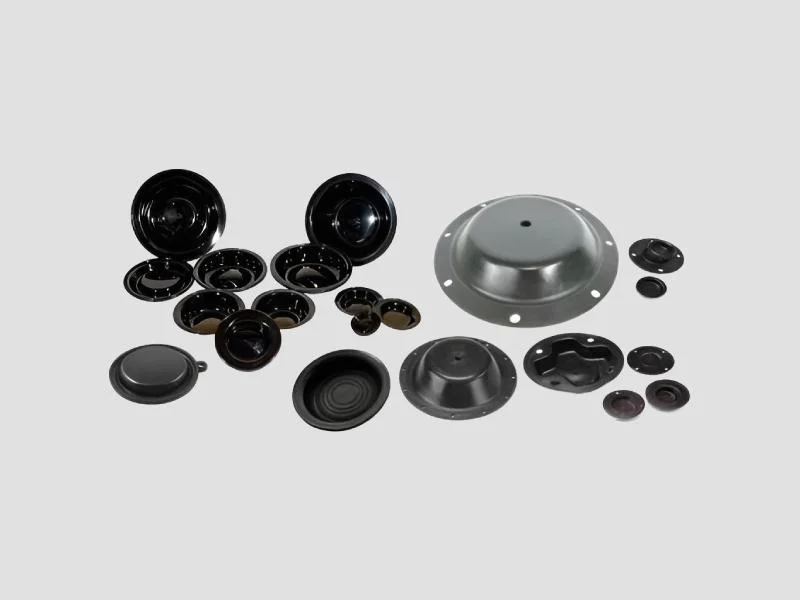
- Common materials include rubber, PTFE, and thermoplastic
- Material choice affects chemical compatibility and temperature resistance
4. Port Size
- Available in various sizes to accommodate different pipe fittings
- Standard sizes typically range from ½ inch to 3 inches
5. Drive Mechanism
- Can be pneumatic, electric, or hydraulic
- Selection depends on the application environment and requirements
6. Temperature Range
- Designed to operate in various temperature settings
- Specific range data not available
7. Efficiency Rating
- High efficiency in fluid transfer
- Designed to minimize energy consumption
In summary, diaphragm pumps are engineered for specific applications, and understanding their features and specifications can help businesses select the right model for their needs.
Common Applications and Use Cases
Diaphragm pumps are versatile and can be used across various industries.
1. Chemical Processing: These pumps are ideal for transferring aggressive chemicals and solvents due to their durable construction and material options.
2. Water Treatment: Diaphragm pumps are commonly used in water treatment facilities for dosing chemicals and transferring sludge.
3. Food and Beverage: They are utilized in food processing for transferring ingredients while adhering to strict hygiene standards.
4. Pharmaceuticals: Diaphragm pumps provide reliable fluid transfer in pharmaceutical manufacturing, ensuring contamination-free processes.
5. Paint and Coatings: These pumps handle thick, viscous materials in paint manufacturing, allowing for consistent application.
6. Oil and Gas: They are used for fuel transfer and chemical injection in the oil and gas industry, requiring rugged and reliable performance.
7. Mining: Diaphragm pumps are employed to manage slurry and other harsh materials found in mining operations.
Product Variants and Subcategories
Diaphragm pumps come in a range of designs tailored to specific applications.
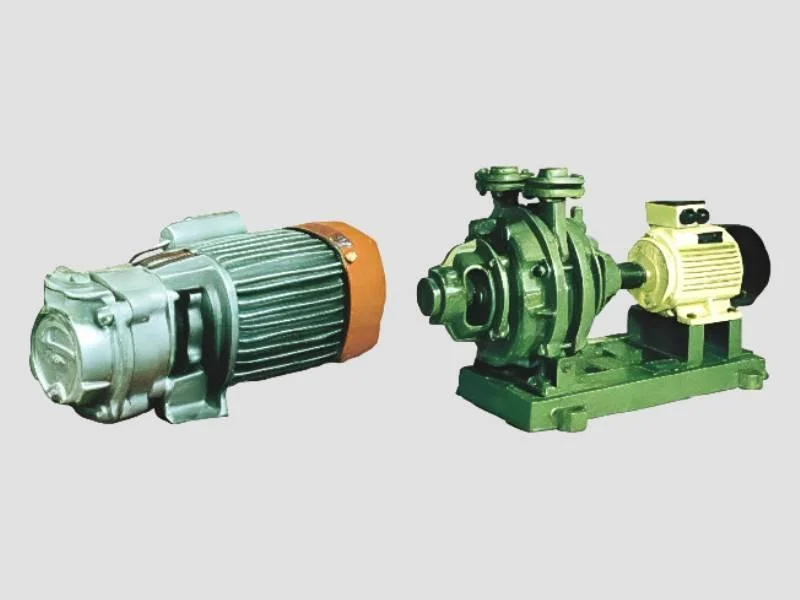
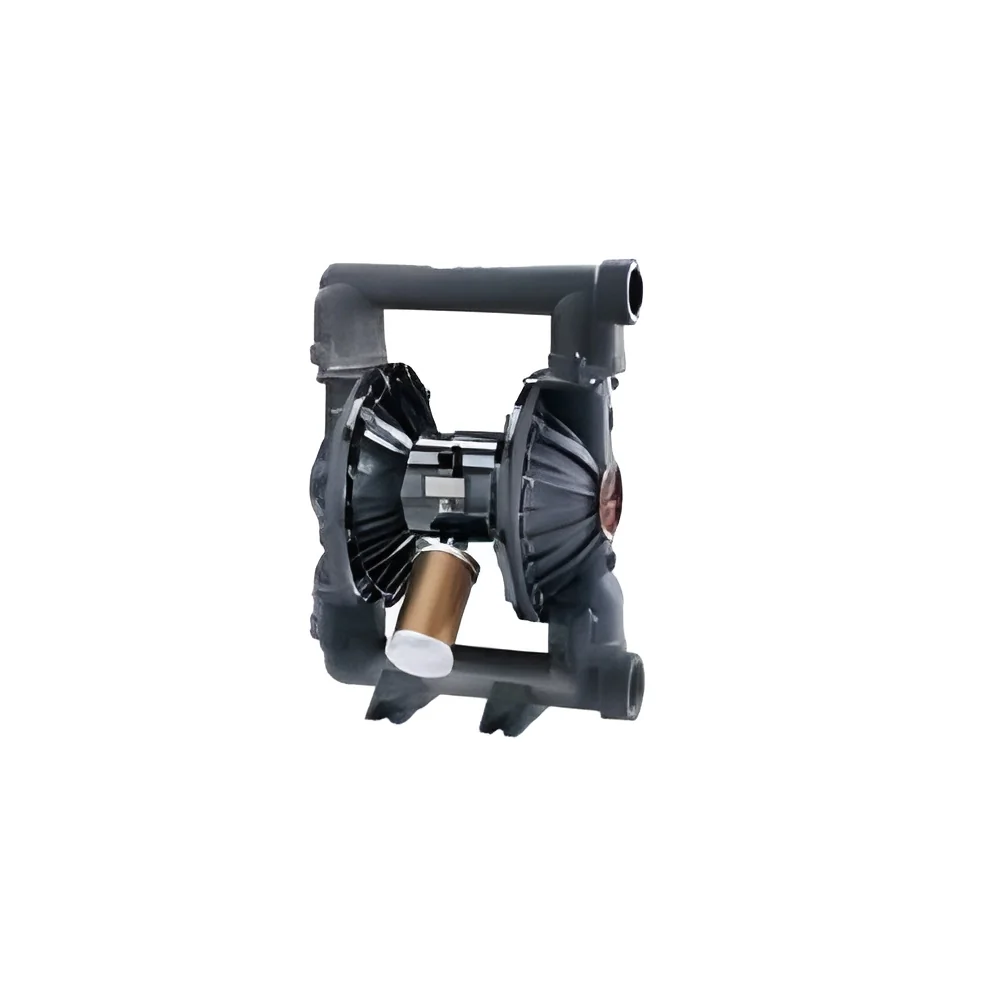
Pneumatic Diaphragm Pumps: These pumps use compressed air to operate and are ideal for hazardous environments. They handle a variety of fluids, including corrosive and abrasive materials, making them suitable for chemical processing and wastewater treatment.
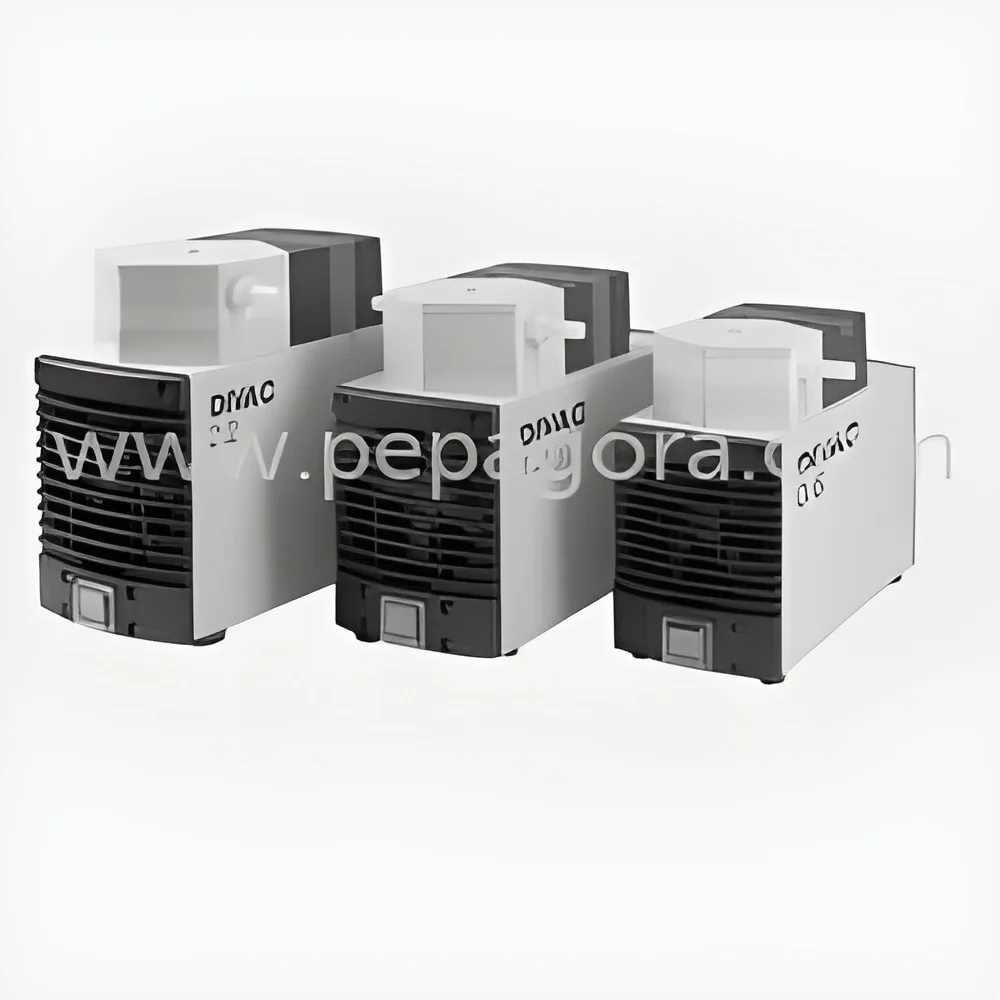
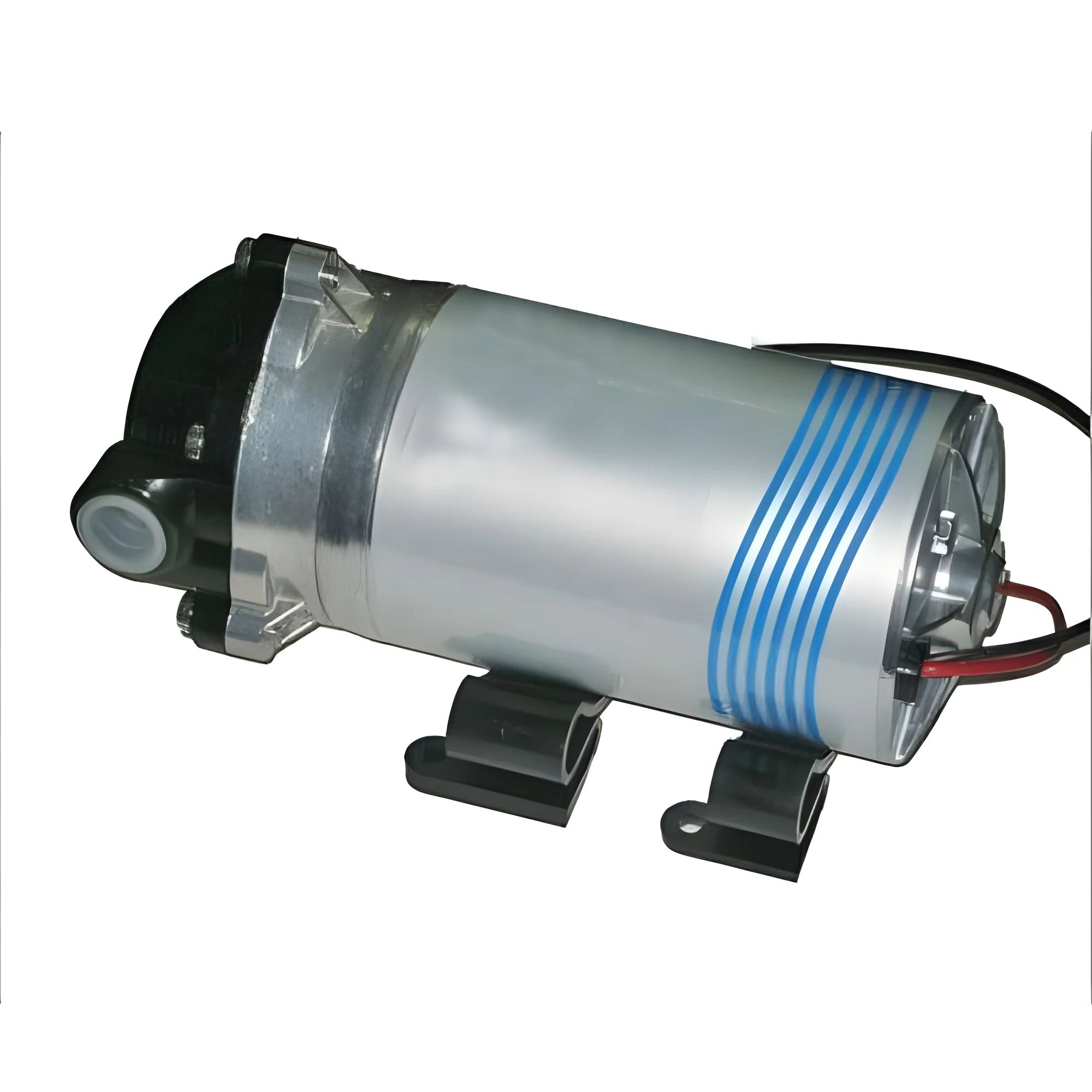
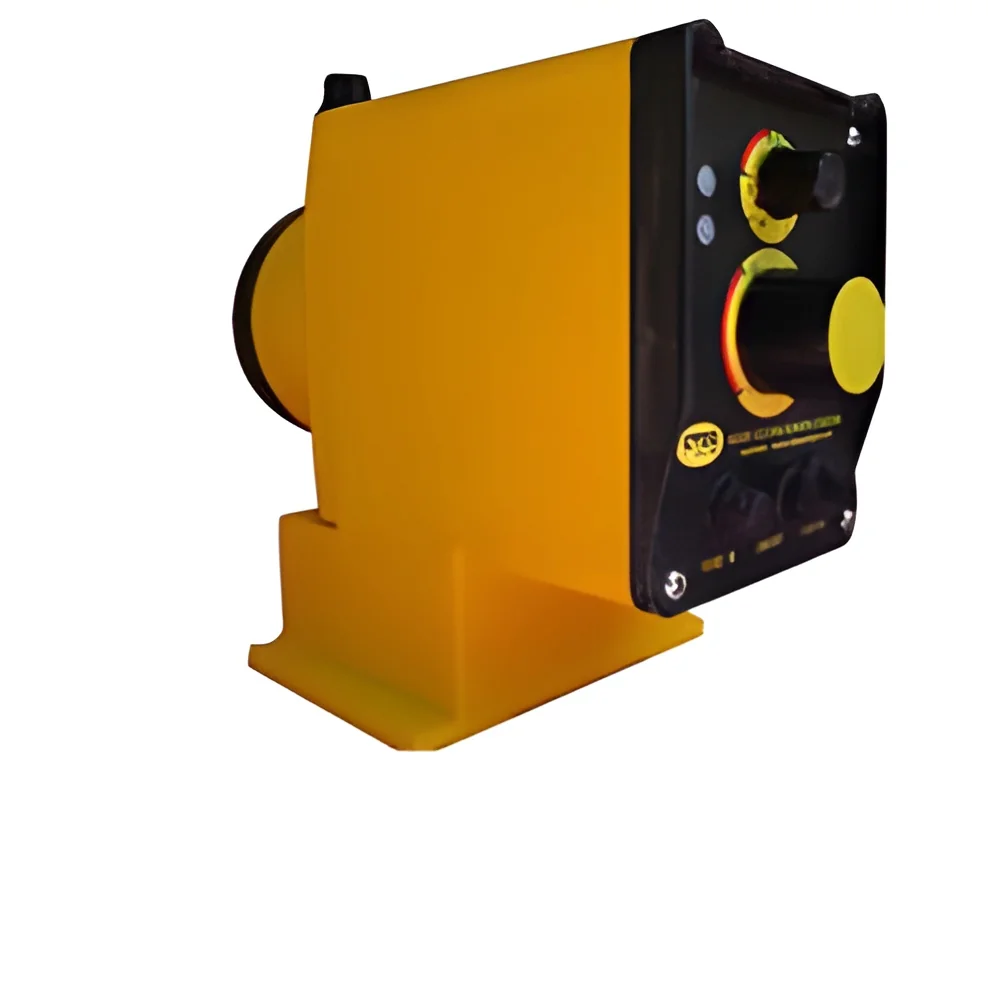
Electric Diaphragm Pumps: Powered by an electric motor, these pumps are perfect for applications requiring precise flow control. They are commonly used in food and beverage manufacturing for transferring ingredients and are known for their reliability.
Benefits and Advantages
Diaphragm pumps offer numerous benefits that make them a preferred choice in many industries.
1. Self-Priming: Diaphragm pumps can draw fluid from below their level without needing additional priming equipment.
2. Versatility: They can handle a wide variety of fluids, including corrosive and viscous materials, making them suitable for diverse applications.
3. Low Maintenance: With fewer moving parts, diaphragm pumps require less maintenance compared to other pump types, leading to reduced downtime.
4. Accurate Flow Control: These pumps provide precise flow rates, essential for applications needing exact dosing.
5. Safe Operation: Their design minimizes the risk of leakage, ensuring safe handling of hazardous fluids.
6. Environmentally Friendly: Diaphragm pumps operate without lubrication, reducing the risk of contamination and environmental impact.
Buying Guide for B2B Buyers
When sourcing diaphragm pumps, businesses should consider several key factors.
1. Quality Assessment: Evaluate the quality of materials and construction to ensure long-term reliability. Look for certifications that indicate adherence to industry standards.
2. Supplier Verification: Vet suppliers to ensure they have a good reputation and can provide reliable support. Check reviews and request references.
3. Pricing and MOQ: Understand the pricing structure and minimum order quantities. Compare costs across different suppliers to find the best deal.
4. Delivery and Lead Times: Inquire about delivery schedules and lead times to ensure that the pumps can be supplied when needed.
5. Compliance Requirements: Ensure that the pumps meet relevant industry regulations and standards, such as safety and environmental compliance.
Compliance and Certifications
Diaphragm pumps must adhere to various quality standards and certifications to ensure their performance and safety.
ISO 9001 is a widely recognized standard that applies to quality management systems, ensuring that products meet customer and regulatory requirements.
The CE marking indicates compliance with European health, safety, and environmental protection standards, allowing products to be sold within the European Economic Area.
Safety and testing requirements are critical, particularly for pumps used in sensitive applications such as food, pharmaceuticals, and chemicals.
Regional compliance considerations may vary, so it is important to verify that pumps meet local regulations based on the intended market.
Why Source Diaphragm Pumps from Pepagora?
Pepagora offers a comprehensive platform for sourcing diaphragm pumps, providing several key advantages to buyers.
Verified Supplier Network: Pepagora collaborates with a network of trusted suppliers, ensuring that buyers can find quality products from reputable manufacturers.
Streamlined RFQ Process: The request for quotation process is designed to be user-friendly, allowing businesses to easily obtain competitive pricing and specifications from multiple suppliers.
Trade Assurance and Support: Pepagora prioritizes buyer protection, offering support throughout the purchasing process to ensure satisfaction and compliance.
Regional Coverage: With a strong presence in India, the GCC, and Southeast Asia, Pepagora provides extensive market reach, making it easier for businesses to source diaphragm pumps tailored to their regional needs.

 IN
IN