
 IN
Peristaltic Pumps
17 products available
What are Peristaltic Pumps?
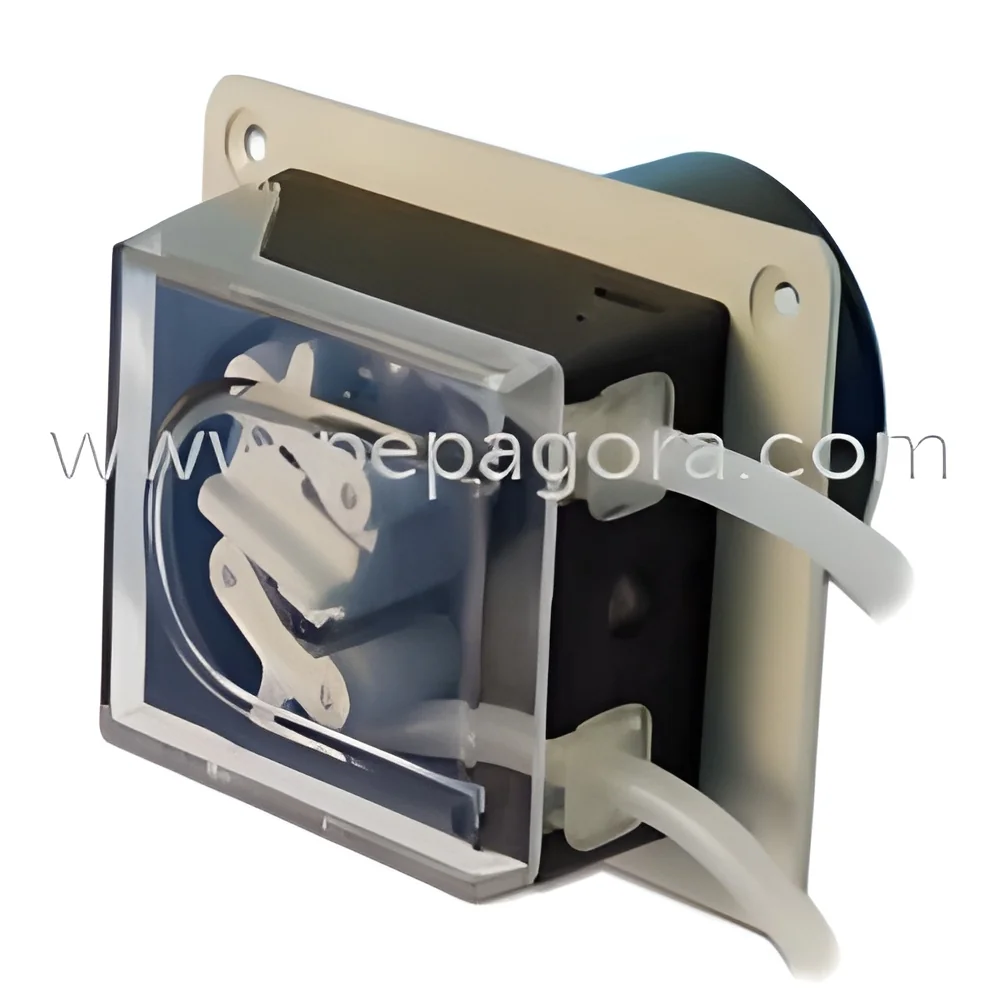
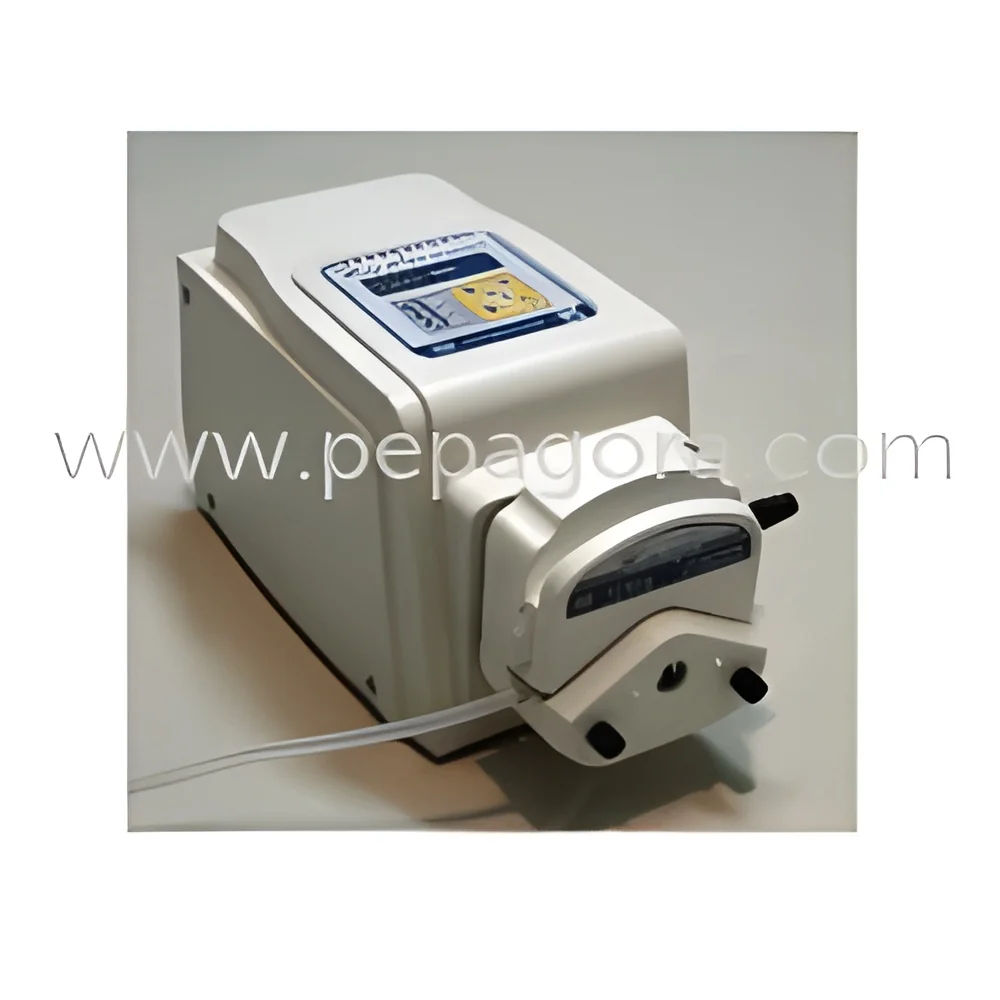
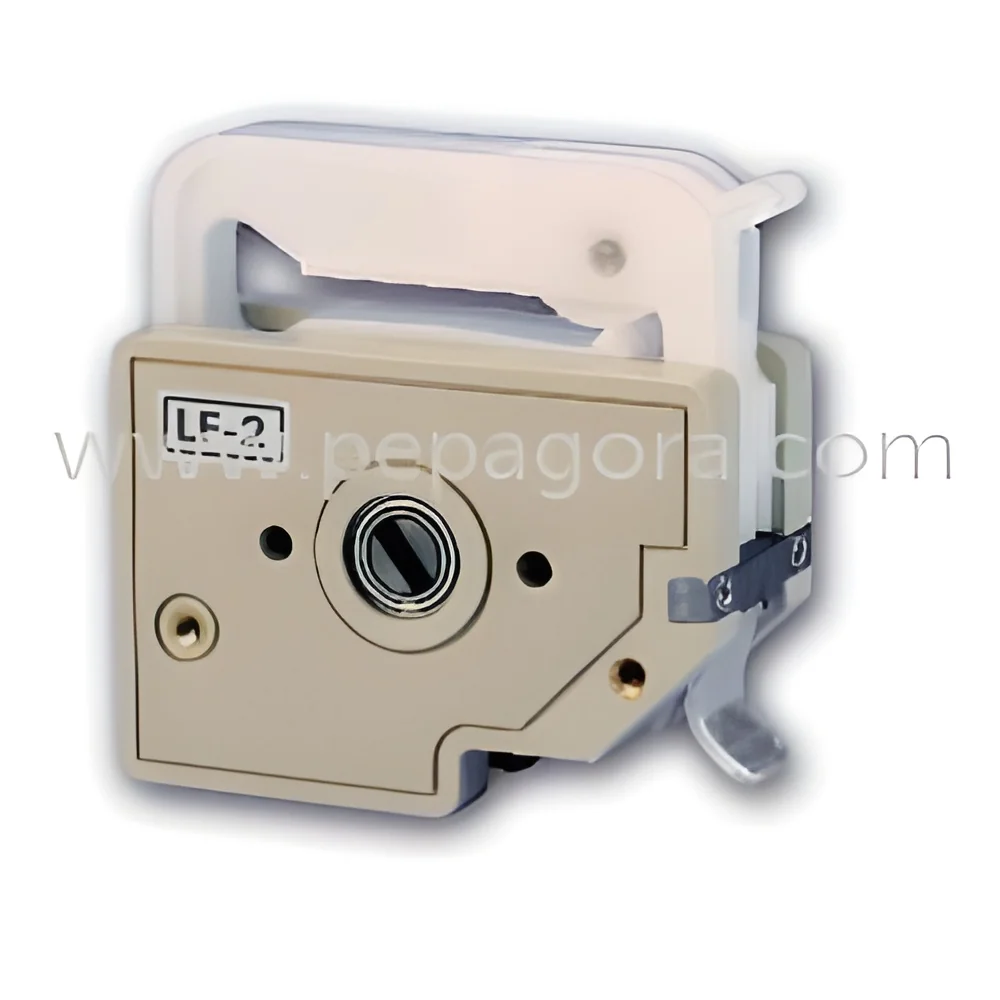
Peristaltic pumps are a type of positive displacement pump used to move fluids through a tube or hose. The operation of these pumps relies on a rotating mechanism that compresses and releases the tubing, creating a vacuum that draws the fluid in and subsequently pushes it out. This design allows for precise control over flow rates and is particularly effective for handling viscous, corrosive, or shear-sensitive materials.
These pumps are widely used across various industries due to their versatility and reliability. Common applications include the transfer of chemicals in laboratories, the dosing of food and beverage ingredients, and the movement of wastewater in treatment facilities. Their gentle pumping action makes them suitable for delicate applications such as handling biological samples. The growing demand for automation and efficiency in industrial processes has further solidified the relevance of peristaltic pumps in the market.
Key Features and Specifications
Peristaltic pumps boast several features that enhance their functionality and usability. Understanding these specifications is crucial for selecting the right pump for specific applications.
Key specifications include:
1. Flow Rate
- The flow rate can vary significantly, typically ranging from a few milliliters per minute to several hundred liters per hour, depending on the model.
2. Hose Material
- Options for hose materials include natural rubber, silicone, and various thermoplastics, tailored to compatibility with different fluids.
3. Pressure Rating
- Many peristaltic pumps can handle pressures from low to moderate levels, usually up to 2 bar (30 psi), making them suitable for a variety of applications.
4. Drive Type
- Pumps can be driven by either electric motors or pneumatic systems, allowing for flexibility based on operational needs.
5. Control Options
- Advanced models offer digital control features, enabling precise adjustments to flow rates and operation modes.
6. Portability
- Some peristaltic pumps are designed to be portable, making them ideal for field operations and temporary setups.
7. Maintenance Requirements
- These pumps are generally low maintenance, with easy access for hose replacement and cleaning.
8. Size and Weight
- The size and weight of peristaltic pumps vary, accommodating a range of installation and operational environments.
These specifications highlight the adaptability of peristaltic pumps, making them suitable for diverse applications across multiple sectors.
Common Applications and Use Cases
Peristaltic pumps are integral to numerous industries, providing solutions for various fluid transfer needs.
1. Food and Beverage: These pumps are utilized for dosing ingredients, transferring liquids, and ensuring precise mixing in production lines.
2. Pharmaceutical: In this sector, peristaltic pumps are essential for handling sensitive compounds and ensuring contamination-free processes.
3. Water Treatment: They are commonly used for transferring chemicals in water treatment facilities, ensuring accurate dosing and effective treatment.
4. Chemical Processing: Peristaltic pumps efficiently move corrosive and abrasive fluids, making them ideal for chemical manufacturing.
5. Agriculture: In agricultural applications, these pumps deliver fertilizers and pesticides, facilitating precise application rates.
6. Laboratory: They are widely used in laboratories for fluid transfer and sample handling, especially with delicate or hazardous materials.
7. Mining: In mining operations, peristaltic pumps transport slurries and other viscous materials, ensuring reliable performance in challenging conditions.
Product Variants and Subcategories
Peristaltic pumps come in various models to meet specific operational needs.
Standard Peristaltic Pumps
These pumps are designed for general fluid transfer applications. They offer a range of flow rates and are suitable for handling various types of fluids, including corrosive and viscous substances.
High Precision Peristaltic Pumps
These variants are engineered for applications requiring high accuracy and repeatability. They are commonly used in the pharmaceutical and food industries, where precise dosing is critical.
Heavy-Duty Peristaltic Pumps
Built for robust applications, heavy-duty models are designed to handle aggressive fluids and harsh operating conditions. They are often used in mining and chemical processing industries.
Compact Peristaltic Pumps
These space-saving pumps are ideal for applications with limited installation space. They maintain high performance while being lightweight and easy to transport.
Benefits and Advantages
Peristaltic pumps offer several benefits that enhance their appeal in industrial applications.
1. Gentle Pumping Action: The design minimizes shear stress on delicate fluids, making them suitable for sensitive applications.
2. Easy Maintenance: With simple hose replacement, peristaltic pumps require minimal maintenance, reducing downtime.
3. Chemical Compatibility: The ability to choose hose materials ensures compatibility with a wide range of fluids, including corrosive substances.
4. Accurate Flow Control: These pumps provide precise flow rates, which is vital for applications requiring exact dosing.
5. Self-Priming Capability: Peristaltic pumps can self-prime, allowing them to handle fluids at varying heights without additional assistance.
6. Versatile Applications: Their adaptability makes them suitable for a diverse range of industries, from food and beverage to pharmaceuticals.
Buying Guide for B2B Buyers
When sourcing peristaltic pumps, it is important to consider several key factors to ensure the right selection for your needs.
1. Quality Assessment: Examine the quality of materials and manufacturing processes. Look for certifications that indicate adherence to industry standards.
2. Supplier Verification: Vet potential suppliers by checking their reputation, customer reviews, and experience in the field to ensure reliability.
3. Pricing and MOQ: Evaluate the pricing structure and minimum order quantities to ensure they align with your budget and operational needs.
4. Delivery and Lead Times: Confirm the supplier's delivery capabilities and lead times to avoid disruptions in your operations.
5. Compliance Requirements: Ensure that the pumps meet relevant industry regulations and standards, such as CE certification and other applicable safety measures.
Compliance and Certifications
Peristaltic pumps must adhere to various quality standards and certifications to ensure safety and reliability. Key standards include ISO 9001, which focuses on quality management systems, ensuring that manufacturers maintain consistent quality in their products.
Additionally, compliance with HACCP (Hazard Analysis and Critical Control Points) is crucial for pumps used in food and beverage applications, as it emphasizes food safety. The CE certification indicates that the pumps meet European safety, health, and environmental protection standards, which is vital for international trade.
Safety and testing requirements are also essential considerations, particularly for pumps that handle hazardous materials. Manufacturers must conduct rigorous testing to ensure that their products meet safety regulations.
Buyers should also consider regional compliance, as different areas may have specific regulations that need to be addressed, particularly in sectors like pharmaceuticals and food processing.
Why Source Peristaltic Pumps from Pepagora?
Pepagora offers a trusted platform for sourcing peristaltic pumps, providing various advantages to buyers.
Verified Supplier Network: Our extensive network of verified suppliers ensures that buyers can find quality products from reputable manufacturers. Each supplier undergoes a thorough vetting process to guarantee reliability.
Streamlined RFQ Process: The Request for Quotation (RFQ) system simplifies the procurement process, allowing buyers to receive competitive quotes from multiple suppliers quickly.
Trade Assurance and Support: Pepagora prioritizes buyer protection through trade assurance policies, offering support throughout the purchasing process to ensure a smooth transaction.
Regional Coverage: With a strong presence in India, the GCC, and Southeast Asia, Pepagora provides comprehensive coverage, making it easy for businesses in these regions to access high-quality peristaltic pumps tailored to their needs.

Frequently Asked Questions
What are Peristaltic Pumps?
Peristaltic pumps are a type of positive displacement pump used to move fluids through a flexible tube. They operate by compressing and relaxing the tube with rollers or shoes, creating a vacuum that draws fluid into the pump and pushes it out. These pumps are commonly used in various industries, including pharmaceuticals, food processing, and water treatment.
What are the different types of Peristaltic Pumps?
There are several types of peristaltic pumps, including hose pumps, tube pumps, and multi-channel pumps. Hose pumps use a flexible hose for fluid transport, while tube pumps utilize a tube for similar functionality. Multi-channel pumps can handle multiple fluid streams simultaneously, making them suitable for complex applications.
How do I choose the right Peristaltic Pumps?
To choose the right peristaltic pump, consider factors such as the type of fluid being pumped, flow rate requirements, and the pump's pressure capabilities. Additionally, evaluate the material compatibility of the pump components with the fluid to prevent contamination or damage. Consulting with manufacturers or suppliers can also provide valuable insights.
What are the standard specifications for Peristaltic Pumps?
Standard specifications for peristaltic pumps typically include flow rate, maximum pressure, tube size, and material compatibility. Other important specifications may include power requirements, dimensions, and weight. It is essential to review these specifications to ensure the pump meets the operational needs of your application.
What is the price range for Peristaltic Pumps?
The price range for peristaltic pumps can vary significantly based on factors such as the pump type, specifications, and manufacturer. Generally, prices can range from a few thousand rupees for basic models to several lakhs for high-capacity industrial pumps. It's advisable to compare prices from different suppliers to find the best option for your needs.
What quality standards apply to Peristaltic Pumps?
Peristaltic pumps are subject to various quality standards, including ISO certifications and industry-specific regulations. These standards ensure that the pumps meet safety, reliability, and efficiency criteria. Manufacturers often provide documentation to demonstrate compliance with applicable quality standards.
Where can I find Peristaltic Pumps suppliers in India?
You can find peristaltic pump suppliers in India through online B2B marketplaces like Pepagora, industry trade shows, and manufacturer directories. Networking with industry professionals and consulting with local distributors can also help you identify reputable suppliers. Always verify the supplier's credentials and customer reviews before making a purchase.
Can Peristaltic Pumps be customized?
Yes, many manufacturers offer customization options for peristaltic pumps. Customizations may include modifications to pump size, flow rates, and materials used in pump construction. Discussing your specific requirements with the manufacturer can help you achieve a tailored solution for your application.
What is the typical minimum order quantity for Peristaltic Pumps?
The typical minimum order quantity (MOQ) for peristaltic pumps can vary by manufacturer and model. Generally, MOQs can range from a single unit for standard models to larger quantities for custom orders. It's best to consult with suppliers to understand their specific MOQ requirements.
What is the typical lead time for Peristaltic Pumps?
The typical lead time for peristaltic pumps can vary depending on factors such as the supplier, pump specifications, and order quantity. Standard orders may have a lead time of 2 to 4 weeks, while customized pumps could take longer. Always confirm the lead time with the supplier before placing an order.
Why Businesses Trust Pepagora
Thousands of companies trust Pepagora to source smarter and sell faster
Expand Your Sales Globally

Source Smarter,Grow Faster
