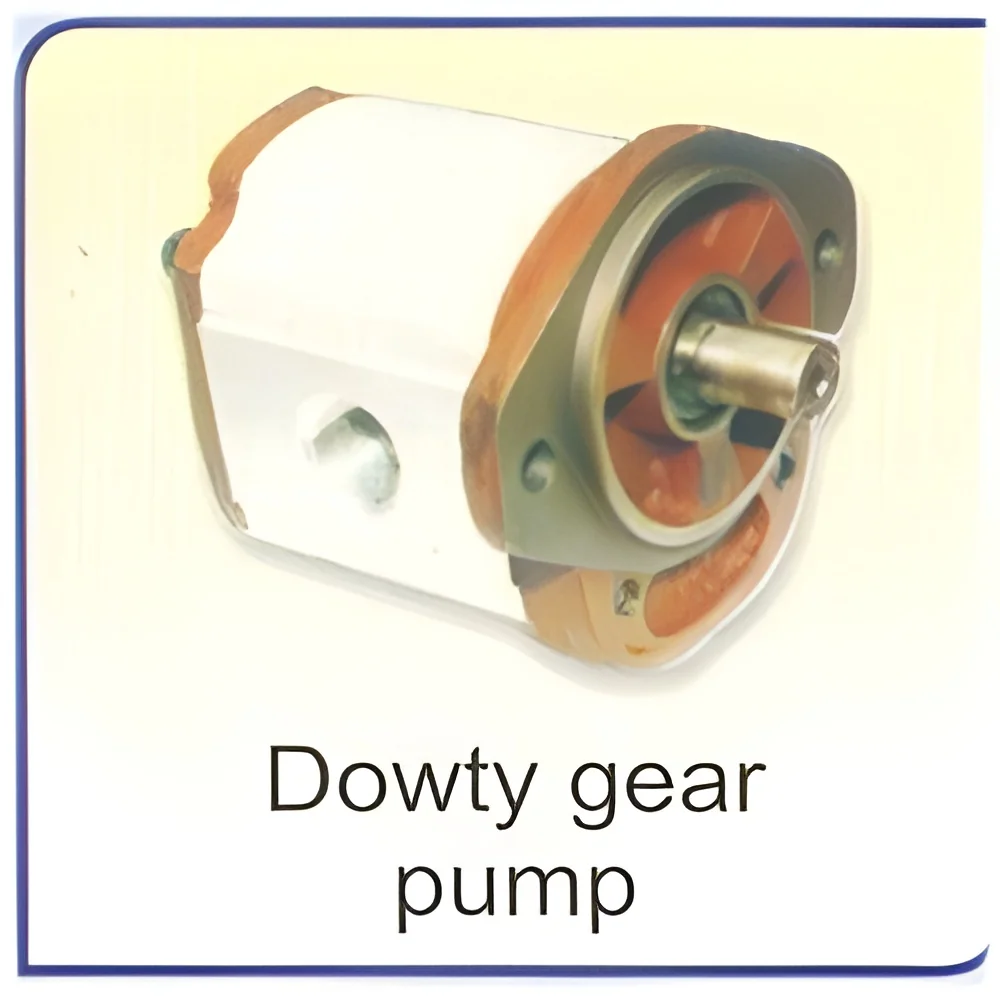
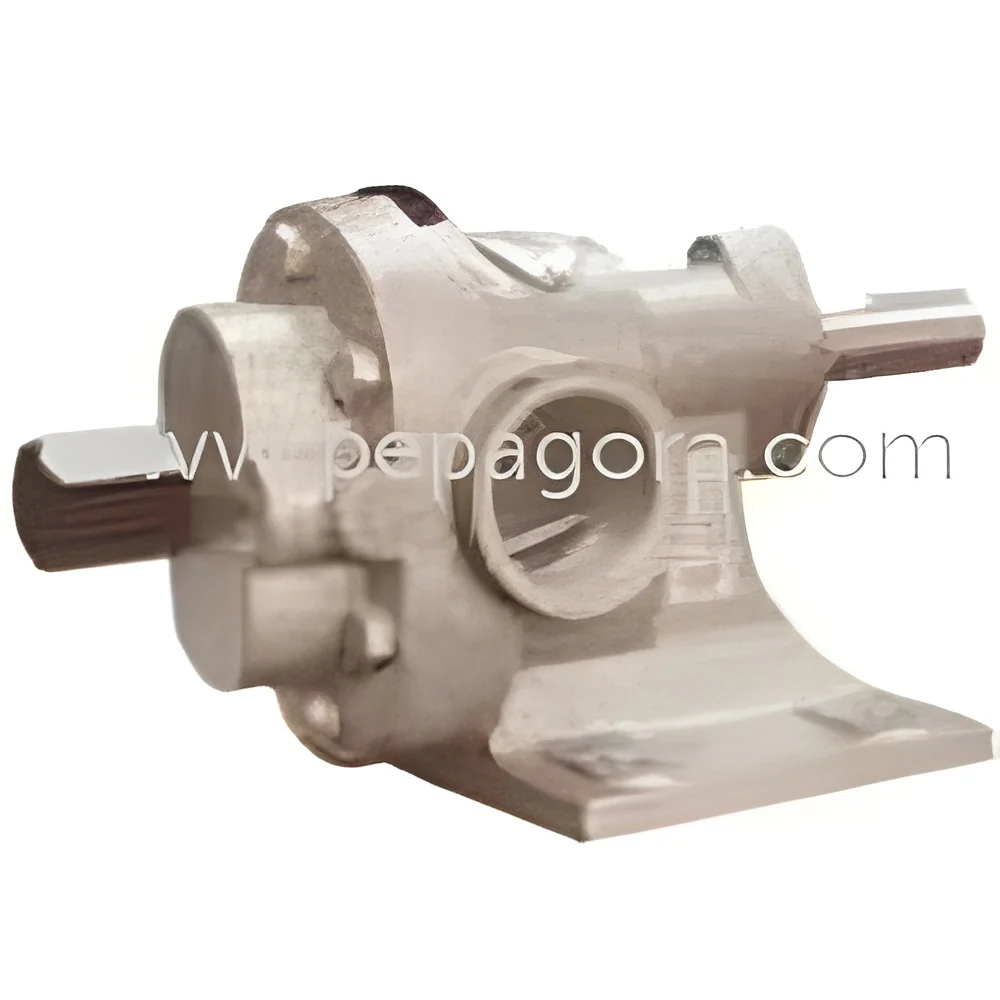
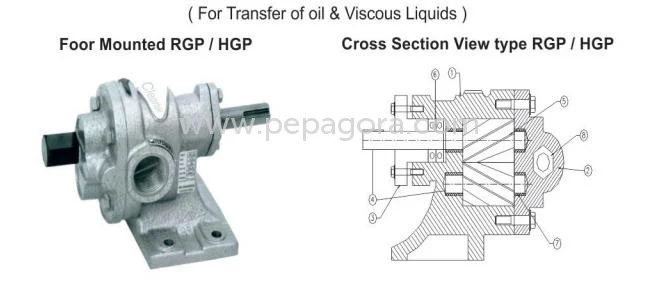
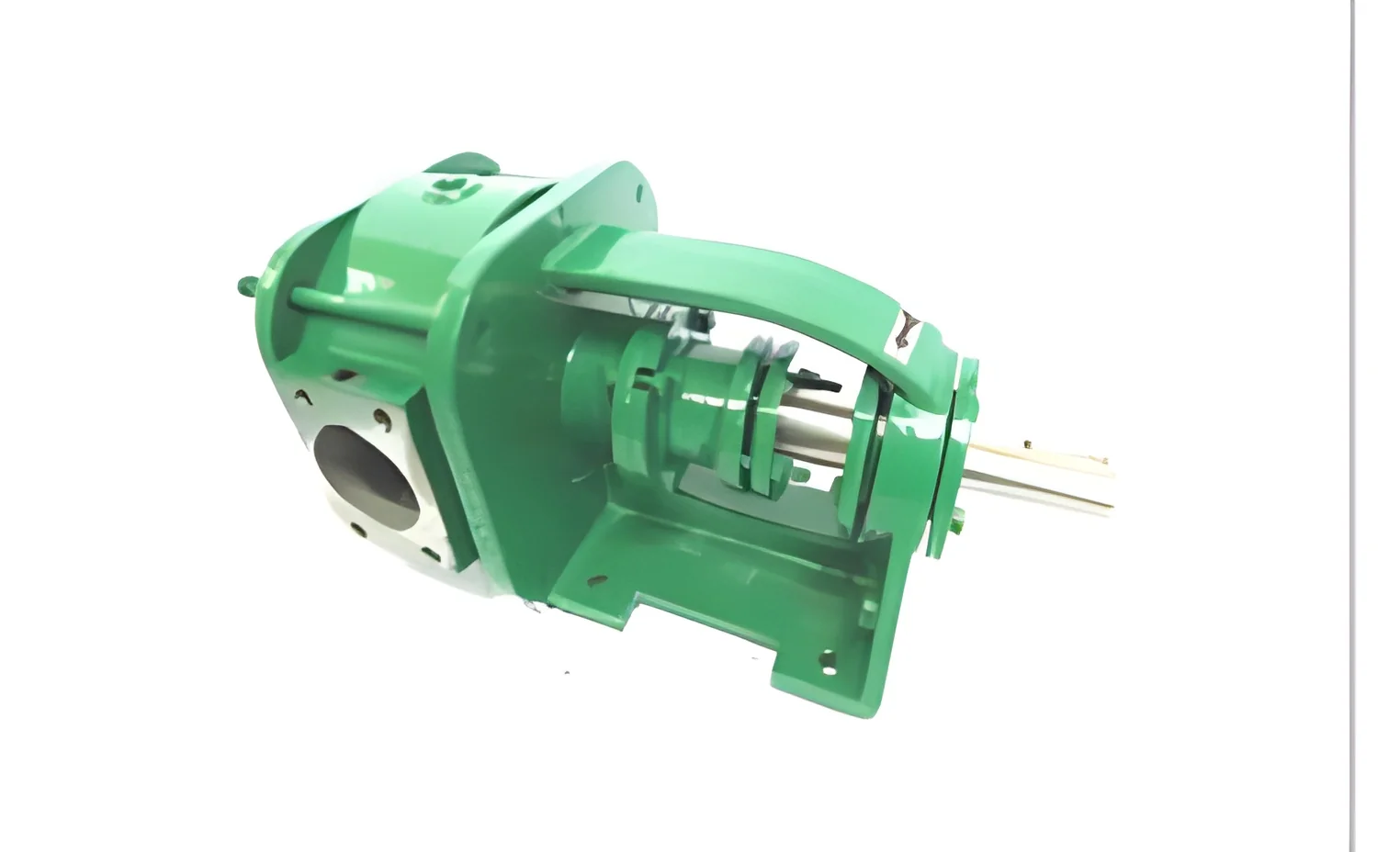
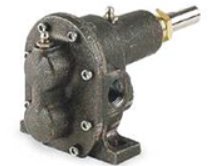
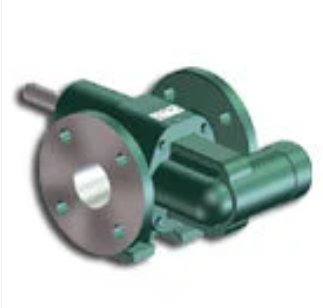
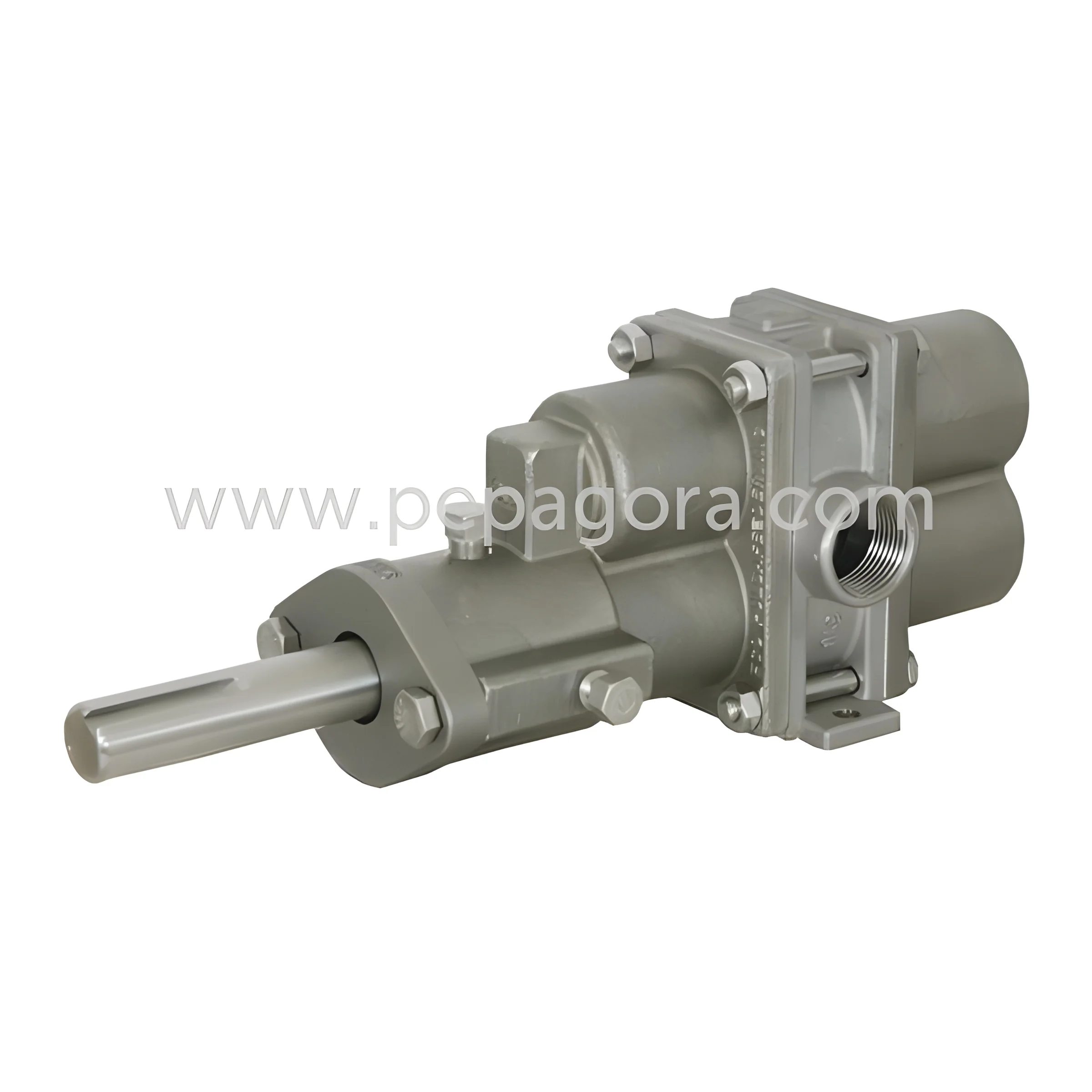
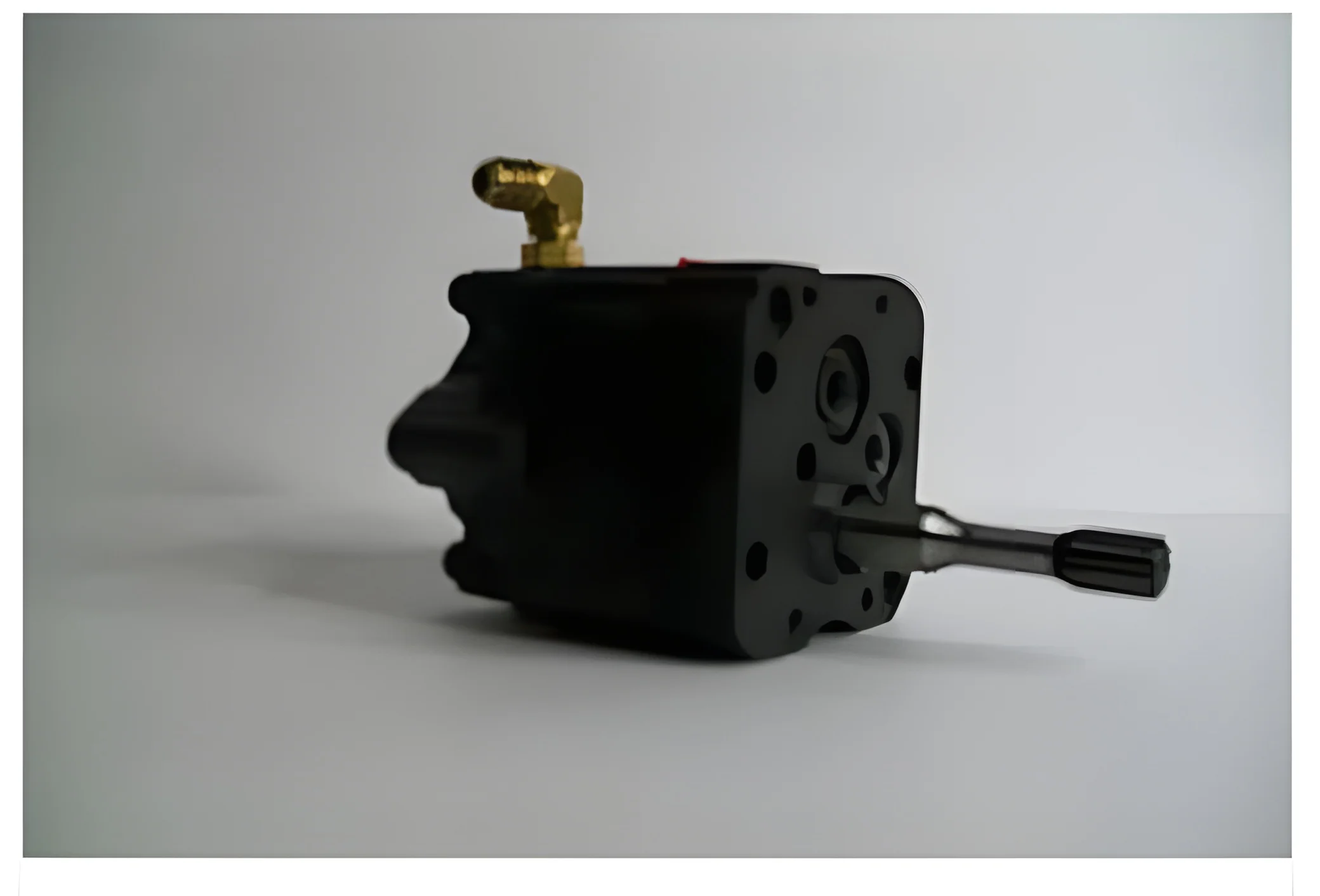
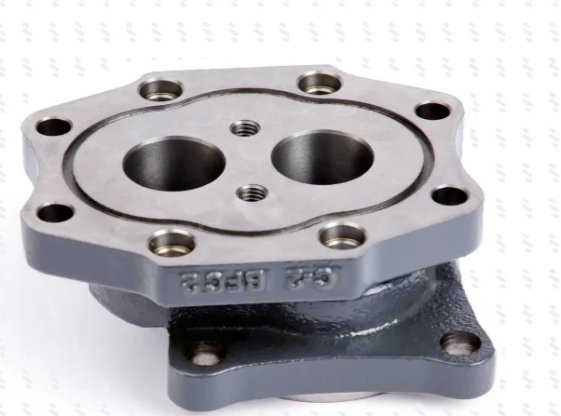
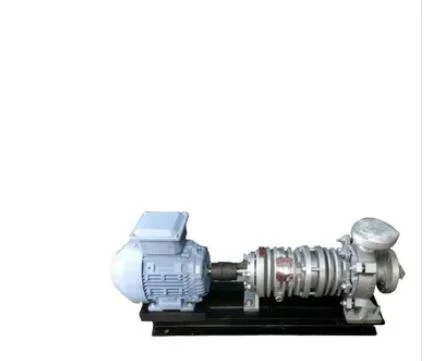
What are Gear Pumps?
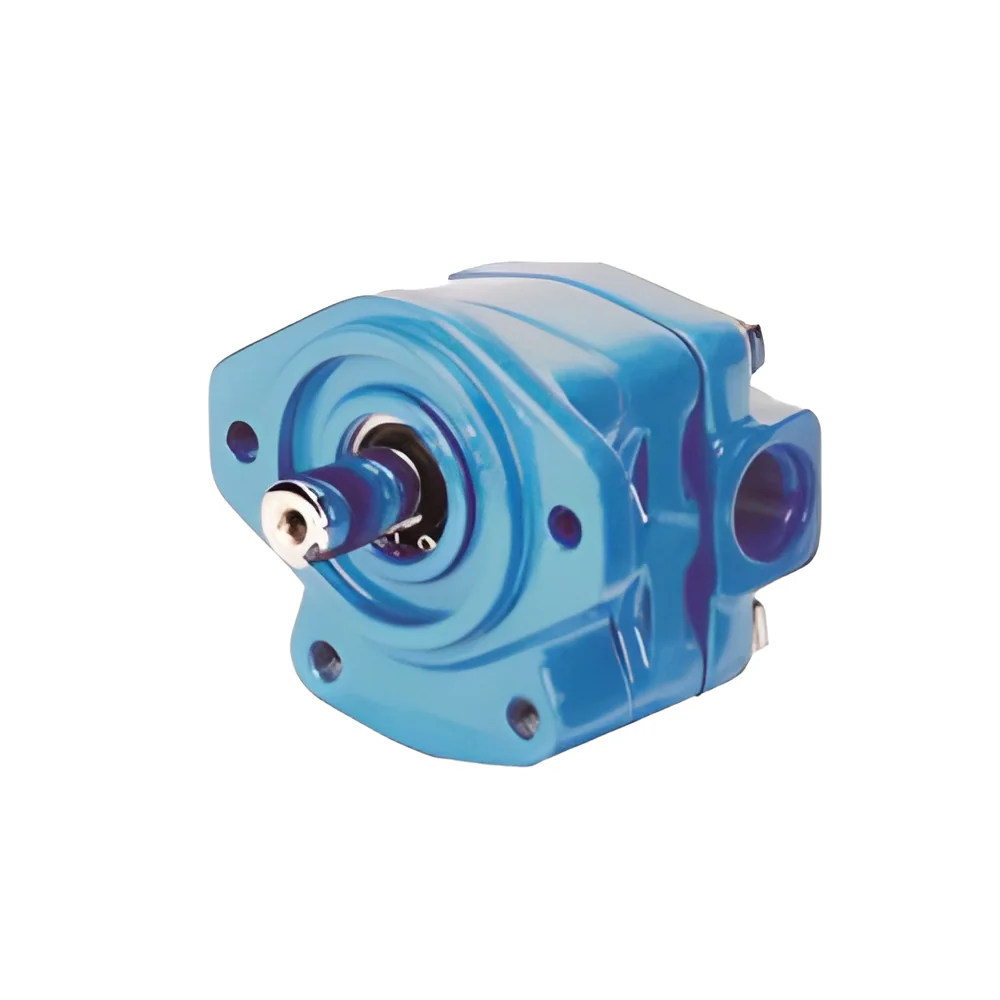
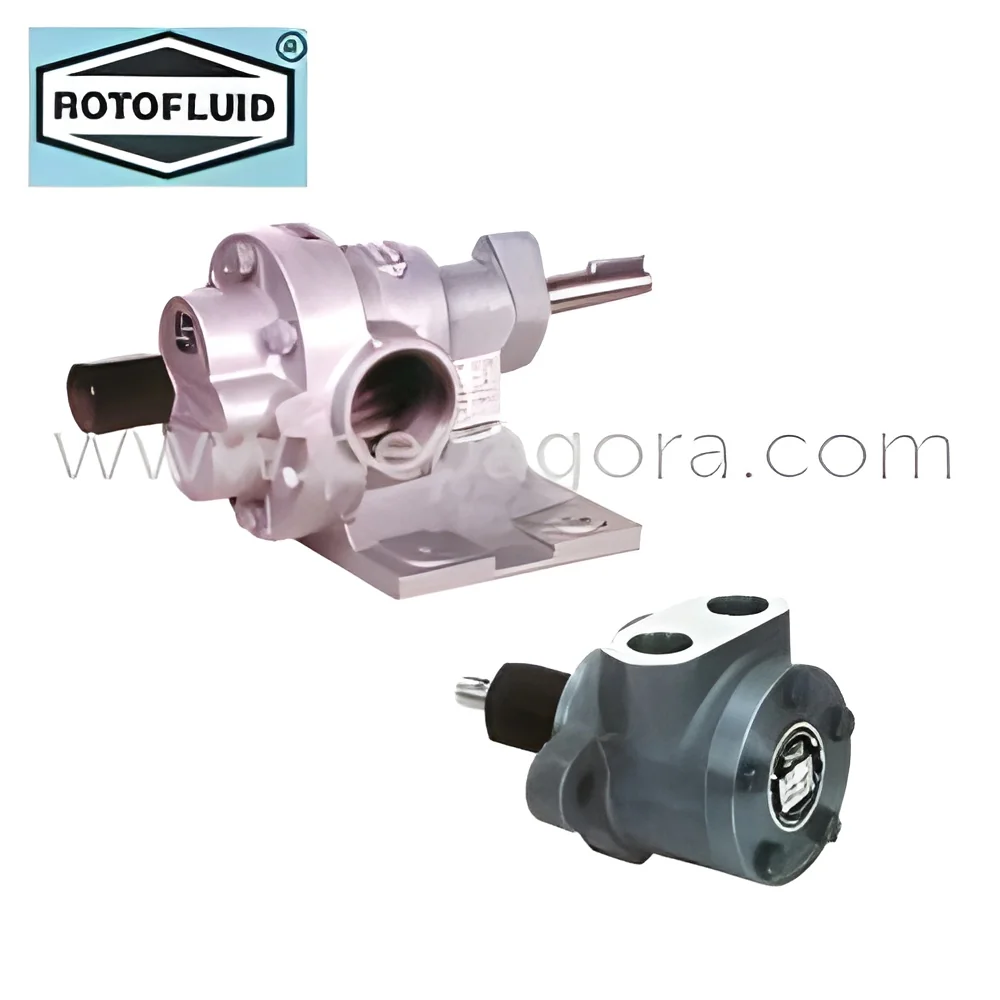
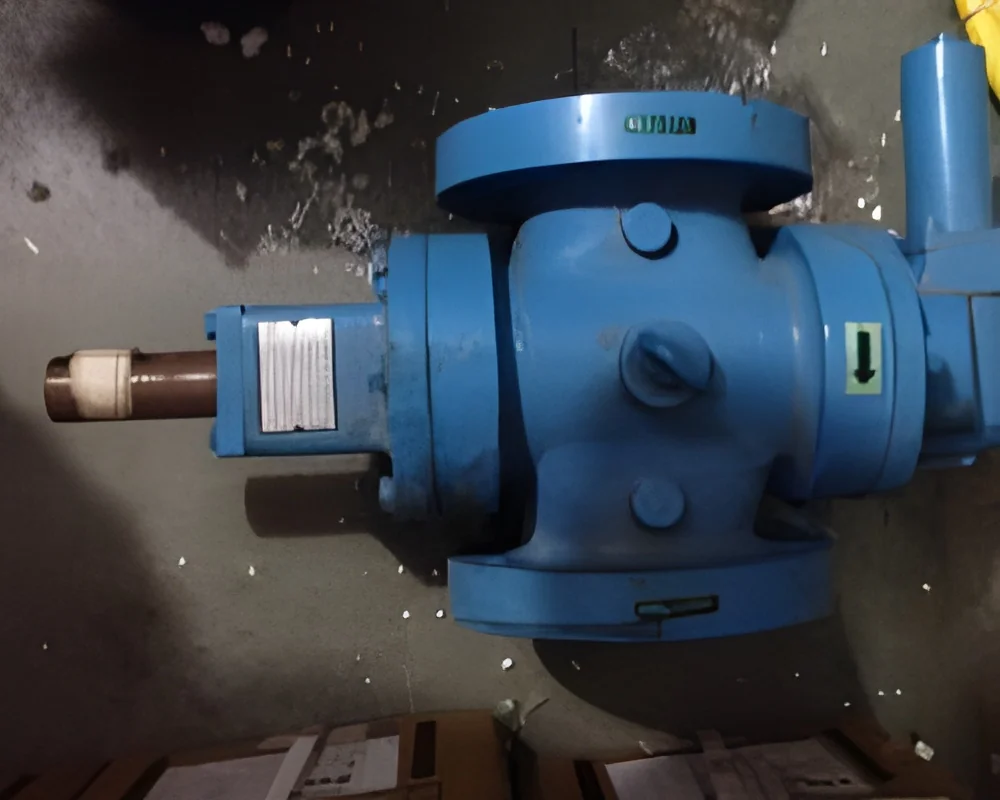
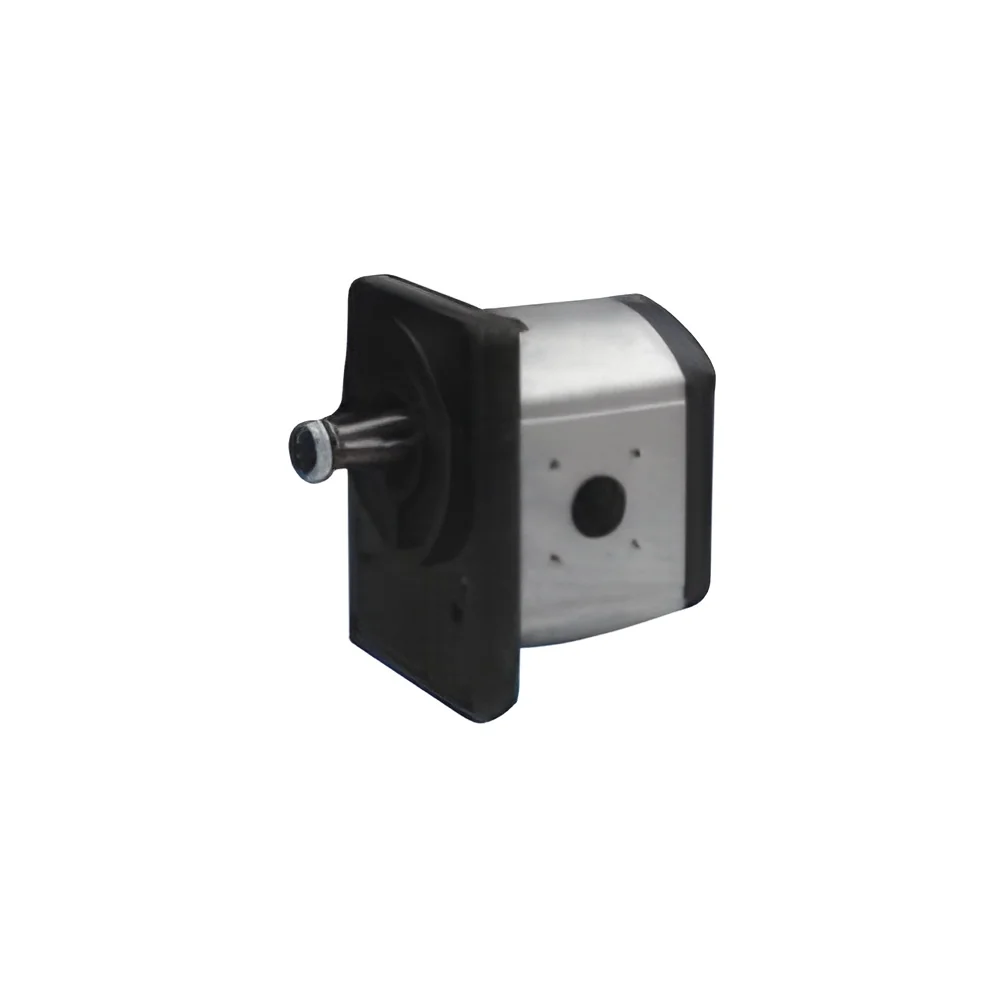
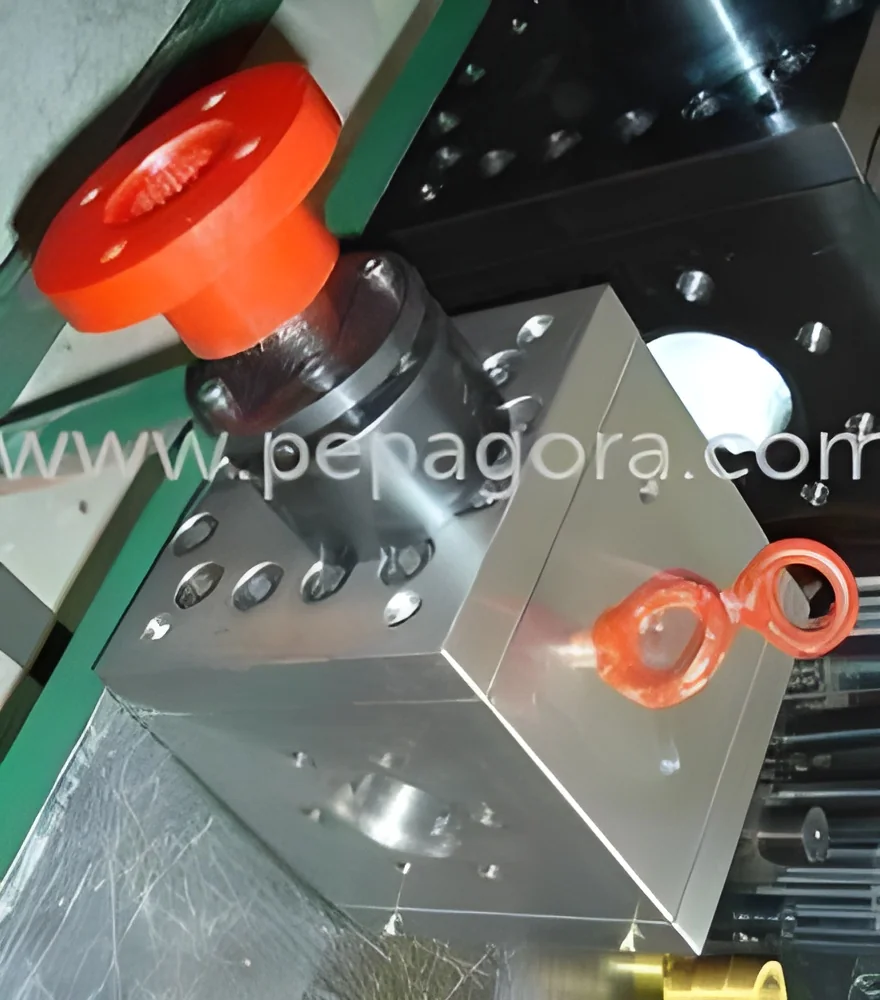
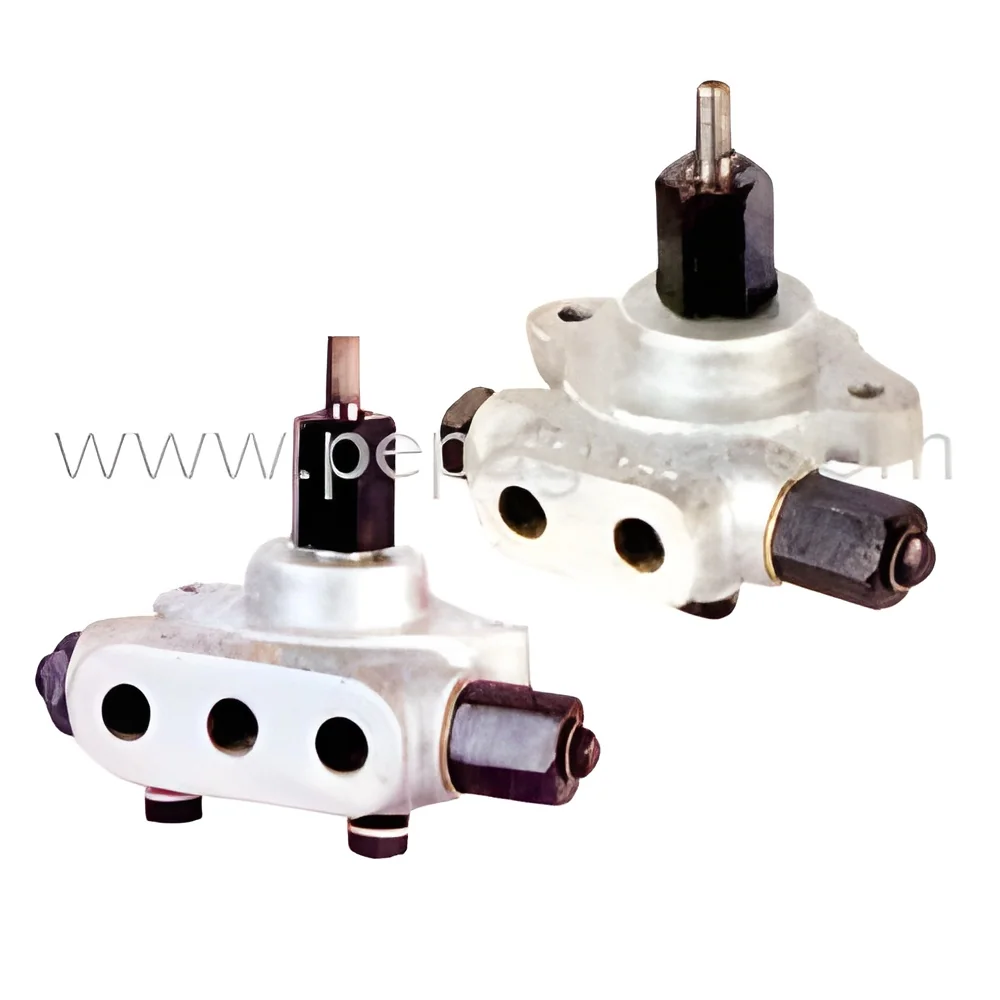
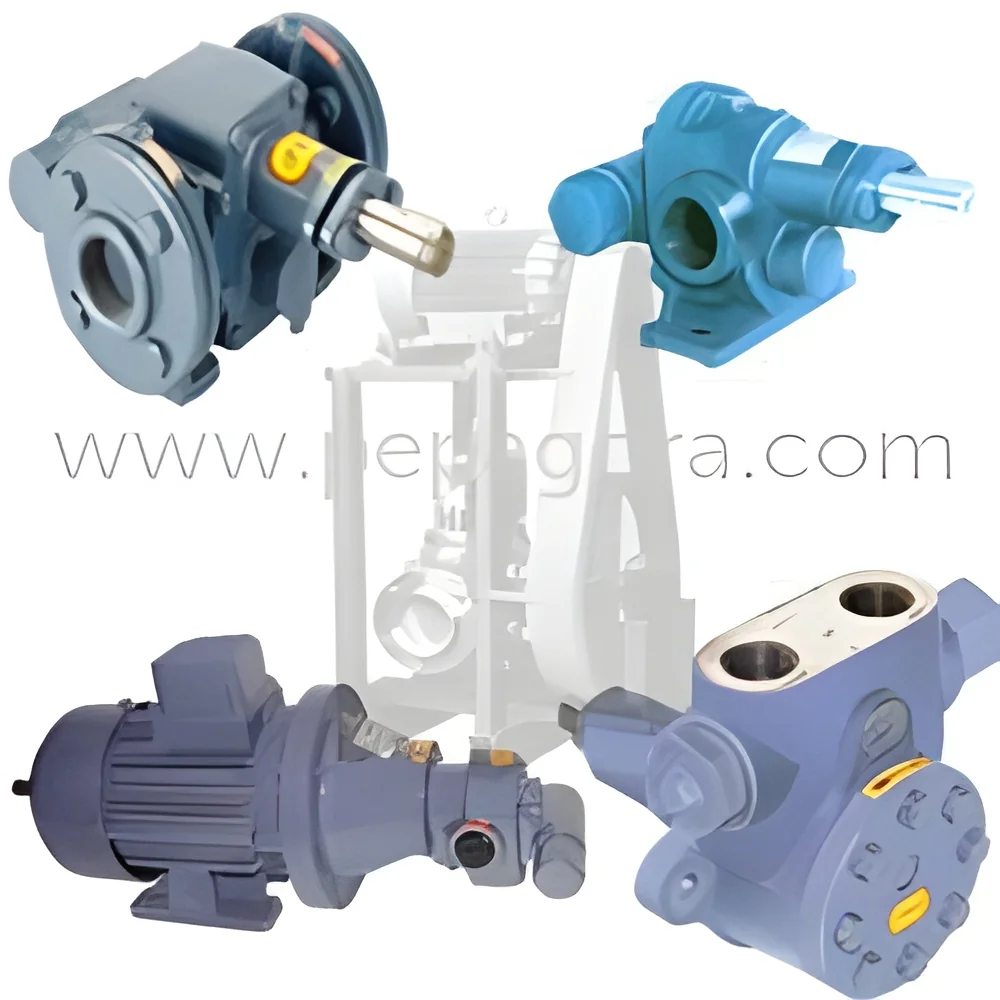
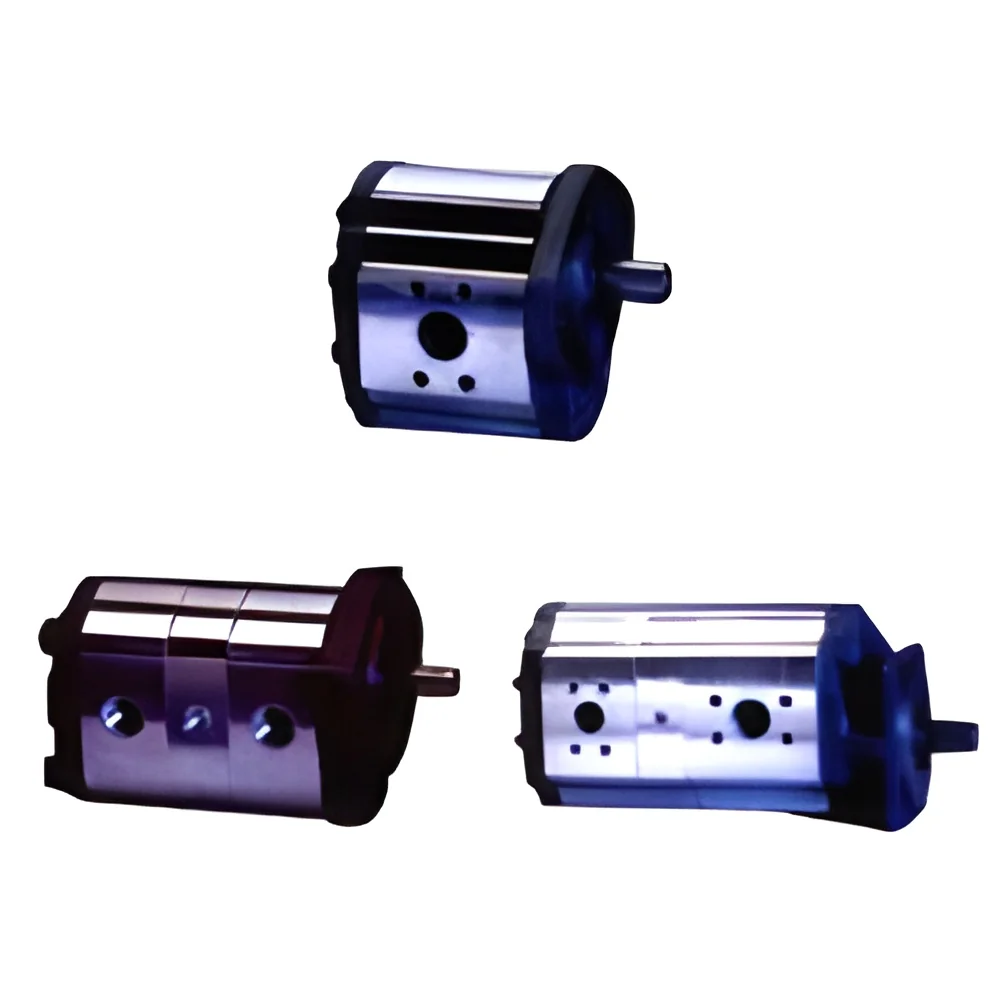
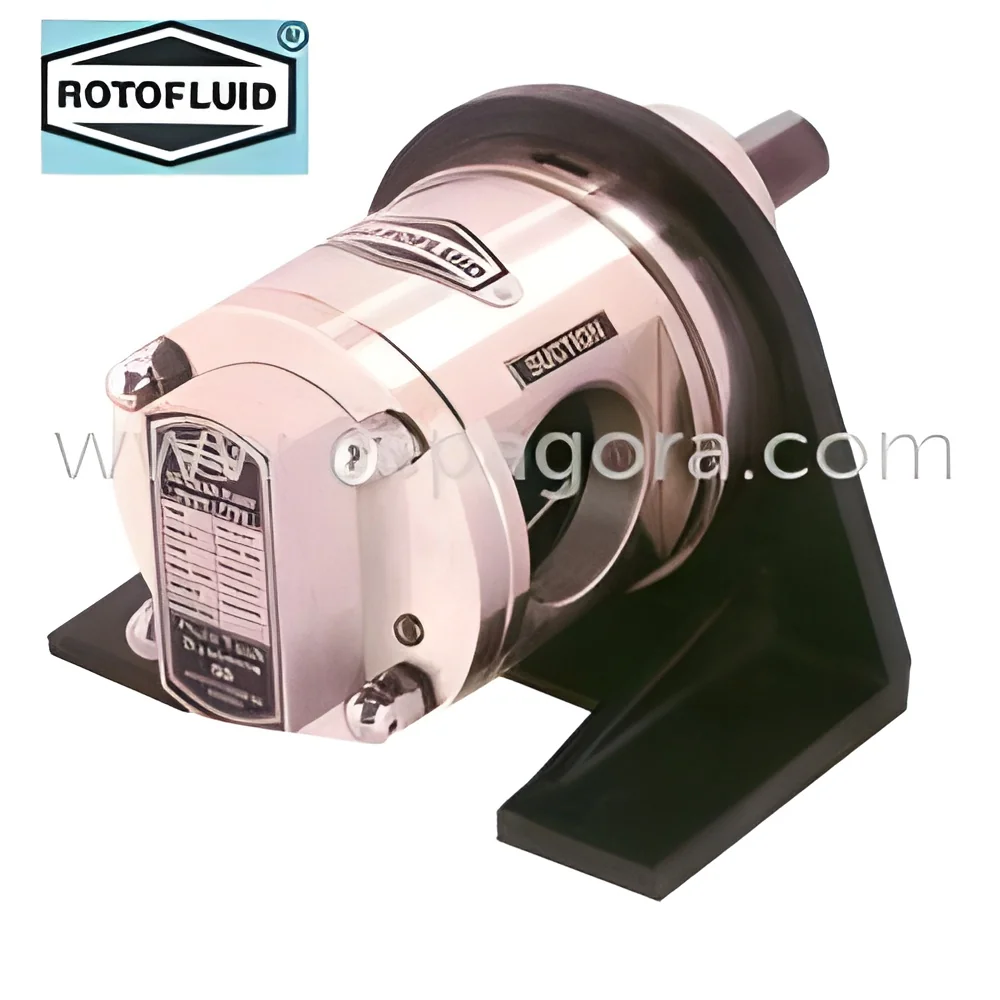
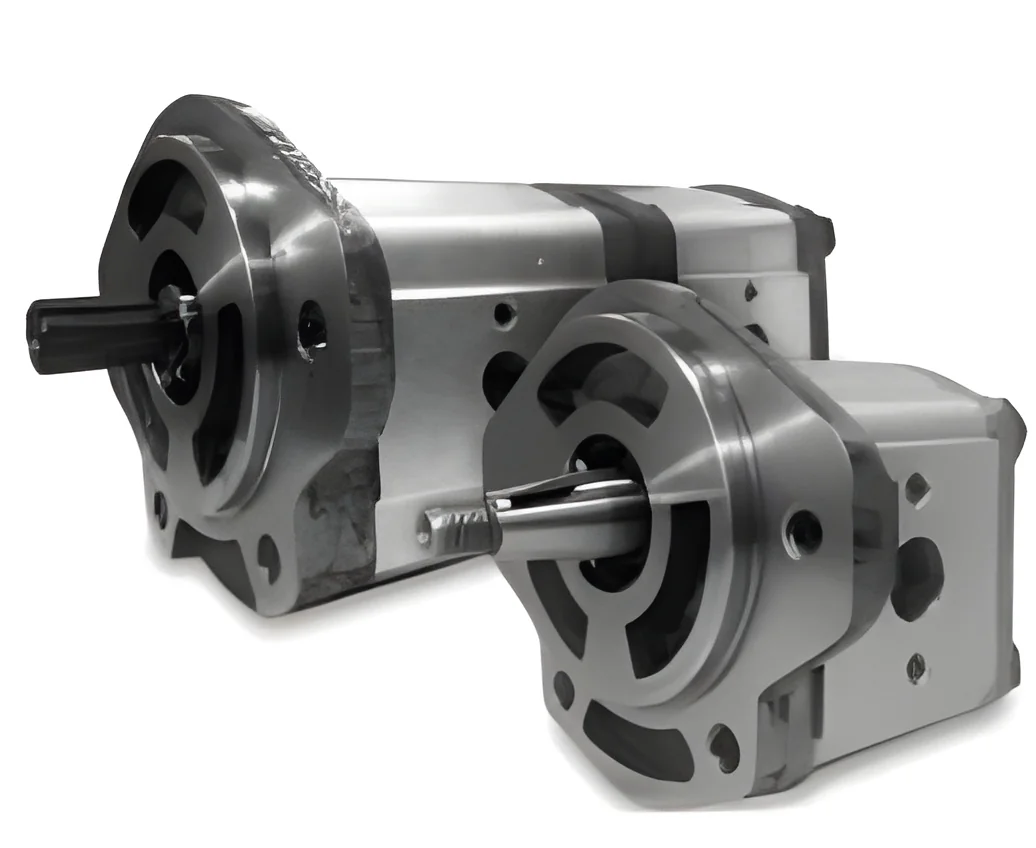
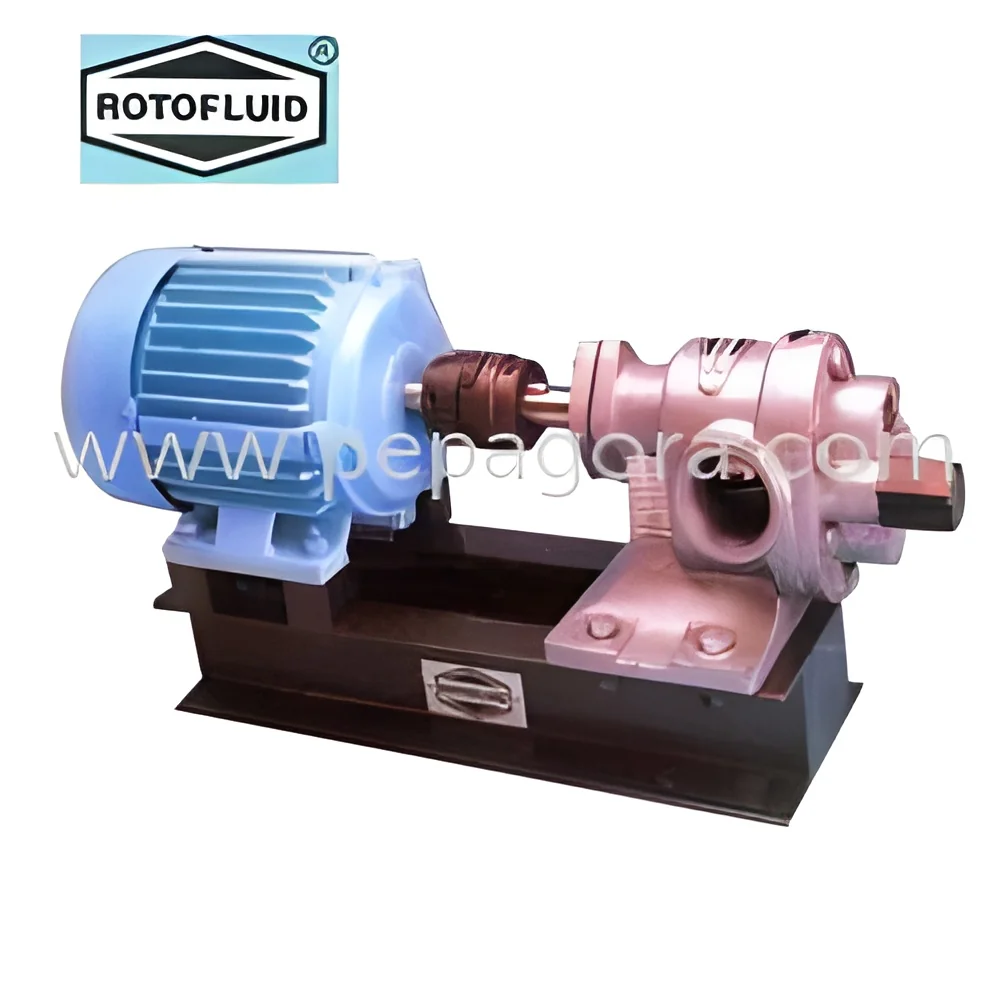
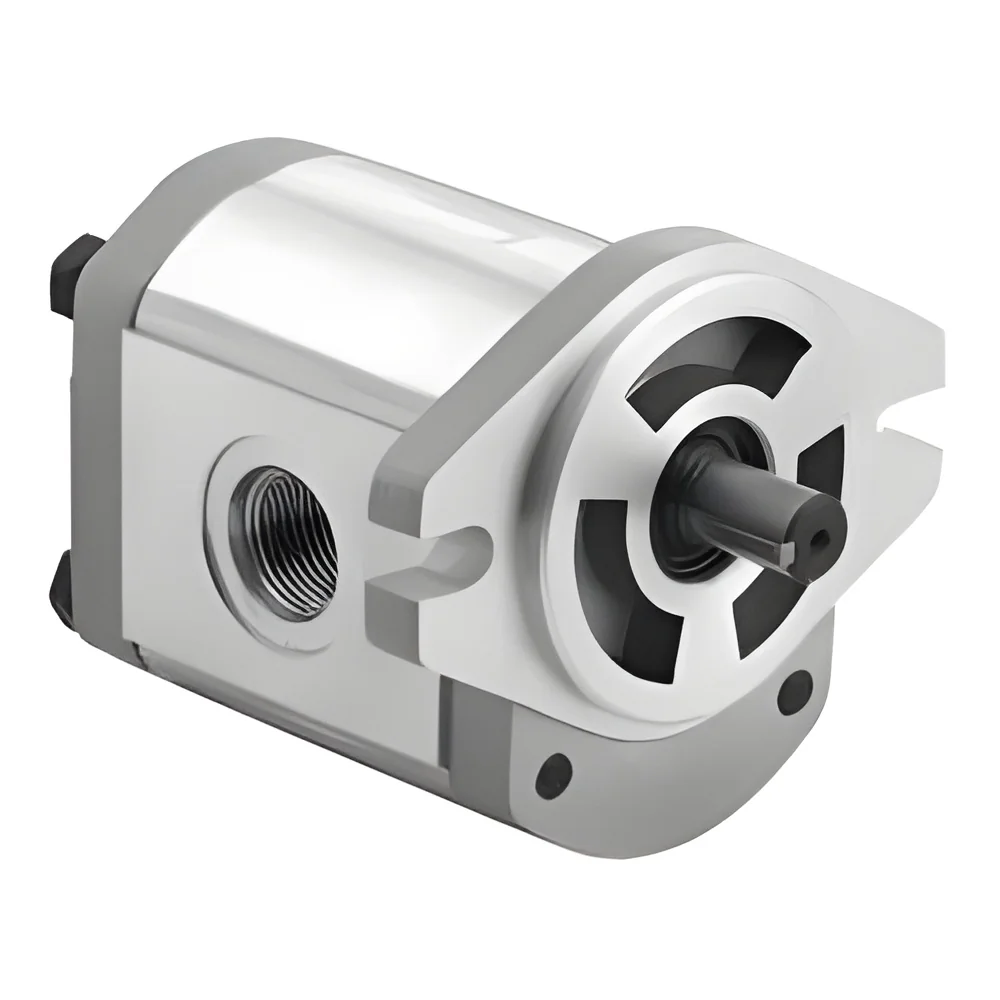
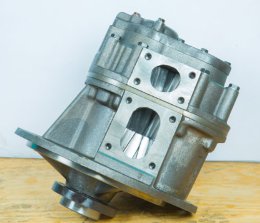
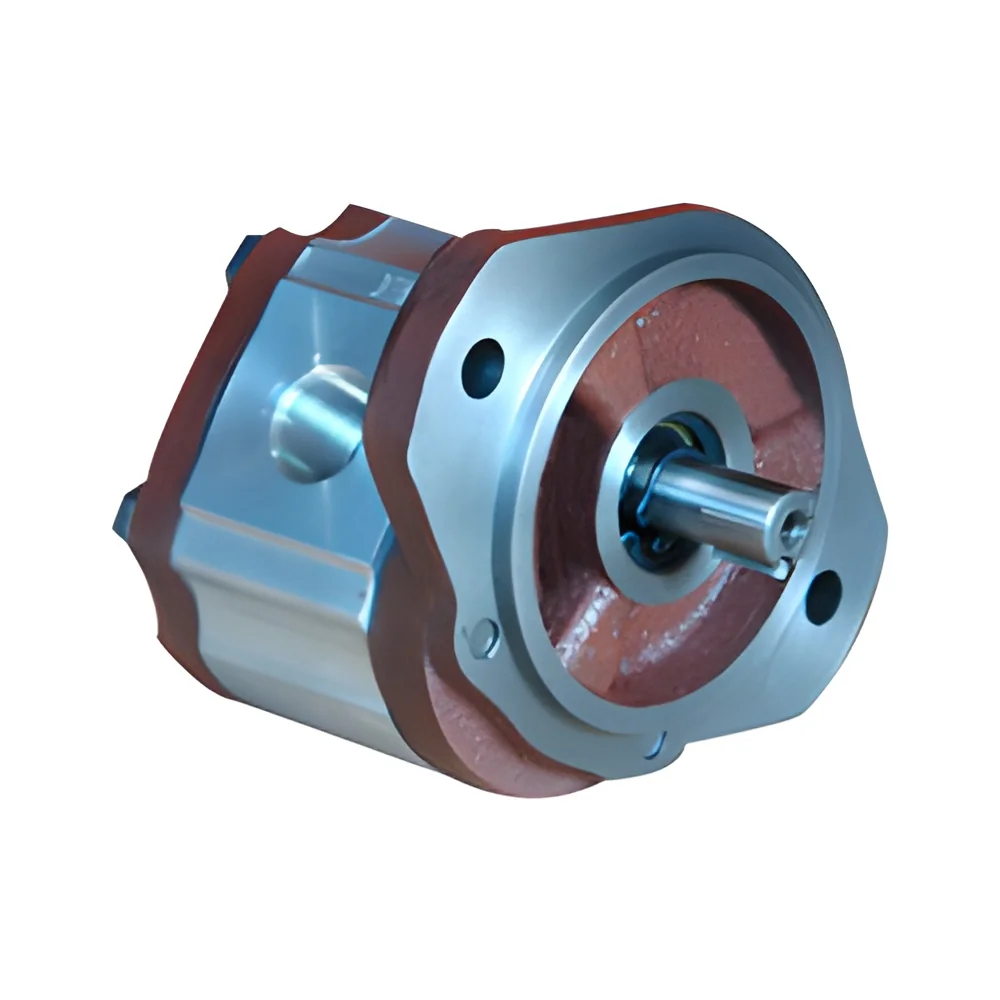
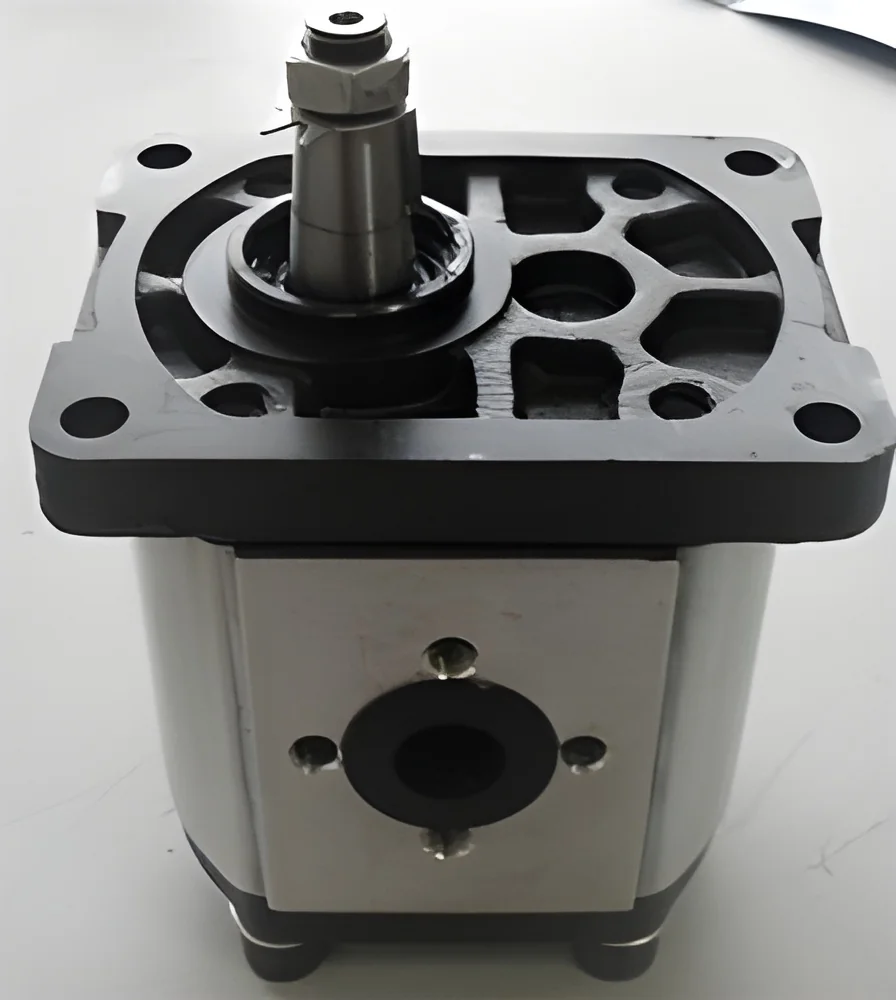
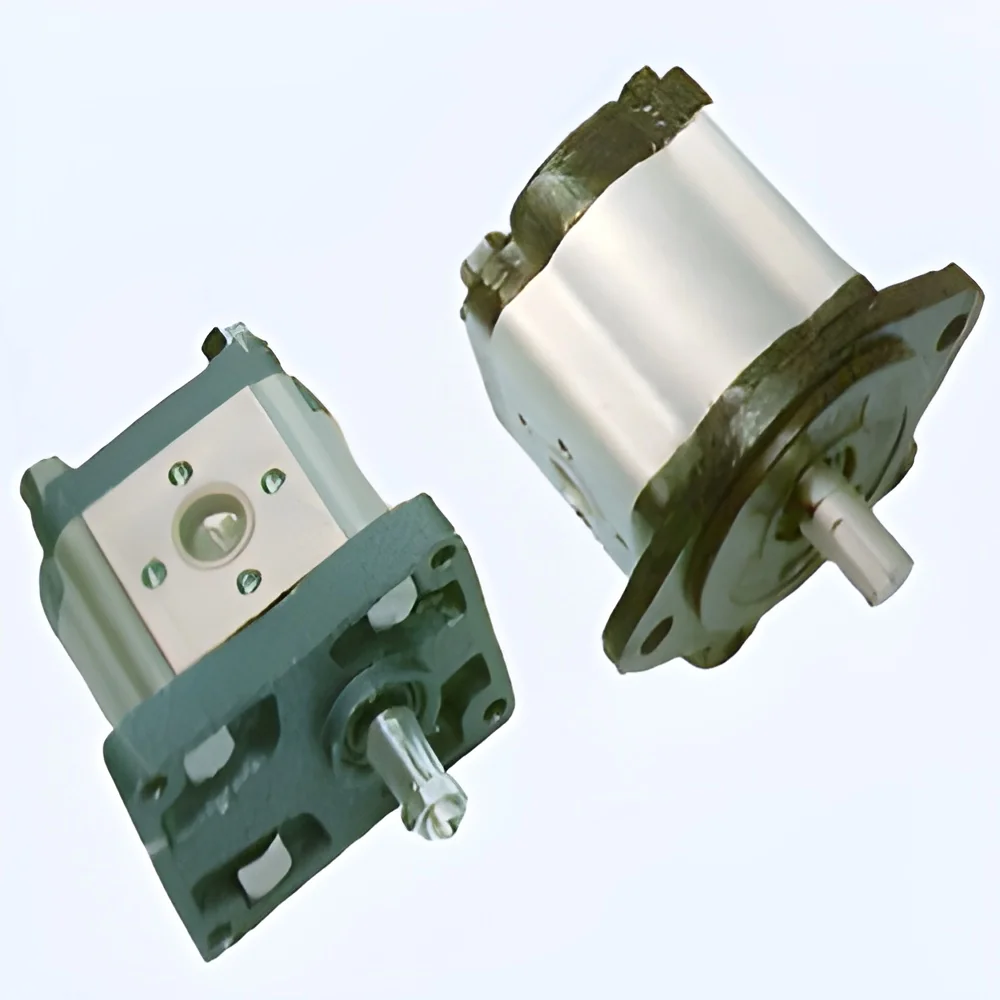
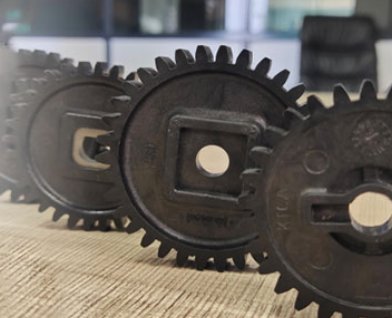
Gear pumps are positive displacement devices that utilize rotating gears to move fluids. These pumps operate by trapping fluid between the gear teeth and the pump casing, creating a vacuum that draws in the fluid. As the gears turn, the fluid is pushed through the pump, delivering a consistent flow rate. This mechanism allows gear pumps to handle a variety of fluids, including those that are viscous or contain suspended solids.
Gear pumps are widely used in various industrial applications, including hydraulic systems, lubrication systems, and chemical processing. Their ability to maintain a steady flow and pressure makes them ideal for transferring fluids in manufacturing and processing environments. Additionally, gear pumps are often selected for their durability and reliability, which are critical factors in industries that require continuous operation.
In today's market, gear pumps are relevant across many sectors, including automotive, food and beverage, and pharmaceuticals. The demand for efficient and reliable fluid transfer solutions continues to grow, making gear pumps a vital component in modern industrial processes.
Key Features and Specifications
Gear pumps offer a range of features that enhance their performance and suitability for various applications. Understanding their specifications is crucial for selecting the right pump for your needs.
Key specifications include:
1. Flow Rate
- Determines the volume of fluid the pump can move over a specified time.
- Typically measured in liters per minute (L/min) or gallons per minute (GPM).
2. Viscosity Range
- Refers to the thickness of the fluid the pump can handle.
- Gear pumps can manage fluids with viscosities ranging from low to high.
3. Pressure Rating
- Indicates the maximum pressure the pump can operate under.
- Rated in psi or bar, ensuring the pump meets operational requirements.
4. Temperature Range
- Defines the operating temperature limits for the pump.
- Helps in selecting pumps suitable for specific fluid temperatures.
5. Material of Construction
- Gear pumps are made from various materials, such as cast iron, aluminum, or stainless steel.
- Material choice affects durability and compatibility with different fluids.
6. Drive Type
- Can be mechanical or hydraulic, influencing installation and operation.
7. Size and Weight
- Important for space constraints in installation areas.
8. Noise Level
- Some gear pumps operate at lower noise levels, beneficial for quieter environments.
These specifications collectively help in evaluating the right gear pump for various industrial applications.
Common Applications and Use Cases
Gear pumps are versatile and find applications in multiple industries, showcasing their adaptability.
1. Automotive: Gear pumps are used in hydraulic systems for operating lifts and in fuel systems for transferring diesel and gasoline.
2. Food and Beverage: These pumps are essential for transferring viscous materials such as syrups, sauces, and oils while maintaining hygiene standards.
3. Pharmaceuticals: Gear pumps play a critical role in accurately dosing and transferring medicinal liquids and other sensitive products.
4. Chemical Processing: They are utilized to handle aggressive chemicals and ensure consistent fluid transfer in manufacturing processes.
5. Oil and Gas: Gear pumps efficiently transfer crude oil and other petroleum products, accommodating high viscosity.
6. Textile Industry: These pumps are used for dyeing processes where precise fluid management is essential.
7. Water Treatment: Gear pumps help in the transportation of sludge and other waste materials.
Product Variants and Subcategories
Gear pumps come in various designs and configurations, catering to diverse industrial needs.
Variable Displacement Gear Pump
This type features adjustable flow rates, allowing for flexible operations in different conditions. It is ideal for applications requiring variable fluid transfer rates.
Fixed Displacement Gear Pump
These pumps provide a constant flow rate and are suitable for applications where consistent performance is essential. They are commonly used in lubrication systems.
External Gear Pump
Characterized by two parallel gears, this variant efficiently handles a wide range of fluids and is often used in hydraulic applications.
Internal Gear Pump
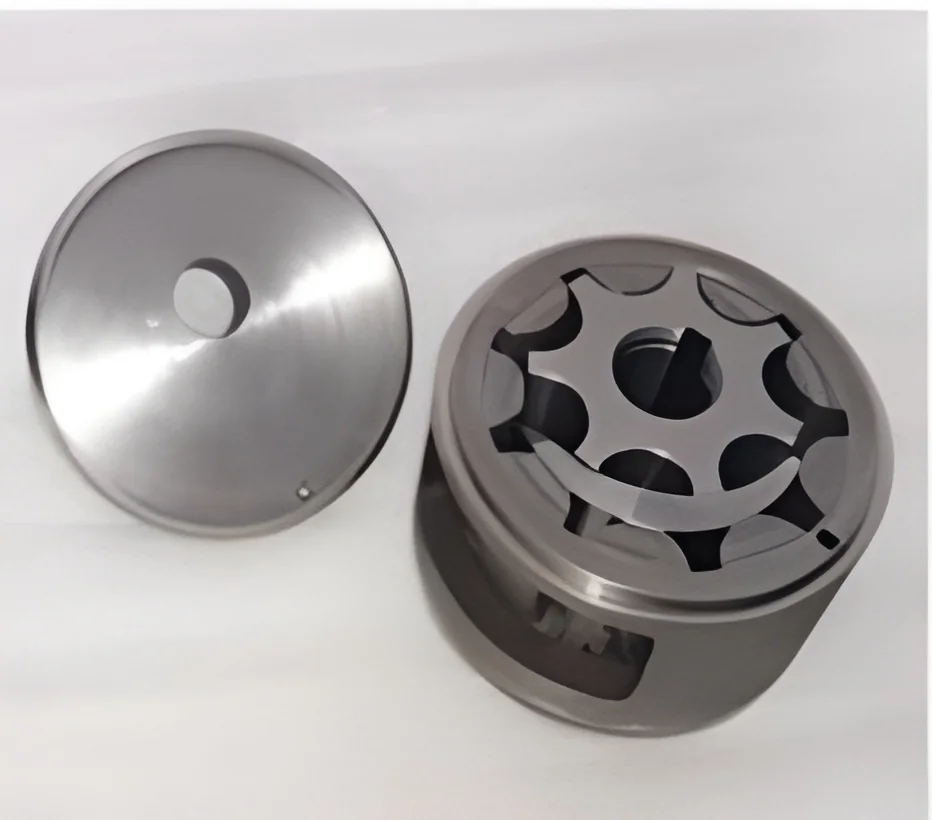
This type uses an internal gear that rotates within an outer gear, making it suitable for transferring higher viscosity fluids.
Benefits and Advantages
Choosing gear pumps offers several key benefits that enhance operational efficiency.
1. Reliability: Gear pumps are known for their durability and ability to operate continuously under demanding conditions, minimizing downtime.
2. Consistent Flow: They provide a steady flow rate, which is crucial for processes requiring precision in fluid transfer.
3. Versatility: Gear pumps can handle a wide variety of fluids, including those with varying viscosities and temperatures, making them suitable for diverse applications.
4. Low Maintenance: Their simple design typically requires less maintenance compared to other pump types, reducing operational costs.
5. Compact Size: Many gear pumps are designed to be compact, allowing for easy installation in limited spaces.
6. Energy Efficiency: Gear pumps are designed to operate efficiently, often resulting in lower energy consumption.
Buying Guide for B2B Buyers
When sourcing gear pumps, several factors should be considered to ensure a suitable purchase.
1. Quality Assessment: Evaluate pumps based on material quality, construction, and performance standards. Look for certifications that affirm the quality of the products.
2. Supplier Verification: Research potential suppliers to confirm their credibility and reliability. Check for customer reviews and industry reputation.
3. Pricing and MOQ: Understand the pricing structure and minimum order quantities. Compare different suppliers to ensure competitive pricing.
4. Delivery and Lead Times: Inquire about the expected delivery times and ensure that the supplier can meet your project deadlines.
5. Compliance Requirements: Verify that the pumps meet relevant industry regulations and standards to ensure safety and compatibility with your operations.
Compliance and Certifications
Gear pumps must adhere to various quality standards and certifications to ensure product reliability and safety.
ISO 9001 is a widely recognized quality management standard that ensures manufacturers follow consistent quality control practices. This certification indicates that the gear pumps have been produced under stringent quality guidelines.
HACCP, or Hazard Analysis Critical Control Point, is particularly important in food and beverage applications. It ensures that the pump design and materials used do not compromise food safety.
CE certification indicates that the gear pumps conform to European safety and environmental protection standards, making them suitable for use in the European market.
Manufacturers must also meet safety and testing requirements to ensure the gear pumps operate reliably under specified conditions. Additionally, regional compliance considerations may vary based on local regulations, making it essential for buyers to confirm that their chosen pumps comply with specific regional laws.
Why Source Gear Pumps from Pepagora?
Pepagora is a trusted platform for sourcing gear pumps, offering several advantages to B2B buyers.
Verified Supplier Network: Pepagora has established a robust network of verified suppliers, ensuring that buyers can connect with reputable manufacturers known for delivering quality products.
Streamlined RFQ Process: The platform features a streamlined request for quotation (RFQ) process, allowing buyers to easily compare quotes from multiple suppliers and make informed purchasing decisions.
Trade Assurance and Support: Pepagora provides trade assurance, offering buyers protection against potential risks. This support fosters confidence in the sourcing process, ensuring a smooth transaction.
Regional Coverage: Pepagora caters to a wide geographic area, including India, GCC, and Southeast Asia. This geographic reach enables buyers to access gear pumps suited to their specific market needs while benefiting from local supplier connections.

 IN
IN