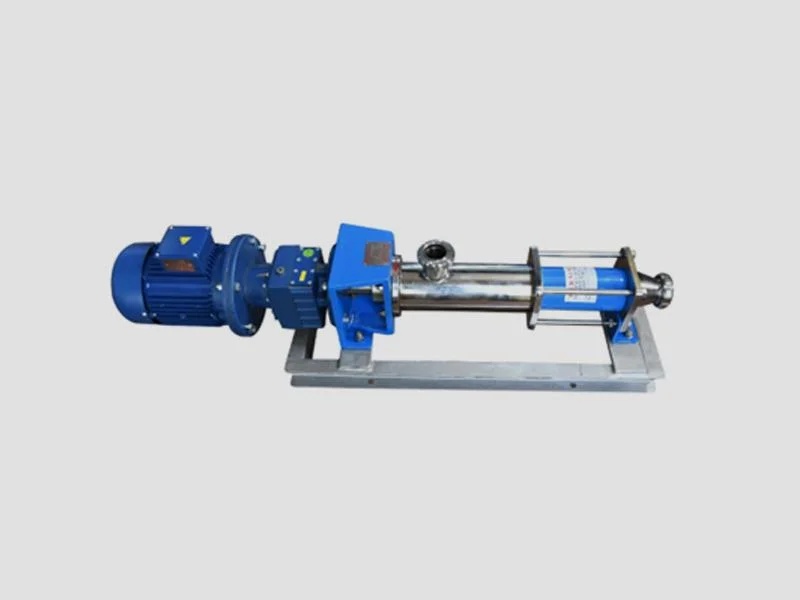
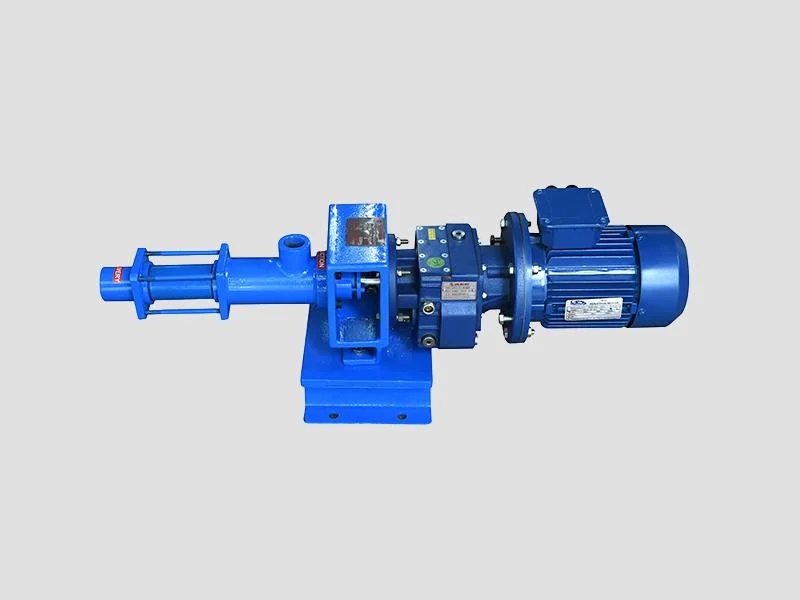
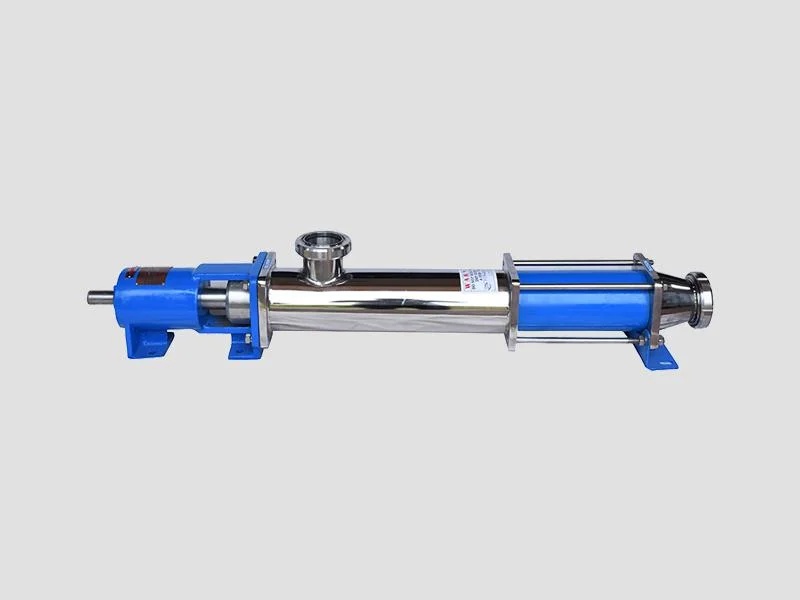
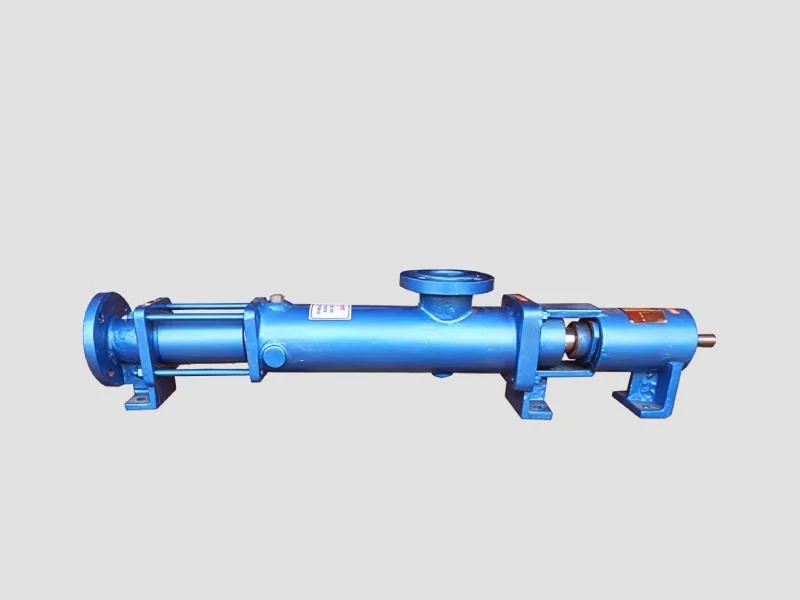
What are Piston Pumps?
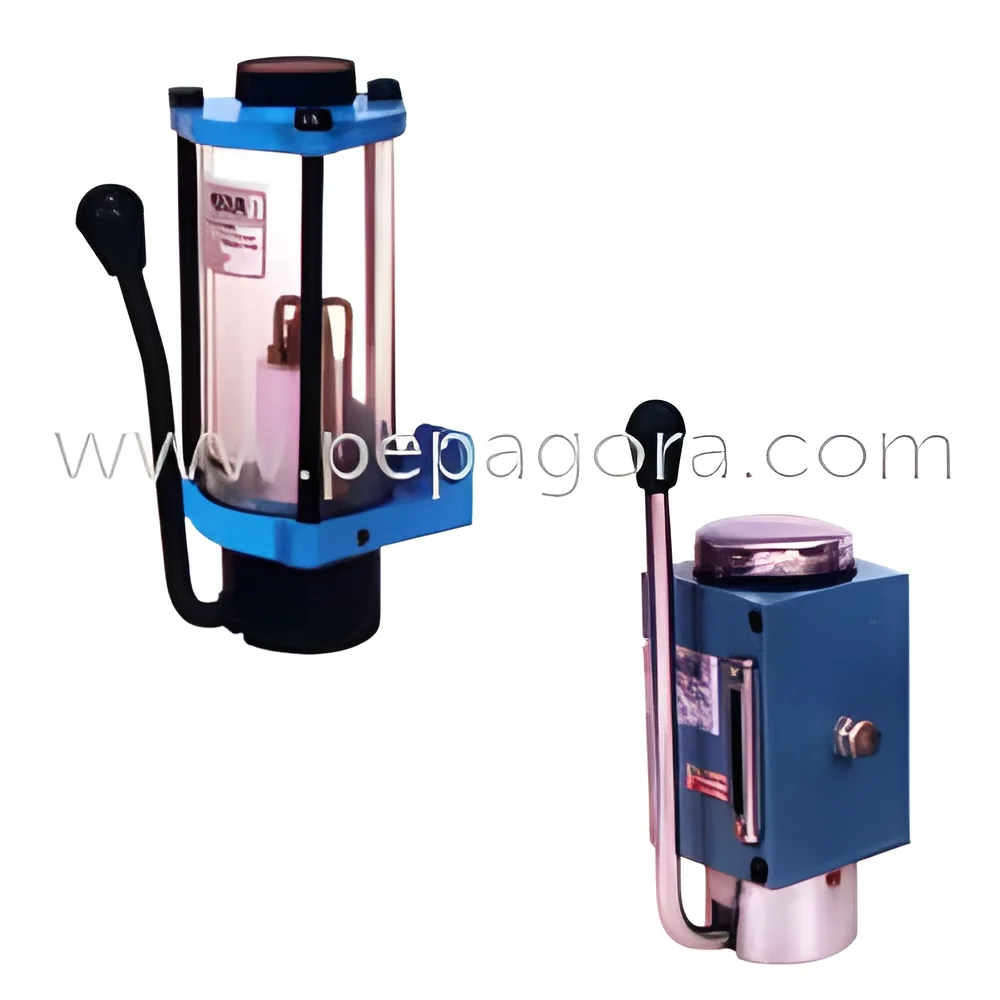
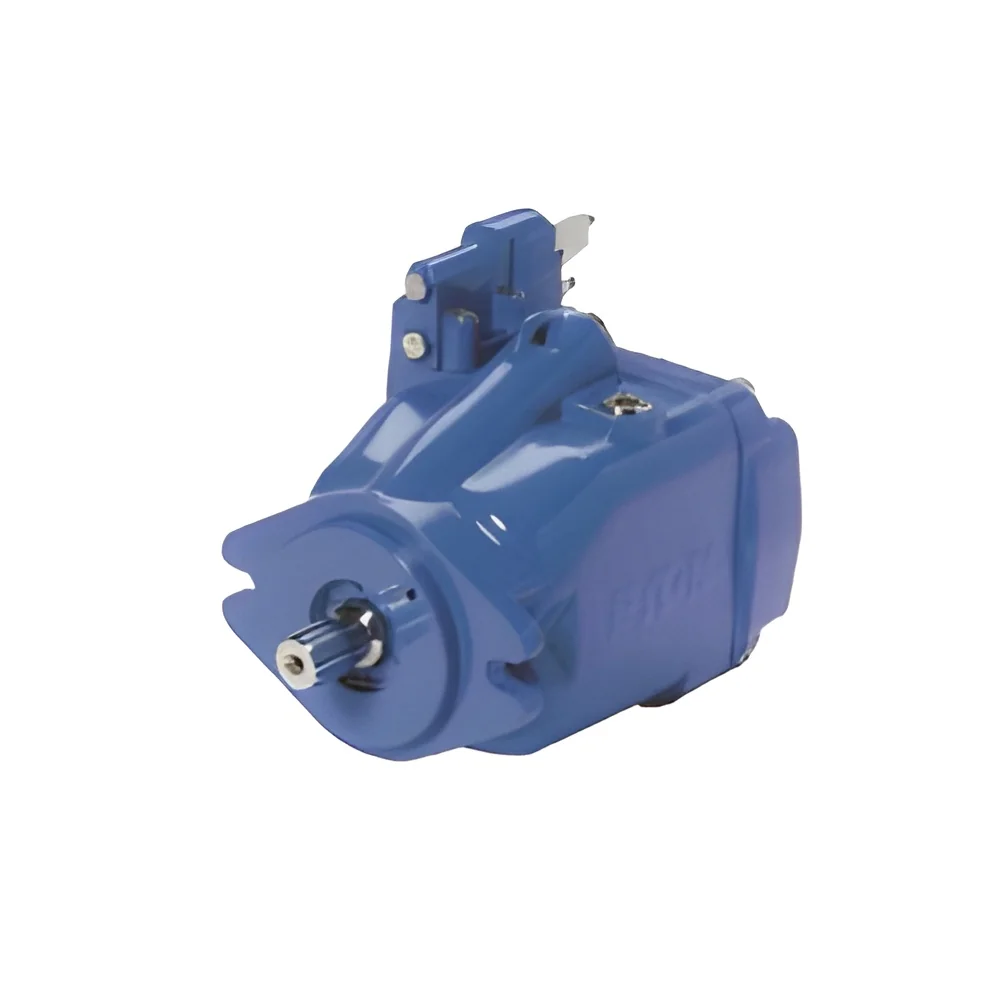
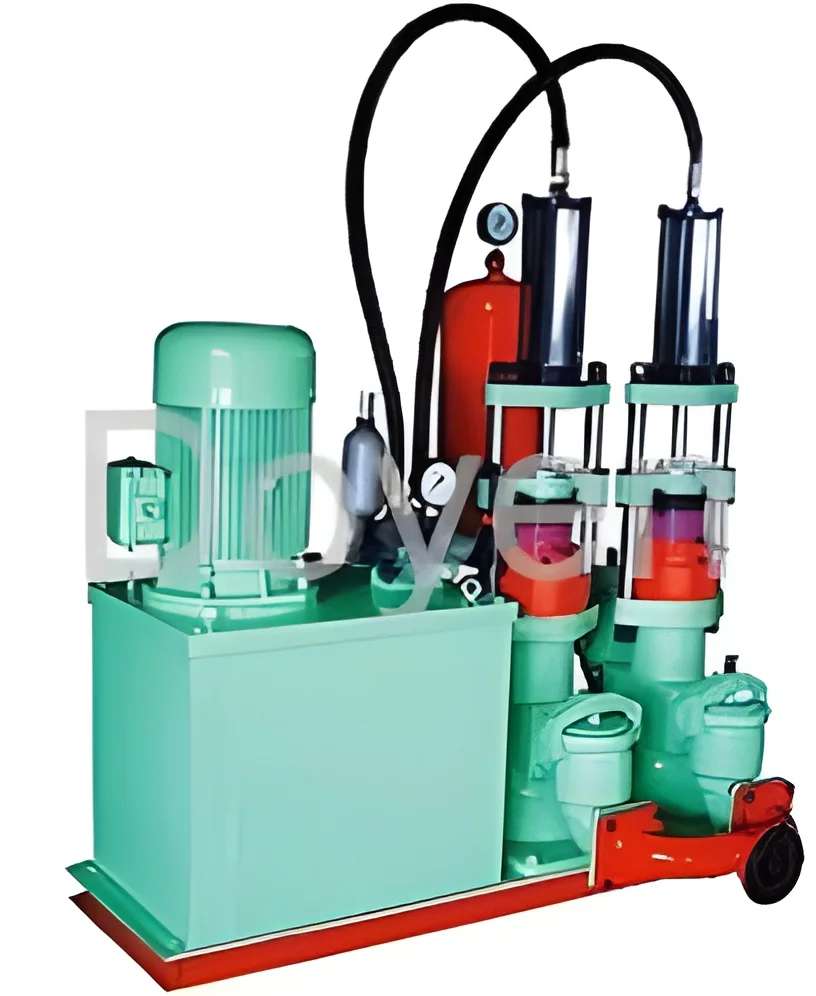
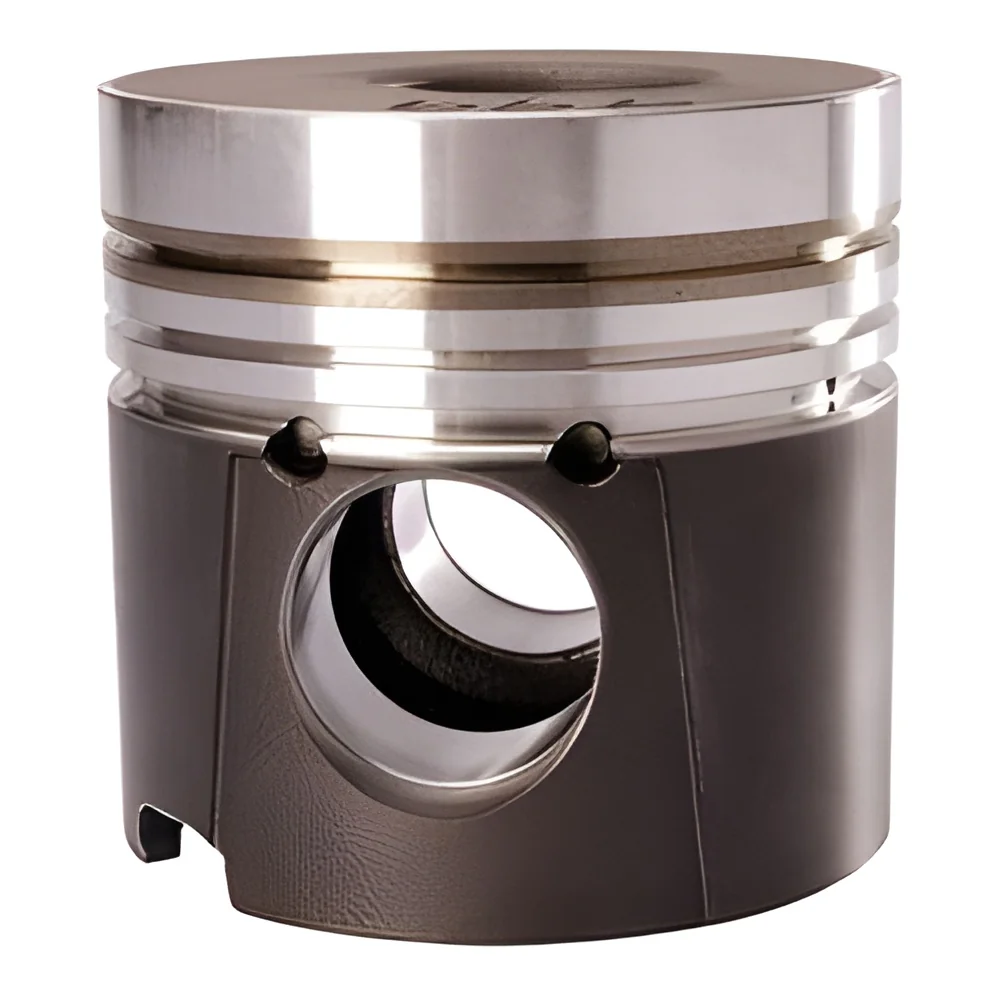
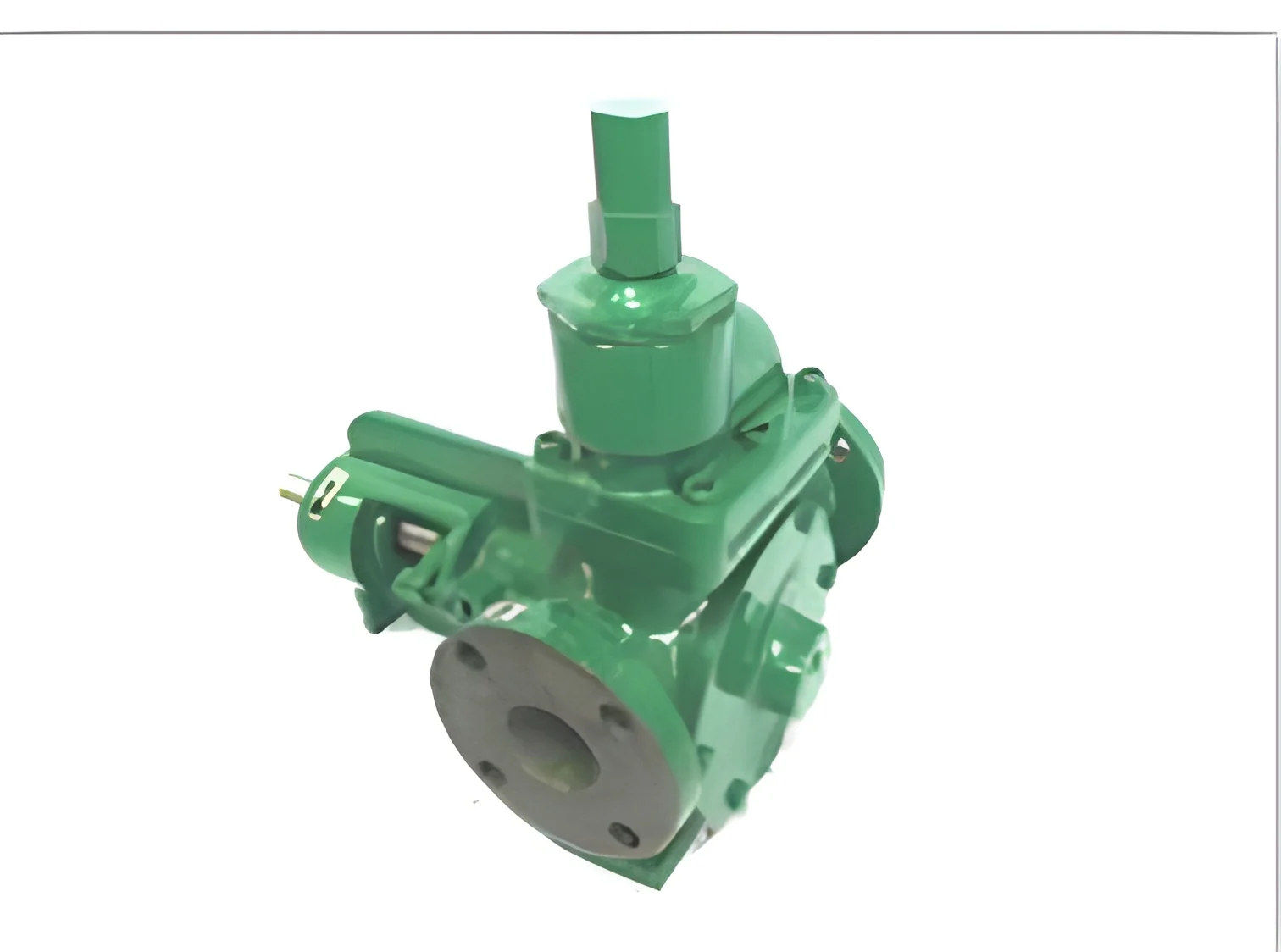
Piston pumps are a type of positive displacement pump that utilize a piston mechanism to move fluids. They function by creating a vacuum that draws liquid into a chamber, followed by the piston pushing the liquid out under pressure. This design allows for efficient fluid transfer and precise control of flow rates, making piston pumps suitable for a wide range of applications.
These pumps are commonly used in various industrial settings, including hydraulic systems, chemical processing, and water treatment facilities. Their ability to handle high pressures and viscous fluids makes them essential in industries such as manufacturing, construction, and agriculture. As industries seek more efficient and reliable fluid handling solutions, the market for piston pumps continues to expand, driven by advancements in technology and automation.
The relevance of piston pumps in today’s market cannot be overstated. They are critical components in systems requiring accurate fluid delivery, and their versatility allows them to adapt to numerous applications across diverse sectors. The growing focus on energy efficiency and sustainability further emphasizes the importance of these pumps in modern industrial processes.
Key Features and Specifications
Piston pumps are known for their robust construction and high efficiency. They provide reliable performance across various applications, making them a preferred choice for many industries. The following specifications highlight their operational capabilities and design features.
Key specifications include:
1. Maximum Pressure
- Piston pumps can operate at high-pressure levels, typically up to 5000 psi or more, depending on the design and materials used.
2. Flow Rate
- These pumps can achieve flow rates ranging from a few liters per minute to several hundred liters per minute, depending on the model and application.
3. Piston Diameter
- Piston diameters vary, commonly ranging from 1 inch to 6 inches, allowing for different flow rates and pressure outputs.
4. Material Construction
- Piston pumps are often made from materials such as stainless steel, cast iron, or plastic, providing durability and resistance to corrosion.
5. Power Source
- They can be powered by electric motors, hydraulic systems, or pneumatic sources, offering flexibility in installation and usage.
6. Temperature Range
- While specific temperature ranges are not available, piston pumps are generally designed to operate in varied environmental conditions.
7. Maintenance Requirements
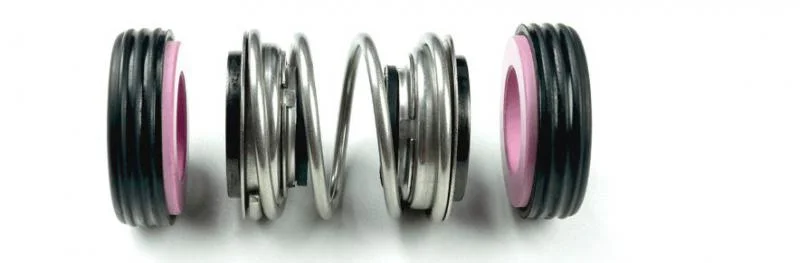
- Piston pumps require regular maintenance to ensure optimal performance, including lubrication and inspection of seals and pistons.
8. Noise Level
- These pumps typically operate at moderate noise levels, making them suitable for indoor and outdoor applications.
In summary, the specifications of piston pumps highlight their versatility and reliability, making them suitable for a wide range of industrial applications.
Common Applications and Use Cases
Piston pumps serve various industries, demonstrating their versatility and effectiveness in fluid handling.
1. Manufacturing: In manufacturing, piston pumps are used for transferring lubricants and processing fluids, ensuring smooth operation of machinery.
2. Agriculture: These pumps are employed for irrigation and pesticide application, providing efficient fluid delivery in farming operations.
3. Chemical Processing: Piston pumps handle corrosive and viscous chemicals, making them essential in chemical manufacturing and processing facilities.
4. Water Treatment: They play a critical role in water treatment plants, moving water through filtration and chemical treatment processes.
5. Automotive: In the automotive industry, piston pumps are used in fuel injection systems and hydraulic braking systems for reliable performance.
6. Oil and Gas: Piston pumps are utilized in oil drilling and refining processes, managing the transfer of crude oil and other hydrocarbons.
7. Pharmaceuticals: These pumps are crucial in pharmaceutical manufacturing for precise dosing of liquids and handling sensitive materials.
Product Variants and Subcategories
Piston pumps come in a variety of designs to meet specific operational needs. This diversity allows businesses to select models best suited for their applications.
Hydraulic Piston Pumps
These pumps are designed for high-pressure applications and are commonly used in hydraulic machinery and systems. They offer excellent performance in fluid transfer and power generation.
Air-Operated Piston Pumps
Air-operated models utilize compressed air to drive the piston. They are ideal for applications requiring portability and ease of use, commonly found in paint spraying and chemical transfer.
Electric Piston Pumps
Electric-driven piston pumps provide consistent performance and are suitable for applications in manufacturing and automated systems. They offer a quiet operation and require less manual intervention.
Benefits and Advantages
Piston pumps offer several advantages that make them a valuable choice for businesses looking for efficient fluid handling solutions.
1. High Efficiency: Piston pumps deliver precise and consistent flow rates, ensuring optimal performance across various applications.
2. Versatility: Their ability to handle a wide range of fluids, including viscous and corrosive materials, makes them suitable for diverse industries.
3. Durability: Constructed from robust materials, piston pumps are designed to withstand harsh operating conditions, providing a long service life.
4. Low Maintenance: With proper care, piston pumps require minimal maintenance, reducing downtime and operational costs for businesses.
5. Accurate Flow Control: The positive displacement design allows for precise control over flow rates, essential for applications requiring exact fluid delivery.
6. Energy Efficiency: Many piston pumps are designed to minimize energy consumption, aligning with modern sustainability goals.
Buying Guide for B2B Buyers
When sourcing piston pumps, businesses should consider several key factors to ensure they select the right product for their needs.
1. Quality Assessment: Evaluate the quality of the pumps by reviewing certifications and manufacturer specifications. Ensure compliance with industry standards to guarantee reliability.
2. Supplier Verification: Vet potential suppliers by checking references and previous customer feedback. A strong supplier relationship is crucial for ongoing support and service.
3. Pricing and MOQ: Understand the pricing structure and minimum order quantities. Compare options to find the best value while meeting your operational requirements.
4. Delivery and Lead Times: Consider the lead times for production and delivery. Timely availability of products is essential for maintaining smooth operations.
5. Compliance Requirements: Familiarize yourself with regulatory and compliance standards relevant to your industry. Ensure that the chosen piston pumps meet these requirements.
Compliance and Certifications
Piston pumps must adhere to various quality standards and certifications to ensure reliability and safety in their applications. Compliance with ISO 9001 is often a requirement, as it indicates a commitment to quality management systems. Additionally, the CE marking is important for ensuring that products meet European safety, health, and environmental protection standards.
Testing requirements also play a significant role in the certification process. Piston pumps should undergo rigorous testing to verify their performance under varying conditions. Regional compliance considerations can vary, so it is crucial for buyers to understand local regulations that may affect product selection.
By ensuring that piston pumps meet these compliance and certification standards, businesses can trust in their reliability and performance across diverse applications.
Why Source Piston Pumps from Pepagora?
Pepagora provides a trusted platform for sourcing piston pumps, offering several key advantages that facilitate the purchasing process for B2B buyers.
Verified Supplier Network: Pepagora connects buyers with a network of verified suppliers, ensuring that all vendors meet industry standards for quality and reliability. This helps businesses make informed decisions based on supplier credibility.
Streamlined RFQ Process: The platform features an efficient Request for Quotation (RFQ) system that simplifies the procurement process. Buyers can easily compare quotes from multiple suppliers, allowing for better pricing and terms.
Trade Assurance and Support: Pepagora offers trade assurance to protect buyers throughout the purchasing journey. This includes support for dispute resolution and ensuring that products are delivered as promised.
Regional Coverage: With a focus on markets in India, the GCC, and Southeast Asia, Pepagora provides extensive regional coverage. This geographic reach enables businesses to find local suppliers, reducing shipping costs and lead times.
By leveraging the benefits of sourcing through Pepagora, businesses can enhance their procurement processes and secure high-quality piston pumps tailored to their specific operational needs.

 IN
IN