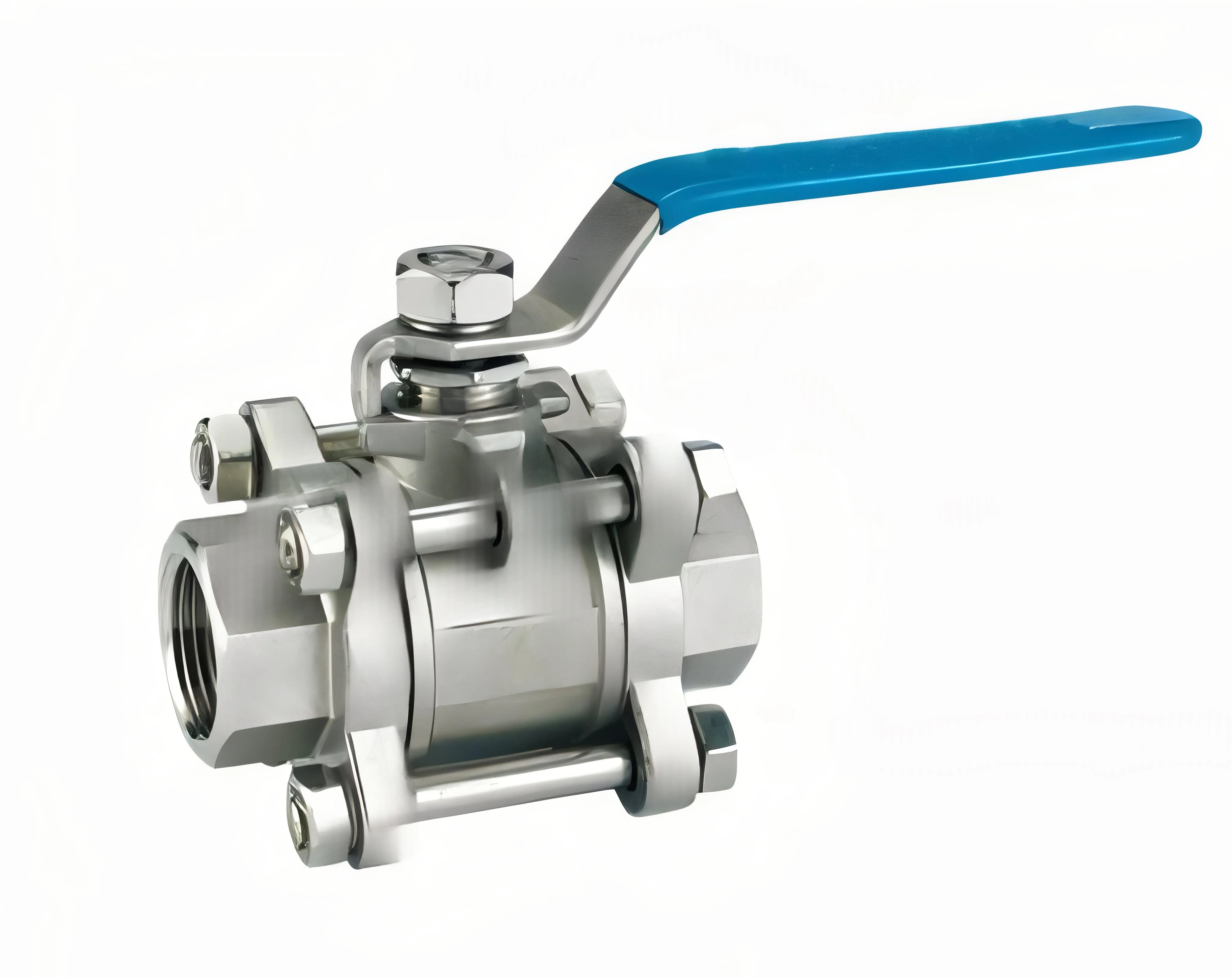
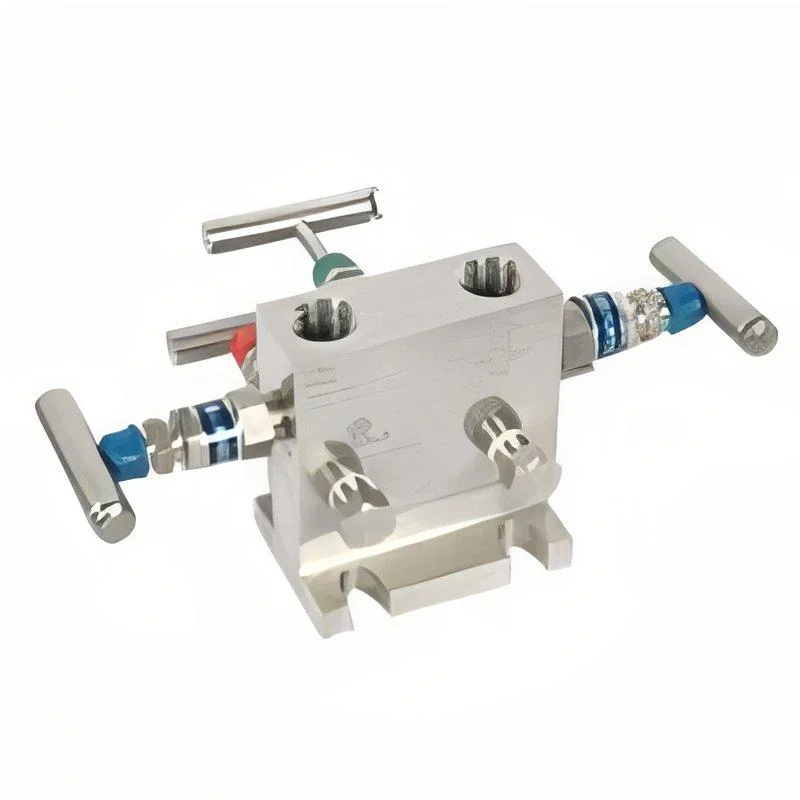
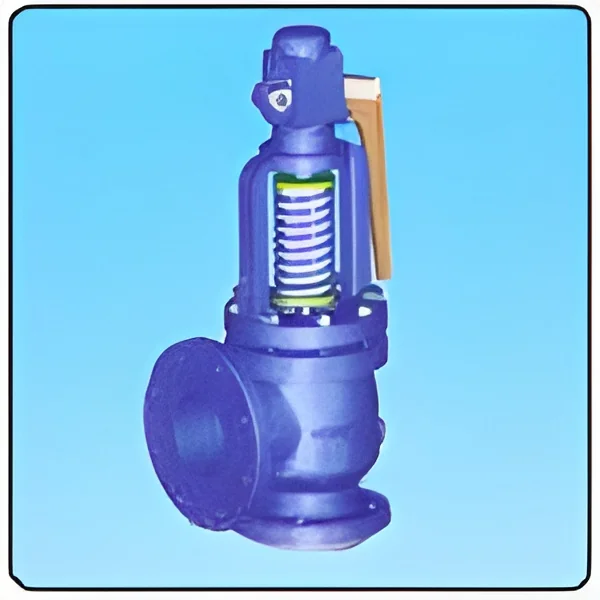
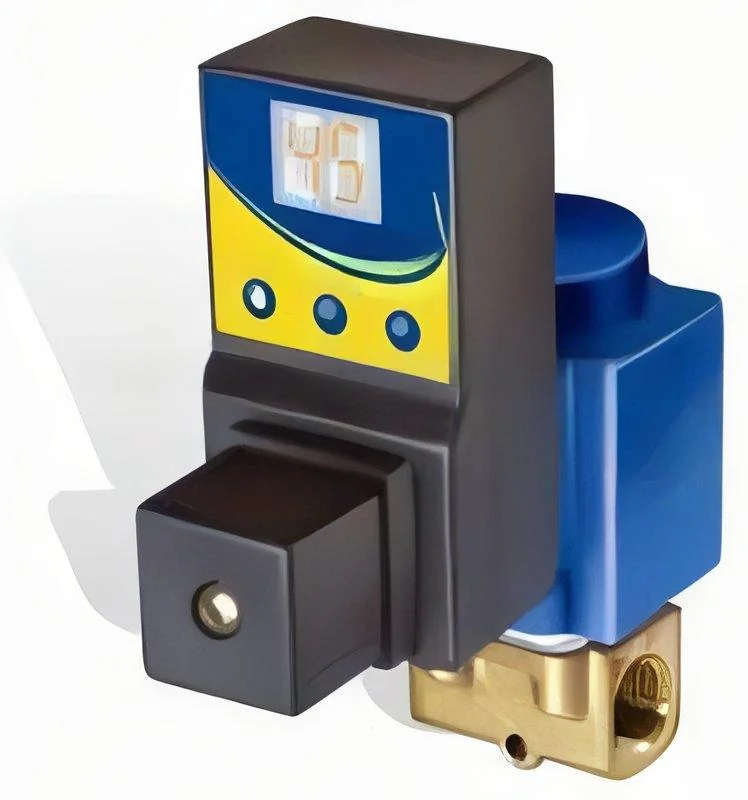
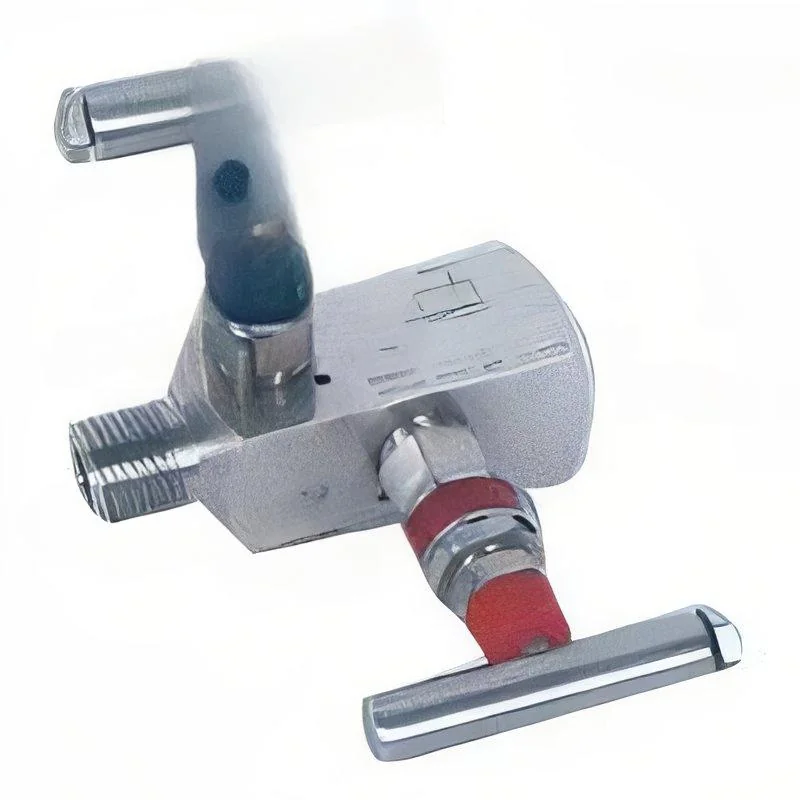
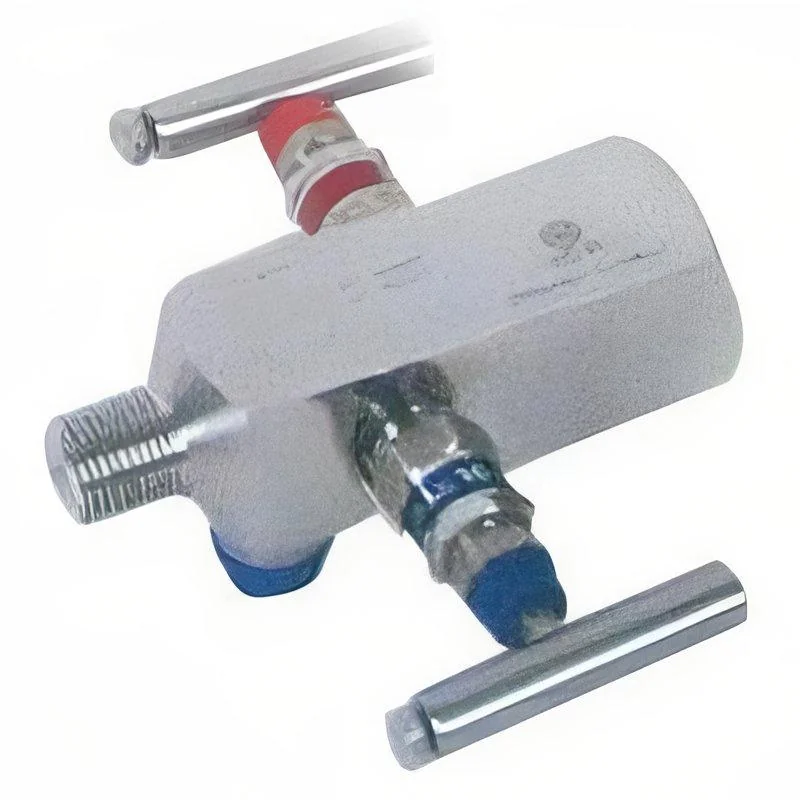
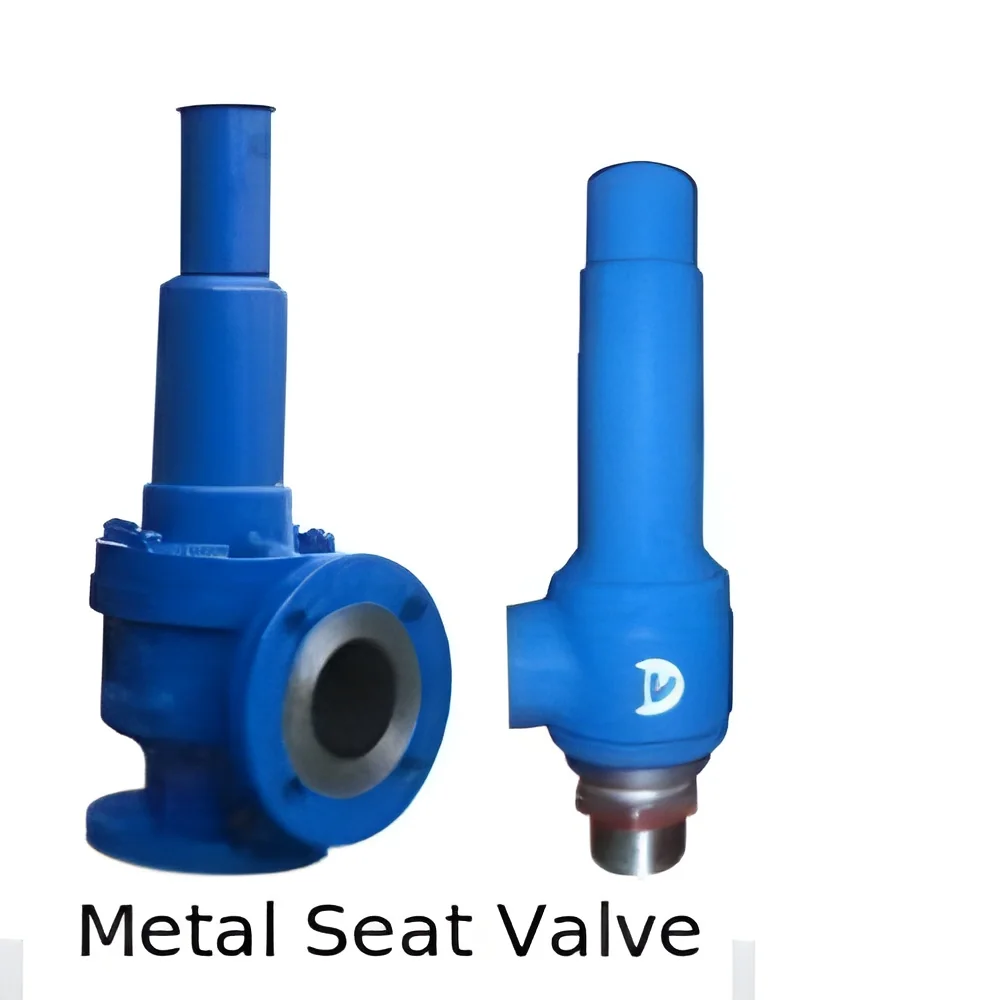
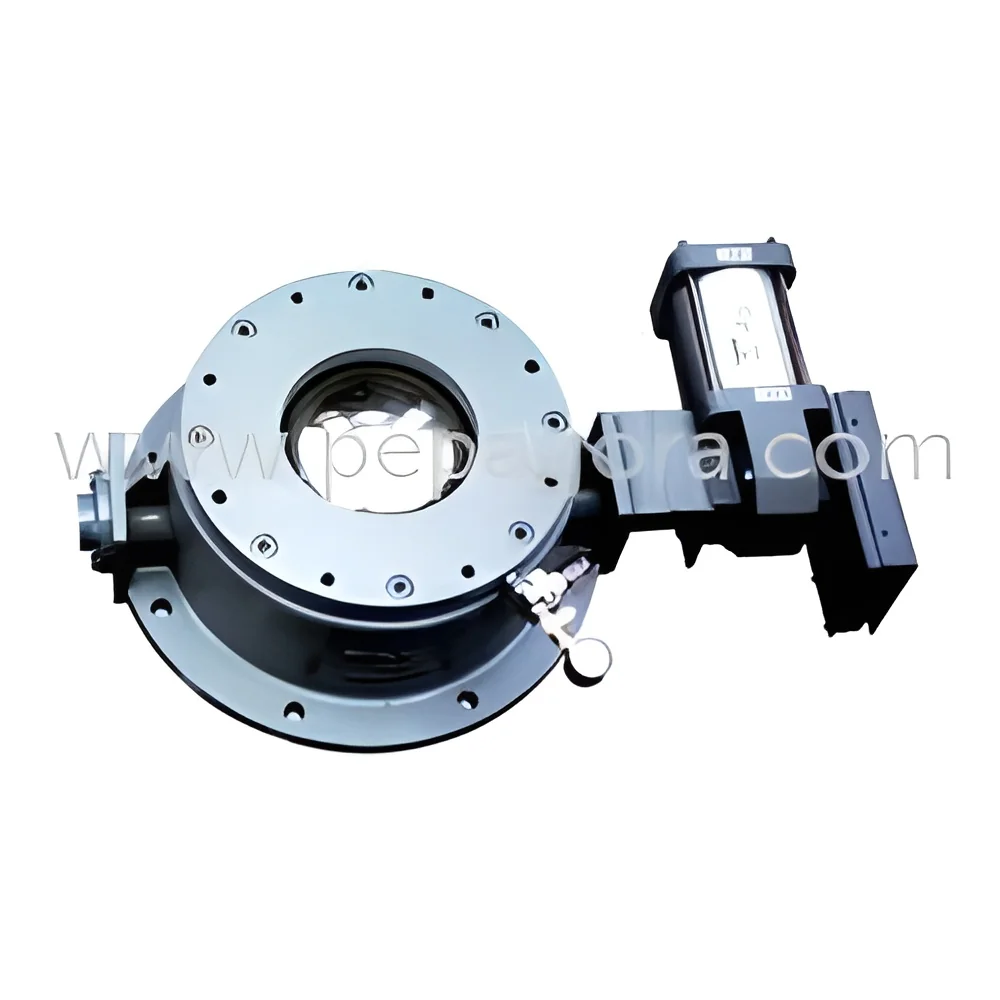
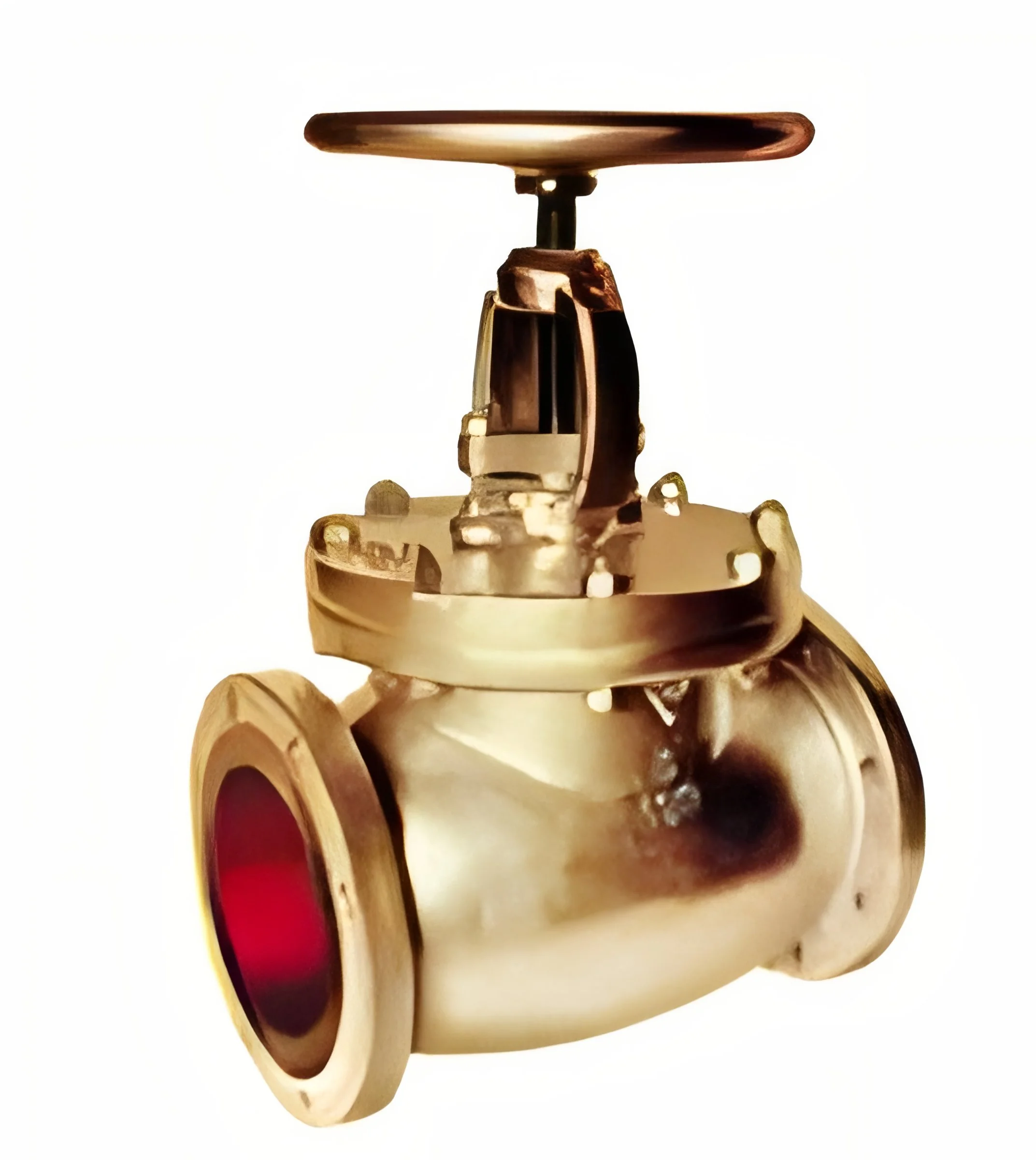
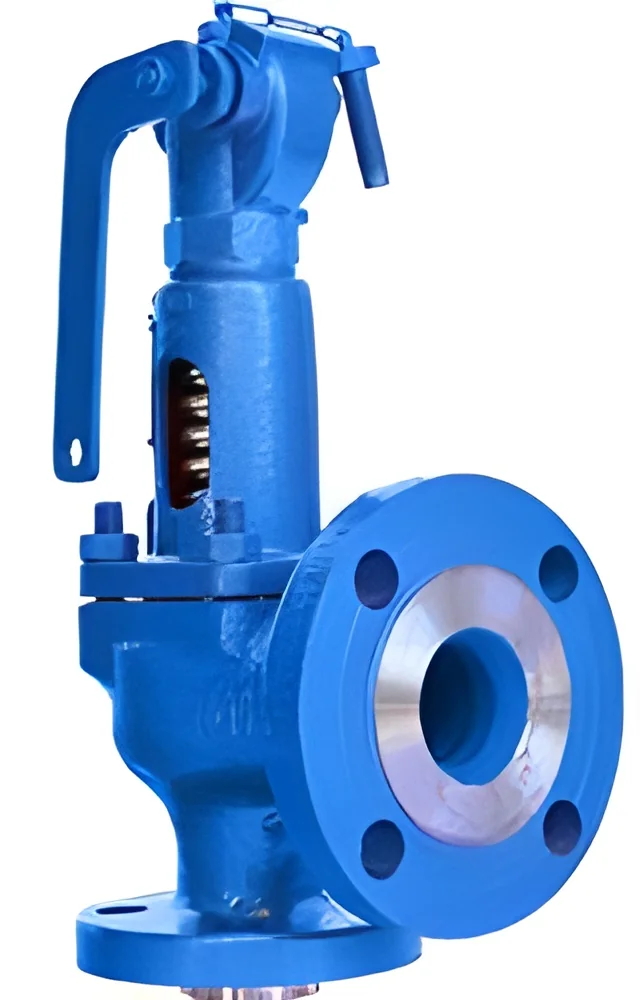
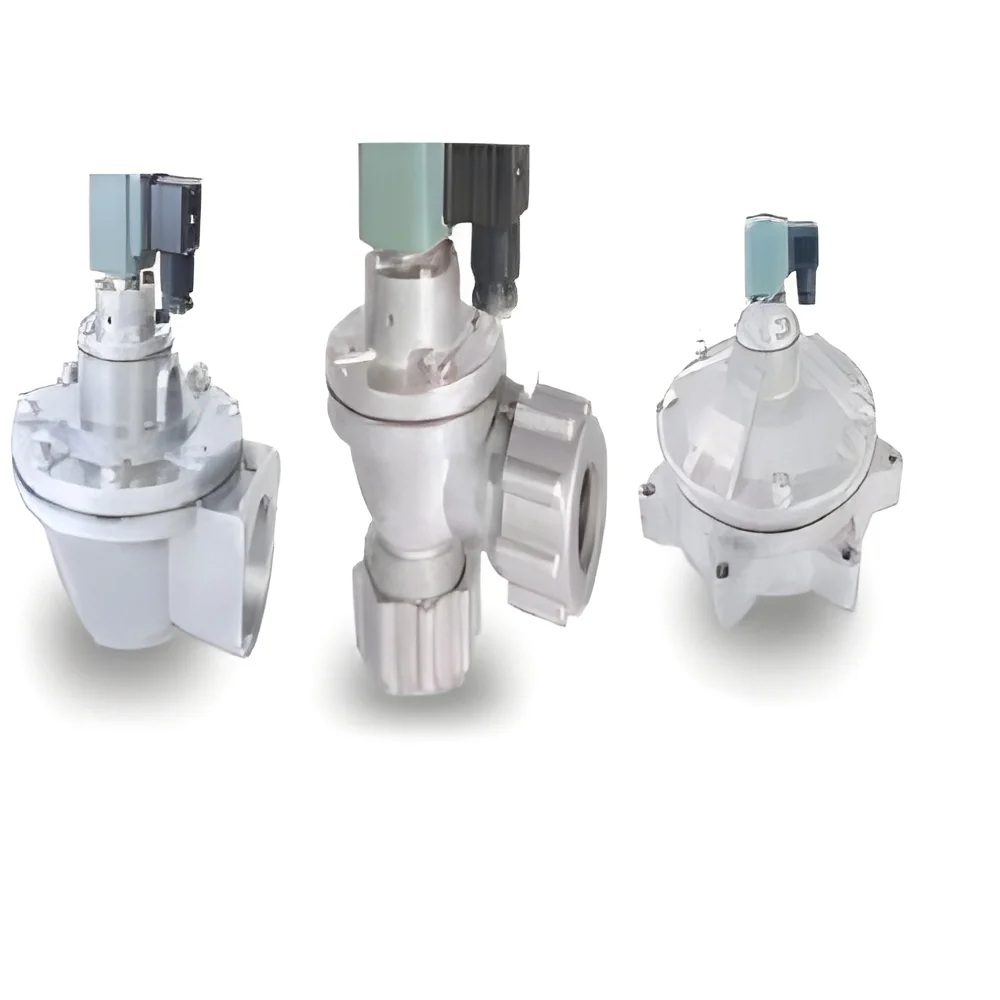
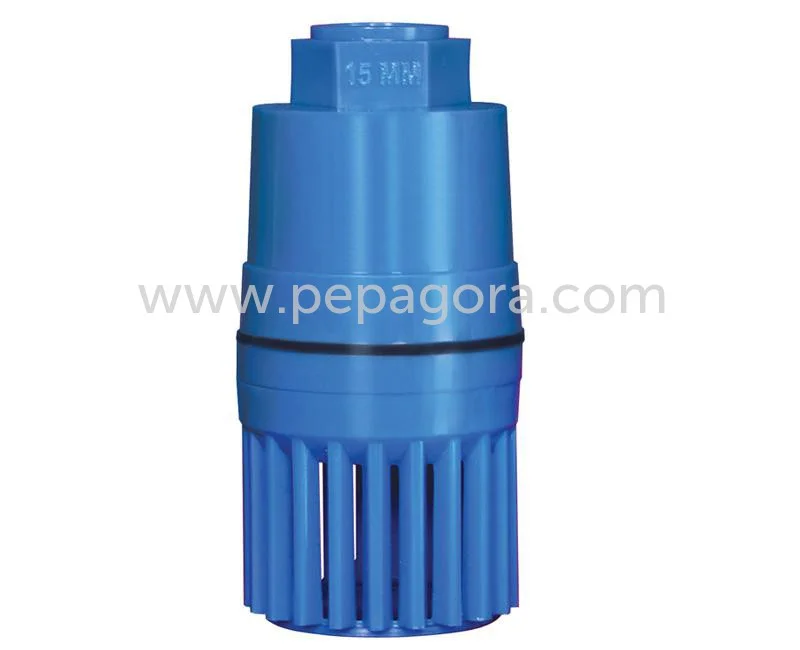
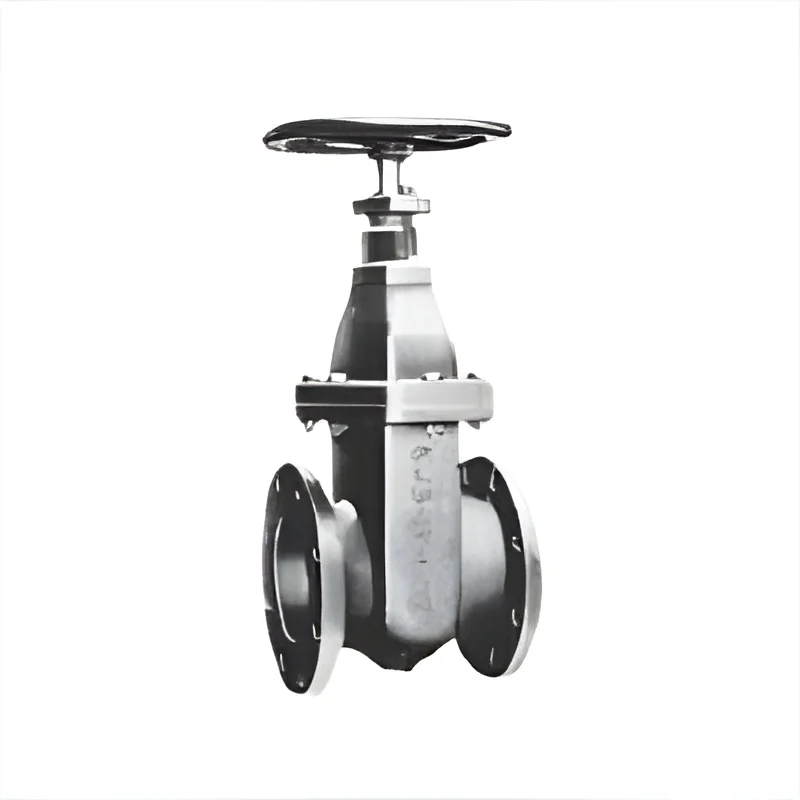
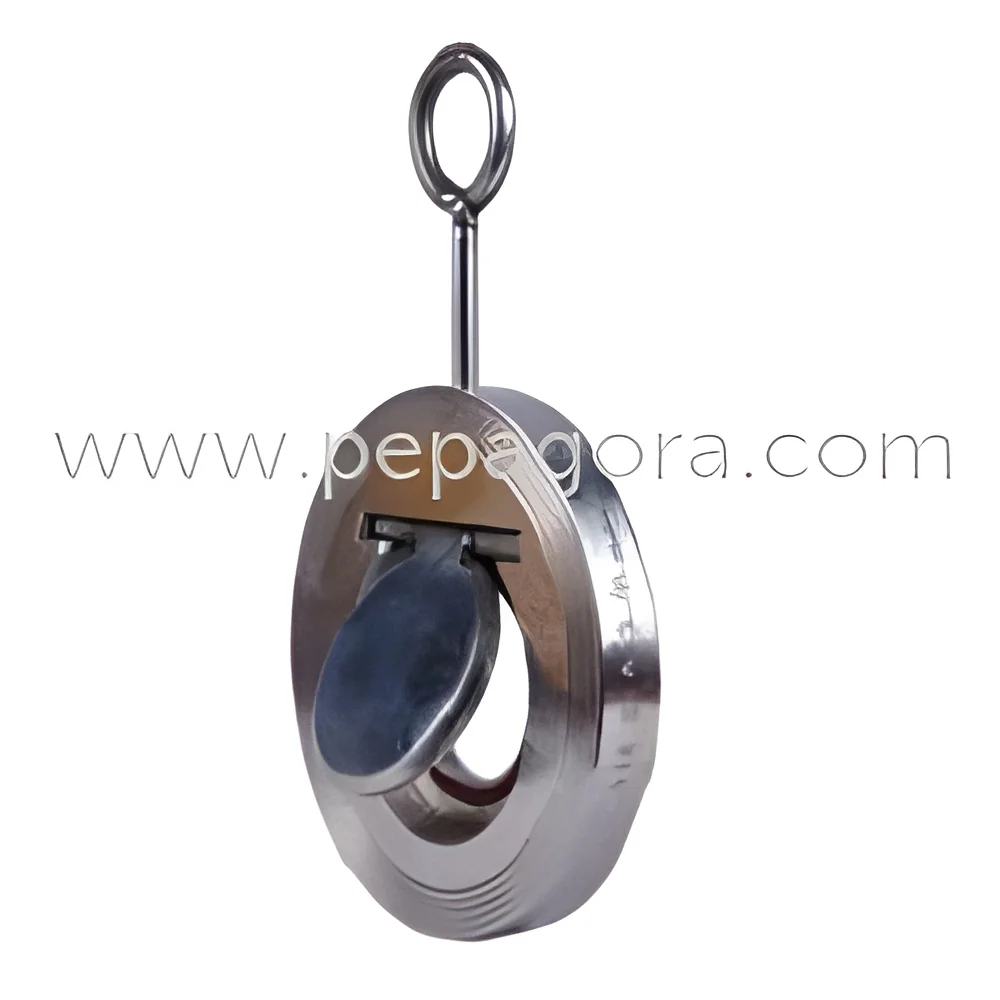
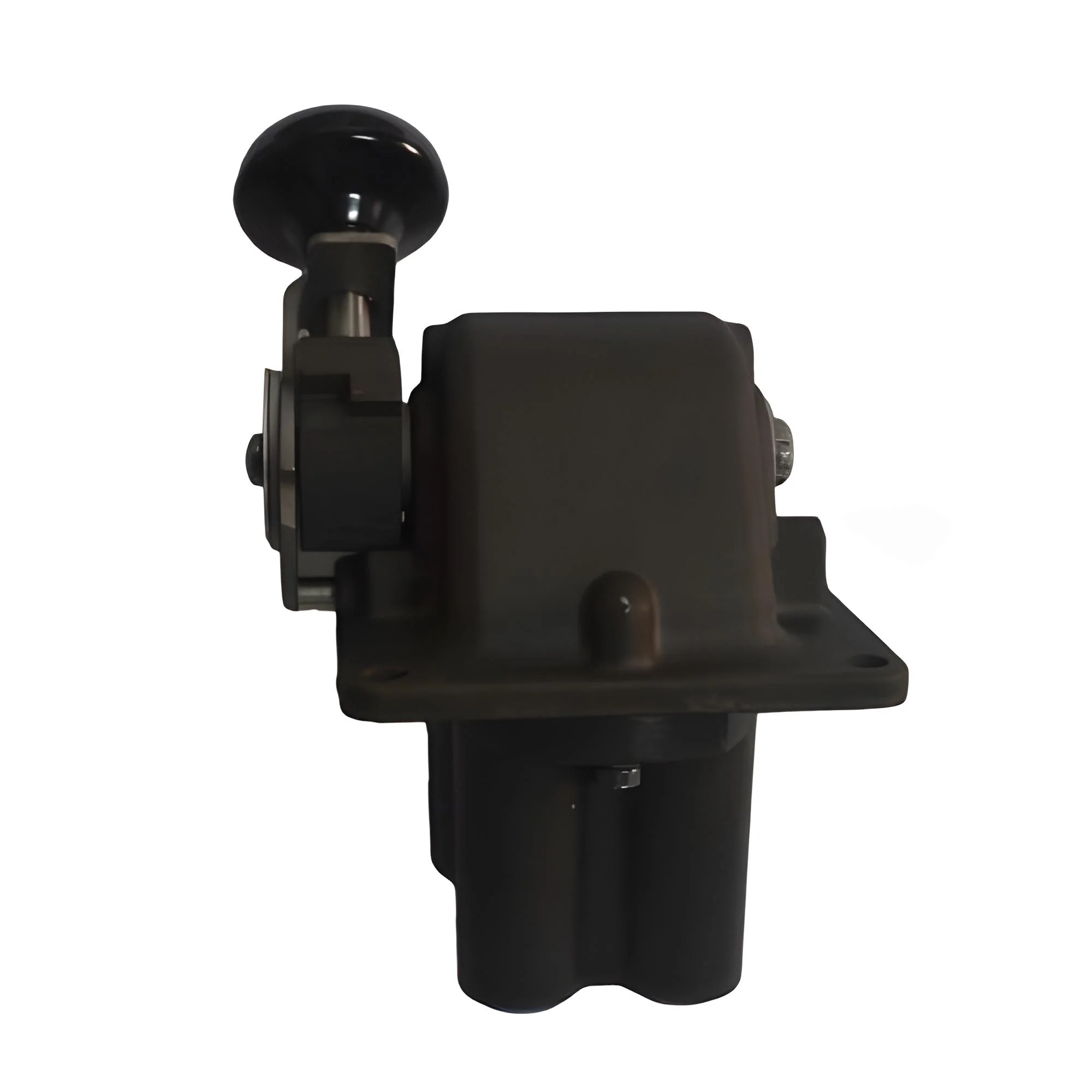
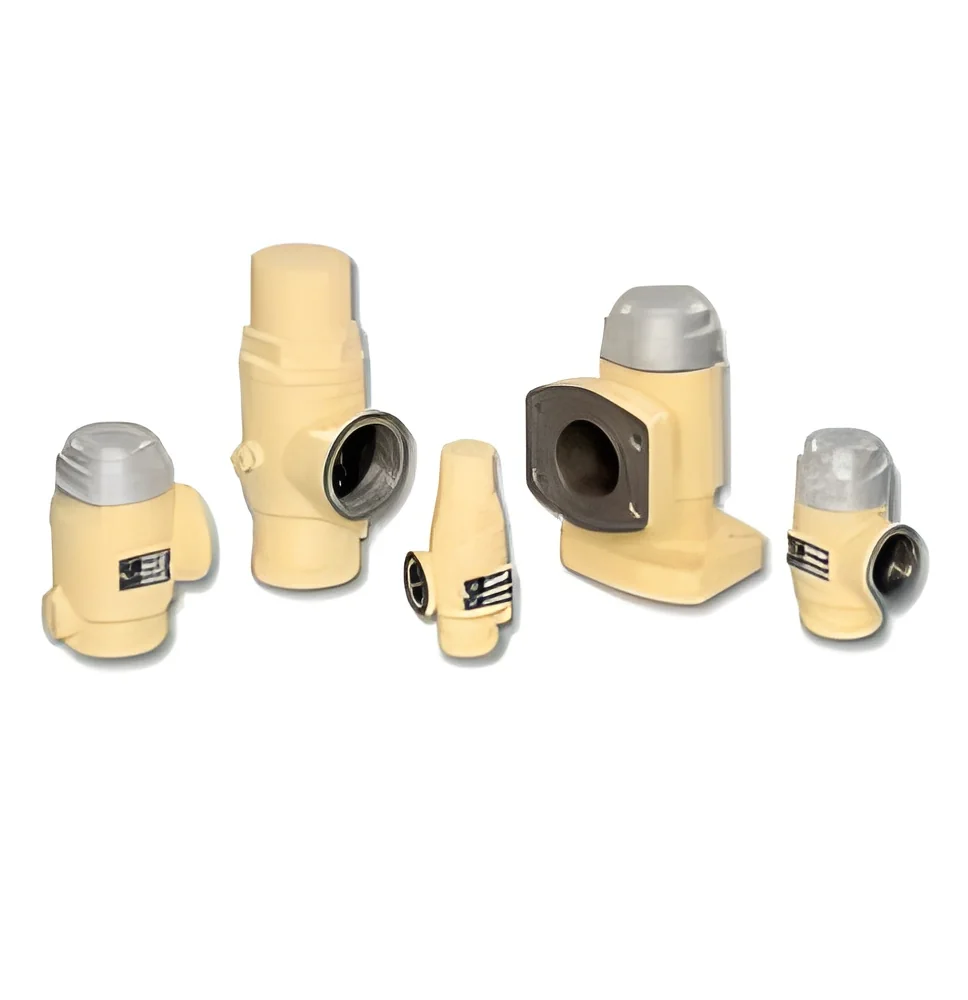
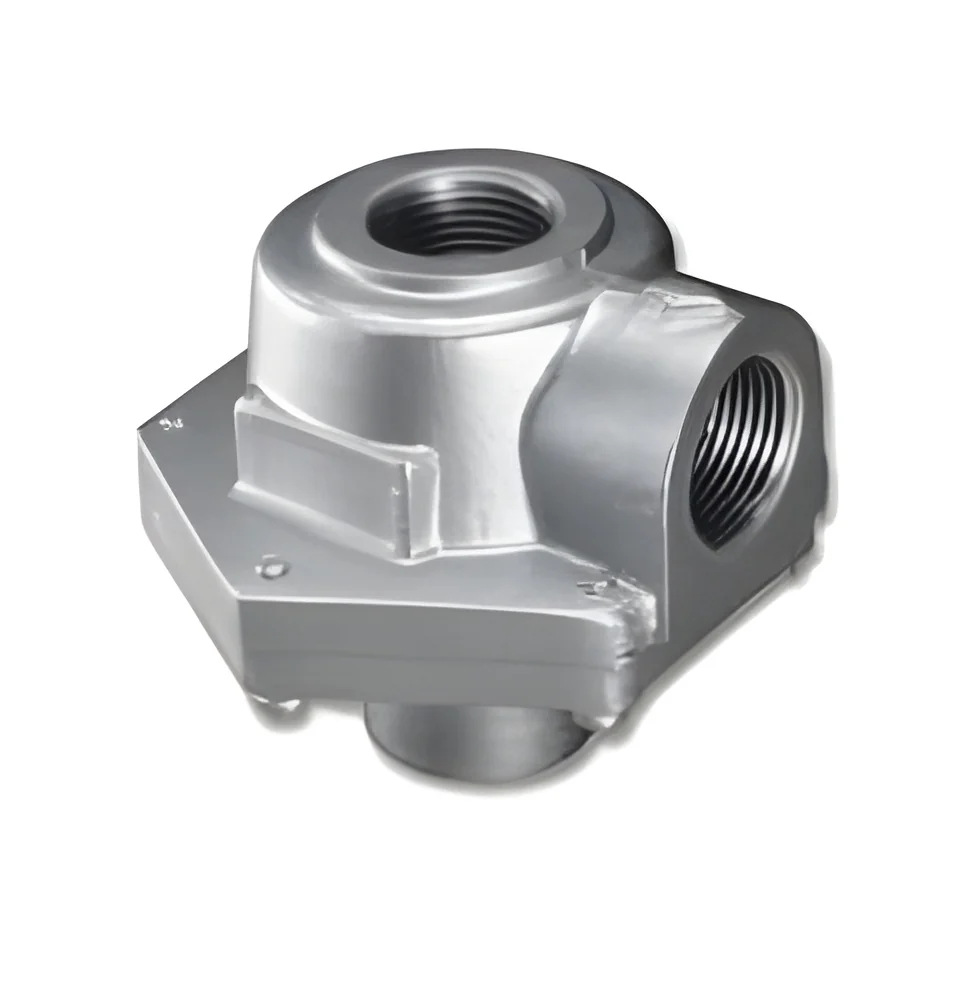
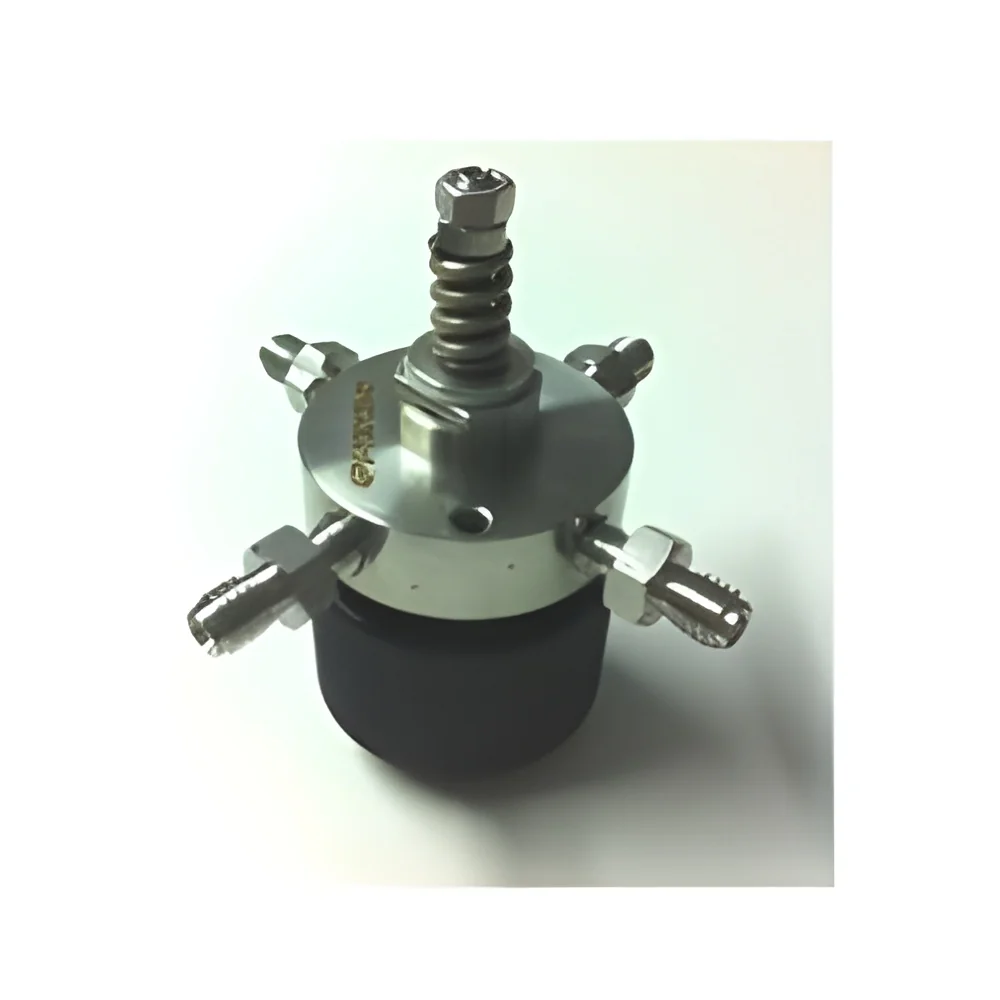
What are Other Pumps & Valves?
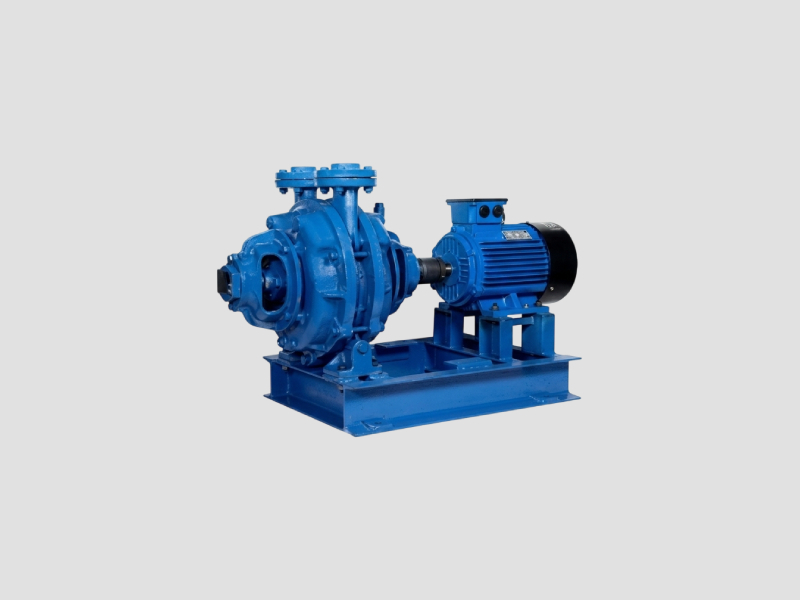
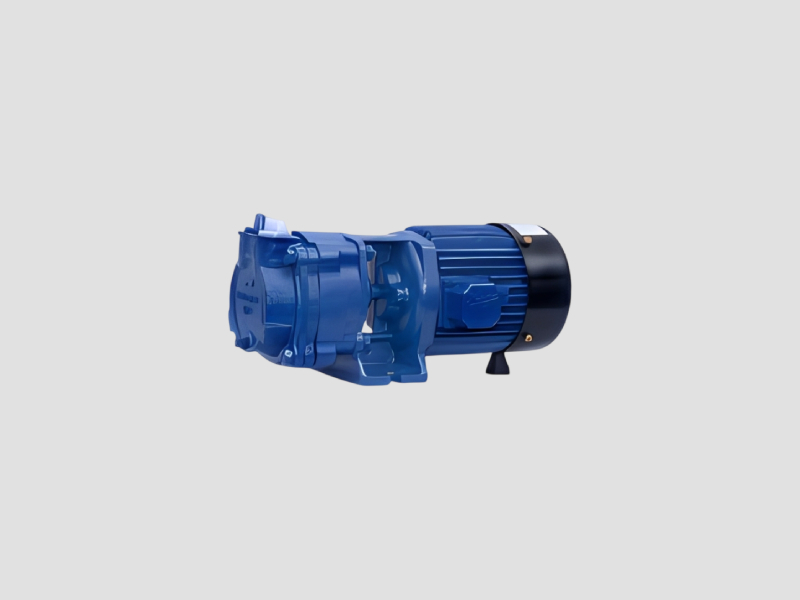
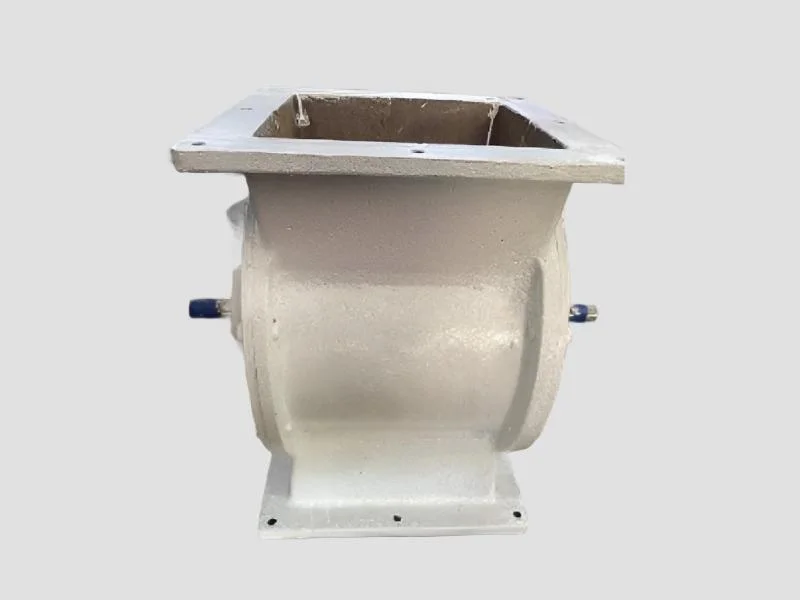
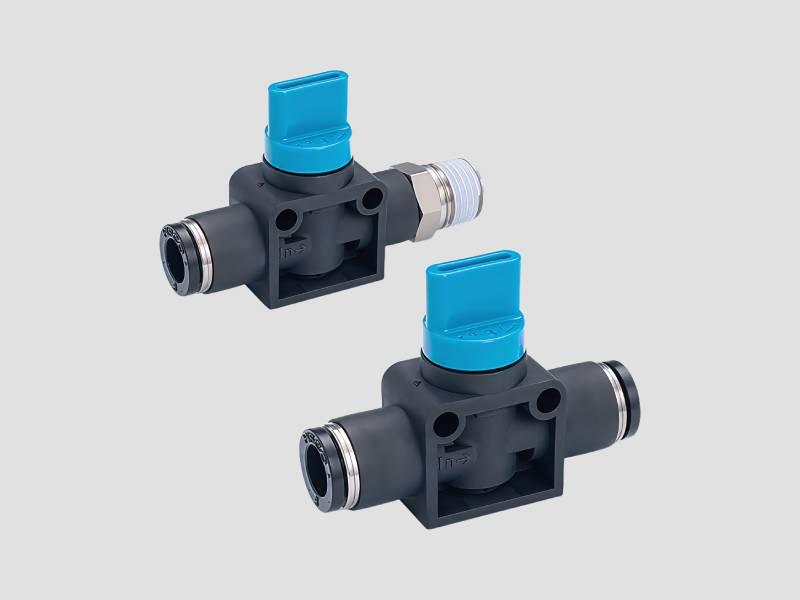
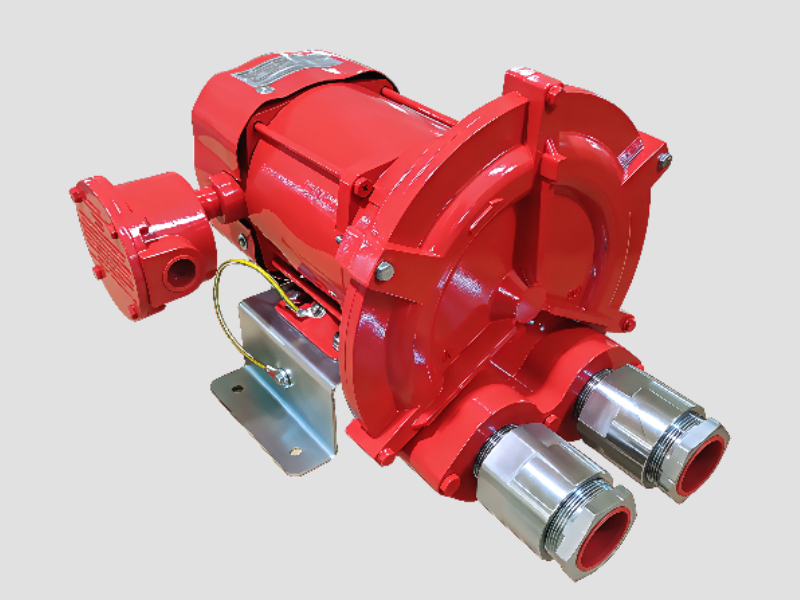
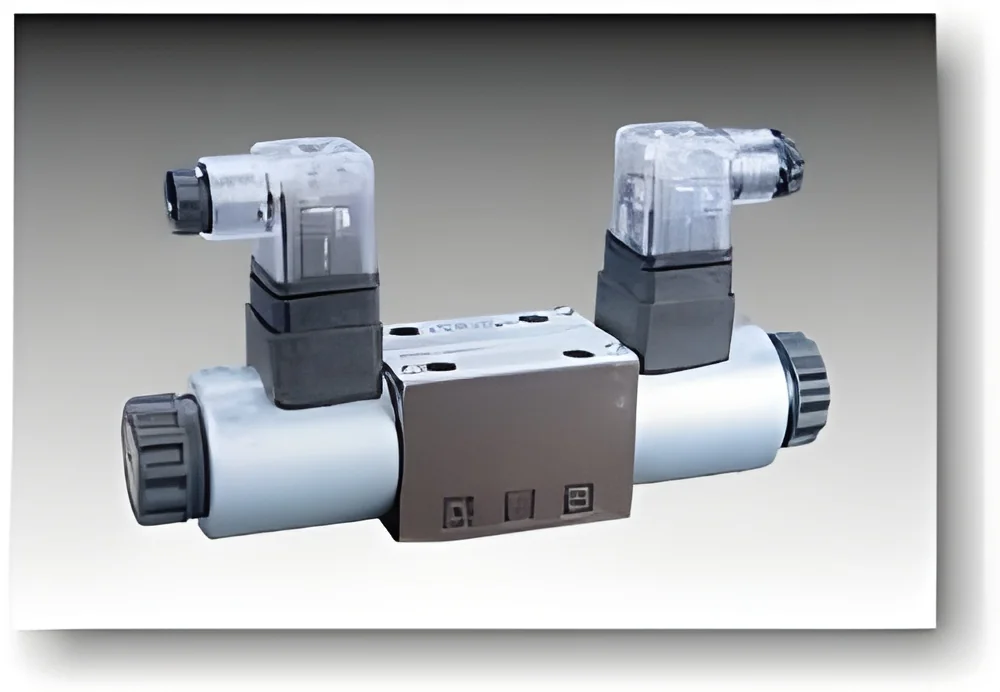
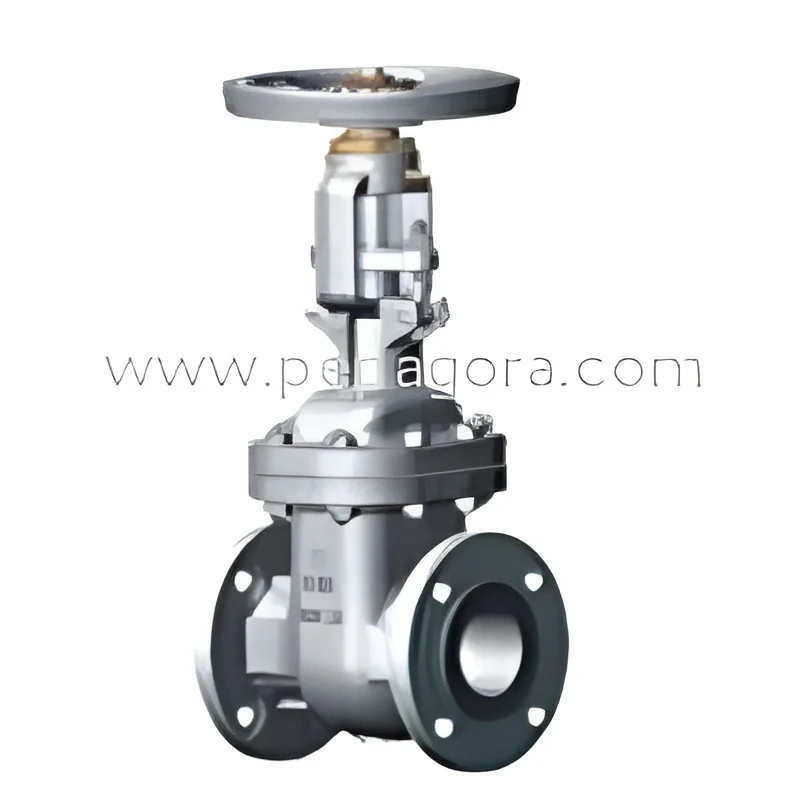
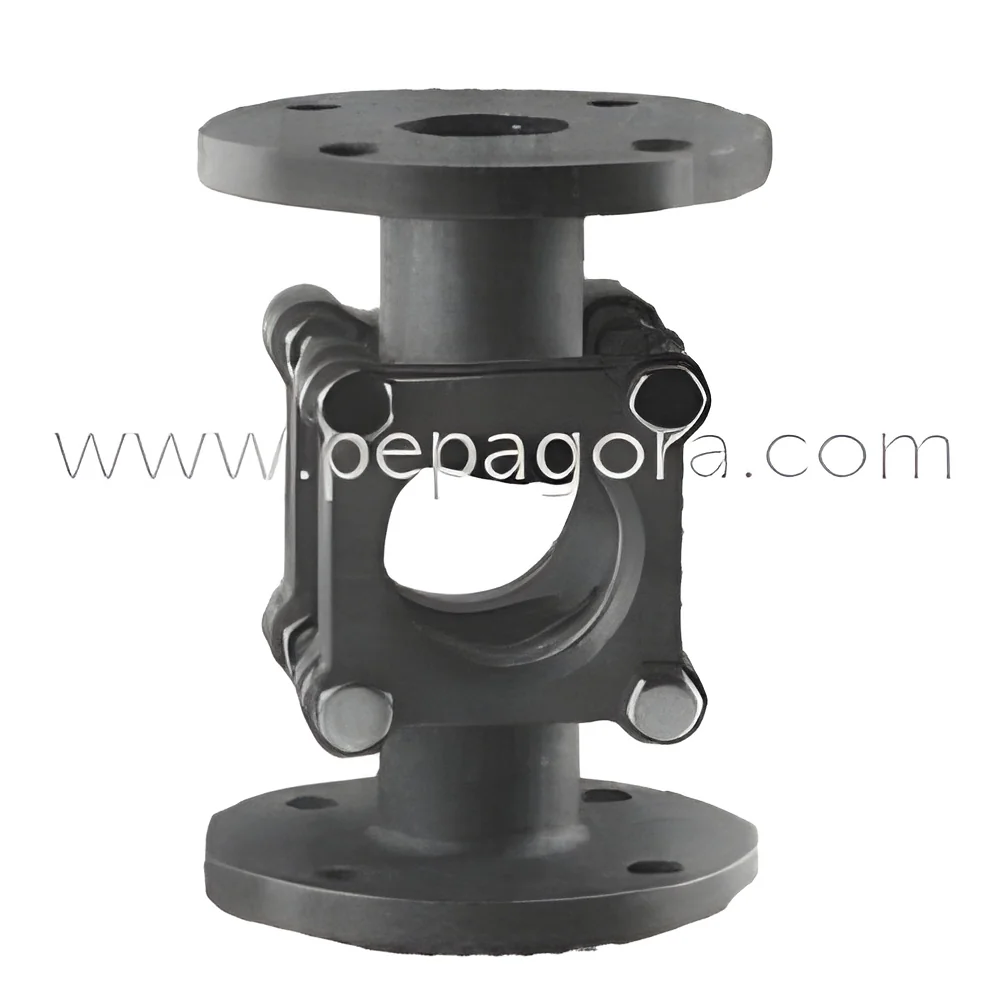
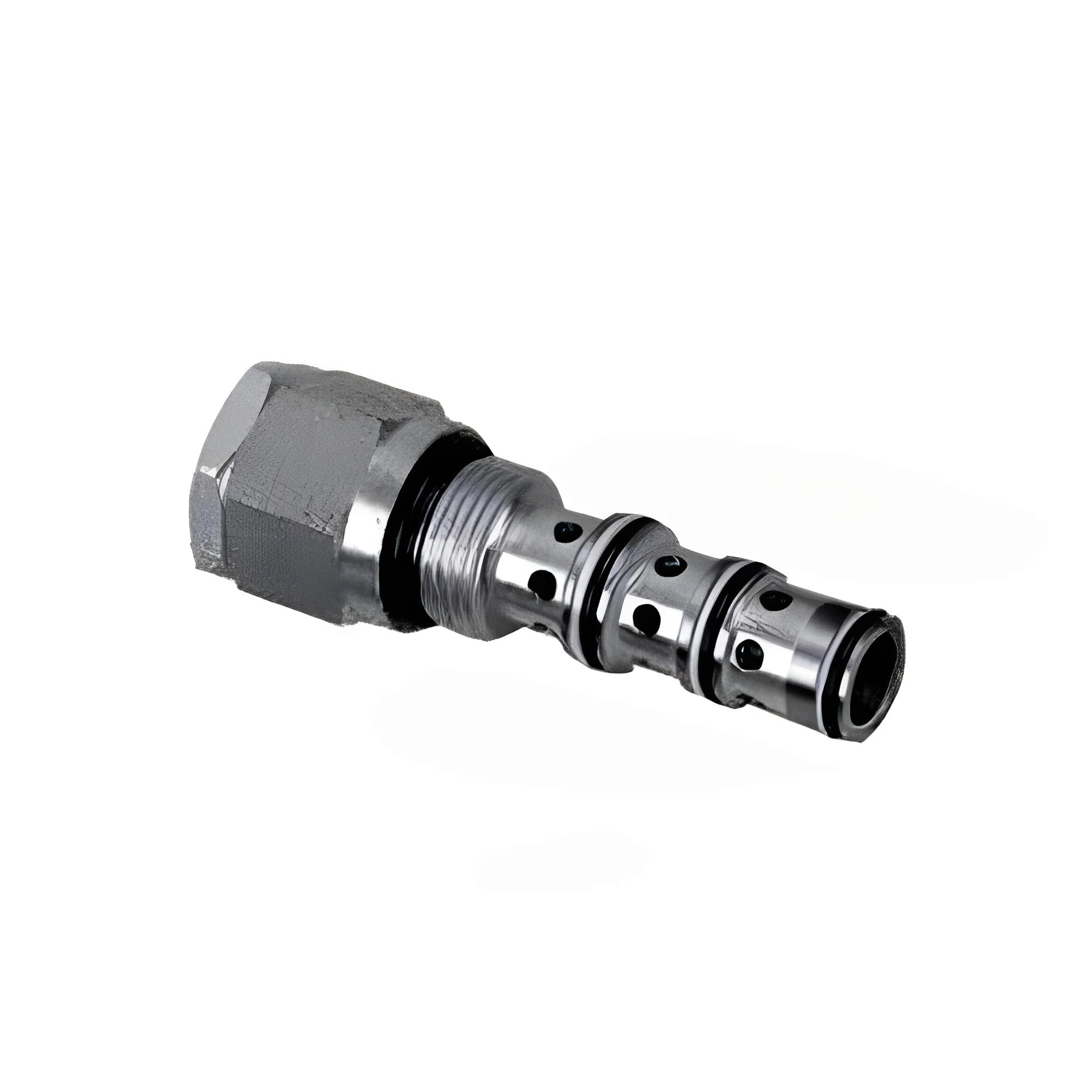
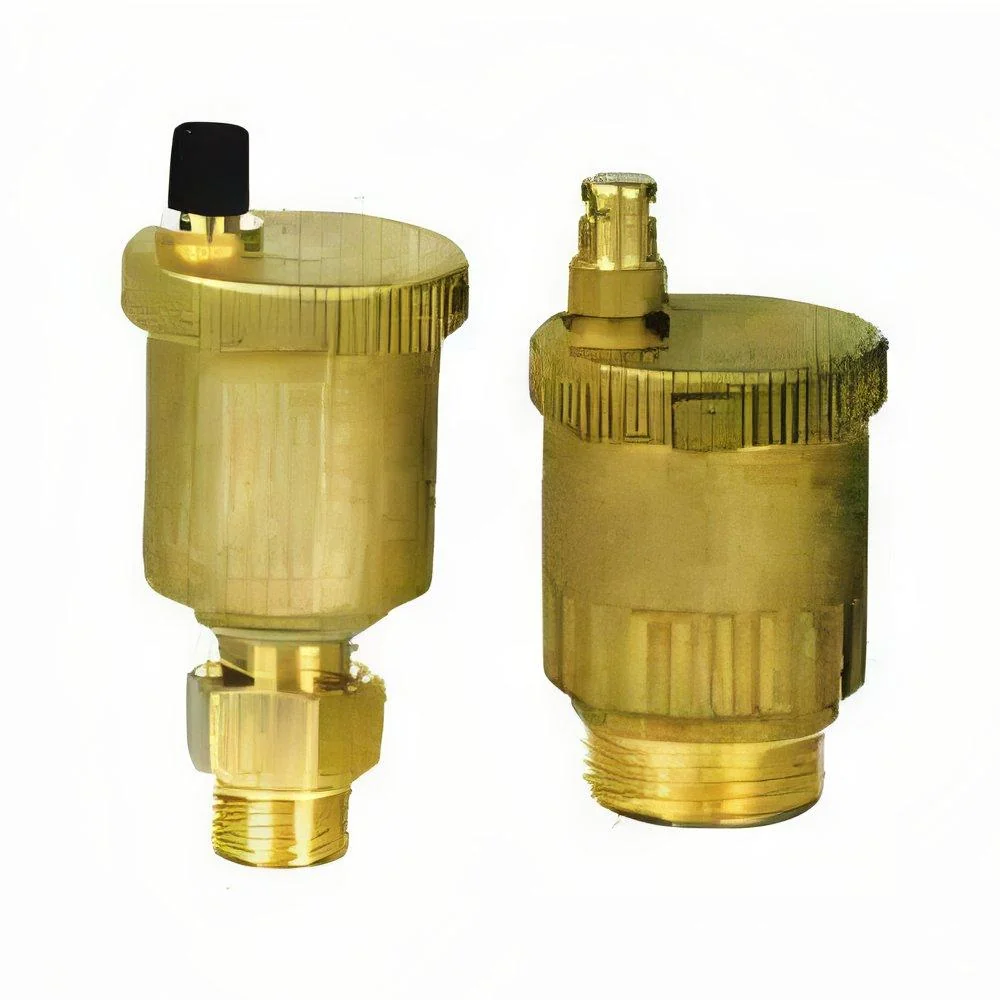
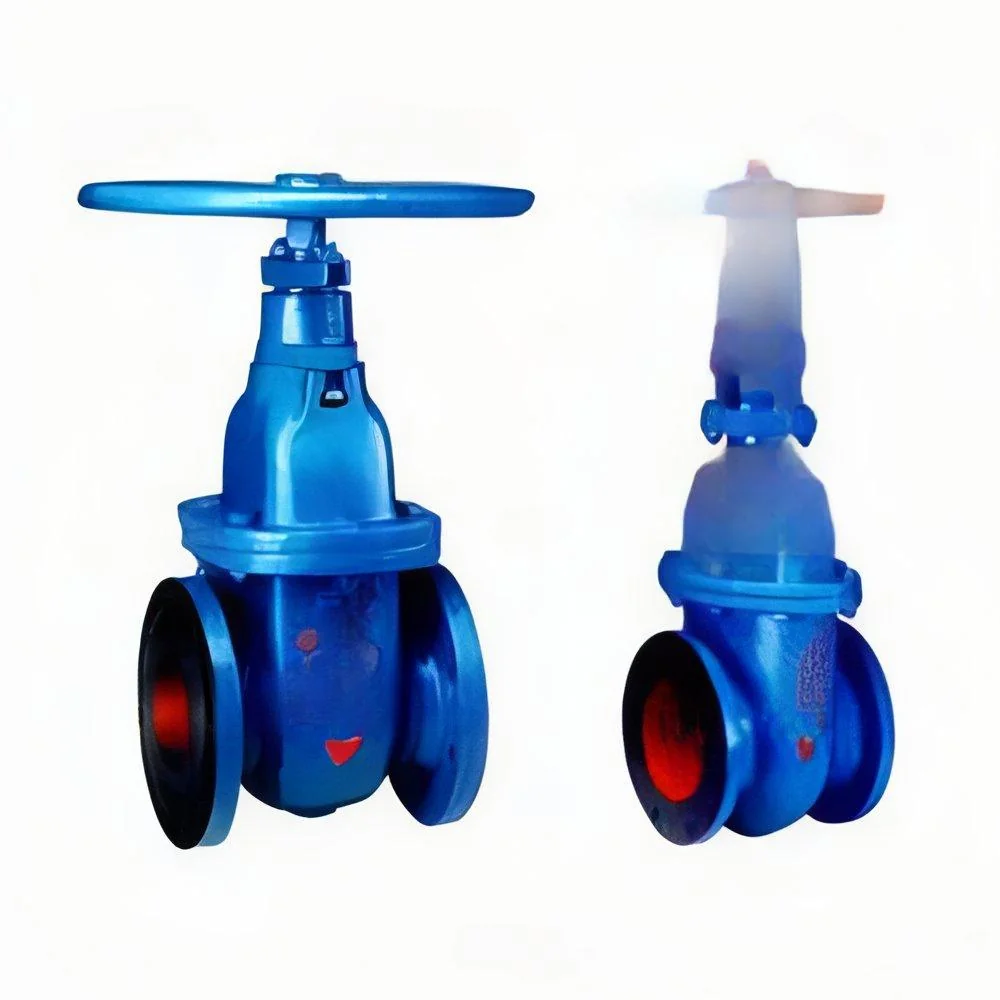
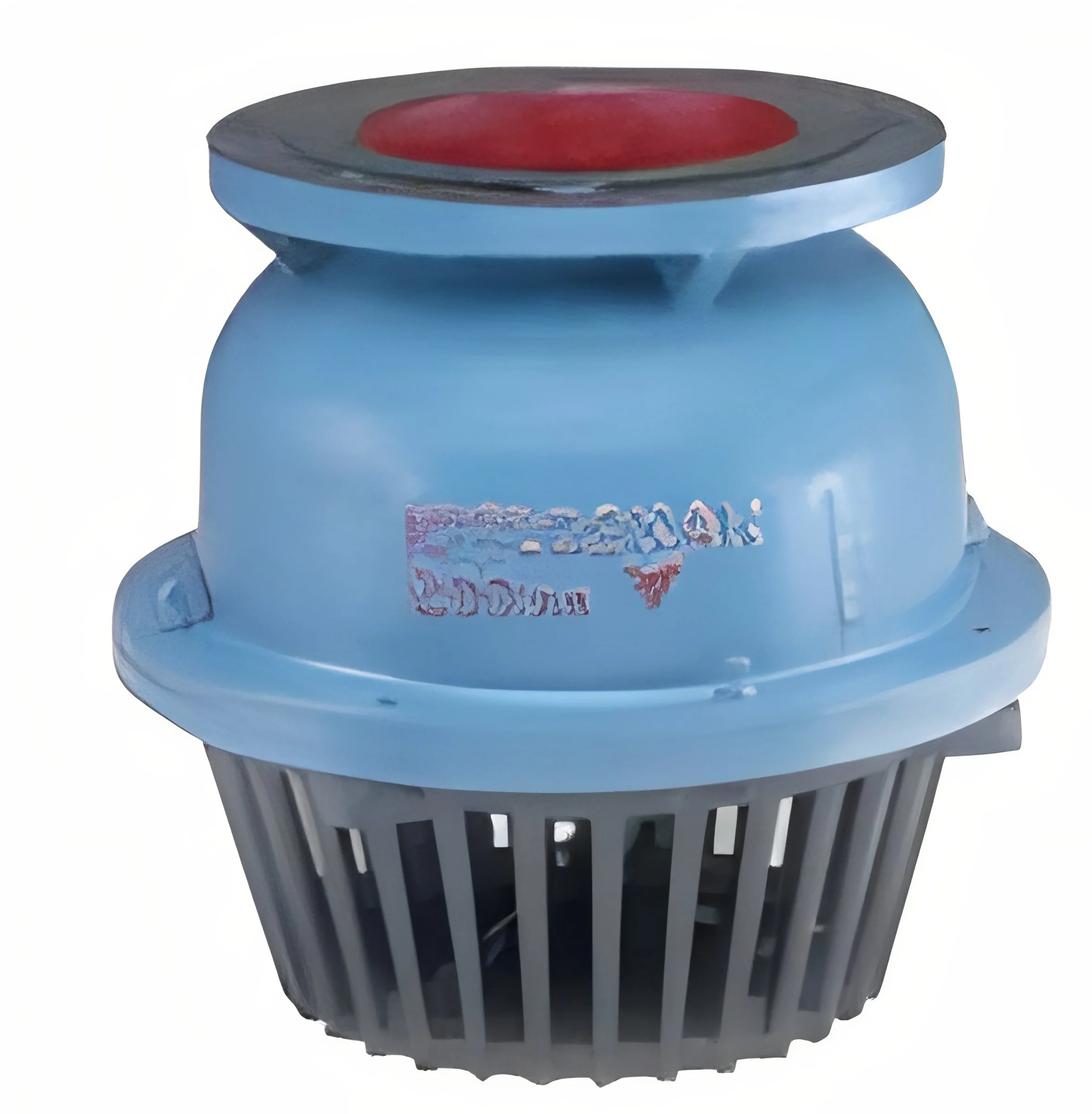
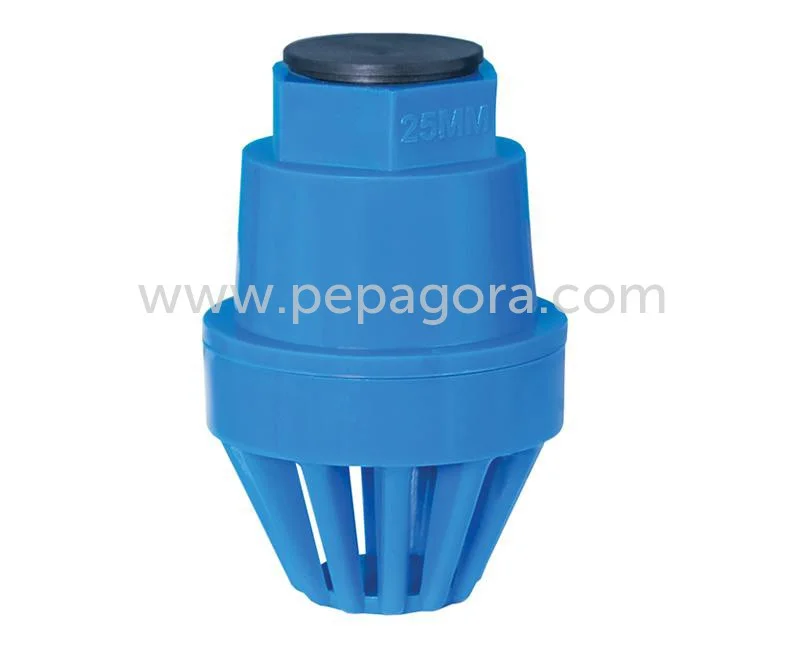
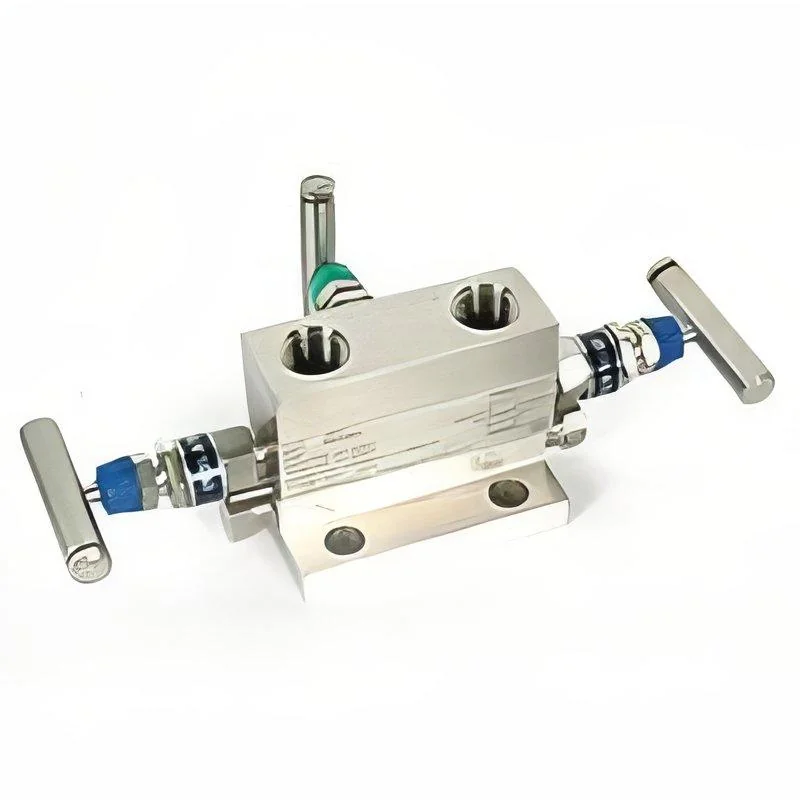
Other Pumps & Valves refer to a diverse range of equipment used in various industrial applications to transport fluids or control their flow. These devices are essential in managing the movement of liquids and gases in production processes. While traditional pumps and valves are well-known, the category of 'Other Pumps & Valves' encompasses specialized products designed for unique applications, such as diaphragm pumps, screw pumps, and specific types of actuated valves. They often feature advanced technologies and materials to enhance efficiency and reliability.
These products are used in a variety of sectors, including chemical processing, water treatment, food and beverage, pharmaceuticals, and oil and gas. Their primary functions include transferring fluids, regulating pressure, and ensuring safe and efficient system operation. In today's industrial landscape, the relevance of Other Pumps & Valves is growing as companies seek to optimize their processes, reduce operational costs, and comply with stringent safety regulations. The demand for these products reflects the continuous evolution of manufacturing and processing technologies.
Key Features and Specifications
Other Pumps & Valves come with various features and specifications to meet diverse industrial needs. Understanding these specifications is crucial for selecting the right product for your operations.
Key specifications include:
1. Flow Rate
- Indicates the volume of fluid that can be pumped per unit time.
- Typical ranges vary based on pump type and application.
2. Pressure Rating
- Maximum pressure the valve or pump can handle.
- Essential for ensuring safe operation within system parameters.
3. Material of Construction
- Determines the compatibility with different fluids and environmental conditions.
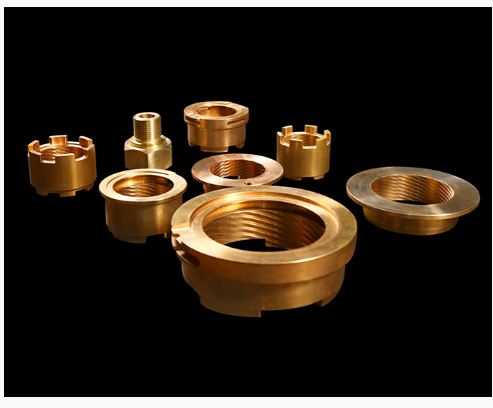
- Common materials include stainless steel, plastic, and bronze.
4. Size and Dimensions
- Physical dimensions that affect installation and integration into existing systems.
- Must be compatible with the piping and equipment layout.
5. Temperature Range
- The operational temperature limits for the pumps and valves.
- Critical for applications involving hot or cold fluids.
6. Power Source
- Determines how the pumps are powered, including electric, pneumatic, or hydraulic options.
- Impacts operational flexibility and efficiency.
7. Control Mechanism
- Types of control, such as manual, automatic, or remote operation.
- Enhances functionality and user convenience.
8. Certifications
- Compliance with industry standards, such as CE certification.
- Ensures product reliability and safety.
In summary, the key features and specifications of Other Pumps & Valves are essential for their effective application in various industrial environments. Selecting the right specifications helps ensure operational efficiency and safety.
Common Applications and Use Cases
Other Pumps & Valves are widely utilized across multiple industries due to their versatile capabilities.
1. Chemical Processing: These products are essential for transporting corrosive and hazardous materials, ensuring safe handling and processing.
2. Water Treatment: Used in filtration and distribution systems, they play a vital role in maintaining water quality and supply.
3. Food and Beverage: They facilitate the movement of liquids like oils, juices, and other ingredients, adhering to strict hygiene standards.
4. Pharmaceuticals: Critical for transferring sensitive compounds, ensuring accurate dosing, and maintaining sterile conditions.
5. Oil and Gas: Employed in the extraction and refining processes, they manage the flow of crude oil and natural gas efficiently.
6. Mining: Used for slurry transportation and dewatering operations, ensuring effective resource extraction.
7. HVAC Systems: Involved in the circulation of heated or cooled fluids, contributing to effective climate control in buildings.
These applications highlight the importance of Other Pumps & Valves in ensuring efficient and safe operational processes across various industries.
Product Variants and Subcategories
The category of Other Pumps & Valves is diverse, offering various variants to suit specific applications and industry requirements.
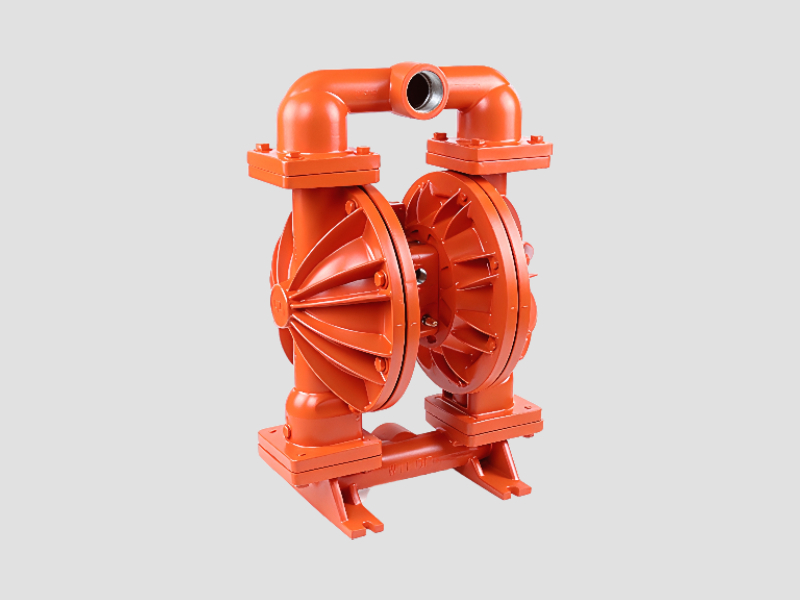
Diaphragm Pumps: These pumps are ideal for handling viscous fluids and slurries. Their design allows for precise flow control and is commonly used in chemical processing and food industries.
Screw Pumps: Known for their ability to handle high-viscosity fluids, screw pumps are often utilized in oil and gas applications. They provide a continuous and smooth flow, reducing turbulence.
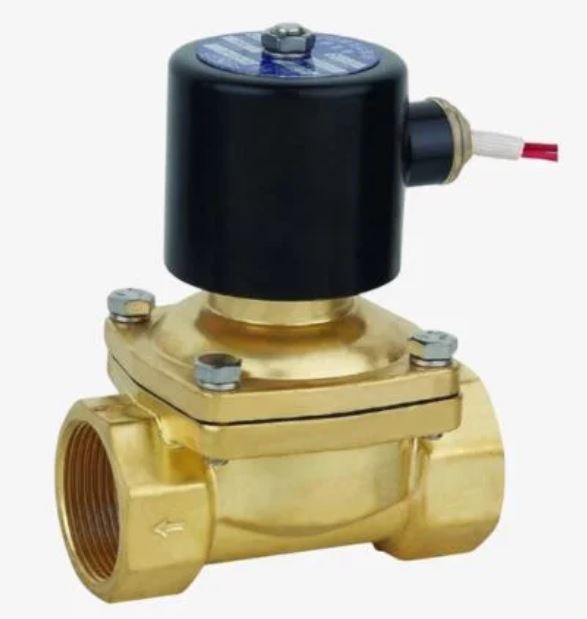
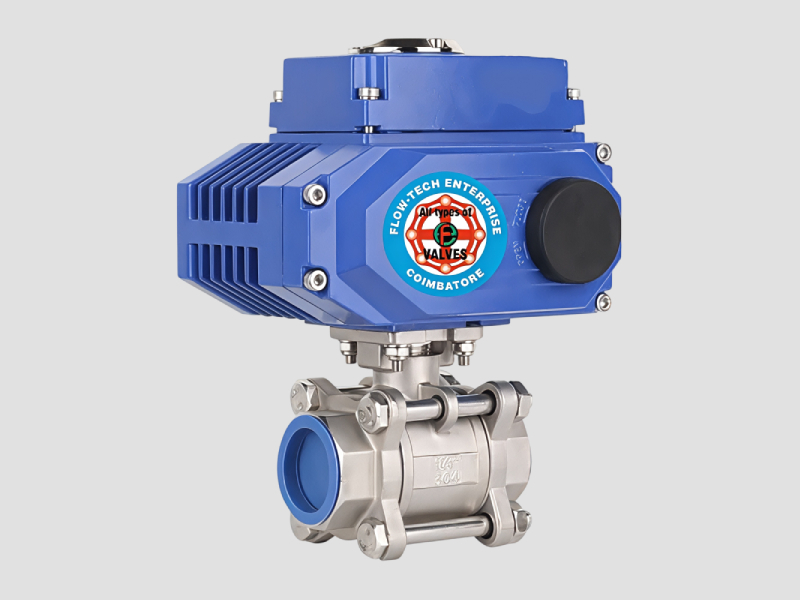
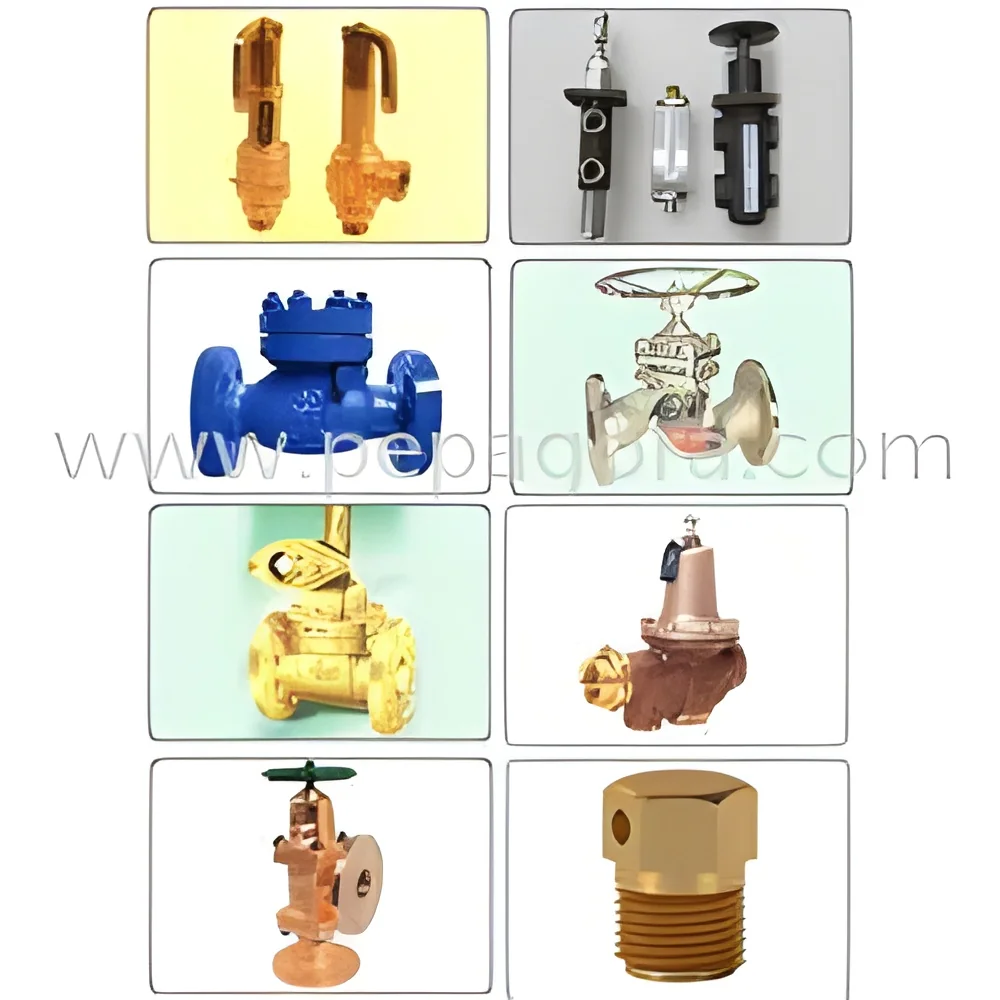
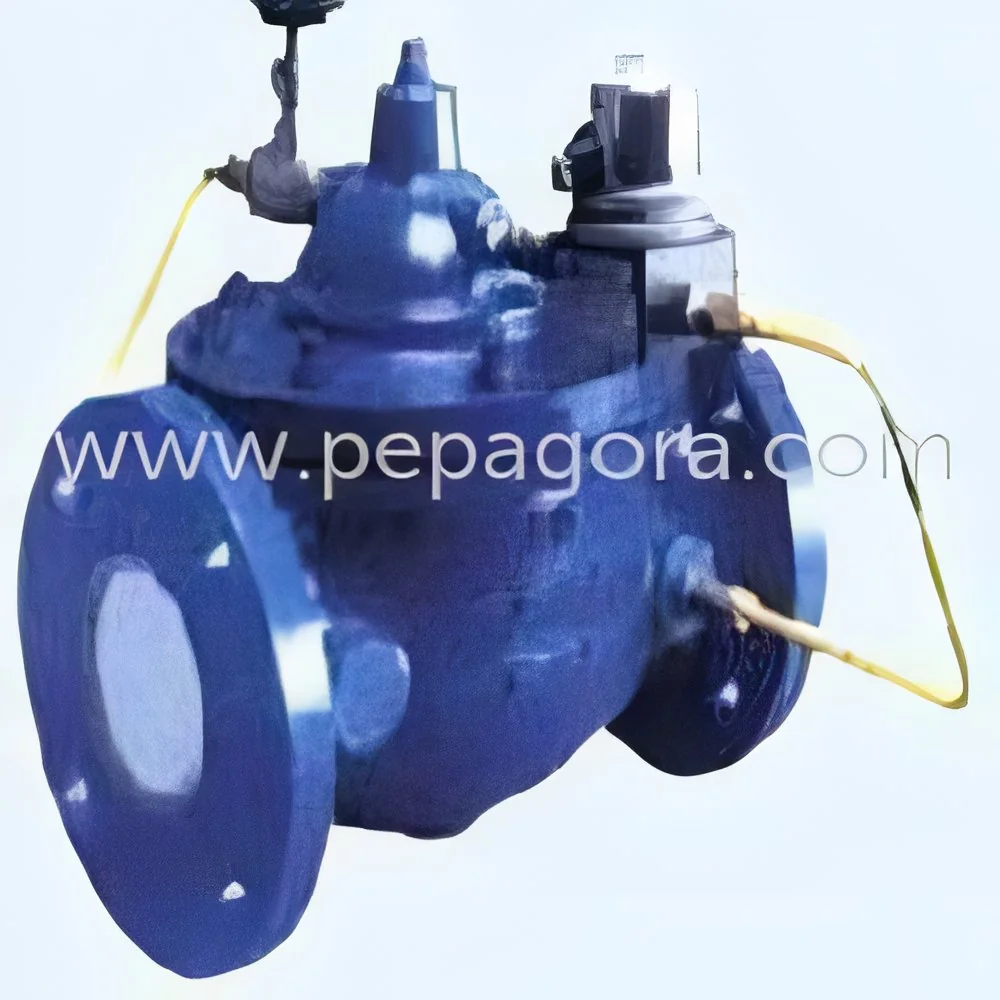
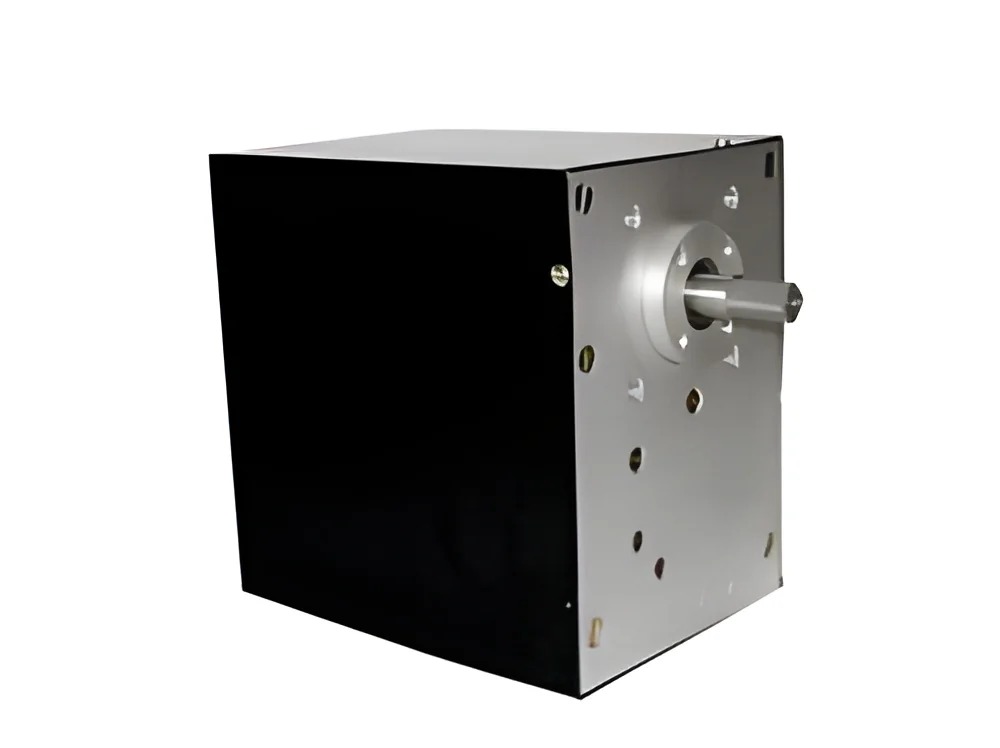
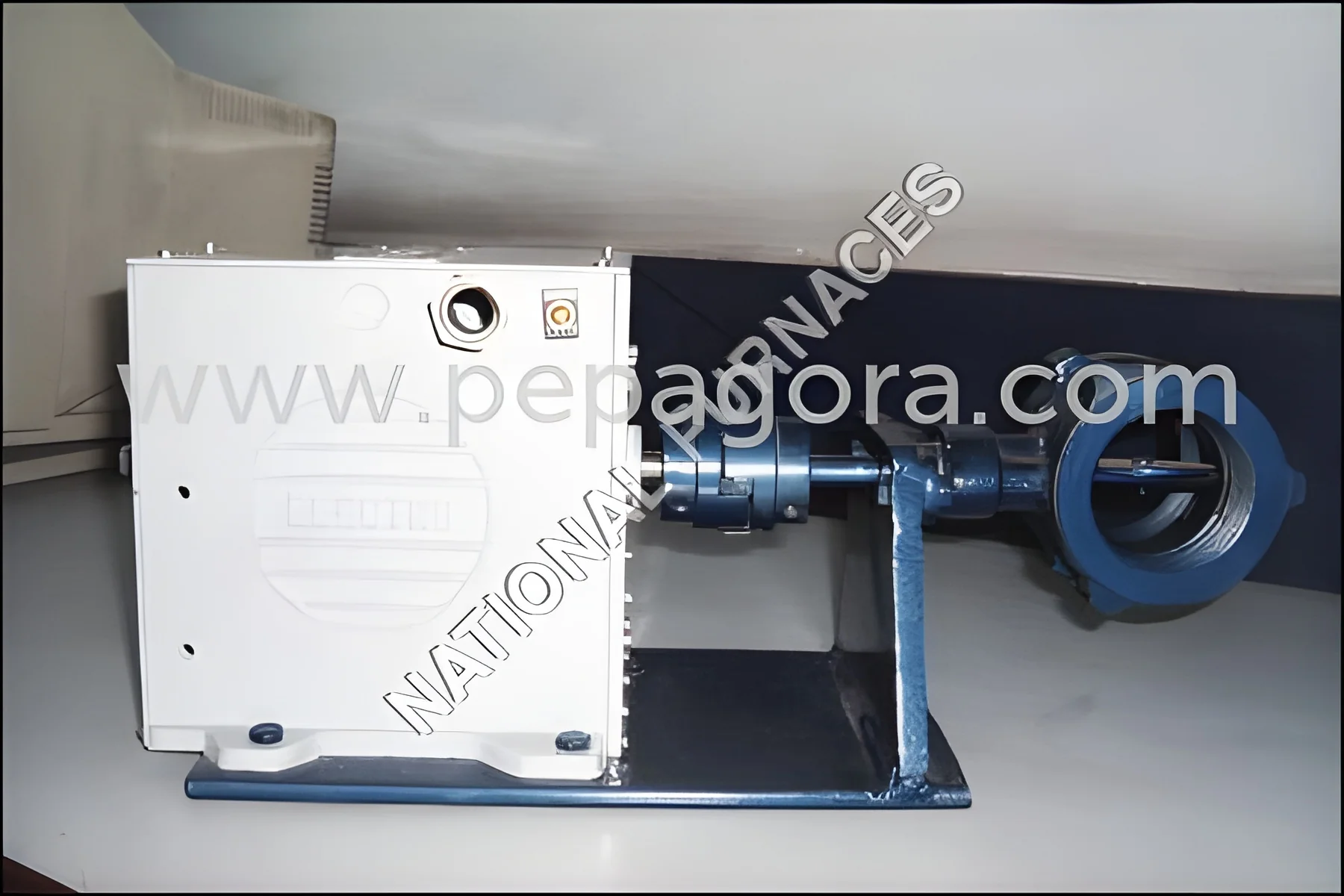
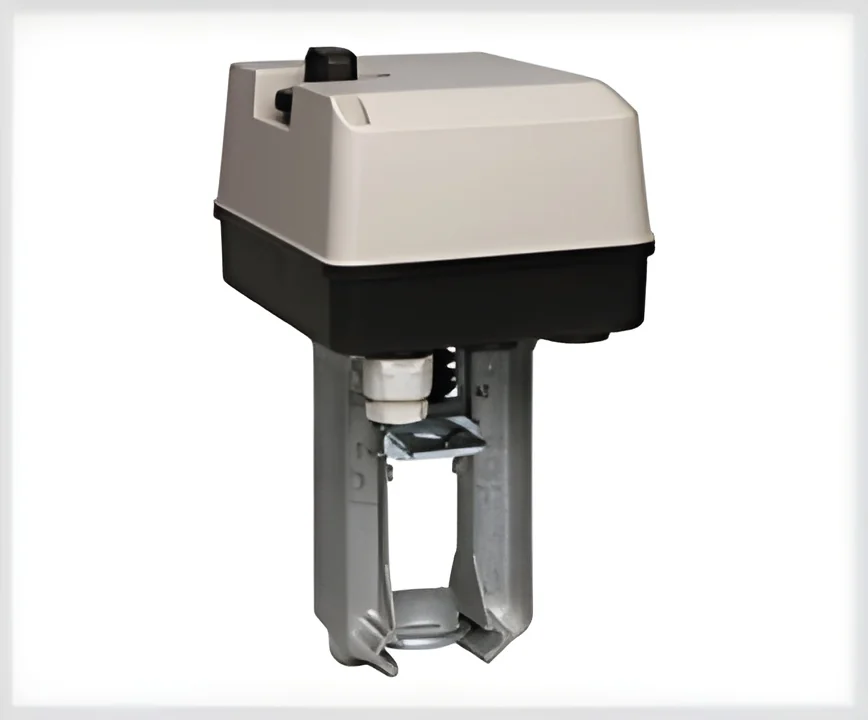
Actuated Valves: These valves are designed for automated control of fluid flow in various systems. They are essential in environments requiring precise flow regulation and remote operation.
Peristaltic Pumps: Commonly used in laboratories and medical applications, peristaltic pumps are excellent for transferring sensitive fluids without contamination.
Magnetic Drive Pumps: These pumps use magnetic coupling to eliminate leaks and are suitable for handling hazardous liquids in chemical processes.
Benefits and Advantages
Utilizing Other Pumps & Valves can offer numerous advantages to businesses looking to enhance their operational efficiency.
1. Enhanced Efficiency: These devices are designed for optimal fluid transfer, reducing energy consumption and improving process efficiency.
2. Versatility: With various designs and configurations, Other Pumps & Valves can be adapted for multiple applications across industries.
3. Safety: Many designs include features that minimize the risk of leaks and spills, ensuring safer operations in hazardous environments.
4. Reliability: Built with high-quality materials, these products offer durability and consistent performance under varying conditions.
5. Customization: Many suppliers provide options for customization, allowing businesses to tailor products to specific operational needs.
6. Cost-effectiveness: Investing in quality pumps and valves can lead to long-term savings through reduced maintenance and downtime.
Buying Guide for B2B Buyers
When sourcing Other Pumps & Valves, it is crucial to consider several factors to ensure the best fit for your needs.
1. Quality Assessment: Evaluate products based on established quality standards and certifications. Ensure they meet industry-specific requirements for reliability and performance.
2. Supplier Verification: Conduct thorough research on potential suppliers. Look for reviews, certifications, and their track record in delivering quality products.
3. Pricing and MOQ: Understand the pricing structure and any minimum order quantities. This will help you assess budget constraints and negotiate effectively.
4. Delivery and Lead Times: Inquire about shipping options and expected delivery timelines. Timely delivery is essential for maintaining production schedules.
5. Compliance Requirements: Ensure that the products meet all relevant regulatory and safety standards applicable to your industry. This is vital for operational compliance.
Compliance and Certifications
Compliance with industry standards and certifications is crucial for ensuring the quality and safety of Other Pumps & Valves.
ISO 9001 is a widely recognized quality management standard that ensures manufacturers maintain consistent product quality. Adherence to ISO standards indicates a commitment to continuous improvement and customer satisfaction.
CE certification is essential for products sold in the European market, demonstrating compliance with health, safety, and environmental protection standards. This certification assures buyers of the product's reliability and safety.
Safety and testing requirements also play a significant role in the manufacturing process. Products must undergo rigorous testing to ensure they can withstand the operational demands placed upon them.
Regional compliance considerations may vary based on local regulations and standards. It is vital to understand these requirements to avoid potential legal issues and ensure smooth operations.
Why Source Other Pumps & Valves from Pepagora?
Pepagora offers a trusted platform for sourcing Other Pumps & Valves with several benefits that set it apart from competitors.
Verified Supplier Network: Pepagora connects buyers with a network of verified suppliers, ensuring that you receive quality products from reputable manufacturers. This reduces the risk associated with sourcing and enhances buyer confidence.
Streamlined RFQ Process: The platform features an efficient request for quotation (RFQ) process, allowing buyers to easily compare offers from multiple suppliers. This transparency facilitates informed decision-making and helps secure the best pricing.
Trade Assurance and Support: Pepagora provides trade assurance to protect buyers during transactions. This includes support for resolving disputes and ensuring that products meet agreed-upon specifications.
Regional Coverage: With a strong presence in India, the GCC, and Southeast Asia, Pepagora offers access to a wide range of suppliers and products, catering to diverse industrial needs across geographic regions.
By choosing Pepagora, businesses can streamline their sourcing processes and ensure they acquire the best Other Pumps & Valves for their specific applications.

 IN
IN