
 IN
Milk Transfer Pumps
1 products available
What are Milk Transfer Pumps?
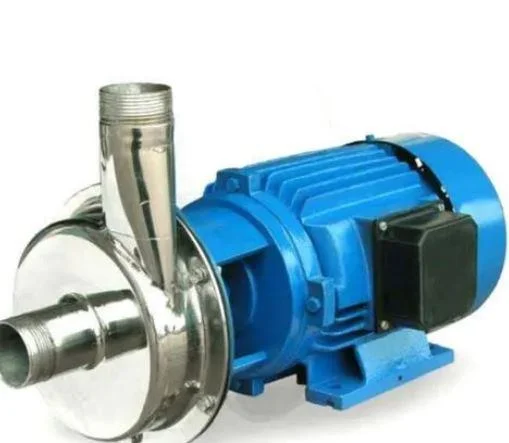
Milk Transfer Pumps are specialized devices designed to efficiently move milk from one location to another. These pumps are engineered to handle the unique properties of milk, ensuring that the product remains uncontaminated and maintains its quality throughout the transfer process. They play a crucial role in the dairy industry, where the safe and efficient handling of milk is vital.
The primary uses of Milk Transfer Pumps extend across various applications within the dairy sector. They are commonly employed in dairy farms, processing plants, and distribution centers. These pumps facilitate the safe transfer of milk from storage tanks to processing equipment or packaging lines. Their design ensures compliance with hygiene standards and minimizes the risk of contamination, making them indispensable in the dairy supply chain.
In the context of the industry, the demand for Milk Transfer Pumps is growing due to the increasing global consumption of dairy products. As businesses strive for efficiency and quality assurance, the relevance of these pumps in maintaining the integrity of milk during transfer is paramount. With a focus on innovation and technology, manufacturers are continuously improving pump designs to meet evolving market needs.
Key Features and Specifications
Milk Transfer Pumps come with a range of features and specifications that cater to the demanding requirements of the dairy industry. Understanding these specifications helps buyers select the right pump for their needs.
Key specifications include:
1. Flow Rate
- Determines the volume of milk transferred per minute.
- Typically ranges from 500 to 5,000 liters per hour.
2. Material of Construction
- Often made from stainless steel to ensure hygiene and durability.
- Must comply with food-grade standards.
3. Power Requirements
- Electric or pneumatic options available.
- Voltage specifications commonly range from 220V to 480V.
4. Pump Type
- Can be centrifugal or positive displacement.
- Each type offers different advantages depending on the application.
5. Temperature Range
- Designed to operate efficiently within specific temperature limits.
- Data not available on exact ranges.
6. Suction and Discharge Size
- Vary based on the system requirements.
- Common sizes include 2 inches to 4 inches in diameter.
7. Weight
- The weight of the pump impacts installation and mobility.
- Typical weight ranges from 50 kg to 150 kg.
8. Certification
- Pumps often carry CE certification to indicate compliance with European safety standards.
In summary, understanding the key features and specifications of Milk Transfer Pumps is essential for making informed purchase decisions. This knowledge ensures that businesses select pumps that are suitable for their specific operational needs.
Common Applications and Use Cases
Milk Transfer Pumps are vital tools in several industries related to dairy processing and distribution.
1. Dairy Farms: These pumps are used to transfer fresh milk from milking stations to storage tanks, ensuring quick and safe handling.
2. Dairy Processing Plants: In processing facilities, pumps facilitate the movement of milk between various stages, including pasteurization and homogenization.
3. Bottling and Packaging: Milk Transfer Pumps are critical in transferring processed milk to bottling lines, ensuring minimal exposure and contamination.
4. Ice Cream Production: Used to transfer milk and cream to ice cream mix preparation units, maintaining consistency in product quality.
5. Cheese Production: Pumps assist in moving milk to curdling tanks, playing a crucial role in the initial stages of cheese manufacturing.
6. Distribution Centers: In logistics, these pumps help in transferring milk to trucks for distribution, ensuring timely delivery.
7. Research and Development Labs: Used in experimental setups to analyze milk properties without compromising quality.
Product Variants and Subcategories
Milk Transfer Pumps come in diverse designs to meet various operational needs. While specific subcategories are not available, the general diversity allows businesses to select pumps tailored to their applications.
Centrifugal Milk Transfer Pumps
These pumps are popular for their ability to handle large volumes of milk quickly. Their design minimizes shear forces, making them ideal for transferring sensitive products like milk.
Positive Displacement Milk Transfer Pumps
These pumps are suitable for applications requiring precise flow control. They can handle viscous liquids and are commonly used in environments where consistent flow rates are critical.
Sanitary Milk Transfer Pumps
Designed with hygiene in mind, these pumps feature smooth surfaces and minimal crevices to ensure easy cleaning. They are essential in environments where contamination must be avoided.
Benefits and Advantages
The benefits of using Milk Transfer Pumps are significant for businesses in the dairy industry.
1. Efficiency: These pumps enable rapid transfer of milk, reducing processing time and improving productivity.
2. Quality Maintenance: Designed to minimize contamination, they help preserve the quality and safety of milk throughout the transfer process.
3. Versatility: Capable of handling various types of liquids, Milk Transfer Pumps can be adapted for different applications within the dairy sector.
4. Cost-Effectiveness: By optimizing the transfer process, businesses can reduce waste and operational costs associated with milk handling.
5. Compliance: Many pumps meet stringent hygiene and safety standards, ensuring that businesses adhere to industry regulations.
6. Reliability: Built for durability, these pumps offer long service life with minimal maintenance requirements.
Buying Guide for B2B Buyers
When sourcing Milk Transfer Pumps, B2B buyers should consider several key factors to ensure they make the right choice.
1. Quality Assessment: Look for pumps that come with certifications indicating compliance with industry standards. Evaluate materials used in construction for durability and hygiene.
2. Supplier Verification: Vet suppliers to ensure they have a good reputation and reliable track records. Check for customer reviews and industry references.
3. Pricing and MOQ: Understand the cost structure and minimum order quantities. Compare prices across different suppliers to ensure competitive rates.
4. Delivery and Lead Times: Assess logistics capabilities of suppliers. Confirm lead times to ensure timely delivery that aligns with production schedules.
5. Compliance Requirements: Ensure that the chosen pumps comply with necessary regulations, including food safety standards to avoid legal issues.
Compliance and Certifications
Compliance and certifications are crucial aspects of Milk Transfer Pumps in the dairy industry. Pumps must adhere to relevant quality standards such as ISO 9001, which ensures that manufacturing processes meet international quality management criteria.
HACCP (Hazard Analysis and Critical Control Points) guidelines are also significant, as they focus on food safety throughout the production process. By following these guidelines, manufacturers can minimize risks associated with contamination and ensure product safety.
CE certification is another important aspect, particularly for products sold in European markets. This certification signifies that the product meets necessary safety, health, and environmental protection standards.
In addition to these certifications, manufacturers should consider regional compliance requirements, as different countries may have specific regulations governing food handling equipment. Staying informed about these regulations ensures that businesses are compliant and can operate without legal hindrances.
Why Source Milk Transfer Pumps from Pepagora?
Pepagora provides an excellent platform for sourcing Milk Transfer Pumps, offering several key advantages that benefit B2B buyers.
Verified Supplier Network: Pepagora has established a network of verified suppliers, ensuring that buyers connect with reputable manufacturers. This vetting process helps mitigate risks associated with sourcing equipment.
Streamlined RFQ Process: The request for quotation process on Pepagora is designed to be user-friendly, allowing buyers to easily compare offers from multiple suppliers. This streamlined approach saves time and simplifies decision-making.
Trade Assurance and Support: Pepagora offers trade assurance, providing buyers with protection against potential issues. Their support team is available to assist with any inquiries or concerns throughout the purchasing process.
Regional Coverage: With a strong presence in India, the GCC, and Southeast Asia, Pepagora is well-positioned to serve a diverse range of markets. This geographic reach allows businesses to access a wide variety of Milk Transfer Pumps tailored to their specific needs.

Frequently Asked Questions
What are Milk Transfer Pumps?
Milk Transfer Pumps are specialized pumps designed for the efficient transfer of milk from one container to another. They ensure that milk is moved safely and hygienically, minimizing the risk of contamination during the transfer process.
What are the different types of Milk Transfer Pumps?
The different types of Milk Transfer Pumps include centrifugal pumps, positive displacement pumps, and diaphragm pumps. Each type has its own advantages depending on the specific requirements of the dairy operation, such as flow rate and viscosity.
How do I choose the right Milk Transfer Pumps?
To choose the right Milk Transfer Pump, consider factors such as the volume of milk to be transferred, the distance it needs to travel, and the type of milk being pumped. Additionally, evaluate the pump's efficiency, energy consumption, and compatibility with your existing systems.
What are the standard specifications for Milk Transfer Pumps?
Standard specifications for Milk Transfer Pumps typically include flow rate, pressure rating, material construction, and power requirements. It's essential to ensure that the pump meets the sanitary standards for food-grade applications, as well as any specific industry regulations.
What is the price range for Milk Transfer Pumps?
The price range for Milk Transfer Pumps can vary widely based on factors such as capacity, brand, and additional features. Generally, prices can start from a few thousand rupees and can go up to several lakhs for high-capacity or specialized pumps.
What quality standards apply to Milk Transfer Pumps?
Milk Transfer Pumps must adhere to quality standards such as ISO 9001 and food safety regulations set by organizations like FSSAI in India. These standards ensure that the pumps are manufactured to maintain hygiene and efficiency during milk transfer.
Where can I find Milk Transfer Pumps suppliers in India?
You can find Milk Transfer Pumps suppliers in India through online B2B marketplaces like Pepagora, industry trade shows, and local dairy equipment suppliers. Researching and comparing various suppliers can help you find the best options for your needs.
Can Milk Transfer Pumps be customized?
Yes, many manufacturers offer customization options for Milk Transfer Pumps to meet specific operational requirements. Customizations may include adjustments in size, material, and additional features for enhanced performance.
What is the typical minimum order quantity for Milk Transfer Pumps?
The typical minimum order quantity (MOQ) for Milk Transfer Pumps can vary among suppliers but generally ranges from 1 to 10 units. It's advisable to check with individual manufacturers for their specific MOQ requirements.
What is the typical lead time for Milk Transfer Pumps?
The typical lead time for Milk Transfer Pumps can range from a few days to several weeks, depending on the manufacturer's production capacity and the complexity of the order. It is best to confirm the lead time with the supplier at the time of order.
Why Businesses Trust Pepagora
Thousands of companies trust Pepagora to source smarter and sell faster
Expand Your Sales Globally

Source Smarter,Grow Faster
