Key Features and Specifications
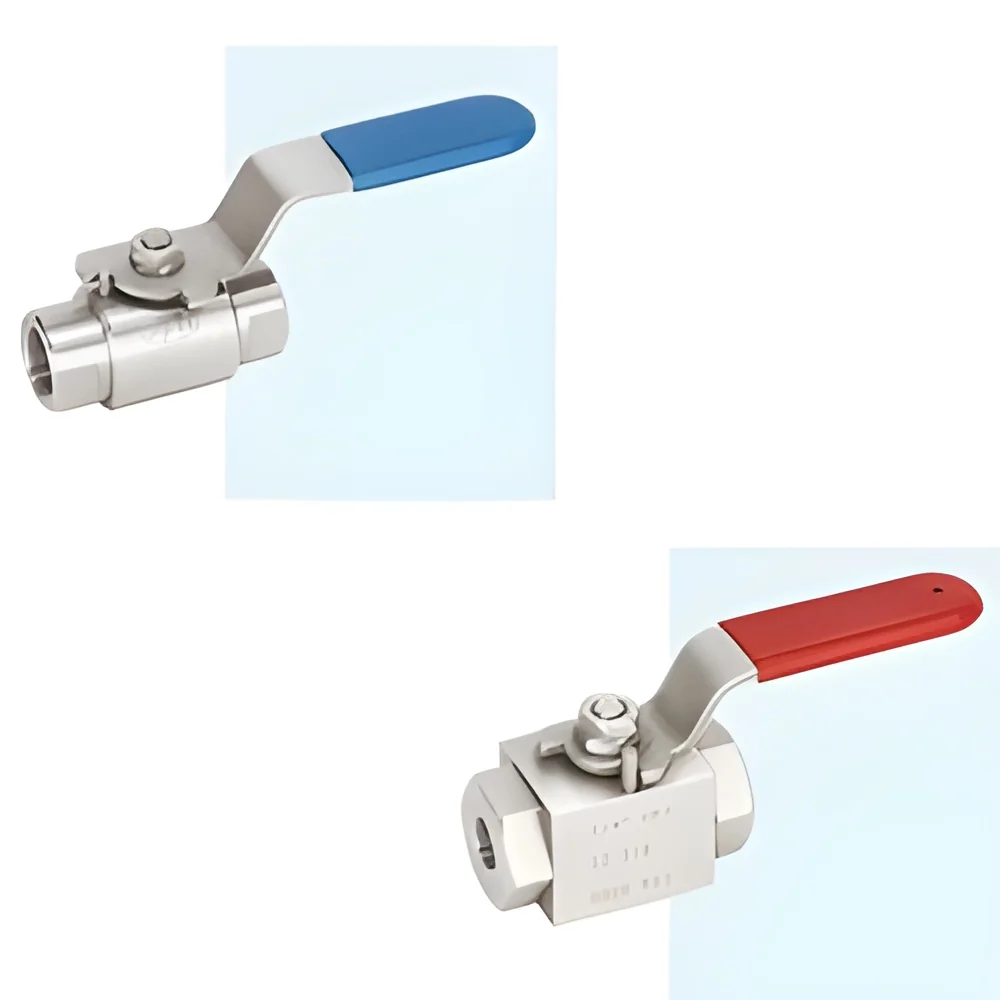
Ball valves are designed with a variety of features that enhance their performance and usability. When selecting a ball valve, understanding the specific features and specifications is crucial for ensuring that it meets your operational needs.
Key specifications include:
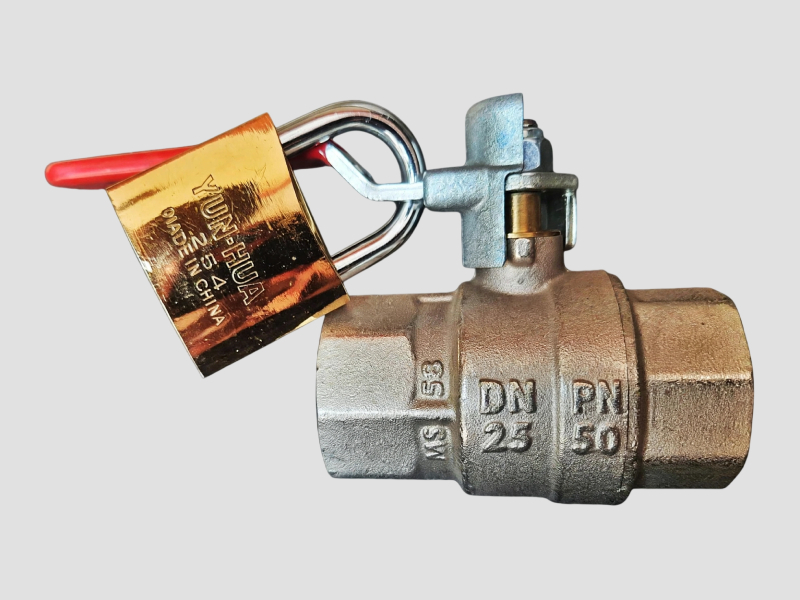
1. Material Type
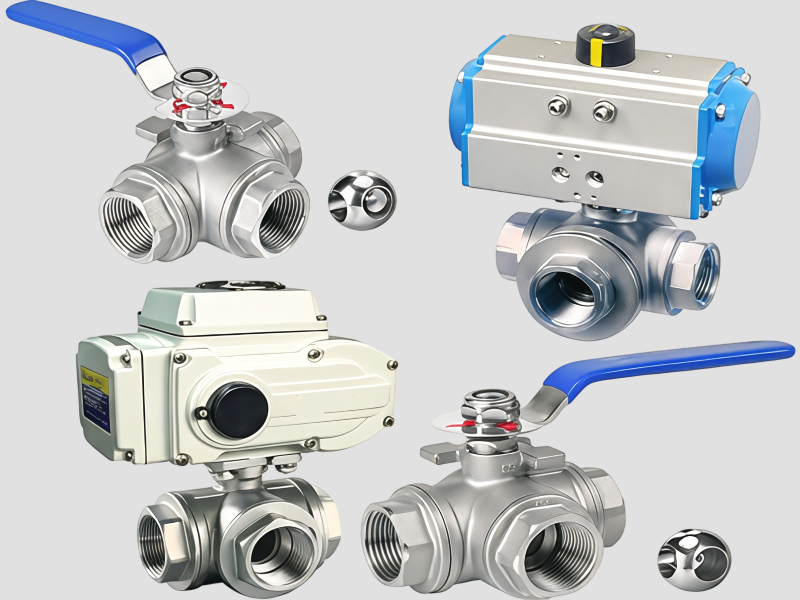
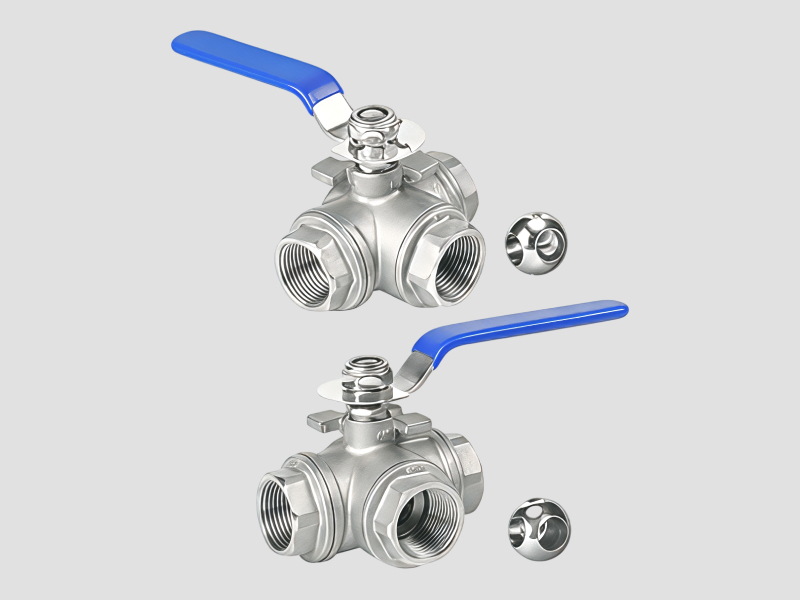
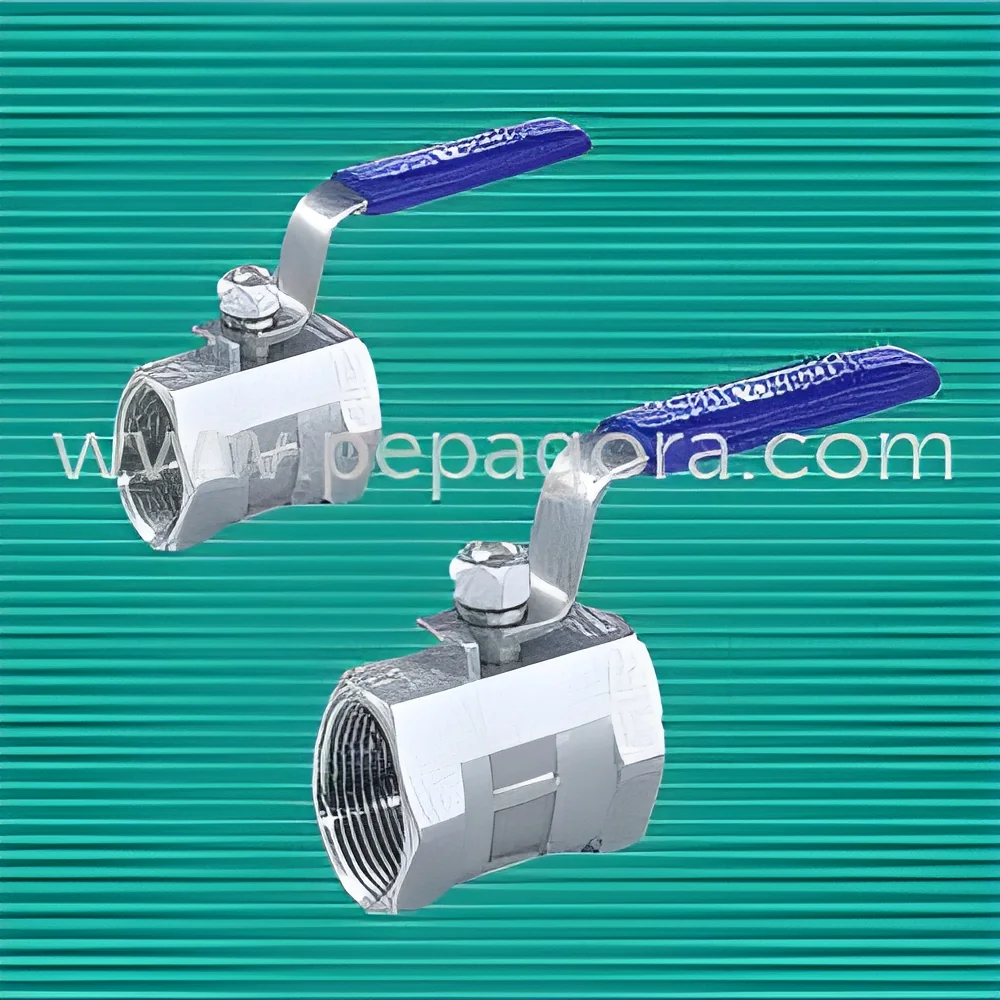
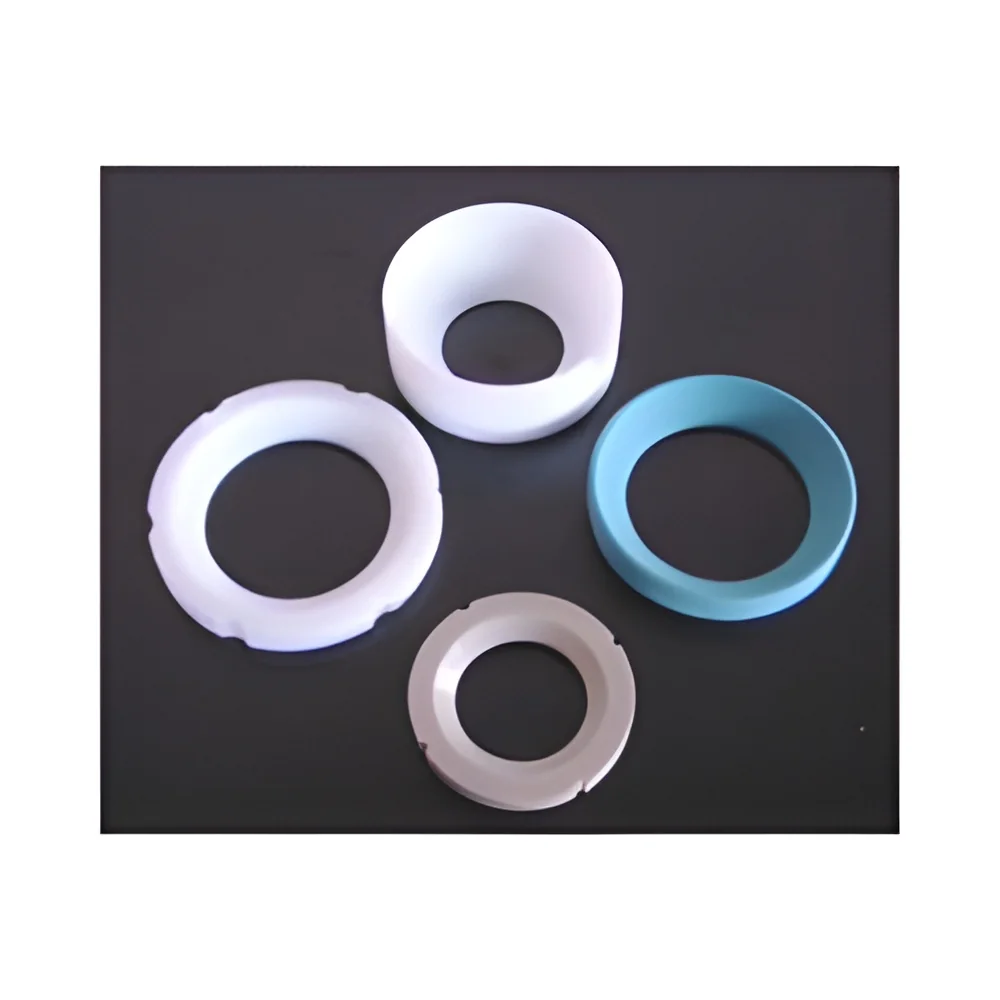
- Options include stainless steel, brass, and PVC.
- Each material has distinct benefits such as corrosion resistance or chemical compatibility.
2. Size Range
- Available in various sizes to accommodate different pipeline dimensions.
- Common sizes include 1/4 inch to 12 inches, depending on the application.
3. Pressure Rating
- Rated for different pressures, typically ranging from 150 PSI to 600 PSI.
- Important for applications with high-pressure fluids.
4. Temperature Range
- Each material type can handle specific temperature ranges.
- Data not available on specific temperature limits.
5. End Connections
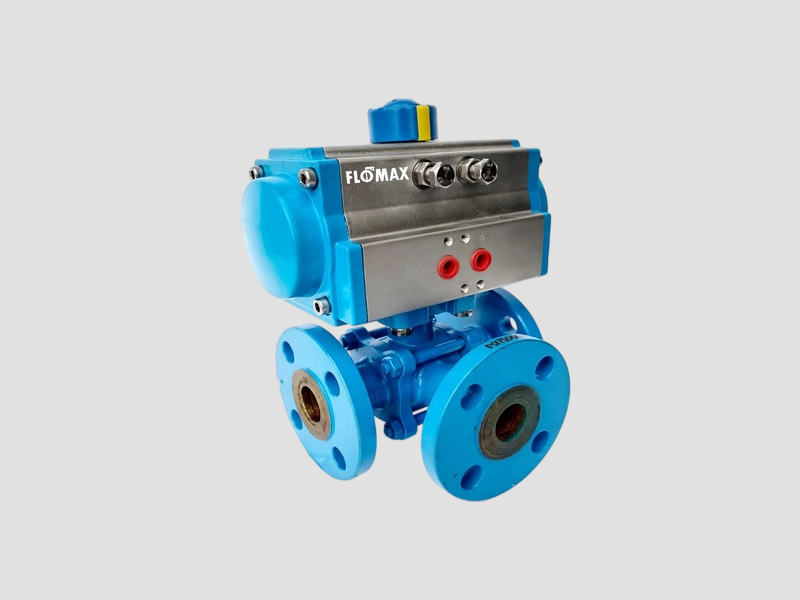
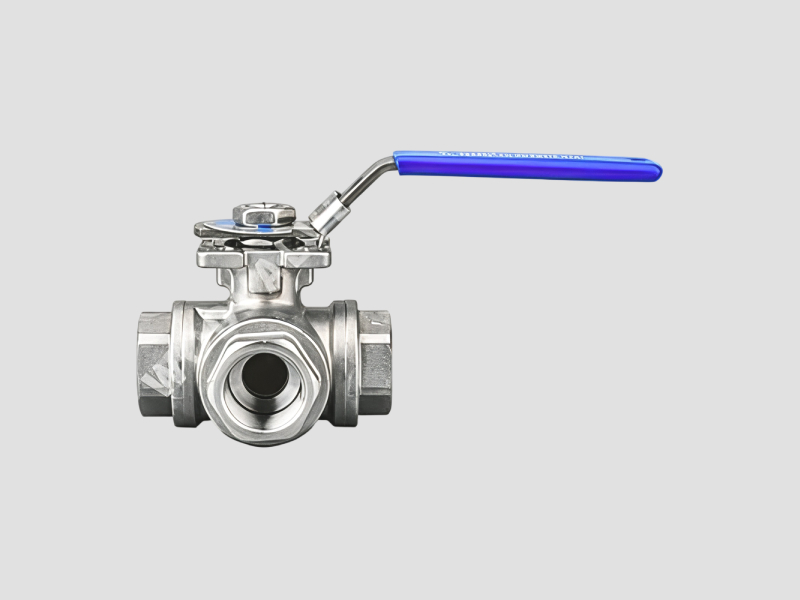
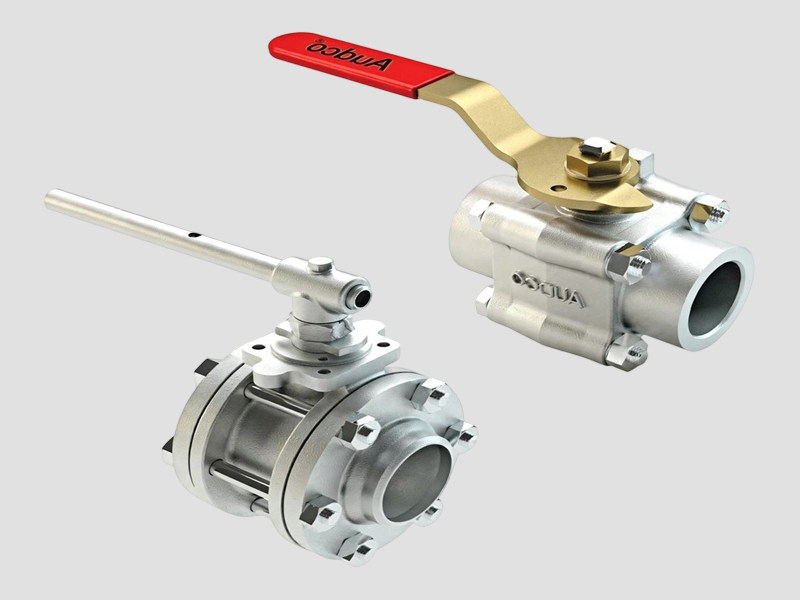
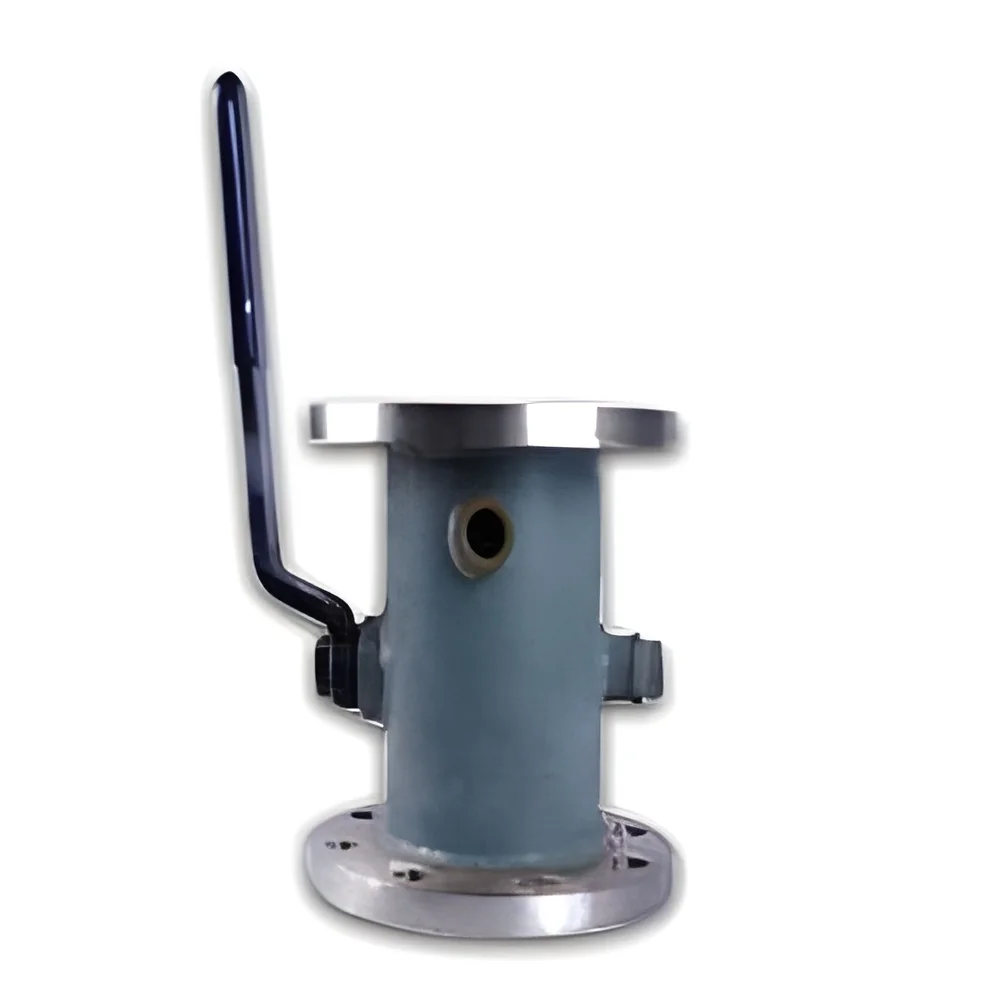
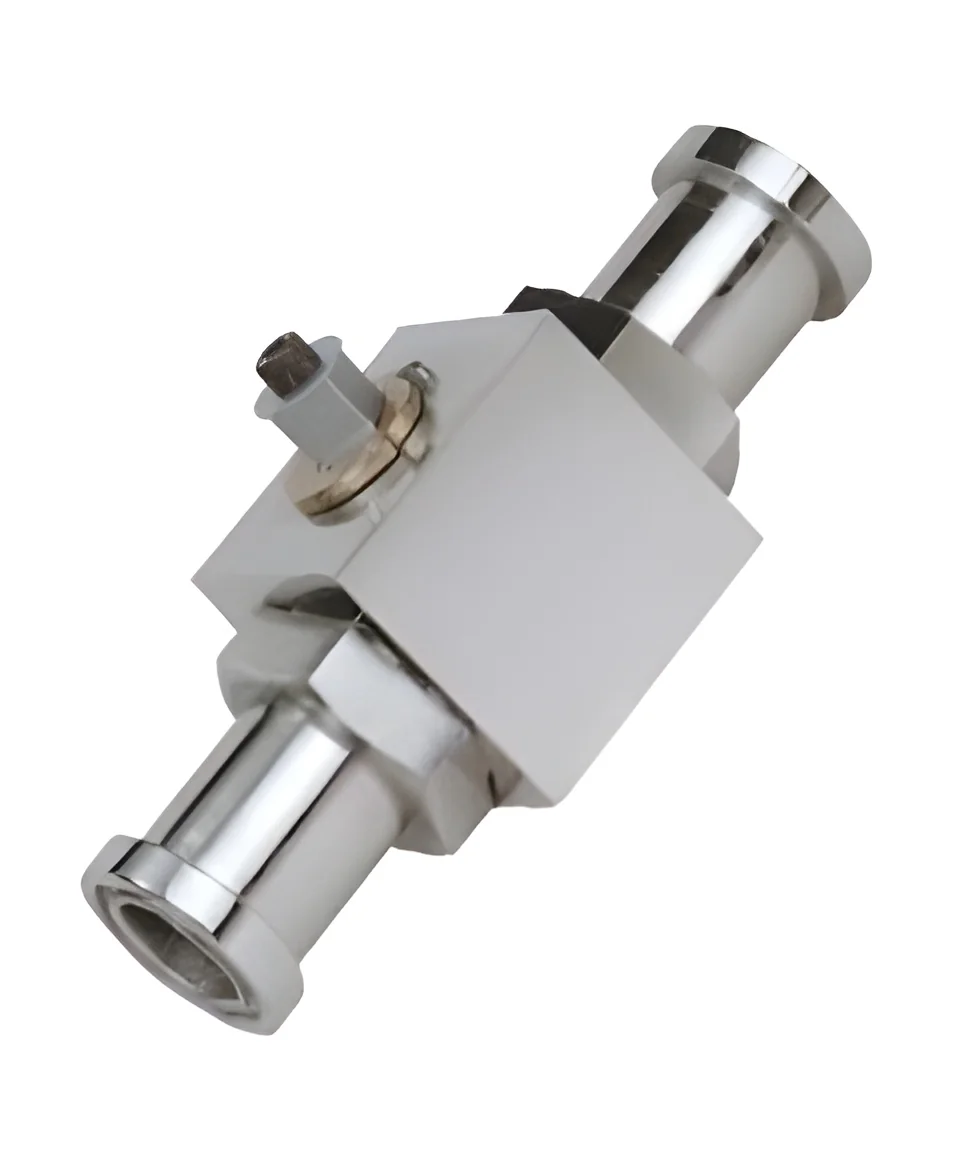
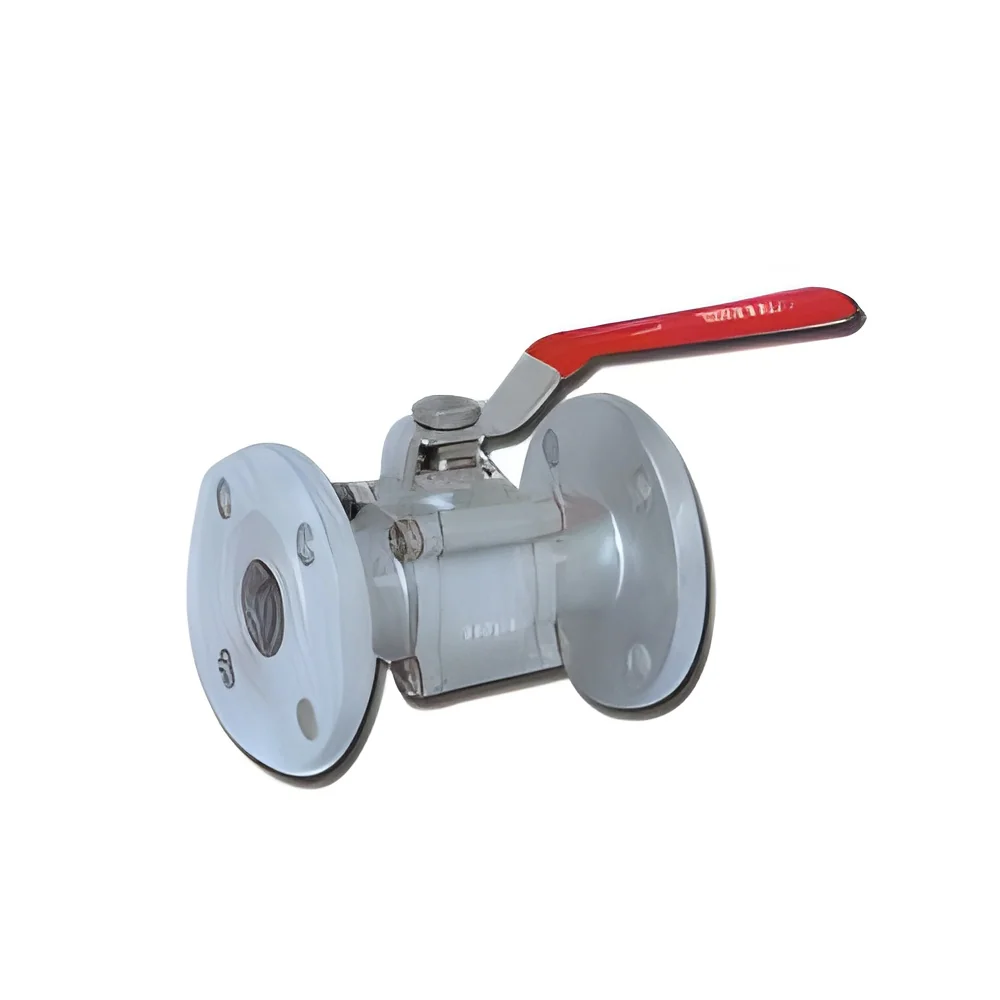
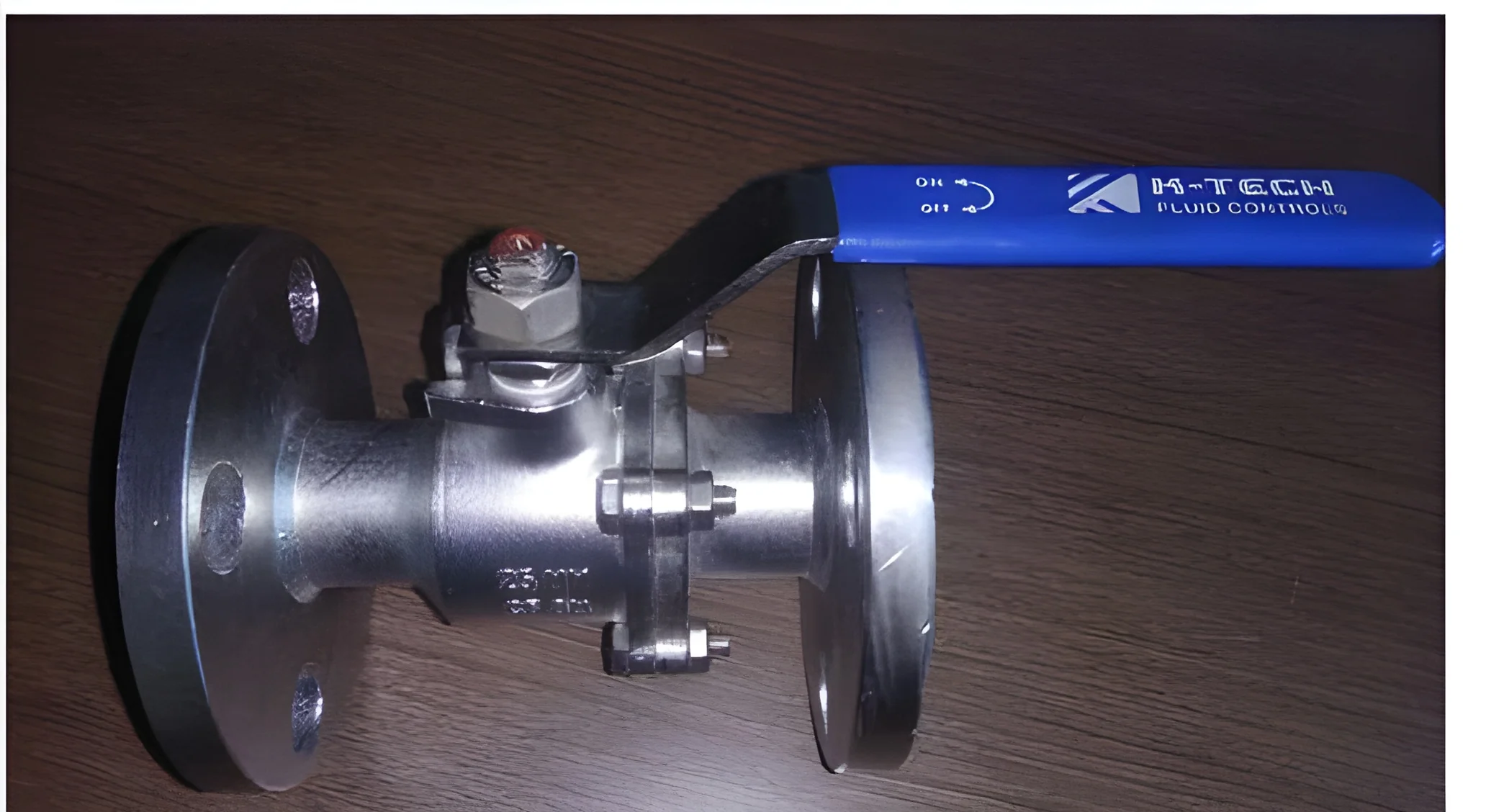
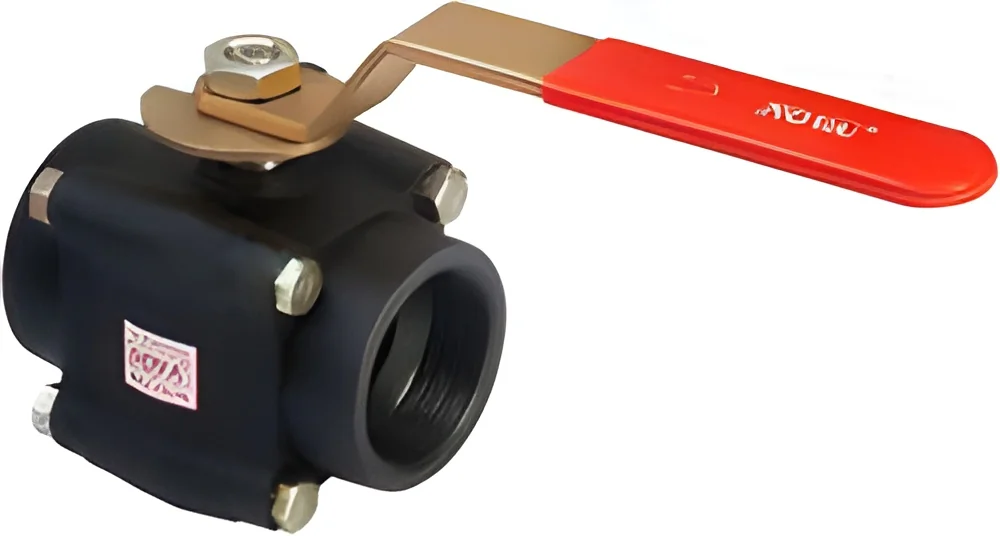
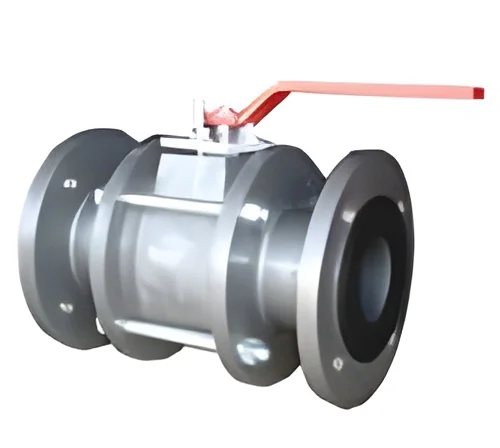
- Options include threaded, flanged, and socket weld connections.
- Selection depends on the installation requirements.
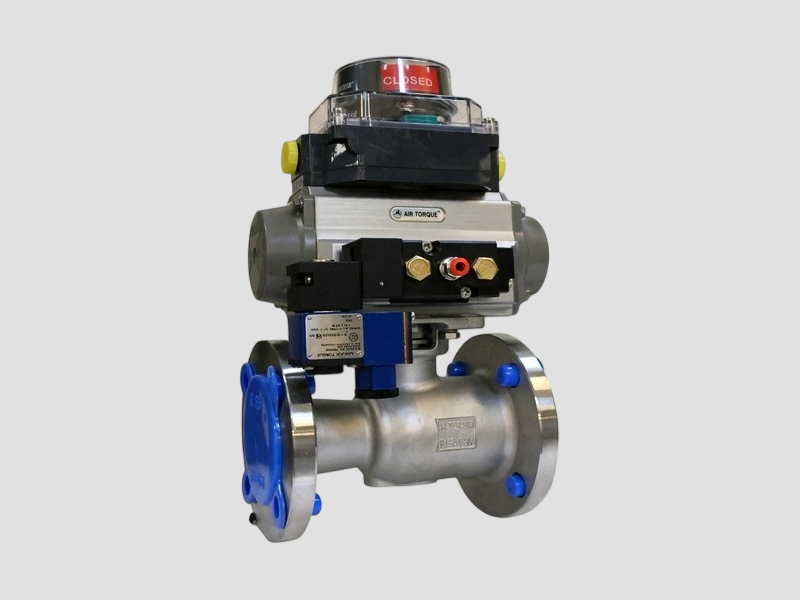
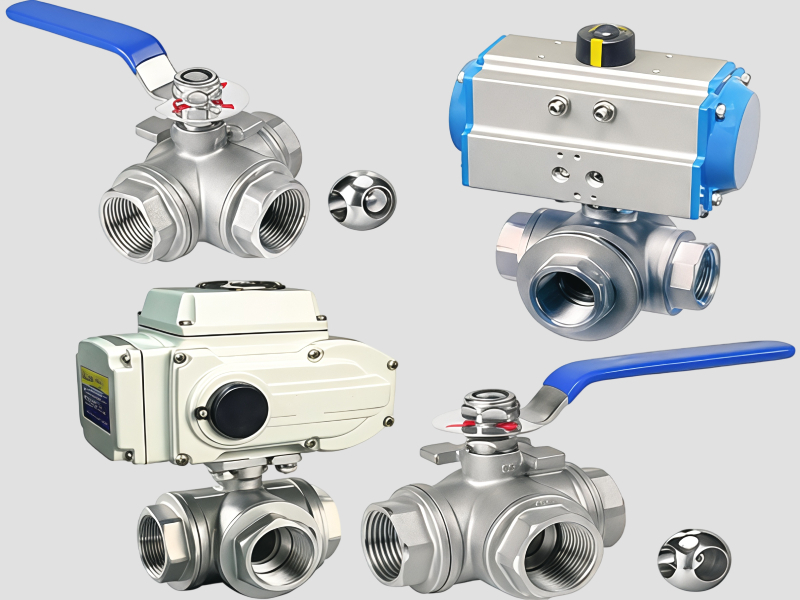
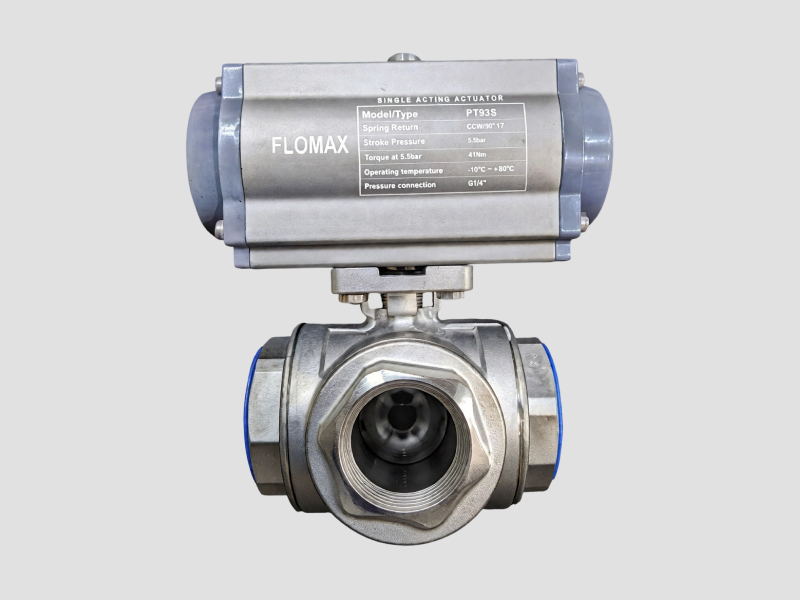
6. Actuation Types
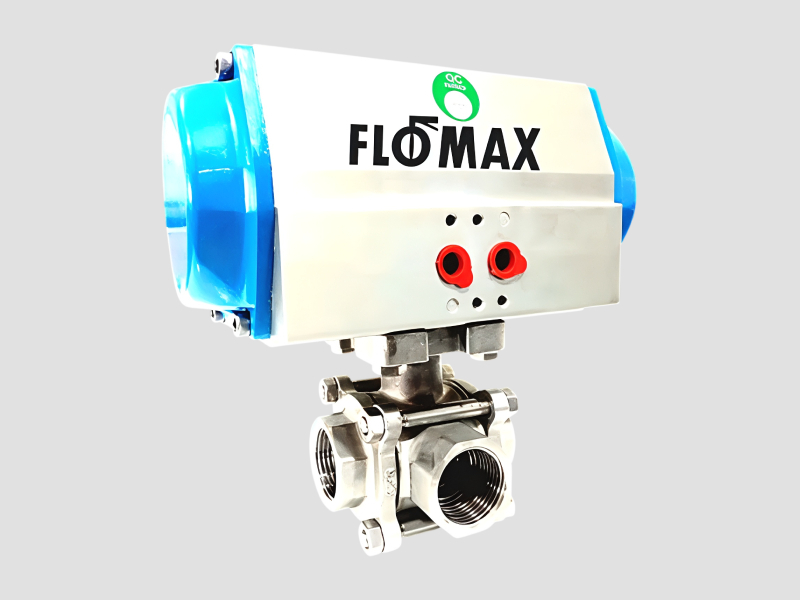
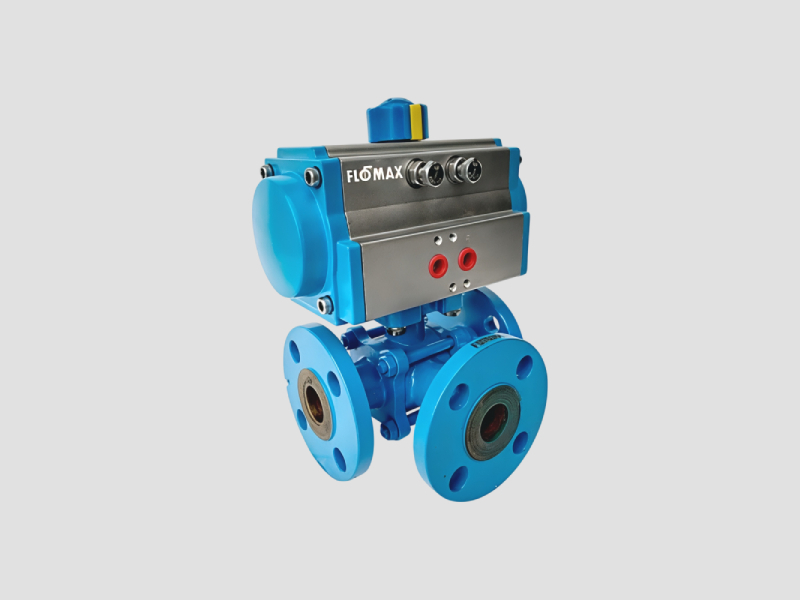
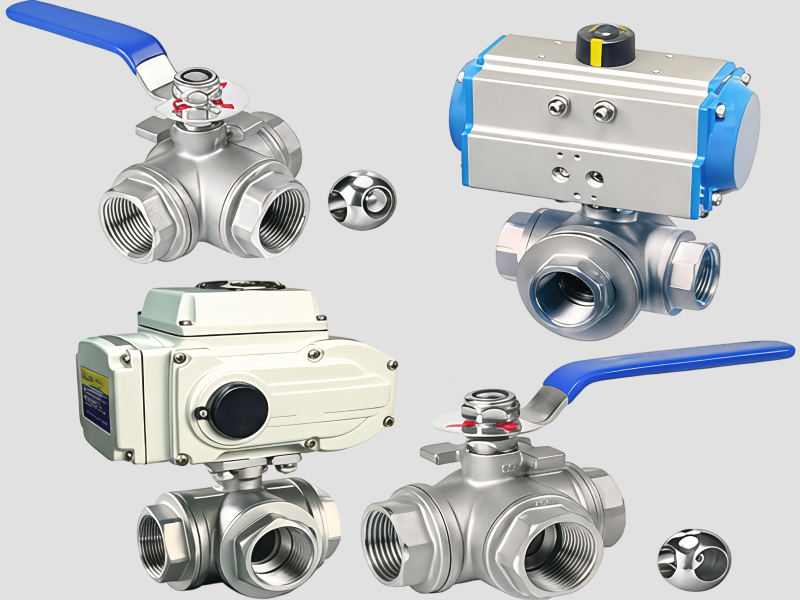
- Manual, pneumatic, or electric actuation options are available.
- Facilitates automation and remote control capabilities.
7. Leakage Rate
- Designed to minimize leakage, often with a tested rate of zero for certain applications.
- Essential for maintaining system integrity.
8. Certifications
- Compliance with industry standards and certifications such as CE.
- Important for ensuring quality and safety.
In summary, selecting the right ball valve involves understanding these specifications to ensure compatibility with your application and operational requirements.
Common Applications and Use Cases
Ball valves are widely utilized across multiple industries due to their efficient flow control capabilities.
1. Oil and Gas: Used for controlling the flow of crude oil, natural gas, and various refined products. They are essential in upstream and downstream operations for reliability and safety.
2. Water Treatment: Employed in water distribution systems for regulating the flow and pressure in pipelines. They play a crucial role in municipal and industrial water treatment facilities.
3. Chemical Processing: Ideal for managing the flow of corrosive and hazardous chemicals. Their material selection is critical to prevent leaks and ensure safety.
4. HVAC Systems: Used in heating, ventilation, and air conditioning systems to control the flow of air and fluids, improving energy efficiency and system performance.
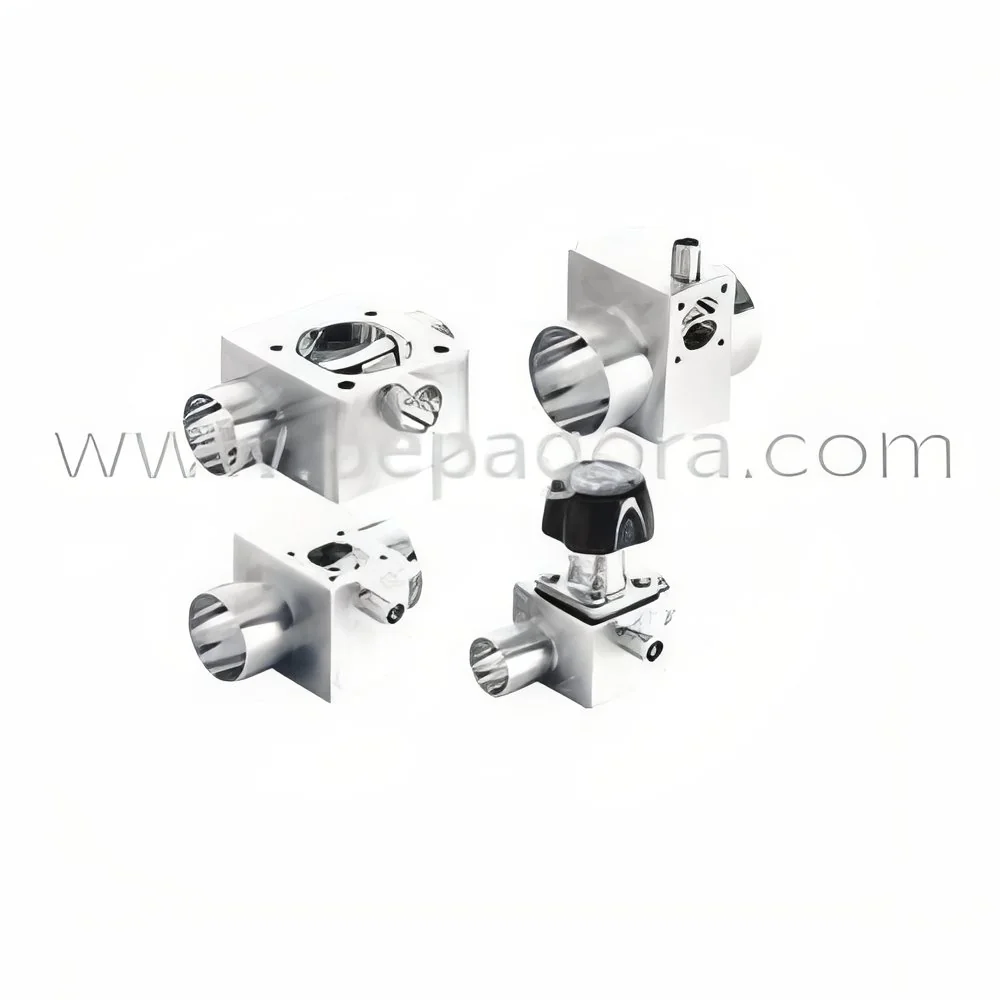
5. Food and Beverage: Ensures hygienic flow control in food processing applications. Compliance with safety and sanitary standards is a key consideration.
6. Pharmaceutical: Critical in managing the flow of ingredients and final products. High-quality materials ensure product integrity and regulatory compliance.
7. Marine: Utilized in shipbuilding and maintenance to manage fuel and water systems, ensuring operational efficiency and safety.
Product Variants and Subcategories
Ball valves come in various variants to meet specific industry needs and operational requirements.
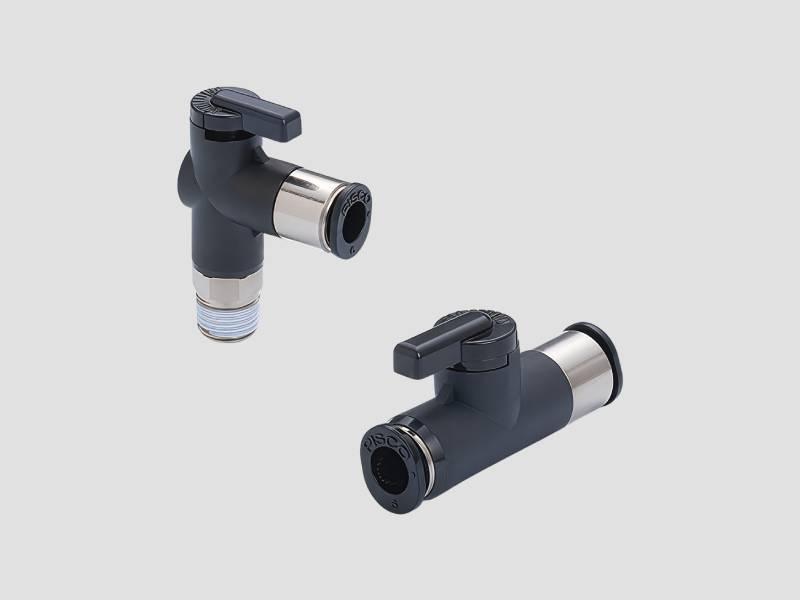
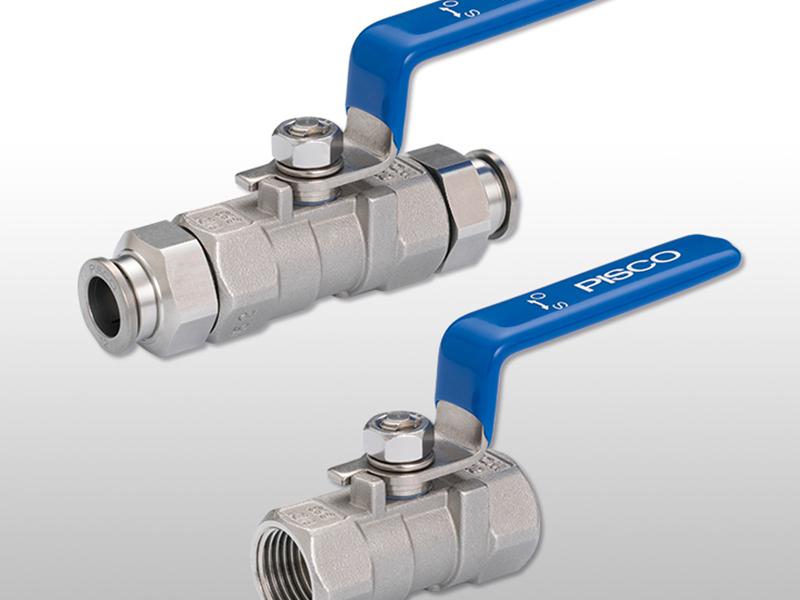
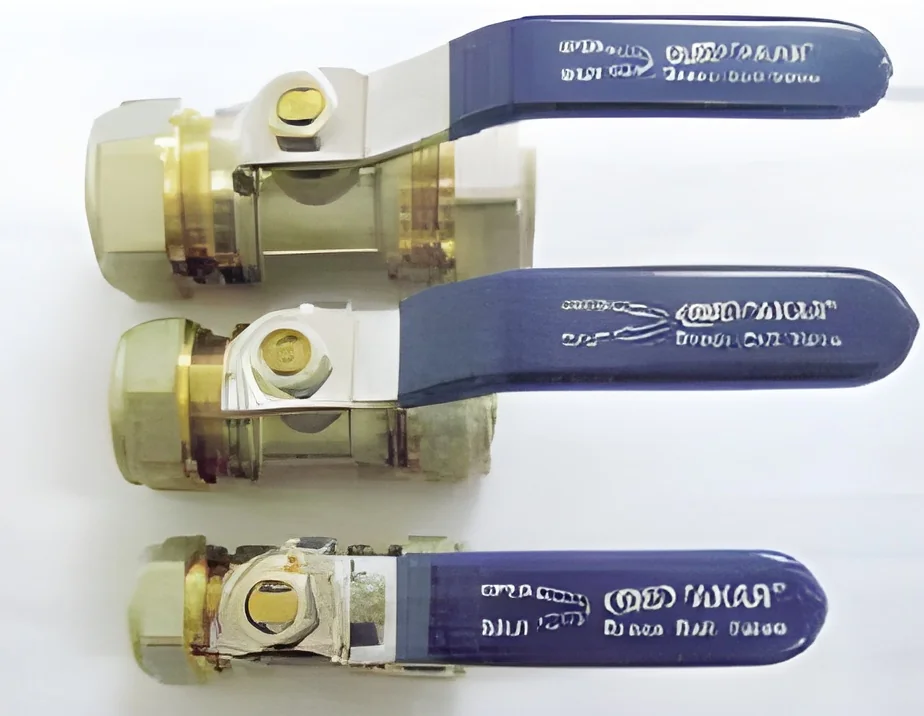
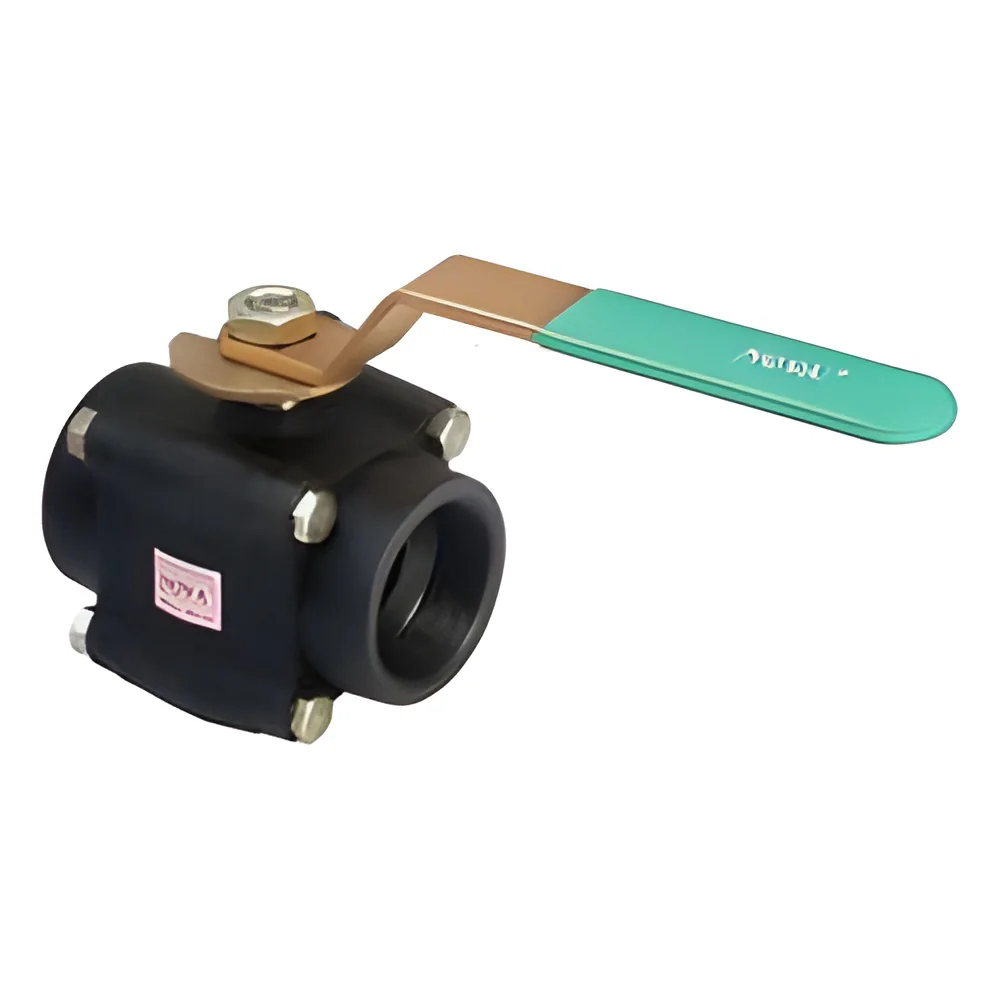
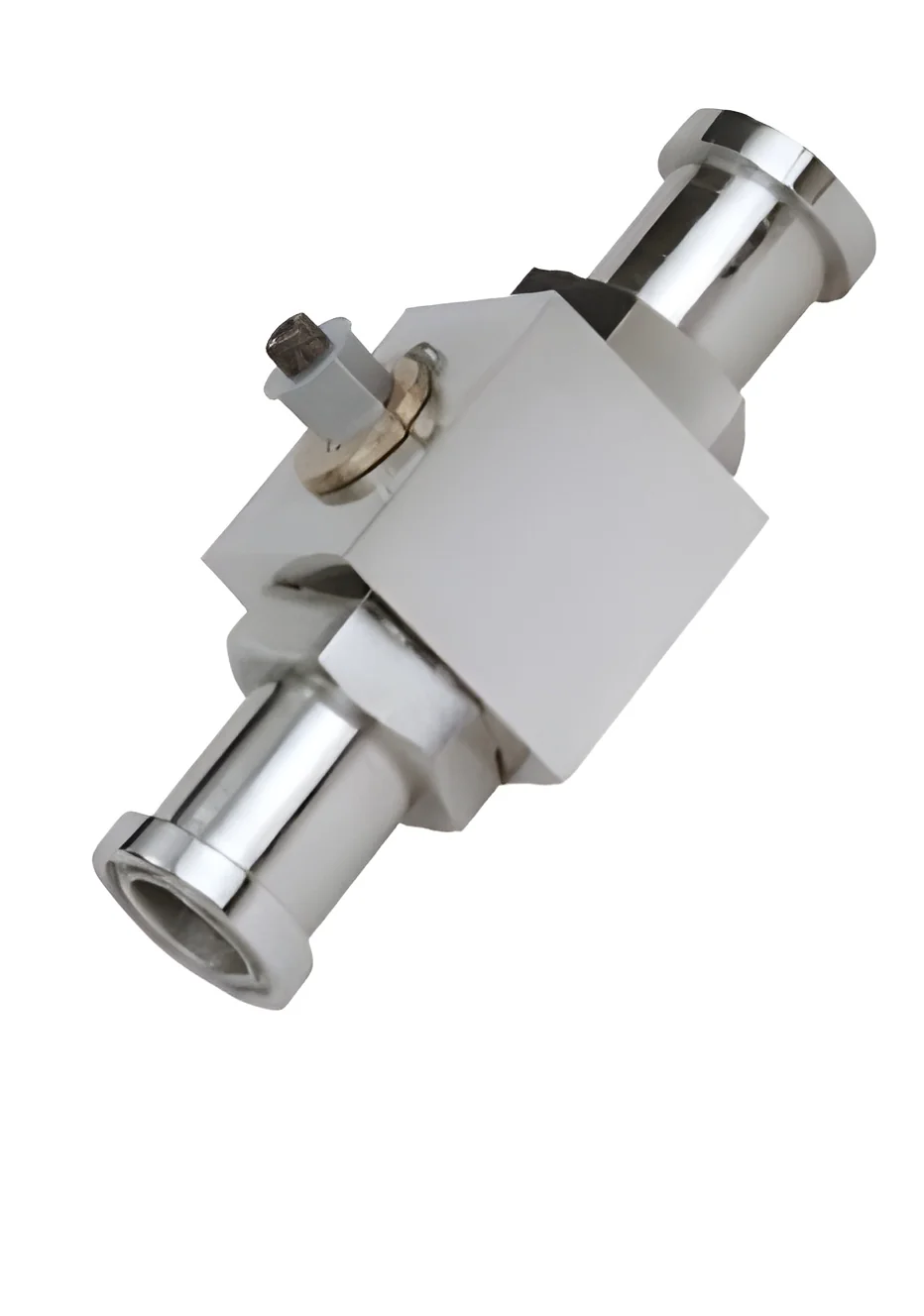
Stainless Steel Ball Valves: Known for their durability and resistance to corrosion, these valves are suitable for high-pressure applications and are commonly used in the oil and gas and chemical industries.
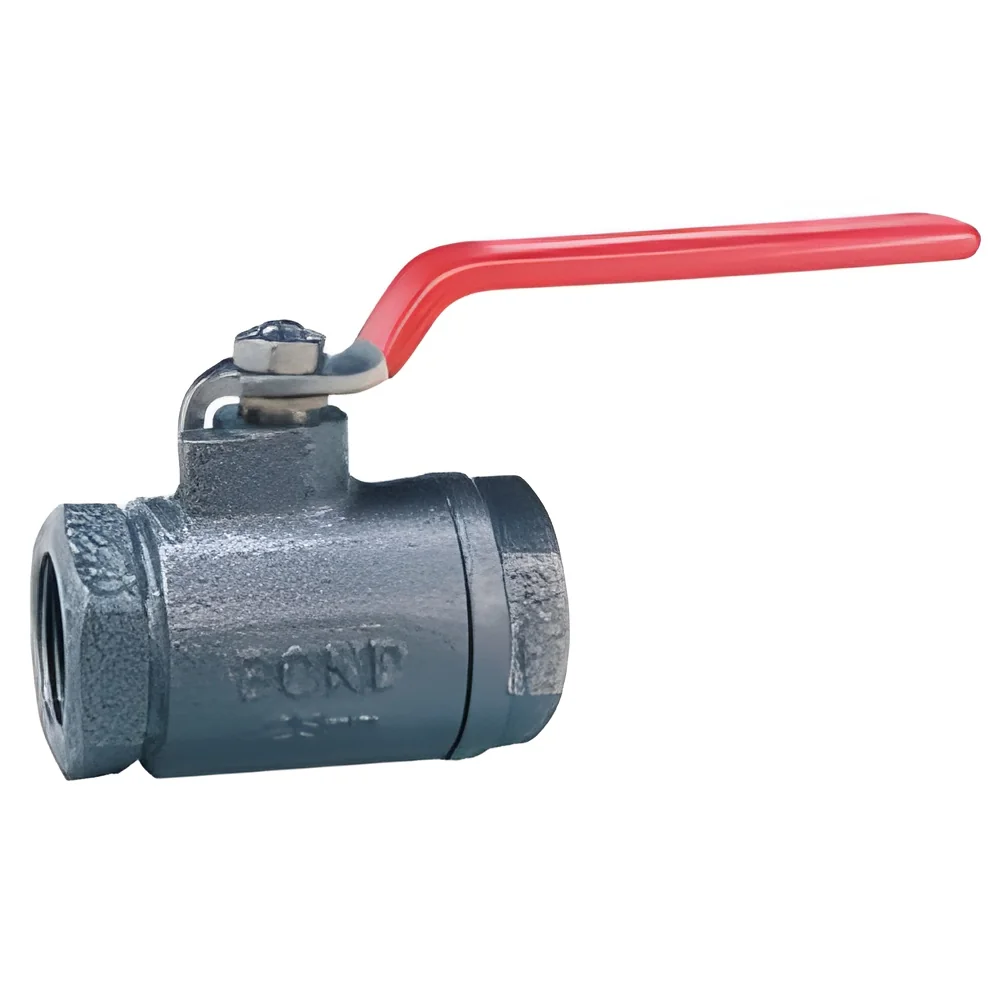
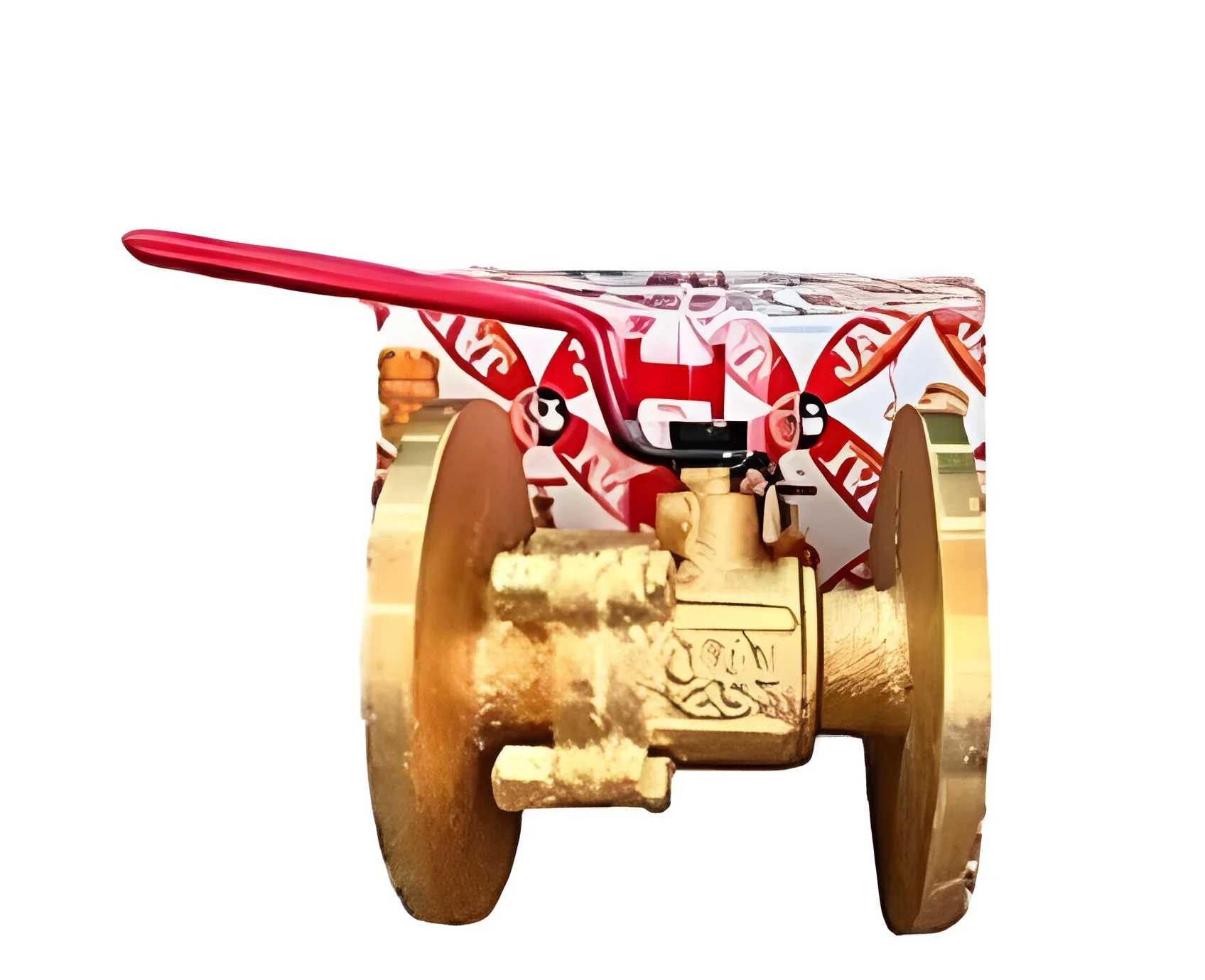
Brass Ball Valves: These valves offer strength and reliability, making them ideal for plumbing and HVAC applications. They are often used in residential and commercial settings.
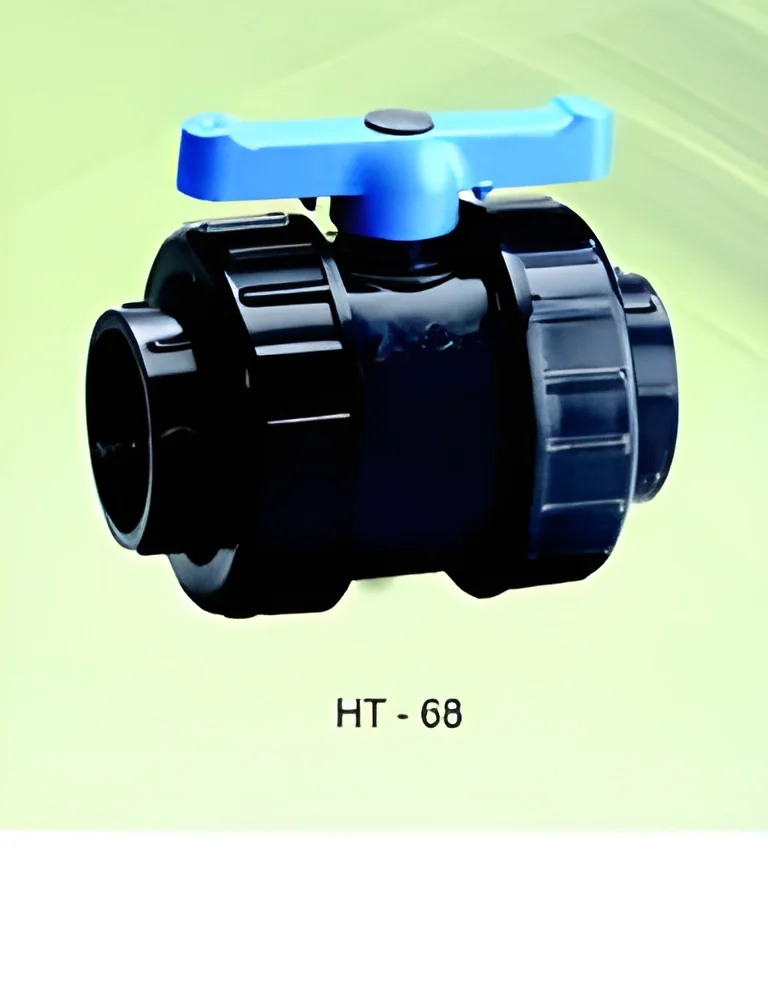
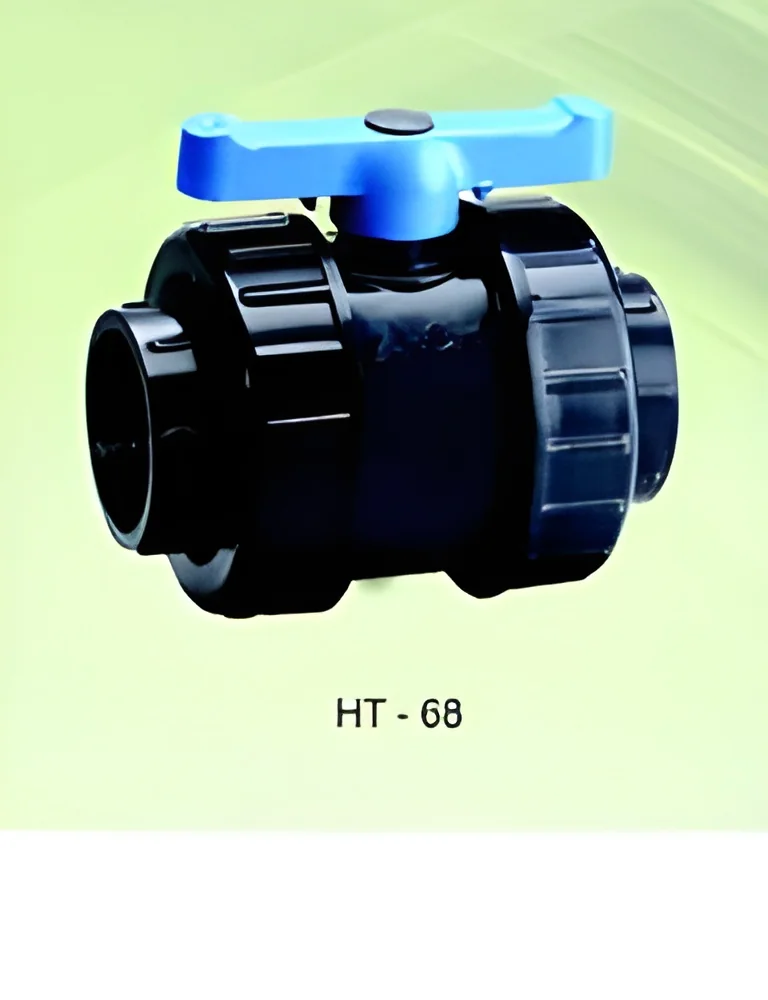
PVC Ball Valves: Lightweight and resistant to many chemicals, PVC ball valves are perfect for water treatment and irrigation applications. Their ease of installation and maintenance make them a popular choice.
Benefits and Advantages
Ball valves provide several key advantages that enhance their usability in various applications.
1. Durability: Constructed from robust materials, ball valves have a long service life and can withstand harsh operating conditions.
2. Efficient Flow Control: Their design allows for quick and precise control of fluid flow, reducing energy consumption and improving process efficiency.
3. Low Maintenance: Ball valves require minimal maintenance due to their simple design and reliable performance, translating to lower operational costs.
4. Versatility: Available in a variety of materials and sizes, ball valves can be tailored to meet specific industry needs and applications.
5. Leak-Free Operation: Designed to minimize leakage, ball valves ensure system integrity and reduce the risk of spills or contamination.
6. Easy Installation: Their straightforward design facilitates easy installation and replacement, reducing downtime during maintenance.
Buying Guide for B2B Buyers
When sourcing Ball Valves (SS, Brass, PVC), it is essential to consider several factors to ensure you select the right product for your needs.
1. Quality Assessment: Evaluate the quality of materials and manufacturing processes. Look for certifications that indicate compliance with industry standards.
2. Supplier Verification: Conduct thorough research to verify the reliability of suppliers. Check for customer reviews, case studies, and industry reputation.
3. Pricing and MOQ: Understand the pricing structure and minimum order quantities (MOQ) to ensure it aligns with your budget and project requirements.
4. Delivery and Lead Times: Assess logistics capabilities to ensure timely delivery of products. Factor in lead times when planning your projects.
5. Compliance Requirements: Ensure that the valves meet all regulatory and compliance standards relevant to your industry. This is crucial for safety and legal considerations.
Compliance and Certifications
Ball valves must adhere to relevant quality standards to ensure safety and reliability in various applications.
ISO 9001: This standard focuses on quality management systems, ensuring that manufacturers maintain high-quality standards in their production processes.
HACCP: For food-related applications, Hazard Analysis Critical Control Point standards help identify and mitigate risks associated with food safety.
CE Certification: This certification indicates that the product meets EU safety, health, and environmental protection requirements, making it essential for compliance in the European market.
Safety and Testing Requirements: Ball valves must undergo rigorous testing to meet safety standards, ensuring they can handle specified pressures and temperatures without failure.
Regional Compliance Considerations: Depending on the geographical location, specific regulations and standards may apply. It is crucial to be aware of local compliance requirements to avoid legal issues.
Why Source Ball Valves (SS, Brass, PVC) from Pepagora?
Pepagora offers a trusted platform for sourcing Ball Valves (SS, Brass, PVC), providing several key advantages for B2B buyers.
Verified Supplier Network: Pepagora ensures that all suppliers are thoroughly vetted, providing buyers with access to reliable manufacturers known for their quality products.
Streamlined RFQ Process: The platform simplifies the request for quotation (RFQ) process, allowing buyers to quickly obtain competitive quotes from multiple suppliers.
Trade Assurance and Support: Pepagora offers buyer protection services, ensuring that purchases are secure and that support is available throughout the transaction process.
Regional Coverage: With a strong presence in India, the GCC, and Southeast Asia, Pepagora provides extensive geographic reach, connecting buyers with suppliers across these regions for seamless sourcing.

 IN
IN