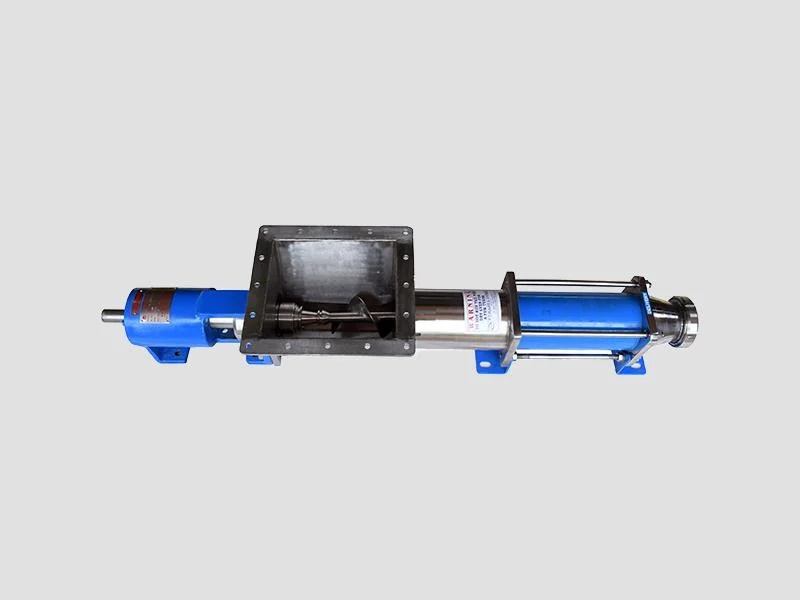
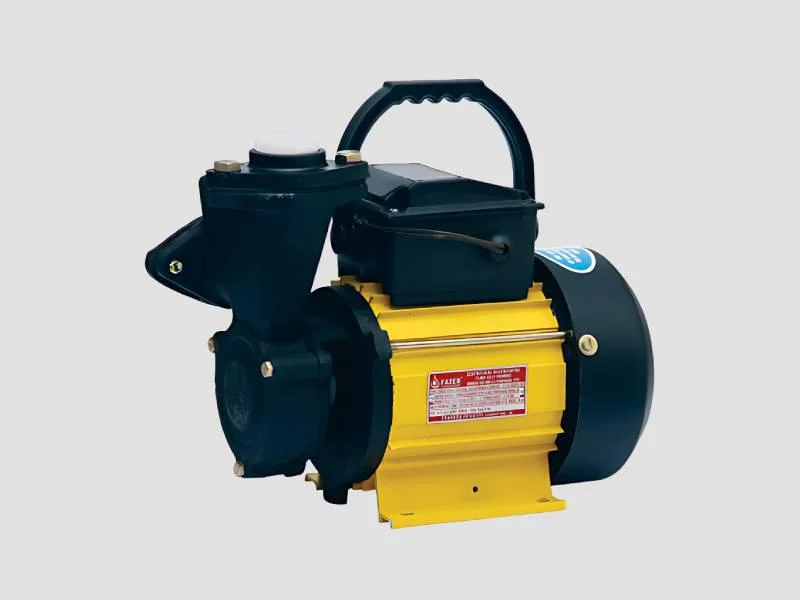
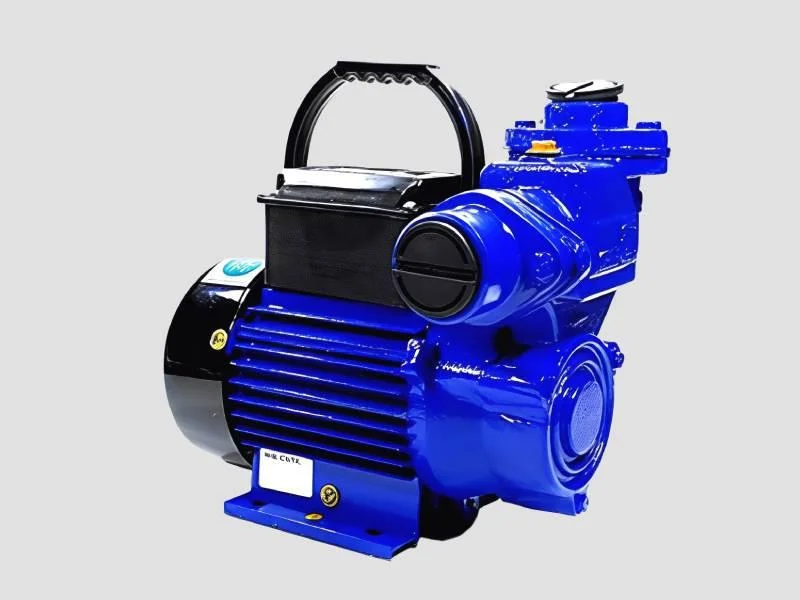
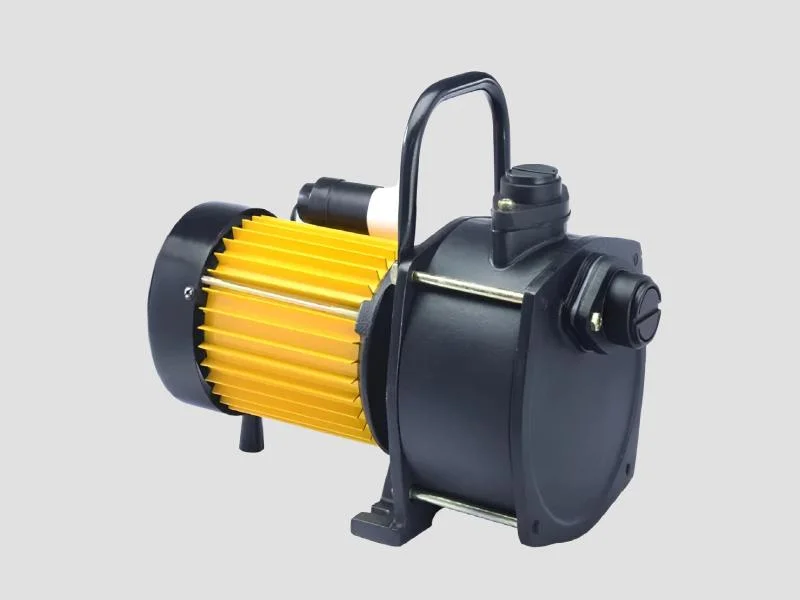
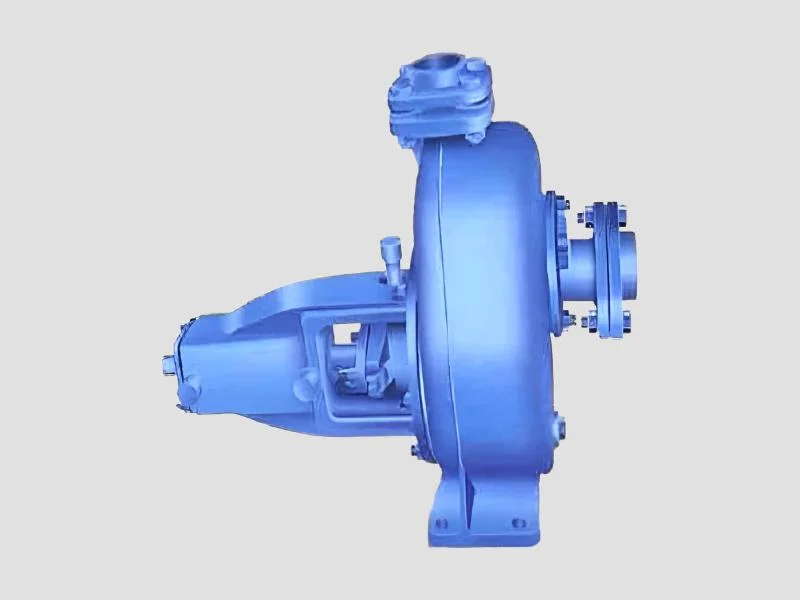
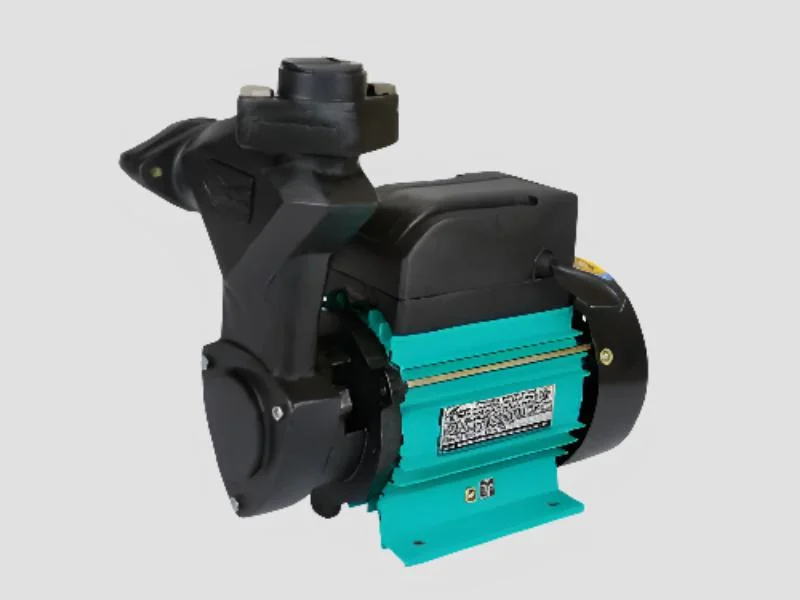
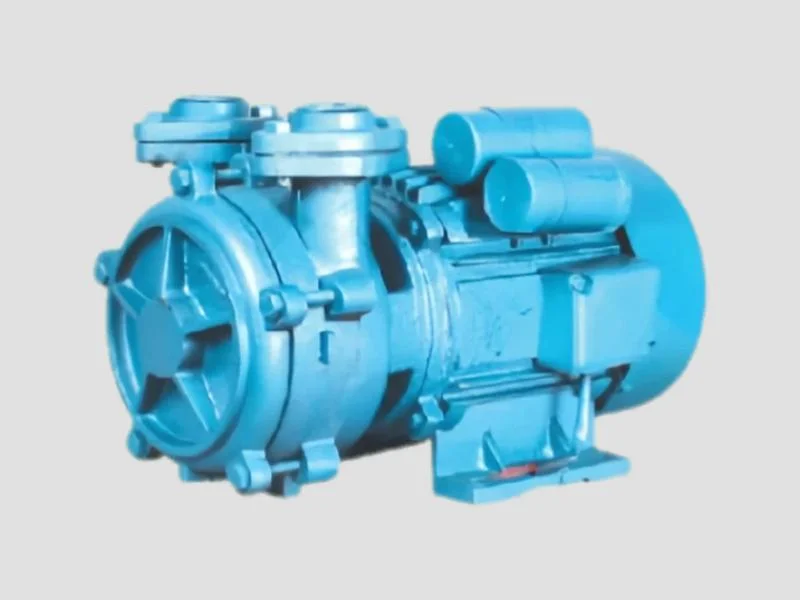
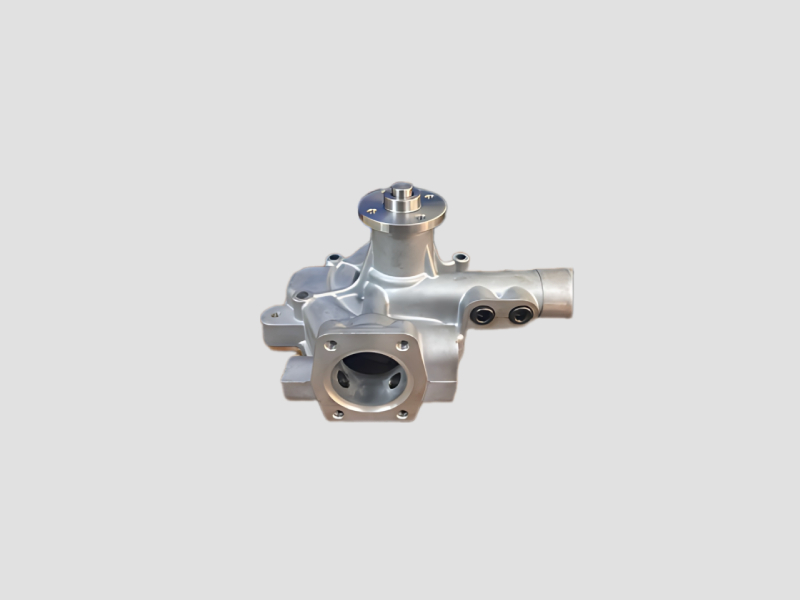
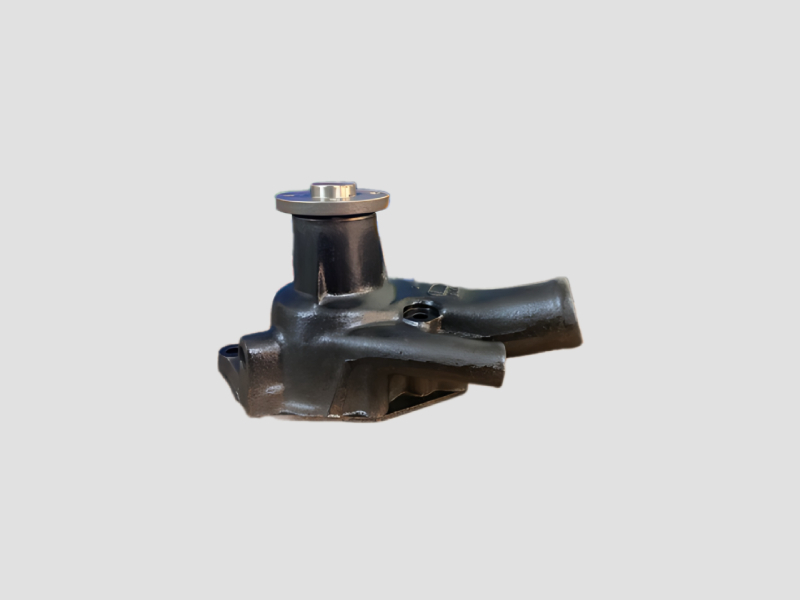
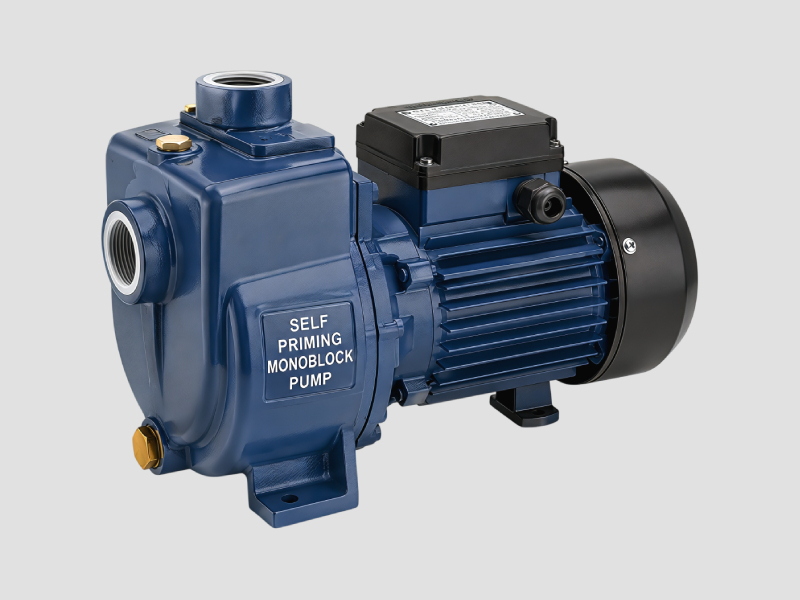
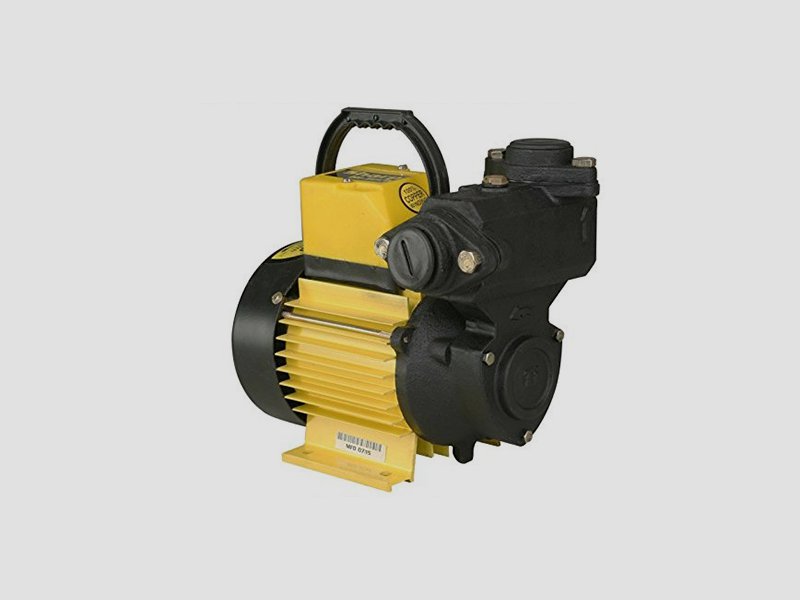
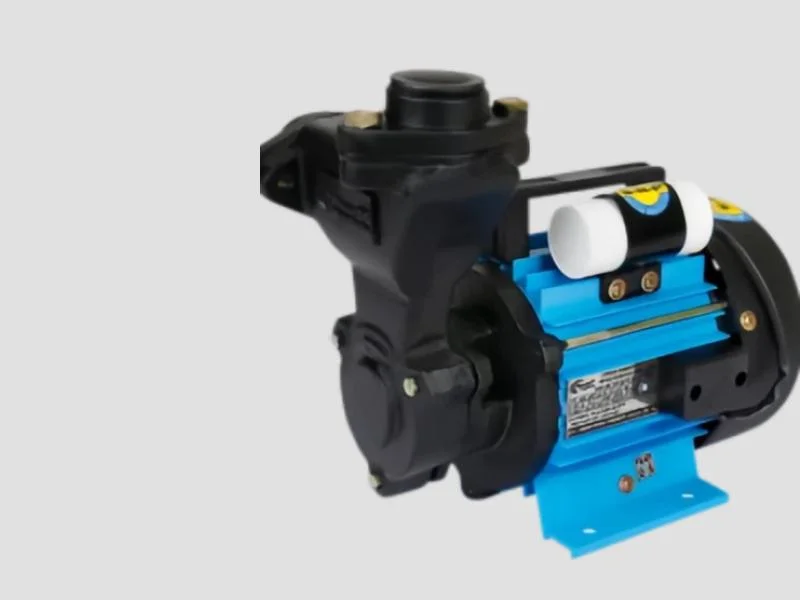
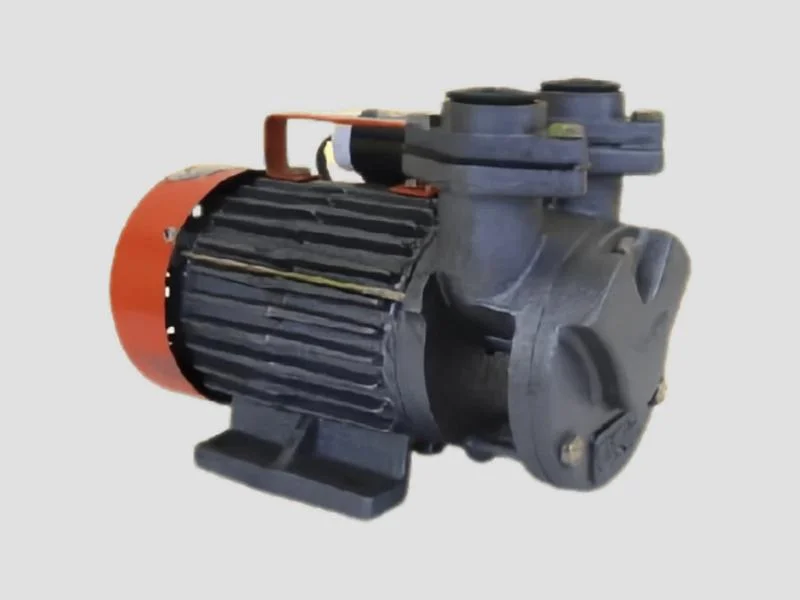
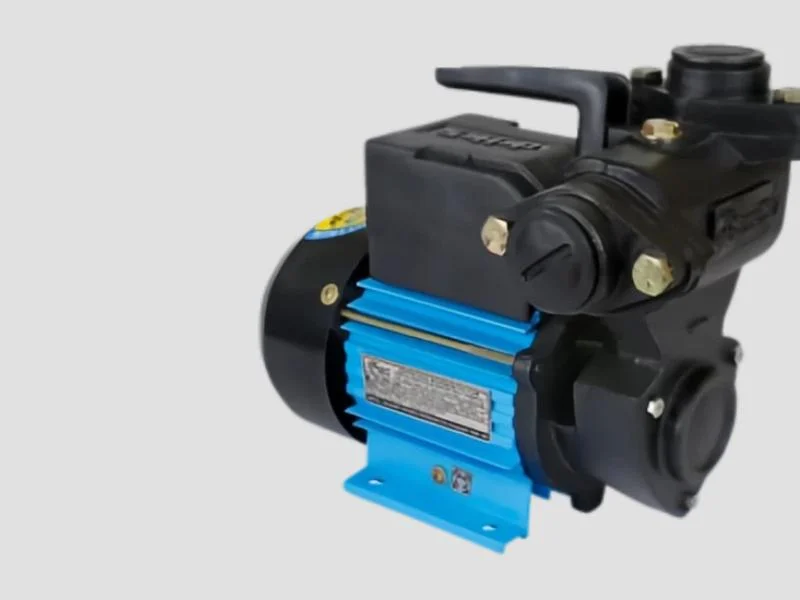
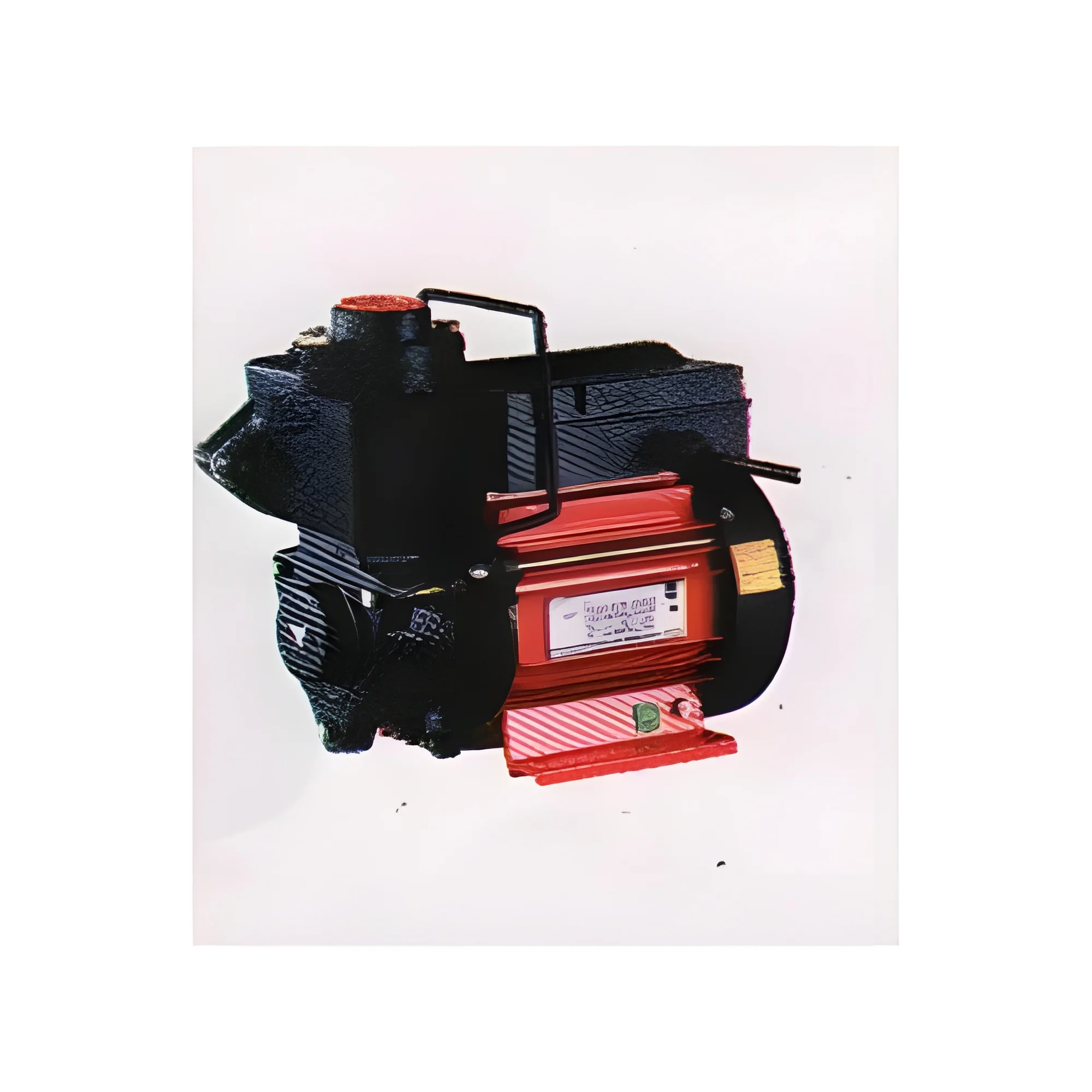
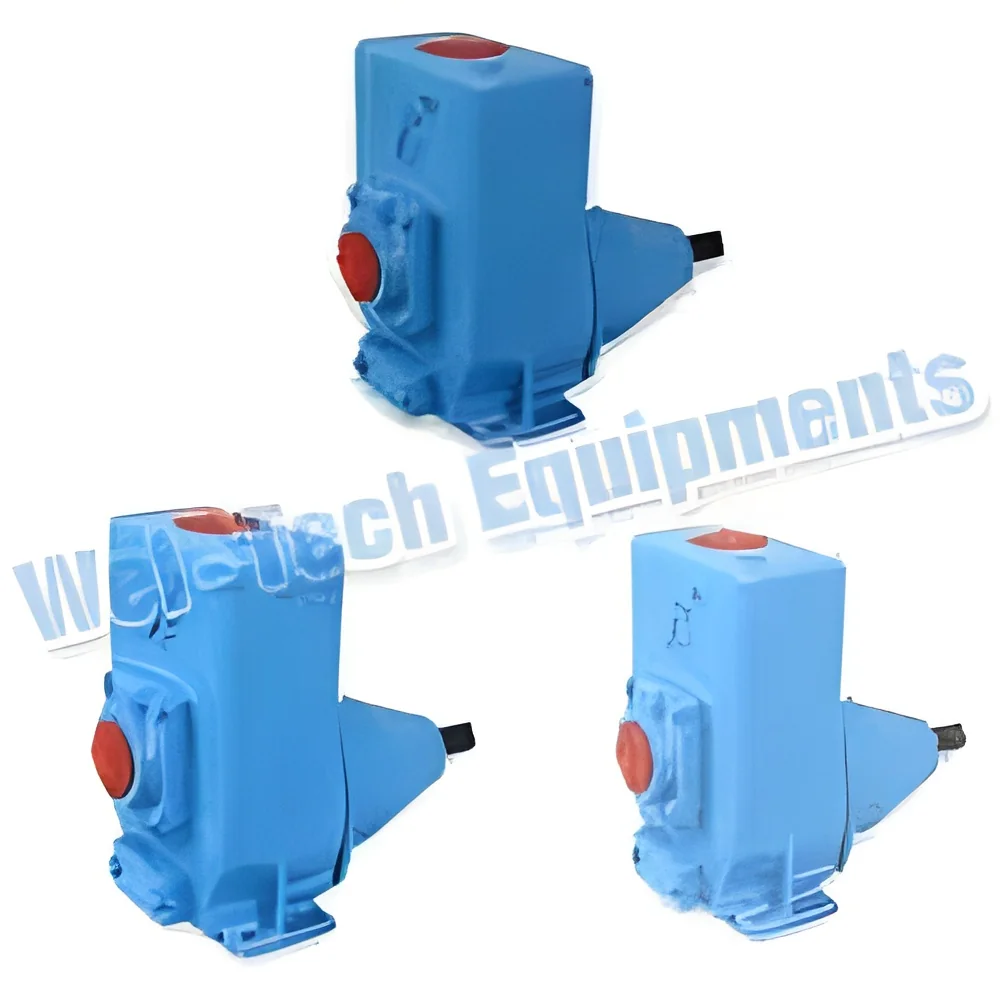
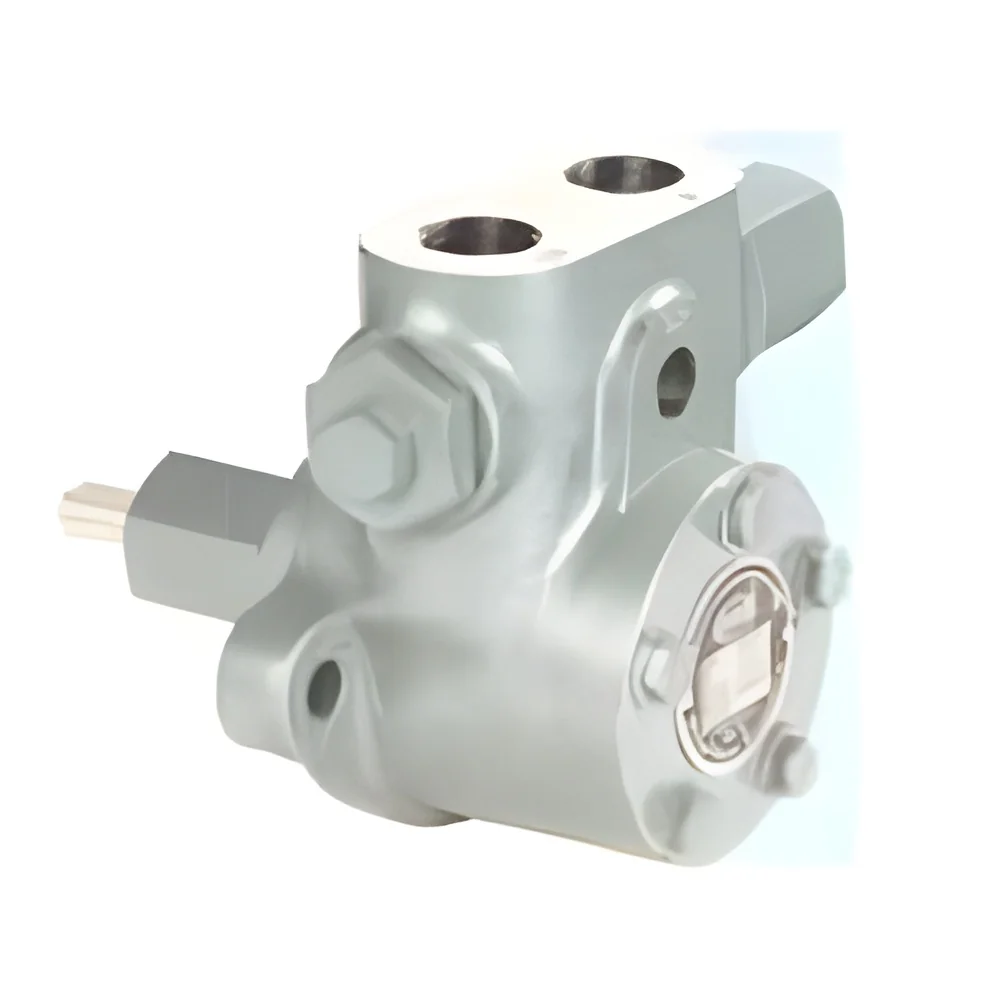
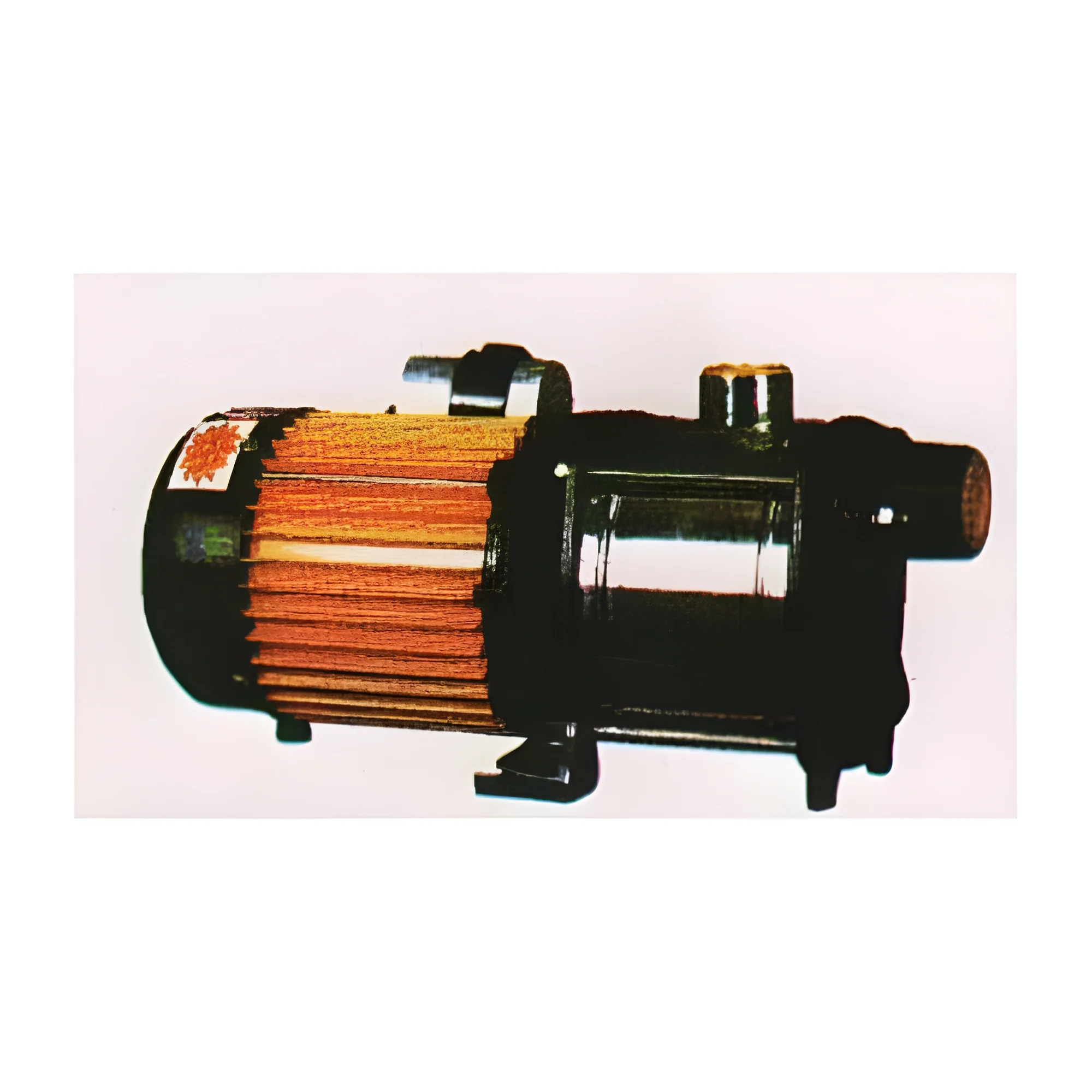
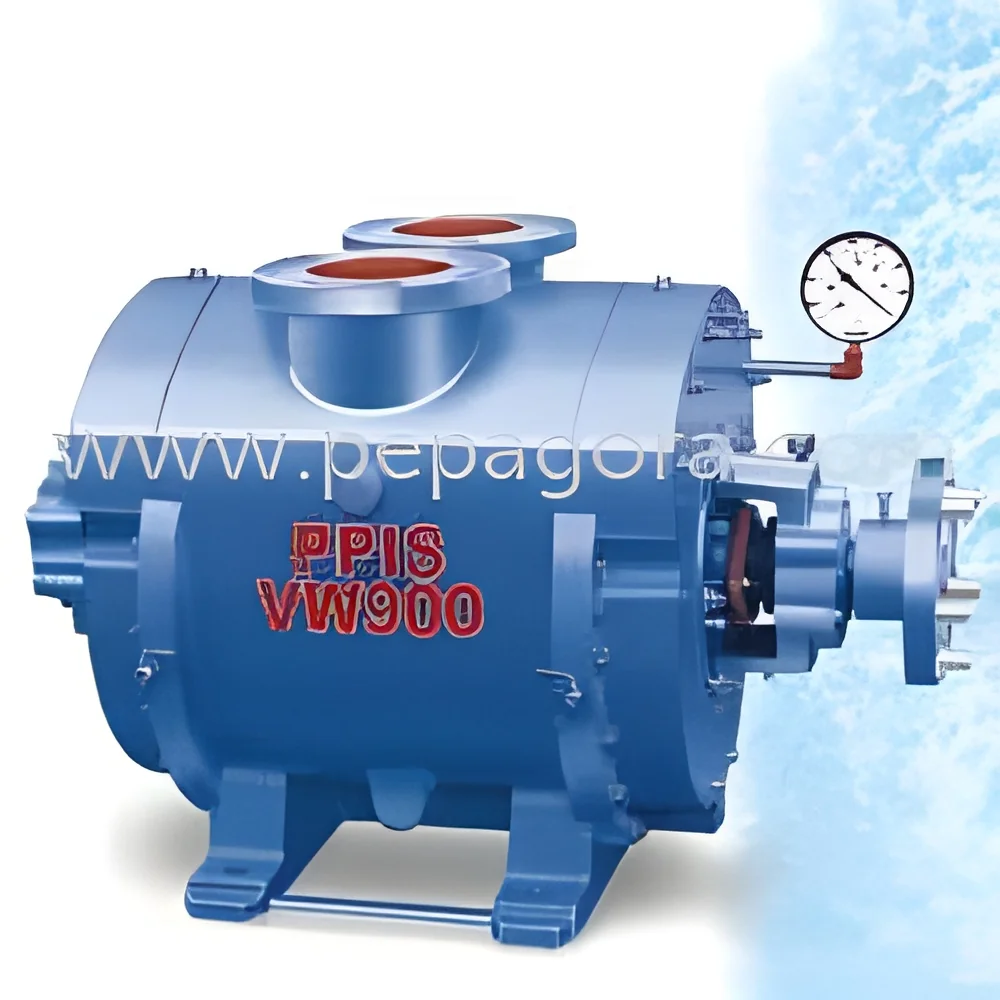
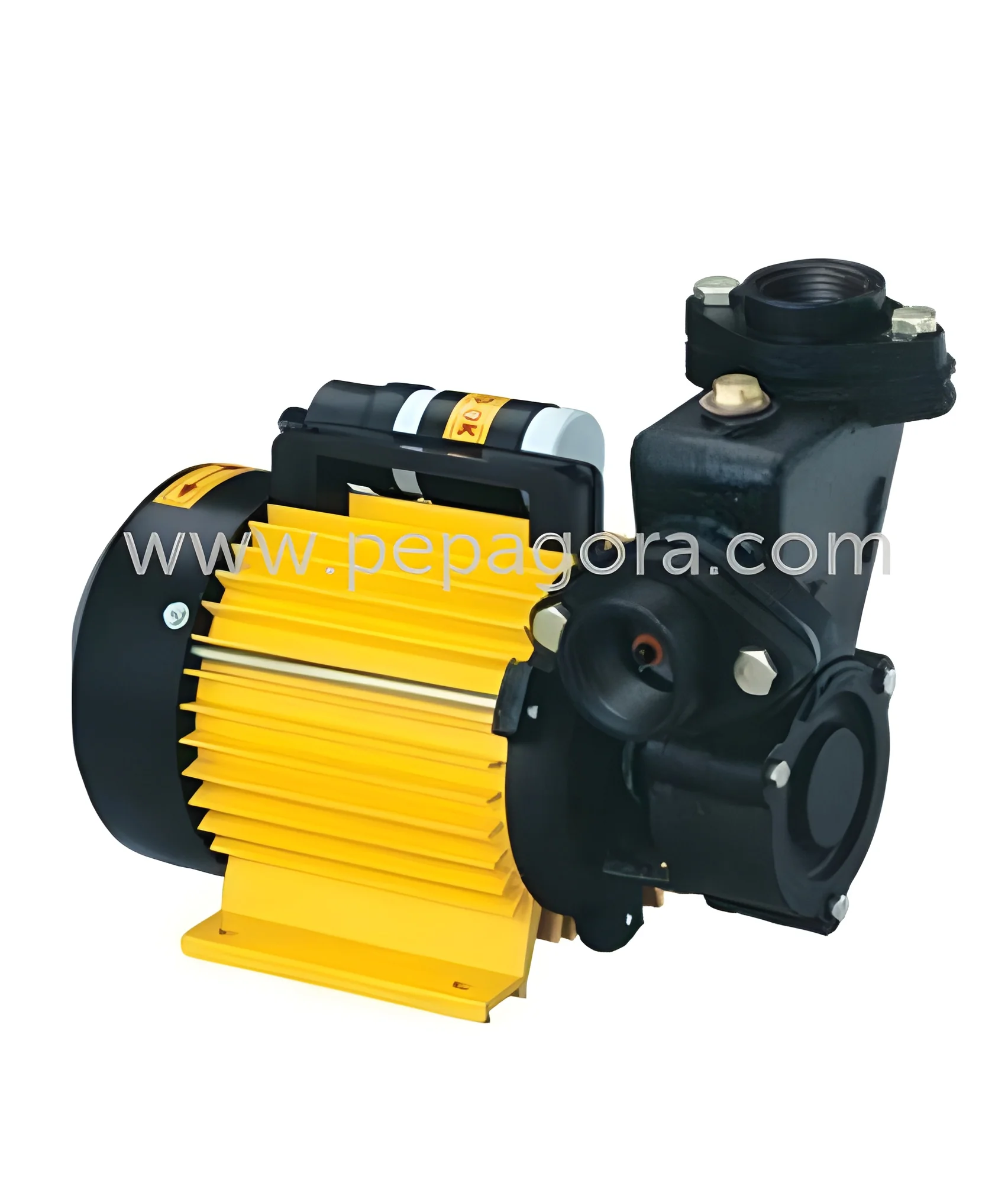
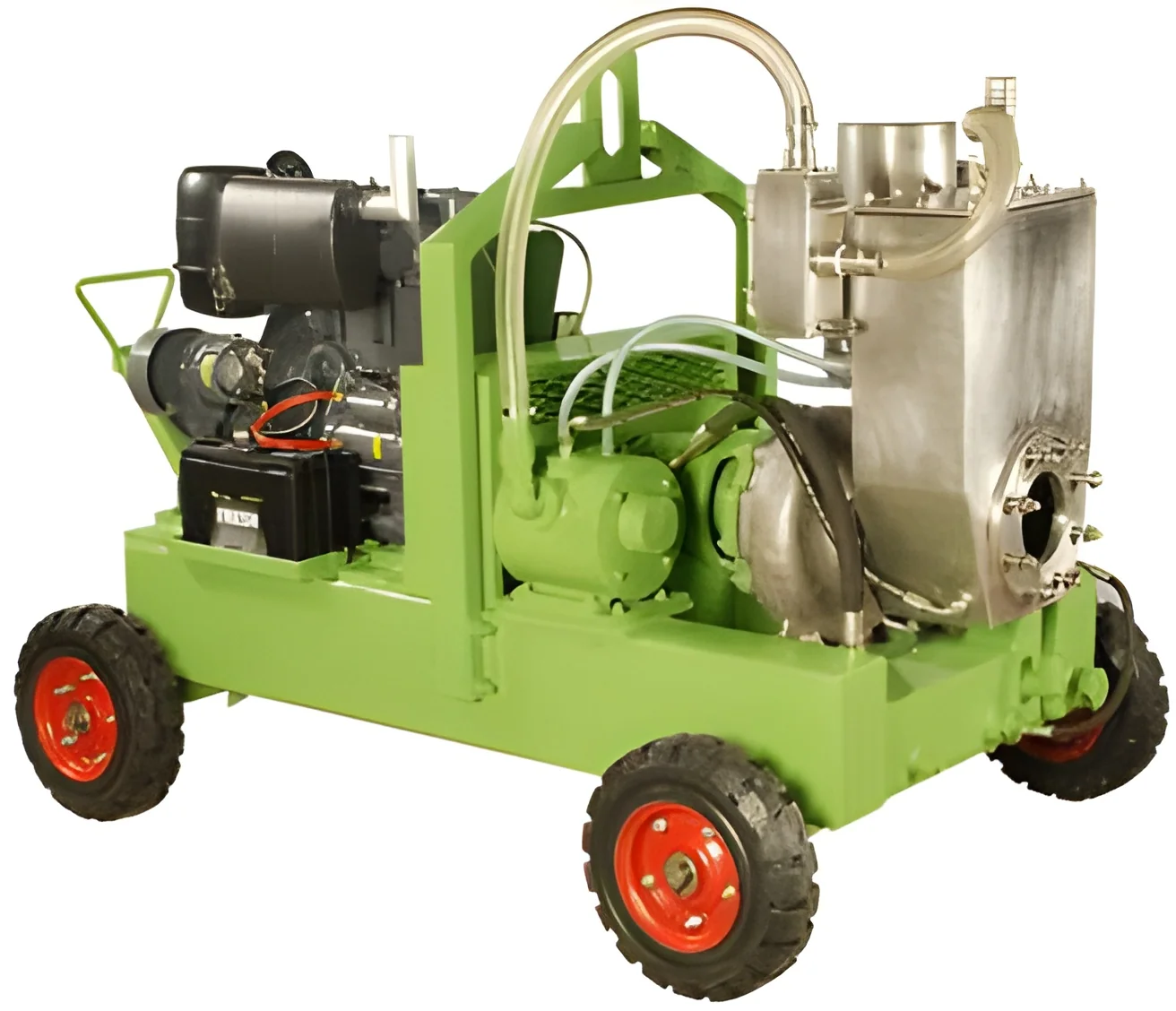
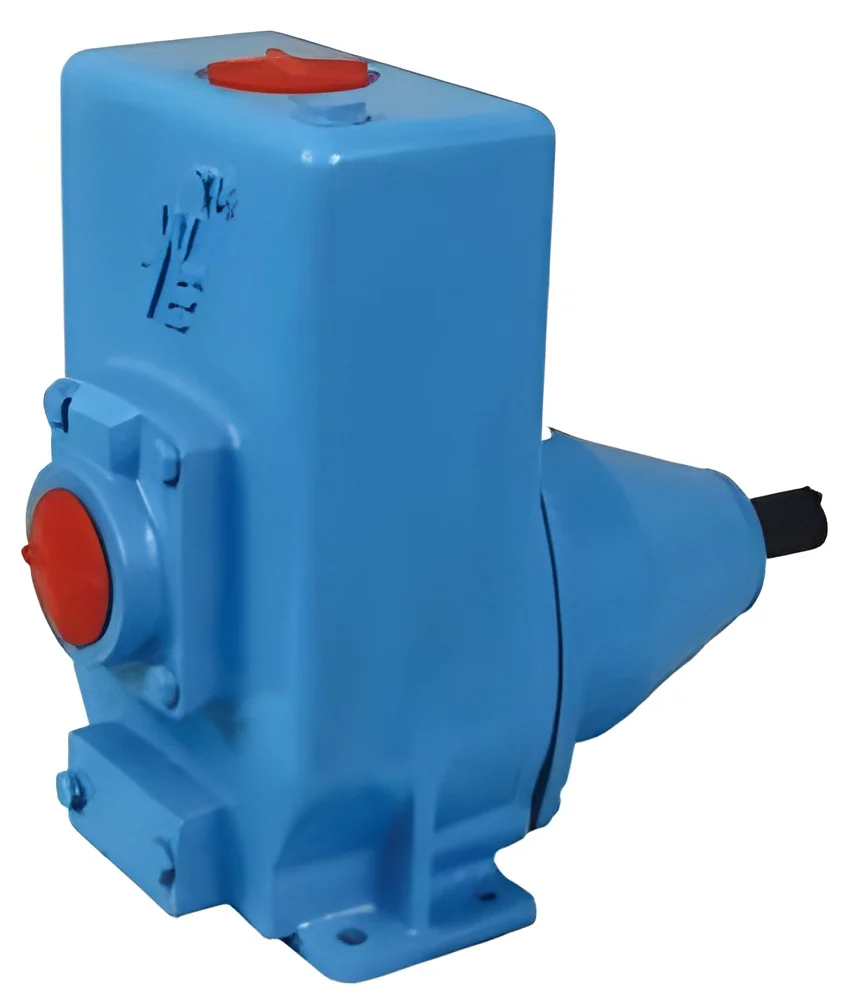
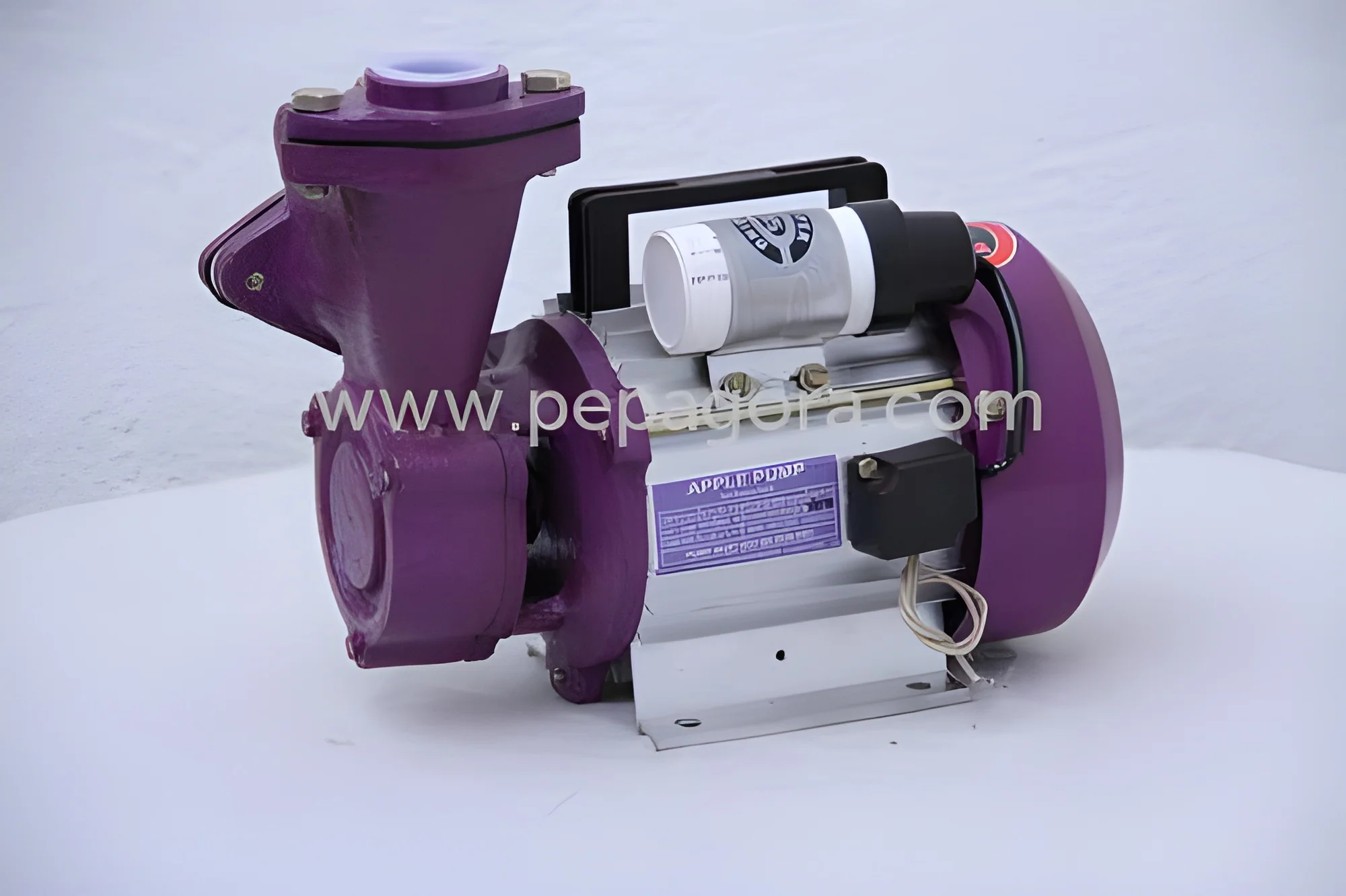
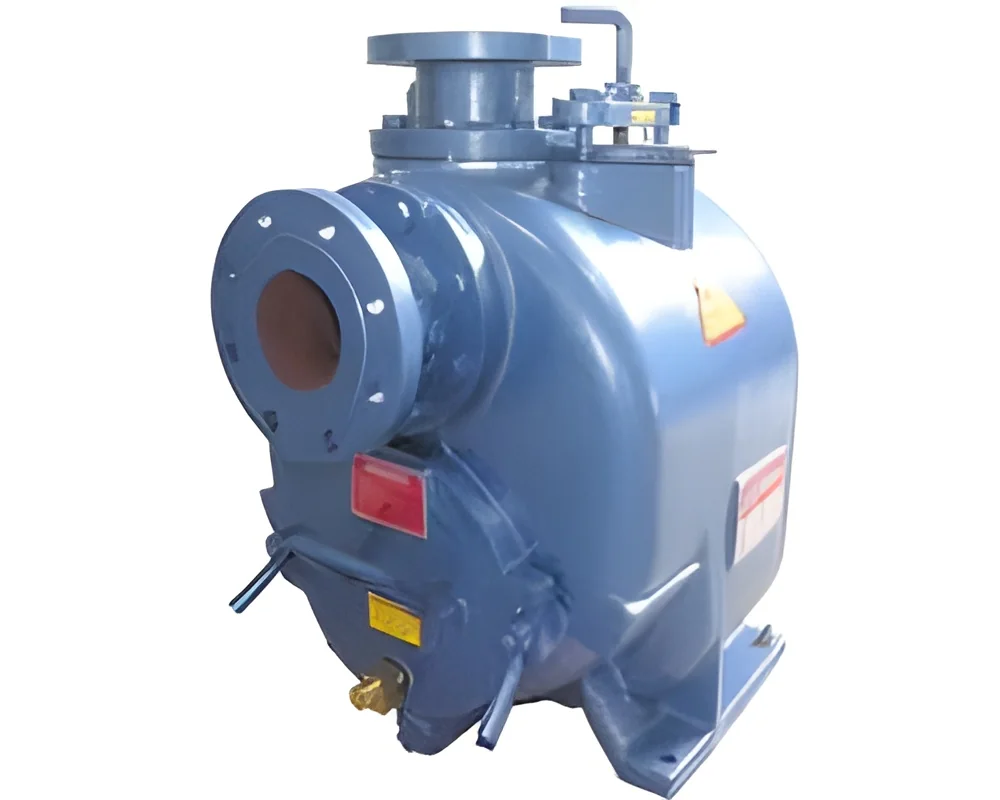
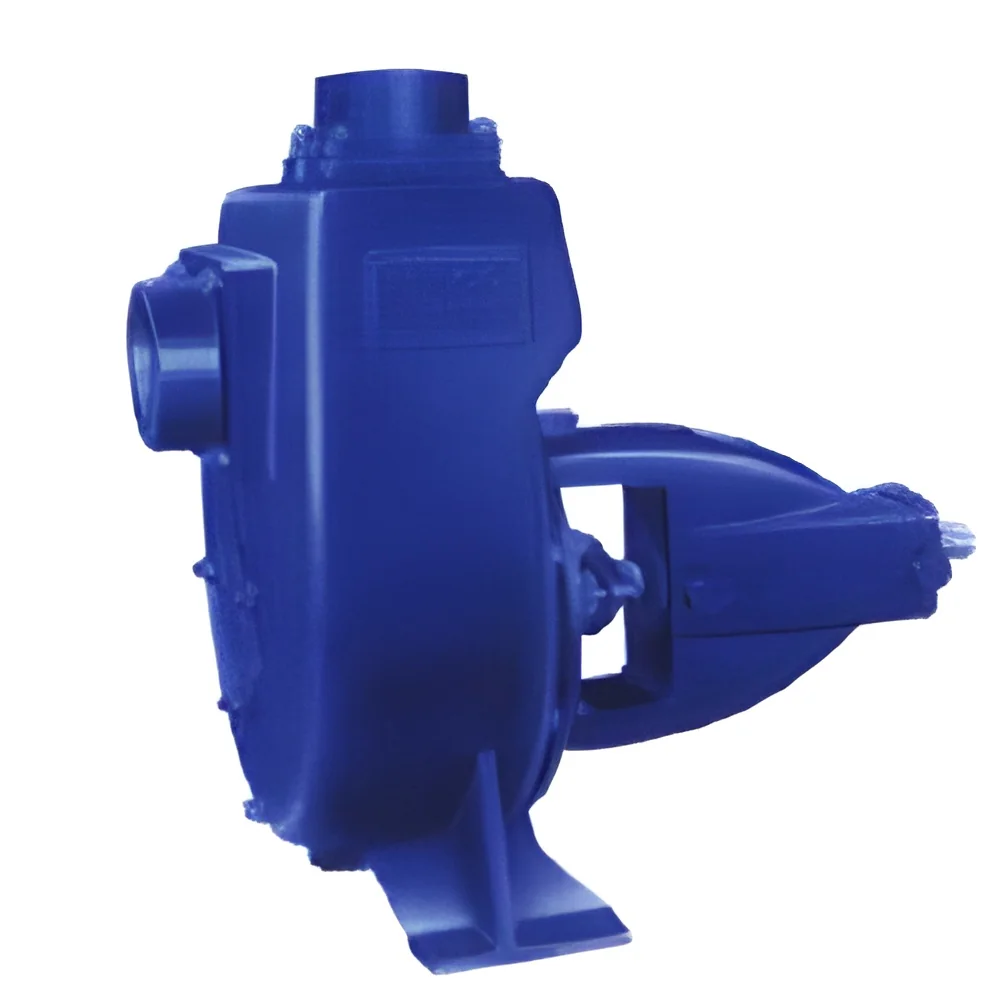
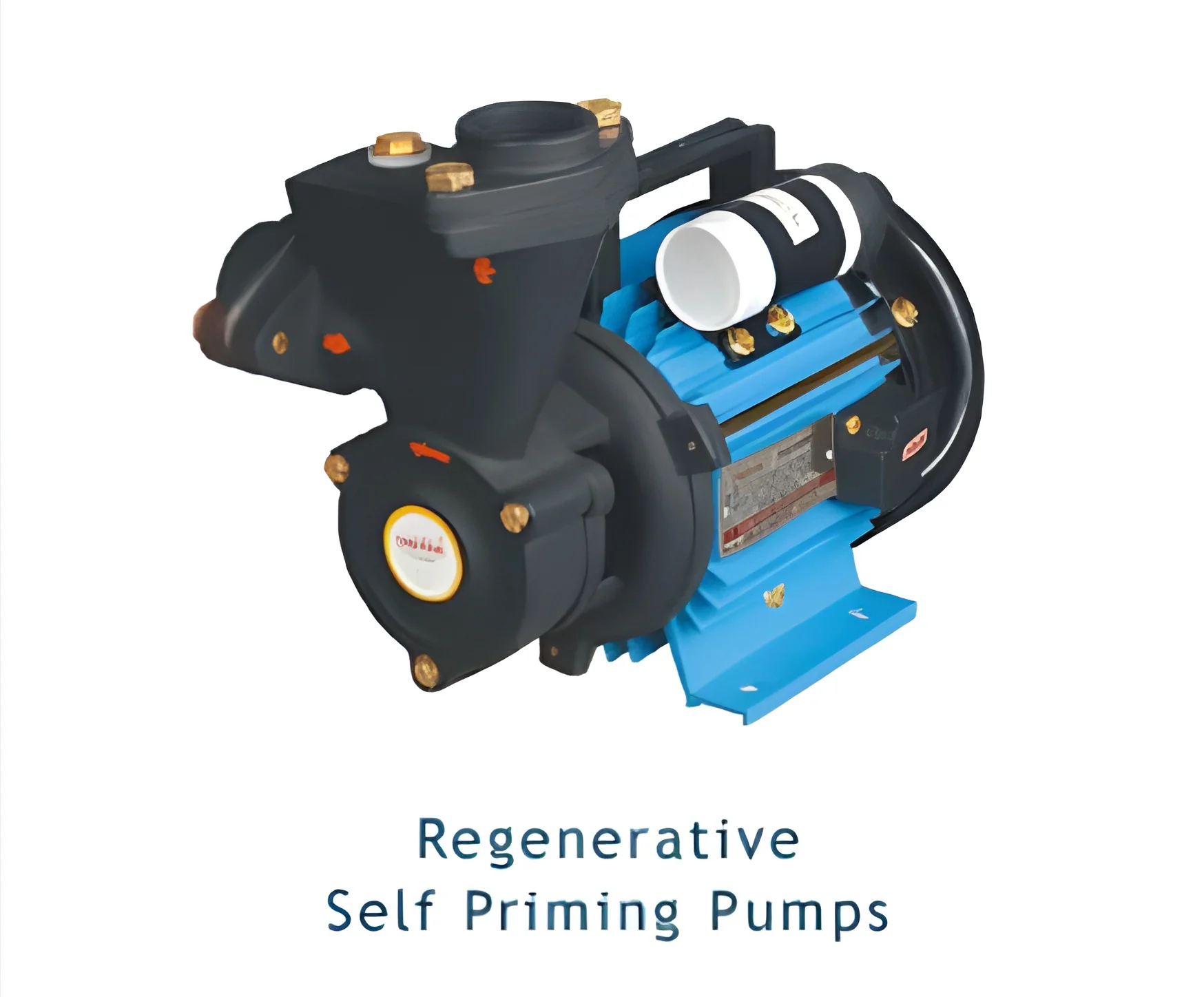
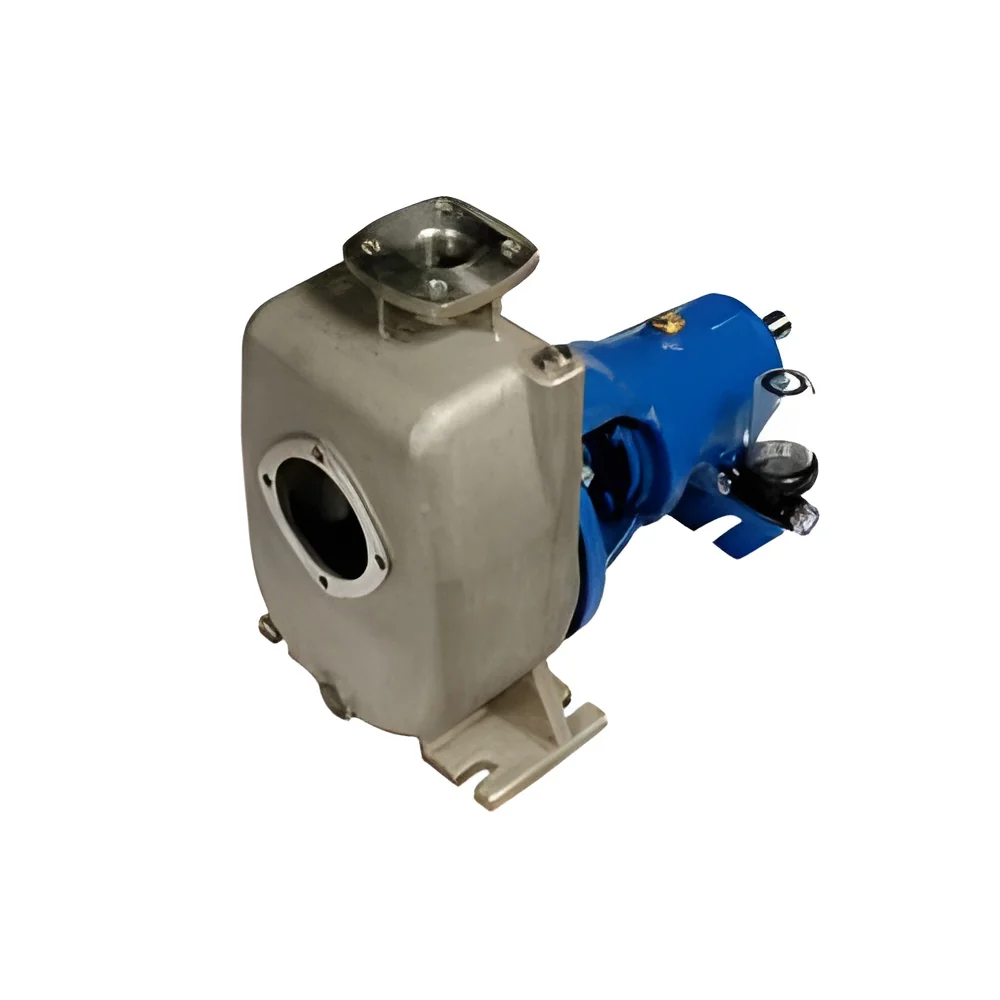
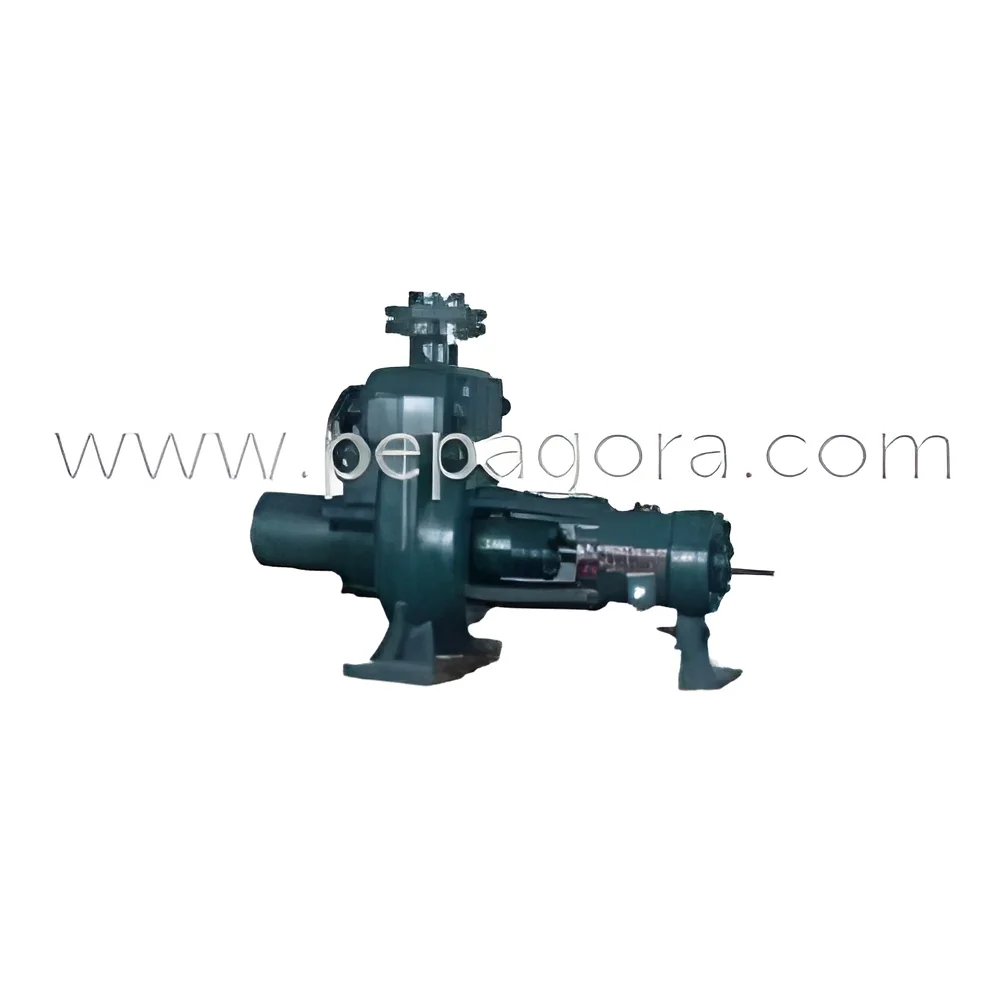
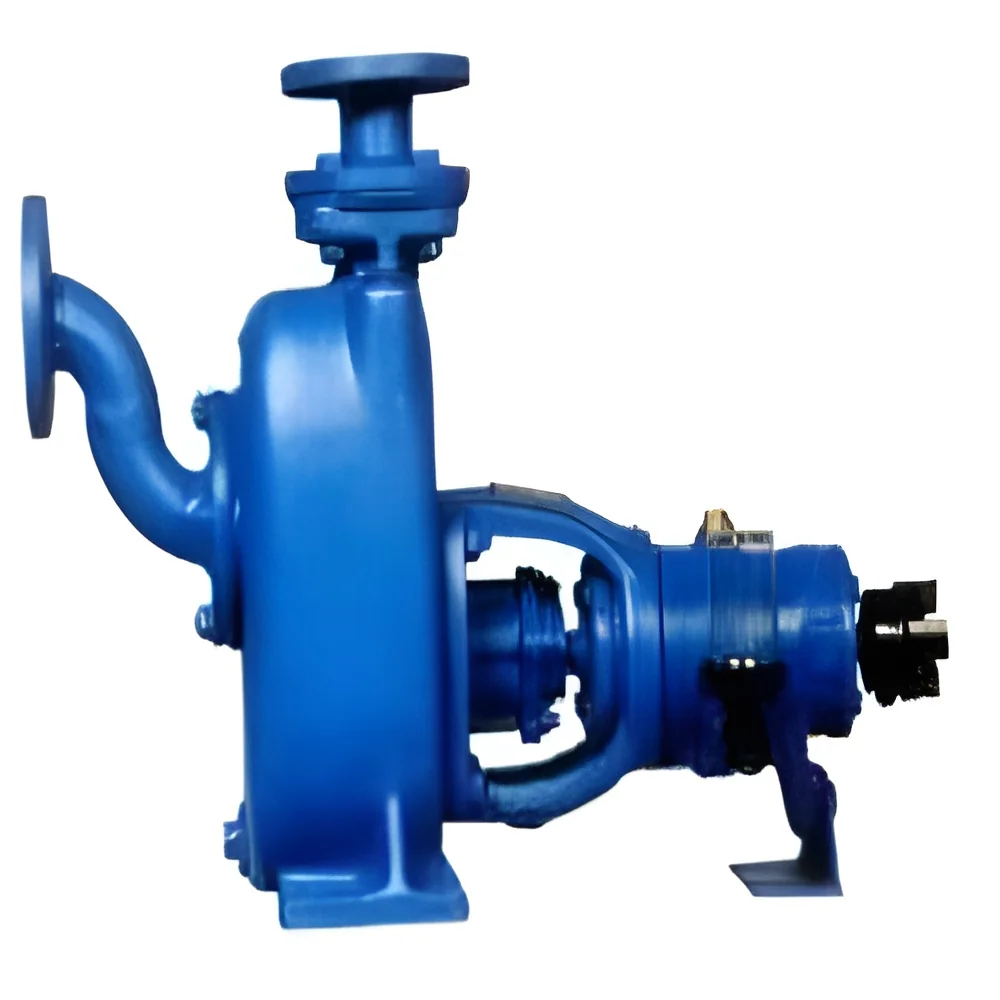
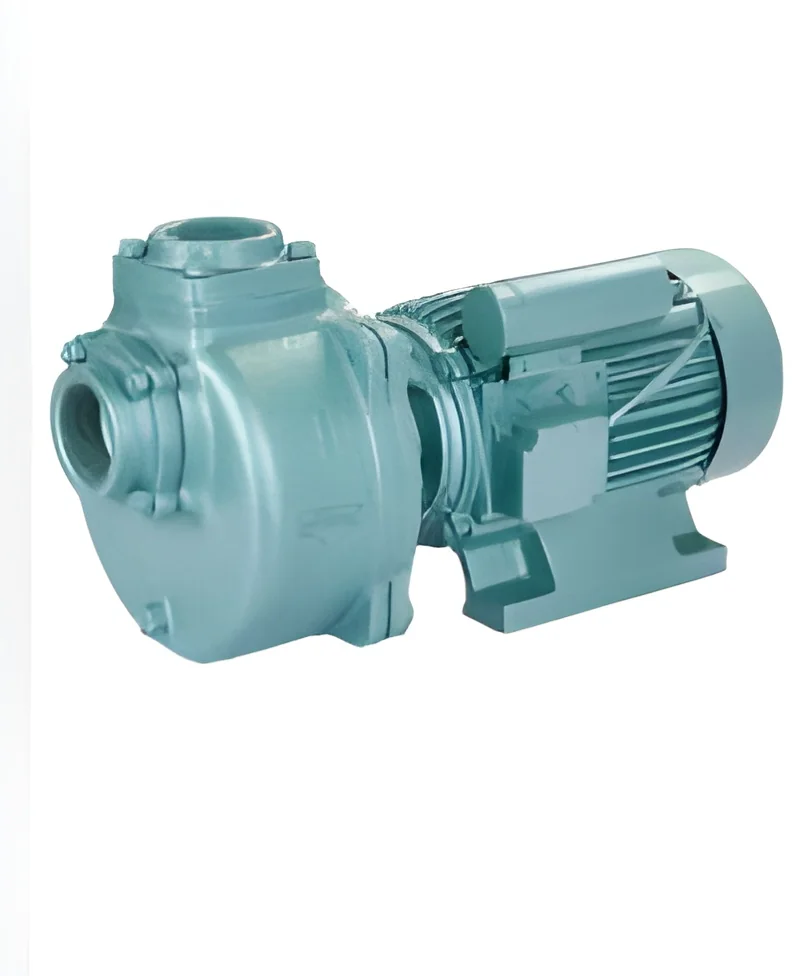
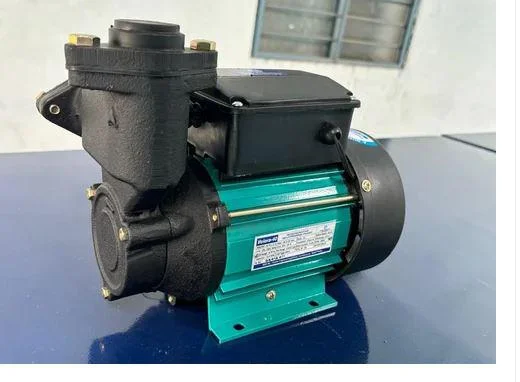
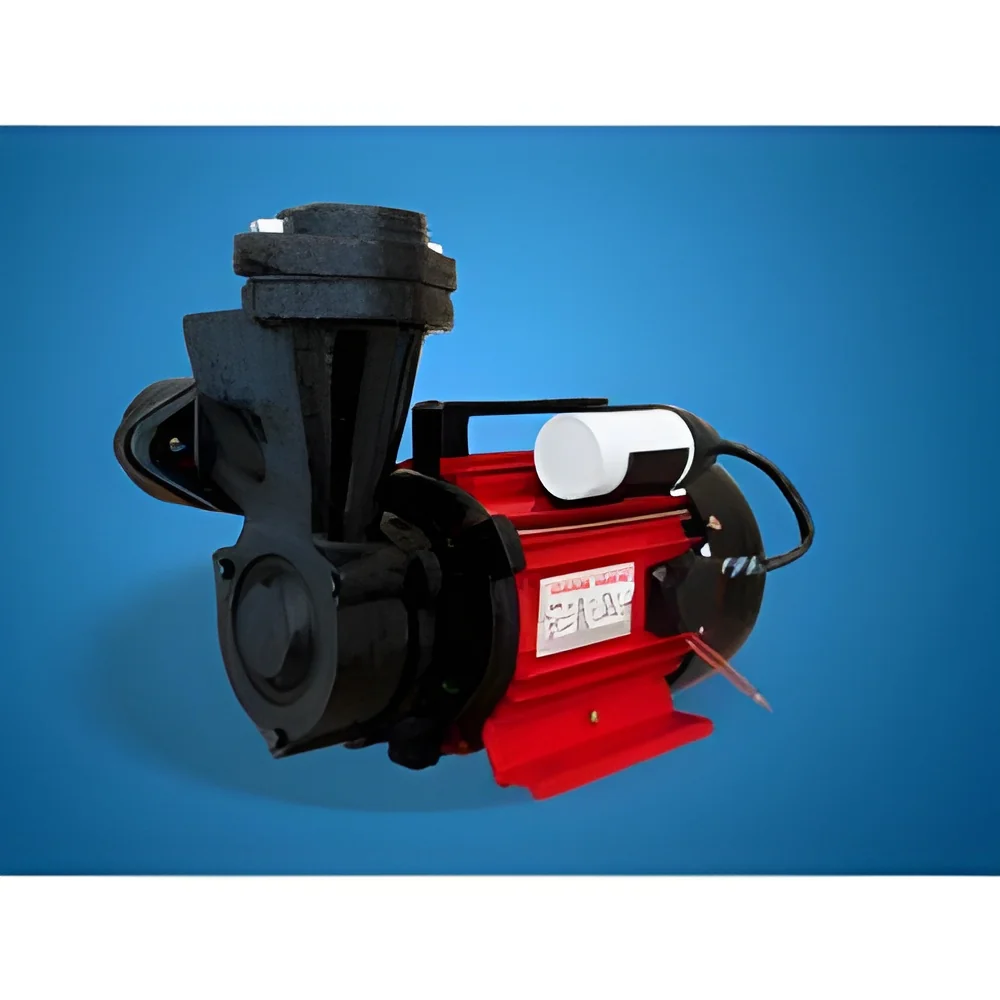
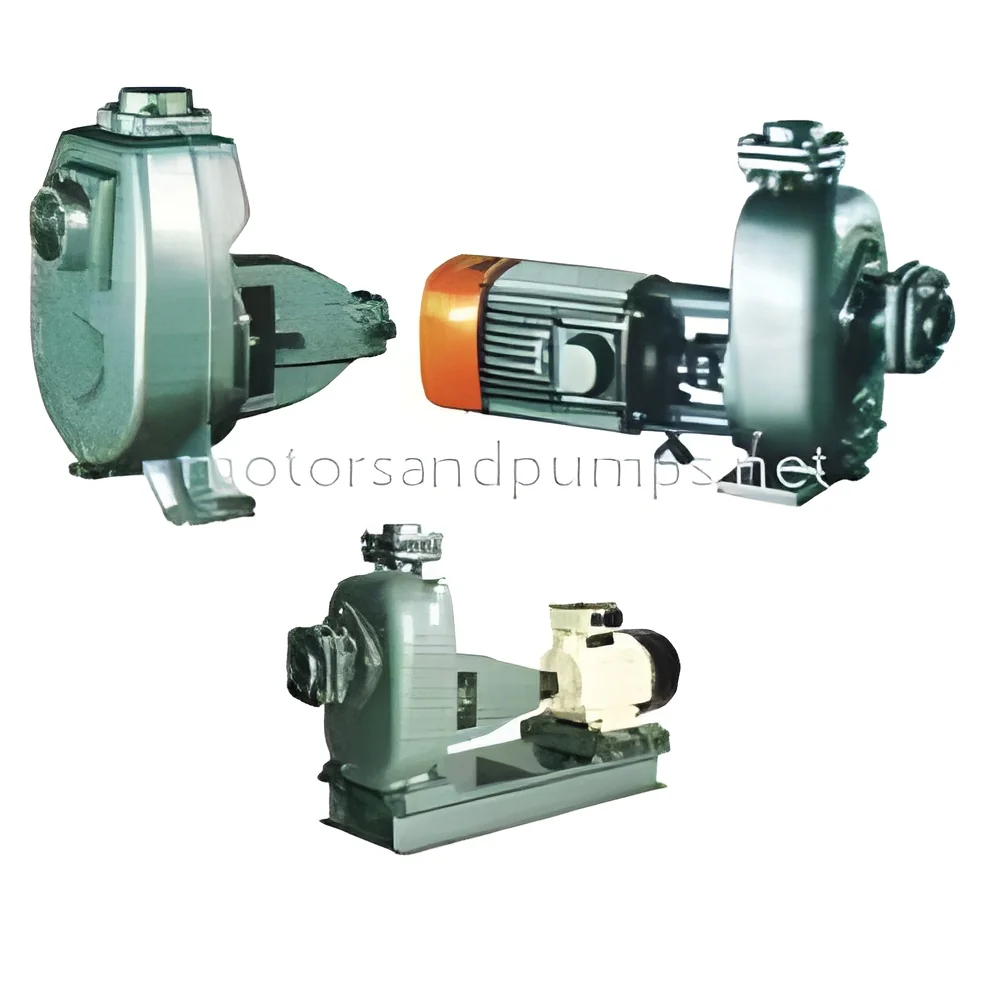
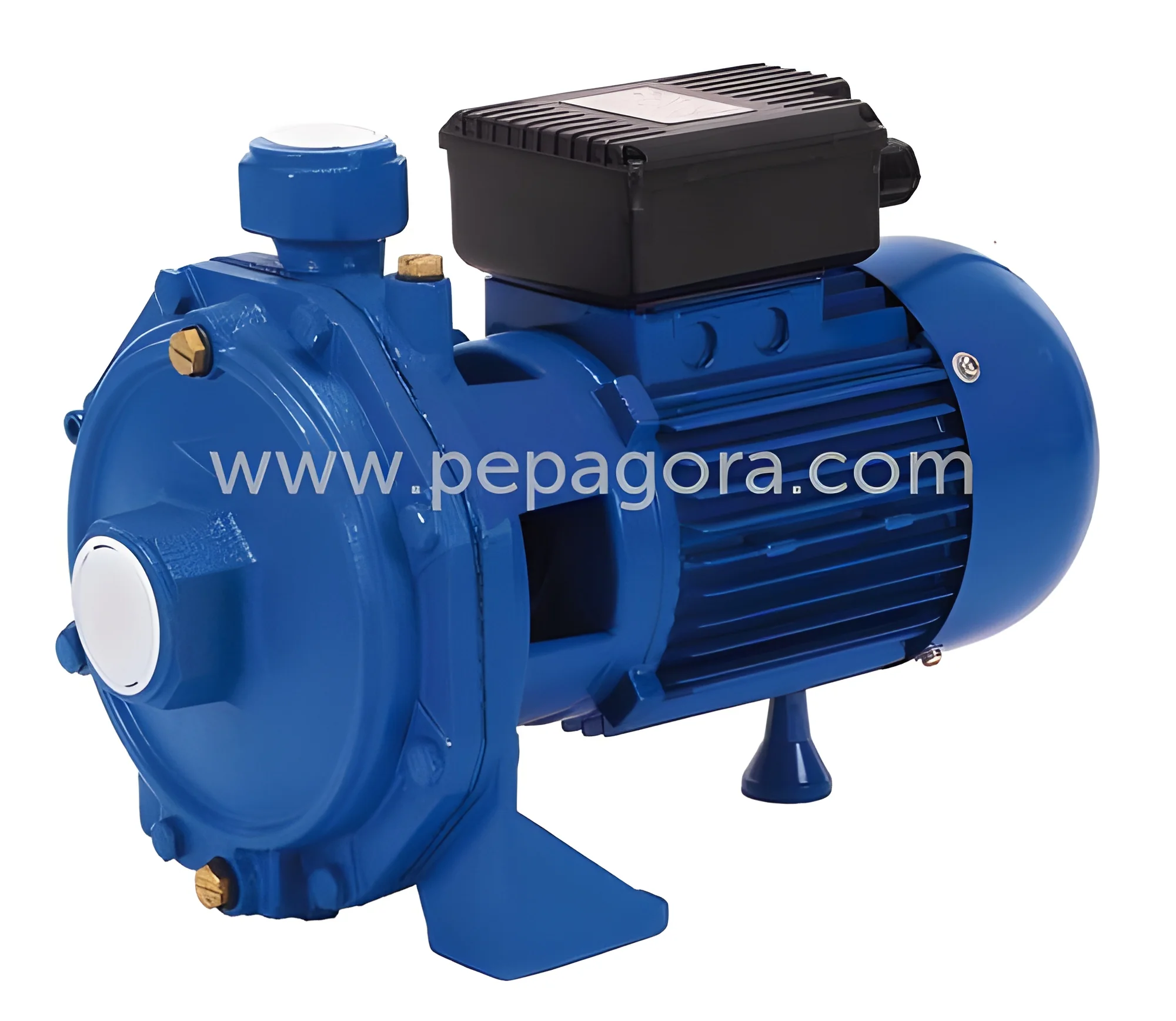
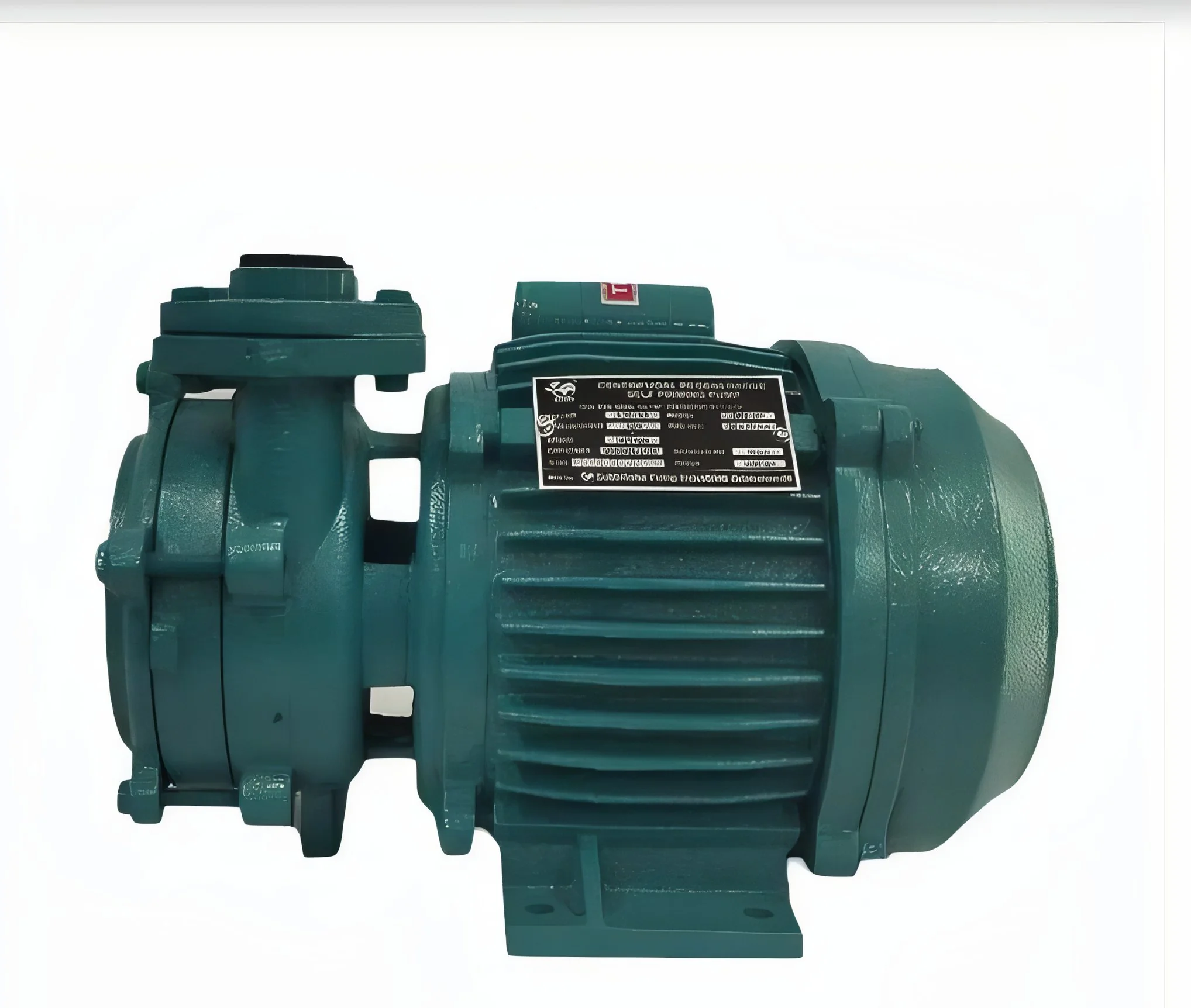
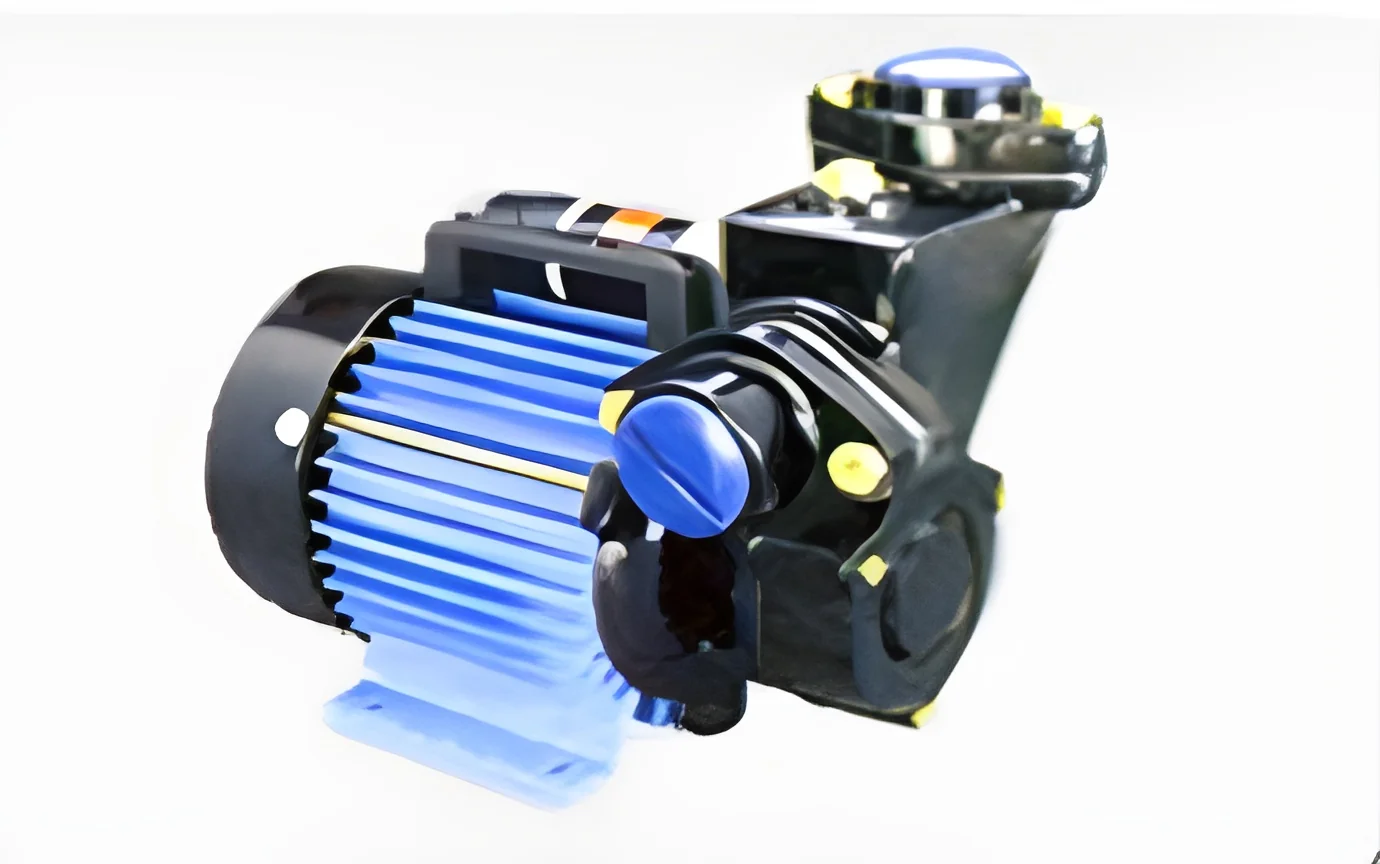
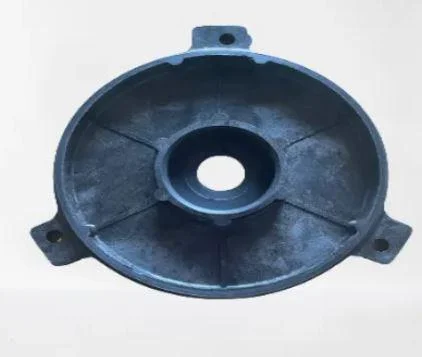
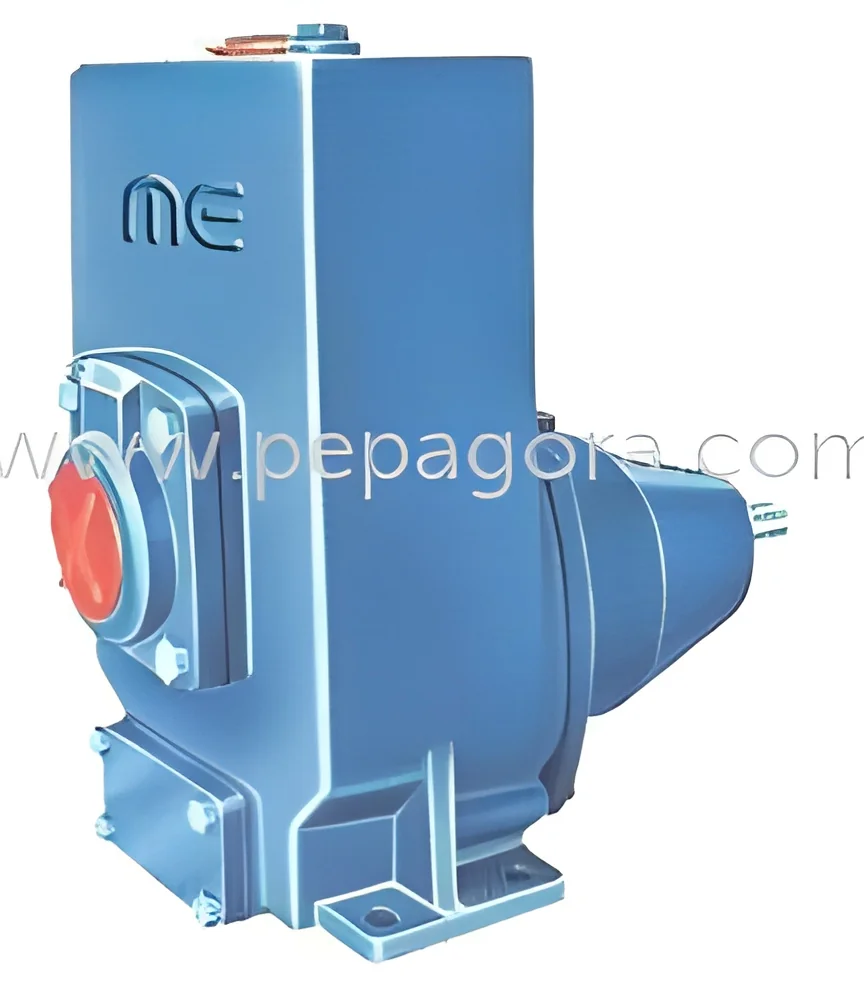
What are Self-Priming Pumps?
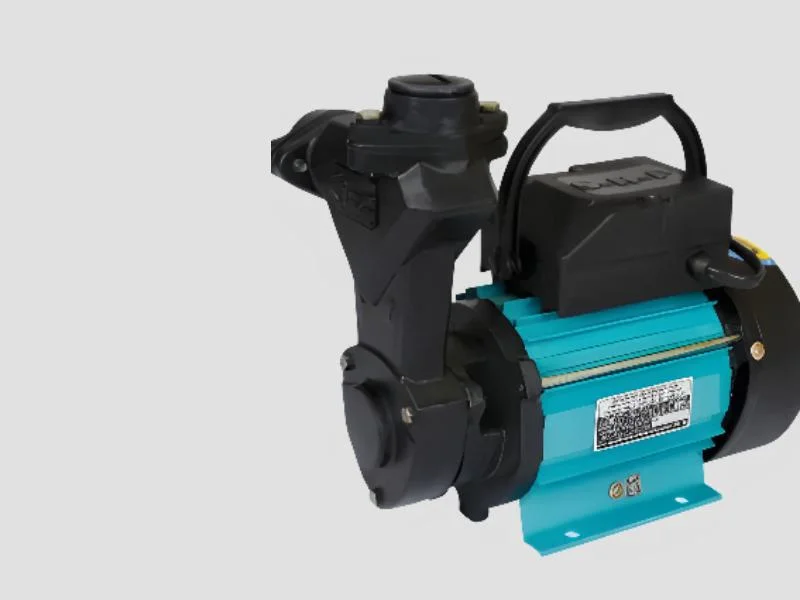
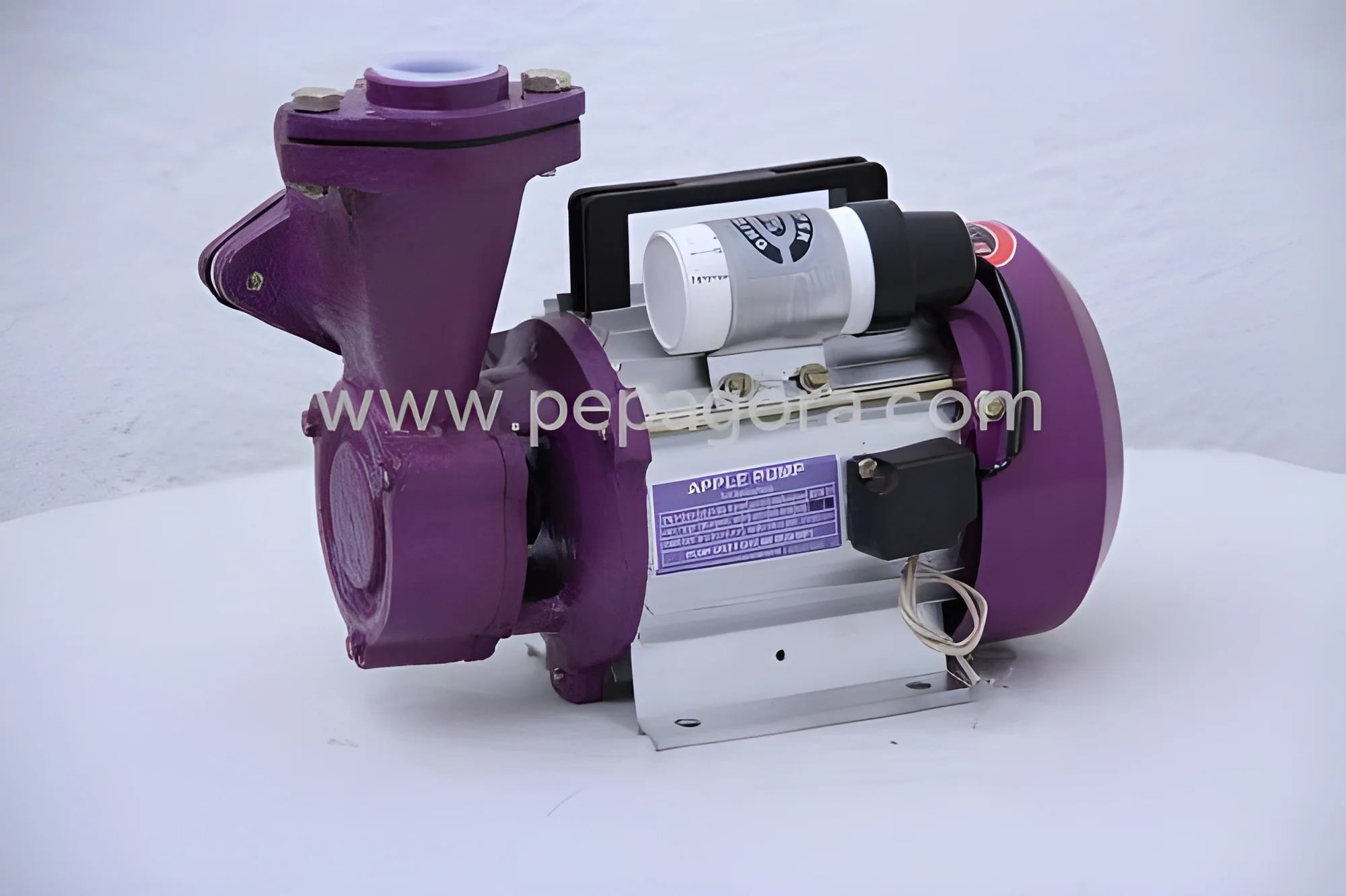
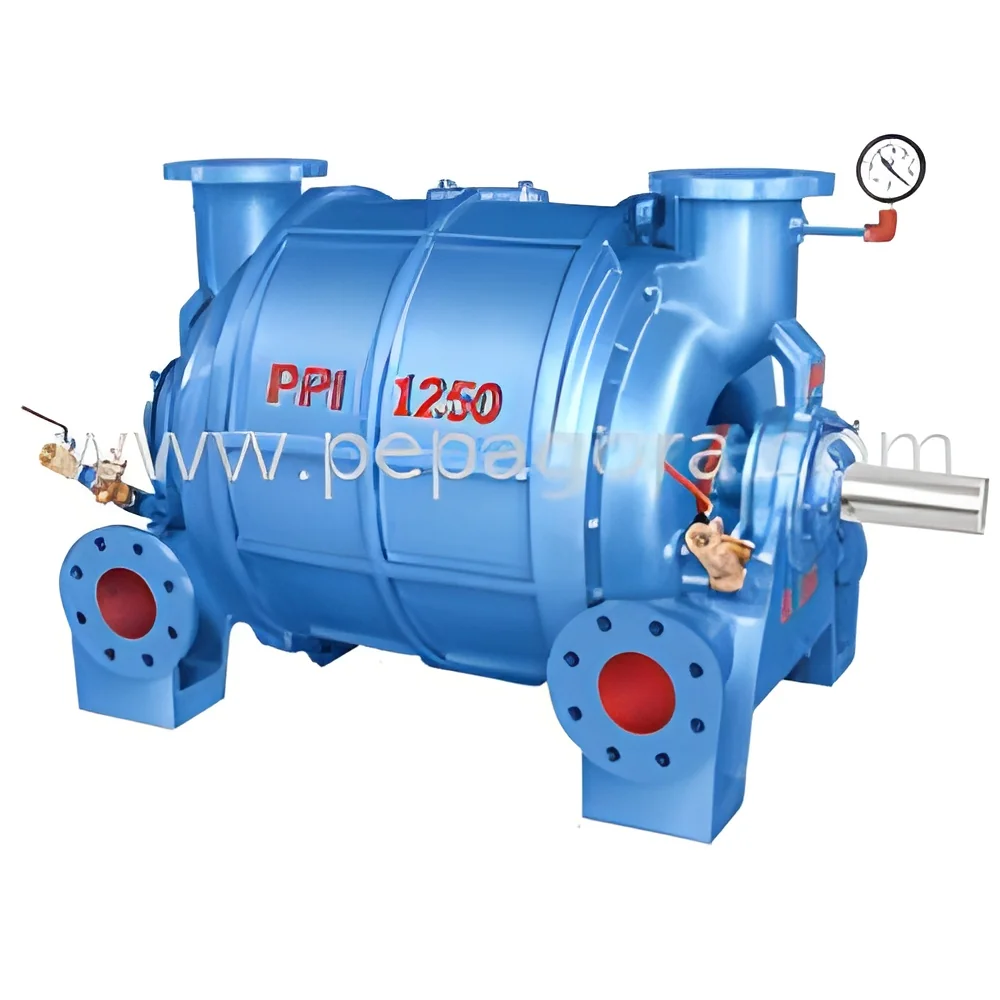
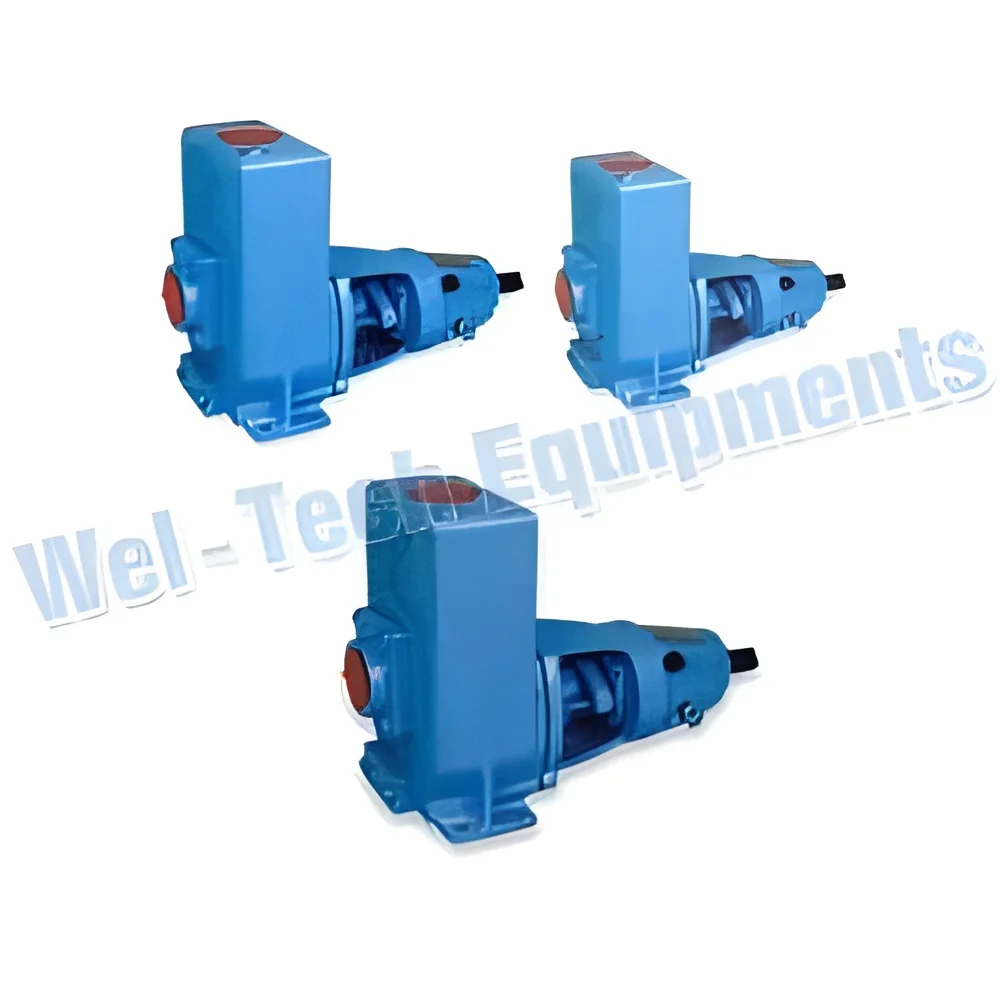
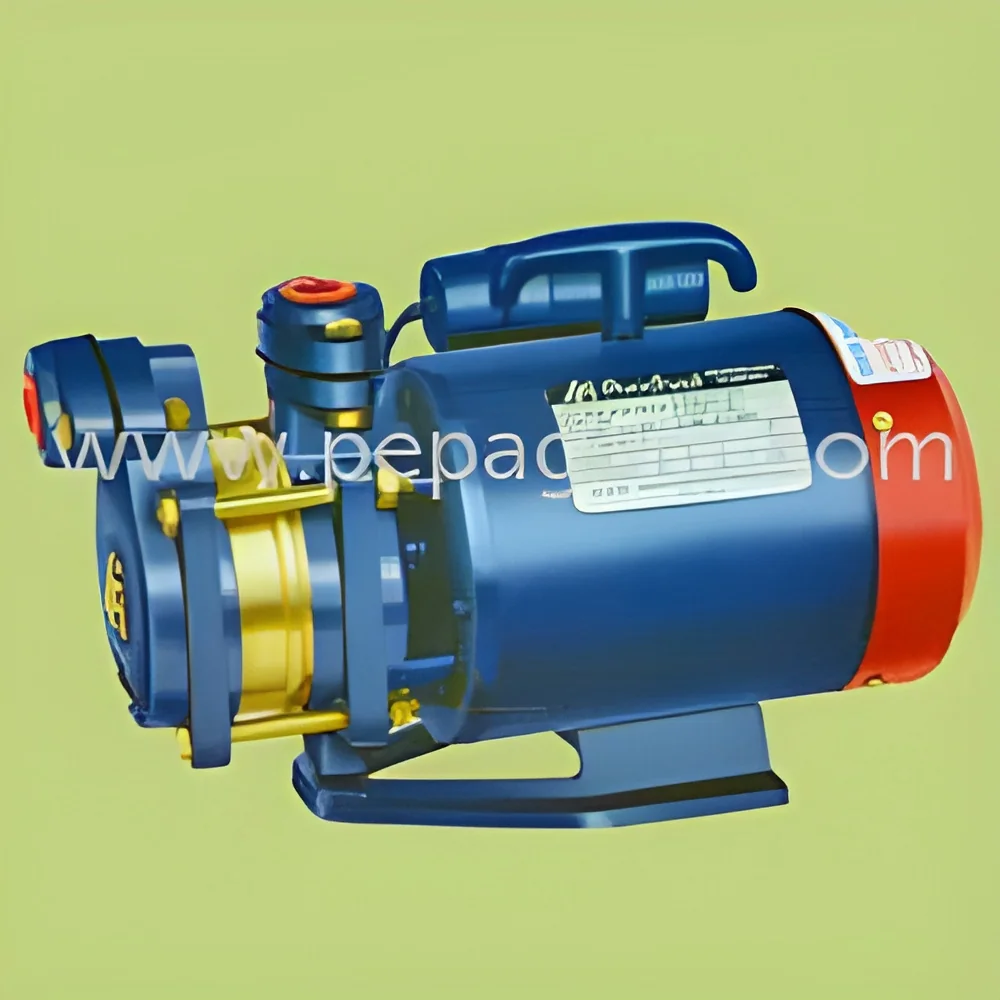
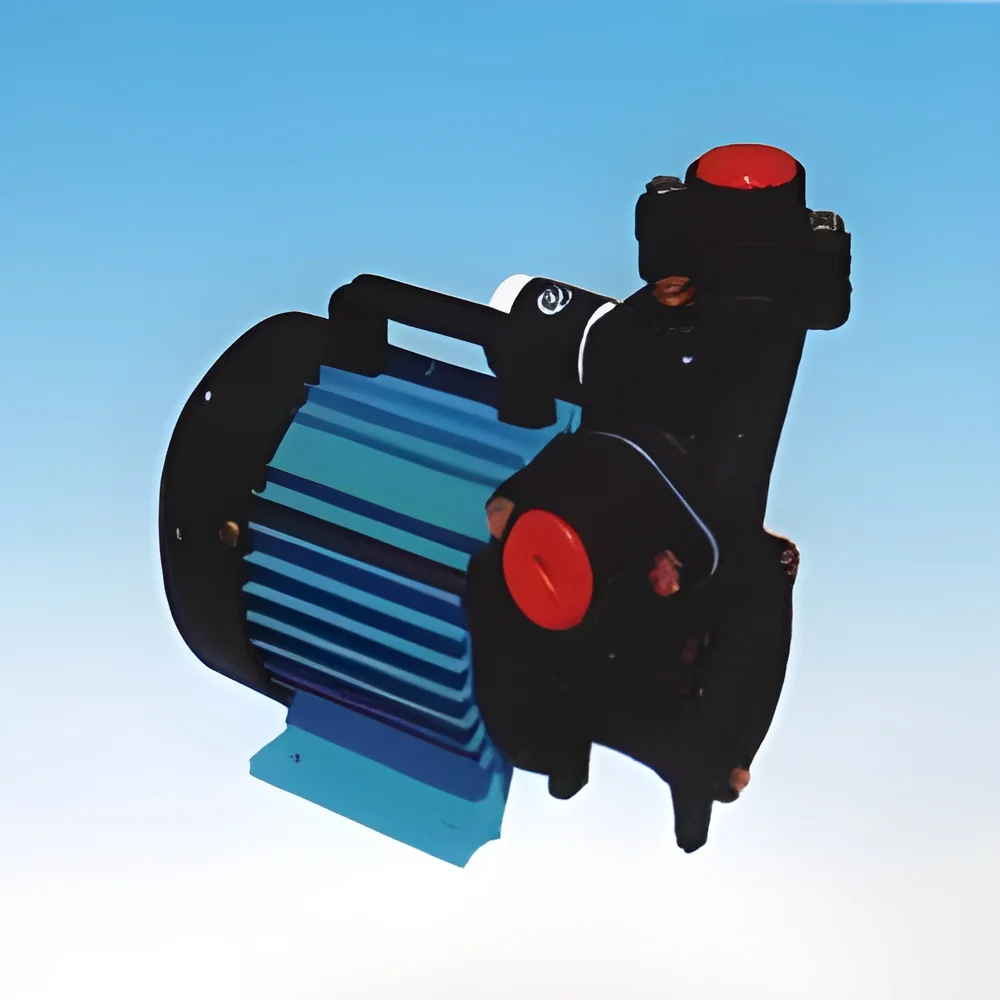
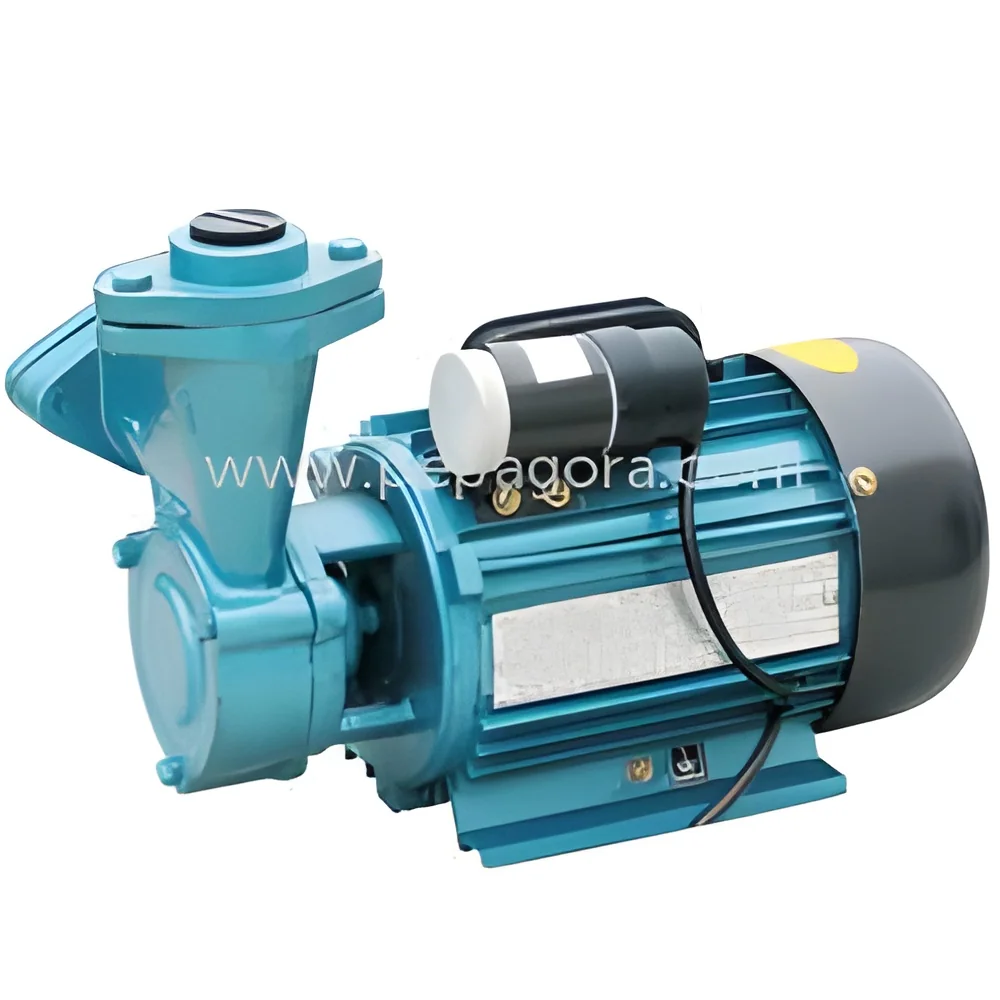
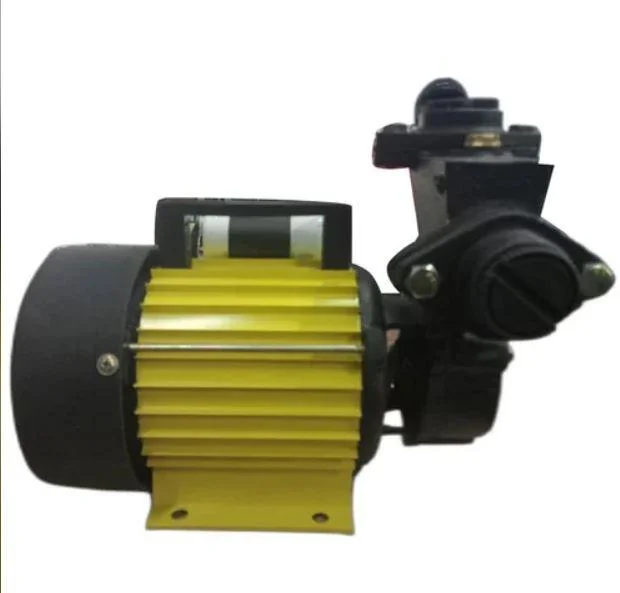
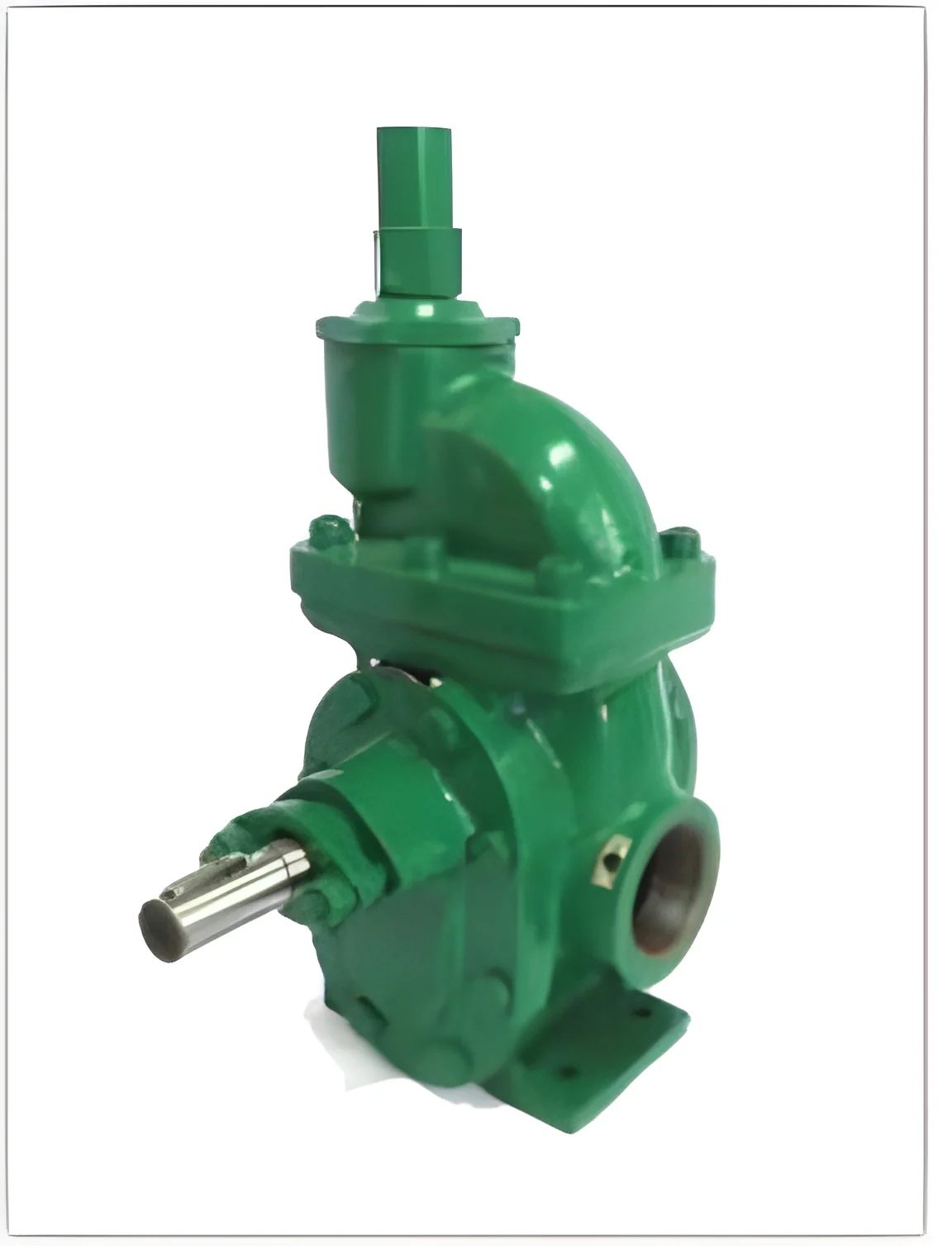
Self-priming pumps are specialized centrifugal pumps designed to create a vacuum that draws liquid into the pump, enabling it to operate efficiently without the need for manual priming. These pumps are engineered to handle a variety of fluids, including those with a high viscosity and solids, making them suitable for challenging applications. The unique design allows the pump to automatically remove air from the suction line, thereby ensuring a reliable flow of liquid.
Self-priming pumps are widely used in numerous industries, including agriculture, construction, and manufacturing. They are particularly beneficial in applications where the pump is situated above the fluid source, as they can effectively lift the liquid without requiring additional equipment. Their versatility makes them ideal for using in irrigation systems, water transfer operations, and waste management. In the current market, self-priming pumps play an essential role in enhancing operational efficiency and reducing downtime across various sectors.
Key Features and Specifications
Self-priming pumps come equipped with a range of features that enhance their functionality and reliability. These features ensure optimal performance in demanding conditions.
Key specifications include:
1. Flow Rate
- Varies based on model and application
- Ranges from a few liters per minute to thousands of liters per minute
2. Maximum Suction Lift
- The maximum height a pump can draw liquid from
- Typically ranges from 7 to 9 meters
3. Power Requirements
- Compatible with electric, diesel, or gasoline engines
- Power ratings can vary from 0.5 kW to over 15 kW
4. Discharge Pressure
- The pressure at which the pump discharges fluid
- Can range from 0.5 to 10 bar depending on the application
5. Construction Material
- Common materials include stainless steel, cast iron, and thermoplastics
- Selection depends on fluid compatibility and environmental conditions
6. Operating Temperature Range
- Most models operate effectively between 0°C to 60°C
- Higher temperatures may require specialized designs
7. Seal Type
- Mechanical seals are standard to prevent leakage
- Options for various sealing materials are available based on fluid type
8. Weight
- Varies by size and material
- Ranges from lightweight portable models to heavy-duty stationary units
In summary, selecting the right self-priming pump involves understanding these specifications to ensure it meets the demands of specific applications and industries.
Common Applications and Use Cases
Self-priming pumps find utility across various industries due to their flexibility and efficiency.
1. Agriculture: These pumps are crucial for irrigation systems, allowing farmers to transfer water from wells or reservoirs to fields effectively.
2. Construction: Self-priming pumps are used to remove water from excavation sites and manage dewatering tasks at construction sites.
3. Manufacturing: They are essential in processes requiring fluid transfer, such as mixing, coating, and cooling applications.
4. Wastewater Management: These pumps facilitate the movement of wastewater in treatment plants, ensuring efficient processing.
5. Chemical Processing: Self-priming pumps handle corrosive and viscous chemicals, providing reliable transfer without risking contamination.
6. Food and Beverage: They are utilized in food processing and bottling plants, ensuring sanitary transfer of liquids.
7. Marine: Self-priming pumps are used in bilge applications to remove excess water from boats and ships.
Product Variants and Subcategories
Self-priming pumps come in several variants to cater to diverse industrial needs.
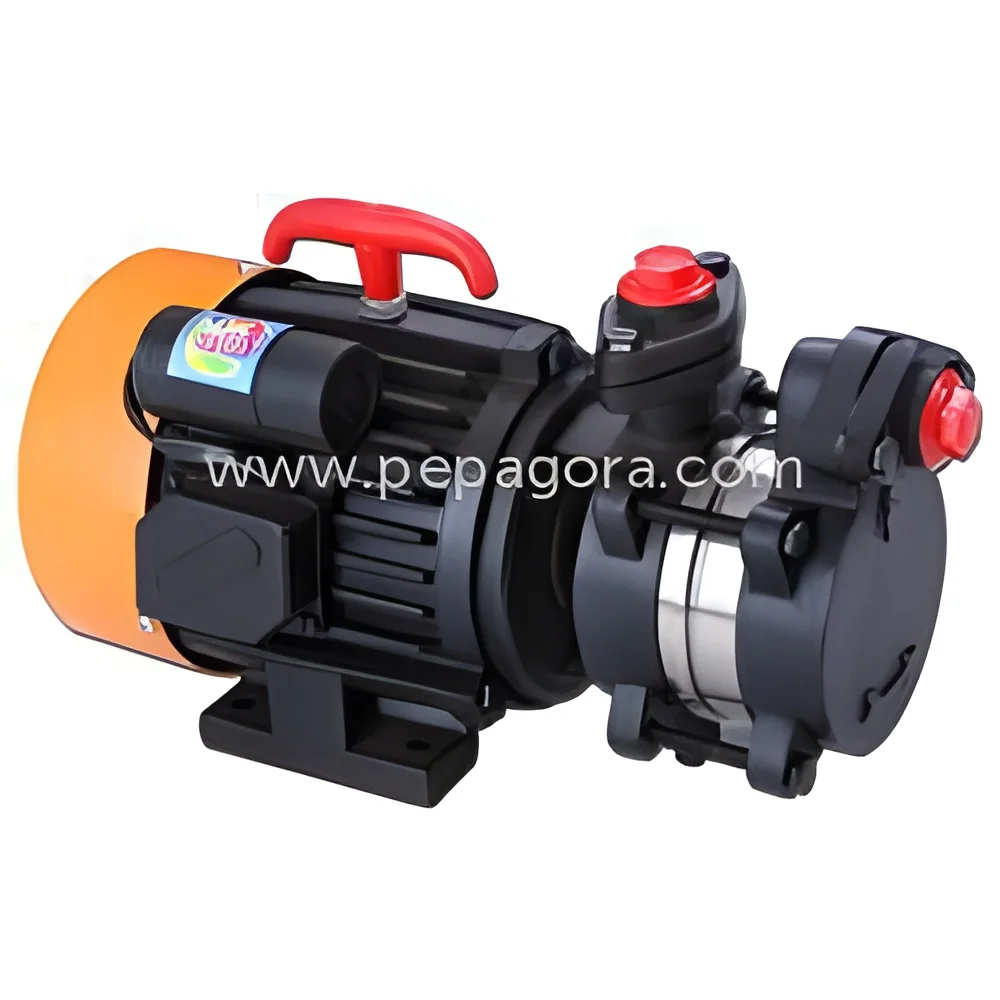
Electric Self-Priming Pumps: These pumps are powered by electricity, making them suitable for indoor applications where noise and emissions are a concern. They are often used in residential and commercial settings for water transfer.
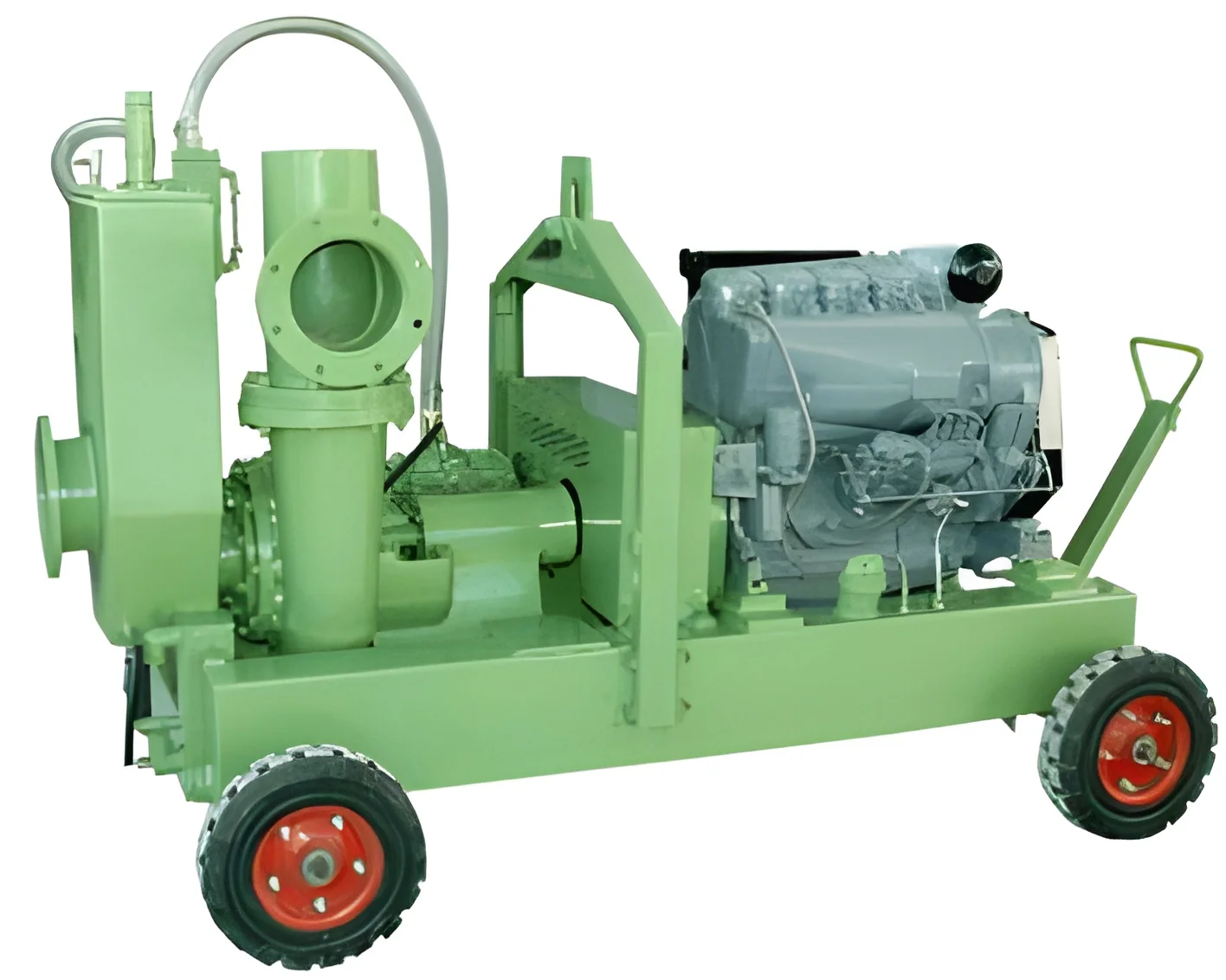
Diesel Self-Priming Pumps: Ideal for remote locations, these pumps are powered by diesel engines and are commonly used in agricultural and construction applications where electricity may not be readily available.
Manual Self-Priming Pumps: Designed for smaller scale applications, these pumps require manual operation and are often used for transferring liquids in situations where power sources are limited.
Benefits and Advantages
Self-priming pumps offer numerous advantages that enhance operational efficiency.
1. Reduced Downtime: The automatic priming feature eliminates the need for manual priming, allowing for continuous operation.
2. Versatility: They can handle various types of liquids, including those with solids, making them suitable for diverse applications.
3. High Efficiency: Self-priming pumps maintain a consistent flow rate, optimizing performance across demanding tasks.
4. Ease of Installation: These pumps are designed for straightforward installation, reducing setup time and costs.
5. Cost-Effective: Their reliability and durability lead to lower maintenance costs over time.
6. Enhanced Reliability: With fewer moving parts than traditional pumps, self-priming pumps are less prone to mechanical failure.
Buying Guide for B2B Buyers
When sourcing self-priming pumps, B2B buyers should consider several crucial factors to ensure the right selection.
1. Quality Assessment: Evaluate the materials and construction quality. Look for pumps that comply with industry standards to ensure durability and performance.
2. Supplier Verification: Vet suppliers through reference checks and reviews. Ensure they have a proven track record in delivering reliable products.
3. Pricing and MOQ: Understand the pricing structure and any minimum order quantity requirements. Consider bulk purchasing for cost savings.
4. Delivery and Lead Times: Discuss logistics to ensure timely delivery. Evaluate the supplier's ability to meet your project schedules.
5. Compliance Requirements: Confirm that the pumps meet necessary regulatory standards and certifications, ensuring safe and effective operation.
Compliance and Certifications
Self-priming pumps must adhere to specific quality standards to ensure safety and efficiency. Key standards include ISO 9001, which outlines requirements for a quality management system, and CE marking, indicating compliance with European health and safety regulations.
Manufacturers should also consider industry-specific certifications, such as HACCP for food safety and GDP for good distribution practices. These certifications reassure buyers that the pumps meet rigorous safety and performance standards. Additionally, compliance with regional regulations is vital, especially when exporting products to different countries, as requirements can vary significantly.
Why Source Self-Priming Pumps from Pepagora?
Pepagora provides a trusted platform for sourcing self-priming pumps, offering several key advantages for B2B buyers.
Verified Supplier Network: Pepagora connects buyers with a network of verified suppliers known for their quality products and reliable service. This ensures that buyers can source pumps that meet their specific needs.
Streamlined RFQ Process: The request for quotation process on Pepagora is designed to be user-friendly, allowing buyers to easily compare offers and negotiate terms with multiple suppliers.
Trade Assurance and Support: Pepagora offers trade assurance features, providing buyers with protection on their purchases. This support helps mitigate risks associated with supplier transactions.
Regional Coverage: With a broad geographic reach across India, the GCC, and Southeast Asia, Pepagora ensures that buyers can find local suppliers that meet their logistical needs, facilitating quicker deliveries and reduced shipping costs.

 IN
IN