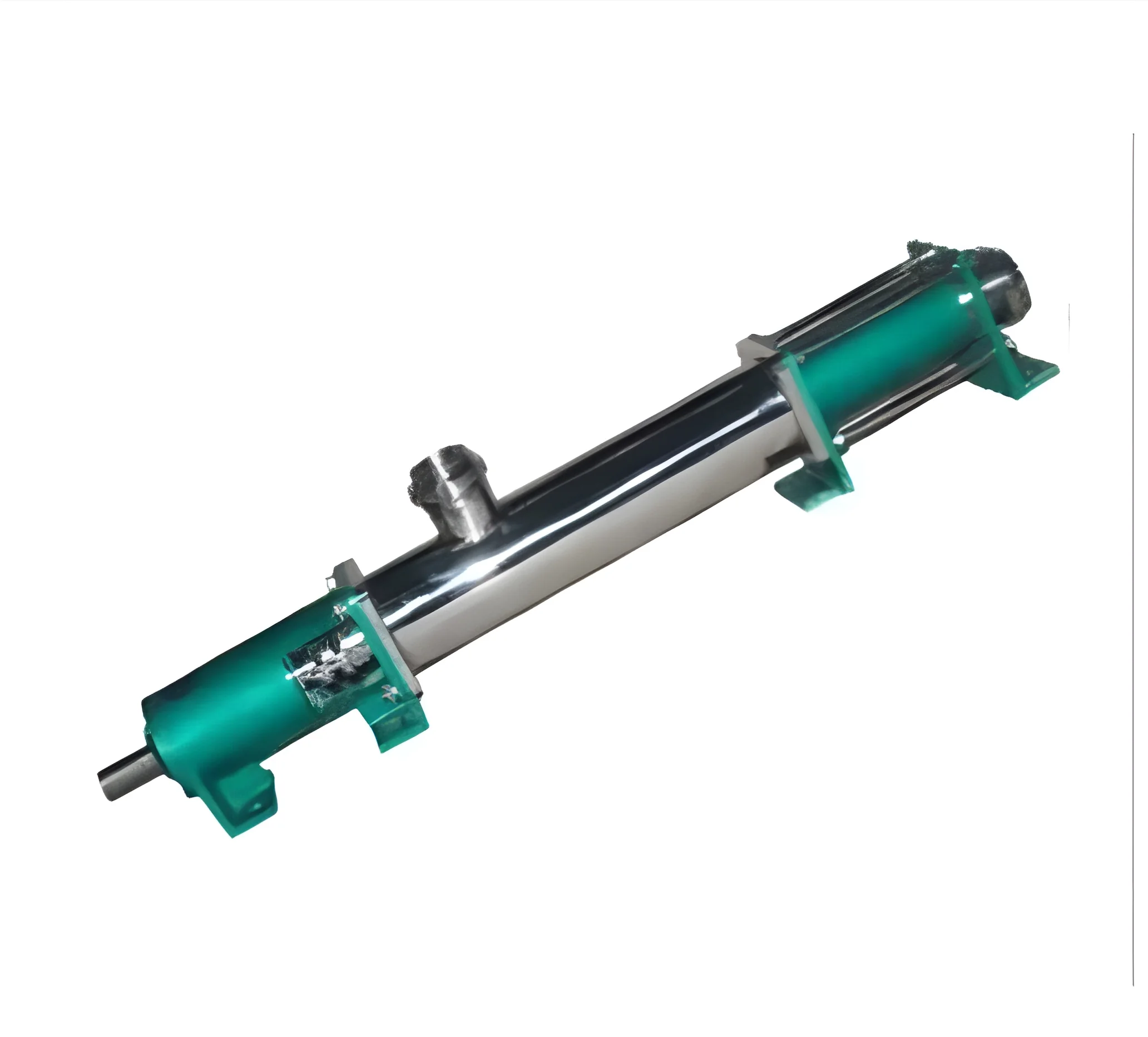
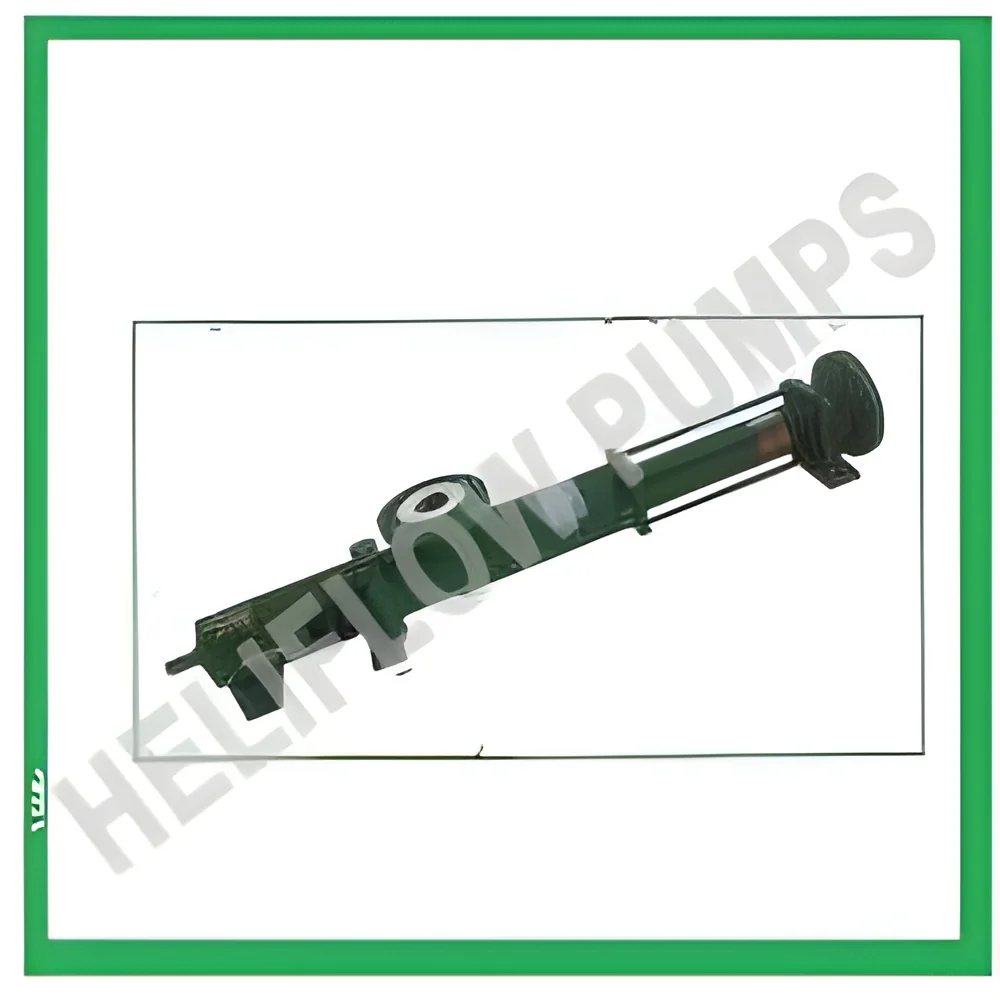
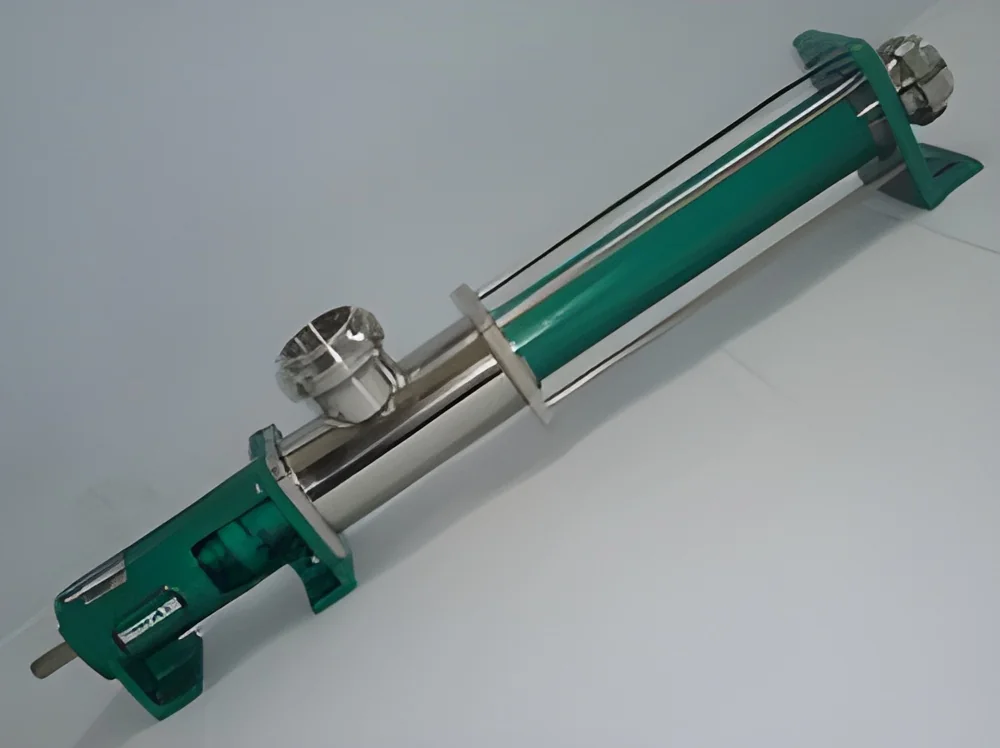
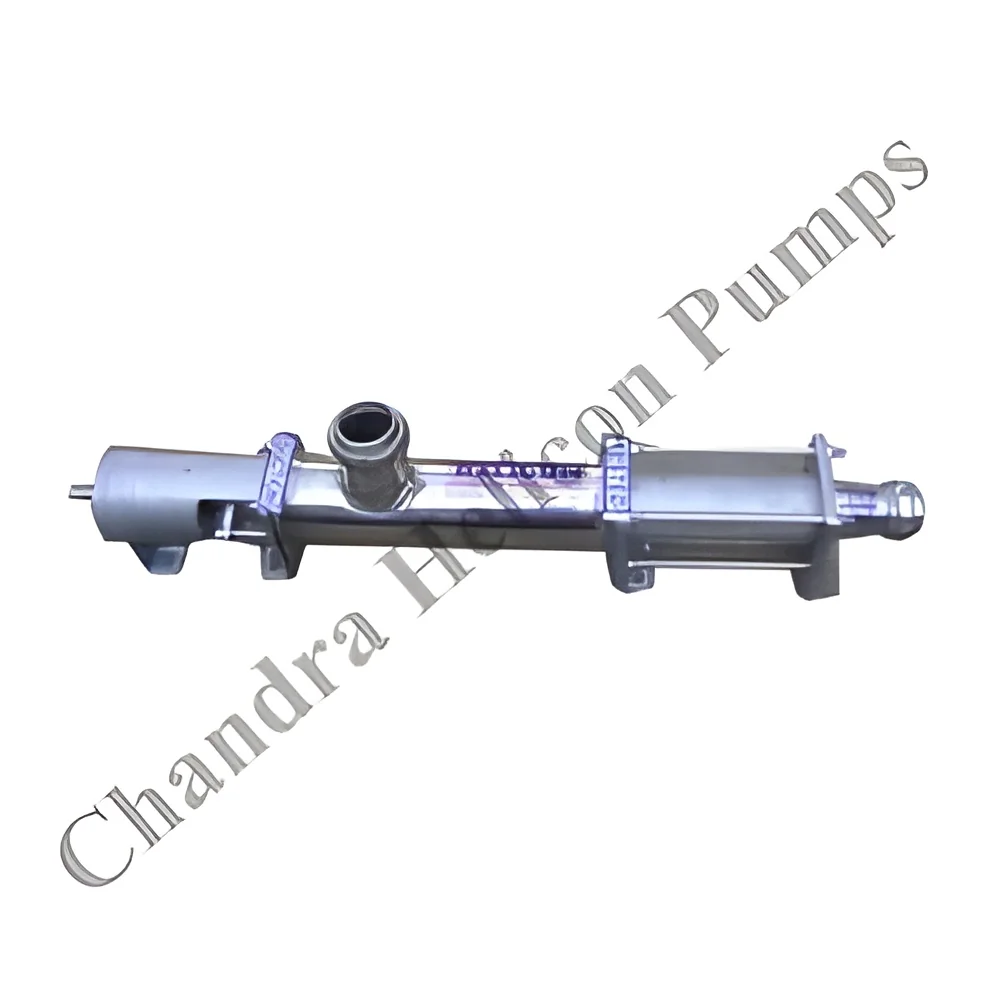
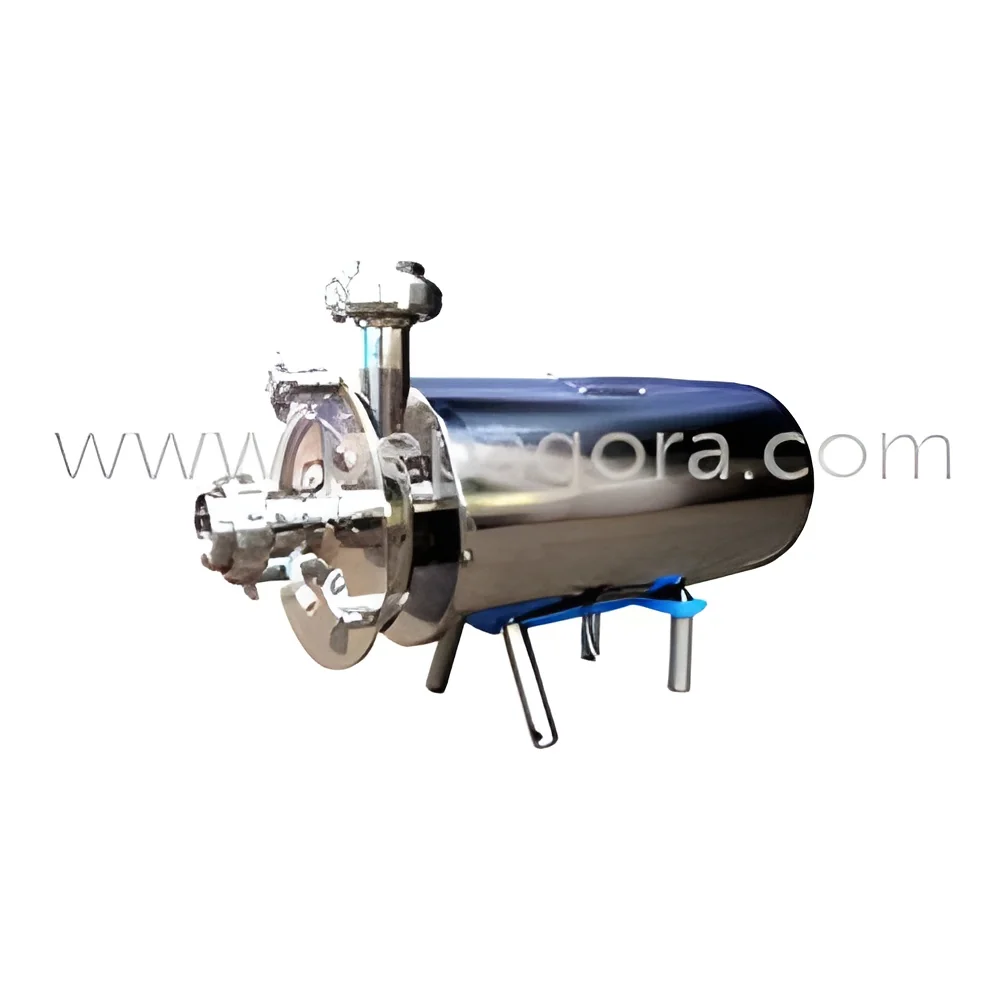
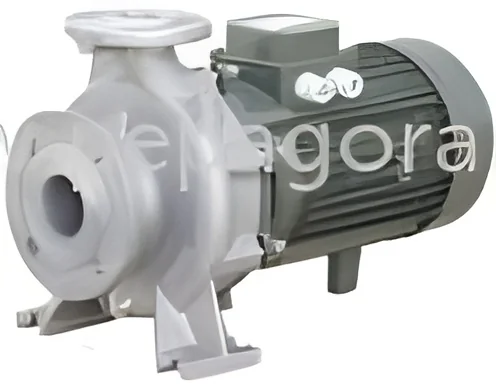
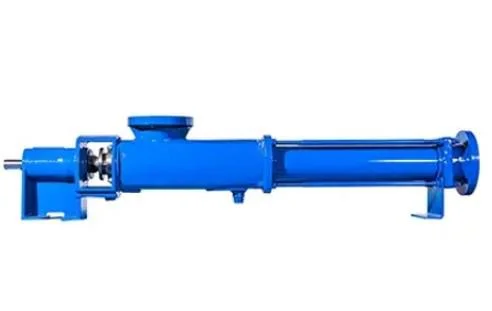
What are Sanitary Pumps for Pharma/Food?
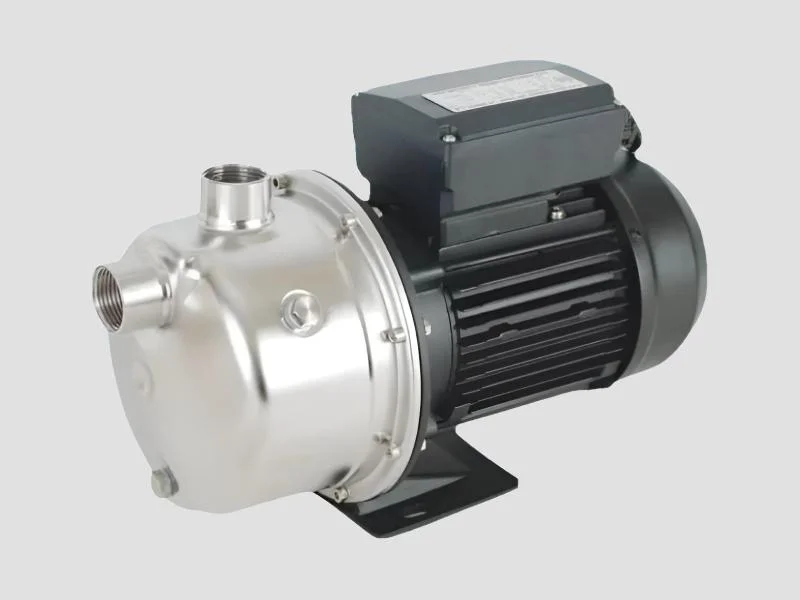
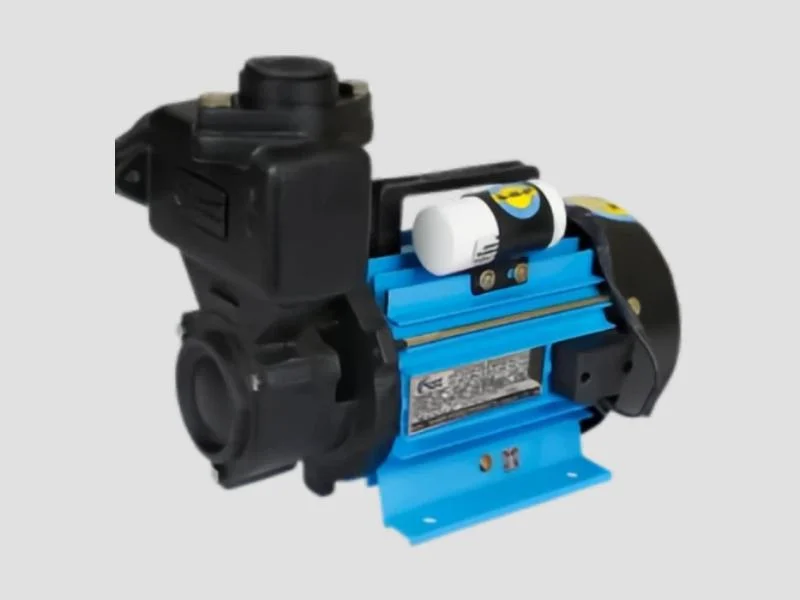
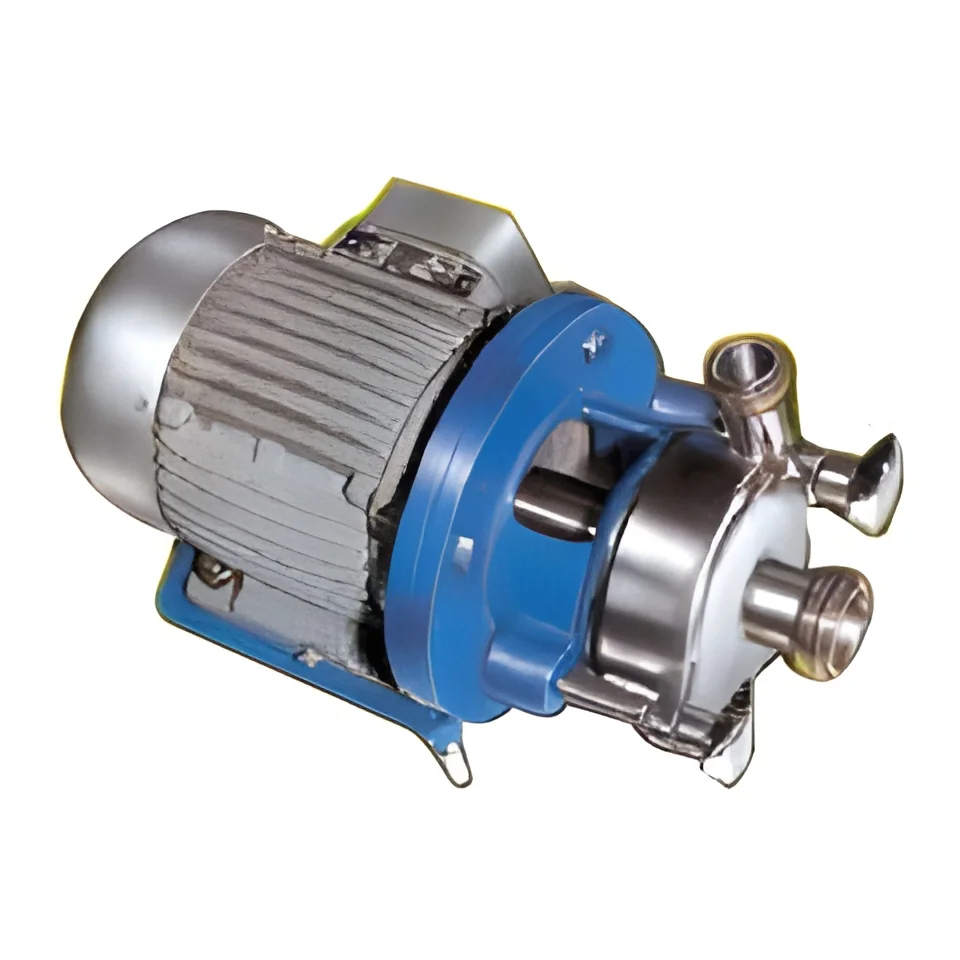
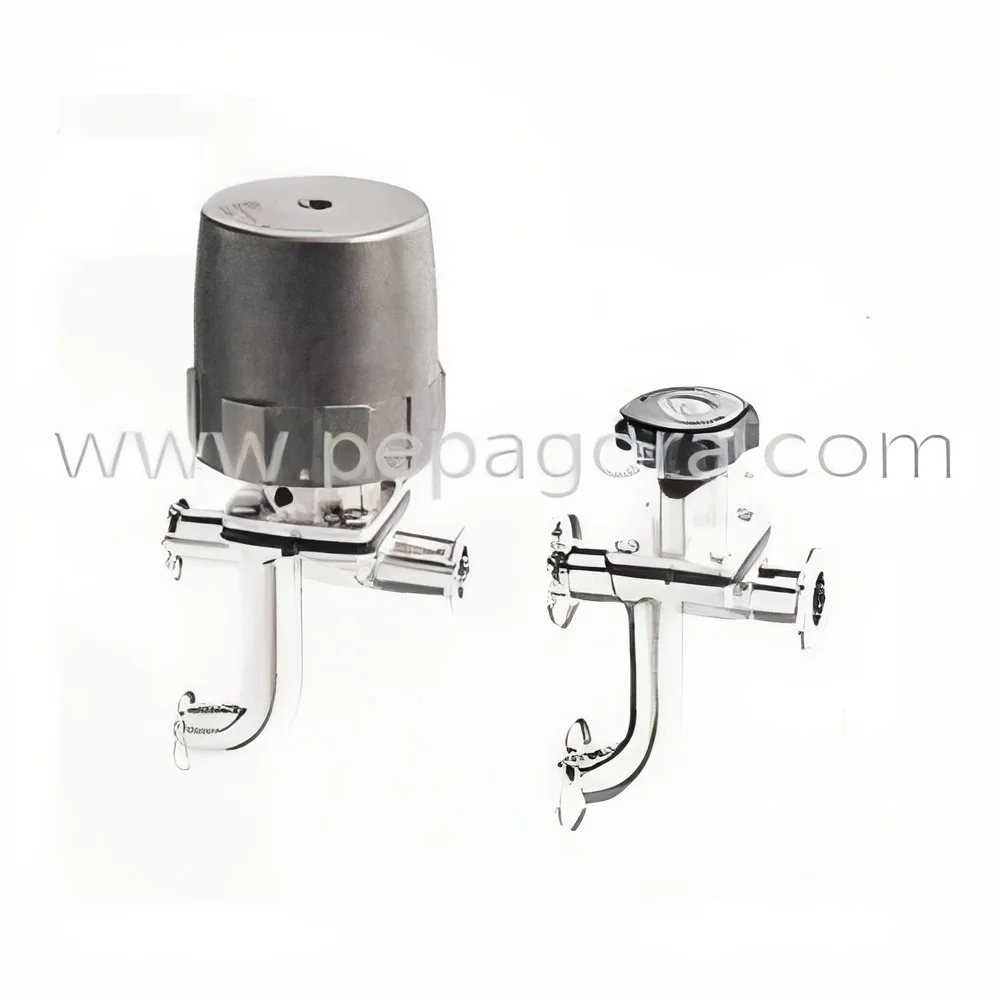
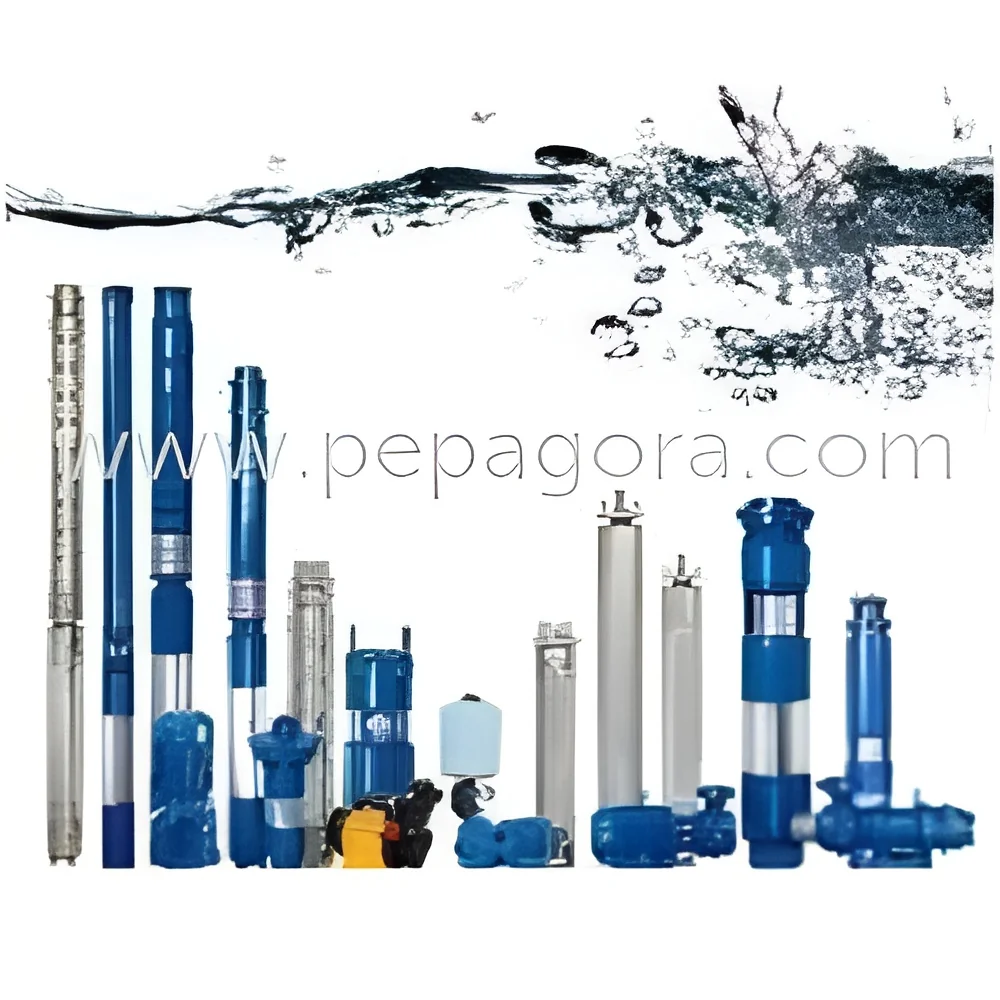
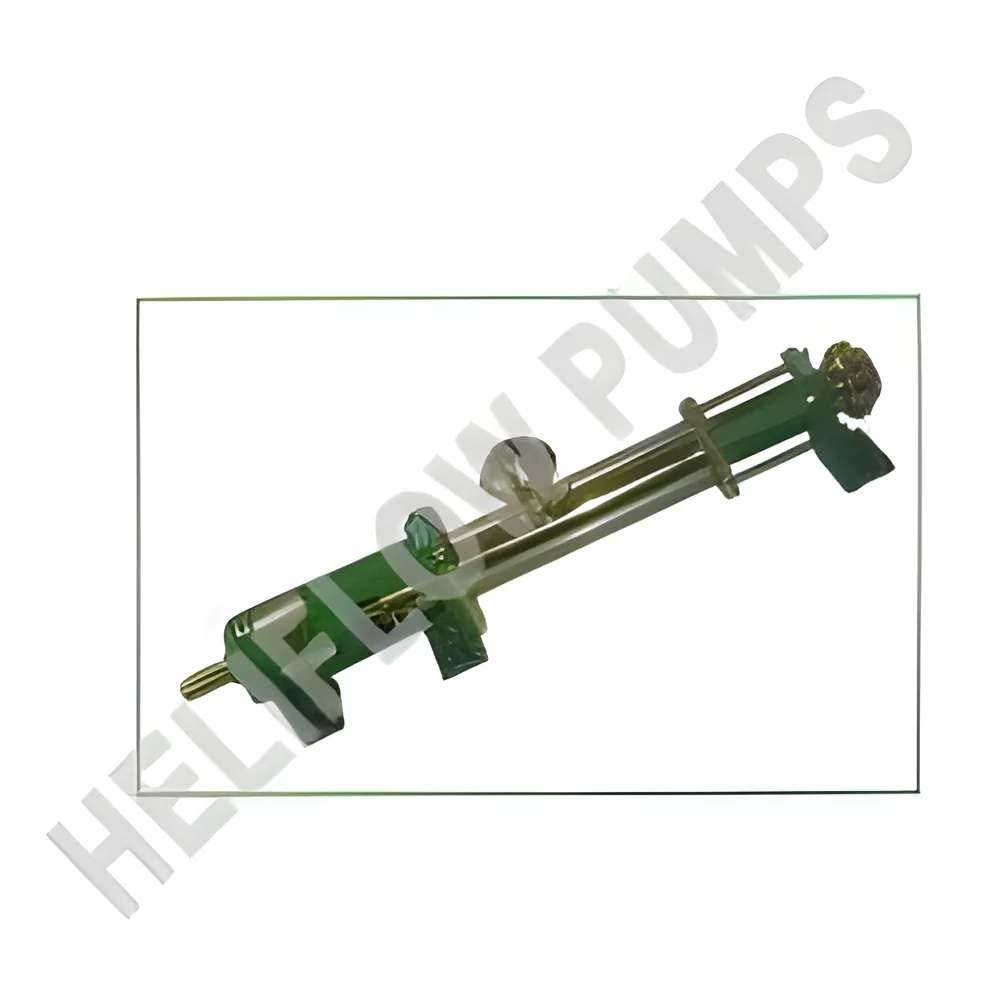
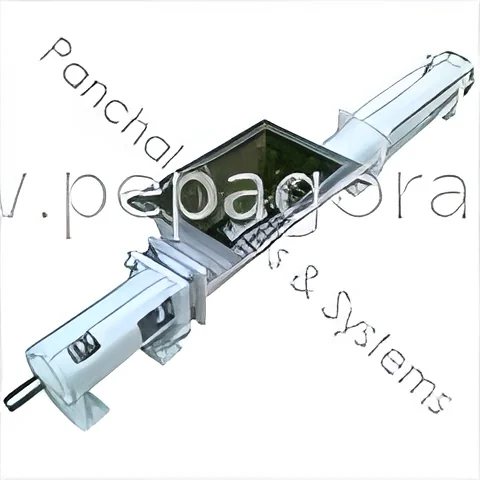
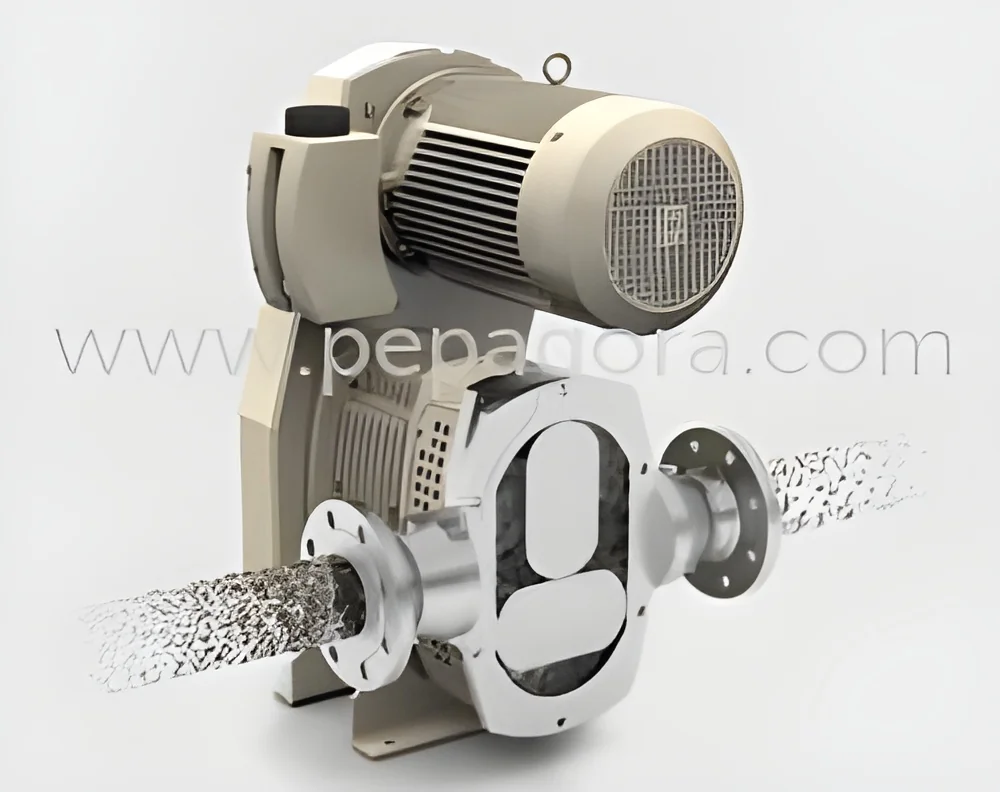
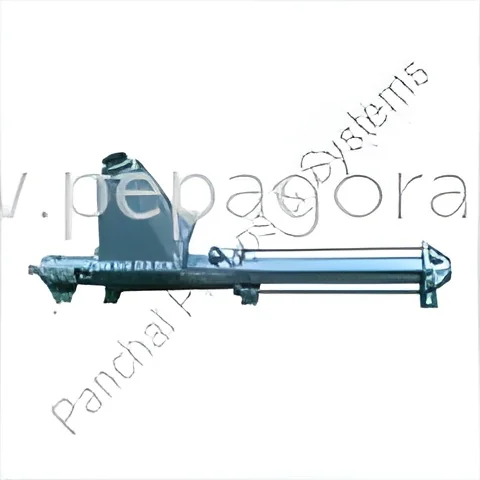
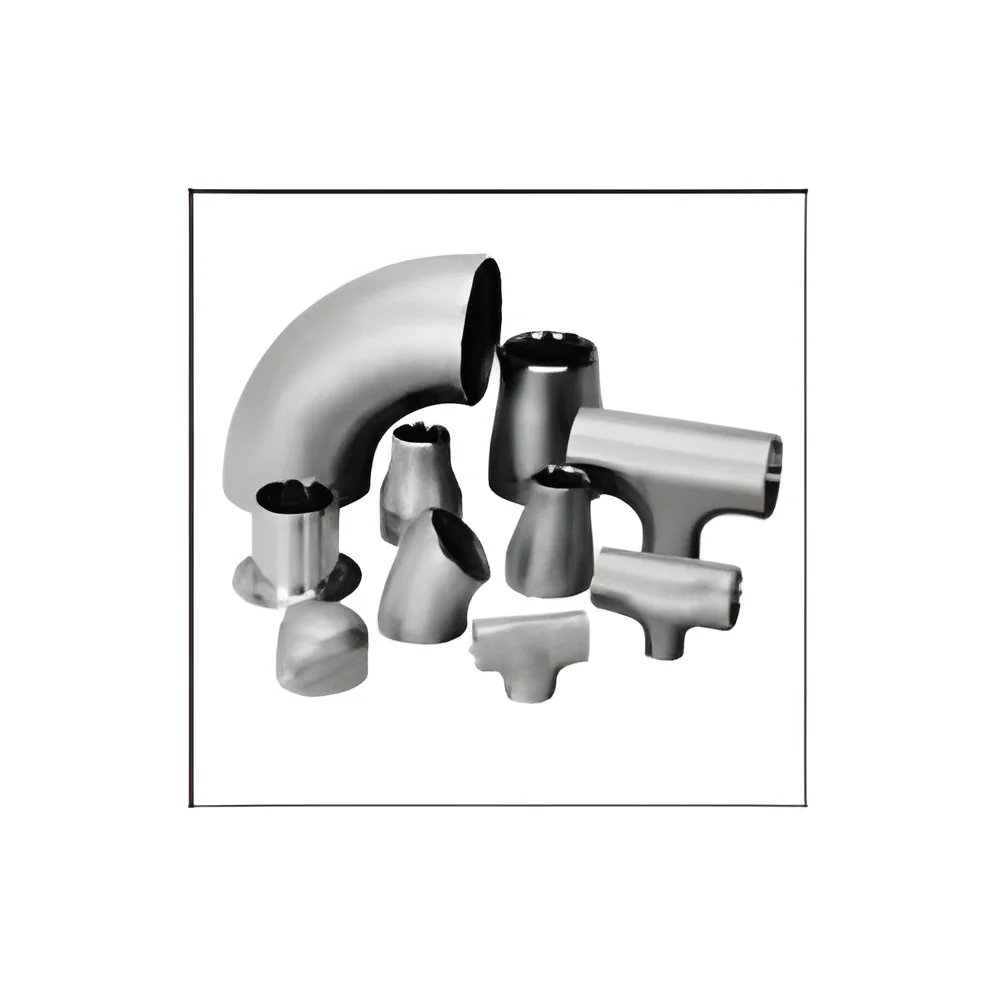
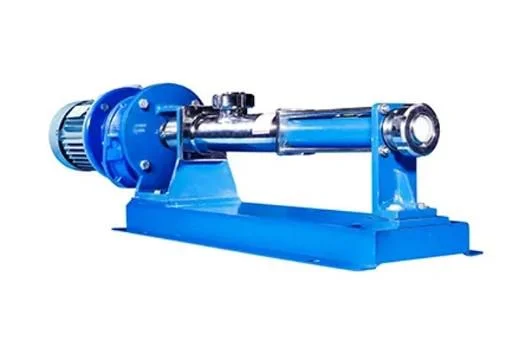
Sanitary pumps for the pharmaceutical and food industries are specialized pumps designed to handle the transfer of liquids in environments that require strict hygiene standards. These pumps are constructed from materials that are easy to clean and resistant to contamination. They are essential in processes where the quality and safety of the product must be maintained, such as in the manufacturing of pharmaceuticals, beverages, and food products.
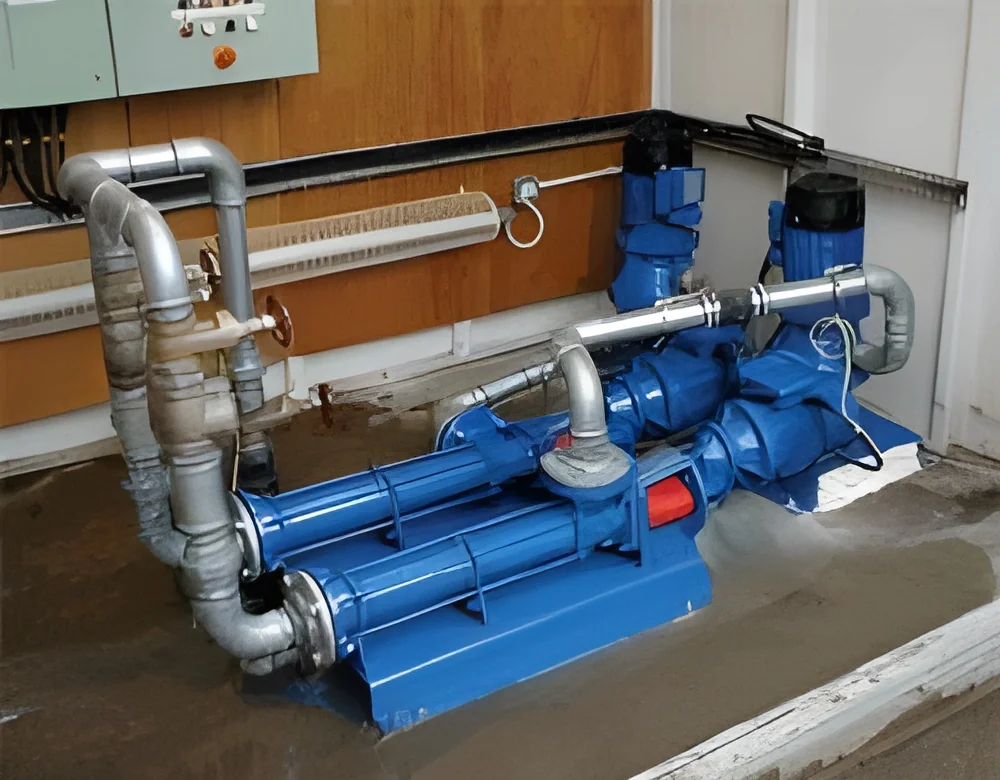
The primary applications of sanitary pumps include the transfer of viscous liquids, slurries, and sensitive materials that cannot be exposed to contaminants. They are used in various stages of production, from processing and filling to packaging. Due to the critical nature of the industries they serve, sanitary pumps are engineered to meet stringent regulatory requirements, ensuring that both safety and efficiency are prioritized in their operation.
Given the rising demand for high-quality food and pharmaceutical products, the market for sanitary pumps is experiencing significant growth. Manufacturers are continuously innovating to improve pump design and functionality, allowing them to better serve the evolving needs of these industries.
Key Features and Specifications
Sanitary pumps are equipped with features that ensure compliance with industry standards and enhance operational efficiency. These pumps are designed to minimize contamination risks while providing reliable performance in high-pressure applications.
Key specifications include:
1. Material of Construction
- Typically made from stainless steel or other non-corrosive materials
- Ensures cleanliness and resistance to contamination
2. Pump Type
- Options include centrifugal, positive displacement, and peristaltic pumps
- Different types cater to varying operational needs
3. Flow Rate
- Ranges from low flow (liters per minute) to high flow (hundreds of liters per minute)
- Selection depends on specific application requirements
4. Pressure Rating
- Capable of handling pressures from low (a few bars) to high (over 10 bars)
- Important for processes requiring high pressure
5. Temperature Range
- Designed to operate in various temperature conditions
- Exact ranges may vary by model
6. Compliance Standards
- Must adhere to regulations such as FDA, GMP, and CE
- Ensures products meet safety and quality benchmarks
7. Seal Types
- Available with various sealing options to prevent leaks
- Common types include mechanical seals and lip seals
8. Maintenance Features
- Designed for easy access and minimal downtime during maintenance
- Facilitates regular cleaning and servicing
In summary, sanitary pumps are vital components in the pharmaceutical and food industries, designed to meet high standards of cleanliness and performance.
Common Applications and Use Cases
Sanitary pumps play a crucial role in various industries where hygiene and safety are paramount.
1. Pharmaceutical Industry: Used for transferring active pharmaceutical ingredients, formulations, and cleaning solutions, ensuring product purity.
2. Food and Beverage Industry: Essential for pumping liquids like juices, sauces, and dairy products, maintaining quality and taste.
3. Biotechnology: Employed for handling sensitive biological substances, ensuring that processes remain sterile.
4. Cosmetic Manufacturing: Used for transferring creams, lotions, and other personal care products, adhering to strict safety standards.
5. Chemical Processing: Handles various chemicals safely, ensuring that corrosive materials are managed without contamination.
6. Water Treatment: Used in the purification of water for industrial applications, ensuring compliance with health regulations.
7. Dairy Processing: Critical for transferring milk and dairy products while preventing contamination.
Product Variants and Subcategories
Sanitary pumps come in various designs and configurations to meet diverse industrial needs.
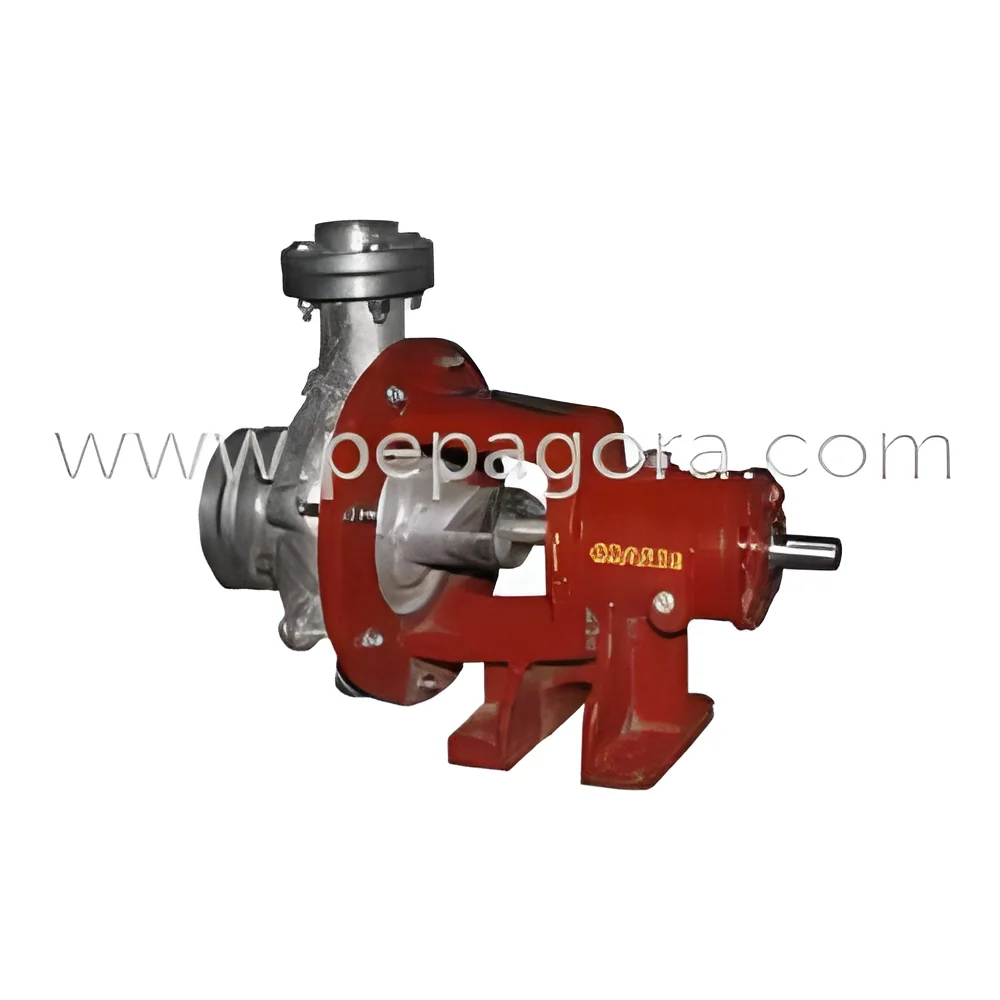
Centrifugal Sanitary Pumps
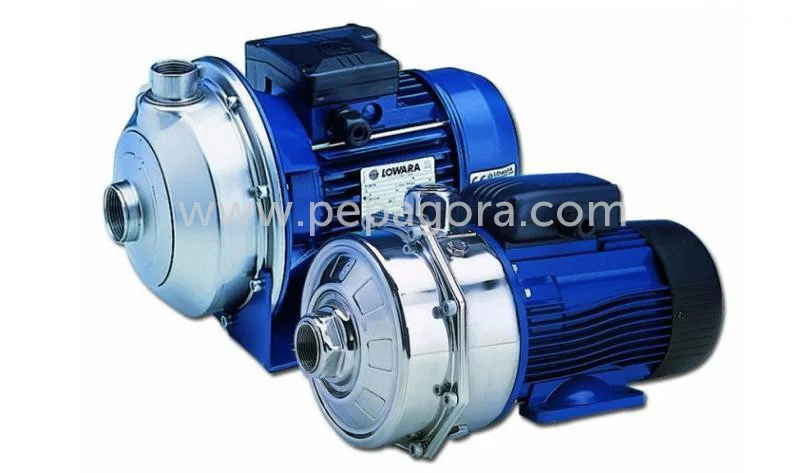
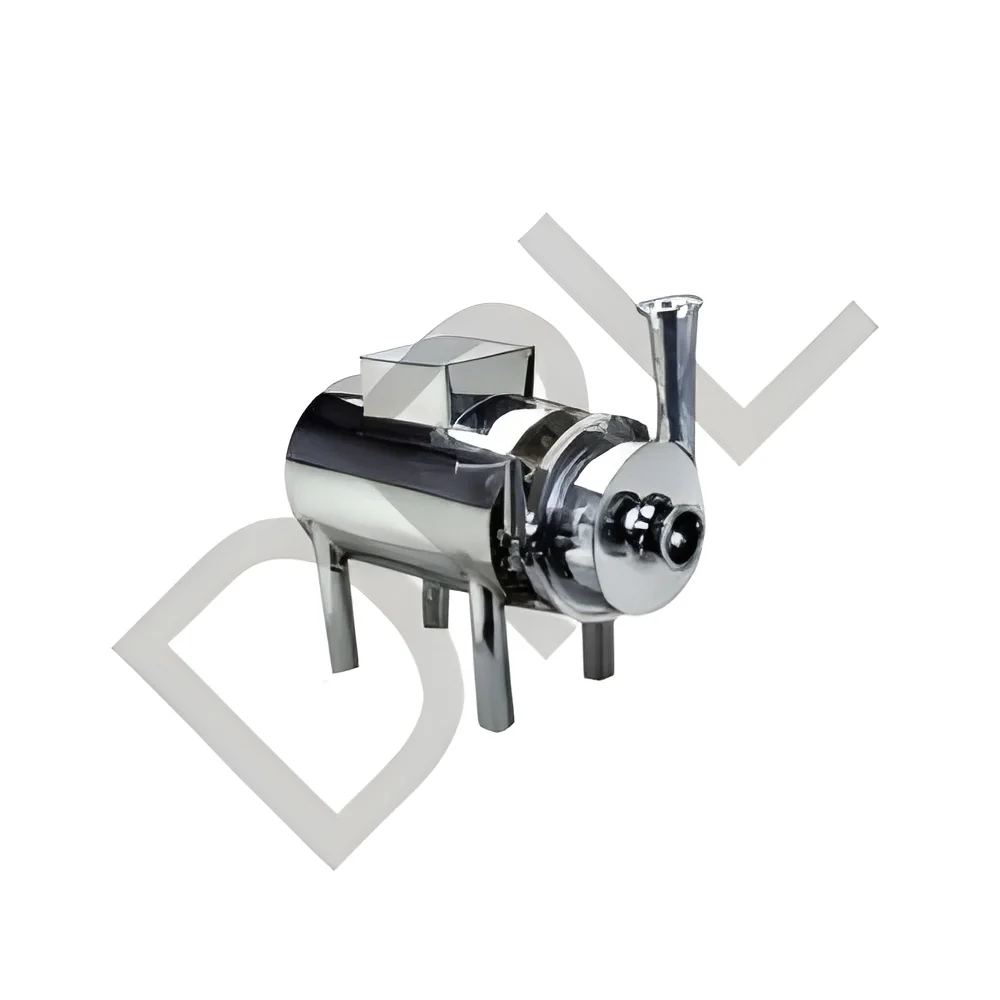
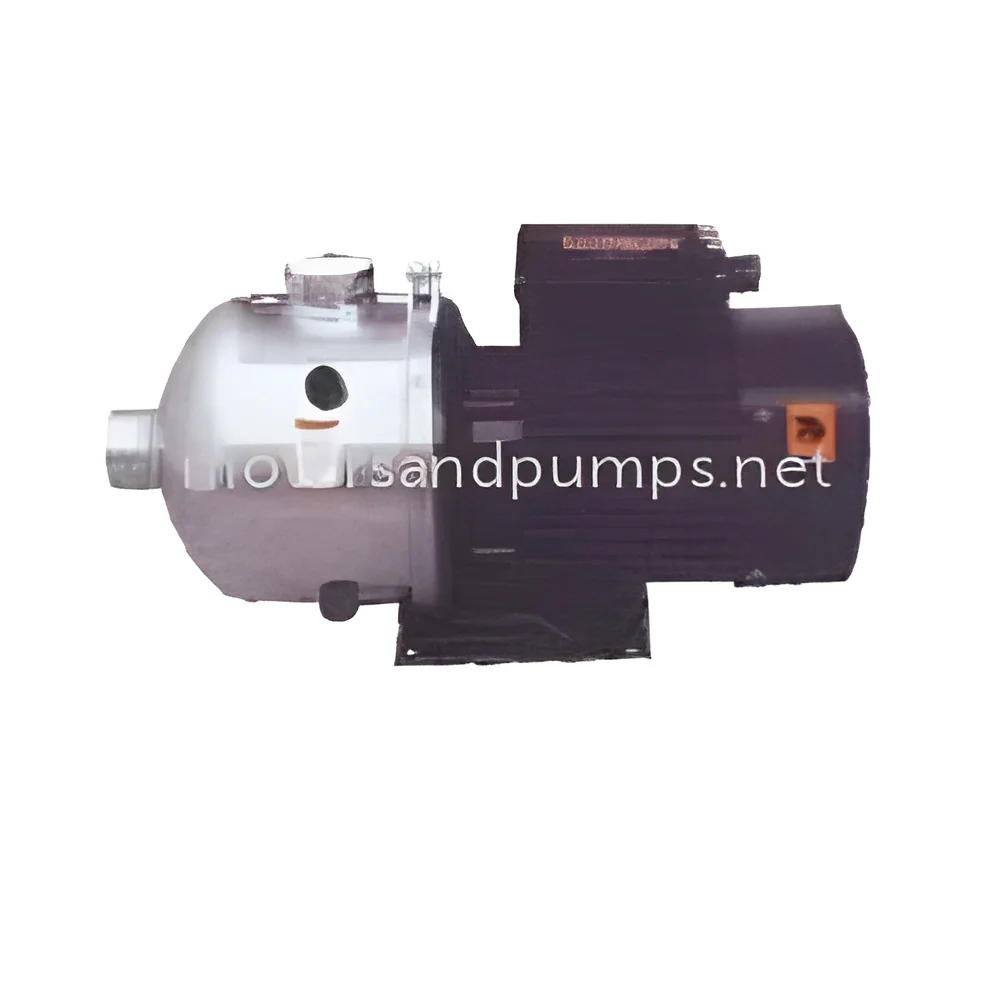
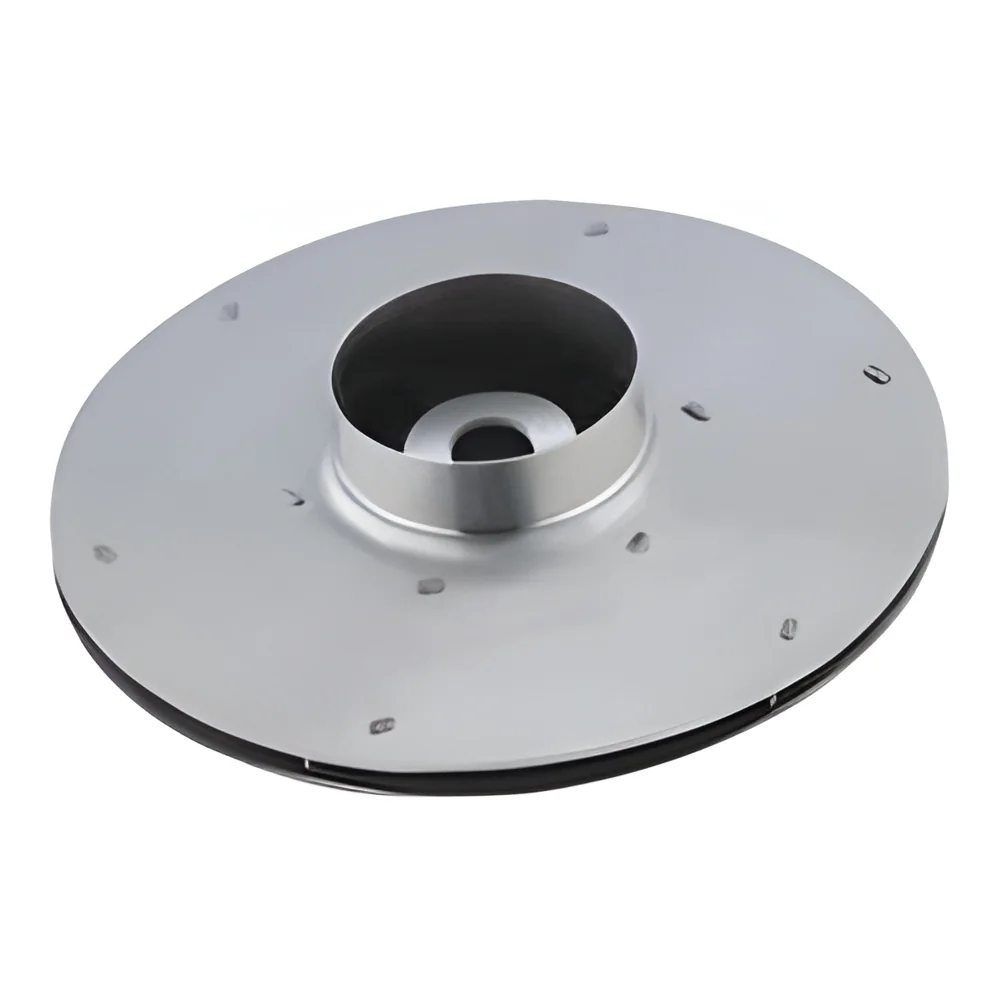
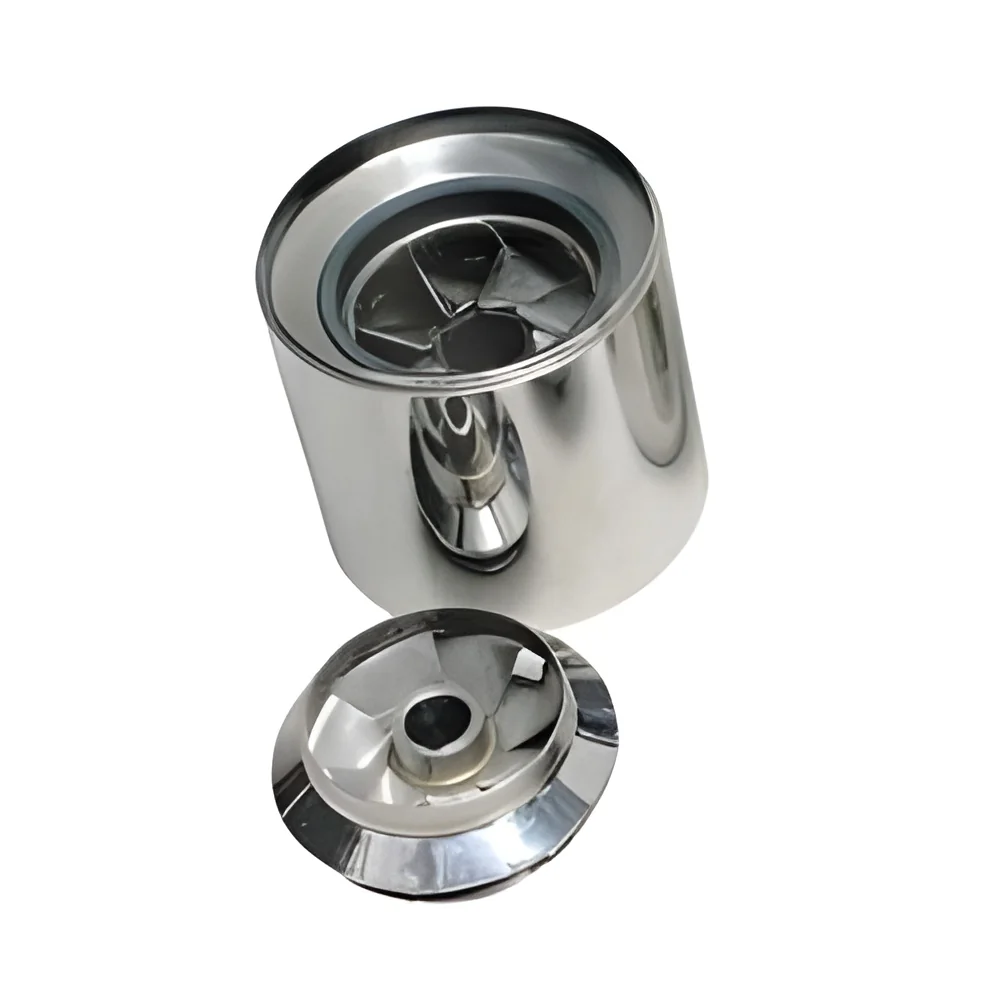
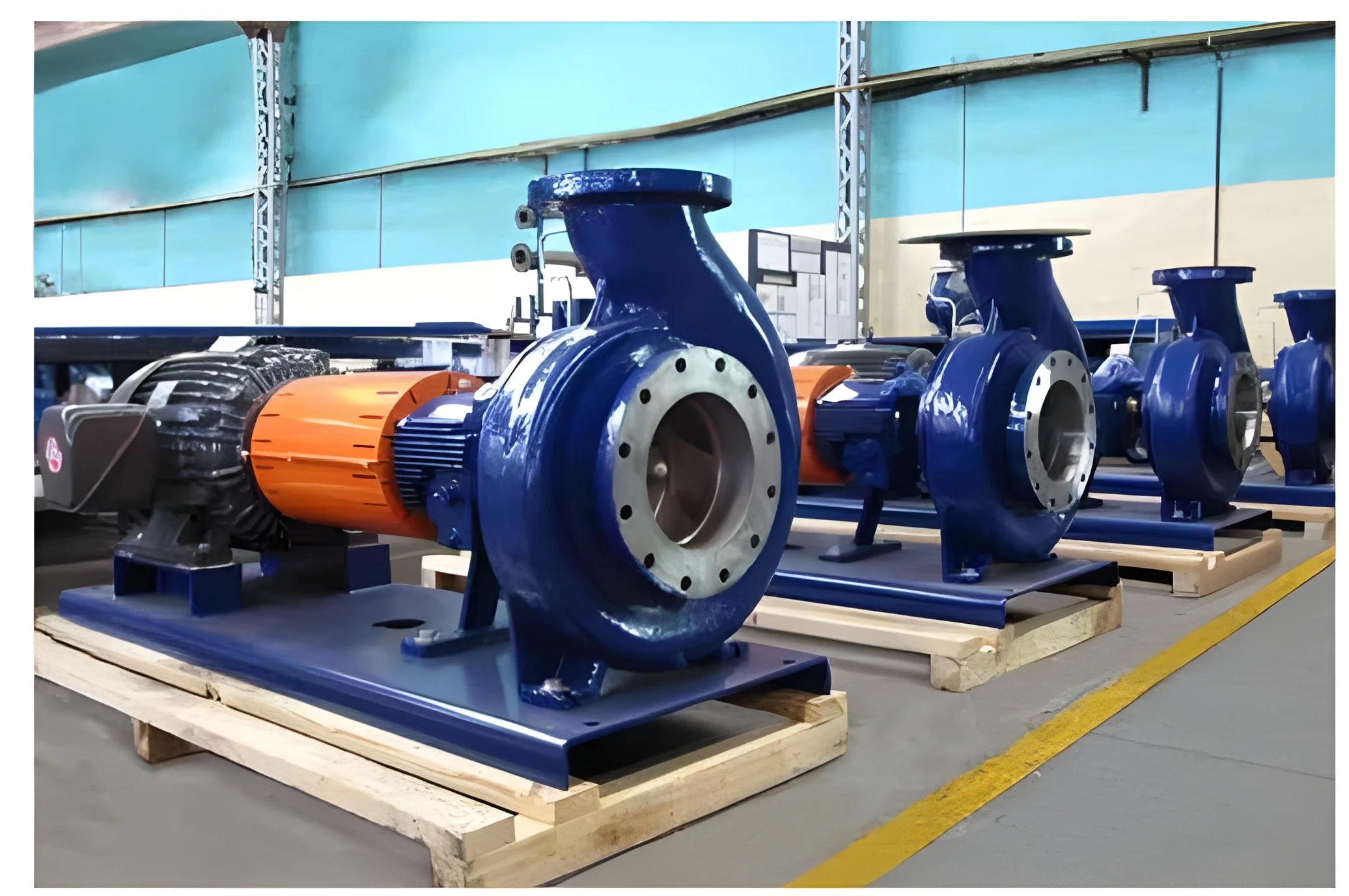
These pumps utilize a rotating impeller to move liquids efficiently. They are ideal for low-viscosity fluids and are widely used in food and beverage applications.
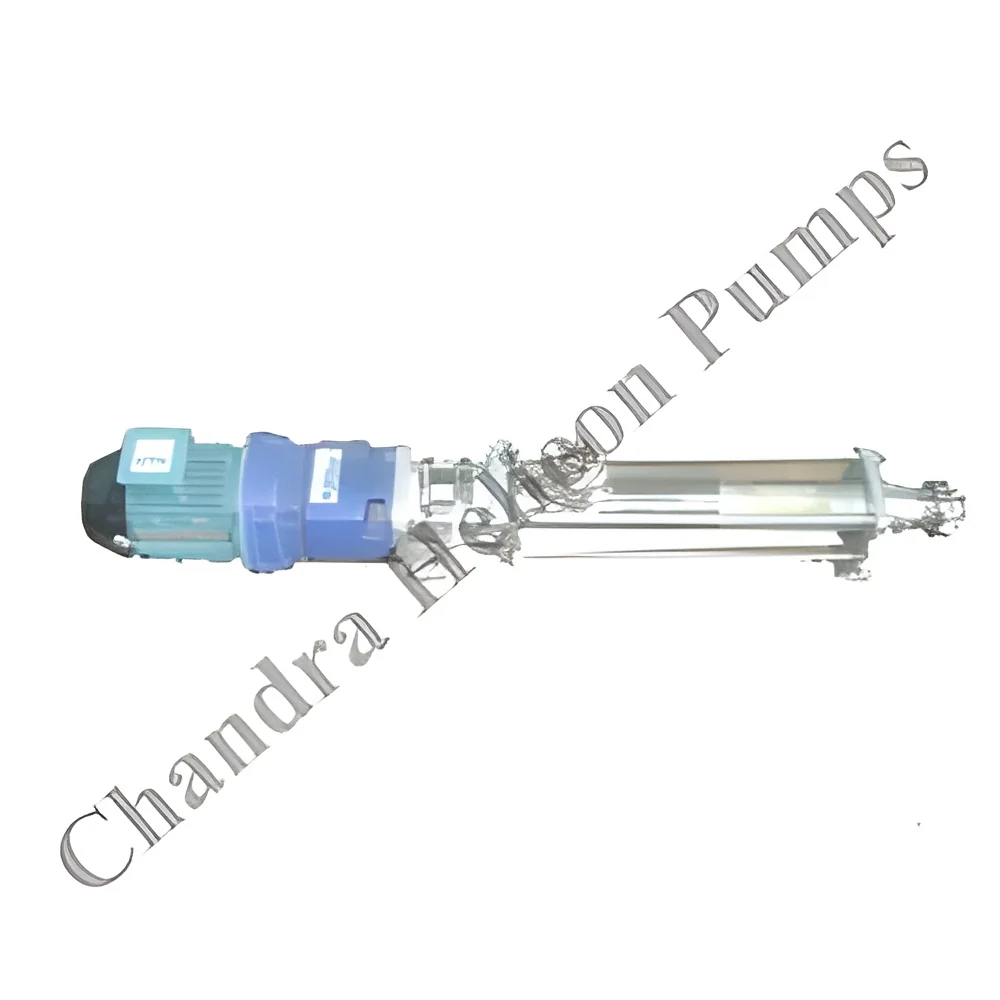
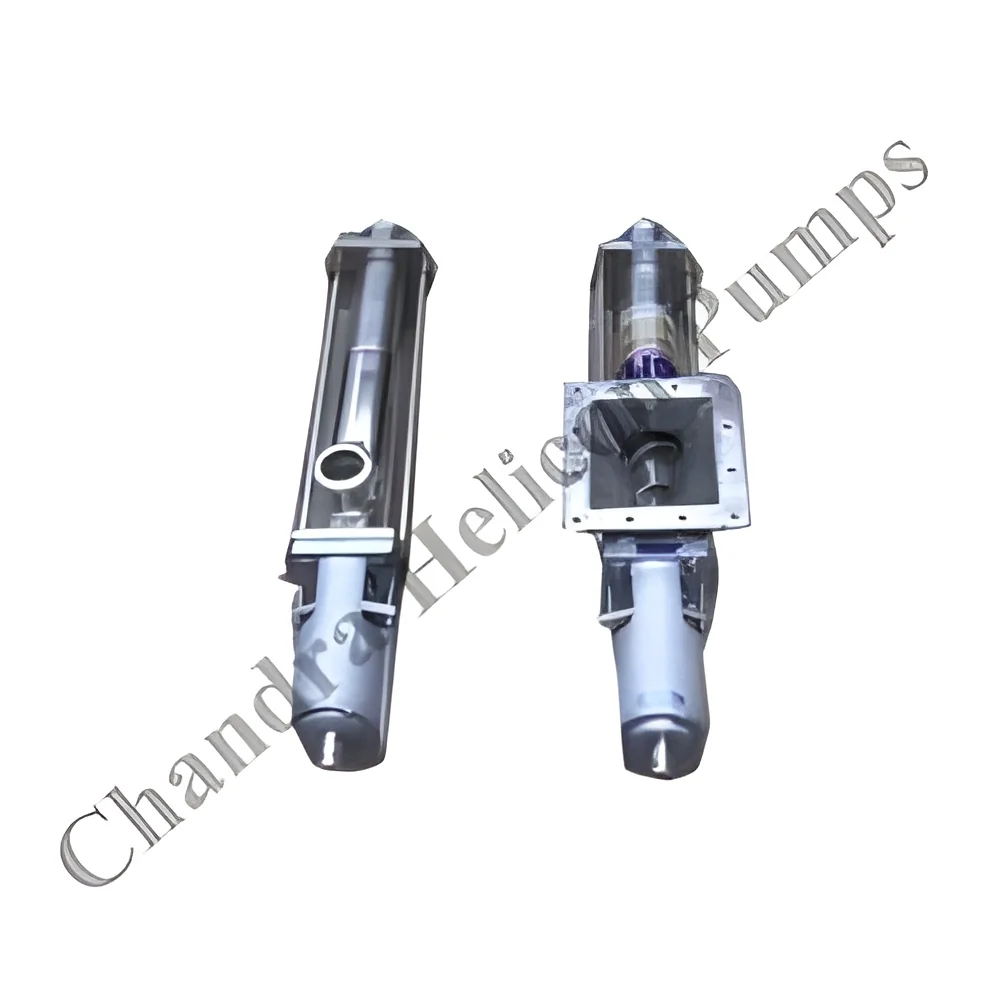
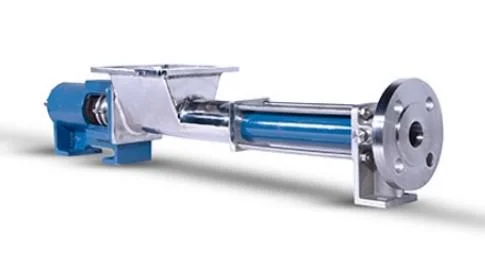
Positive Displacement Pumps
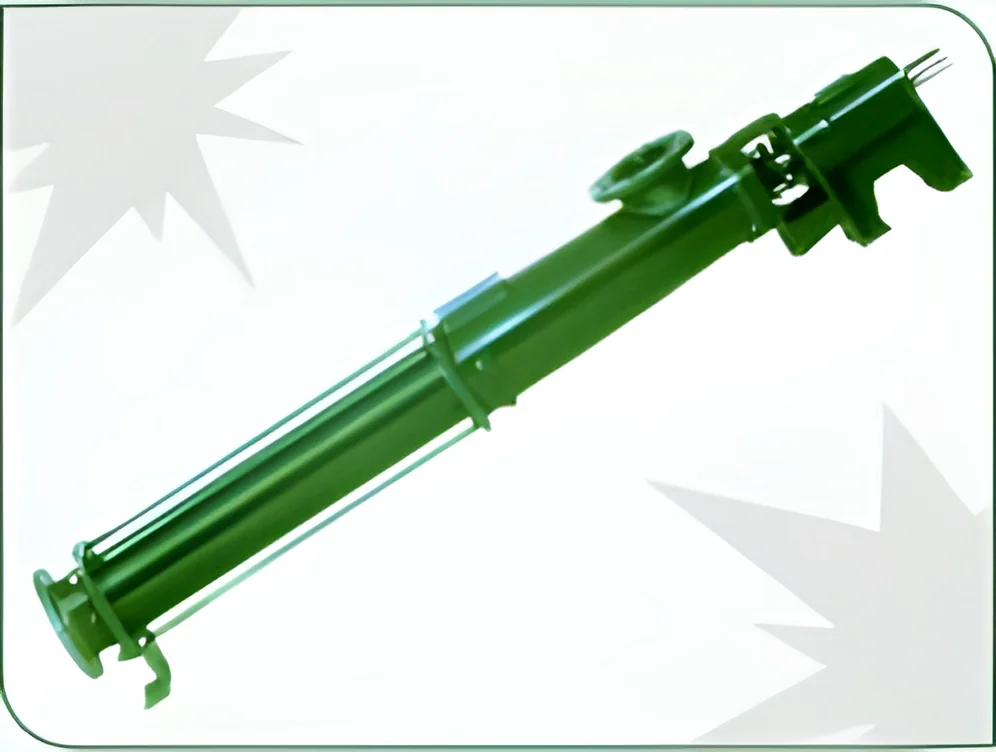
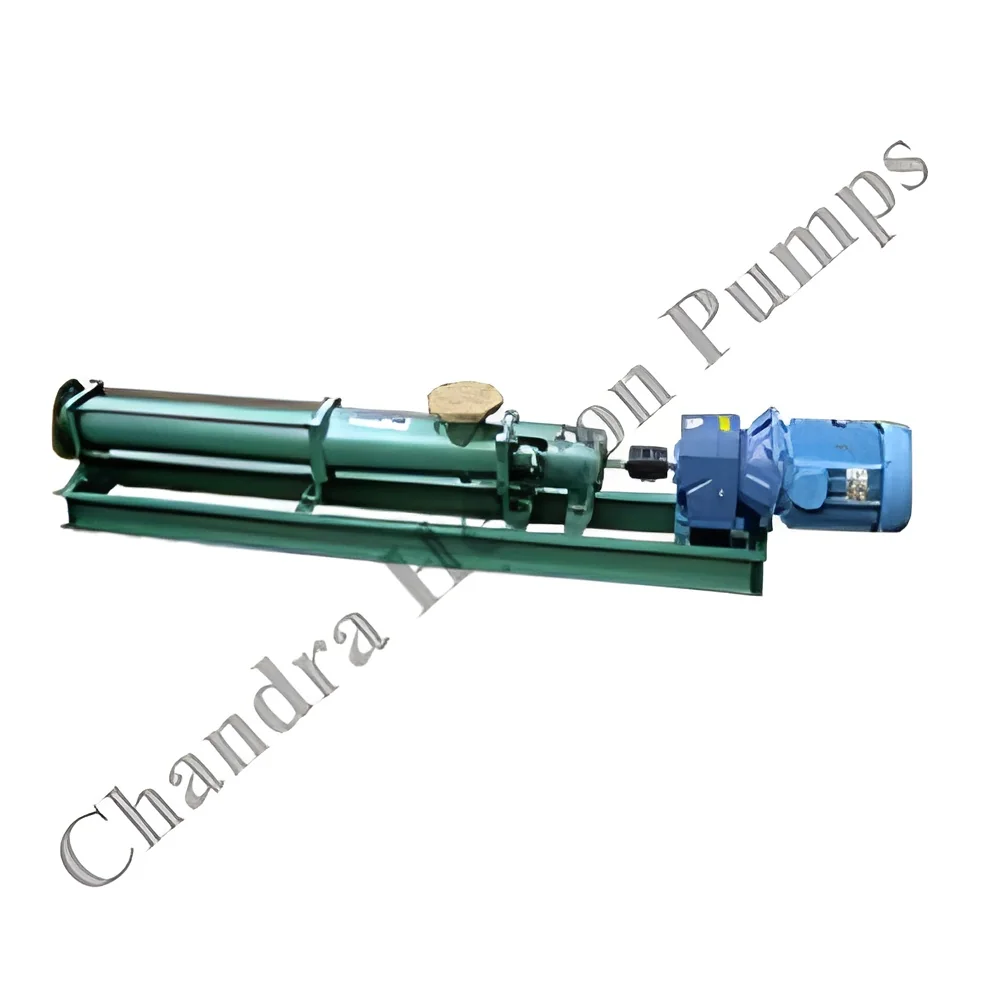
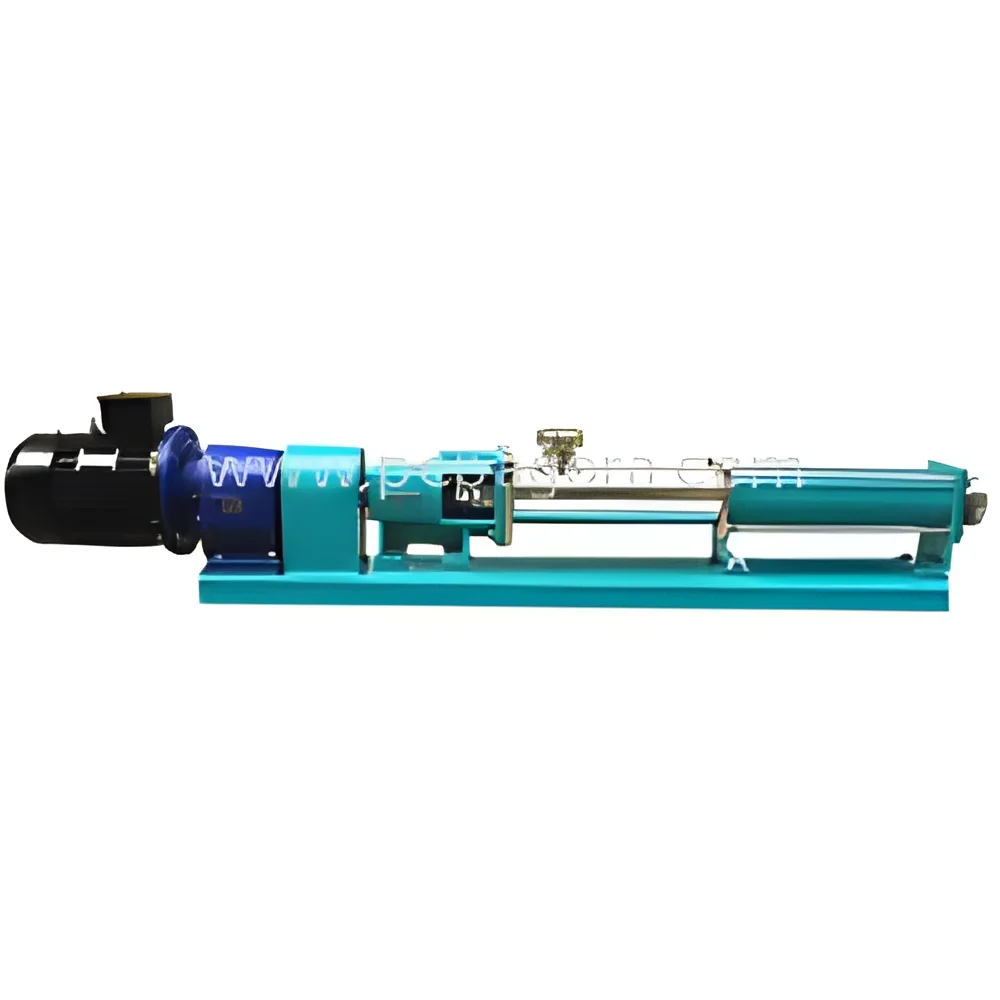
These pumps are designed to move fluids by trapping a fixed amount and forcing it into the discharge pipe. They are suitable for high-viscosity materials and are often used in the pharmaceutical industry.
Peristaltic Pumps
These pumps operate by compressing a flexible tube, making them perfect for handling sensitive liquids. They are commonly used in biotechnology and chemical processing.
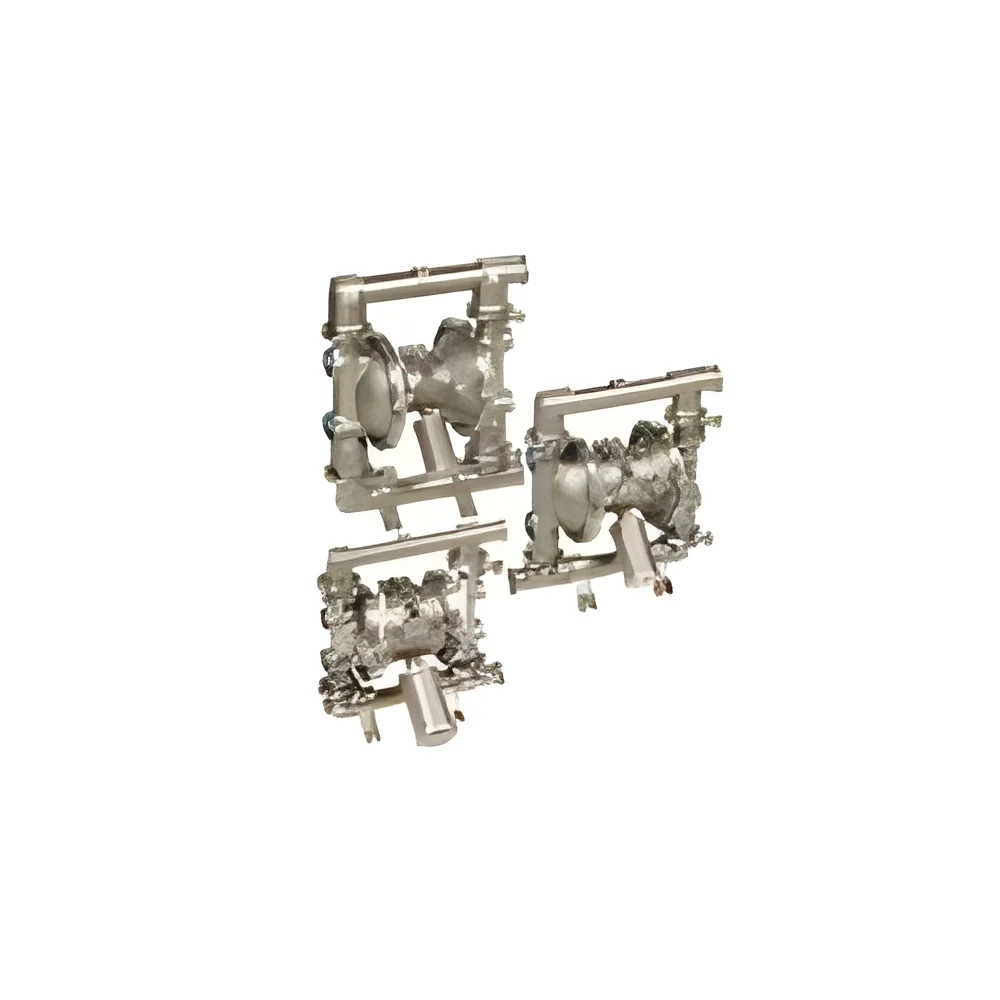
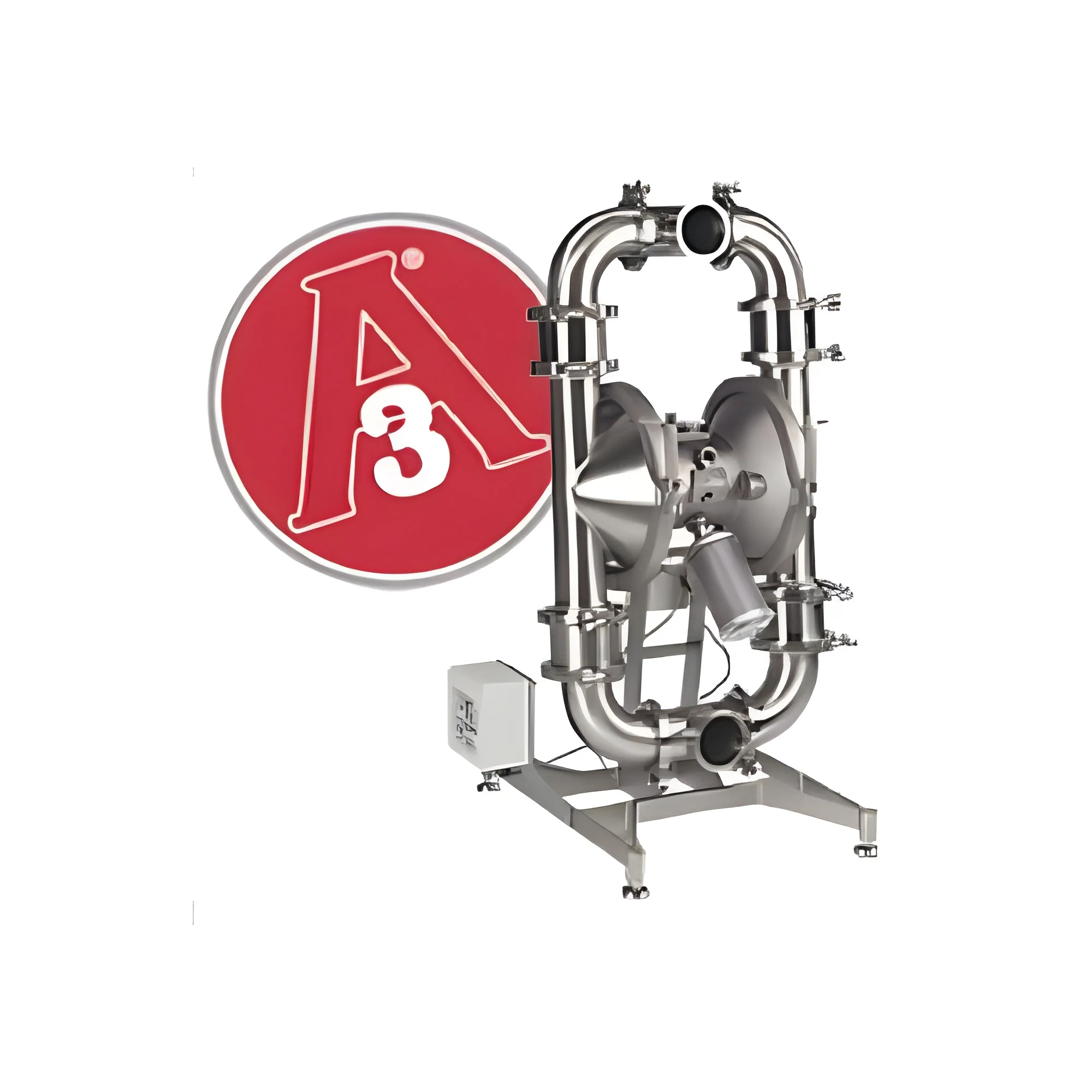
Diaphragm Pumps
These pumps use a diaphragm to create a vacuum that draws fluid into the pump chamber. They are ideal for applications requiring precise flow control and are often used in the food industry.
Magnetic Drive Pumps
These pumps use magnetic fields to drive the impeller, eliminating the need for seals and making them ideal for corrosive applications.
Benefits and Advantages
Sanitary pumps offer several key benefits that enhance operational efficiency and product safety.
1. Enhanced Hygiene: Their design minimizes the risk of contamination, ensuring that products remain safe for consumption or use.
2. Regulatory Compliance: Manufactured to meet industry standards, these pumps help companies adhere to strict regulatory requirements.
3. Versatility: Suitable for a range of applications, allowing for flexibility in production processes across different industries.
4. Reliable Performance: Engineered for durability and consistent operation, reducing the risk of equipment failure.
5. Easy Maintenance: Designed for straightforward cleaning and servicing, which minimizes downtime and operational costs.
6. Efficient Operation: Optimized for high flow rates and pressures, improving the overall efficiency of production processes.
Buying Guide for B2B Buyers
When sourcing sanitary pumps for the pharmaceutical and food industries, buyers should consider several critical factors.
1. Quality Assessment: Look for pumps that comply with relevant hygiene and safety standards. Evaluate materials and construction to ensure long-term reliability.
2. Supplier Verification: Vet suppliers to ensure they have a proven track record of providing high-quality products and services. Check for certifications and customer reviews.
3. Pricing and MOQ: Consider the total cost of ownership, including maintenance and operational costs. Be aware of minimum order quantities (MOQ) that may impact purchasing decisions.
4. Delivery and Lead Times: Understand logistics and potential delays in delivery. Establish clear expectations for lead times to avoid disruptions in production.
5. Compliance Requirements: Ensure that the pumps meet all necessary regulatory and compliance standards for your industry. This includes certifications like CE and adherence to local regulations.
Compliance and Certifications
Sanitary pumps for the pharmaceutical and food industries must comply with various quality standards to ensure safety and effectiveness. Common standards include ISO 9001, which outlines quality management systems, and HACCP, which focuses on food safety management.
Additionally, CE certification is crucial for products sold within the European Union, indicating compliance with health, safety, and environmental protection standards. Safety and testing requirements are critical, as they ensure that pumps do not introduce contaminants into the products being processed.
Regional compliance considerations may also vary, necessitating a thorough understanding of local regulations and standards. Buyers should ensure that their suppliers provide documentation proving compliance with these requirements to maintain product safety and quality.
Why Source Sanitary Pumps for Pharma/Food from Pepagora?
Pepagora offers a trusted platform for sourcing sanitary pumps for the pharmaceutical and food industries, providing several key advantages to buyers.
Verified Supplier Network: Pepagora connects buyers with a network of verified suppliers who have demonstrated their ability to meet industry standards. This ensures that buyers receive high-quality products that comply with necessary regulations.
Streamlined RFQ Process: The platform provides an efficient request for quotation (RFQ) system, allowing buyers to easily compare prices and specifications from multiple suppliers. This simplifies the procurement process and helps buyers make informed decisions.
Trade Assurance and Support: Pepagora offers trade assurance to protect buyers in their transactions. This includes support for resolving disputes and ensuring that suppliers deliver as promised.
Regional Coverage: With a strong presence in India, the GCC, and Southeast Asia, Pepagora can facilitate sourcing across these regions. This geographic reach helps buyers find the best suppliers for their specific needs, enhancing their purchasing experience.

 IN
IN