IN
IN₹
Apparel & Fashion
Description
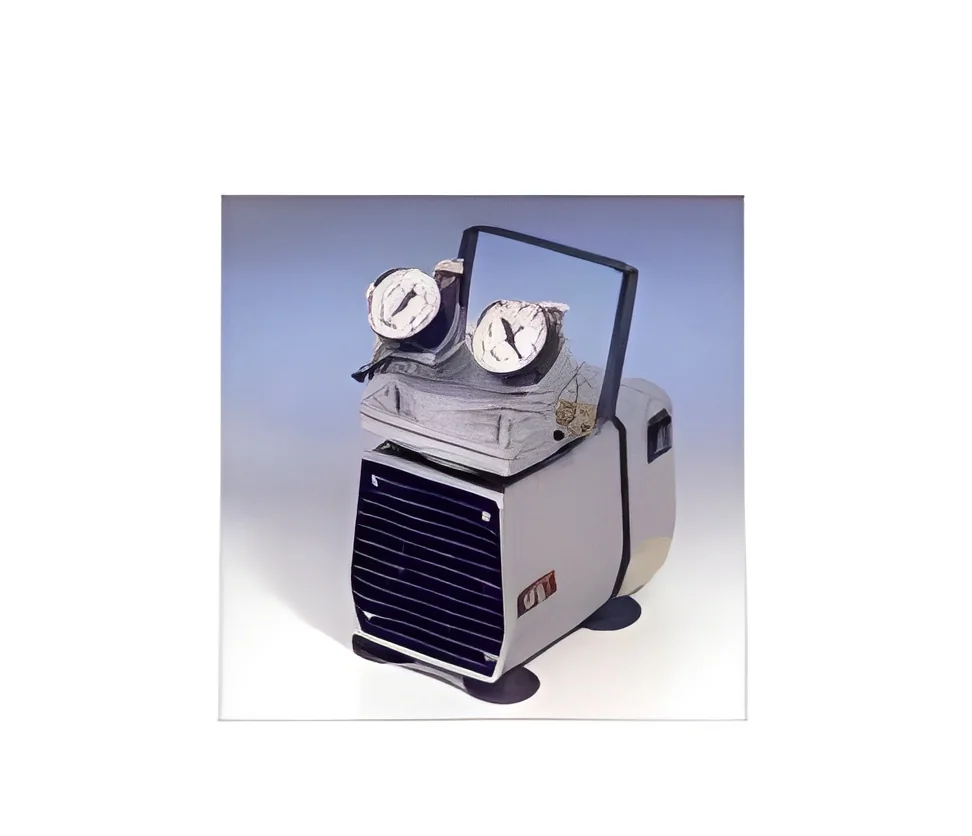
Vacuum pressure pumps are precision-engineered mechanical devices designed to evacuate air and gases from a sealed volume, creating a controlled low-pressure environment essential for numerous technical and industrial processes. They operate on principles that allow for the efficient removal of molecules, achieving specific vacuum levels required for tasks ranging from simple holding to complex chemical reactions. Available in various types such as rotary vane, diaphragm, and piston models, each pump is tailored to meet distinct pressure, flow rate, and contamination control needs. This versatility makes them a core component in systems where atmospheric pressure interferes with quality, speed, or safety, providing a reliable solution for creating and maintaining a vacuum.

These pumps are indispensable across a wide spectrum of industries due to their critical role in enabling and enhancing core processes. In the food and beverage sector, they are used for vacuum packaging to preserve...
Vacuum pressure pumps are precision-engineered mechanical devices designed to evacuate air and gases from a sealed volume, creating a controlled low-pressure environment essential for numerous technical and industrial processes. They operate on principles that allow for the efficient removal of molecules, achieving specific vacuum levels required for tasks ranging from simple holding to complex chemical reactions. Available in various types such as rotary vane, diaphragm, and piston models, each pump is tailored to meet distinct pressure, flow rate, and contamination control needs. This versatility makes them a core component in systems where atmospheric pressure interferes with quality, speed, or safety, providing a reliable solution for creating and maintaining a vacuum.

These pumps are indispensable across a wide spectrum of industries due to their critical role in enabling and enhancing core processes. In the food and beverage sector, they are used for vacuum packaging to preserve freshness and prevent spoilage. The pharmaceutical and chemical industries rely on them for distillation, drying, and creating sterile, oxygen-free environments for sensitive compounds. Electronics manufacturing utilizes vacuum pumps in semiconductor fabrication and component testing. Furthermore, they are vital in metallurgy for degassing molten metals, in woodworking for laminating, and in medical facilities for equipment like suction devices and sterilizers. Their application ensures process integrity, product quality, and operational efficiency in each of these fields.

Investing in a high-quality vacuum pressure pump delivers significant business value through enhanced productivity, reduced waste, and lower long-term operational costs. These pumps are built for reliability, constructed with durable materials to withstand continuous use in demanding environments, which minimizes unplanned downtime and maintenance expenses. Their precise operation ensures consistent results, reducing material spoilage and improving yield rates. By automating and accelerating processes like drying, degassing, and forming, they directly increase production throughput. The inherent reliability and suitability for specific industrial tasks make them a strategic asset, safeguarding your production line's efficiency and your final product's quality, which in turn strengthens your market reputation and customer trust.

Key Features:
- Engineered to create and maintain precise low-pressure environments for consistent process results.
- Constructed from durable materials for reliable, long-lasting performance in demanding industrial settings.
- Available in multiple types including rotary, diaphragm, and piston models to suit specific pressure and flow requirements.
- Designed for efficient operation, enabling faster cycle times in processes like drying, degassing, and molding.
- Versatile design suitable for integration into various industrial, laboratory, and manufacturing systems.

Benefits:
- Increases production efficiency and throughput by accelerating critical vacuum-dependent processes.
- Enhances product quality and consistency by providing controlled, contamination-free environments.
- Reduces operational costs through durable construction that minimizes maintenance and downtime.
- Improves safety in handling volatile materials by removing air and gases from sealed systems.
- Offers a reliable foundation for automation and precision in modern manufacturing and research operations.
Specifications
| Additional Information | |
|---|---|
| Country of Origin | India |
Application
Vacuum pressure pumps are fundamental to modern industrial operations, enabling critical processes that depend on controlled low-pressure environments. Their versatility allows them to serve across diverse sectors, from large-scale manufacturing to precise laboratory research, by efficiently evacuating air and gases from sealed systems. These robust pumps are engineered for continuous operation, handling demanding applications that require consistent vacuum levels and reliable performance day in and day out.
In manufacturing, these pumps accelerate production cycles by facilitating faster processes like molding, drying, and degassing. In scientific settings, they provide the precise vacuum conditions necessary for sensitive experiments and instrumentation. Their design prioritizes durability and minimal maintenance, making them a dependable long-term investment for businesses focused on operational uptime and process integrity.
- Packaging operations for food and electronics, where vacuum sealing extends product shelf life and protects against contamination.
- Pharmaceutical manufacturing for solvent removal, drying, and creating sterile environments during drug production.
- Chemical processing plants for distillation, filtration, and safe handling of volatile substances.
- Laboratory research and analysis, supporting equipment like electron microscopes, mass spectrometers, and freeze dryers.
- Industrial production lines for composite material molding, plastic forming, and metal degassing in foundries.
Trade Details
| Available Stock | In Stock |
| Sample Availability | No |
Payment Terms
| Payment Terms |
|
Company Profile
SUNJAY BIOTECH SOLUTIONS PVT. LTD., Maharashtra
 Maharashtra, India
Maharashtra, IndiaManufacturer•Distributor / Wholesaler
Factory Details
Factory SizeBelow 1000 sqm
Vacuum pressure pumps
Vacuum pressure pumps from reliable manufacturers create essential low-pressure environments for industrial, laboratory, and manufacturing processes, ensuring efficient air and gas removal with proven reliability.
Min. Order Quantity: 1
Shipping
Shipping fee and delivery date to be negotiated. Contact supplier now for more details.
SUNJAY BIOTECH SOLUTIONS PVT. LTD.
 Maharashtra, India
Maharashtra, IndiaManufacturer