What are Level Controllers for Tanks?
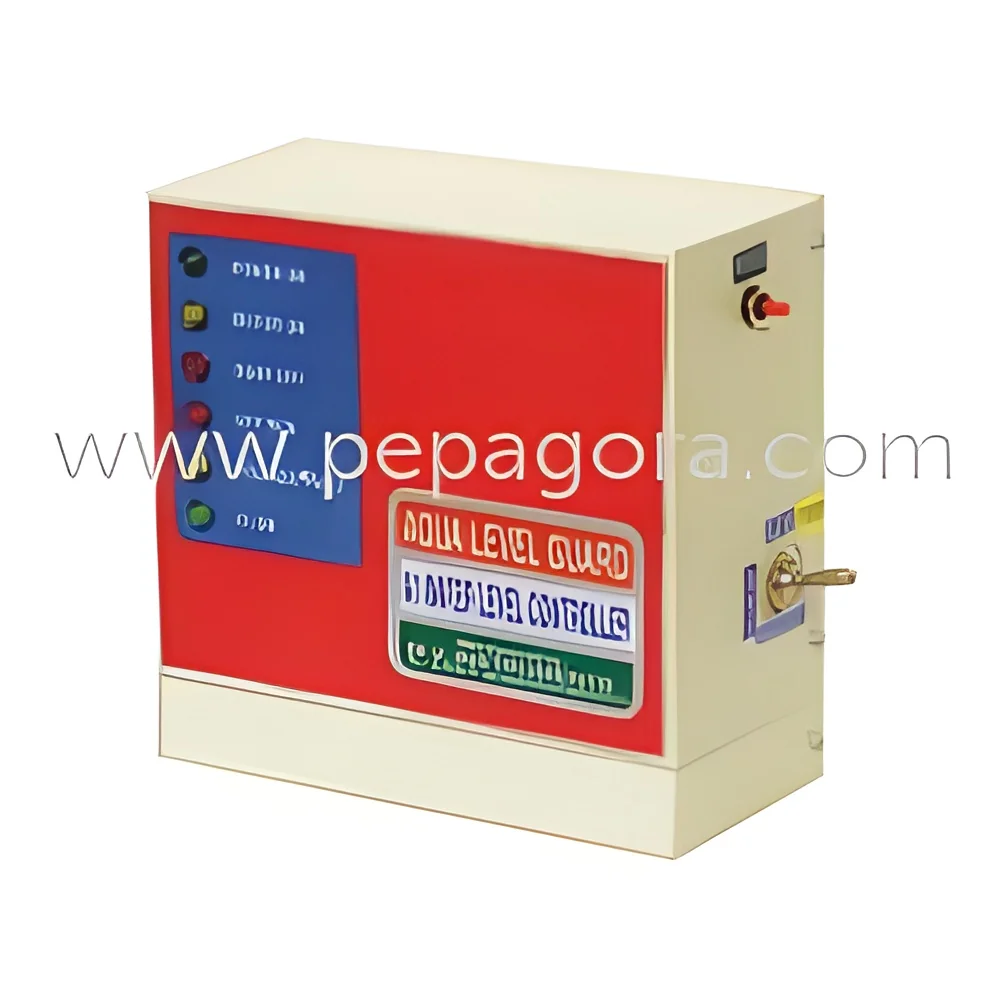
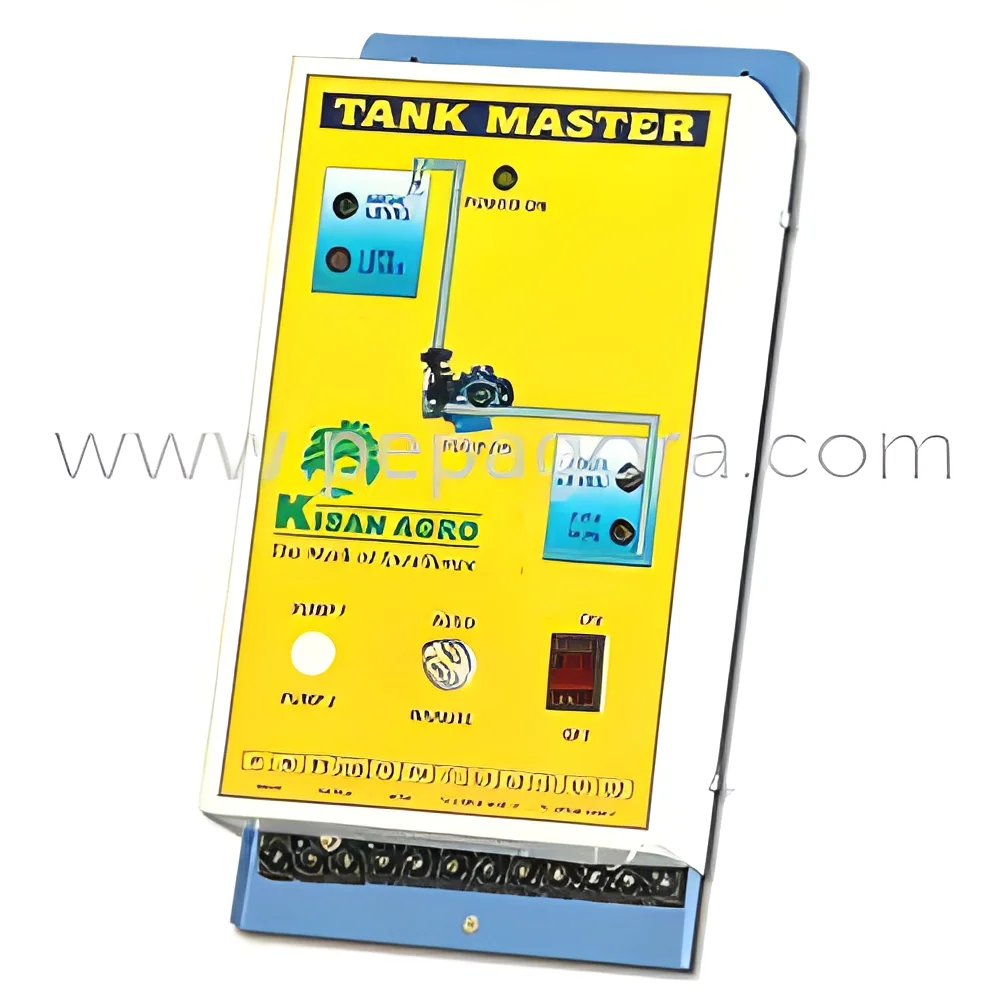
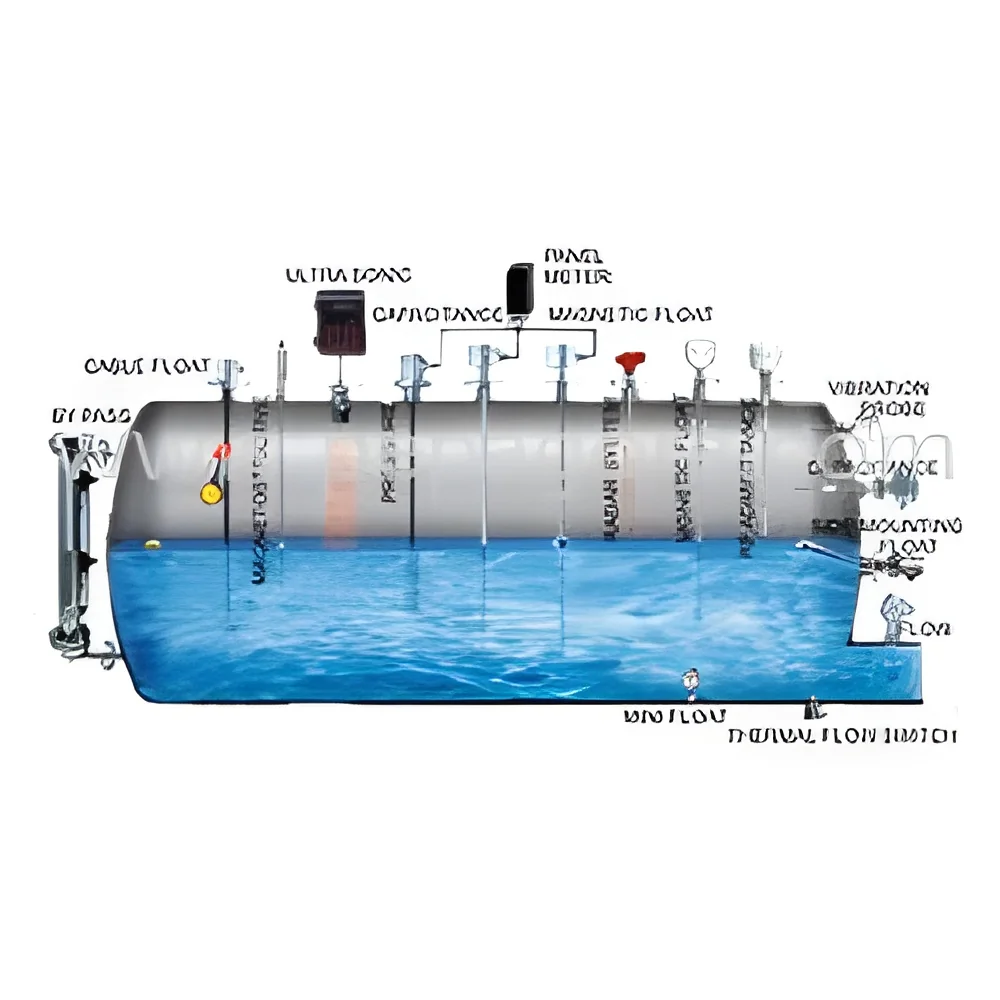
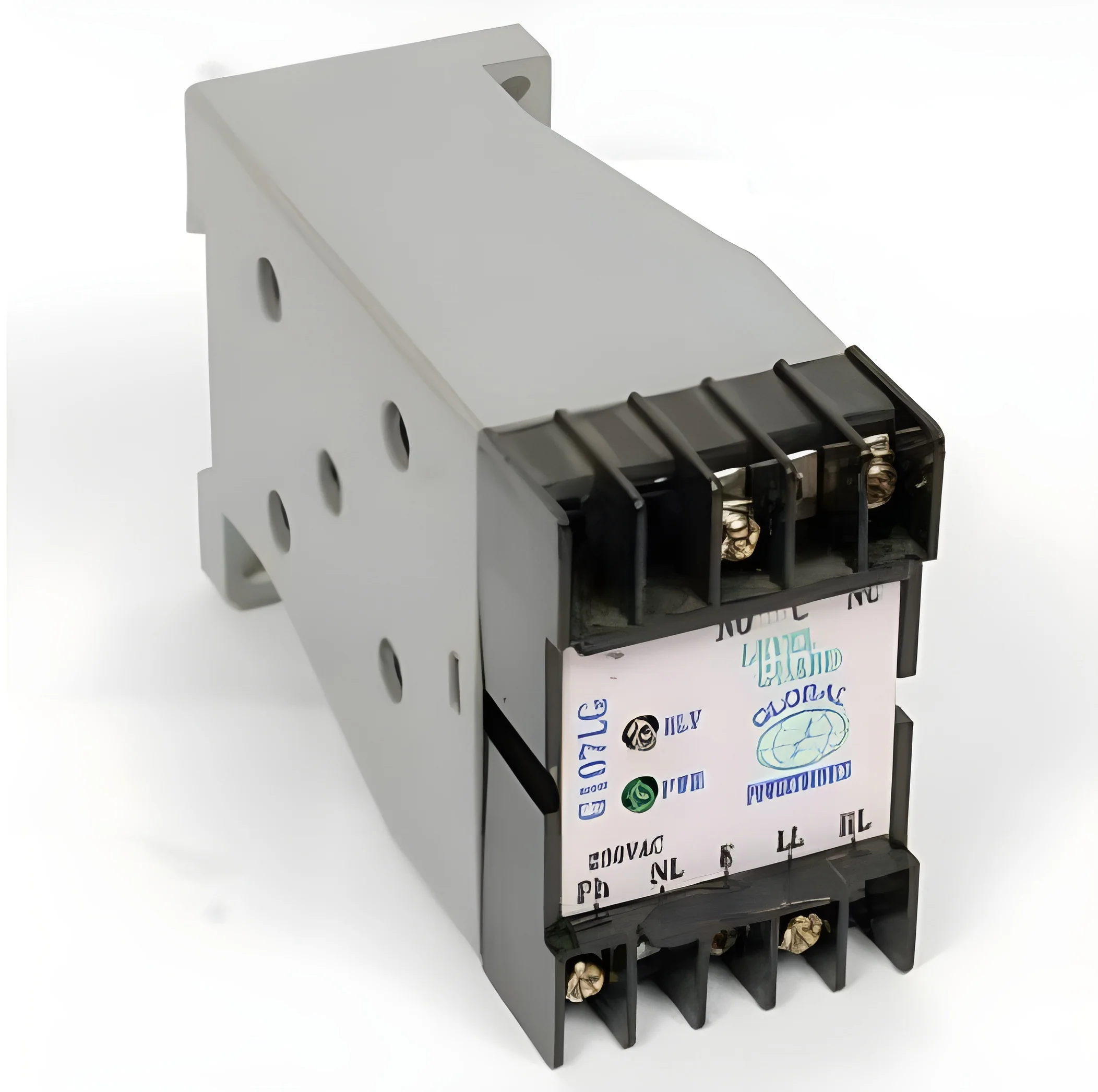
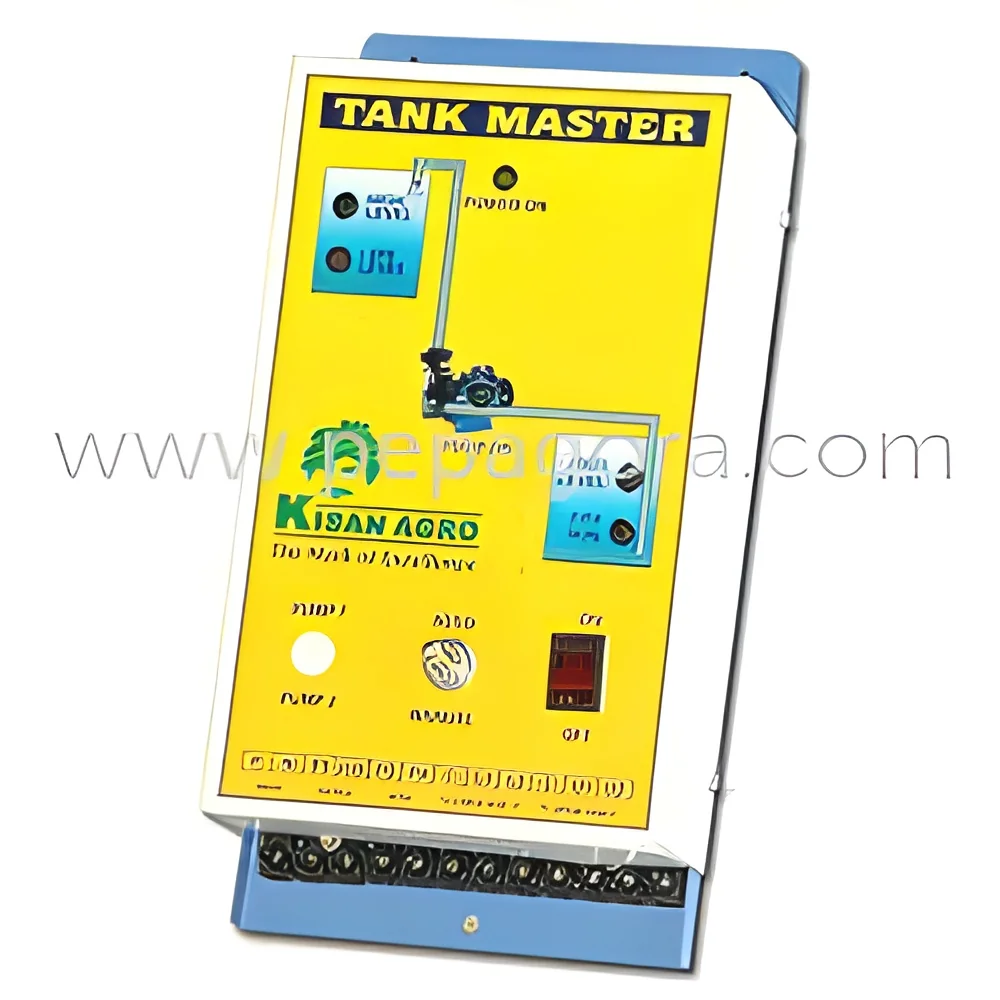
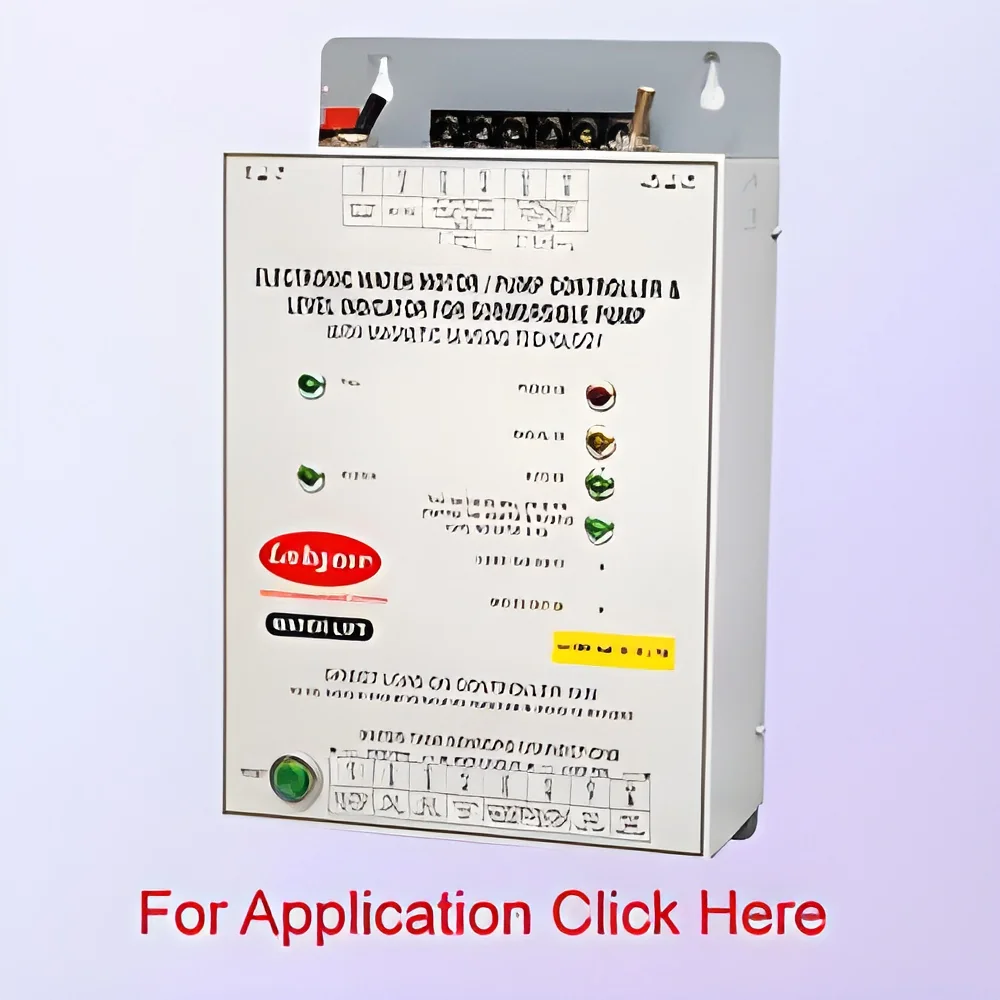
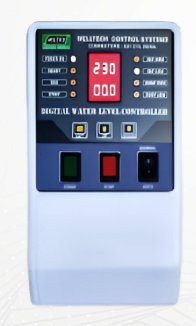
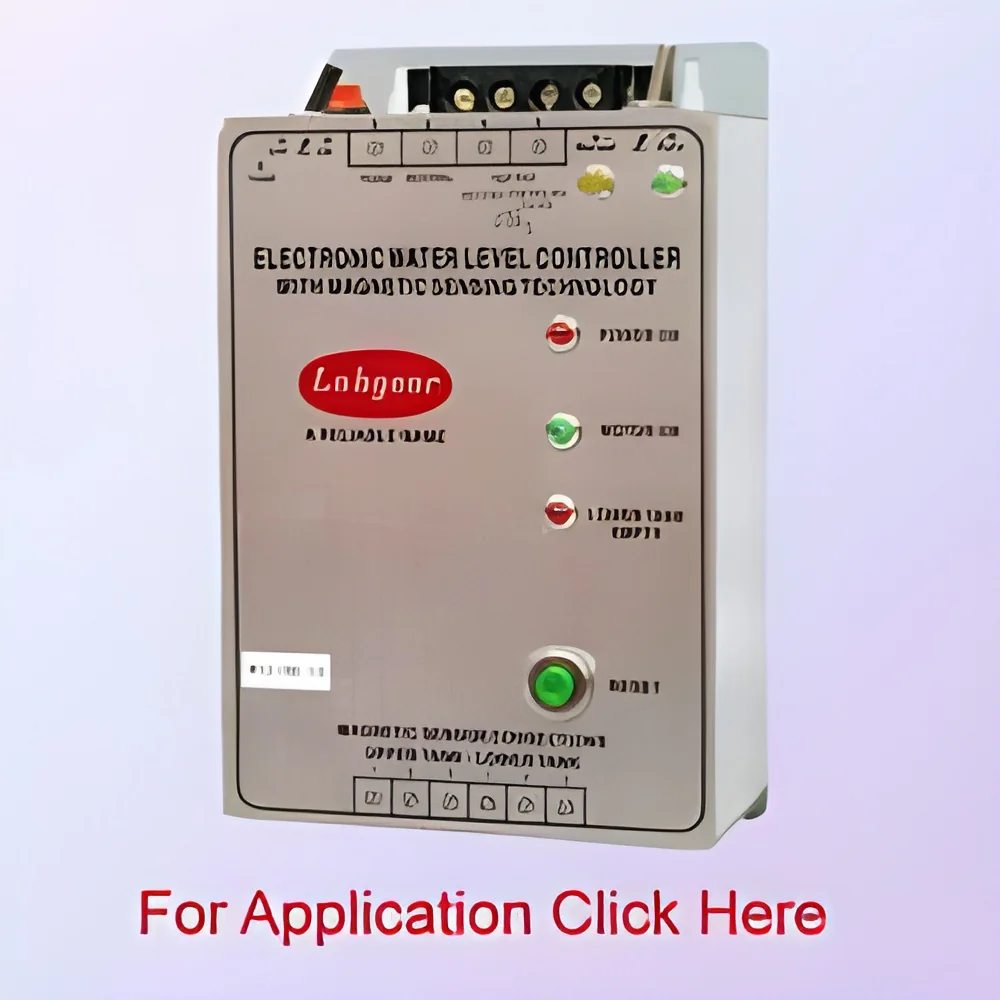
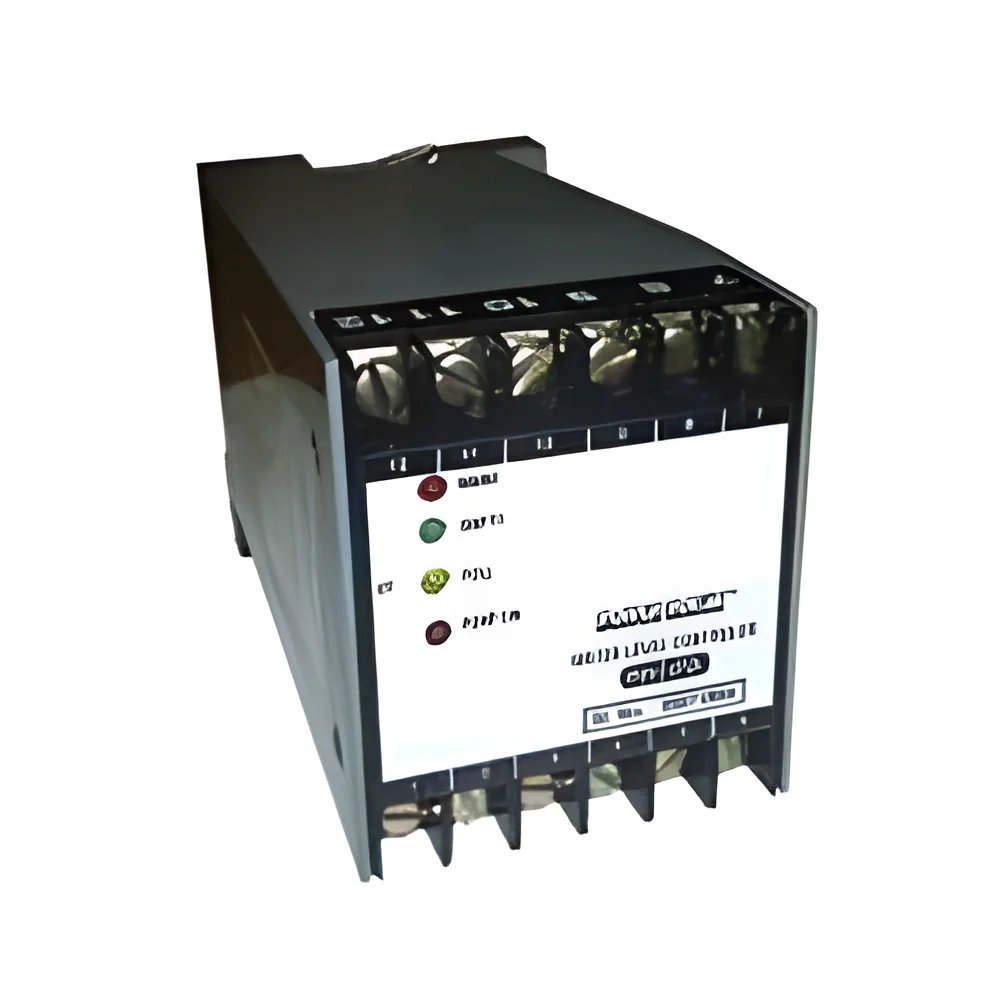
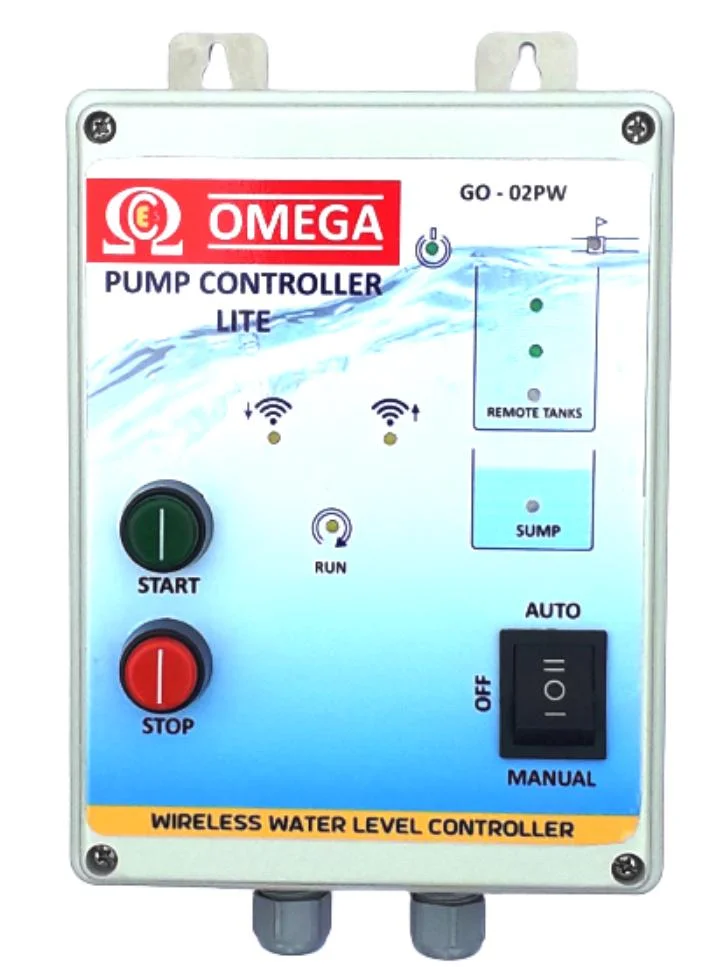
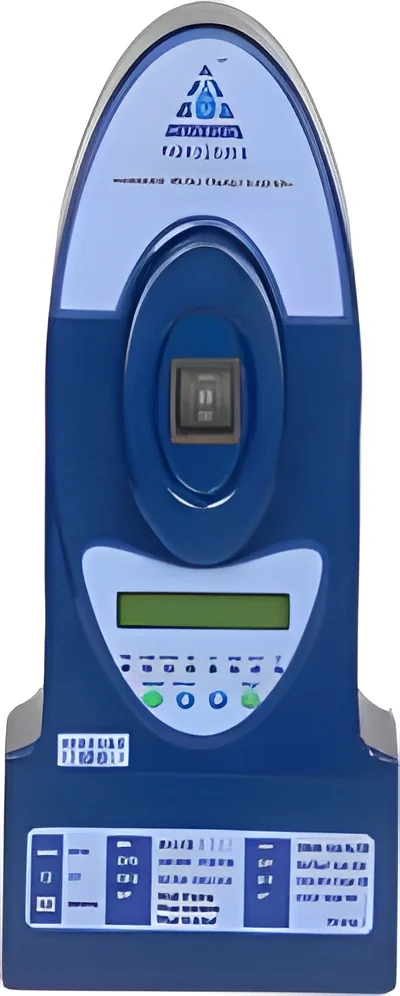
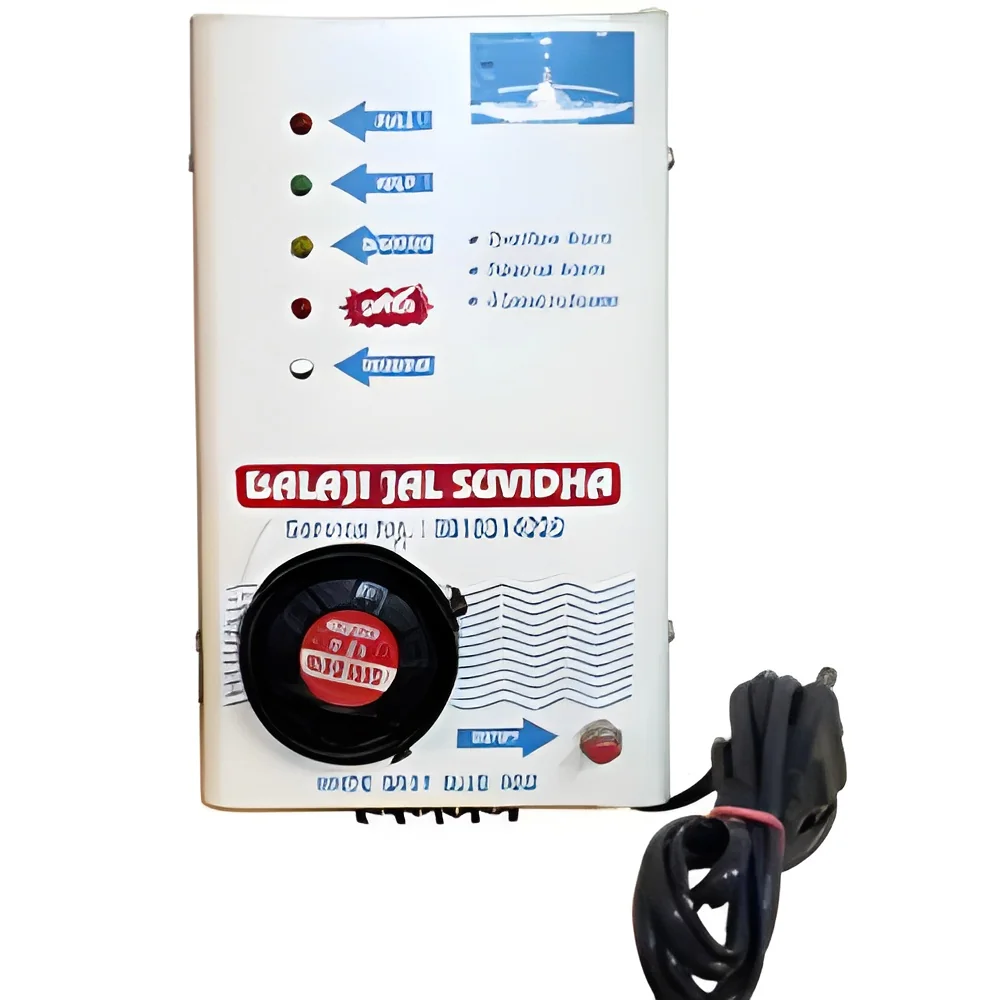
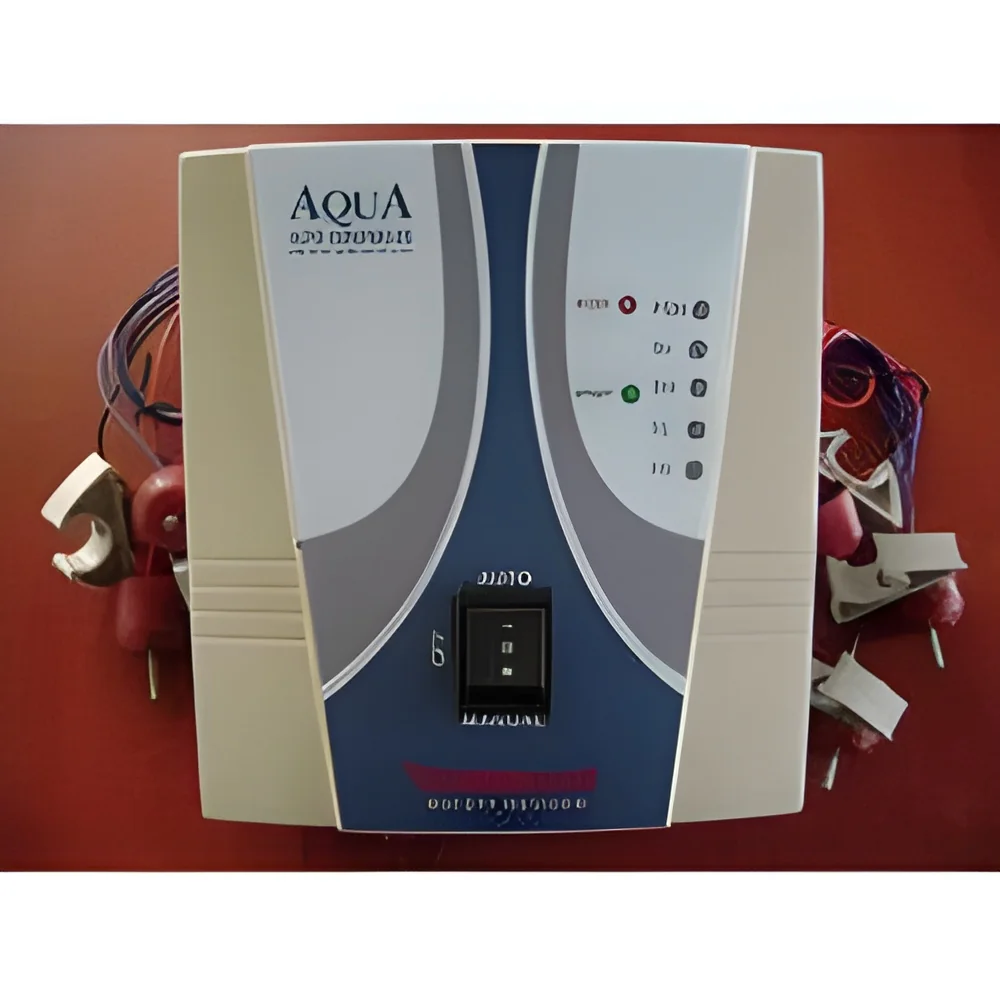
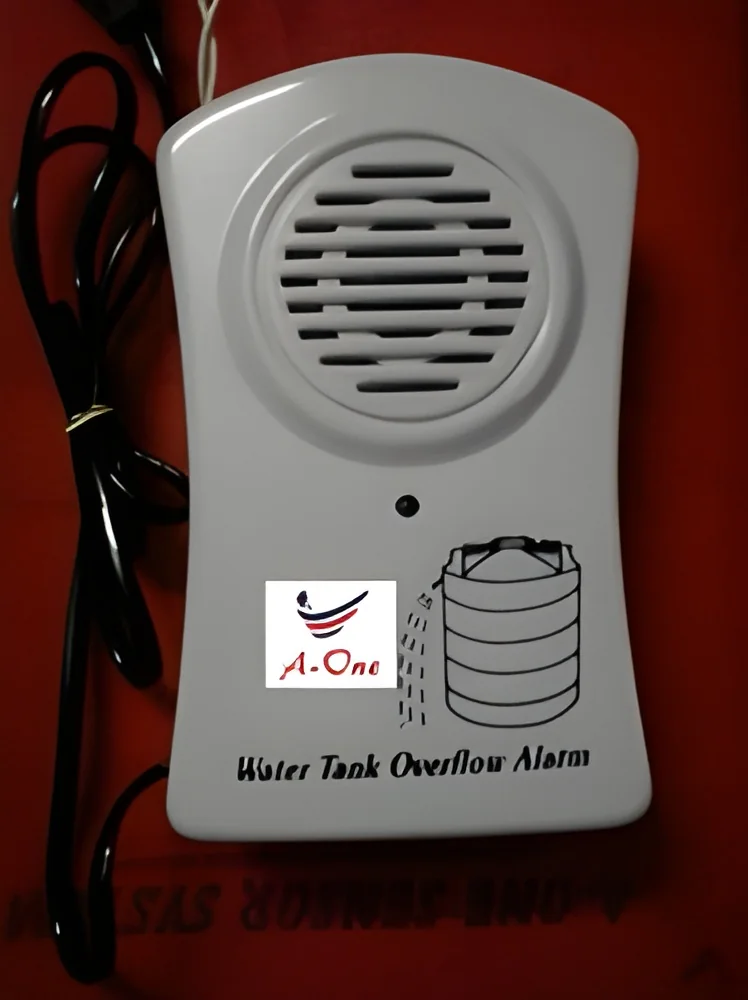
Level controllers for tanks are devices designed to monitor and regulate the liquid level within storage tanks. These controllers ensure that liquid levels remain within predetermined thresholds, thereby preventing overflow or underflow conditions. They operate through various sensing technologies, which provide real-time data and control signals to maintain optimal levels in different types of tanks, including those used in industrial and commercial settings.
These devices are essential in various applications, such as water treatment plants, chemical processing facilities, and food and beverage production. By automating the monitoring process, level controllers help businesses improve operational efficiency, reduce manual labor, and ensure safety compliance. With the growing demand for automation in industries, level controllers play a critical role in effective resource management and environmental protection.
In the current market context, the use of level controllers is expanding due to stringent regulations on environmental safety and resource management. Industries are increasingly adopting advanced technologies for monitoring and control, which drives the demand for reliable and precise level controllers.
Key Features and Specifications
Level controllers offer a range of features and specifications that cater to various industrial needs. They are designed for durability, accuracy, and ease of use, making them suitable for different applications.
Key specifications include:
1. Measurement Technology
- Options include ultrasonic, capacitive, and float-based technologies.
- Measurement ranges vary based on the technology, typically from a few centimeters to several meters.
2. Operating Temperature
- Designed to function efficiently across a wide temperature range.
- Specific temperature ranges may vary based on the manufacturer.
3. Power Supply
- Compatibility with various power supply options, including AC and DC sources.
- Voltage requirements often range from 12V to 240V, depending on the model.
4. Output Signals
- Includes analog, digital, and relay outputs for integration with control systems.
- Common output types are 4-20 mA, 0-10 V, and relay contacts.
5. Enclosure Rating
- Typically rated for IP65 or higher to withstand harsh environmental conditions.
- Ensures protection against dust and water ingress.
6. Calibration Features
- Many models offer simple calibration processes for enhanced accuracy.
- Some devices may include self-calibration capabilities.
7. Installation Types
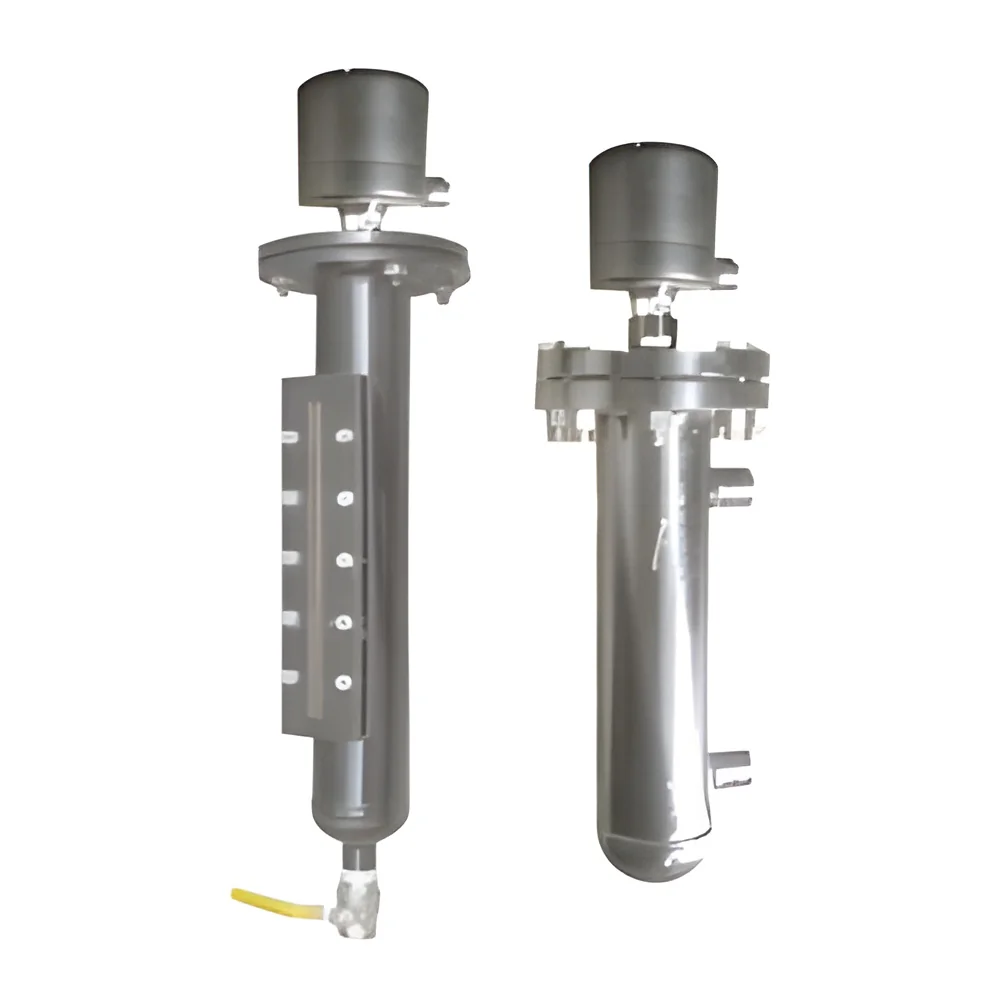
- Available in various installation options such as side-mounted, top-mounted, or submersible.
- Flexibility in installation allows for use in different tank designs.
8. Communication Protocols
- Support for various communication protocols like Modbus or Profibus for integration into larger systems.
- Enhances connectivity and data sharing capabilities.
These specifications ensure that level controllers provide reliable performance across diverse industrial applications.
Common Applications and Use Cases
Level controllers are versatile devices used across numerous industries to manage liquid levels effectively.
1. Water and Wastewater Treatment: In water treatment plants, level controllers monitor tank levels to optimize the treatment process and prevent overflow, ensuring a consistent water supply.
2. Chemical Processing: These controllers are utilized in chemical manufacturing to maintain precise levels of corrosive or hazardous liquids, enhancing safety and process efficiency.
3. Food and Beverage Industry: Level controllers help manage ingredients in food production, ensuring the correct ratios of liquids for consistent quality and compliance with health regulations.
4. Oil and Gas: In oil refineries and storage facilities, level controllers are critical for monitoring storage tank levels, preventing spills, and ensuring safety in operations.
5. Pharmaceuticals: Level controllers ensure accurate liquid levels in production tanks, which is crucial for maintaining product quality and compliance with industry regulations.
6. Agriculture: In irrigation systems, level controllers optimize water usage by maintaining desired water levels in storage tanks, contributing to efficient resource management.
7. HVAC Systems: Level controllers are used in heating, ventilation, and air conditioning systems to manage condensate levels, preventing overflow and system malfunctions.
Product Variants and Subcategories
Level controllers come in various models tailored to meet specific industrial requirements. This diversity allows businesses to select the most suitable option for their operations.
Ultrasonic Level Controllers
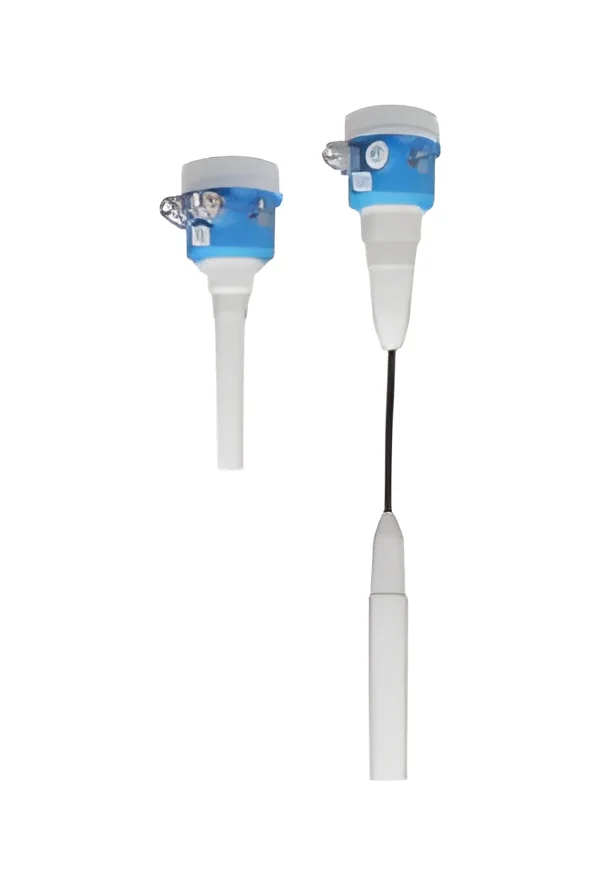
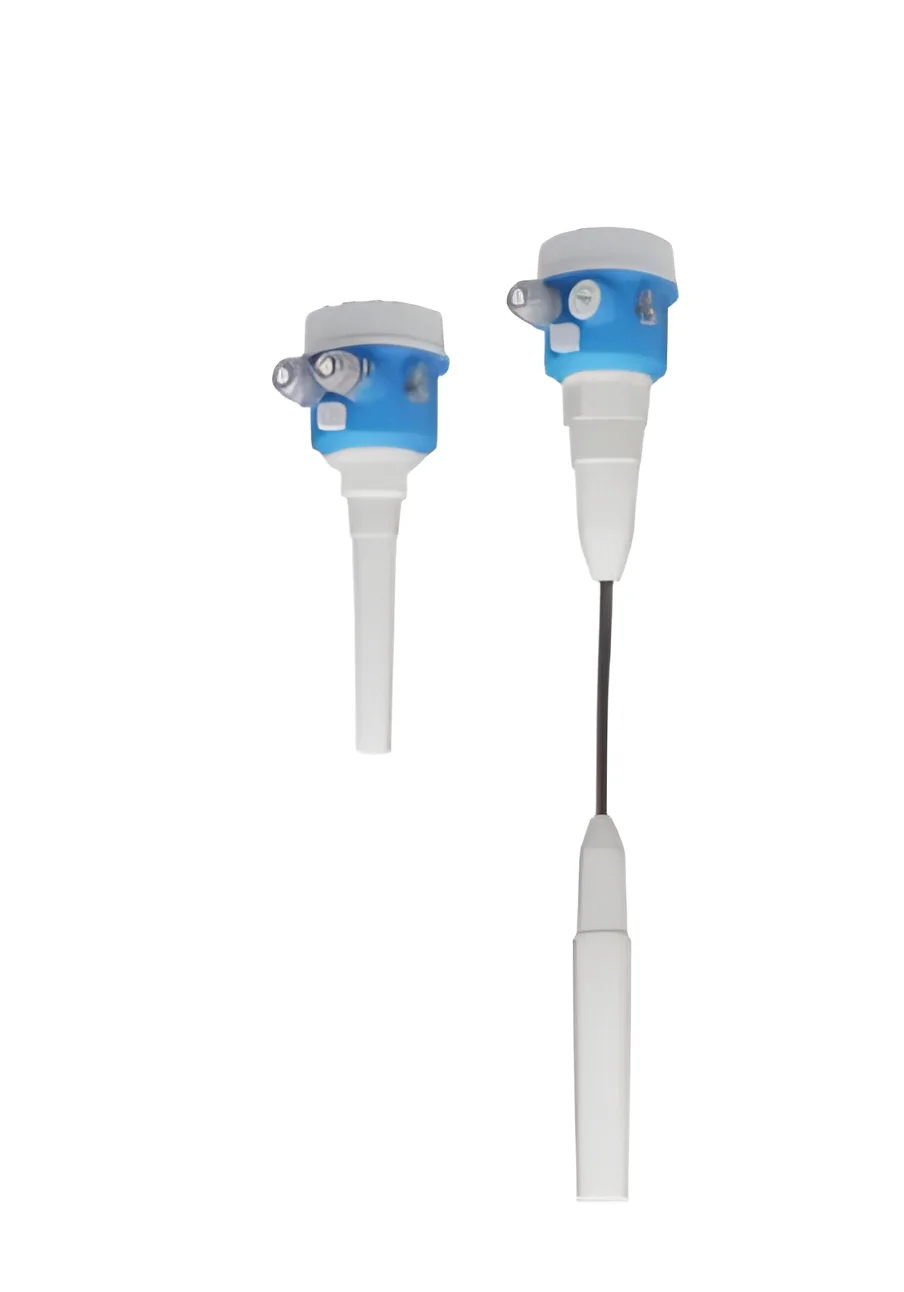
These controllers use ultrasonic waves to measure liquid levels without contact. They are ideal for applications where contact with the liquid is not feasible, such as in corrosive environments.
Capacitive Level Controllers
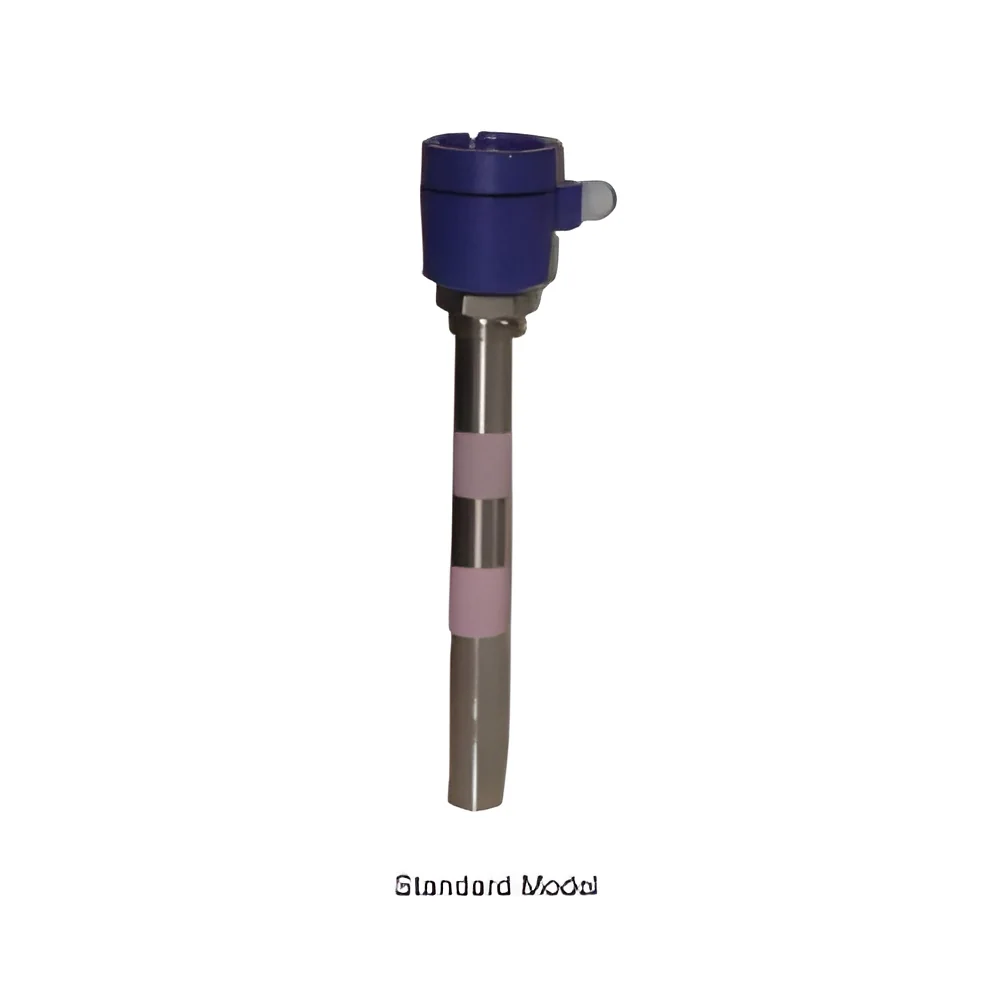
Capacitive controllers detect changes in capacitance caused by liquid levels. They are suitable for a wide variety of liquids, including slurries and viscous materials, thanks to their versatile sensing capabilities.
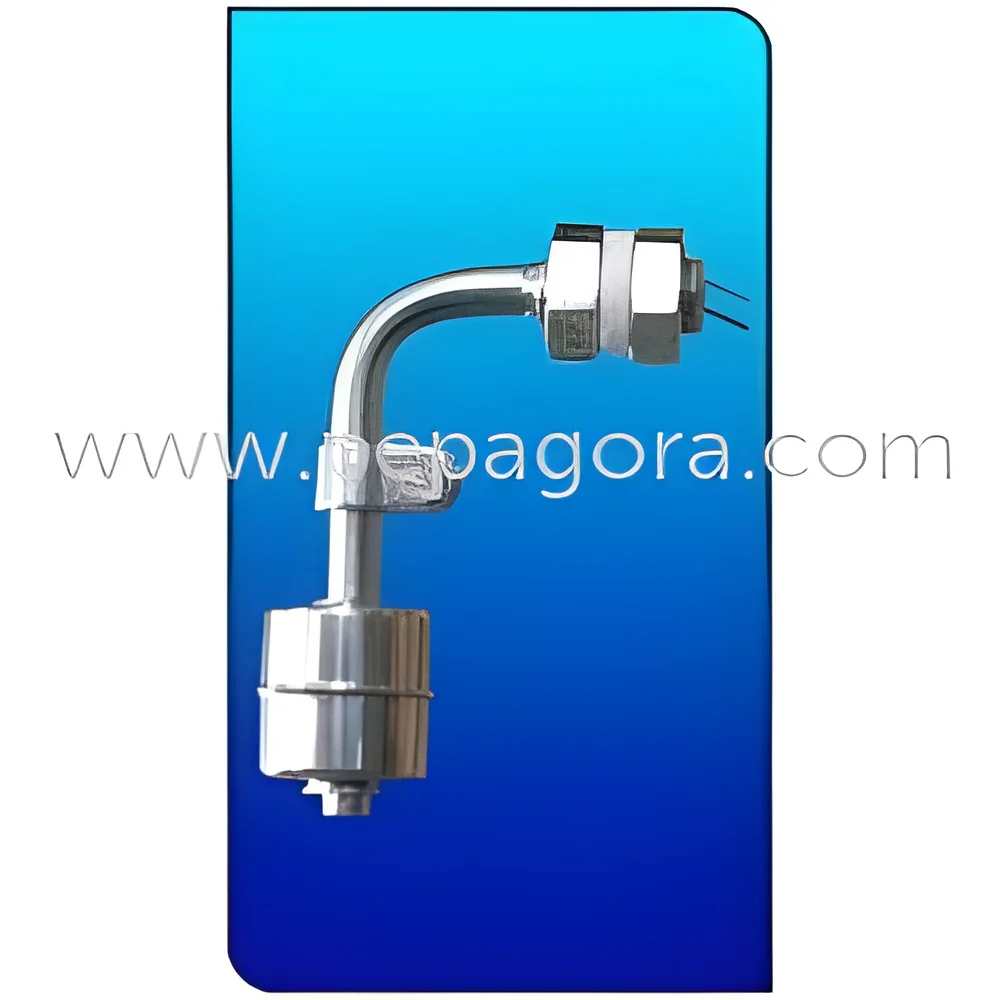
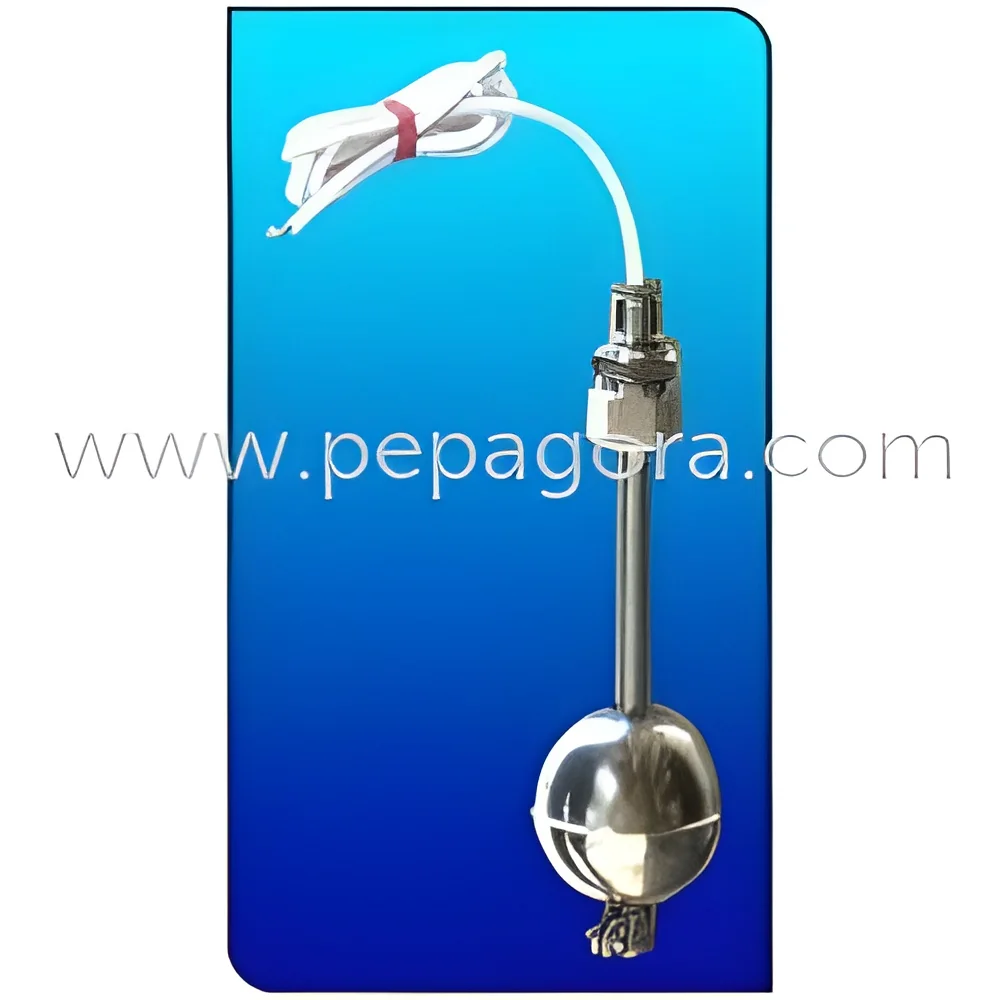
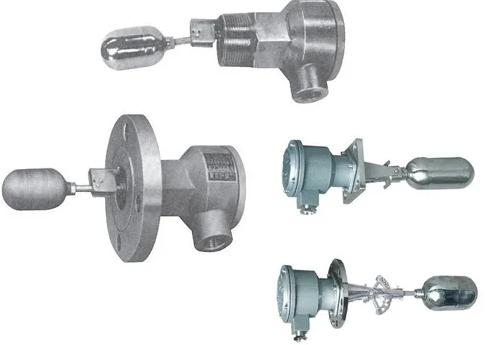
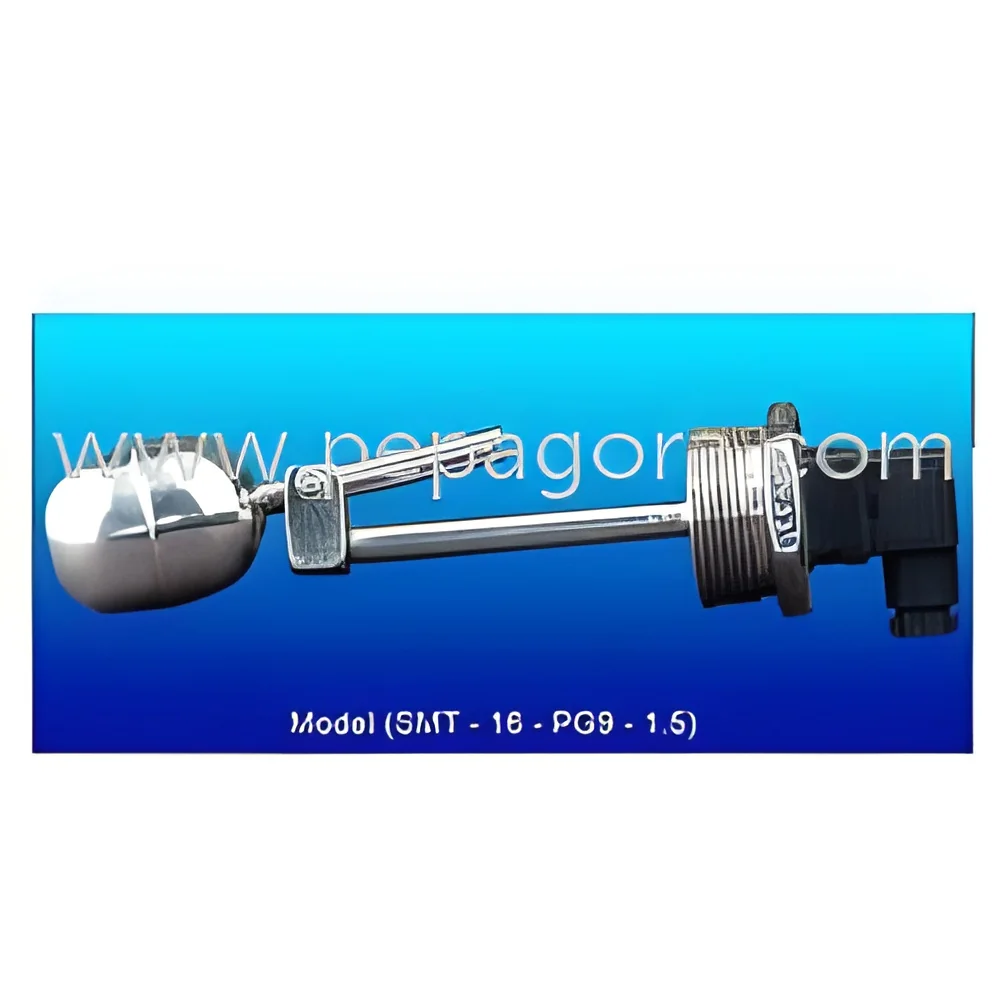
Float-Based Level Controllers
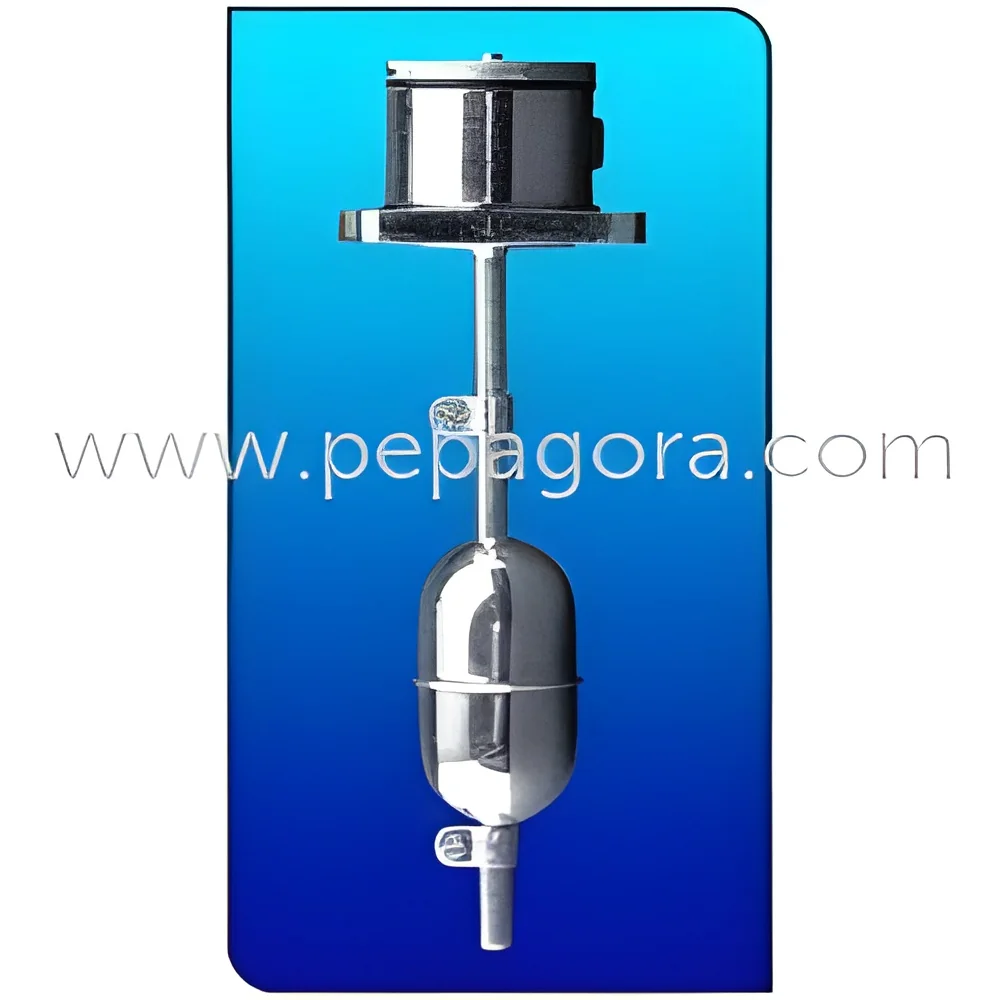
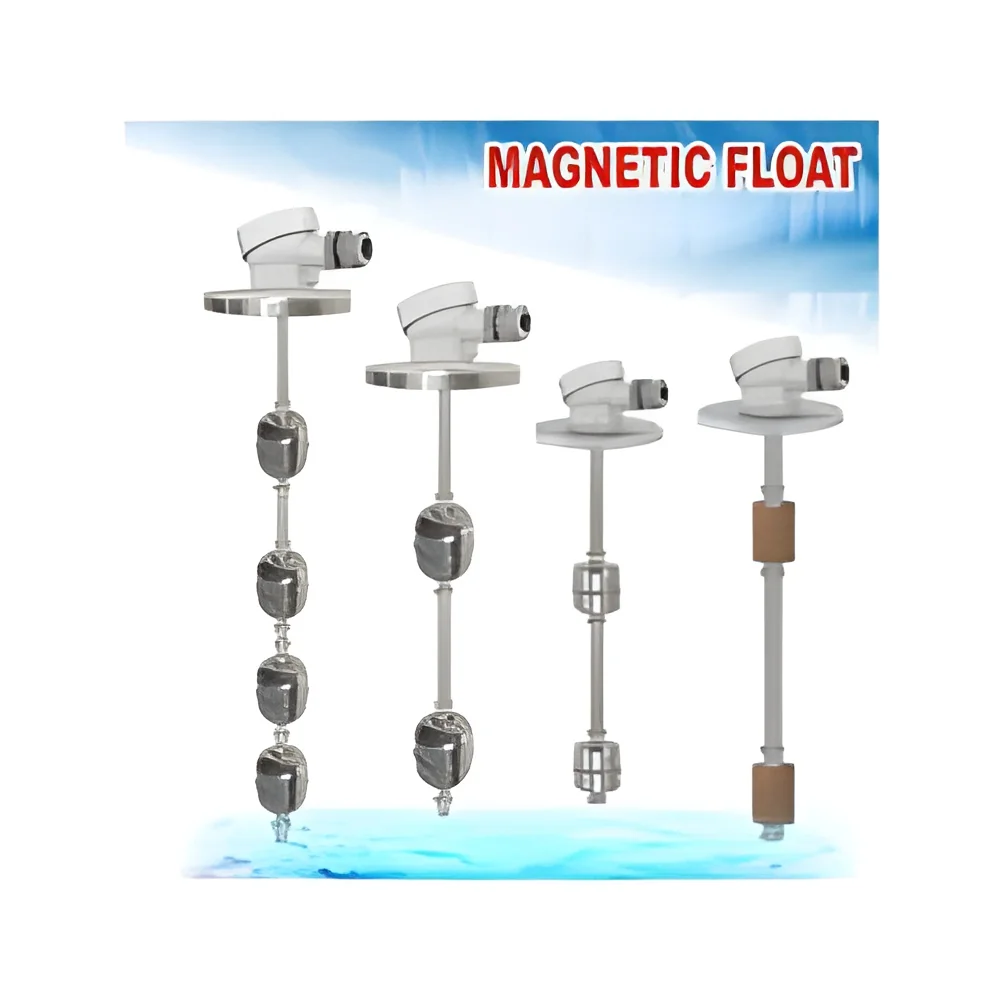
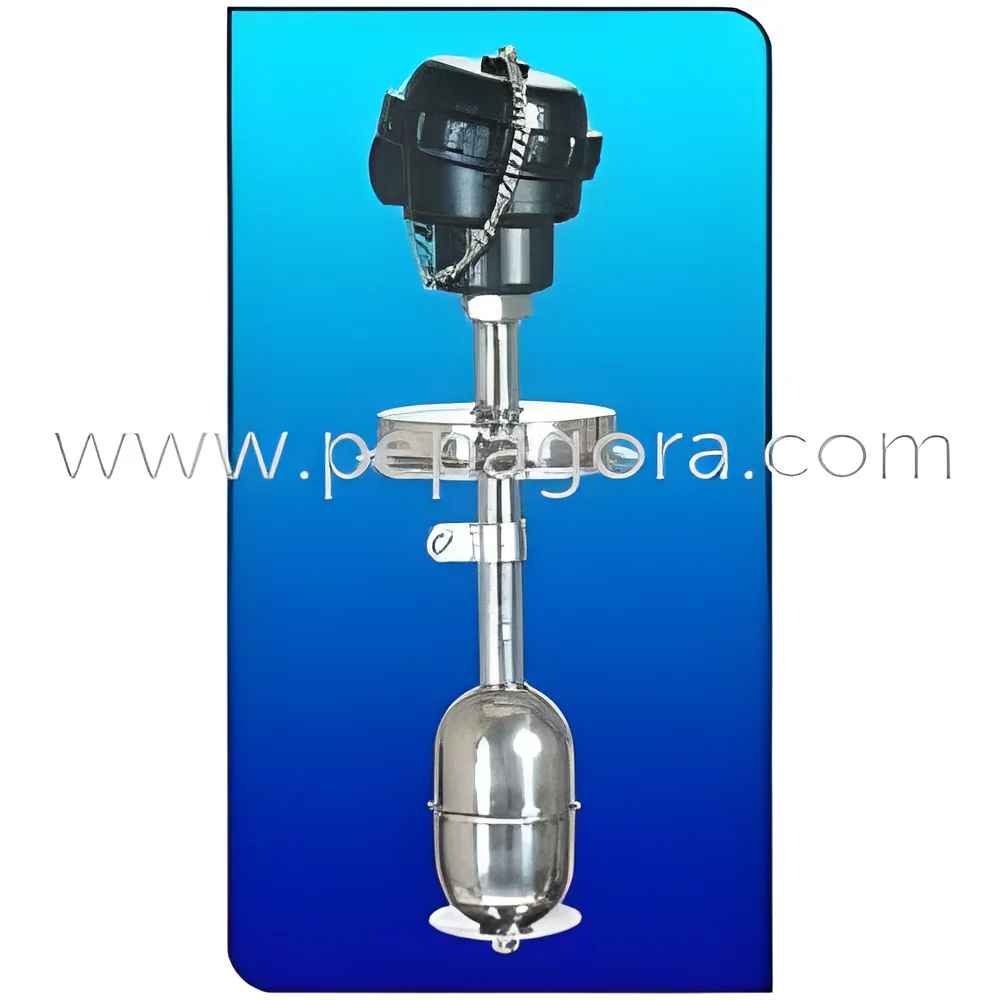
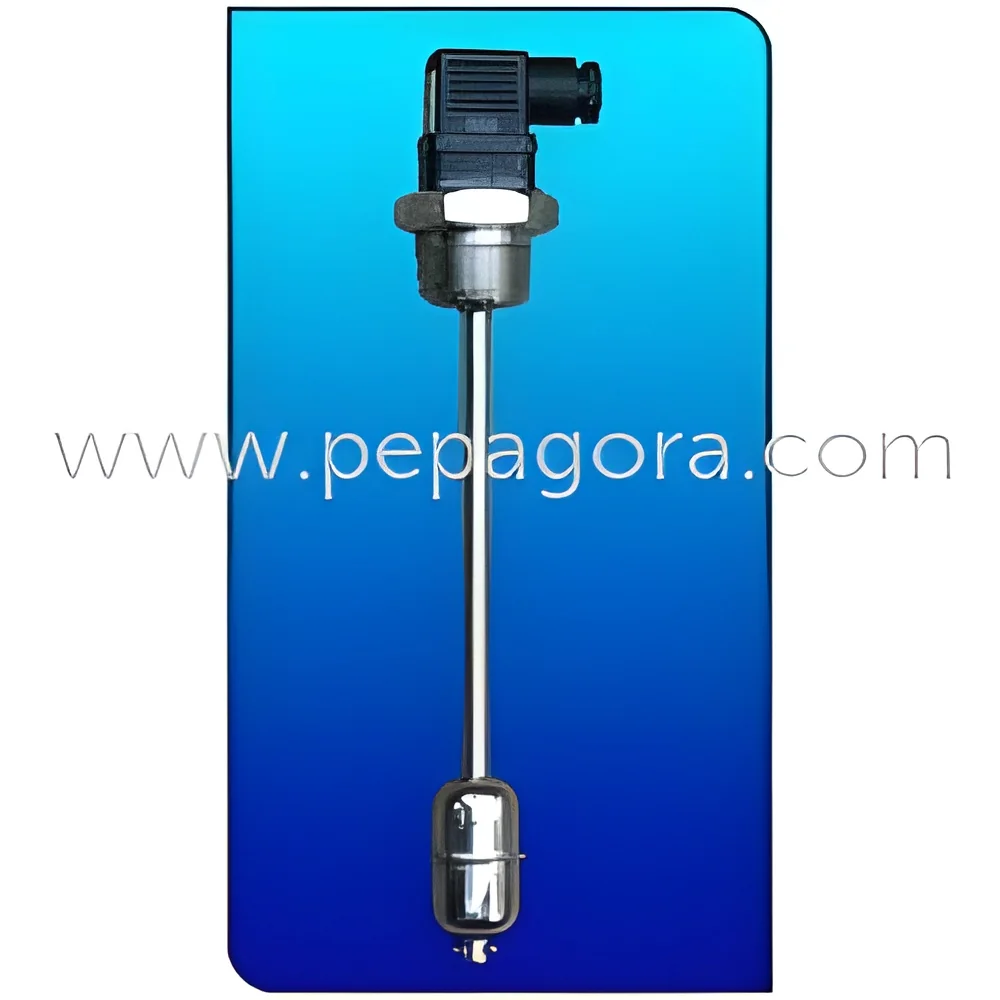
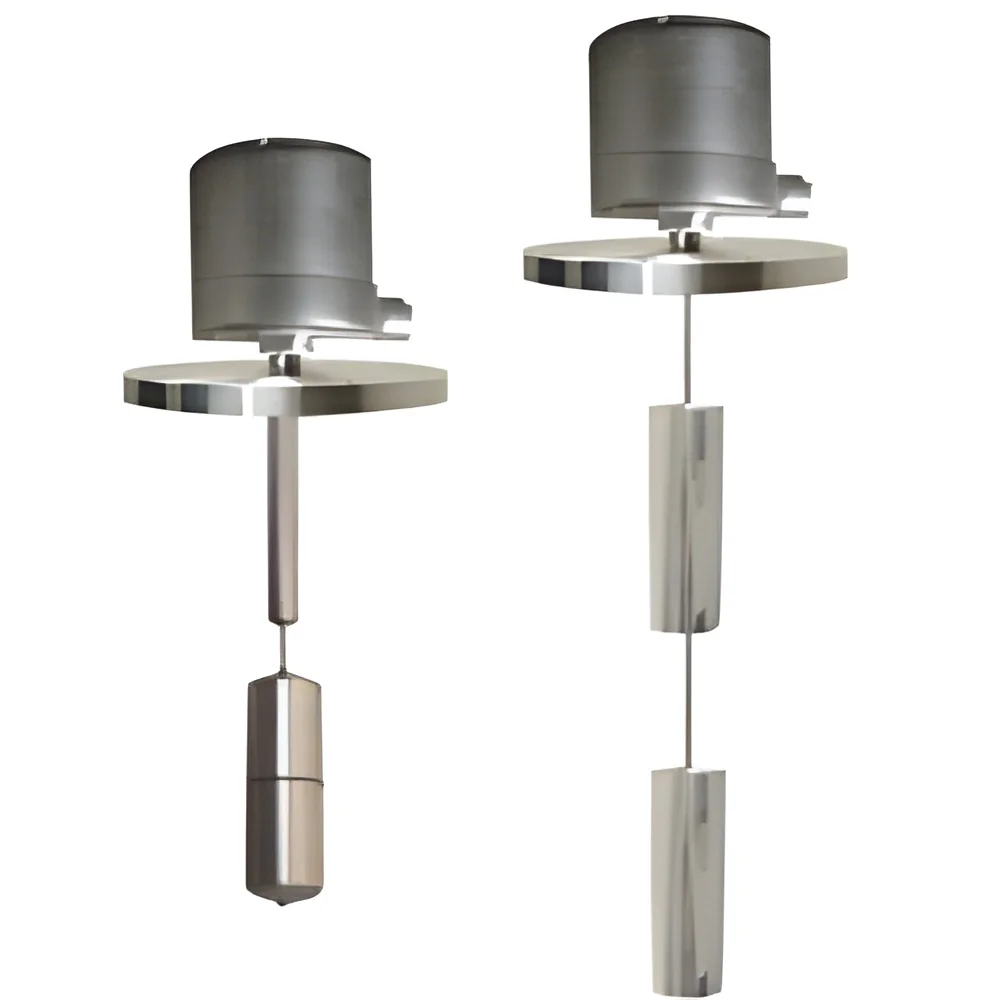
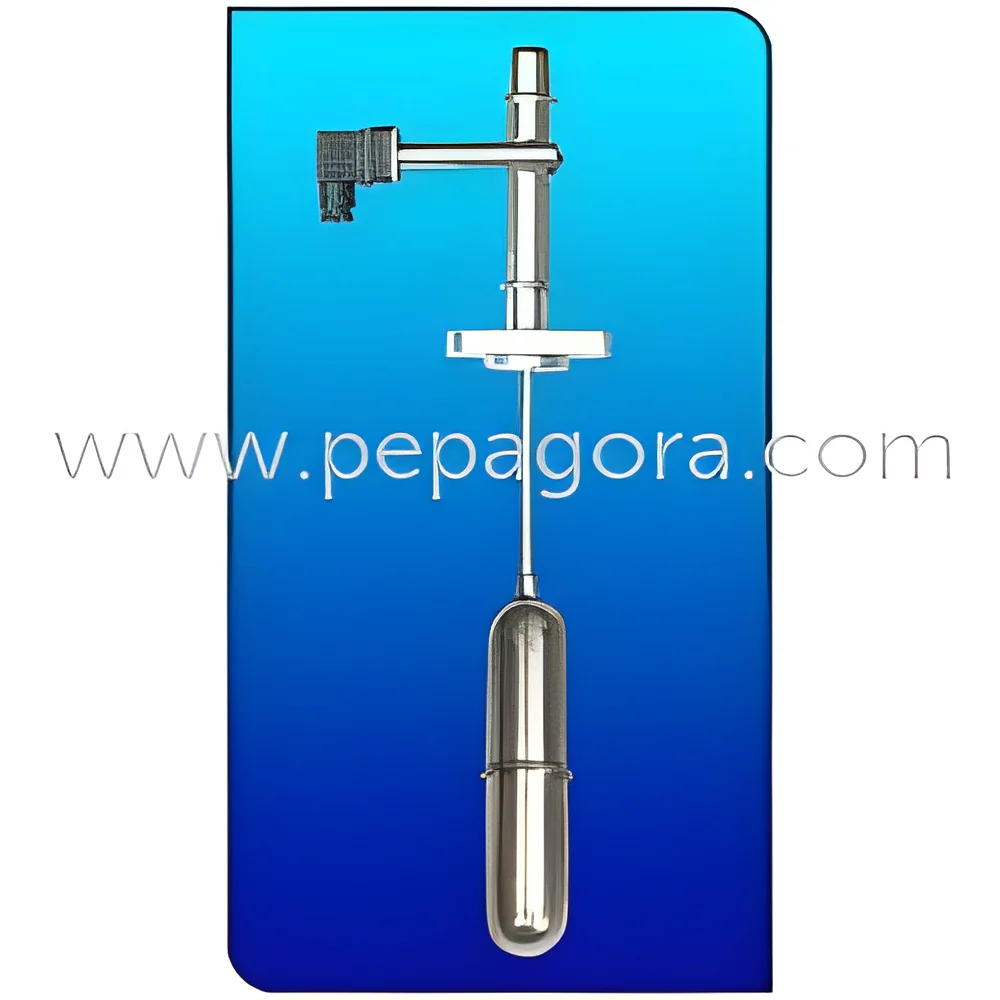
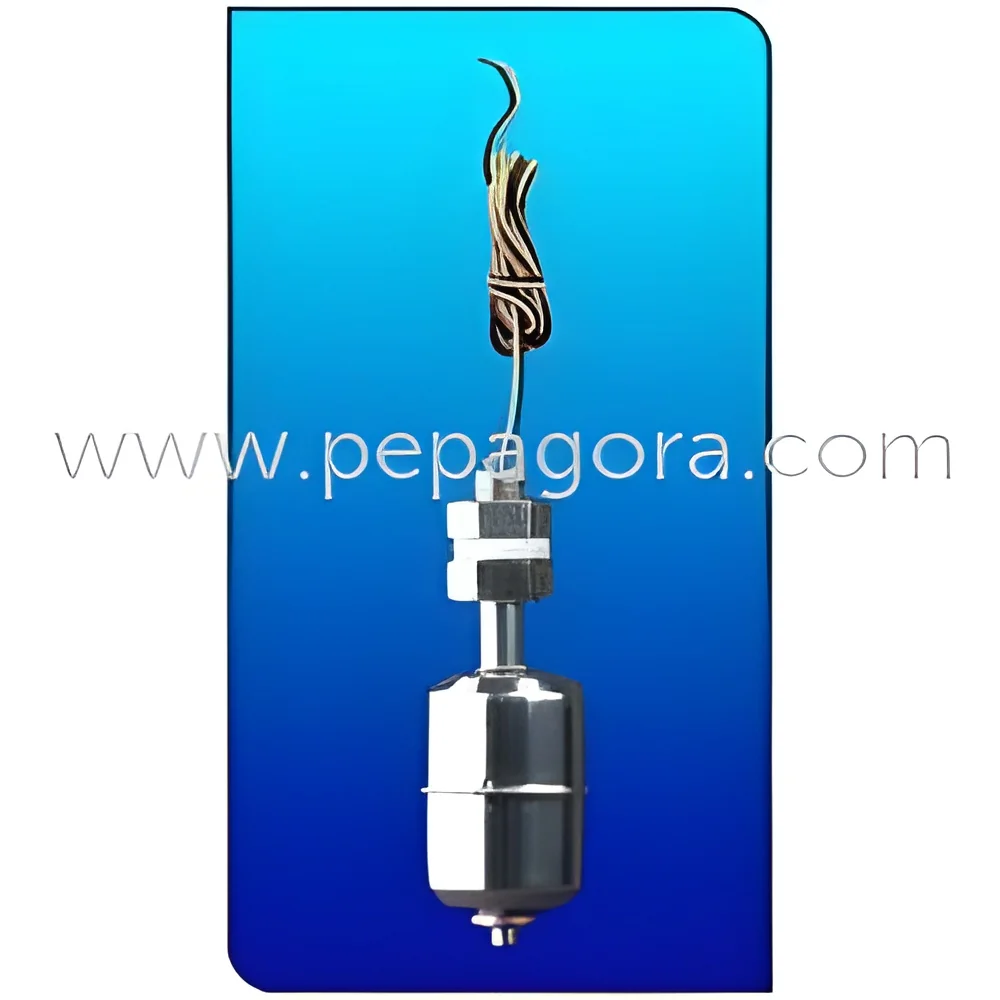
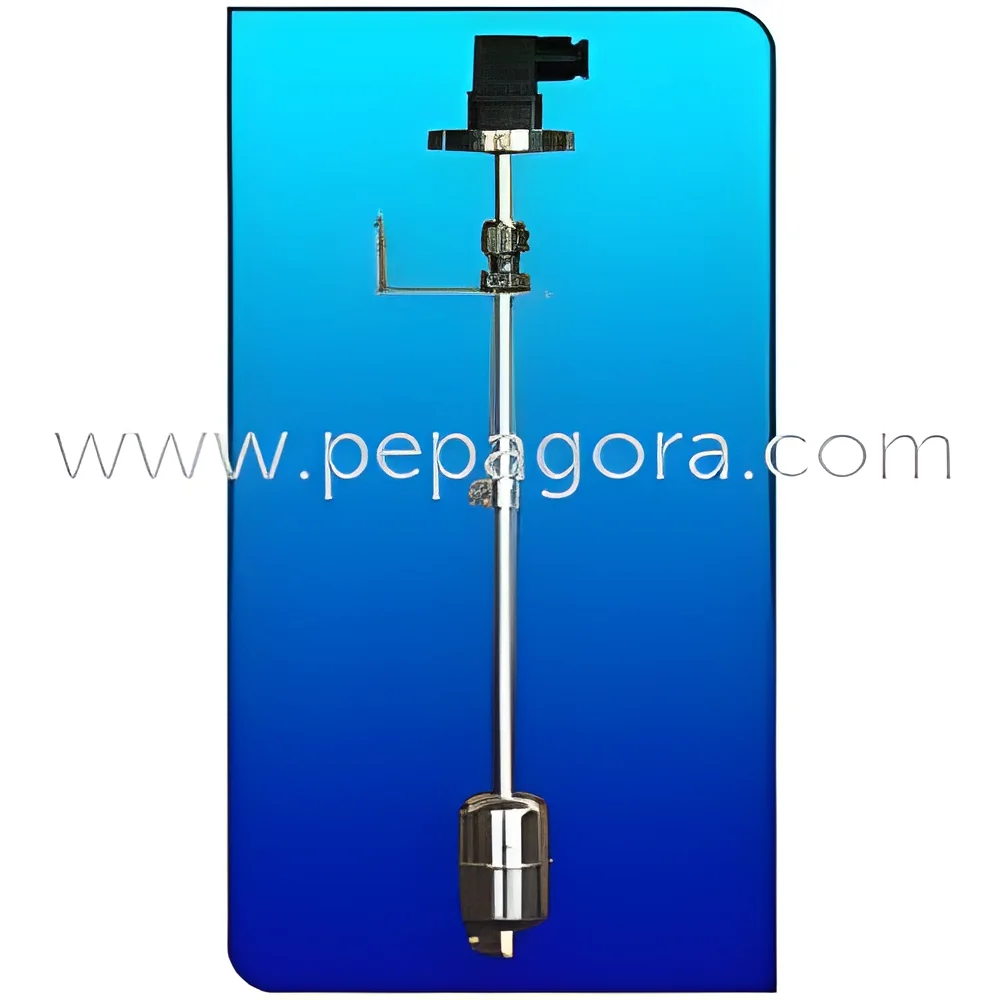
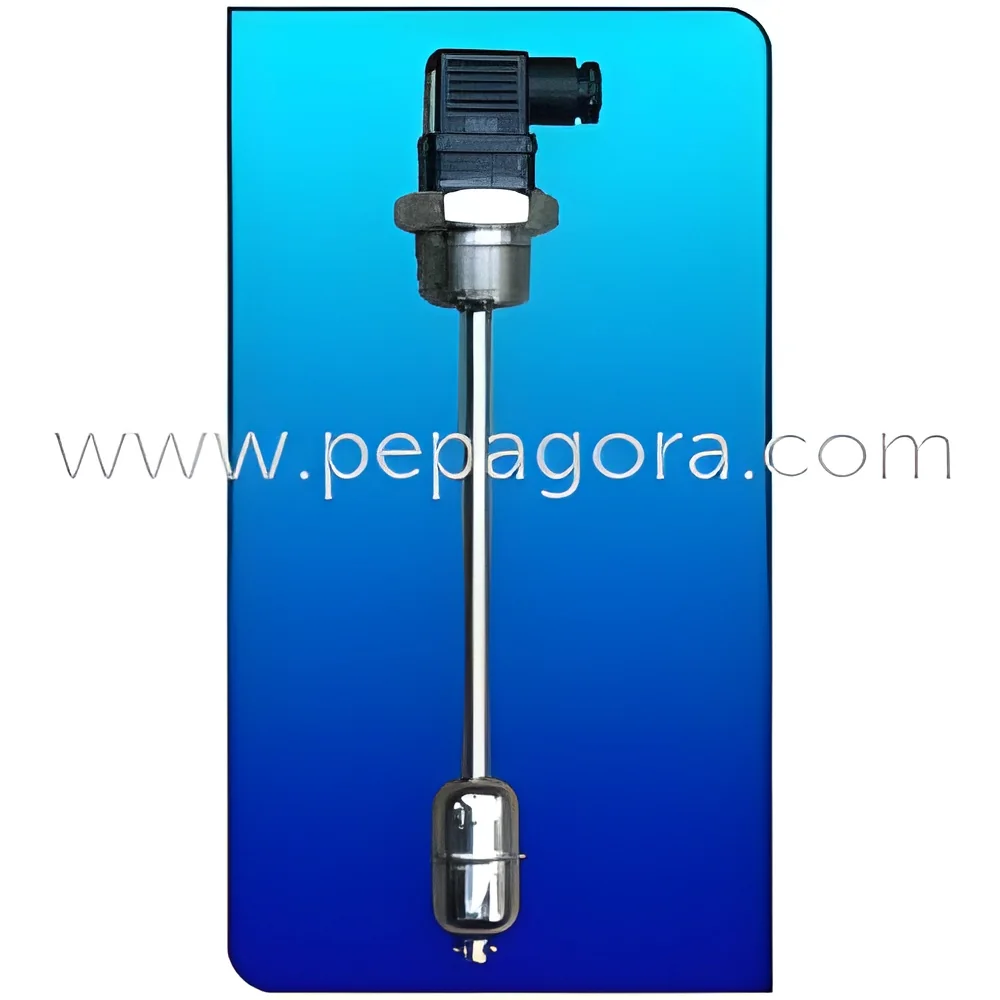
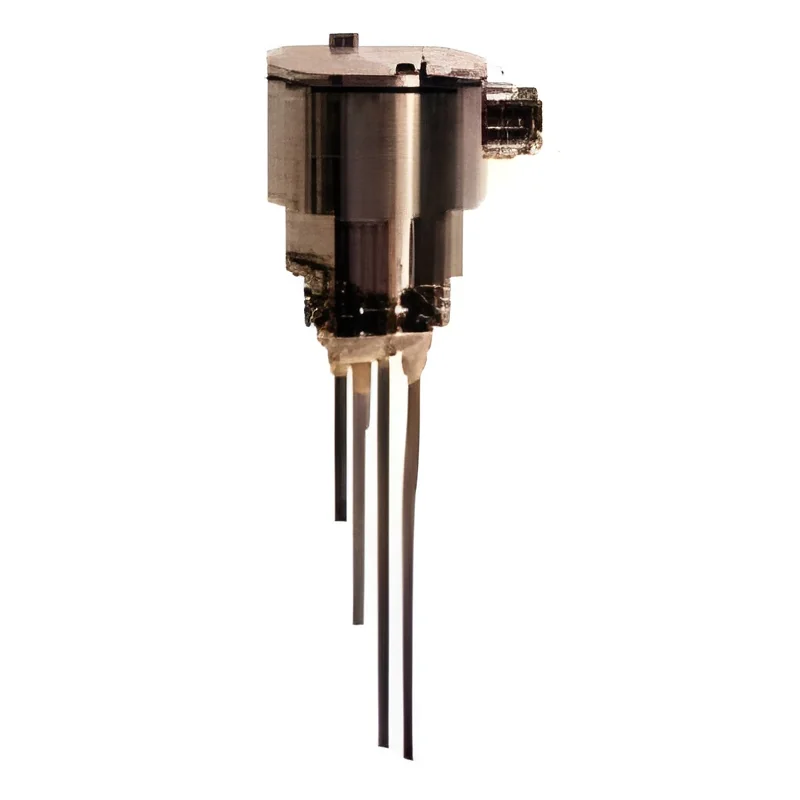
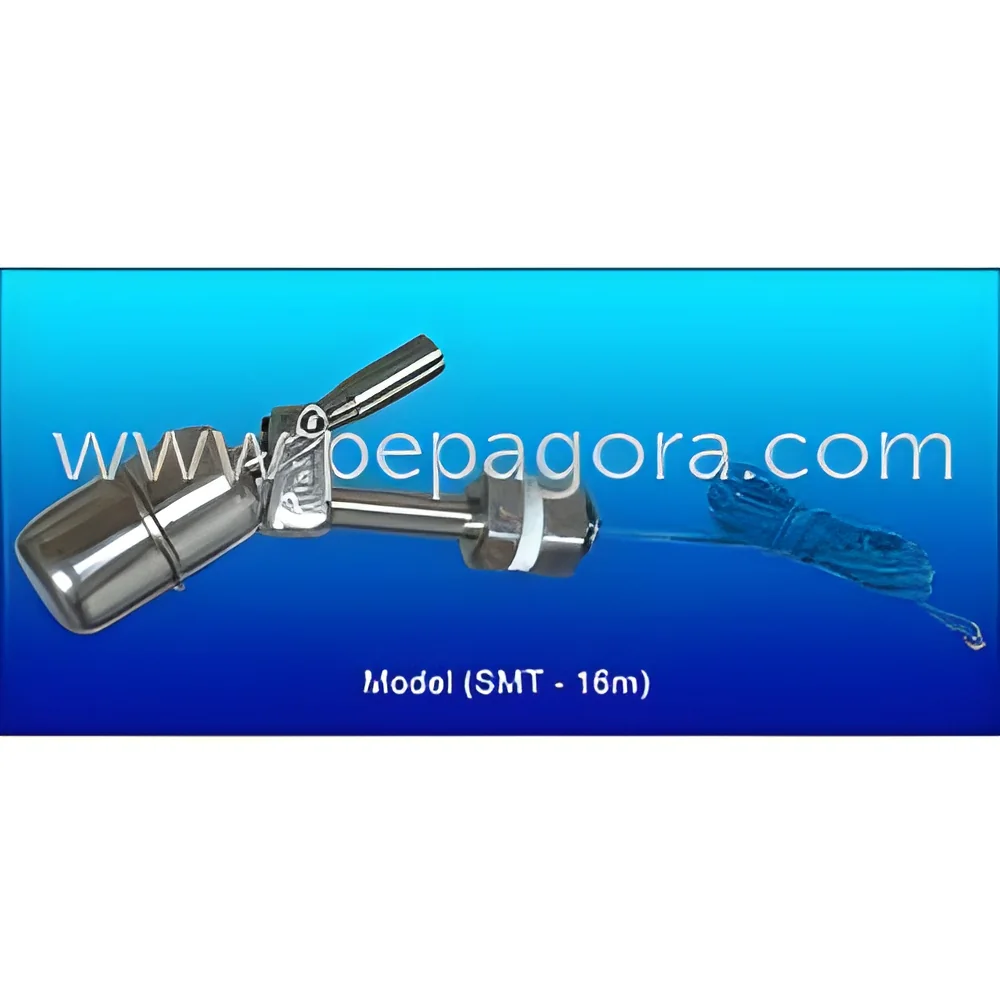
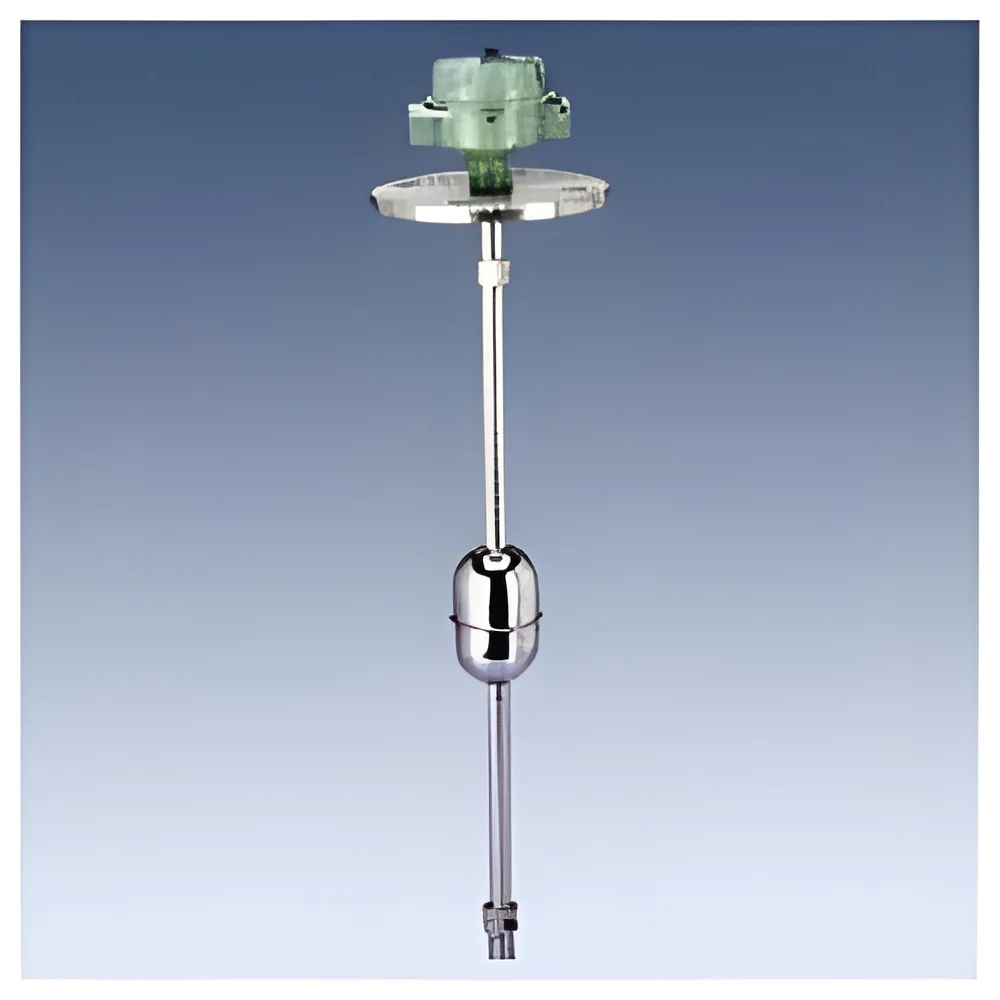
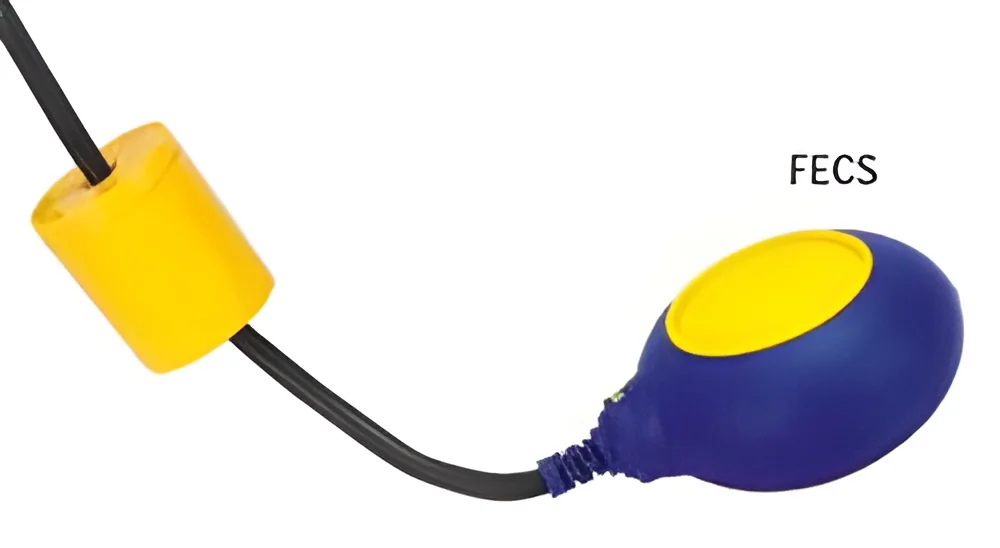
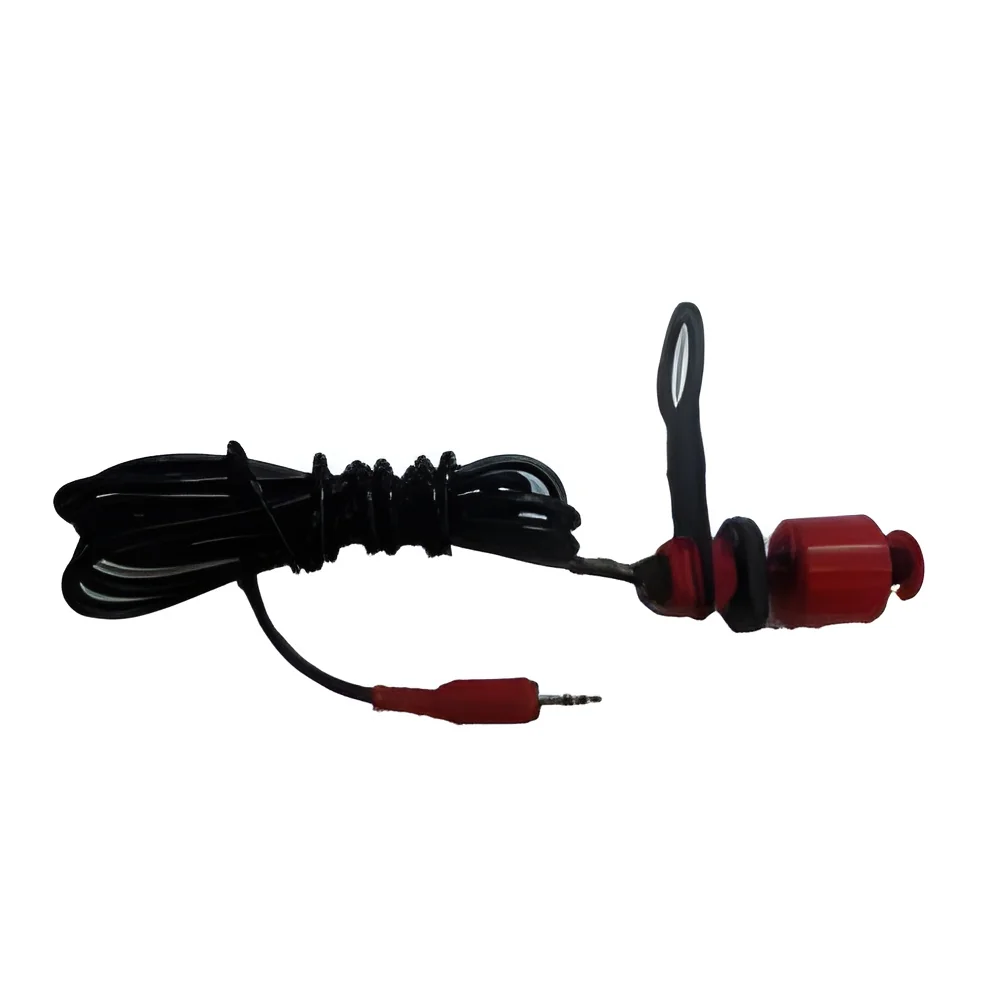
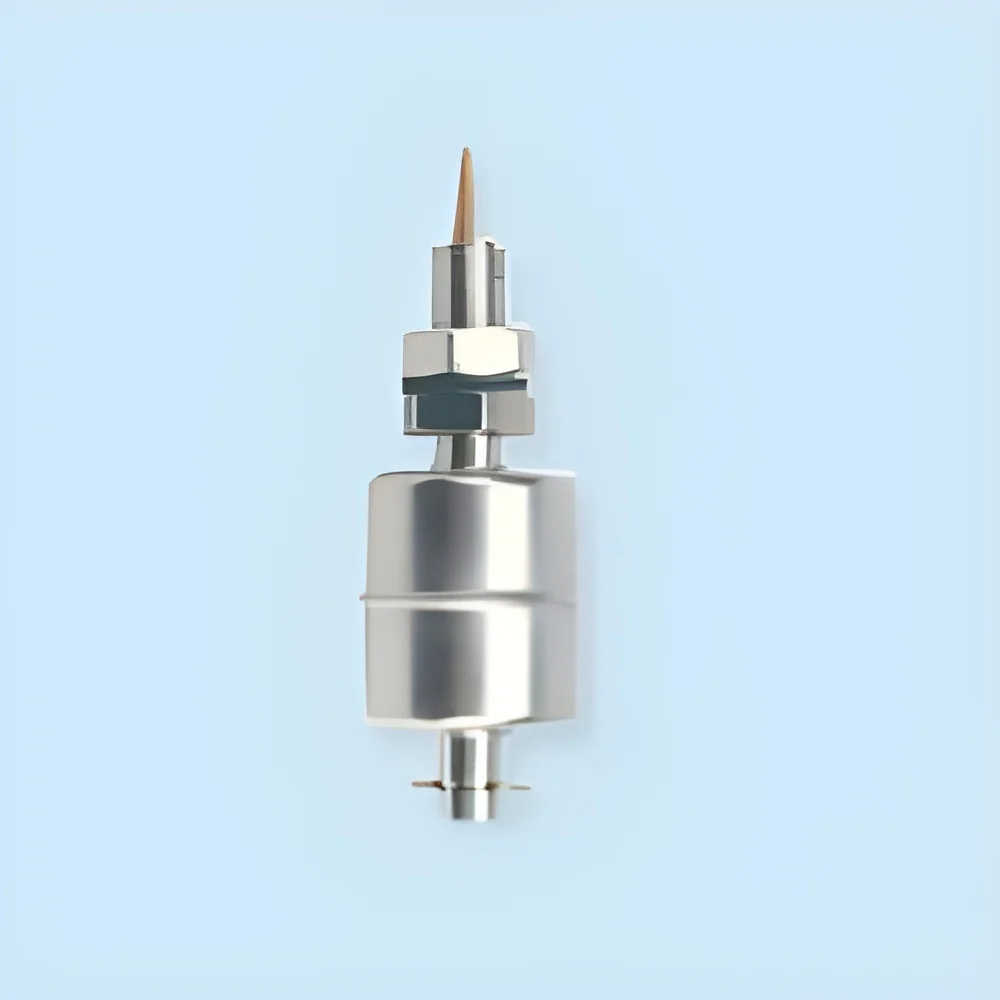
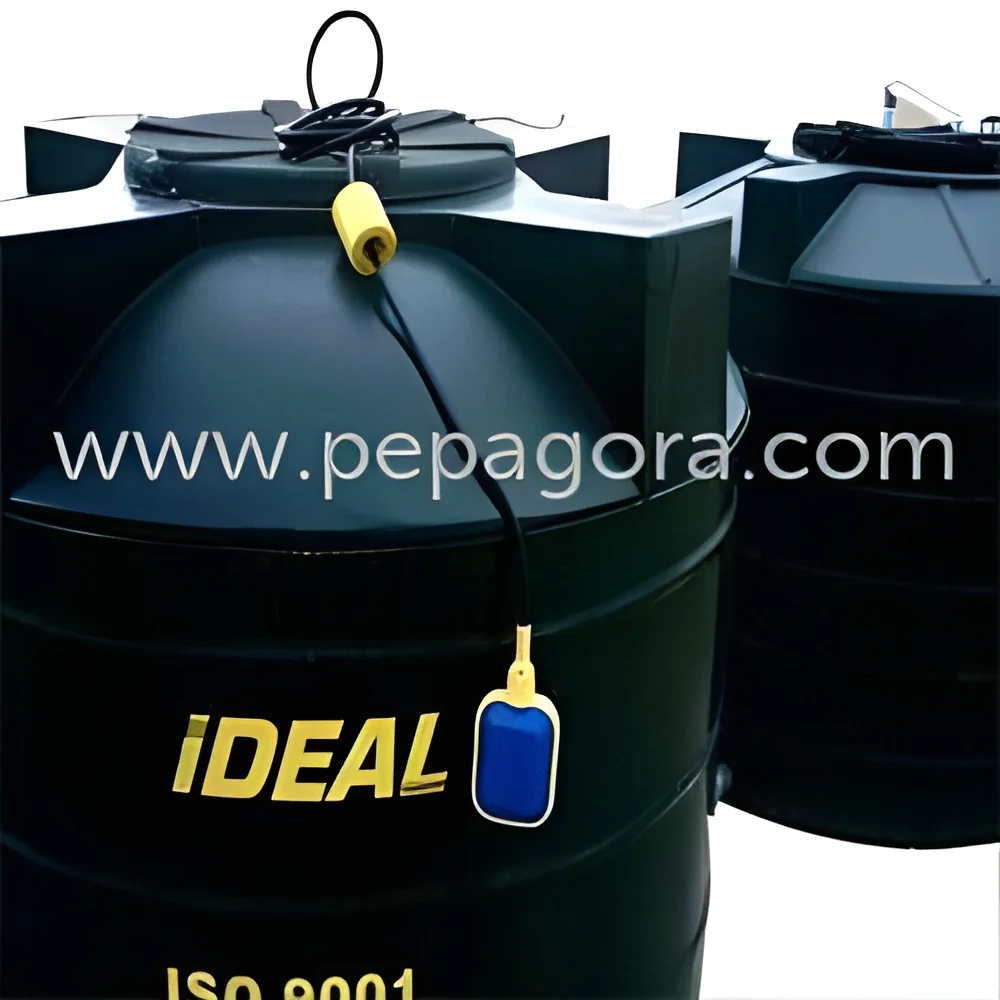
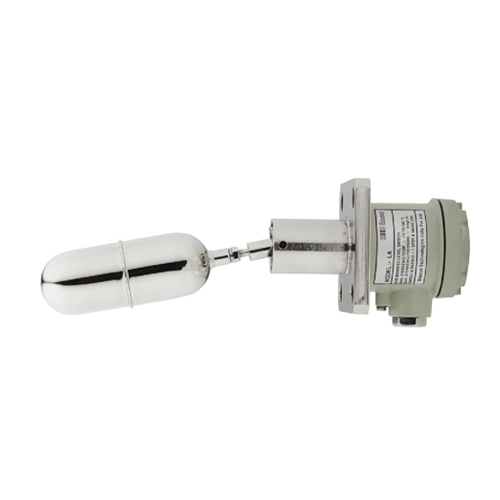
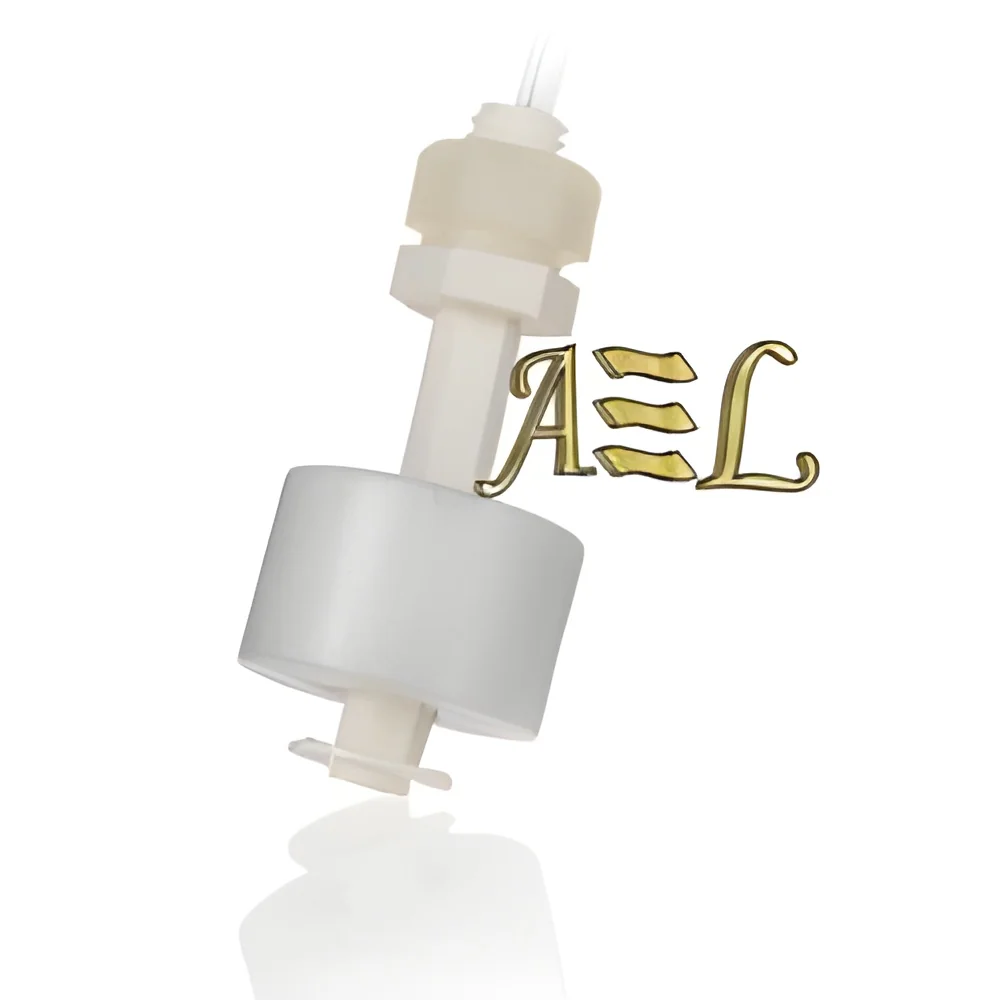
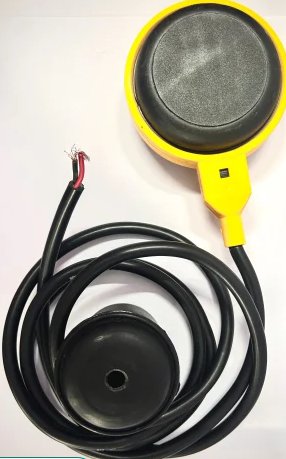
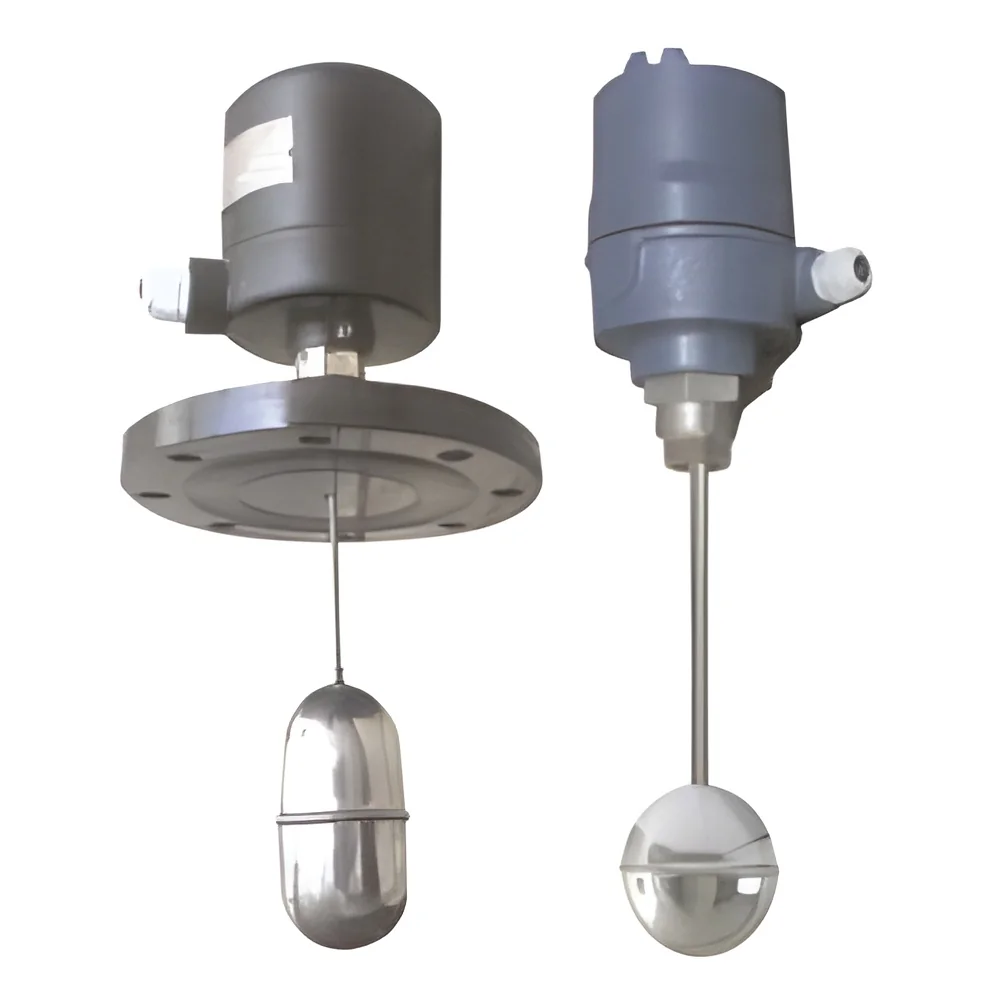
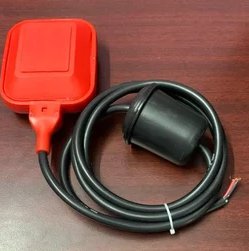
Float-based systems use floats that move with the liquid surface to trigger switches. They are simple, cost-effective solutions for many applications, particularly in smaller tanks.
Radar Level Controllers
Radar technology provides accurate level measurement in challenging environments such as high-pressure or high-temperature applications. These controllers are highly reliable and suitable for diverse industrial processes.
Benefits and Advantages
Investing in level controllers for tanks offers several advantages that can enhance operational efficiency and safety.
1. Enhanced Accuracy: Level controllers provide precise monitoring of liquid levels, reducing the risk of overflow or underflow, which can lead to costly damages.
2. Automation: Automating level monitoring minimizes manual intervention, allowing staff to focus on other critical tasks and improving overall productivity.
3. Safety Compliance: These controllers help maintain compliance with safety regulations by preventing hazardous spills and overflows, thereby protecting both personnel and the environment.
4. Cost-Effectiveness: By optimizing liquid usage and preventing wastage, level controllers contribute to significant cost savings in resource management.
5. Versatility: With various sensing technologies and installation options, level controllers can be adapted to fit a wide range of applications across different industries.
6. Real-Time Monitoring: Many models offer real-time data transmission, enabling proactive management of tank levels and timely responses to potential issues.
Buying Guide for B2B Buyers
When sourcing level controllers for tanks, several factors should be considered to ensure you choose the right product for your needs.
1. Quality Assessment: Evaluate the quality of the level controllers based on durability, reliability, and performance specifications. Look for products that meet relevant industry standards and certifications.
2. Supplier Verification: It is essential to vet suppliers by checking their reputation, experience, and customer reviews. A trustworthy supplier can provide support and ensure product quality.
3. Pricing and MOQ: Consider the cost of the level controllers and inquire about the minimum order quantities (MOQ). This will help you budget effectively and manage inventory.
4. Delivery and Lead Times: Assess the supplier's delivery capabilities and lead times. Timely delivery is crucial for maintaining project schedules and operational continuity.
5. Compliance Requirements: Ensure that the level controllers comply with industry regulations and safety standards relevant to your specific applications. This may include certifications such as CE or ISO.
Compliance and Certifications
Level controllers must adhere to various quality standards and certifications to ensure they meet industry requirements.
ISO 9001 is a widely recognized standard that focuses on quality management systems. Compliance with this standard demonstrates a commitment to quality and customer satisfaction.
HACCP is critical in industries like food and beverage, ensuring that level controllers used in these processes minimize risks associated with food safety.
CE marking indicates that the level controllers meet European safety, health, and environmental protection standards. This certification is essential for market acceptance in Europe.
Safety and testing requirements vary by application and region. It is vital to ensure that level controllers have undergone rigorous testing to validate their performance and safety.
Regional compliance considerations should also be taken into account, as different areas may have specific regulations governing the use of industrial equipment.
Why Source Level Controllers for Tanks from Pepagora?
Pepagora offers a reliable platform for sourcing level controllers for tanks, providing several key advantages for B2B buyers.
Verified Supplier Network: Pepagora features a network of verified suppliers, ensuring that buyers can access quality products from reputable manufacturers. This reduces the risk associated with sourcing.
Streamlined RFQ Process: The request for quotation (RFQ) system simplifies the procurement process, allowing buyers to easily compare quotes and make informed decisions quickly.
Trade Assurance and Support: Pepagora provides trade assurance, ensuring that buyers are protected throughout the purchasing process. This support builds trust and confidence in transactions.
Regional Coverage: With a focus on markets in India, the Gulf Cooperation Council (GCC), and Southeast Asia, Pepagora offers extensive regional coverage. This allows businesses to find local suppliers and optimize logistics for their operations.

 IN
IN