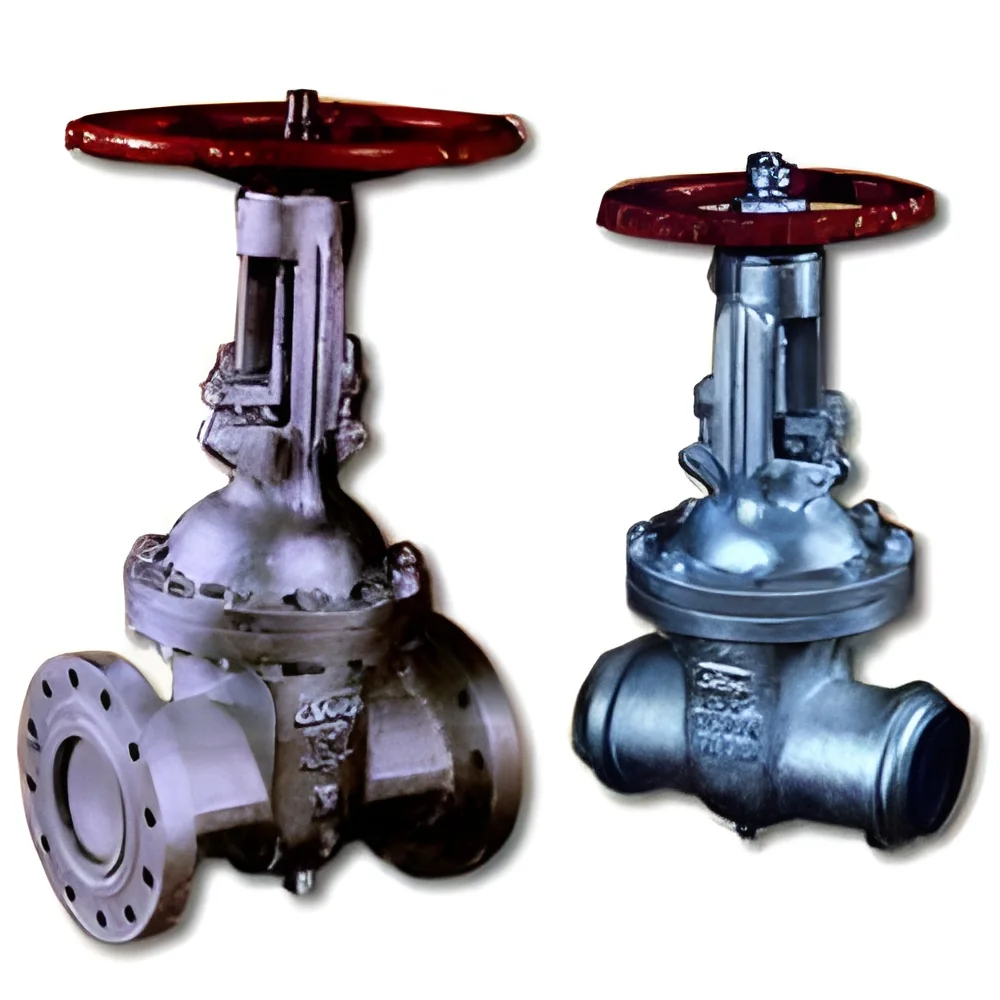
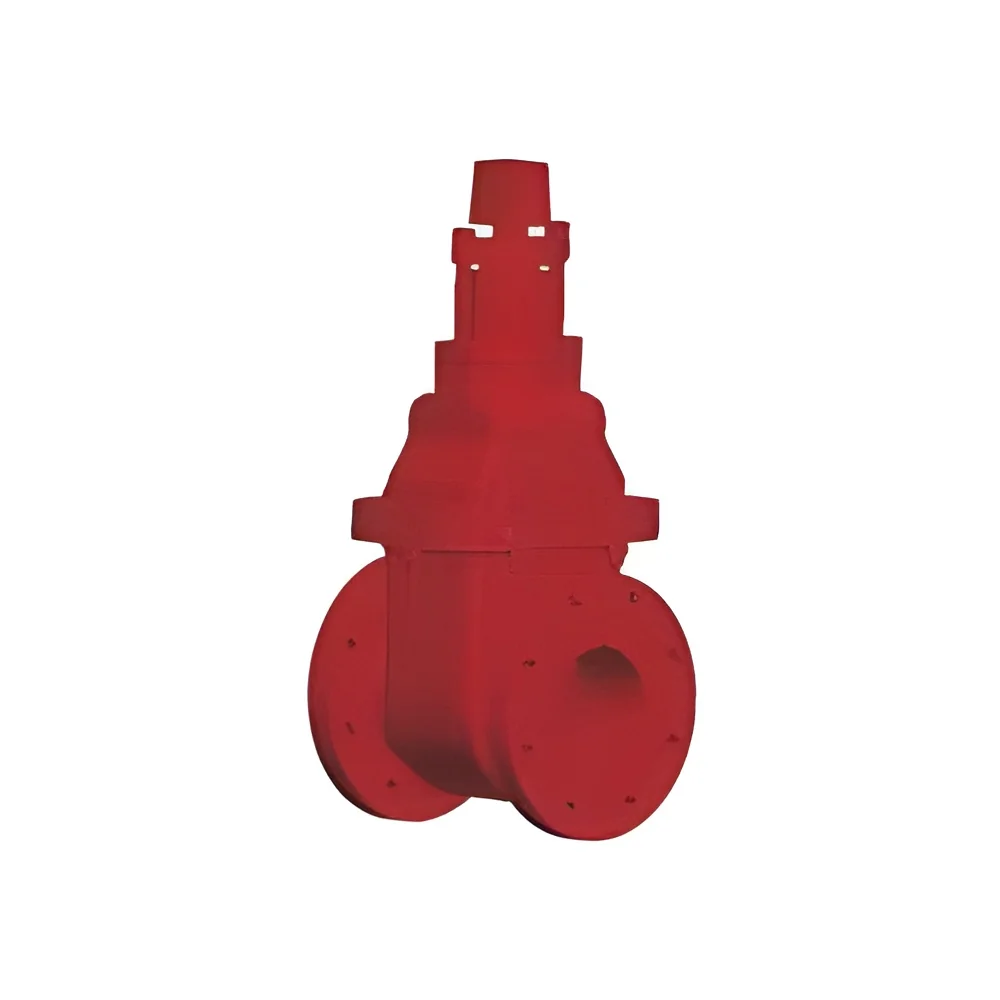
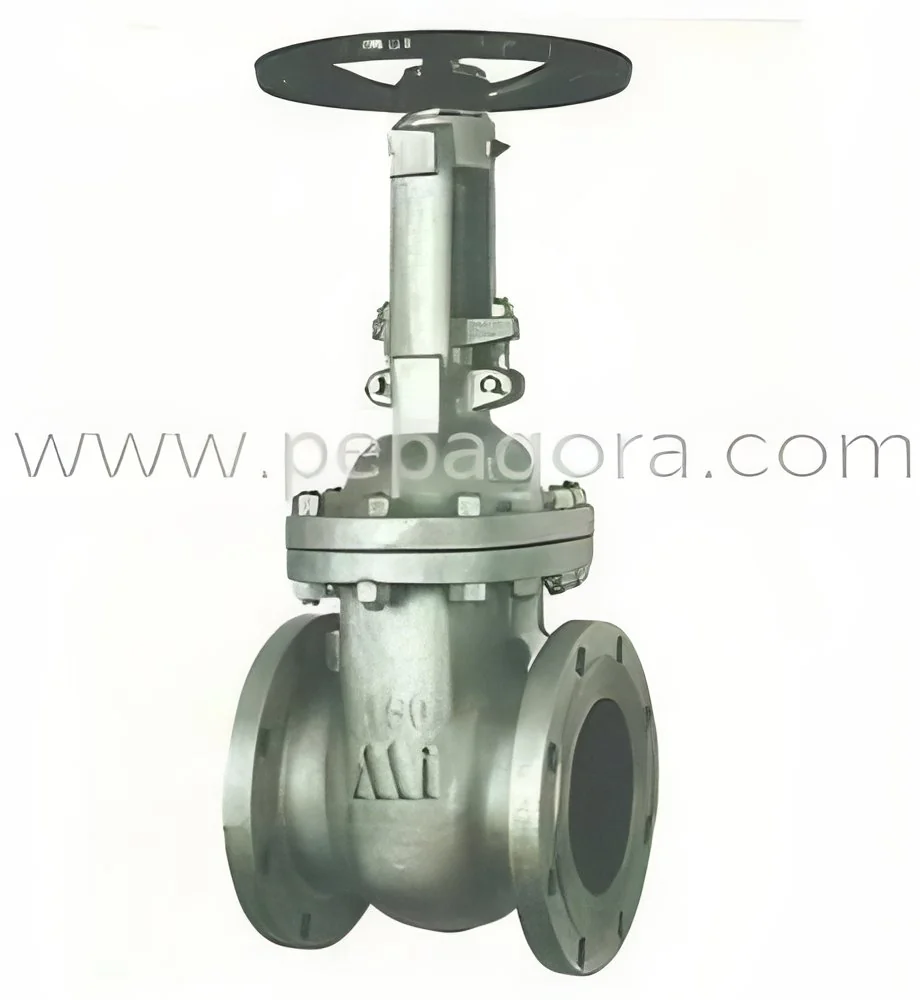
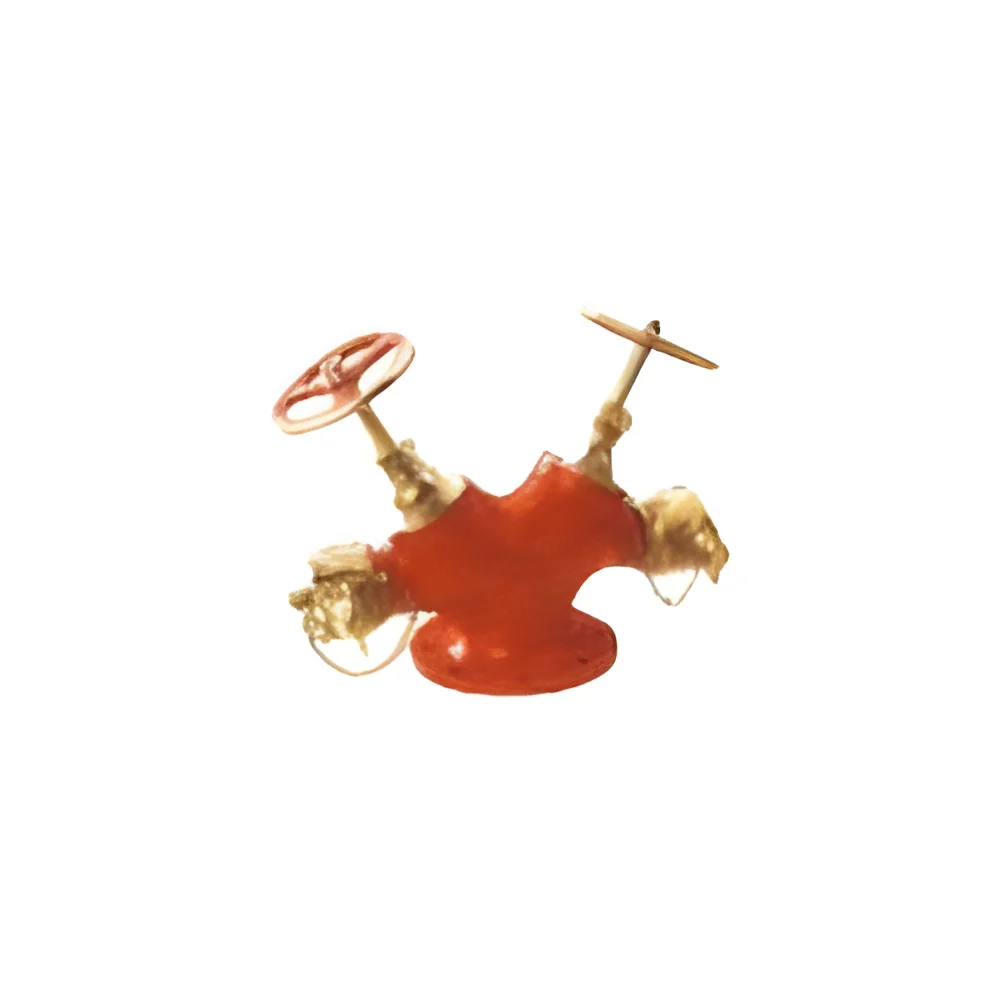
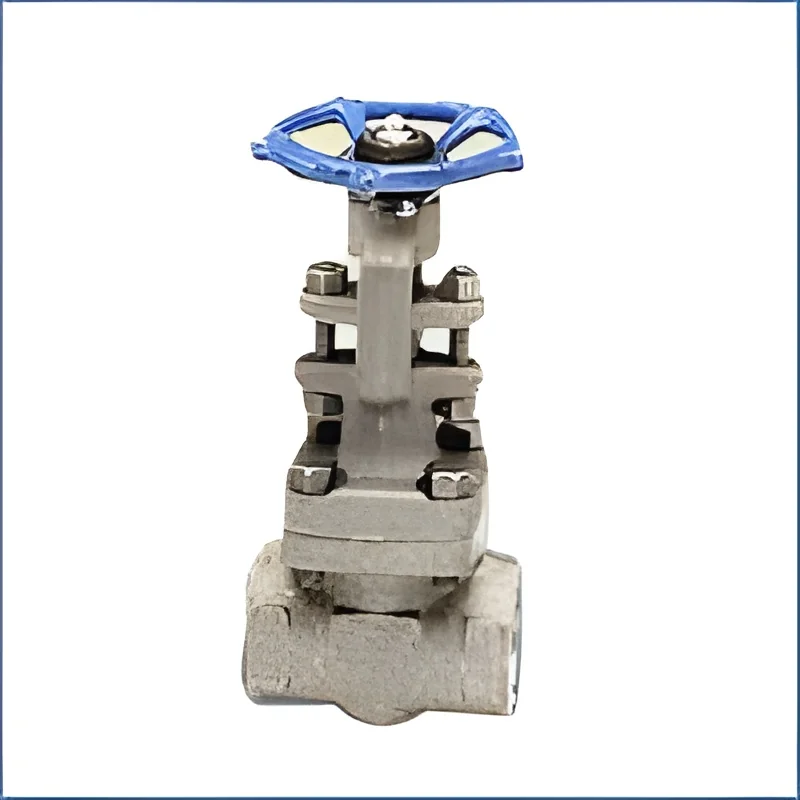
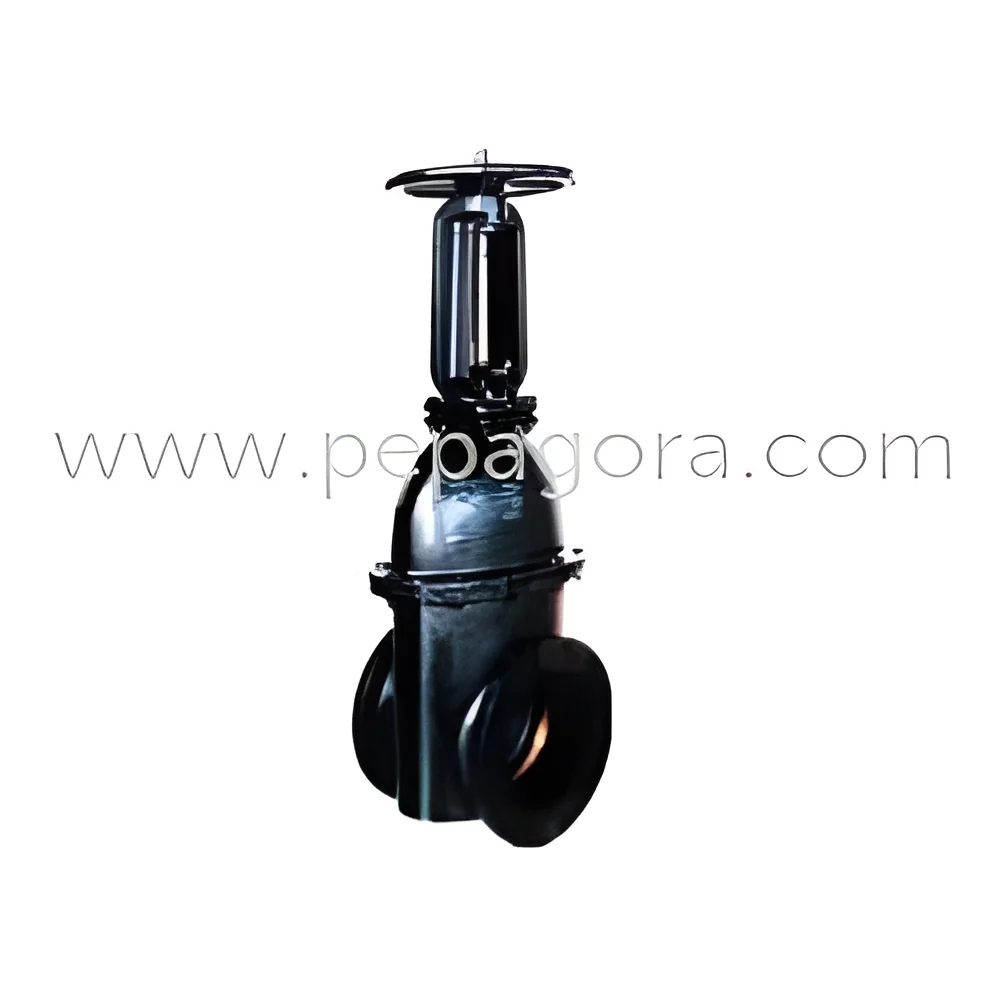
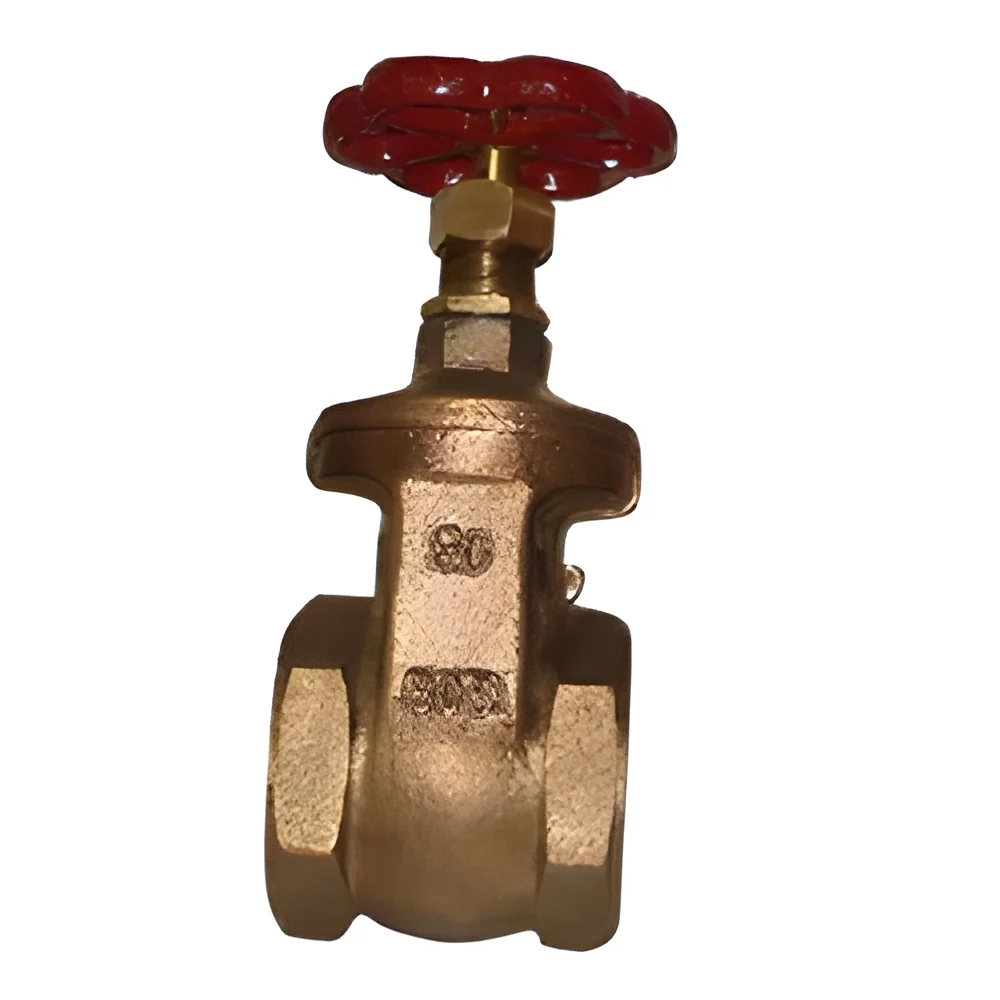
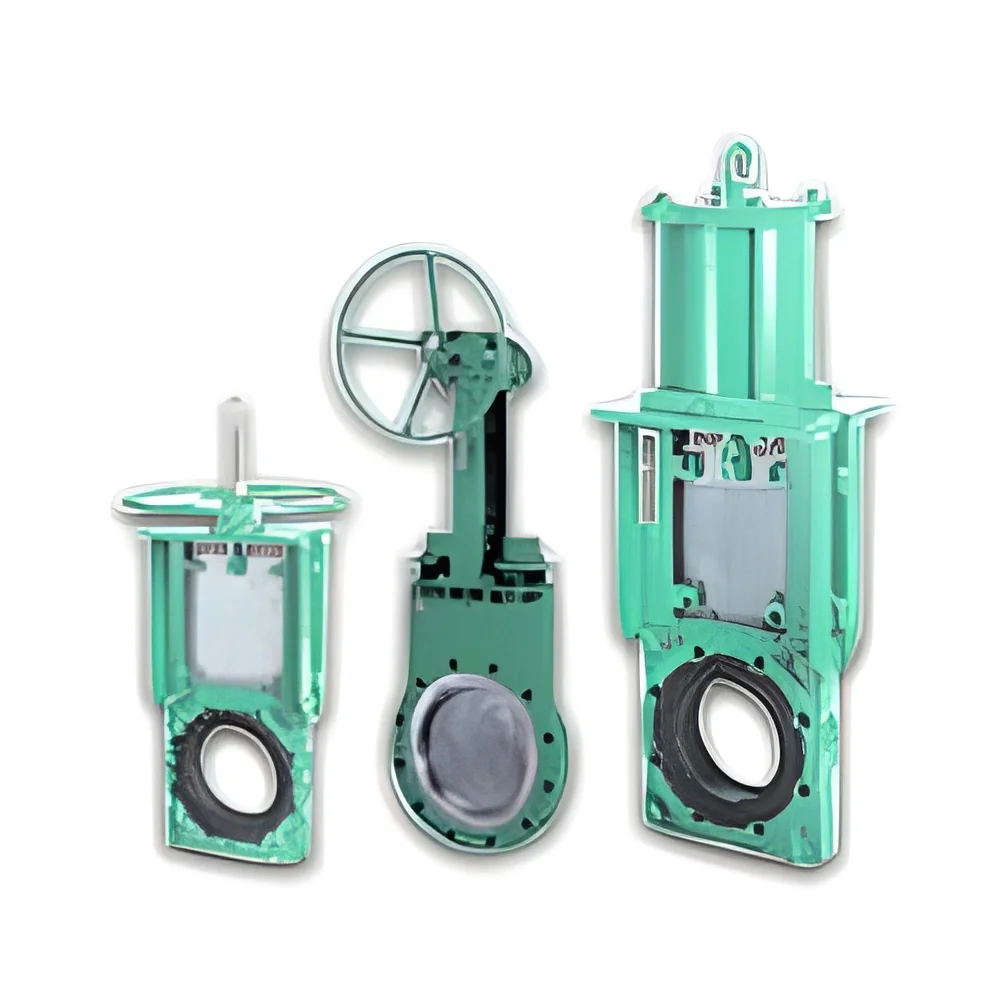
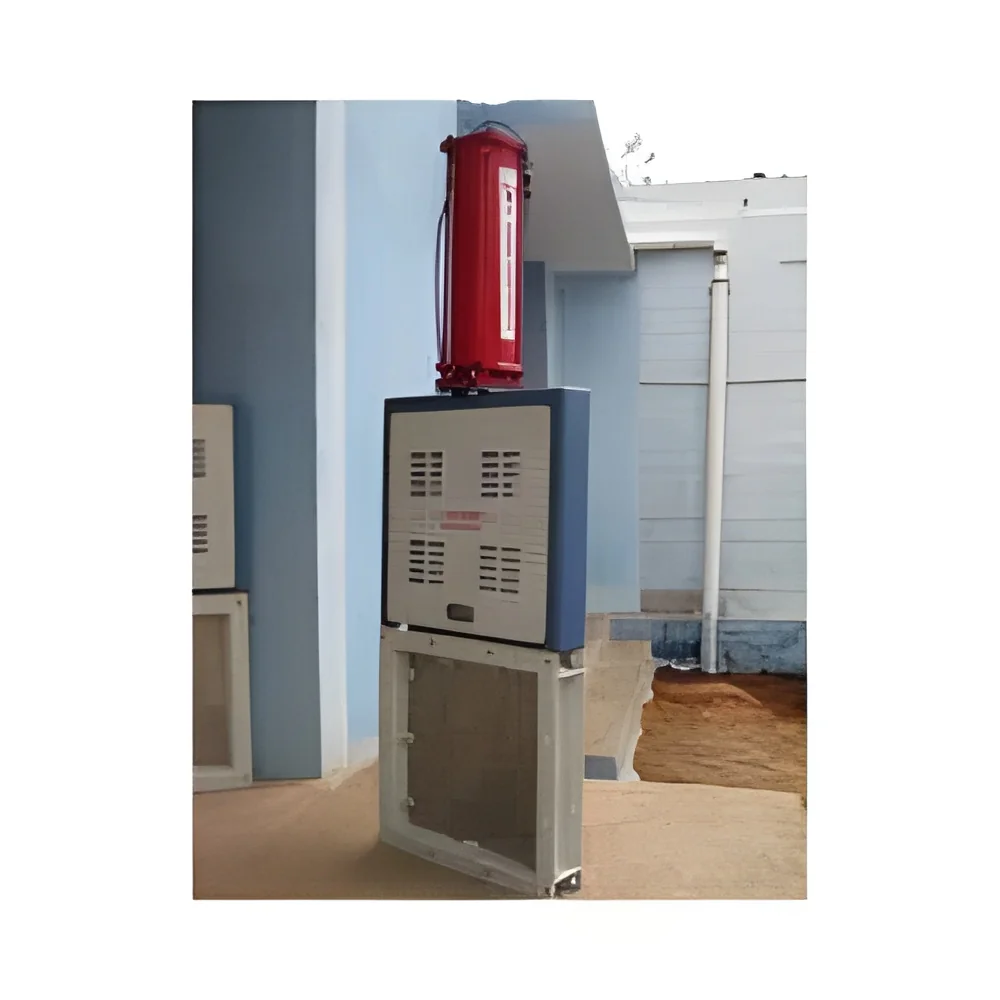
What are Gate Valves?
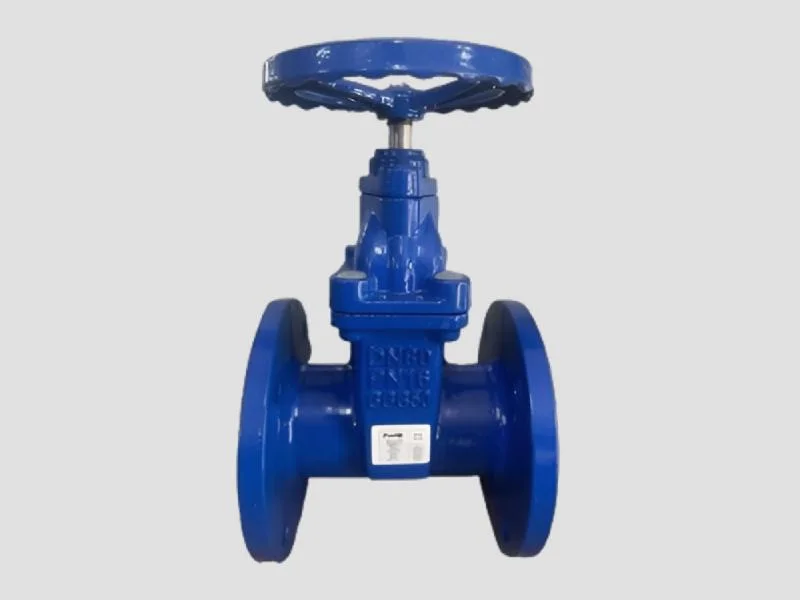
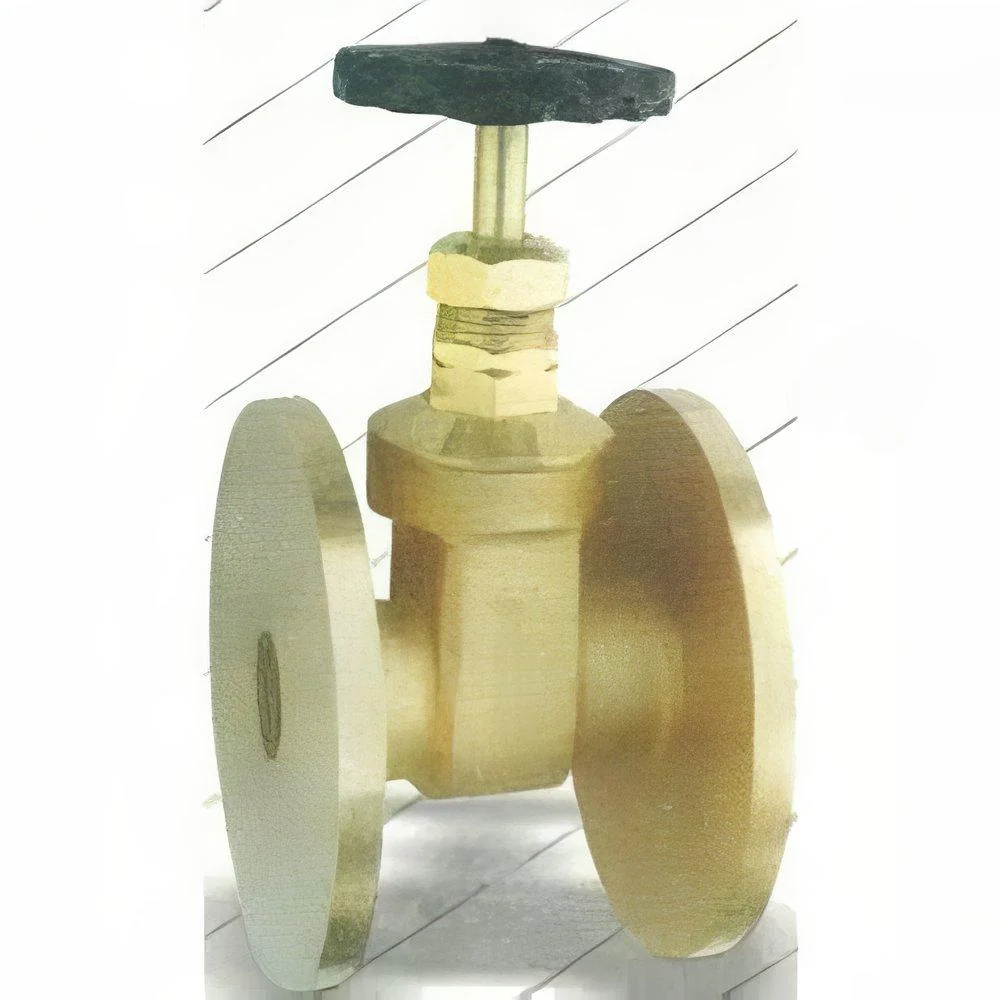
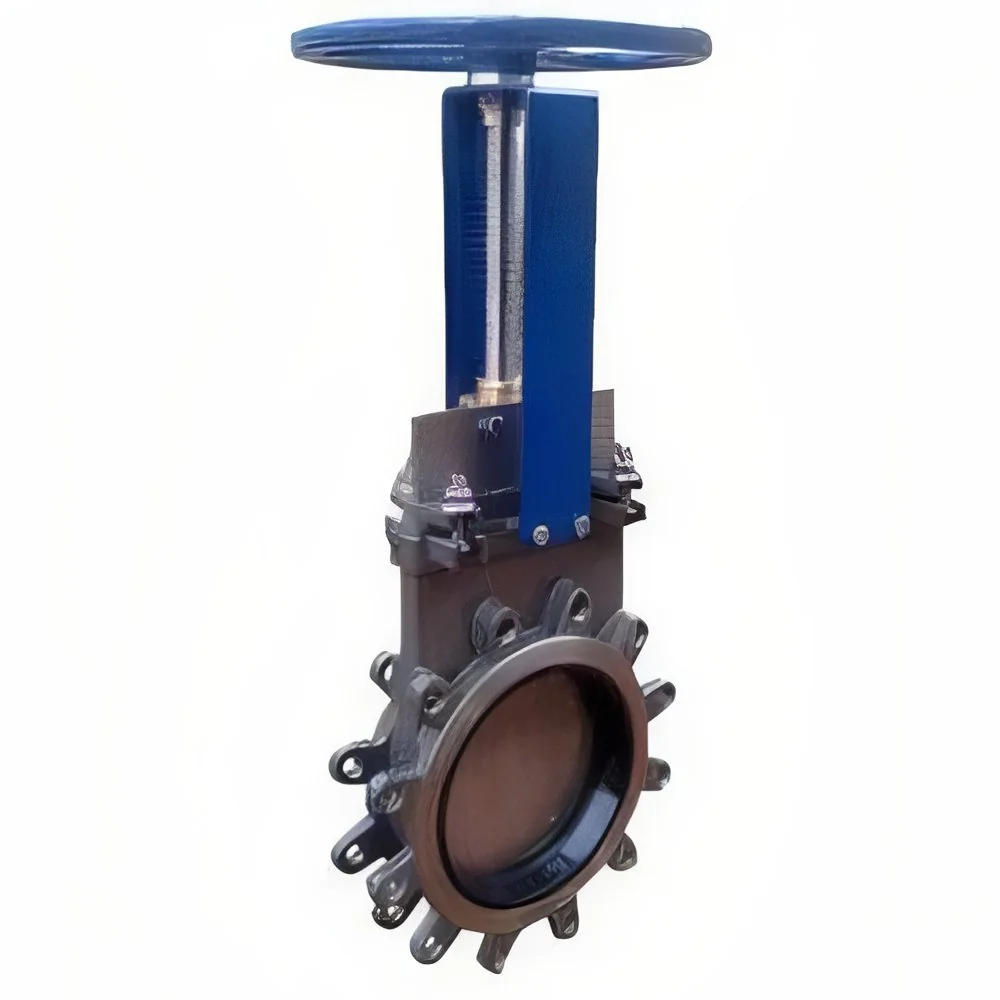
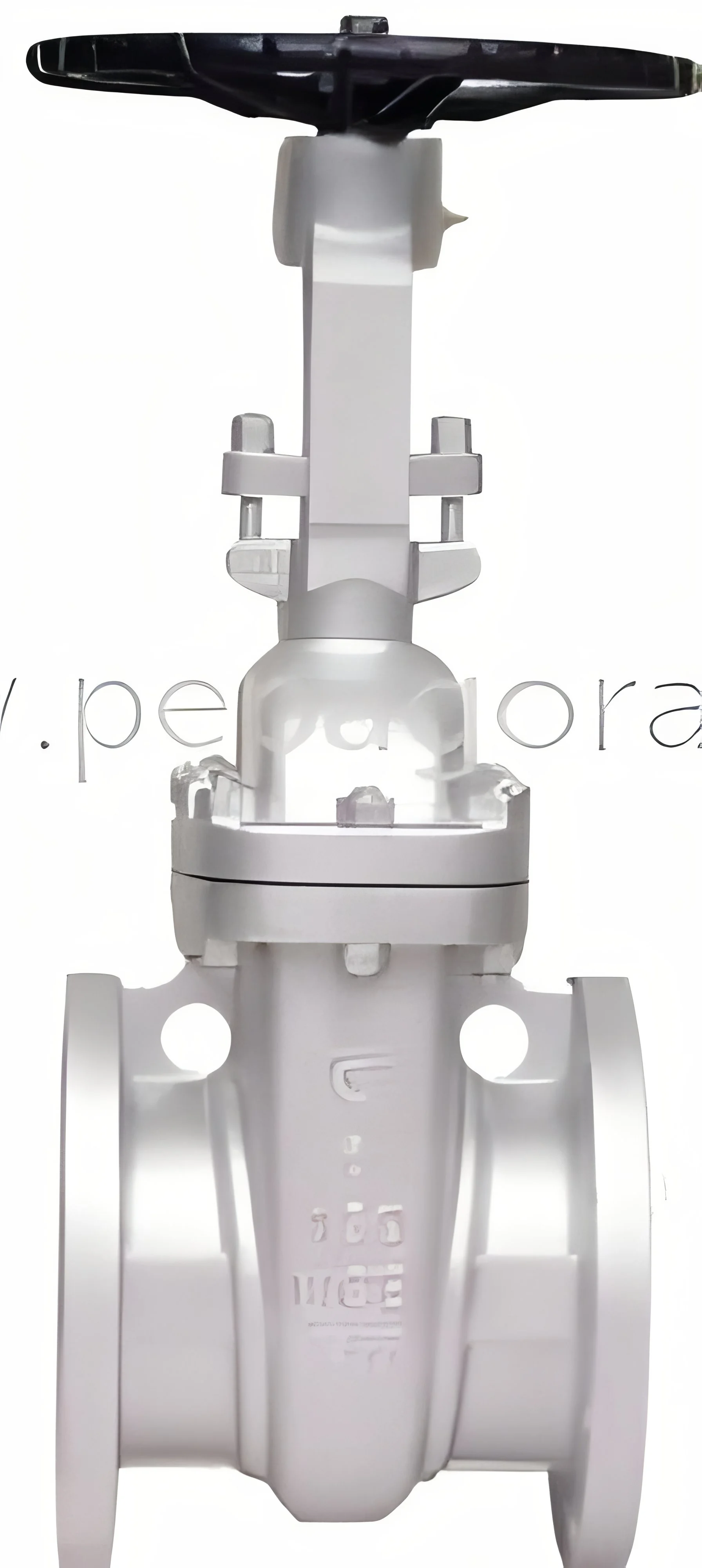
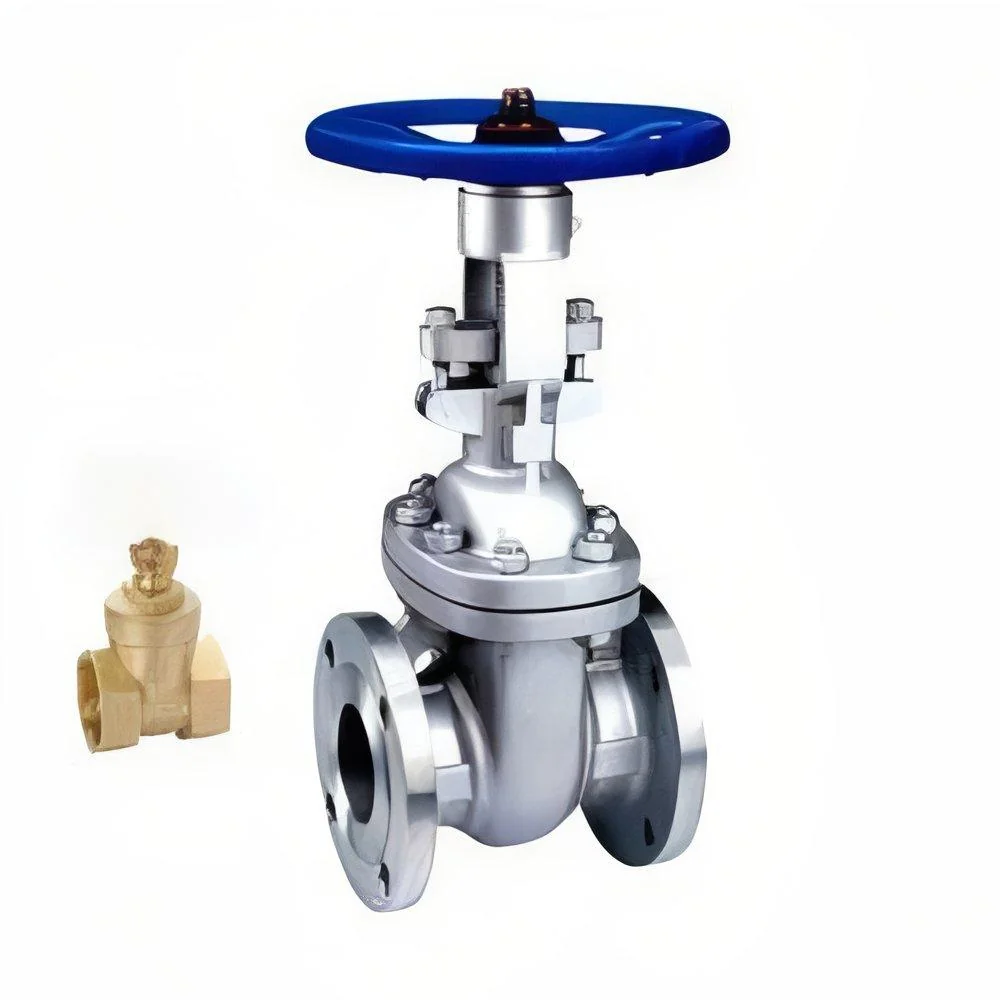
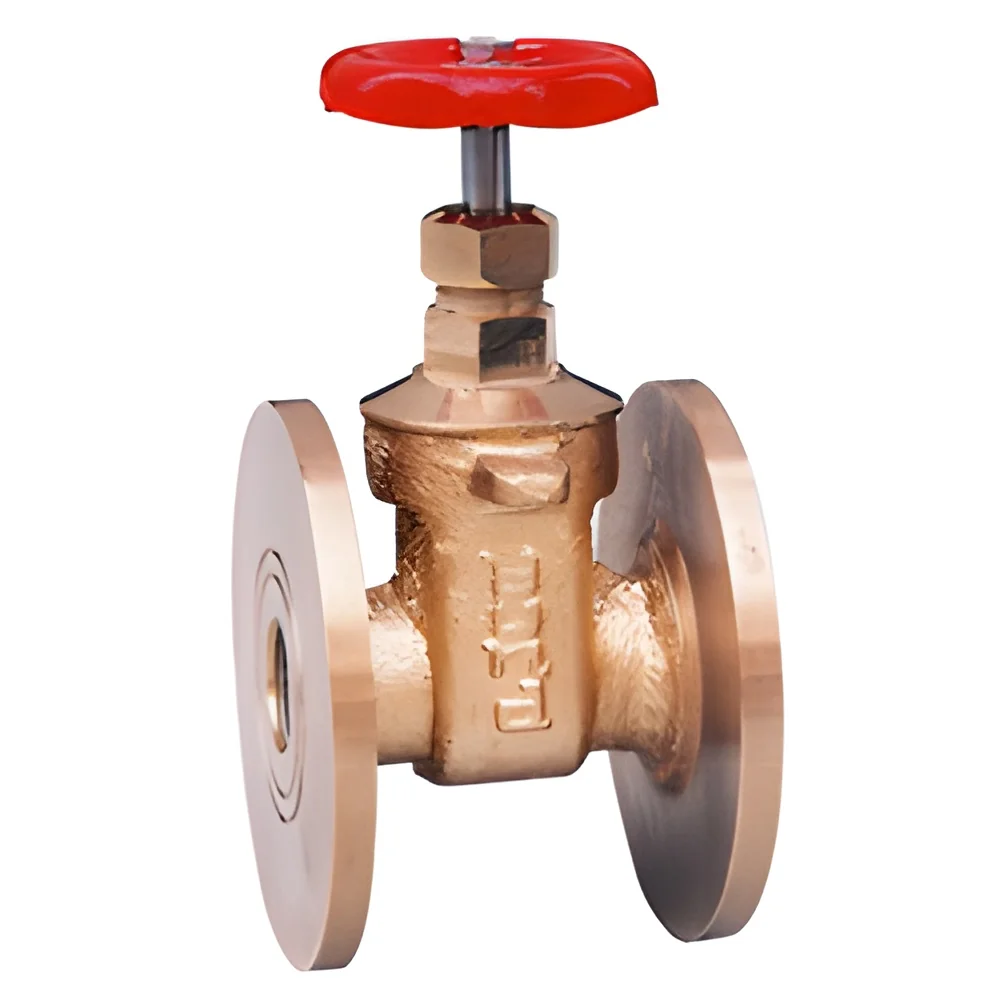
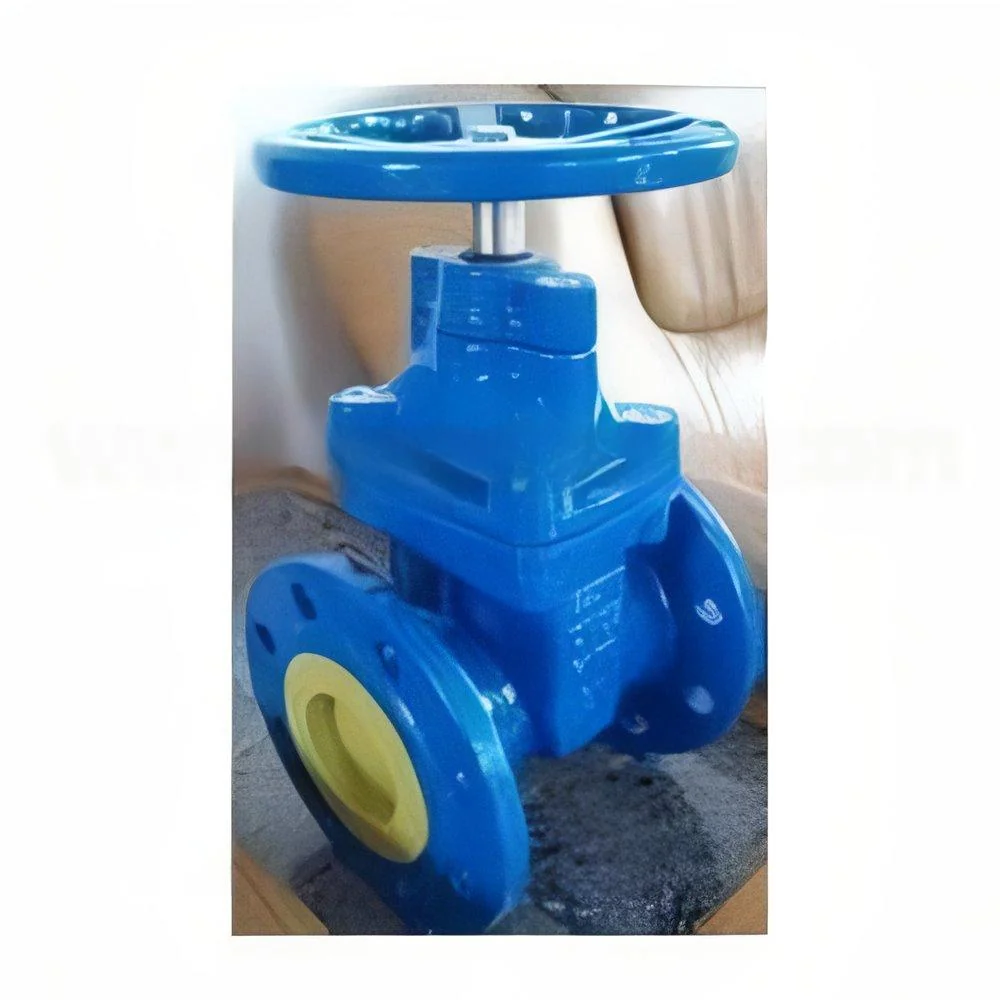
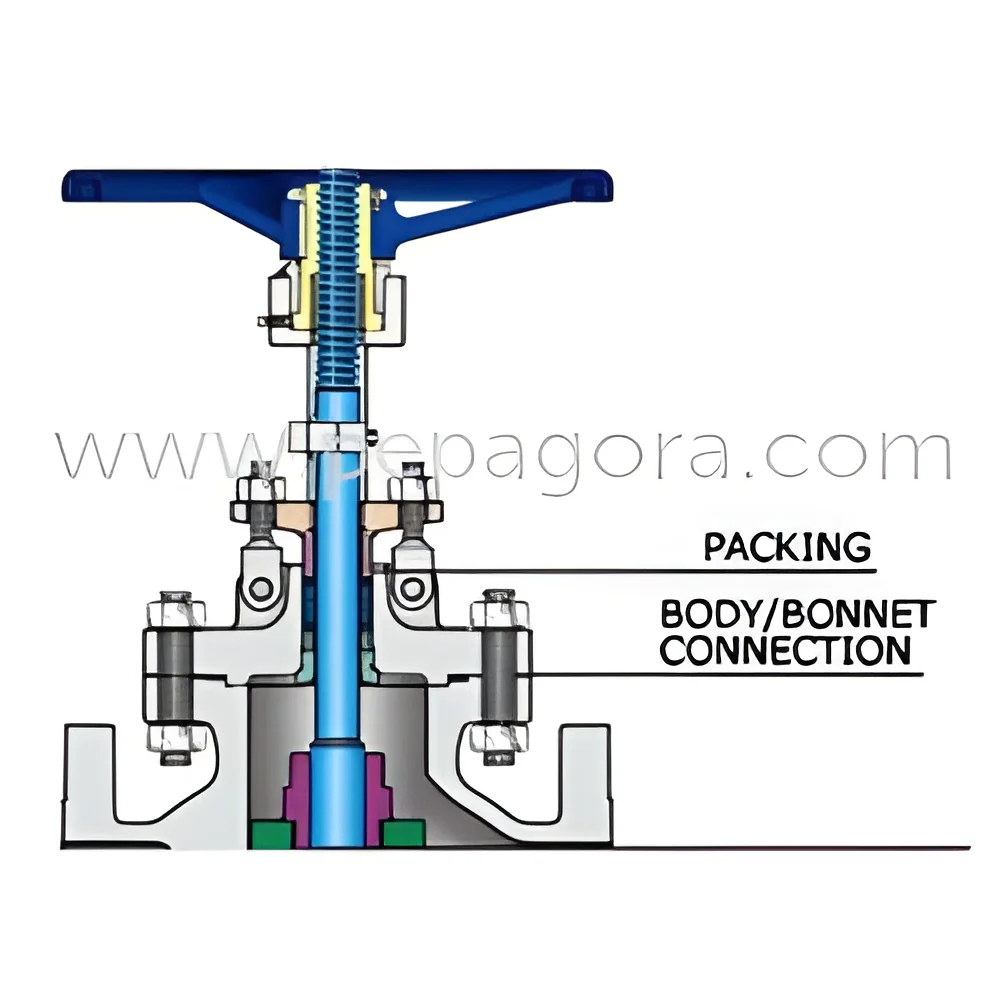
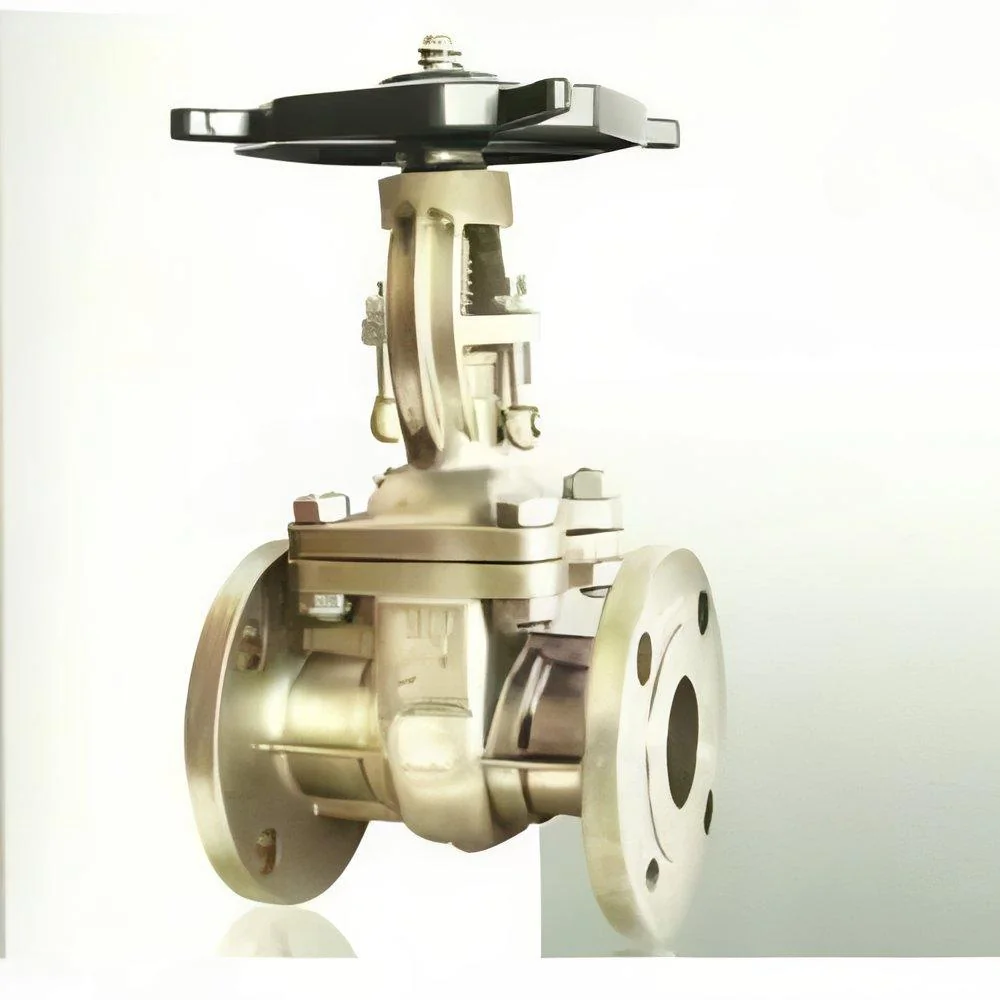
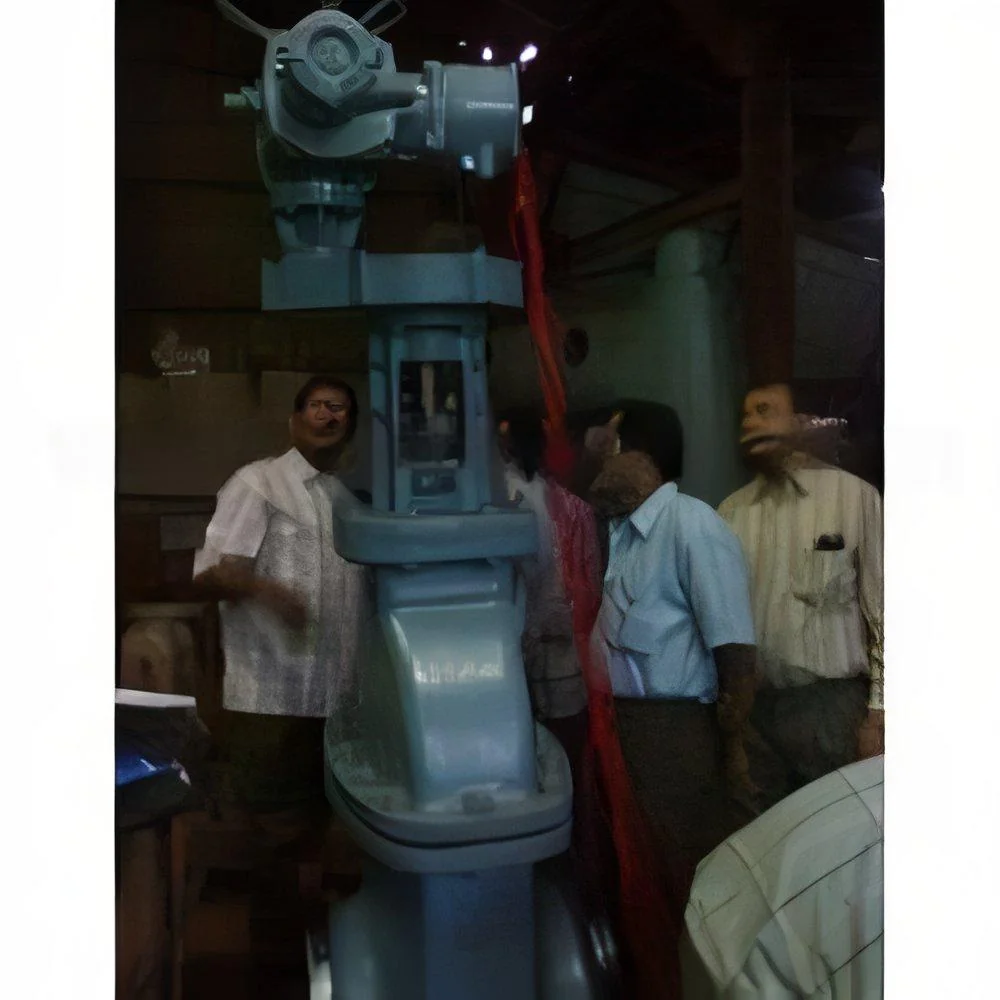
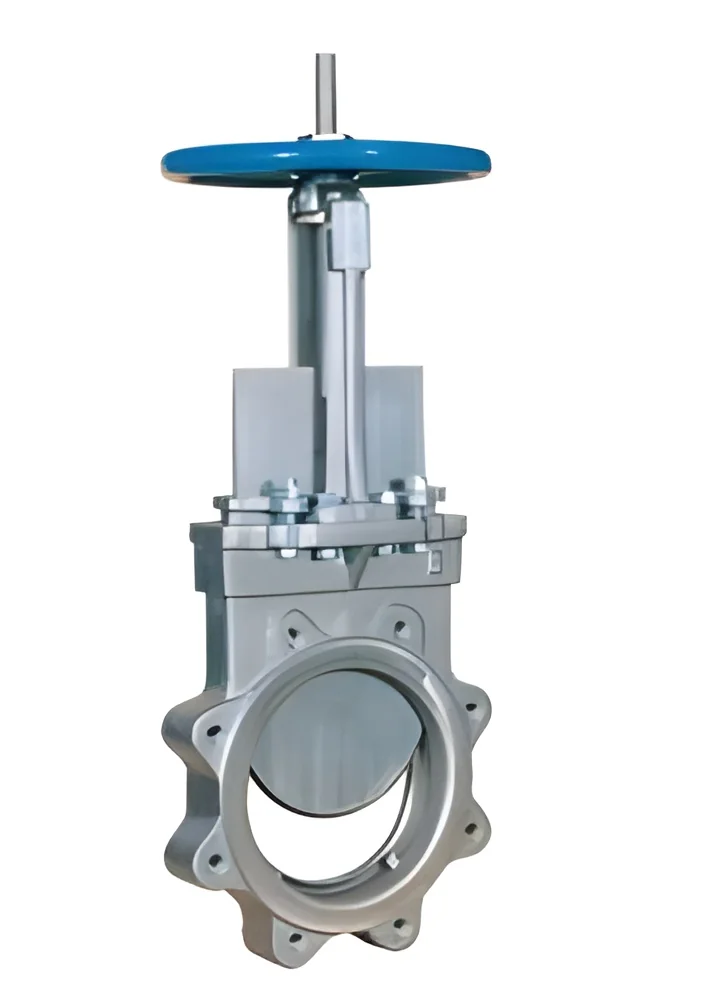
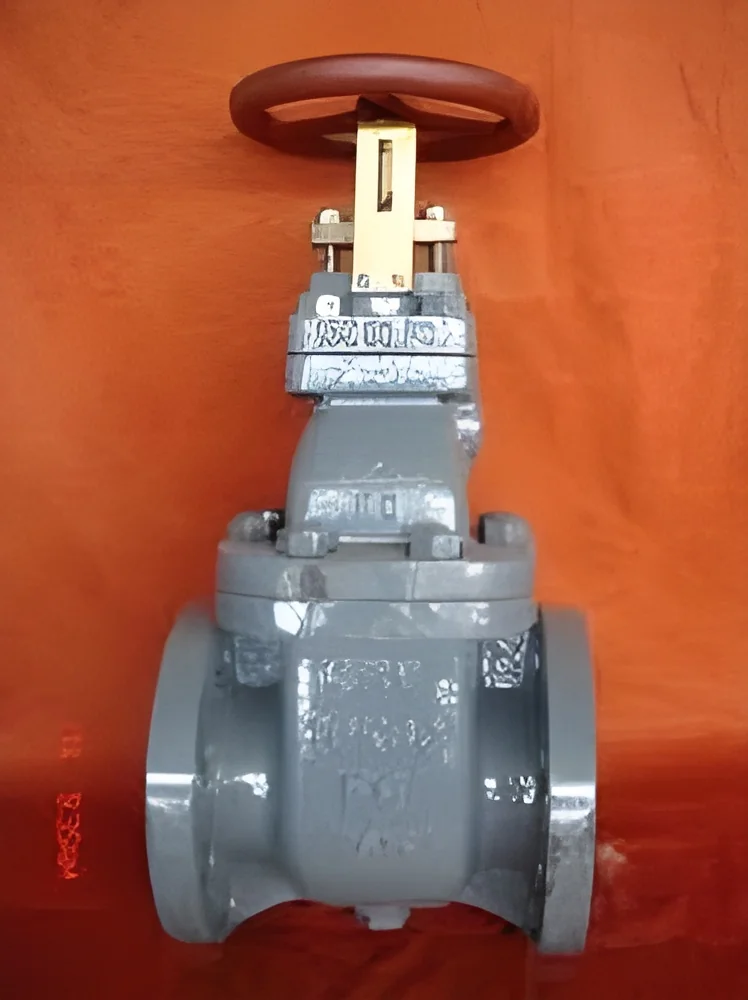
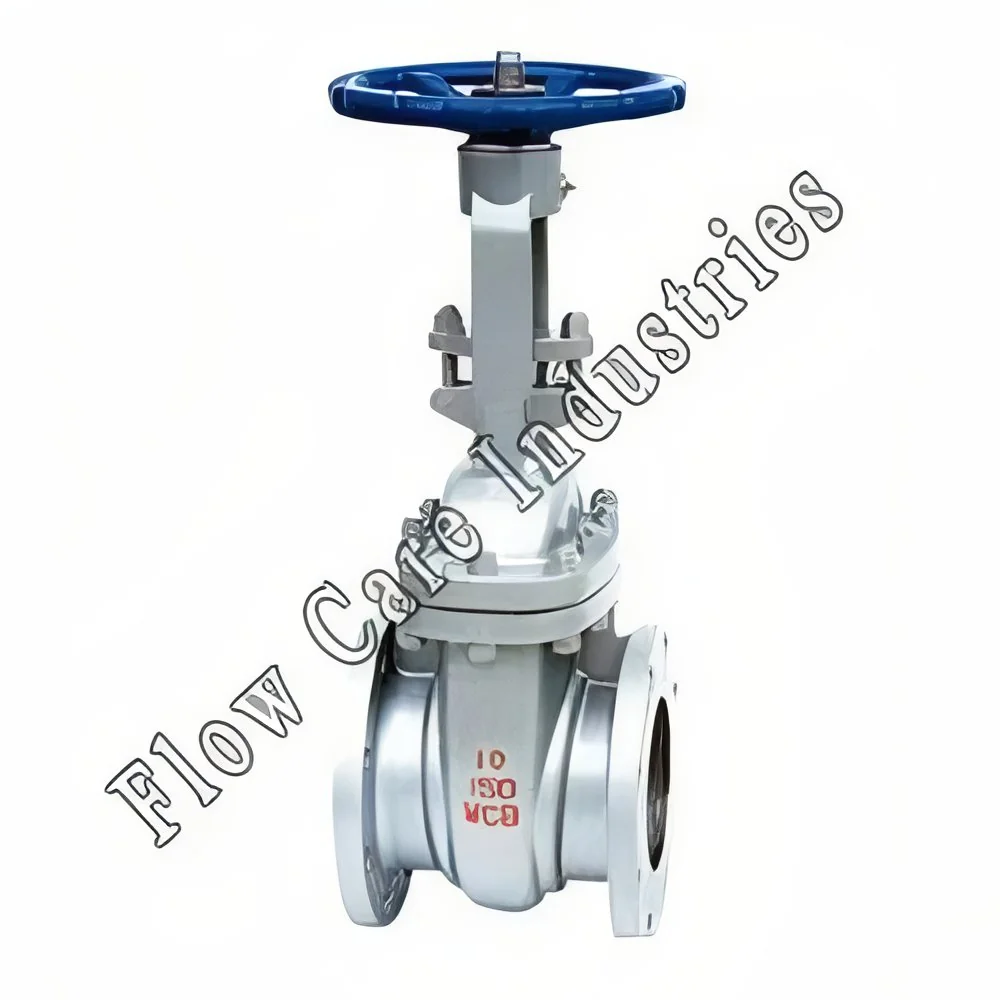
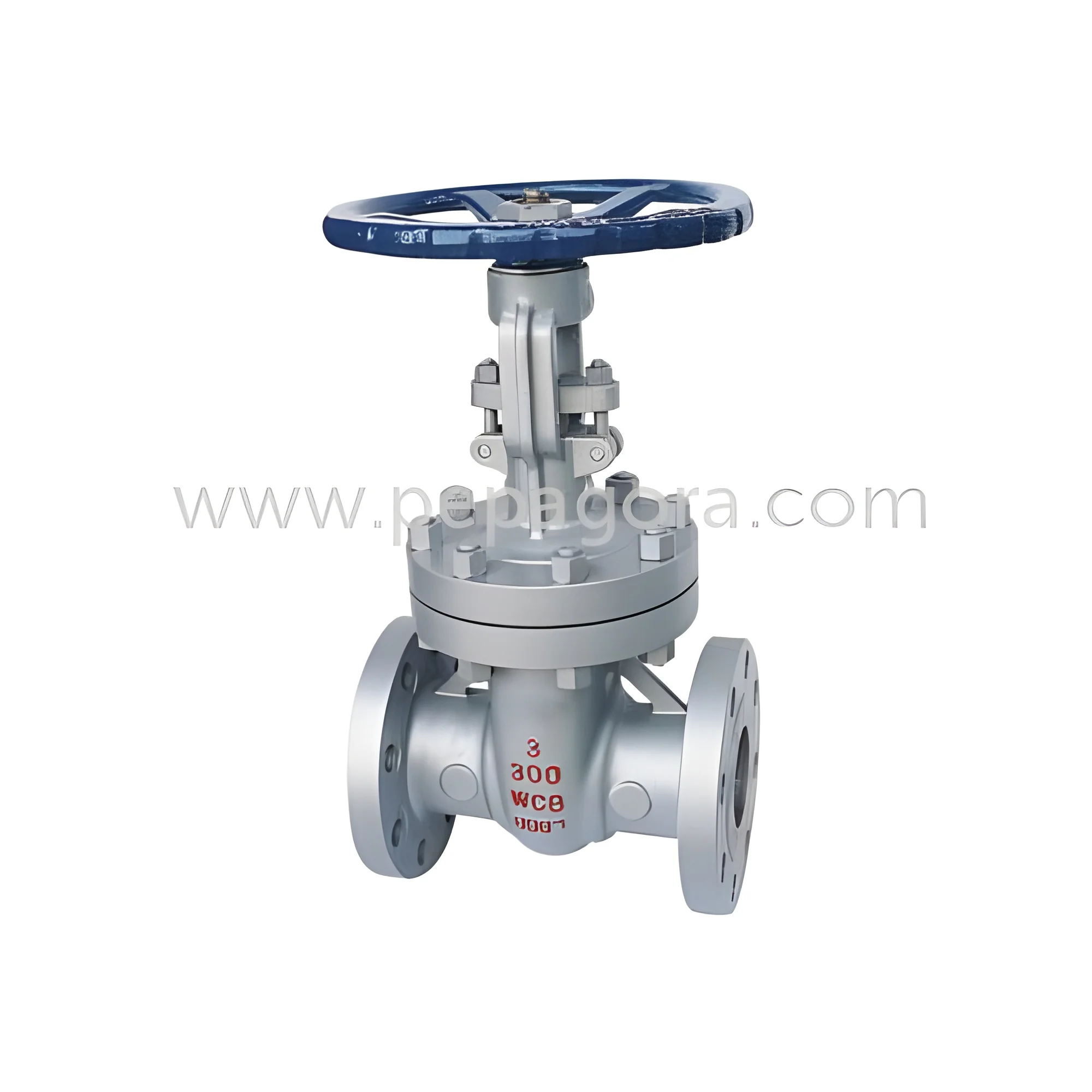
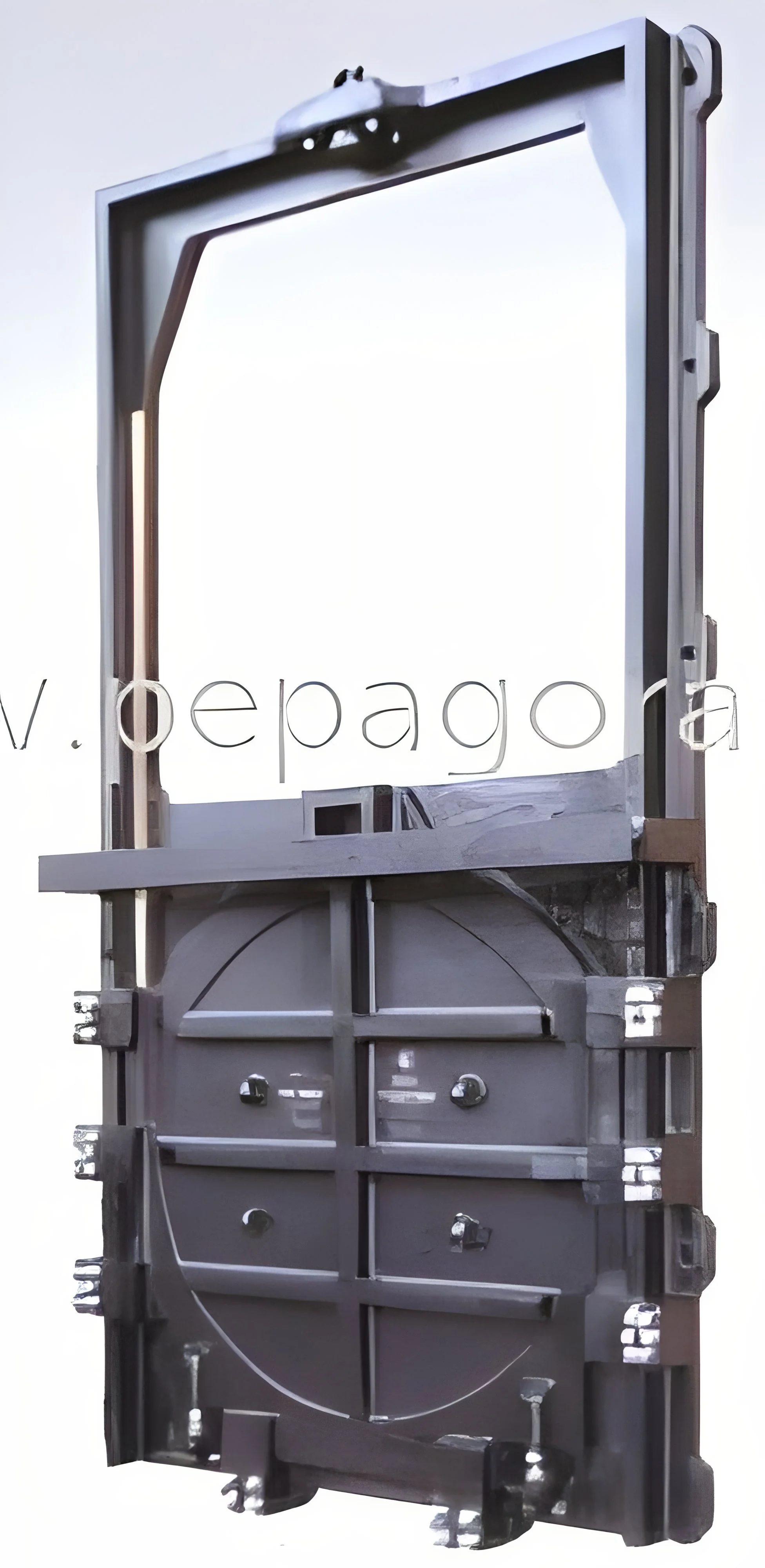
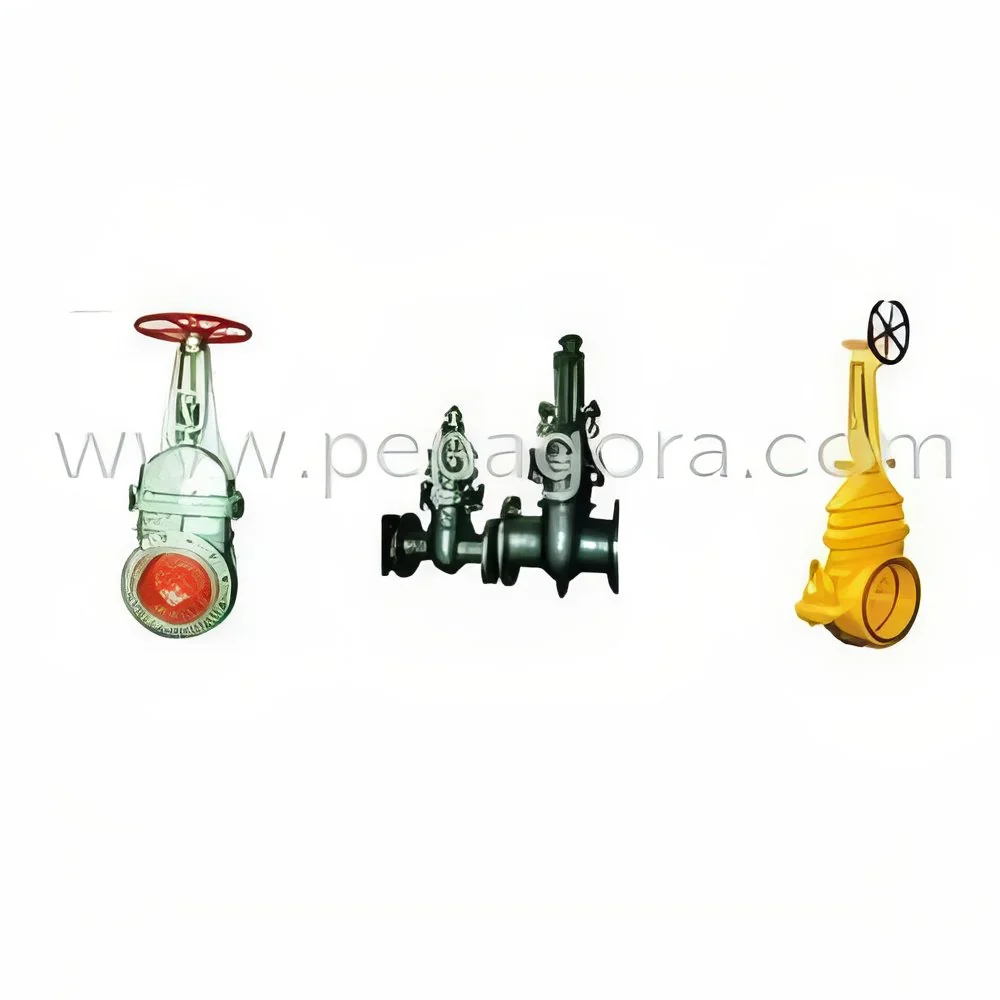
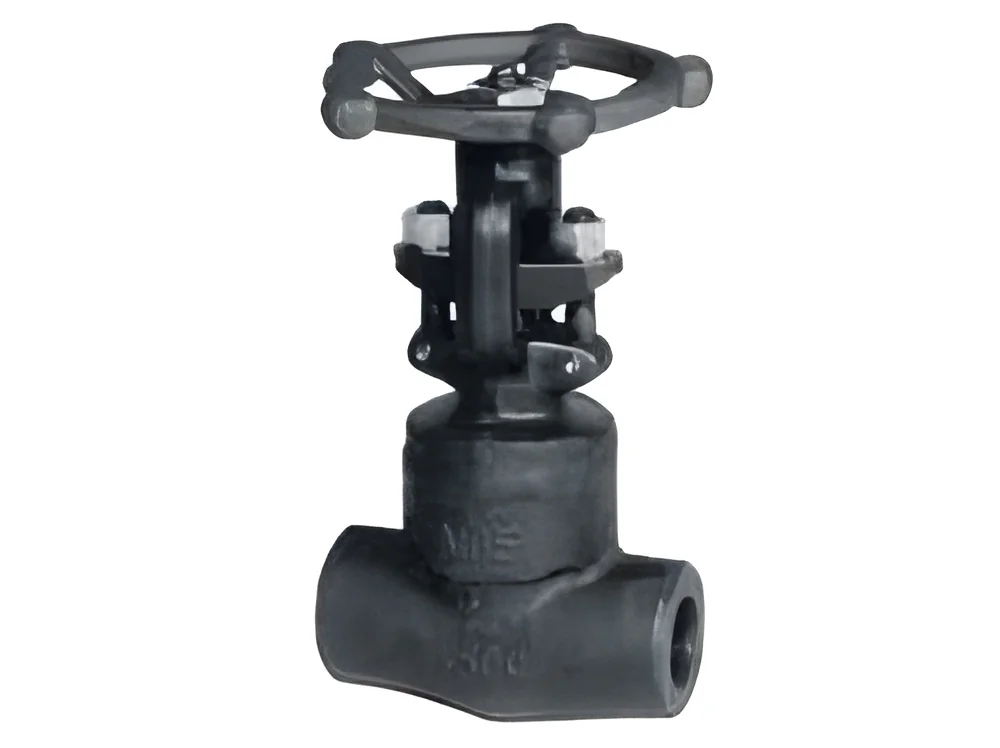
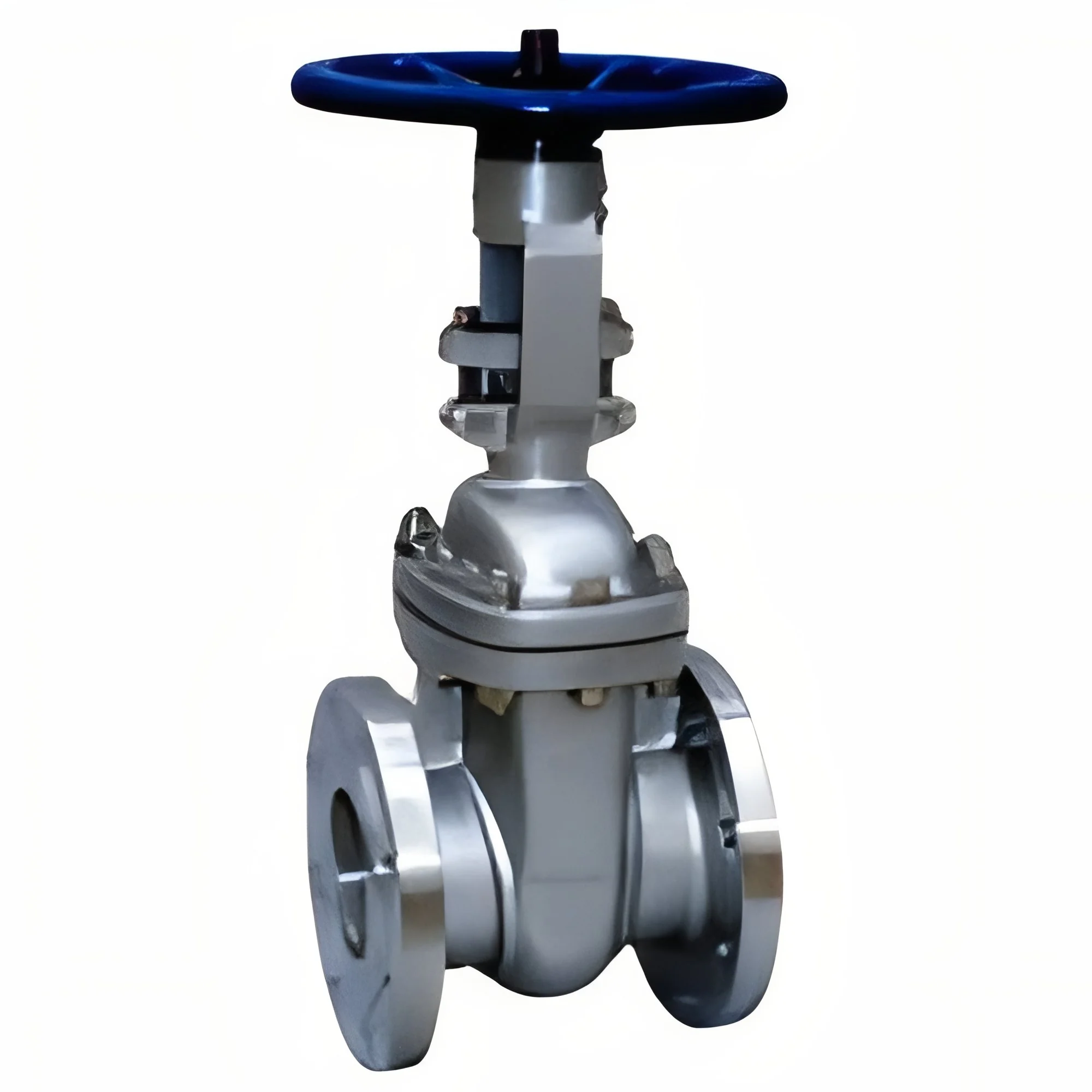
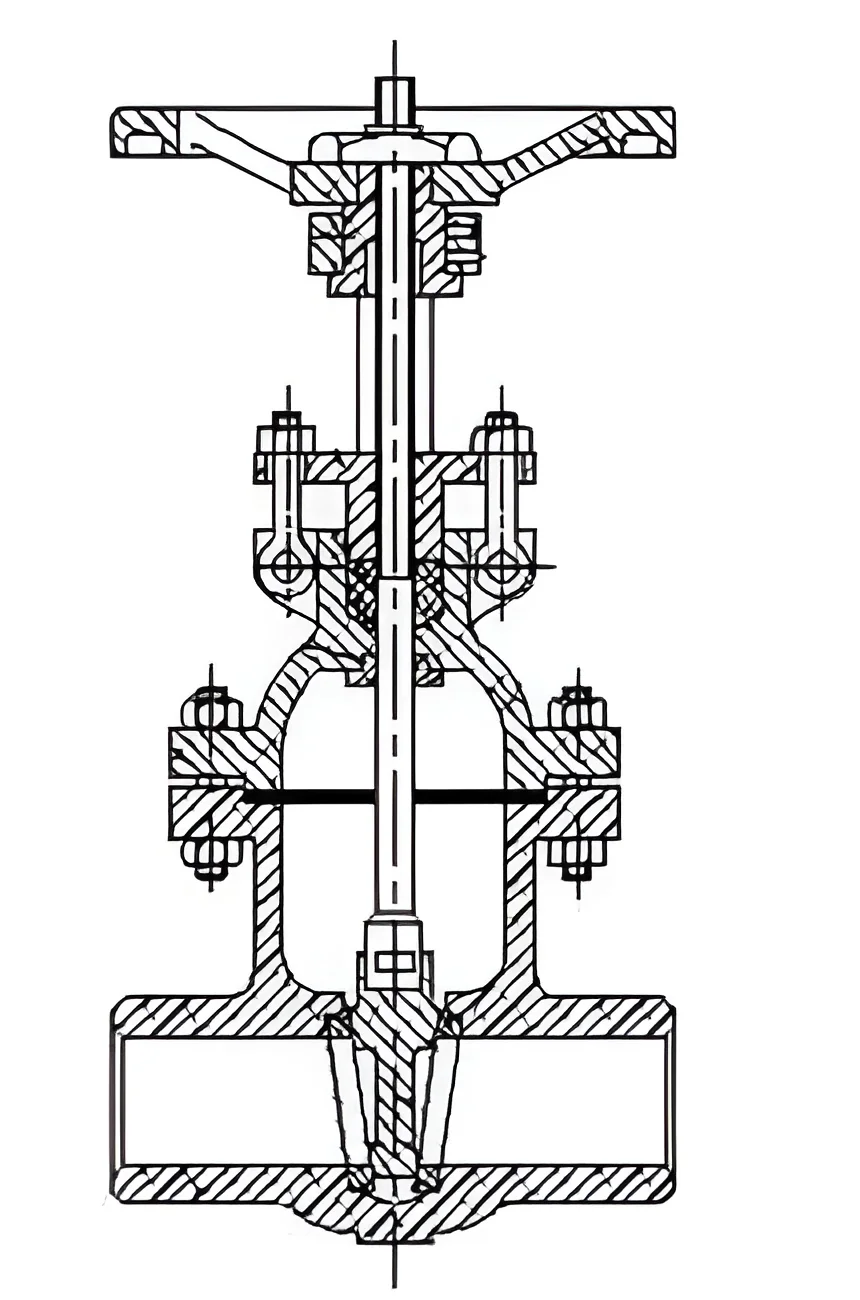
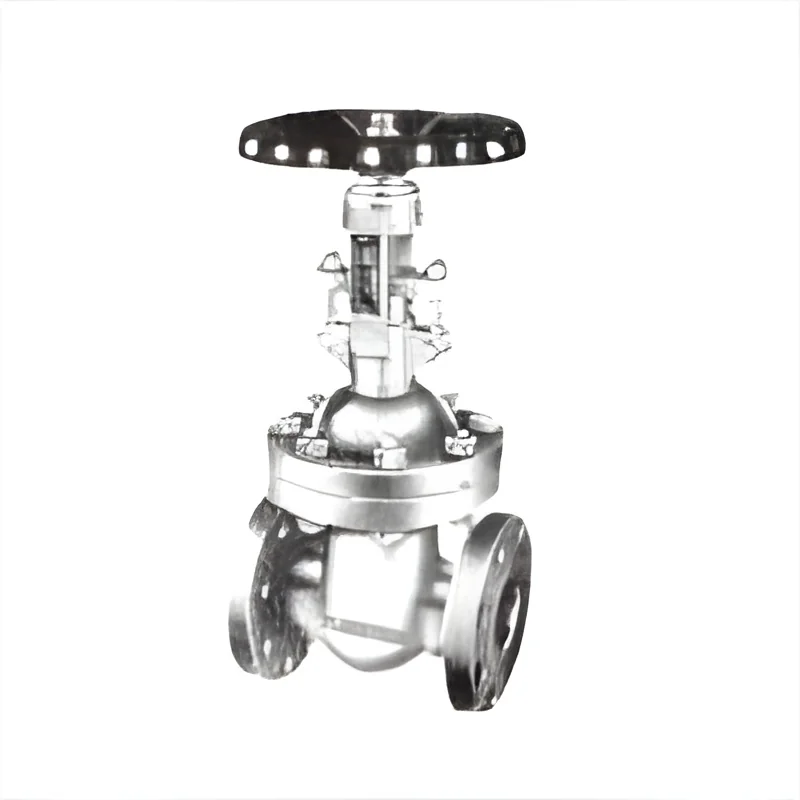
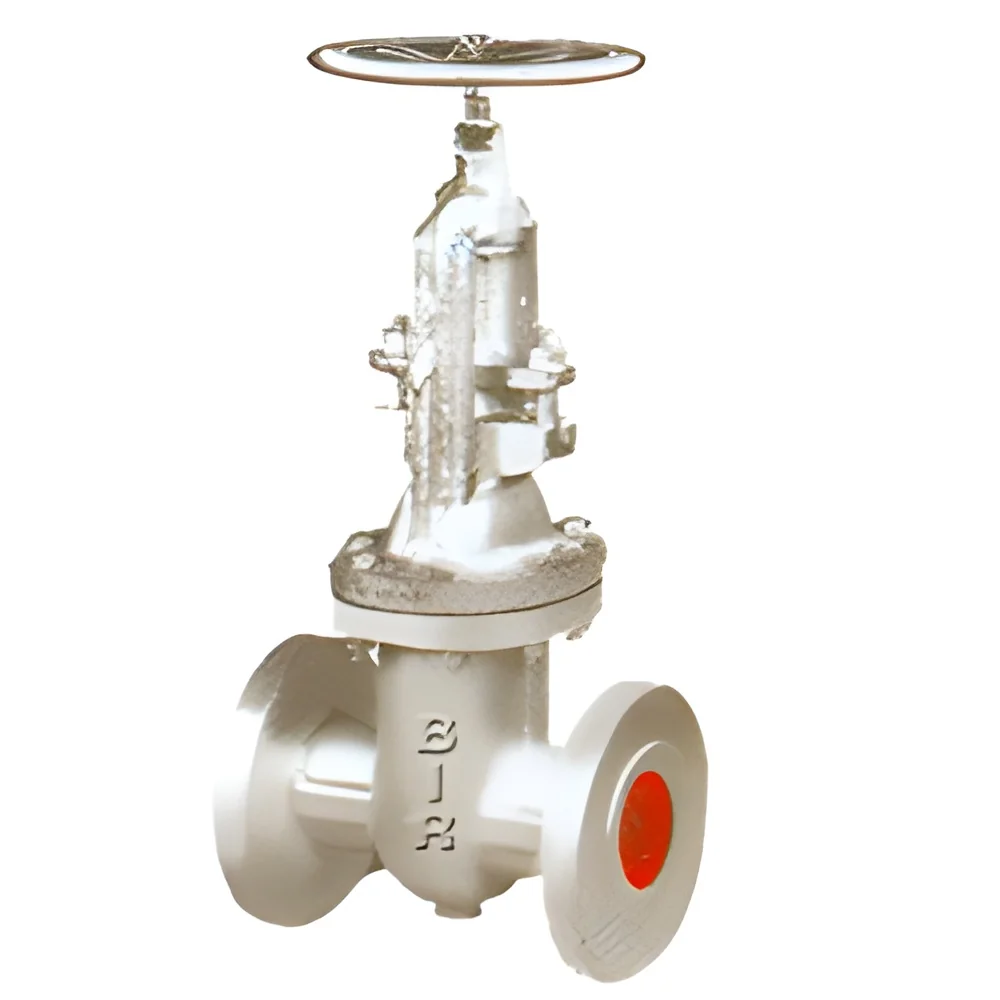
Gate valves are a type of valve used to control the flow of liquids and gases in various industrial applications. They operate by raising or lowering a gate within the valve body, which either allows or blocks flow. Gate valves are designed to provide minimal flow resistance when fully open and are typically used in applications that require either fully open or fully closed positions.
These valves are commonly found in sectors such as oil and gas, water treatment, and power generation. Their primary function is to isolate sections of piping for maintenance or to control flow during specific processes. Gate valves are essential in applications where a tight seal is required to prevent leakage. Their design and functionality make them a preferred choice in high-pressure and high-temperature situations.
The market for gate valves is growing, driven by the increasing demand for infrastructure development and industrial processes. With advancements in valve technology, manufacturers are continually improving the efficiency and reliability of gate valves, ensuring they meet the evolving needs of various industries.
Key Features and Specifications
Gate valves come with various features and specifications that make them suitable for different applications. Understanding these specifications is crucial for selecting the right valve for your needs.
Key specifications include:
1. Size Range
- Available in various sizes, typically from 1 inch to 48 inches.
- Allows for application flexibility depending on system requirements.
2. Pressure Rating
- Commonly rated for pressure classes such as ANSI 150, 300, and 600.
- Ensures valves can withstand required operating pressures.
3. Material Construction
- Typically made from materials such as cast iron, stainless steel, and carbon steel.
- Material selection affects durability and compatibility with media.
4. End Connections
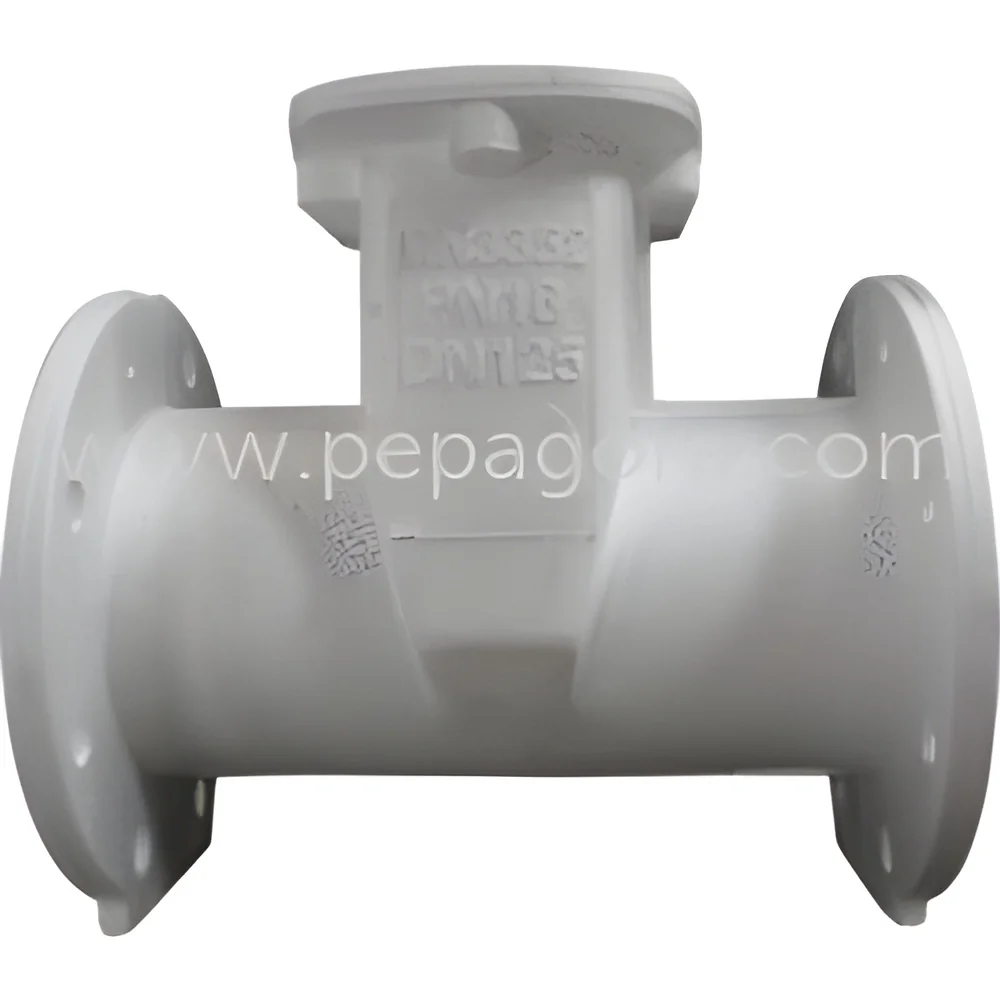
- Available with various end connections including flanged, threaded, and welded.
- Ensures compatibility with existing piping systems.
5. Operating Temperature
- Designed to operate within a range of temperatures, generally up to 450 degrees Fahrenheit.
- Specific temperature ranges may vary based on materials used.
6. Seal Type
- Features different sealing mechanisms such as wedge or parallel seals.
- Affects the valve's ability to prevent leakage.
7. Actuation Method
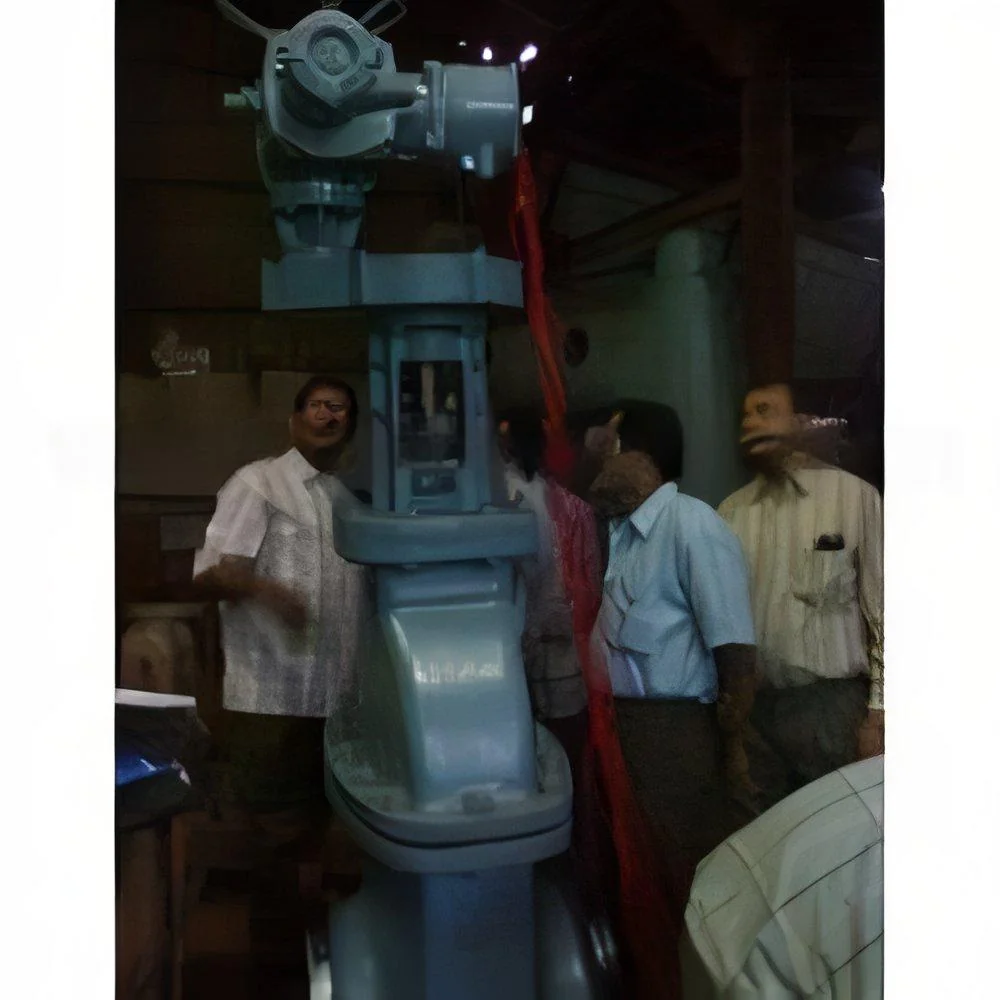
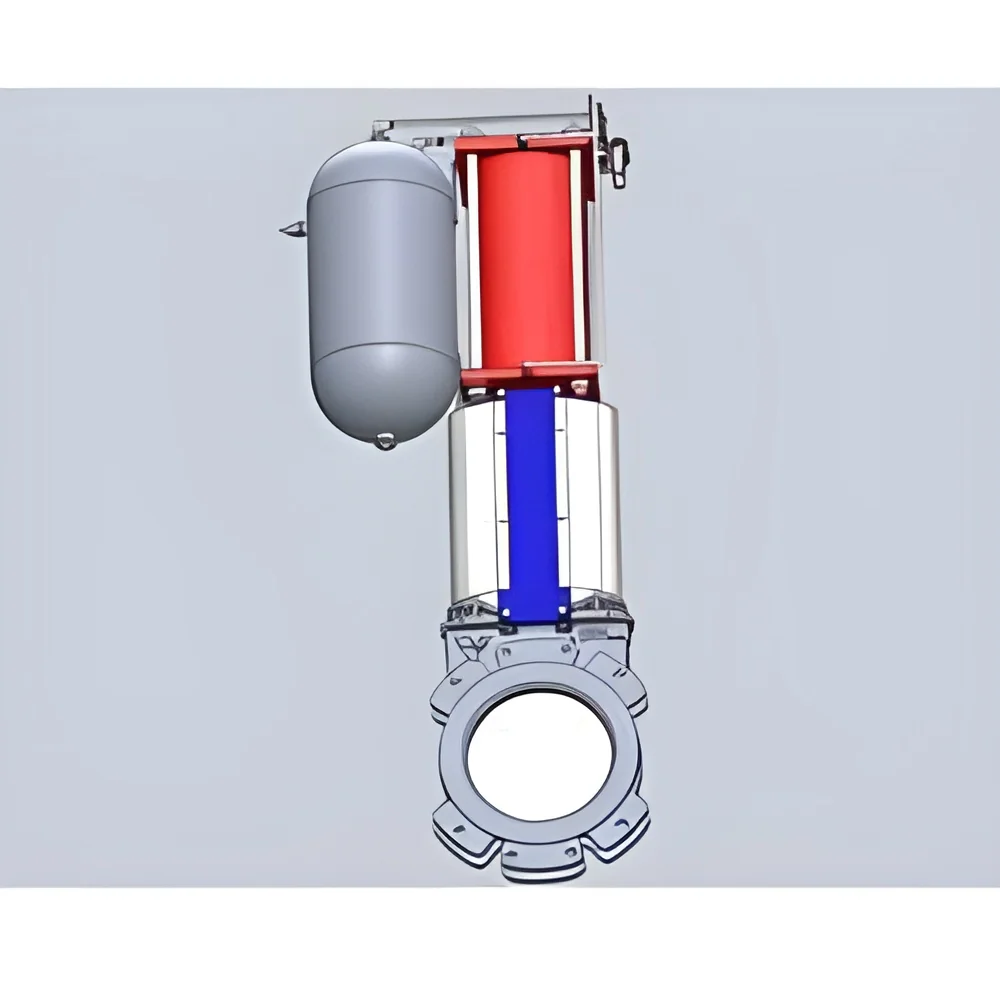
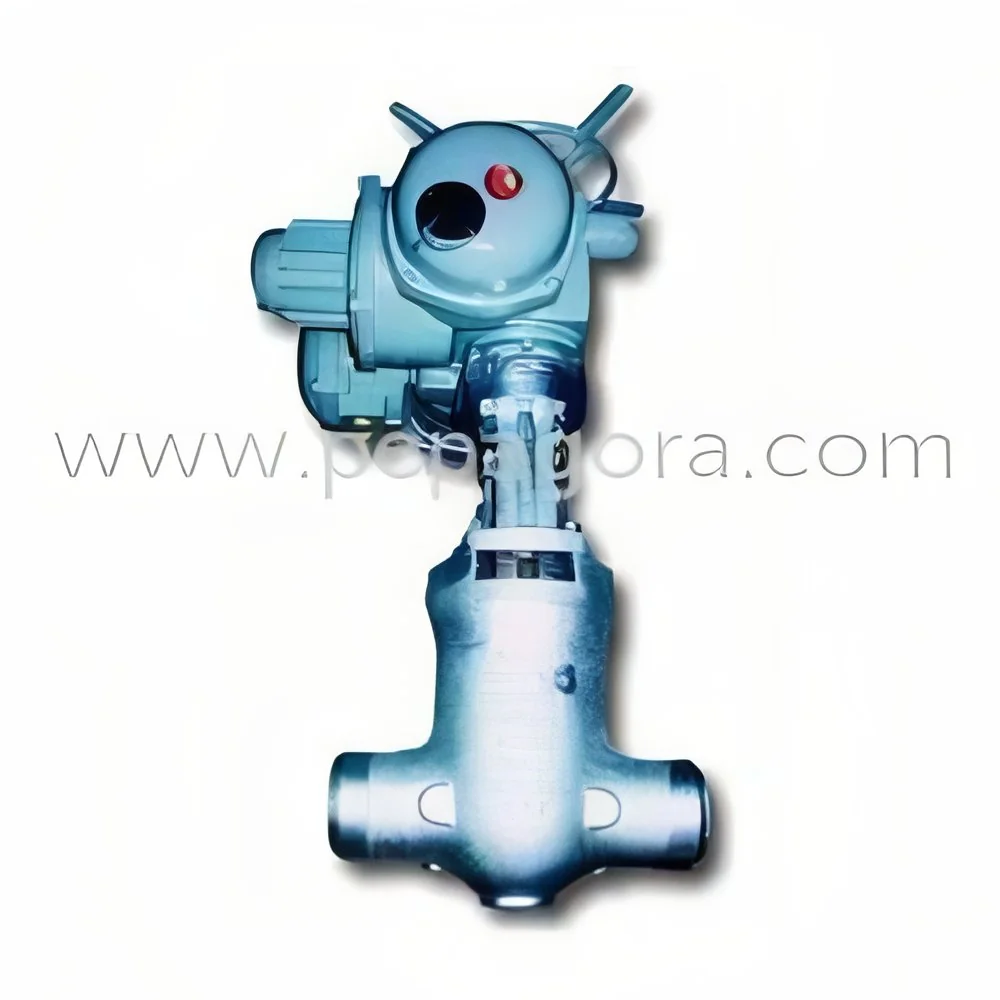
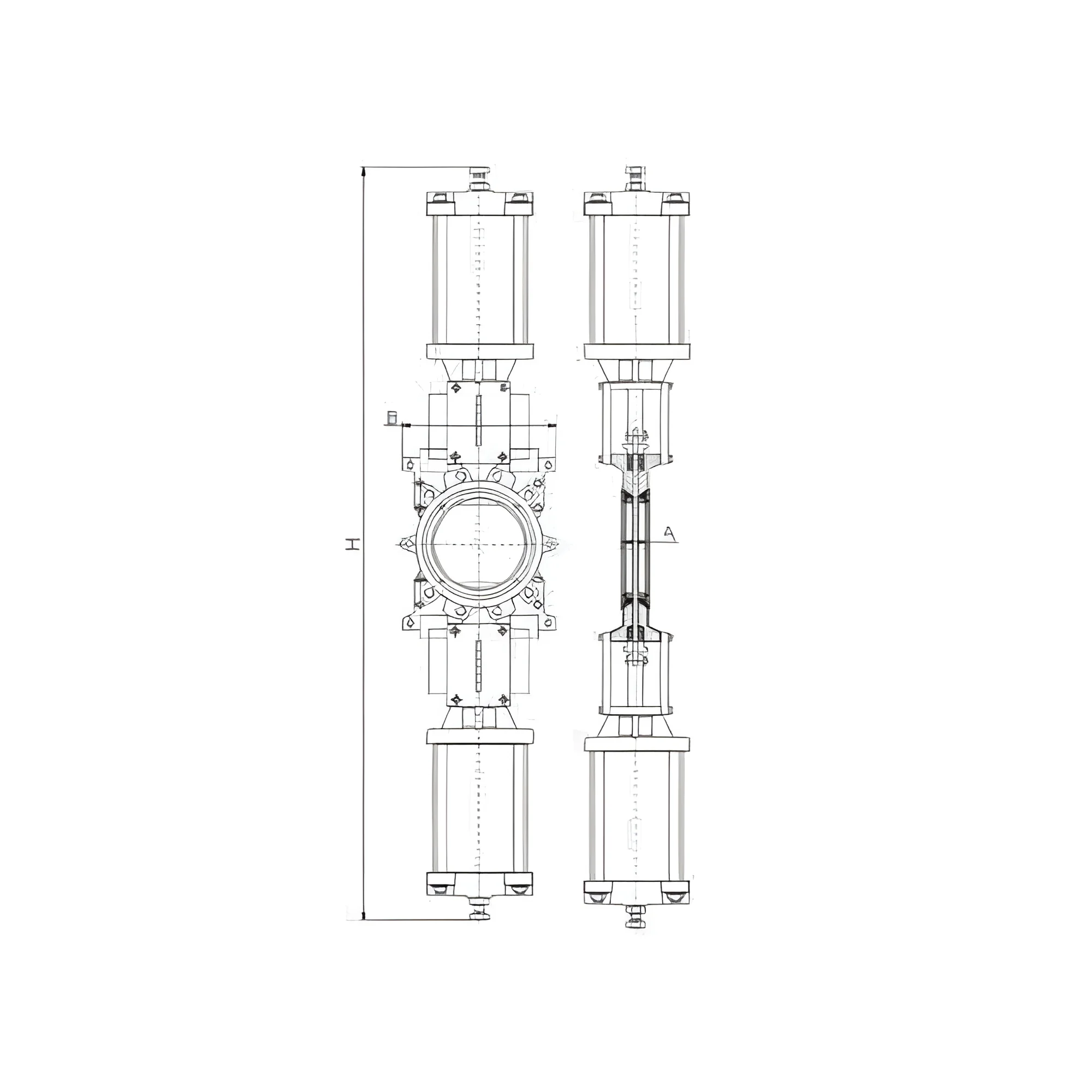
- Can be manually operated or automated using electric or pneumatic actuators.
- Automation enhances control over flow regulation.
8. Compliance Standards
- Adheres to industry standards such as CE certification.
- Ensures safety and reliability in operation.
In summary, understanding the key features and specifications of gate valves is essential for ensuring their suitability and efficacy in specific applications.
Common Applications and Use Cases
Gate valves are versatile and find use across various industries. Their ability to provide a reliable seal and control flow makes them indispensable in many applications.
1. Oil and Gas Industry: Gate valves are widely used in pipelines to control the flow of crude oil and natural gas. They are essential for isolating sections during maintenance and for emergency shut-off.
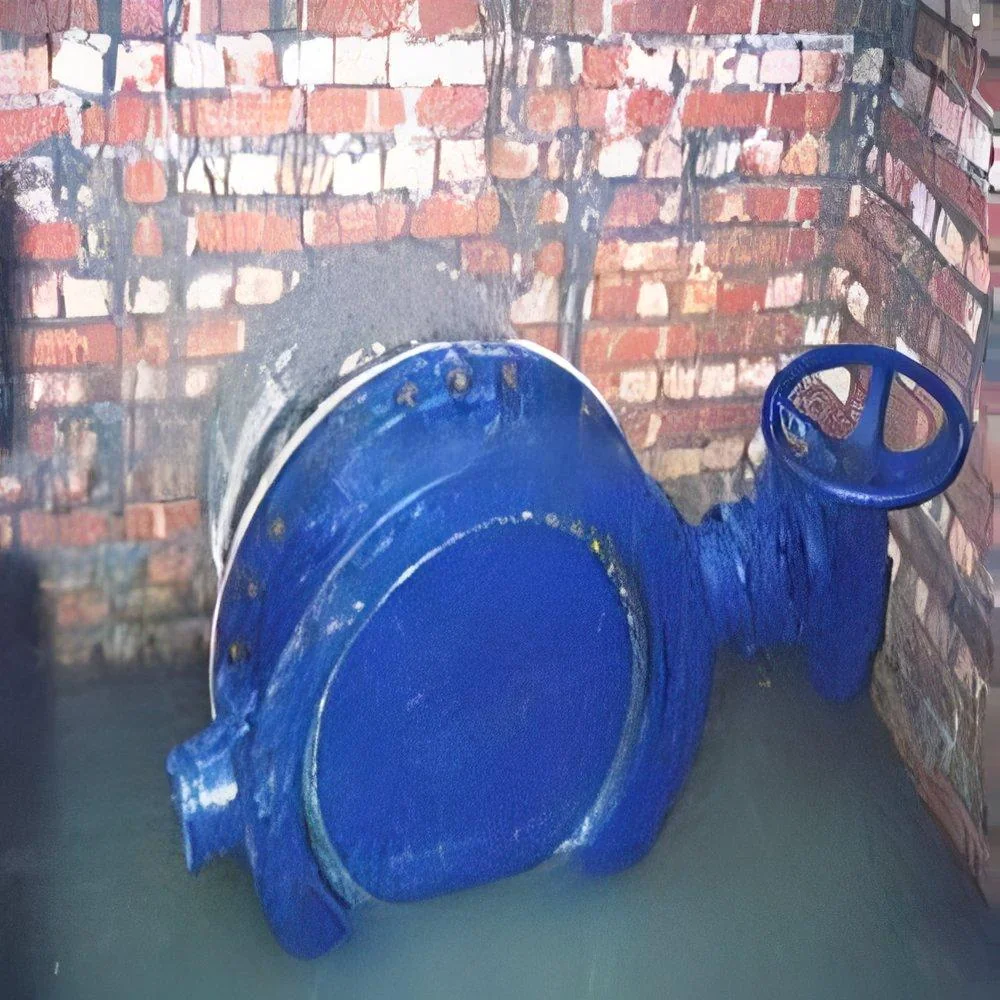
2. Water and Wastewater Treatment: In water treatment facilities, gate valves help manage the flow of water through different treatment stages. They ensure sections of the system can be isolated for repairs or maintenance.
3. Power Generation: Gate valves are critical in power plants for controlling steam and water flow. They are used in both the cooling and heating processes, ensuring efficient operation.
4. Chemical Processing: In chemical manufacturing, gate valves control the flow of various chemicals, ensuring safe and efficient production processes.
5. HVAC Systems: Gate valves are utilized in heating, ventilation, and air conditioning systems for regulating the flow of water and steam.
6. Pulp and Paper Industry: These valves are used to manage flow in processing plants, controlling the movement of water and chemicals in the production of paper products.
7. Mining Operations: Gate valves control flow in slurry pipelines and dust suppression systems, aiding in the efficiency of mining processes.
Product Variants and Subcategories
Gate valves come in various configurations to meet specific operational needs. While there are no specific subcategories available, notable variants include:
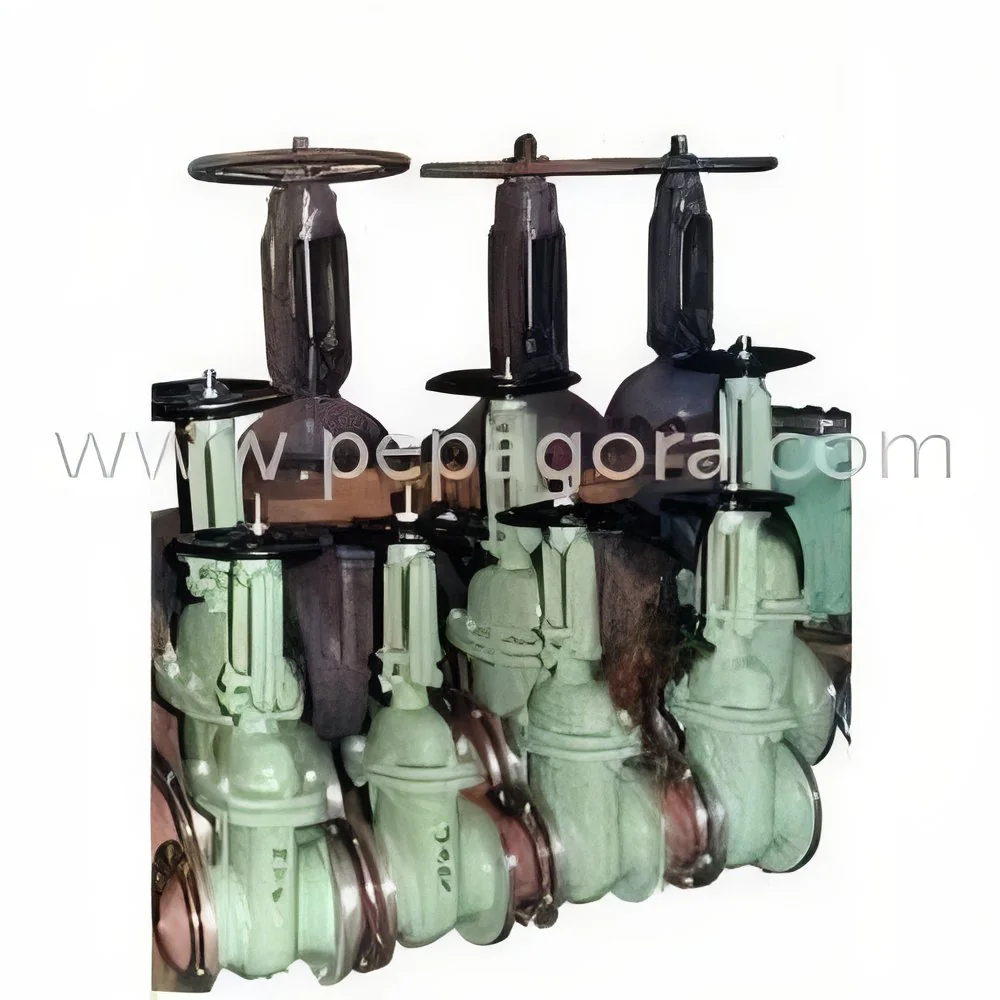
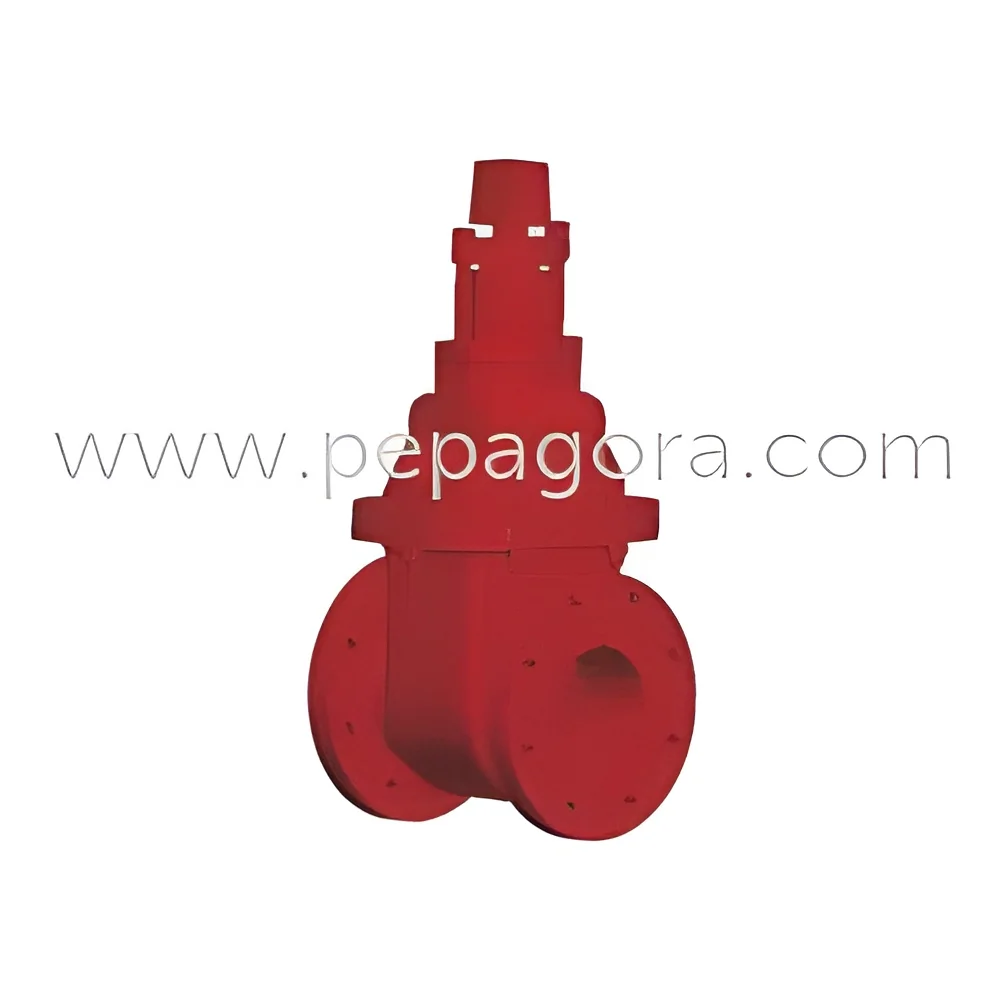
Metal Seated Gate Valves: These valves are designed for high-temperature and high-pressure applications. Their metal seat provides durability and resistance to wear, making them ideal for challenging environments.
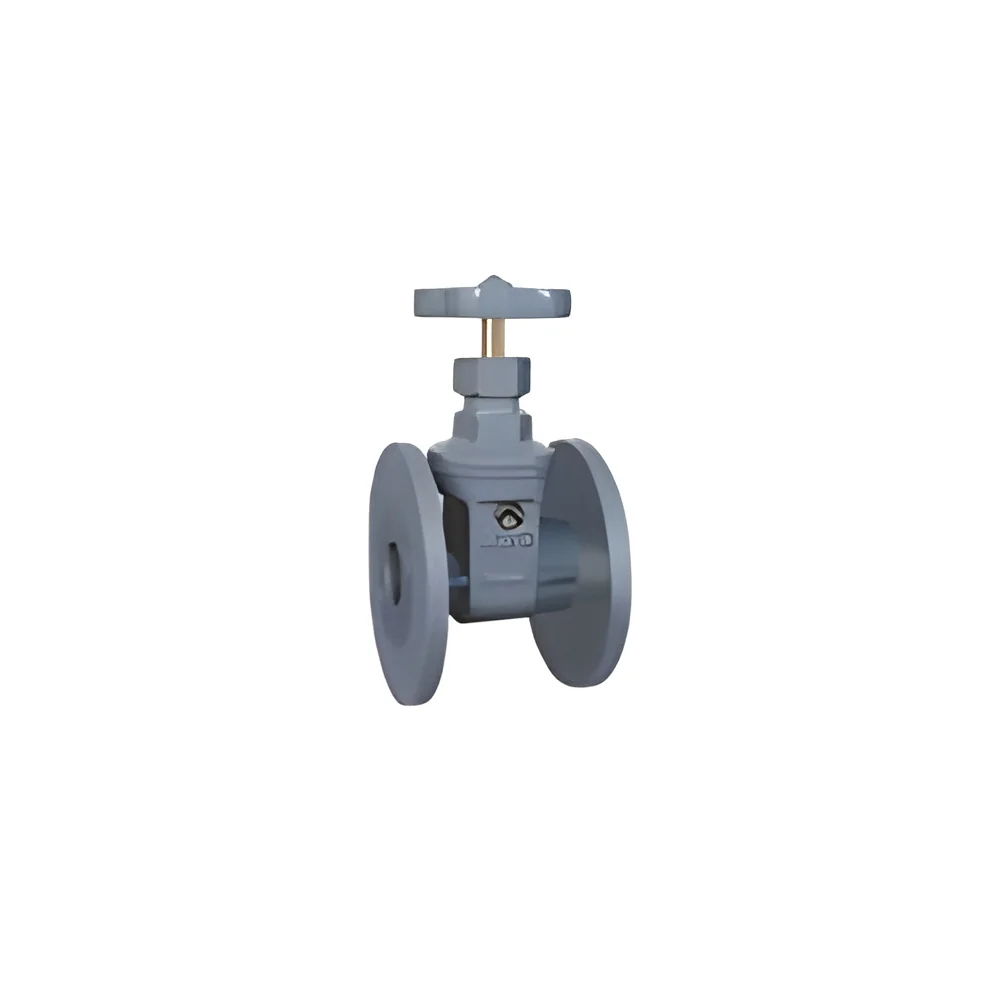
Resilient Seated Gate Valves: Featuring a rubber or elastomer coating on the seat, these valves offer excellent sealing capabilities. They are commonly used in water supply and wastewater applications.
Wedge Gate Valves: This variant uses a wedge-shaped disc to provide a tight seal when closed. They are suitable for high-pressure applications and provide excellent flow control.
Parallel Gate Valves: These valves feature a flat disc that operates parallel to the valve seat. They are suitable for low-pressure applications and provide a tight seal with minimal flow resistance.
Benefits and Advantages
Choosing gate valves offers numerous benefits for industrial applications. Their design and functionality provide several advantages.
1. Reliability: Gate valves are known for their durability and long lifespan, making them a reliable choice for controlling flow in various systems.
2. Minimal Flow Resistance: When fully open, gate valves provide little to no obstruction to flow, enhancing system efficiency.
3. Versatile Applications: They can be used in a wide range of industries, allowing for flexibility in various operational environments.
4. Excellent Sealing Ability: Gate valves provide a tight seal when closed, preventing leaks and ensuring safe operation.
5. Ease of Maintenance: Their straightforward design allows for easy maintenance and repair, reducing downtime.
6. Customization Options: Many manufacturers offer gate valves that can be customized to meet specific operational needs.
Buying Guide for B2B Buyers
When sourcing gate valves for your business, several factors should be considered to ensure the right choice is made.
1. Quality Assessment: Evaluate the quality of the gate valves by reviewing manufacturer specifications, certifications, and industry standards. Look for products that meet ISO and CE certifications for assurance of quality.
2. Supplier Verification: Vet suppliers thoroughly to ensure they have a reputation for delivering reliable products. Check for customer reviews, service history, and their ability to provide technical support.
3. Pricing and MOQ: Understand the pricing structure and the minimum order quantity required by suppliers. Compare prices across multiple vendors to ensure competitive rates.
4. Delivery and Lead Times: Confirm the delivery schedules and lead times from suppliers. Reliable suppliers should be able to provide timely deliveries to keep operations running smoothly.
5. Compliance Requirements: Ensure that the gate valves meet all relevant regulatory and compliance requirements specific to your industry and region. This may include safety and environmental standards.
Compliance and Certifications
Gate valves must adhere to various quality standards and certifications to ensure safety and reliability in industrial applications. Key standards include ISO 9001, which emphasizes quality management systems, and CE marking, which indicates compliance with European safety standards.
Additionally, industry-specific certifications may apply, depending on the application. For example, valves used in food processing must comply with HACCP (Hazard Analysis and Critical Control Points) to ensure safety and prevent contamination.
Safety and testing requirements are critical, particularly in high-pressure and high-temperature environments. Manufacturers should conduct rigorous testing to validate the performance and safety of gate valves.
Regional compliance considerations may vary, so it is essential to be aware of local regulations governing valve use in industrial processes.
Why Source Gate Valves from Pepagora?
Pepagora provides an excellent platform for sourcing gate valves, offering several key advantages to B2B buyers.
Verified Supplier Network: Pepagora partners with a network of verified suppliers, ensuring that buyers have access to quality products from reputable manufacturers. This network provides transparency and reliability in sourcing.
Streamlined RFQ Process: The platform features a straightforward Request for Quotation (RFQ) system that simplifies the procurement process. Buyers can easily submit their requirements and receive competitive quotations from multiple suppliers.
Trade Assurance and Support: Pepagora offers trade assurance, protecting buyers against potential risks associated with transactions. The platform ensures that buyers have support throughout the sourcing process, enhancing confidence in their purchases.
Regional Coverage: With a strong presence in India, the GCC, and Southeast Asia, Pepagora enables buyers to access a broad range of gate valve suppliers. This regional coverage ensures that buyers can find products tailored to their specific market needs.

 IN
IN