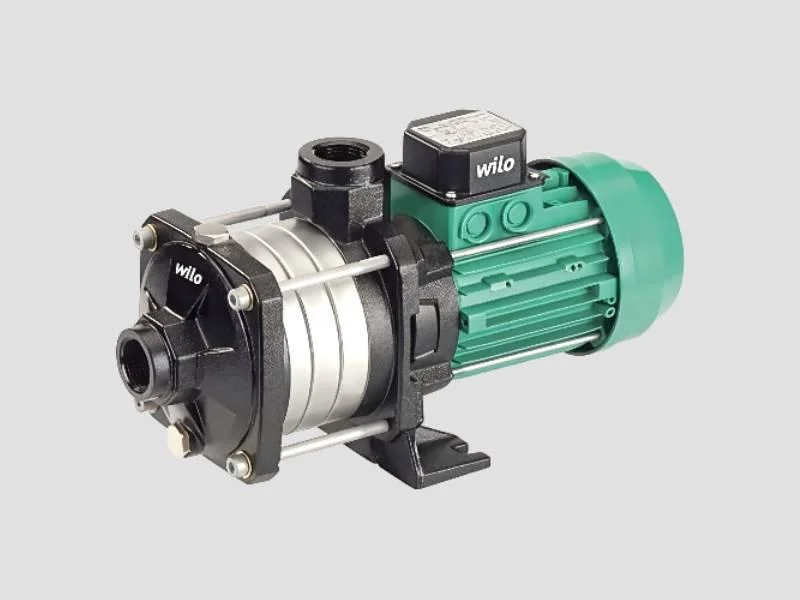
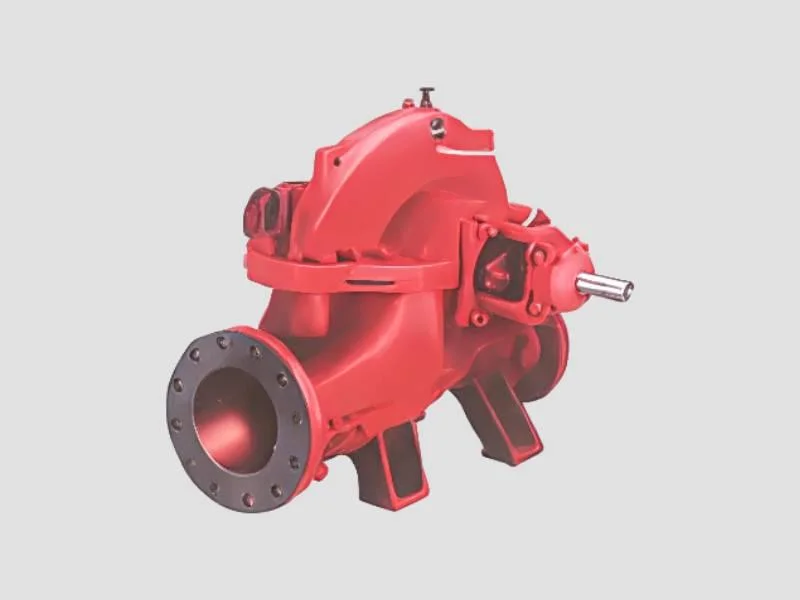
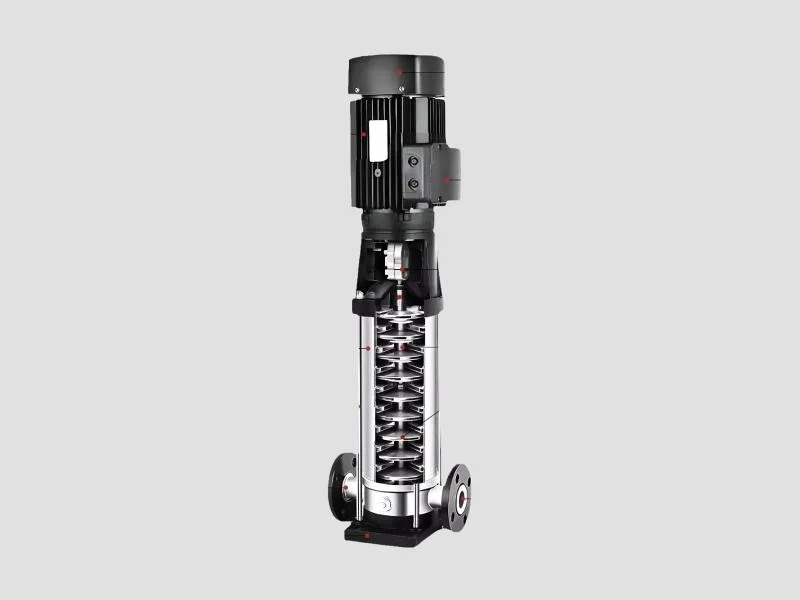
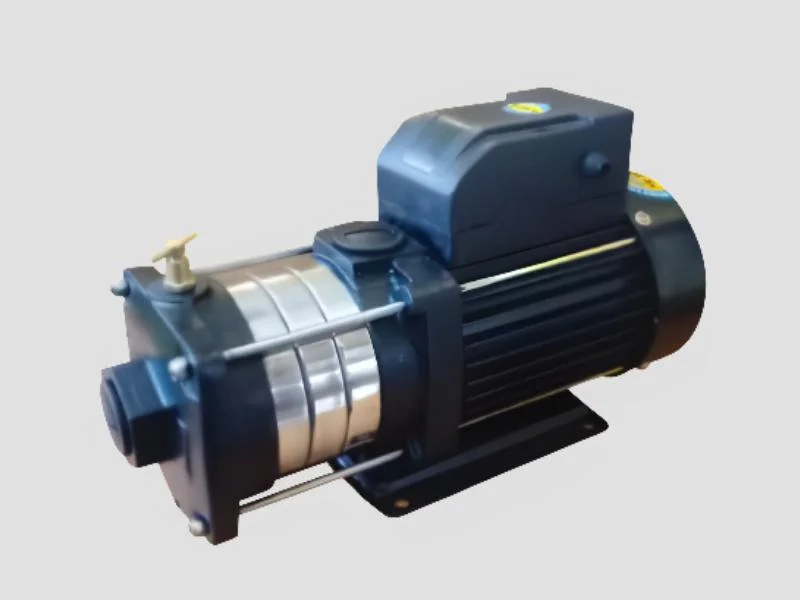
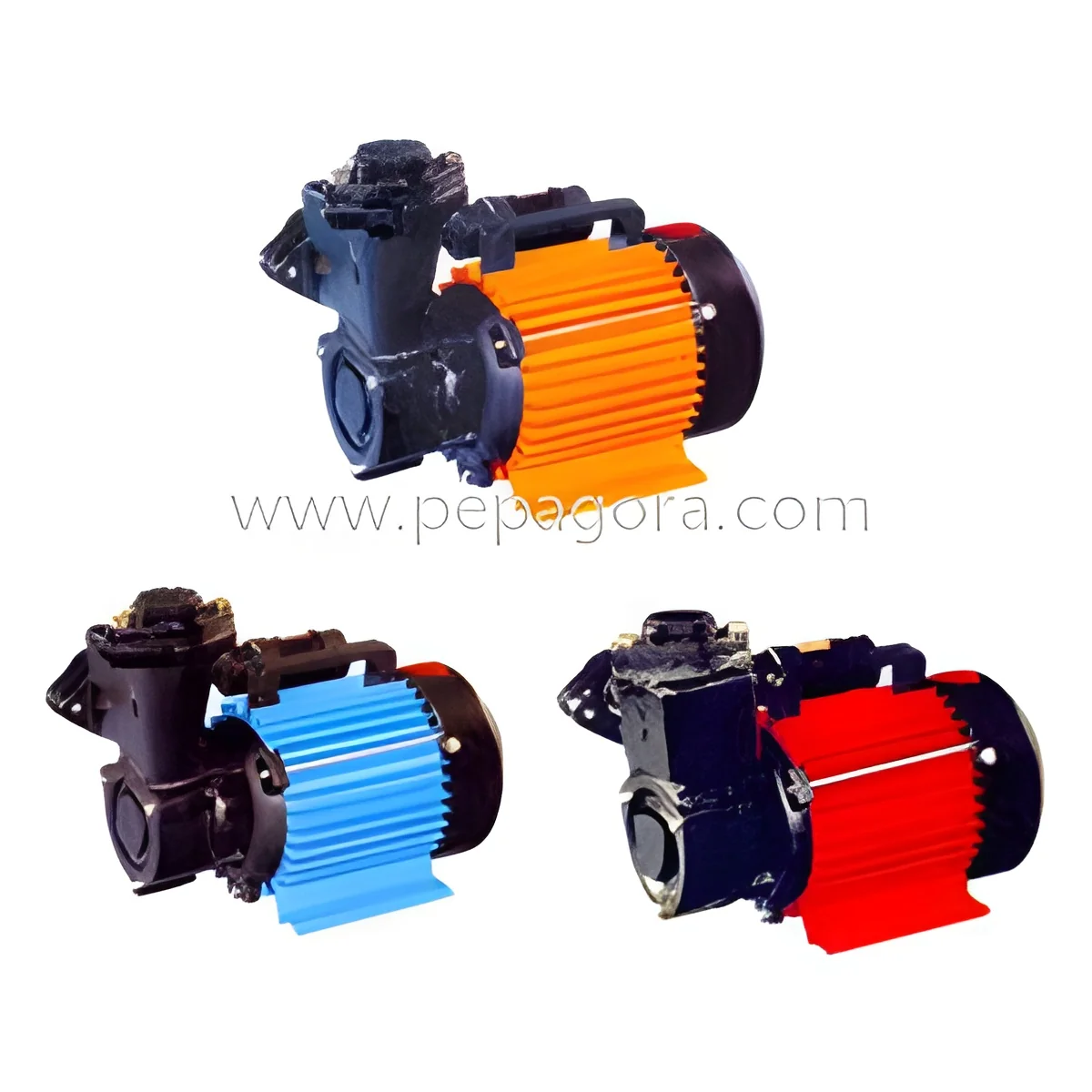
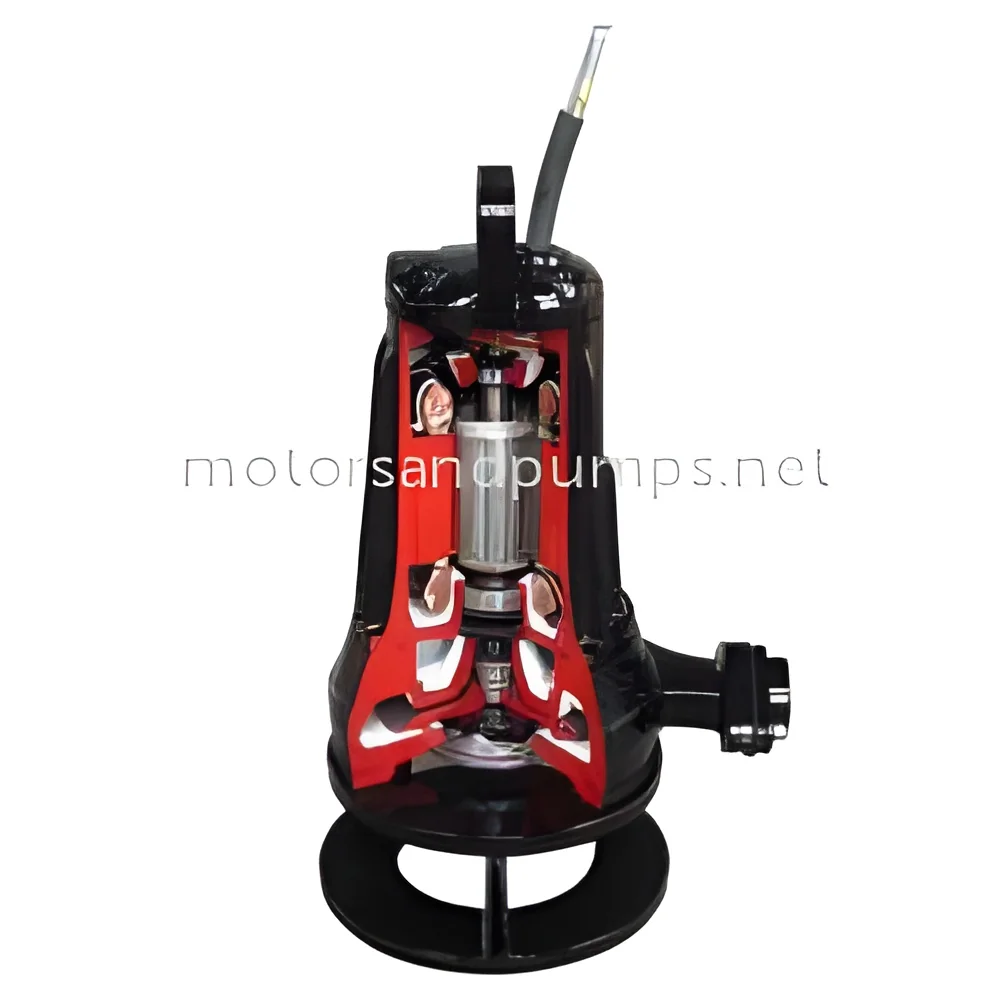
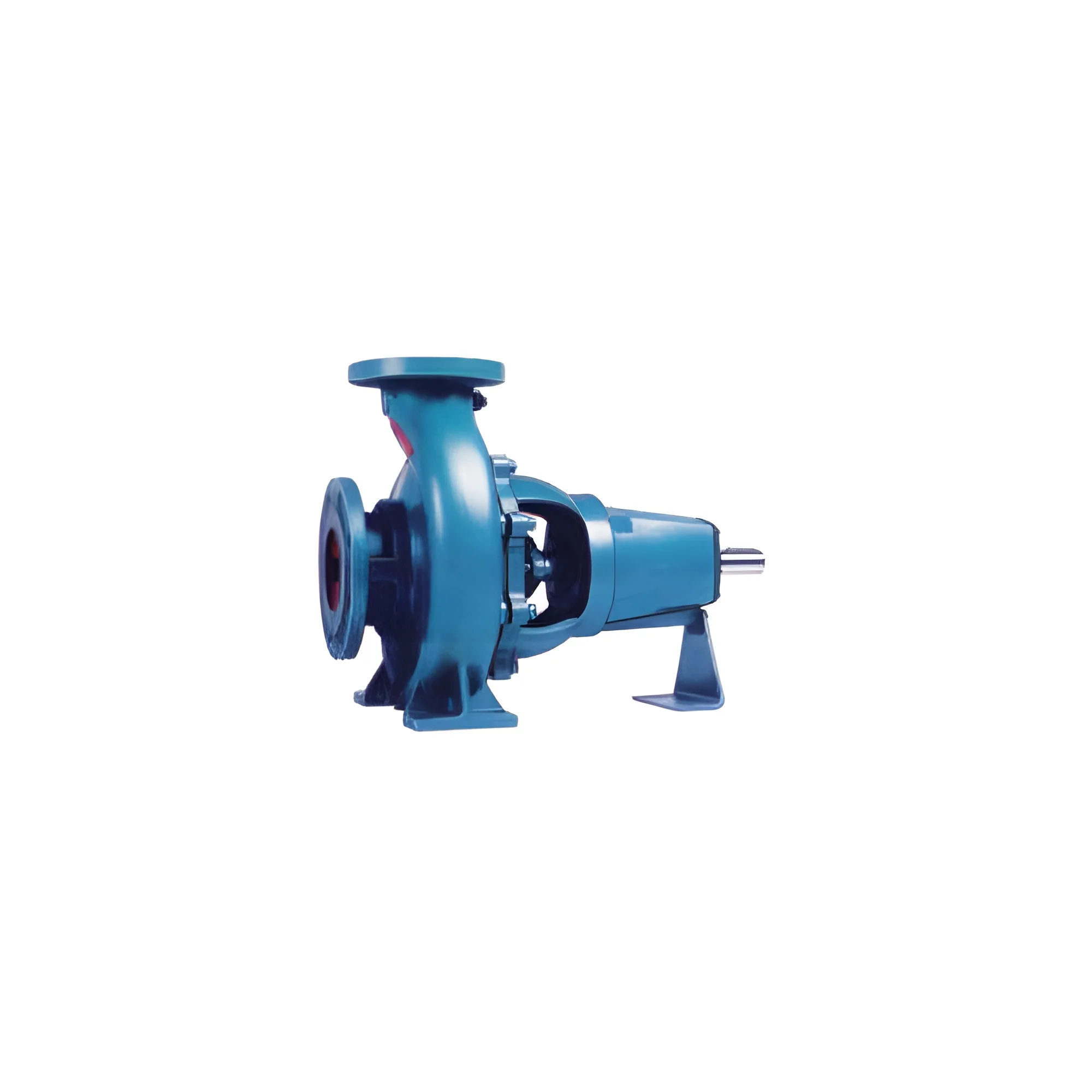
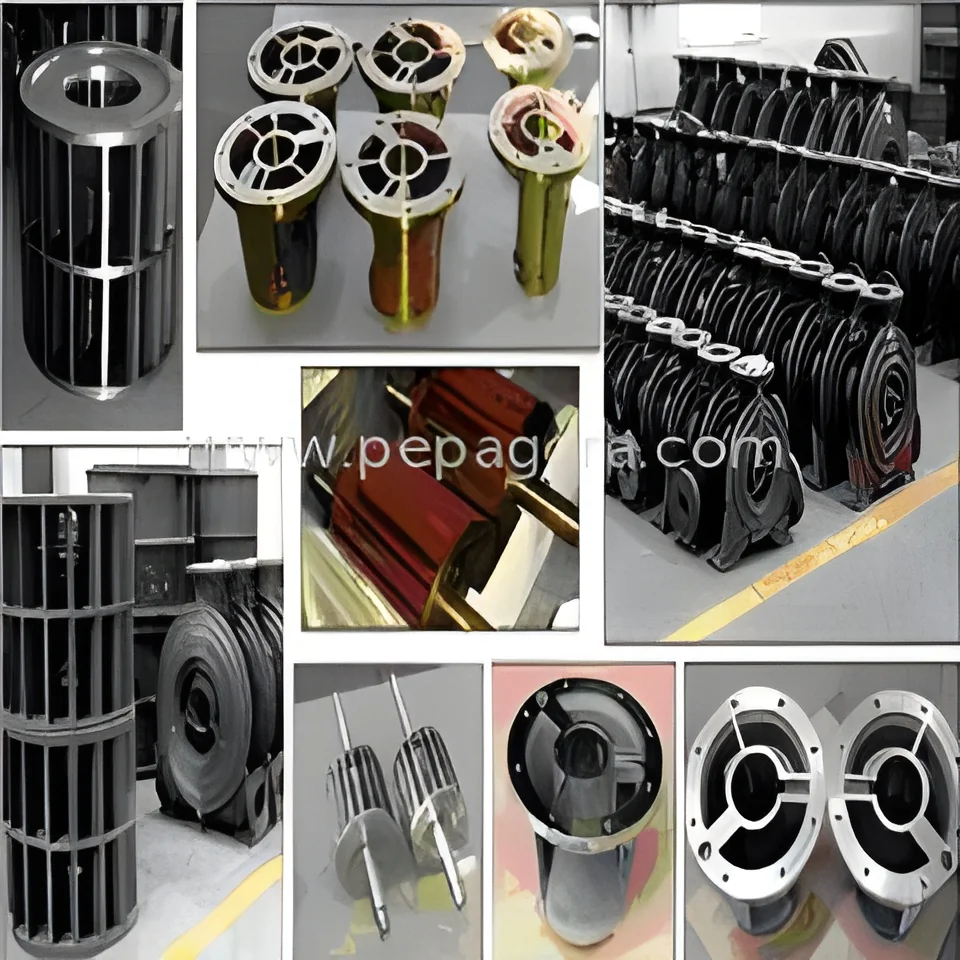
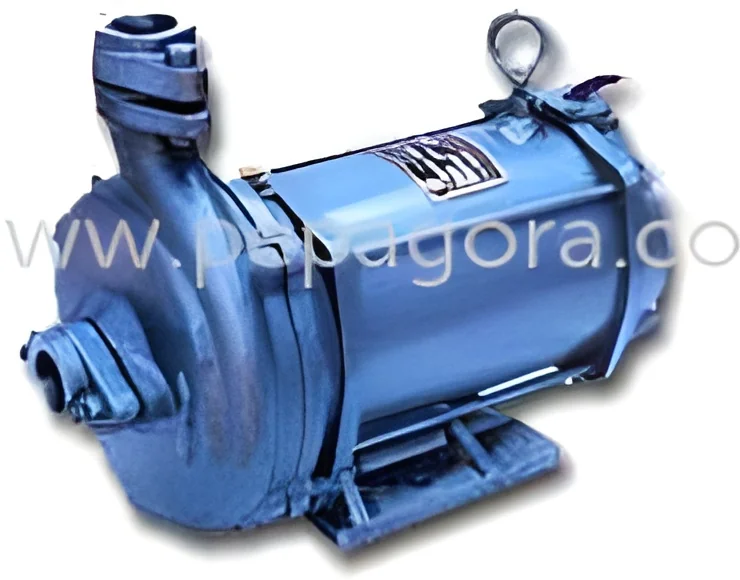
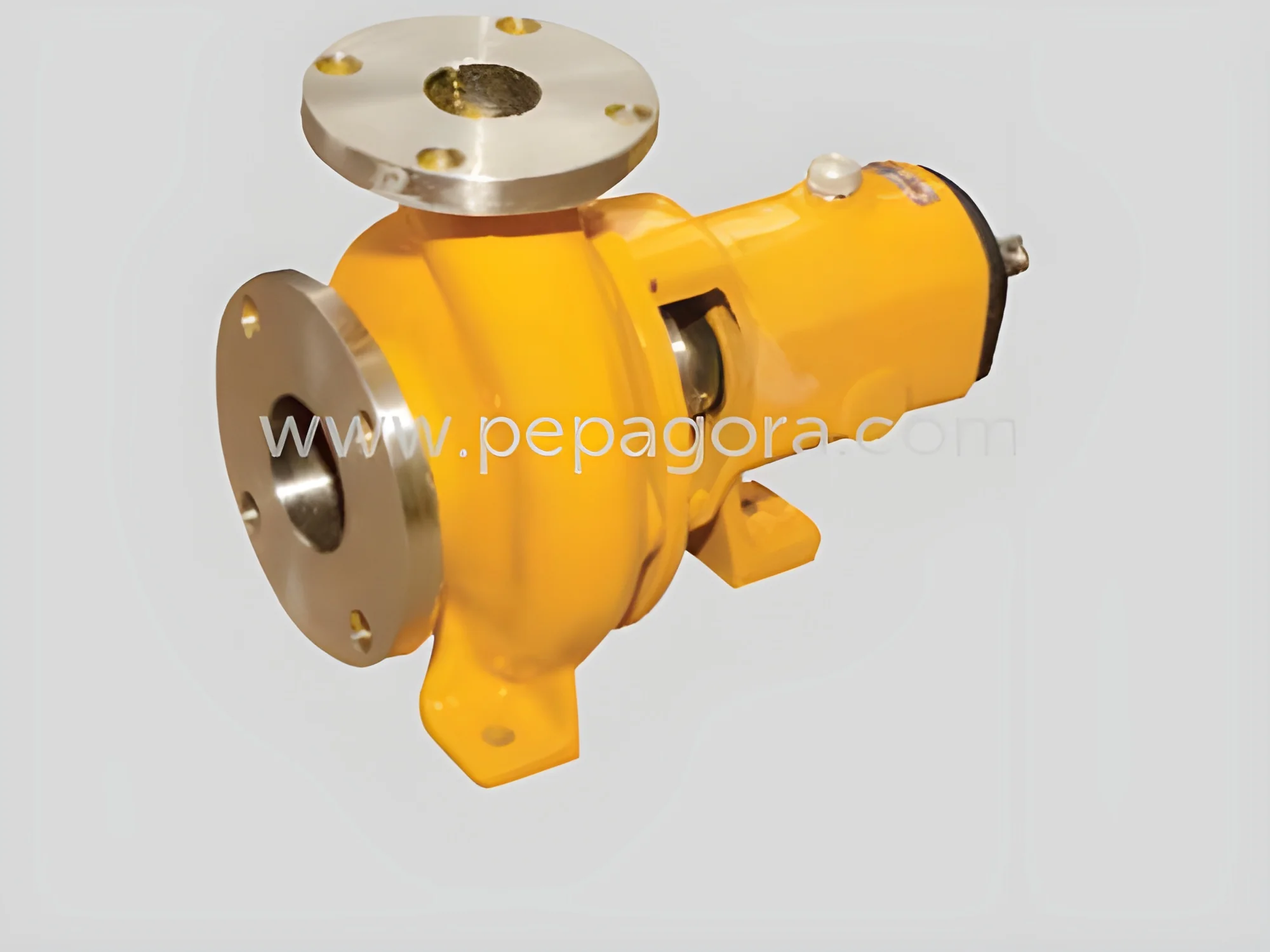
What are Multistage Centrifugal Pumps?
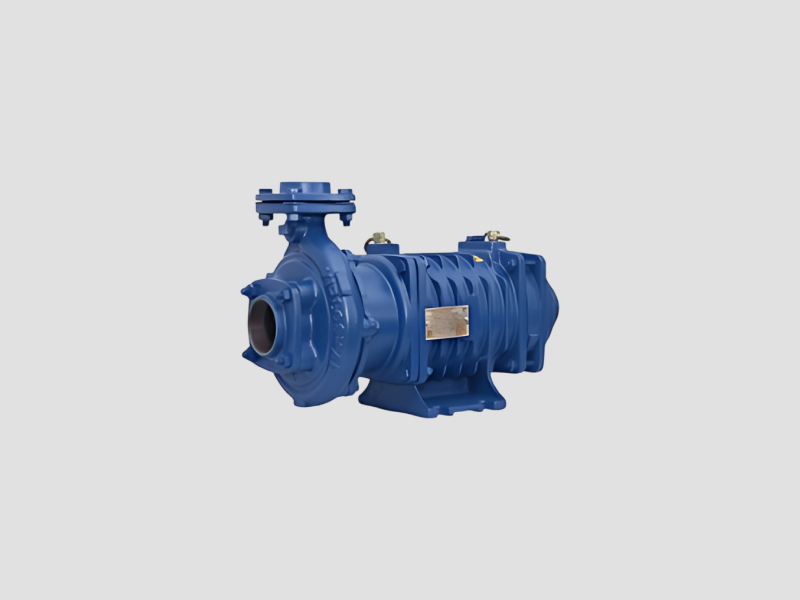
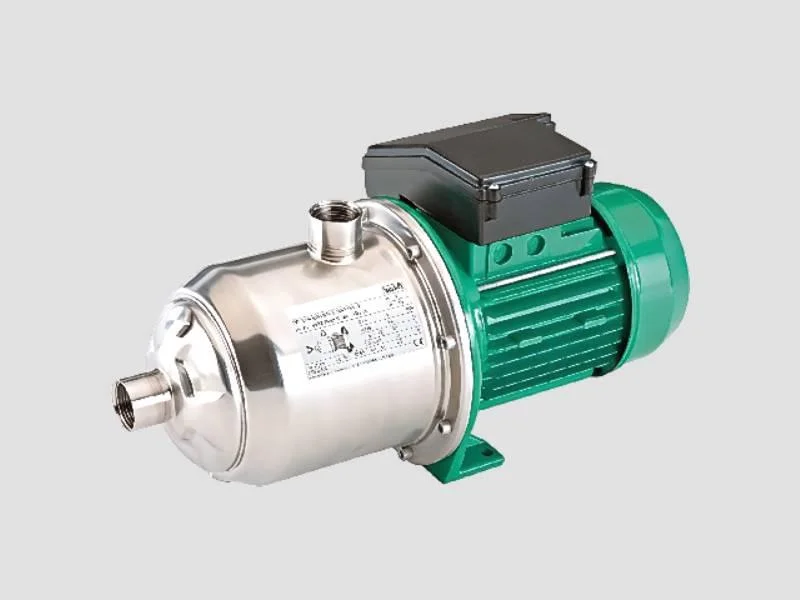
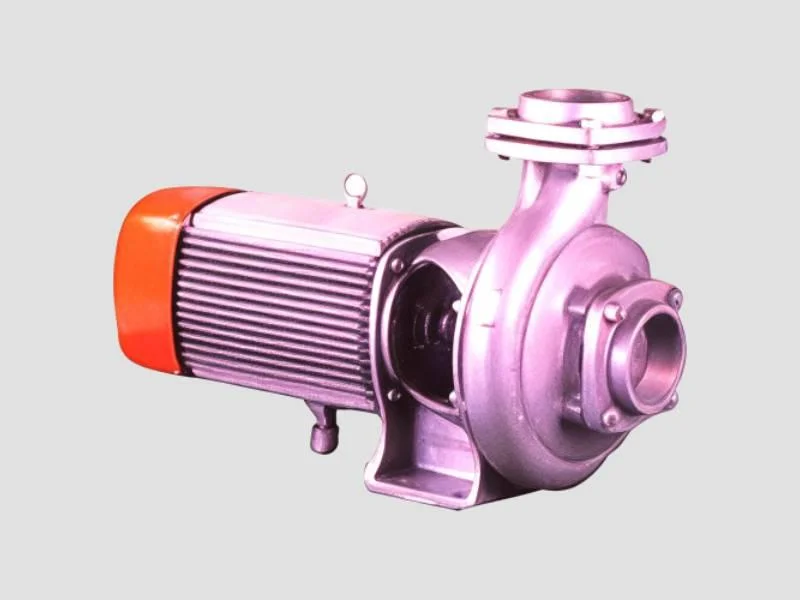
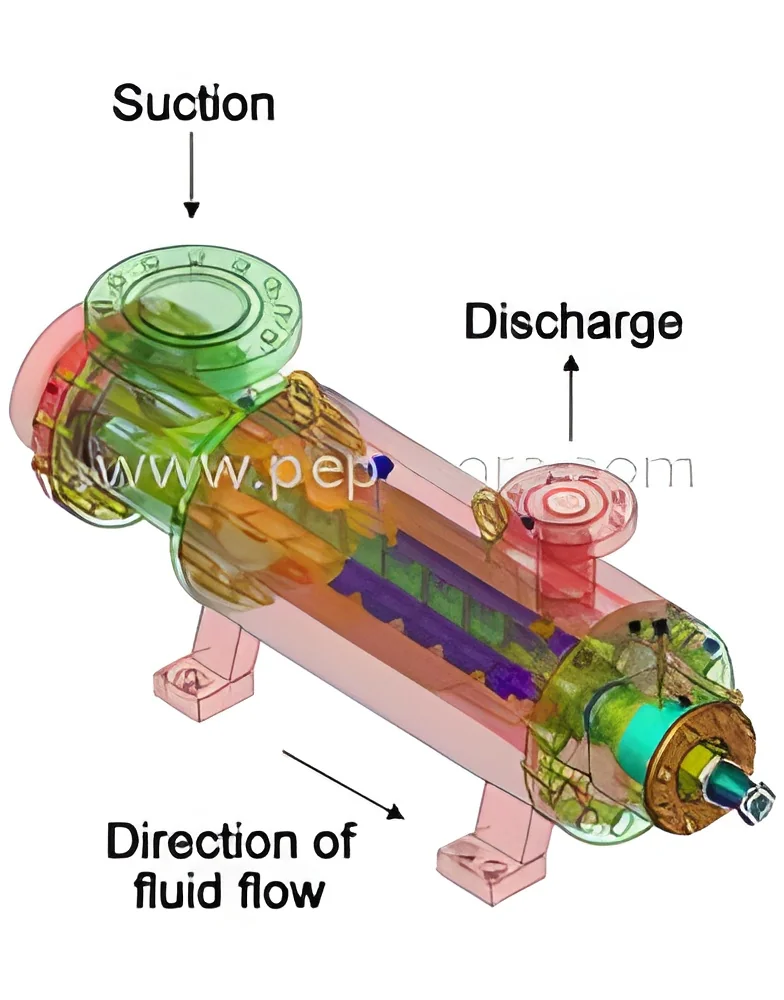
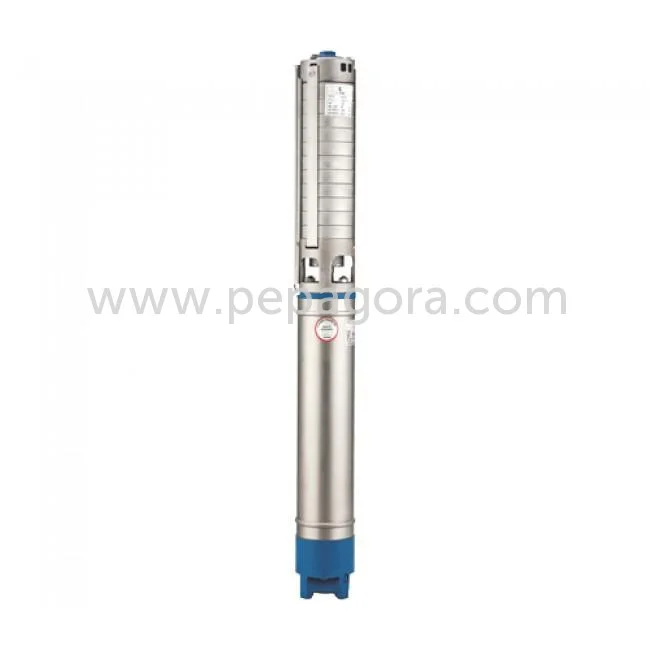
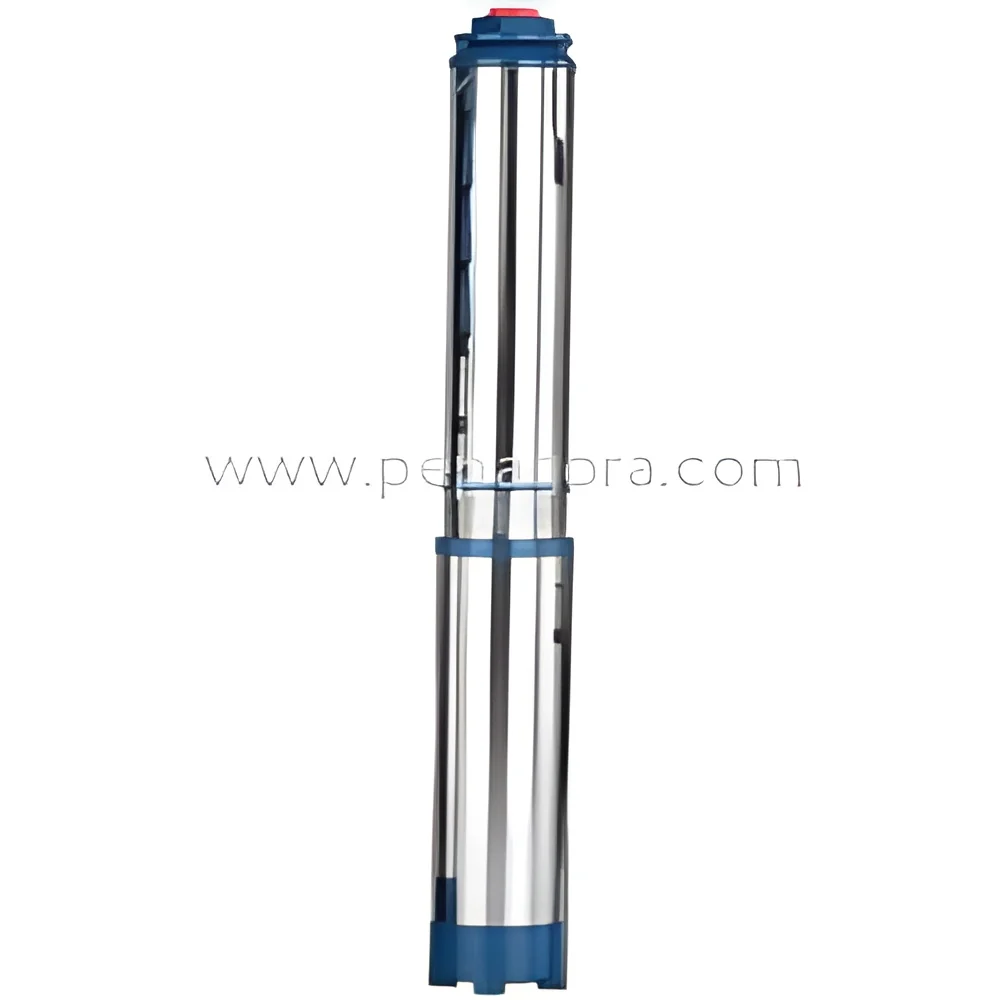
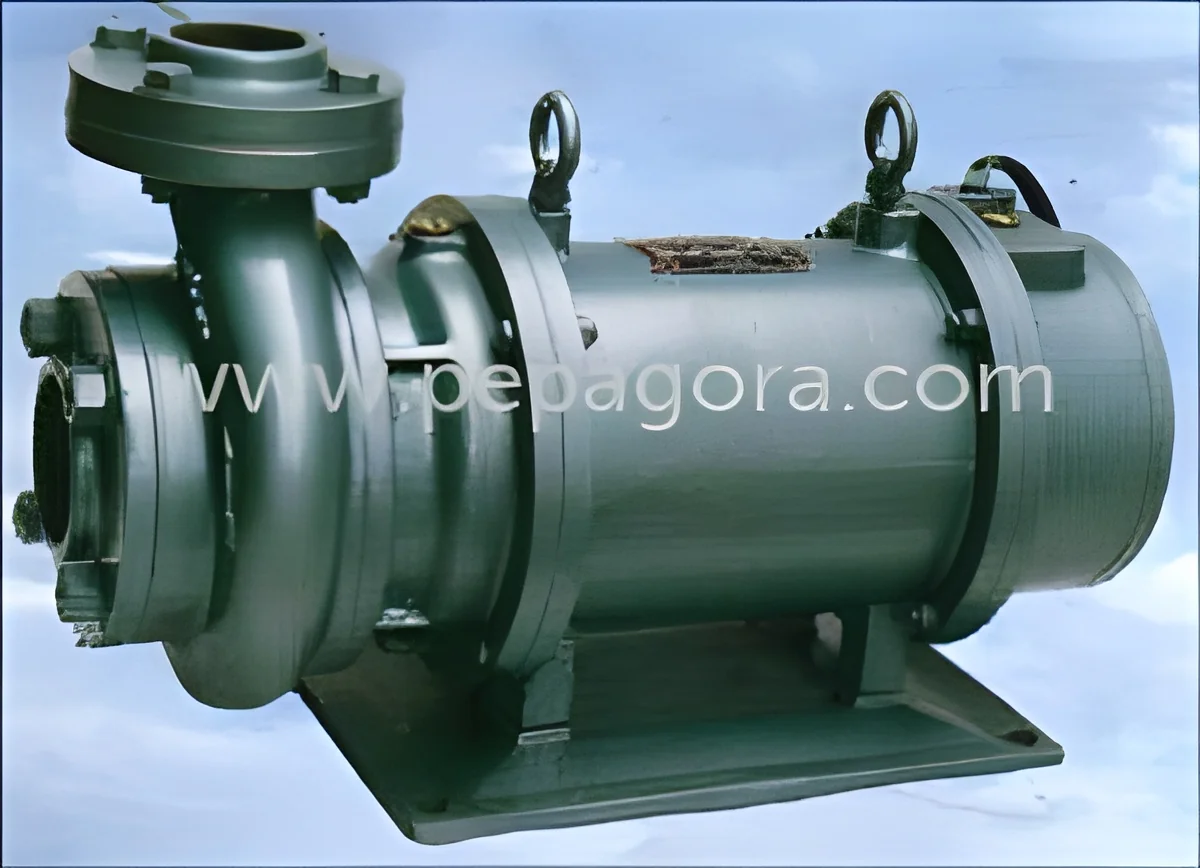
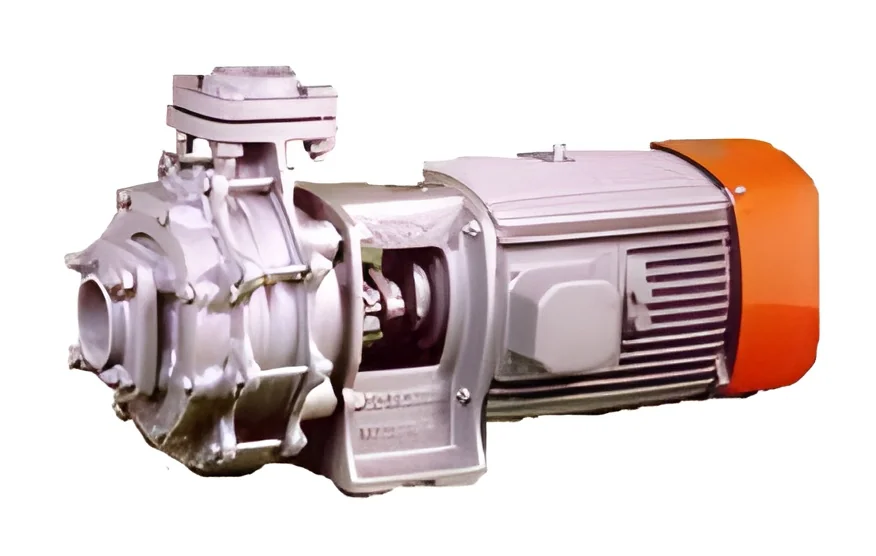
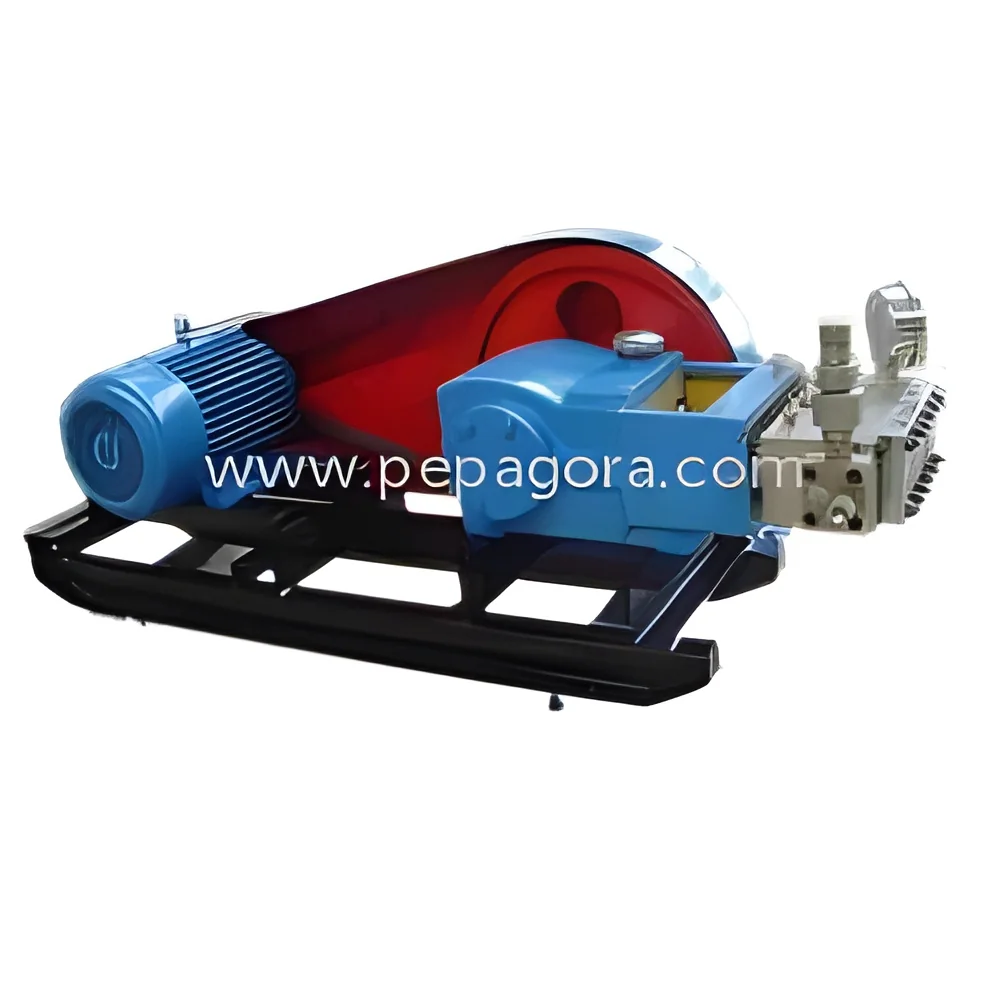
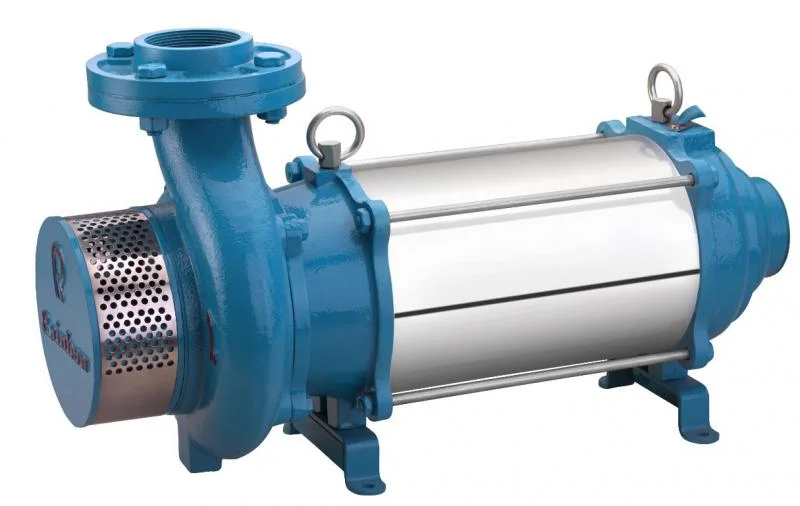
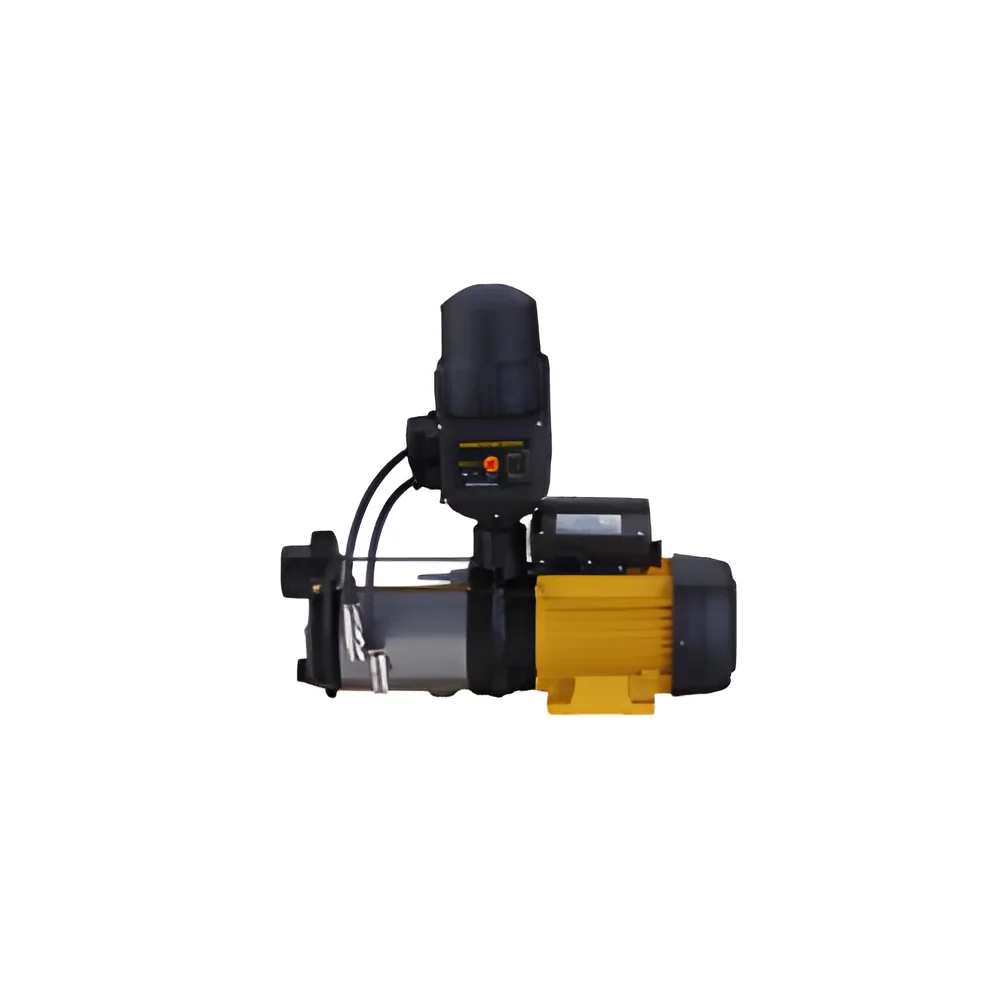
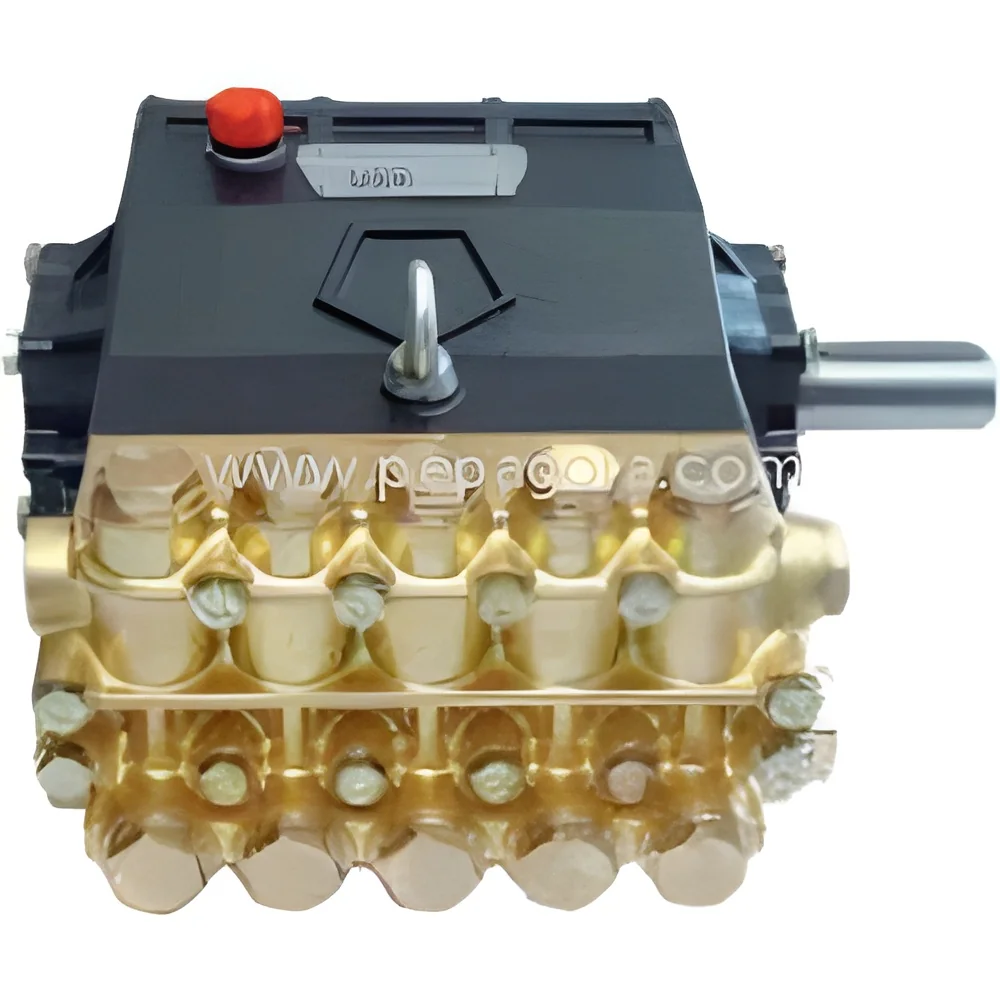
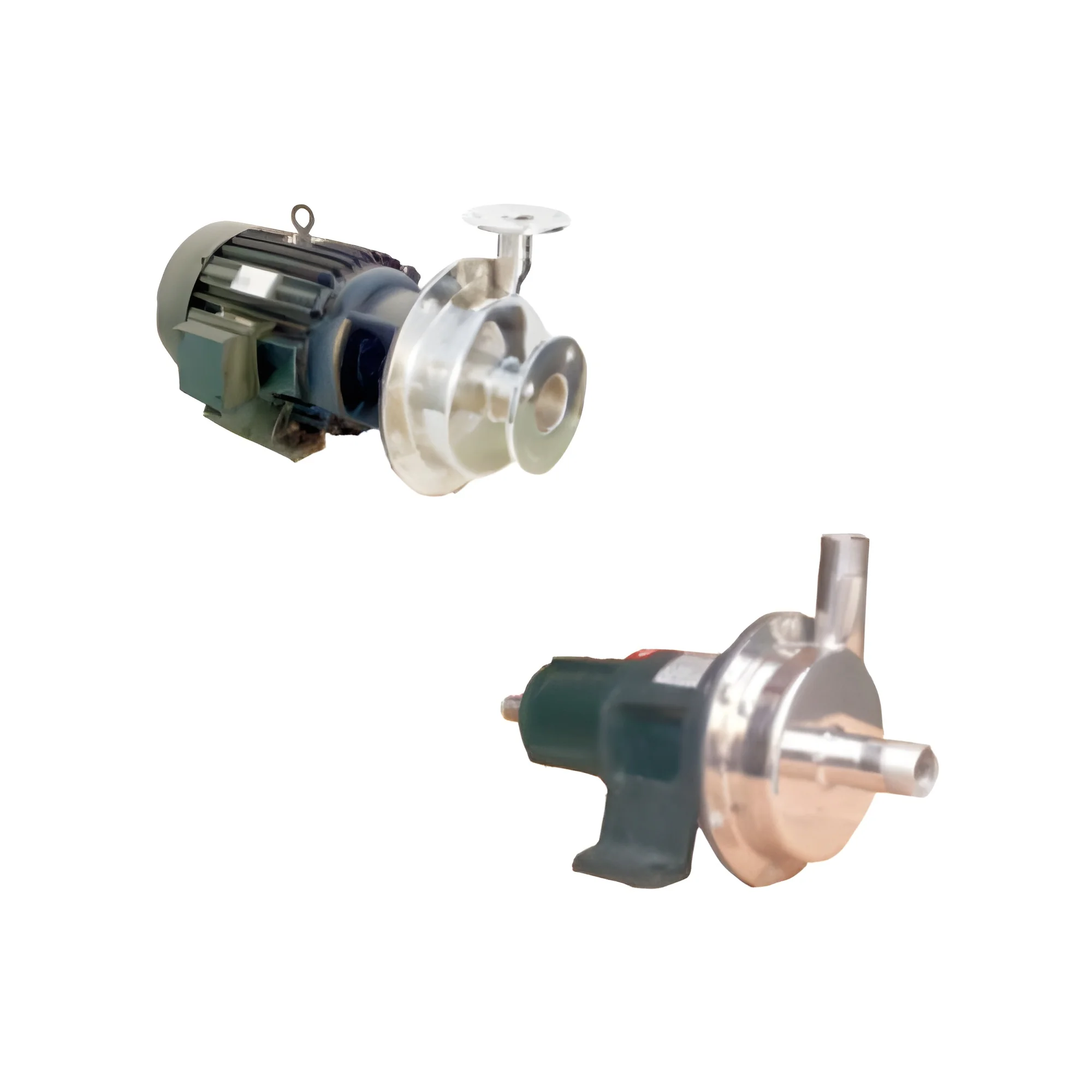
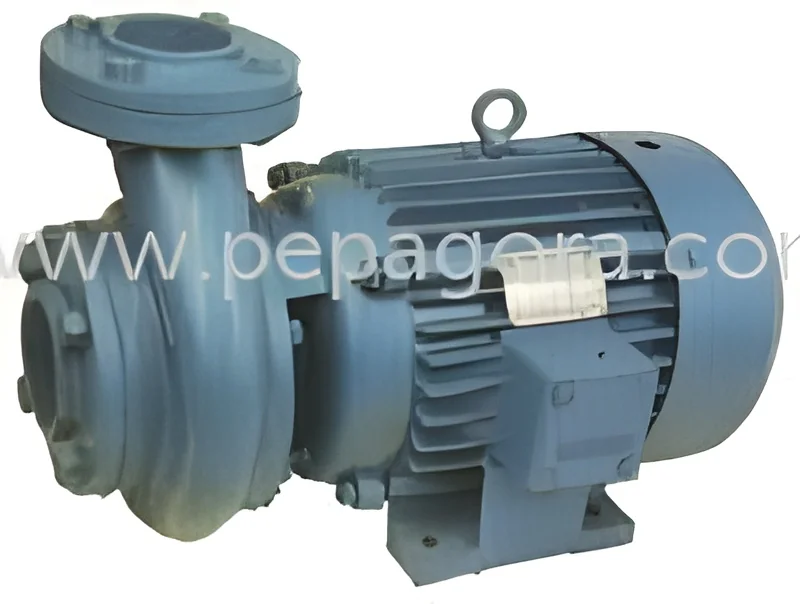
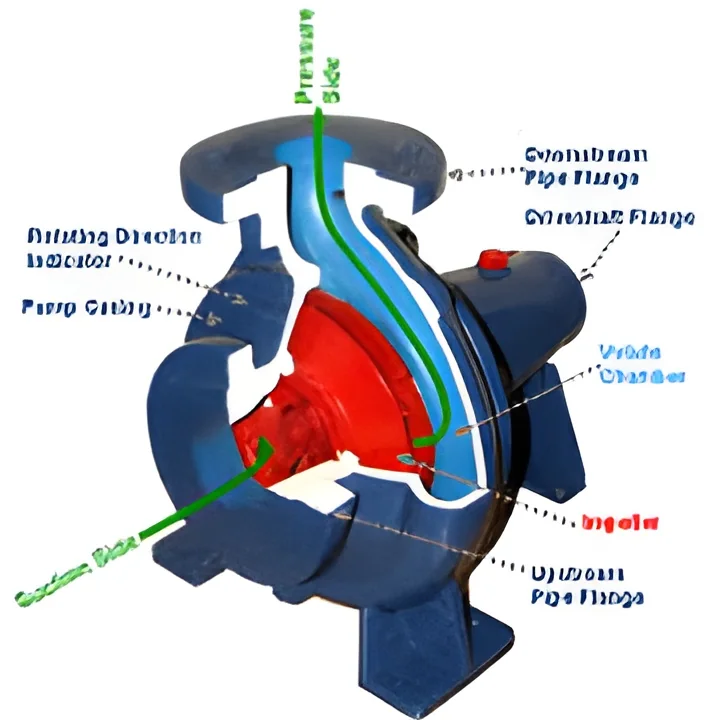
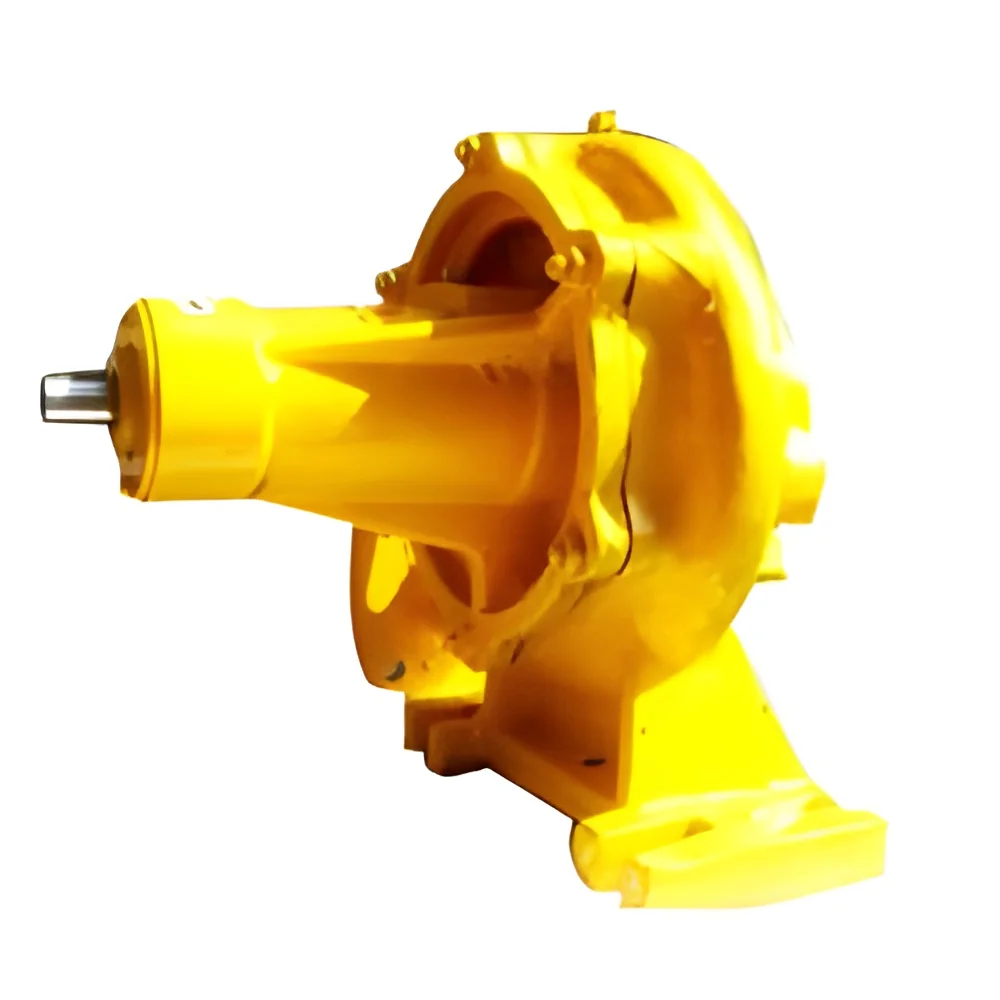
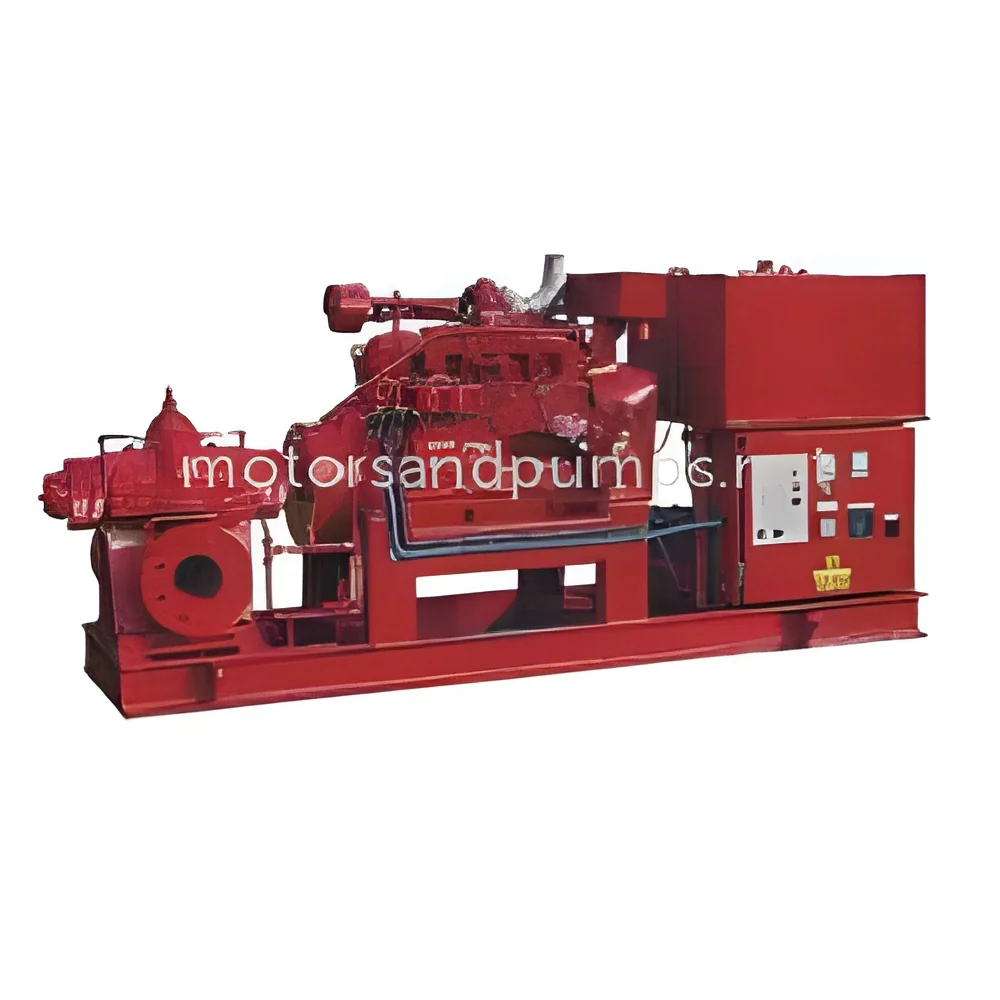
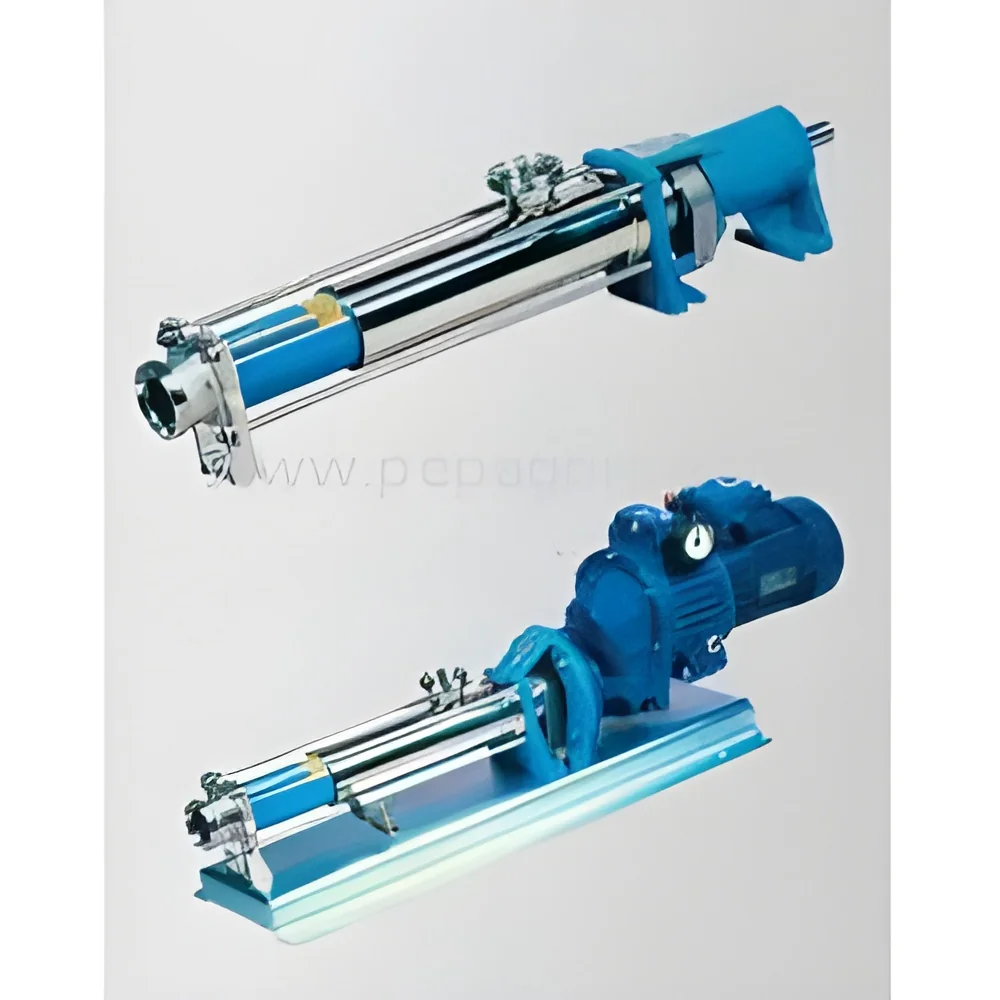
Multistage centrifugal pumps are a type of pump designed to move fluids through a series of impellers in a multi-stage configuration. This design allows for increased pressure and flow rates, making them suitable for handling high-pressure applications. These pumps operate by converting rotational energy, typically provided by an electric motor, into kinetic energy in the fluid, which is then transformed into pressure energy.
These pumps find their primary use in various sectors where high pressure is necessary. Common applications include water supply systems, irrigation, boiler feed applications, and industrial processes. Their ability to efficiently handle different types of fluids, including water and other industrial liquids, makes them invaluable in many business operations and environments. The demand for reliable and efficient fluid transfer solutions continues to grow, establishing multistage centrifugal pumps as a critical component in the industrial landscape.
Key Features and Specifications
Multistage centrifugal pumps come with several important features that enhance their performance and usability. Understanding these specifications is crucial for selecting the right pump for specific applications.
Key specifications include:
1. Flow Rate
- The volume of fluid the pump can move, usually measured in gallons per minute (GPM) or liters per second (L/s).
- Common ranges vary based on the model and intended use.
2. Head Pressure
- The total height that the pump can raise water, typically measured in feet or meters.
- Important for ensuring the pump meets the height requirements of the application.
3. Motor Power
- The power rating of the motor driving the pump, generally measured in horsepower (HP) or kilowatts (kW).
- Sizing the motor correctly is essential for optimal performance.
4. Pump Material
- Common materials include stainless steel, cast iron, and plastic.
- The choice of material affects the pump's durability and suitability for different fluids.
5. Efficiency Rating
- Indicates how effectively the pump converts input power into hydraulic power.
- Higher efficiency ratings lead to lower energy costs.
6. Maximum Operating Temperature
- The highest temperature at which the pump can operate safely.
- Varies based on the pump design and materials used.
7. Inlet and Outlet Size
- The diameter of the inlet and outlet ports, which impacts fluid flow and system compatibility.
- Typically measured in inches or millimeters.
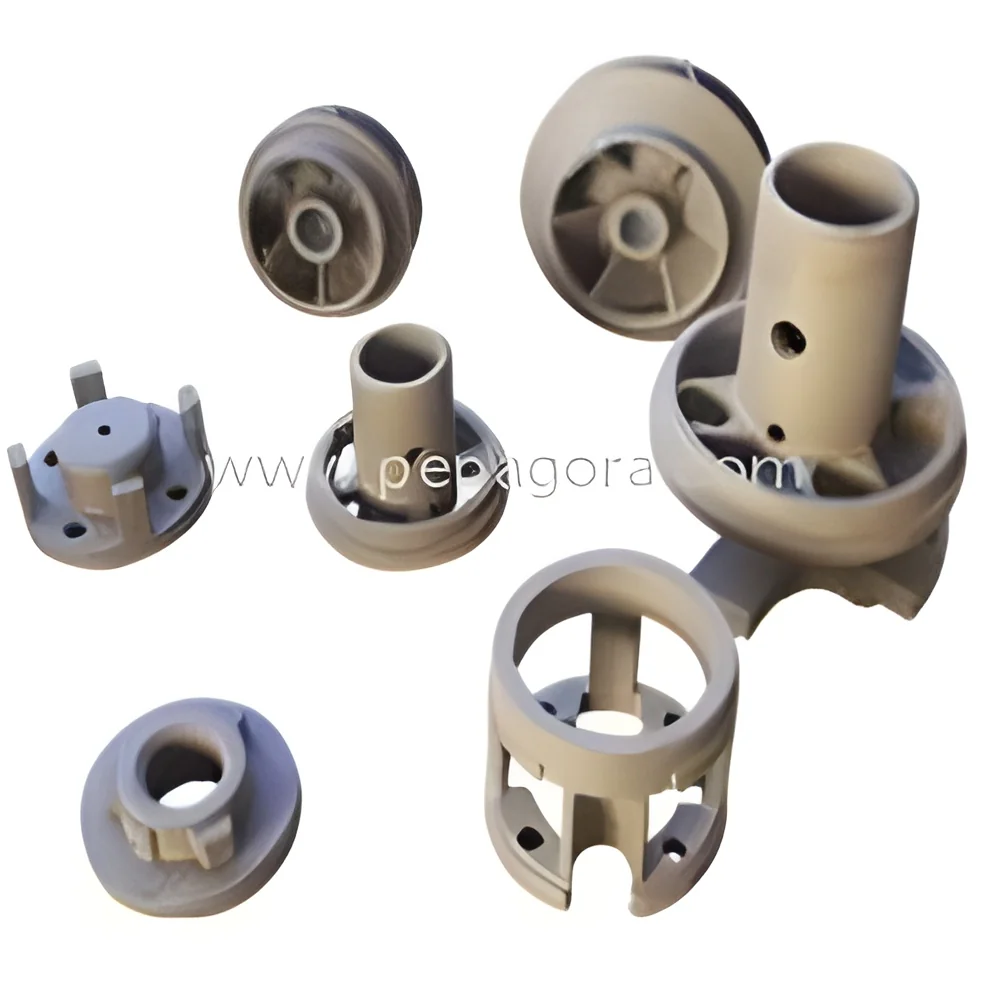
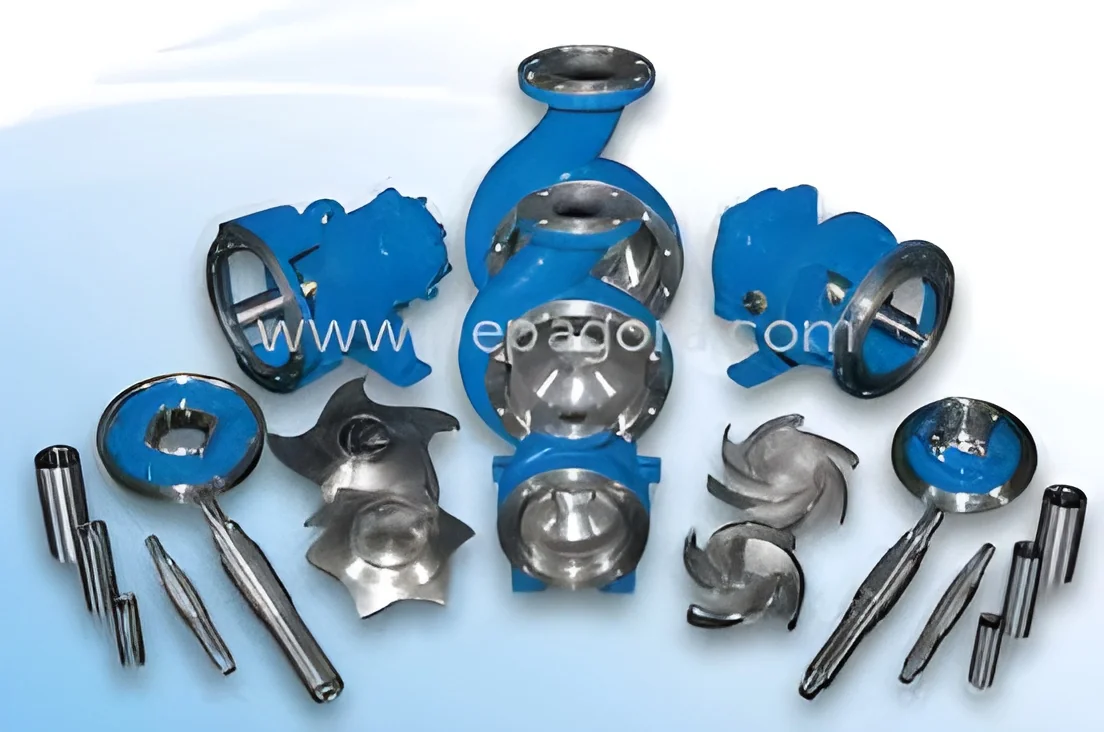
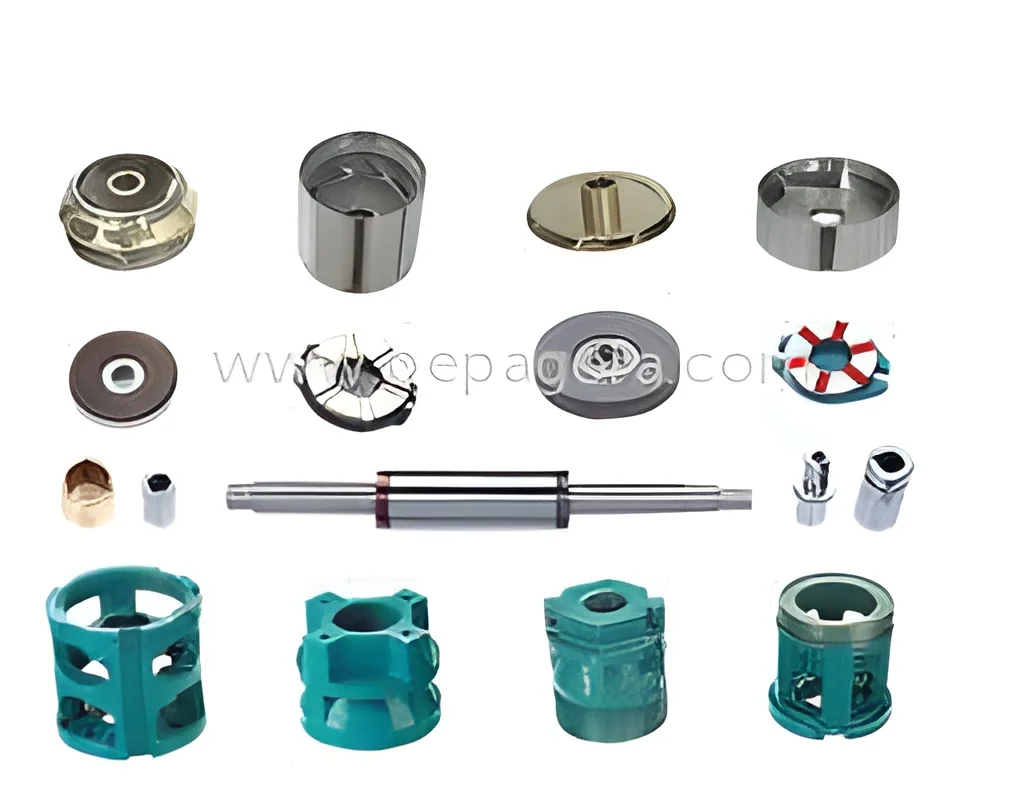
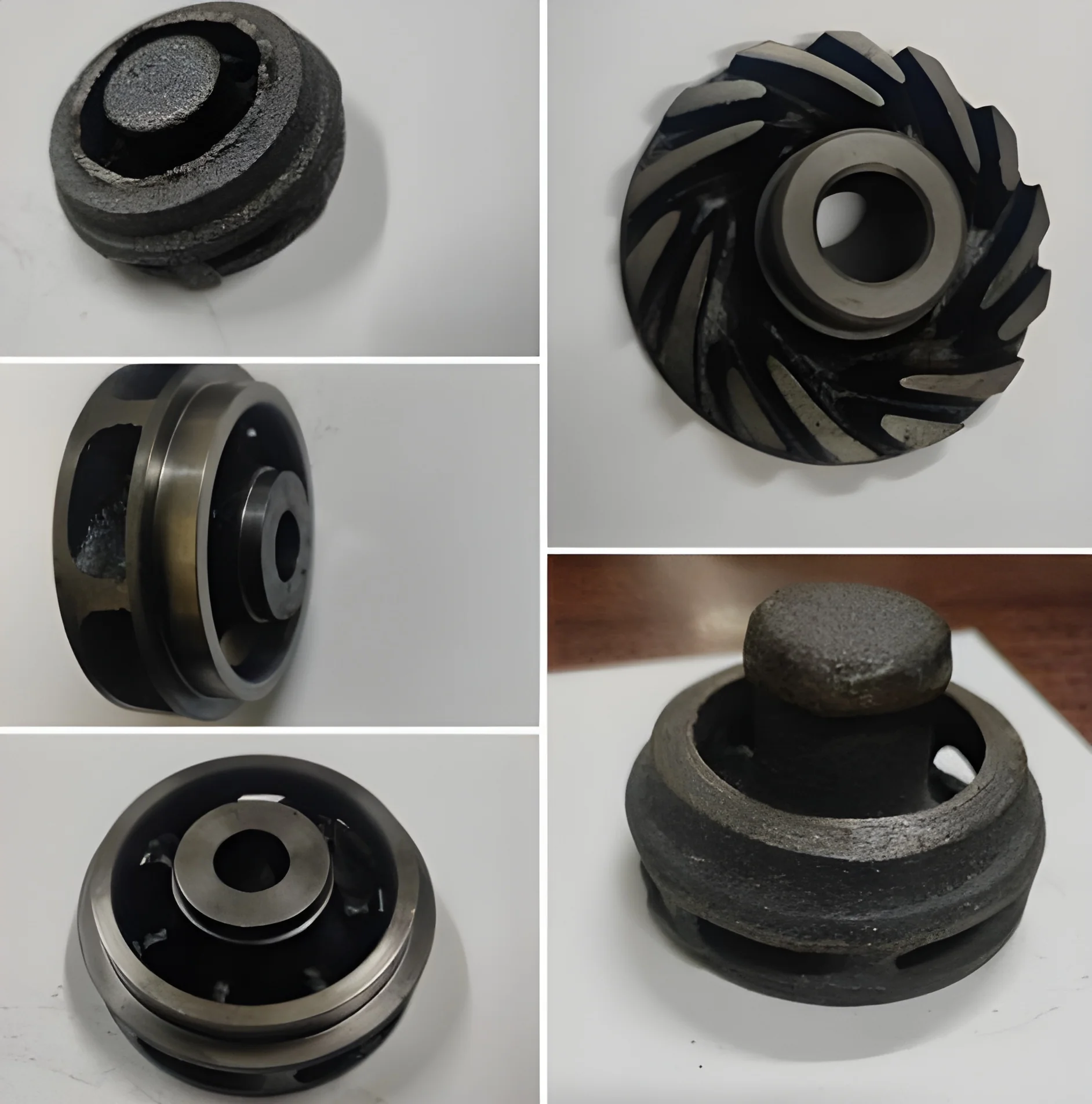
8. Impeller Design
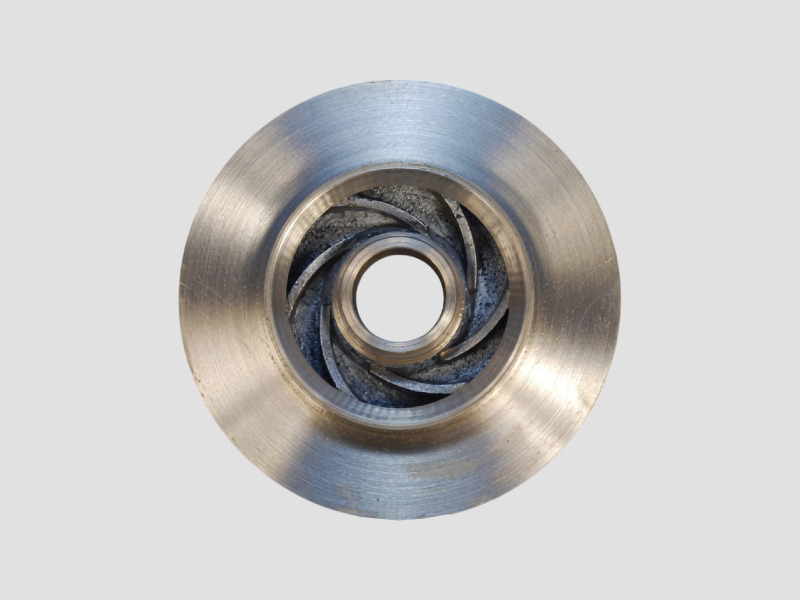
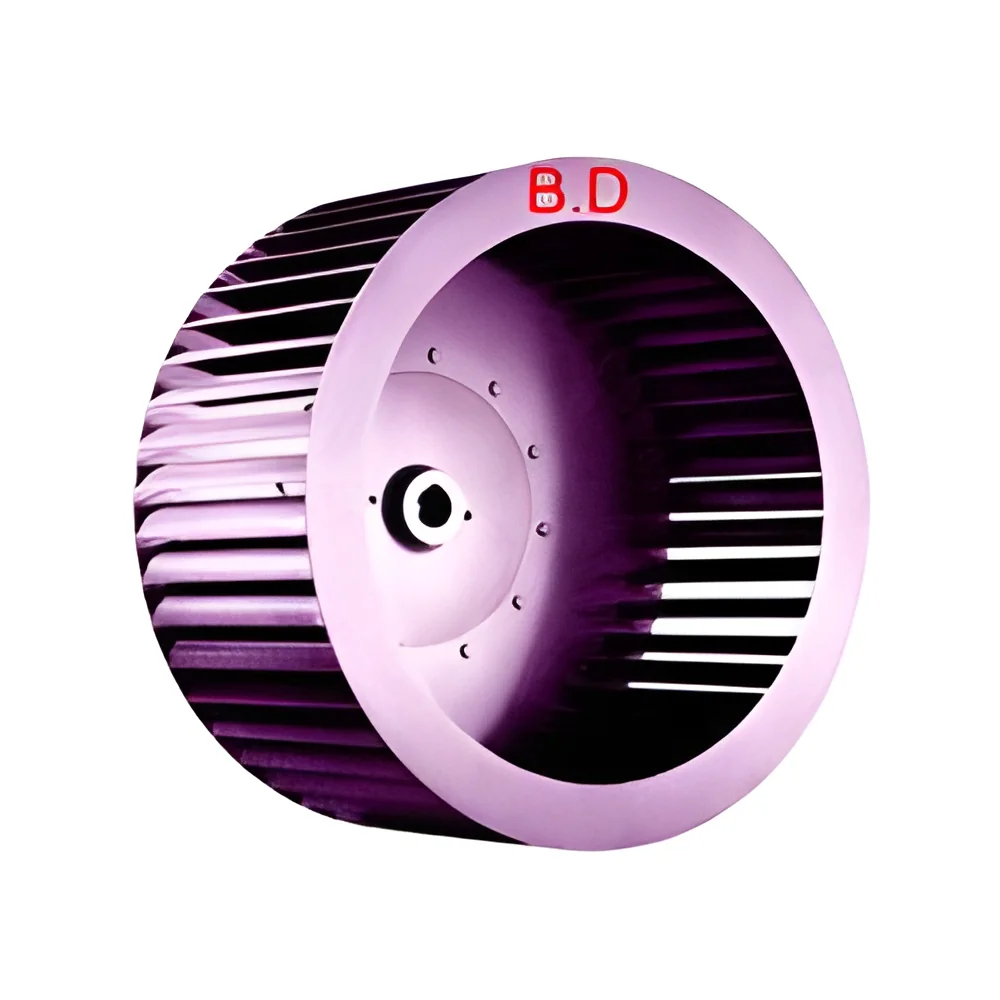
- The shape and number of impellers can influence the pump's performance characteristics.
- Designs may vary based on the intended application.
In summary, understanding these features and specifications is vital for making informed decisions regarding the selection and application of multistage centrifugal pumps in various industries.
Common Applications and Use Cases
Multistage centrifugal pumps are versatile and used across multiple industries for different applications.
1. Water Supply: These pumps are commonly used in municipal water systems to ensure a reliable supply of water to homes and businesses.
2. Agriculture: In irrigation systems, multistage pumps help transport water from sources to fields, ensuring crops receive adequate moisture.
3. Industrial Processes: Many manufacturing facilities utilize these pumps for processes requiring high-pressure water or other liquids.
4. Boiler Feeding: In power plants, multistage pumps feed water into boilers, which is essential for steam generation and energy production.
5. HVAC Systems: These pumps are utilized in heating, ventilation, and air conditioning systems to circulate water efficiently.
6. Mining Operations: In the mining industry, they are used for dewatering applications to keep sites dry.
7. Fire Protection Systems: Multistage pumps provide the necessary water pressure to fire suppression systems, ensuring safety in commercial and industrial buildings.
Product Variants and Subcategories
Multistage centrifugal pumps come in various designs to meet specific industry needs and applications. Although no specific subcategories are available, the variants often differ in features and performance metrics.
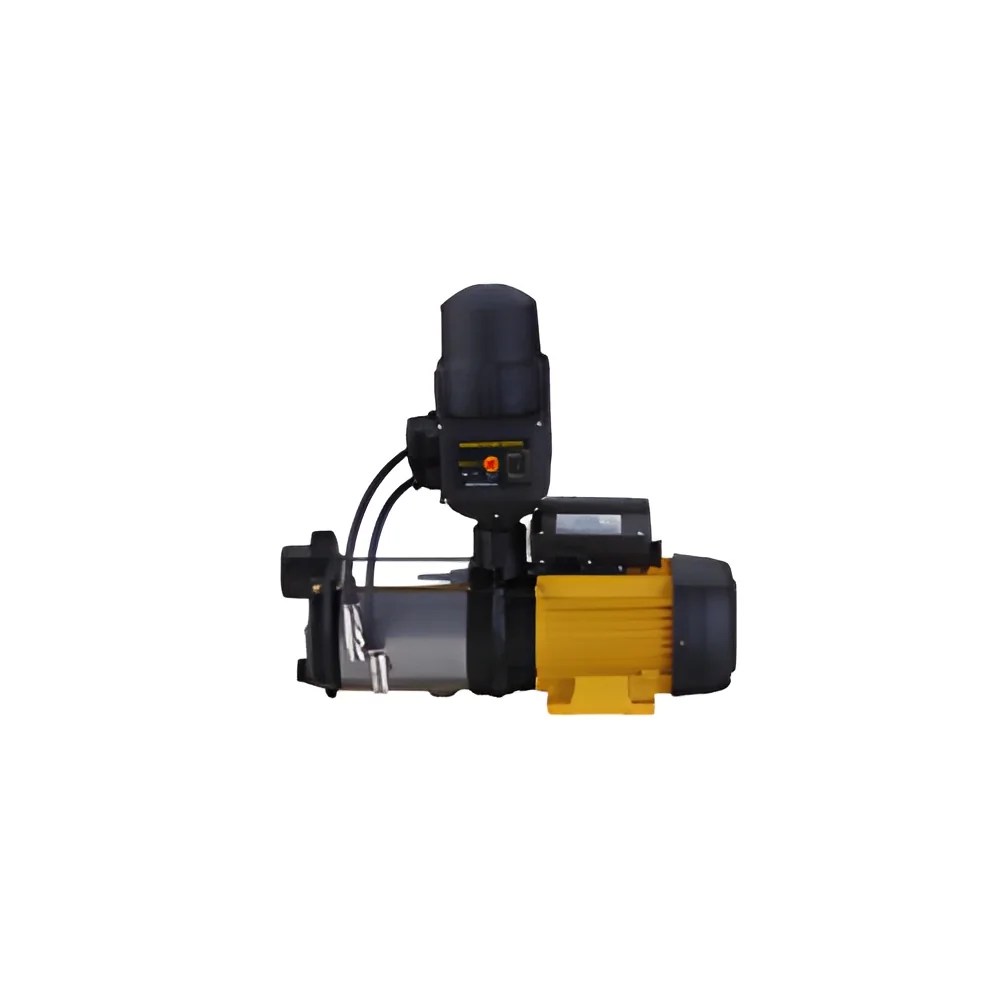
Standard Multistage Pump
This is the most common variant, designed for general-purpose applications. It offers a balance of flow rate and head pressure, making it suitable for various industries.
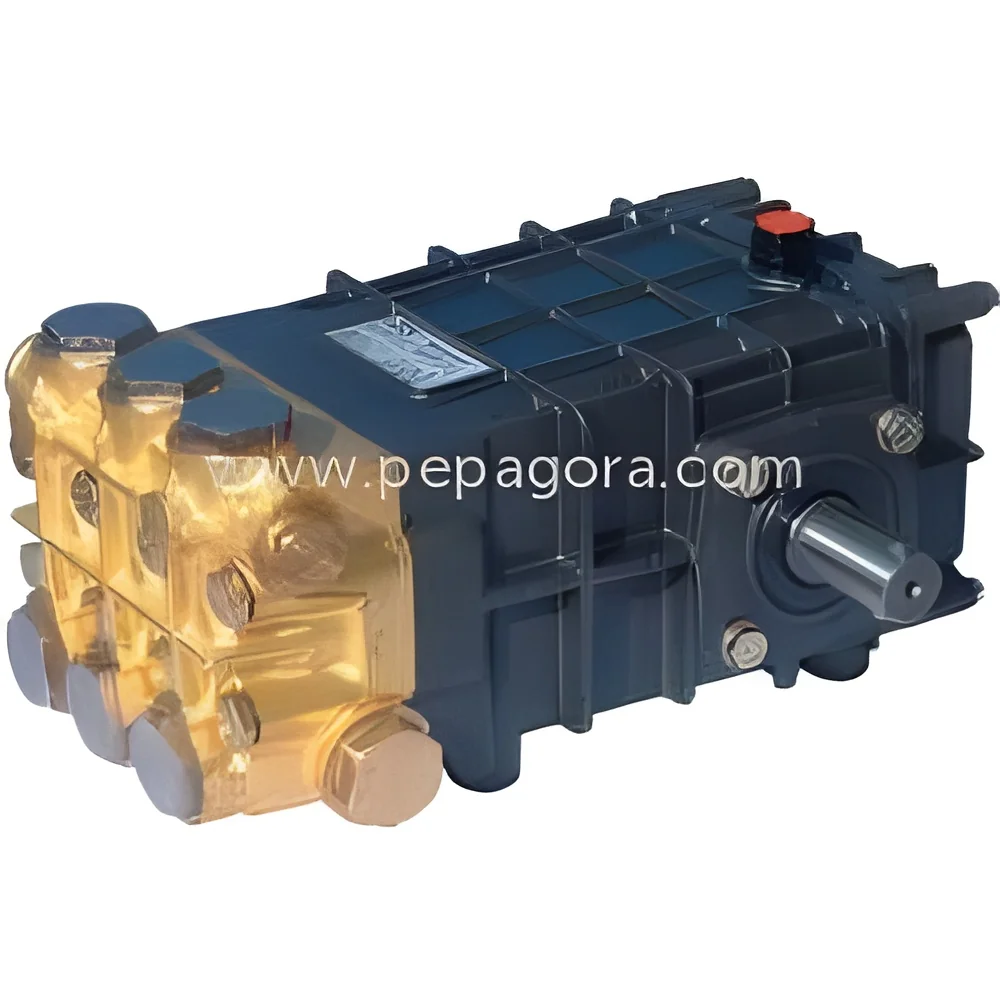
High-Pressure Multistage Pump
This variant is engineered for applications requiring extremely high pressure. It is ideal for industrial processes like boiler feed and water treatment.
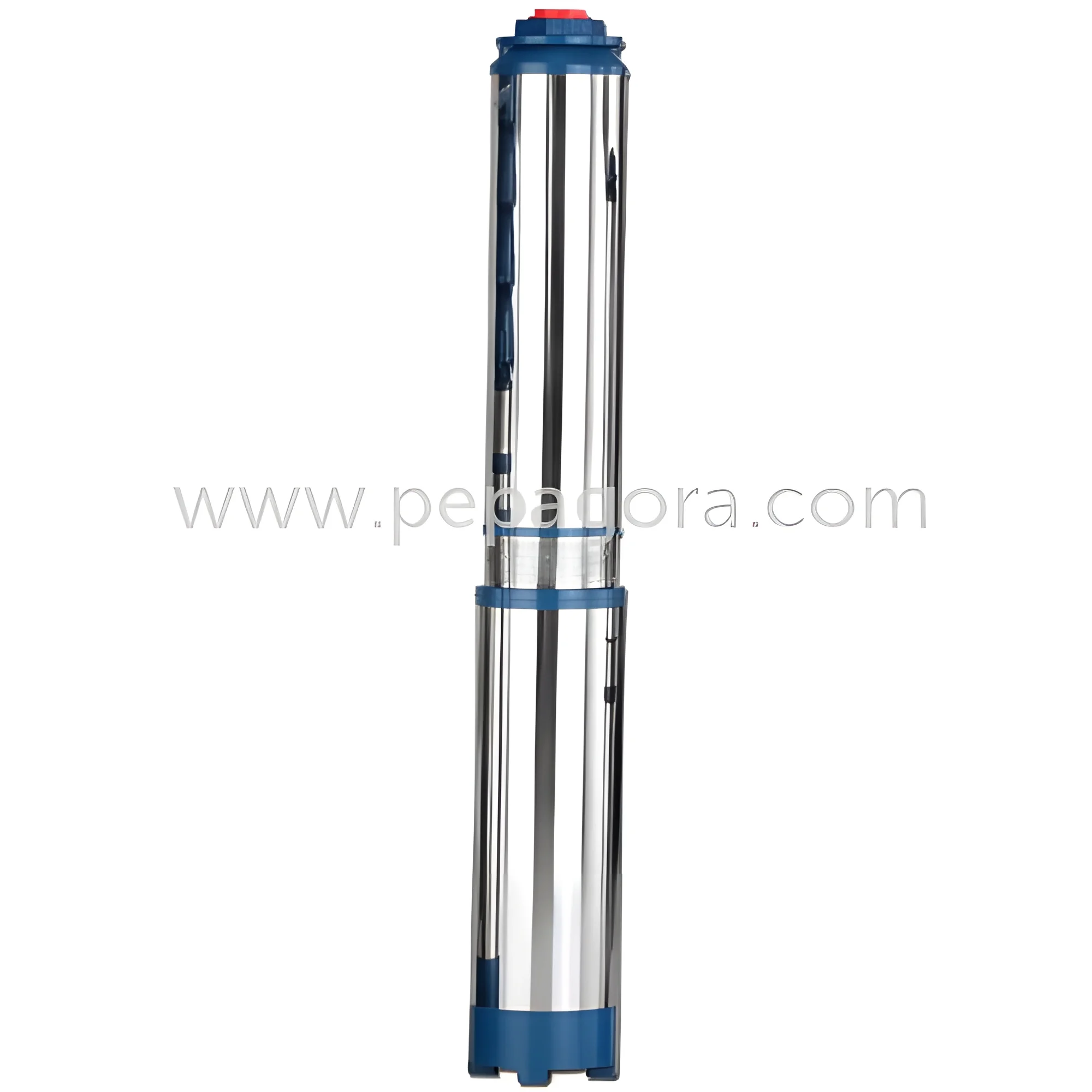
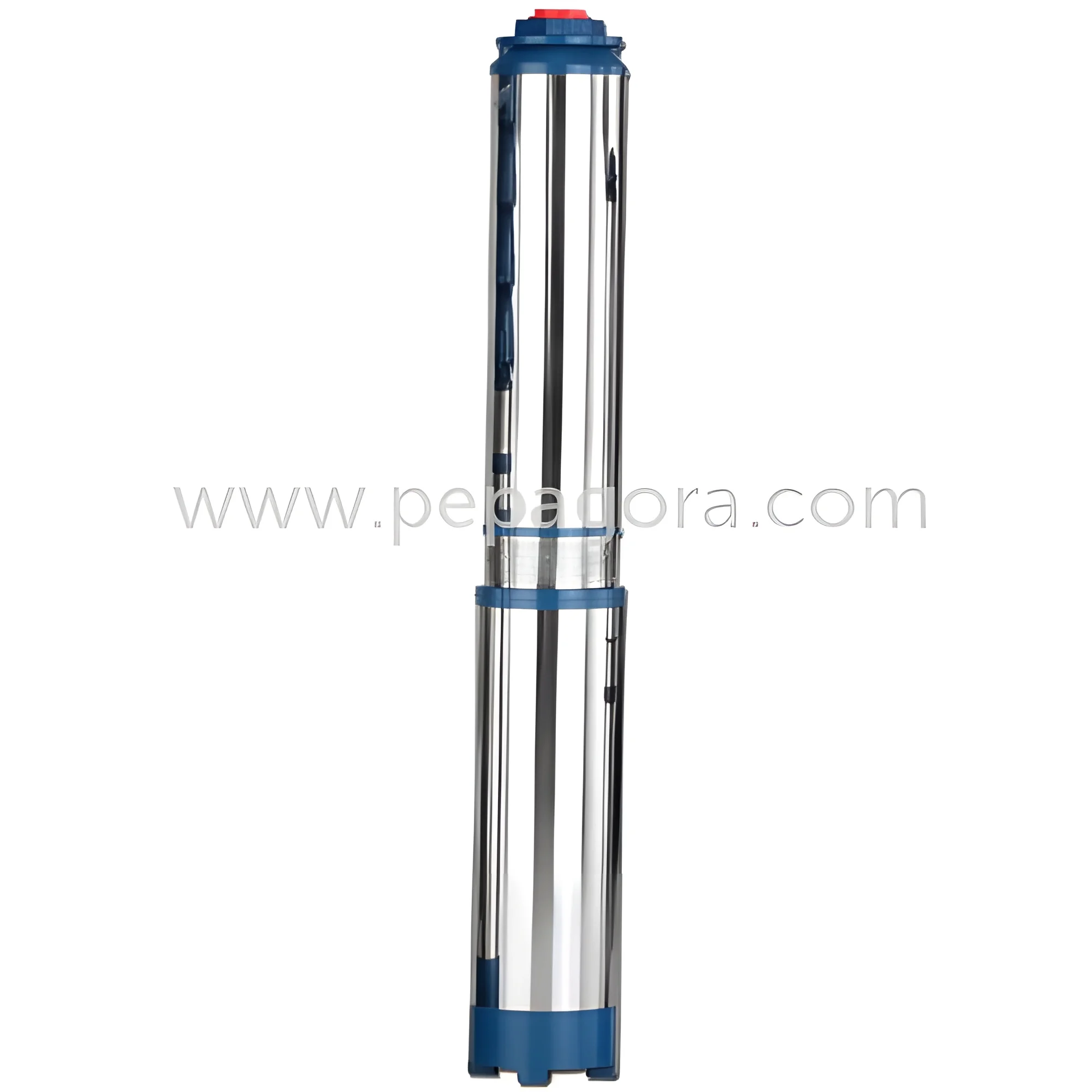
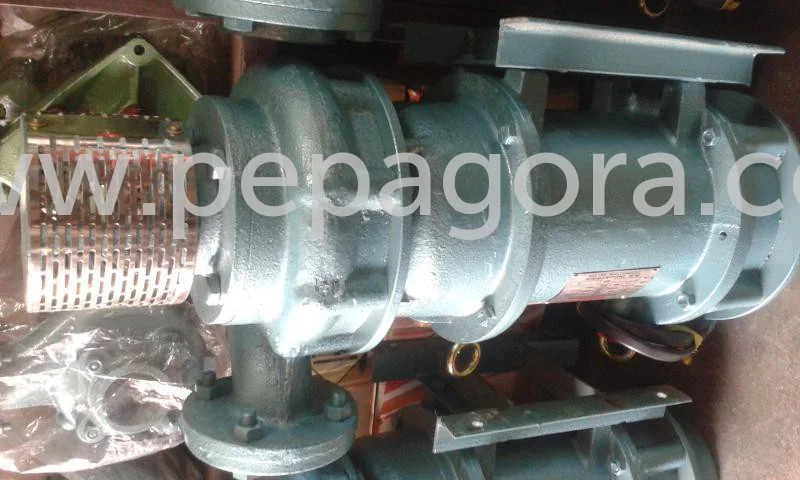
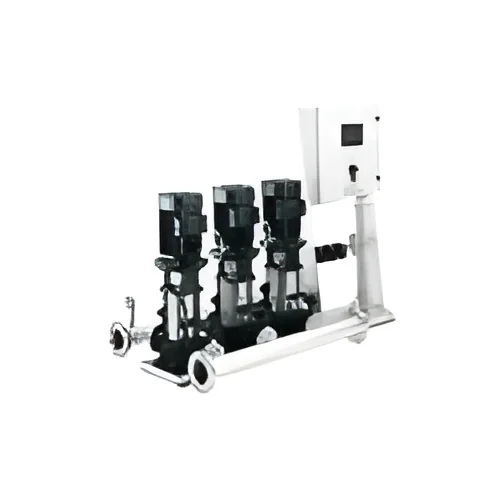
Vertical Multistage Pump
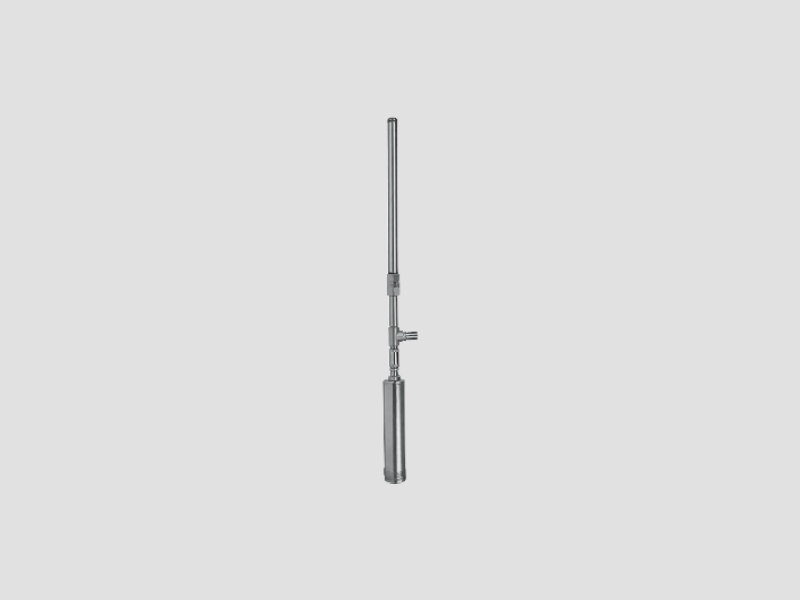
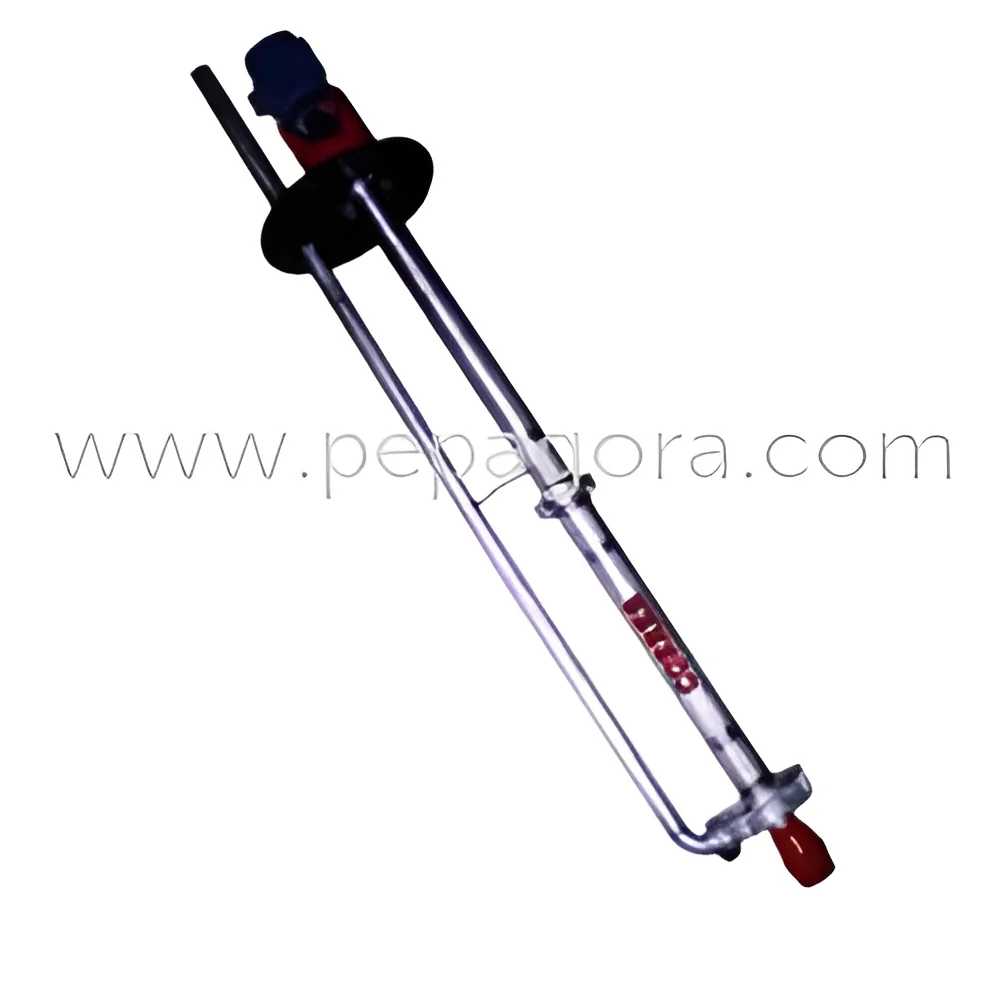
Designed for space-saving installations, vertical models are often used in water supply and HVAC systems, where floor space is limited.
Benefits and Advantages
Multistage centrifugal pumps offer numerous advantages that make them an attractive choice for various applications.
Key benefits include:
1. High Efficiency: These pumps are designed to provide optimal flow rates while minimizing energy consumption, resulting in cost savings.
2. Versatility: They can handle a wide range of fluids, making them suitable for diverse applications across multiple industries.
3. Reliability: With fewer moving parts compared to other pump types, multistage pumps tend to require less maintenance, increasing operational reliability.
4. Scalability: Multistage pumps can be configured to meet specific flow and pressure requirements, making them adaptable to changing demands.
5. Durability: Constructed from robust materials, these pumps are designed to withstand harsh operating conditions and have a long service life.
6. Customization: Many manufacturers offer customization options to meet specific application needs, ensuring optimal performance in unique environments.
Buying Guide for B2B Buyers
When sourcing multistage centrifugal pumps, it is essential to consider several factors to ensure the right fit for your application.
1. Quality Assessment: Evaluate the quality of the pump based on industry standards and certifications. Look for pumps that comply with ISO 9001 or similar quality management systems.
2. Supplier Verification: Vet suppliers to ensure they have a proven track record and positive reviews from previous customers. This helps mitigate risks associated with purchasing.
3. Pricing and MOQ: Understand the pricing structure and minimum order quantities. This helps in budgeting and ensures you can meet your project requirements.
4. Delivery and Lead Times: Inquire about delivery schedules and lead times to ensure your project timelines are met. Delays can significantly impact operations.
5. Compliance Requirements: Be aware of any regulatory compliance needs specific to your industry or region. Ensure the pumps meet local safety and performance standards.
Compliance and Certifications
Multistage centrifugal pumps must adhere to several quality standards and certifications to ensure they meet industry demands.
Common quality standards include ISO 9001, which focuses on effective quality management systems, ensuring consistent quality and customer satisfaction. Compliance with standards like HACCP and GDP may also be relevant in specific industries such as food processing and pharmaceuticals.
Industry certifications such as UL and CE are critical for ensuring safety and performance. UL certification indicates that the product has been tested for safety and meets established standards, while CE marking shows conformity with health, safety, and environmental protection standards within the European Economic Area.
Safety and testing requirements are paramount, as they ensure the pumps operate reliably under various conditions. Additionally, regional compliance considerations may vary, so it is vital to be informed about local regulations that could affect pump selection and usage.
Why Source Multistage Centrifugal Pumps from Pepagora?
Pepagora provides a trusted platform for sourcing multistage centrifugal pumps, offering several key advantages to B2B buyers.
Verified Supplier Network: Pepagora has established a network of verified suppliers, ensuring that buyers can source high-quality pumps from reliable manufacturers. This verification process helps build trust and minimizes risks associated with procurement.
Streamlined RFQ Process: The platform features a simplified Request for Quotation (RFQ) system, allowing buyers to easily submit inquiries and receive competitive quotes from multiple suppliers. This efficiency aids in making timely purchasing decisions.
Trade Assurance and Support: Pepagora offers trade assurance to protect buyers throughout the purchasing process. This support includes assistance with order fulfillment and resolution of any issues that may arise.
Regional Coverage: With a strong presence in India, the GCC, and Southeast Asia, Pepagora provides extensive regional coverage. This geographic reach ensures that buyers can find the right products and suppliers to meet their local requirements and demands.

 IN
IN