
 IN
High Temperature Pumps
8 products available
What are High Temperature Pumps?
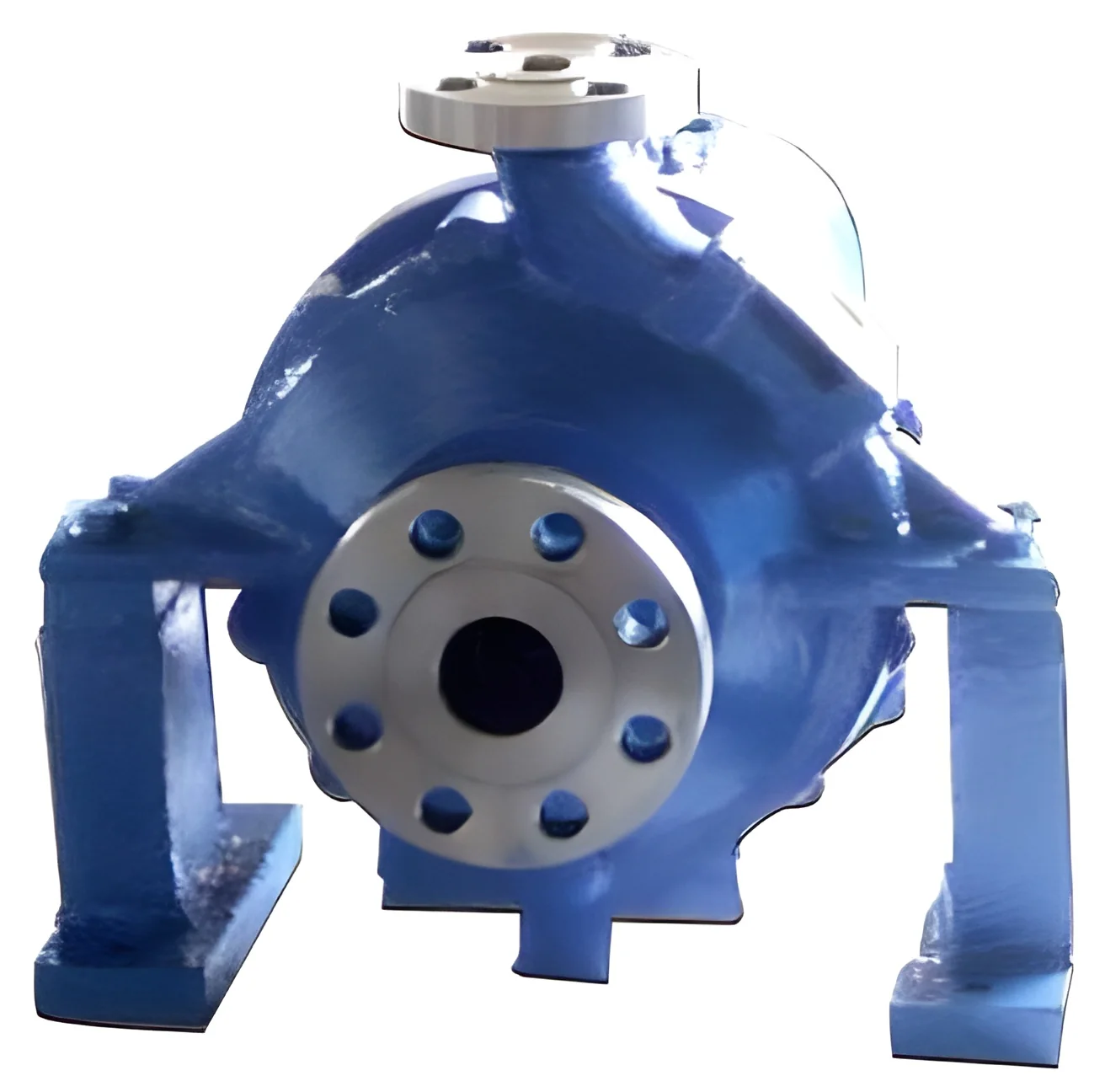
High Temperature Pumps are specialized industrial pumps designed to transport fluids at elevated temperature ranges. These pumps are engineered to handle the stress and strain associated with high thermal conditions, making them essential in various industrial processes. They typically feature robust materials and advanced sealing systems that prevent leaks and maintain performance even in extreme environments.
These pumps find primary applications in industries such as chemical processing, oil and gas, power generation, and food production. Their ability to manage hot liquids, including corrosive substances, is crucial for maintaining operational efficiency and safety. In a market increasingly focused on efficiency and reliability, high temperature pumps play a pivotal role in ensuring that critical processes run smoothly.
With the growing demand for sustainable and efficient industrial operations, the relevance of high temperature pumps continues to rise. As industries seek to optimize their processes while adhering to strict safety and environmental regulations, the importance of reliable high temperature fluid handling solutions cannot be overstated.
Key Features and Specifications
High Temperature Pumps come with a variety of features and specifications to meet the demanding needs of industrial applications. These specifications ensure that the pumps can operate effectively under high temperatures and specific conditions.
Key specifications include:
1. Material Composition
- Constructed from high-grade alloys and specialized materials.
- Designed to withstand corrosive environments and high temperatures.
2. Temperature Range
- Capable of operating in environments exceeding typical temperature limits.
- Specific temperature ranges depend on the model and application.
3. Flow Rate
- Designed to deliver a specified flow rate based on application requirements.
- Flow rates can range from low to high, depending on the pump design.
4. Pressure Rating
- Built to handle high-pressure applications.
- Various models offer different pressure ratings to suit specific needs.
5. Seal Type
- Equipped with advanced sealing technology to prevent leaks.
- Options include mechanical seals and packing seals for enhanced reliability.
6. Drive Type
- Available in various drive configurations including electric and hydraulic.
- Drive types are selected based on the operational setup and environment.
7. Maintenance Requirements
- Designed for ease of maintenance with accessible components.
- Regular maintenance schedules are recommended to ensure longevity.
In summary, the key features and specifications of high temperature pumps are designed to provide reliability and efficiency in demanding environments.
Common Applications and Use Cases
High Temperature Pumps are versatile and serve various industries effectively.
1. Chemical Processing: These pumps are used to transport high-temperature chemicals and solvents, ensuring safe and efficient handling in chemical plants.
2. Oil and Gas: In the oil and gas sector, high temperature pumps manage the flow of hot oils and other fluids, essential for extraction and refining processes.
3. Power Generation: These pumps play a crucial role in cooling systems and heat exchangers in power plants, maintaining optimal operating temperatures.
4. Food Production: Used in processes that require heating or sterilization, high temperature pumps ensure the safe movement of hot liquids in food processing.
5. Pharmaceuticals: In pharmaceutical manufacturing, these pumps handle high-temperature processes critical for drug formulation and production.
6. HVAC Systems: High temperature pumps are utilized in heating systems to circulate hot water and fluids efficiently.
7. Metal Processing: These pumps are essential in metalworking applications where high temperatures are present during processing.
Product Variants and Subcategories
High Temperature Pumps offer a range of variants to cater to specific industrial needs, providing options for different applications.
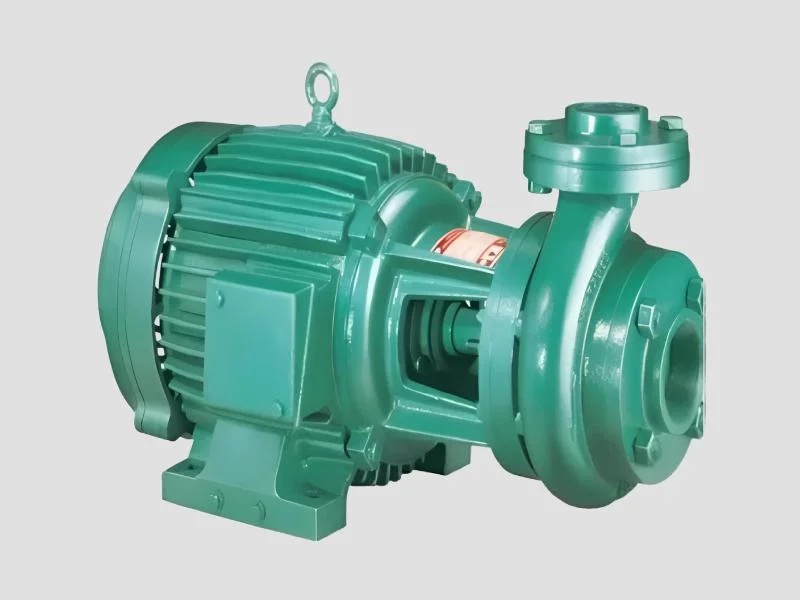
Centrifugal High Temperature Pumps: These pumps are designed for high flow rates and are ideal for handling hot liquids in various industrial applications. They provide efficient fluid movement with minimal energy consumption.
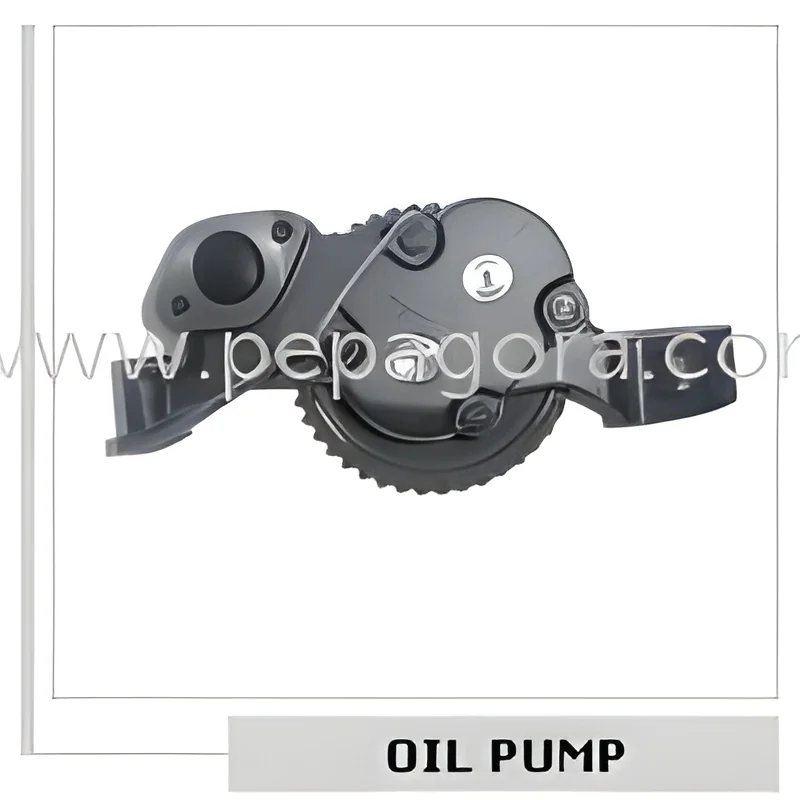
Positive Displacement High Temperature Pumps: These pumps are designed to move fluids at a constant flow rate regardless of pressure changes. They are suited for applications where precise fluid delivery is critical.
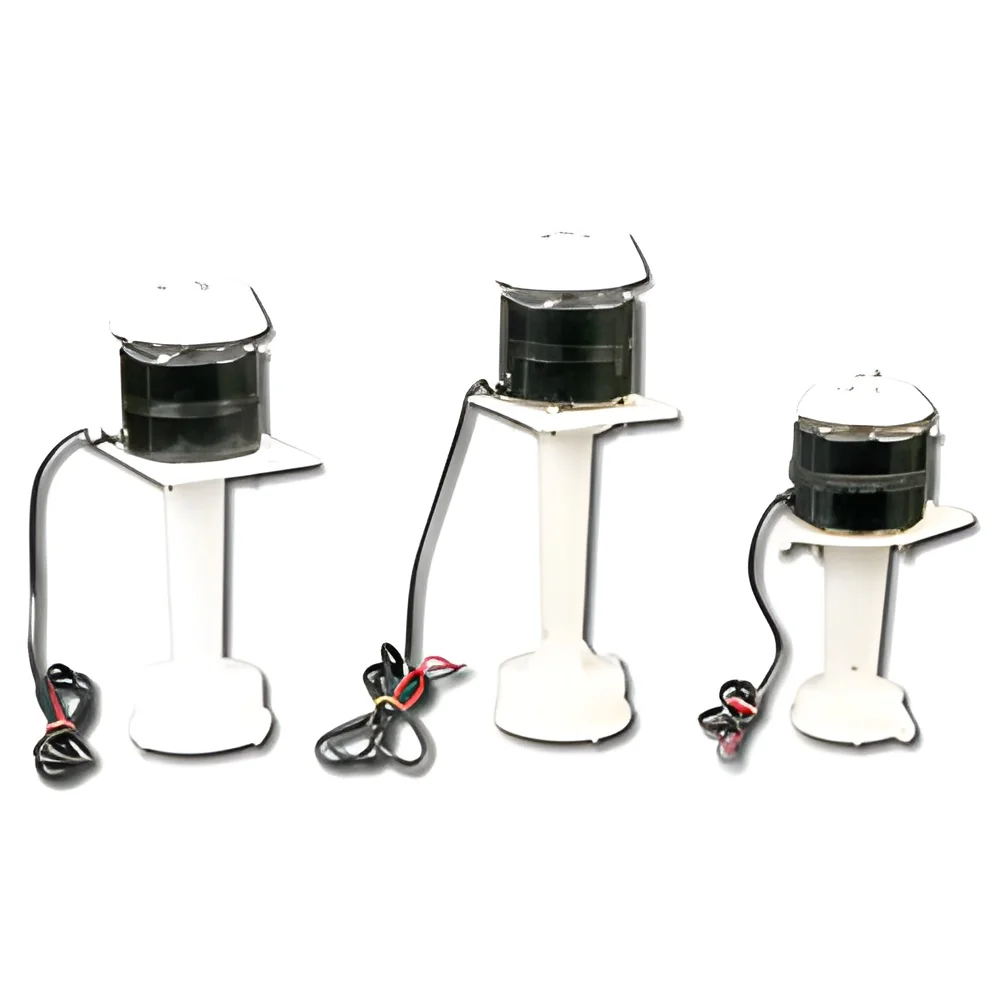
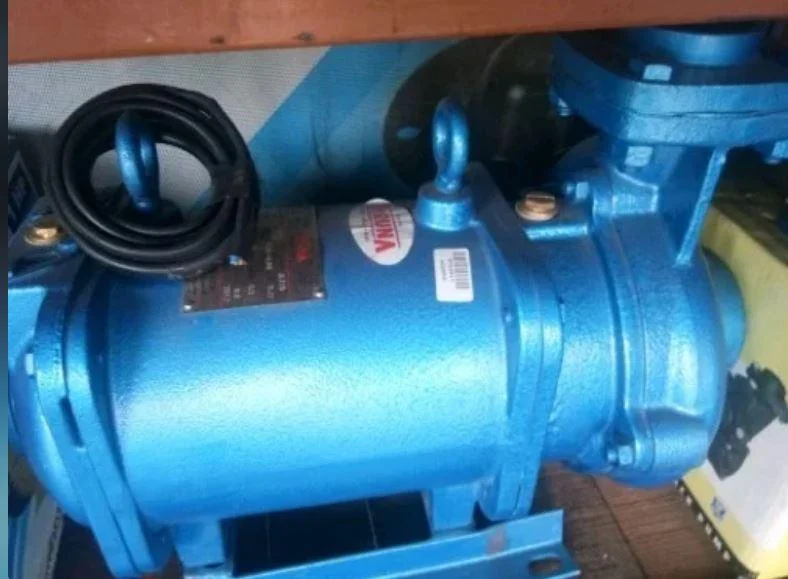
Submersible High Temperature Pumps: Ideal for submerged applications, these pumps can operate in high-temperature environments while being fully submerged in liquid. They are commonly used in wastewater management and industrial processes.
Benefits and Advantages
Choosing High Temperature Pumps comes with several key benefits.
1. Enhanced Durability: Built from robust materials, these pumps can withstand extreme operating conditions, ensuring longevity and reliability.
2. Increased Efficiency: High temperature pumps are designed to perform effectively in demanding environments, improving energy efficiency and reducing operational costs.
3. Safety Assurance: With advanced sealing technologies and materials, these pumps minimize the risk of leaks and spills, enhancing workplace safety.
4. Versatile Applications: Their ability to handle various fluids at high temperatures makes them suitable for a wide range of industries, from chemical processing to power generation.
5. Reduced Maintenance: Designed for easy access and maintenance, these pumps require less downtime and maintenance, allowing for continuous operation.
6. Customization Options: Many high temperature pumps can be tailored to meet specific requirements, providing flexibility for unique industrial applications.
Buying Guide for B2B Buyers
When sourcing High Temperature Pumps, several critical factors should be considered to ensure the right fit for your needs.
1. Quality Assessment: Evaluate the quality standards of the pumps, including material composition and performance ratings. Look for pumps that meet industry benchmarks to ensure reliability.
2. Supplier Verification: Conduct thorough research to verify suppliers. Check their reputation, customer reviews, and history in delivering quality products.
3. Pricing and MOQ: Understand pricing structures and minimum order quantities. Budget considerations are essential, so compare quotes from multiple suppliers.
4. Delivery and Lead Times: Clarify delivery schedules and lead times with suppliers to ensure timely availability of the pumps for your operations.
5. Compliance Requirements: Ensure that the pumps meet relevant regulatory and safety standards. This may include certifications such as CE, which verify compliance with European safety directives.
Compliance and Certifications
High Temperature Pumps must adhere to various compliance and certification standards to ensure safety and performance in industrial applications.
Relevant quality standards include ISO 9001, which focuses on quality management systems, ensuring that manufacturers meet customer and regulatory requirements consistently. This standard helps guarantee that the pumps produced are of high quality and reliability.
Industry certifications, such as CE marking, indicate that the pumps conform to health, safety, and environmental protection standards for products sold within the European Economic Area. This certification enhances the trustworthiness of the product in the marketplace.
Safety and testing requirements are critical in the manufacturing and operation of high temperature pumps. They must undergo rigorous testing to verify their performance under high temperatures and pressures, ensuring they can operate safely in demanding environments.
Regional compliance considerations may vary based on local regulations governing industrial equipment. Buyers should ensure that their pumps meet the specific requirements of the regions in which they operate.
Why Source High Temperature Pumps from Pepagora?
Pepagora offers a trusted platform for sourcing High Temperature Pumps, providing numerous advantages for B2B buyers.
Verified Supplier Network: Pepagora connects buyers with a network of verified suppliers, ensuring that only reputable manufacturers are available. This minimizes risks associated with quality and reliability.
Streamlined RFQ Process: The platform simplifies the Request for Quotation (RFQ) process, allowing buyers to easily compare offers from multiple suppliers. This efficiency enables quicker decision-making and procurement.
Trade Assurance and Support: Pepagora provides trade assurance and buyer protection, ensuring that transactions are secure and that buyers receive the products as promised. This support fosters confidence in the purchasing process.
Regional Coverage: Pepagora's reach extends across India, the Gulf Cooperation Council (GCC), and Southeast Asia. This broad geographic coverage allows buyers to source high temperature pumps tailored to their specific regional needs while accessing a wide range of suppliers.



Frequently Asked Questions
What are High Temperature Pumps?
High Temperature Pumps are specialized pumps designed to handle fluids at elevated temperatures, typically exceeding 100°C. These pumps are crucial in industries such as chemical processing, power generation, and oil & gas, where high-temperature conditions are common.
What are the different types of High Temperature Pumps?
There are several types of High Temperature Pumps, including centrifugal pumps, positive displacement pumps, and gear pumps. Each type is suited for specific applications and fluid characteristics, allowing for optimal performance in high-temperature environments.
How do I choose the right High Temperature Pumps?
Choosing the right High Temperature Pump involves considering factors such as the fluid type, temperature range, flow rate, and system pressure requirements. Additionally, it is essential to evaluate the materials used in the pump construction to ensure compatibility with the fluid being pumped.
What are the standard specifications for High Temperature Pumps?
Standard specifications for High Temperature Pumps include maximum temperature ratings, flow rates, pressure capacities, and material construction. These specifications vary by manufacturer and application, so it's important to consult technical documentation for detailed information.
What is the price range for High Temperature Pumps?
The price range for High Temperature Pumps can vary significantly based on the type, specifications, and manufacturer. Generally, you can expect prices to start from a few thousand rupees and can go up to several lakhs for advanced models.
What quality standards apply to High Temperature Pumps?
High Temperature Pumps must comply with various quality standards, including ISO 9001 for quality management and API standards for pumps used in petroleum and natural gas industries. These standards ensure reliability, safety, and efficiency in high-temperature applications.
Where can I find High Temperature Pumps suppliers in India?
You can find High Temperature Pumps suppliers in India through B2B marketplaces like Pepagora, industry trade shows, and manufacturer websites. Additionally, local industrial supply stores may also offer a range of options.
Can High Temperature Pumps be customized?
Yes, many manufacturers offer customization options for High Temperature Pumps to meet specific operational requirements. Customization may include changes in material, size, or pump configuration to suit unique applications.
What is the typical minimum order quantity for High Temperature Pumps?
The typical minimum order quantity (MOQ) for High Temperature Pumps varies by supplier and product type. Generally, MOQs can range from 1 unit for standard models to larger quantities for custom or specialized pumps.
What is the typical lead time for High Temperature Pumps?
The typical lead time for High Temperature Pumps can range from a few weeks to several months, depending on the complexity of the order and the manufacturer's production schedule. It's advisable to confirm lead times with your supplier when placing an order.
Why Businesses Trust Pepagora
Thousands of companies trust Pepagora to source smarter and sell faster
Expand Your Sales Globally

Source Smarter,Grow Faster
