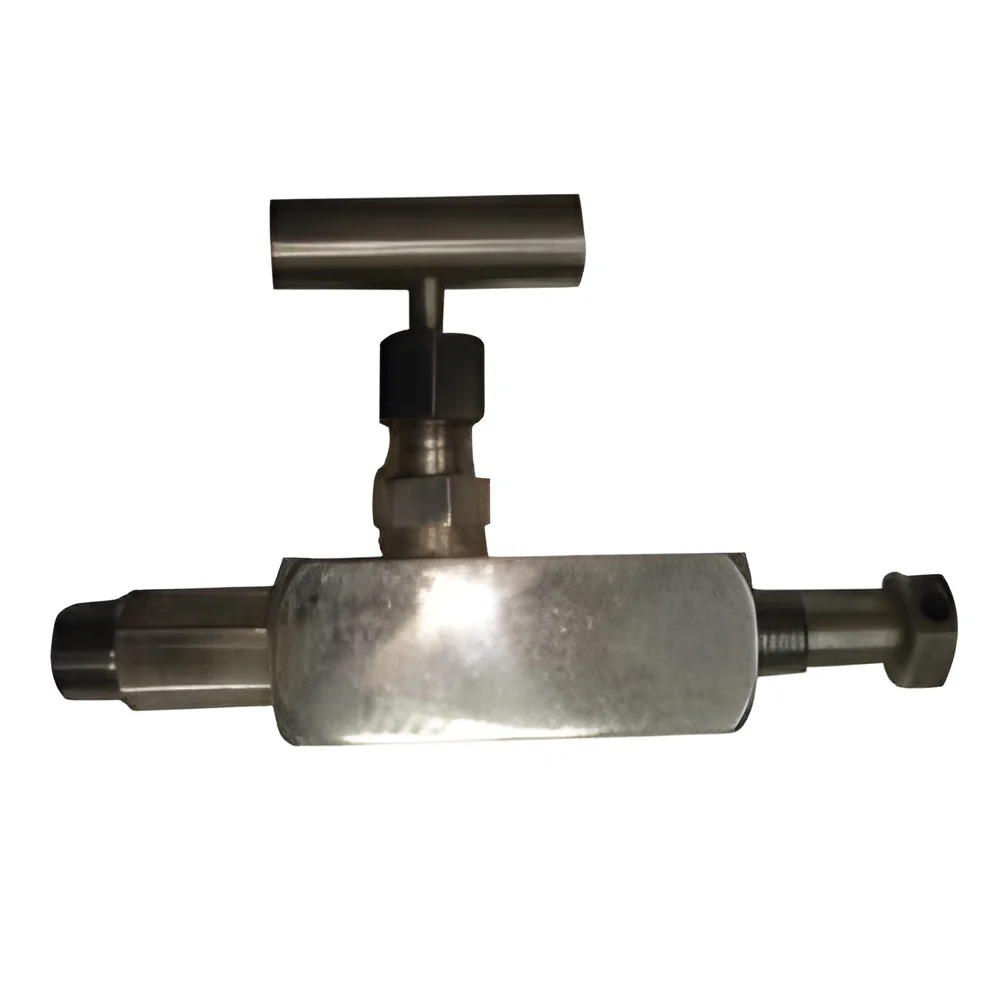
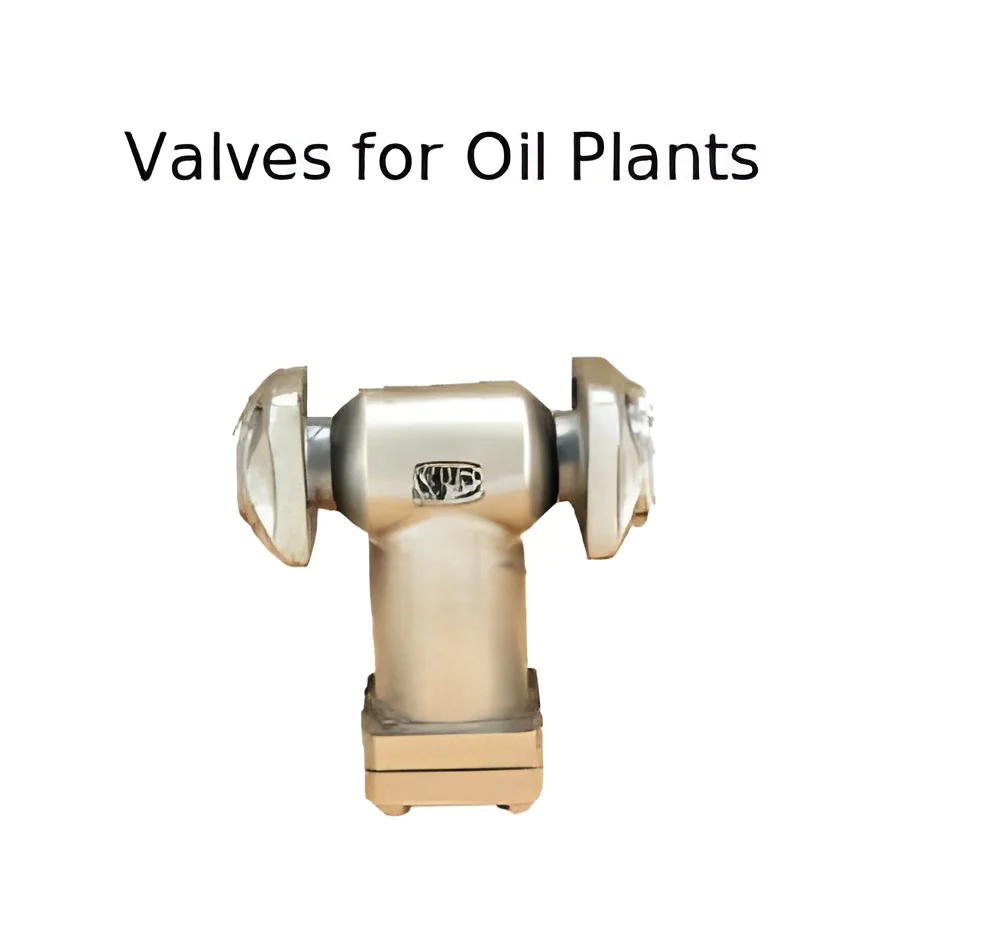
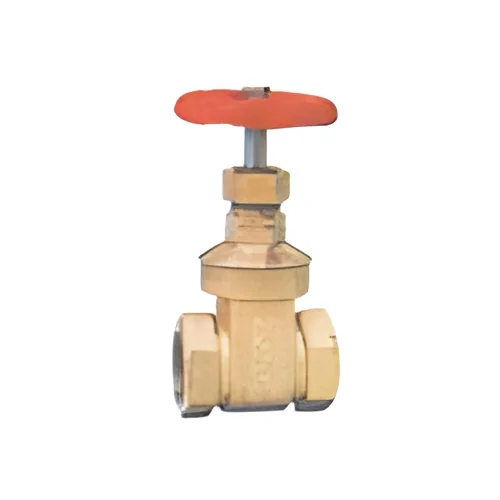
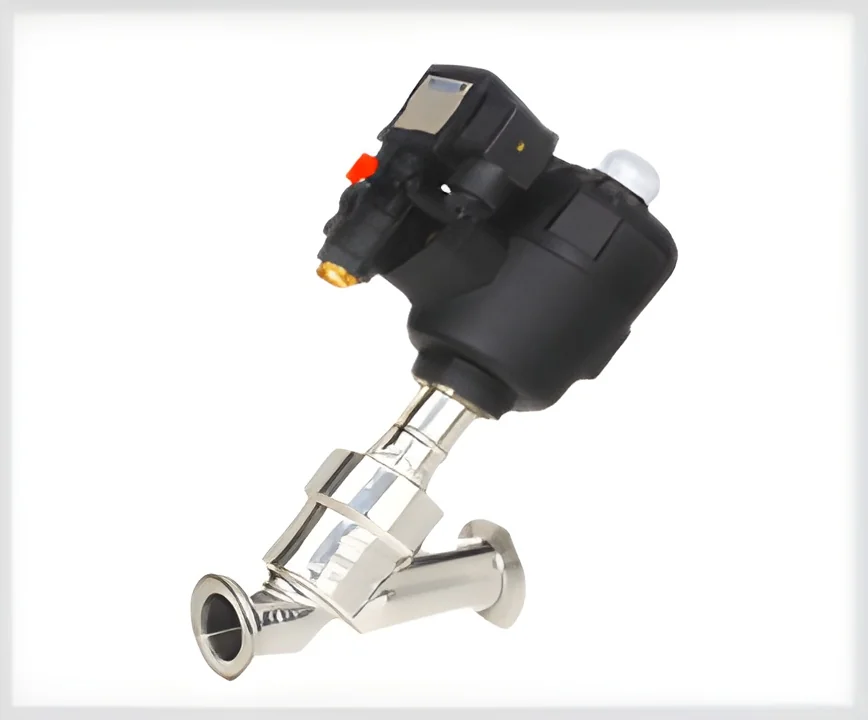
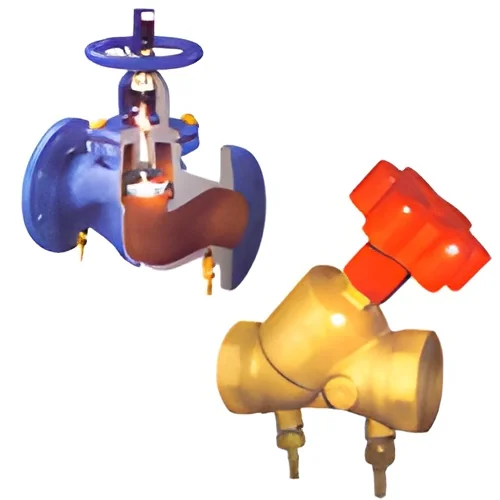
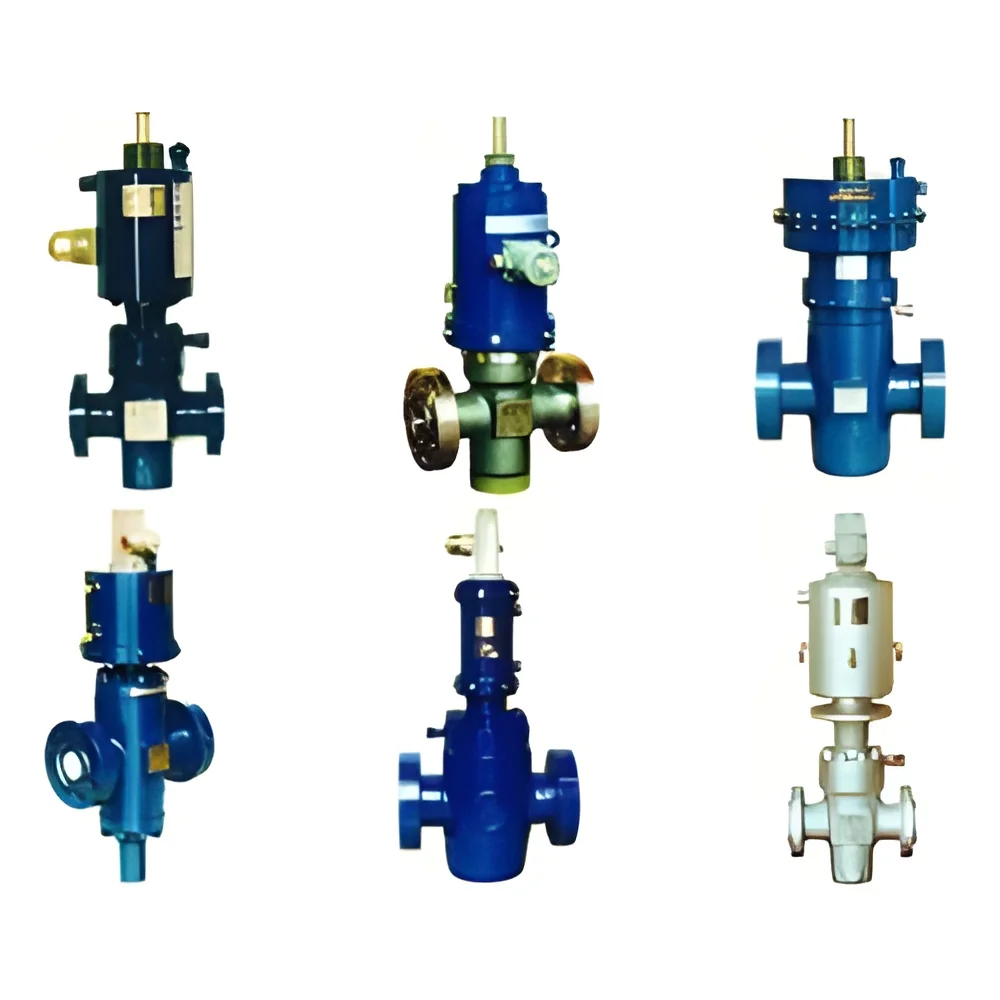
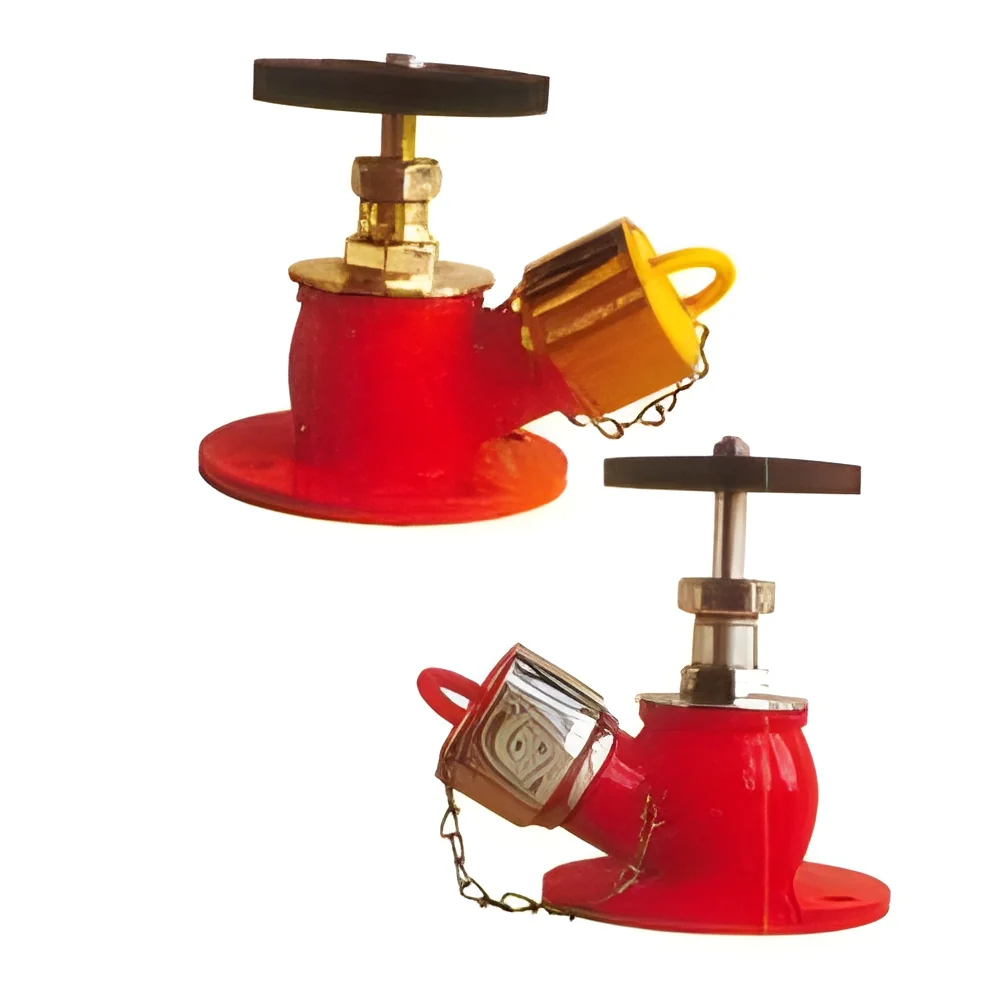
What are Flow Control Valves?
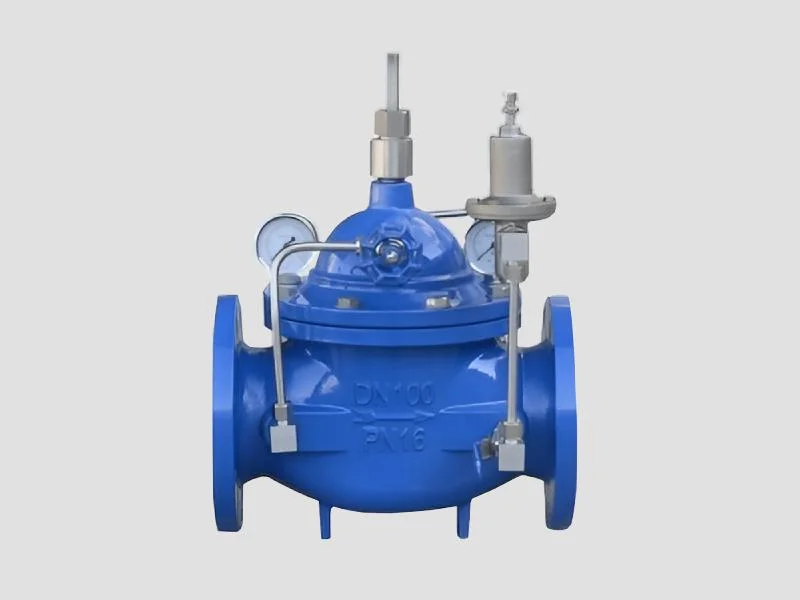
Flow control valves are essential components in various industrial applications, designed to regulate the flow of fluids within a system. These valves manage the pressure, speed, and direction of the fluid, ensuring optimal performance and efficiency. By adjusting the flow rate, flow control valves help maintain system integrity and prevent damage caused by excessive pressure or flow variations.
Primarily, flow control valves are used in hydraulic and pneumatic systems, water treatment facilities, and manufacturing processes. They play a critical role in applications such as cooling systems, chemical processing, and oil and gas production. Their ability to control fluid dynamics makes them invaluable in industries where precise flow regulation is necessary for safety and operational efficiency.
In today's competitive market, flow control valves are becoming increasingly relevant as industries strive for automation and efficiency. With the push for sustainable practices, the demand for advanced flow control solutions is growing. Companies are seeking reliable and efficient products that comply with industry standards and enhance overall system performance.
Key Features and Specifications
Flow control valves come with a variety of features that cater to different industrial needs. Understanding these specifications is crucial when selecting the right valve for specific applications.
Key specifications include:
1. Valve Type
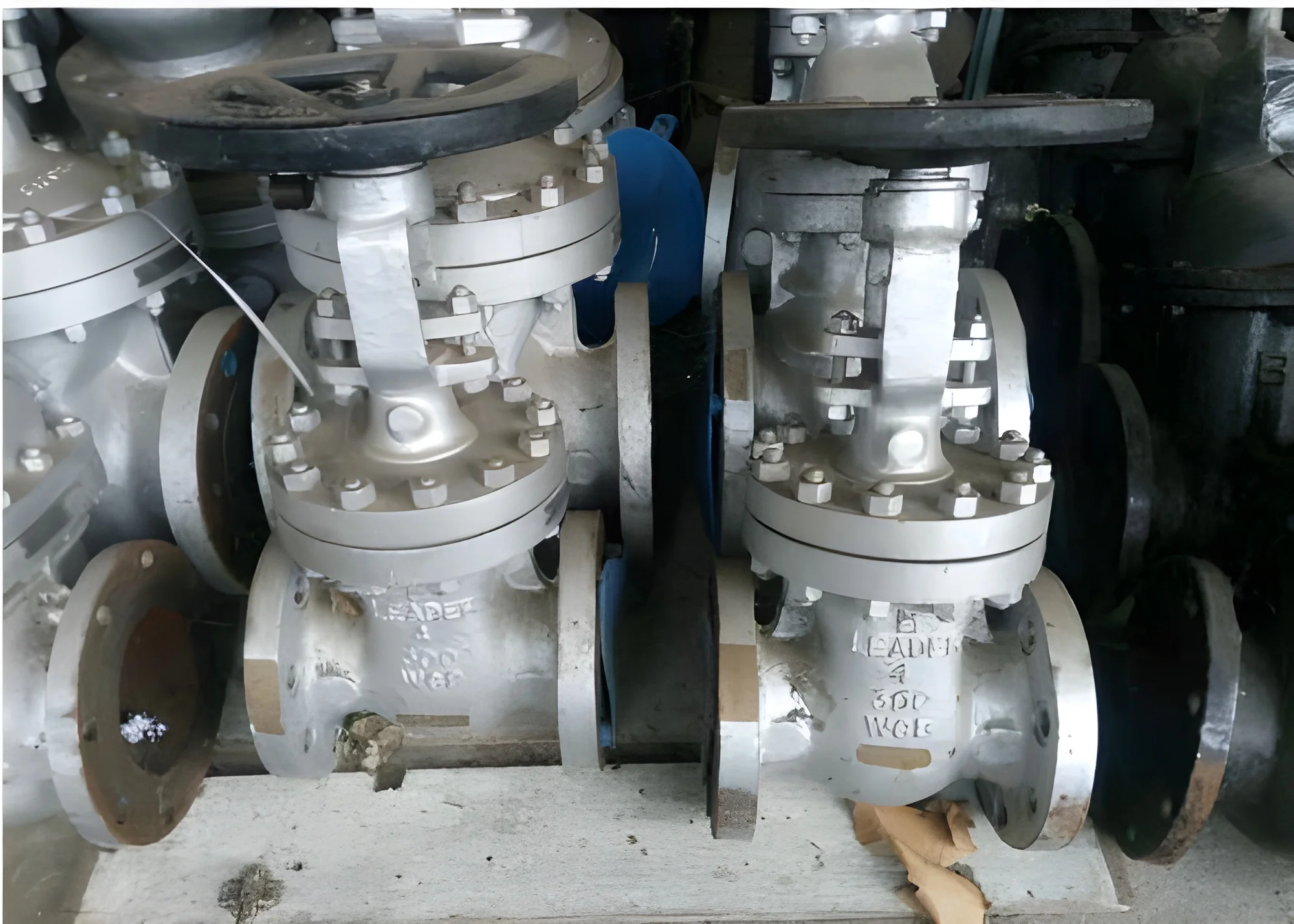
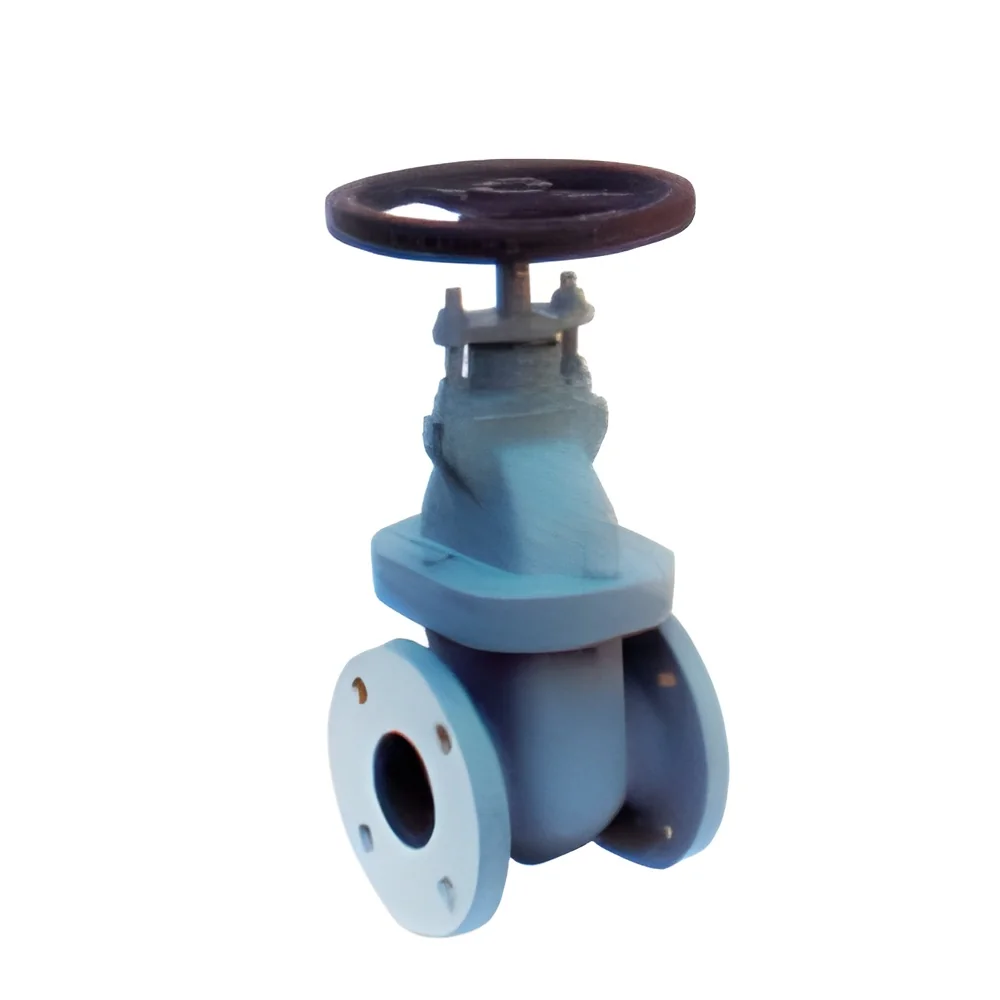
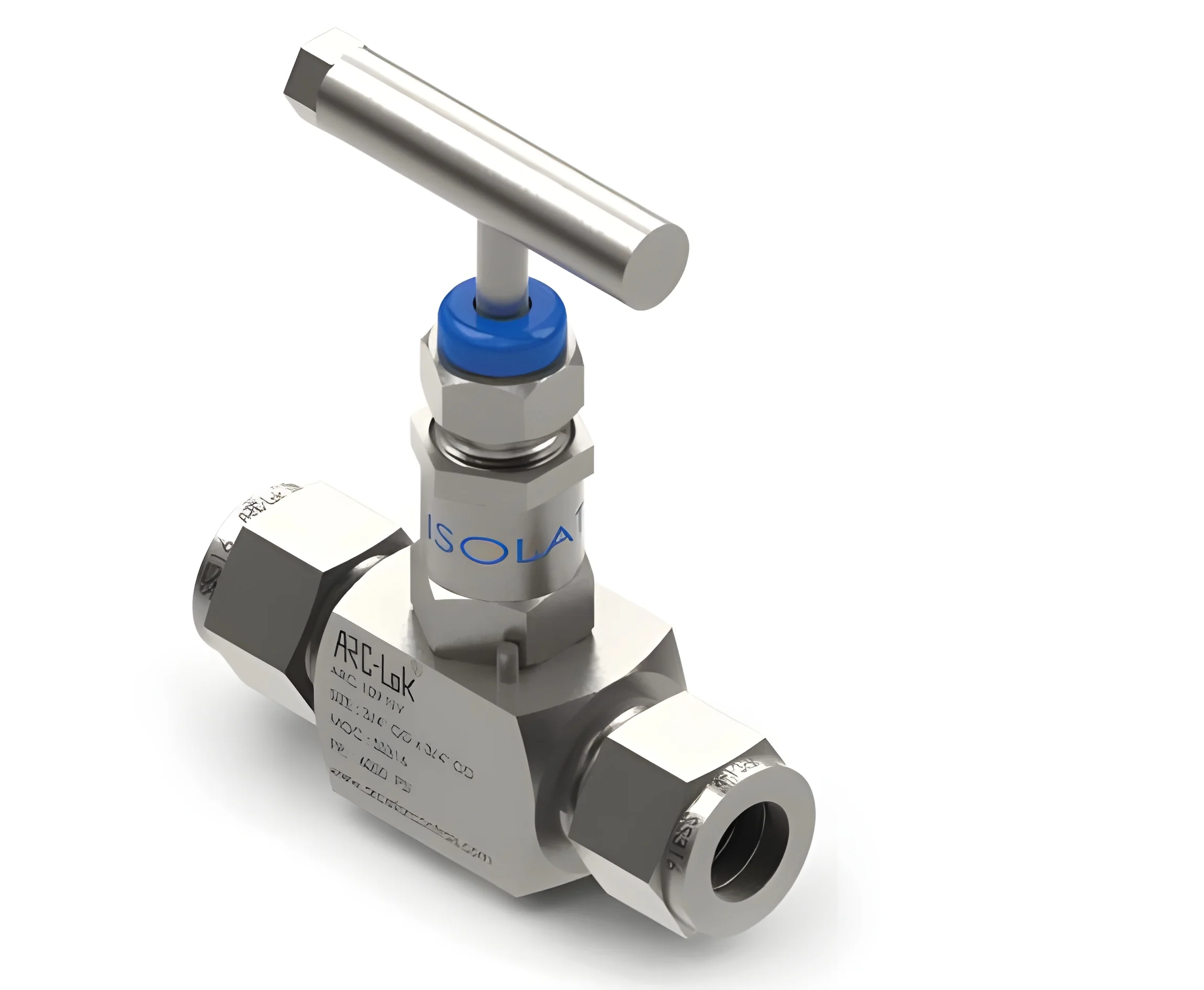
- Types include globe, gate, ball, and check valves.
- Each type offers different flow characteristics and operational benefits.
2. Size and Connection
- Available in various sizes to fit different piping systems.
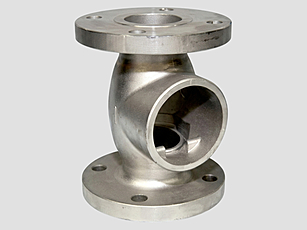
- Connection types may include threaded, flanged, and welded.
3. Pressure Rating
- Rated to handle various pressure levels, often ranging from low to high pressure.
- Ensures suitability for specific operating conditions.
4. Temperature Range
- Designed to operate within certain temperature limits.
- Important for applications involving hot or cold fluids.
5. Material Construction
- Made from materials like stainless steel, brass, and plastic.
- Material choice impacts durability and compatibility with the fluid being transported.
6. Actuation Method
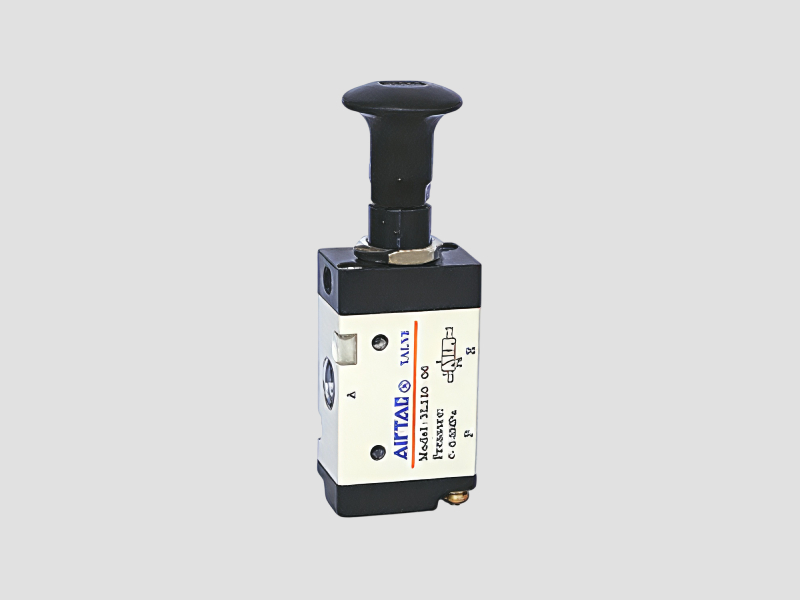
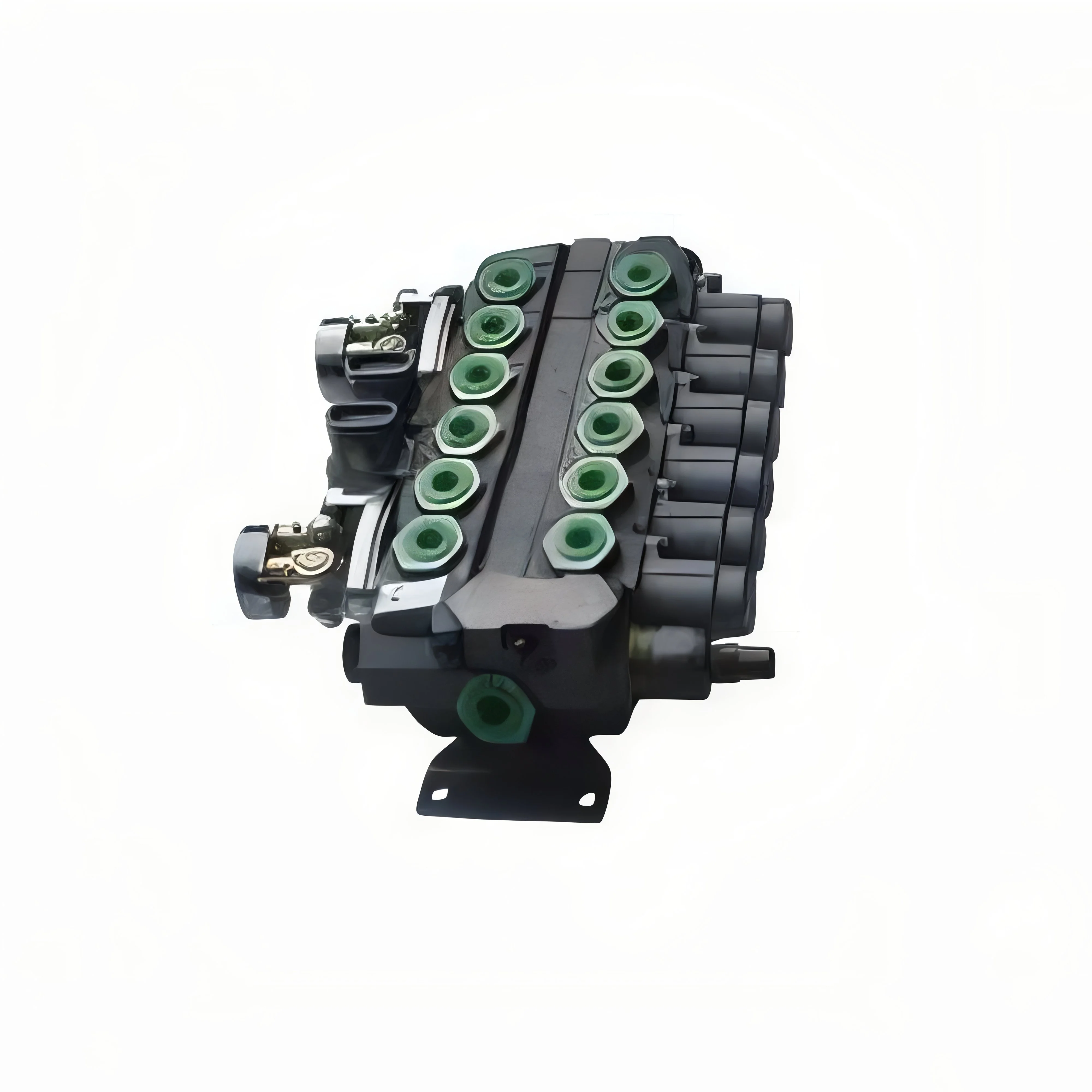
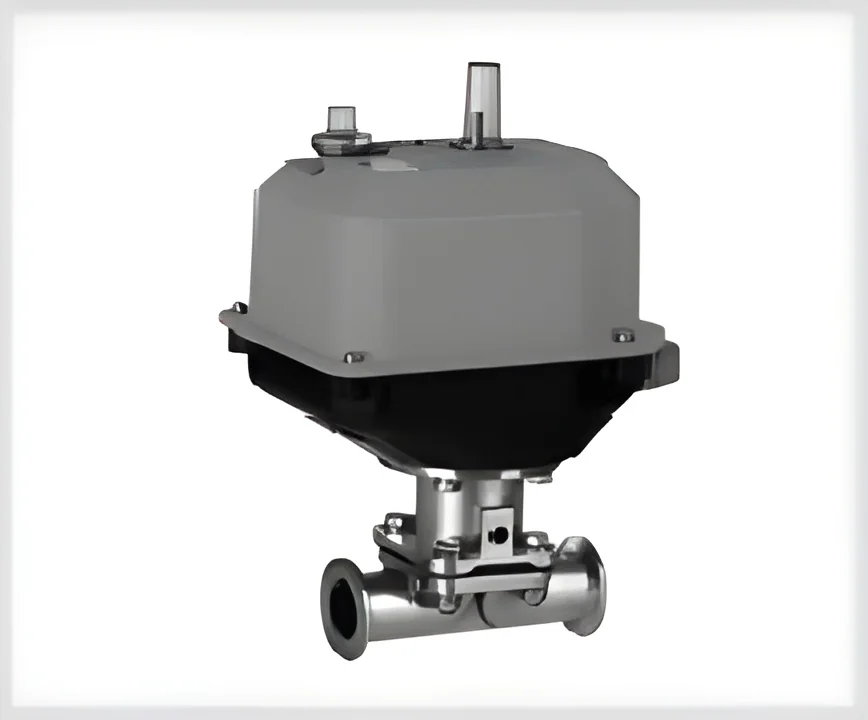
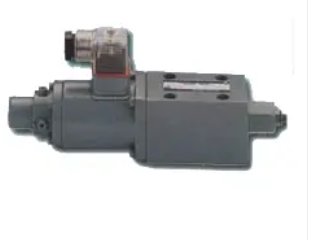
- Can be manually operated or automated through electric, pneumatic, or hydraulic actuation.
- Automation increases efficiency in flow management.
7. Flow Coefficient (Cv)
- Indicates the valve's capacity to allow fluid flow.
- Higher Cv values denote greater flow capacity.
8. Compliance with Standards
- Often certified according to industry standards, such as CE.
- Compliance ensures safety and reliability in various applications.
In summary, understanding the key features and specifications of flow control valves is essential for making informed purchasing decisions. Each specification contributes to the valve's suitability for specific applications and operational requirements.
Common Applications and Use Cases
Flow control valves find applications across a multitude of industries, serving diverse functions.
1. Water Treatment: Flow control valves regulate water flow in treatment plants, ensuring efficient filtration and chemical dosing.
2. Oil and Gas: In extraction and transportation processes, these valves manage fluid flow, maintaining pressure and preventing leaks.
3. Chemical Processing: Used to control the flow of various chemicals, ensuring safety and compliance with stringent regulations.
4. HVAC Systems: Flow control valves help maintain optimal airflow and temperature regulation in heating and cooling systems.
5. Pharmaceutical: In drug manufacturing, these valves ensure precise flow rates of liquids and gases, critical for product quality.
6. Food and Beverage: Flow control valves manage the flow of ingredients and liquids in production lines, ensuring hygiene and safety standards.
7. Agriculture: Used in irrigation systems, these valves regulate water flow to crops, optimizing water usage.
By understanding the applications of flow control valves, businesses can better assess their needs and select appropriate solutions.
Product Variants and Subcategories
Flow control valves come in various forms to suit different operational requirements. Each variant offers unique features tailored for specific applications.
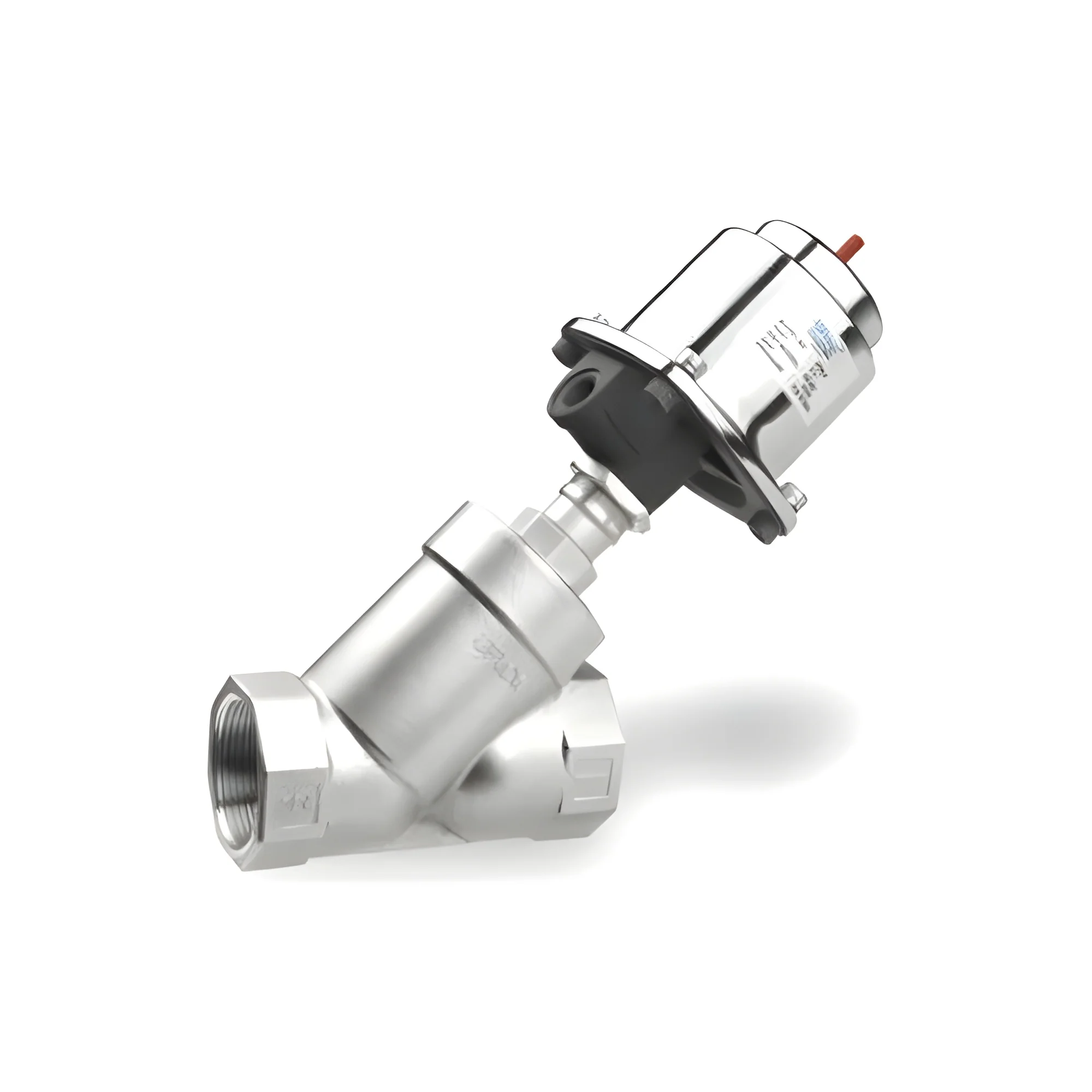
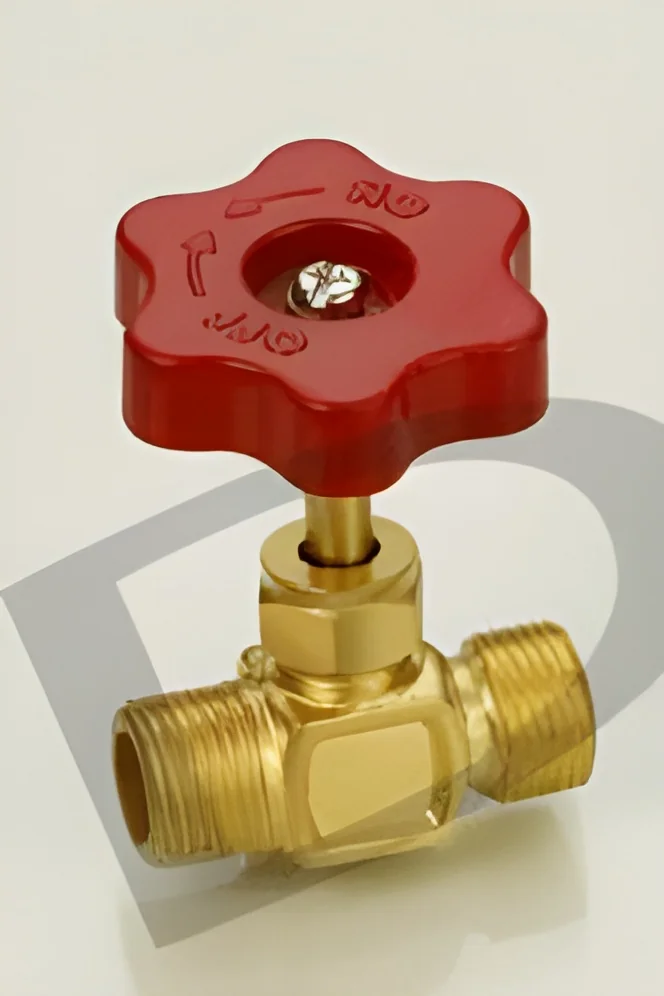
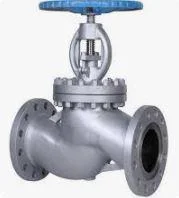
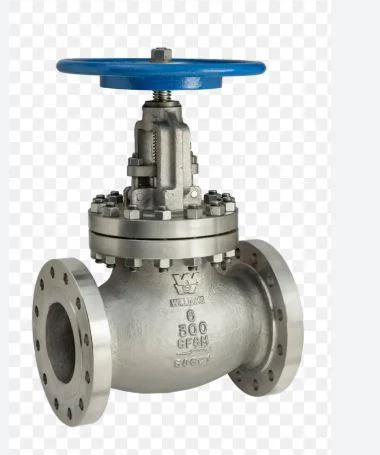
Globe Valves: Known for their excellent throttling capabilities, globe valves provide precise flow control and are commonly used in steam applications and chemical processing.
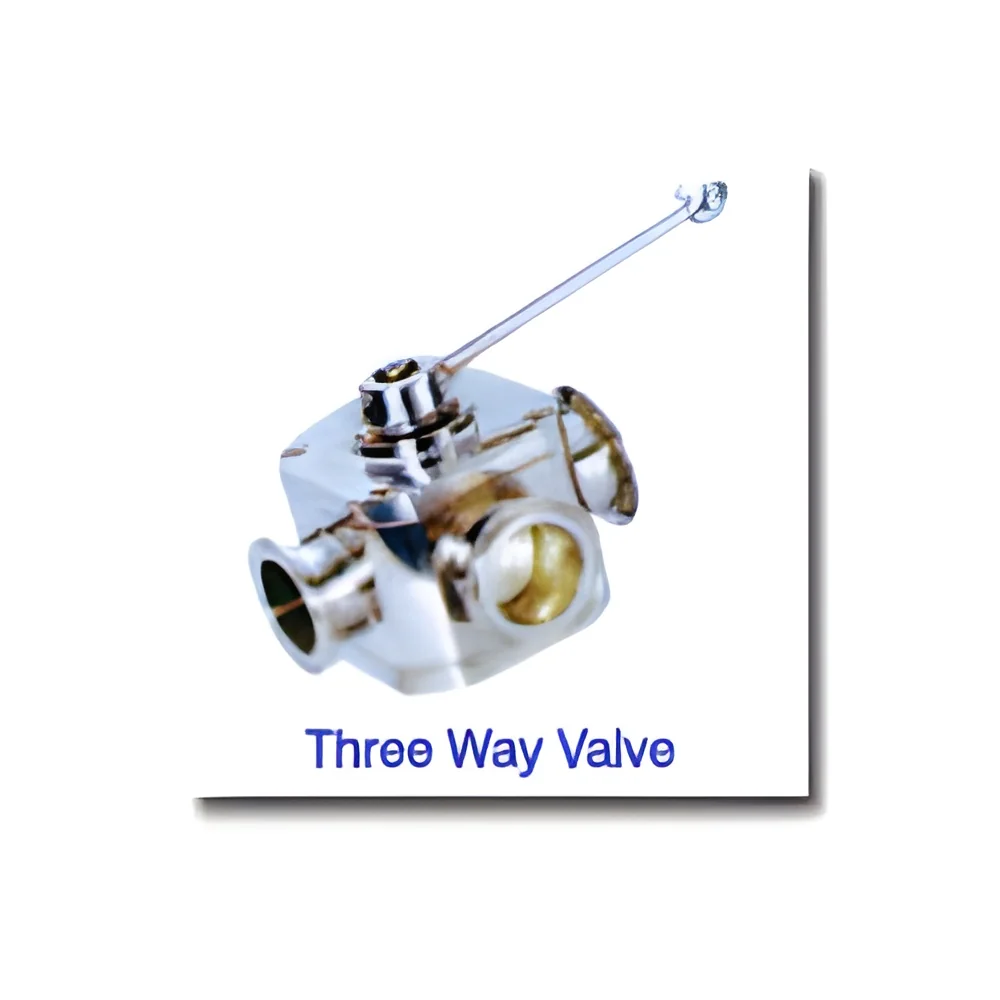
Ball Valves: These valves offer quick shut-off and are suitable for on-off applications. Their ease of operation makes them ideal for diverse industrial uses.
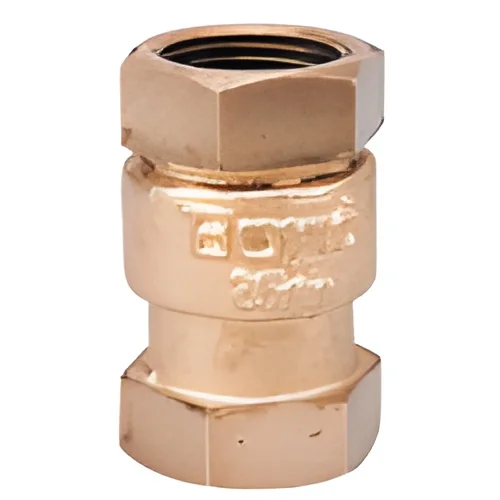
Check Valves: Designed to prevent backflow, check valves are essential in systems where fluid direction must be maintained, such as in pump applications.
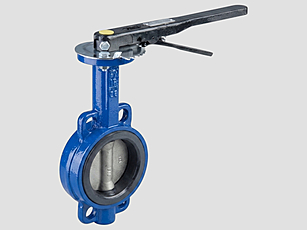
Butterfly Valves: Lightweight and compact, butterfly valves are used in large piping systems for flow regulation with minimal pressure drop.
In summary, the diversity of flow control valve variants allows businesses to choose the most suitable option based on their specific operational needs.
Benefits and Advantages
The advantages of using flow control valves are significant for various applications.
1. Enhanced Control: These valves provide precise control over fluid flow, improving system efficiency and performance.
2. Increased Safety: By regulating pressure and flow, flow control valves help prevent system failures and ensure safe operation.
3. Energy Efficiency: Efficient flow management reduces energy consumption, contributing to lower operational costs.
4. Versatility: Flow control valves are suitable for a wide range of applications across multiple industries, making them a flexible choice.
5. Compliance Assurance: Many flow control valves meet industry standards, ensuring that businesses adhere to regulatory requirements.
6. Ease of Maintenance: Many models are designed for easy maintenance, reducing downtime and associated costs.
By understanding these benefits, businesses can leverage flow control valves to improve their operations and enhance productivity.
Buying Guide for B2B Buyers
When sourcing flow control valves, it is essential for B2B buyers to consider several factors to ensure the best purchase.
1. Quality Assessment: Evaluate the quality of the valves based on material, construction, and manufacturer reputation. Look for certifications that indicate compliance with industry standards.
2. Supplier Verification: Vet potential suppliers by checking references, reviews, and their history in the industry. Ensure that they have a reliable track record.
3. Pricing and MOQ: Understand the pricing structure and minimum order quantities (MOQ) to align with budgetary constraints. Compare quotes from multiple suppliers to find competitive pricing.
4. Delivery and Lead Times: Assess the supplier's ability to meet delivery deadlines and lead times. Timely delivery is crucial for project scheduling.
5. Compliance Requirements: Ensure that the valves meet all necessary regulatory and safety standards relevant to your industry. This can prevent legal issues and enhance safety.
By following this guide, B2B buyers can make informed decisions when purchasing flow control valves.
Compliance and Certifications
Compliance and certifications are crucial factors when selecting flow control valves. These valves should adhere to relevant quality standards, ensuring they meet safety and performance criteria.
ISO 9001 is a widely recognized quality management standard. Valves certified under this standard indicate that the manufacturer has effective quality management systems in place.
HACCP and GDP are critical in industries such as food processing and pharmaceuticals. These certifications ensure that products are produced under strict safety and quality guidelines.
Many flow control valves also carry the CE mark, indicating compliance with European safety standards. This is particularly important for manufacturers exporting to European markets.
Safety and testing requirements vary by industry but are essential to ensure the reliability of the valves. Manufacturers often conduct rigorous testing to validate performance under different conditions.
Regional compliance considerations may differ based on local regulations. It is essential for buyers to confirm that the valves meet these specific requirements to avoid compliance issues.
Why Source Flow Control Valves from Pepagora?
Pepagora provides a trusted platform for sourcing flow control valves, offering several key advantages to B2B buyers.
Verified Supplier Network: Pepagora ensures that all suppliers within its network are thoroughly vetted for quality and reliability. This gives buyers confidence in their purchasing decisions.
Streamlined RFQ Process: The platform features a user-friendly request for quotation (RFQ) process, allowing buyers to easily compare offers from multiple suppliers. This streamlines the procurement process and saves time.
Trade Assurance and Support: Buyers benefit from trade assurance features, providing protection against potential disputes. Pepagora offers support to guide buyers through the sourcing process.
Regional Coverage: With a strong presence in India, the GCC, and Southeast Asia, Pepagora connects buyers with suppliers in these regions, facilitating easier access to flow control valves tailored to local market needs.
By choosing Pepagora, businesses can enhance their sourcing experience and ensure they receive high-quality flow control valves that meet their specific requirements.

 IN
IN