
 IN
Monoblock Pumps
120 products available
What are Monoblock Pumps?
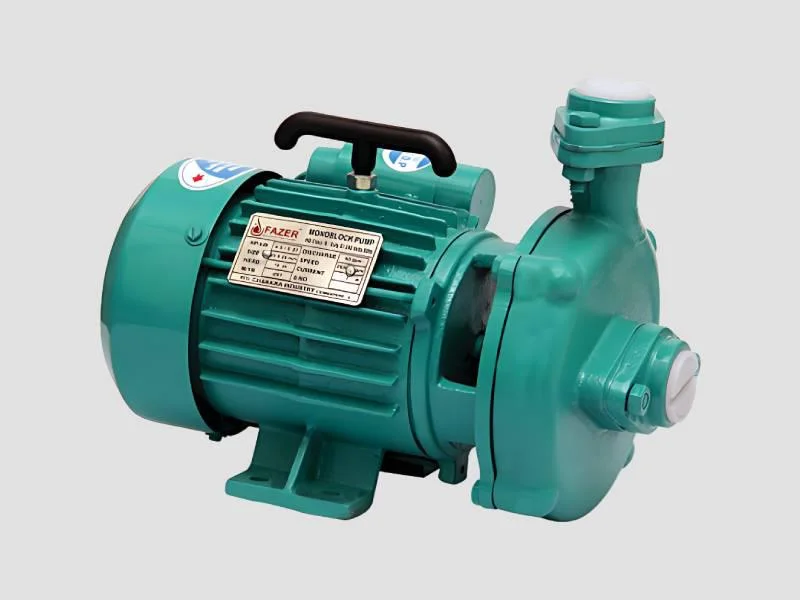
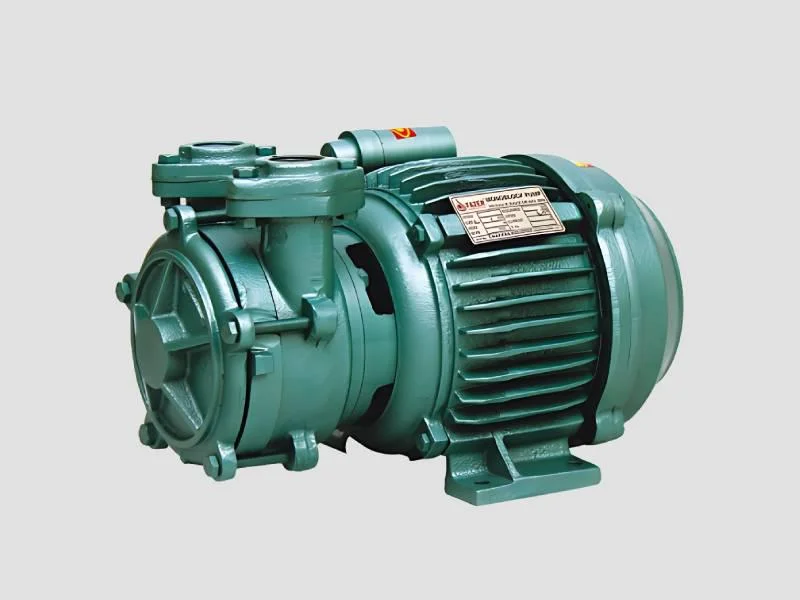
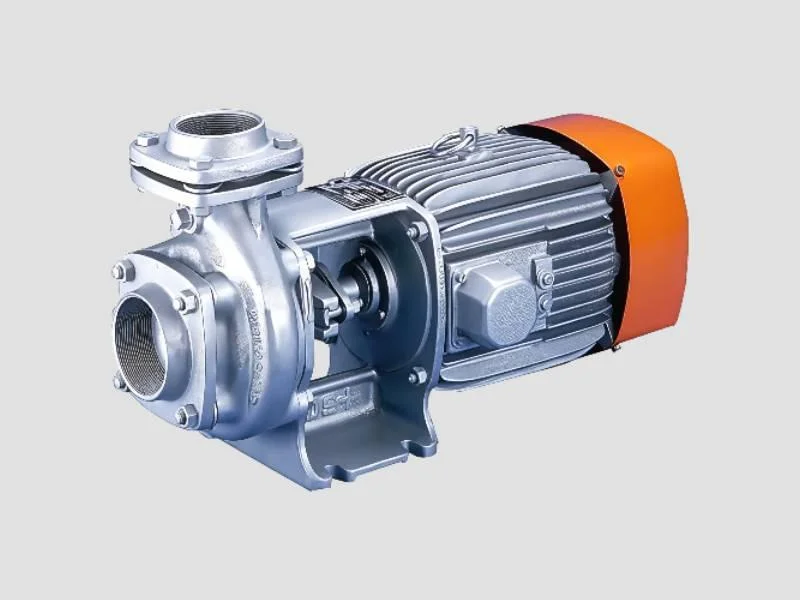
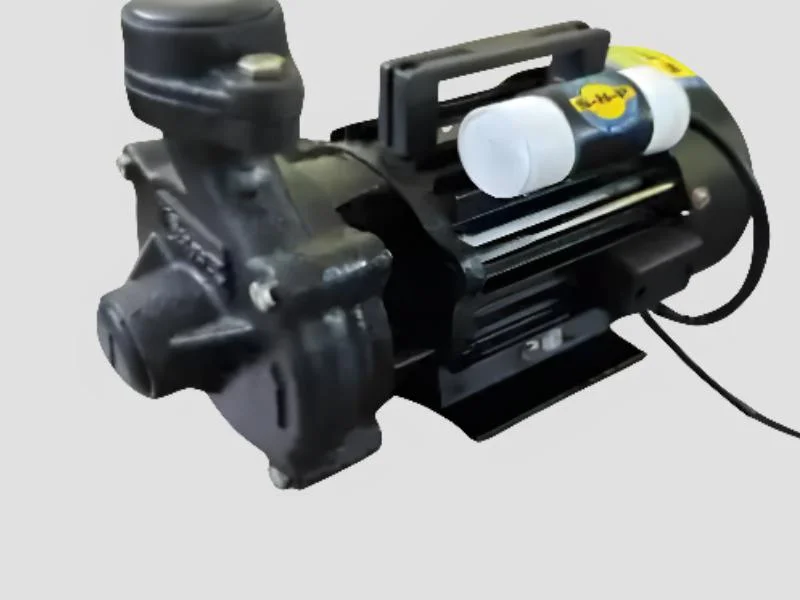
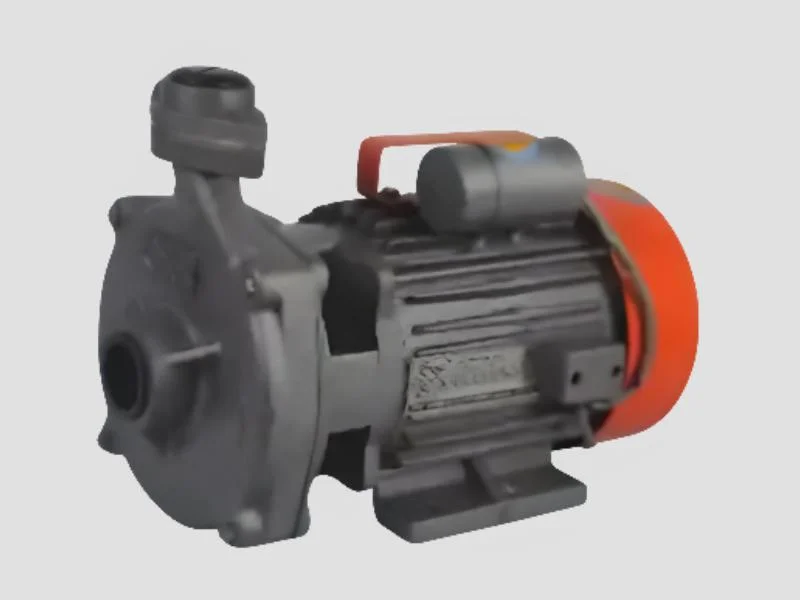
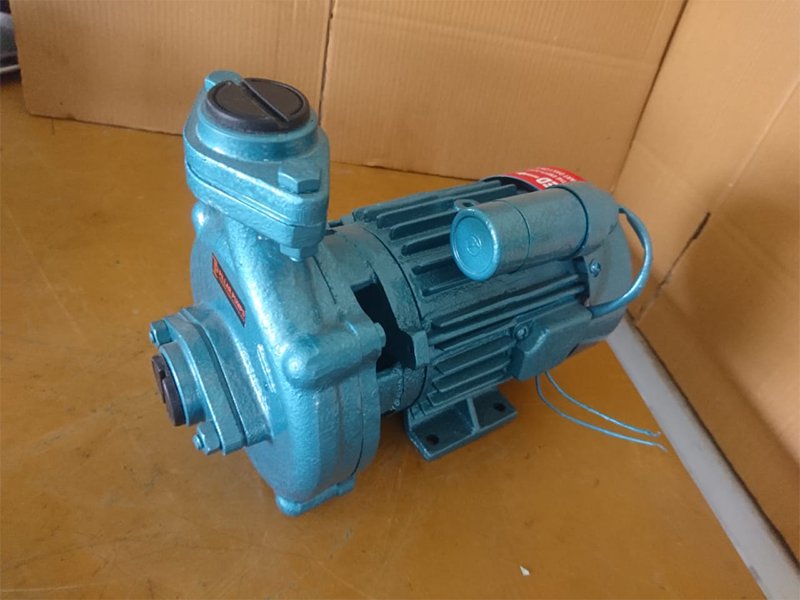
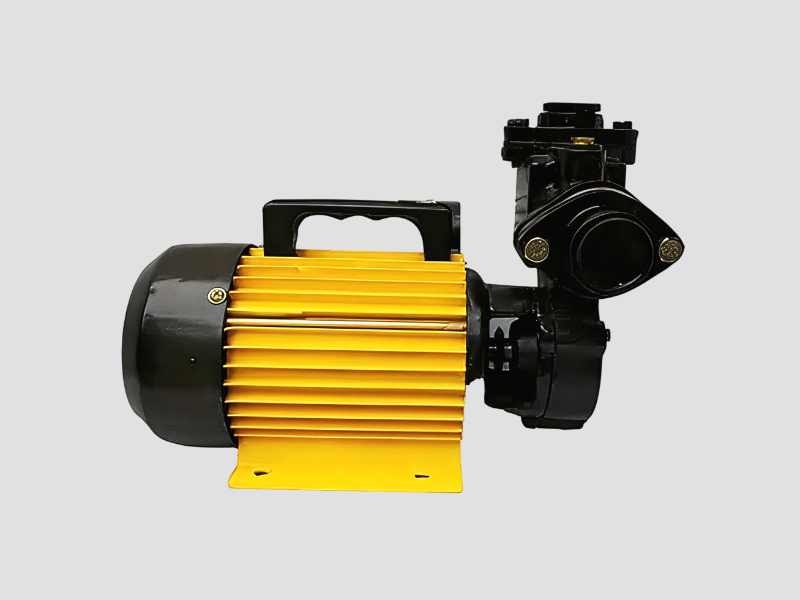
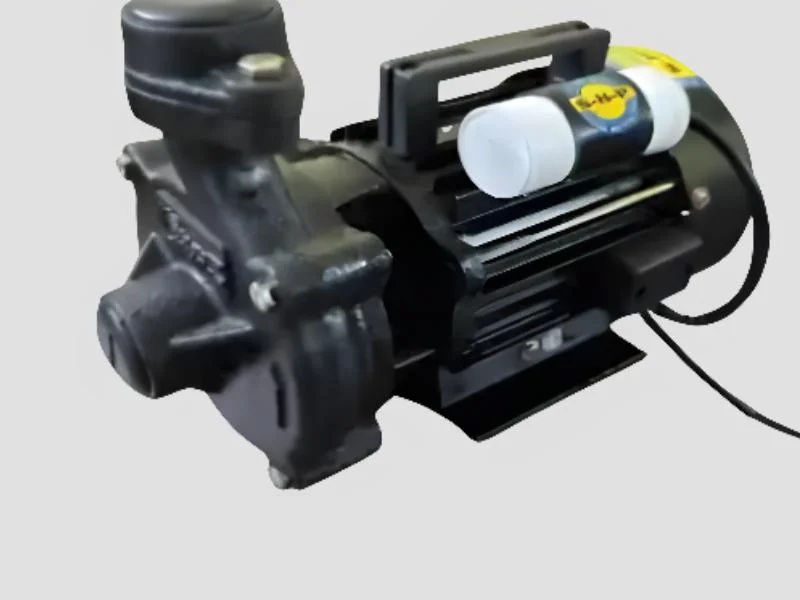
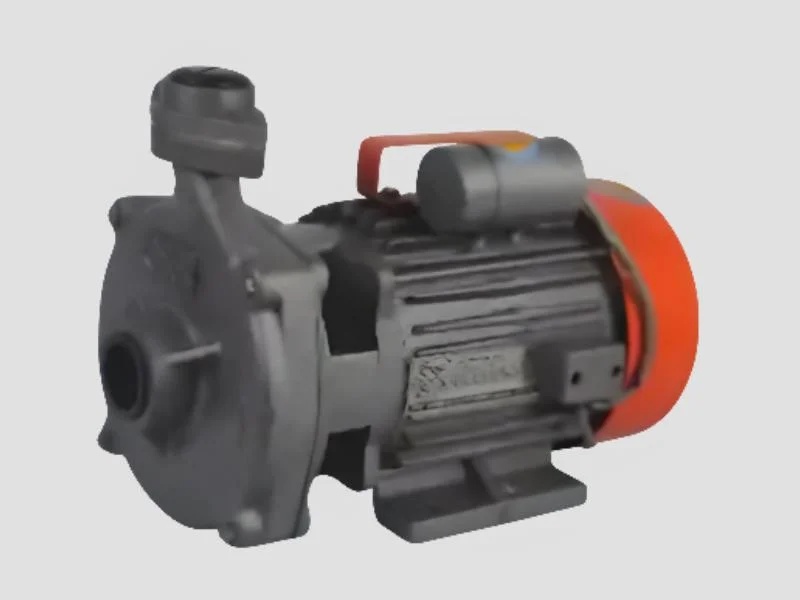
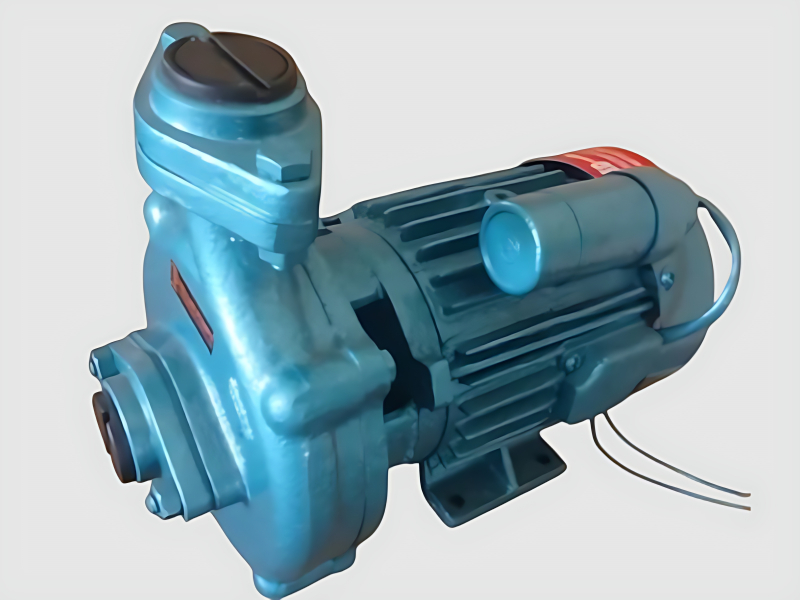
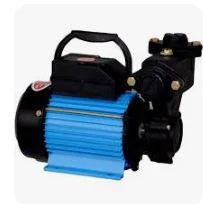
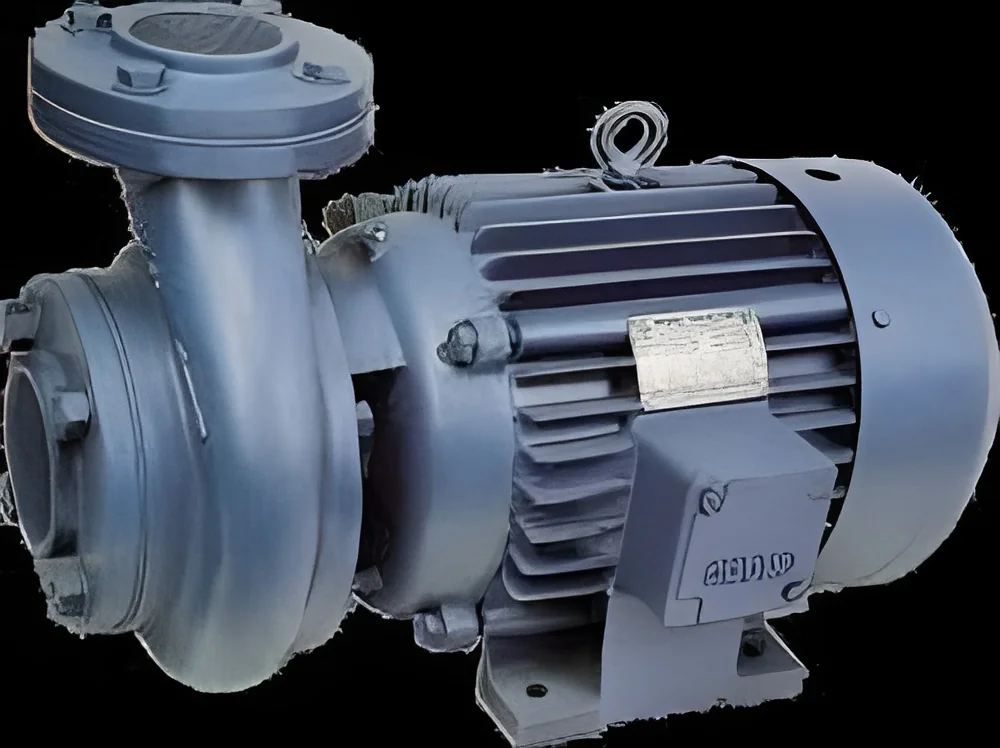
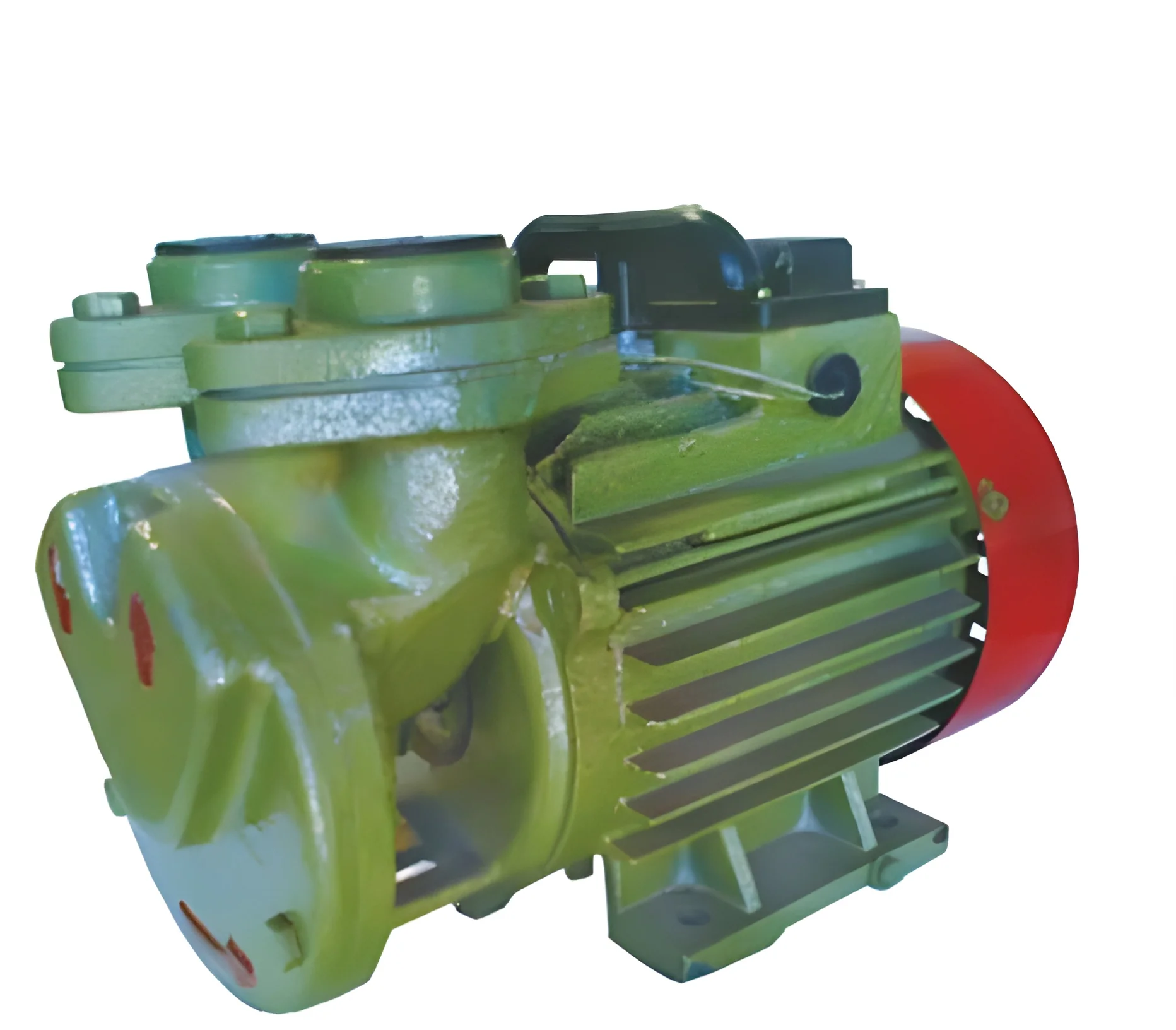
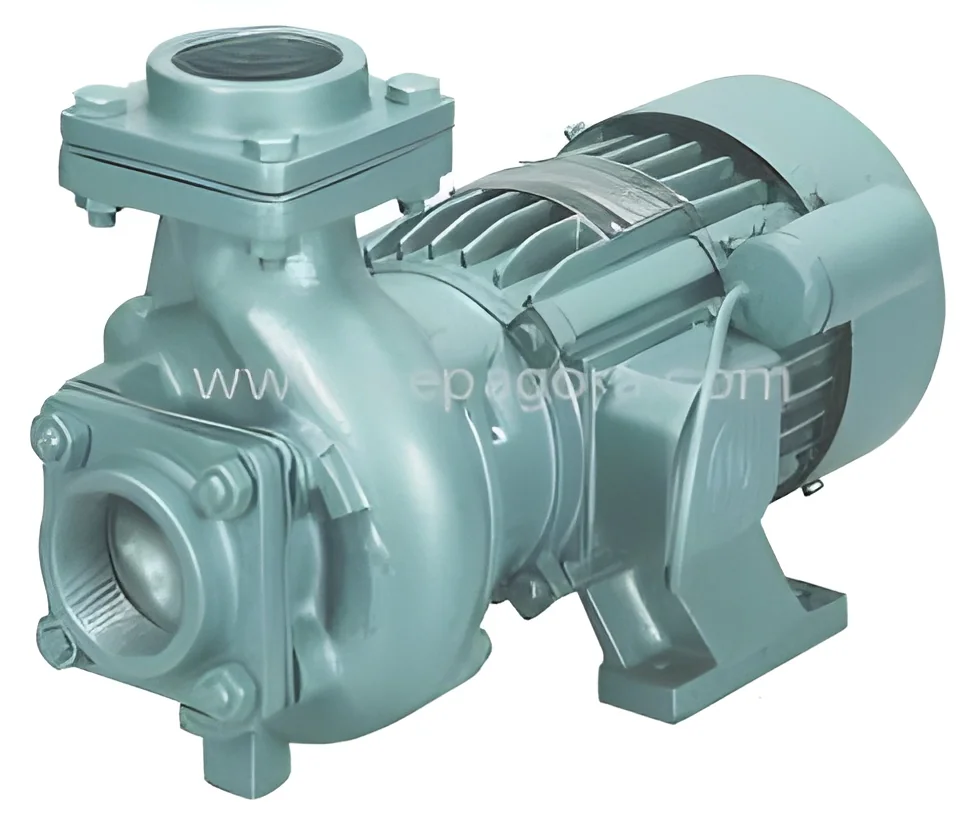
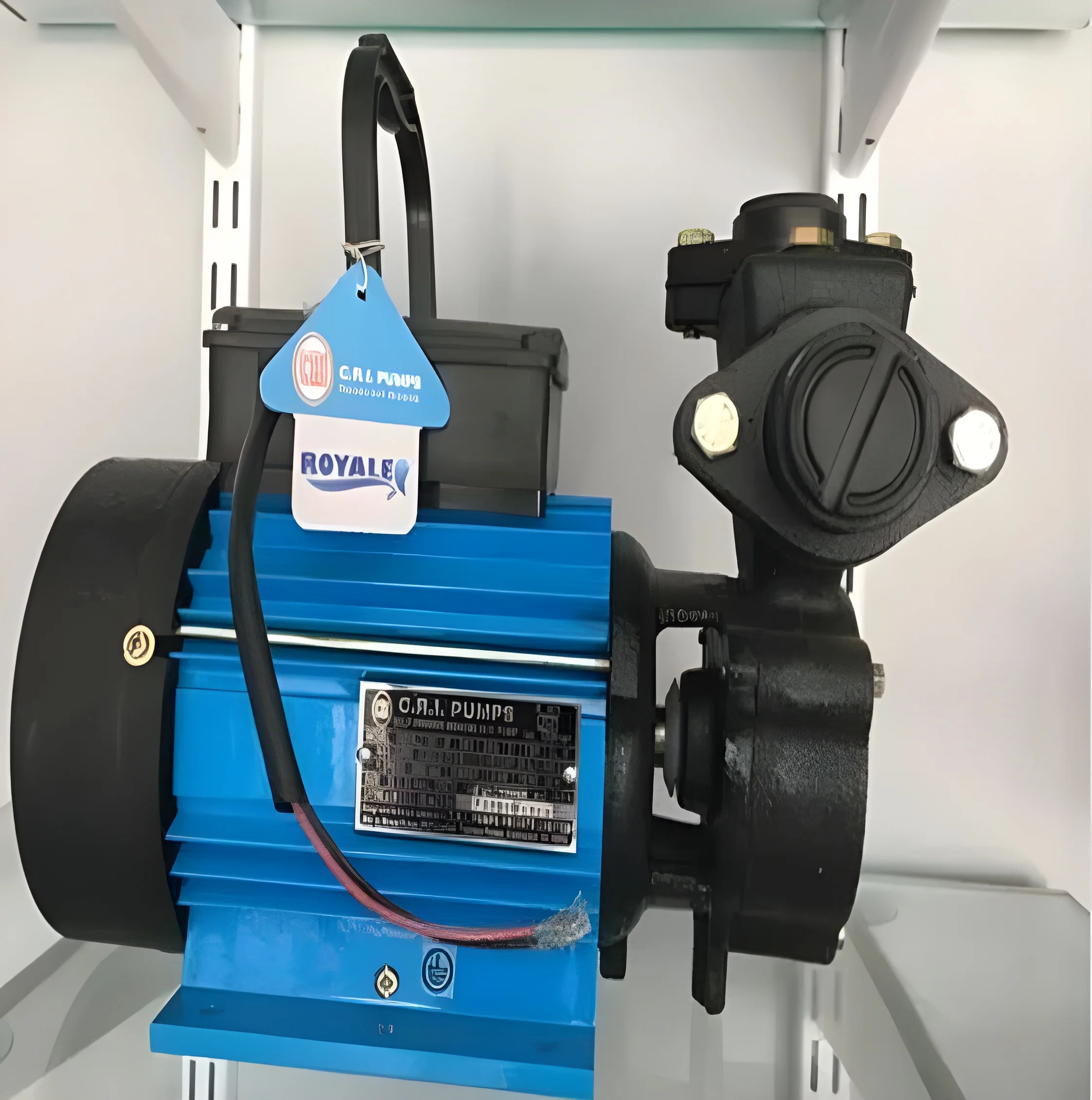
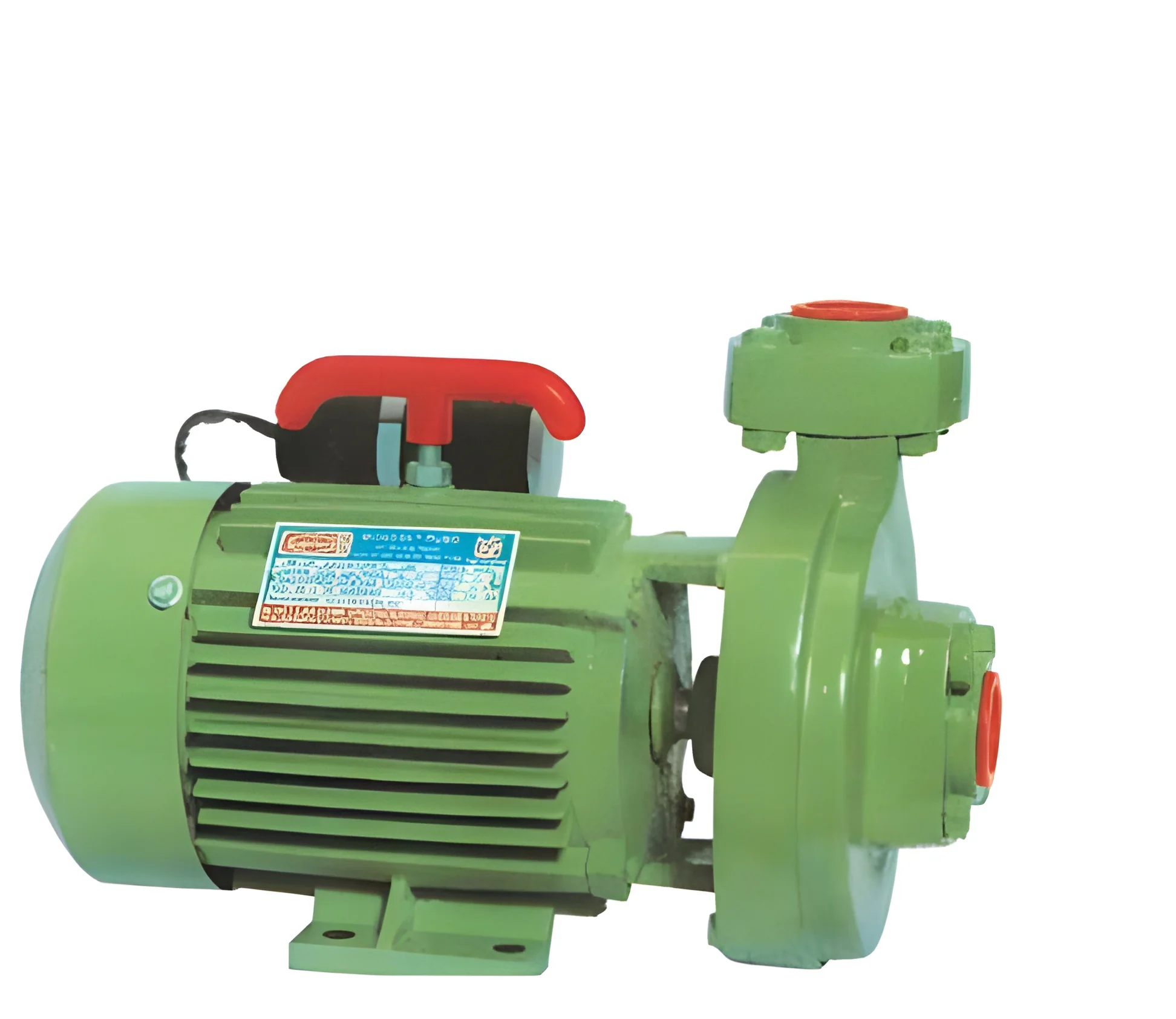
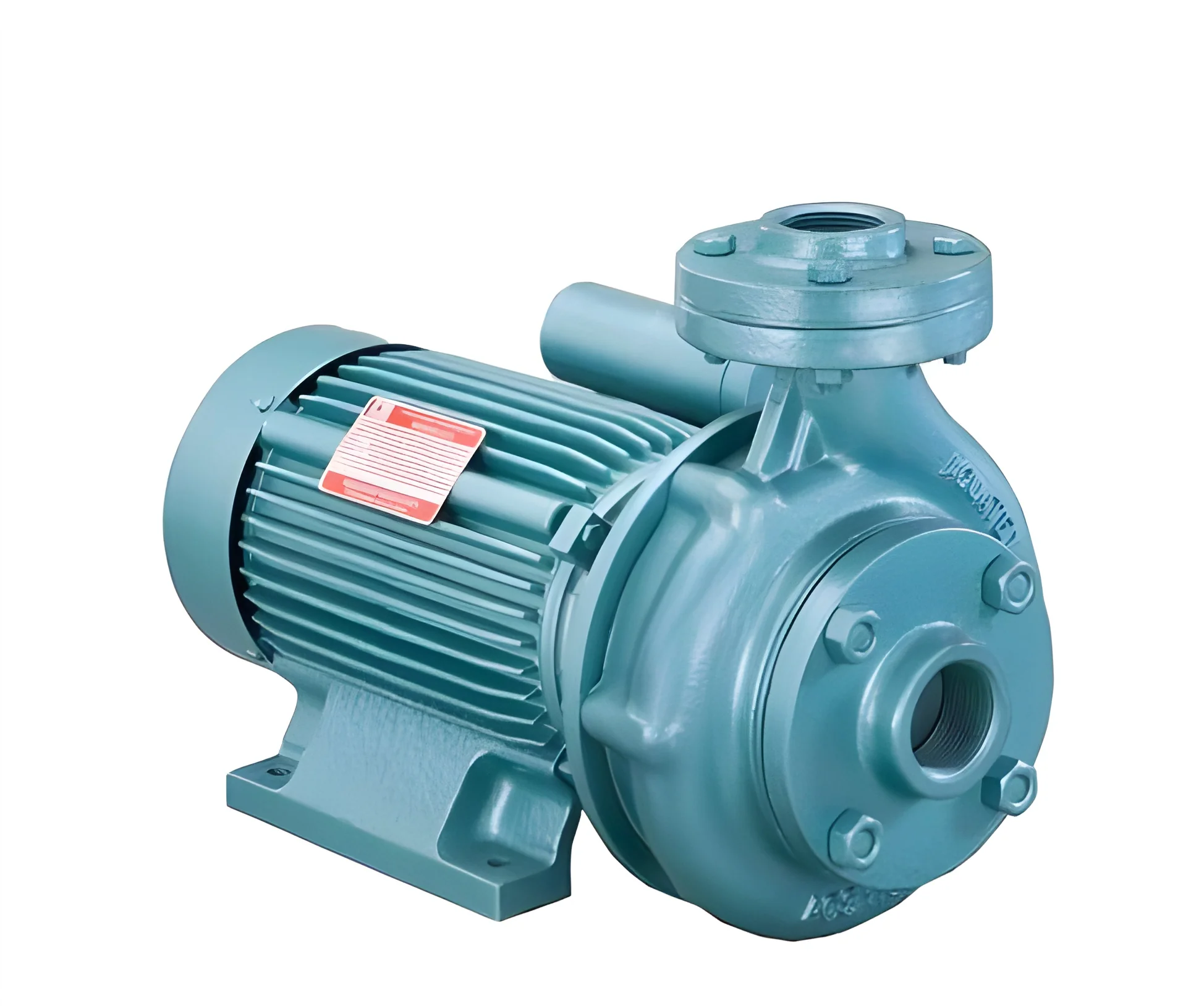
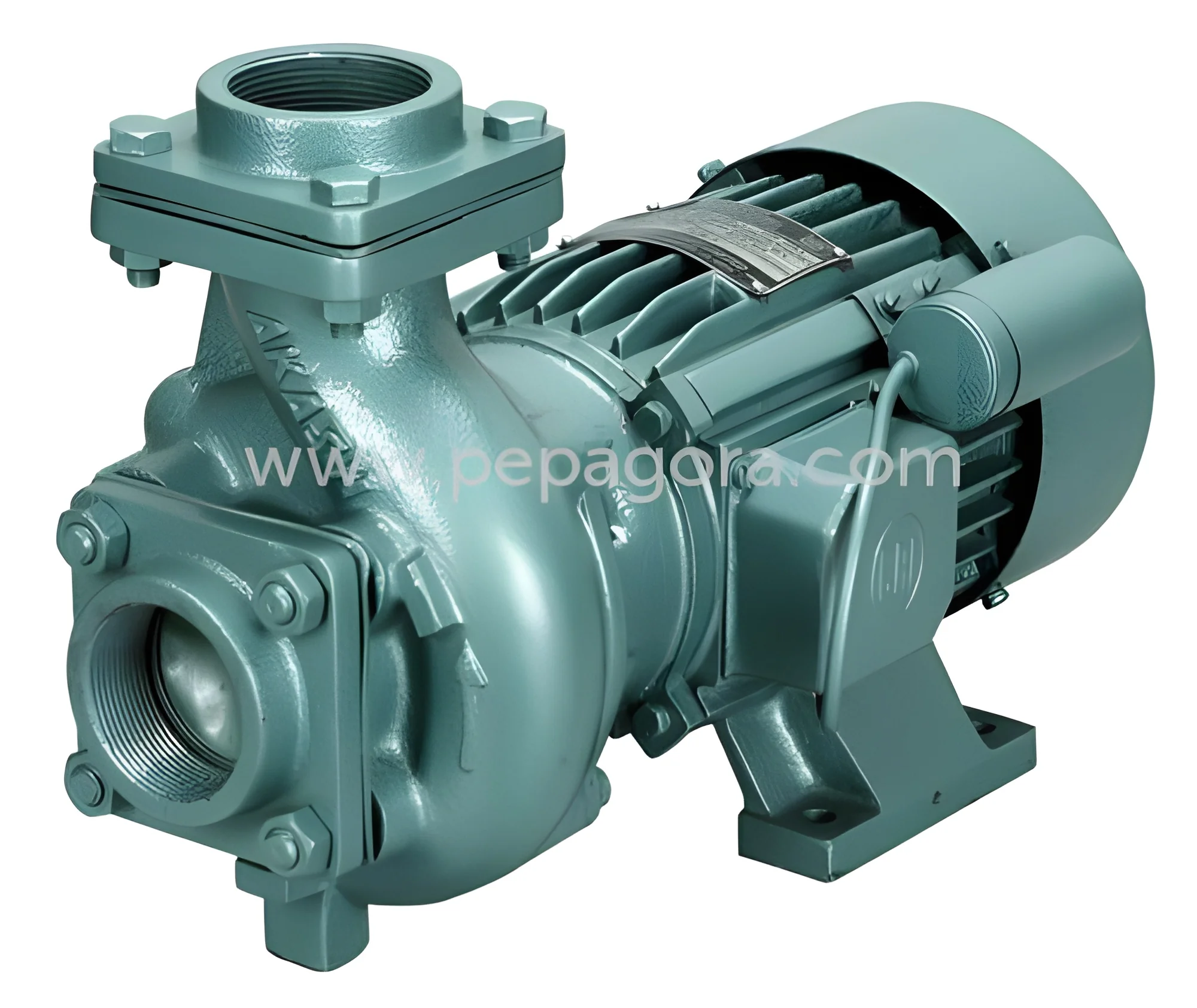
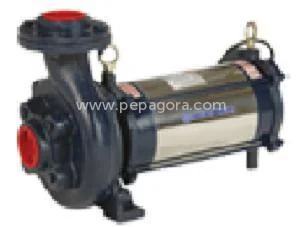
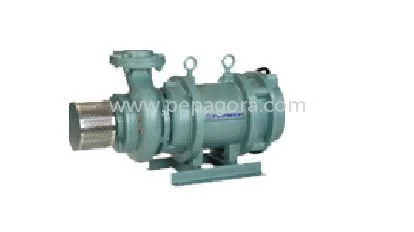
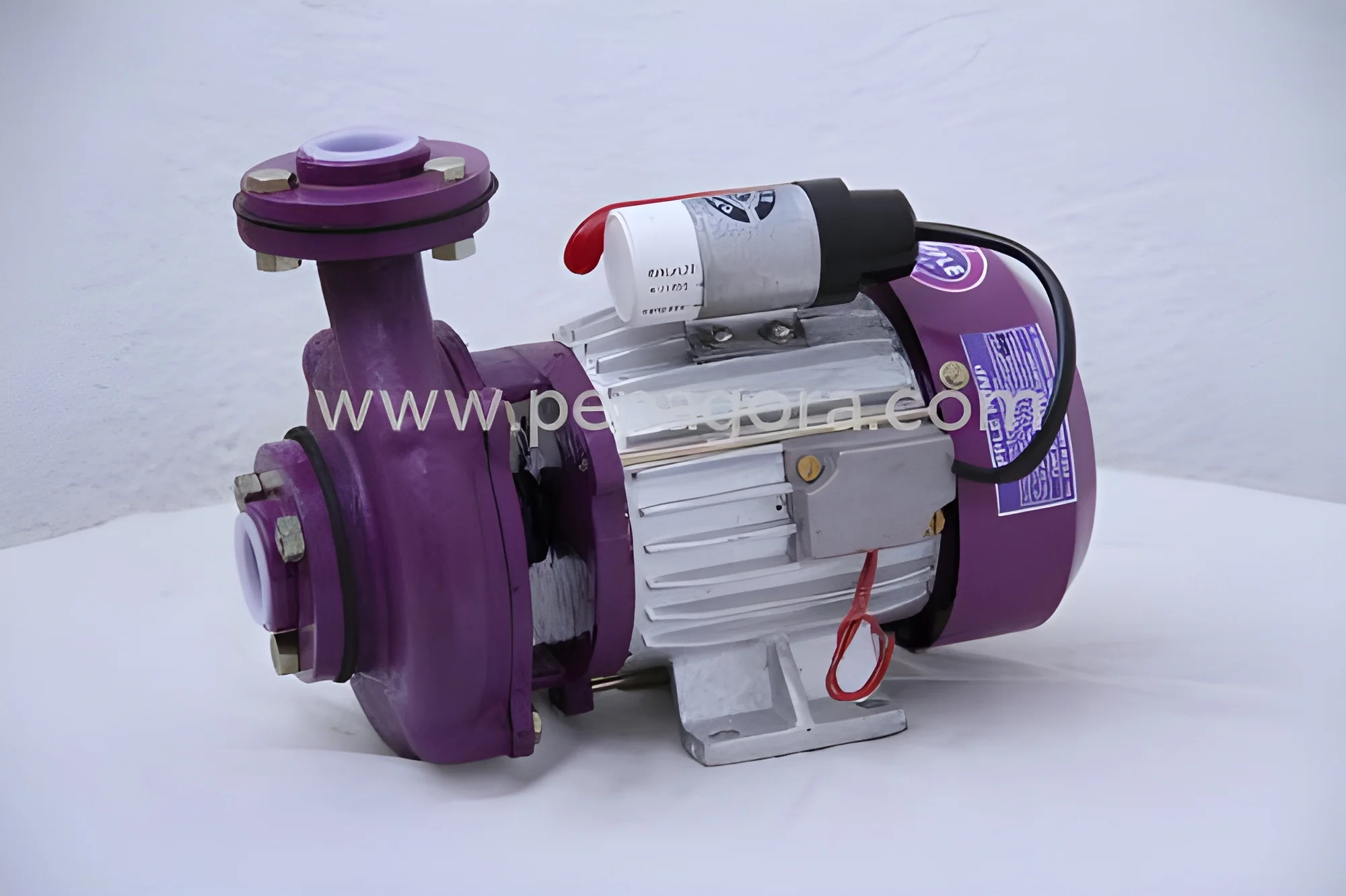
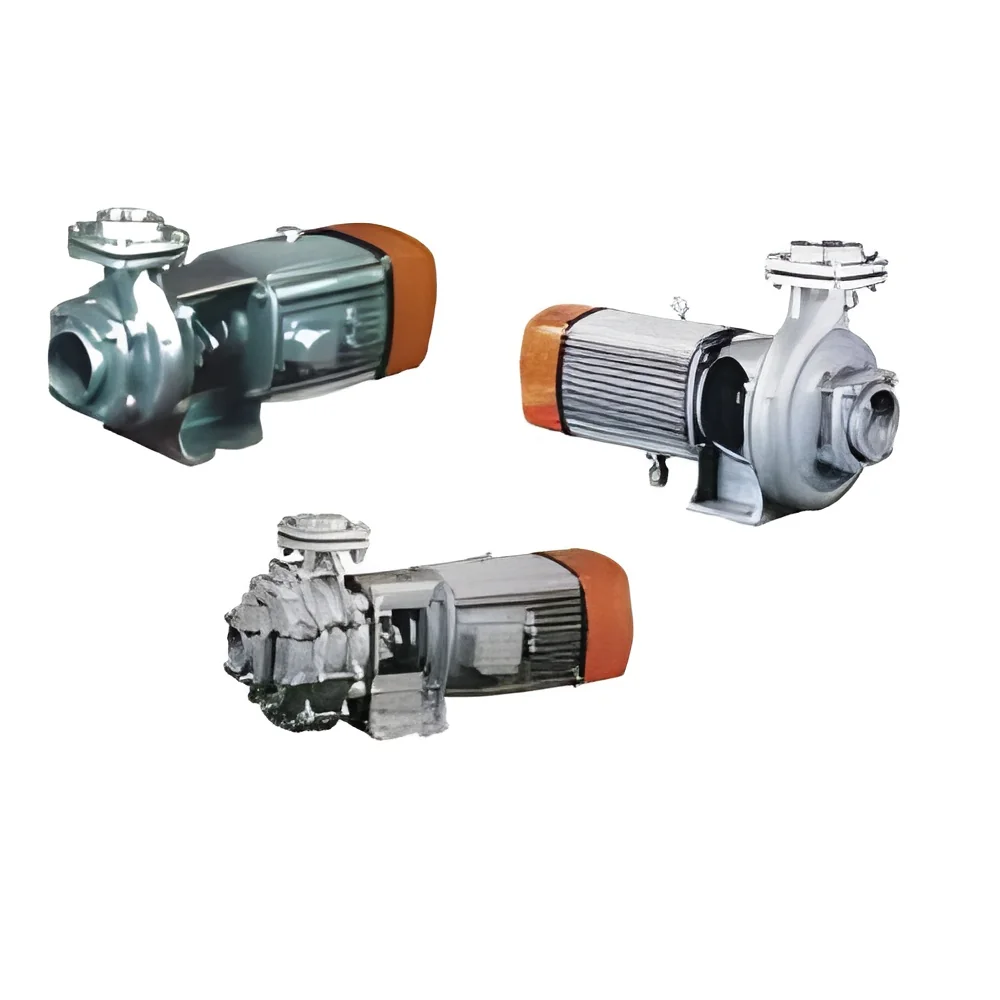
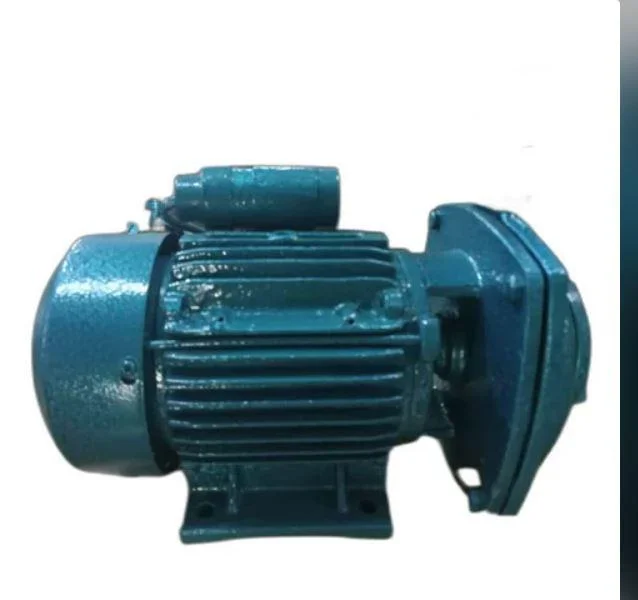
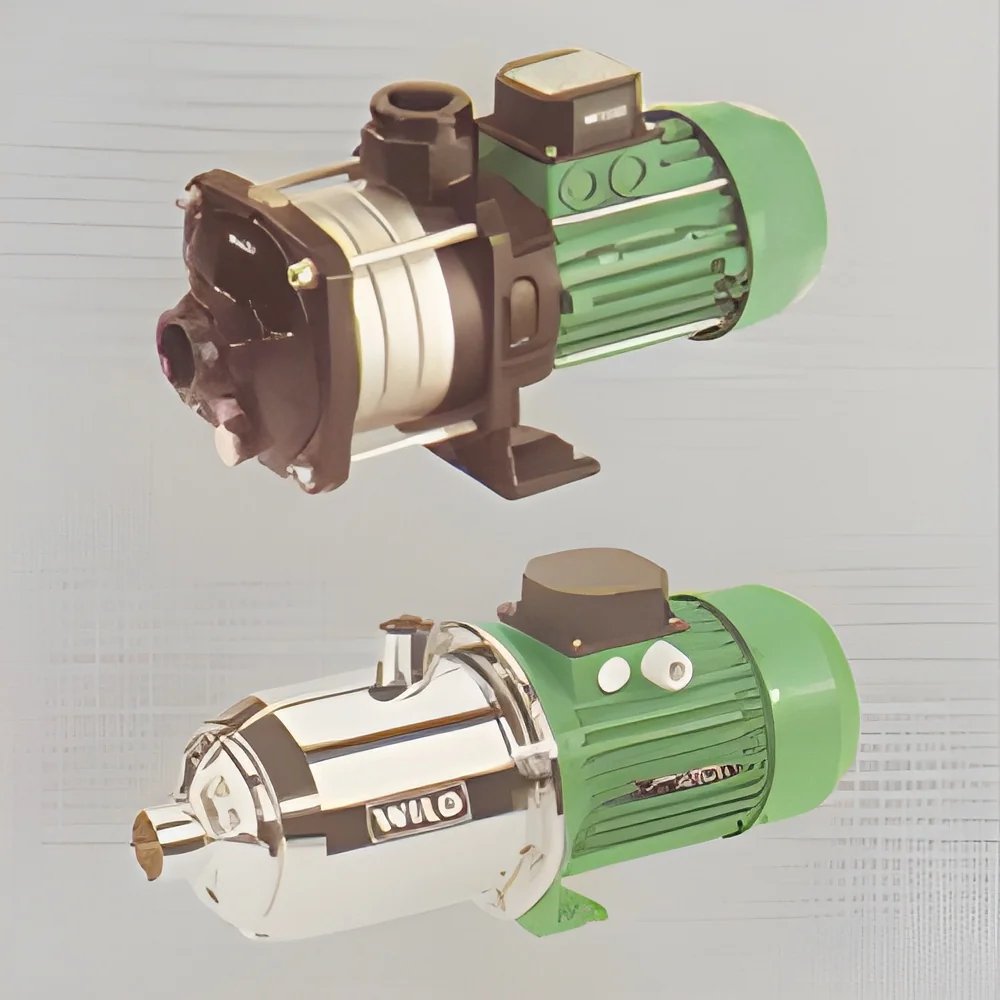
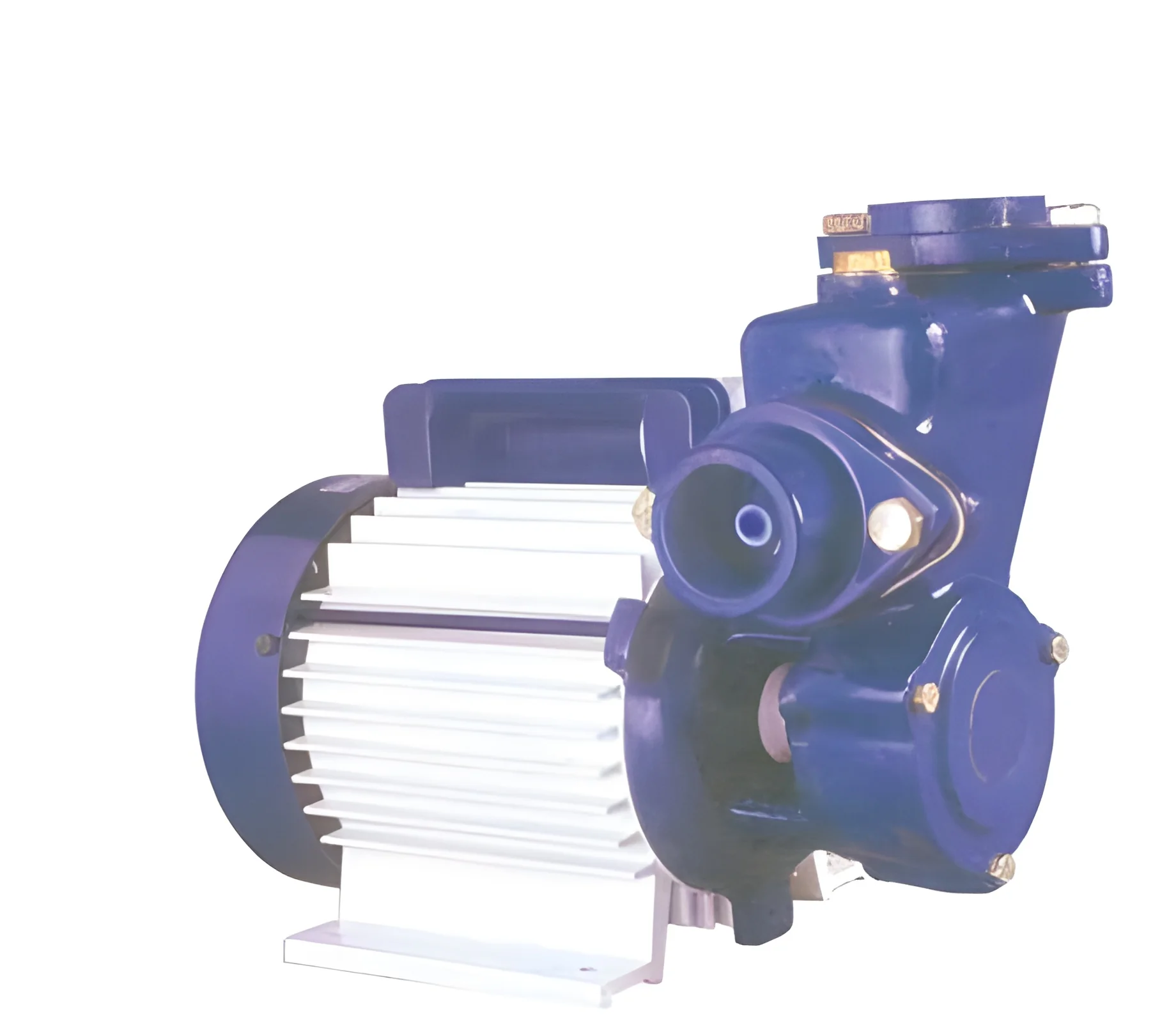
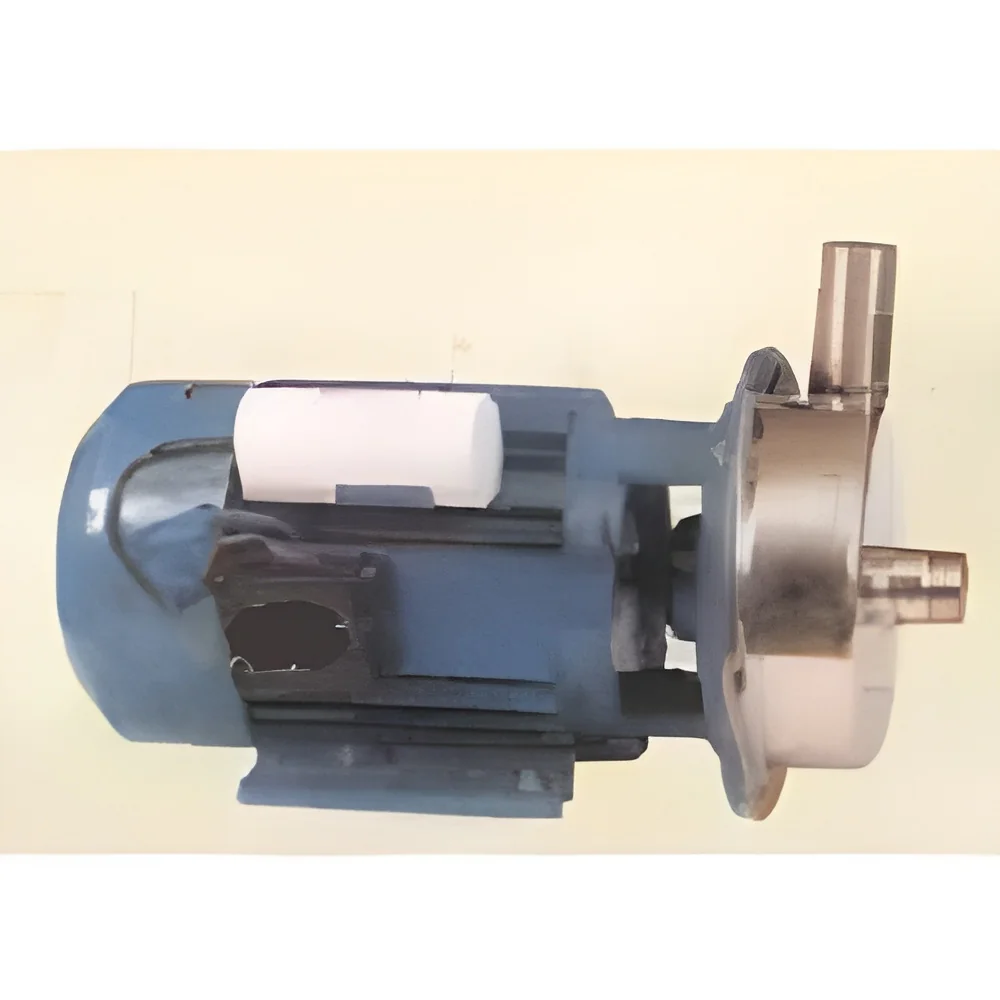
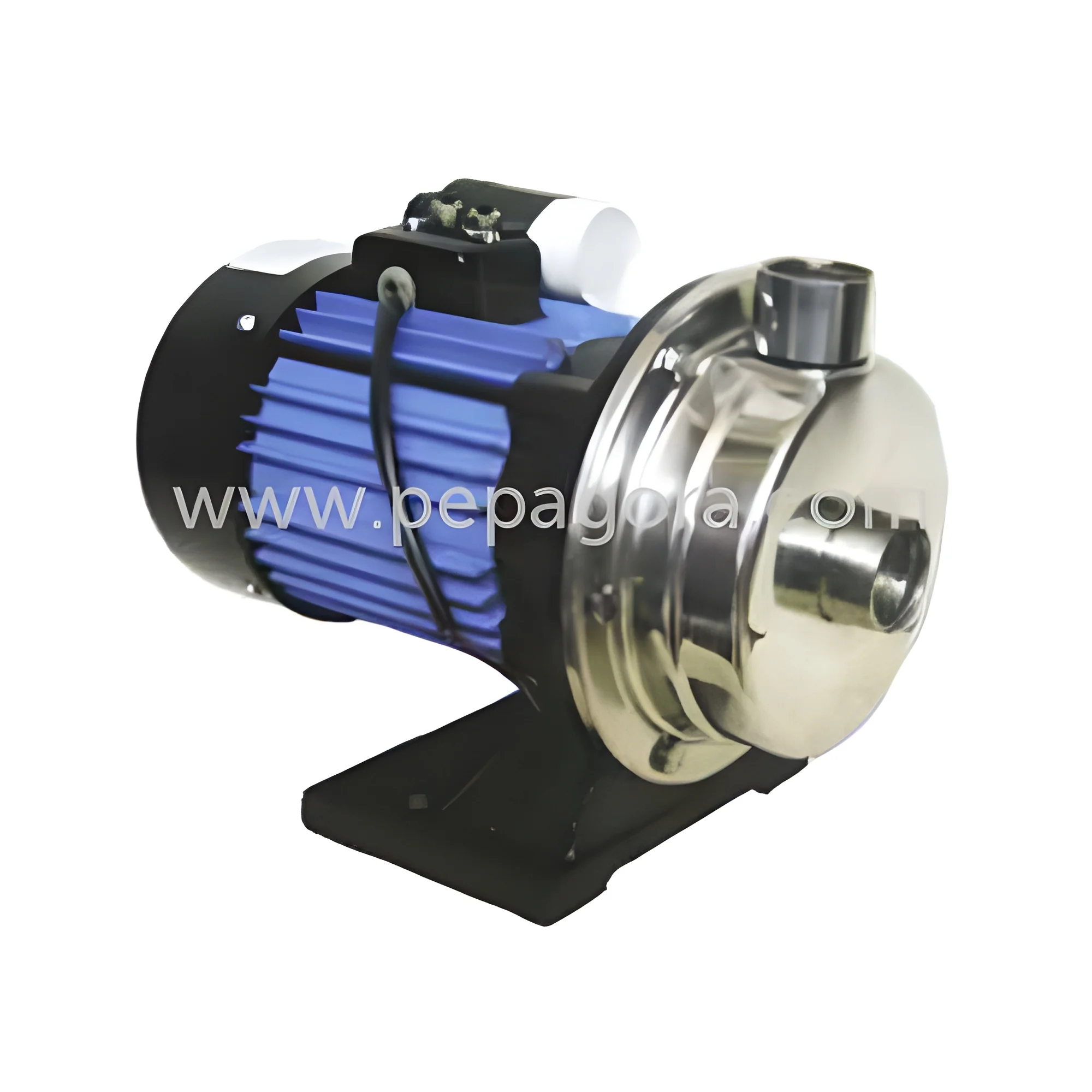
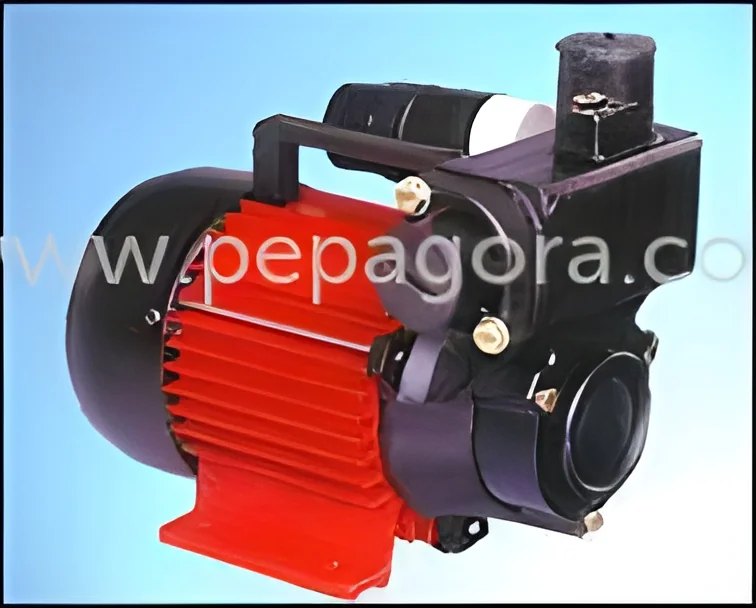
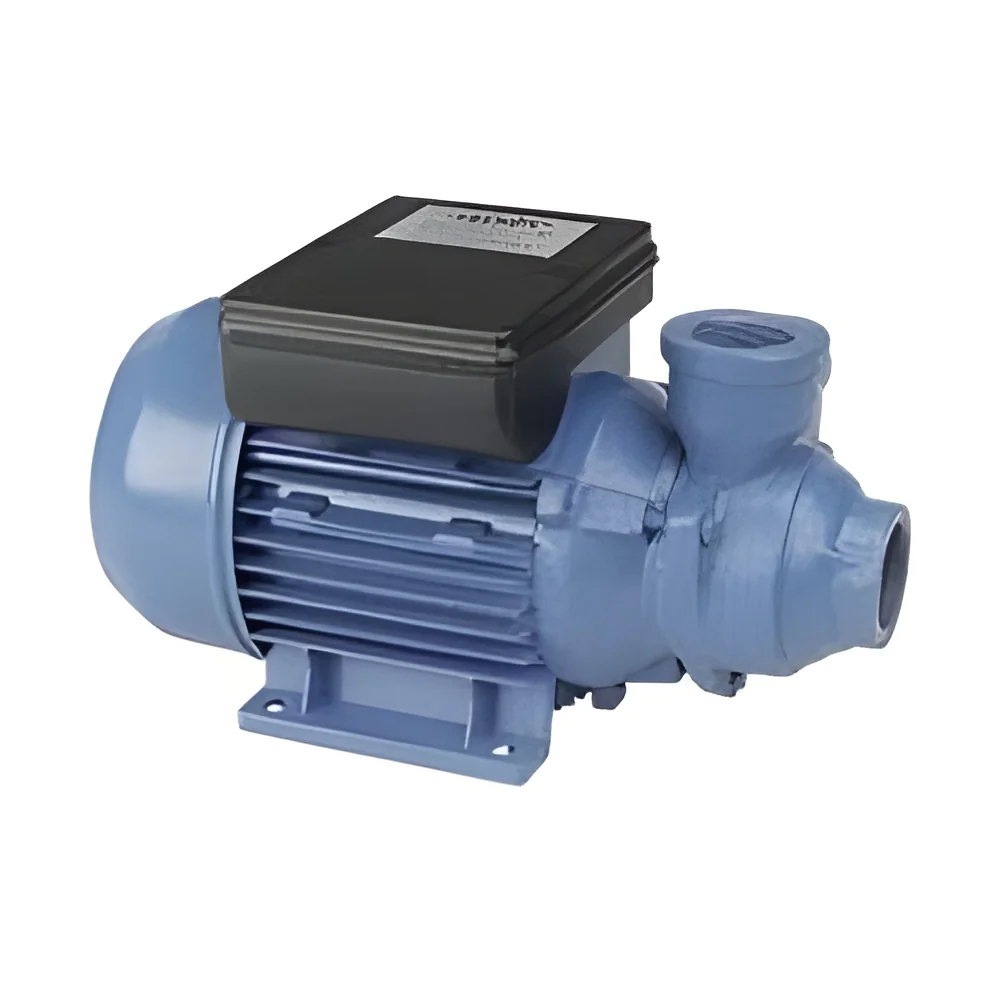
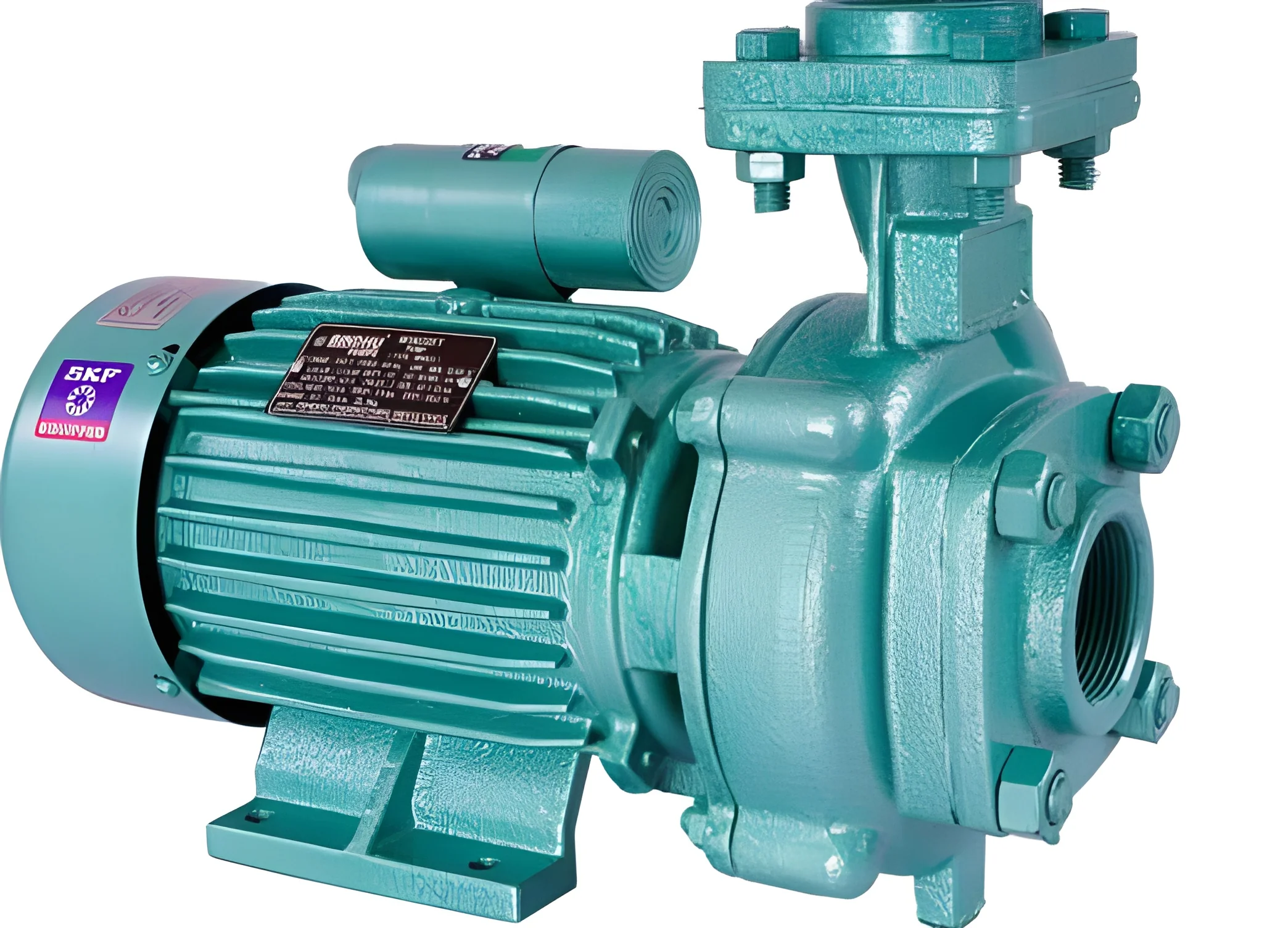
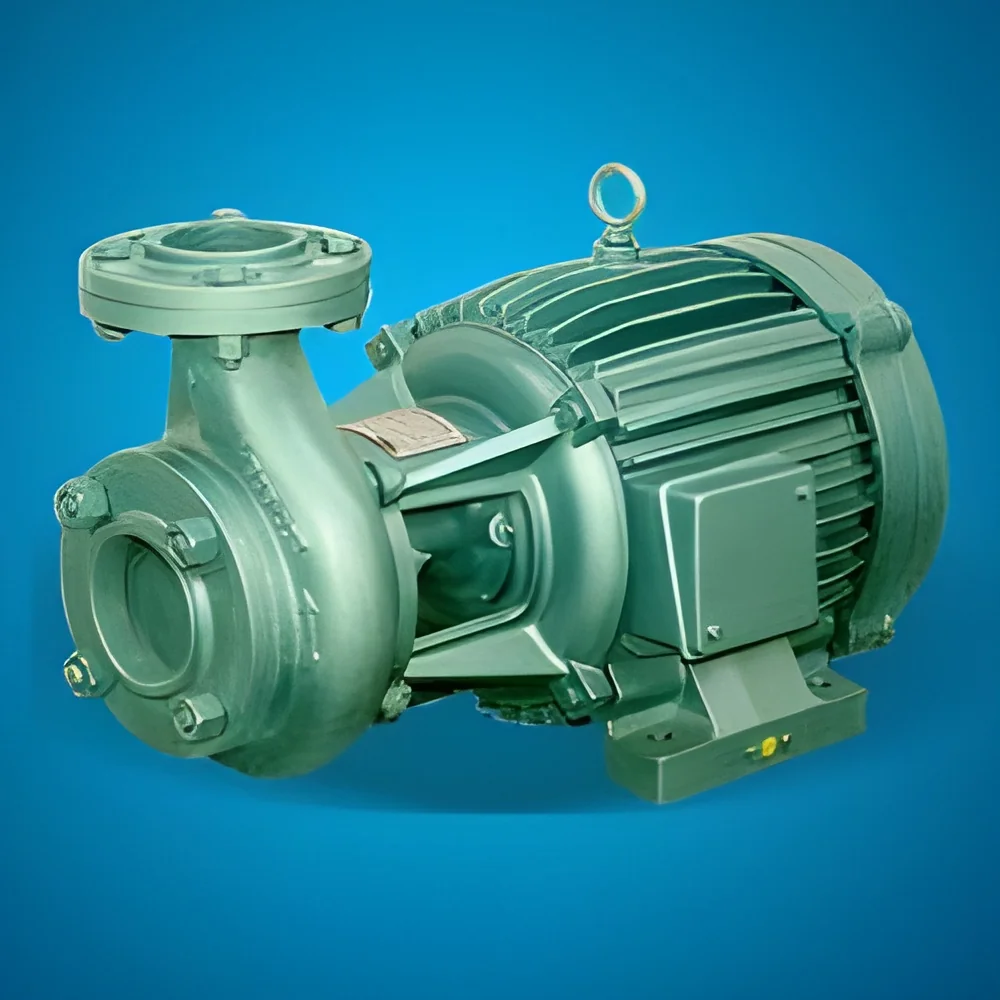
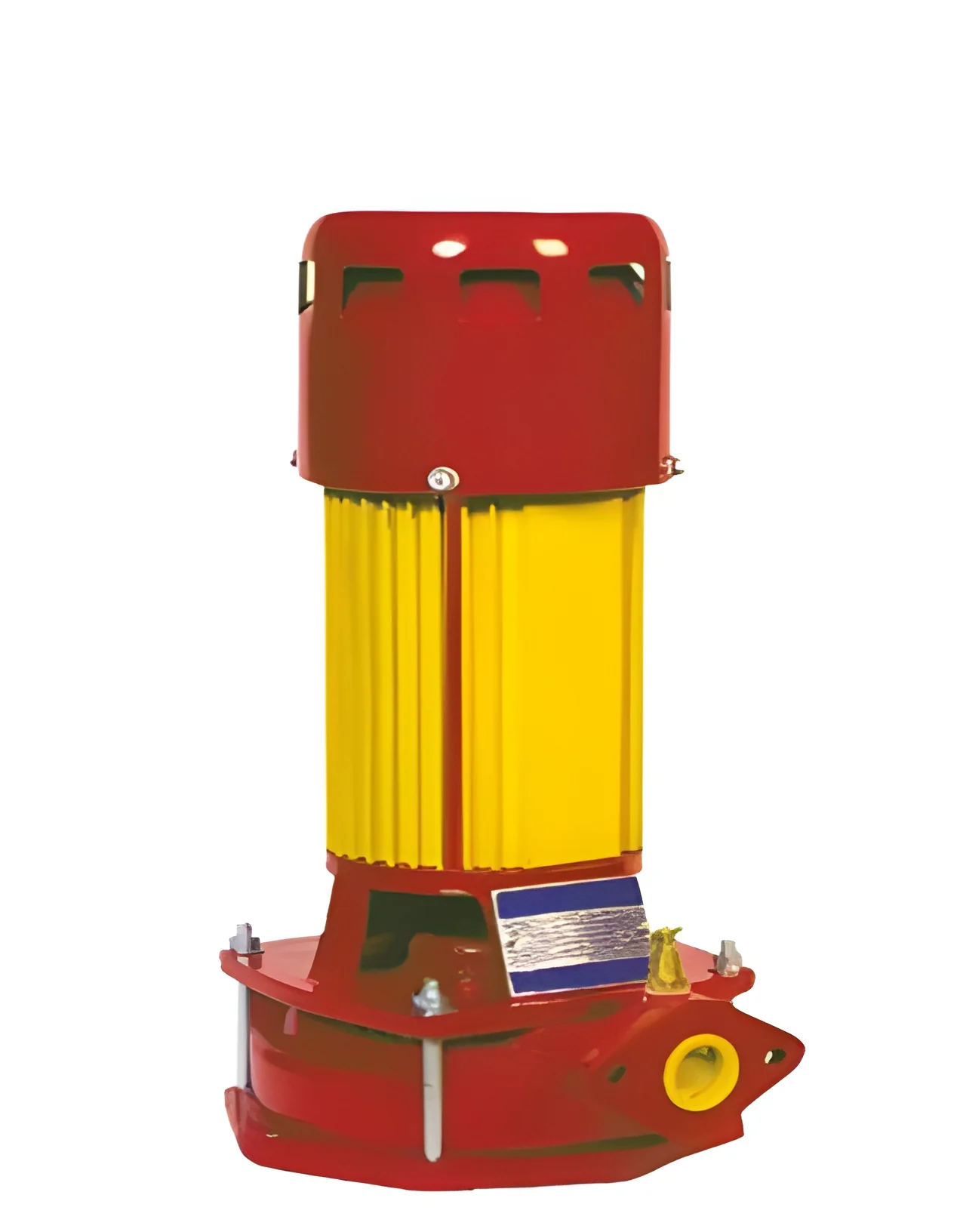
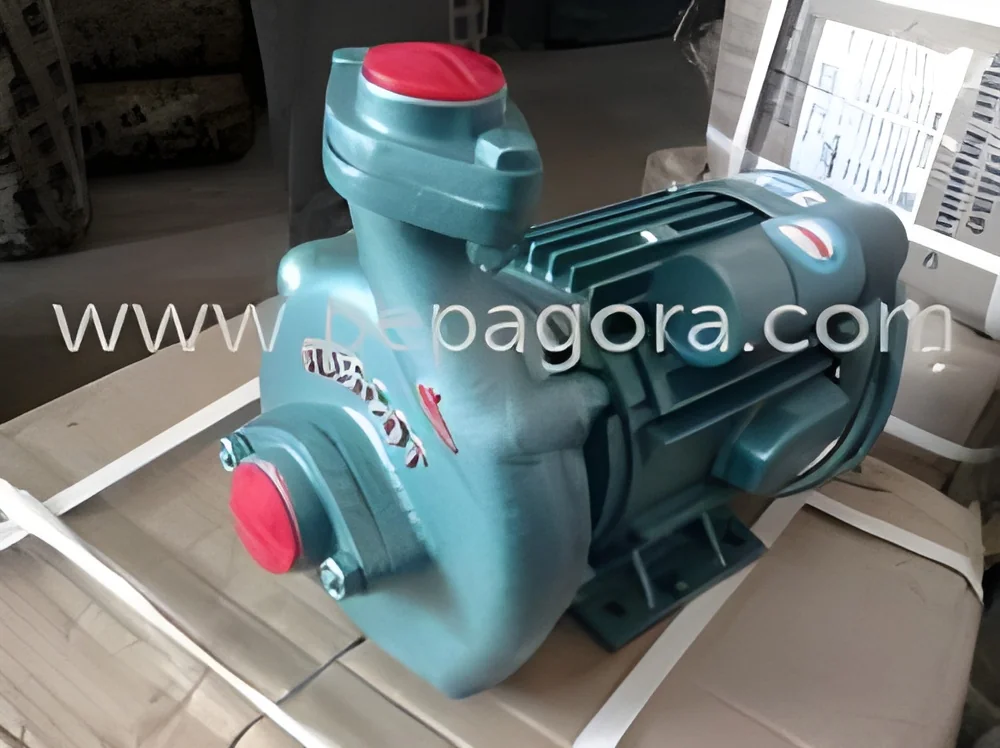
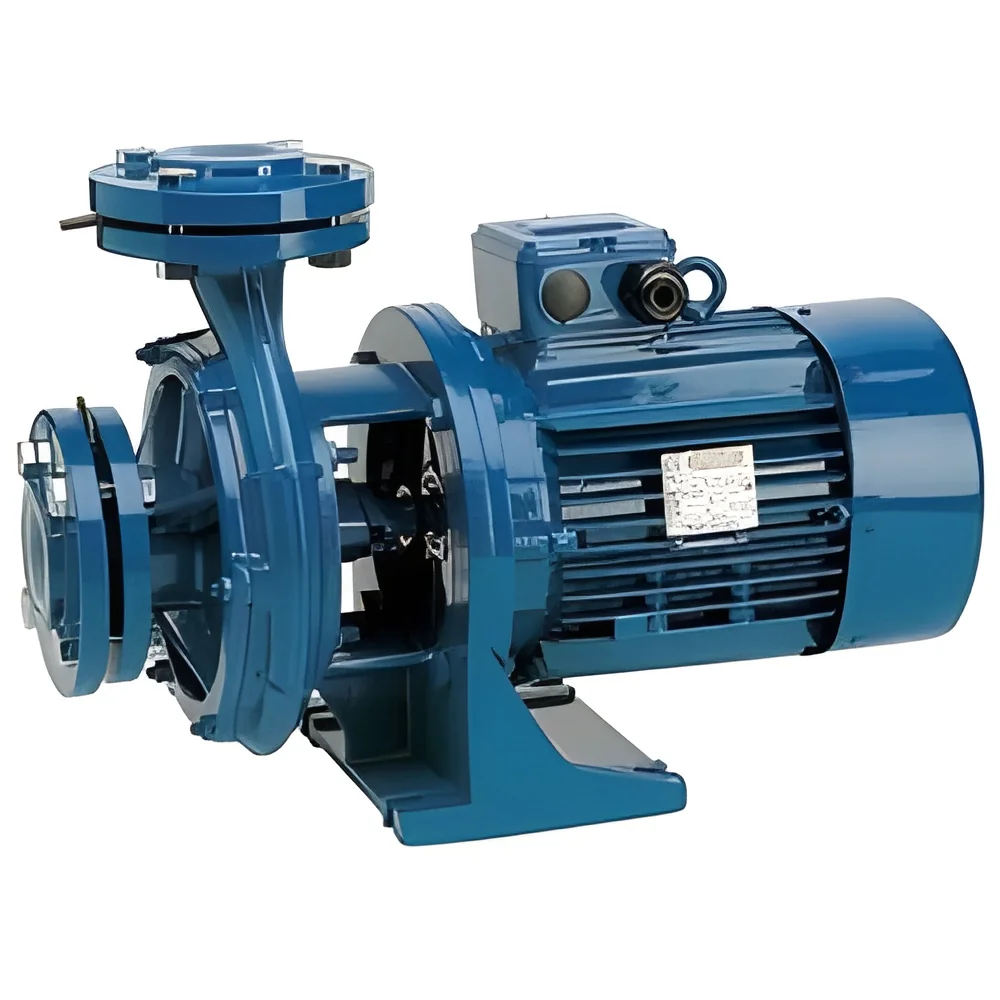
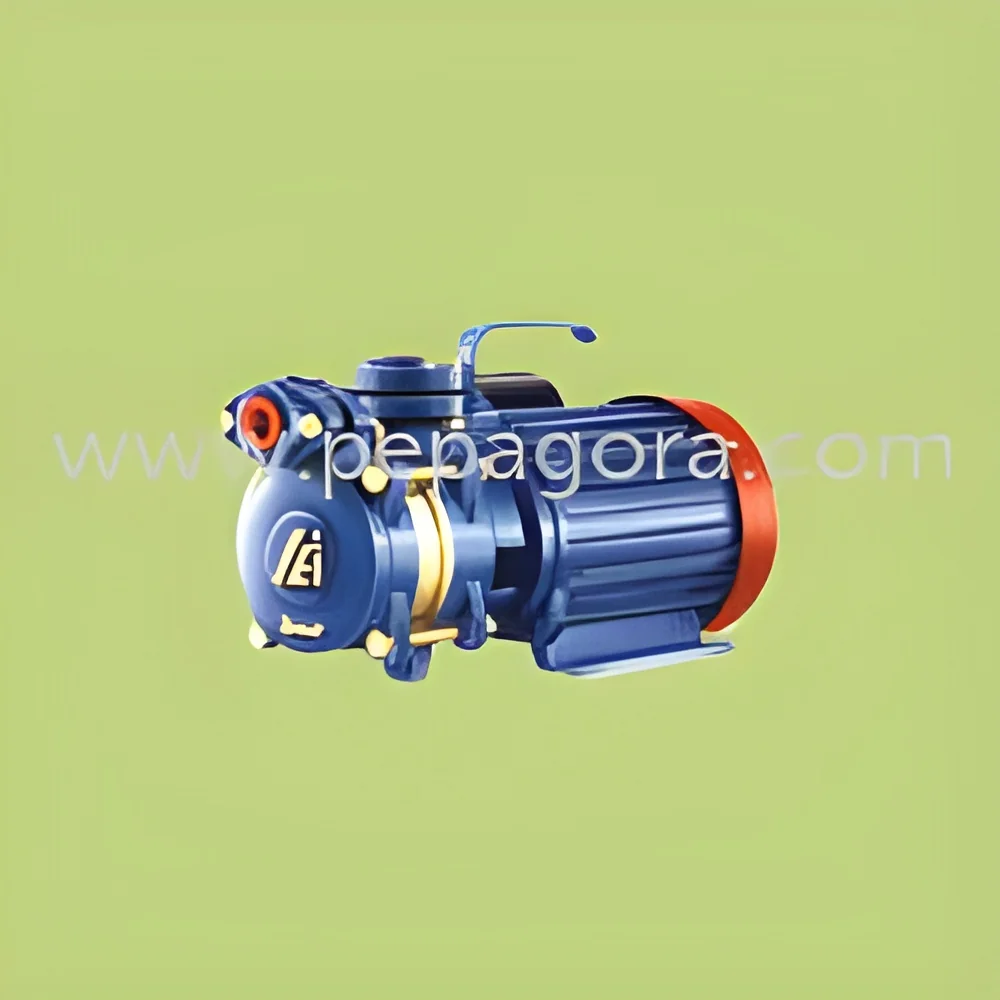
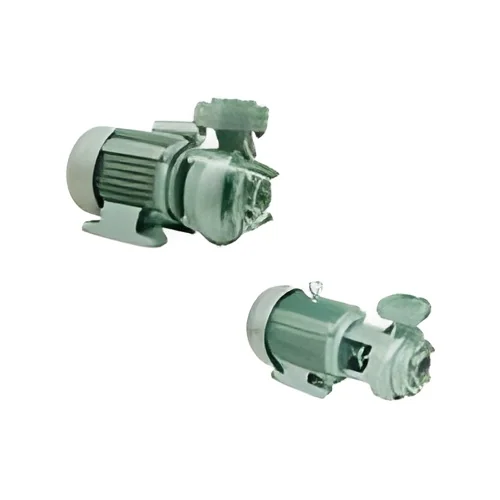
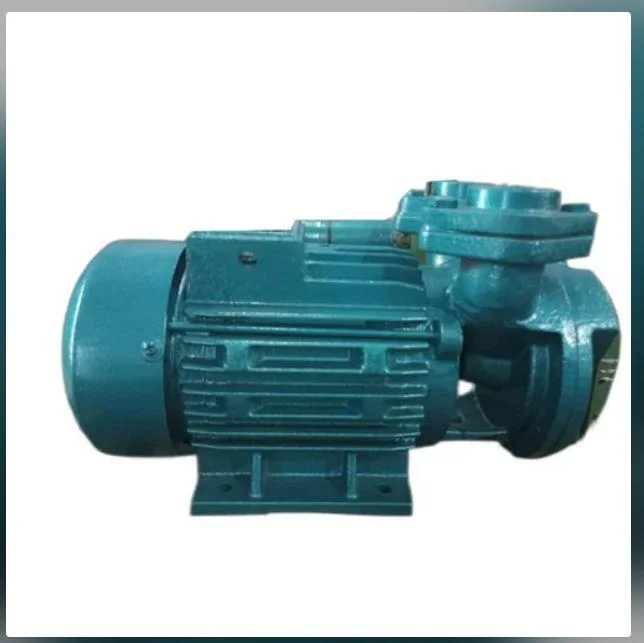
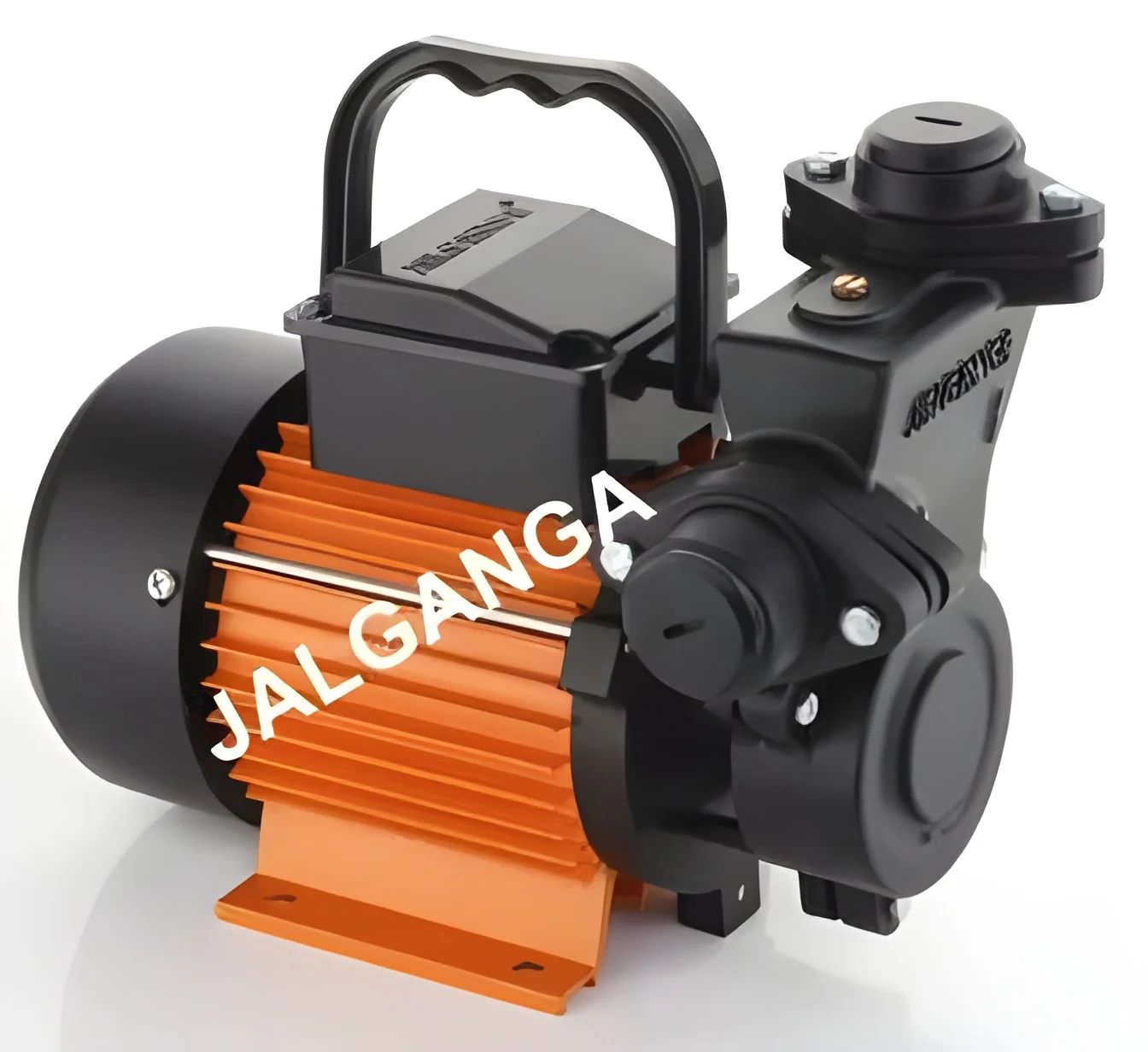
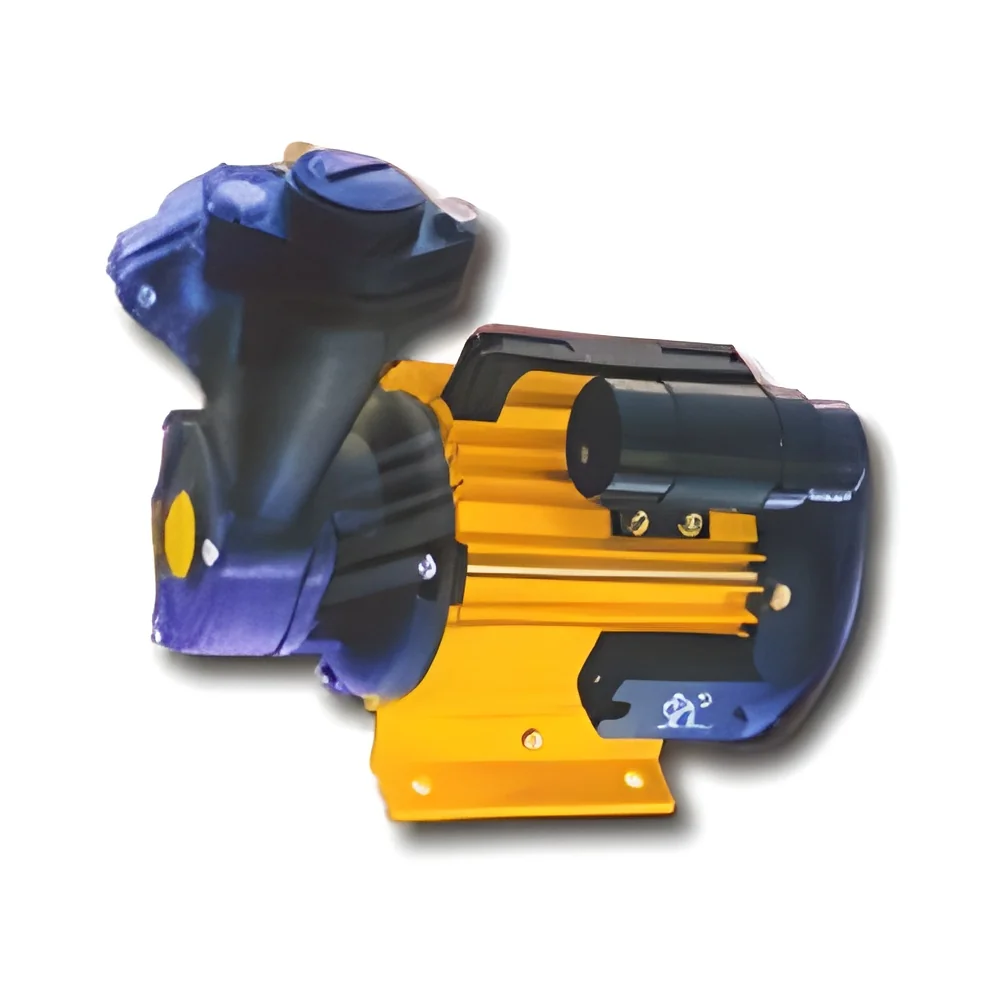
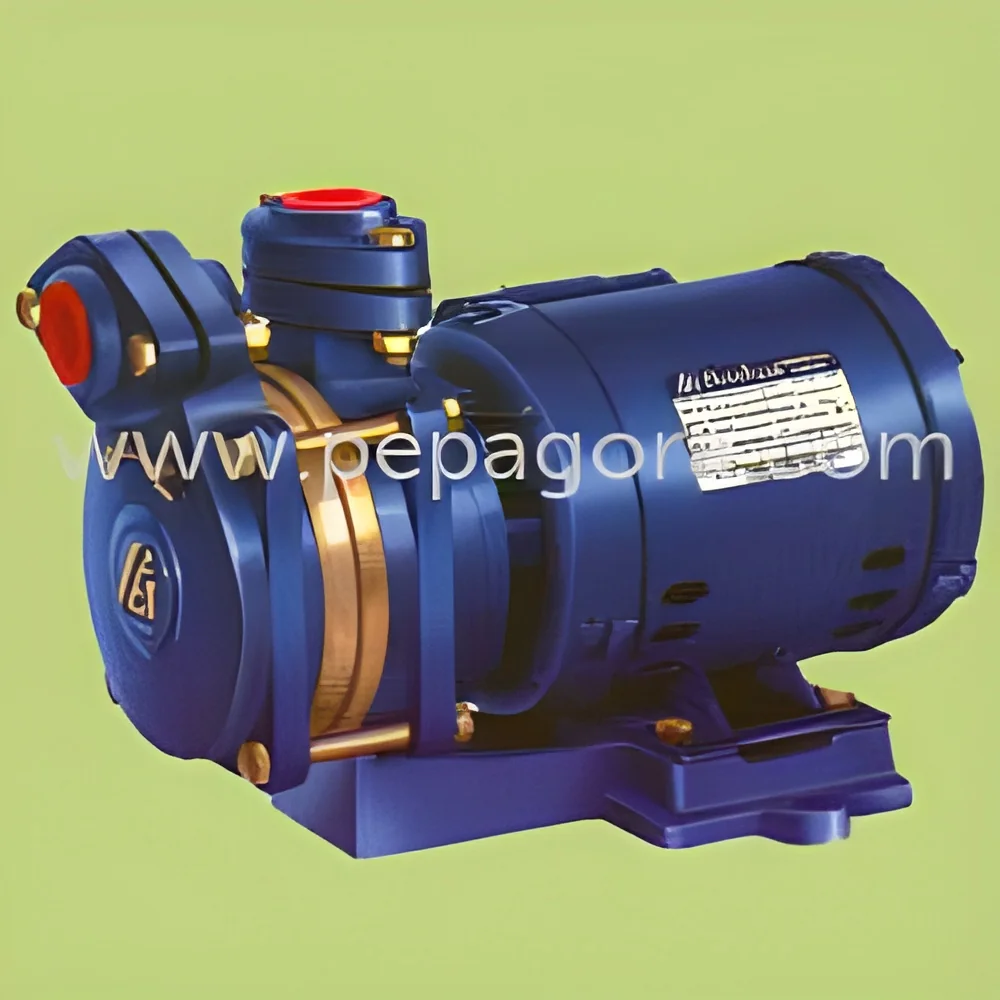
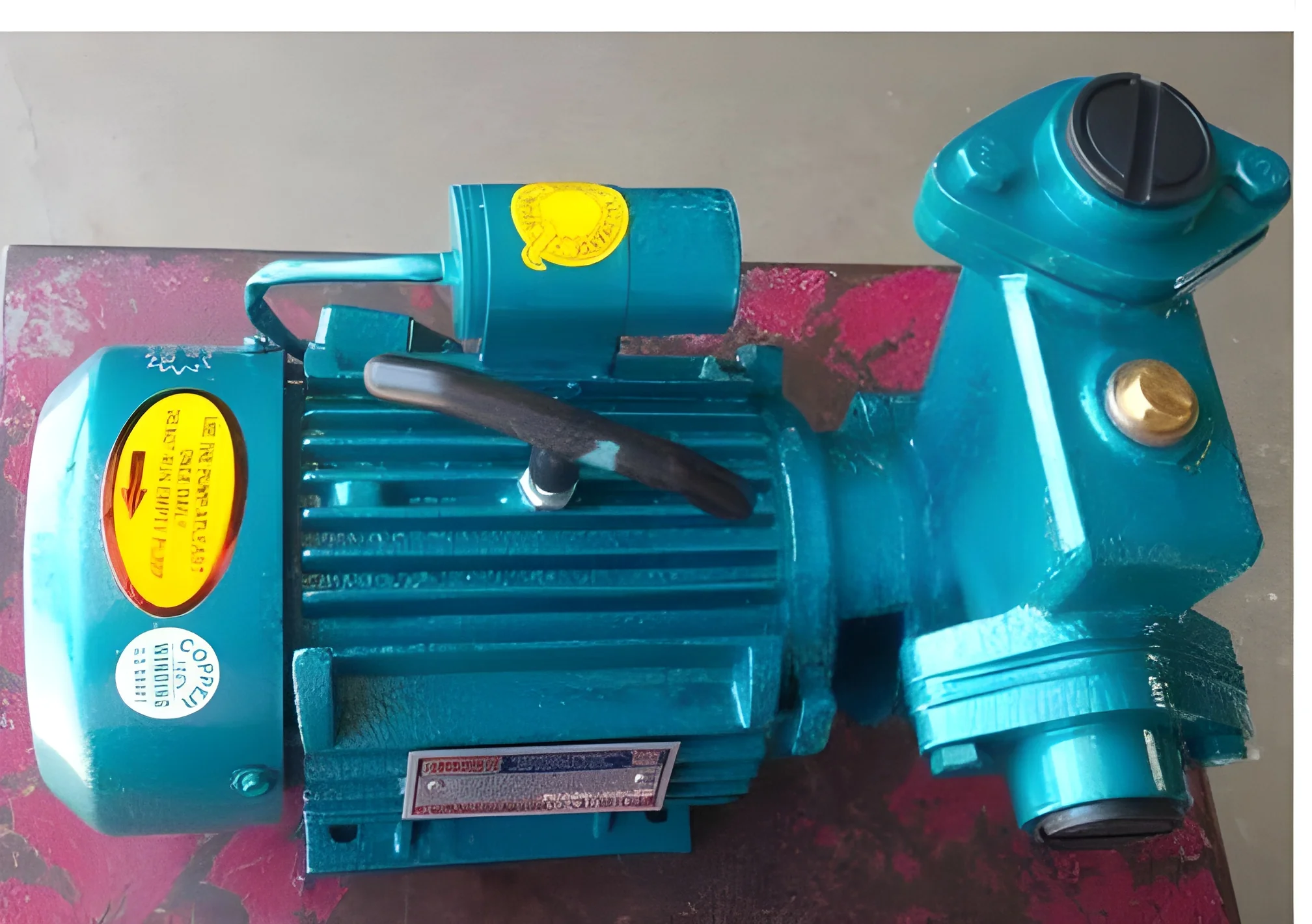
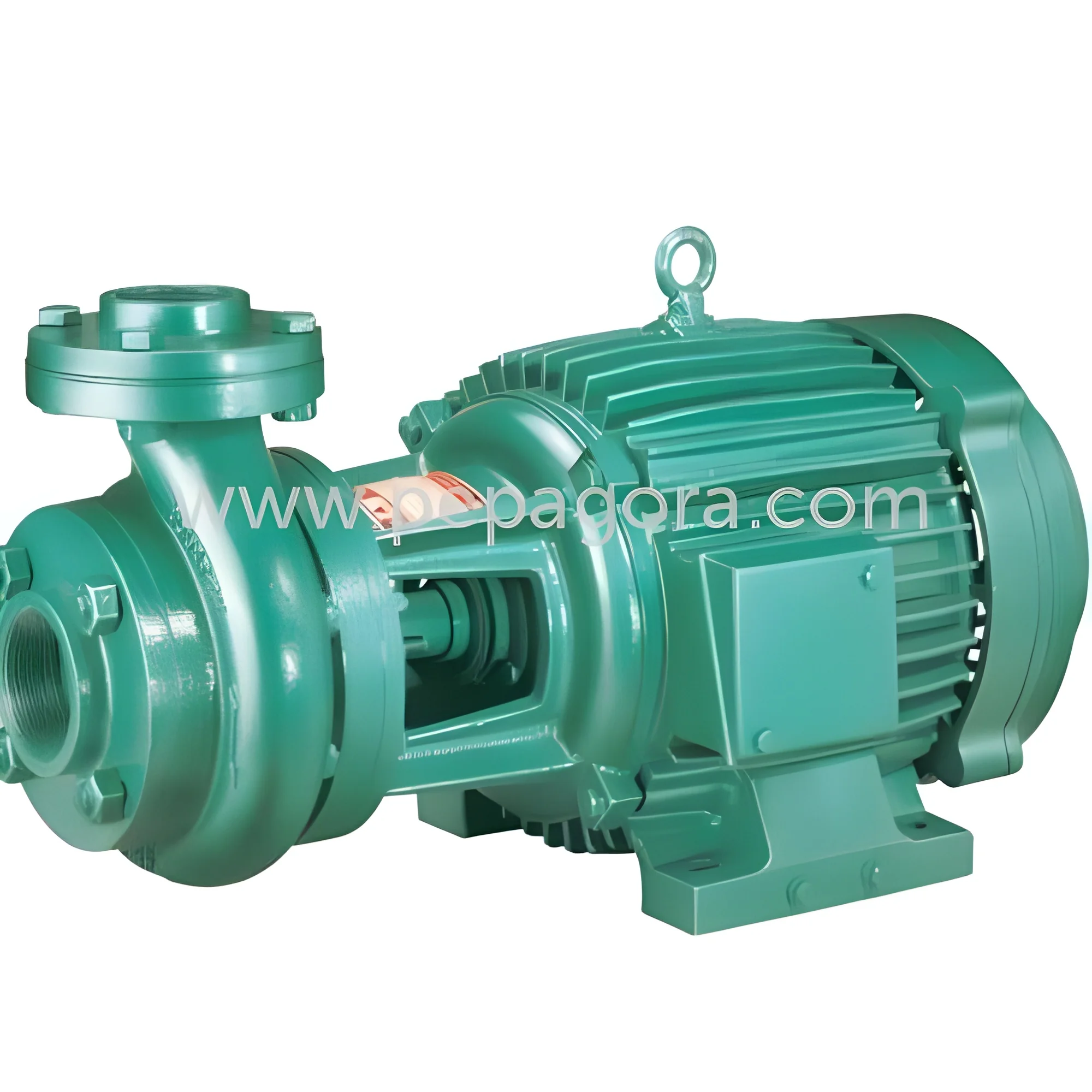
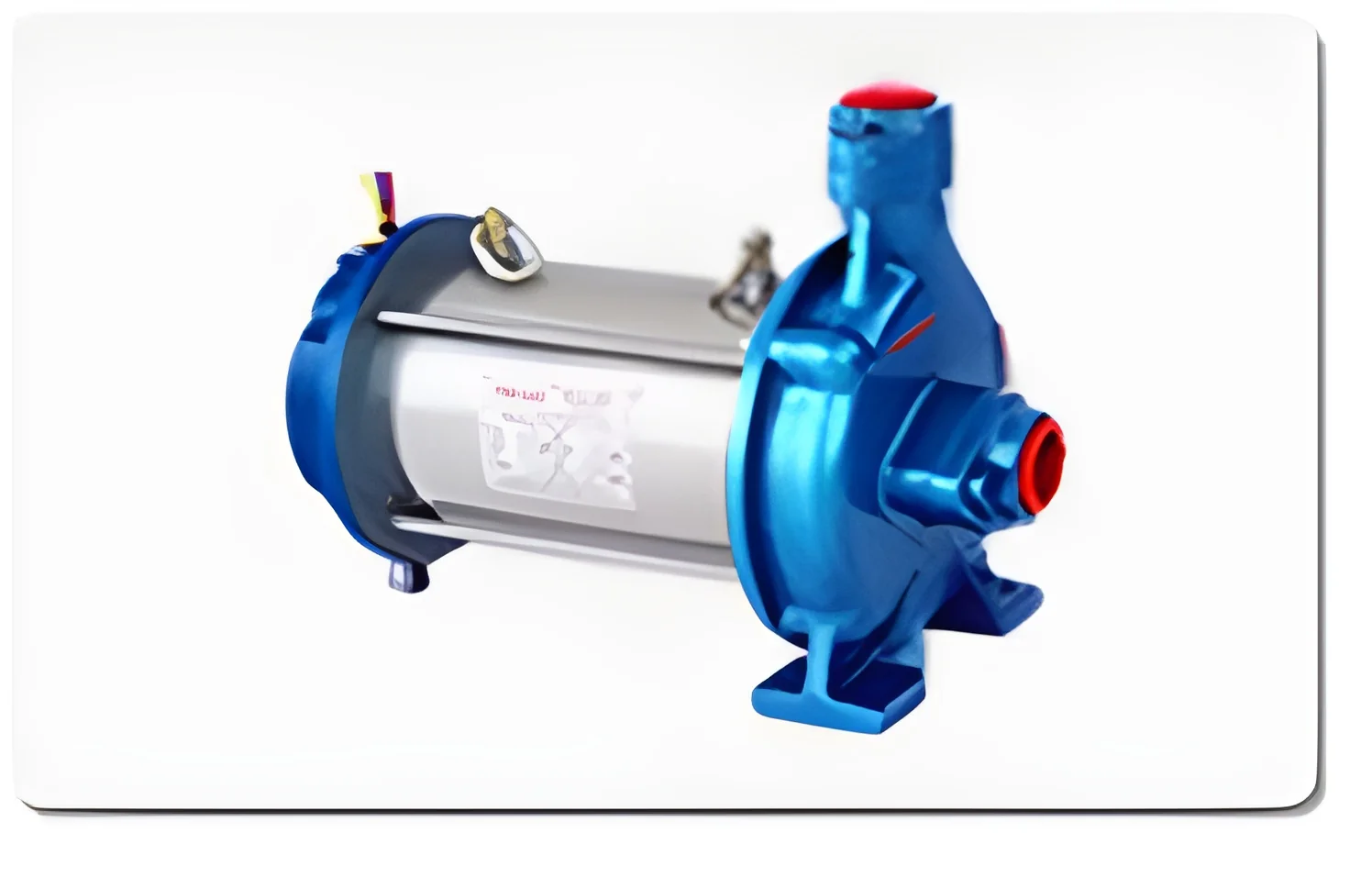
Monoblock pumps are a type of centrifugal pump characterized by their compact design. They consist of a single unit that combines both the motor and the pump into one assembly. This integration allows for efficient operation and reduced installation space, making them ideal for various applications in different industries. The simplicity of their construction also leads to easier maintenance and lower operational costs.
These pumps are primarily used in applications requiring the transfer of liquids, such as water, chemicals, and other fluids. They are widely utilized in sectors such as agriculture, manufacturing, construction, and municipal water systems. Monoblock pumps are particularly valued for their reliability and performance in situations where consistent flow rates are essential. As industries seek efficient and effective pumping solutions, the demand for monoblock pumps continues to grow.
Key Features and Specifications
Monoblock pumps offer a range of features that enhance their performance and adaptability to various applications. They are designed to provide high efficiency and reliability, making them suitable for continuous operation. Understanding their key specifications can help businesses select the right pump for their needs.
Key specifications include:
1. Motor Power
- Available in various wattages to meet different requirements
- Typically ranges from 0.5 HP to 10 HP
2. Flow Rate
- Provides the volume of liquid that can be pumped per unit time
- Ranges from 10 to 800 liters per minute depending on the model
3. Head (Lift Height)
- Indicates the height to which the pump can raise the fluid
- Commonly ranges from 10 to 100 meters
4. Material of Construction
- Typically made from cast iron, stainless steel, or bronze for durability
- Options available for corrosive and non-corrosive applications
5. Operating Temperature
- Designed to handle various fluid temperatures
- Generally suitable for temperatures up to 60 degrees Celsius
6. Seal Type
- Mechanical seals are standard to prevent leakage
- Options for different environments and fluid types
7. Suction Size
- Available in different diameters to accommodate various pipe sizes
- Common sizes include 1 inch to 4 inches
8. Efficiency Rating
- Generally rated between 60% to 85% depending on design and application
- Higher efficiency models available for energy savings
Monoblock pumps are designed to offer reliable performance across a range of specifications, ensuring they meet the diverse needs of businesses.
Common Applications and Use Cases
Monoblock pumps find applications across several industries due to their versatility and efficiency.
1. Agriculture: These pumps are commonly used for irrigation systems, providing a consistent water supply for crops and livestock.
2. Manufacturing: In manufacturing, monoblock pumps facilitate the movement of fluids in processes such as cooling and lubrication systems.
3. Construction: They are employed for dewatering applications at construction sites, ensuring that excavations remain dry.
4. Municipal Water Supply: Monoblock pumps are integral to municipal systems for supplying clean water to communities and managing wastewater.
5. Chemical Processing: These pumps handle the transfer of various chemicals, ensuring safe and efficient movement without contamination.
6. HVAC Systems: In heating, ventilation, and air conditioning systems, monoblock pumps circulate fluids, contributing to temperature regulation.
7. Food and Beverage: They are utilized for transferring liquids in food processing, adhering to hygiene standards to maintain product quality.
Product Variants and Subcategories
Monoblock pumps come in various configurations to meet specific operational needs.
Standard Monoblock Pumps
These are the most common type, featuring a straightforward design suitable for general fluid transfer applications. They are available in various sizes and capacities, making them adaptable to different operational requirements.
High-Efficiency Monoblock Pumps
Designed to provide superior energy efficiency, these pumps reduce operational costs while maintaining high performance. They are ideal for applications where energy consumption is a critical concern.
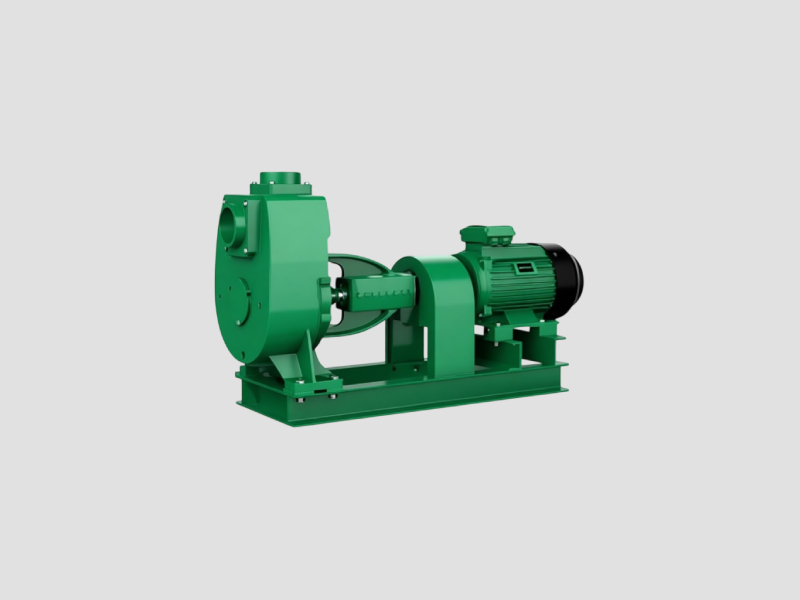
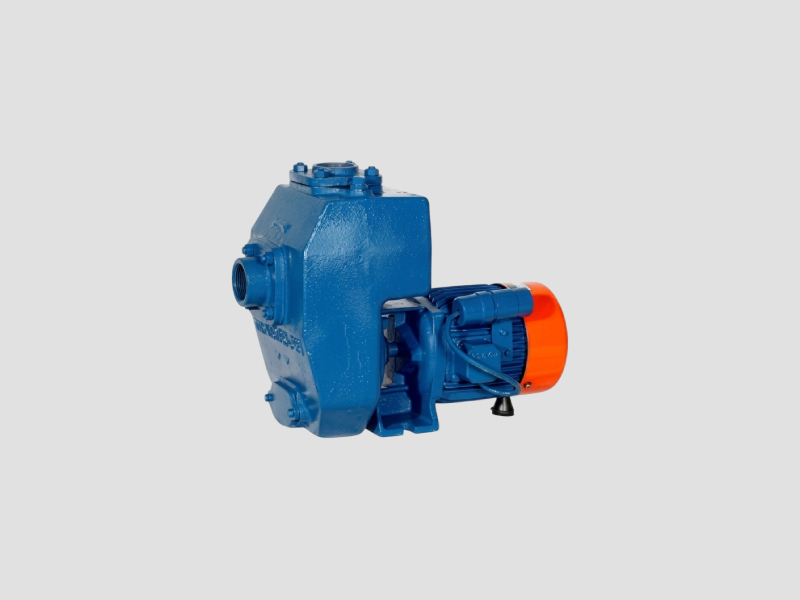
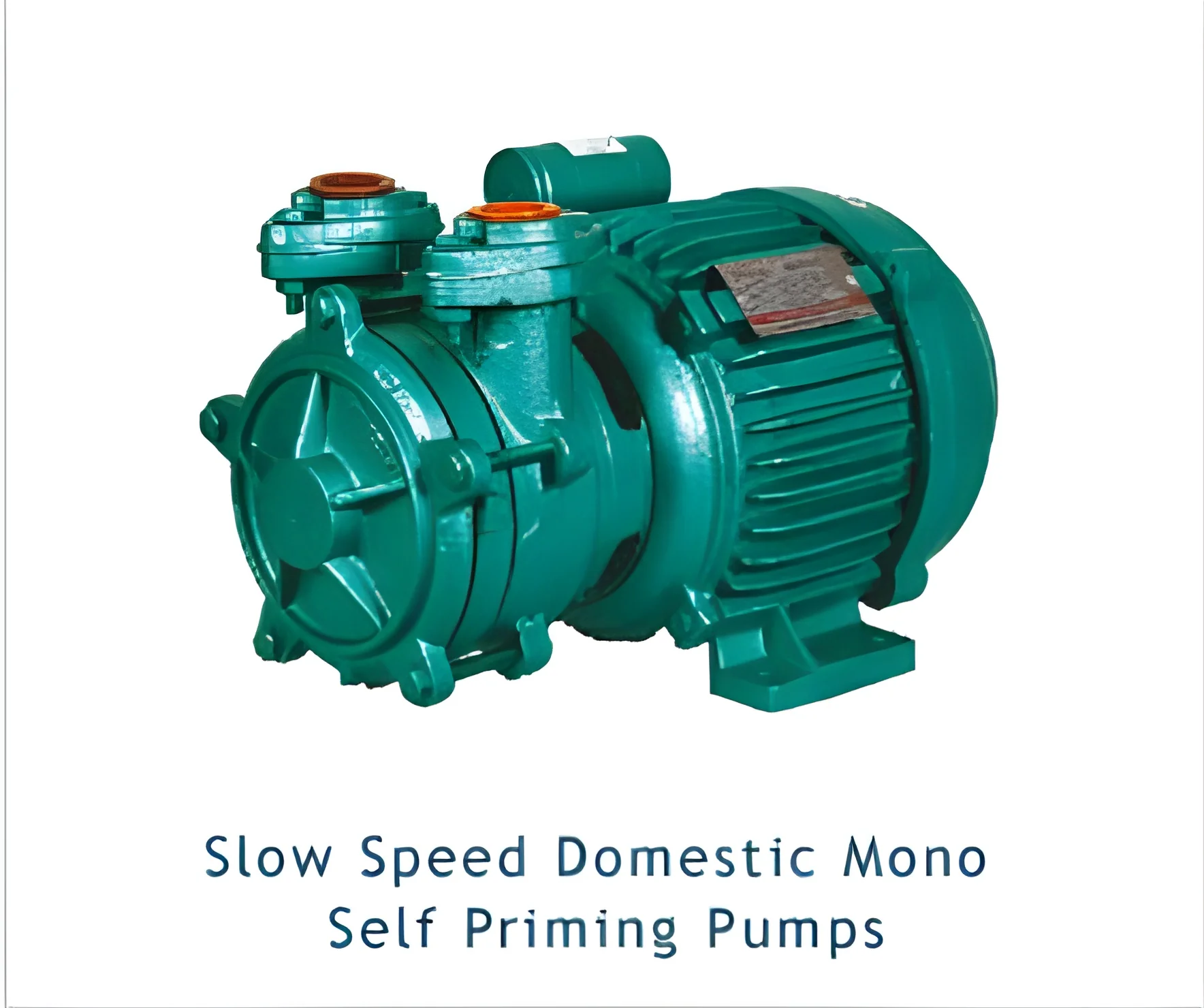
Self-Priming Monoblock Pumps
These pumps are capable of drawing fluid from a lower level without requiring external assistance. They are particularly useful in applications where the fluid source is below the pump level.
Submersible Monoblock Pumps
Designed to operate underwater, these pumps are used in applications like drainage and sewage management. They are sealed to prevent water ingress and ensure reliable operation.
Benefits and Advantages
Monoblock pumps offer numerous benefits that make them an attractive choice for businesses.
1. Compact Design: Their integrated construction saves space and simplifies installation, making them ideal for locations where space is limited.
2. Cost-Effective: Monoblock pumps typically have lower initial and operational costs due to their efficient design and lower maintenance needs.
3. Reliable Performance: With fewer moving parts, these pumps tend to have a longer lifespan and require less frequent repairs.
4. Versatility: They can handle a wide range of fluids, making them suitable for various applications across different industries.
5. Easy Maintenance: The straightforward design allows for quick access to components, facilitating easier maintenance and servicing.
6. Energy Efficiency: Many models are designed to operate with high efficiency, contributing to lower energy consumption and reduced operational costs.
Buying Guide for B2B Buyers
When considering the purchase of monoblock pumps, several factors should be taken into account to ensure the best choice for your business needs.
1. Quality Assessment: Evaluate the quality standards of the pumps, ensuring they meet industry specifications that guarantee durability and reliability.
2. Supplier Verification: Vet suppliers by checking their reputation and reliability in the market. Look for reviews and ratings from other businesses.
3. Pricing and MOQ: Understand the pricing structure and minimum order quantities to ensure they fit your budget and operational needs.
4. Delivery and Lead Times: Assess the supplier's ability to meet delivery timelines, which is crucial for maintaining your operational schedule.
5. Compliance Requirements: Ensure that the pumps comply with relevant regulations and standards in your industry, which may vary by region.
Compliance and Certifications
Monoblock pumps must adhere to various quality standards and certifications to ensure they meet industry requirements.
ISO 9001 is a standard that ensures a consistent quality management system, enabling manufacturers to produce reliable products. Compliance with this standard reflects the manufacturer's commitment to quality and customer satisfaction.
CE certification indicates that the product meets European safety, health, and environmental protection standards. This certification is essential for businesses looking to enter markets in Europe.
Safety and testing requirements are critical as they ensure the pumps operate safely under specified conditions. Regular testing for performance and durability should be a part of the manufacturing process.
Regional compliance considerations are also important, as different countries may have specific regulations regarding fluid handling equipment. It is advisable for buyers to confirm that the pumps meet the necessary local standards.
Why Source Monoblock Pumps from Pepagora?
Pepagora provides a trusted platform for sourcing monoblock pumps, offering businesses a range of advantages.
Verified Supplier Network: Pepagora has a robust verification process for suppliers, ensuring that buyers are connected with reputable manufacturers who adhere to quality standards.
Streamlined RFQ Process: The platform simplifies the request for quotation process, allowing buyers to receive competitive pricing and options from multiple suppliers quickly.
Trade Assurance and Support: Pepagora offers trade assurance, providing buyers with protection throughout the purchasing process and ensuring a secure transaction.
Regional Coverage: With a focus on markets in India, the Gulf Cooperation Council (GCC), and Southeast Asia, Pepagora helps businesses find the right suppliers within their region, facilitating efficient sourcing.






Frequently Asked Questions
What are Monoblock Pumps?
Monoblock Pumps are a type of centrifugal pump where the motor and pump are integrated into a single unit. This design allows for compactness and ease of installation, making them ideal for various applications, including water supply and irrigation.
What are the different types of Monoblock Pumps?
Monoblock Pumps can be categorized into several types based on their application and design, such as centrifugal monoblock pumps, self-priming monoblock pumps, and submersible monoblock pumps. Each type is tailored for specific operating conditions and fluid characteristics.
How do I choose the right Monoblock Pumps?
Choosing the right Monoblock Pump involves considering factors such as the required flow rate, the total head, and the type of fluid being pumped. It is also important to assess the power supply availability and the installation environment to ensure optimal performance.
What are the standard specifications for Monoblock Pumps?
Standard specifications for Monoblock Pumps typically include parameters such as flow rate (measured in liters per minute), total head (in meters), motor power (in HP), and efficiency ratings. Additionally, materials of construction and sealing types are crucial for ensuring durability and performance.
What is the price range for Monoblock Pumps?
The price range for Monoblock Pumps varies based on factors such as brand, specifications, and application. Generally, prices can start from a few thousand rupees and go up to several tens of thousands, depending on the complexity and features of the pump.
What quality standards apply to Monoblock Pumps?
Monoblock Pumps are subject to various quality standards, such as ISO 9001 for quality management systems and ISI standards specific to pump manufacturing. Compliance with these standards ensures reliability, efficiency, and safety in operation.
Where can I find Monoblock Pumps suppliers in India?
Monoblock Pumps suppliers in India can be found through online B2B marketplaces like Pepagora, industry trade shows, and local distributors. It's advisable to check supplier credentials and reviews to ensure quality and service.
Can Monoblock Pumps be customized?
Yes, Monoblock Pumps can often be customized to meet specific requirements, such as unique dimensions, materials, or performance characteristics. Customization options are typically offered by manufacturers, so it is important to discuss your needs with potential suppliers.
What is the typical minimum order quantity for Monoblock Pumps?
The typical minimum order quantity (MOQ) for Monoblock Pumps can vary by manufacturer and specific product type. Generally, MOQs range from one unit for standard models to larger quantities for custom orders or bulk purchases.
What is the typical lead time for Monoblock Pumps?
The typical lead time for Monoblock Pumps can vary based on the manufacturer and order specifics. Standard products may have a lead time of 1-4 weeks, while customized orders may take longer, depending on the complexity of the customization.
Why Businesses Trust Pepagora
Thousands of companies trust Pepagora to source smarter and sell faster
Expand Your Sales Globally

Source Smarter,Grow Faster
