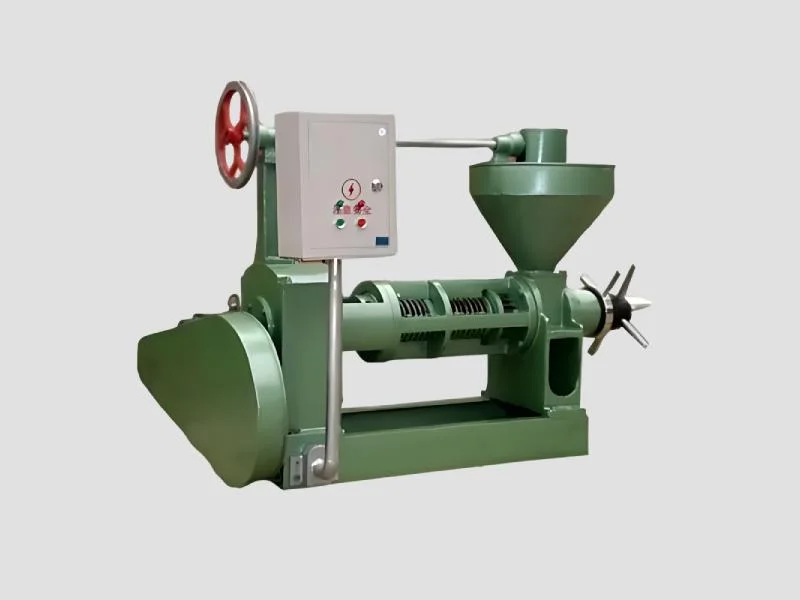
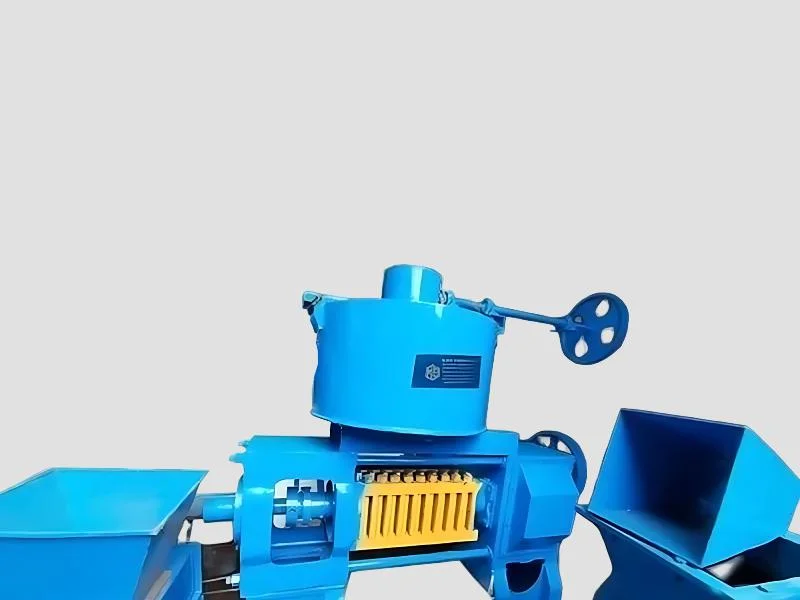
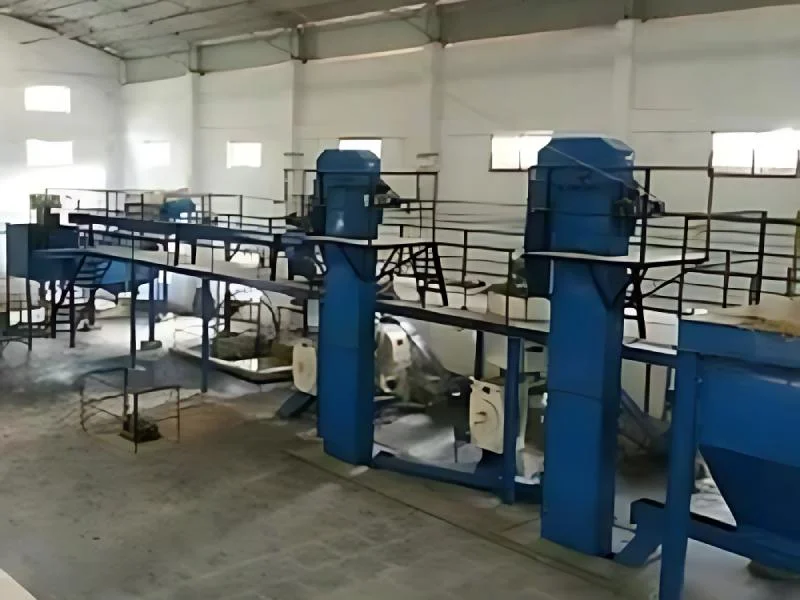
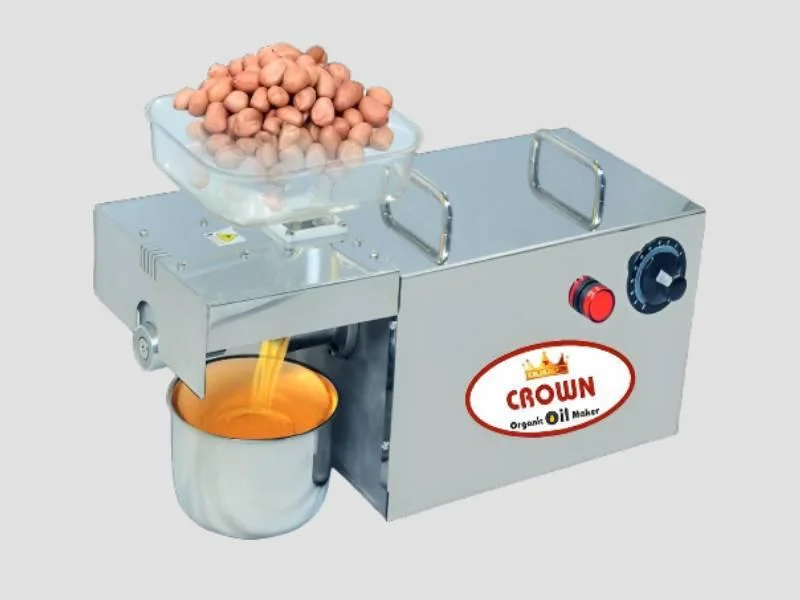
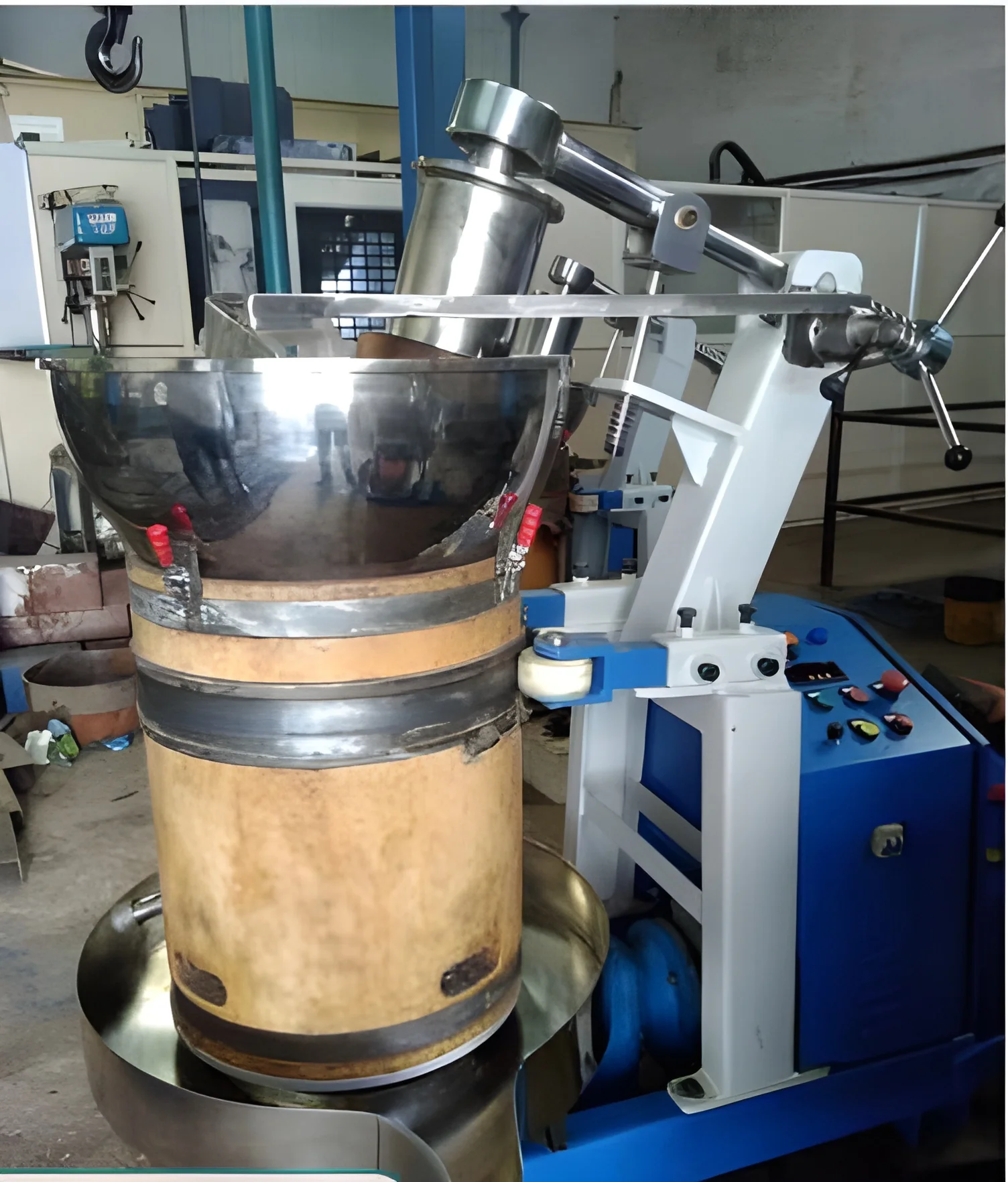
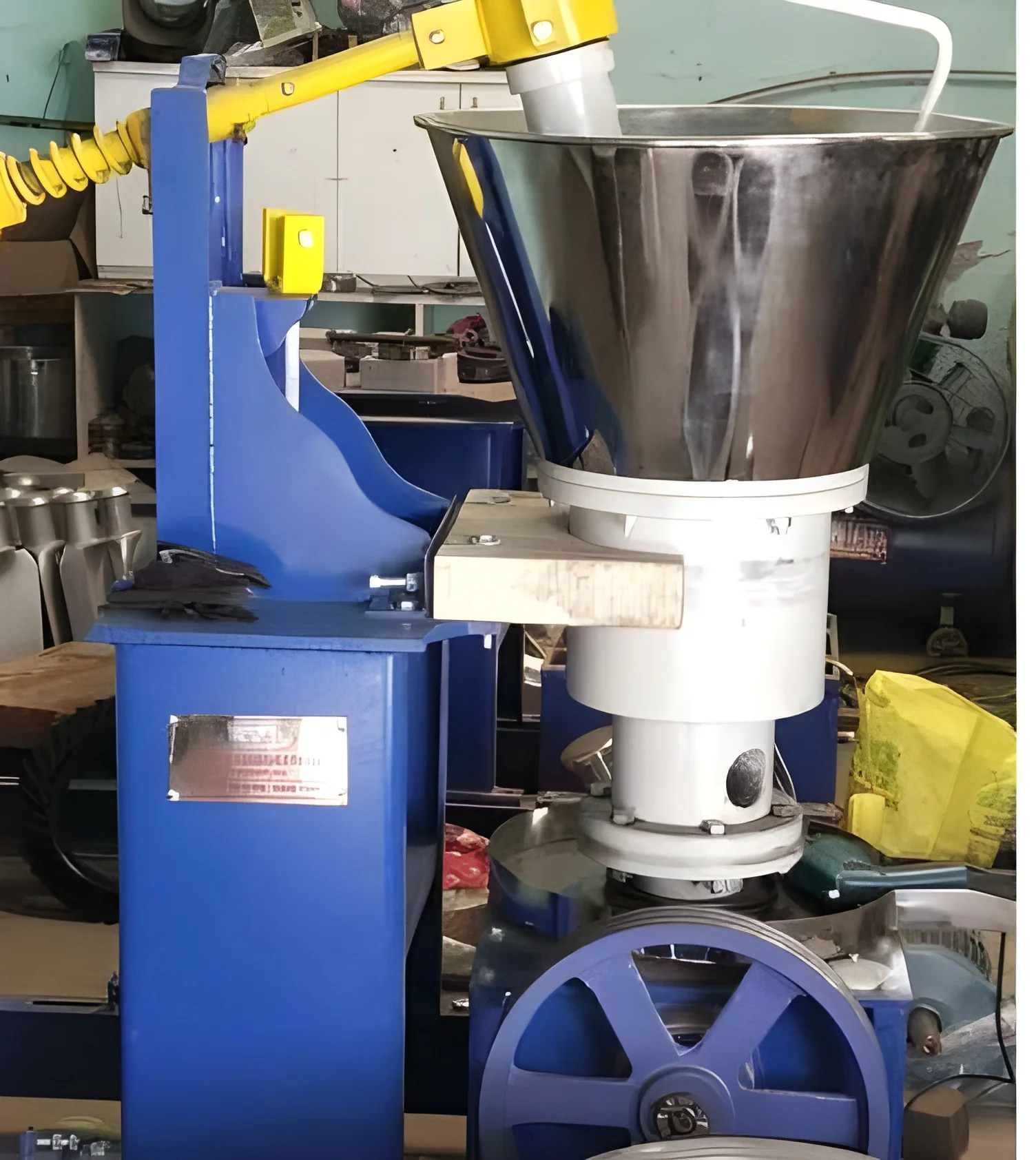
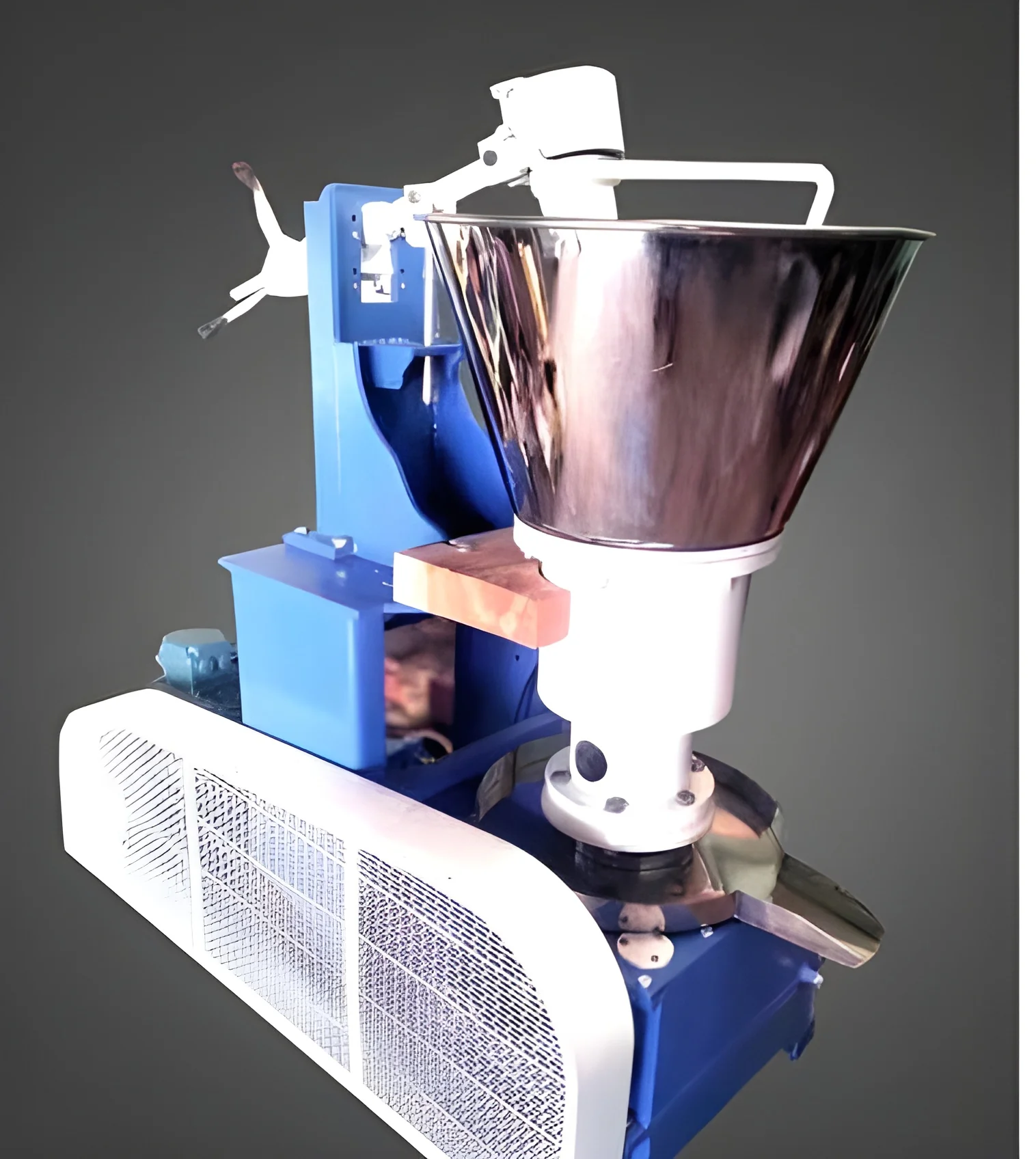
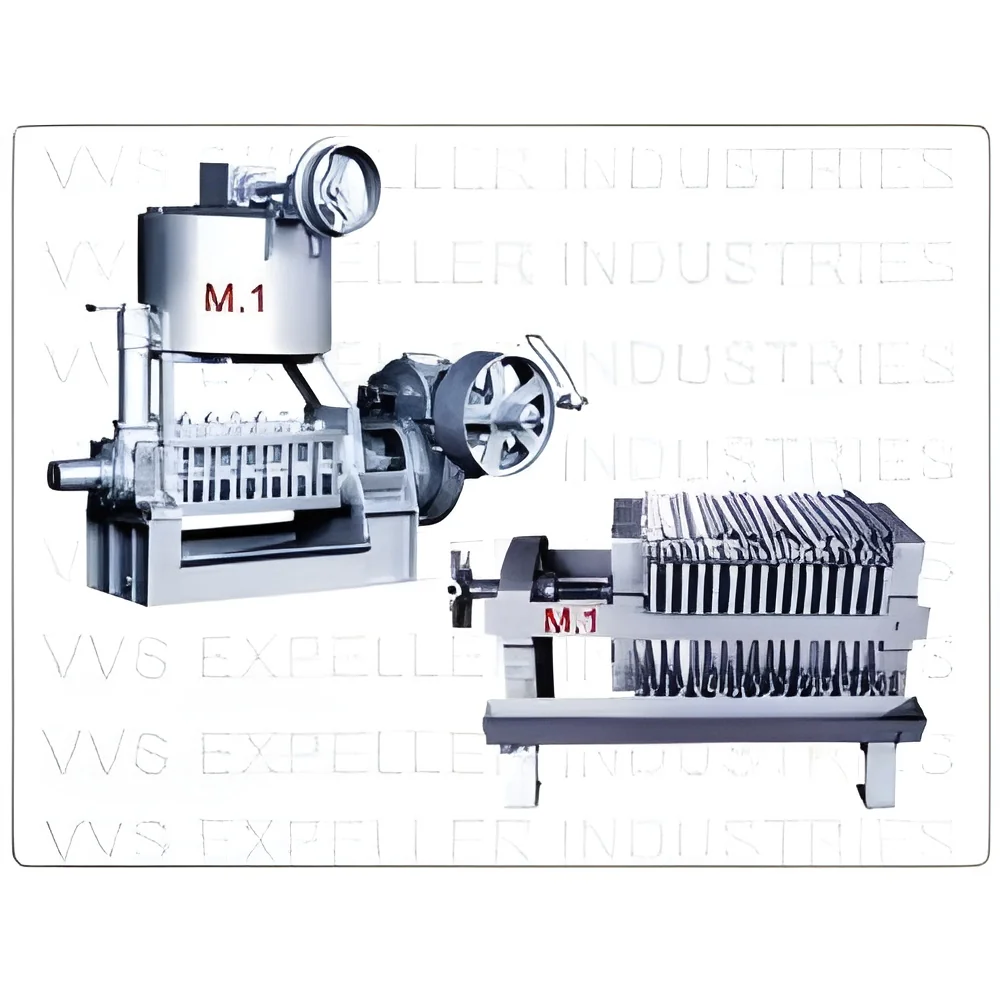
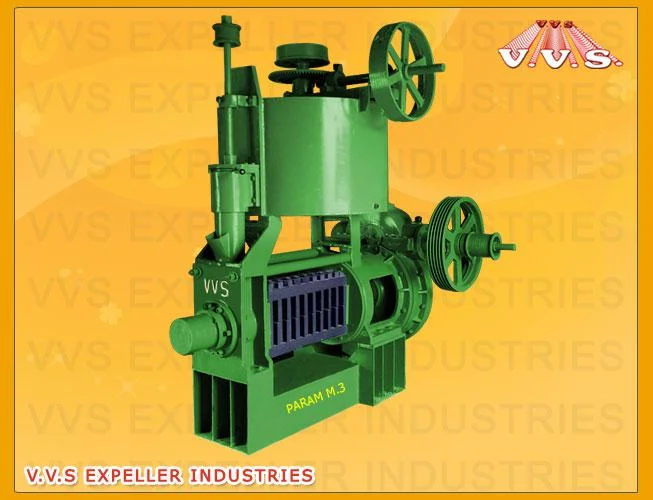
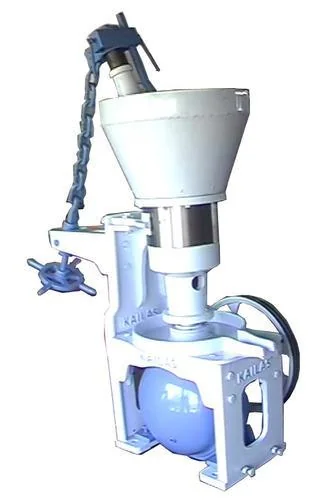
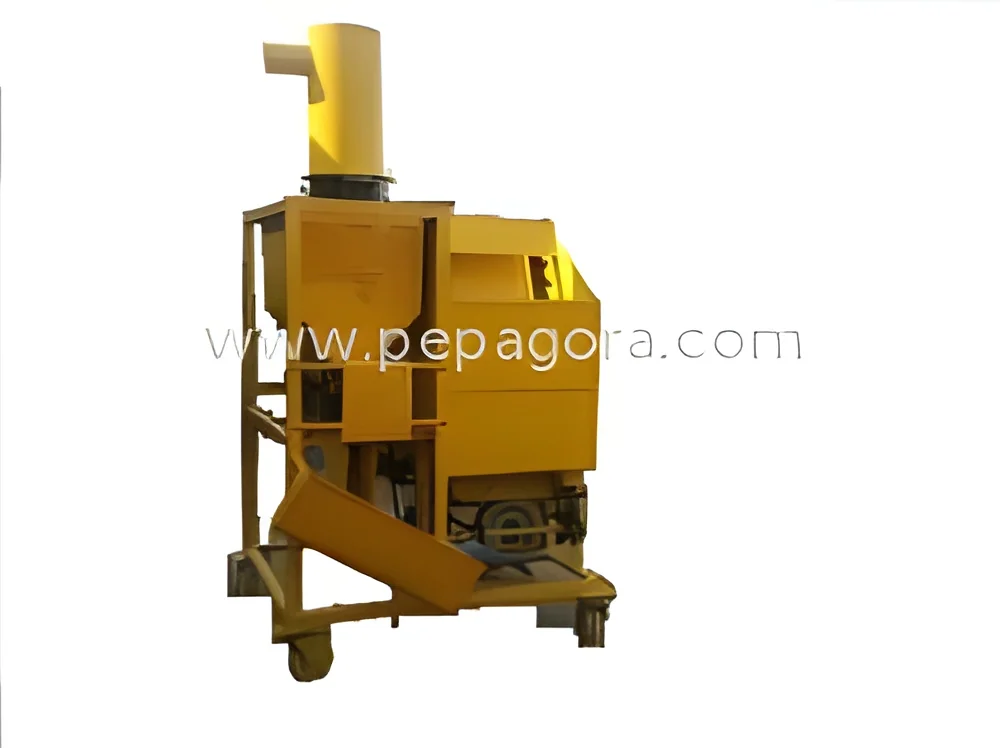
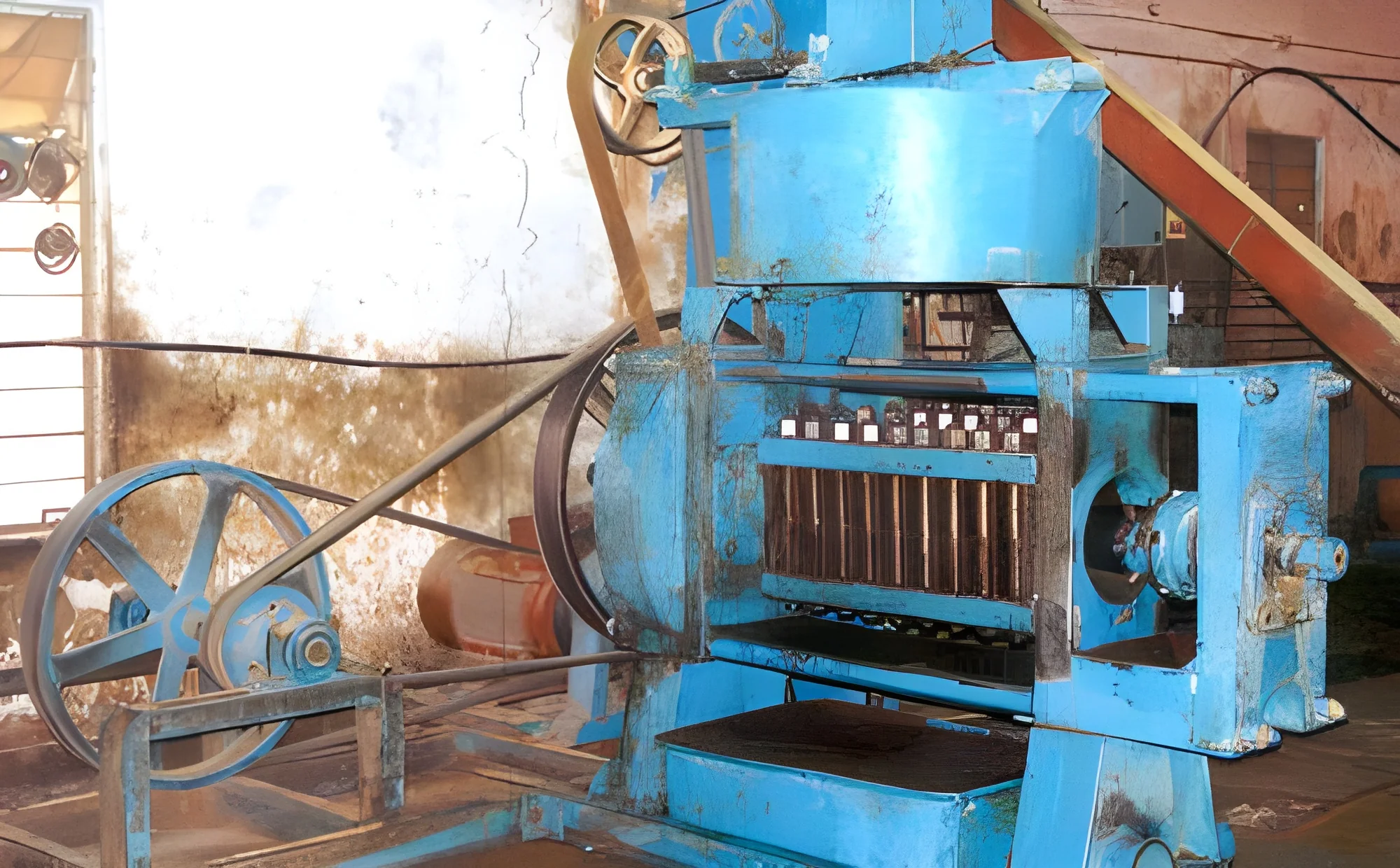
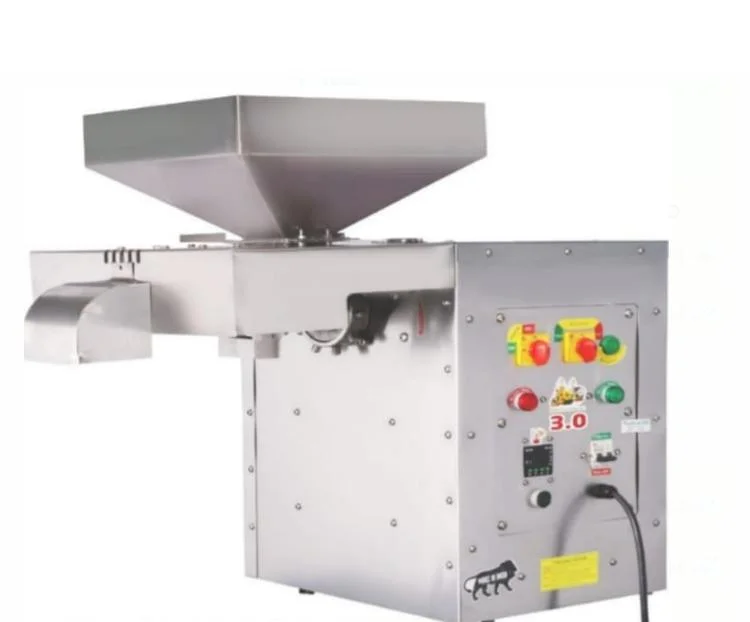
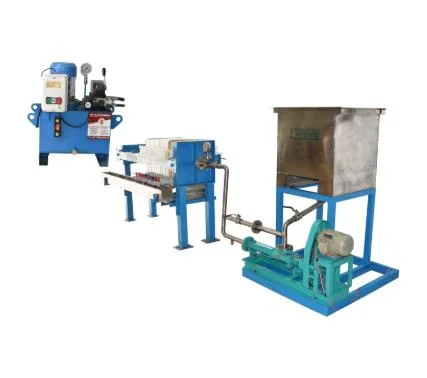
What are Oil Extraction Machines?
Oil extraction machines are specialized equipment designed to extract oil from various seeds and nuts. These machines utilize mechanical or chemical processes to separate oil from raw materials such as soybeans, sunflower seeds, canola, and more. The extraction process can vary in complexity, from simple hydraulic presses to advanced solvent extraction systems that maximize yield and efficiency.
The primary use of oil extraction machines is in the food and beverage industry, where they play a critical role in producing edible oils. However, their applications extend to other industries as well, including cosmetics, pharmaceuticals, and biofuels. In these sectors, oil extraction machines are essential for sourcing high-quality oils that serve as key ingredients in various products. As the demand for sustainable and natural ingredients increases, the relevance of oil extraction machines continues to grow within the market.
With the global trend toward health and wellness, the market for oil extraction machines is expected to expand. Manufacturers are continually innovating to improve efficiency, reduce waste, and comply with stringent quality standards. This evolution highlights the importance of investing in reliable and advanced oil extraction technology to meet the needs of diverse industries.
Key Features and Specifications
Oil extraction machines offer a variety of features that enhance their functionality and efficiency. When considering these machines, it is essential to understand their specifications to select the right equipment for specific business needs.
Key specifications include:
1. Extraction Method
- Mechanical pressing or solvent extraction
- Different methods yield varying oil quality and quantity
2. Capacity
- Ranges from small-scale machines (1-5 tons per day) to large industrial units (over 50 tons per day)
- Suitable for various operational scales
3. Power Requirement
- Typically ranges from 5 kW to 150 kW
- Depends on machine size and extraction method
4. Oil Yield
- Generally varies between 30% to 50% depending on the raw material
- Influenced by extraction technique and machine efficiency
5. Material Construction
- Made from stainless steel or mild steel
- Durability and resistance to corrosion are key considerations
6. Automation Level
- Available in manual, semi-automatic, and fully automatic versions
- Automation improves consistency and reduces labor costs
7. Safety Features
- Includes overload protection, emergency stops, and safety guards
- Essential for operational safety and compliance
8. Maintenance Requirements
- Varies based on machine design
- Regular maintenance ensures longevity and optimal performance
In summary, understanding these specifications can help businesses make informed decisions when selecting oil extraction machines that fit their production needs.
Common Applications and Use Cases
Oil extraction machines serve various industries, each requiring specific applications for oil extraction.
1. Food Industry: These machines are commonly used to extract cooking oils from seeds and nuts, such as sunflower, canola, and olive. The extracted oils are then refined and packaged for consumer use.
2. Cosmetic Industry: Essential oils extracted from plants are used in cosmetics for their fragrance and therapeutic properties. Oil extraction machines help in sourcing these high-quality oils.
3. Pharmaceutical Industry: Oils derived from medicinal plants are utilized in various pharmaceutical formulations. Precise extraction processes ensure the preservation of active compounds.
4. Biofuel Production: Oil extraction machines play a vital role in producing biodiesel from plant oils. This renewable energy source is increasingly important in combating climate change.
5. Nutraceutical Sector: The extraction of oils rich in omega fatty acids and antioxidants is crucial for dietary supplements. These machines ensure efficient oil recovery while maintaining product integrity.
6. Industrial Lubricants: Certain oils extracted from seeds are used in manufacturing lubricants. The extraction process is tailored to meet specific viscosity and performance requirements.
7. Pet Food Industry: Oils derived from various sources are included in pet food formulations for nutritional benefits. Oil extraction machines help ensure a consistent supply of quality ingredients.
Product Variants and Subcategories
Oil extraction machines come in various types, catering to different extraction needs and capacities.
Cold Press Oil Extraction Machines: These machines extract oil at lower temperatures, preserving the natural flavors and nutrients of the seeds. They are ideal for premium oil production.
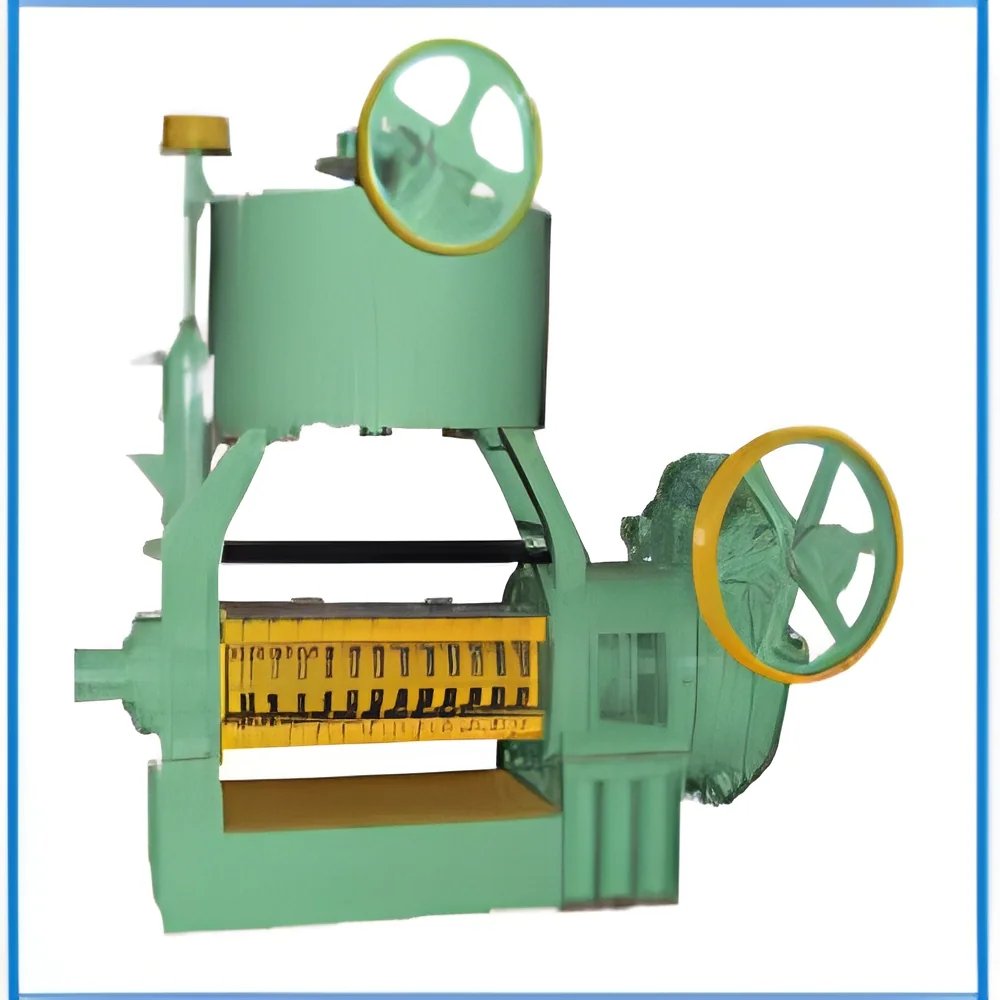
Screw Press Oil Extraction Machines: Utilizing a screw mechanism, these machines are effective for large-scale oil extraction. They can handle a wide range of oilseeds and are known for their high efficiency.
Solvent Extraction Machines: These machines use solvents to maximize oil yield from seeds. They are suitable for large-scale industrial applications and are designed for high efficiency.
Batch Oil Extraction Machines: Designed for smaller operations, these machines allow for the extraction of oil in batches. They are often used by small businesses or for specialty oils.
Automatic Oil Extraction Machines: These machines feature automated processes, ensuring consistency in oil quality and reducing the need for manual labor. They are ideal for medium to large-scale operations.
Benefits and Advantages
Investing in oil extraction machines offers numerous benefits to businesses involved in oil production.
1. Improved Efficiency: Modern machines are designed to maximize oil yield while minimizing waste, leading to cost savings.
2. Quality Assurance: Advanced extraction methods ensure the preservation of oil quality, enhancing the end product's marketability.
3. Versatile Applications: Oil extraction machines can process a wide variety of seeds and nuts, making them adaptable to different market needs.
4. Automation Capabilities: Many machines come with automated features that simplify operations and improve consistency in production.
5. Sustainability: Efficient extraction processes reduce energy consumption and waste, aligning with sustainable business practices.
6. Customization Options: Some manufacturers offer customizable machines to meet specific production requirements, enhancing operational flexibility.
Buying Guide for B2B Buyers
When sourcing oil extraction machines, it is essential to consider several factors to ensure an informed purchase decision.
1. Quality Assessment: Evaluate the materials and construction of the machines. Look for reputable manufacturers that comply with industry standards to ensure reliability and durability.
2. Supplier Verification: Research potential suppliers to confirm their credibility. Check for reviews and ratings, and consider requesting references from other buyers.
3. Pricing and MOQ: Understand the pricing structure and inquire about minimum order quantities. Compare costs across different suppliers to ensure competitive pricing.
4. Delivery and Lead Times: Discuss delivery schedules and lead times with suppliers. Timely delivery is crucial for maintaining production schedules.
5. Compliance Requirements: Ensure that the machines meet industry regulations and safety standards. Verify if they have necessary certifications, such as CE, to operate in your region.
Compliance and Certifications
Oil extraction machines must adhere to various quality standards and certifications to ensure safety and performance.
ISO 9001: This standard outlines the criteria for a quality management system, ensuring that manufacturers maintain consistent quality in their products.
HACCP: The Hazard Analysis Critical Control Point system is crucial for food safety. Oil extraction machines that comply with HACCP help ensure that the extracted oils are safe for consumption.
CE Certification: This mark indicates that products meet European safety, health, and environmental protection standards. CE certification is essential for machines sold in European markets.
Safety and Testing Requirements: Manufacturers must conduct thorough safety testing to ensure that machines operate safely. This includes evaluating mechanical components and electrical systems.
Regional Compliance Considerations: Different regions may have specific regulations governing oil extraction processes. Businesses should verify compliance with local laws to avoid penalties.
Why Source Oil Extraction Machines from Pepagora?
Pepagora provides a trusted platform for sourcing oil extraction machines with several key advantages.
Verified Supplier Network: Pepagora has a rigorous supplier verification process that ensures all listed manufacturers meet high standards of quality and reliability. This gives buyers confidence in their purchasing decisions.
Streamlined RFQ Process: The request for quotation system simplifies the procurement process. Buyers can easily compare offers from multiple suppliers, allowing for informed decision-making.
Trade Assurance and Support: Pepagora offers buyer protection services, ensuring that transactions are secure. This support enhances trust between buyers and suppliers, fostering long-term business relationships.
Regional Coverage: With a strong presence in India, the GCC, and Southeast Asia, Pepagora connects buyers with suppliers across these regions. This geographic reach enables businesses to access a wide range of oil extraction machines tailored to their needs.

 IN
IN

 India
India