
 IN
Milk Cooling Tanks
2 products available
What are Milk Cooling Tanks?
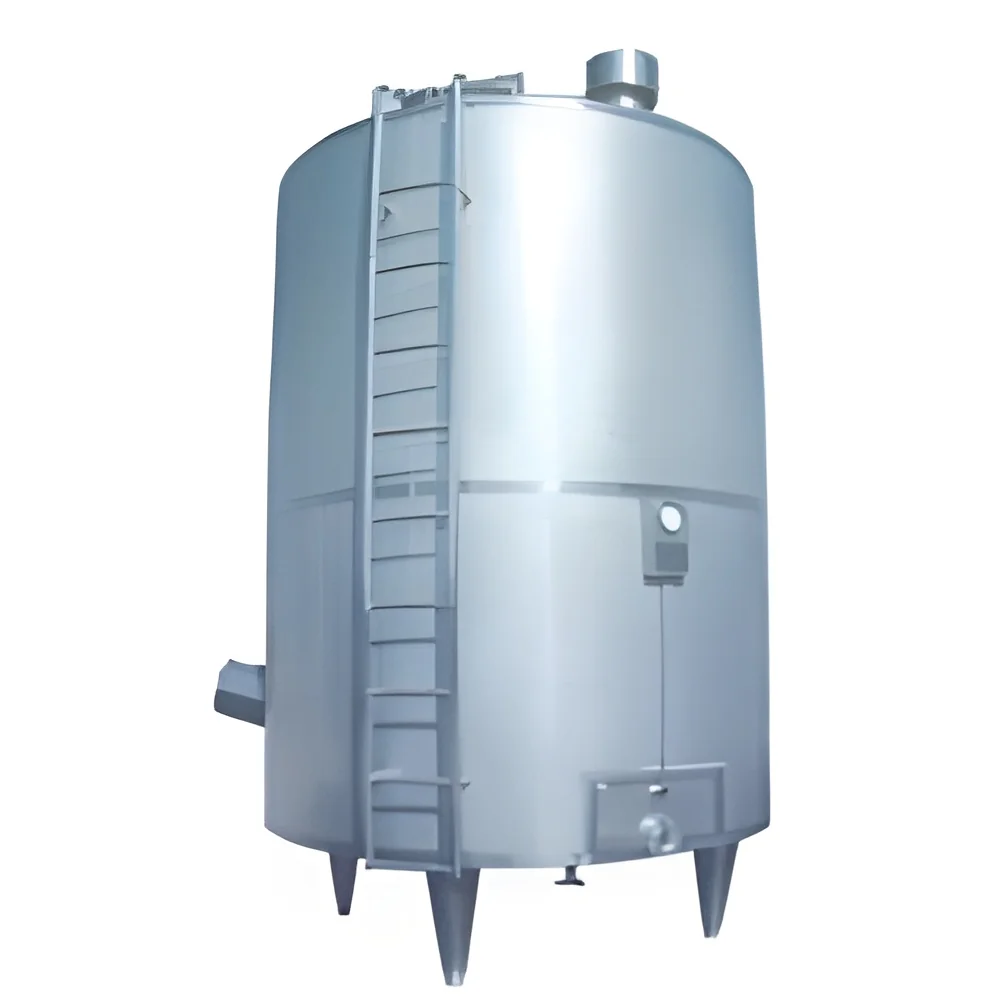
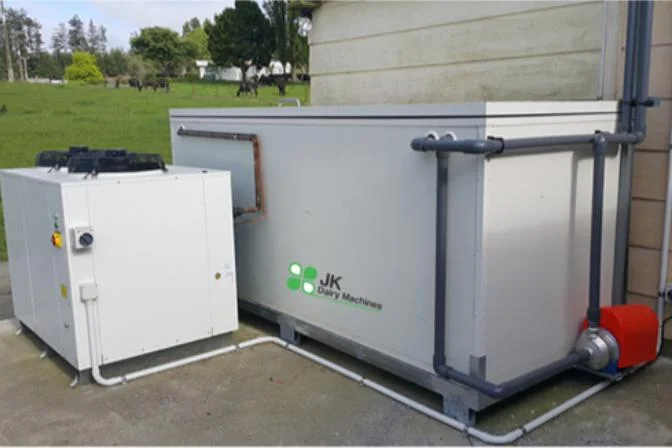
Milk cooling tanks are specialized storage units designed to rapidly cool and maintain milk at optimal temperatures after milking. They play a crucial role in preserving the quality and freshness of milk by preventing bacterial growth and spoilage. Typically made from stainless steel, these tanks are equipped with advanced cooling systems to ensure the milk is kept at a constant temperature.
The primary uses of milk cooling tanks are found in dairy farms, processing plants, and milk distribution facilities. They are essential for farmers to store milk immediately after milking until it can be collected by transport trucks. In processing plants, these tanks are integral to maintaining milk quality before further processing. The relevance of milk cooling tanks extends across the dairy industry, as they are vital for ensuring food safety and compliance with health regulations.
Key Features and Specifications
Milk cooling tanks come with a variety of features and specifications that help ensure efficiency and reliability. These specifications are crucial for businesses when selecting the right equipment for their operations.
Key specifications include:
1. Capacity
- Available in various sizes, typically ranging from 100 to 10,000 liters, to accommodate different production scales.
2. Cooling System
- Features either direct or indirect cooling methods, providing efficient temperature control.
3. Insulation
- High-quality insulation materials to minimize heat transfer and maintain the desired milk temperature.
4. Material Construction
- Primarily constructed from food-grade stainless steel, ensuring durability and hygiene.
5. Temperature Control
- Equipped with precise temperature control mechanisms to maintain consistent cooling.
6. Cleaning Mechanism
- Designed for easy cleaning, often featuring CIP (clean-in-place) systems.
7. Energy Efficiency
- Energy-efficient designs to minimize operational costs and reduce environmental impact.
8. Monitoring Features
- Advanced monitoring systems for temperature and performance, enhancing operational oversight.
In summary, milk cooling tanks are designed with a focus on efficiency, hygiene, and reliability, making them essential for any dairy operation.
Common Applications and Use Cases
Milk cooling tanks are used in various industries where the preservation of milk quality is paramount.
1. Dairy Farms: Farmers use milk cooling tanks to store freshly collected milk, ensuring it remains fresh until transport.
2. Dairy Processing Plants: These facilities utilize cooling tanks to maintain milk quality before processing into products like cheese and yogurt.
3. Milk Distribution Centers: Cooling tanks are used to store milk before it is packaged and distributed to retailers, ensuring it meets safety standards.
4. Ice Cream Manufacturing: In the production of ice cream, cooling tanks help maintain the quality of the milk base before it is processed.
5. Research Laboratories: Some laboratories use milk cooling tanks for experiments involving dairy products, ensuring sample integrity.
6. Food Service Providers: Restaurants and cafes that offer dairy products rely on cooling tanks to keep their supplies fresh.
7. Export Facilities: Facilities that package milk for export utilize cooling tanks to meet international quality standards.
Product Variants and Subcategories
Milk cooling tanks come in various models to suit different operational needs and preferences.
Vertical Cooling Tanks: These tanks are designed for space efficiency and can be stacked if needed. They are ideal for smaller dairy operations with limited space.
Horizontal Cooling Tanks: Offering larger capacities, these tanks are suitable for bigger dairy operations and are often easier to access for cleaning and maintenance.
Mobile Milk Cooling Tanks: Designed for on-site cooling, these tanks are equipped with wheels and can be moved to different locations as needed.
Insulated Milk Cooling Tanks: These tanks provide superior insulation and are ideal for locations with variable ambient temperatures, ensuring consistent milk cooling.
Benefits and Advantages
Investing in milk cooling tanks offers numerous advantages that can enhance operational efficiency and product quality.
1. Quality Preservation: Milk cooling tanks ensure that milk is stored at safe temperatures, preventing spoilage and maintaining quality.
2. Cost Efficiency: By reducing spoilage and waste, these tanks can lead to significant cost savings for dairy operations.
3. Compliance Support: They help businesses meet health and safety regulations by maintaining appropriate milk storage conditions.
4. Versatile Applications: These tanks can be used in various settings, from farms to processing plants, making them a versatile investment.
5. Enhanced Shelf Life: Proper cooling extends the shelf life of milk, allowing for longer storage before processing or distribution.
6. Simplified Cleaning: Easy-to-clean designs save time and labor, allowing for more efficient operations.
Buying Guide for B2B Buyers
When sourcing milk cooling tanks, it is essential to consider various factors to ensure you select the right equipment for your needs.
1. Quality Assessment: Look for tanks made from high-quality materials such as food-grade stainless steel. Check for industry certifications that guarantee safety and hygiene.
2. Supplier Verification: Vet potential suppliers thoroughly. Check their reputation, customer reviews, and the reliability of their supply chain.
3. Pricing and MOQ: Understand the pricing structure and minimum order quantities. Compare different suppliers to ensure you get the best value.
4. Delivery and Lead Times: Inquire about lead times for delivery and ensure they align with your operational needs. Consider logistics to avoid delays.
5. Compliance Requirements: Ensure that the tanks meet relevant regulatory compliance standards, including local and international safety requirements.
Compliance and Certifications
Compliance and certifications are critical aspects of milk cooling tanks, ensuring they meet industry standards for safety and quality.
Many milk cooling tanks adhere to quality standards such as ISO 9001, which ensures consistent product quality and effective management systems. Additionally, compliance with HACCP (Hazard Analysis Critical Control Point) guidelines is essential for food safety, identifying potential hazards in the food production process.
Certifications like CE mark indicate that the tanks meet European health, safety, and environmental protection standards. Furthermore, regional compliance considerations may vary, so it's essential to understand local regulations regarding dairy product storage.
Why Source Milk Cooling Tanks from Pepagora?
Pepagora serves as a trusted platform for sourcing milk cooling tanks, offering numerous advantages to B2B buyers.
Verified Supplier Network: Pepagora connects buyers with verified suppliers, ensuring that the vendors meet quality and reliability standards. This network helps buyers make informed decisions based on supplier credentials.
Streamlined RFQ Process: The platform provides a simplified request for quotation (RFQ) process, allowing businesses to easily compare offers from multiple suppliers. This efficiency saves time and enhances transparency in the procurement process.
Trade Assurance and Support: Pepagora offers buyer protection through trade assurance, providing support and resources to navigate any challenges during the purchase process.
Regional Coverage: With a strong presence in India, the GCC, and Southeast Asia, Pepagora caters to a broad market, ensuring that buyers can find suppliers that meet their specific regional needs. This geographic reach enhances accessibility and convenience for businesses sourcing milk cooling tanks.

 India

Frequently Asked Questions
What are Milk Cooling Tanks?
Milk Cooling Tanks are specialized storage tanks used to cool and store milk after it is collected from dairy farms. They help in maintaining the quality of milk by reducing its temperature quickly, which minimizes bacterial growth and preserves freshness.
What are the different types of Milk Cooling Tanks?
There are various types of Milk Cooling Tanks, including vertical tanks, horizontal tanks, and insulated tanks. Each type serves different needs based on storage capacity, space availability, and operational requirements.
How do I choose the right Milk Cooling Tanks?
To choose the right Milk Cooling Tank, consider factors such as storage capacity, cooling efficiency, material quality, and the specific needs of your dairy operation. It's also important to evaluate the tank's compliance with local health and safety regulations.
What are the standard specifications for Milk Cooling Tanks?
Standard specifications for Milk Cooling Tanks typically include the tank's capacity (ranging from a few hundred liters to several thousand liters), insulation thickness, cooling system type, and material (usually stainless steel). Additional specifications may include temperature control features and ease of cleaning.
What is the price range for Milk Cooling Tanks?
The price range for Milk Cooling Tanks varies widely based on size, material, and features, typically starting from around ₹50,000 and going up to several lakhs of rupees. Factors such as brand reputation and additional features can also influence the overall cost.
What quality standards apply to Milk Cooling Tanks?
Milk Cooling Tanks must comply with various quality standards, including those set by the Food Safety and Standards Authority of India (FSSAI) and other relevant health and safety regulations. These standards ensure that tanks are safe for food contact and maintain product quality.
Where can I find Milk Cooling Tanks suppliers in India?
You can find Milk Cooling Tanks suppliers in India through online B2B marketplaces like Pepagora, trade shows, and industry directories. Additionally, reaching out to local dairy equipment manufacturers can provide options tailored to your needs.
Can Milk Cooling Tanks be customized?
Yes, Milk Cooling Tanks can often be customized to meet specific requirements such as size, insulation, and additional features. Many manufacturers offer customization options to accommodate unique operational needs.
What is the typical minimum order quantity for Milk Cooling Tanks?
The typical minimum order quantity (MOQ) for Milk Cooling Tanks can vary by supplier but is generally around 1 to 5 units. Larger orders may be required for customized tanks or bulk purchases.
What is the typical lead time for Milk Cooling Tanks?
The typical lead time for Milk Cooling Tanks ranges from 4 to 12 weeks, depending on factors such as the supplier's production capacity, customization requirements, and order size. It's advisable to confirm lead times with the supplier before placing an order.
Why Businesses Trust Pepagora
Thousands of companies trust Pepagora to source smarter and sell faster
Expand Your Sales Globally

Source Smarter,Grow Faster
