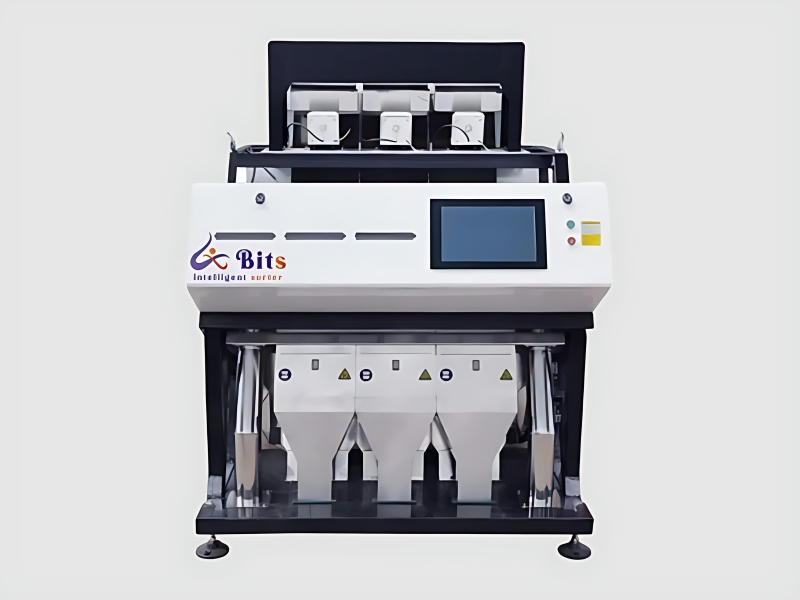
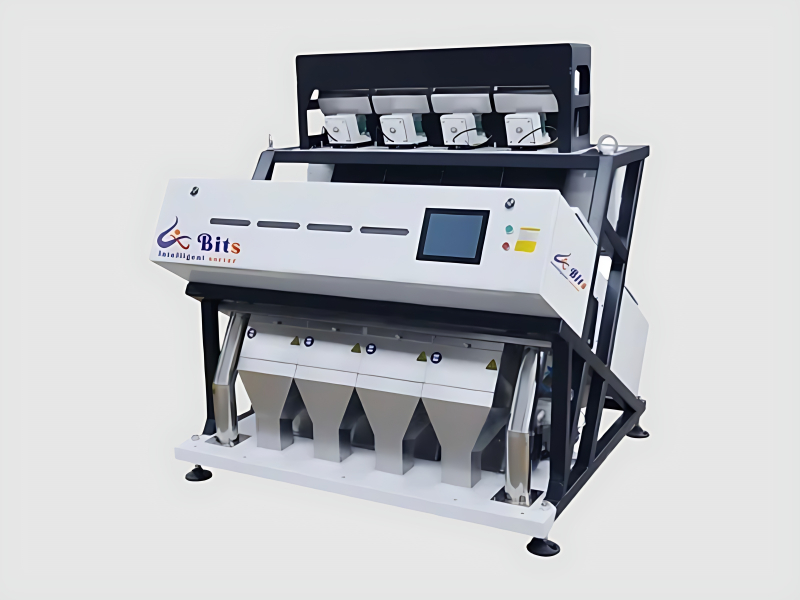
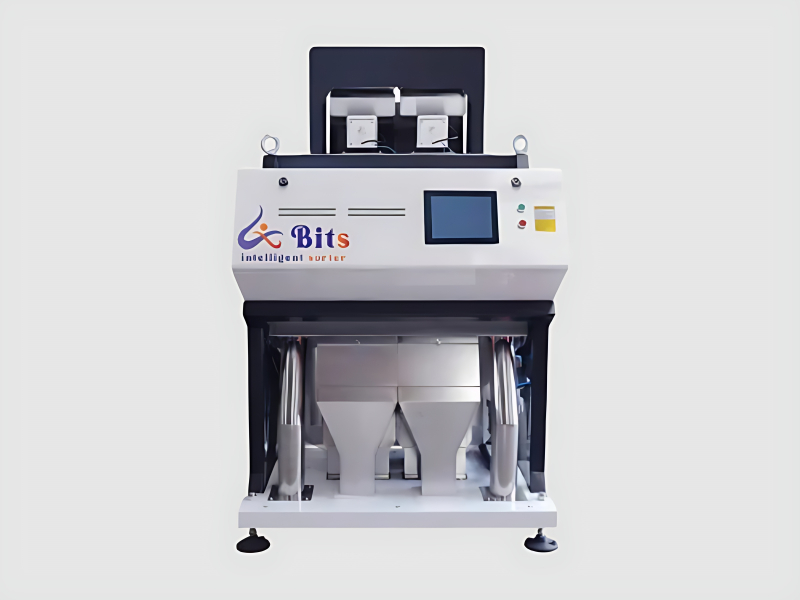
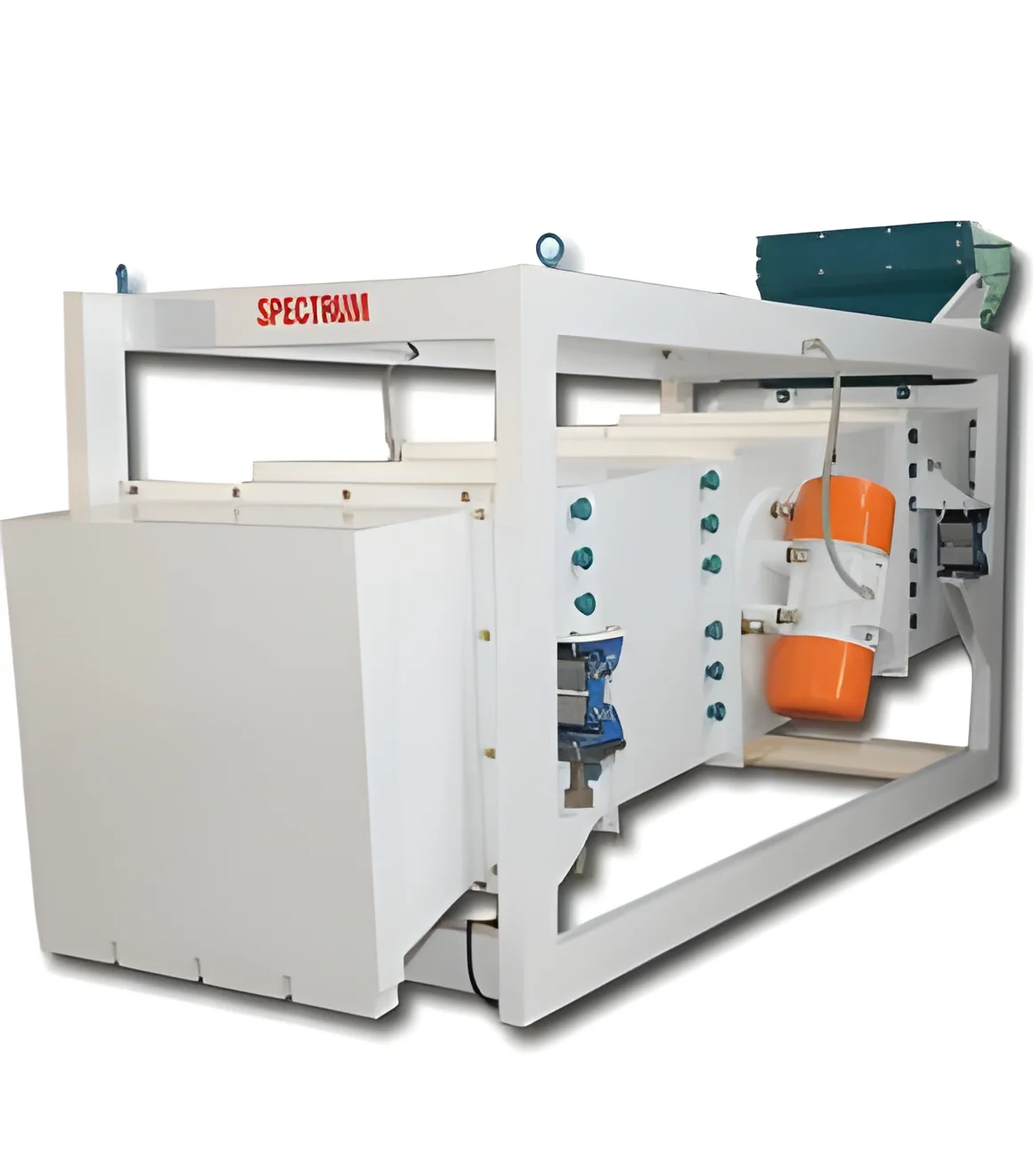
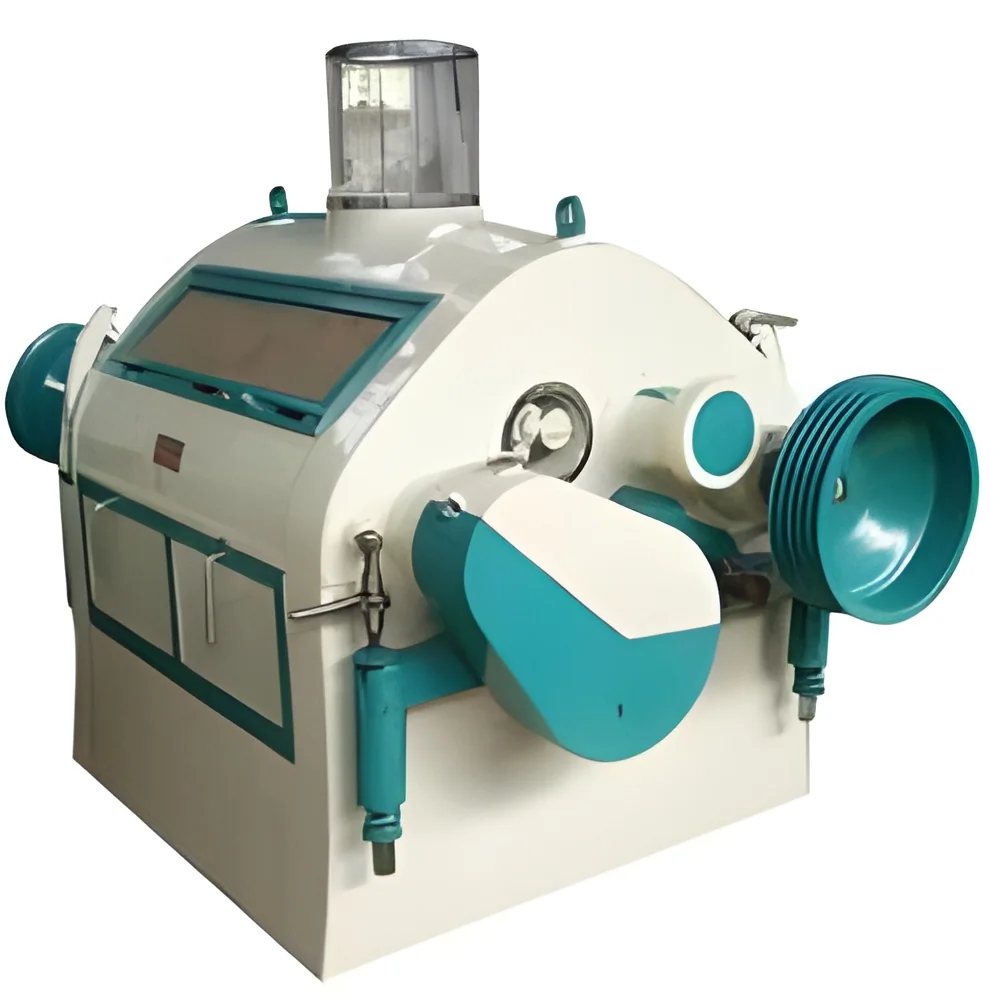
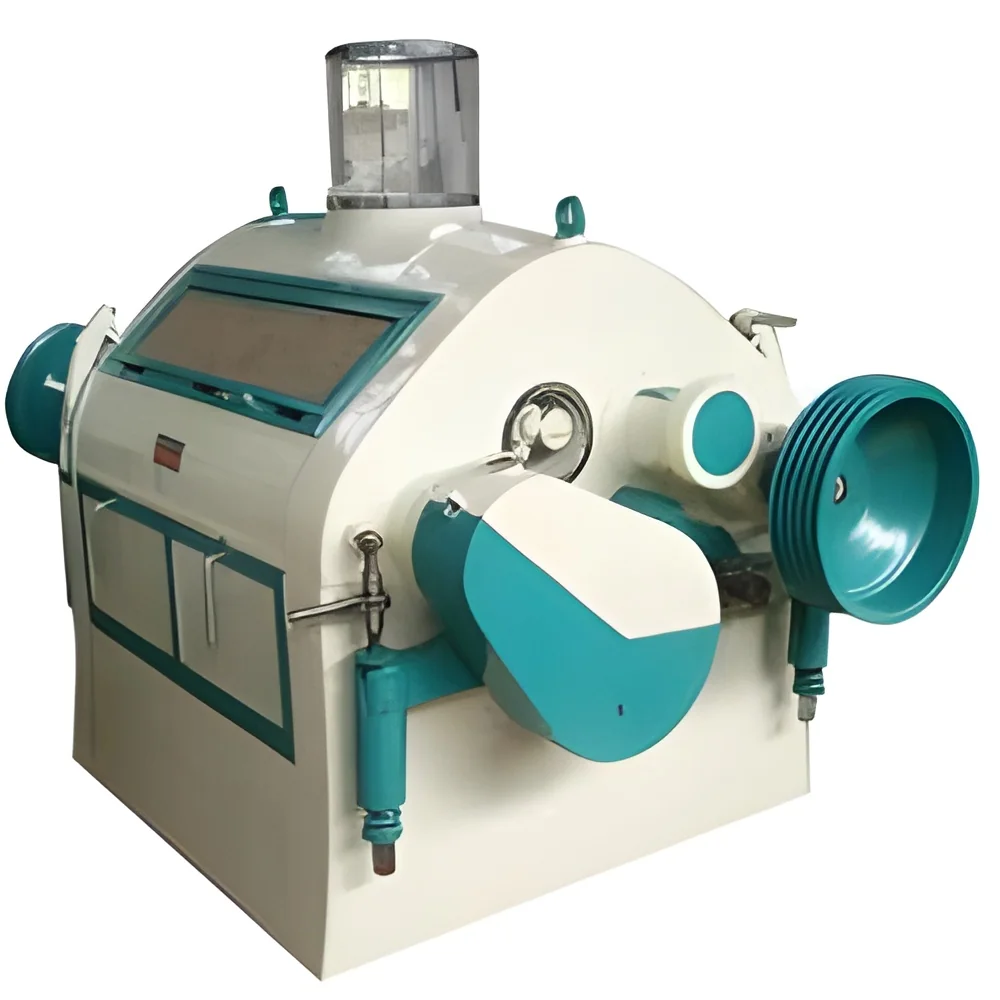
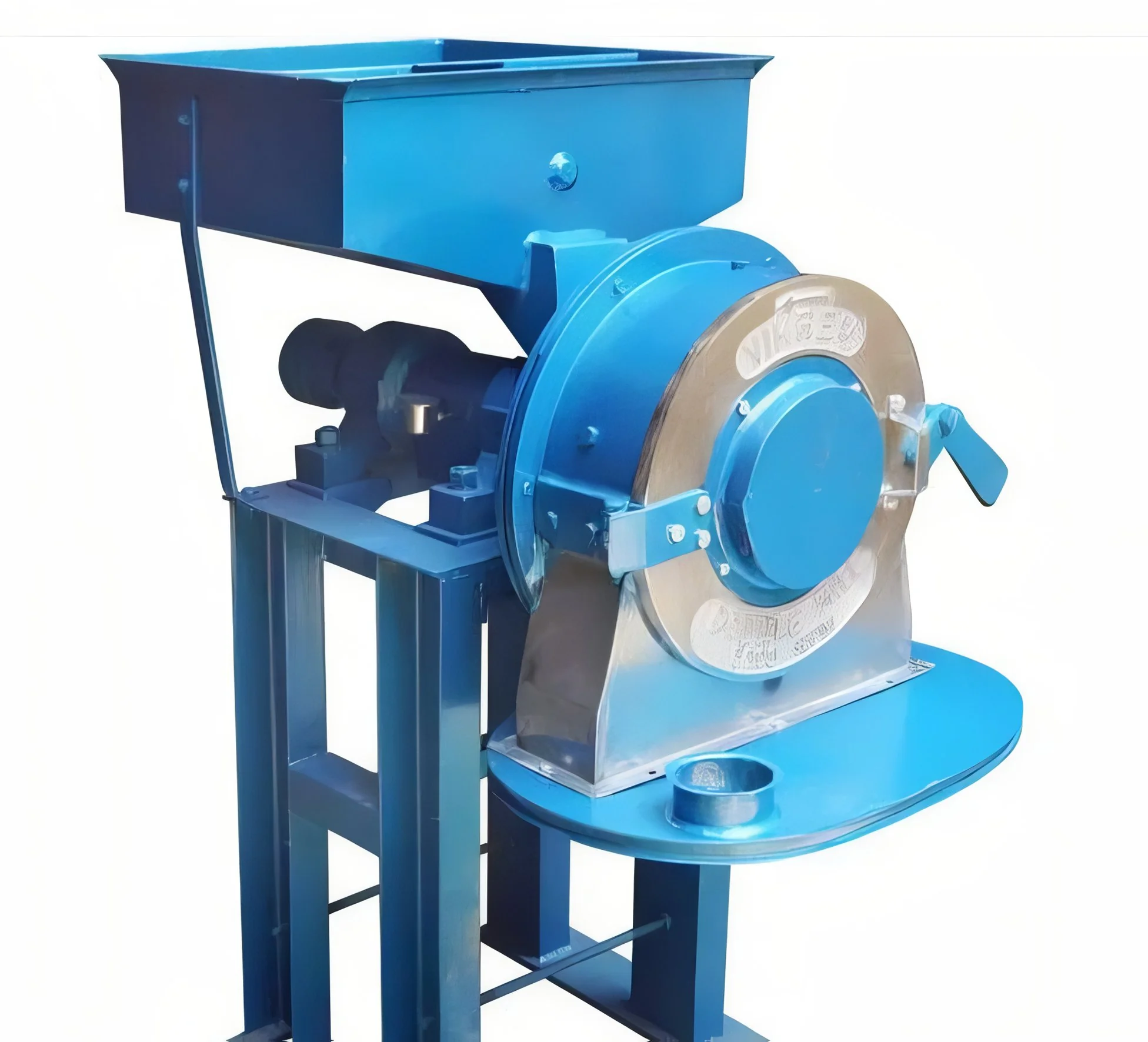
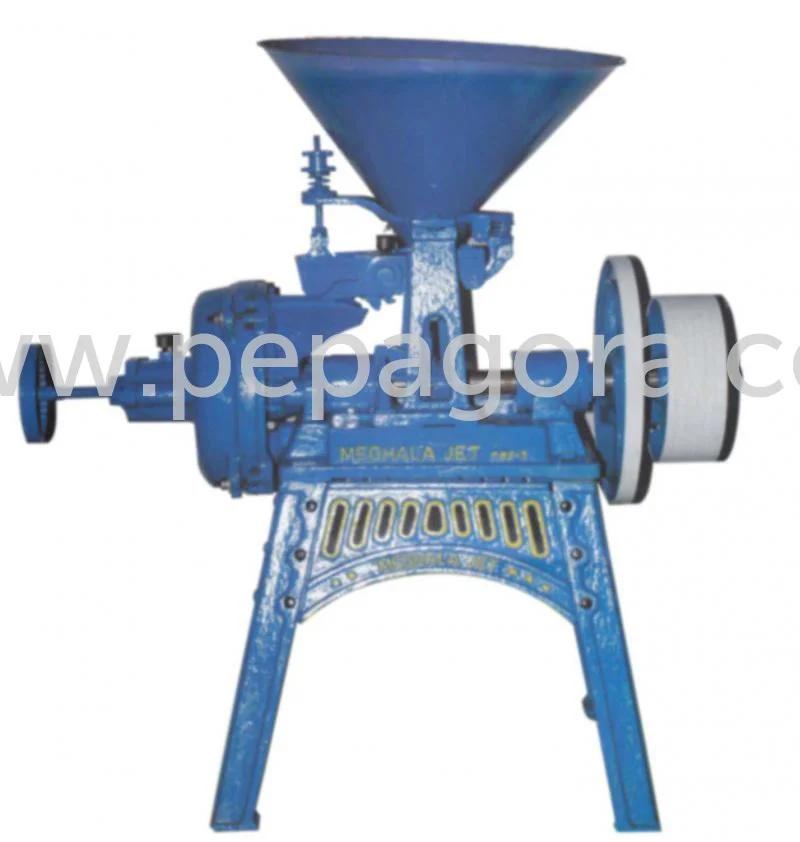
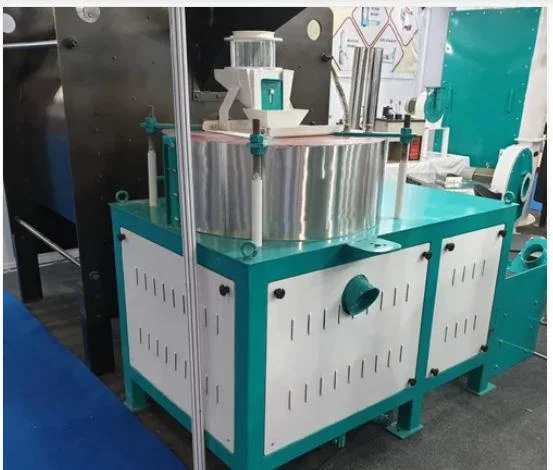
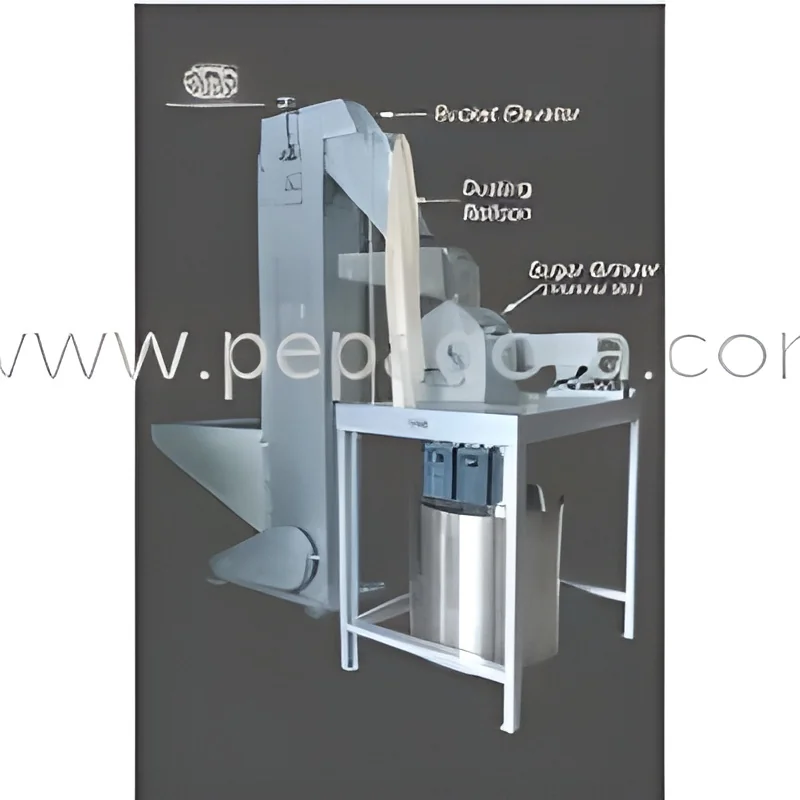
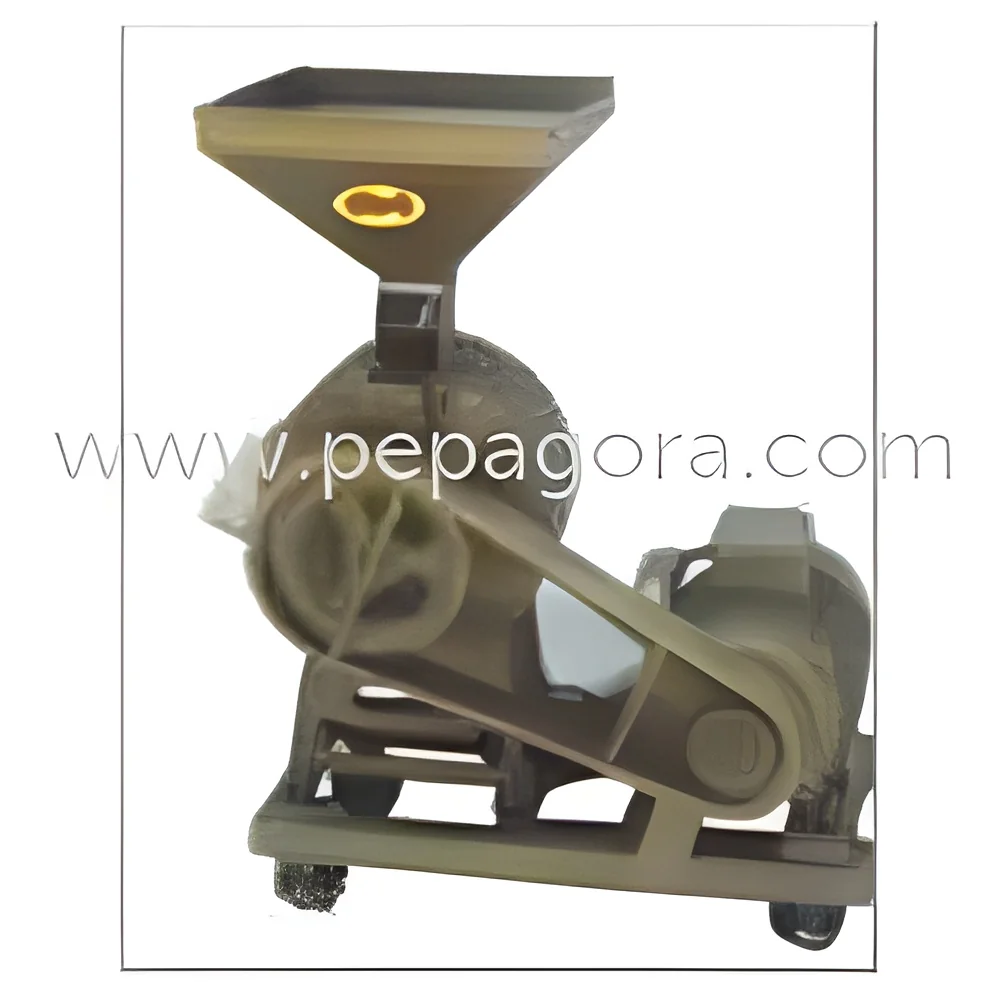
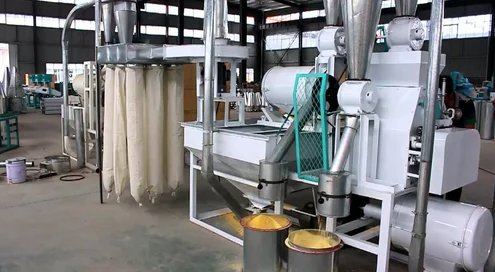
What are Grain Milling Machines?
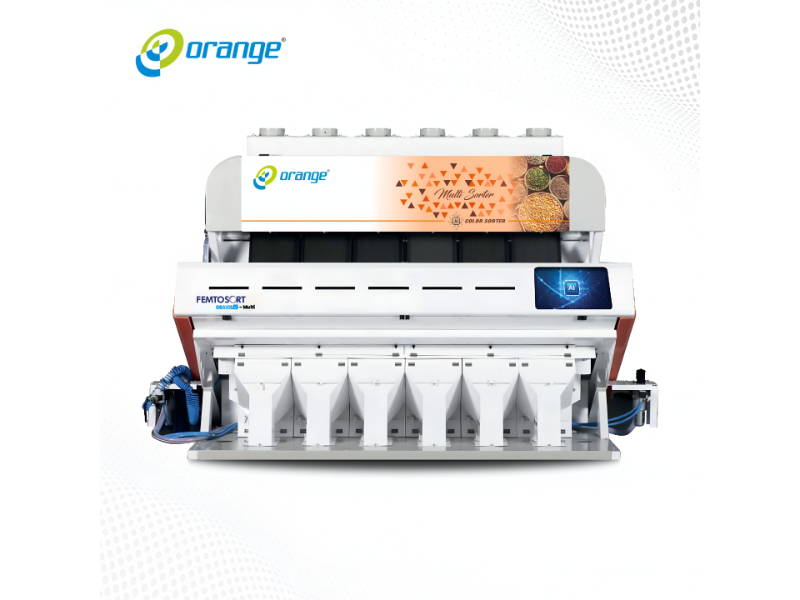
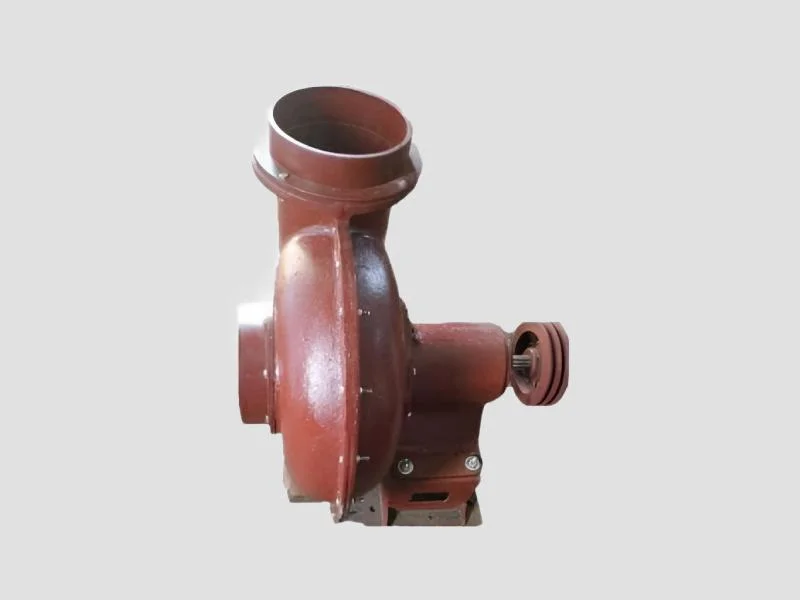
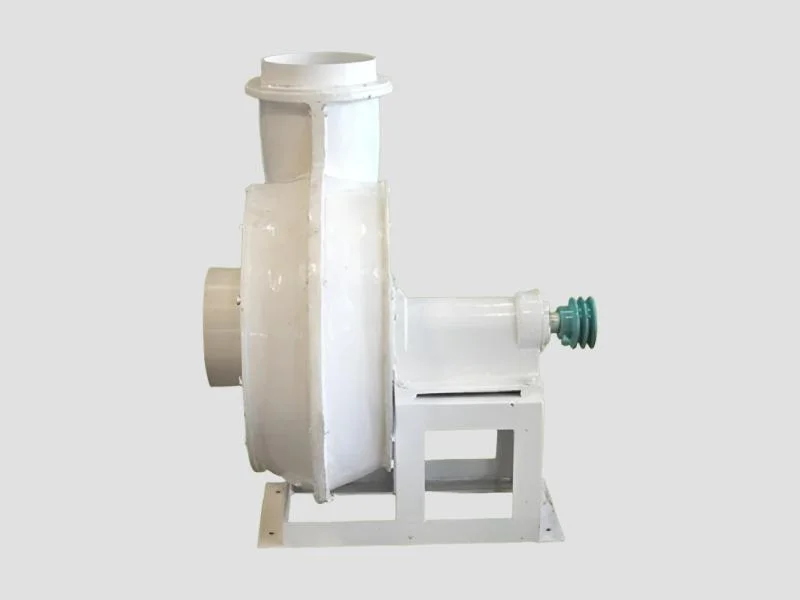
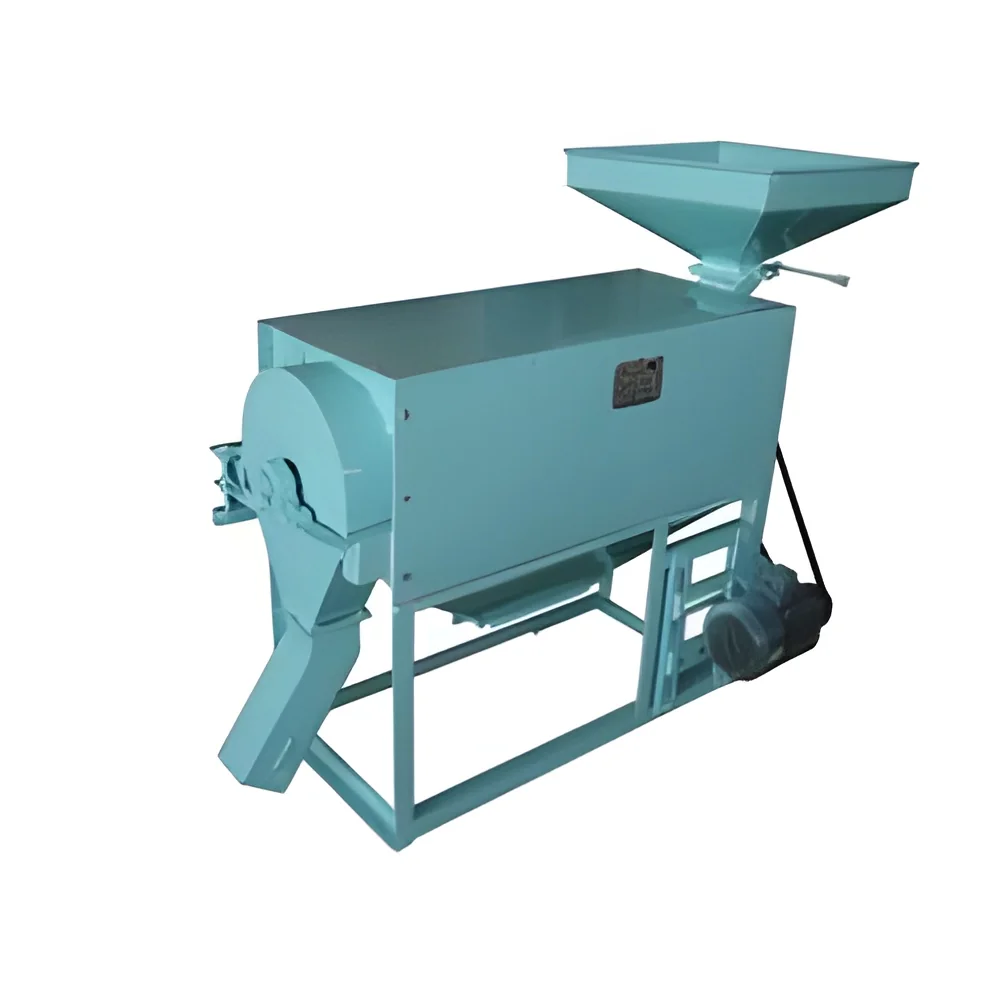
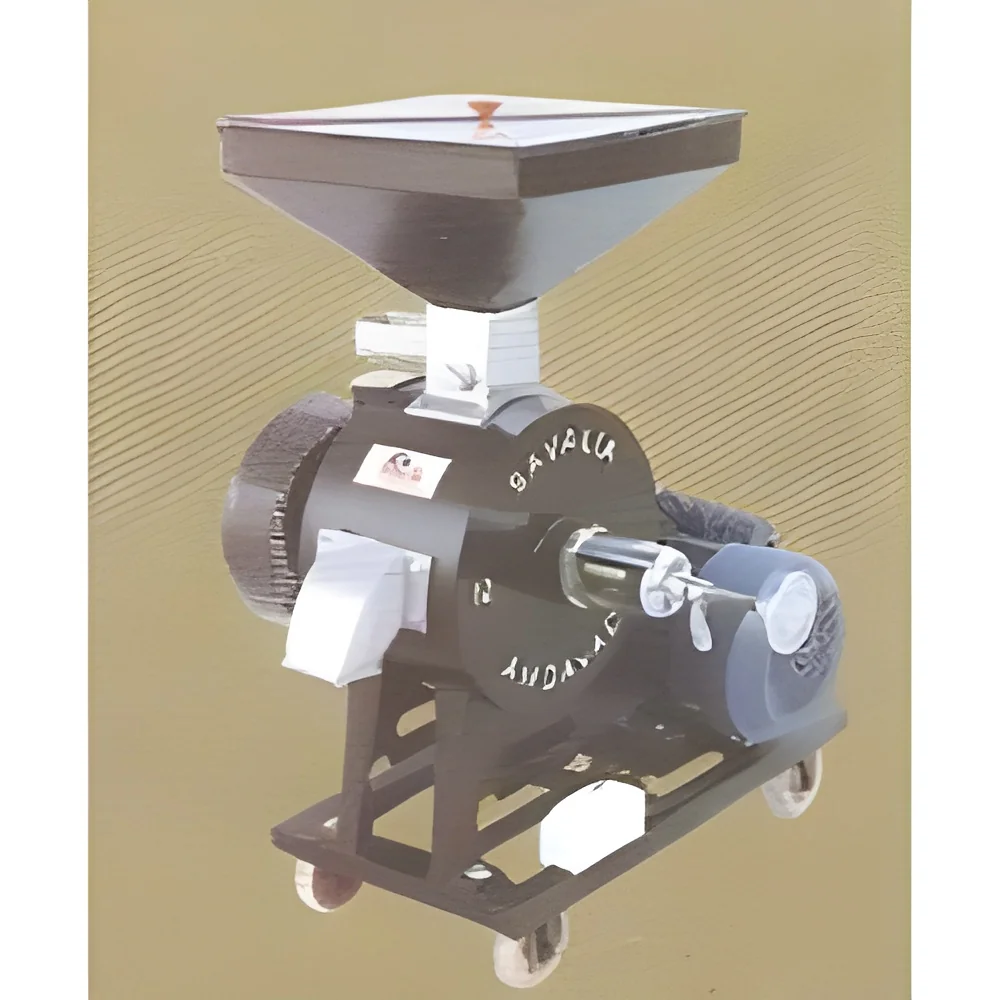
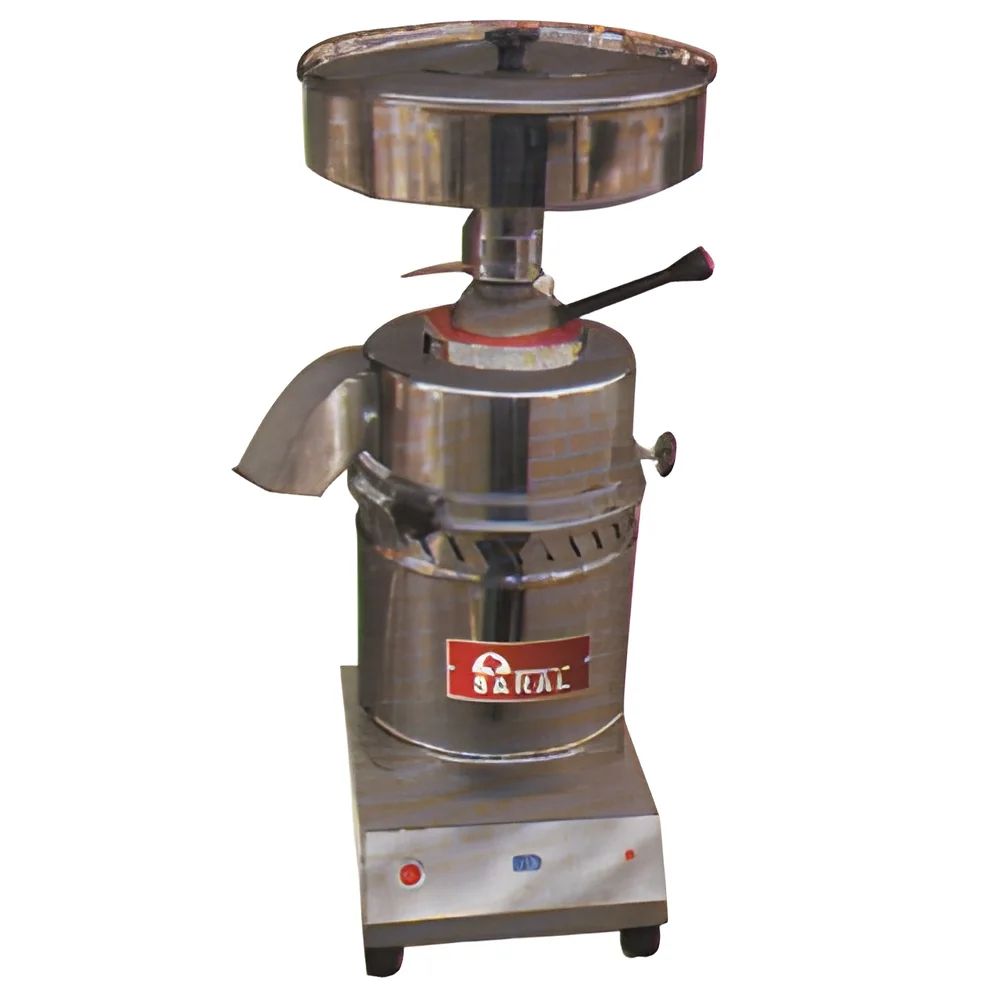
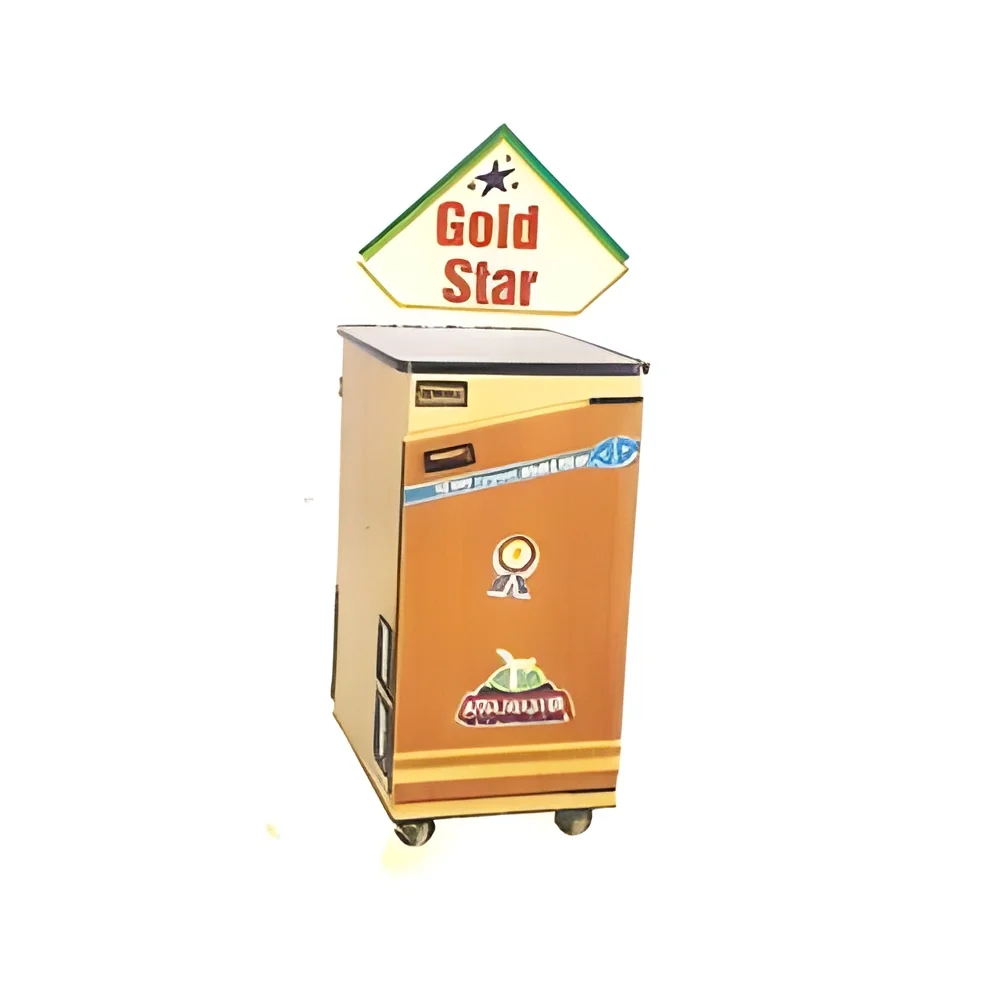
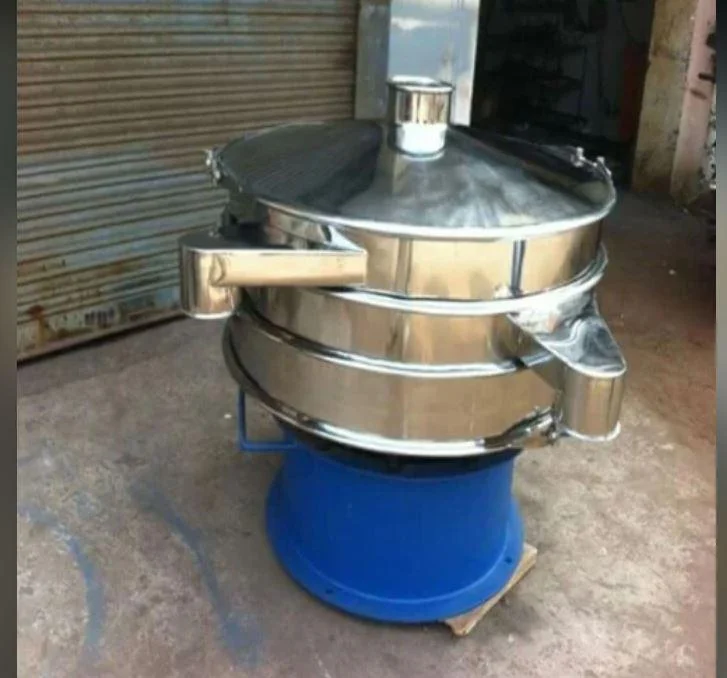
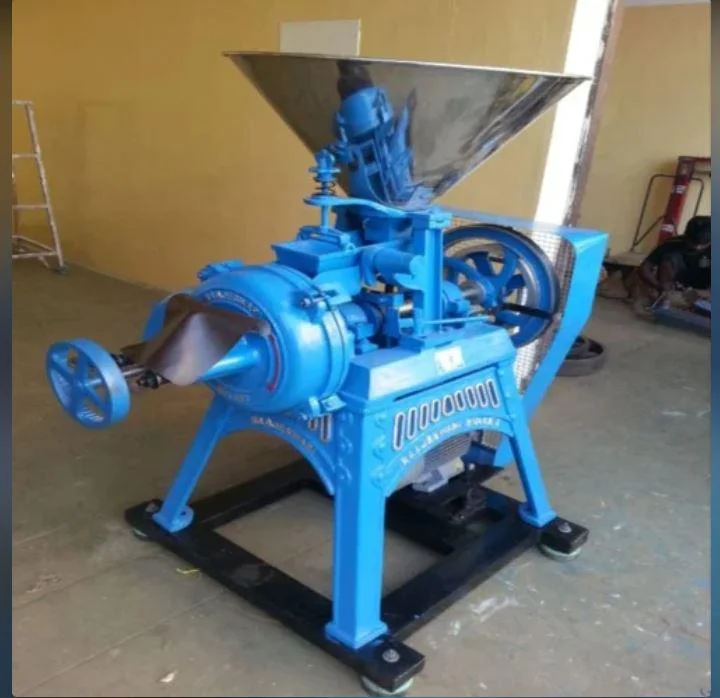
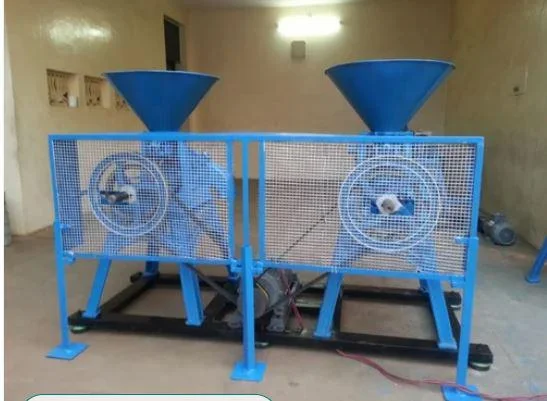
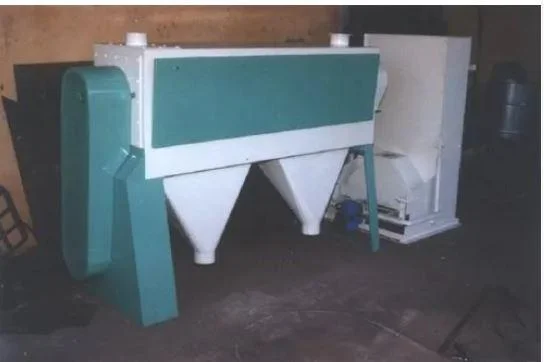
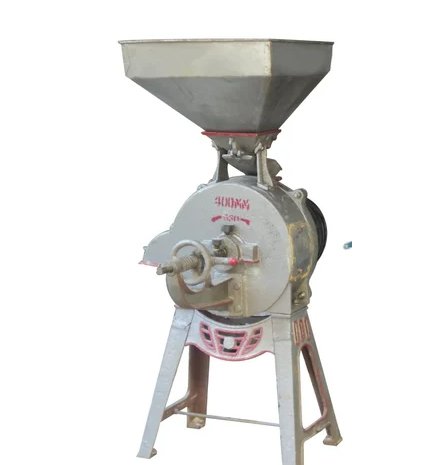
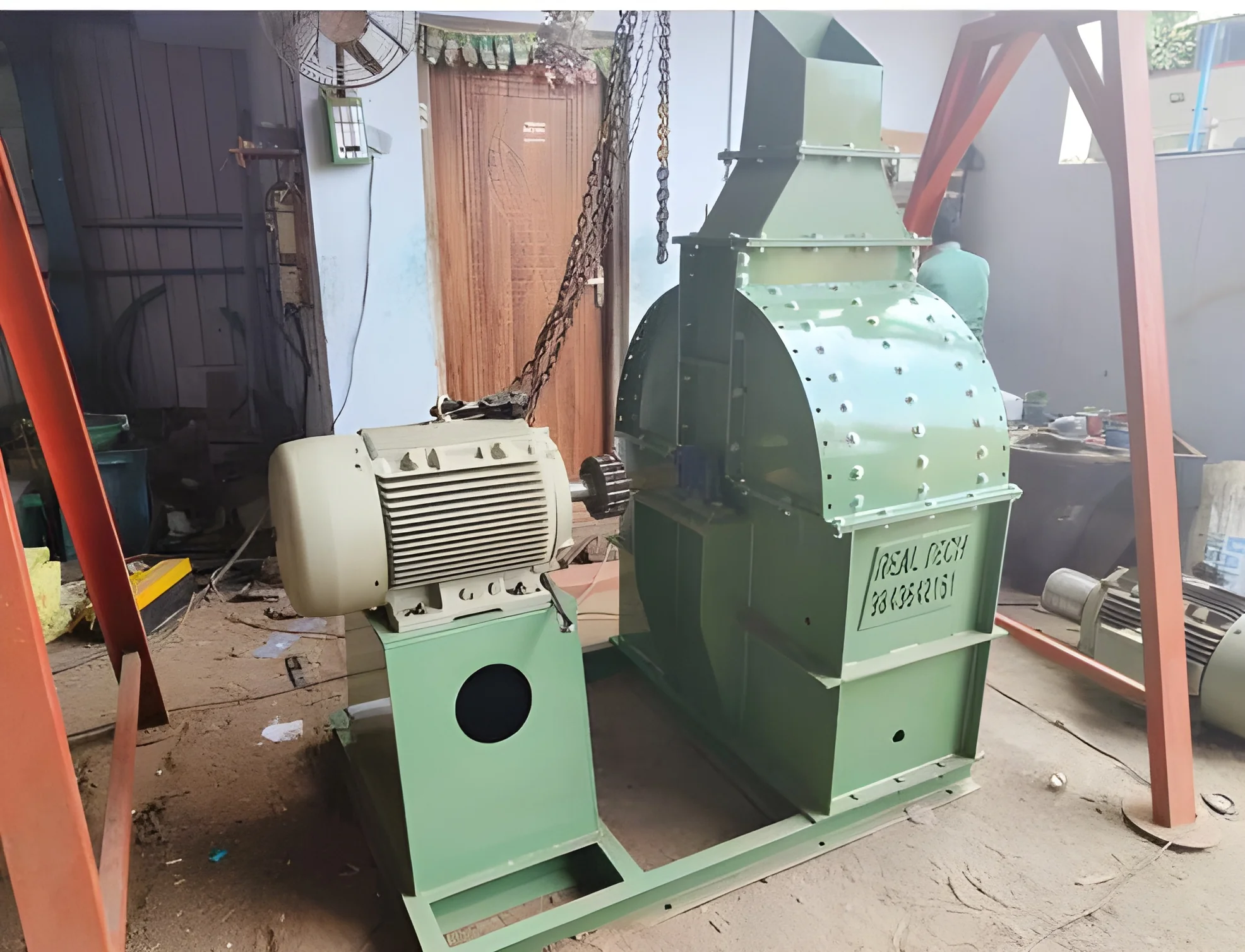
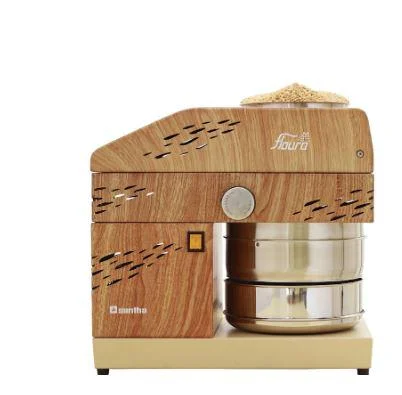
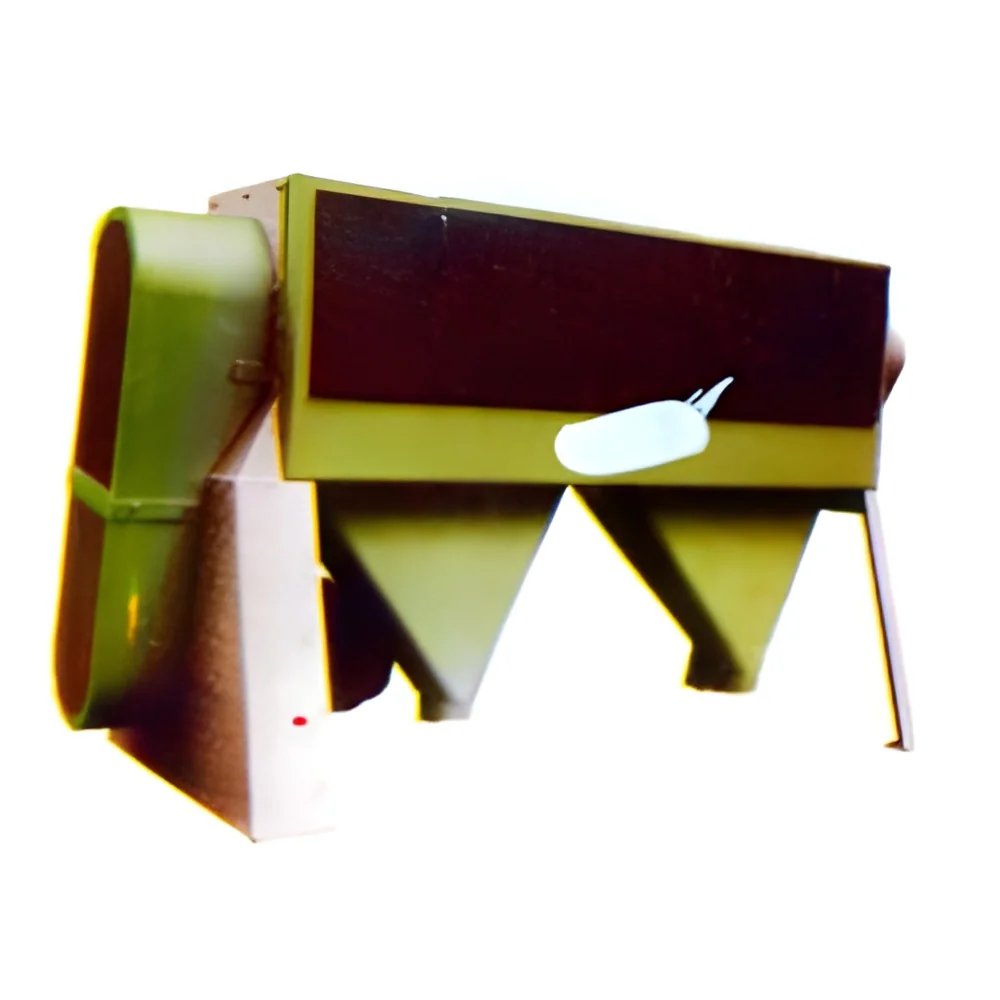
Grain milling machines are specialized equipment designed to process grains into flour, meal, or other products. These machines utilize various milling techniques to achieve different particle sizes and textures, catering to diverse food processing needs. They can range from small-scale units for local bakeries to large industrial machines used in grain processing facilities.
The primary uses of grain milling machines include grinding grains such as wheat, corn, barley, and rice. Businesses in the food industry rely on these machines for producing flour, grits, and other grain-based products. Additionally, milling machines can be used in animal feed production, where grains are processed into suitable feed for livestock. The relevance of grain milling machines in the food supply chain is crucial, as they ensure the consistent quality and availability of essential grains.
Key Features and Specifications
Grain milling machines come equipped with a range of features that enhance their efficiency and effectiveness. Understanding these specifications is key for businesses looking to invest in reliable milling equipment.
Key specifications include:
1. Milling Capacity
- Refers to the amount of grain processed per hour
- Typically ranges from 100 kg/h to several tons per hour depending on the machine size
2. Power Consumption
- Indicates the energy requirements of the machine
- Usually measured in kilowatts (kW), with values ranging from 1 kW for small units to over 200 kW for industrial machines
3. Milling Type
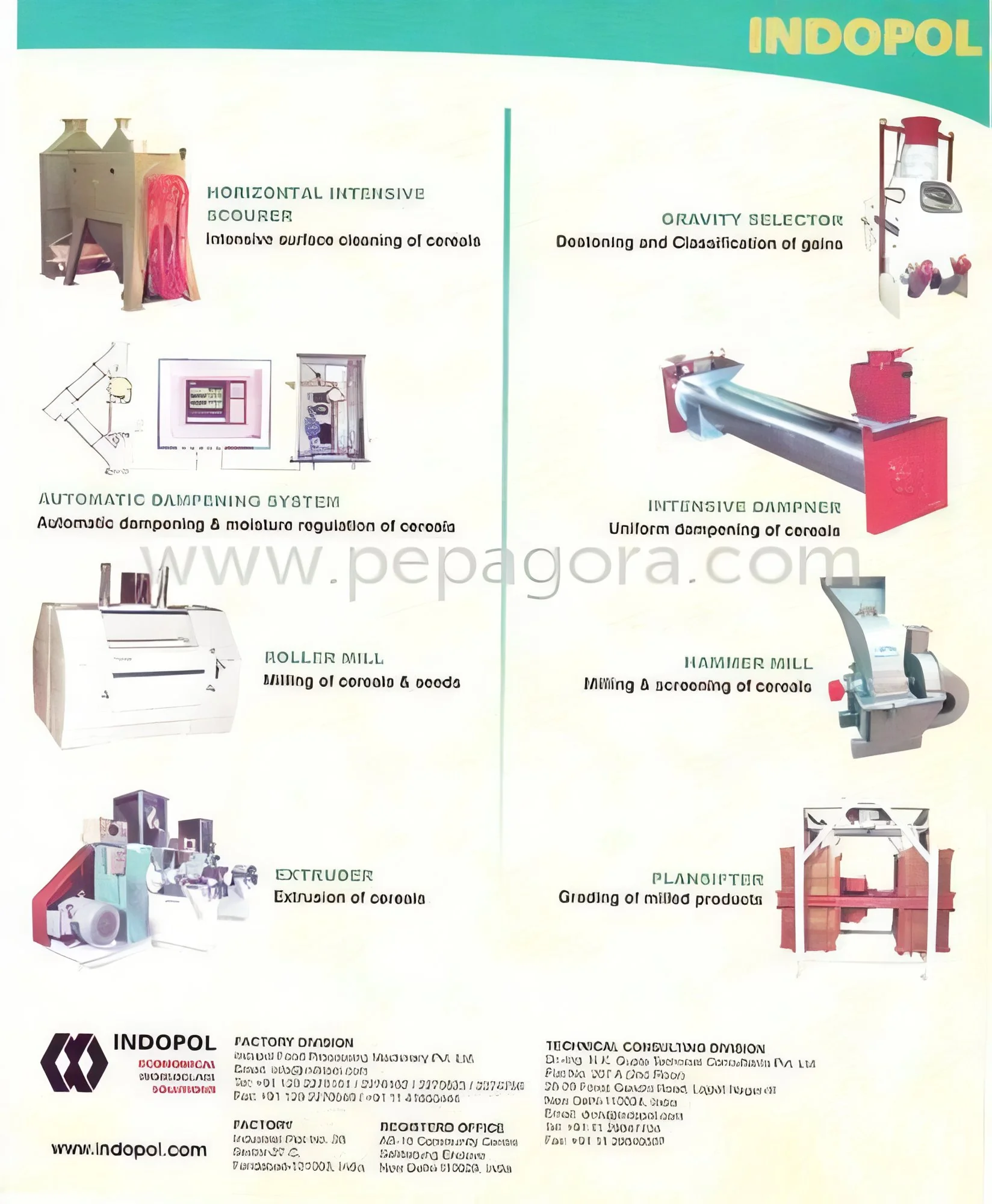
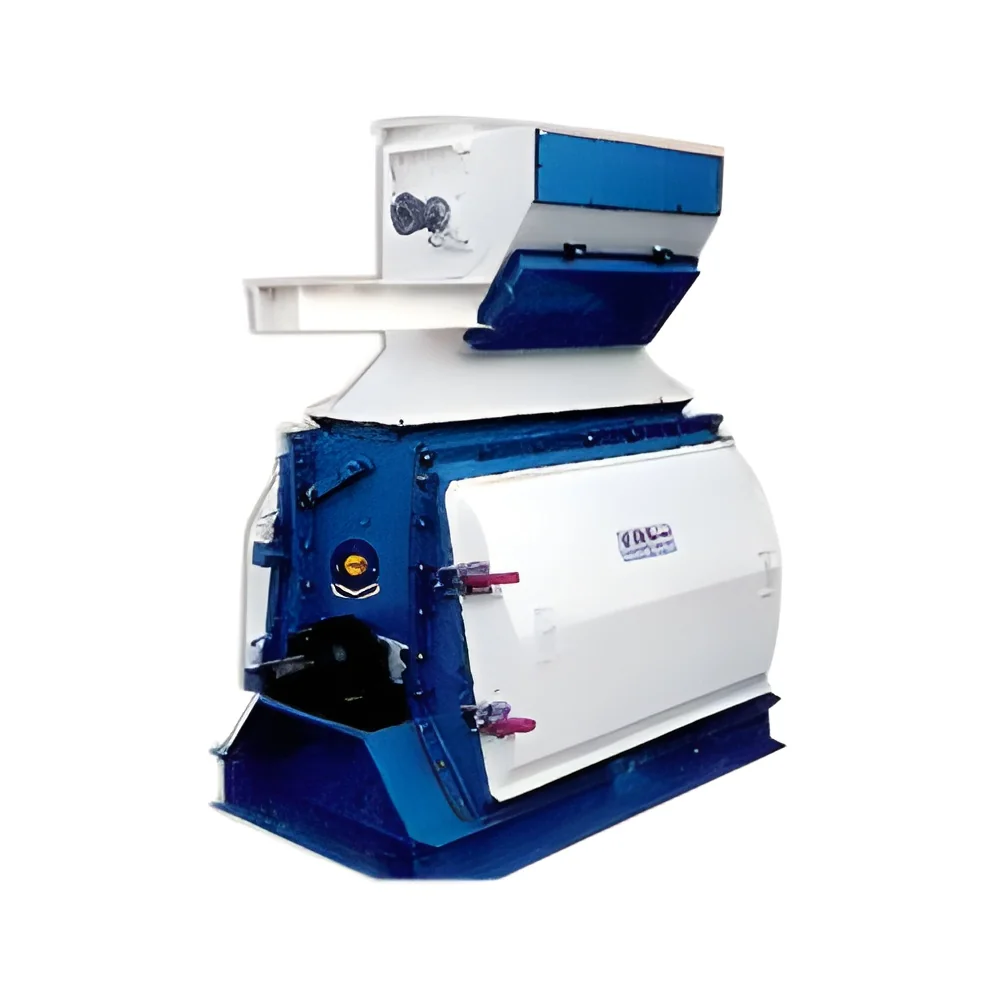
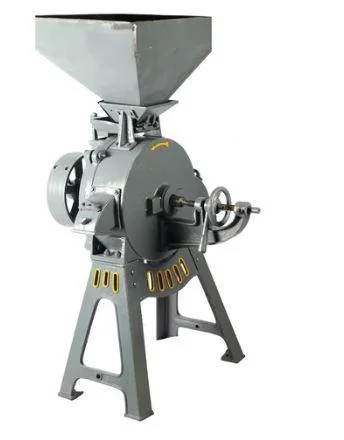
- Types include roller mills, hammer mills, and stone mills
- Each type offers different grinding mechanisms and end-product characteristics
4. Dimensions
- Overall size of the machine affecting installation space
- Varies widely; small machines may measure 1m x 0.5m while larger units can exceed 3m x 2m
5. Material Construction
- Common materials include stainless steel and carbon steel
- Material choice impacts durability and hygiene standards
6. Control Systems
- May include manual, semi-automatic, or fully automatic controls
- Advanced models offer digital interfaces for precise settings
7. Maintenance Requirements
- Indicates the frequency and type of maintenance needed
- Regular checks and parts replacement are essential for optimal performance
8. Safety Features
- Essential safety measures include overload protection and emergency stop buttons
- Compliance with safety standards is crucial for operation
In summary, understanding the key features and specifications of grain milling machines allows businesses to select the right equipment that meets their operational needs.
Common Applications and Use Cases
Grain milling machines serve a variety of industries, each with specific applications that highlight their versatility.
1. Food Industry: These machines are essential for producing flour and meal from grains, which are then used in baking, cooking, and food manufacturing.
2. Animal Feed Production: Grain milling machines help process grains into high-quality feed for livestock, ensuring nutritional standards are met.
3. Biofuel Production: Some machines are used to mill grains for biofuel applications, converting raw materials into energy sources.
4. Brewery and Distillery: In the brewing process, grain milling machines prepare grains for fermentation, playing a crucial role in beer production.
5. Pharmaceutical Industry: Certain grains are milled for use in health supplements and pharmaceuticals, requiring precise milling to ensure quality.
6. Nutraceuticals: The milling of grains for dietary supplements is another application, where fine particle size can enhance bioavailability.
Benefits and Advantages
Investing in grain milling machines offers several key benefits that enhance operational efficiency and product quality.
1. Increased Production Efficiency: These machines streamline the milling process, allowing for higher output and reduced processing time.
2. Consistent Product Quality: Advanced milling technology ensures uniform particle sizes, resulting in consistent flour and meal quality.
3. Versatility: Grain milling machines can be adapted for various grains and applications, making them suitable for diverse business needs.
4. Cost-Effectiveness: By improving production efficiency, these machines can lead to lower operational costs in the long run.
5. Enhanced Nutritional Value: Proper milling techniques can preserve the nutritional content of grains, providing better quality products.
6. Customization Options: Many manufacturers offer customization to meet specific production needs or to handle different grain types.
Buying Guide for B2B Buyers
When sourcing grain milling machines, several factors should be considered to ensure the right fit for your business needs.
1. Quality Assessment: Look for machines that meet recognized quality standards. Identify reputable manufacturers with a track record of reliability.
2. Supplier Verification: Vet suppliers through references and reviews. Ensure they have a solid reputation within the industry and are capable of delivering quality products.
3. Pricing and MOQ: Understand the price range for the machines and any minimum order quantities. Ensure the pricing aligns with your budget and expected return on investment.
4. Delivery and Lead Times: Discuss logistics and expected delivery times. Timely delivery is critical to maintaining production schedules.
5. Compliance Requirements: Ensure the machines comply with relevant industry regulations and safety standards. This may include certifications like CE or other local requirements.
Compliance and Certifications
Compliance with quality standards is paramount in the grain milling industry. Many manufacturers adhere to ISO 9001 standards, which ensure a consistent quality management system. Additionally, HACCP guidelines may be followed to guarantee food safety throughout the milling process.
Certification marks like CE indicate that the machines meet European safety, health, and environmental protection requirements. These certifications are vital for businesses aiming to operate in regulated markets.
Safety and testing requirements may vary by region, but common practices include regular inspections and adherence to local regulations governing machinery operation. Buyers should ensure their suppliers provide documentation proving compliance with necessary standards.
Why Source Grain Milling Machines from Pepagora?
Pepagora offers a trusted platform for sourcing grain milling machines, providing several advantages to B2B buyers.
Verified Supplier Network: Pepagora has established a robust network of verified suppliers, ensuring that buyers have access to quality products from reputable manufacturers. This network helps in minimizing risks associated with sourcing equipment.
Streamlined RFQ Process: The platform simplifies the request for quotation (RFQ) process, allowing buyers to easily compare offers from multiple suppliers. This transparency helps businesses make informed purchasing decisions.
Trade Assurance and Support: Pepagora provides trade assurance, giving buyers peace of mind through buyer protection policies. This support helps ensure that transactions are secure and that any issues can be resolved efficiently.
Regional Coverage: With a strong presence in India, the GCC, and Southeast Asia, Pepagora enables buyers to access a diverse range of grain milling machines tailored to their regional needs. This geographic reach facilitates easier sourcing and logistics for businesses.

 IN
IN

 India
India