
 IN
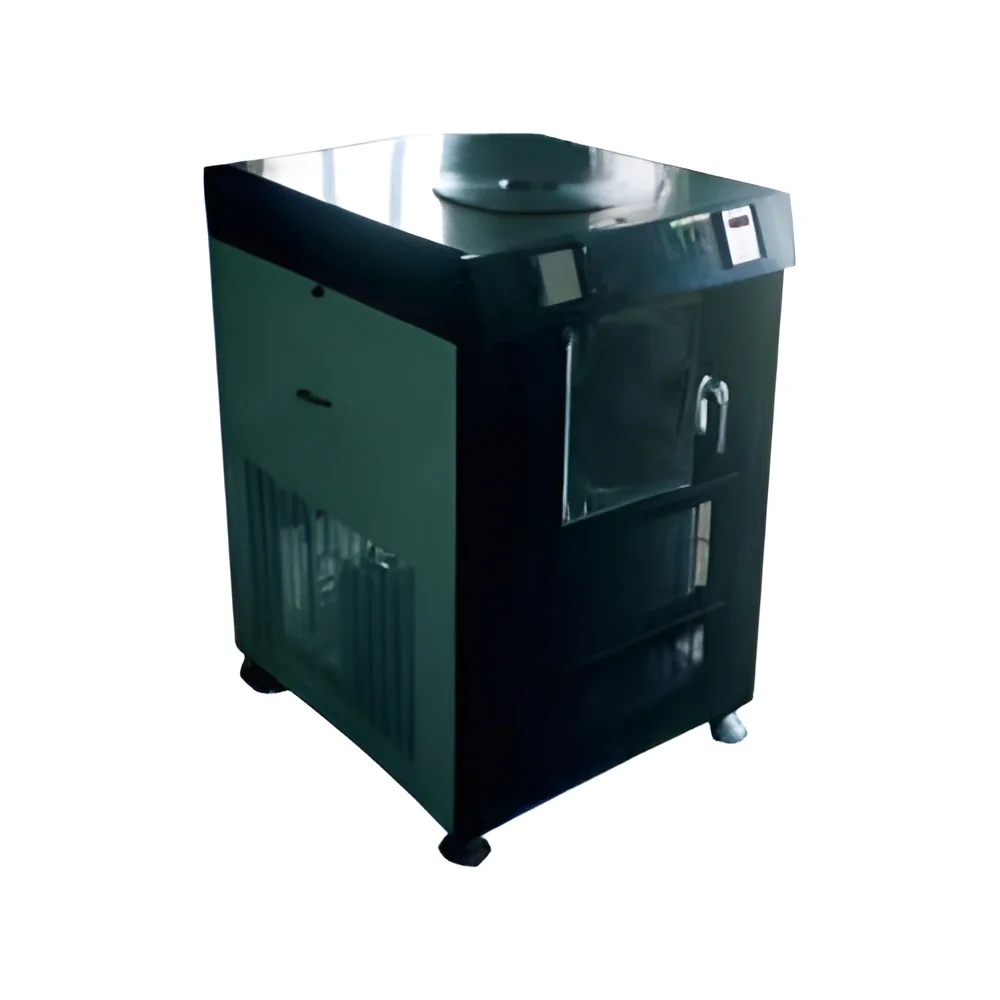
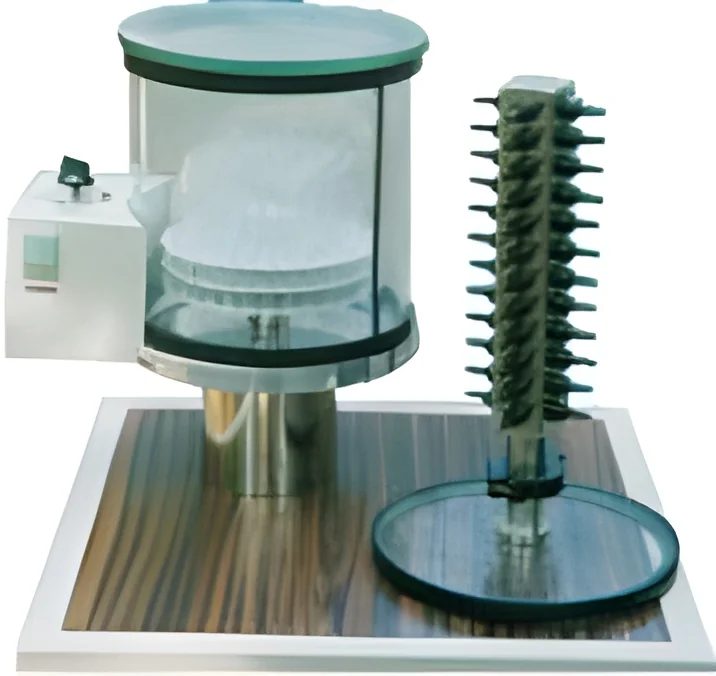
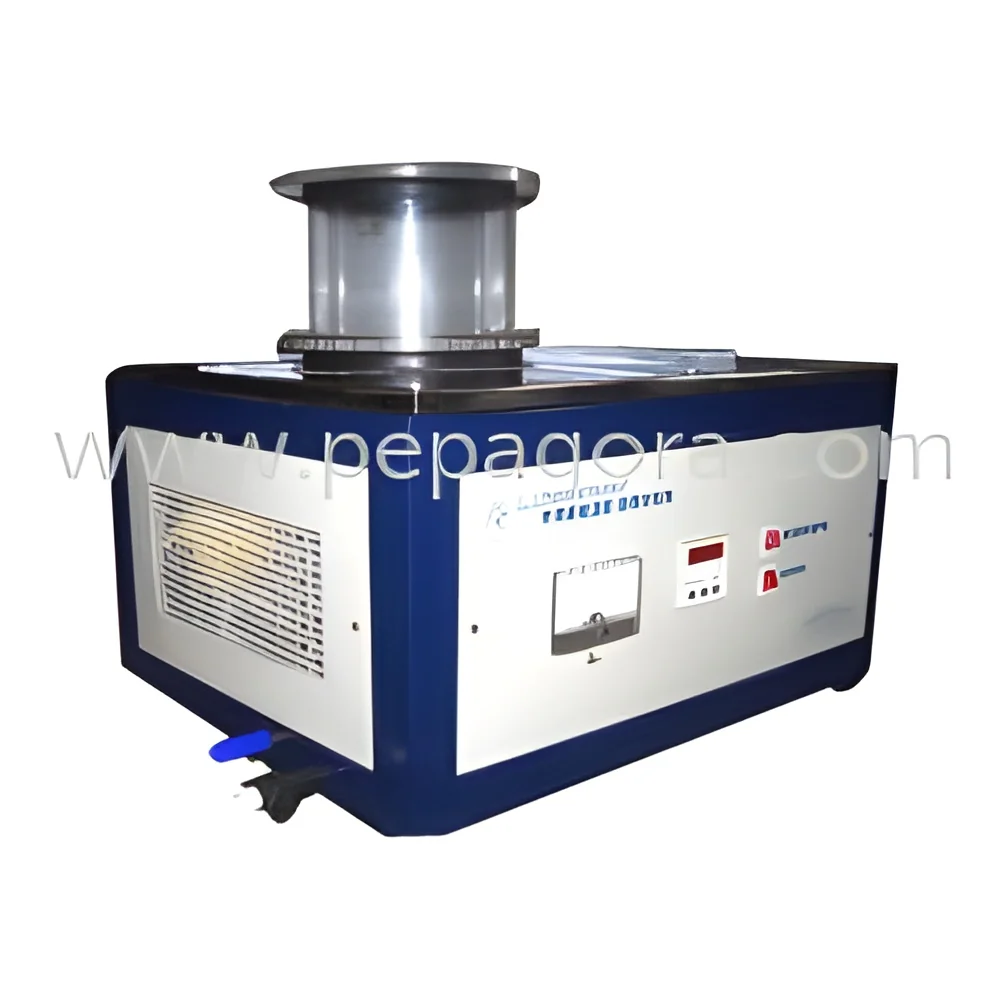
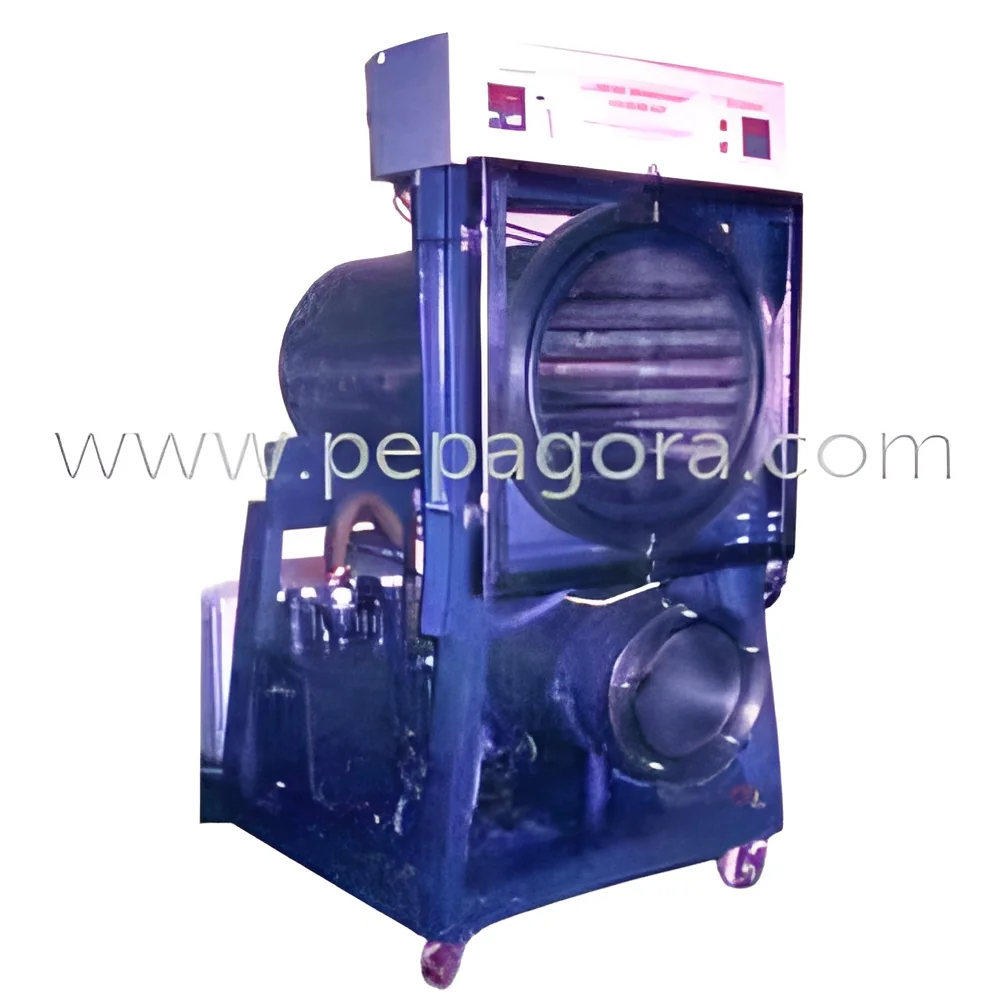
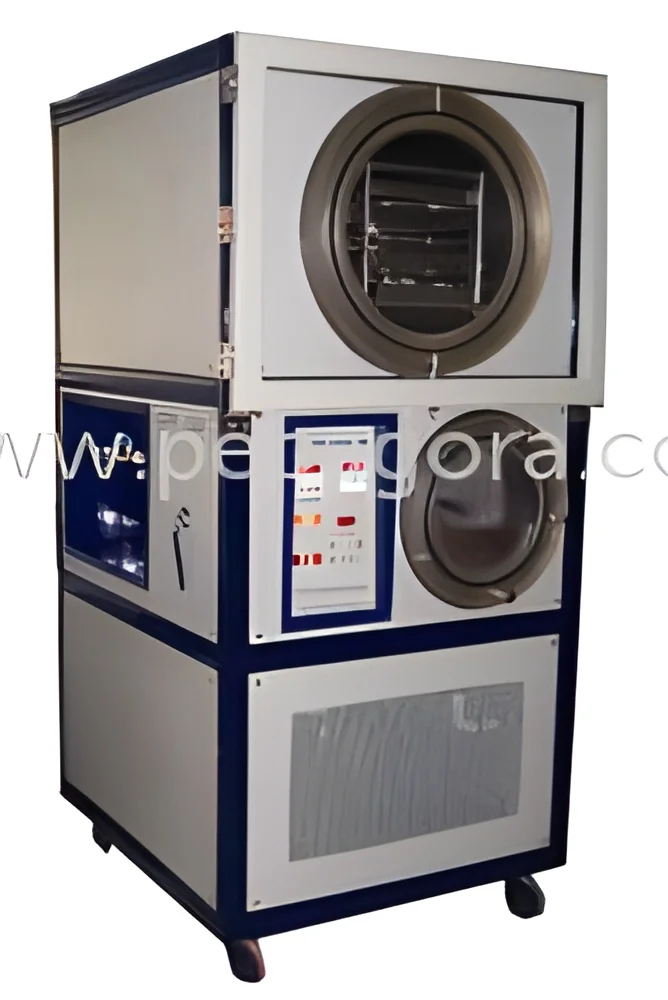
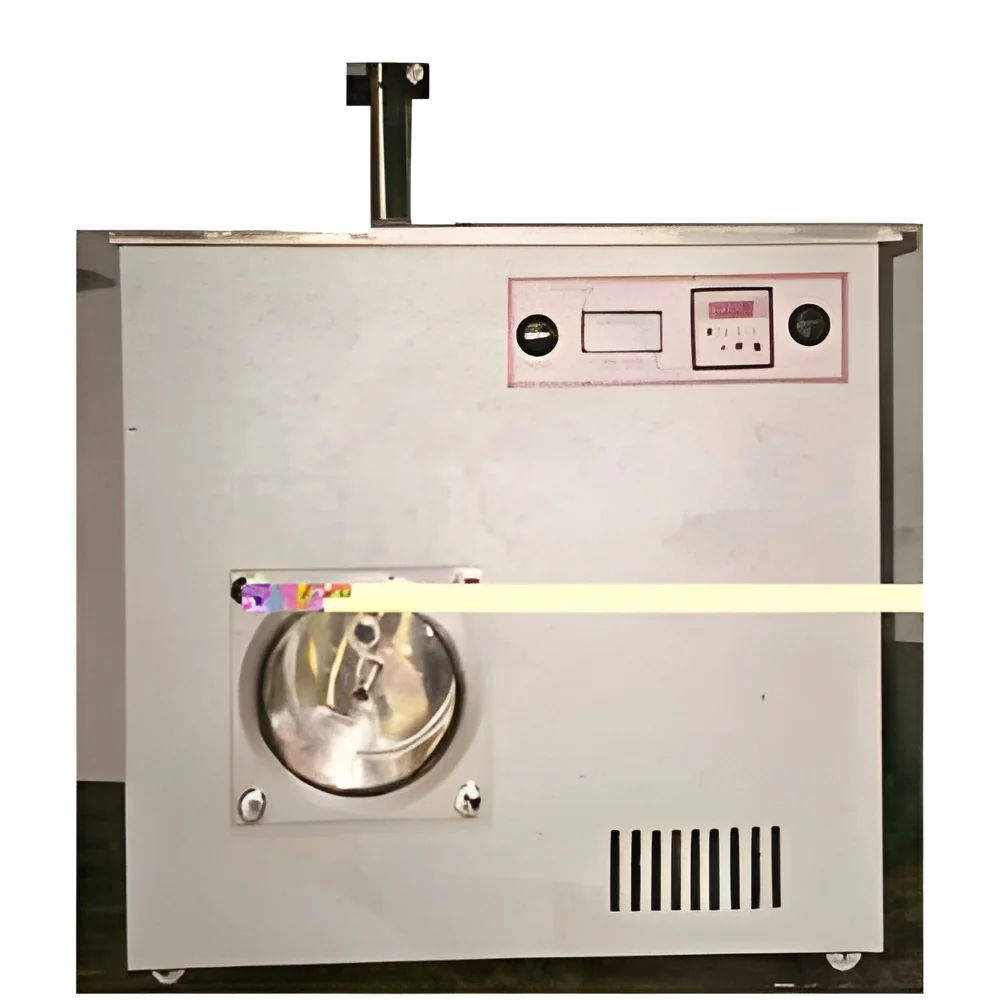
Freeze Dryers
19 products available
What are Freeze Dryers?
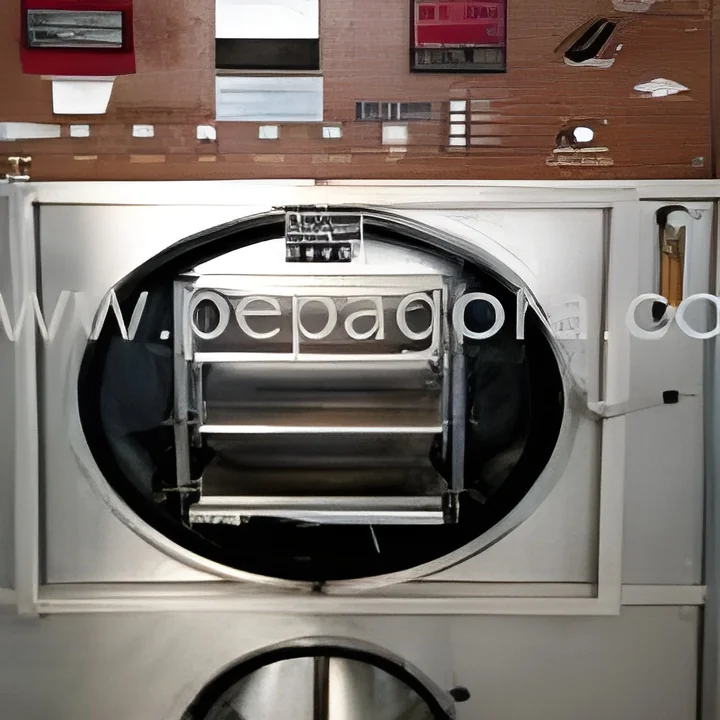
Freeze dryers, also known as lyophilizers, are specialized equipment designed to remove moisture from a variety of products through a process called freeze-drying. This technology involves freezing the product, lowering the pressure, and then removing the ice by sublimation. The result is a lightweight, shelf-stable product that retains its structure, flavor, and nutritional value. Freeze drying is a highly efficient method for preserving perishable items, making them suitable for long-term storage and transport.
Freeze dryers are primarily used in industries such as food processing, pharmaceuticals, and biotechnology. In the food industry, they are employed to produce freeze-dried fruits, vegetables, and meals, allowing for extended shelf life without the need for preservatives. In pharmaceuticals, freeze drying is crucial for stabilizing sensitive compounds, such as vaccines and proteins, ensuring they remain effective over time. The growing demand for high-quality, shelf-stable products in various sectors underscores the relevance of freeze dryers in the market.
Key Features and Specifications
Freeze dryers come equipped with a variety of features and specifications that make them suitable for different applications. Understanding these specifications can help businesses select the right model for their specific needs.
Key specifications include:
1. Chamber Capacity
- This refers to the volume of the drying chamber, which can vary significantly.
- Common ranges include small (up to 1 cubic meter) to large industrial units (over 10 cubic meters).
2. Condenser Temperature
- The lowest temperature the condenser can reach is critical for effective freeze drying.
- Typical condenser temperatures are around -50°C to -80°C.
3. Vacuum Level
- The pressure within the chamber during the freeze-drying process.
- Standard vacuum levels range from 0.1 to 1 millibar.
4. Heating Method
- Freeze dryers may use conduction, convection, or radiation for heating.
- The choice of method affects the efficiency and speed of the drying process.
5. Control Systems
- Advanced models include digital control systems for monitoring and adjusting parameters.
- Features may include real-time data logging and remote access capabilities.
6. Power Consumption
- This specification indicates how much energy the unit utilizes during operation.
- Power requirements may range from a few kilowatts to several dozen, depending on size and technology.
7. Compliance Standards
- Many freeze dryers meet specific industry standards for safety and quality.
- Certifications such as CE are common, ensuring compliance with European regulations.
8. Maintenance Needs
- Regular maintenance is essential for optimal performance.
- Some models include self-cleaning features, reducing downtime.
In summary, the specifications of freeze dryers vary widely, catering to different industries and applications. Understanding these features helps businesses make informed decisions when selecting the appropriate model.
Common Applications and Use Cases
Freeze dryers serve a wide range of industries, each with unique applications that benefit from the freeze-drying process.
1. Food Industry: Freeze dryers are commonly used to produce high-quality freeze-dried fruits, vegetables, and meals. These products retain their original taste, texture, and nutritional value, making them popular for camping food and emergency rations.
2. Pharmaceuticals: In the pharmaceutical sector, freeze-drying is essential for stabilizing sensitive medications, such as vaccines and biologics. This process ensures that active ingredients remain effective and can be stored without refrigeration.
3. Biotechnology: Researchers use freeze dryers to process biological samples, preserving cell cultures, enzymes, and proteins for long-term storage. This is crucial for experiments requiring stable conditions.
4. Nutraceuticals: Freeze-drying is employed in the production of dietary supplements, maintaining the potency of vitamins and minerals while extending shelf life.
5. Pet Food: The pet food industry utilizes freeze dryers to create high-quality, nutritious meals and treats that appeal to health-conscious pet owners.
6. Cosmetics: Certain cosmetic products benefit from freeze drying, as it helps preserve active ingredients while creating lightweight powders for easy application.
7. Laboratory Use: Laboratories often use freeze dryers for preparing samples for analysis or storage, ensuring that moisture-sensitive materials are preserved effectively.
Product Variants and Subcategories
Freeze dryers come in various designs and configurations to meet the diverse needs of different industries.
Laboratory Freeze Dryers: These units are compact and designed for smaller batches. They are ideal for research and development applications, allowing precise control over the freeze-drying process.
Industrial Freeze Dryers: Larger and more powerful, these units are built for high-volume production. They are suitable for commercial food processing and large pharmaceutical manufacturing.
Pilot Freeze Dryers: Used primarily for testing new products, pilot freeze dryers bridge the gap between laboratory and industrial-scale operations. They allow companies to refine processes before full-scale production.
Benefits and Advantages
Freeze dryers offer numerous benefits, making them an essential investment for businesses in various sectors.
1. Preservation of Quality: Freeze-drying retains the original flavor, texture, and nutritional content of products, providing high-quality end results.
2. Extended Shelf Life: Products processed through freeze drying can last for years without refrigeration, reducing waste and storage costs.
3. Lightweight and Compact: Freeze-dried products are significantly lighter than their fresh counterparts, making them easier to transport and store.
4. Versatility: Freeze dryers can be used for a wide range of applications, from food and pharmaceuticals to laboratory research.
5. Reduced Need for Preservatives: The freeze-drying process eliminates the need for chemical preservatives, appealing to health-conscious consumers.
6. Energy Efficiency: While energy consumption varies by model, many freeze dryers are designed to operate efficiently, minimizing overall operational costs.
Buying Guide for B2B Buyers
When sourcing freeze dryers, it is essential to consider several critical factors to ensure a successful purchase.
1. Quality Assessment: Evaluate the quality of the freeze dryer by reviewing technical specifications, user reviews, and third-party certifications. Look for models that meet recognized industry standards to ensure reliability.
2. Supplier Verification: Vet potential suppliers by checking their reputation, customer feedback, and history in the industry. Established suppliers are more likely to provide dependable products and support.
3. Pricing and MOQ: Understand the pricing structure and minimum order quantities (MOQ) associated with different models. Compare prices across suppliers to ensure competitive quotes.
4. Delivery and Lead Times: Confirm delivery schedules and lead times with suppliers. Timely delivery is critical for maintaining production schedules and meeting customer demand.
5. Compliance Requirements: Ensure that the freeze dryers meet all necessary regulatory and compliance standards specific to your industry. This may include safety certifications and environmental regulations.
Compliance and Certifications
When considering the purchase of freeze dryers, compliance and certifications play a crucial role in ensuring product quality and safety. Relevant quality standards, such as ISO 9001, focus on maintaining effective quality management systems. These standards help ensure that manufacturers consistently produce reliable and safe products.
Additionally, certifications such as CE indicate that the freeze dryer meets European safety and health requirements. This certification is essential for gaining market access in Europe and demonstrates a commitment to quality and safety.
Manufacturers must also adhere to safety and testing requirements specific to their region. This may include compliance with Good Manufacturing Practices (GMP) and Hazard Analysis Critical Control Point (HACCP) regulations, which are particularly important in the food and pharmaceutical industries. Regional compliance considerations can vary, so it is important to verify that the chosen freeze dryer meets all local regulations.
Why Source Freeze Dryers from Pepagora?
Pepagora provides a trusted platform for sourcing freeze dryers, offering several key advantages to B2B buyers.
Verified Supplier Network: Pepagora connects businesses with a vetted network of suppliers. Each supplier undergoes a thorough verification process, ensuring that buyers can trust the quality and reliability of the products they receive.
Streamlined RFQ Process: The platform simplifies the request for quotation (RFQ) process, allowing buyers to easily compare quotes from multiple suppliers. This efficient system saves time and helps businesses make informed purchasing decisions.
Trade Assurance and Support: Pepagora offers trade assurance, providing buyers with protection throughout the transaction process. This includes support for resolving any issues that may arise, ensuring a smooth purchasing experience.
Regional Coverage: With a strong presence in India, the GCC, and Southeast Asia, Pepagora caters to businesses across diverse markets. This regional coverage enables buyers to access local suppliers while benefiting from international standards of quality and service.


 India
 India
 India


Frequently Asked Questions
What are Freeze Dryers?
Freeze dryers, also known as lyophilizers, are devices that remove moisture from materials by freezing them and then reducing the surrounding pressure to allow the frozen water to sublimate. This process preserves the structural integrity and nutritional value of the materials, making freeze dryers widely used in food preservation, pharmaceuticals, and biotechnology.
What are the different types of Freeze Dryers?
There are several types of freeze dryers, including bench-top freeze dryers, industrial freeze dryers, and laboratory freeze dryers. Bench-top models are suitable for small-scale applications, while industrial models are designed for large-scale production. Laboratory freeze dryers are often used for research and development purposes.
How do I choose the right Freeze Dryers?
Choosing the right freeze dryer depends on several factors, including the scale of production, the nature of the materials to be dried, and specific features such as temperature control and vacuum capabilities. It is advisable to assess your requirements and consult with suppliers to find a model that best fits your needs.
What are the standard specifications for Freeze Dryers?
Standard specifications for freeze dryers typically include parameters such as condenser temperature, drying chamber volume, shelf space, and vacuum level. Additionally, certain models may offer features like programmable controls and monitoring systems for enhanced functionality.
What is the price range for Freeze Dryers?
The price range for freeze dryers can vary widely depending on the type, size, and features of the unit. Small bench-top models may start from a few hundred dollars, while larger industrial units can cost several thousands or even tens of thousands of dollars.
What quality standards apply to Freeze Dryers?
Freeze dryers must comply with various quality standards depending on their application, such as Good Manufacturing Practices (GMP) for pharmaceutical uses. Certifications such as ISO 9001 may also apply, ensuring that the manufacturing process meets specific quality management criteria.
Where can I find Freeze Dryers suppliers in India?
You can find freeze dryer suppliers in India through B2B marketplaces like Pepagora, industrial equipment directories, and trade shows. Online searches and networking within industry forums may also help you connect with reputable manufacturers and suppliers.
Can Freeze Dryers be customized?
Yes, many freeze dryer manufacturers offer customization options to meet specific customer requirements. This can include modifications in size, features, and additional capabilities to tailor the machine for particular applications.
What is the typical minimum order quantity for Freeze Dryers?
The typical minimum order quantity (MOQ) for freeze dryers can vary by supplier and the type of machine. Generally, MOQs can range from one unit for smaller models to several units for larger, industrial-scale machines.
What is the typical lead time for Freeze Dryers?
The typical lead time for freeze dryers depends on the manufacturer's production schedule and the complexity of the order. Generally, the lead time can range from a few weeks to several months, especially for customized units.
Why Businesses Trust Pepagora
Thousands of companies trust Pepagora to source smarter and sell faster
Expand Your Sales Globally

Source Smarter,Grow Faster
