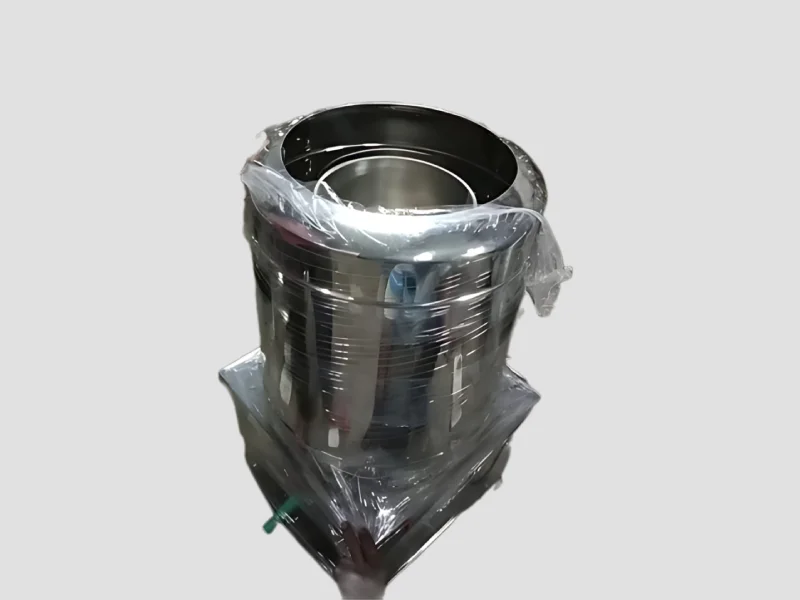
What are Drum Dryers?
Drum dryers are industrial machines designed to remove moisture from materials through a drying process that involves rotating drums. These drums are typically heated, allowing the material to come into contact with the hot surface, which facilitates the evaporation of moisture. The design of drum dryers can vary, but the fundamental principle remains the same: to efficiently dry large volumes of material in a continuous process.
The primary uses of drum dryers span multiple industries, including food processing, chemical manufacturing, and pharmaceuticals. In food processing, drum dryers are often employed to produce dehydrated food products, such as instant mashed potatoes and snack foods. In chemical manufacturing, they are used to dry powders and granules, ensuring that products meet specific moisture content requirements. The versatility of drum dryers makes them relevant across these industries, which seek reliable equipment capable of handling various materials and meeting production demands.
In the current market, the demand for efficient drying solutions continues to grow, driven by the increasing need for value-added processed products. Businesses are looking for ways to enhance their production processes, reduce energy consumption, and improve product quality. As such, drum dryers play a crucial role in meeting these demands, making them an essential component in many manufacturing operations.
Key Features and Specifications
Drum dryers come with a range of features and specifications that cater to various industrial needs. Understanding these key specifications is essential for businesses looking to invest in this equipment.
Key specifications include:
1. Heating Method
- Direct or indirect heating options
- Optimal temperature ranges for different materials
2. Drum Diameter
- Standard sizes typically ranging from 1 to 2 meters
- Impacts the throughput capacity
3. Drying Capacity
- Measured in kilograms of moisture removed per hour
- Varies based on material and design
4. Control Systems
- Advanced monitoring features for temperature and humidity
- Automation options for improved efficiency
5. Energy Efficiency
- Designed to minimize energy consumption
- Often utilizes heat recovery systems
6. Material of Construction
- Stainless steel or carbon steel options
- Depends on the application and material to be dried
7. Size and Footprint
- Varying dimensions to fit different manufacturing spaces
- Important for facility layout considerations
8. Safety Features
- Compliance with industry safety standards
- Emergency shut-off systems and protective guards
In summary, the features and specifications of drum dryers vary widely, allowing businesses to select the right model based on their specific drying needs and operational requirements.
Common Applications and Use Cases
Drum dryers are utilized in a diverse range of industries, showcasing their versatility and effectiveness.
1. Food Processing: In this sector, drum dryers are used to produce dehydrated fruits and vegetables, as well as powdered food products. The ability to maintain flavor and nutritional value during drying is crucial.
2. Chemical Manufacturing: Drum dryers serve to dry chemical powders and granules, ensuring that moisture levels meet stringent product specifications. This is vital for product stability and performance.
3. Pharmaceutical Industry: In pharmaceuticals, drum dryers help in the drying of active ingredients and excipients. Maintaining precise moisture content is essential for product efficacy and shelf life.
4. Paper and Pulp: Drum dryers are used to evaporate water from wet pulp, facilitating the production of paper products. This process enhances the quality and strength of the final product.
5. Textile Industry: Drum dryers play a role in drying fabrics and fibers. Efficient moisture removal is critical to ensure the quality of textiles.
6. Waste Management: In waste treatment facilities, drum dryers are employed to reduce the volume of sludge by evaporating moisture, thus improving handling and disposal processes.
7. Biomass Processing: Drum dryers are used to dry biomass materials for energy production, ensuring that moisture content is suitable for efficient combustion.
Product Variants and Subcategories
Drum dryers come in various configurations to meet the diverse needs of industries.
Continuous Drum Dryer
This variant operates continuously, allowing for a steady flow of material through the drying process. It is ideal for high-volume production and offers efficiency in drying large quantities of material.
Batch Drum Dryer
Batch drum dryers are designed for smaller production runs. They allow users to process different materials in separate batches, providing flexibility for manufacturers with varying product lines.
Rotary Drum Dryer
Rotary drum dryers feature a cylindrical design that rotates, allowing material to be evenly exposed to heat. This design is effective for bulk materials and enhances drying efficiency.
Benefits and Advantages
Drum dryers offer numerous benefits that make them a valuable asset in industrial applications.
Key benefits include:
1. High Efficiency: Drum dryers are designed for efficient moisture removal, allowing for faster drying times and increased production rates.
2. Versatility: They can handle a wide range of materials, making them suitable for various industries and applications.
3. Energy Savings: Many drum dryers incorporate energy-efficient technologies, reducing operational costs associated with energy consumption.
4. Quality Retention: Drum dryers are capable of preserving the quality of materials during the drying process, which is particularly important in food and pharmaceutical applications.
5. Continuous Operation: Continuous drum dryers facilitate uninterrupted production, enhancing overall productivity and efficiency in manufacturing processes.
6. Customization: Drum dryers can be tailored to meet specific process requirements, ensuring optimal performance based on unique material characteristics.
Buying Guide for B2B Buyers
When sourcing drum dryers, B2B buyers should consider several critical factors to ensure they make an informed decision.
1. Quality Assessment: Evaluate the quality of materials used in the construction of the drum dryer. Look for manufacturers that adhere to industry standards to ensure durability and long-term performance.
2. Supplier Verification: Conduct thorough research on potential suppliers. Check their reputation, customer reviews, and industry certifications to ensure reliability and trustworthiness.
3. Pricing and MOQ: Understand the pricing structure of drum dryers and inquire about minimum order quantities. Consider how pricing aligns with your budget while ensuring quality is not compromised.
4. Delivery and Lead Times: Discuss delivery timelines with suppliers. Ensure they can meet your production schedule and understand the logistics involved in transporting heavy machinery.
5. Compliance Requirements: Confirm that the drum dryer complies with relevant industry regulations and standards. This is essential for ensuring safety and product quality.
Compliance and Certifications
Drum dryers must adhere to various quality standards and certifications to ensure their reliability and safety in industrial applications.
ISO 9001 is a widely recognized quality management standard that applies to manufacturers of drum dryers. Compliance with this standard indicates that the manufacturer has implemented effective quality control processes.
HACCP (Hazard Analysis and Critical Control Points) is crucial for food processing applications. Drum dryers used in this sector must meet HACCP requirements to ensure food safety and prevent contamination.
CE certification is required for drum dryers sold in the European market. It signifies that the equipment meets EU safety, health, and environmental protection standards.
In addition to these, manufacturers must also consider safety and testing requirements specific to their region. This can include local compliance with safety regulations, which vary by country and industry.
Why Source Drum Dryers from Pepagora?
Pepagora provides a trusted platform for sourcing drum dryers with several key advantages that benefit B2B buyers.
Verified Supplier Network: Pepagora connects buyers with a network of verified suppliers, ensuring that businesses can source high-quality drum dryers from reputable manufacturers. This verification process helps buyers feel confident in their purchasing decisions.
Streamlined RFQ Process: The platform simplifies the request for quotation (RFQ) process, allowing buyers to easily communicate their requirements and receive competitive proposals from multiple suppliers. This efficiency saves time and resources.
Trade Assurance and Support: Pepagora offers trade assurance services that protect buyers throughout the purchasing process. This includes support for resolving disputes and ensuring that suppliers meet their commitments.
Regional Coverage: With a strong presence in India, the GCC, and Southeast Asia, Pepagora is well-positioned to support businesses across these regions. This geographic reach enables buyers to access a wide variety of drum dryer options tailored to their specific needs.

 IN
IN

 India
India