
 IN
Dough Kneaders & Mixers
53 products available
What are Dough Kneaders & Mixers?
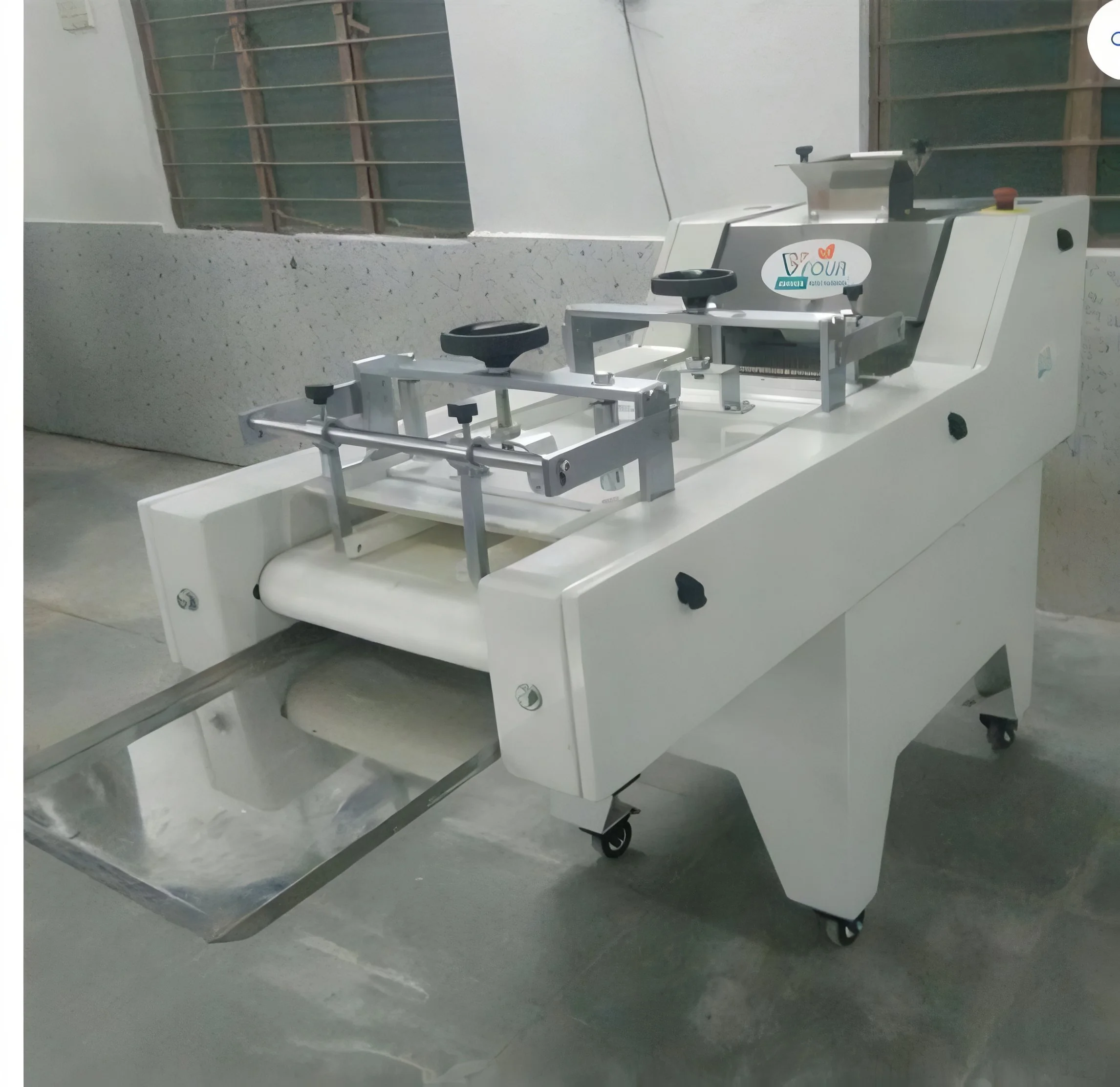
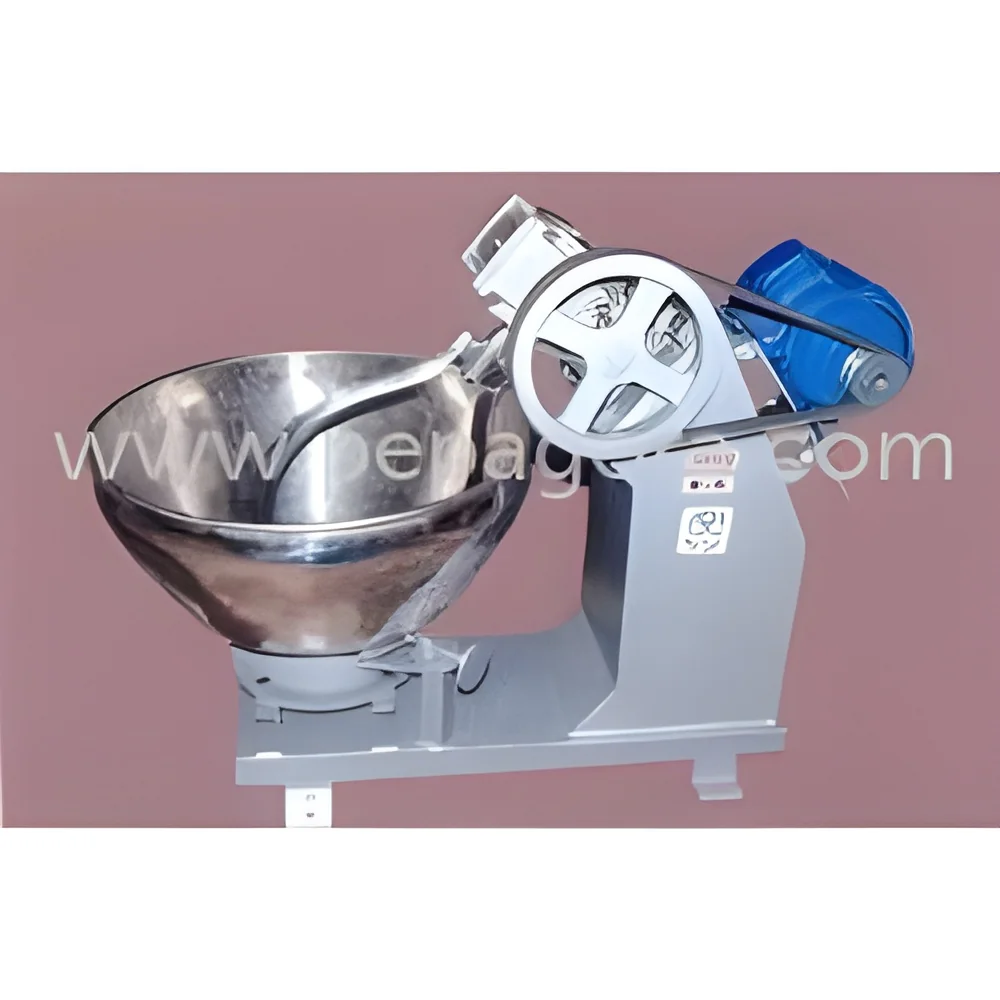
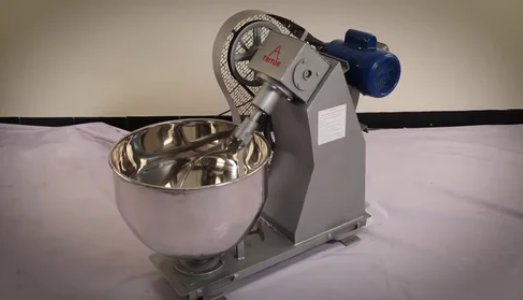
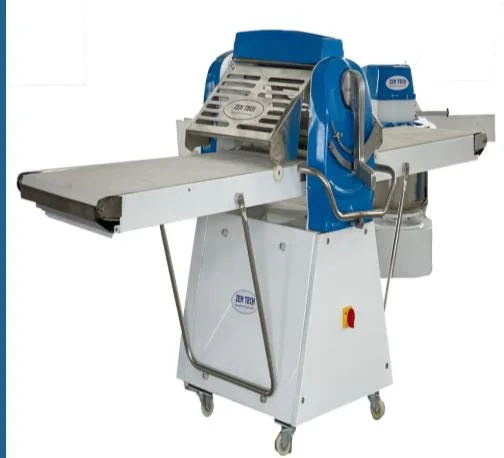
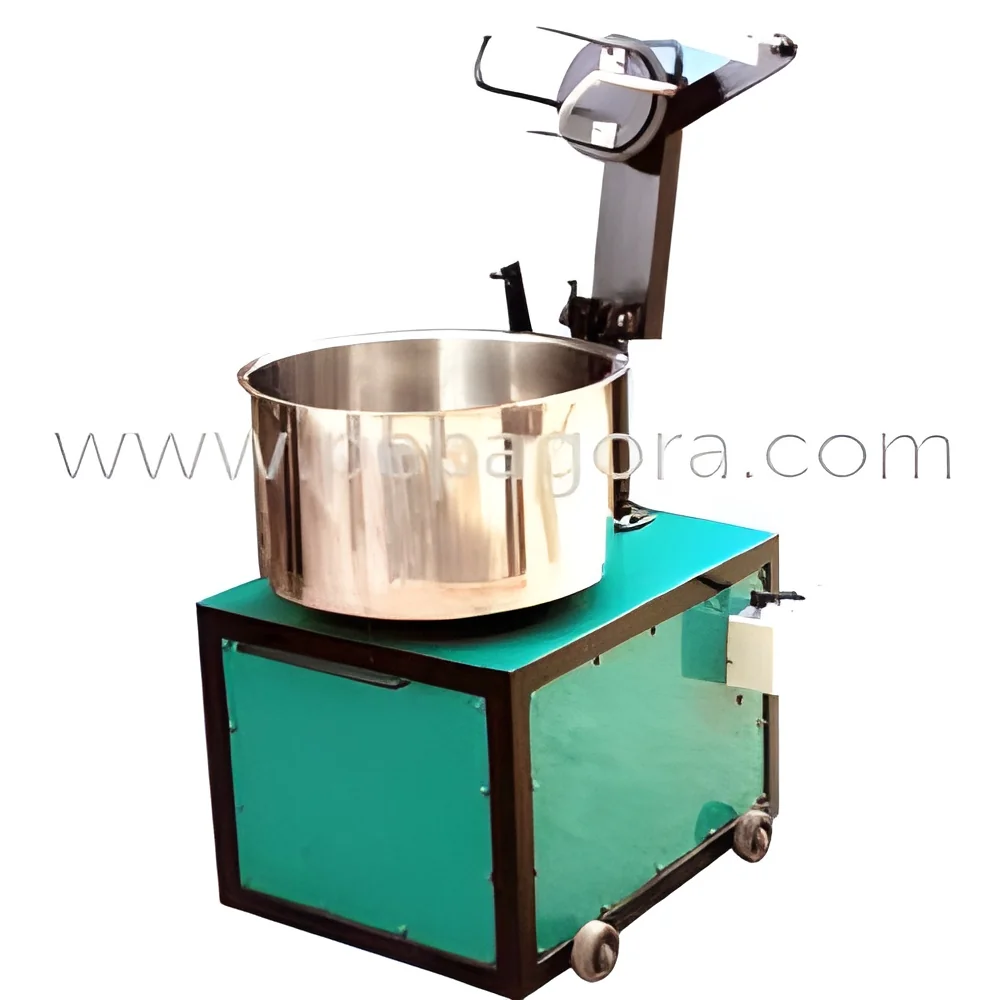
Dough kneaders and mixers are industrial machines designed to efficiently mix and knead dough for various baking applications. These machines streamline the process of preparing dough by combining ingredients such as flour, water, yeast, and salt into a consistent mixture. They are essential in commercial bakeries, food processing plants, and restaurants where large volumes of dough need to be prepared quickly and uniformly.
The primary uses of dough kneaders and mixers extend across multiple sectors, including bread making, pastry production, and pizza crust preparation. They are crucial in ensuring the dough achieves the right texture and elasticity, which directly affects the quality of the final product. Businesses that rely on high-quality baked goods find these machines invaluable for maintaining consistency and efficiency in their production processes.
In the current market context, the demand for dough kneaders and mixers is growing, fueled by the rise of artisanal baking and the expansion of the food service industry. As consumer preferences shift towards fresh and high-quality baked products, manufacturers are increasingly investing in advanced mixing and kneading technology to meet these demands.
Key Features and Specifications
Dough kneaders and mixers are equipped with several features that enhance their performance and usability. These features ensure that the machines meet the varying demands of different baking applications.
Key specifications include:
1. Capacity
- Determines the volume of dough that can be processed in a single batch.
- Ranges from small units for artisanal bakeries to large industrial mixers for mass production.
2. Mixing Speed
- Refers to the speed settings available for mixing different types of dough.
- Often includes multiple speed options to accommodate various mixing requirements.
3. Motor Power
- Indicates the strength of the motor driving the mixer.
- Typically ranges from 0.5 HP for small mixers to over 10 HP for industrial models.
4. Bowl Design
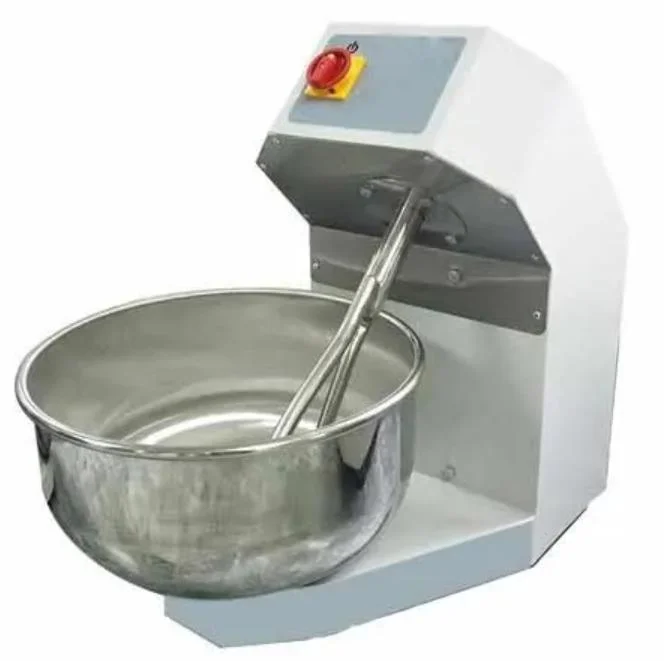
- Includes options such as removable bowls for easy cleaning and stainless-steel construction for durability.
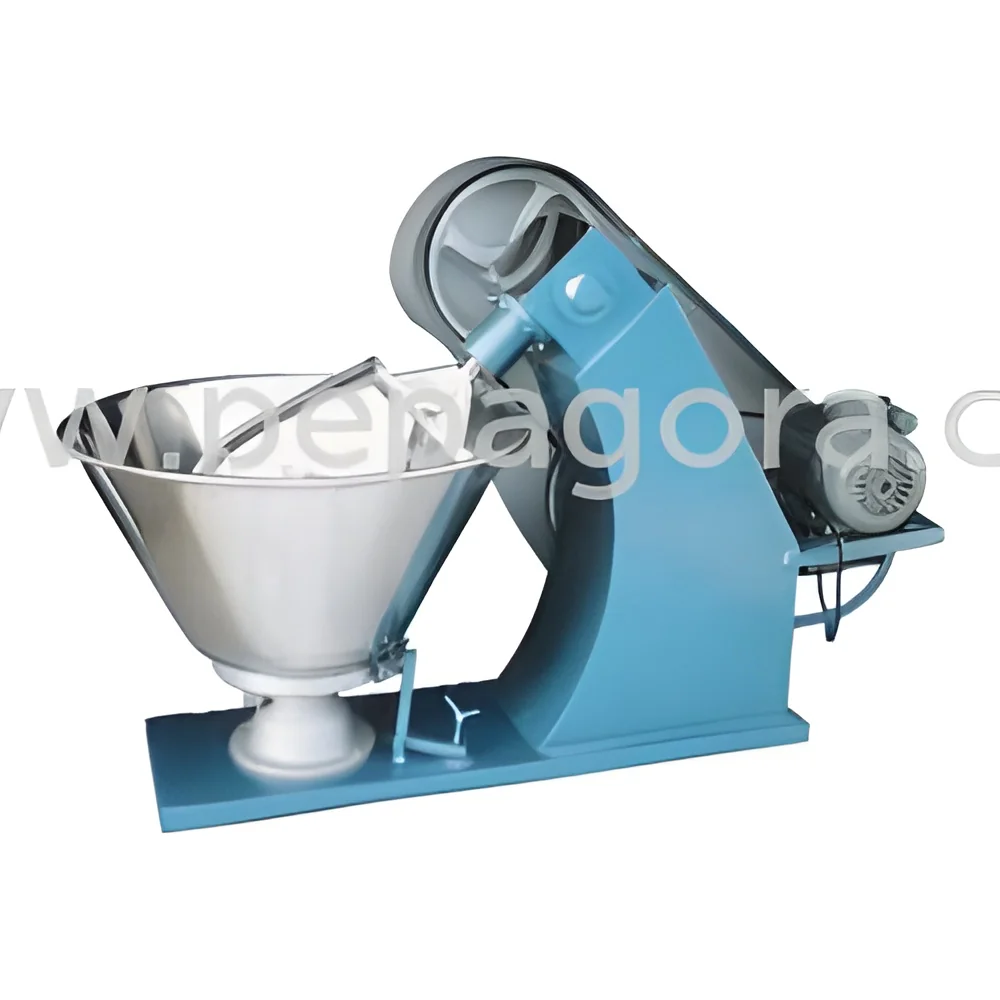
- Some models feature tilting bowls to facilitate easier loading and unloading of dough.
5. Control System
- May include manual dials or digital interfaces for precision control over mixing settings.
- Advanced models may offer programmable functions for automated mixing cycles.
6. Safety Features
- Essential for preventing accidents and ensuring safe operation.
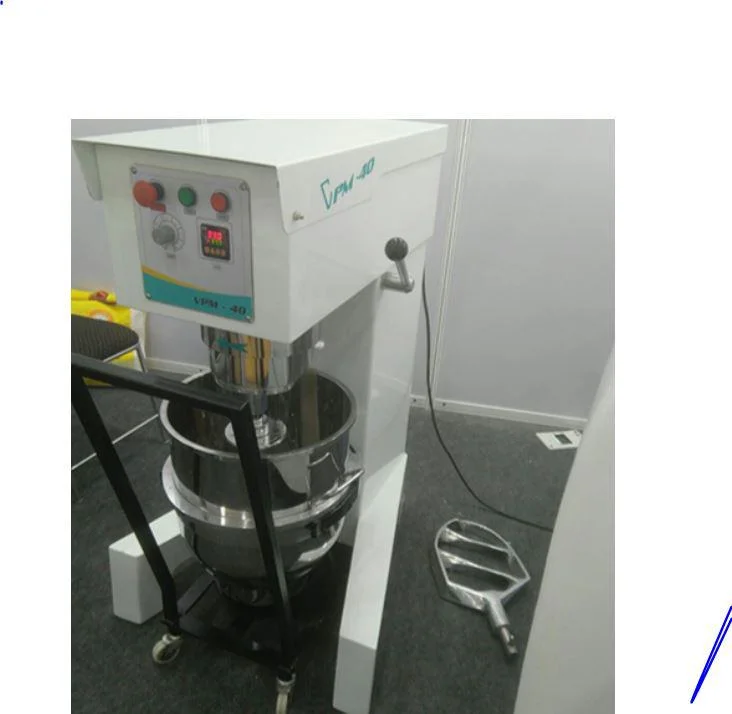
- Includes emergency stop buttons and protective covers.
7. Size and Footprint
- Refers to the overall dimensions of the machine.
- Important for ensuring compatibility with available workspace in commercial kitchens.
In summary, these specifications help buyers select the right dough kneaders and mixers based on their production needs and facility constraints.
Common Applications and Use Cases
Dough kneaders and mixers are versatile machines with applications across various industries.
1. Bakery Industry: These machines are vital for mixing dough for bread, pastries, and cakes, ensuring uniform consistency and texture.
2. Pizza Shops: They are used to prepare pizza dough, which requires a specific blend of ingredients and kneading to achieve the desired elasticity.
3. Food Processing: Many food manufacturers utilize dough mixers in the production of snacks and processed foods, where dough is a fundamental component.
4. Confectionery: In candy and dessert production, dough mixers help create various confections that require precise mixing.
5. Restaurants: Many establishments employ these mixers for in-house baking, allowing them to offer fresh products to their customers.
6. Catering Services: Caterers use dough kneaders to prepare large batches of dough for events, ensuring quality and consistency in their offerings.
7. Ethnic Cuisine: Specific types of dough, such as those used in dumplings or flatbreads, benefit from specialized kneading and mixing processes.
Product Variants and Subcategories
Dough kneaders and mixers come in various types to cater to different needs and applications within the food industry.
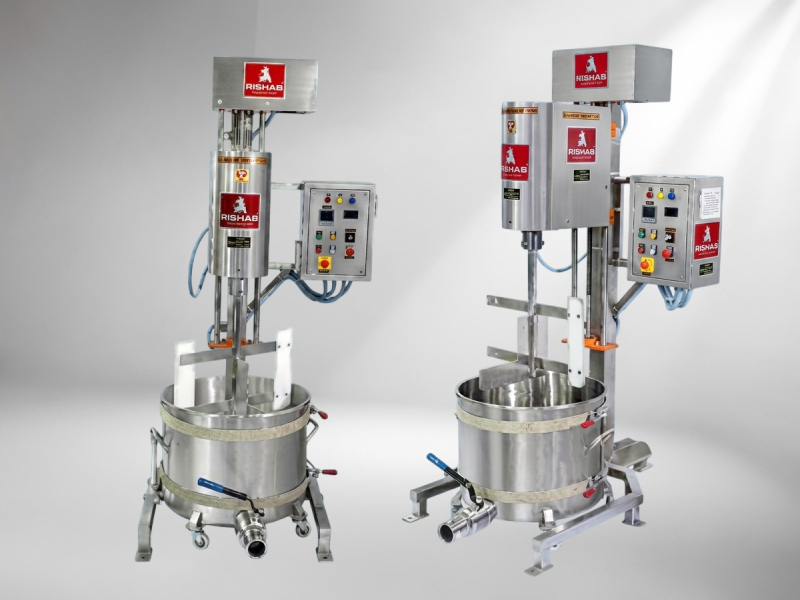
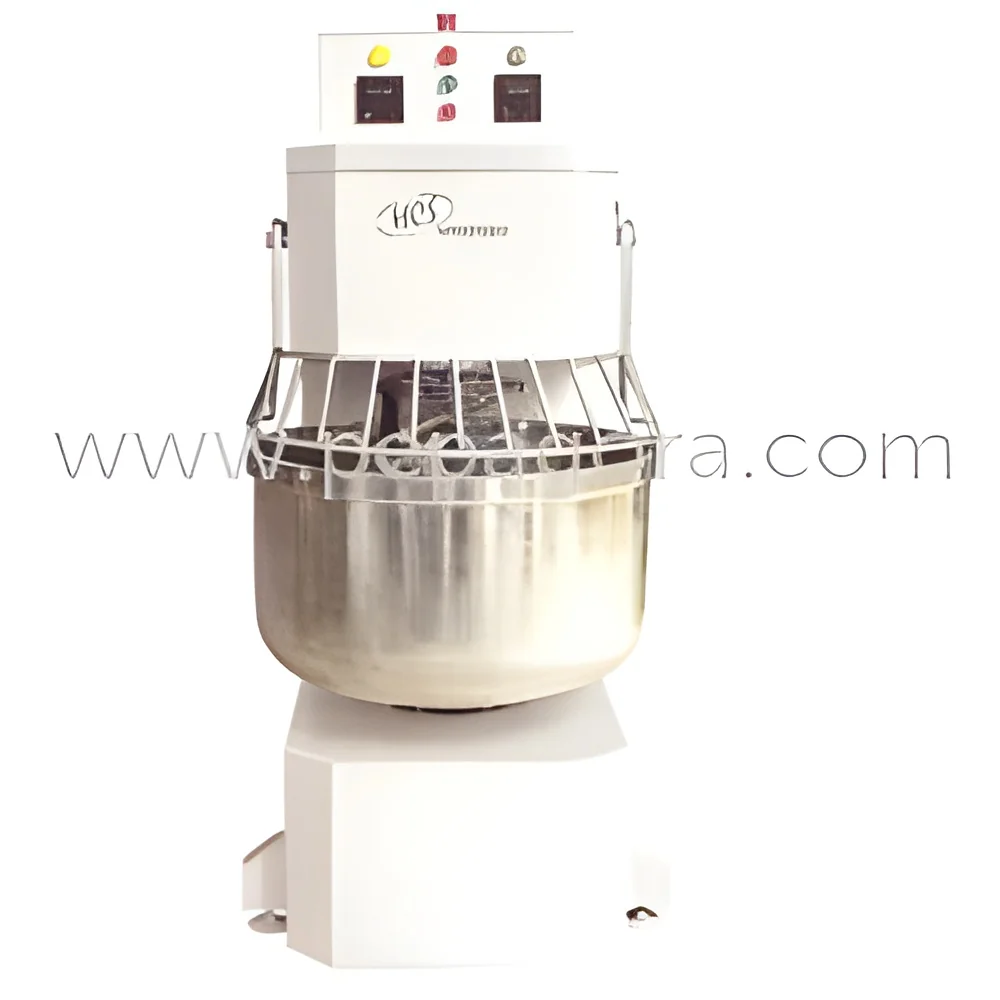
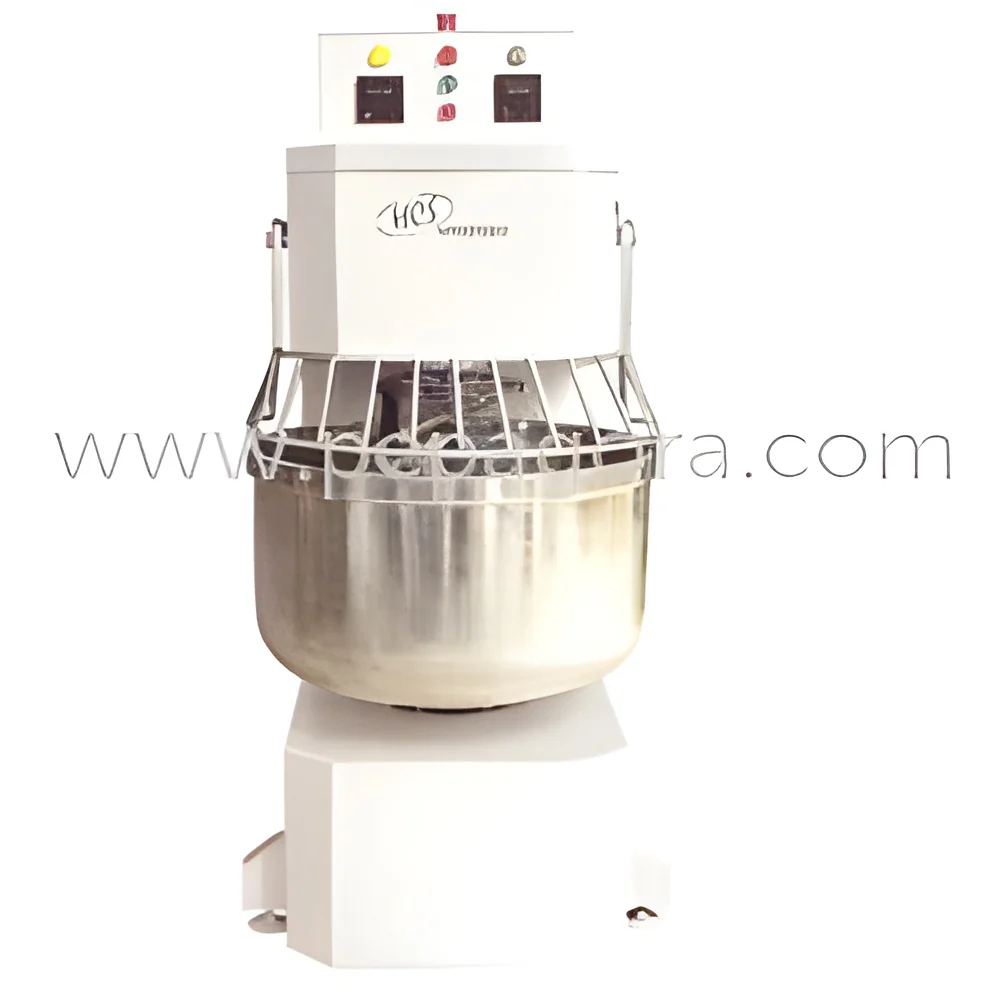
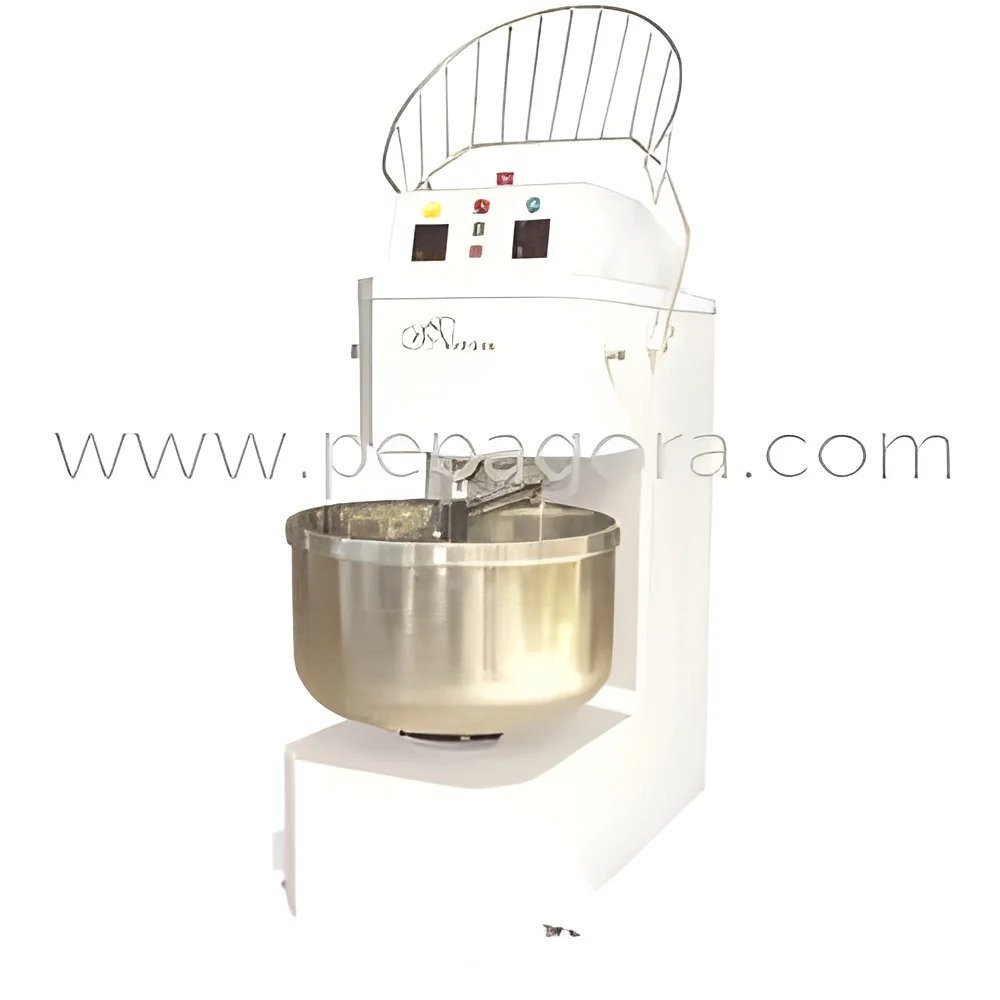
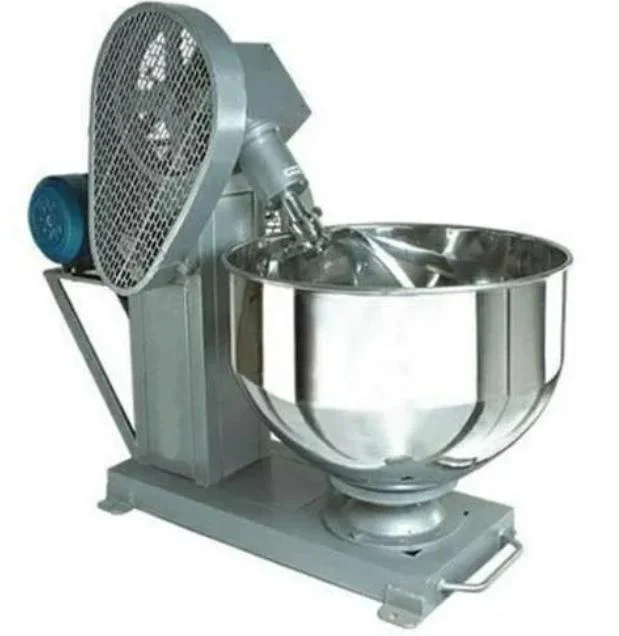
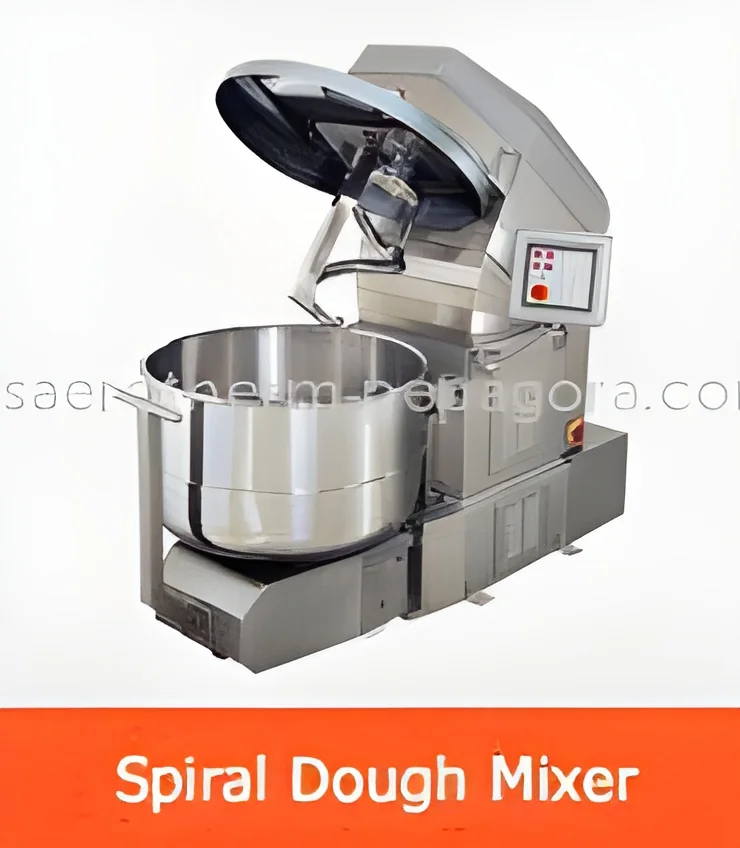
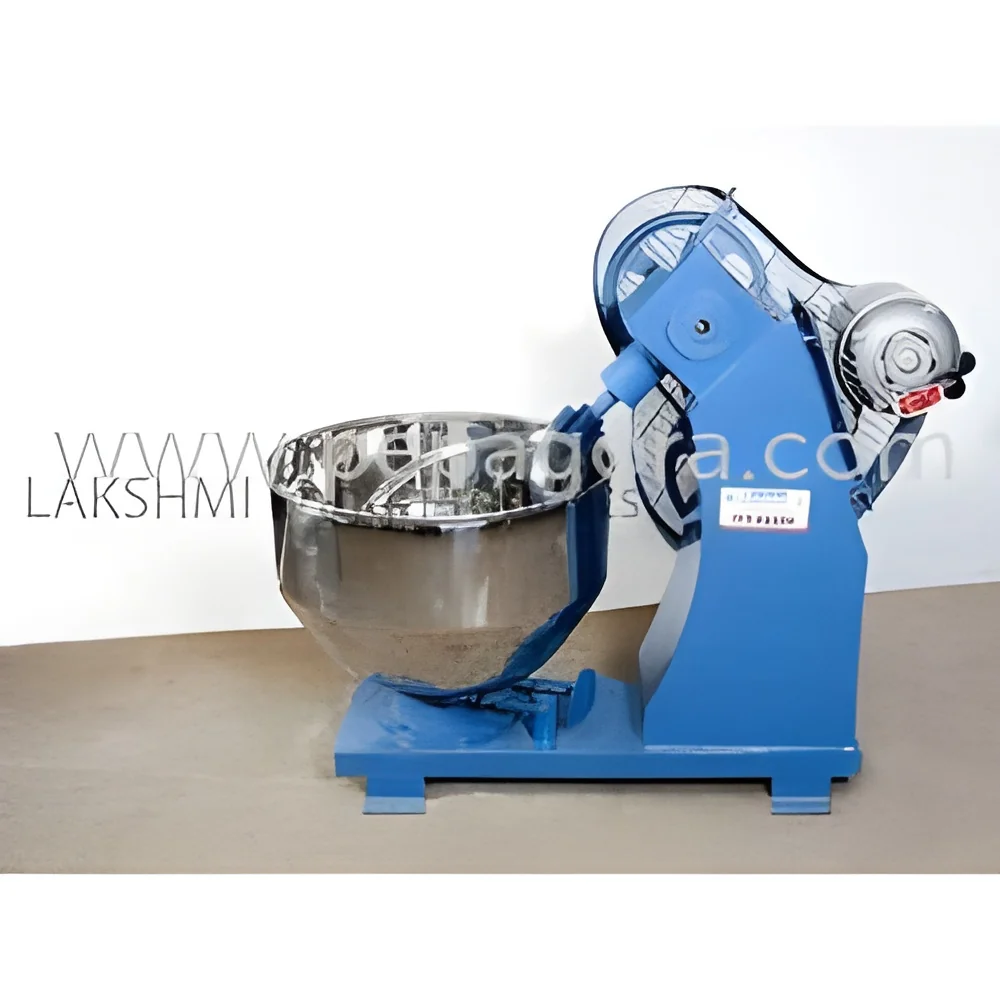
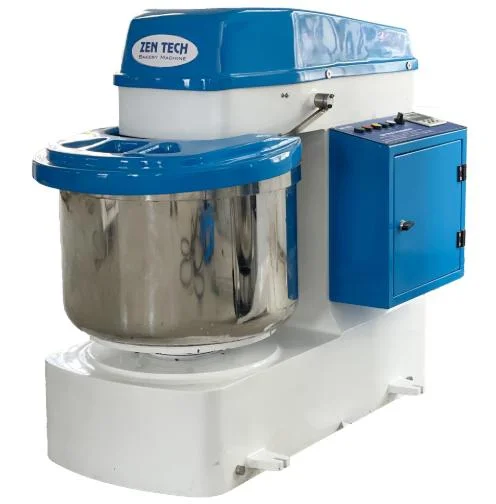
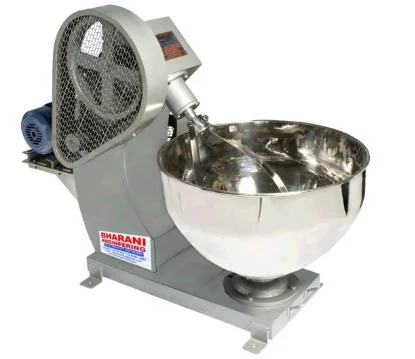
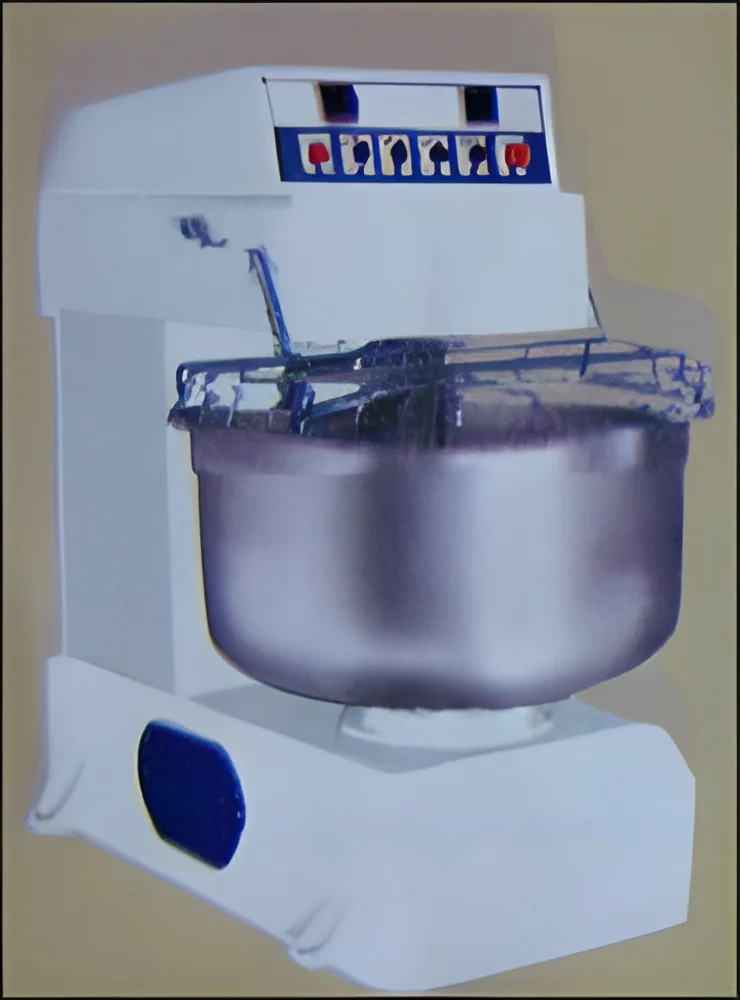
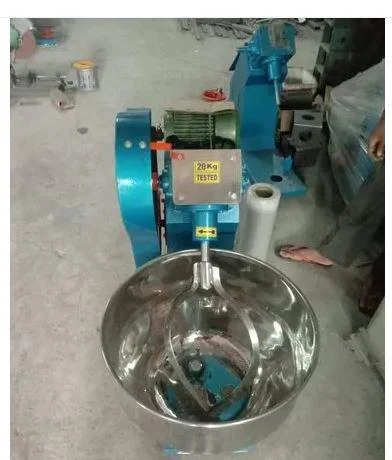
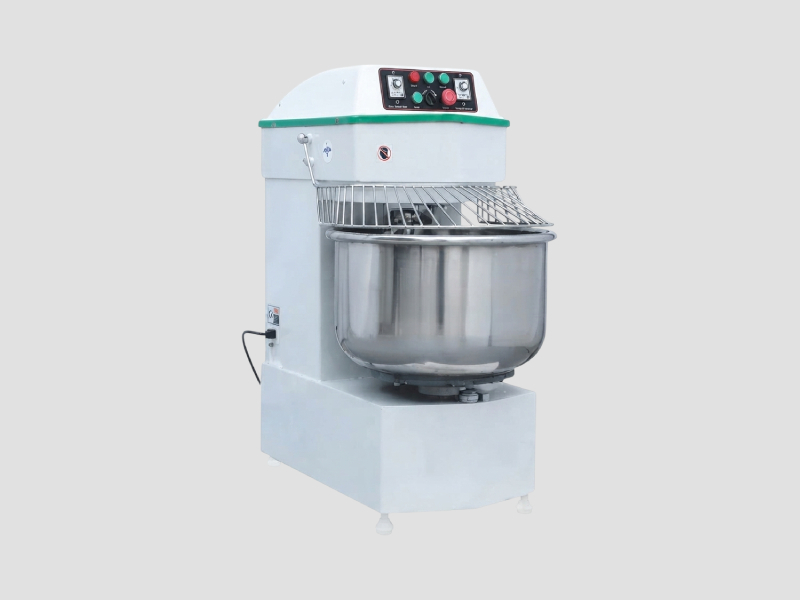
Spiral Mixers: These machines feature a unique spiral mixing action that allows for efficient kneading of heavy dough. They are commonly used in large-scale bakeries for bread and pizza dough.
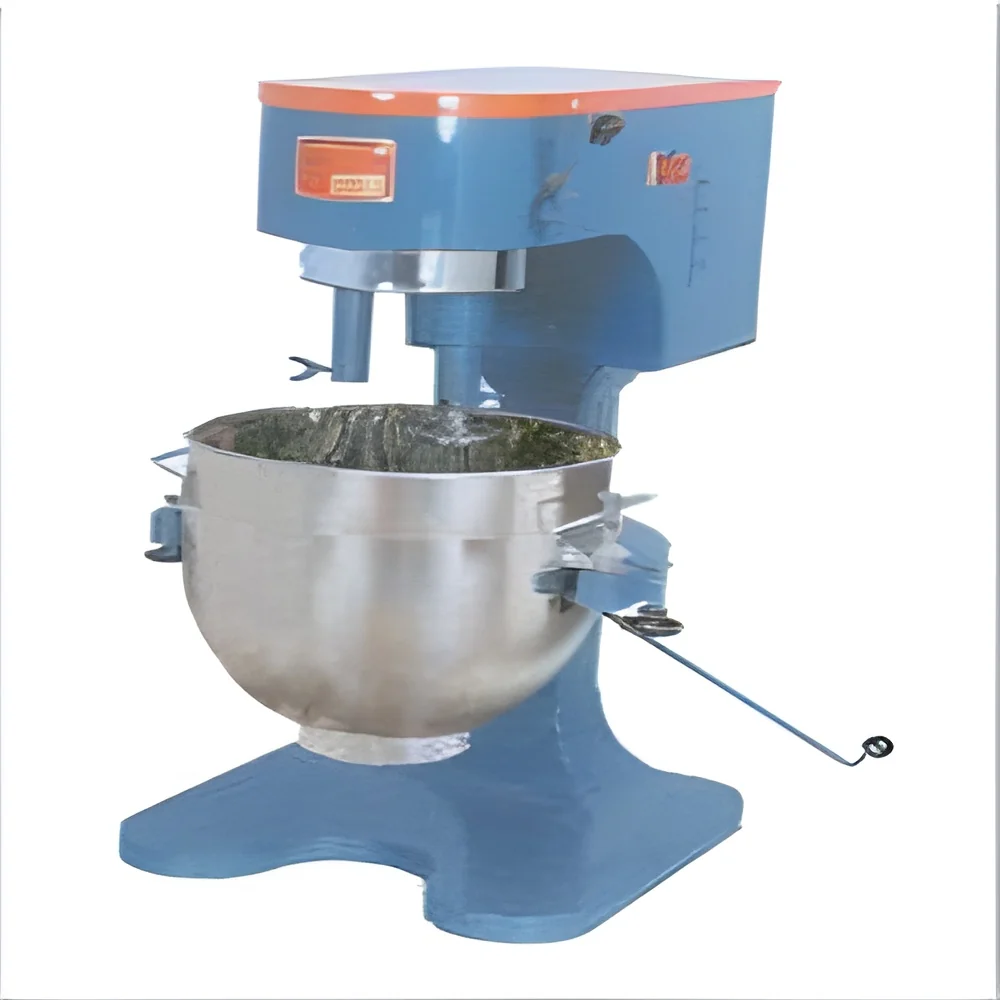
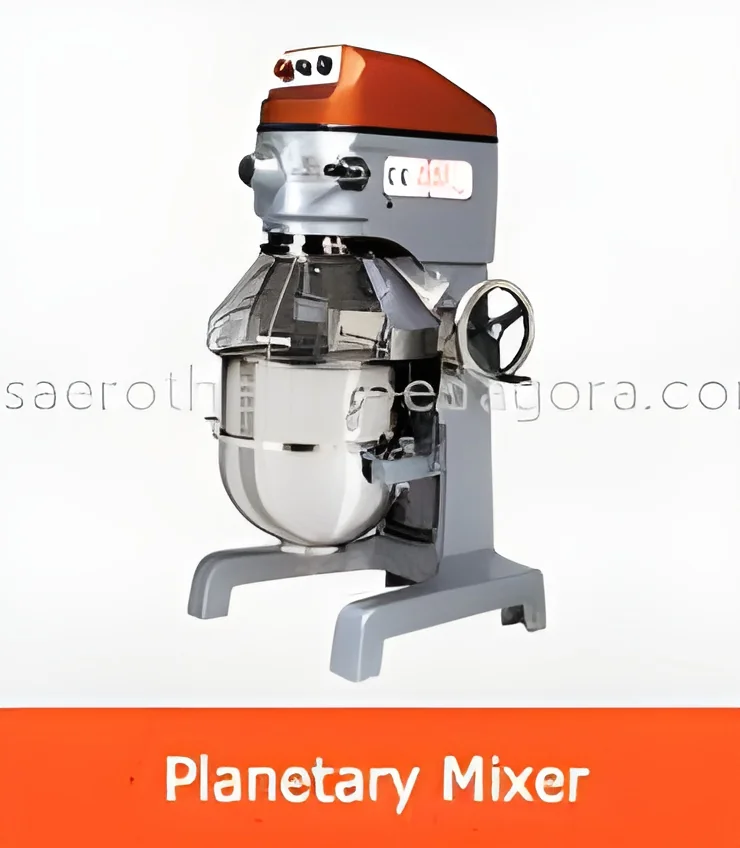
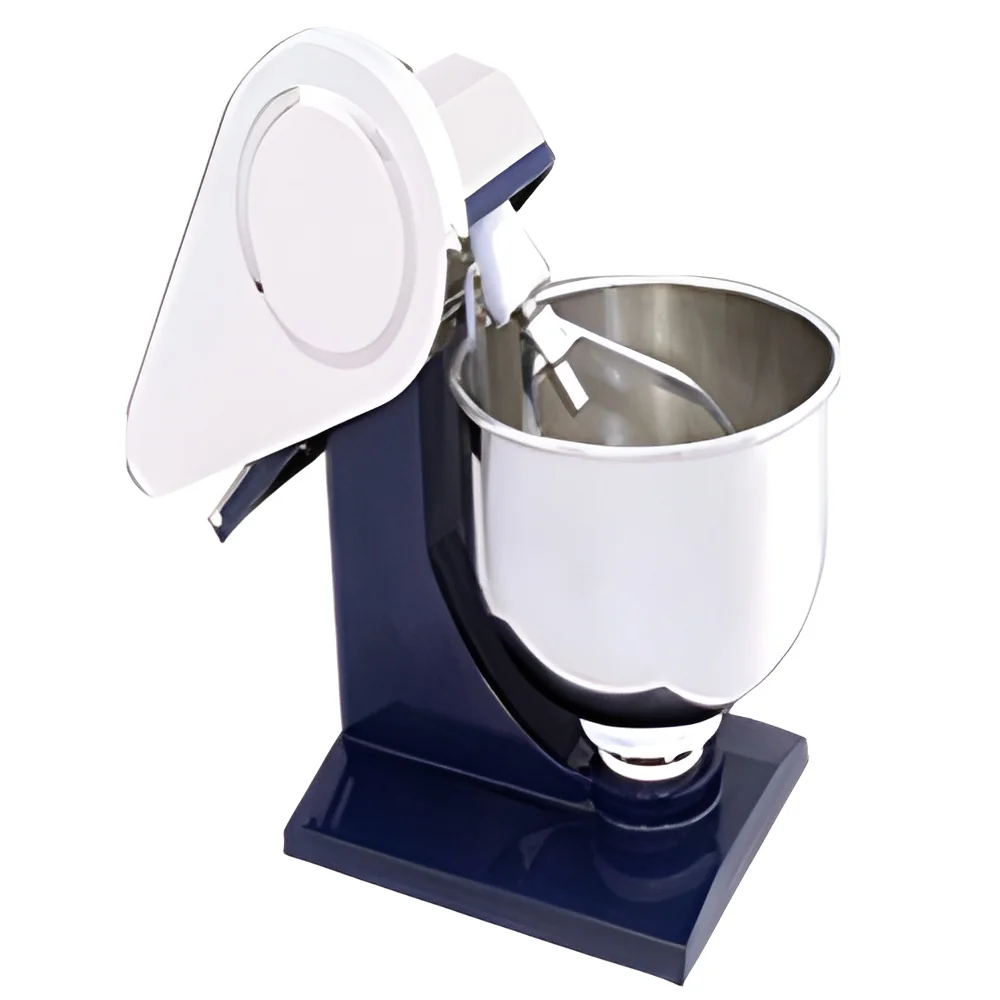
Planetary Mixers: Equipped with a rotating bowl, these mixers can produce a wide variety of dough types. They are versatile and suitable for bakeries that make cakes, pastries, and other baked goods.
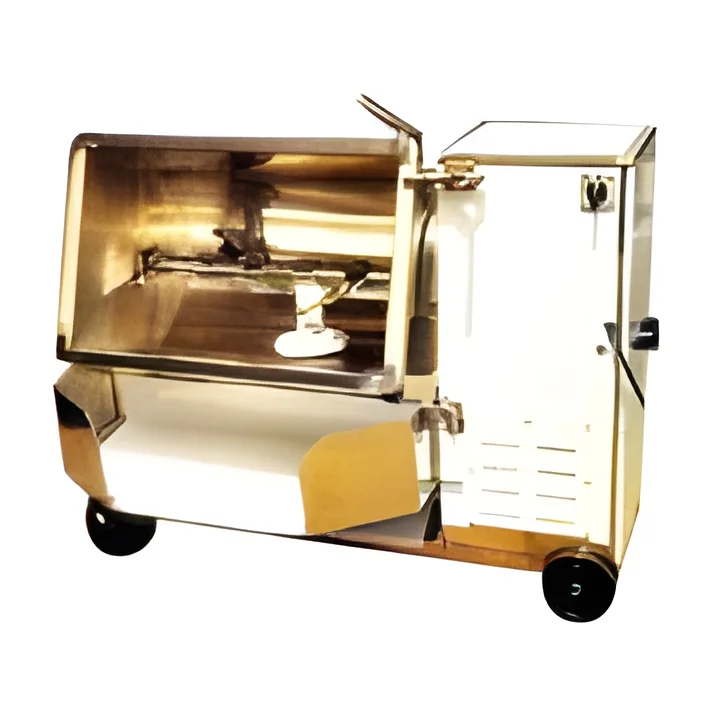
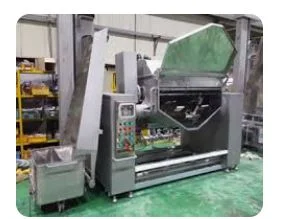
Horizontal Mixers: Ideal for larger batches, horizontal mixers allow for thorough mixing and are commonly used in commercial food production settings.
Benefits and Advantages
Dough kneaders and mixers offer numerous benefits to businesses in the food industry.
Key benefits include:
1. Consistency: These machines ensure that each batch of dough is mixed uniformly, leading to consistent quality in baked products.
2. Efficiency: Automating the mixing process reduces labor costs and saves time, allowing businesses to scale production.
3. Versatility: With adjustable settings, these machines can handle various dough types, making them suitable for diverse baking applications.
4. Improved Quality: By achieving the right texture and elasticity, these machines enhance the quality of the final baked goods.
5. Labor Savings: Reducing the need for manual kneading enables staff to focus on other important tasks in the kitchen.
6. Safety Features: Advanced models come equipped with safety mechanisms that protect operators during use.
Buying Guide for B2B Buyers
When sourcing dough kneaders and mixers, several factors should be considered to ensure the right purchase.
1. Quality Assessment: Evaluate the build quality and materials used in the construction of the mixer. Look for machines that comply with industry standards to ensure durability.
2. Supplier Verification: Vet potential suppliers by checking their credentials, reputation, and customer reviews. Ensure they have a track record of reliability and quality service.
3. Pricing and MOQ: Consider the overall cost of the equipment, including any additional features. Be mindful of minimum order quantities, especially if purchasing multiple units.
4. Delivery and Lead Times: Discuss logistics with suppliers to understand delivery schedules and lead times, which can impact production planning.
5. Compliance Requirements: Ensure that the mixers comply with relevant food safety and industry regulations, including certifications like CE, which indicates conformity with health and safety standards.
Compliance and Certifications
Dough kneaders and mixers must adhere to various quality standards and certifications to ensure they are safe and effective for commercial use.
ISO 9001 is a widely recognized standard that focuses on quality management systems and ensures that manufacturers consistently provide products that meet customer and regulatory requirements.
HACCP (Hazard Analysis Critical Control Point) is essential in the food industry, as it ensures that food safety is maintained throughout the production process.
CE certification indicates that a product complies with European health, safety, and environmental protection standards, making it essential for manufacturers looking to sell in European markets.
Safety and testing requirements should also be considered, as they ensure the machines operate safely and effectively. Regular testing can help maintain compliance with regional regulations.
Regional compliance considerations may vary based on geographical location, so businesses must be aware of specific requirements in their operating regions.
Why Source Dough Kneaders & Mixers from Pepagora?
Pepagora provides a trusted platform for sourcing dough kneaders and mixers, offering several key advantages to buyers.
Verified Supplier Network: Pepagora partners with reputable suppliers, ensuring that buyers have access to high-quality products and services. This network allows buyers to make informed decisions based on supplier credibility.
Streamlined RFQ Process: The request for quotation (RFQ) system simplifies the buying process. Buyers can easily compare offers from multiple suppliers, ensuring competitive pricing and suitable options.
Trade Assurance and Support: Pepagora offers buyer protection through trade assurance, giving customers peace of mind during transactions. Support services are available to address any concerns or inquiries throughout the buying process.
Regional Coverage: With a focus on India, the GCC, and Southeast Asia, Pepagora connects buyers with suppliers in these regions, facilitating local sourcing and reducing logistical challenges.
In summary, Pepagora stands out as a reliable partner for businesses seeking dough kneaders and mixers, providing access to quality products and a supportive buying experience.


 India

 India


 India
 India
 India
 India
 India
 India
 India
 India
 India
 India
 India
 India
 India
 India

 India
 India

Frequently Asked Questions
What are Dough Kneaders & Mixers?
Dough Kneaders & Mixers are specialized kitchen appliances designed to mix and knead dough for various types of baked goods. They are essential for achieving the right consistency and texture in dough, allowing for a more efficient and uniform mixing process.
What are the different types of Dough Kneaders & Mixers?
There are several types of Dough Kneaders & Mixers, including planetary mixers, spiral mixers, and hand mixers. Each type serves different purposes, with planetary mixers being ideal for a variety of doughs and spiral mixers designed for heavy and thick doughs.
How do I choose the right Dough Kneaders & Mixers?
When selecting a Dough Kneader & Mixer, consider factors such as capacity, motor power, and the type of dough you will be working with. Additionally, assess the build quality and ease of cleaning to ensure the equipment meets your operational needs.
What are the standard specifications for Dough Kneaders & Mixers?
Standard specifications for Dough Kneaders & Mixers typically include motor power (measured in watts), bowl capacity (measured in liters), and speed settings. It is also important to check for safety features and warranty terms offered by the manufacturer.
What is the price range for Dough Kneaders & Mixers?
The price of Dough Kneaders & Mixers can vary widely depending on the brand, type, and specifications. Generally, prices can range from a few thousand rupees for basic models to several lakhs for heavy-duty commercial mixers.
What quality standards apply to Dough Kneaders & Mixers?
Dough Kneaders & Mixers should comply with relevant quality standards such as ISO certifications, which ensure safety and reliability. Additionally, manufacturers may adhere to specific food safety regulations to guarantee that their products are safe for commercial use.
Where can I find Dough Kneaders & Mixers suppliers in India?
Dough Kneaders & Mixers suppliers in India can be found on B2B marketplaces like Pepagora, as well as through industry trade fairs and exhibitions. Online directories and manufacturer websites also provide information on reputable suppliers.
Can Dough Kneaders & Mixers be customized?
Yes, many manufacturers offer customization options for Dough Kneaders & Mixers to meet specific business needs. Customizations may include modifications in size, capacity, or additional features, depending on the supplier's capabilities.
What is the typical minimum order quantity for Dough Kneaders & Mixers?
The typical minimum order quantity (MOQ) for Dough Kneaders & Mixers can vary by supplier and product type. Generally, MOQs can range from one unit for small businesses to larger quantities for bulk purchases in commercial settings.
What is the typical lead time for Dough Kneaders & Mixers?
The lead time for Dough Kneaders & Mixers can vary based on the supplier and the complexity of the order. Generally, lead times can range from a few days for readily available models to several weeks for customized or bulk orders.
Why Businesses Trust Pepagora
Thousands of companies trust Pepagora to source smarter and sell faster
Expand Your Sales Globally

Source Smarter,Grow Faster
