IN
IN₹
Description
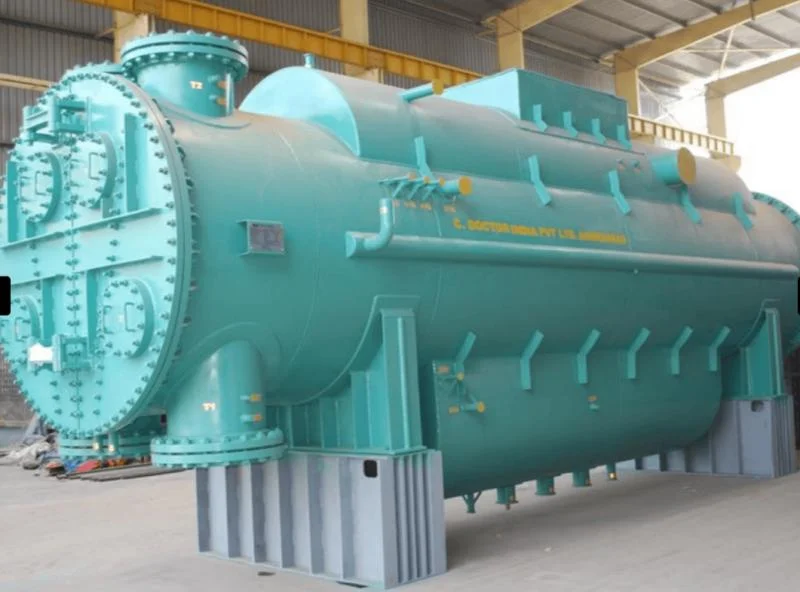
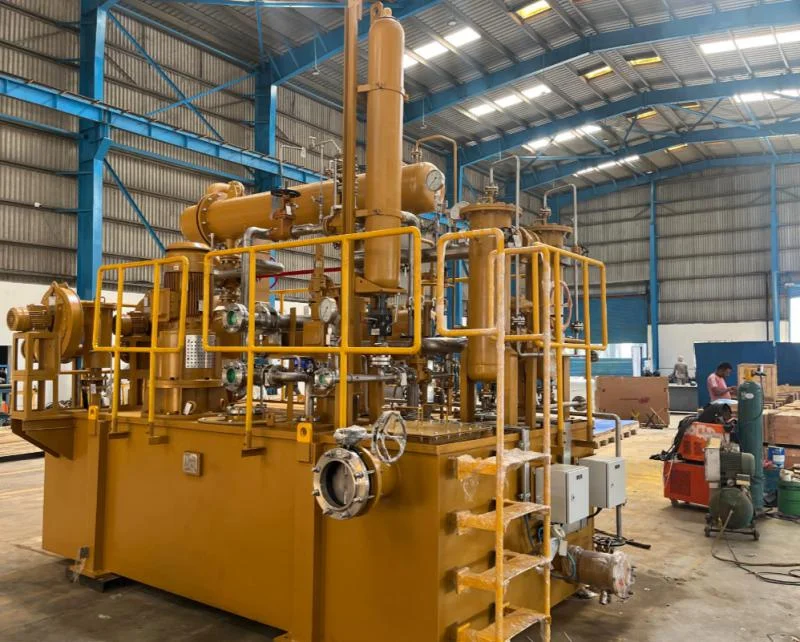
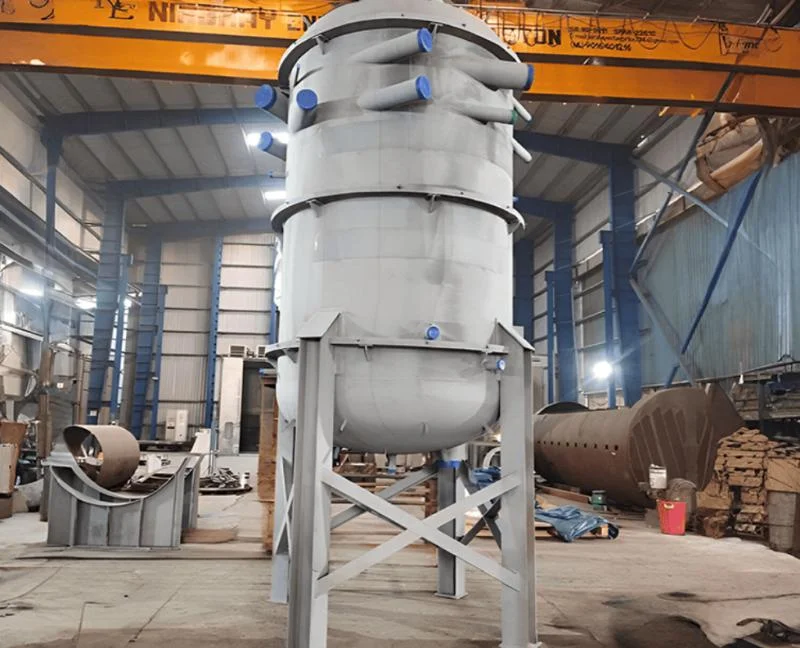
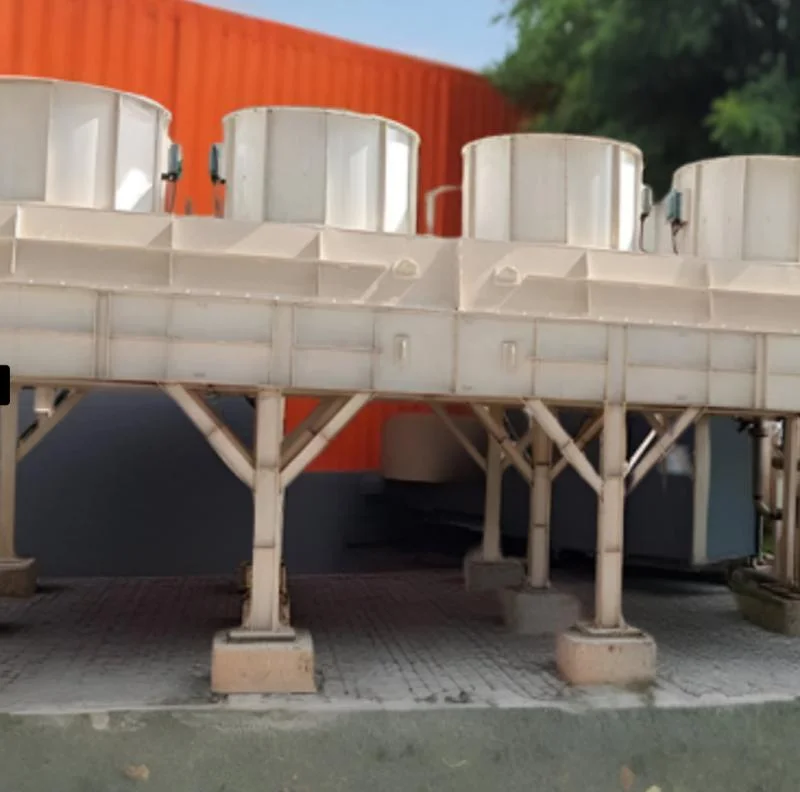
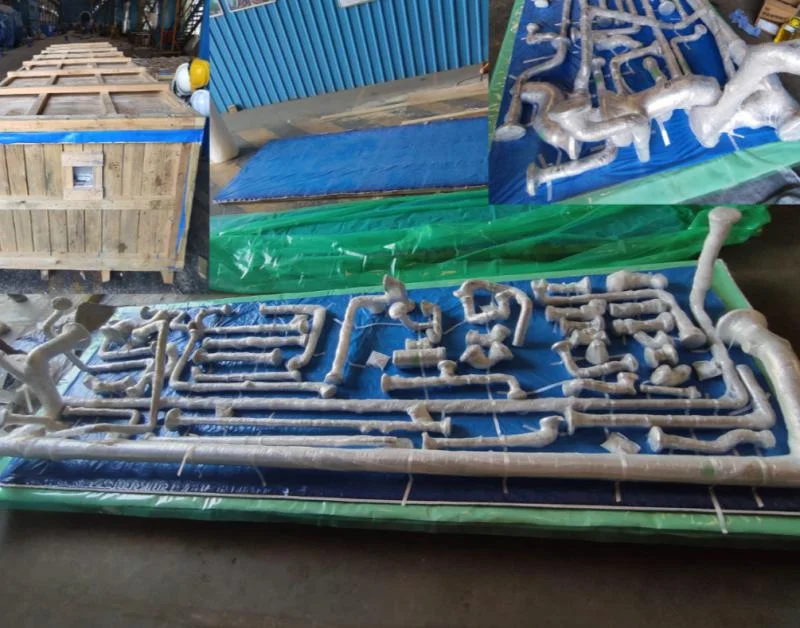
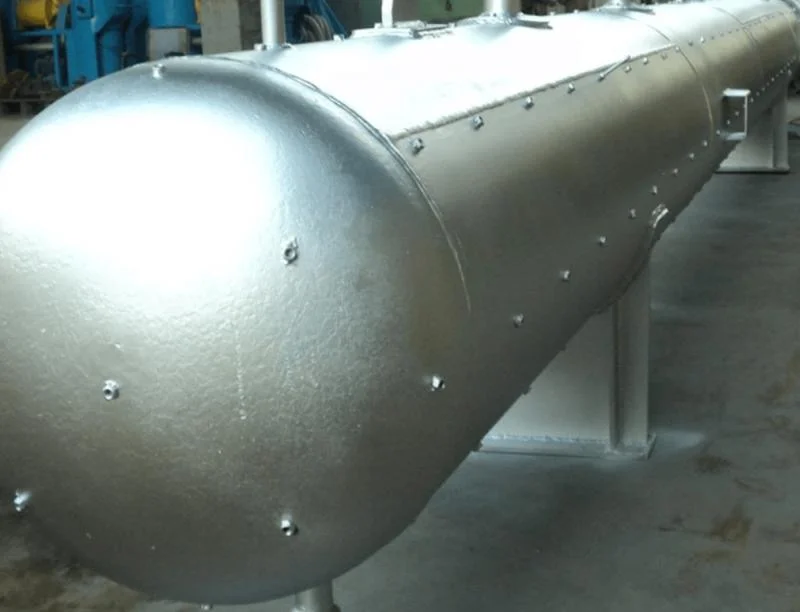
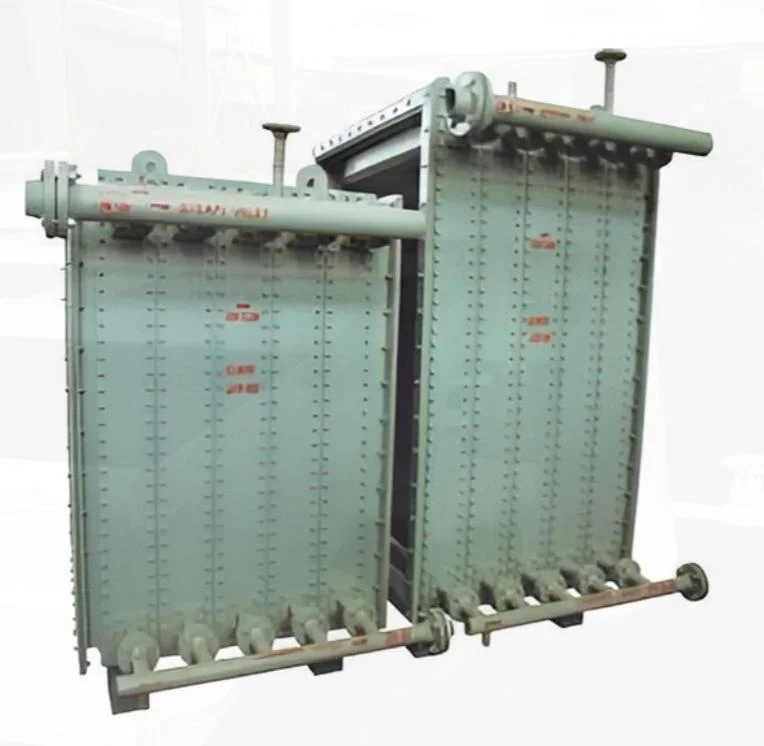
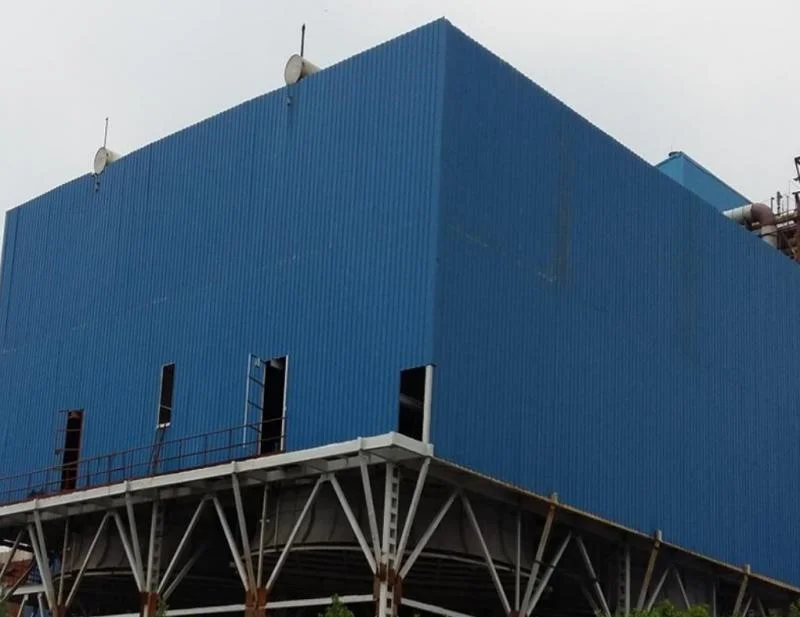
Our industrial air cooled condensers represent advanced heat rejection technology engineered for maximum efficiency and sustainability in demanding applications. These systems utilize ambient air to condense process vapors and steam, completely eliminating water consumption and associated treatment expenses. Designed with modularity and operational flexibility, each unit is configured to meet specific thermal requirements, space limitations, and environmental conditions. Built to rigorous international standards, they deliver exceptional reliability for critical processes where operational continuity is essential. The robust construction ensures extended service life even in challenging operating environments, providing a sustainable cooling solution that supports long-term operational goals and environmental responsibility.

These condensers serve vital roles across multiple heavy industries requiring dependable heat rejection. In power generation, they condense turbine exhaust steam ...
Our industrial air cooled condensers represent advanced heat rejection technology engineered for maximum efficiency and sustainability in demanding applications. These systems utilize ambient air to condense process vapors and steam, completely eliminating water consumption and associated treatment expenses. Designed with modularity and operational flexibility, each unit is configured to meet specific thermal requirements, space limitations, and environmental conditions. Built to rigorous international standards, they deliver exceptional reliability for critical processes where operational continuity is essential. The robust construction ensures extended service life even in challenging operating environments, providing a sustainable cooling solution that supports long-term operational goals and environmental responsibility.

These condensers serve vital roles across multiple heavy industries requiring dependable heat rejection. In power generation, they condense turbine exhaust steam in thermal, nuclear, and concentrated solar power facilities. The oil and gas industry depends on them for refinery operations and petrochemical processes, including hydrocarbon condensation and fractionation unit cooling. Chemical and fertilizer manufacturing plants utilize them for condensing ammonia, urea, and various process vapors. Steel and metallurgy operations employ them for furnace cooling and industrial process heat rejection. They also perform critical functions in pharmaceutical production and industrial manufacturing where reliable heat management is fundamental to continuous operation and process stability.

The operational value of our air cooled condensers extends well beyond initial capital investment. They substantially reduce operating costs by eliminating water consumption, chemical treatment expenses, and wastewater disposal requirements. Modular design facilitates phased expansion capabilities and simplified maintenance procedures, minimizing operational disruptions and extending equipment lifespan. System reliability ensures process continuity, protecting against production losses that can significantly impact operational economics. With engineering tailored to each specific application, they deliver optimized performance that maximizes energy efficiency while minimizing environmental impact. This combination of operational savings, reliability, and sustainability provides excellent return on investment while preparing operations for evolving water availability challenges and regulatory requirements.

Key Features:
- Custom-engineered configurations for specific thermal requirements and site conditions
- Water-free operation with zero water consumption and no wastewater discharge
- Modular and space-efficient construction supporting flexible installation and future expansion
- Compliance with international standards for quality, safety, and performance requirements
- Durable construction utilizing corrosion-resistant materials for extended service life

Benefits:
- Significant operational cost reduction through eliminated water usage and treatment expenses
- Enhanced process reliability ensuring continuous operation and production protection
- Flexible modular design enabling straightforward maintenance and system expansion
- Long-term durability and consistent performance in challenging environmental conditions
- Sustainable operation supporting environmental compliance and resource conservation
Specifications
| Additional Information | |
|---|---|
| Country of Origin | 106 |
Application
Industrial air cooled condensers deliver critical heat rejection where water scarcity, environmental regulations, and process reliability are primary concerns. These robust systems eliminate water consumption entirely, reduce chemical treatment requirements, and offer operational flexibility in remote or water-restricted locations. Their sustainable design makes them ideal for modern industrial cooling applications requiring consistent performance and environmental compliance.
These heavy-duty condensers serve demanding applications across power generation, oil and gas refining, chemical processing, and manufacturing sectors. Modular construction enables scalability and straightforward integration into existing facilities, while rugged engineering ensures dependable operation under extreme conditions ranging from desert heat to coastal corrosion environments. The design prioritizes long-term reliability and minimal maintenance requirements for continuous industrial operations.
- Condensing turbine exhaust steam in thermal and concentrated solar power plants for efficient electricity generation
- Cooling and condensing process vapors and hydrocarbons in refinery and petrochemical operations
- Handling condensation requirements in fertilizer plants for ammonia and urea production processes
- Providing reliable cooling for furnace systems and continuous casting equipment in steel manufacturing
- Rejecting heat from industrial processes including plastics manufacturing and food processing facilities
Trade Details
| Available Stock | In Stock |
| Sample Availability | No |
Payment Terms
| Payment Terms |
|
Company Profile
C. DOCTOR COMPANY PVT. LTD., Bihar
 Bihar, India
Bihar, IndiaIndustrial Equipment & Machinery•Manufacturer
Factory Details
Factory SizeBelow 1000 sqm
Annual Production Capacity0
Industrial Air Cooled Condensers For Power Plants And Refineries
Industrial air cooled condensers provide reliable water-saving heat rejection for power plants and refineries. These custom-engineered systems feature modular designs ensuring compliance, efficiency and sustainable operation in demanding industrial environments.
Min. Order Quantity: 1 unit
Shipping
Shipping fee and delivery date to be negotiated. Contact supplier now for more details.
C. DOCTOR COMPANY PVT. LTD.
 Bihar, India
Bihar, IndiaIndustrial Equipment & MachineryManufacturer