𝗪𝗵𝗮𝘁 𝗮𝗿𝗲 𝗖𝗵𝗼𝗰𝗼𝗹𝗮𝘁𝗲 𝗠𝗮𝗸𝗶𝗻𝗴 𝗠𝗮𝗰𝗵𝗶𝗻𝗲𝘀?
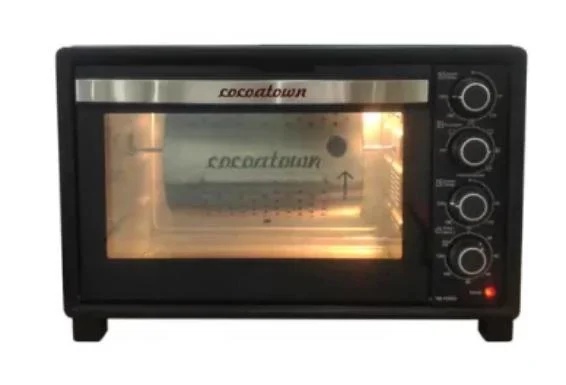
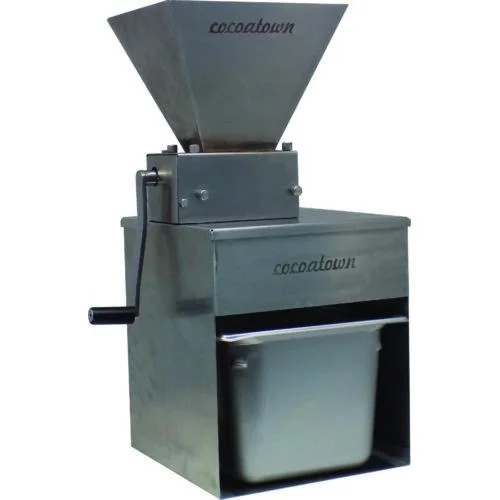
Chocolate making machines are specialized equipment designed to process raw chocolate ingredients into finished products. These machines play a crucial role in the chocolate production process, encompassing various stages such as mixing, refining, conching, and tempering. By automating these processes, chocolate making machines enhance efficiency, consistency, and quality in chocolate production.
The primary uses of chocolate making machines are found in commercial chocolate production facilities, artisan chocolate shops, and confectionery businesses. They enable manufacturers to create a wide range of chocolate products, from bars and truffles to coatings and fillings. Given the growing demand for chocolate products worldwide, these machines are critical to meeting production needs while maintaining high quality and taste standards.
In the context of the chocolate industry, the market for chocolate making machines is expanding due to rising consumer preferences for premium and artisanal chocolates. Companies are investing in advanced machinery to improve production capabilities and respond to market trends. The integration of technology in chocolate making is also driving innovation, further solidifying the relevance of these machines in the industry.
𝗞𝗲𝘆 𝗙𝗲𝗮𝘁𝘂𝗿𝗲𝘀 𝗮𝗻𝗱 𝗦𝗽𝗲𝗰𝗶𝗳𝗶𝗰𝗮𝘁𝗶𝗼𝗻𝘀
Chocolate making machines come equipped with a variety of features that enhance their functionality and efficiency. When considering these machines, it is essential to understand their key specifications to ensure they meet production needs.
Key specifications include:
1. Capacity
- The production capacity of the machine, typically measured in kilograms per hour.
- Ranges may vary based on the machine type and model.
2. Power Consumption
- The amount of electricity the machine consumes during operation.
- This is usually specified in kilowatts.
3. Temperature Control
- The ability to accurately regulate temperature during chocolate processing.
- Essential for processes like tempering and conching.
4. Material Construction
- The type of materials used in machine construction, often stainless steel for durability and hygiene.
- Resistance to corrosion and ease of cleaning are important factors.
5. Automation Level
- The degree of automation, ranging from manual operation to fully automated systems.
- More automation can lead to higher efficiency and reduced labor costs.
6. User Interface
- The design and functionality of the control panel.
- User-friendly interfaces can enhance operational efficiency.
7. Maintenance Requirements
- The ease of maintenance and servicing needed for optimal performance.
- Machines designed for easy access can reduce downtime.
8. Safety Features
- Built-in safety mechanisms to protect operators during use.
- Compliance with safety standards is crucial for industrial usage.
In summary, selecting the right chocolate making machine involves understanding these specifications to match production requirements effectively.
𝗖𝗼𝗺𝗺𝗼𝗻 𝗔𝗽𝗽𝗹𝗶𝗰𝗮𝘁𝗶𝗼𝗻𝘀 𝗮𝗻𝗱 𝗨𝘀𝗲 𝗖𝗮𝘀𝗲𝘀
Chocolate making machines are versatile tools that serve various industries and applications.
1. Confectionery Industry: These machines are essential for producing a variety of chocolate products, including bars, pralines, and filled chocolate. They enable manufacturers to create unique flavors and textures.
2. Bakery Sector: Chocolate making machines are used in bakeries to create chocolate coatings, fillings, and toppings for cakes, pastries, and other baked goods.
3. Food Processing: Many food manufacturers use chocolate making machines to produce chocolate-flavored snacks and desserts, enhancing product offerings and customer appeal.
4. Gift and Specialty Shops: Artisan chocolatiers employ these machines to craft handmade chocolates and custom confections, catering to niche markets and special occasions.
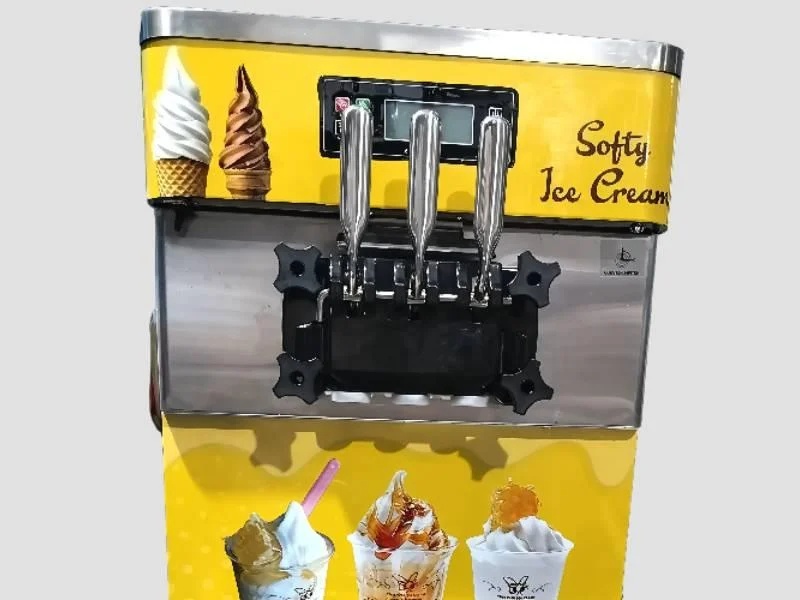
5. Ice Cream Production: Chocolate making machines are also utilized in the production of chocolate ice cream and toppings, adding value to frozen dessert offerings.
6. Nutraceuticals: Some manufacturers incorporate chocolate into health supplements, using these machines to create functional chocolate products.
7. Catering and Events: Chocolate making machines are used in catering businesses to create custom chocolates for events, enhancing the overall experience for clients.
𝗣𝗿𝗼𝗱𝘂𝗰𝘁 𝗩𝗮𝗿𝗶𝗮𝗻𝘁𝘀 𝗮𝗻𝗱 𝗦𝘂𝗯𝗰𝗮𝘁𝗲𝗴𝗼𝗿𝗶𝗲𝘀
Chocolate making machines come in various types and models, each tailored to specific production needs.
Batch Chocolate Machines: These machines are designed for smaller production runs, ideal for artisan chocolatiers. They allow for flexibility in recipes and customization, catering to unique market demands.
Continuous Chocolate Machines: Suitable for large-scale production, these machines operate continuously, providing higher output and efficiency. They are commonly used in mass production facilities.
Melting and Tempering Machines: These specialized machines focus on melting chocolate and maintaining the correct temper, which is crucial for achieving the desired texture and shine in finished products.
Refiners and Conching Machines: These machines streamline the refining and conching processes, enhancing the smoothness and flavor of chocolate by reducing particle size and improving aeration.
𝗕𝗲𝗻𝗲𝗳𝗶𝘁𝘀 𝗮𝗻𝗱 𝗔𝗱𝘃𝗮𝗻𝘁𝗮𝗴𝗲𝘀
Investing in chocolate making machines offers several key benefits for businesses.
1. Enhanced Efficiency: Automated processes reduce manual labor and increase production speed, allowing businesses to meet rising demand.
2. Consistent Quality: Advanced technology ensures uniformity in chocolate products, maintaining high quality standards across batches.
3. Customization: Chocolate making machines allow for the creation of unique recipes and products, catering to diverse consumer preferences.
4. Cost Savings: By optimizing production processes, businesses can reduce waste and lower operational costs over time.
5. Improved Safety: Modern machines often come with safety features that protect operators and ensure compliance with industry regulations.
6. Scalability: Chocolate making machines can accommodate varying production scales, making it easier for businesses to grow and adapt to market changes.
𝗕𝘂𝘆𝗶𝗻𝗴 𝗚𝘂𝗶𝗱𝗲 𝗳𝗼𝗿 𝗕𝟮𝗕 𝗕𝘂𝘆𝗲𝗿𝘀
When sourcing chocolate making machines, it is essential for B2B buyers to consider several critical factors to ensure a successful investment.
1. Quality Assessment: Buyers should evaluate the build quality and materials used in the machines. Look for equipment that meets industry standards and has a solid reputation for durability.
2. Supplier Verification: It is crucial to vet suppliers thoroughly. Check for certifications, customer reviews, and track records to ensure reliability and support.
3. Pricing and MOQ: Understand the pricing structure and minimum order quantities (MOQ). Seek quotations from multiple suppliers to compare costs and find the best deal.
4. Delivery and Lead Times: Consider logistics when planning your purchase. Ensure that suppliers can meet your delivery timelines to avoid disruptions in production.
5. Compliance Requirements: Familiarize yourself with regulatory standards and certifications relevant to chocolate making machines. Compliance with health and safety regulations is essential for operational success.
𝗖𝗼𝗺𝗽𝗹𝗶𝗮𝗻𝗰𝗲 𝗮𝗻𝗱 𝗖𝗲𝗿𝘁𝗶𝗳𝗶𝗰𝗮𝘁𝗶𝗼𝗻𝘀
Compliance and certifications are critical aspects of chocolate making machines. Manufacturers must adhere to relevant quality standards to ensure product safety and reliability.
ISO 9001 is a widely recognized quality management standard that ensures consistent quality in manufacturing processes. Compliance with this standard signifies that the manufacturer follows established protocols for quality assurance.
HACCP (Hazard Analysis and Critical Control Points) is essential in food production. This certification ensures that chocolate making machines operate under stringent food safety guidelines, minimizing risks of contamination.
CE certification is another important requirement, indicating that the machines meet European safety and environmental standards. This certification is crucial for businesses looking to expand into international markets.
Safety testing requirements must also be met to protect operators and ensure the machines operate safely. Regular inspections and compliance with regional regulations are vital components of maintaining operational integrity.
𝗪𝗵𝘆 𝗦𝗼𝘂𝗿𝗰𝗲 𝗖𝗵𝗼𝗰𝗼𝗹𝗮𝘁𝗲 𝗠𝗮𝗸𝗶𝗻𝗴 𝗠𝗮𝗰𝗵𝗶𝗻𝗲𝘀 𝗳𝗿𝗼𝗺 𝗣𝗲𝗽𝗮𝗴𝗼𝗿𝗮?
Pepagora provides a trusted platform for sourcing chocolate making machines with several key advantages.
Verified Supplier Network: Pepagora hosts a robust network of verified suppliers, ensuring that buyers have access to high-quality machines from reputable manufacturers. This network helps mitigate risks associated with sourcing equipment.
Streamlined RFQ Process: The platform offers a user-friendly request for quotation (RFQ) process that simplifies the procurement journey. Buyers can easily request quotes from multiple suppliers, saving time and effort.
Trade Assurance and Support: Pepagora prioritizes buyer protection through trade assurance policies. This support provides peace of mind, allowing businesses to focus on production without worrying about supplier reliability.
Regional Coverage: With a strong presence in India, the GCC, and Southeast Asia, Pepagora offers extensive regional coverage, making it easier for businesses to connect with local suppliers and address their specific needs effectively.

 IN
IN
 India
India